

The African King Who Became The Richest Man In History
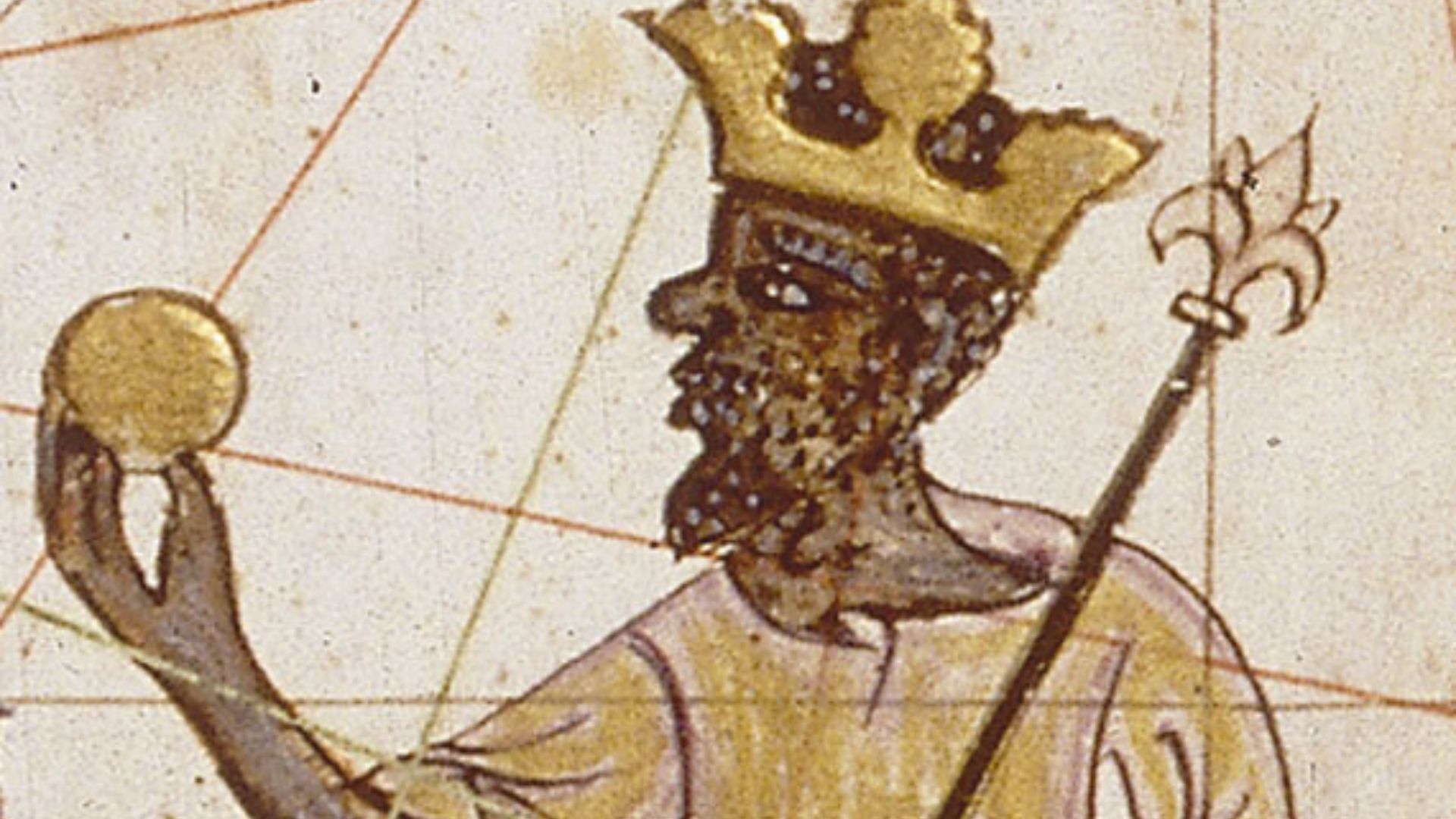
When thinking about the wealthiest people to ever walk the earth, names like Jeff Bezos or John D. Rockefeller usually spring to mind. However, historians generally agree that a 14th-century West African ruler named Mansa Musa actually takes the top spot on the all-time list. As the leader of the Mali Empire, he controlled a territory that was absolutely overflowing with two of the world's most valuable commodities at the time: gold and salt. His wealth was so vast and incomprehensible that modern economists struggle to put a specific dollar amount on it, often settling on "richer than anyone could describe."
Musa’s rise to power happened during a period when Europe was struggling through the Middle Ages, plagued by famine and civil unrest. While other nations were facing economic hardship, the Mali Empire was entering a golden age of expansion and cultural sophistication. His story isn't just about gold coins and luxury, but also about a strategic leader who knew how to put his nation on the map. He turned his kingdom into a center of learning and trade that eventually caught the attention of the entire medieval world. It’s a fascinating tale of power and prosperity that still captures imagination centuries later.
The Source and Scale of the Empire's Wealth
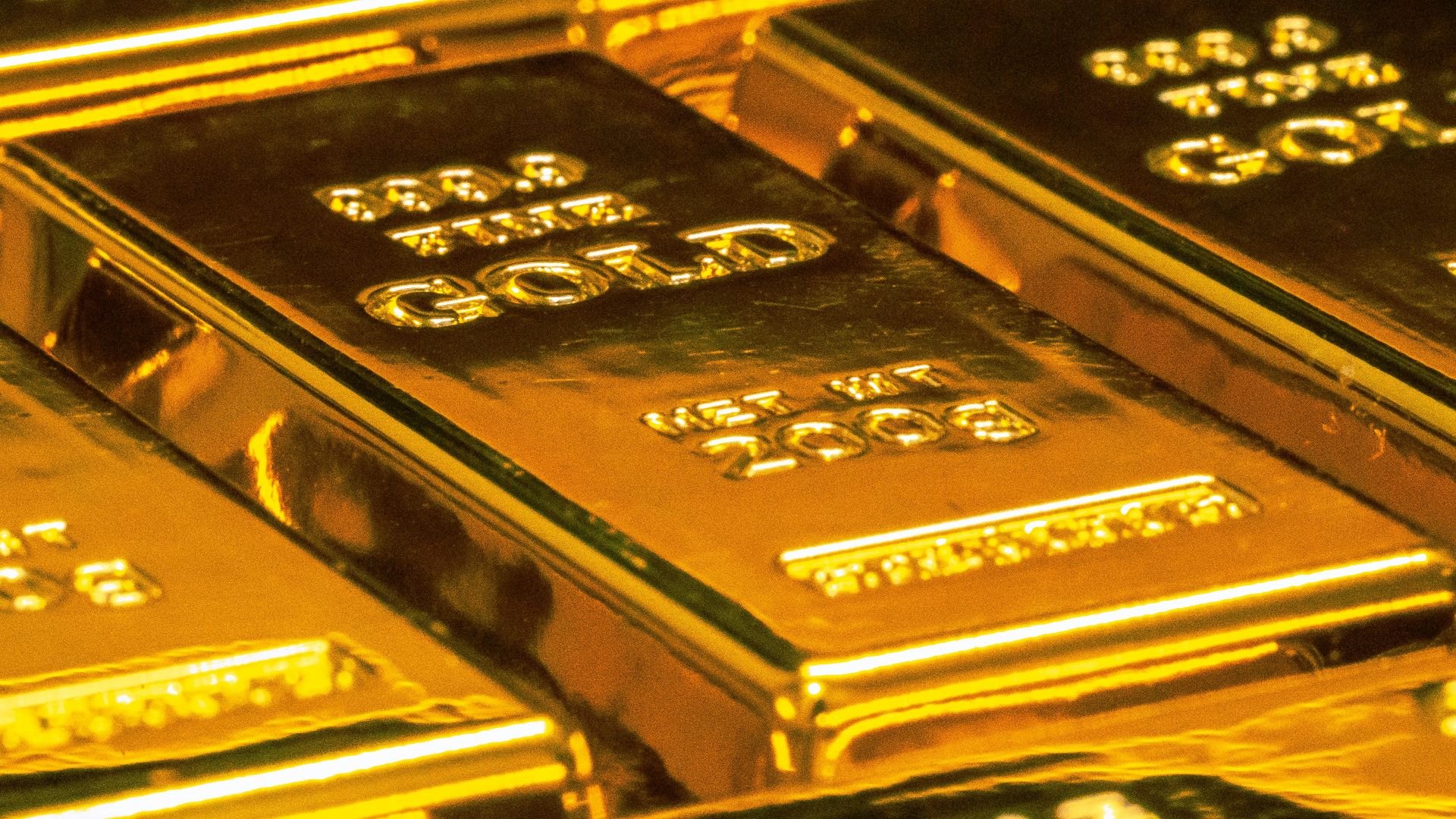
Mansa Musa's wealth was created by pure geographical circumstance. When he ascended to the throne in 1312 CE, Mali had already absorbed the remnants of the Ghana Empire and expanded to include large gold mines. It may not be widely realized, but Mali was producing close to 50% of all the gold in the world at its peak. All that gold bullion transported across the Sahara via Trans-Saharan trade routes eventually flowed into the king’s treasury, either through taxation or direct ownership.
Salt was just as important to Mali as gold. Salt prices were comparable to gold during parts of ancient history because salt was used to preserve food. Musa controlled the northern trade routes where salt was harvested. North African traders would then sell this salt to those who worked in the gold mines to the south. This gold-salt trade led to a complete economic cycle where goods and wealth perpetually flowed back to the Malian capital: Niani. With a near monopoly on both commodities, control over pricing of gold and salt was effectively established.
Historians estimate that his net worth would be somewhere in the neighborhood of $400 billion in today’s currency, though even that number feels like an understatement. Unlike modern billionaires whose wealth is tied up in stocks, Musa’s riches were tangible, consisting of literal tons of physical gold stored in palaces. It was not just wealth; it was the power to influence regional and global trade simply by determining how much gold was released into circulation. This level of financial influence was unprecedented and remains a unique case study in global economic history.
The Legendary Pilgrimage to Mecca
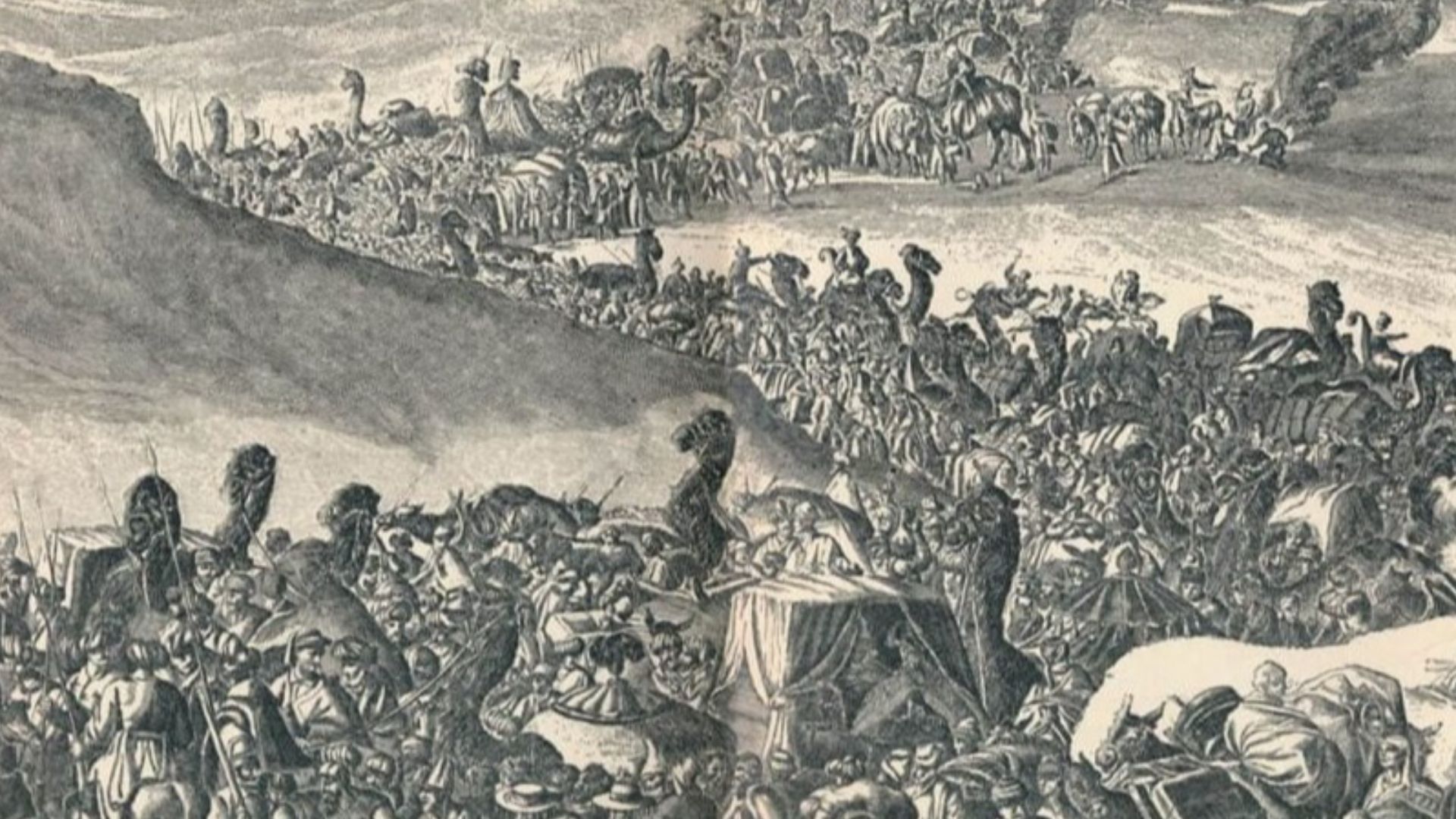
The pilgrimage of Musa to Mecca in 1324 is the first time the world gained a full picture of his wealth. Instead of bringing luggage, he brought a caravan that reportedly covered several miles. He traveled with 60,000 men, including thousands of soldiers, heralds dressed in fine silk robes, and large numbers of camels, each carrying hundreds of pounds of gold dust. The pilgrimage also served as a strategic diplomatic journey to introduce Mali's power to the Mediterranean world.
At each city the procession passed through, notably Cairo, Musa gave so much gold to the poor and spent so much in the bazaars that he triggered a decade-long devaluation of gold. In other words, Mansa Musa is often cited as the only ruler in history who can be associated with accidentally disrupting a regional gold economy through acts of generosity. His caravan even contributed to a brief economic recession in Cairo. Local officials greeted him with astonishment as historians documented his visit for centuries.
This journey also served as a massive networking event where some of the brightest minds of the Islamic world were recruited to return with him to West Africa. Famous architects, jurists, and scholars were convinced to help transform his cities into world-class hubs of knowledge and faith. By the time he returned home, he had successfully transitioned from being a relatively little-known African king to a globally recognized figure of immense prestige. The pilgrimage effectively placed the Mali Empire on European maps, often depicted as a king holding a giant gold coin.
The Intellectual and Architectural Legacy
 Unknown authorUnknown author on Wikimedia
Musa’s greatest long-term impact was not the gold he spent, but the cities he built with the help of the talent he brought back. He invested heavily in the city of Timbuktu, transforming it from a humble trading post into one of the world's most significant centers of higher learning. The University of Sankore became a prestigious institution where thousands of students studied everything from astronomy to medicine and law. It may be surprising that during the 1400s, Timbuktu’s libraries held one of the largest collections of books in Africa, comparable in influence to the Library of Alexandria.
When Mansa Musa passed away around 1337, he left behind a kingdom that was more stable, educated, and wealthy than almost any other nation on the planet. His reign proved that West Africa was a major player in global affairs long before the arrival of European colonial powers. While his gold eventually circulated throughout the world, the intellectual traditions and cultural pride he fostered remained central to the region’s identity. Looking back, his life serves as a reminder that true wealth is often measured by what is built for the future rather than what is merely accumulated.
KEEP ON READING

The Origins Of 3 Common Sayings You Still Use Today
Etienne Boulanger on UnsplashMany of the phrases you use every…
By Rob Shapiro Apr 28, 2026
Was Caligula The Most Ruthless Roman Emperor?
Artur Matosyan on UnsplashRoman Emperor Caligula is one of ancient…
By Rob Shapiro Dec 18, 2025
1 Weird Fact About Every President
Washington, Lincoln, FDR. Most people know something about the lives…
By Robbie Woods Dec 3, 2024
10 Accidental Discoveries That Changed Maps & 10 That Changed…
Mistakes That Mattered. A lot of major discoveries did not…
By Cameron Dick Apr 15, 2026
10 Actors Who Perfectly Played a Historical Figure & 10…
Which Performance is Your Favorite?. Playing the role of a…
By Rob Shapiro Sep 15, 2025
10 Actors Who Perfectly Played a Historical Figure & 10…
Portraying a real person from history is one of the…
By Noone Dec 17, 2025