

20 Historical Figures Who Ruled From the Flat of their Backs
Power From the Sickroom
History likes its rulers upright, armored, and impossible to break. Real life was messier than that. Quite a few kings, queens, presidents, emperors, and popes kept governing while their bodies were failing them, sometimes in public, sometimes behind curtains, and sometimes through a very careful circle of aides making sure the machine kept moving. Not every figure on this list was literally propped up on pillows signing orders, but all of them ruled while illness, disability, or physical collapse plainly shaped the job. Here are 20 historical figures who ruled from the flat of their backs.
 Unknown authorUnknown author on Wikimedia
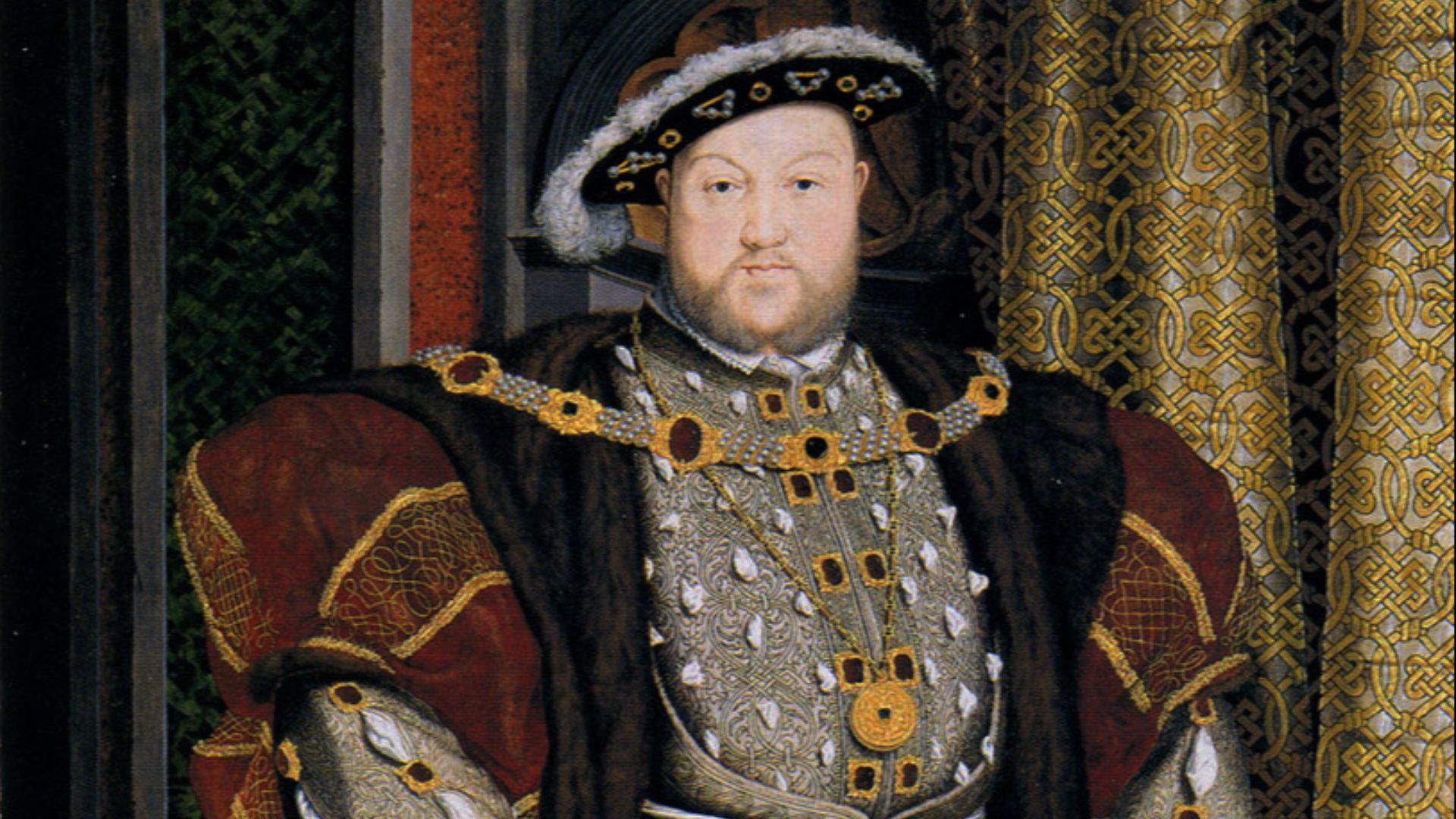
1. Baldwin IV
Baldwin IV of Jerusalem was dealing with leprosy almost his entire reign, which is why history remembers him as the Leper King. What makes him remarkable is that the illness did not turn him into a ceremonial figure; he stayed politically central while trying to hold together a kingdom under pressure from Saladin and from his own nobility.
 Guillermo de Tiro on Wikimedia
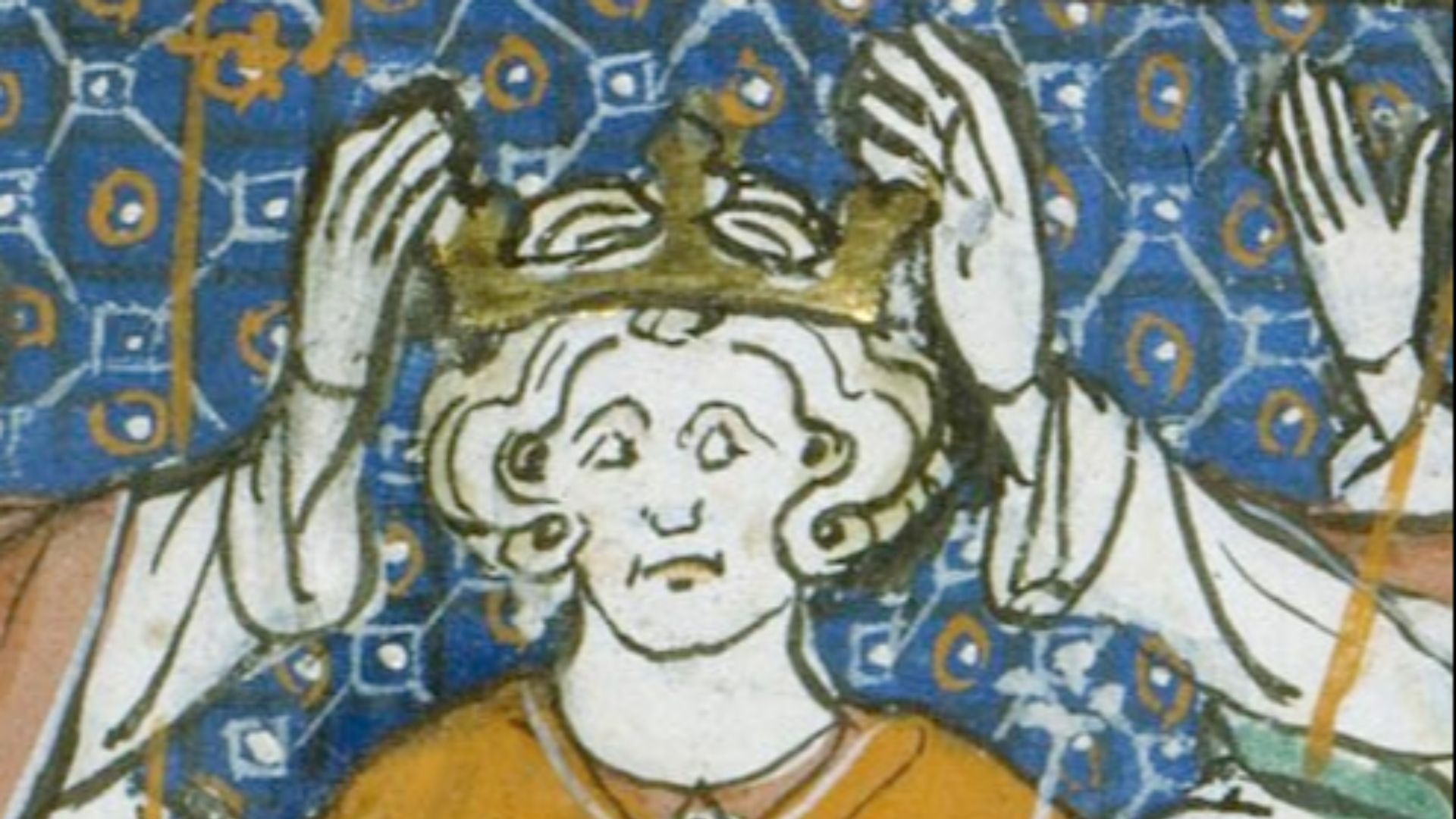
2. Queen Anne
Anne ruled Great Britain while chronic ill health kept narrowing her world and increasing her dependence on ministers. Her reign still covered enormous events, including the War of the Spanish Succession and the 1707 union of England and Scotland, which is a reminder that a body can be failing while a state is still moving at full speed.
 commons.wikimedia.org on Google
3. George III
George III is one of the clearest examples of illness reshaping rule in plain view. He suffered repeated episodes of mental illness, and by the last decade of his reign he was so debilitated that his son ultimately ruled as Prince Regent.
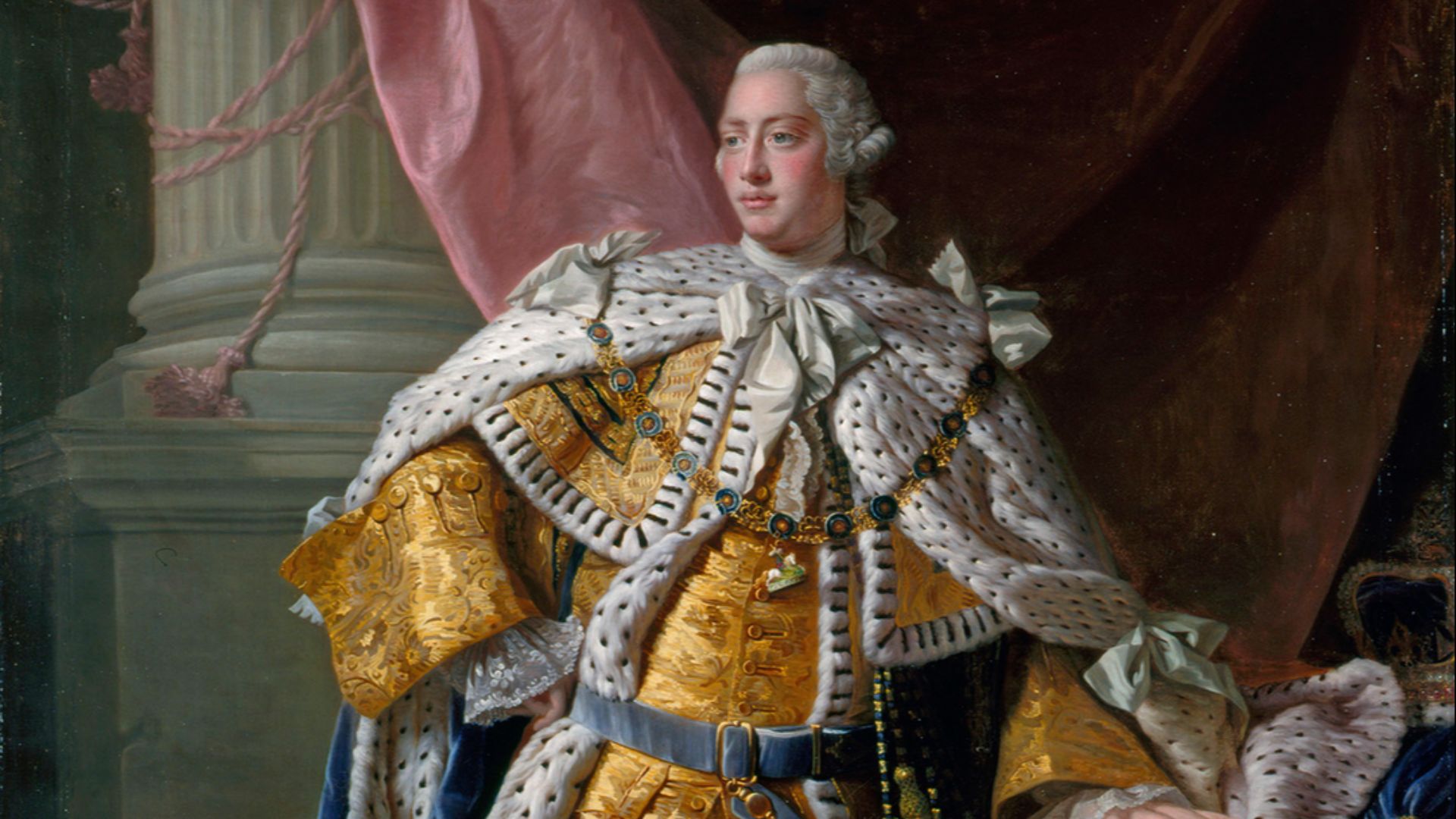
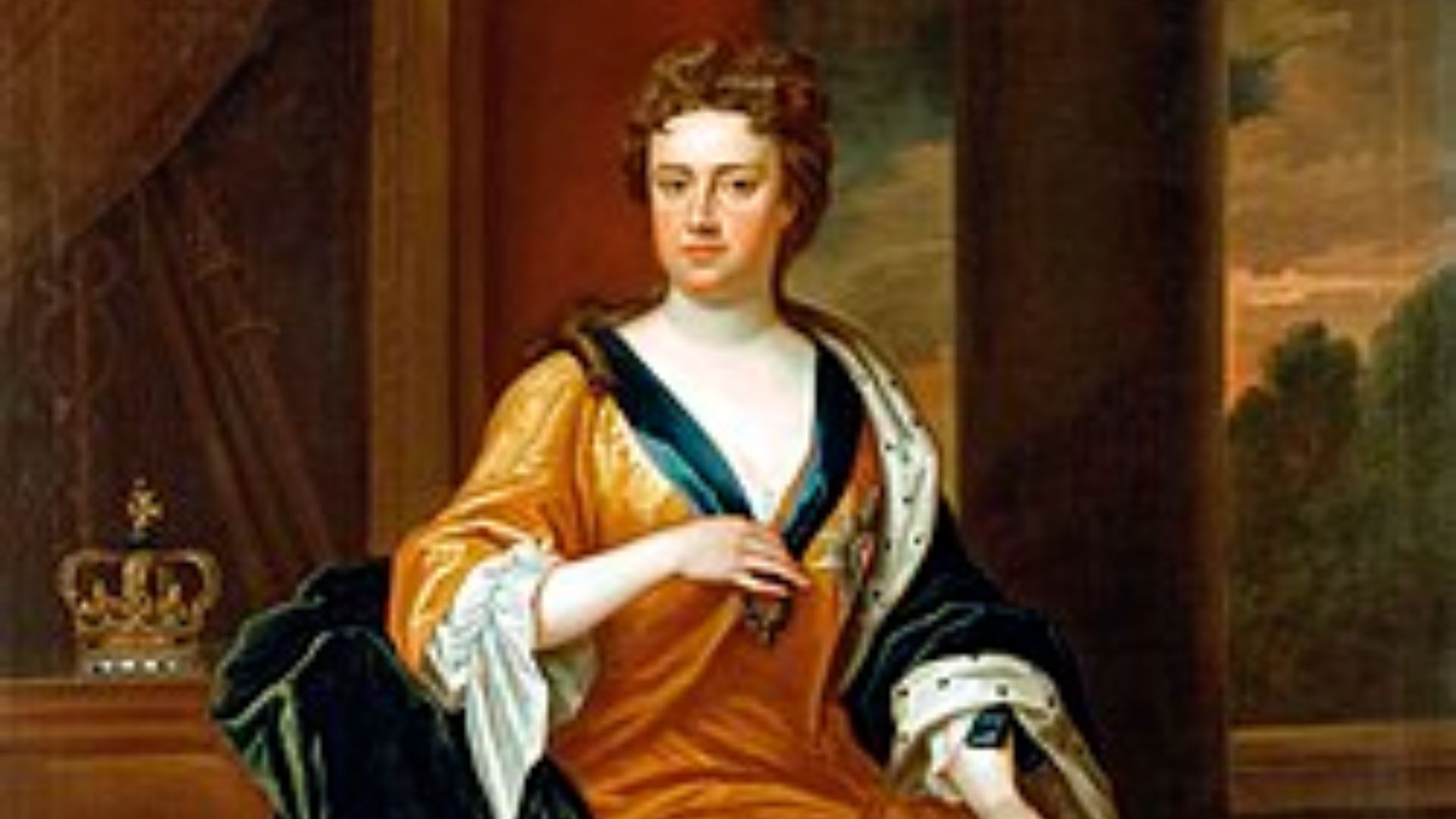
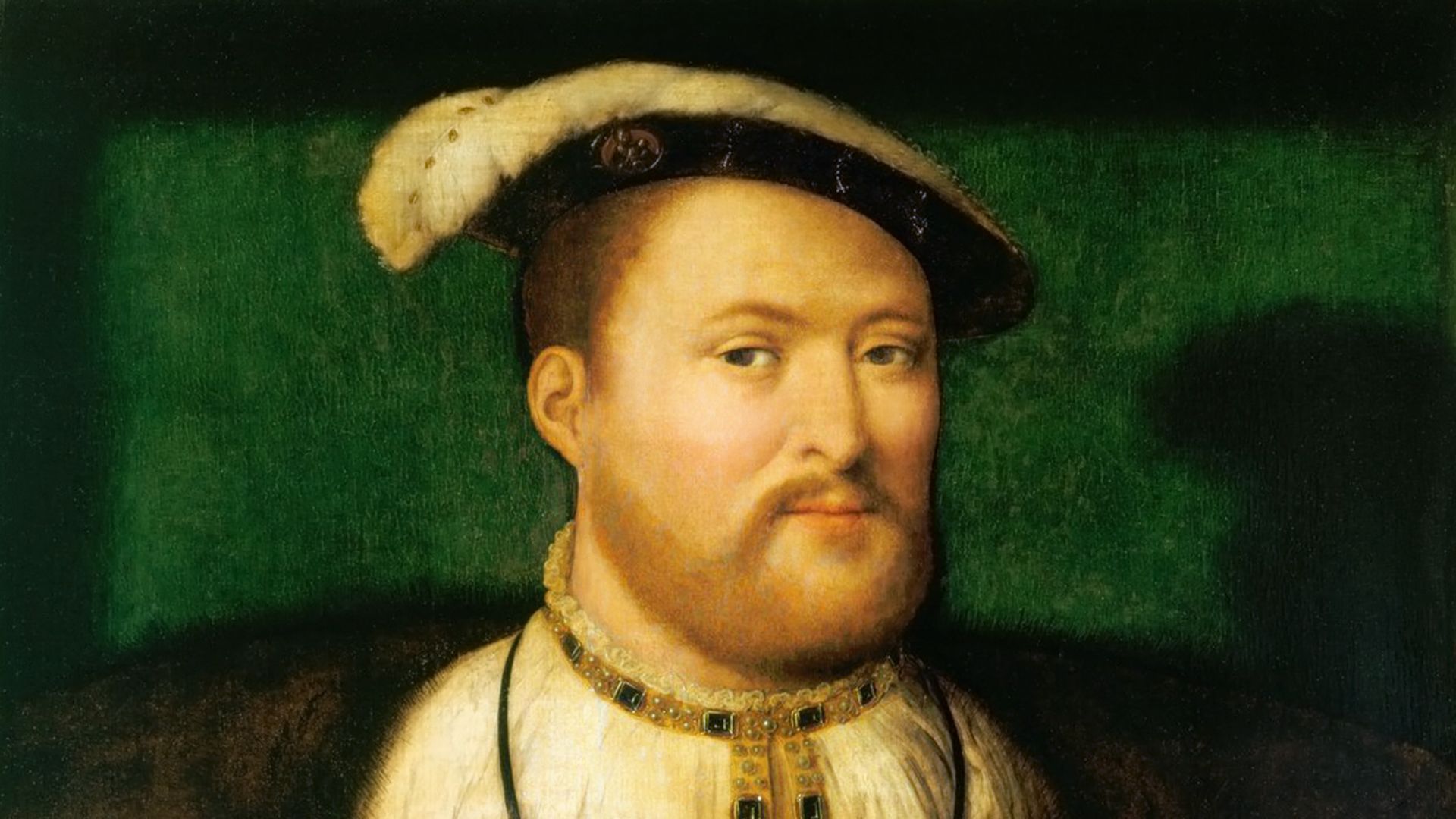
4. Henry VIII
By the end of Henry VIII’s life, the athletic prince people liked to imagine was long gone. Chronic leg ulcers, infections, swelling, and serious mobility problems left him increasingly dependent on being carried or assisted, even while he remained the terrifying center of English power.
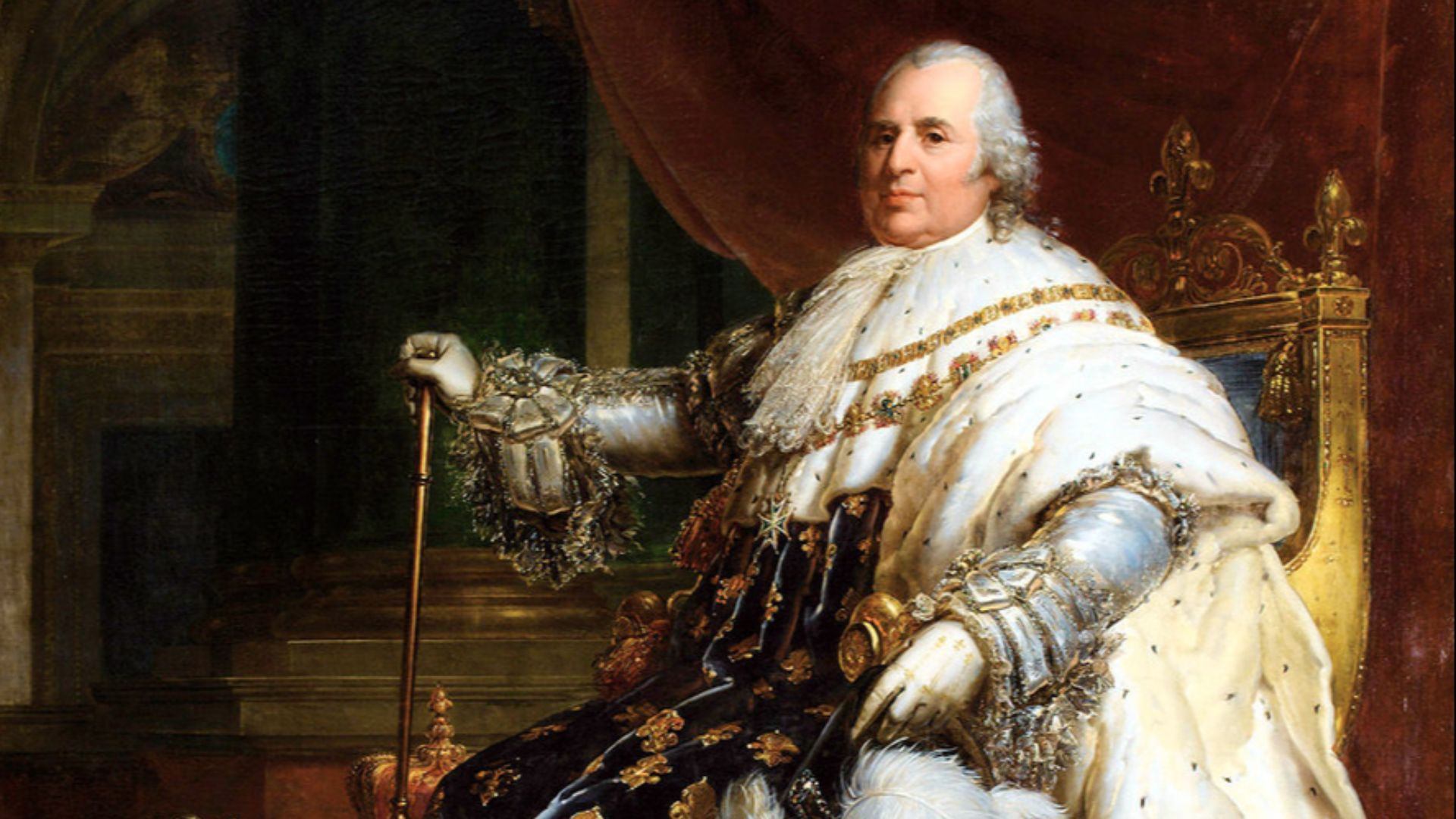
5. Louis XVIII
Louis XVIII spent years battling gout and worsening physical decline, and by the end he was closely associated with the image of the chair-bound king. That frailty did not keep him from presiding over the Bourbon Restoration and trying to steady France after revolution and empire had torn it apart.
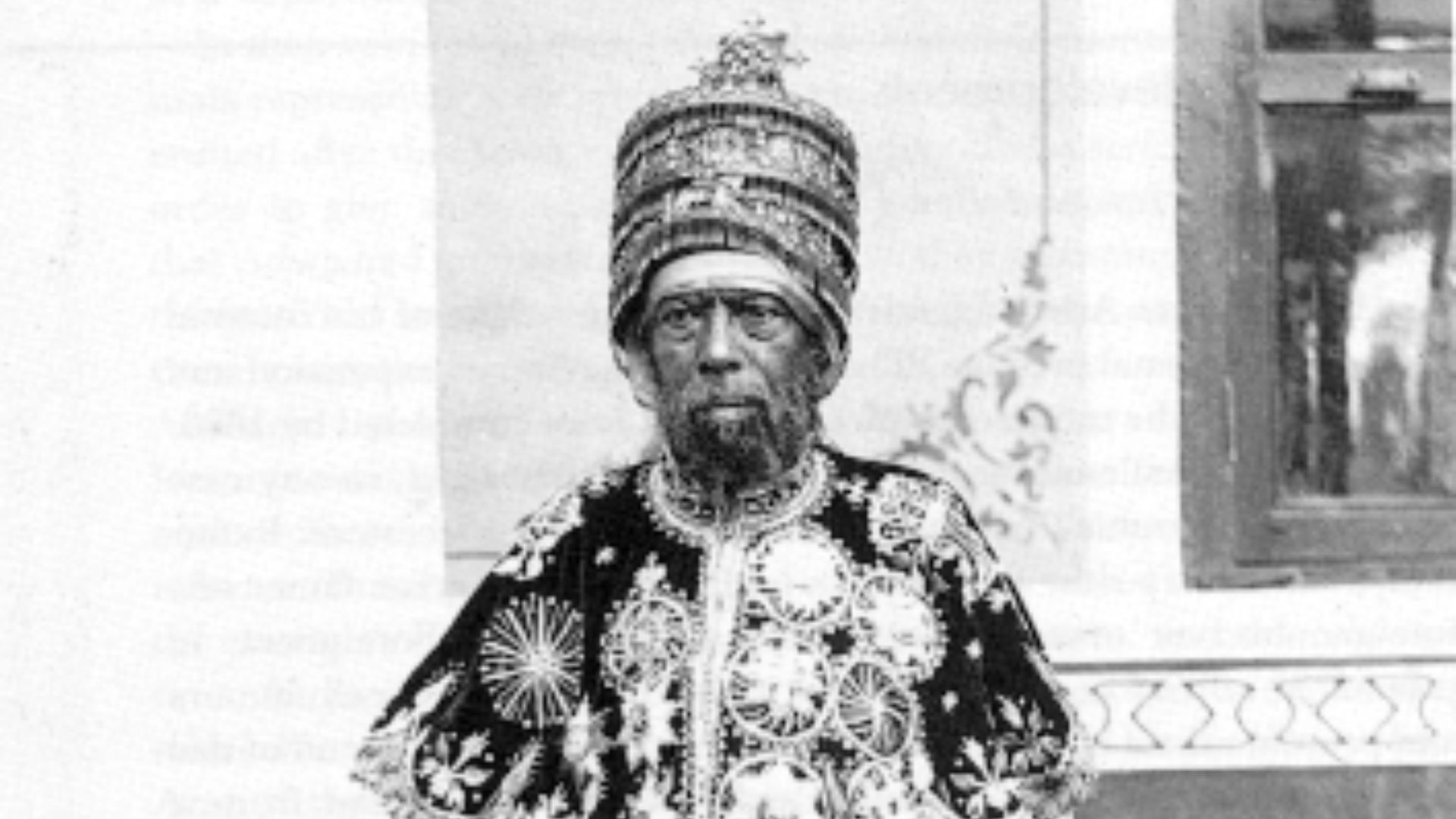
6. Menelik II
Menelik II built modern Ethiopia and then, late in life, saw illness begin to pull authority out of his hands. After a series of strokes, he was left paralyzed and barely able to speak, and power drifted toward regents and court figures even though his reign technically continued.
 Zheim~commonswiki on Wikimedia
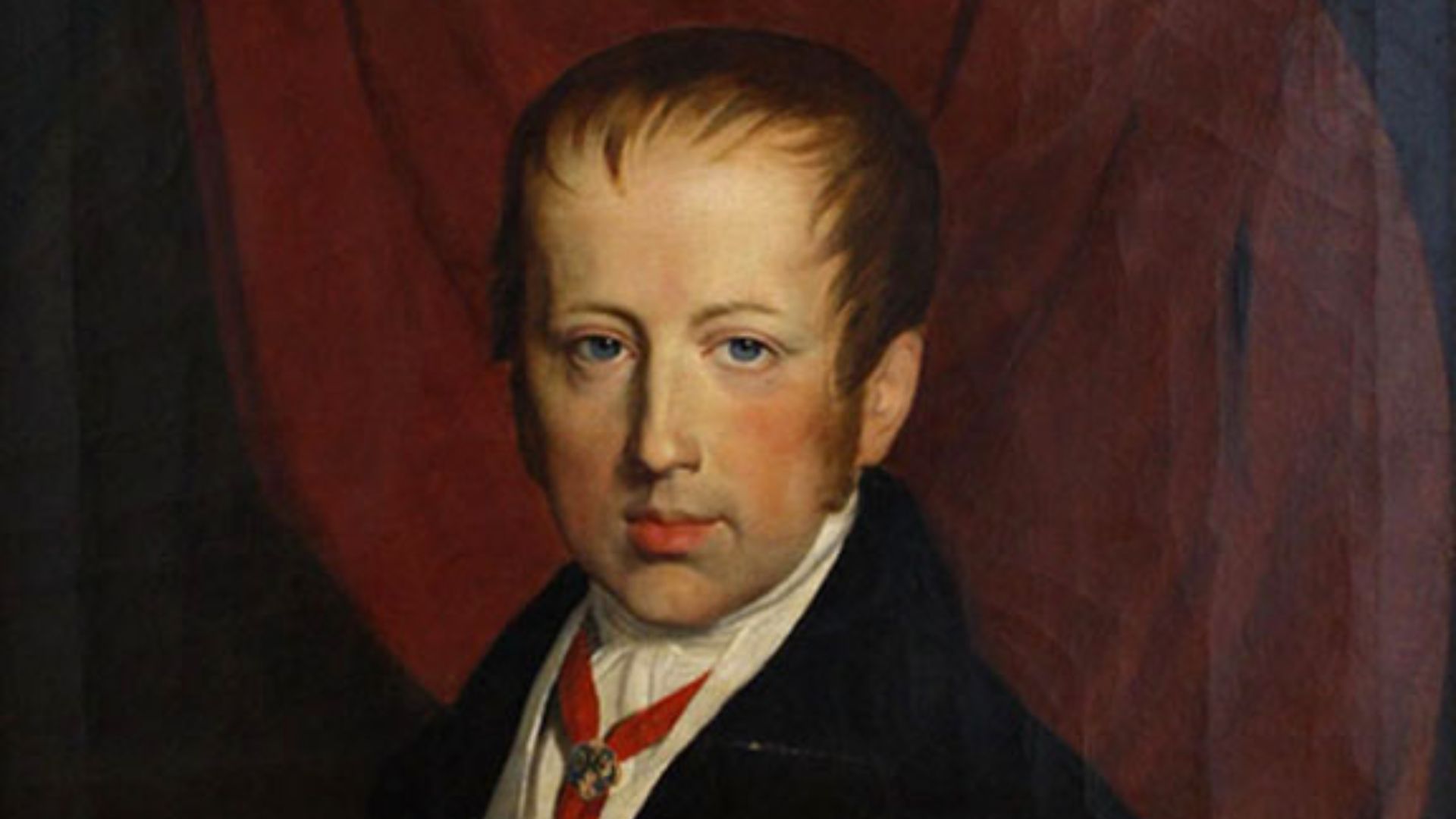
7. Ferdinand I of Austria
Ferdinand I ruled Austria with severe physical and neurological limitations that shaped his entire public life. He was emperor on paper, but his disabilities made independent rule difficult enough that government flowed heavily through advisers and a regency-style system around him.
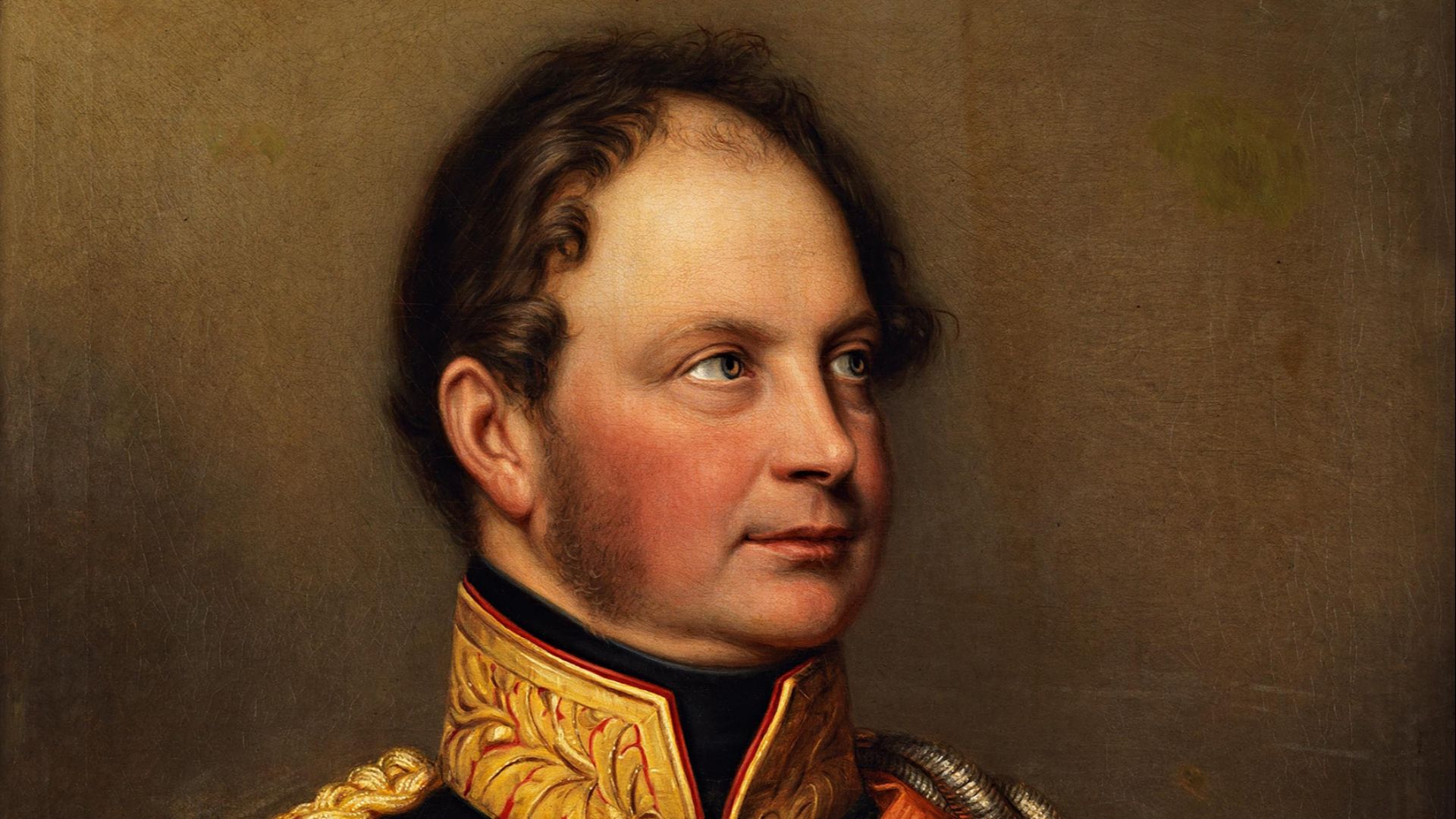
8. Frederick William IV
Frederick William IV of Prussia spent his final years overtaken by strokes that gradually took his capacity to govern. His brother became regent, but the reign itself did not immediately end, which left Prussia in that strange historical zone where the king still existed while effective power had moved elsewhere.
 Joseph Karl Stieler on Wikimedia
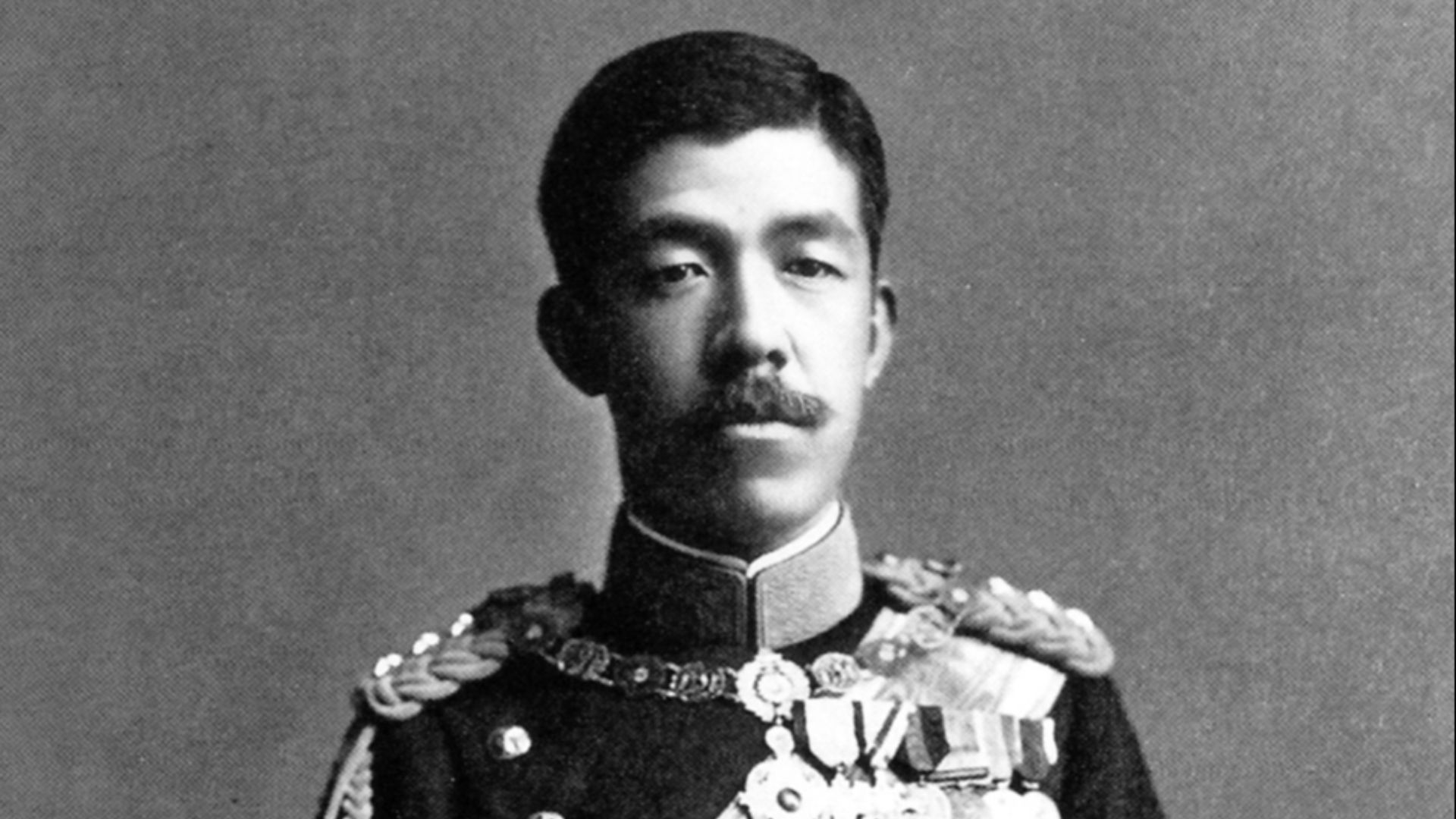
9. Emperor Taishō
Emperor Taishō’s reign sat under the long shadow of poor health. His neurological problems limited his public role so severely that he eventually stopped undertaking official duties, and Crown Prince Hirohito stepped in as regent while the era kept carrying his name.
 宮内省(Imperial Household Agency) on Wikimedia
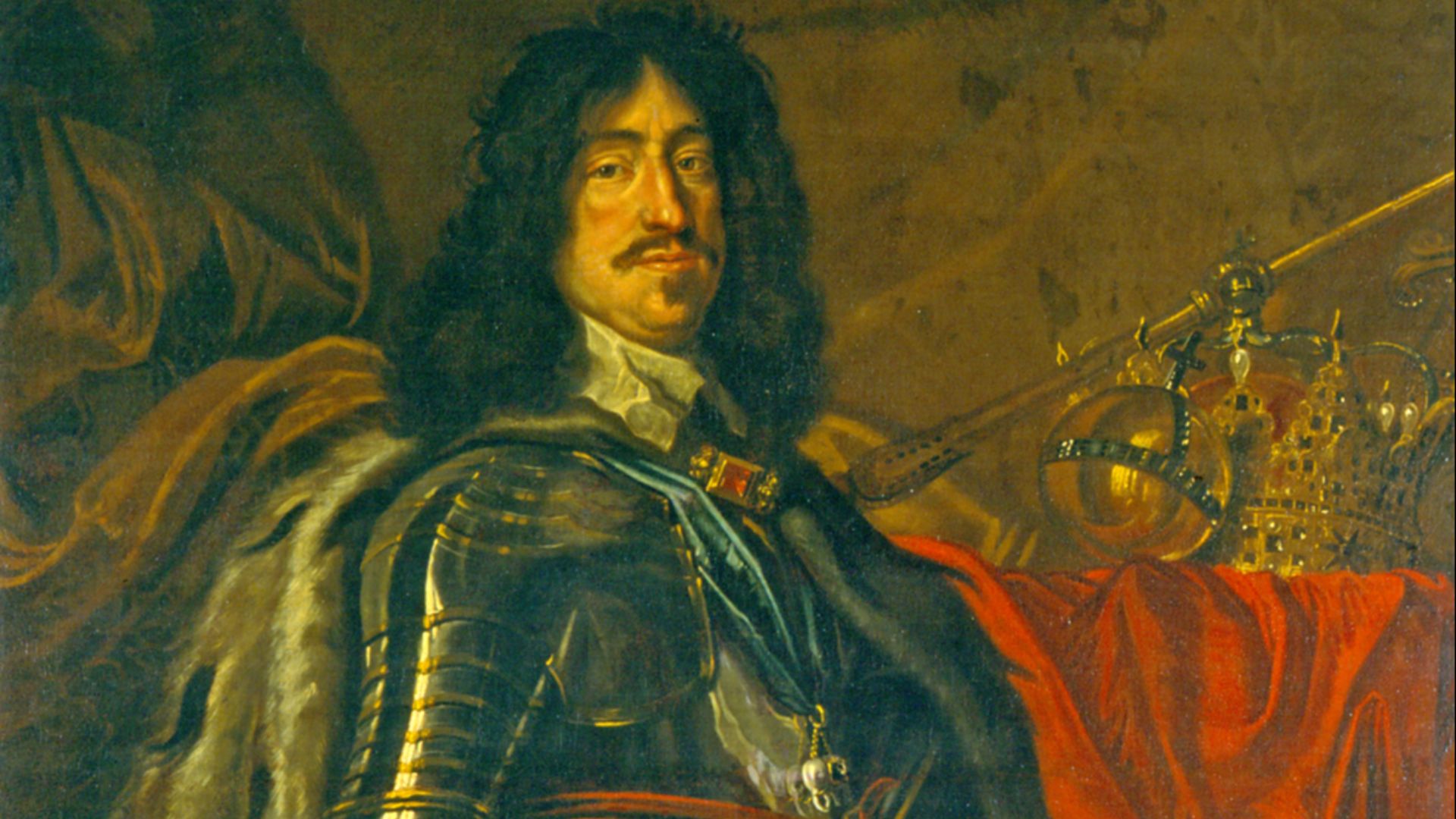
10. Frederick III
Frederick III of Germany barely had a chance to rule before throat cancer closed in on him. He became emperor already gravely ill, able to do very little during his 99-day reign, which gave his rule the feel of a government being conducted through pain, medical intervention, and dwindling time.
 Karel van Mander III on Wikimedia
11. Charles II of Spain
Charles II of Spain ruled an empire while living with serious physical disabilities and a lifelong reputation for weakness. Historians have pushed back on some of the old caricatures, but the basic reality remains that the last Habsburg king of Spain governed from a deeply compromised body.
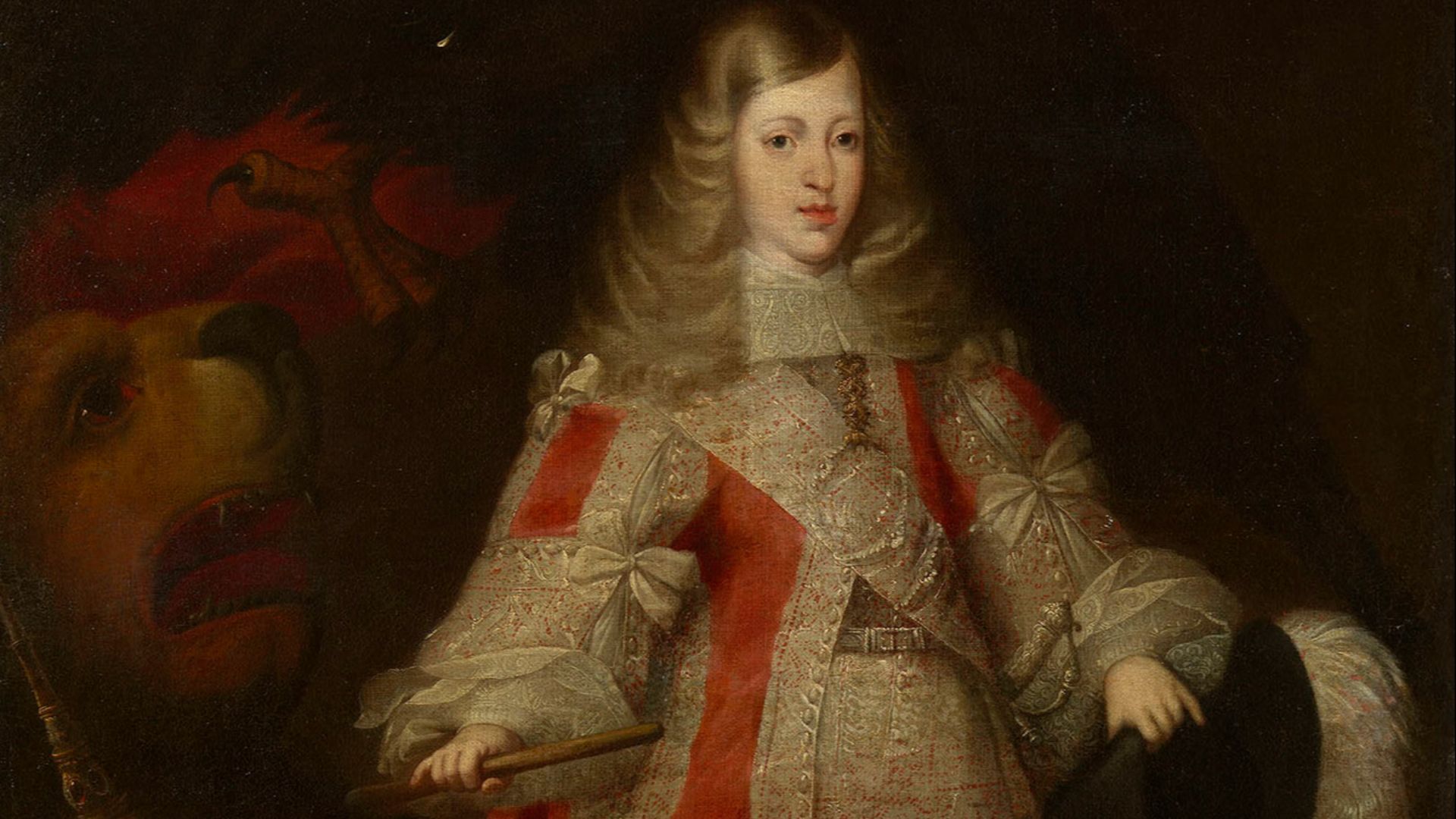 Sebastián Herrera Barnuevo on Wikimedia
12. Abraham Lincoln
Lincoln was not bedridden in the literal sense, but he did govern under the heavy weight of severe depression. That matters here because political power is not only shaped by broken bones and strokes; sometimes it is shaped by the private effort required just to keep standing up and doing the work.
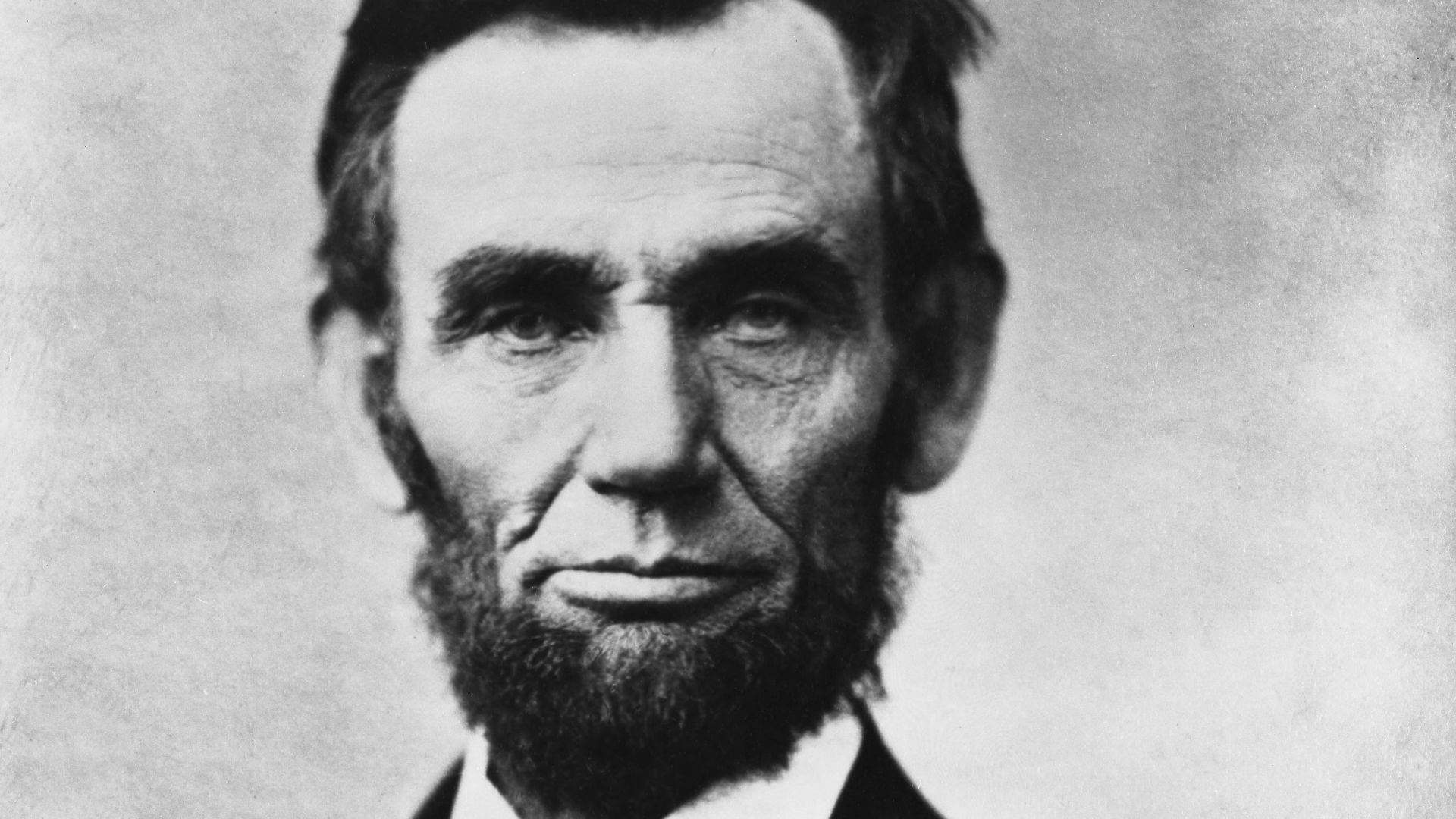 Alexander Gardner on Wikimedia
13. Chester A. Arthur
Arthur entered the presidency and soon learned he had Bright disease, a serious kidney ailment that brought overwhelming fatigue. He kept the illness quiet and kept governing, which gave his presidency that familiar old pattern of public steadiness covering private physical decline.
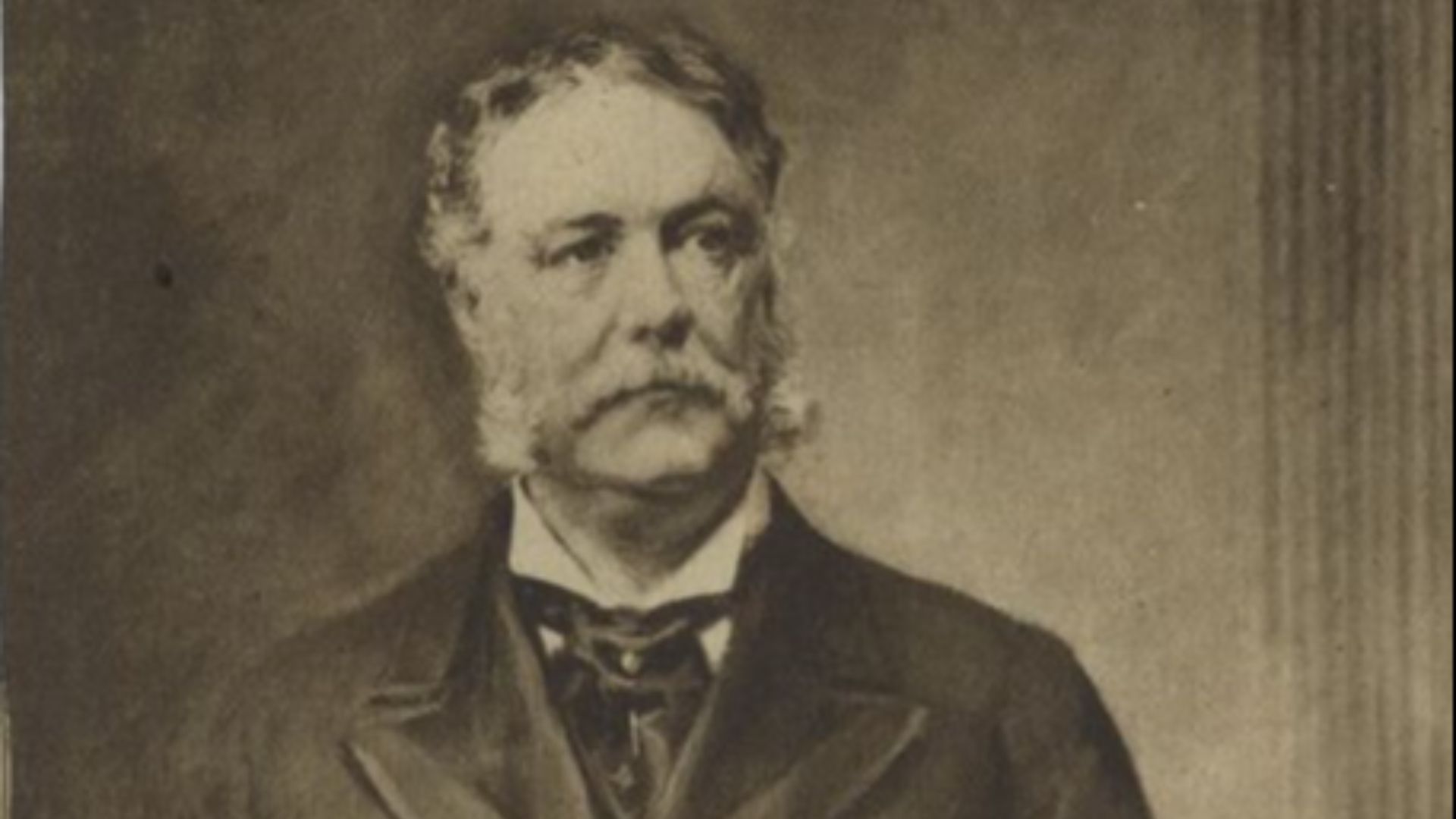 Pedro jesus cayetano on Wikimedia
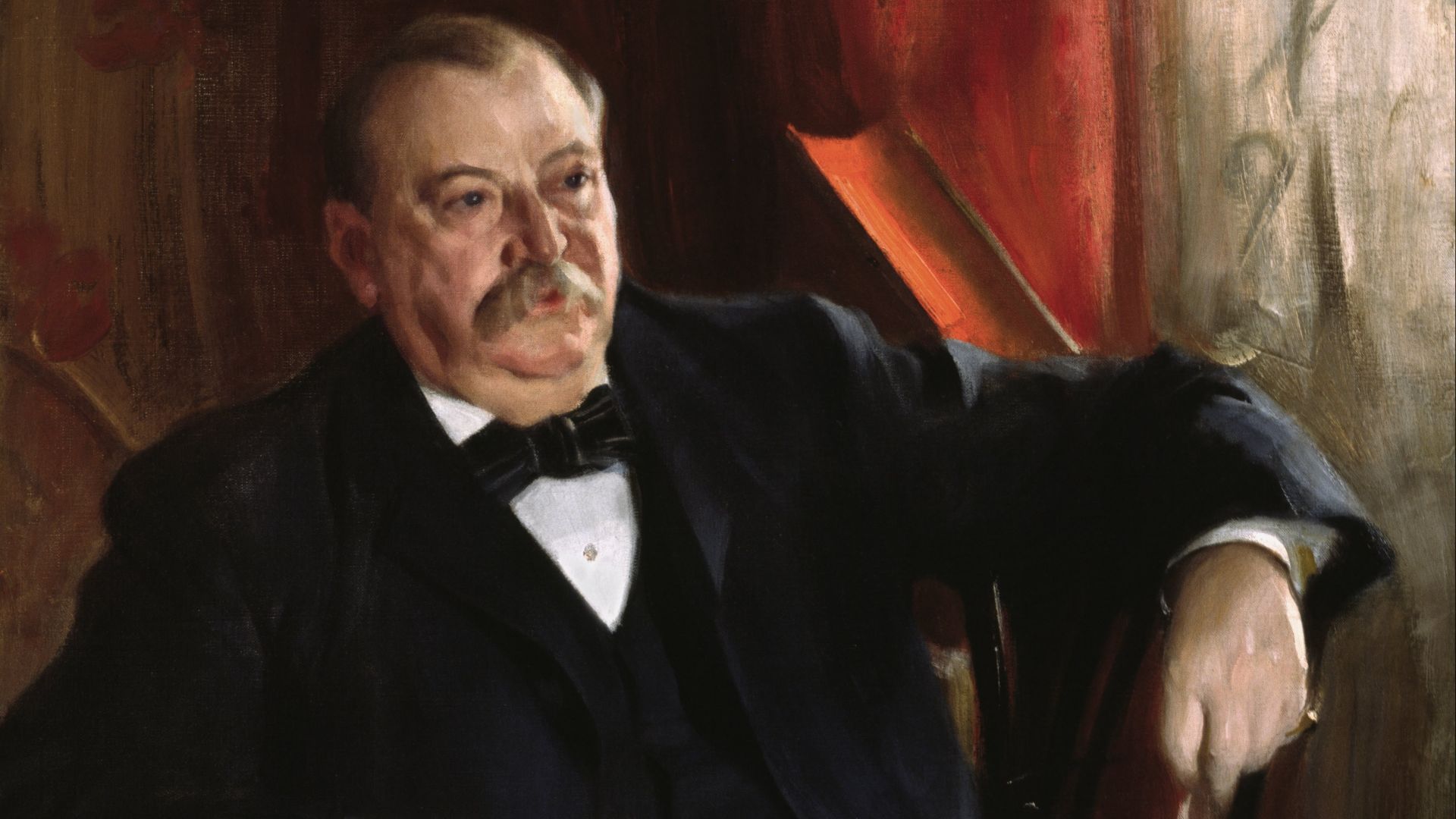
14. Grover Cleveland
Grover Cleveland literally had cancer surgery in secret while serving as president. The procedure was hidden from the public, his recovery was managed with extraordinary care, and the whole episode feels like a classic case of a leader trying to keep the image of vigor intact while major medical drama was happening just out of frame.
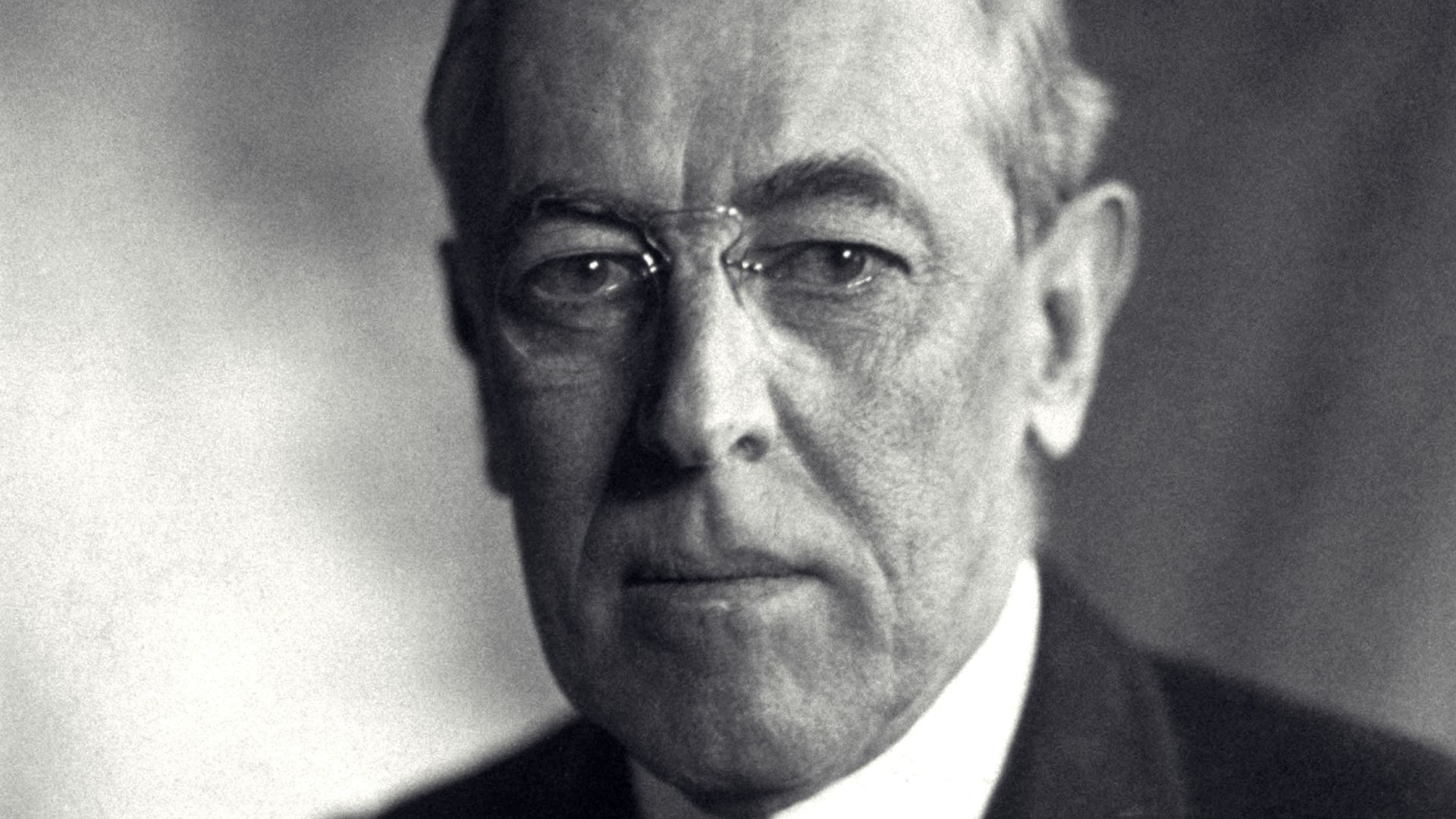
15. Woodrow Wilson
Woodrow Wilson belongs near the top of any list like this because his illness directly altered the functioning of government. After his 1919 stroke, he was partially paralyzed, emotionally impaired, and effectively screened from much of the world while Edith Wilson controlled access and quietly shaped what reached him.
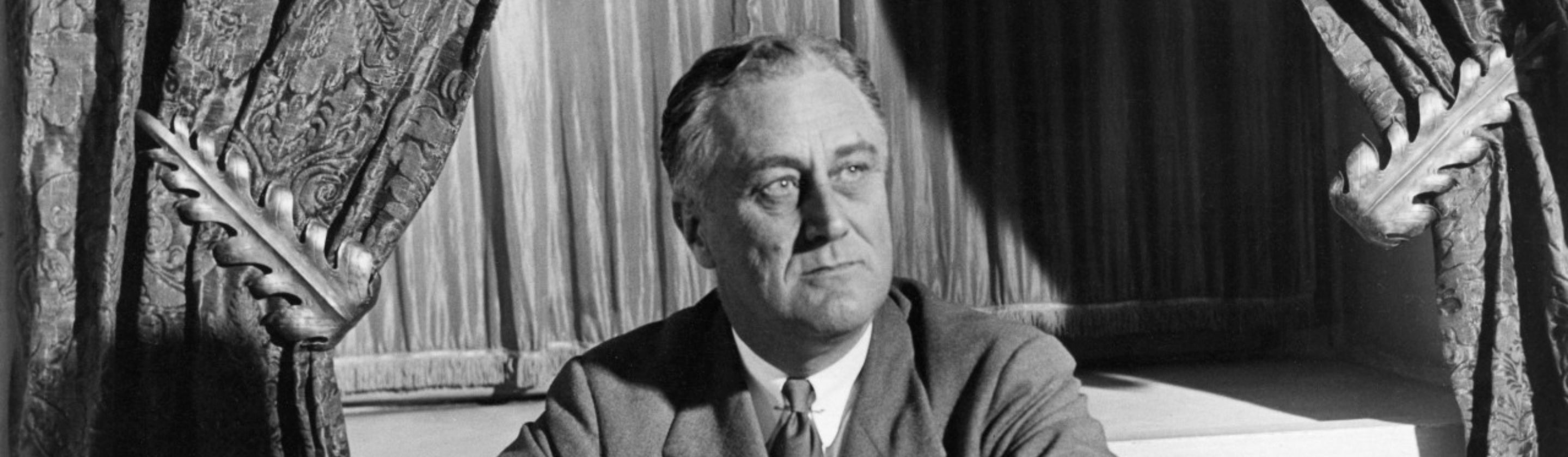
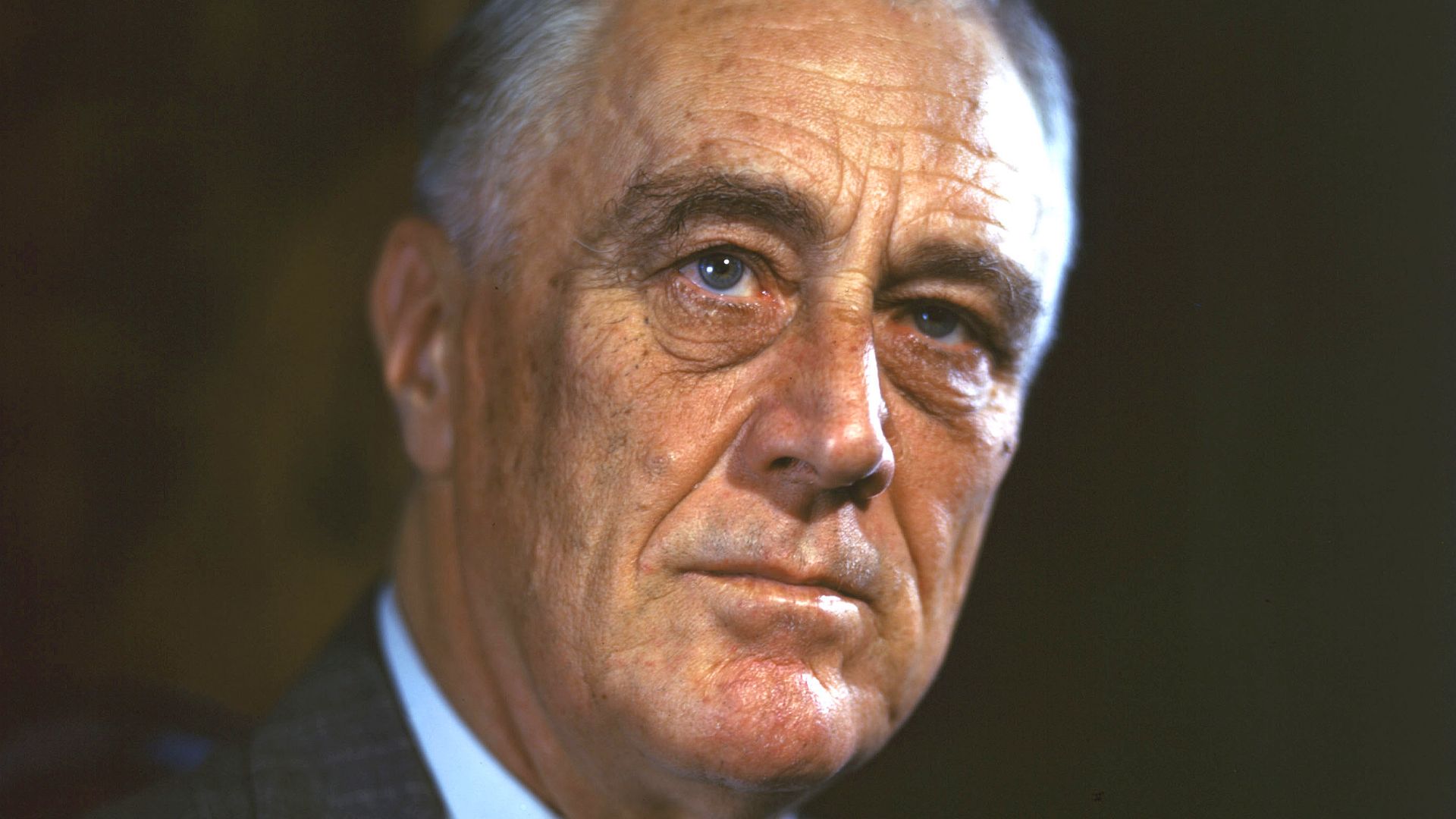
16. Franklin D. Roosevelt
Roosevelt spent his adult political life after polio proving that disability did not end executive power. He worked relentlessly to hide the full extent of his limitations from the public, then kept leading through war even as heart disease, hypertension, and general physical strain wore him down near the end.
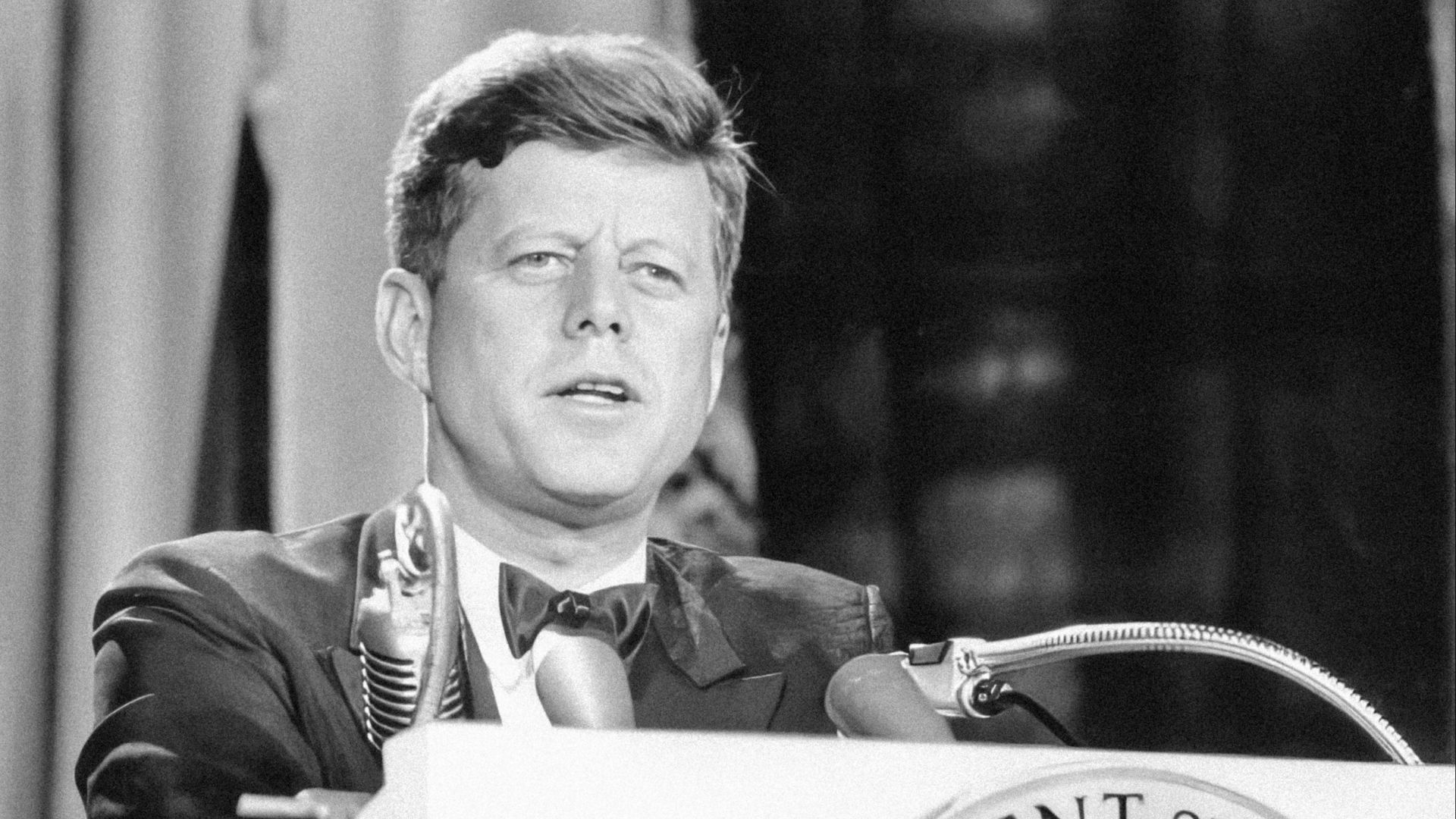
17. John F. Kennedy
Kennedy sold youth and vigor better than almost anyone, which is part of why his real medical history still startles people. Addison disease, chronic pain, and serious back problems sat behind that polished public image, meaning the glamorous presidency was, in private, held together with medication, treatment, and endurance.
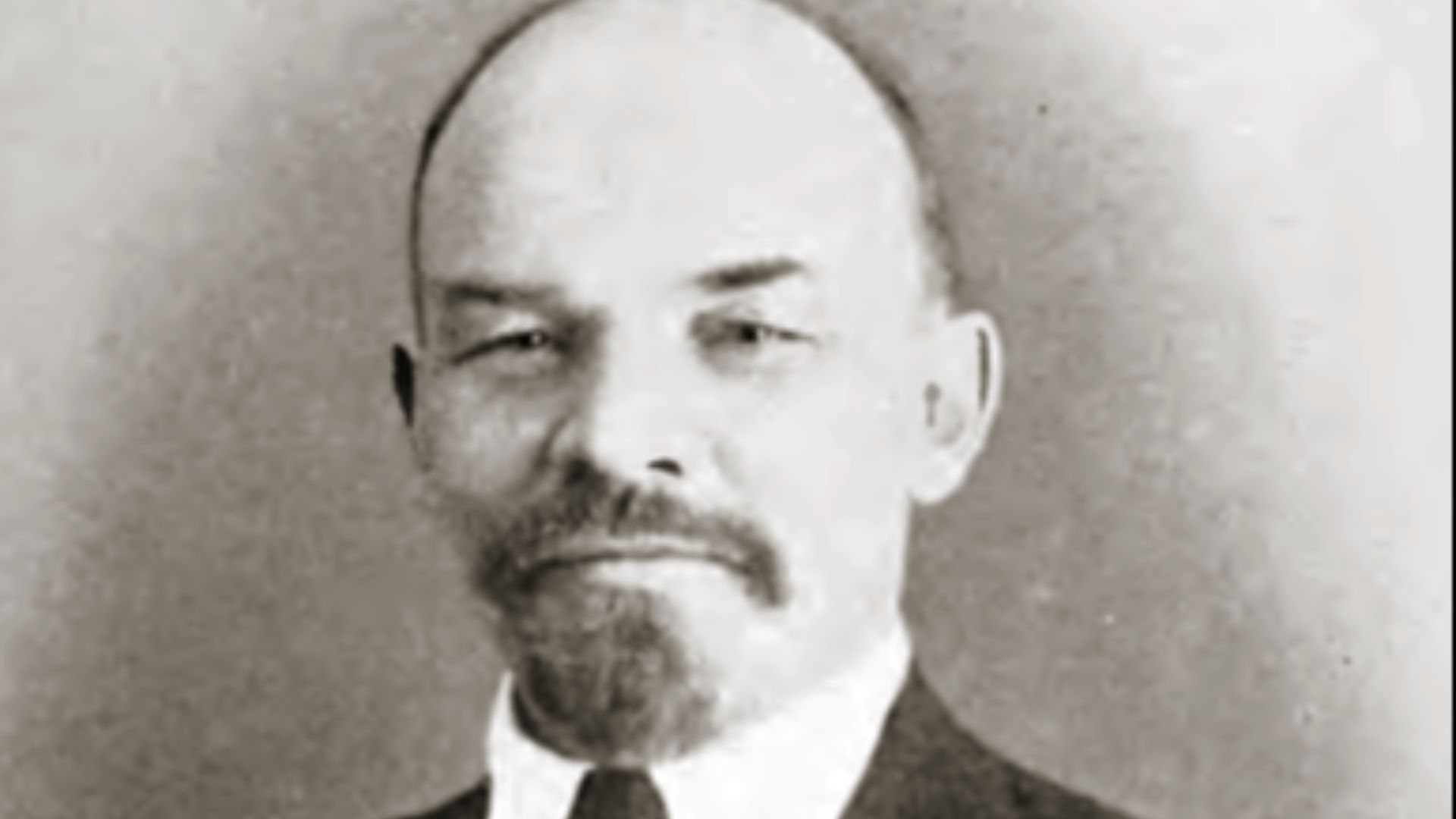
18. Vladimir Lenin
Lenin’s health began failing in 1921 and then deteriorated sharply with multiple strokes. He was gradually forced out of day-to-day activity, but he remained the symbolic and constitutional head of the Soviet state while others began circling the power vacuum his illness created.
19. John Paul II
John Paul II made frailty part of the papal image in a way modern audiences could actually watch. As Parkinson disease and repeated operations slowed him, he insisted on staying in office and turned visible suffering into part of how he understood the role itself.
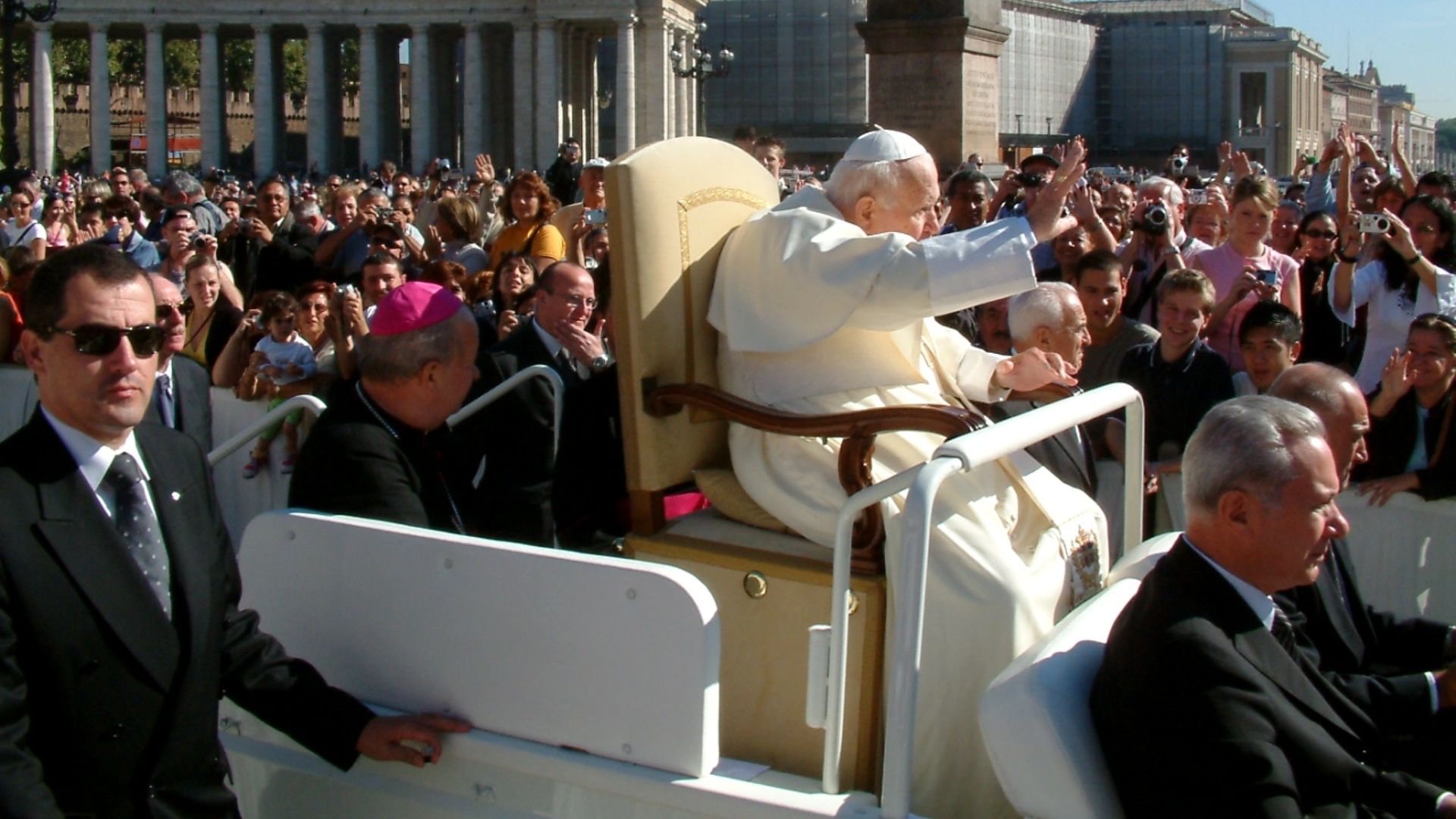
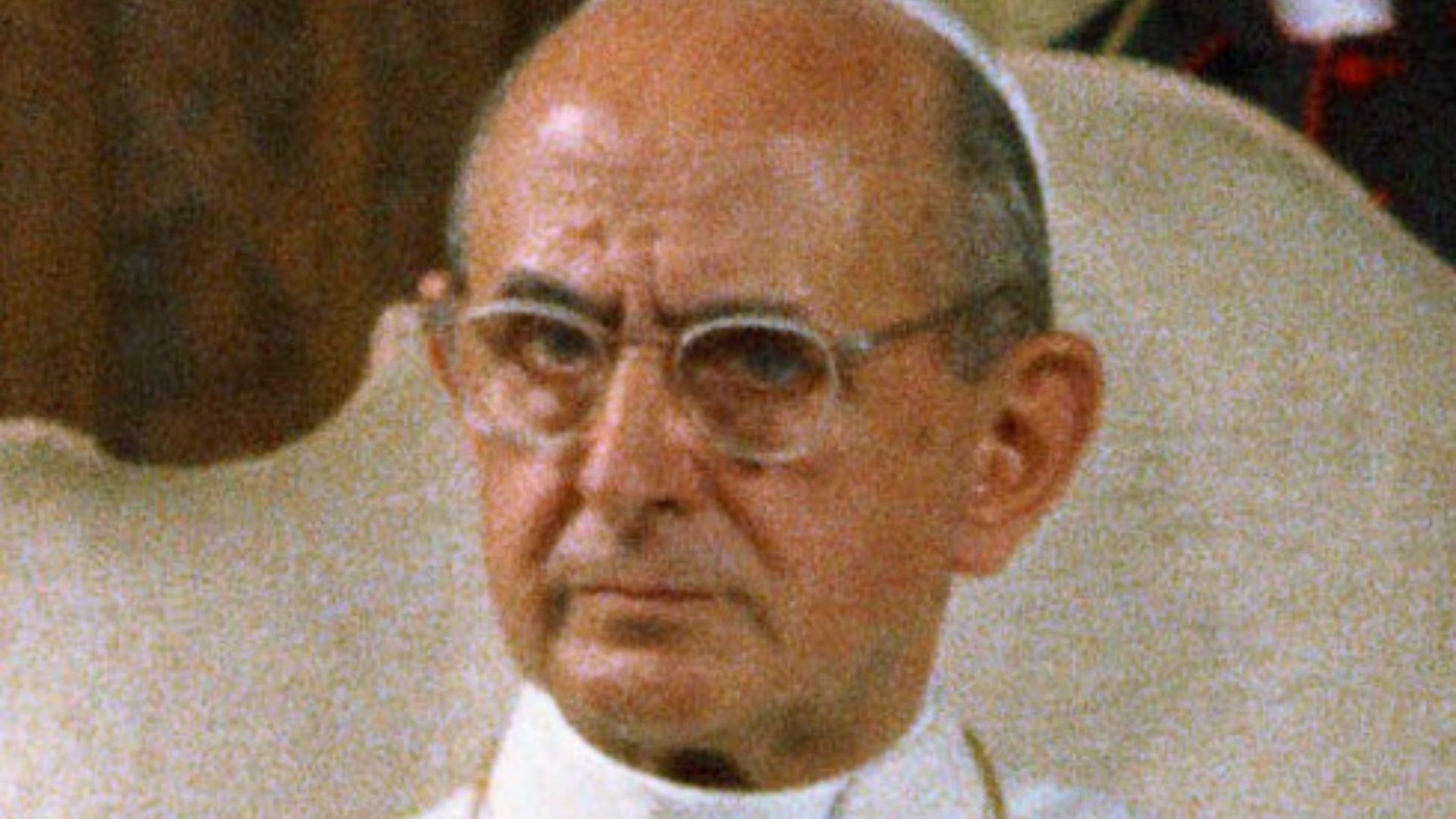
20. Paul VI
Paul VI spent his final period as pope dealing with arthritis severe enough to restrict his movement, and official church sources note that he was confined to bed at the end. Even then, the office did not pause; the pope remained pope, prayers kept being said around him, and authority still radiated outward from a failing body in a quiet room.

KEEP ON READING
The story of Ching Shih, the Woman Who Became the…
Unknown author on WikimediaFew figures in history are as feared…
By Emilie Richardson-Dupuis Dec 29, 2025
Einstein's Violin Just Sold At An Auction—And It Earned More…
A Visionary's Violin. Wanda von Debschitz-Kunowski on WikimediaWhen you hear…
By Ashley Bast Nov 3, 2025
This Infamous Ancient Greek Burned Down An Ancient Wonder Just…
History remembers kings and conquerors, but sometimes, it also remembers…
By David Davidovic Nov 12, 2025
The Mysterious "Sea People" Who Collapsed Civilization
3,200 years ago, Bronze Age civilization in the Mediterranean suddenly…
By Robbie Woods Mar 18, 2025
The Strait Panic That Already Happened Once
Navy of the Army of the Guardians of the Islamic…
By Cameron Dick Apr 23, 2026
20 Soldiers Who Defied Expectations
Changing the Rules of the Battlefield. You’ve probably heard plenty…
By Annie Byrd Feb 10, 2026