20 Women From History Whose Reputations Were Destroyed By Men Who Hated Them
20 Women From History Whose Reputations Were Destroyed By Men Who Hated Them
A Bad Reputation Can Outlive the Truth
Stories aren’t always told by neutral observers, and the women of years past know that better than most. Those who irritated powerful men often discovered just how permanent a nasty story could become. Political enemies, authorities, husbands, editors, and playwrights turned real women into whatever they wanted—oftentimes without a lick of evidence. Some historians are still sorting out the damage centuries later, and there’s no denying that these 20 women hardly survived their own smear campaigns.
 Attributed to Dosso Dossi on Wikimedia
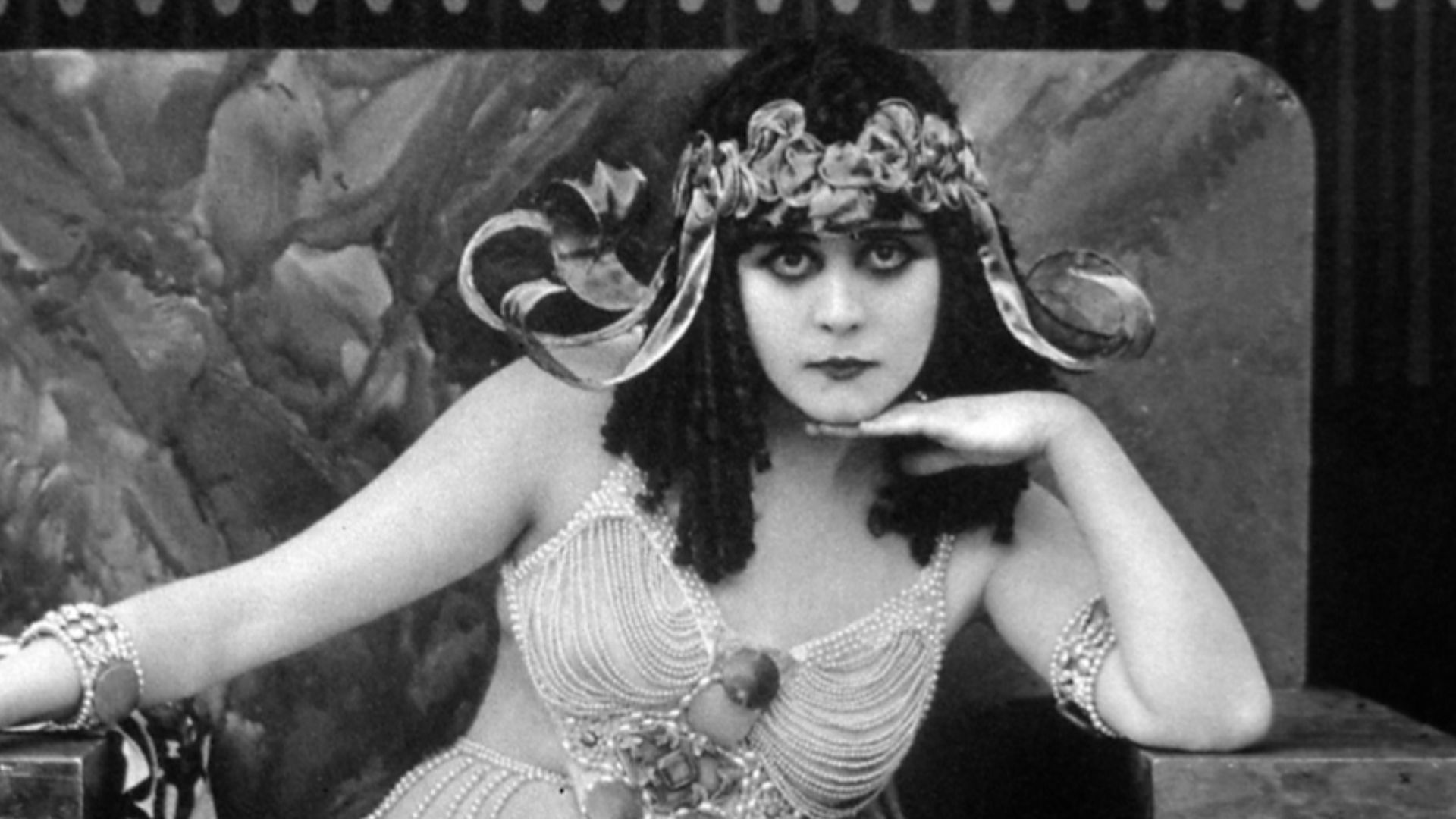
1. Cleopatra
Octavian had an empire to win, and portraying Cleopatra as a dangerous temptress made his war against Mark Antony easier to sell back home. Roman propaganda depicted Antony as a respectable Roman corrupted by an Egyptian queen whose very being threatened Rome itself. That image was so believable that Cleopatra's 21-year reign still competes with the rumors.
 Fox Film Corporation on Wikimedia
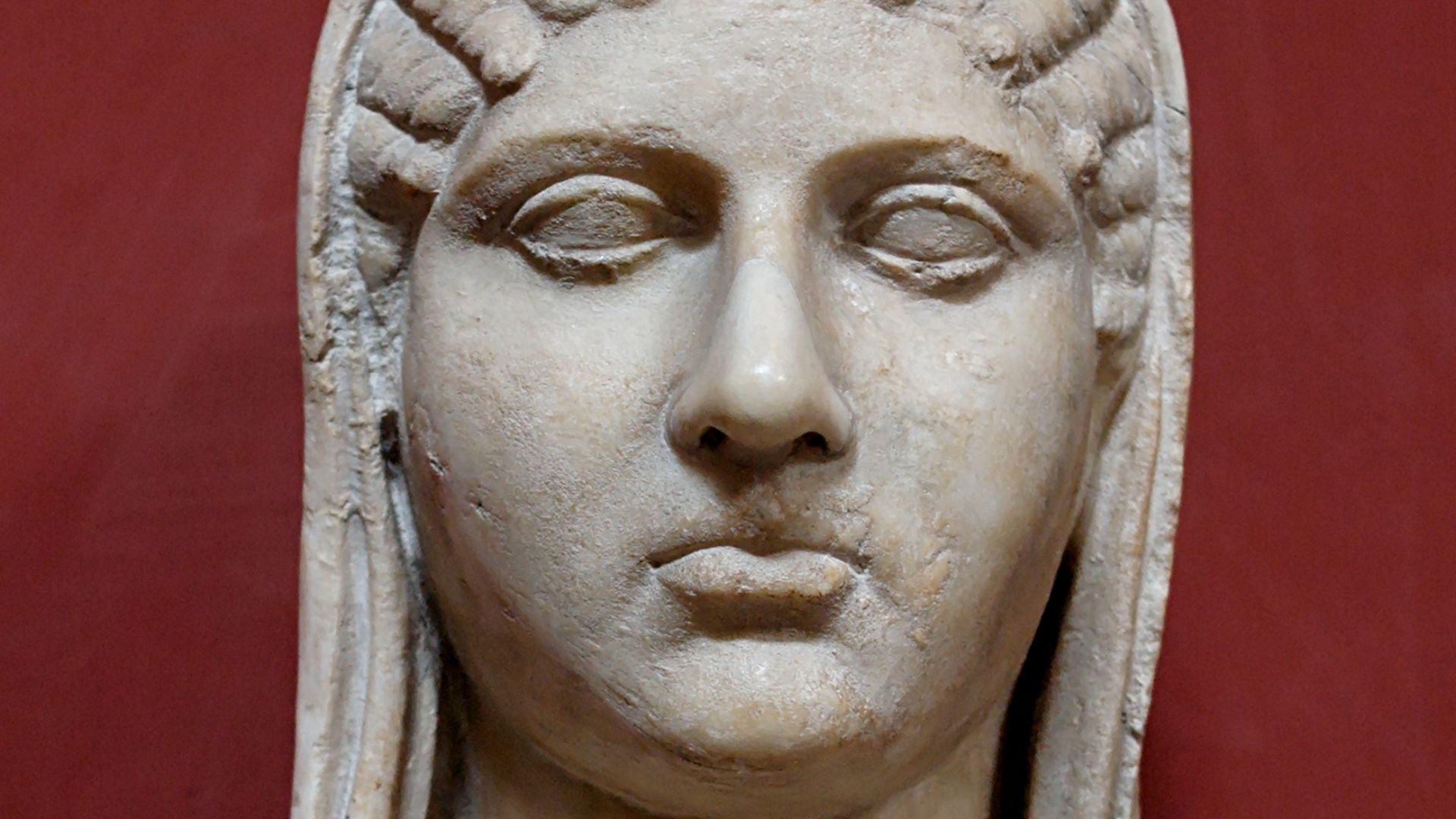
2. Aspasia
Aspasia's relationship with Pericles made her convenient material for Athenian comic writers who couldn't resist turning an influential woman into a punchline. Aristophanes linked her to the outbreak of the Peloponnesian War, while Cratinus and Eupolis mocked her as a concubine. There’s no evidence any of it was true, but the allegations followed her for centuries anyway.
3. Agrippina the Younger
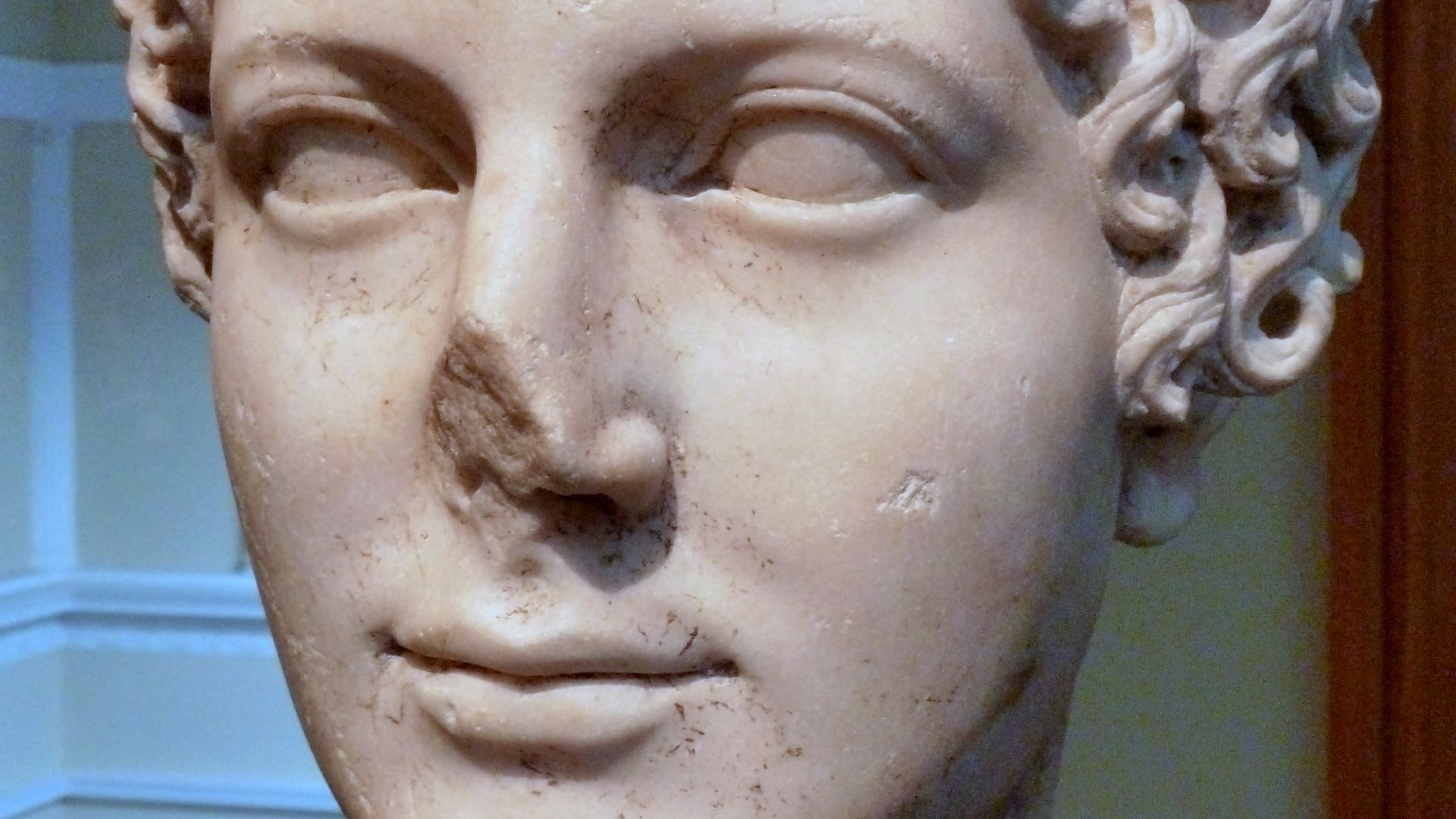
Much of what modern readers think they know about Agrippina comes from elite Roman men. That’s not as credible as it seems, either; they were writing within a political culture deeply suspicious of powerful women. For example, Tacitus portrayed her as ruthless, manipulative, and dangerously ambitious, helping establish an image that later writers amplified.
 Dave & Margie Hill / Kleerup on Wikimedia
4. Empress Theodora
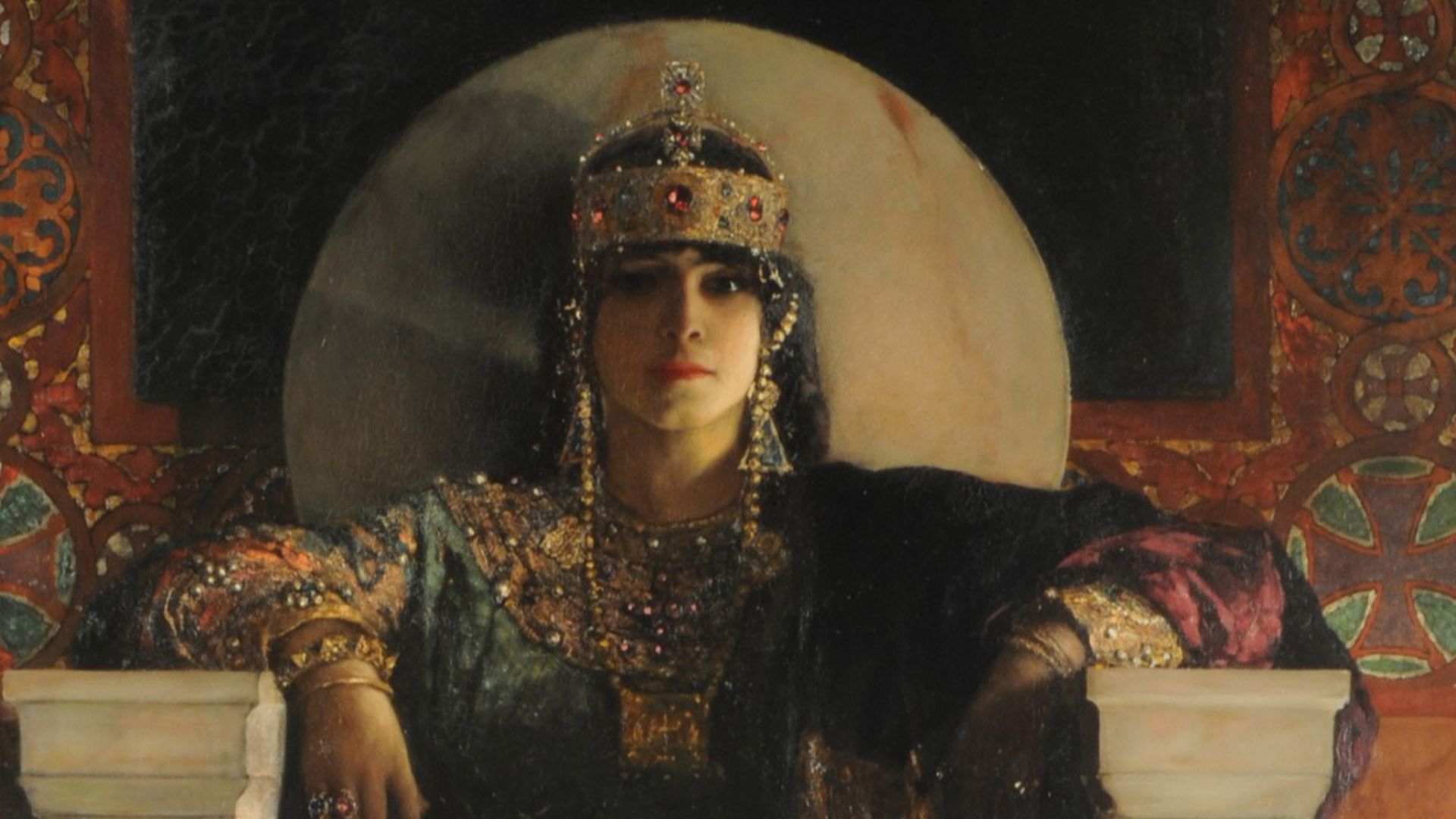
Procopius saved his most vicious material about Empress Theodora for his Secret History, where he described her supposed lustrous behavior in humiliating detail. His account turned Justinian's formidable partner into one of Byzantium's great scandals, even though his words were mostly made up.
 Jean-Joseph Benjamin-Constant on Wikimedia
5. Fredegund
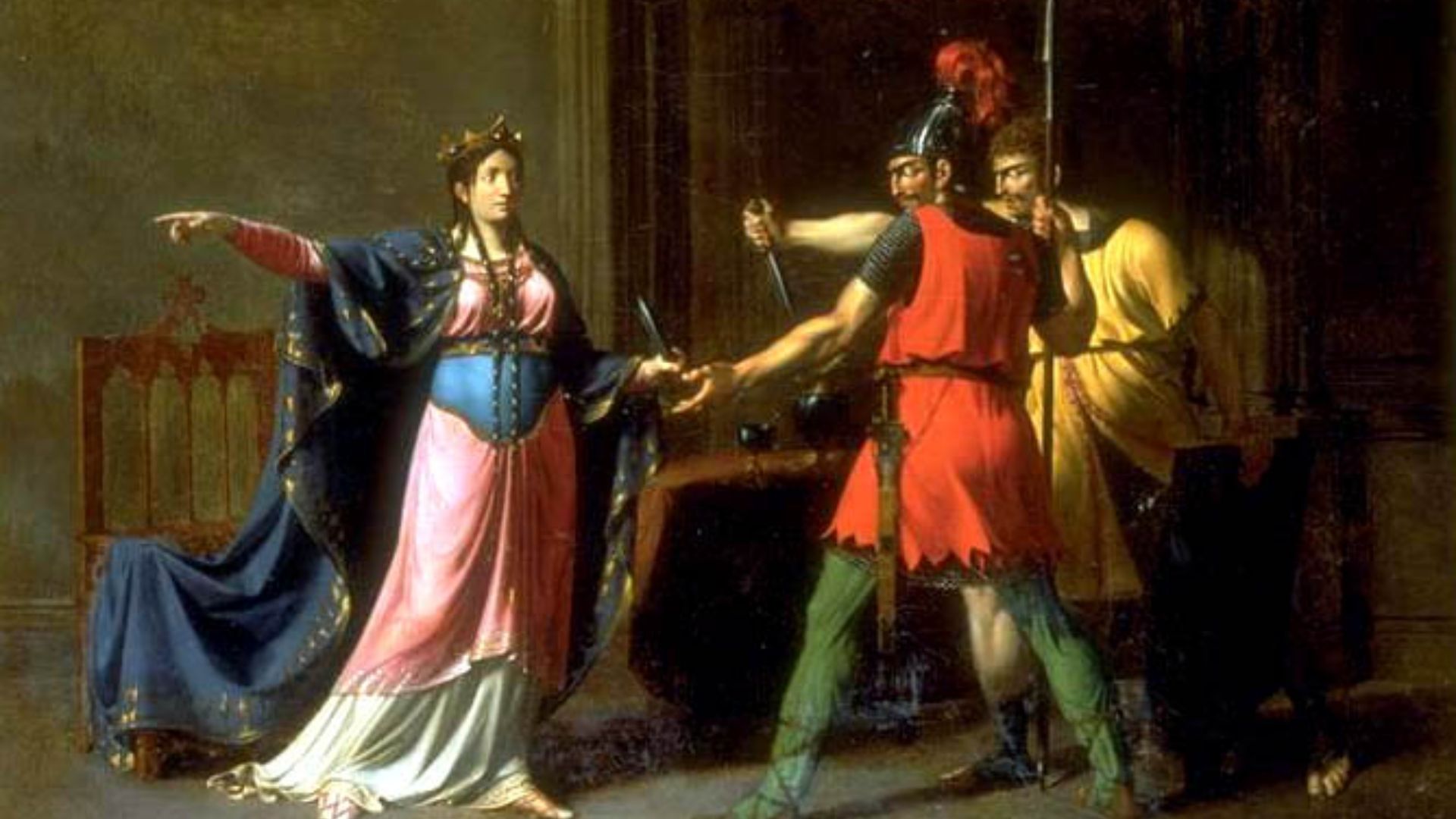
Gregory of Tours helped establish Queen Fredegund's enduring image as a poisoner, assassin, and almost unnaturally wicked woman. Okay, yes, she operated in a brutally violent sixth-century world, but Gregory's hostile portrait gave later historians a ready-made villain. Today’s historians place her with Agrippina and Theodora as women whose reputations were heavily shaped by male chroniclers.
 Emmanuel Herman Joseph Wallet on Wikimedia
6. Empress Matilda
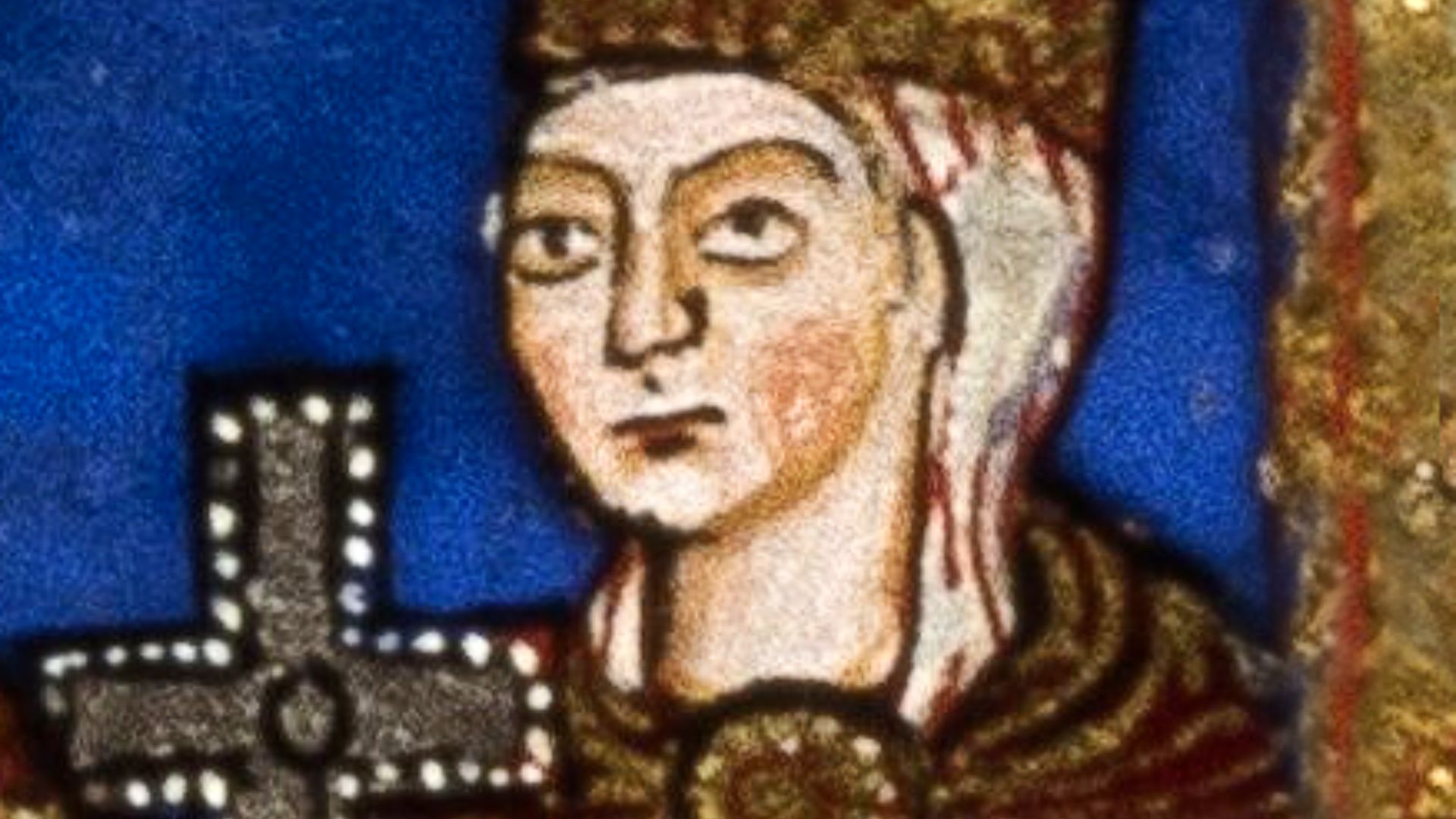
When Matilda fought King Stephen for the throne during the 12th-century Anarchy, his supporters had plenty to say. The pro-Stephen Gesta Stephani attacked her behavior as arrogant and unfeminine, presenting qualities tolerated in male rulers as evidence that she was actually unfit to govern. Those descriptions molded a reputation that historians repeated long afterward.
 Artist unknown; the Gospels of Henry the Lion on Wikimedia
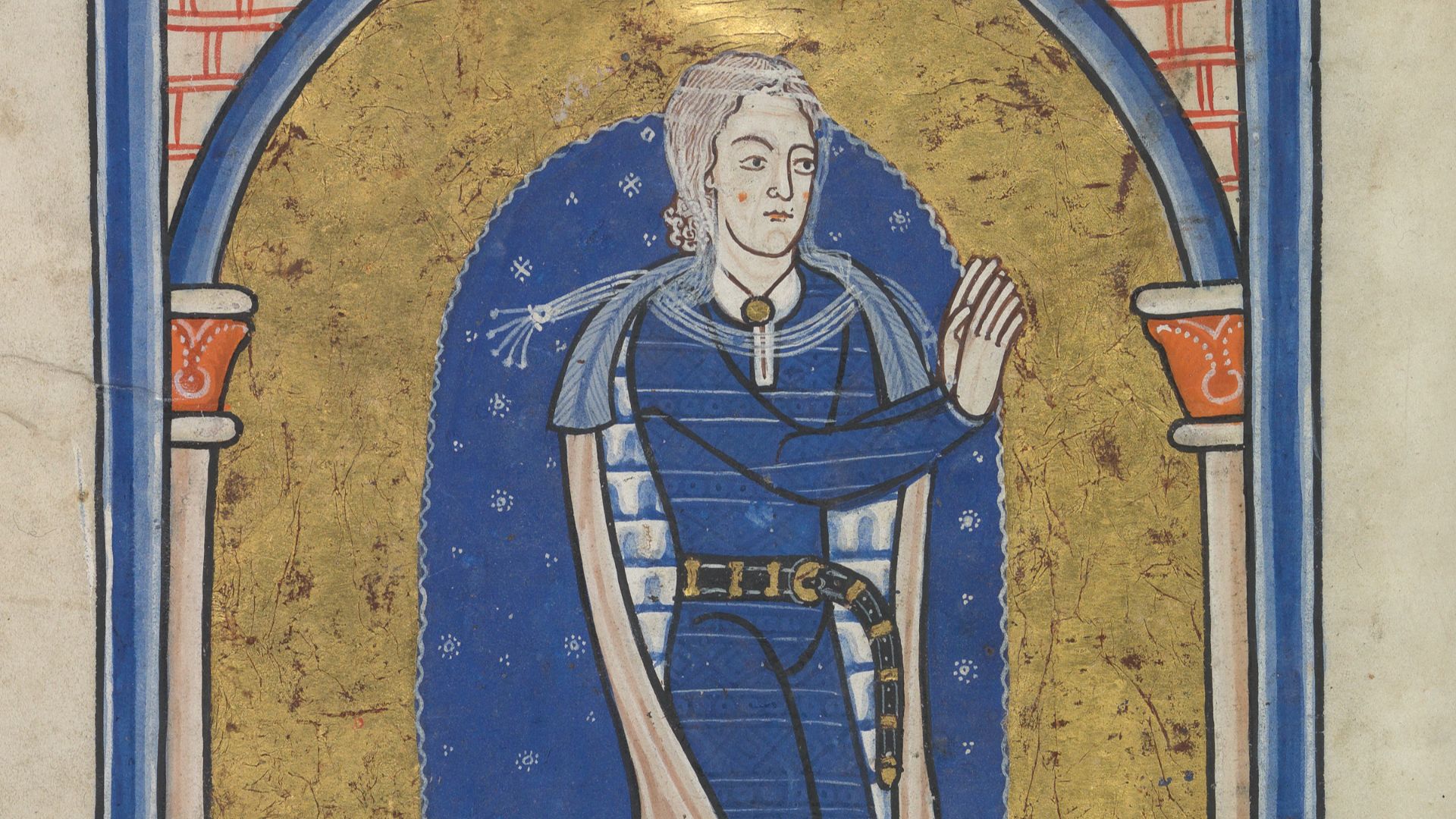
7. Eleanor of Aquitaine
Eleanor's power, two marriages, and involvement in her sons' rebellion against Henry II made her a prime target for hostile storytellers. Medieval writers attached rumors of impropriety to her, particularly with her uncle. Historians now refer to the stories as Eleanor's "Black Legend," because the gossip became almost inseparable from her.
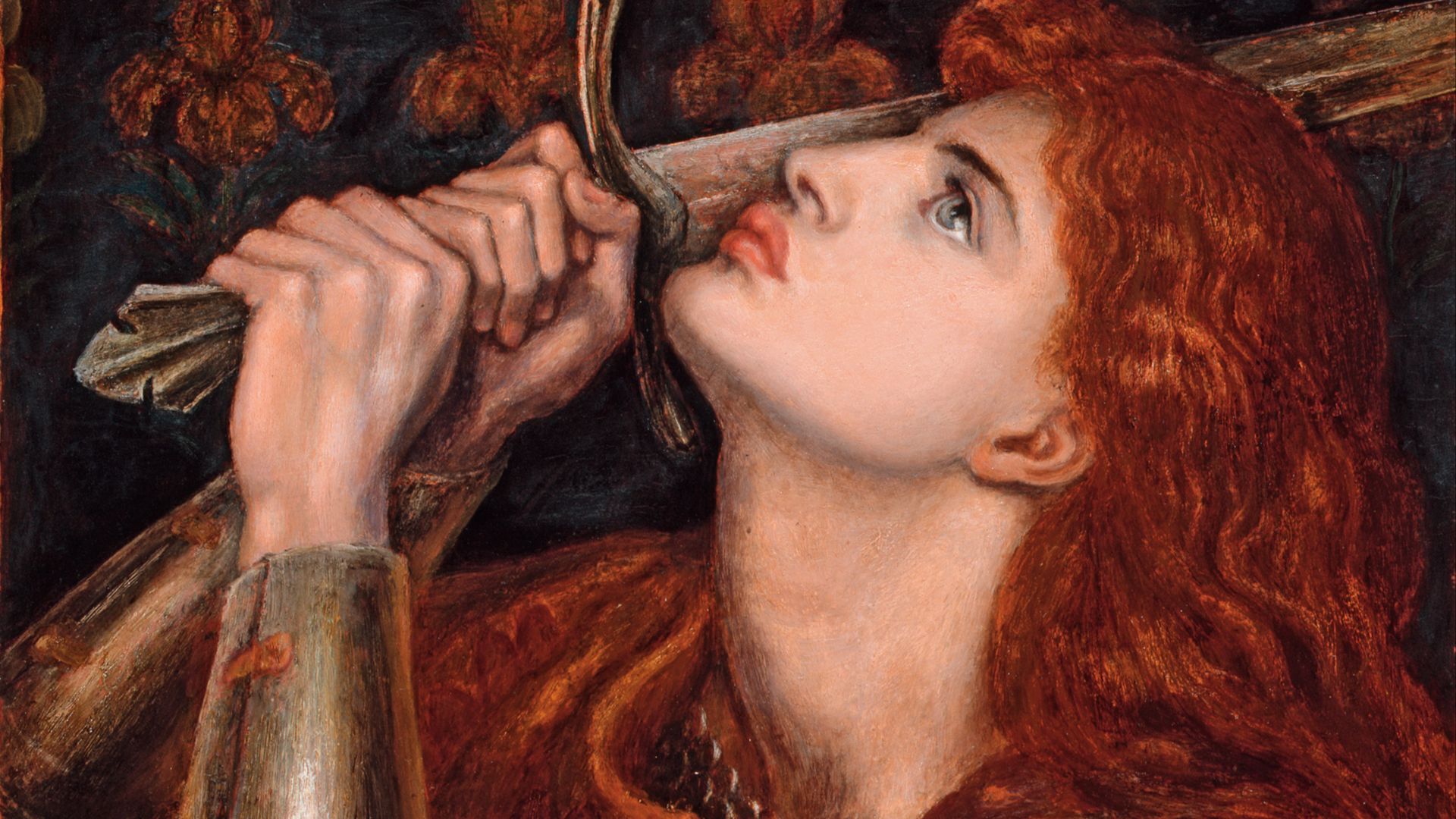
8. Joan of Arc
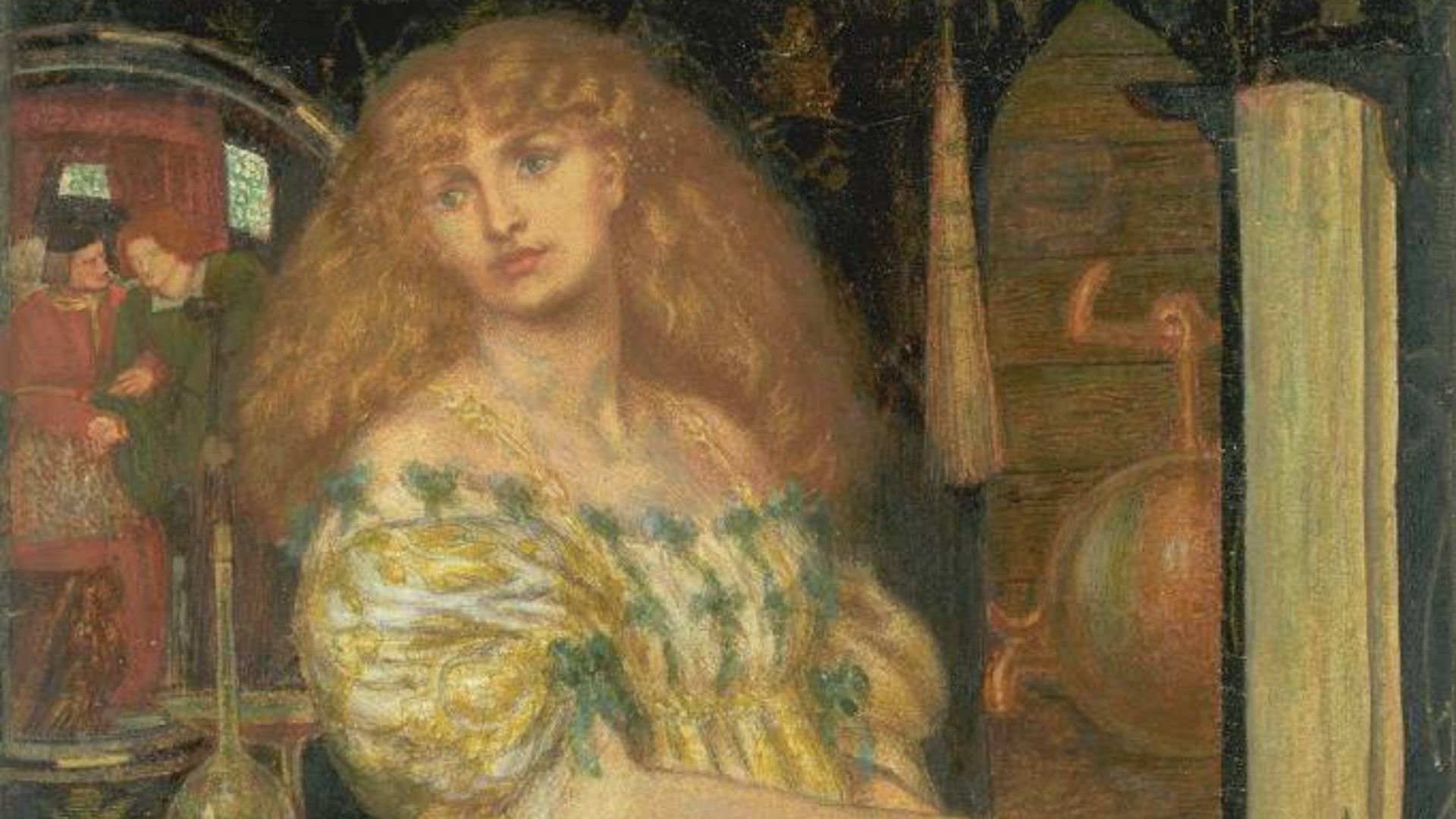
Bishop Pierre Cauchon didn't just oversee Joan of Arc's 1431 trial; the proceeding had an obvious political value for the English cause. Declaring Joan a heretic also undermined Charles VII, whose coronation she had helped make possible. She was burned in 1431, though a later retrial overturned the original sentence.
 Dante Gabriel Rossetti on Wikimedia
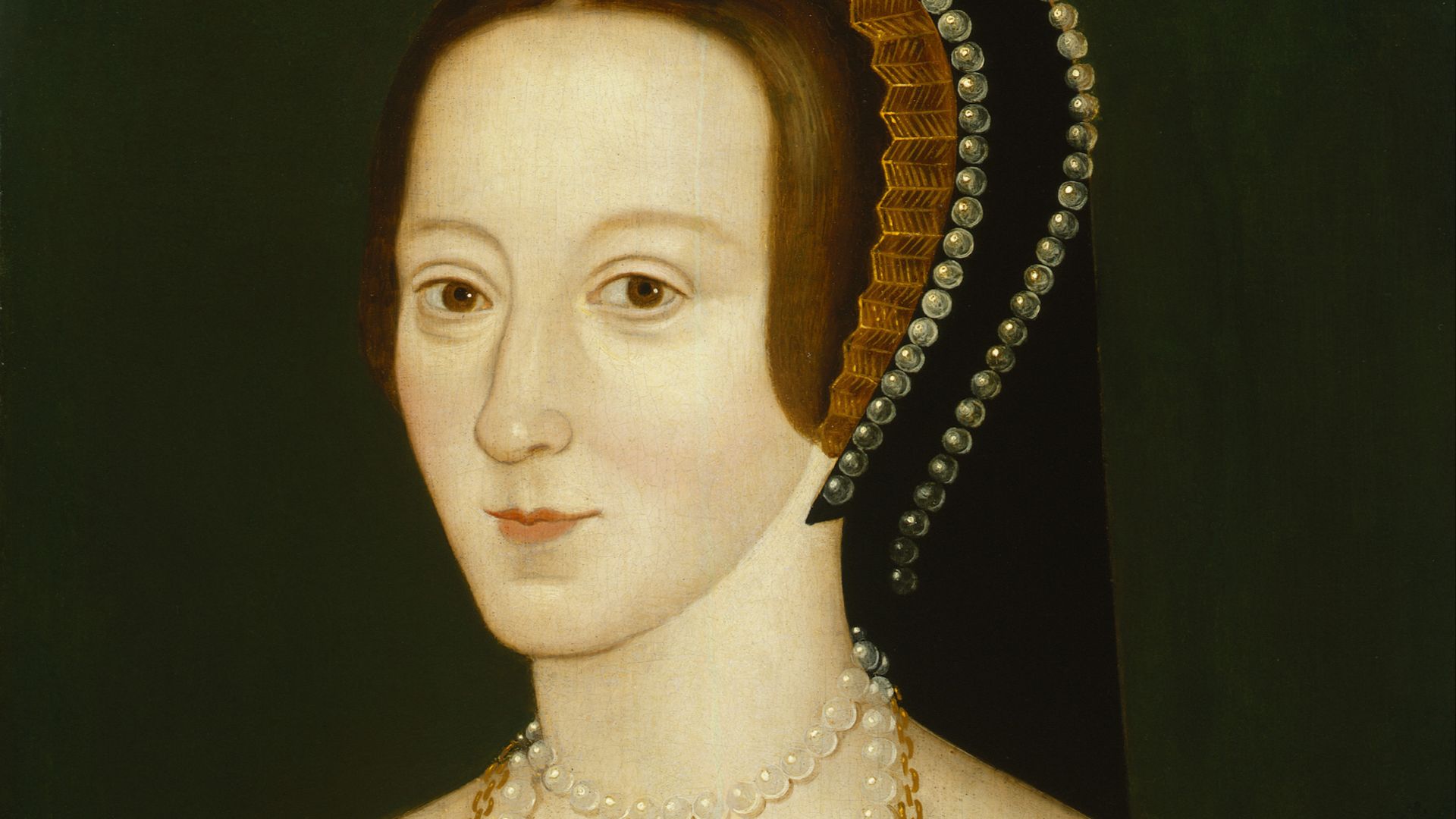
9. Anne Boleyn
Anne Boleyn's reputation didn't stop crumbling when Henry VIII had her executed in 1536 (all on charges that remain heavily disputed, by the way). Catholic polemicist Nicholas Sander later famously claimed that she had six fingers, while also presenting her as morally corrupt. Those stories only turned her into a sinister face familiar from generations of hostile histories.
 Unknown , English on Wikimedia
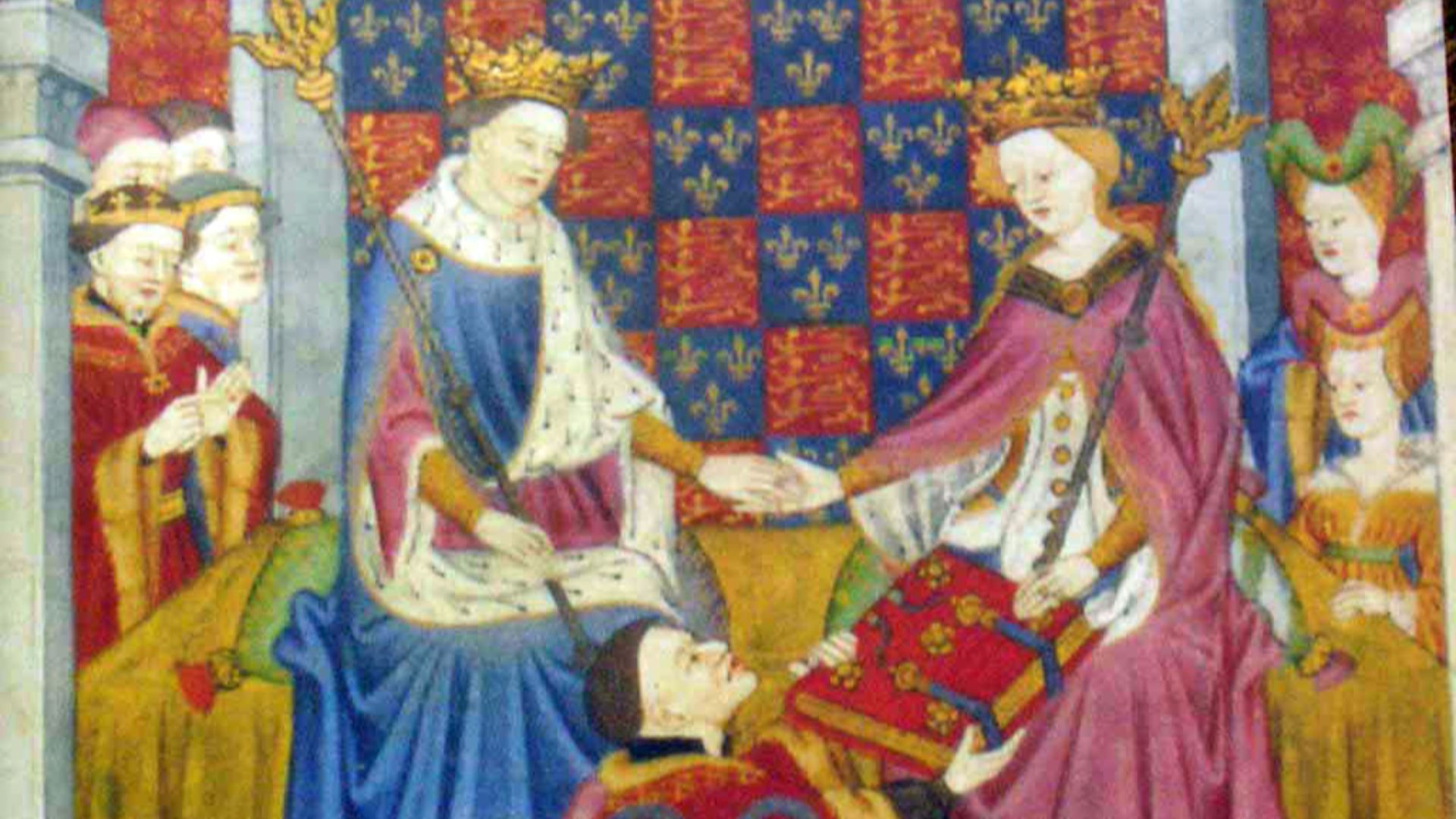
10. Margaret of Anjou
Margaret became a major political figure during Henry VI's periods of incapacity, so, of course, she was an obvious target during the Wars of the Roses. Later portrayals emphasized cruelty, scheming, and unnatural ambition while conveniently minimizing the chaos that forced her into leadership in the first place. Shakespeare only fanned the fire in his later writings.
 Talbot Master (fl. in Rouen, c. 1430–60) on Wikimedia
11. Catherine De' Medici
French Protestant polemicists spent years transforming Catherine de' Medici into the villain behind every disaster of the Wars of Religion. The attacks reached an especially harsh peak after the St. Bartholomew's Day Massacre of 1572, when writers blamed her for a wide range of crimes. Historians still debate her part in it all, but the resulting "Black Legend" was shaped by the propaganda.
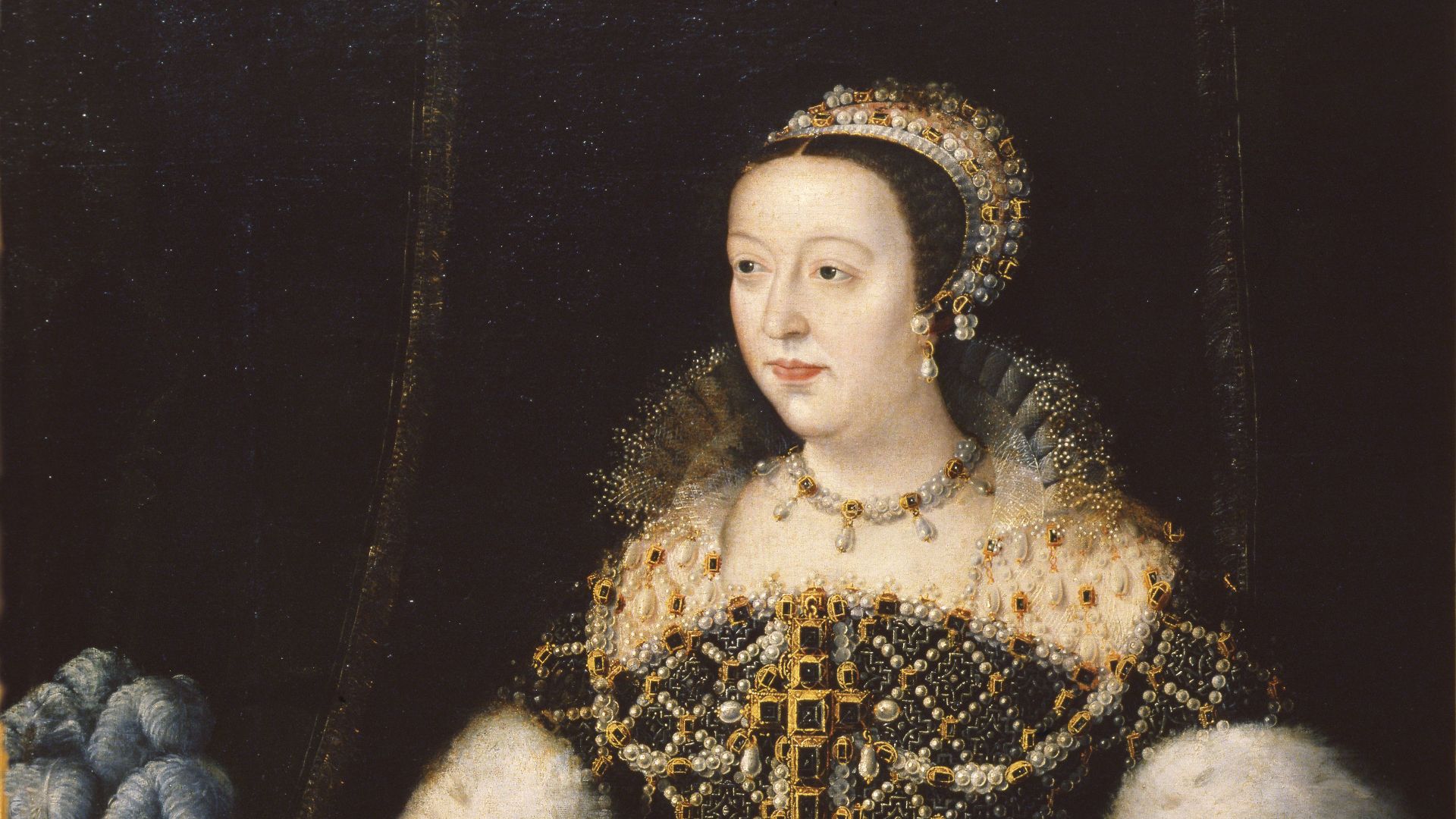 Attributed to Germain Le Mannier on Wikimedia
12. Marie Antoinette
Long before the guillotine, Marie Antoinette had already been subjected to an industry devoted to destroying her. Libelles depicted the queen as insatiable, adulterous, corrupt, and responsible for France's problems, often inventing outrageous details for bloodthirsty readers. By the Revolution, her public image was so toxic that almost any accusation made headlines.
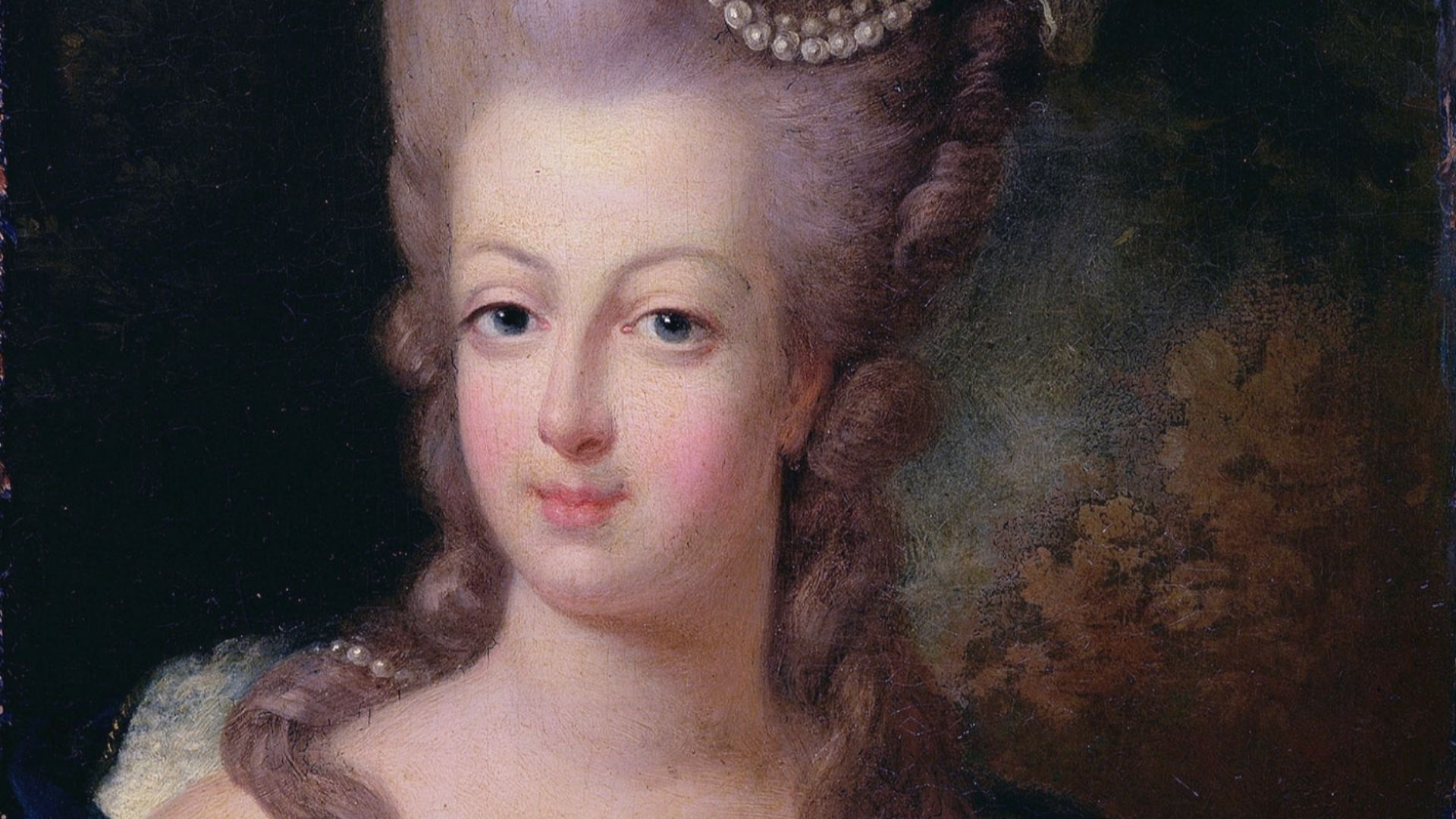 After Jean-Baptiste André Gautier-Dagoty on Wikimedia
13. Caroline of Brunswick
George IV spent years trying to rid himself of his estranged wife Caroline, and becoming king in 1820 only intensified his desire. His government introduced the Pains and Penalties Bill after collecting allegations that Caroline had committed adultery with her servant Bartolomeo Pergami, which put her private life on public trial. Nothing came of it, though; the effort backfired because she was so popular with the public.
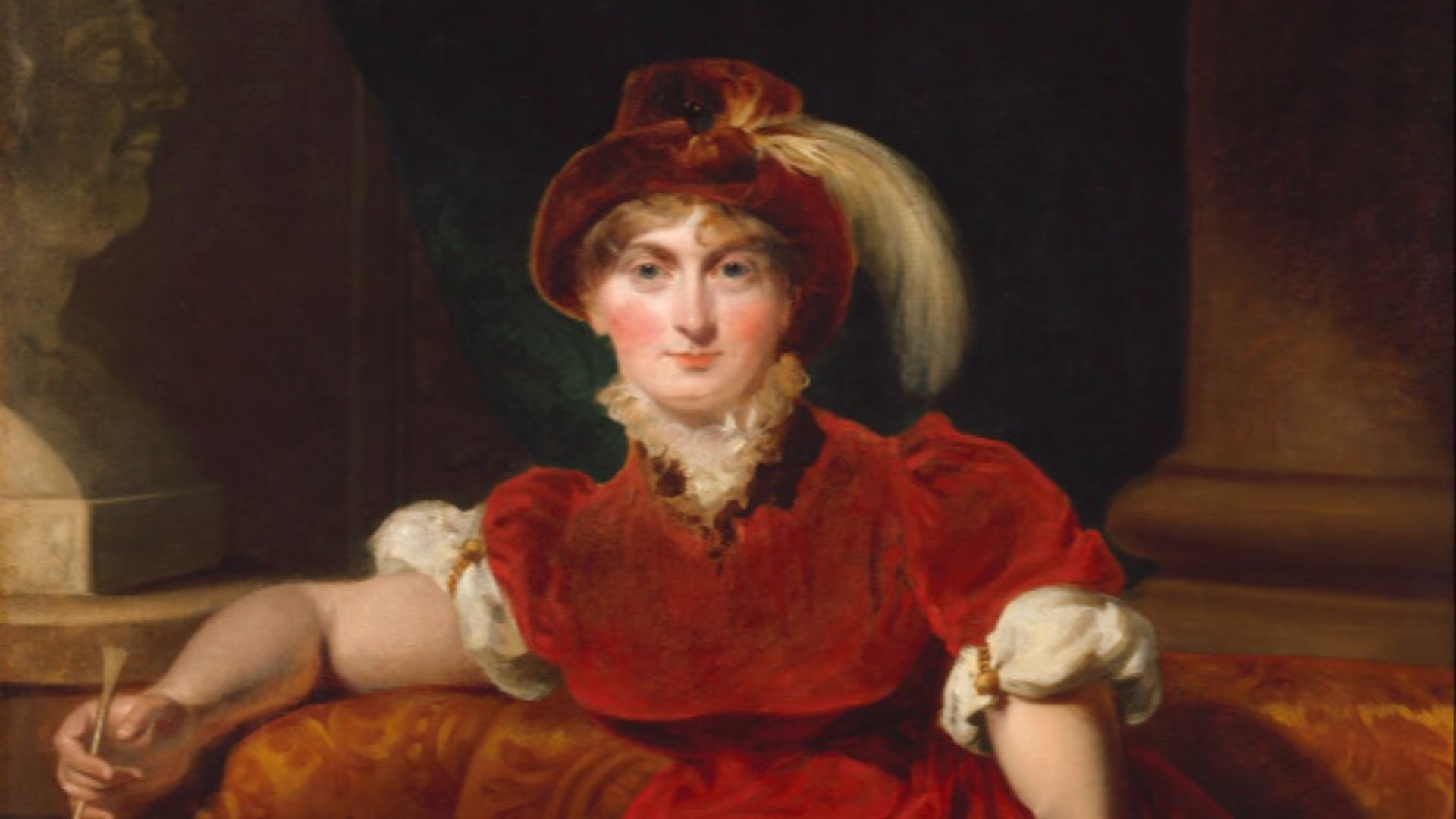
14. Anne Hutchinson
Anne Hutchinson challenged Massachusetts Bay's religious establishment in the 1630s, and Governor John Winthrop became one of her most determined opponents. At her trial, Puritan authorities characterized her as a dangerous heretic and eventually declared her a woman "not fit for our society" before banishing her. For generations, those stories whittled down a dispute to nothing more than a troublesome woman.
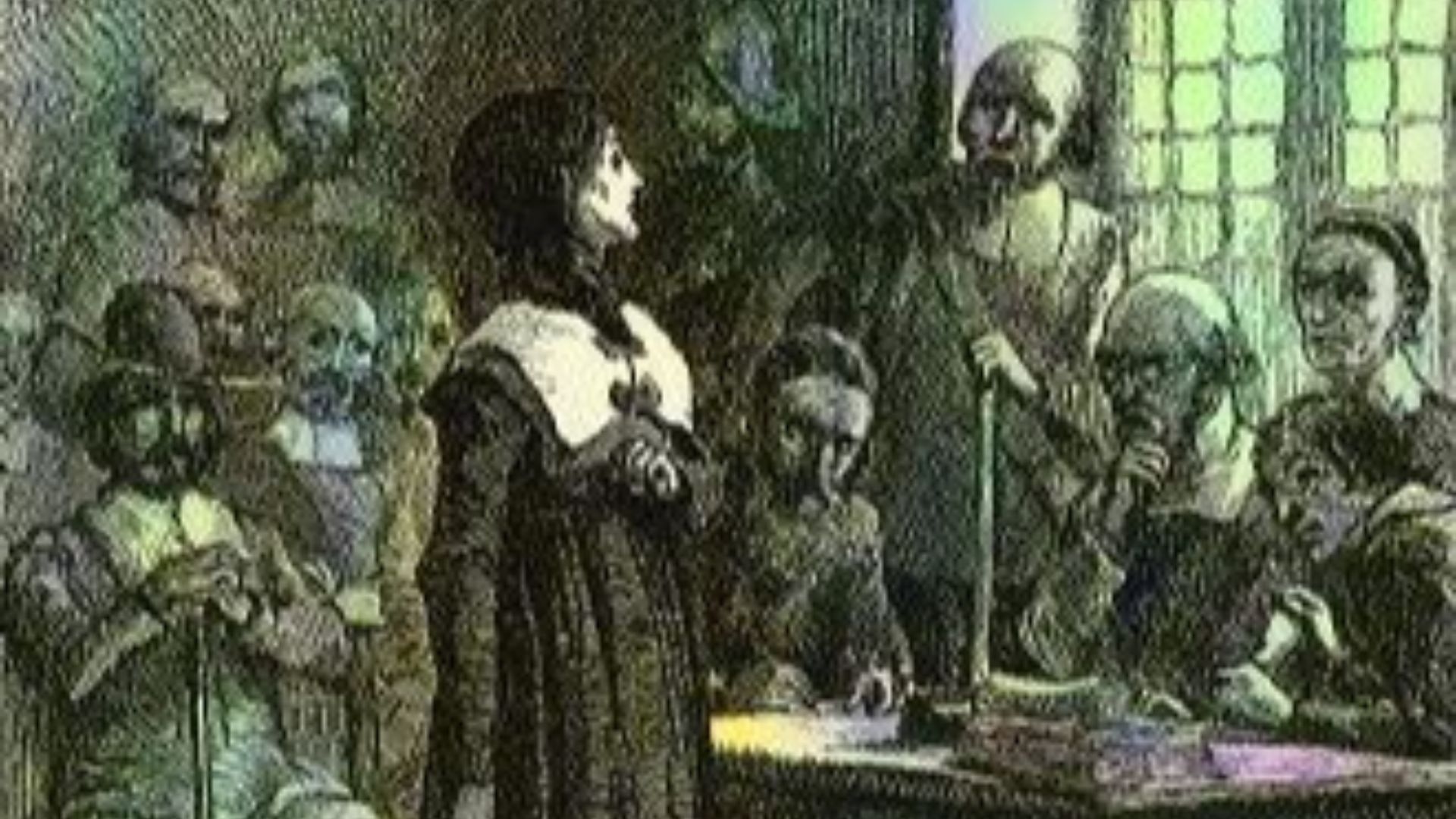 Edwin Austin Abbey on Wikimedia
15. Mary Wollstonecraft
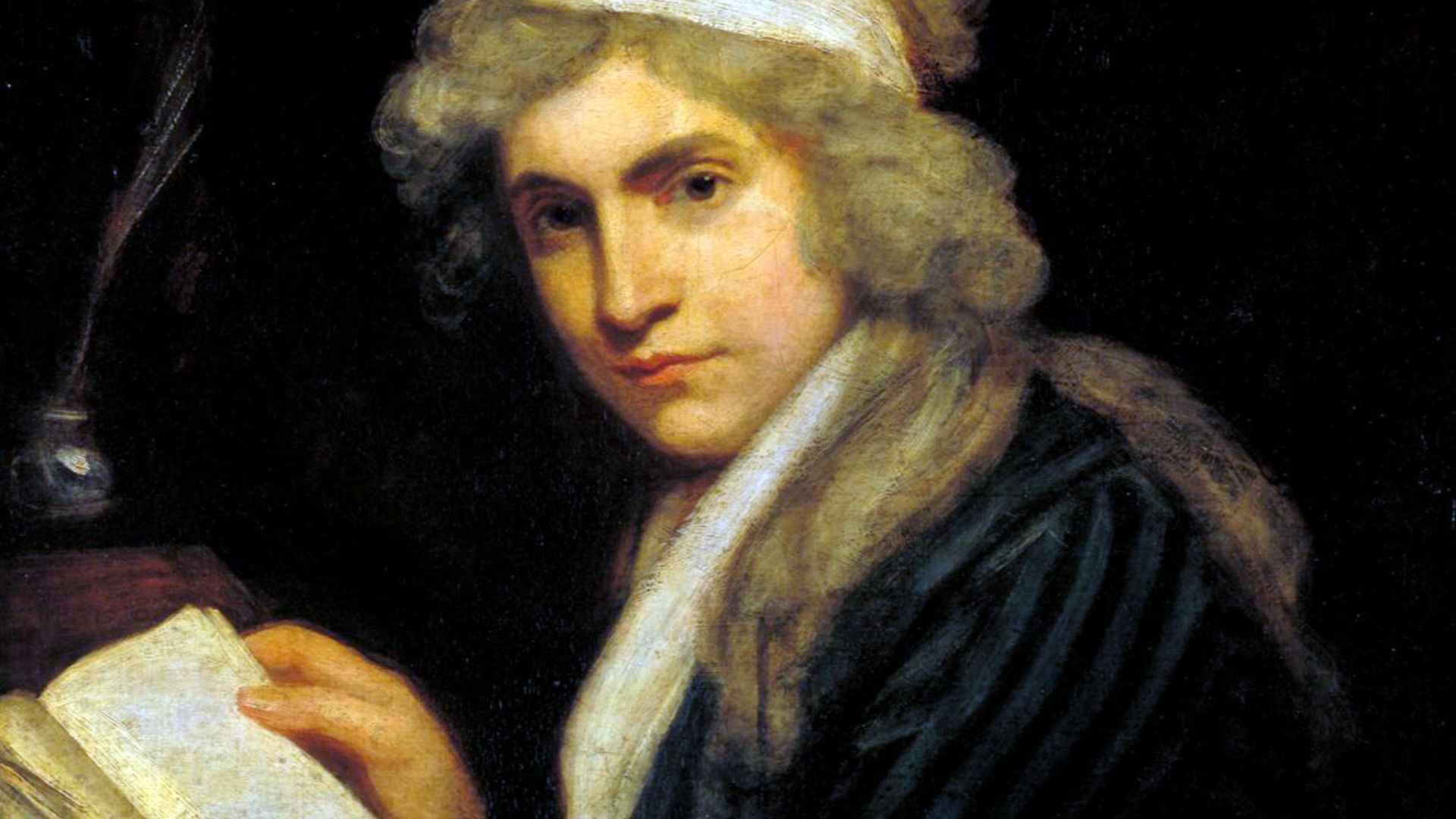
Ironically, one of the men who did the most damage to Mary Wollstonecraft's reputation actually adored her. Her widower William Godwin published an unusually candid memoir in 1798 describing her relationships, illegitimate child, and suicide attempts, believing honesty would honor her memory. The opposite happened—conservative critics seized on those revelations so aggressively that she became a pariah.
16. Victoria Woodhull
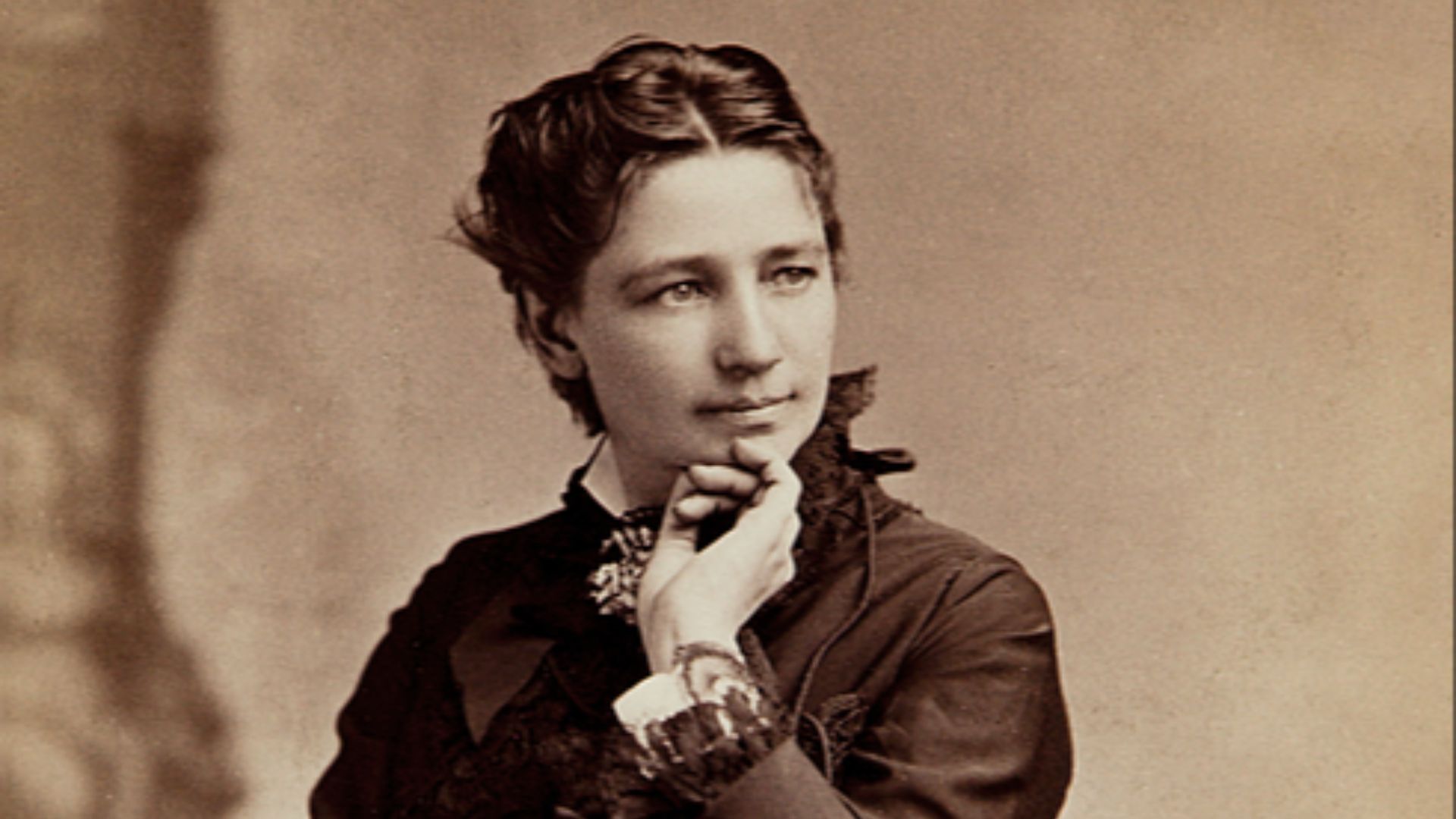
Victoria Woodhull's advocacy of women's suffrage and divorce rights made her a favorite target for male newspaper commentators in 19th-century America. Cartoonist Thomas Nast famously depicted the 1872 presidential candidate as "Mrs. Satan," complete with imagery that suggested independence itself made her dangerous. The scandal got so heated that it trickled into her personal life.
 Bradley & Rulofson, 429 Montgomery Street, San Francisco on Wikimedia
17. Ida B. Wells
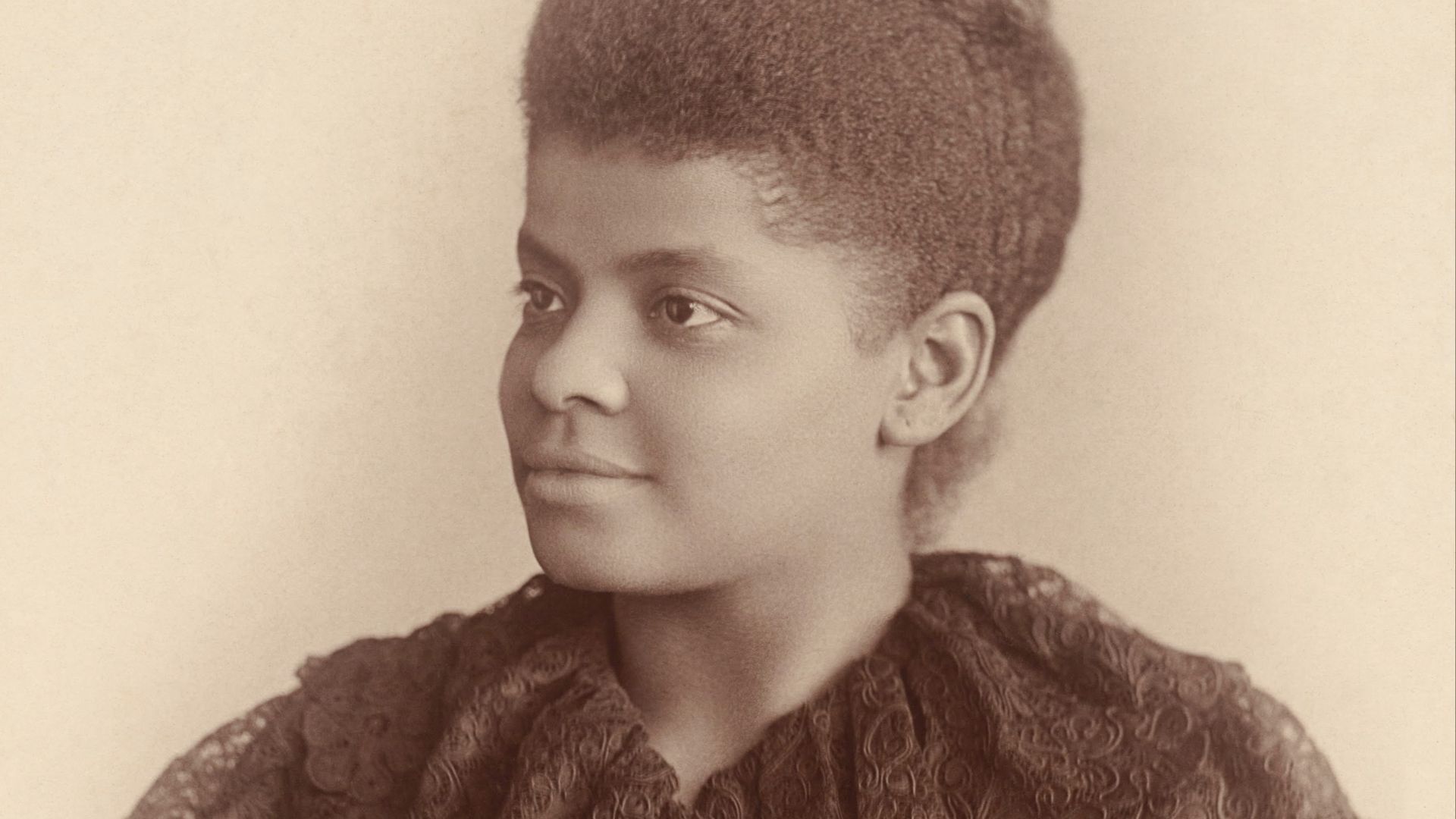
When Ida B. Wells exposed how lynching was routinely justified with false accusations, white Southern newspapers blew a gasket. After her 1892 reporting, her Memphis newspaper office was destroyed, her life was threatened, and the Memphis Commercial attacked her. Wells left Memphis but continued publishing the research her opponents so desperately tried to silence.
18. Catherine the Great
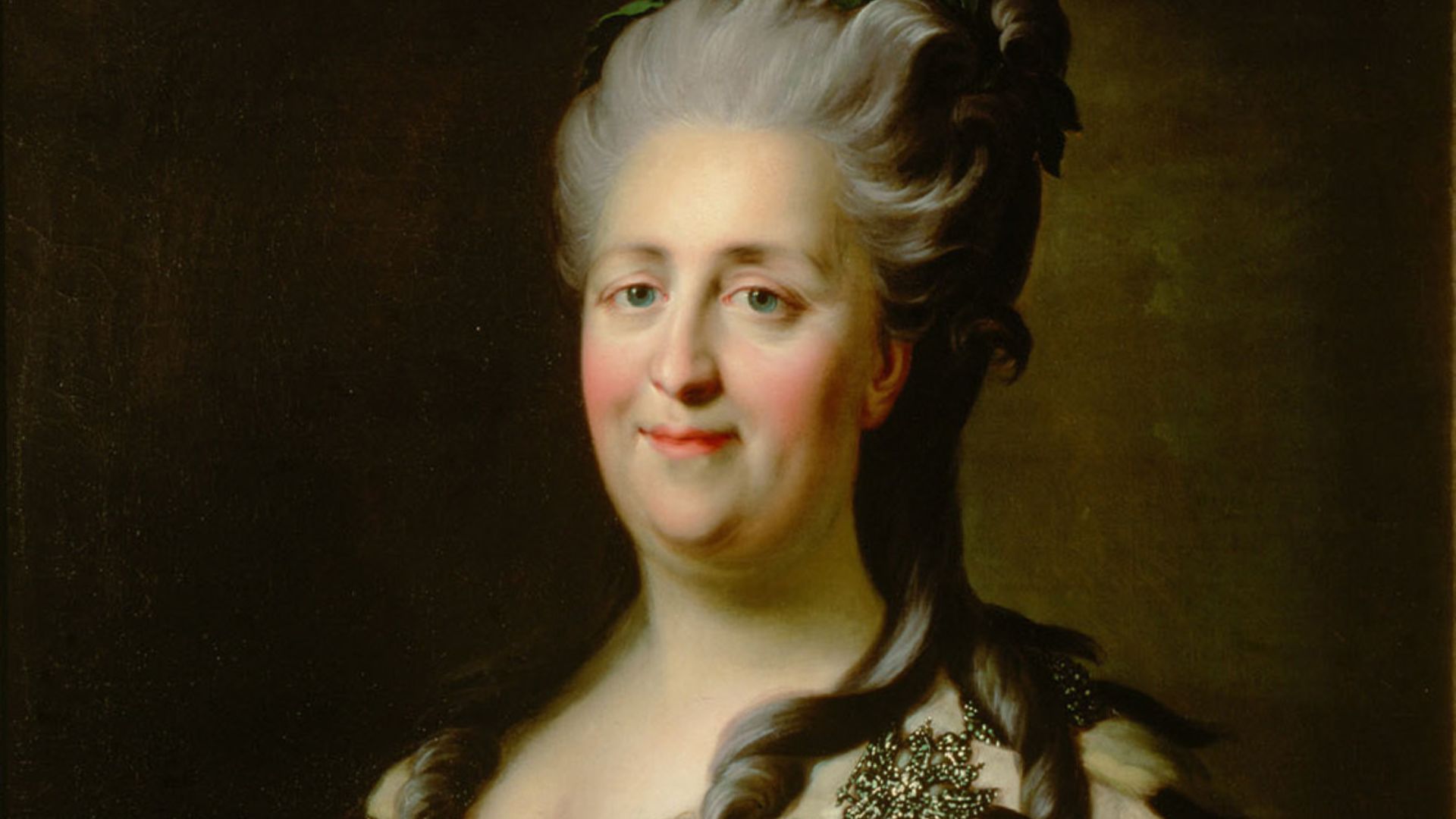
Few rulers have had their personal lives weaponized as relentlessly as Catherine the Great. Male political enemies and later storytellers portrayed her as promiscuous, eventually producing the made-up story that she died during an encounter with a horse. The reality is that she suffered a stroke in 1796.
 After Alexander Roslin on Wikimedia
19. Jane Boleyn
Jane Boleyn, Lady Rochford, spent centuries cast as the jealous wife who supplied the testimony that destroyed Anne Boleyn and George Boleyn in 1536. Much of that reputation developed through later male historical writing, even though surviving evidence doesn't clearly attribute the betrayal to her. Even today’s historians question whether she was a scheming informant or just another scapegoat.
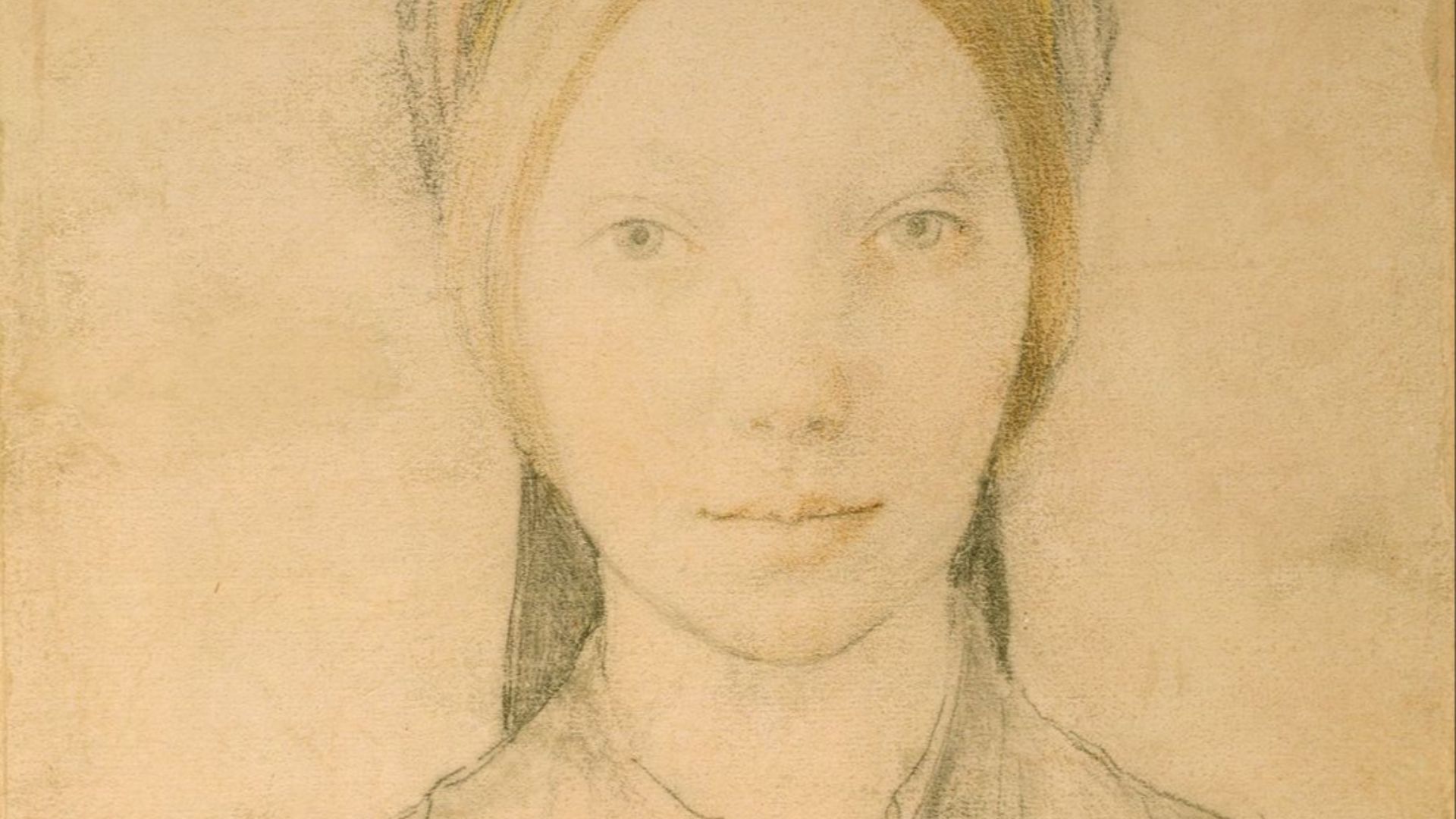 Hans Holbein the Younger on Wikimedia
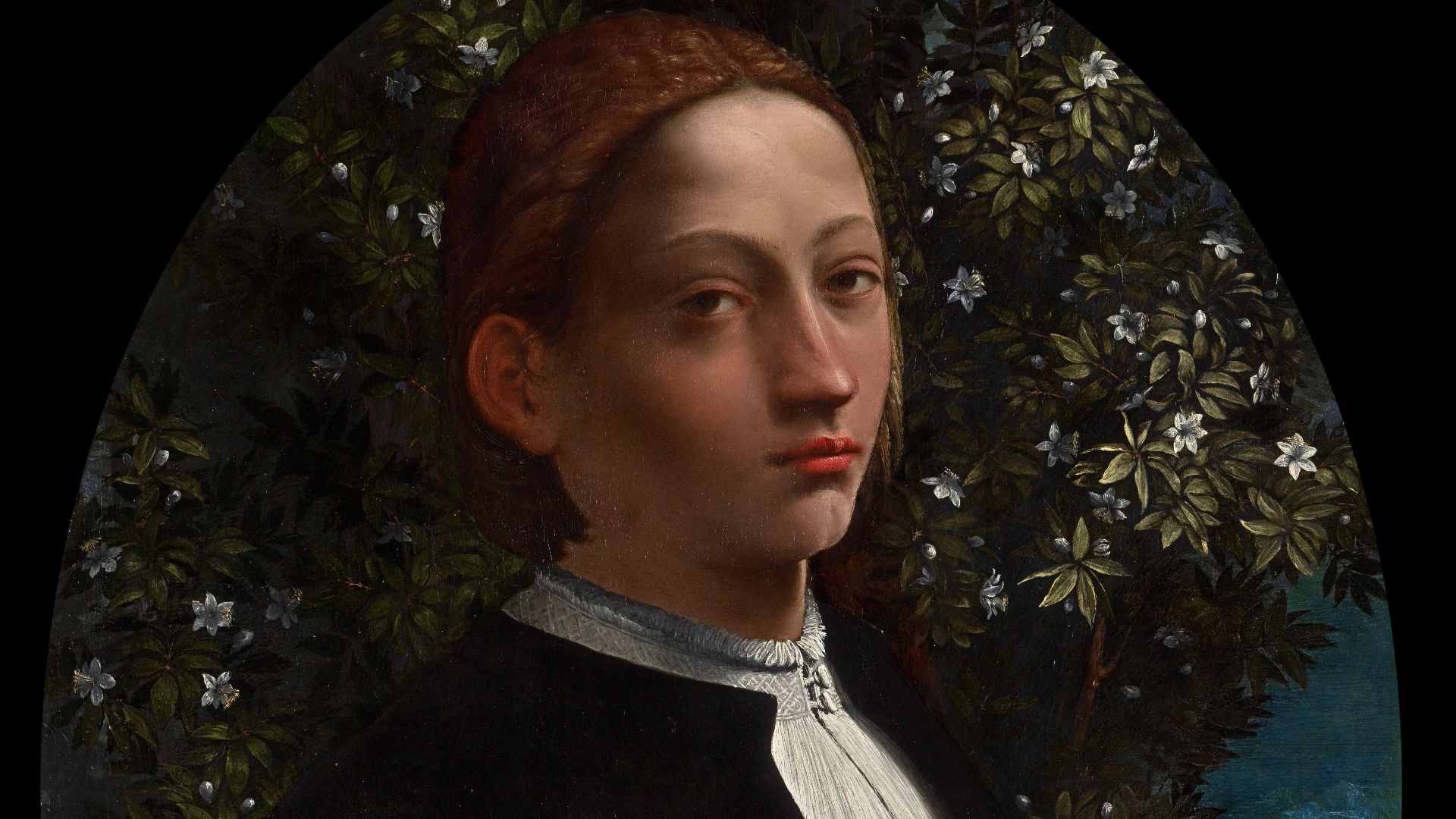
20. Lucrezia Borgia
Lucrezia Borgia's surname did most of the work for her enemies; political hostility toward her father and brother made almost any accusation believable. Male chroniclers attached incest, murder, and poisoning to her until she became one of Renaissance Italy's most notorious figures. Evidence for many of the wilder allegations is thin at best.