
 Derek Redmond and Paul Campbell on Wikimedia
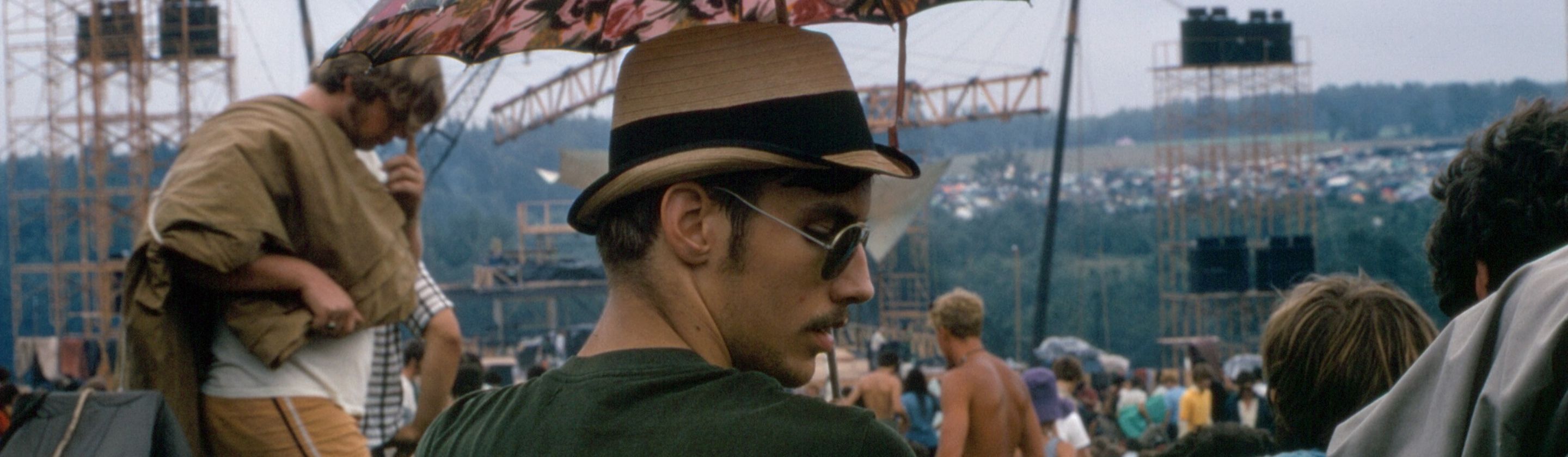
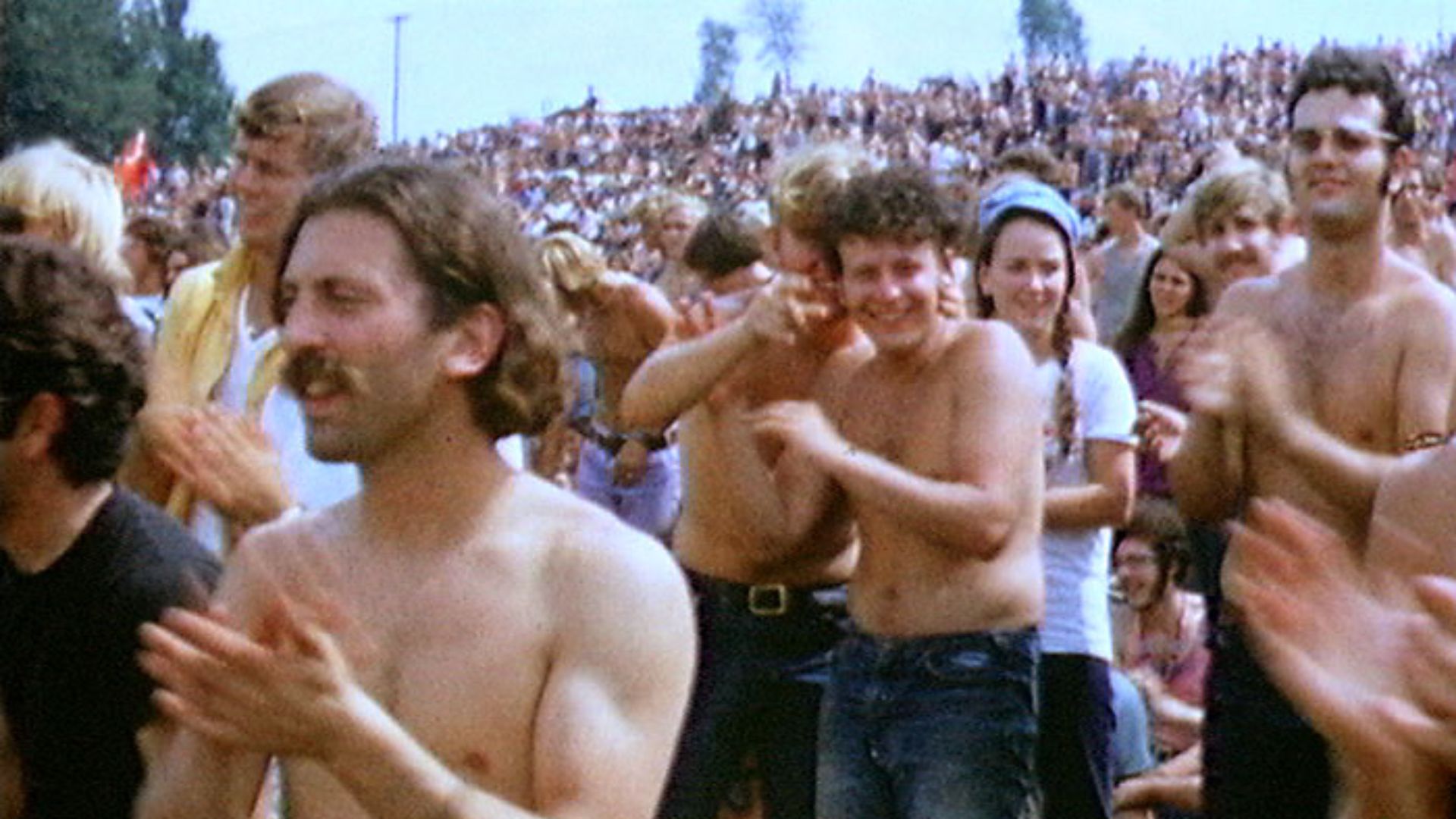
The photographs everyone knows were taken from the air on Monday morning. Half a million people had walked off Max Yasgur's dairy farm and left a hillside in Bethel, New York under sleeping bags, abandoned shoes, and mud. Organizers had planned for somewhere between 50,000 and 100,000, and roughly 40,000 were still on the hill for the closing set.
Somebody had to deal with what the other 460,000 left behind, and the answer is less romantic than the weekend it followed. Local contractors did most of it, paid by a company that was deep in debt, helped by a few hundred people who decided not to go home yet.
Local Crews And The People Who Stayed
Woodstock Ventures hired local sanitation companies to handle the field and the roads feeding into it. One crew belonged to the father of Joe Sardonia, who later said the work ran from the end of the festival until Christmas. Four months of hauling followed three days of music. Almost nobody who had been there over the weekend saw that part, since the crowd cleared out by Monday afternoon and the trucks came in behind them.
Volunteers covered a good part of the rest. Around 300 people stayed on without pay, among them David Fillingham, who gave it about three weeks before heading off. Members of the Hog Farm commune, who had spent the weekend running the free kitchen, stayed to pick up after the crowd they had been feeding.
The scale sat somewhere between a landfill and a lost property office. Lisa Law, who helped organize the food operation, remembered roughly 35,000 sleeping bags coming off the ground. Contractors worked a radius of at least five miles, since the mess had spread down every road where people had abandoned their cars and walked the last stretch in.
Bulldozers, Then A Reseeding
The field itself got treated like a construction site. Bulldozers pushed the debris into piles and scraped a layer off the top of the pasture, and the material went off site by truck. Hog Farm members said the ground was reseeded afterward so it could go back to being a dairy farm, which it did.
Anything salvageable was supposed to be given away. One of the festival's organizers, Mel Lawrence, said the recovered bedding and clothing went to the Salvation Army in New York City. The director of the museum now on the site has heard that account from several directions and has never turned up paperwork confirming any of it. Fifty years of retelling has a way of smoothing the details, and the donation has become one of those things everyone knows without anyone being able to point to a receipt.
One popular story doesn't survive contact with the evidence. The burning garbage pit that shows up in retellings has no support in the ground, because the archaeological survey run by Binghamton University's Public Archaeology Facility found almost no festival garbage at all. The same team pinned down the exact stage location in 2018 and mapped 24 vendor booths in the wooded area beside the field. What survived underground was a scattering of metal near the bottom of the slope, which is what a thorough cleanup looks like decades later.
The Bill
Yasgur came out of it better than his neighbors did. His fee for the land and facilities started at $10,000 and ended up at $75,000. On January 7, 1970, several neighboring farms sued him for $35,000 over damage done during the festival. Their complaints covered torn-down fenceposts, looted crops, and garbage dumped across land nobody had rented. The festival had been sold to the town as a manageable event, and the farms on the other side of the fence absorbed the difference.
The promoters were in no position to absorb much more. Woodstock Ventures had spent around $3.4 million putting the festival on, Jimi Hendrix's $18,000 fee included, then refunded advance ticket holders who couldn't reach the site through closed roads. Once the litter was cleared the company sat about $1.6 million in debt, with an escrow fund set up to pay property owners for what had been wrecked.
What settled the account was the movie. Warner Brothers held exclusive distribution rights to the documentary, which cost roughly $100,000 to shoot and won the Oscar for best documentary in 1970. The promoters took a flat fee of $1 million plus a slice of the back end, and the film passed $50 million worldwide inside a decade. The cleanup at Bethel was paid for, in the end, by people buying tickets to watch the festival that made the mess.