

20 Musicians Who Shaped the Sound of Rock n' Roll More Than Elvis
Giving Credit Where It's Due
Elvis was a massive star and a genuine talent, but “shaping the sound of rock n’ roll” isn’t the same thing as becoming its most famous face. Rock came from a busy crossroads of blues, gospel, R&B, country, and pure teenage troublemaking, and a lot of the people who built that engine don’t get the same mainstream shine as "The King." If you love rock, you’re already hearing their fingerprints, even when you don’t realize it. Here are 20 musicians whose playing, writing, and ideas pushed the music’s sound forward in ways that outlast any single icon.
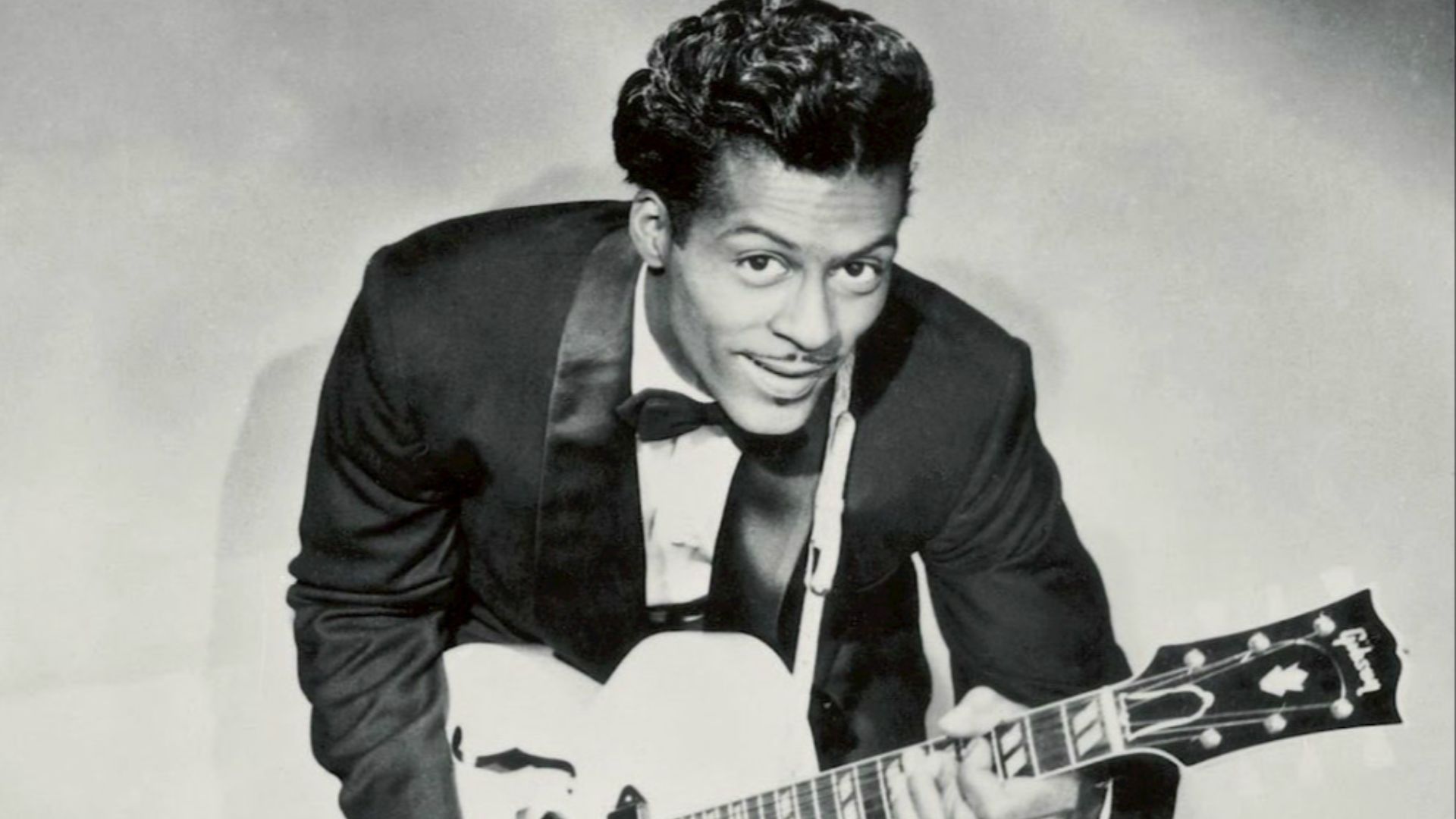
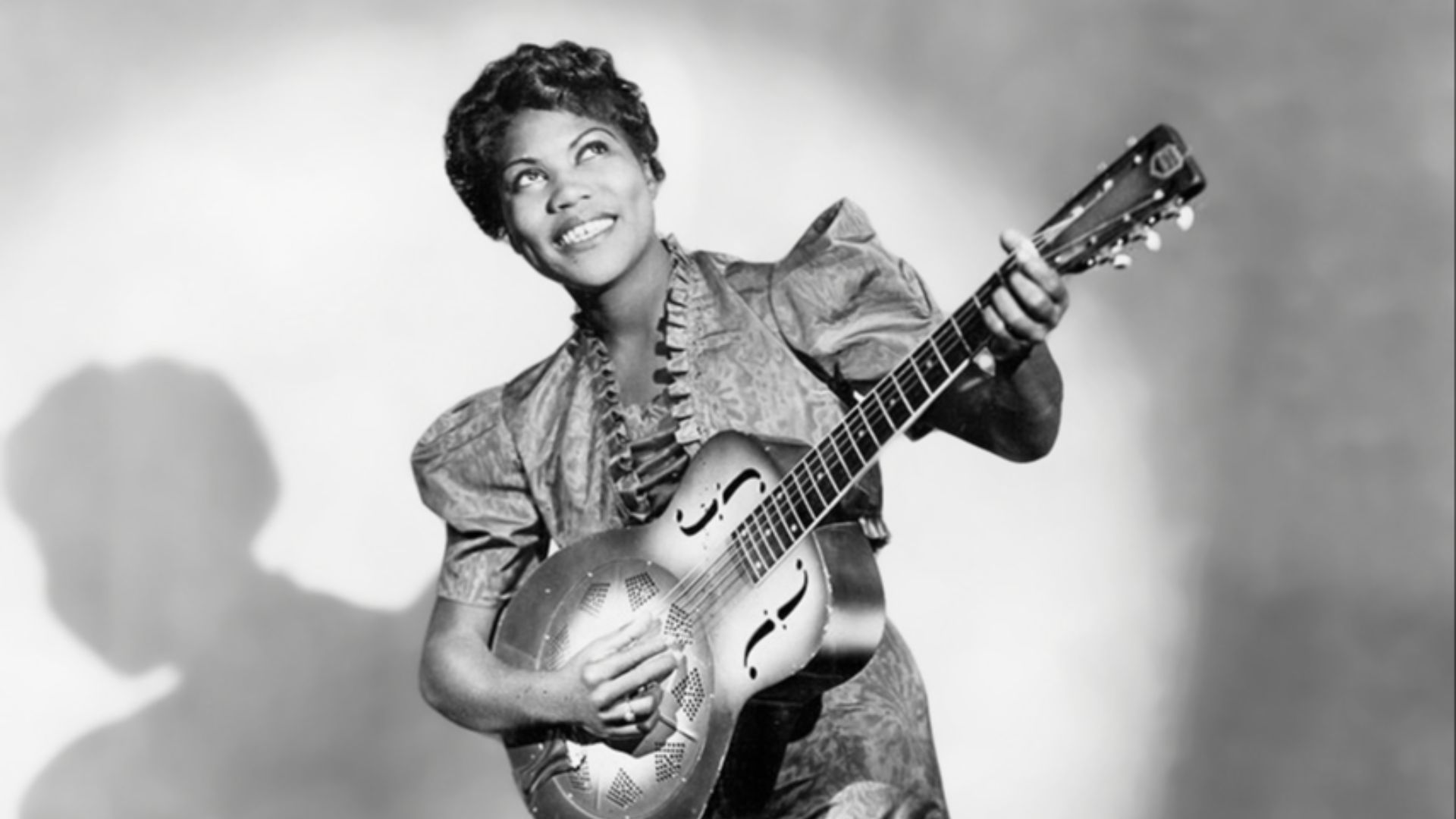
1. Sister Rosetta Tharpe
She was ripping electric guitar parts with gospel fire long before rock was even a marketing term. Her tone, rhythm, and stage presence made “church energy” sound like a Saturday-night show. You can draw a straight line from her aggressive strumming to early rock guitar attitude. She didn't just influence rock; she lit the fire.
 James J. Kriegsmann on Wikimedia
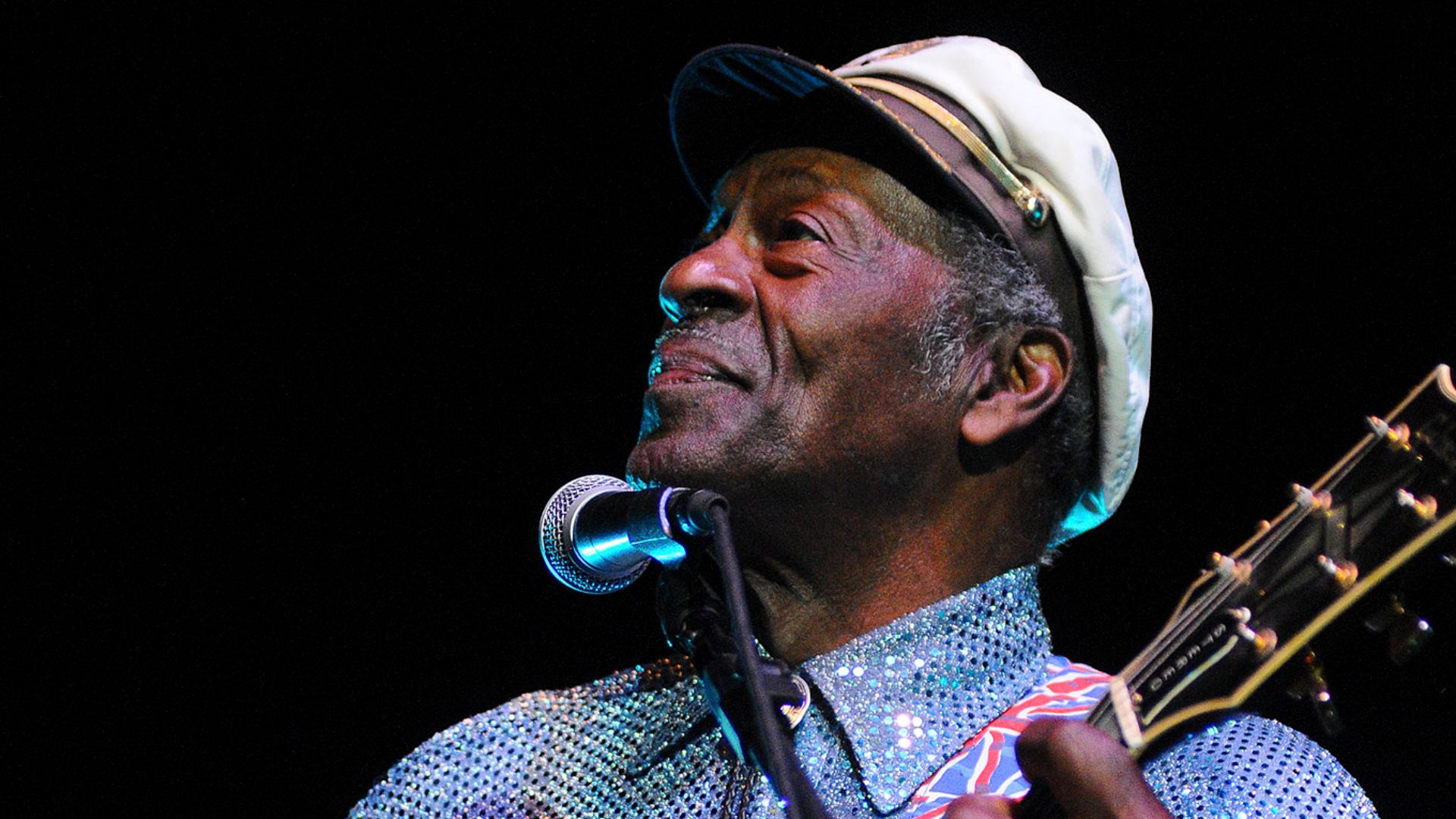
2. Chuck Berry
Berry didn’t merely play guitar; he taught rock how to talk. His riffs became a template, his storytelling shaped lyric style, his sense of swing set the genre’s pulse, and every pop or rock act of the time knew it (that's why they all covered his songs). When you hear a bright, punchy guitar intro that feels like it’s grinning at you, that’s Berry’s DNA.
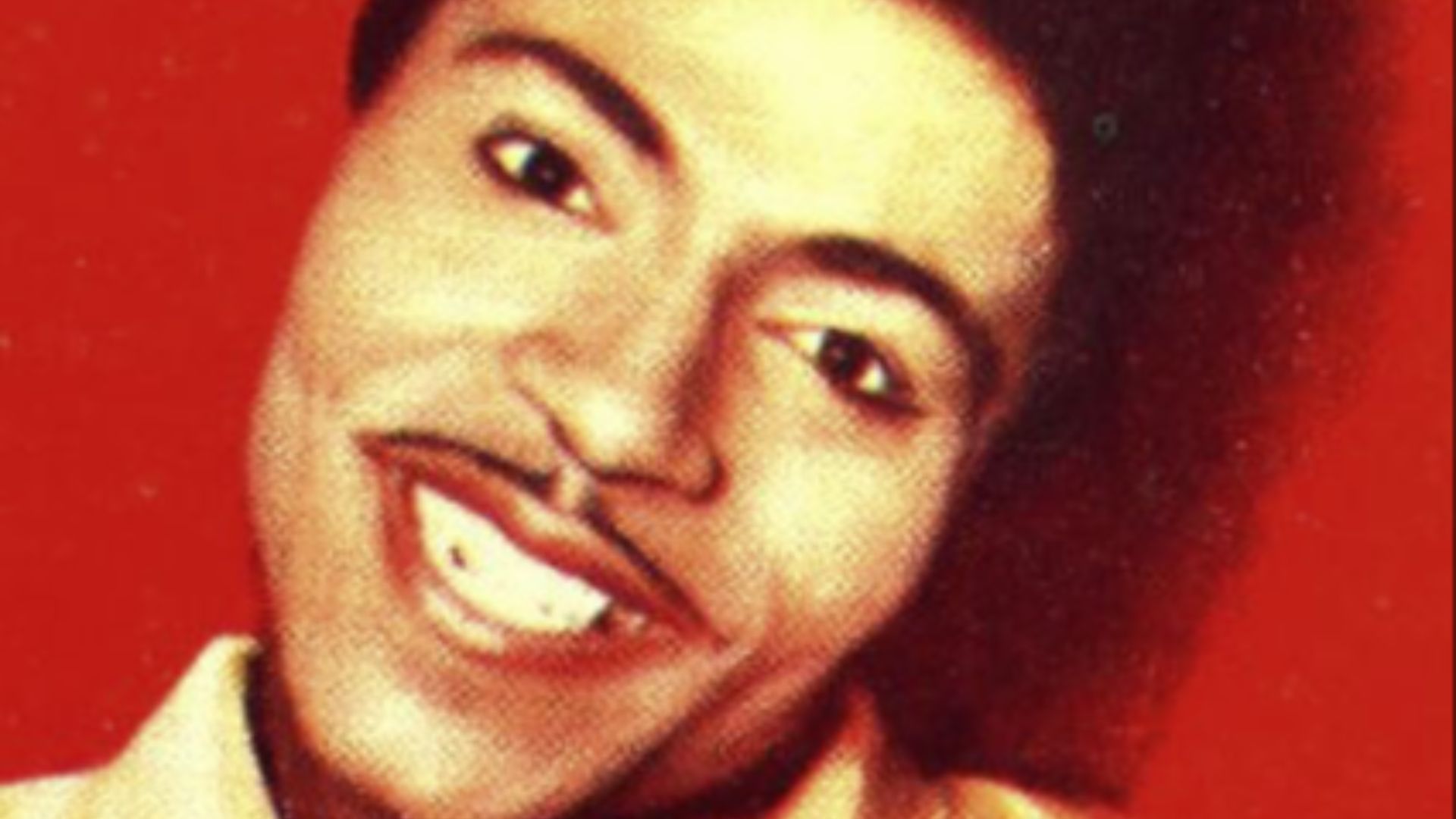
3. Little Richard
He turned volume into personality and made “too much” the whole point. That piano pound, that vocal scream, and that frantic tempo are basically rock’s nervous system. Bands like Led Zeppelin, Deep Purple, and Aerosmith, which are famous for their wailing vocals, have him to thank.
 TGC-Topps Gum Cards on Wikimedia
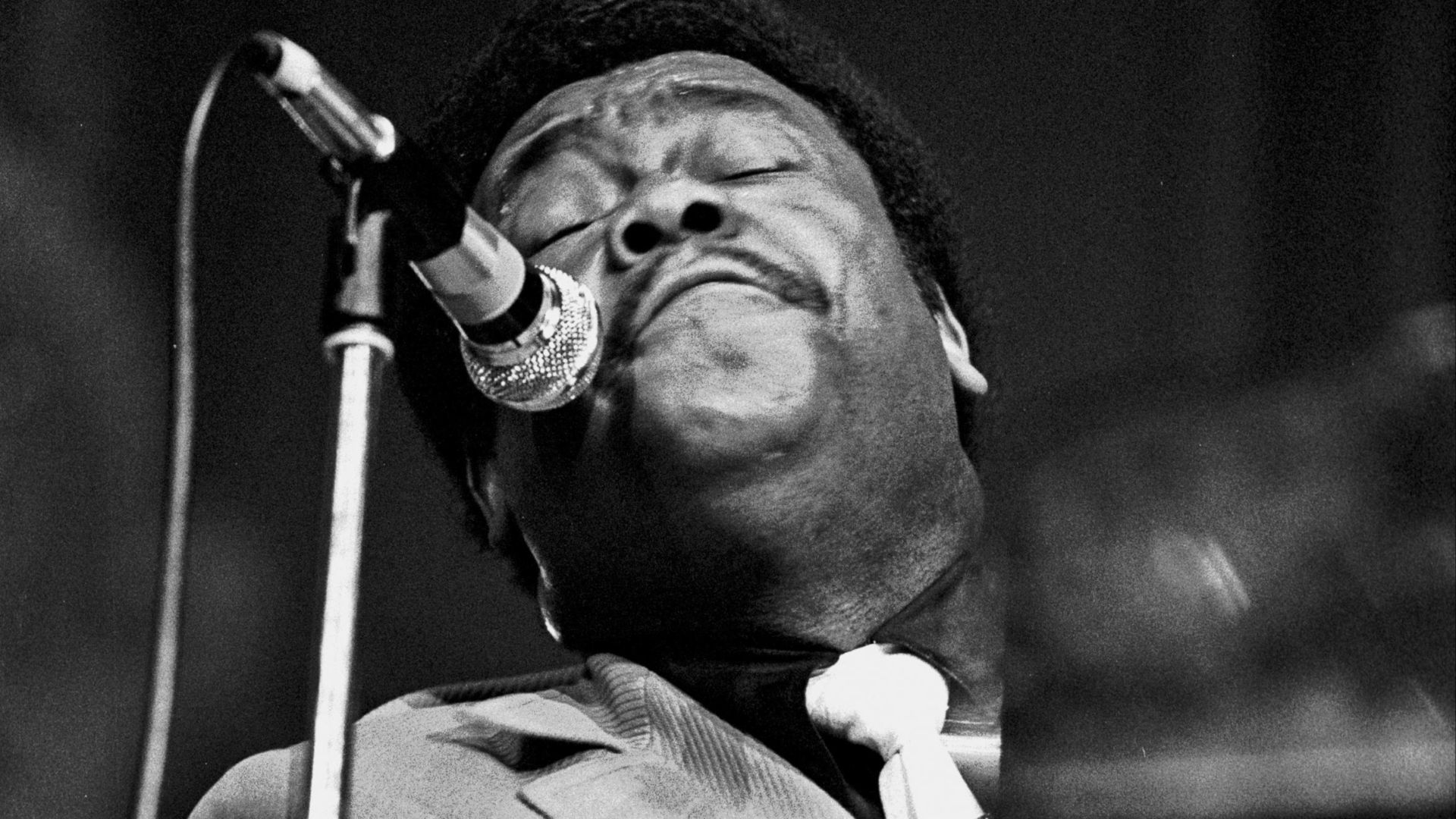
4. Fats Domino
Domino brought a rolling, melodic piano style that made early rock feel warm instead of just wild. His rhythm and groove helped bridge R&B into pop-friendly rock without sanding off the fun. You can hear his influence in the way rock learned to dance, not just stomp. He proved that rock could be smooth and still hit hard.
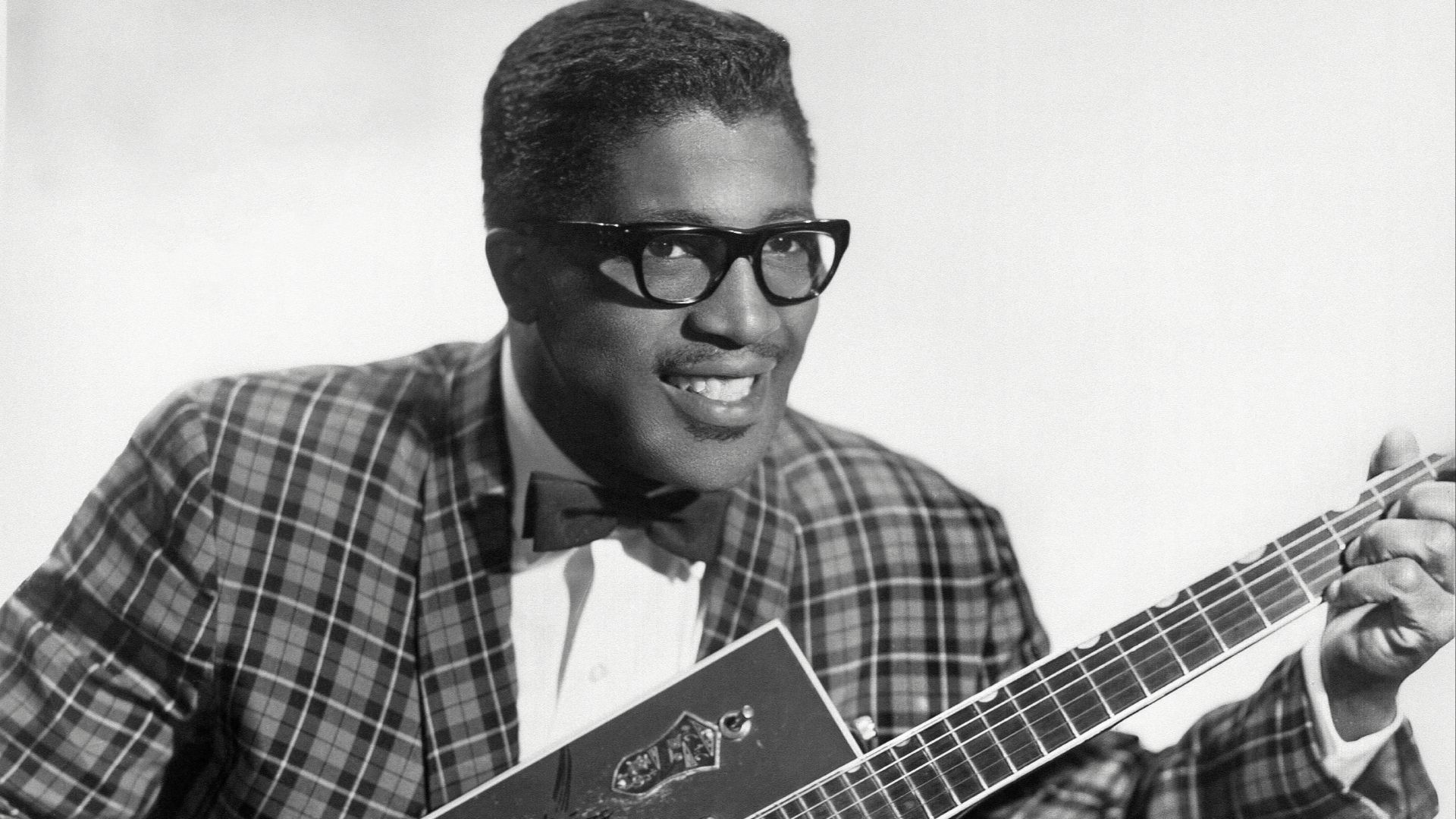
5. Bo Diddley
The “Bo Diddley beat” is one of those rhythms that shows up everywhere once you recognize it. It’s driving, syncopated, and weirdly addictive, like it dares you not to move. He turned rhythm into the main attraction, giving rock a lot of its swagger.
 Published by Chess Records on Wikimedia
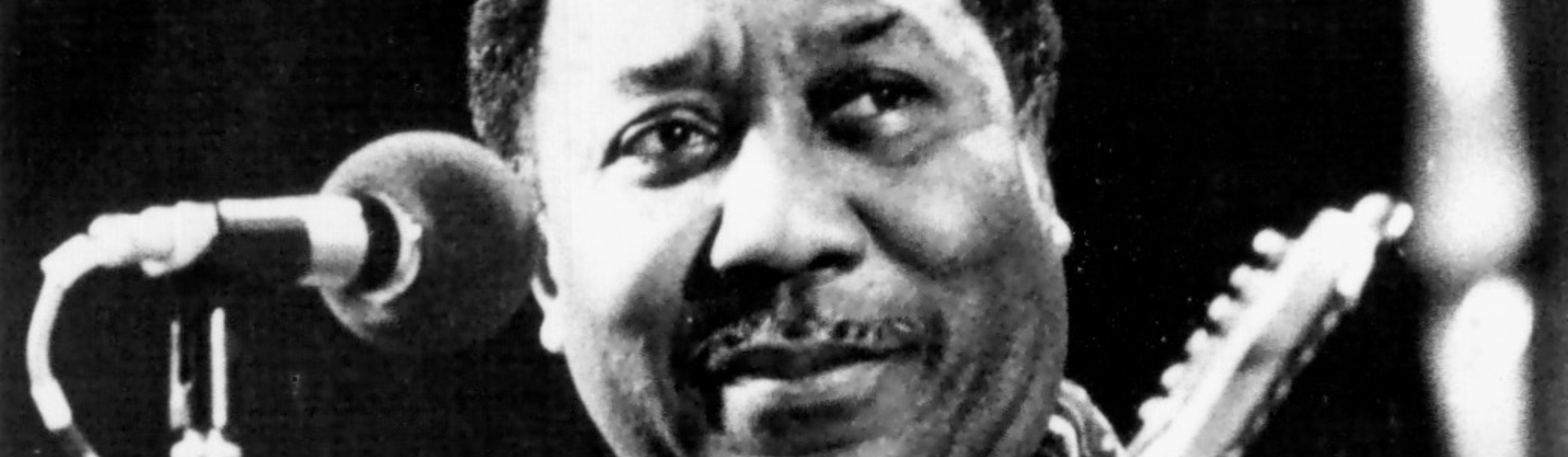
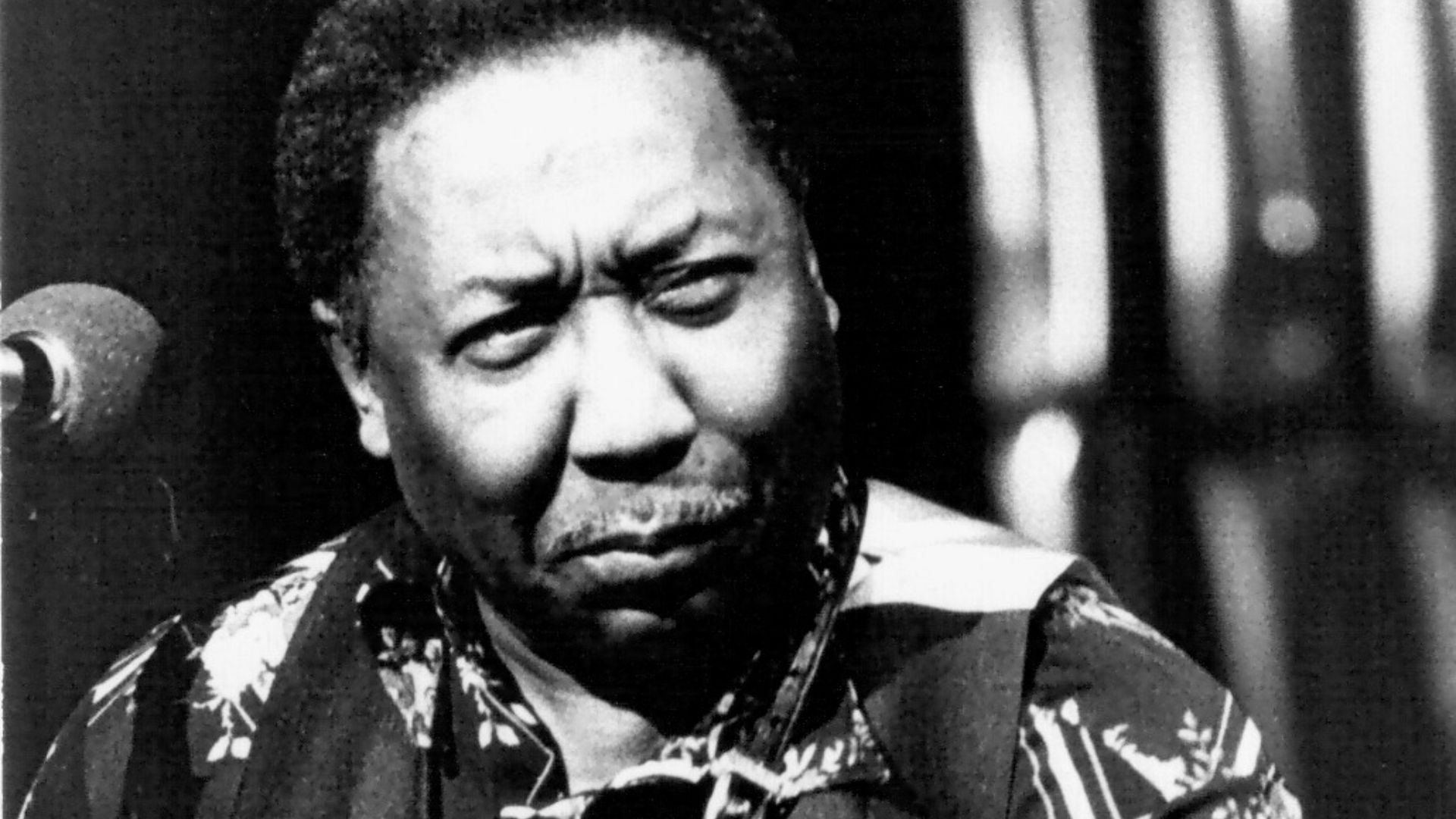
6. Muddy Waters
Waters electrified the blues and, in the process, supercharged rock’s future. His amplified sound, band format, and raw vocal presence became a blueprint for rock groups that wanted grit with power. The British rock explosion is drenched in Muddy’s gritty, distorted influence.
7. Howlin’ Wolf
Wolf sounded like a human thunderclap, and rock singers have been chasing that kind of authority ever since. His voice wasn’t “pretty,” but it was unforgettable, which is a far more useful quality in rock. He showed that vocal character matters more than polish.
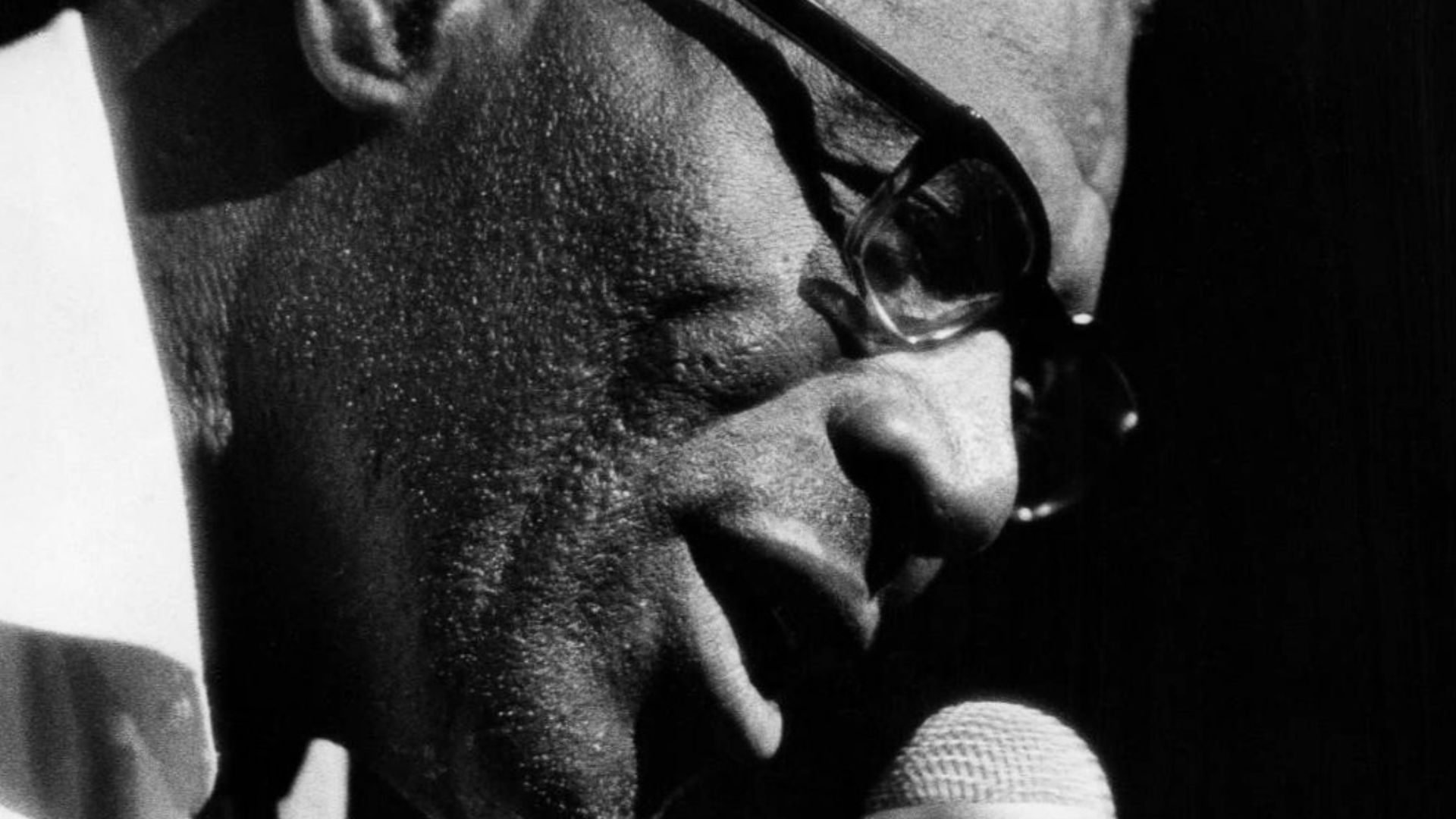 Doug Fulton (1928-1996) on Wikimedia
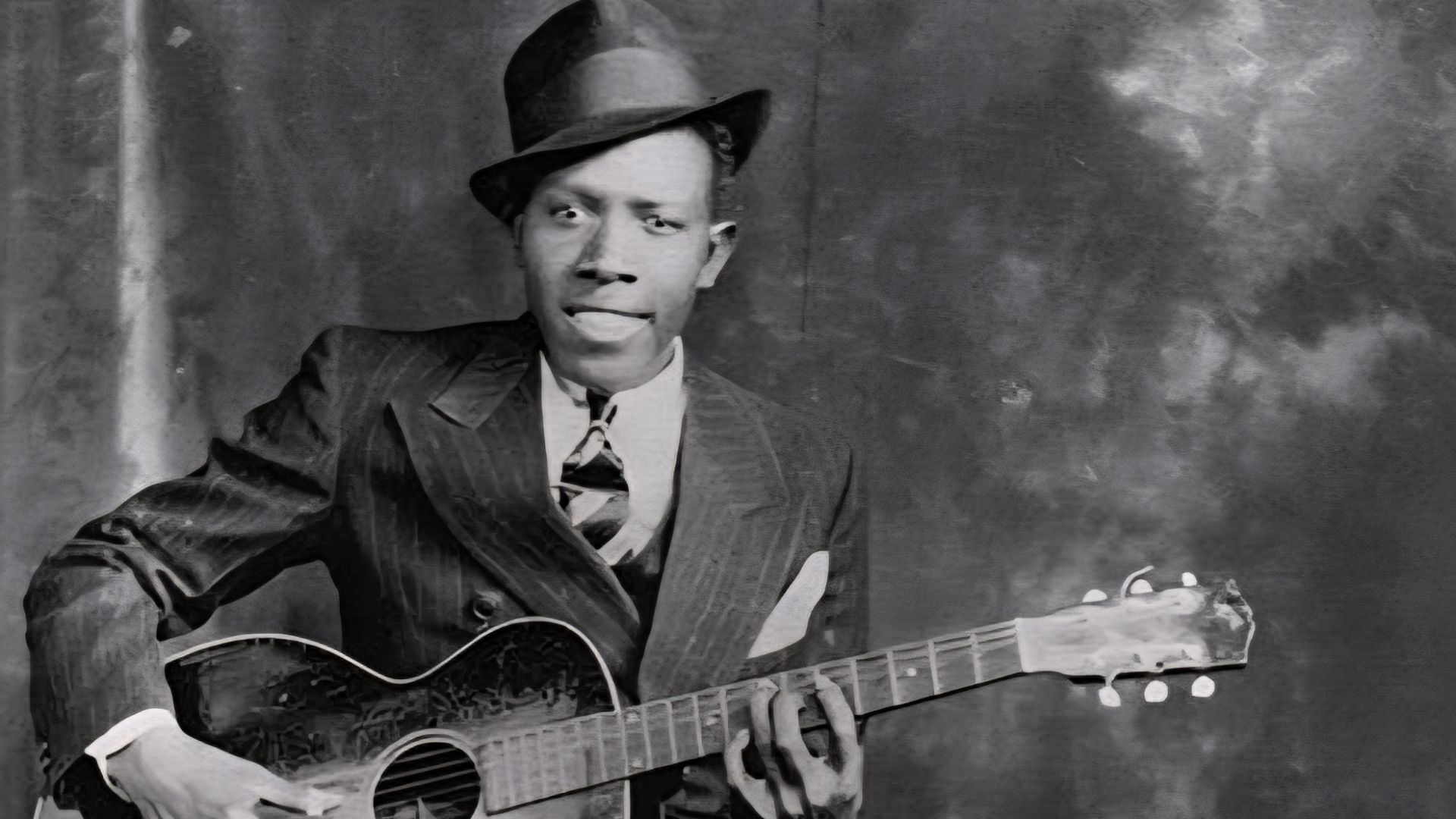
8. Robert Johnson
Even with a small recorded catalog, Johnson’s guitar phrasing and songwriting haunt rock like a friendly ghost. His blend of rhythm and lead playing hinted at what a single guitarist could do without a big band. Rock didn’t copy him note-for-note as much as it absorbed the mood and myth. He helped make the idea of the guitar hero feel inevitable.
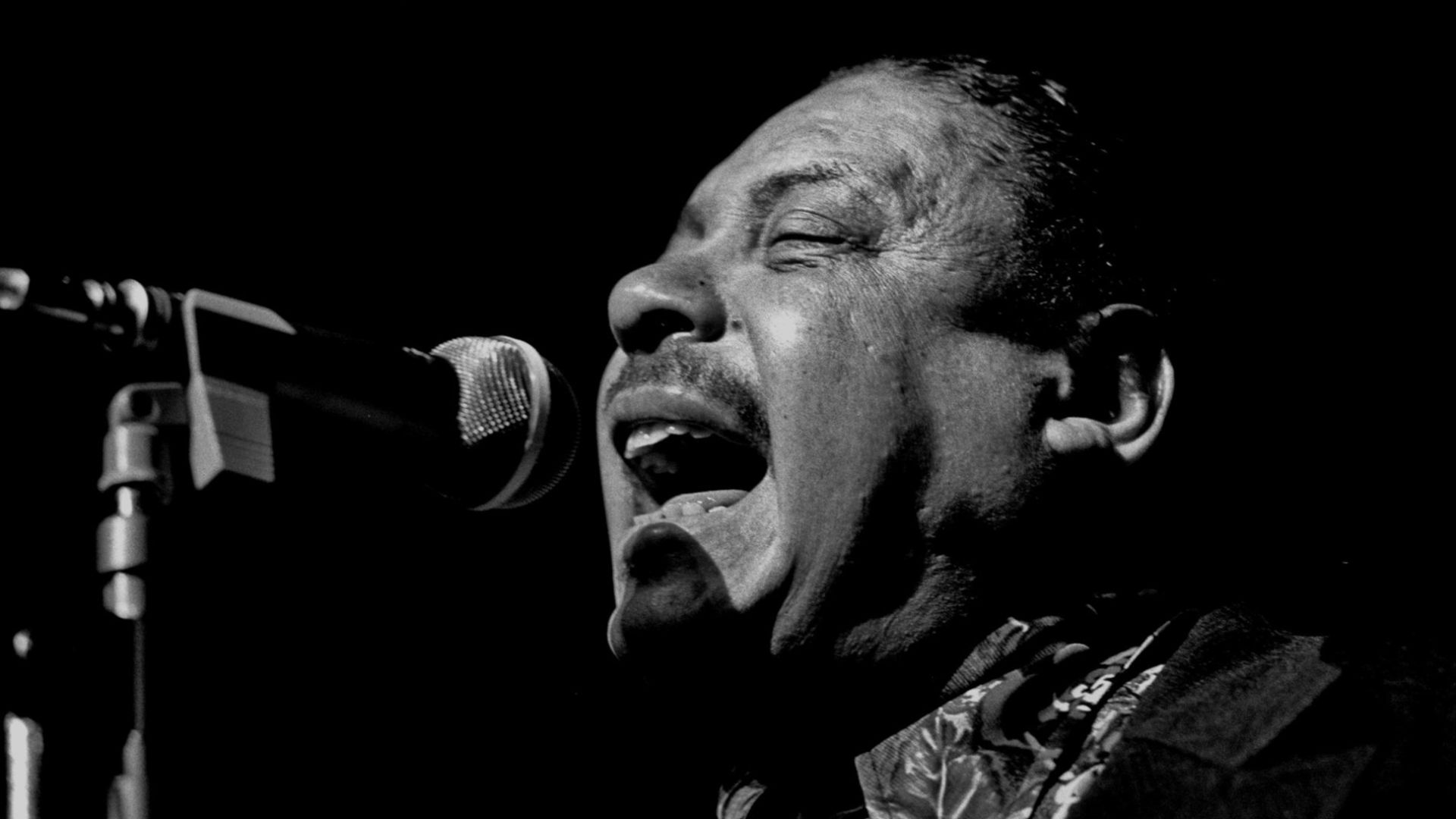
9. Big Joe Turner
Turner’s booming shouts and jump-blues drive made early rock feel like a party with elbows. He brought a big-band-era sense of swing into a rougher, punchier format that rock ran with. His vocal delivery helped define the “belt it out” style that later rock singers loved. You can hear him anytime rock sounds like it’s daring the room to keep up.
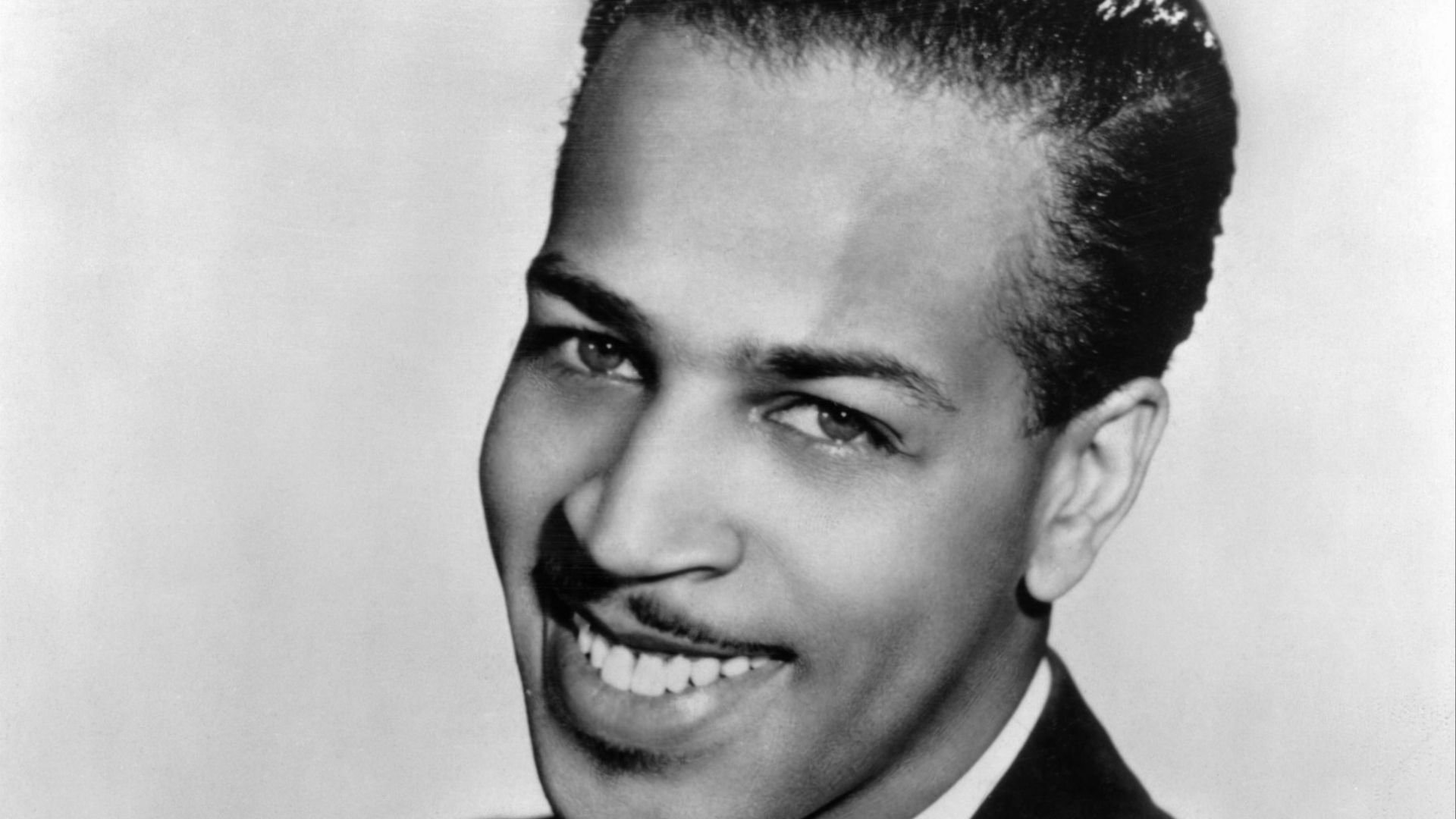
10. Wynonie Harris
Harris delivered R&B with a wink, a growl, and a whole lot of attitude. His suggestive phrasing and punchy vocals helped set the tone for rock’s flirtier, cheekier side. The music wasn’t trying to be respectable, and neither was he. That sense of mischief is a core rock ingredient.
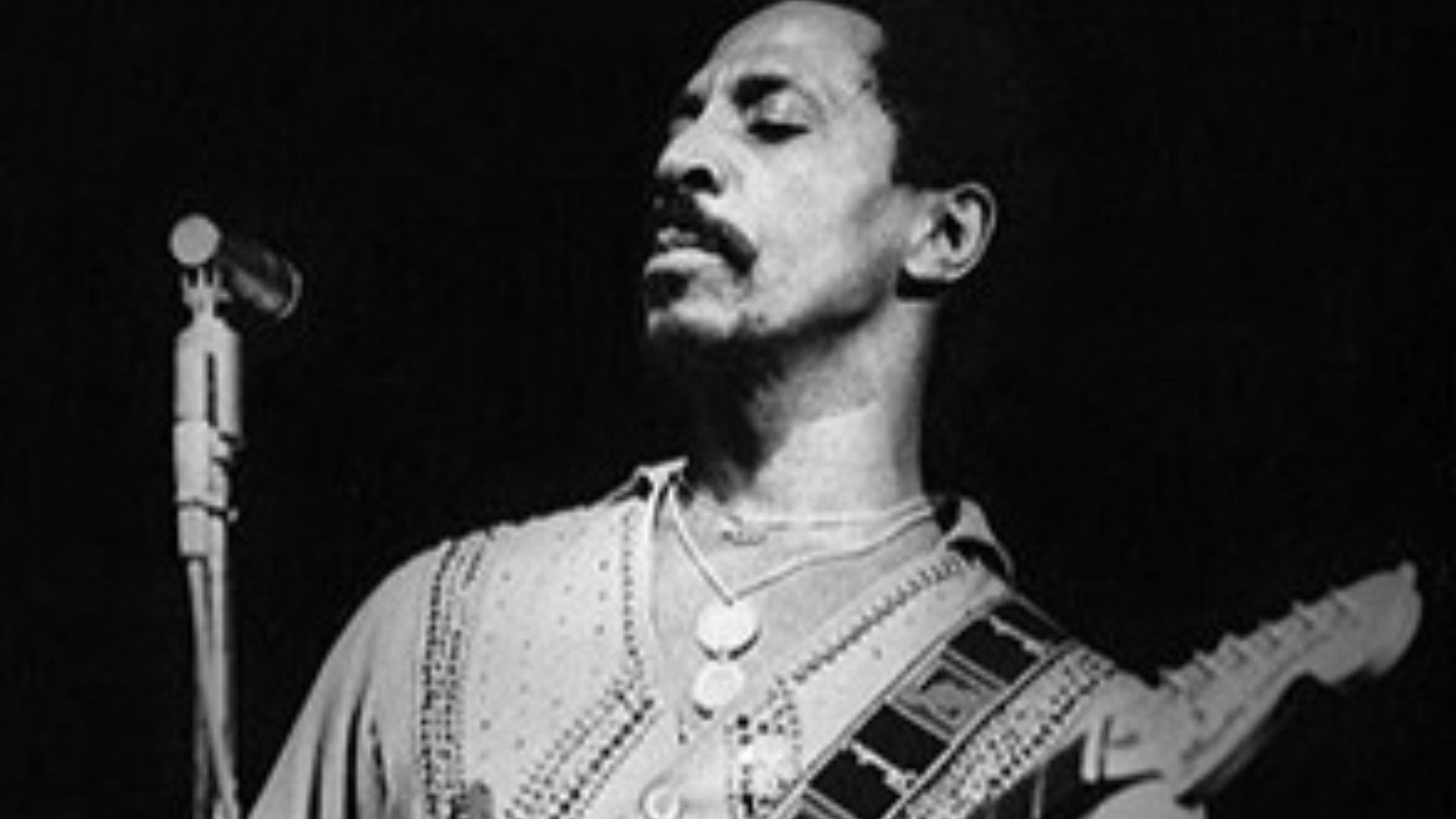
11. Ike Turner
As a bandleader and guitarist, he helped push early rock’s rhythmic intensity and studio-forward approach. His playing emphasized bite and momentum, two things rock never stopped craving. The bigger point is the sound: tight grooves, sharp edges, and a forward-driving feel.
12. Buddy Holly
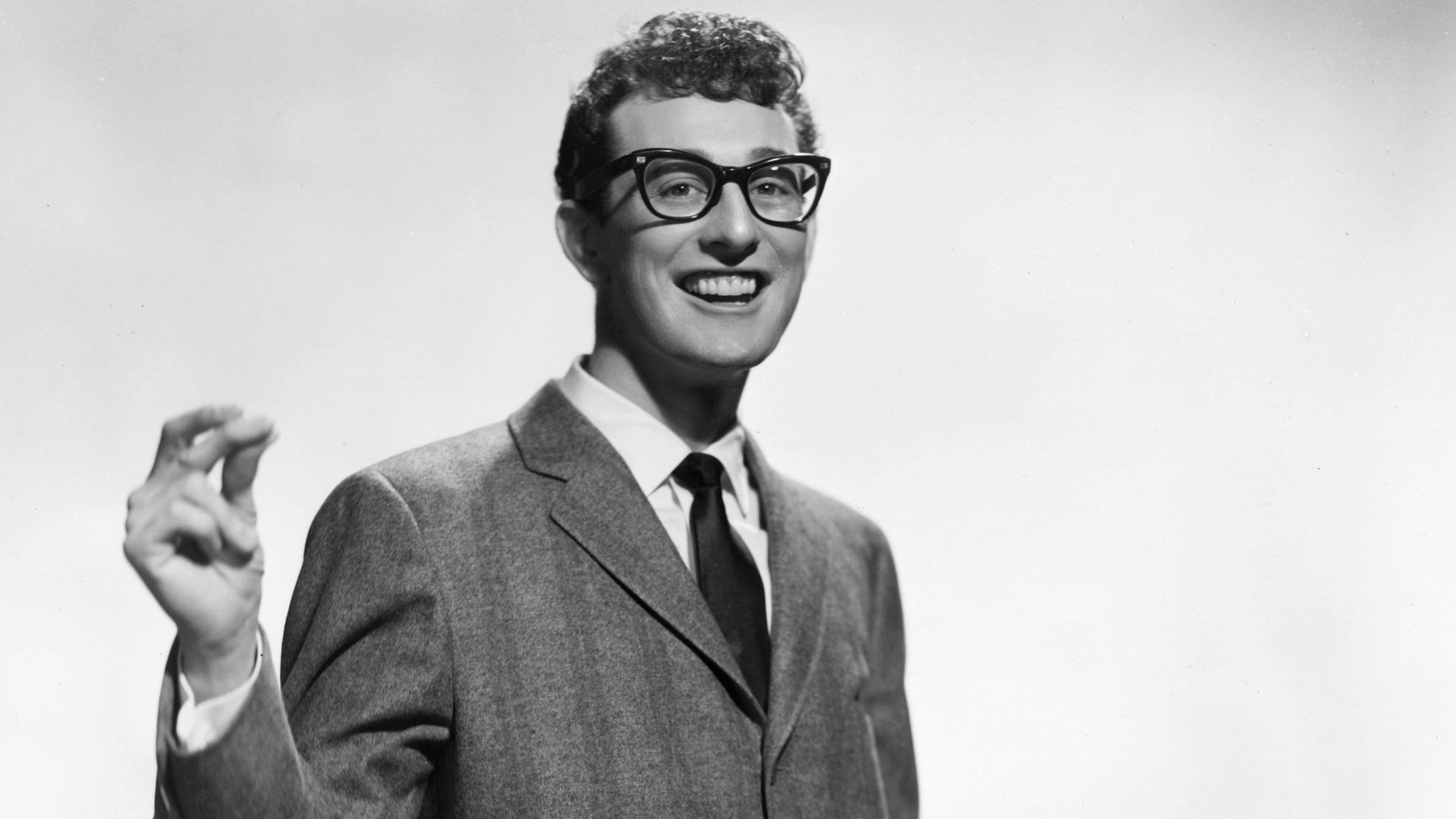
Holly helped lock in the classic rock band setup: guitars up front, tight songs, and hooks that don’t waste your time. He wrote and recorded in ways that pointed straight toward modern rock songwriting. If you enjoy clean melodies paired with crunchy energy, you’re in his neighborhood.
 Brunswick Records on Wikimedia
13. Carl Perkins
Perkins gave rockabilly its snapping guitar bite and helped define how rock could swing with country twang. His picking style and rhythmic punch showed how to make a guitar both percussive and melodic. Later rock players borrowed that feel whenever they wanted grit without heaviness. He kept things lean, fast, and sharp.
14. Jerry Lee Lewis
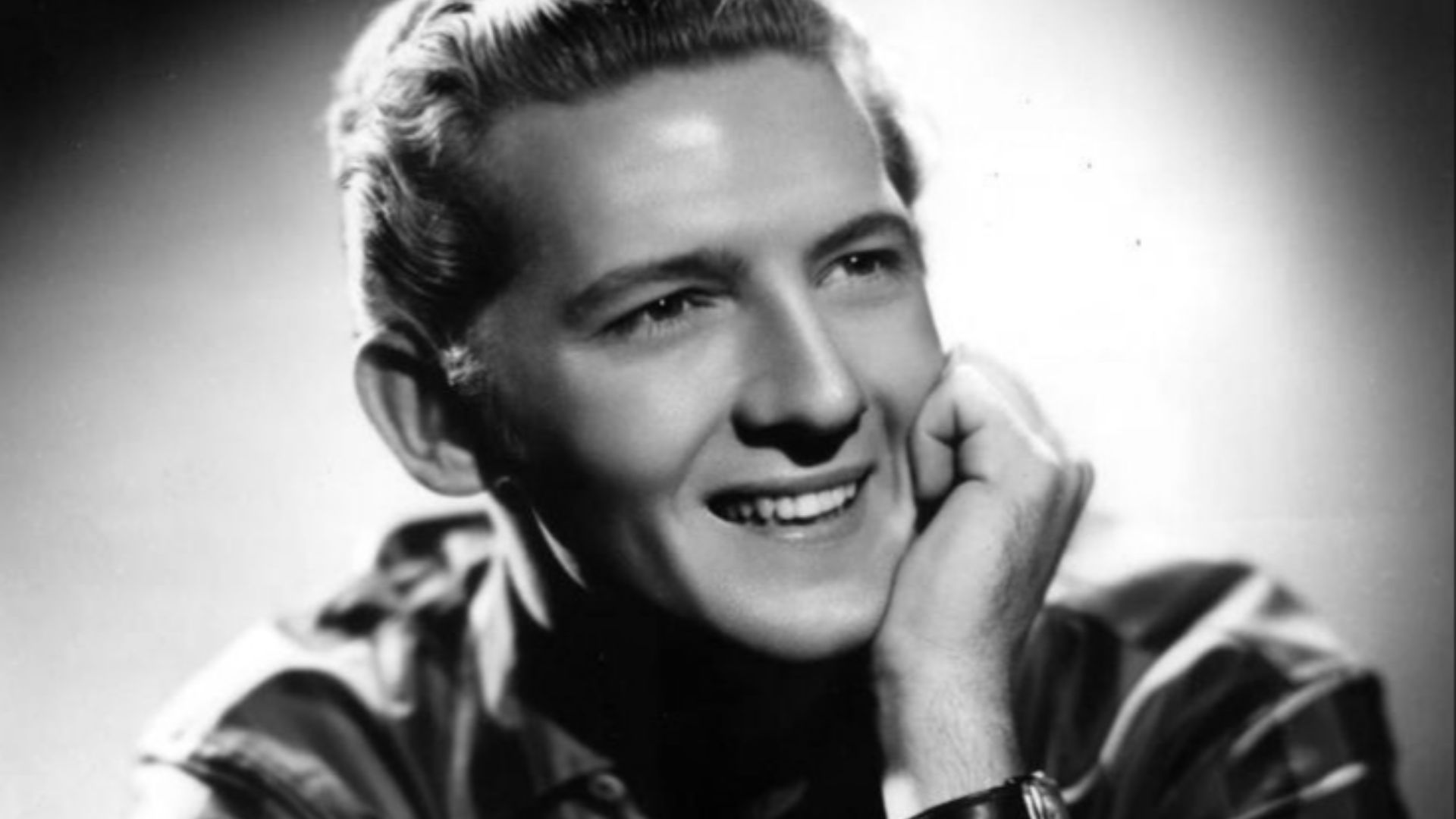
Lewis played piano with the kind of gusto that could make people wonder if he's okay. He brought chaos, charisma, and danger into the performance side of rock in a way that became a lasting archetype. His energy made “rock star” feel like a lifestyle, not just a job. You can see echoes of him in anyone who treats the stage like a contact sport.
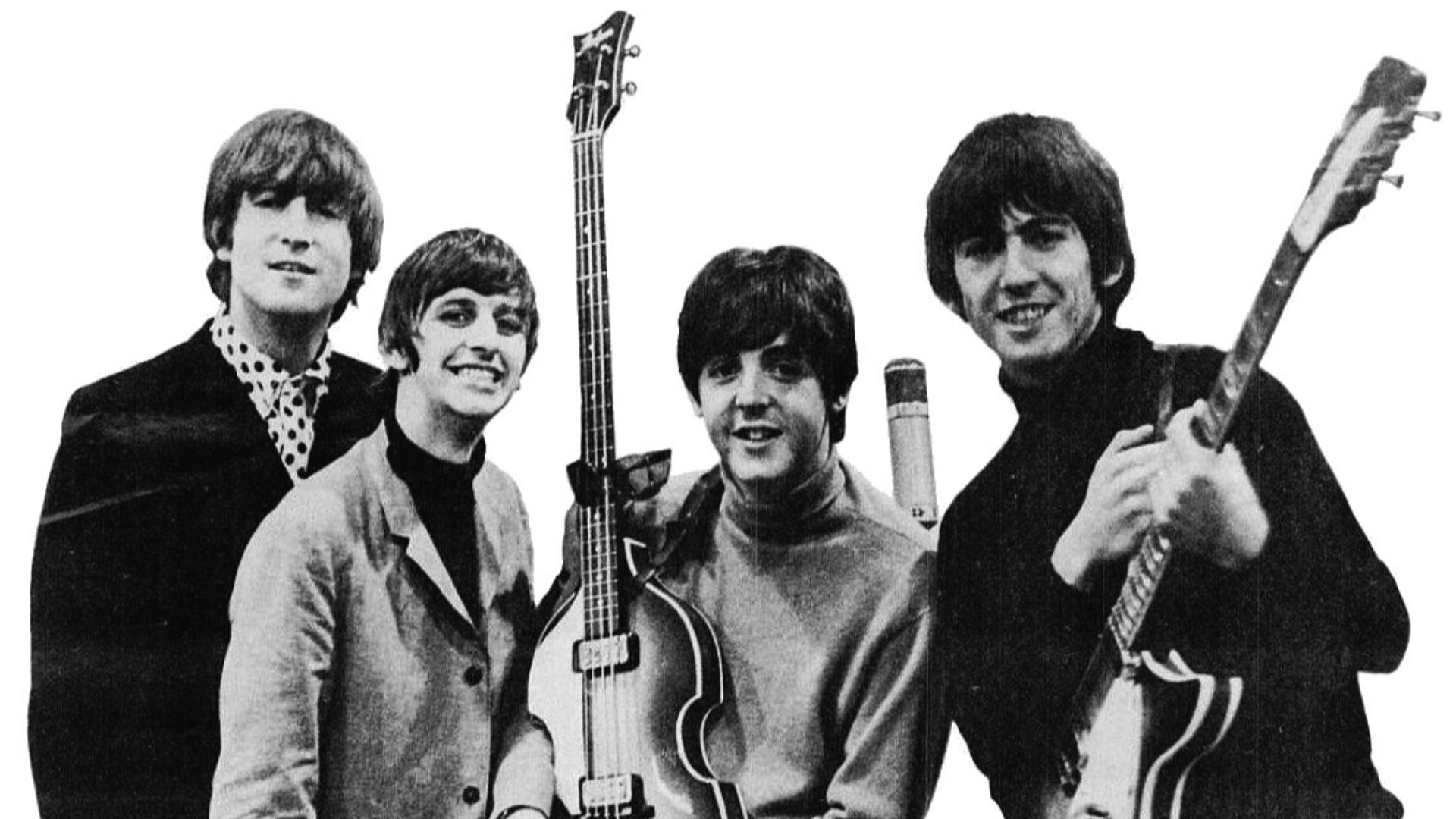
15. The Beatles
They didn’t invent rock, but they expanded its sound palette so aggressively that the genre never went back. Their studio experimentation, songwriting range, and willingness to reinvent themselves taught rock to evolve on purpose. If you expect rock albums to have moods, textures, and surprises, thank them. They made “pop smarts” feel compatible with rock ambition.
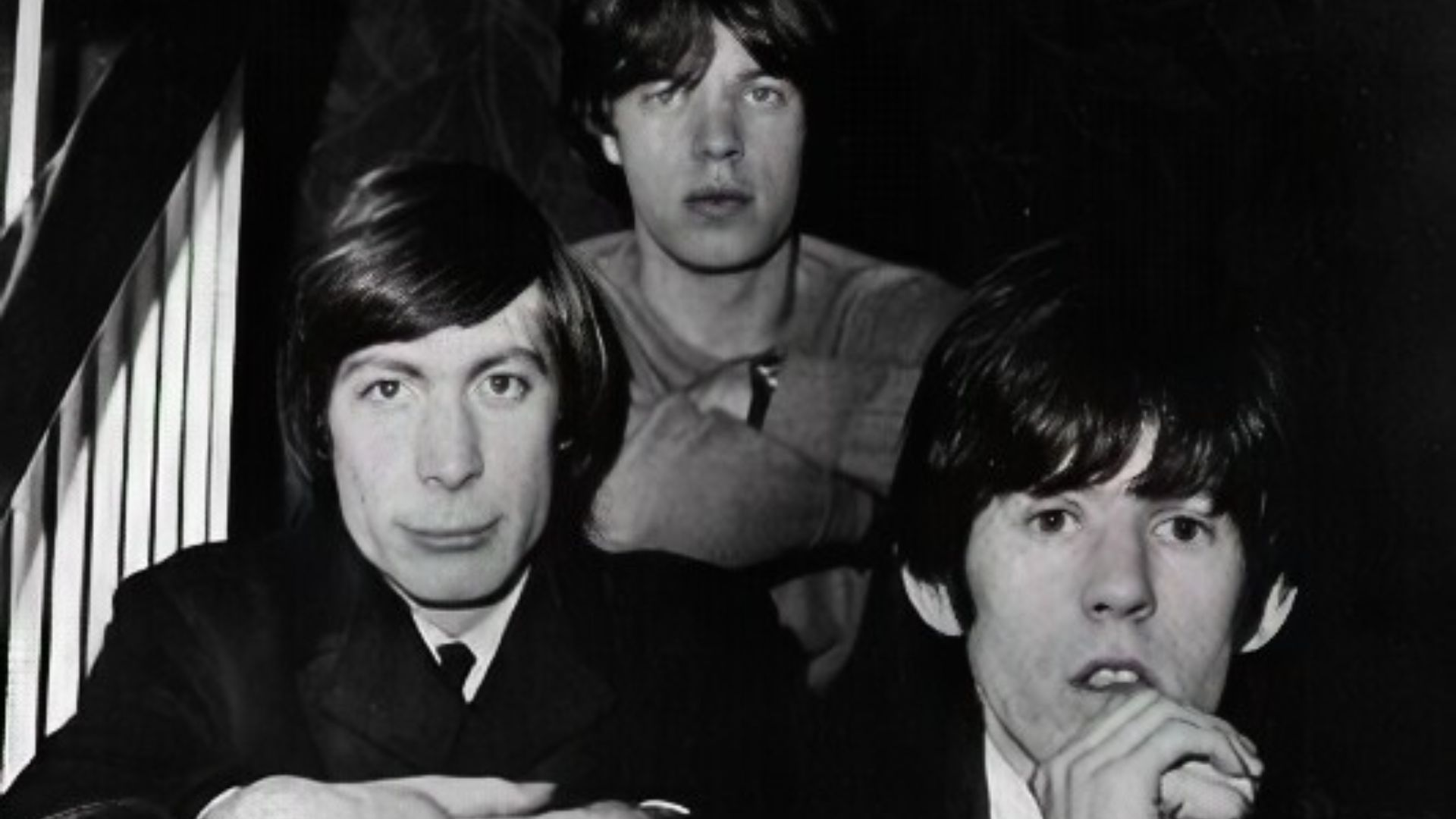
16. The Rolling Stones
The Stones took blues-based rock and made it nastier, looser, and more attitude-forward. Their feel prioritized groove and swagger over neatness, and that became a major rock value. They also helped define how a rock band can sound dangerous while still being catchy.
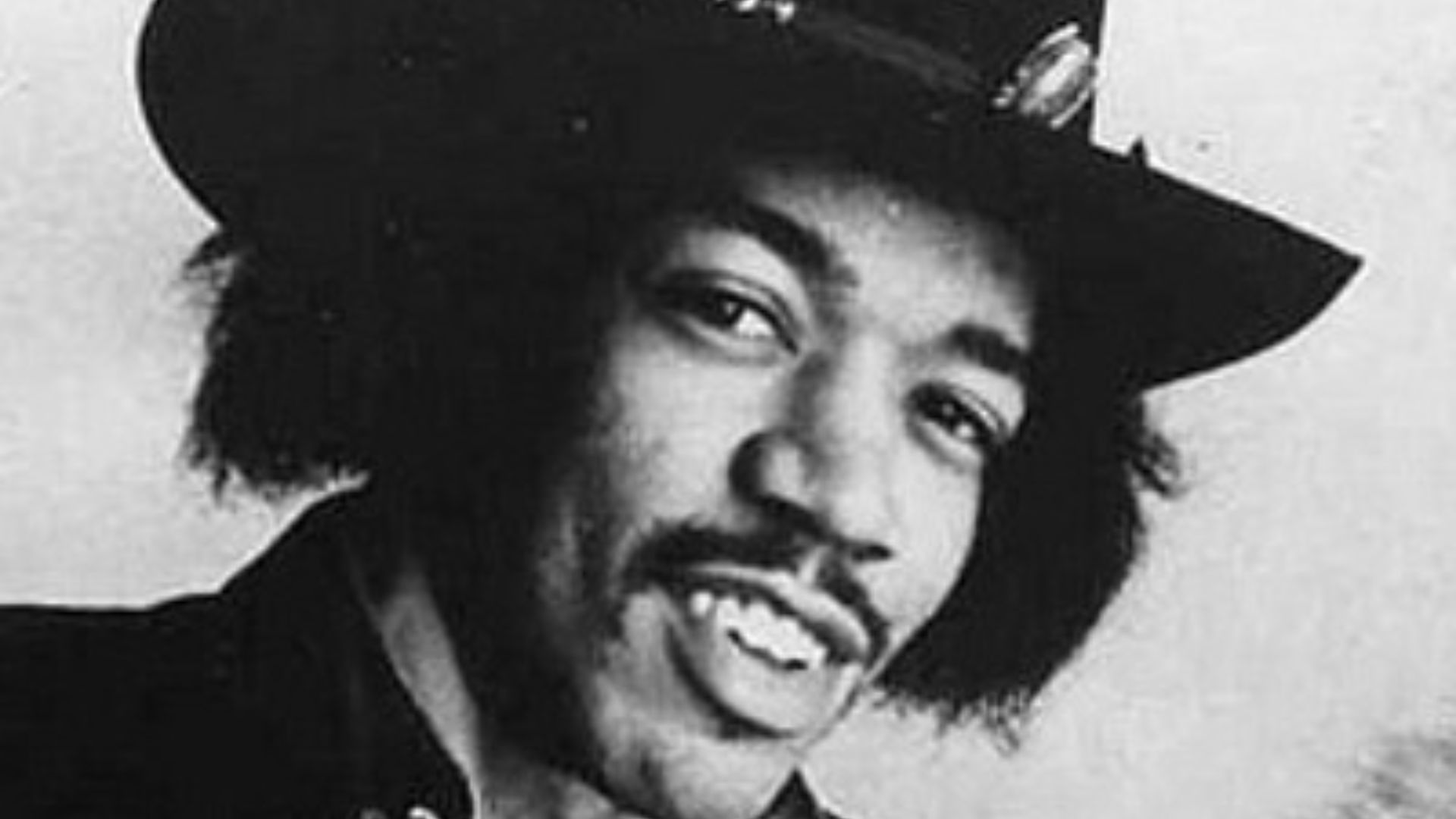
17. Jimi Hendrix
Hendrix changed what the electric guitar could do, full stop. Feedback, fuzz, wah, and studio effects became expressive tools rather than accidents to avoid. He didn’t just play solos; he painted with sound.
 Warner/Reprise Records on Wikimedia
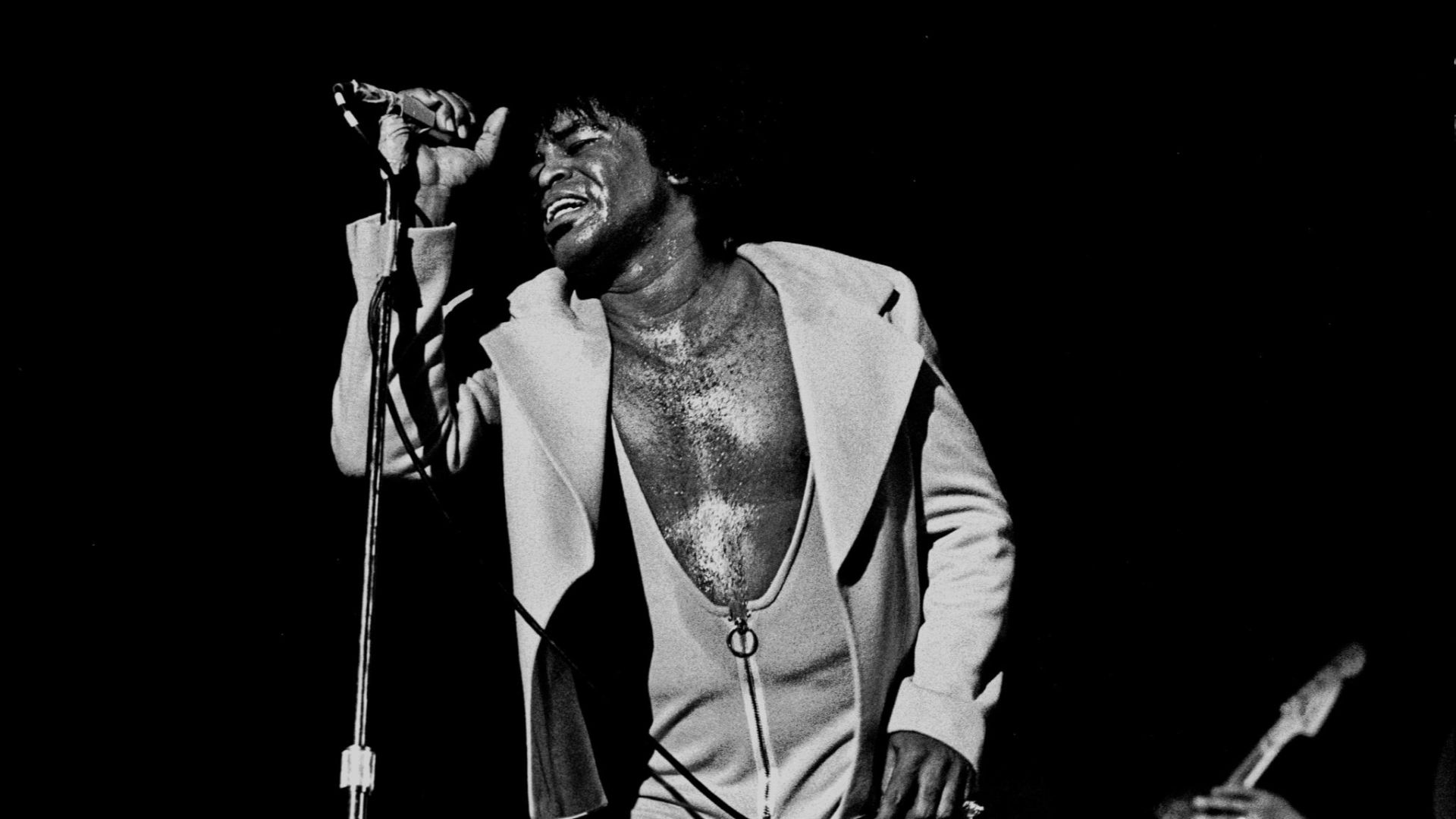
18. James Brown
Rock drummers, guitarists, and bassists borrowed a ton from Brown’s obsession with rhythm. His tight grooves and emphasis on “the one” (the first beat of the measure) helped shape funk, which then fed back into rock for decades. Even hard rock bands learned from his discipline and punch.
19. Sly Stone
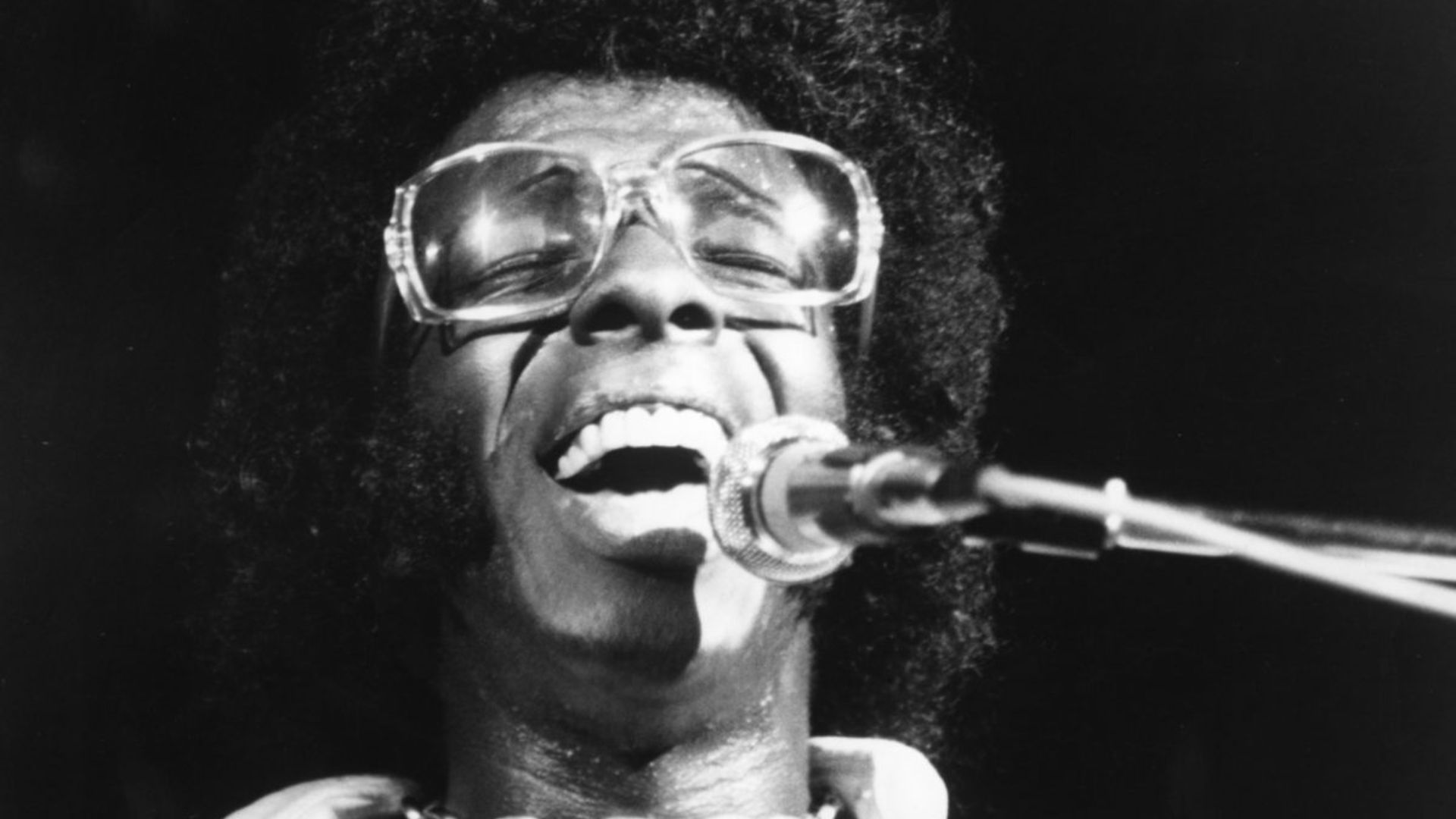
Sly blurred genre lines and made rock, funk, and soul share the same dance floor. His approach to arrangement, groove, and band dynamics helped expand what rock could absorb without losing its edge. He also normalized the idea that the beat can carry the message as much as the lyrics do. A lot of later rock that sounds “funky” owes him a debt.
20. Louis Jordan
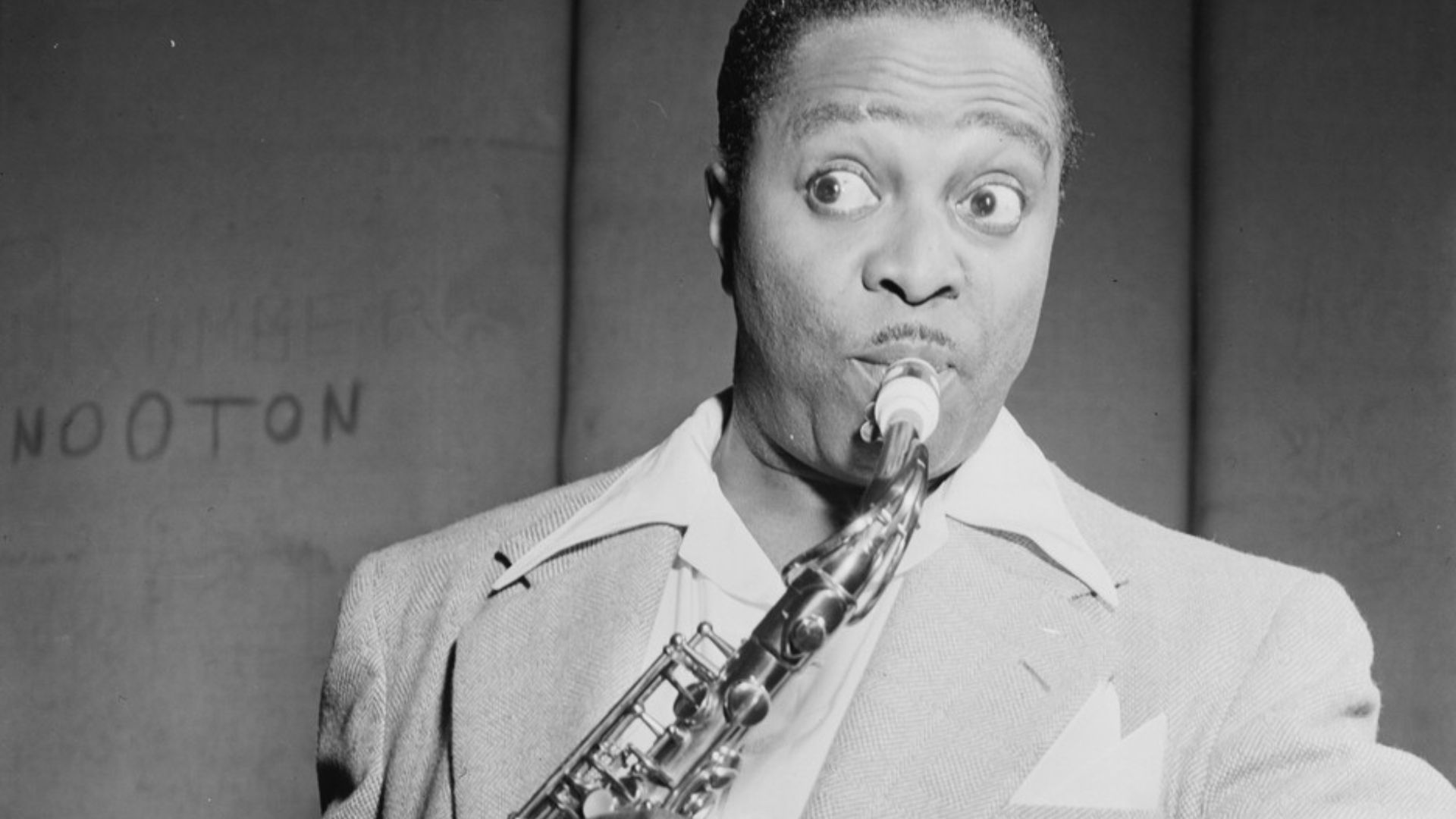
Louis Jordan and his Tympany Five were turning jump blues into a fast, funny, riff-driven party sound in the 1940s, and rock n’ roll borrowed heavily from that blueprint. His songs leaned on tight band hits, catchy hooks, and lyrics that felt conversational instead of formal. You can hear the roots of rock’s danceable backbeat and shout-along choruses in the way he arranged and delivered a tune.
KEEP ON READING
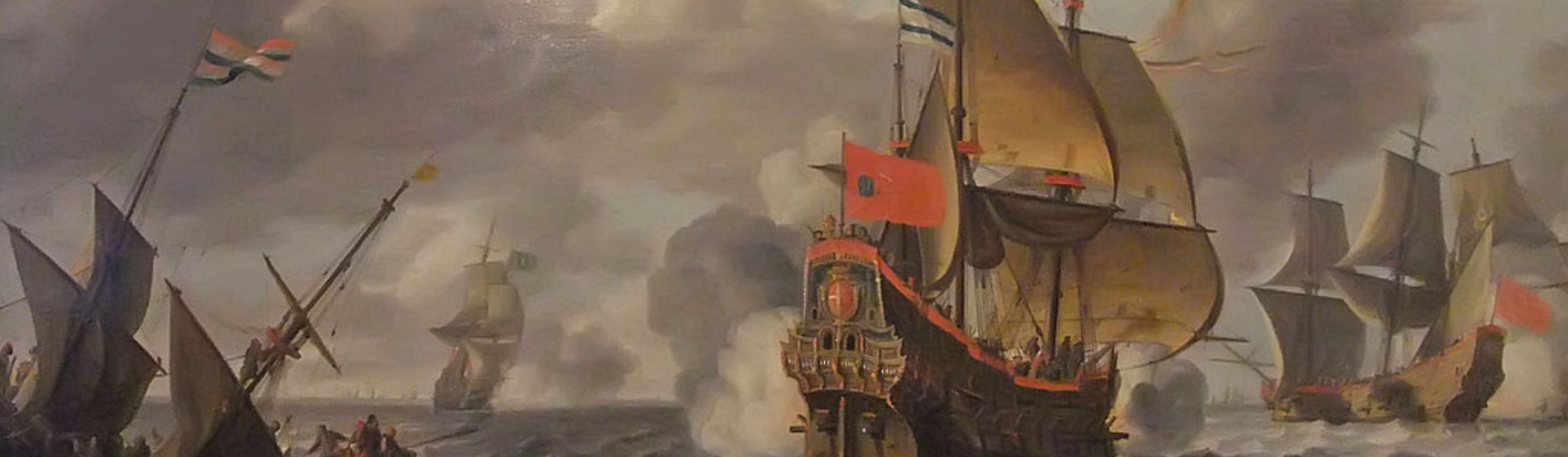
The story of Ching Shih, the Woman Who Became the…
Unknown author on WikimediaFew figures in history are as feared…
By Emilie Richardson-Dupuis Dec 29, 2025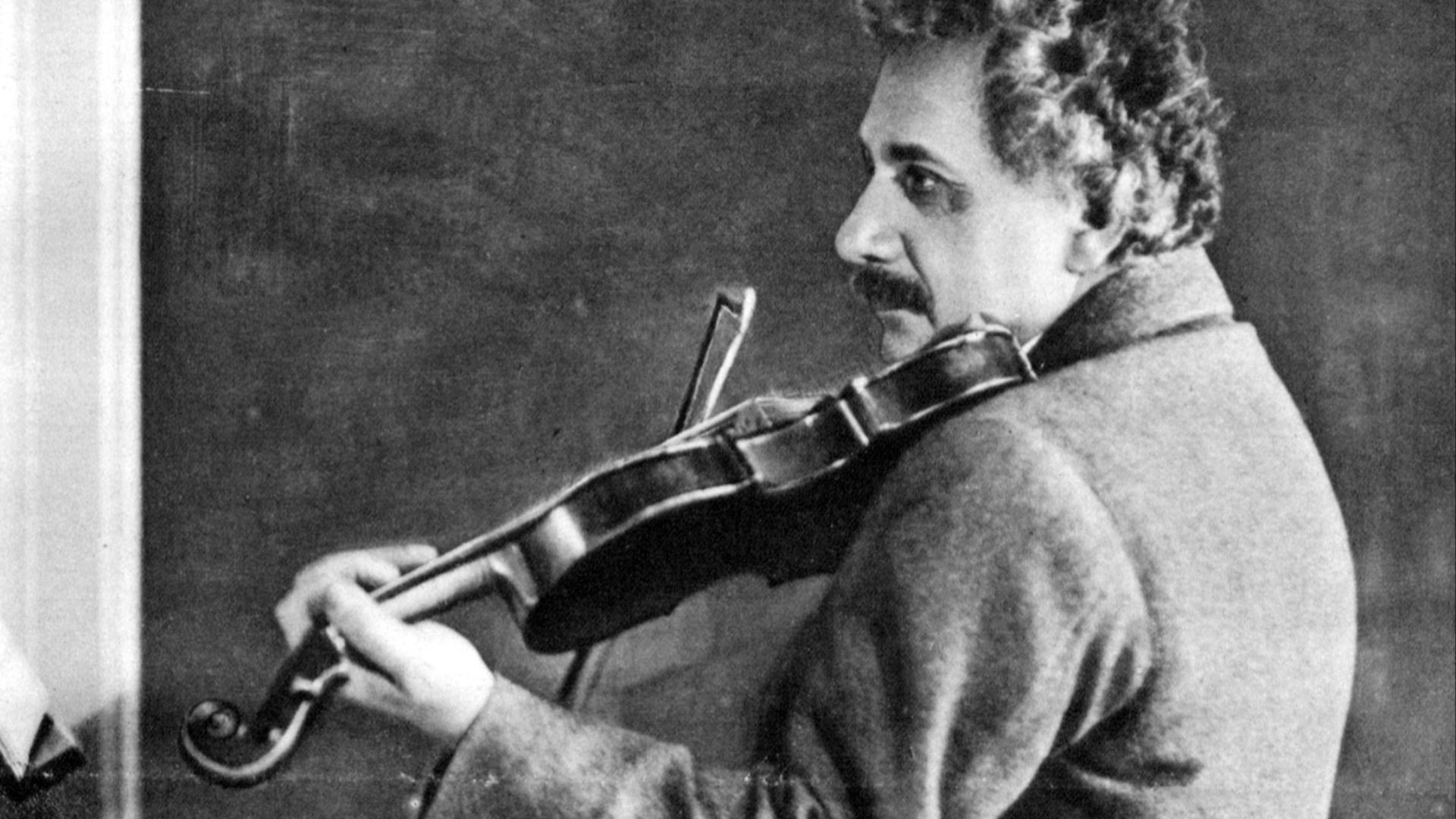
Einstein's Violin Just Sold At An Auction—And It Earned More…
A Visionary's Violin. Wanda von Debschitz-Kunowski on WikimediaWhen you hear…
By Ashley Bast Nov 3, 2025
This Infamous Ancient Greek Burned Down An Ancient Wonder Just…
History remembers kings and conquerors, but sometimes, it also remembers…
By David Davidovic Nov 12, 2025
The Mysterious "Sea People" Who Collapsed Civilization
3,200 years ago, Bronze Age civilization in the Mediterranean suddenly…
By Robbie Woods Mar 18, 2025
How Many Pilots Does It Take to Fix a Lightbulb?…
Mykyta Barko on PexelsOn December 29, 1972, Eastern Air Lines…
By Christy Chan Jun 16, 2026
20 Soldiers Who Defied Expectations
Changing the Rules of the Battlefield. You’ve probably heard plenty…
By Annie Byrd Feb 10, 2026