

Verdict First, Script Second, Justice Last
Trials are supposed to be where power has to slow down and prove its case in public. In some places and eras, the courtroom became the opposite, a stage built to make an outcome look respectable after it was already decided. If you’ve ever wondered why people roll their eyes at official justice in certain moments of history, a lot of that skepticism was earned the hard way. Here are twenty trials that were less about evidence and more about performance.
1. The Trial Of Socrates
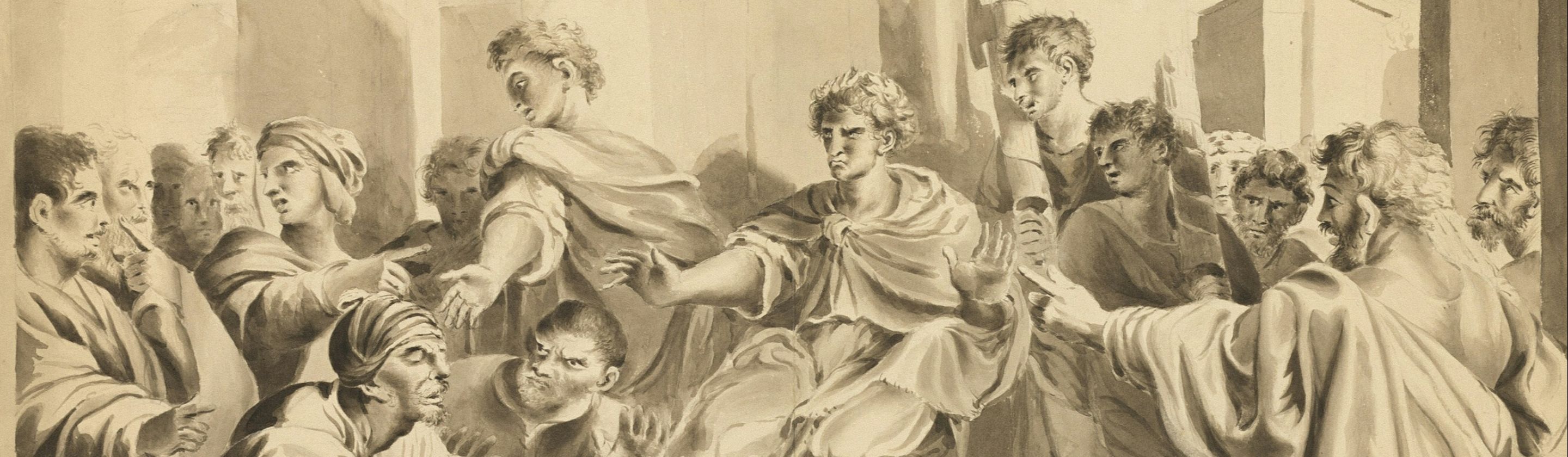
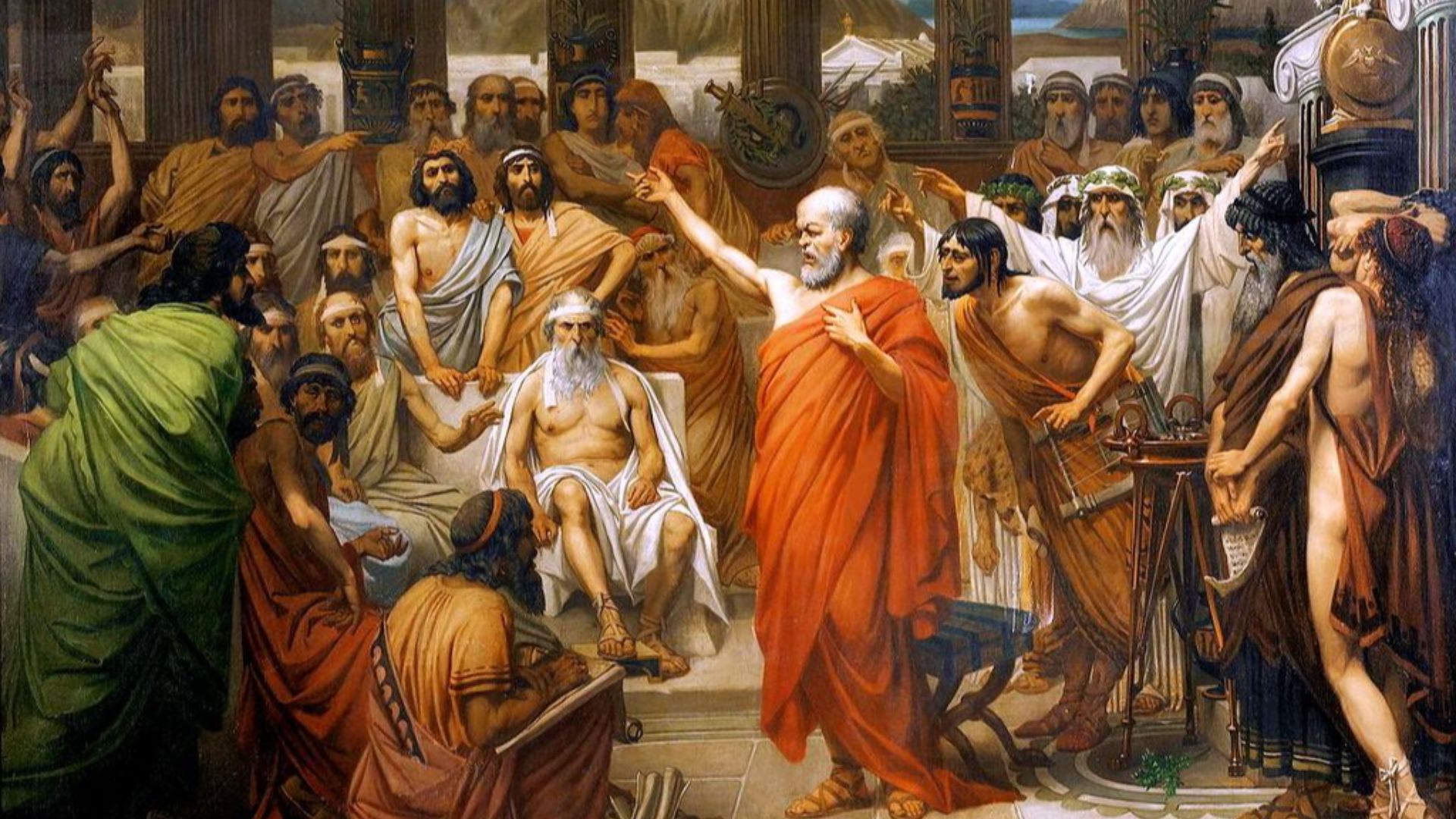
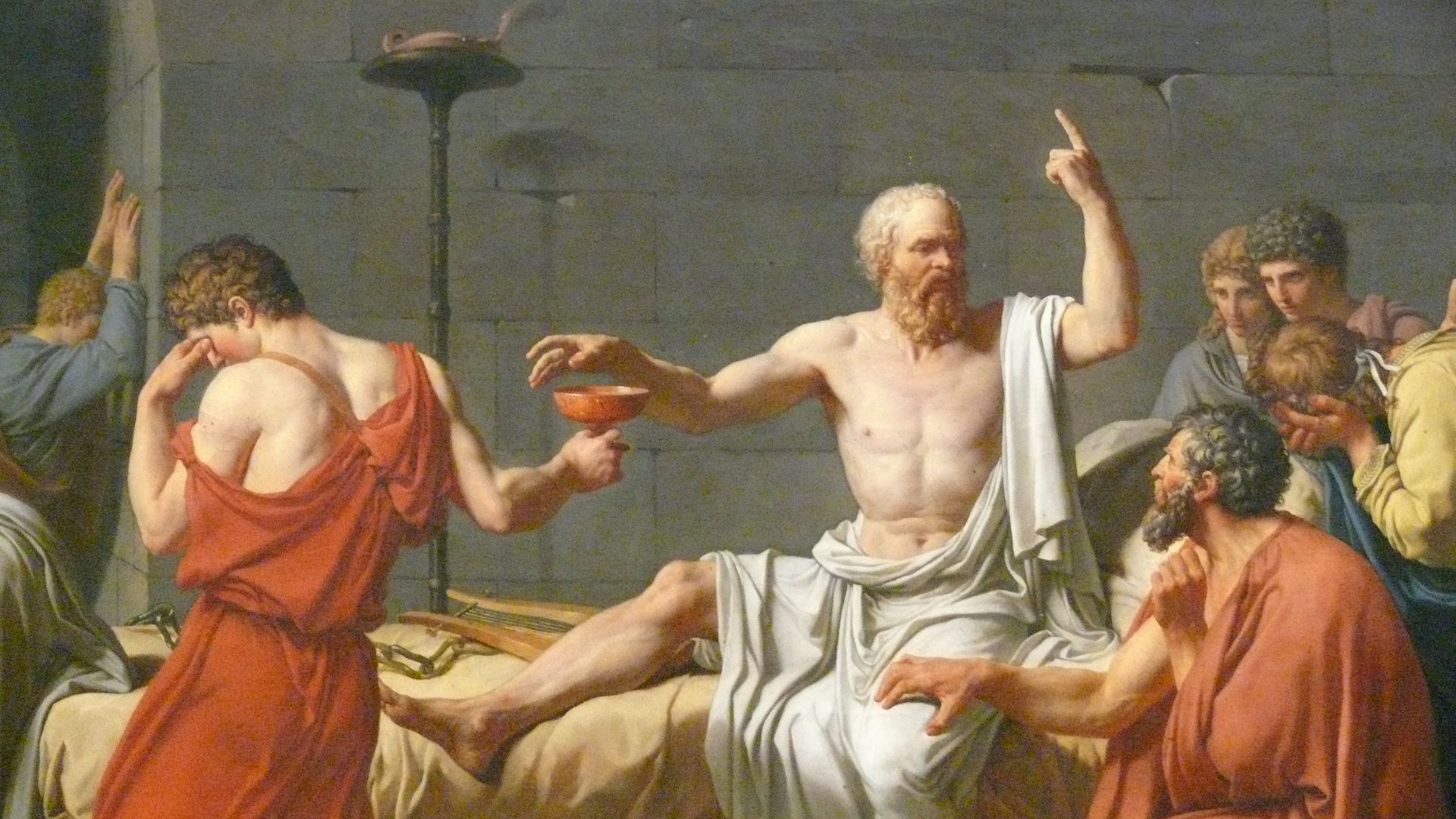
Athens put Socrates on trial in 399 BCE for impiety and corrupting the youth, and the whole proceeding carried the feeling of settling scores after political turmoil. The city had just come through war and instability, and a public condemnation made for a clean story. The outcome read like a warning to anyone who made the powerful feel exposed.
 commons.wikimedia.org on Google
2. The Trial Of Jesus
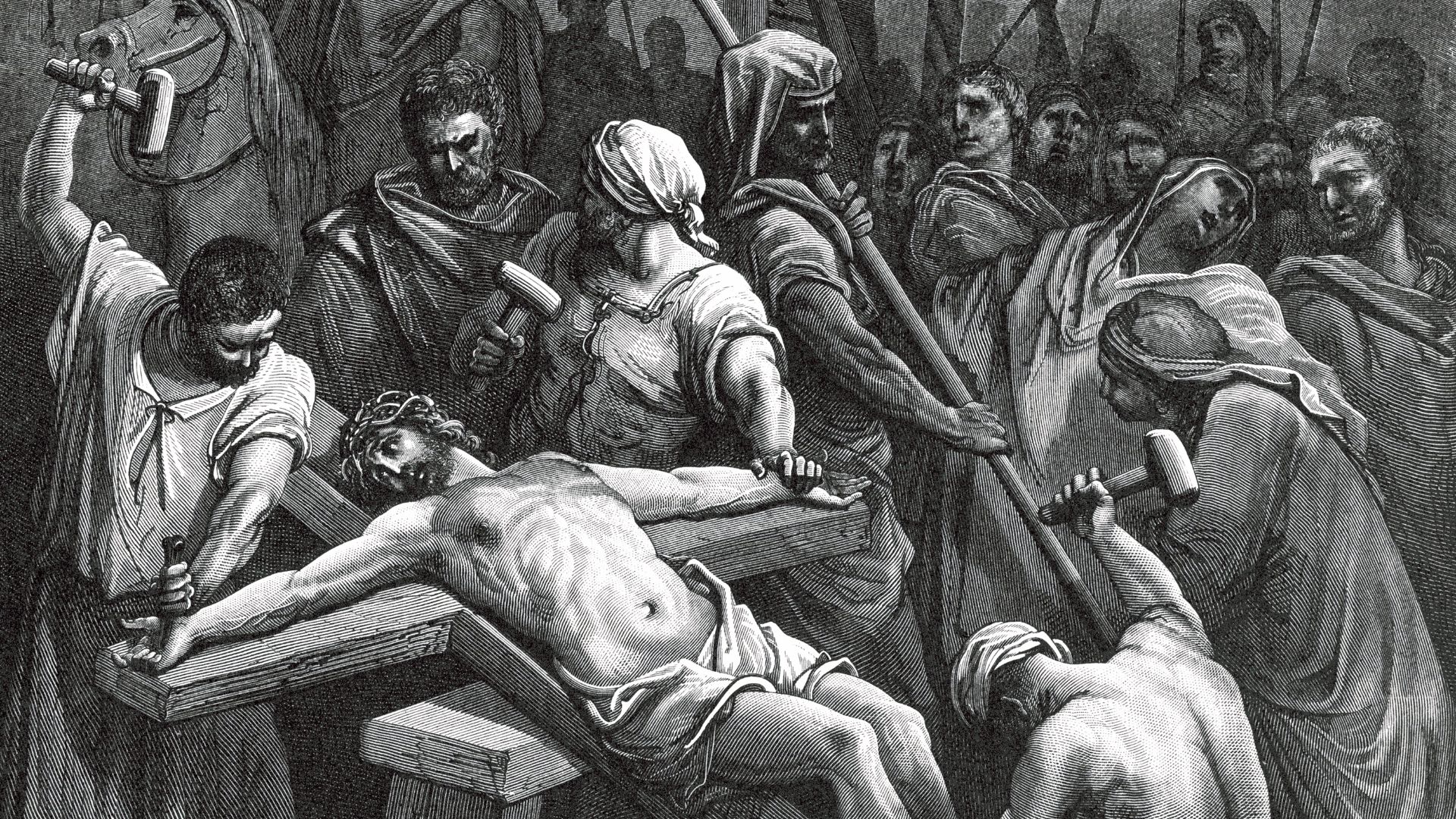
The accounts of Jesus’s final hours describe a rushed chain of religious and Roman authority, with decisions moving quickly toward execution. The process functioned as crisis management, not careful fact-finding. It also left a paper-thin veneer of legitimacy over what was, at its core, an elimination of a perceived threat.
3. The Trial Of Joan Of Arc
Joan of Arc’s 1431 trial was driven by politics and propaganda during the Hundred Years’ War, and the charges were built to turn a battlefield symbol into a heretic. The questioning focused on trapping her in contradictions rather than weighing anything like neutral evidence. The later retrial that overturned the verdict only underlined how manufactured the original case was.
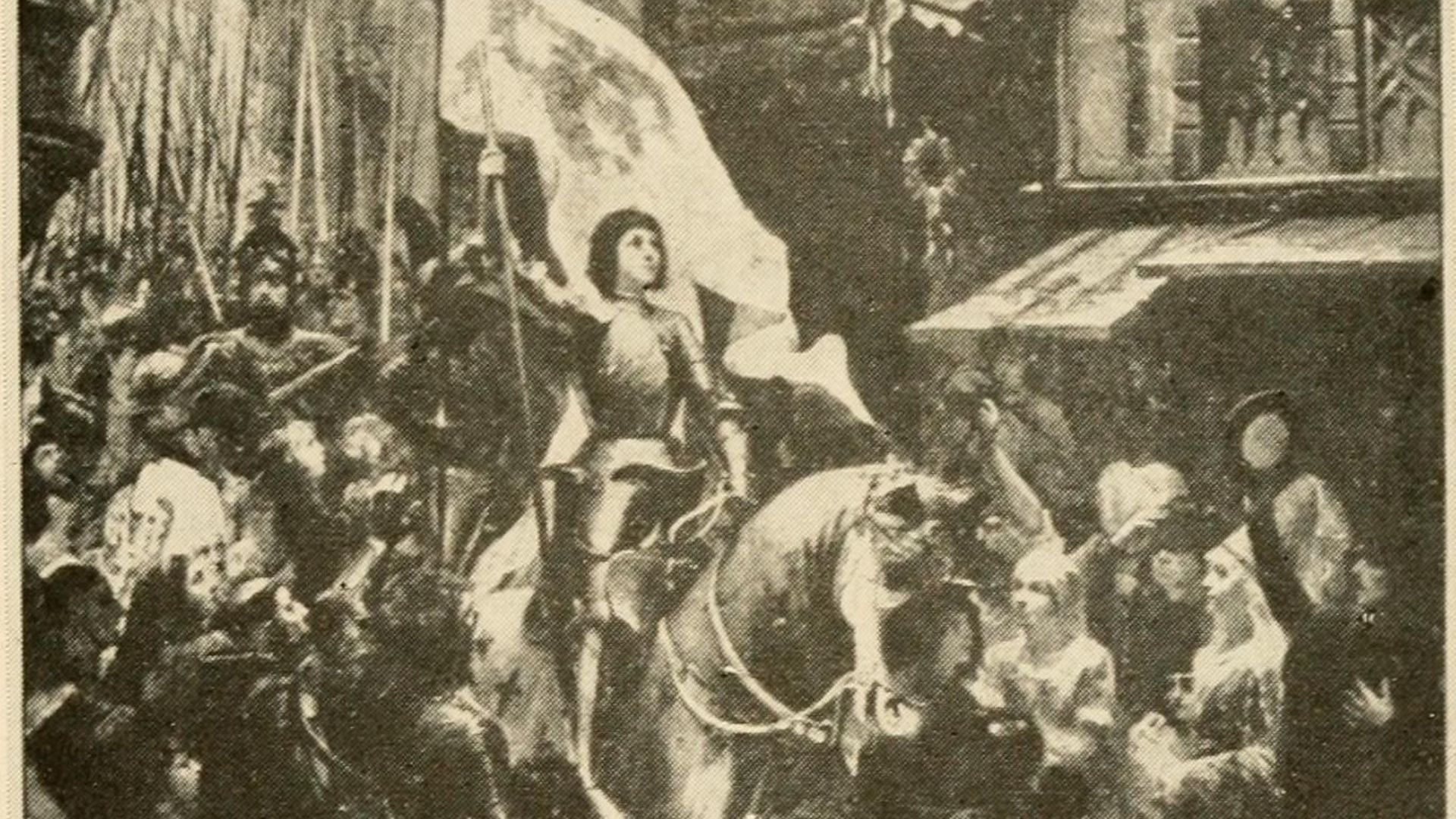 Internet Archive Book Images on Wikimedia
4. The Trial Of The Knights Templar
When Philip IV of France moved against the Templars in the early 1300s, the courtroom became an instrument for wiping out a wealthy, independent order. Confessions were extracted under torture and then paraded as proof, which made the proceedings feel more like theater than truth. The spectacle helped justify seizures and political control.
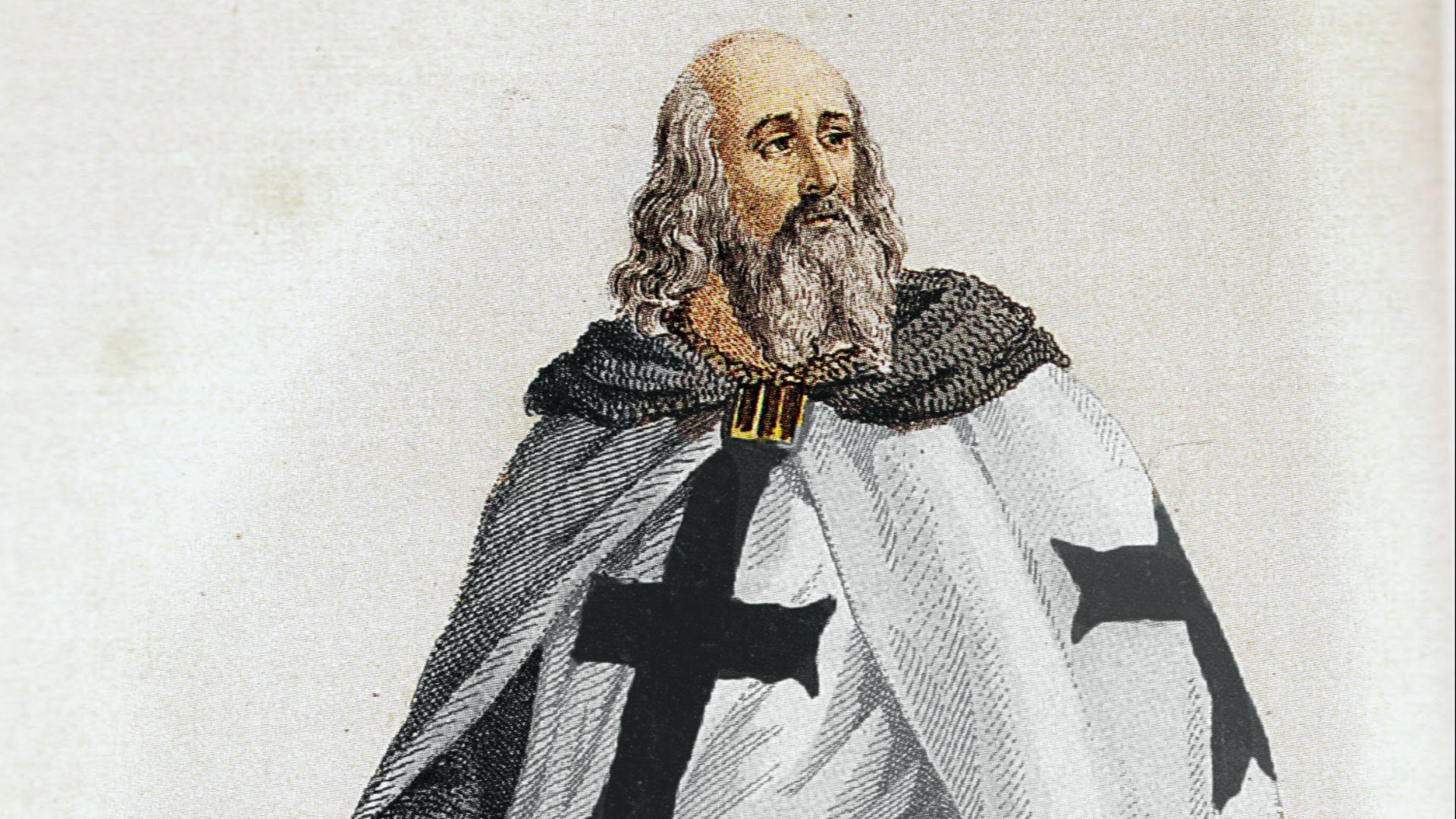 Unknown authorUnknown author on Wikimedia
5. The Trial Of Sir Thomas More
Thomas More was prosecuted in 1535 after refusing to endorse Henry VIII’s break with Rome, and the charge of treason was shaped to fit the desired result. The legal process gave the crown a clean public ending to a messy conflict over authority. The message was plain even without shouting it.
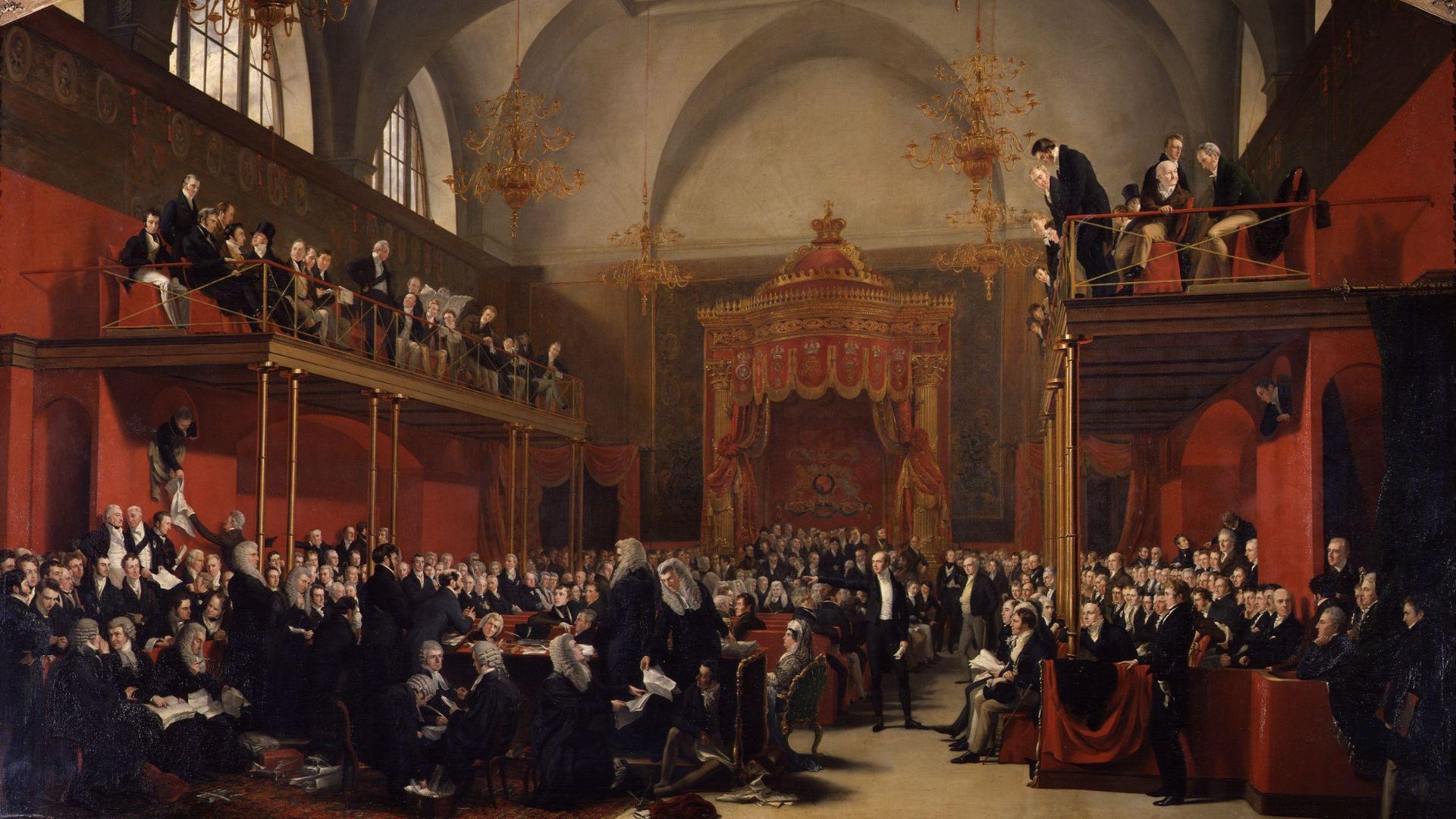
6. The Trial Of Anne Boleyn
Anne Boleyn’s 1536 downfall came with charges that historians have long treated as deeply suspect, including adultery and incest. The speed and certainty of the proceedings made it look like the verdict was a political decision wearing legal clothing. The court delivered a neat narrative that cleared the path for the king.
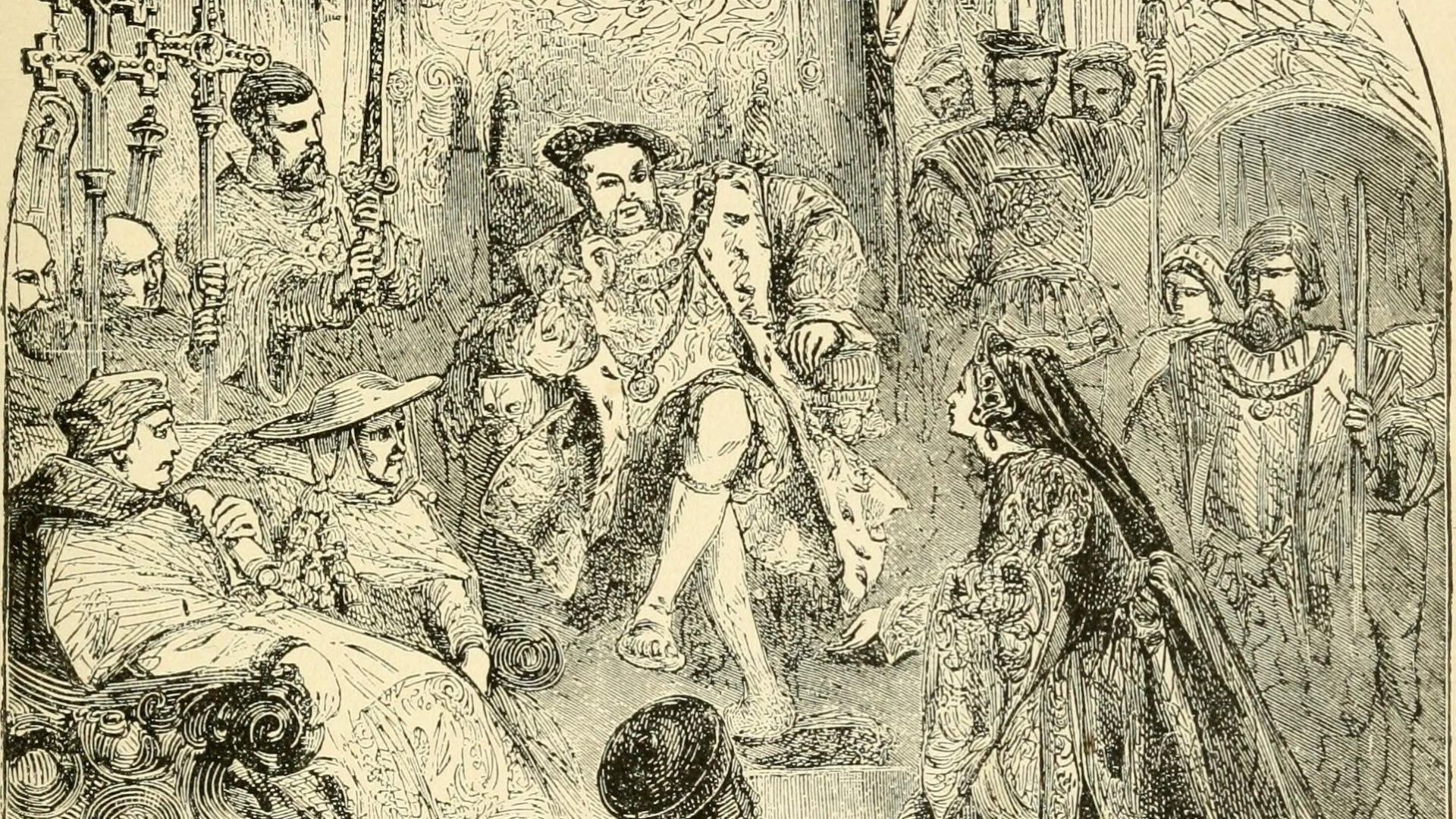 Internet Archive Book Images on Wikimedia
7. The Salem Witch Trials
Salem in 1692 turned fear into procedure, and the court accepted spectral evidence that could never be tested in any serious way. Once accusations started, the logic fed itself, and the trials became a ritual that confirmed what the community had already decided to believe. Later admissions of error could not undo the damage.
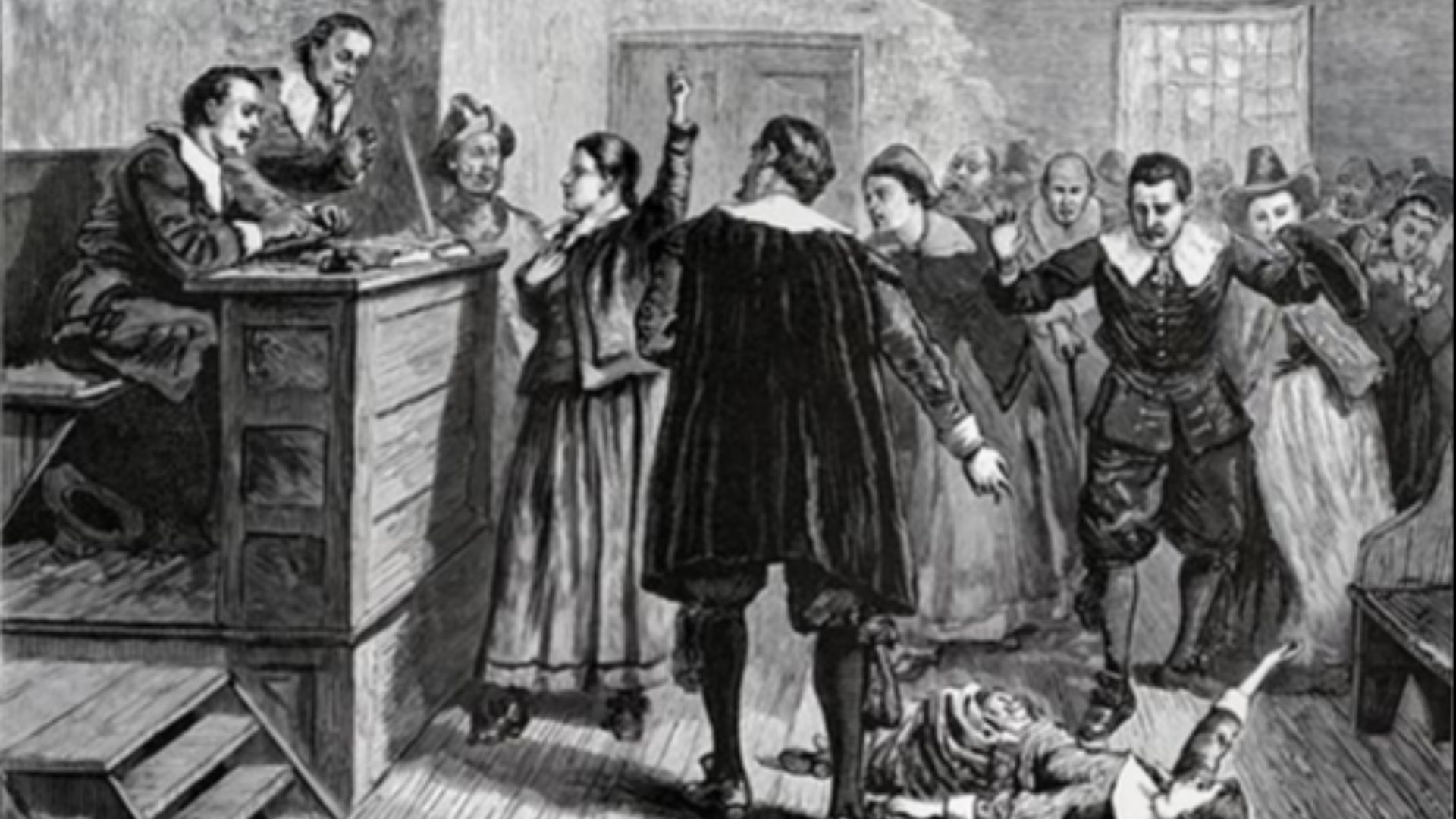 William A. Crafts on Wikimedia
8. The Trial Of King Charles I
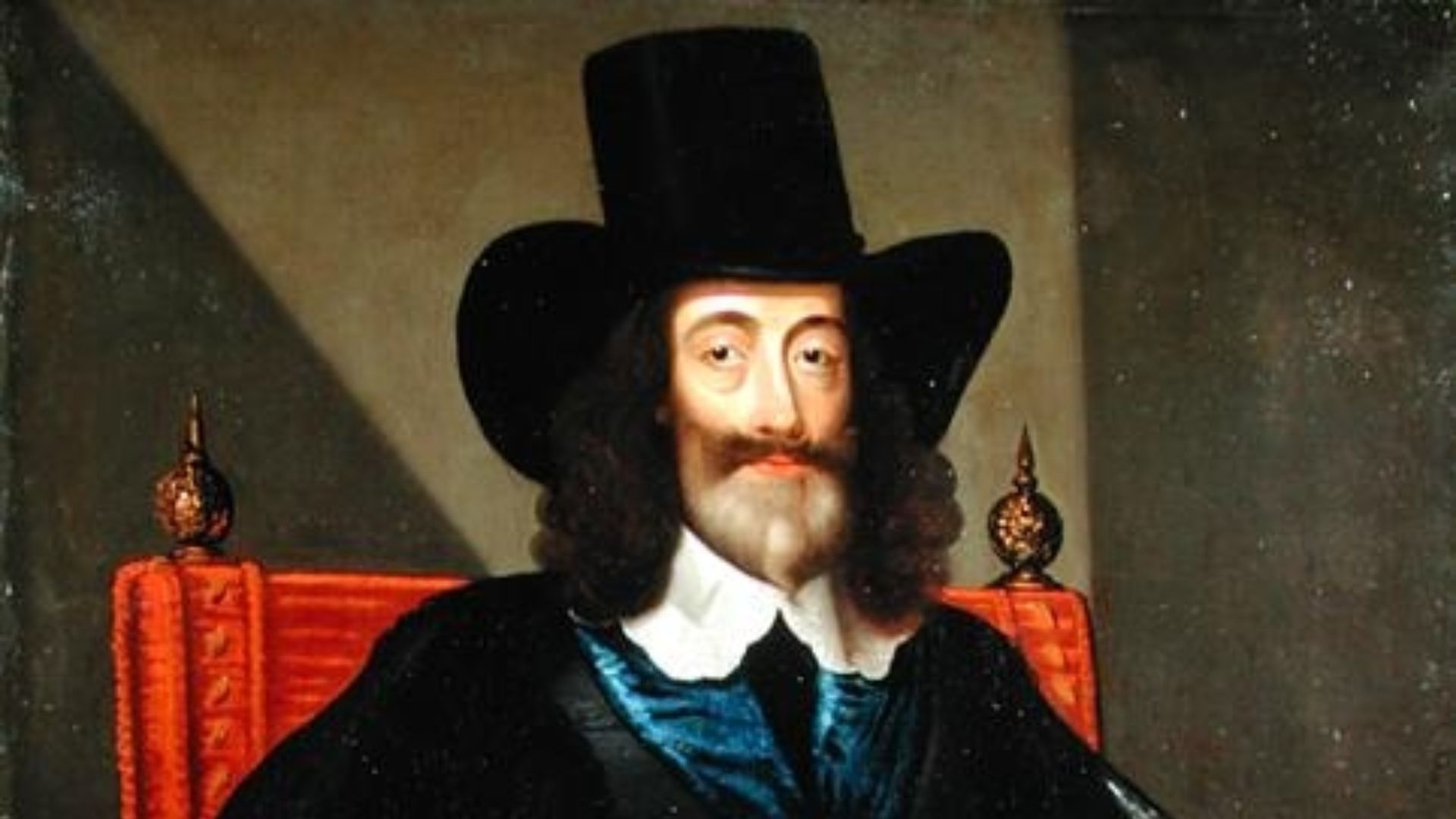
The 1649 trial of Charles I followed a civil war, and the court itself was created by his enemies in Parliament’s orbit. It was framed as legal accountability, yet the setup ensured there was no real path to acquittal. The execution functioned as both punishment and political statement.
9. The Trial Of Mary, Queen Of Scots
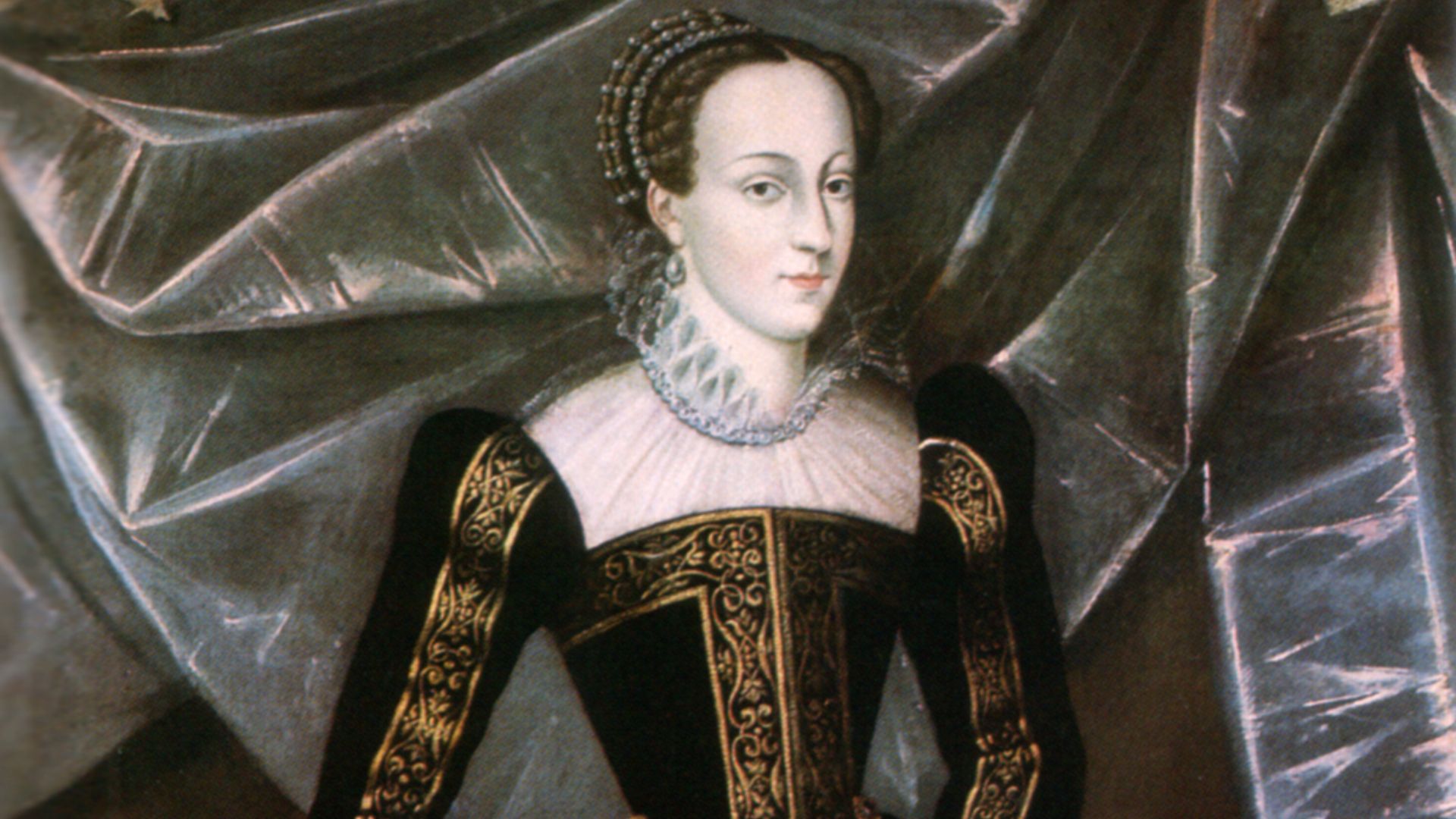
Mary’s 1586 trial in England was built around the Babington Plot, and the process was controlled by the same regime that needed her gone. The proceedings helped make the execution look like reluctant necessity rather than strategic elimination. The stagecraft mattered because it shaped European perception.
 Unidentified painter on Wikimedia
10. The Trial Of Galileo
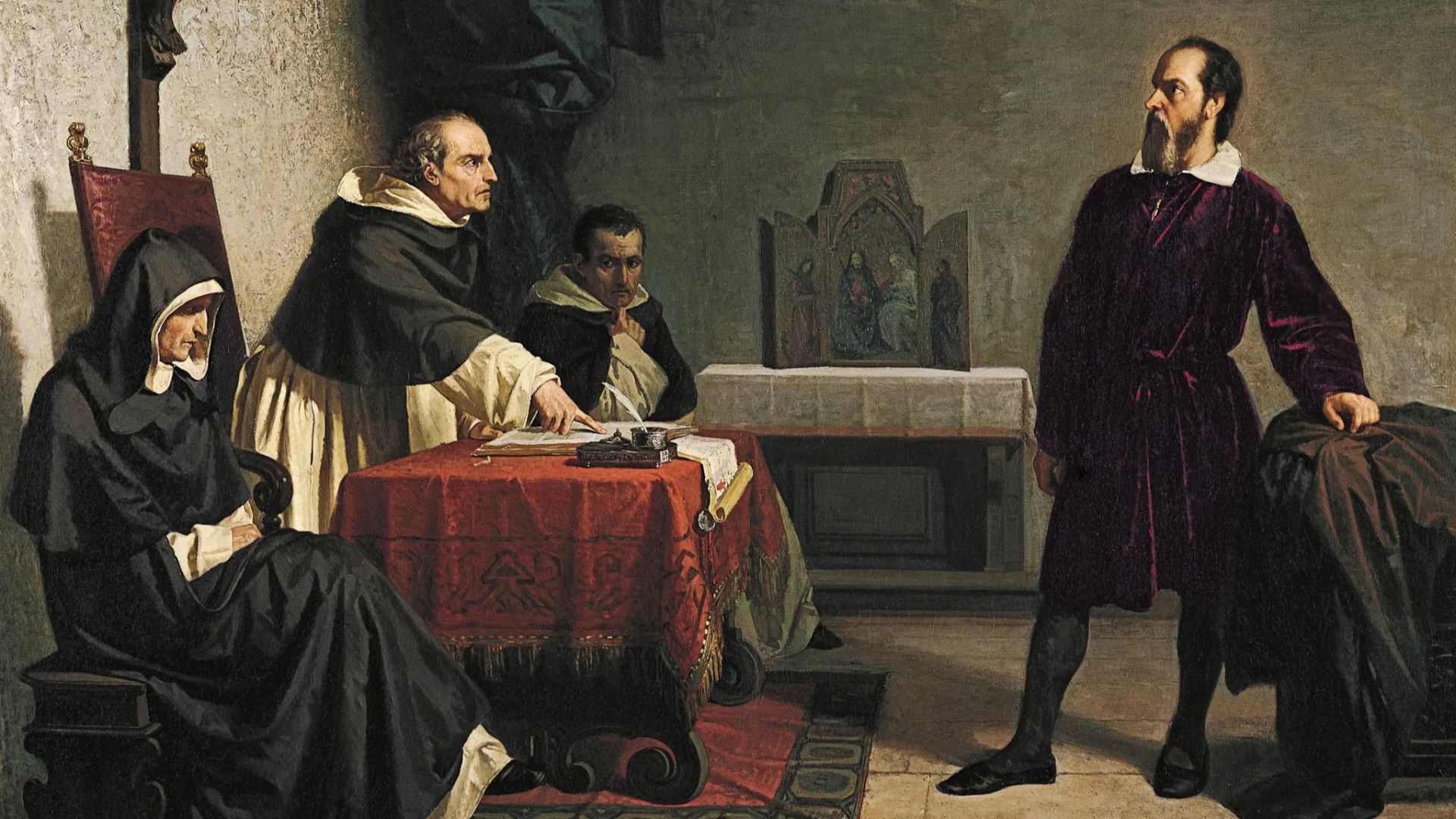
Galileo’s 1633 confrontation with the Roman Inquisition was not a modern show trial, yet it still carried the feel of a verdict shaped by institutional survival. The conflict was about authority and public order as much as astronomy, and that pressure colored the legal posture. The famous recantation served the story the church needed at the time.
11. The Dreyfus Court-Martial
Alfred Dreyfus’s 1894 conviction in France unfolded in a climate of nationalism and antisemitism, and the case leaned on secret evidence and forged documents that later unraveled. The court-martial delivered a comforting answer to a frightening question about espionage. The spectacle helped protect institutions long after the facts started to rot.
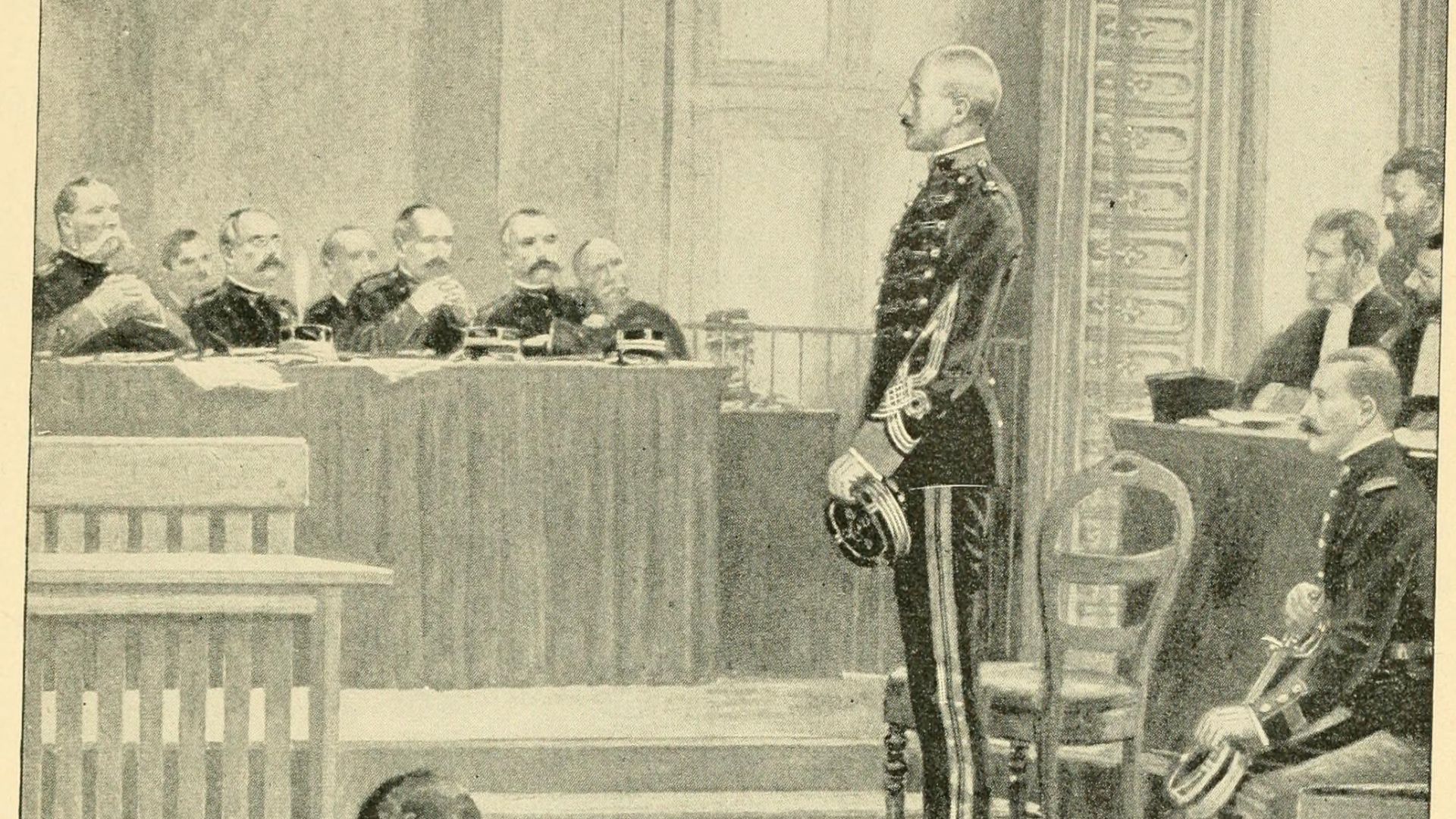 Northrop, Henry Davenport, 1836-1909 on Wikimedia
12. The Scottsboro Trials
In 1931 Alabama, nine Black teenagers were rushed through trials after false rape accusations, with all-white juries and a process that moved with shocking speed. The courtroom became a performance for Jim Crow power, not a search for truth. Years of appeals and reversals later, the early verdicts still read like a foregone conclusion.
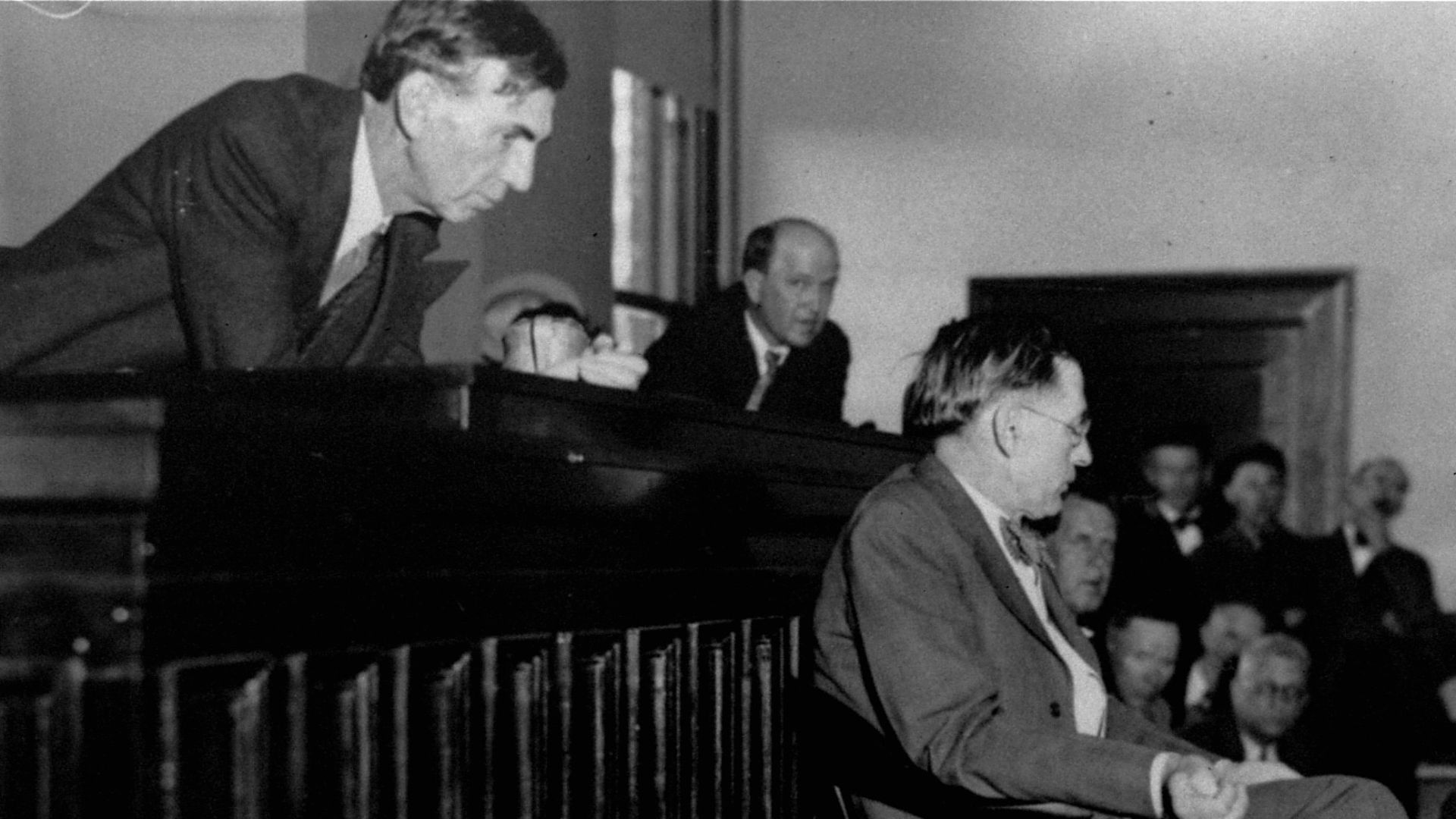
13. Sacco And Vanzetti
The 1920s case against Nicola Sacco and Bartolomeo Vanzetti played out amid anti-immigrant sentiment and fear of anarchism in the United States. The trial and appeals left many observers convinced the men were judged as political symbols as much as suspects. The long public drama made the outcome feel like a statement to outsiders.
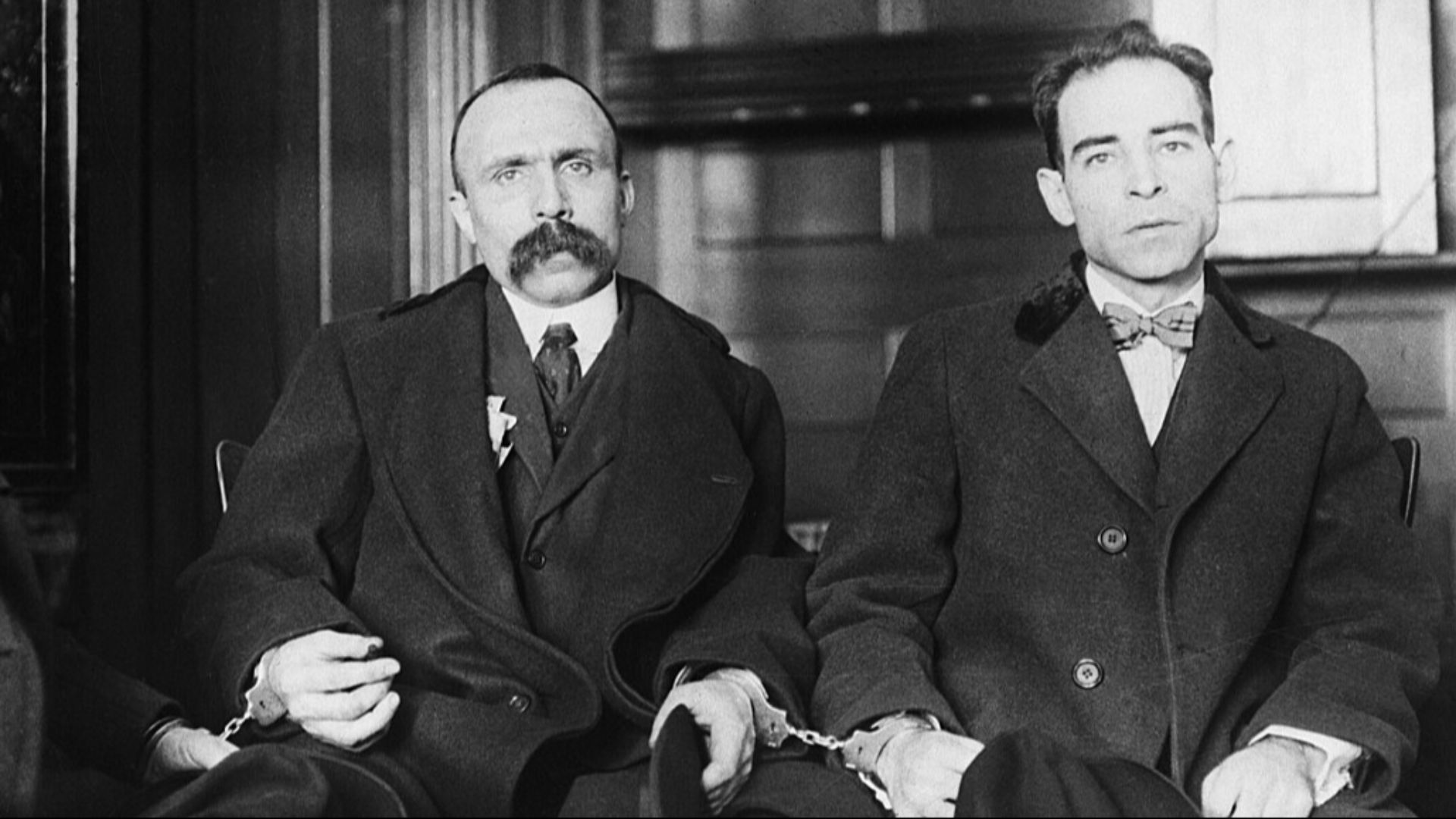 Unknown authorUnknown author on Wikimedia
14. The Shakhty Trial
The Soviet Shakhty Trial of 1928 targeted engineers accused of sabotage, and it helped Stalin’s state explain economic strain by pointing at convenient villains. Public confession and spectacle mattered more than verifiable proof. The event also set a template for later Soviet show trials.
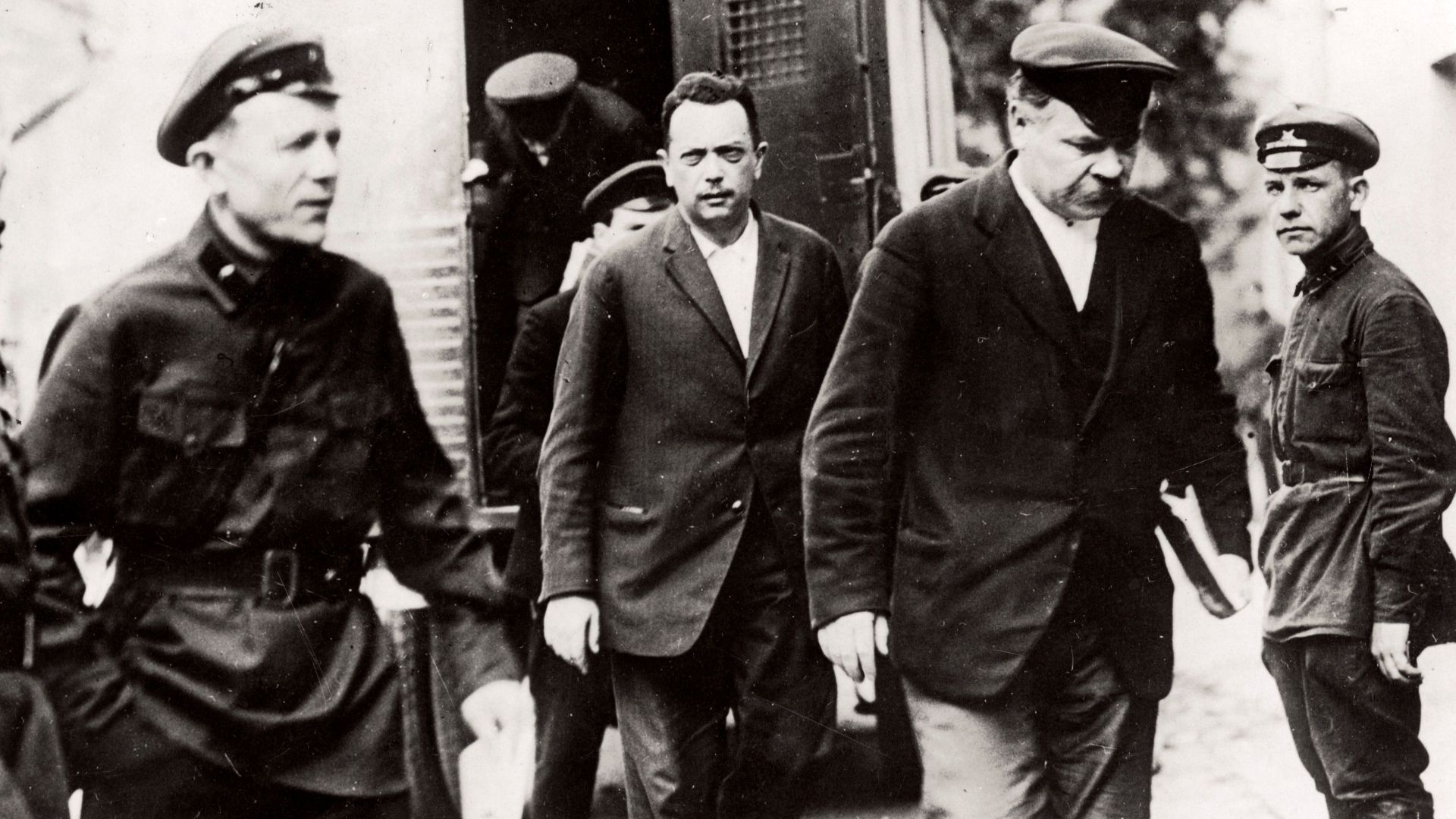 Unknown authorUnknown author on Wikimedia
15. The Moscow Show Trials
The major Moscow Trials of the 1930s were staged to validate Stalin’s purges, with defendants delivering rehearsed confessions to implausible conspiracies. The courtroom became a broadcast studio for state narratives, not a forum for defense. Once you notice how uniform the outcomes were, the drama starts to look like scripted tragedy.
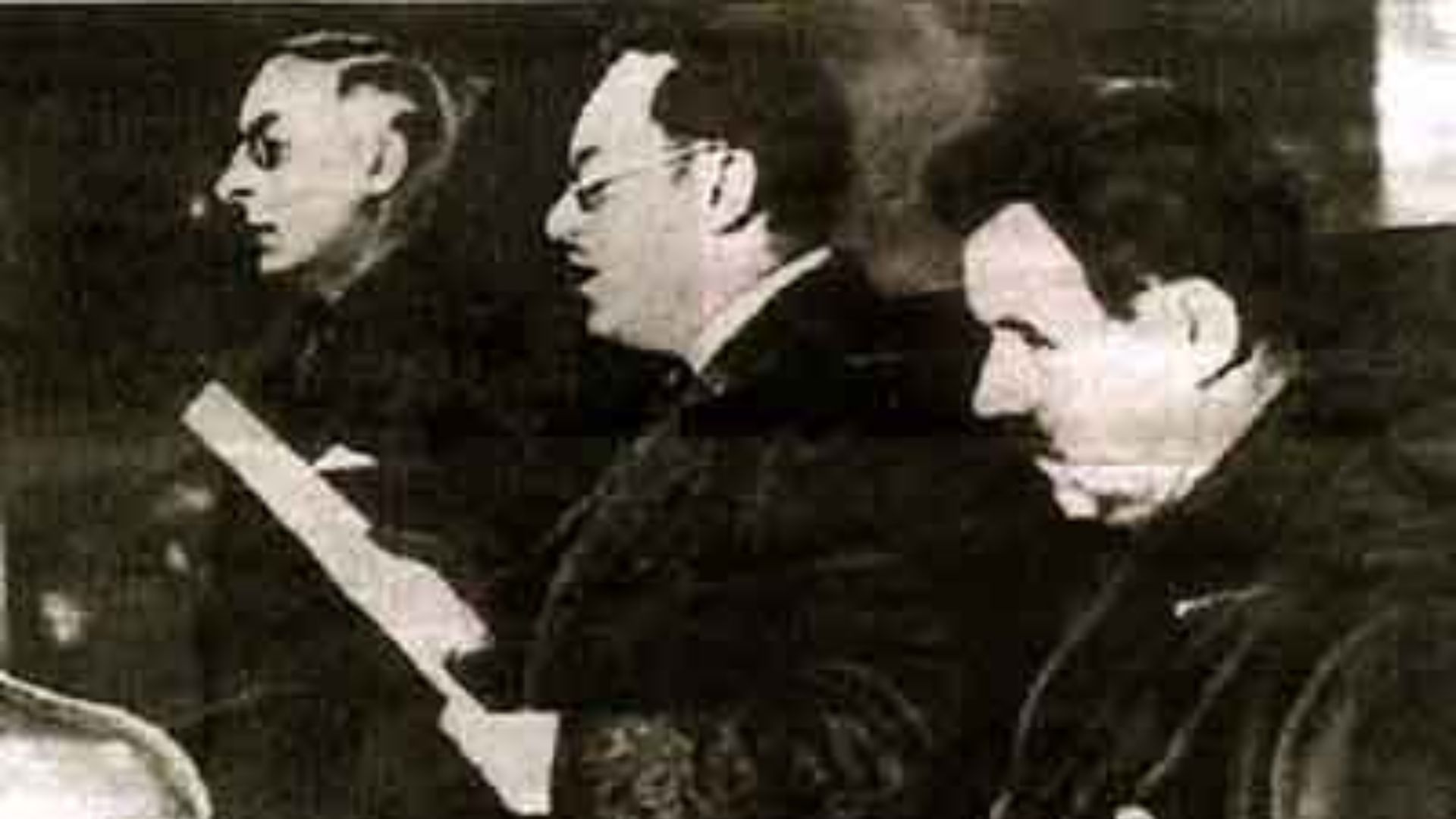
16. The Rajk Trial In Hungary
László Rajk’s 1949 trial was engineered during Communist consolidation in Hungary, with forced confession and a prewritten storyline about treason. It was designed to discipline the party and terrify anyone tempted to think independently. The theater worked because everyone understood the real audience was the political elite.
17. The Slánský Trial In Czechoslovakia
The 1952 Slánský trial targeted high-ranking Communist officials and leaned heavily on antisemitic framing, packaged as a clean tale of internal enemies. Confessions were choreographed, and the logic was built to be repeated in newspapers and speeches. The point was obedience, not accuracy.
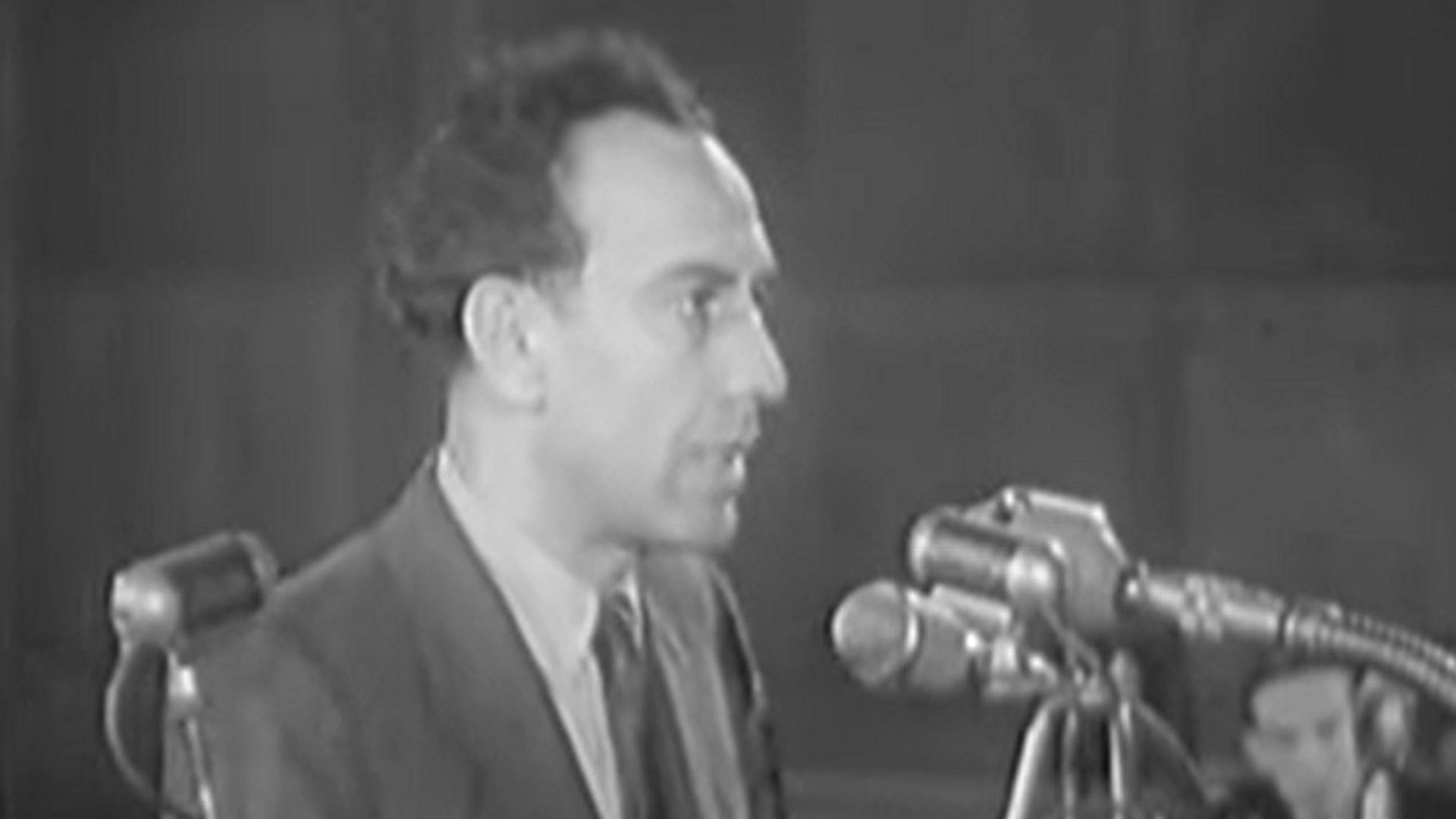 Author of this photo is unknown person. on Wikimedia
18. The People’s Court Under Roland Freisler
Nazi Germany’s People’s Court, especially under judge Roland Freisler, operated as a humiliation machine for political defendants. Trials were staged with shouting, staged contempt, and outcomes that served the regime’s need for fear. The legal setting gave brutality a polished surface.
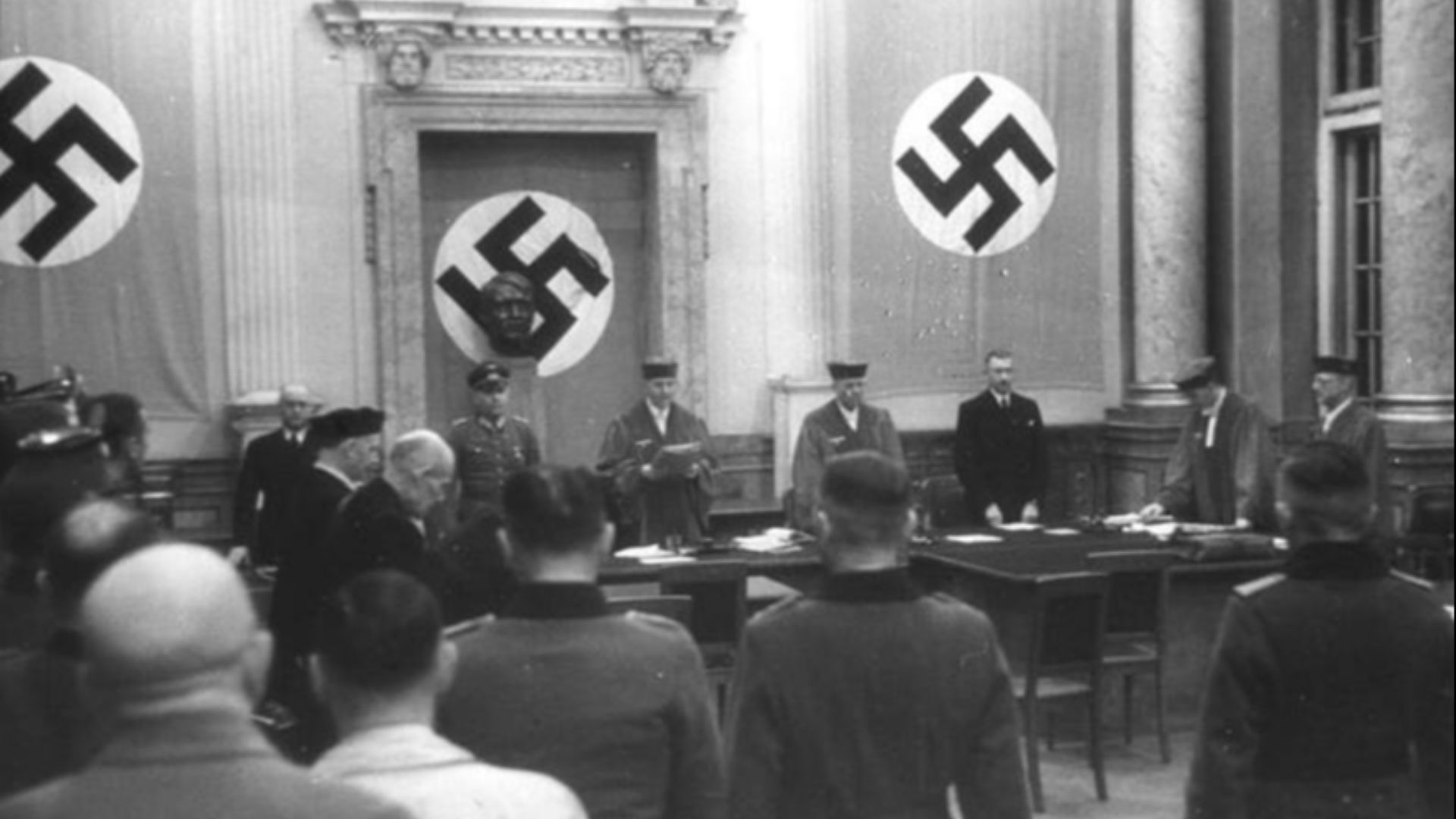
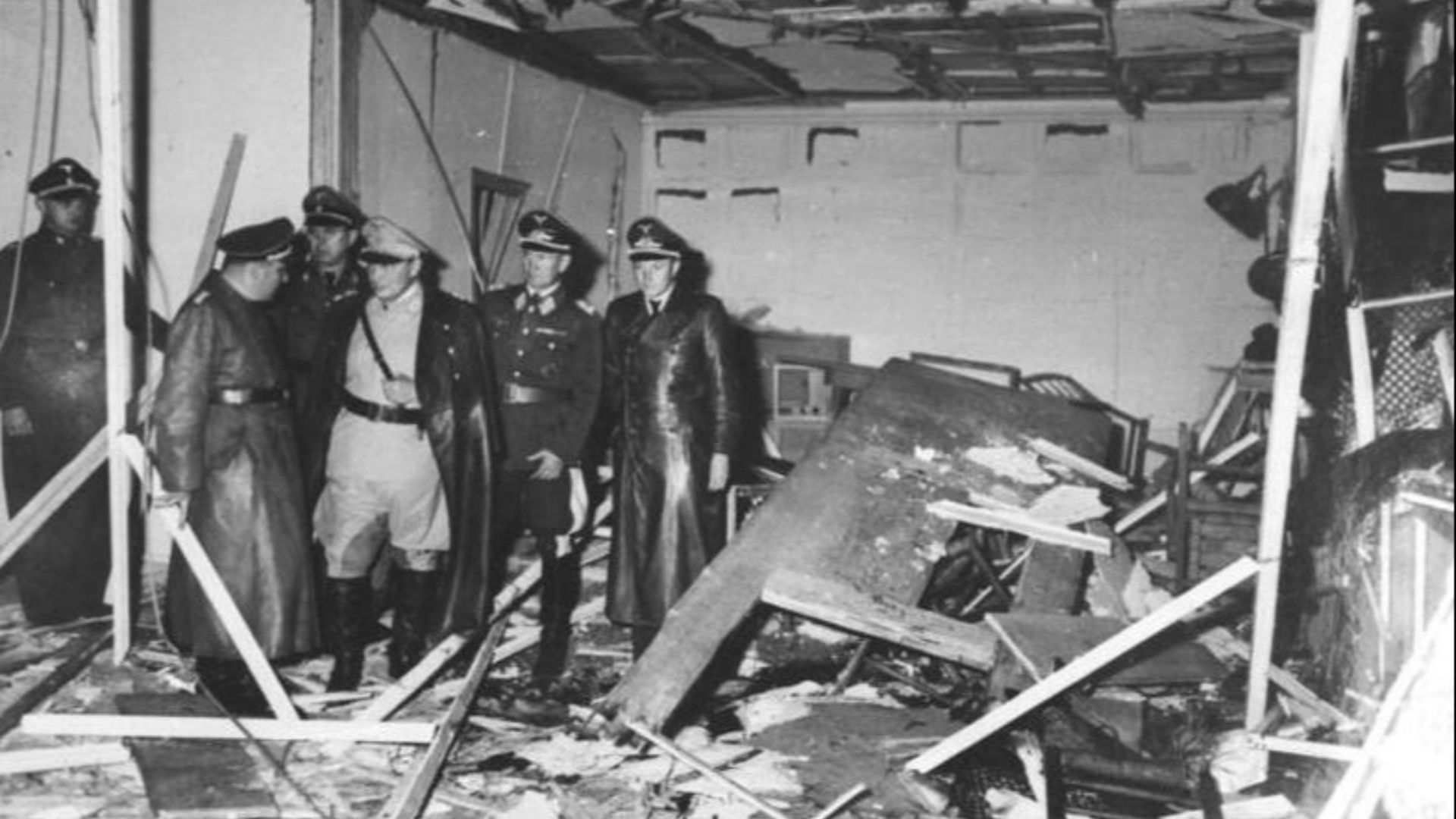
19. The Trials After The July 20 Plot
After the 1944 attempt to assassinate Hitler, many accused conspirators were rushed through proceedings that were designed to disgrace them publicly. The courtroom functioned like a propaganda reel, turning dissent into spectacle. Execution followed as the final act, and everyone watching knew it was never in doubt.
 Unknown authorUnknown author on Wikimedia
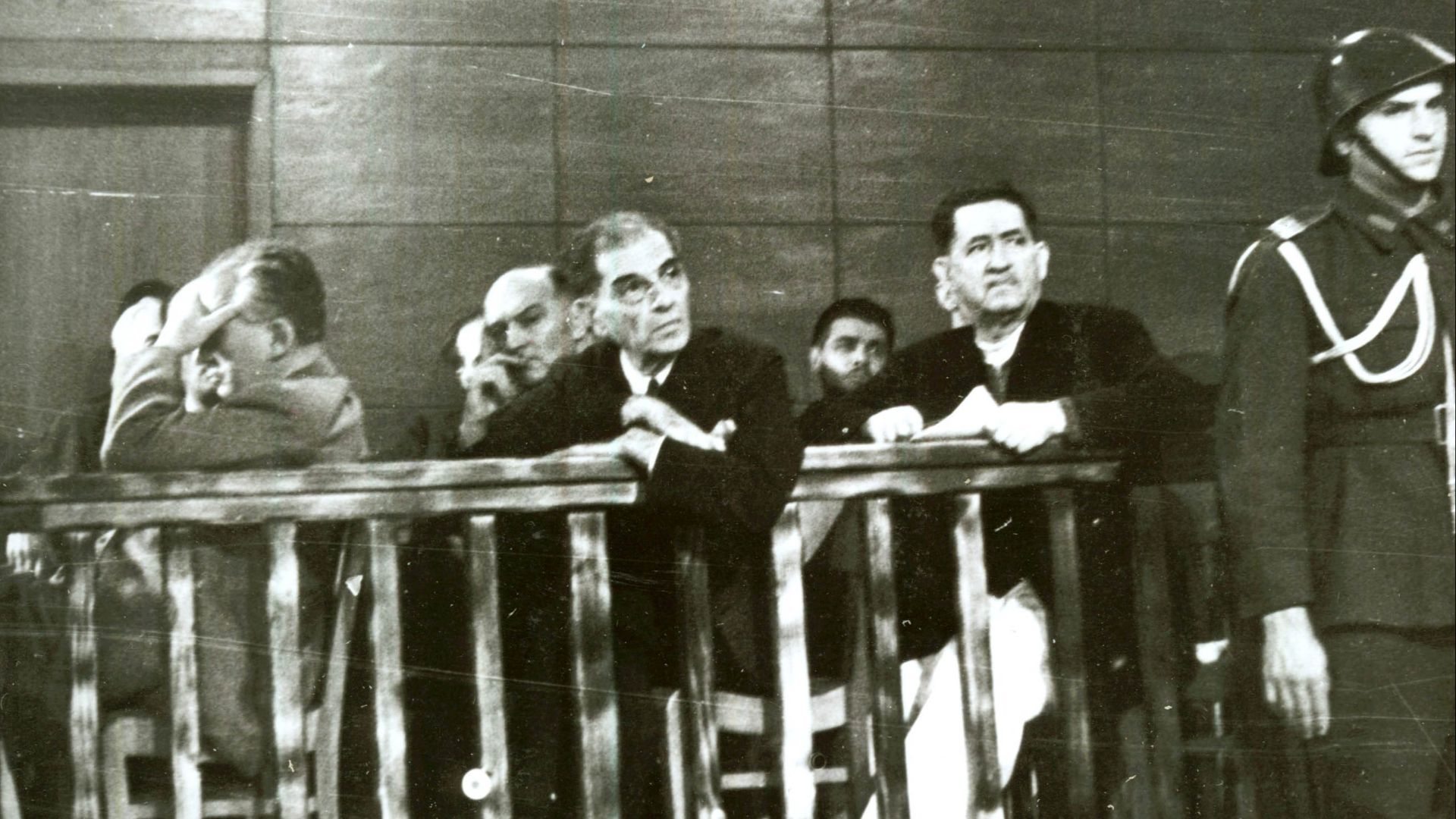
20. The Ceaușescu Trial
In December 1989, Nicolae and Elena Ceaușescu faced a rapid military tribunal in Romania that ended in immediate execution. The speed and confusion made it feel like an urgent performance meant to close the chapter on a collapsing regime. Even people who wanted change could see how thin the legal ritual was.

KEEP ON READING
The 20 Most Recognized Historical Figures Of All Time
The Biggest Names In History. Although the Earth has been…
By Cathy Liu Oct 4, 2024
10 of the Shortest Wars in History & 10 of…
Wars: Longest and Shortest. Throughout history, wars have varied dramatically…
By Emilie Richardson-Dupuis Oct 7, 2024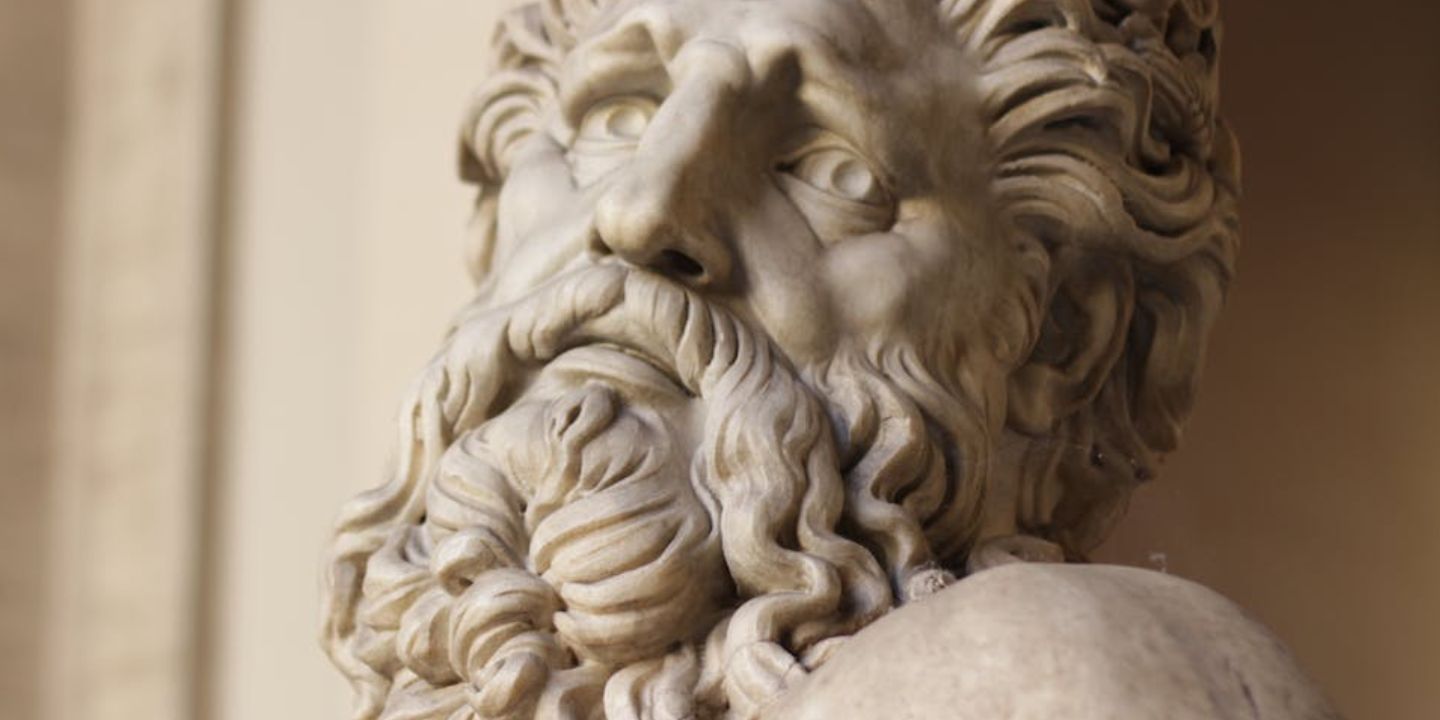
10 Fascinating Facts About Ancient Greece You Can Appreciate &…
Once Upon A Time Lived Some Ancient Weirdos.... Greece is…
By Megan Wickens Oct 7, 2024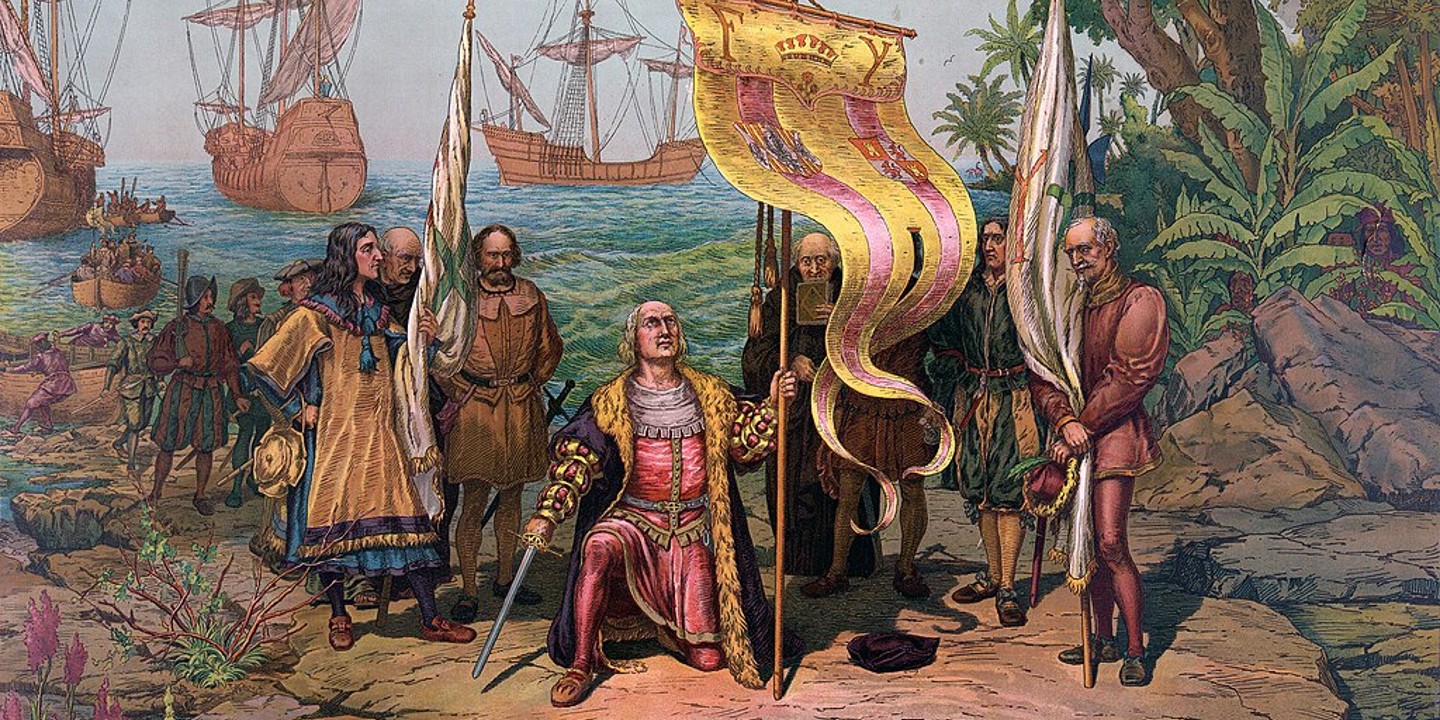
20 Lesser-Known Facts About Christopher Columbus You Don't Learn In…
In 1492, He Sailed The Ocean Blue. Christopher Columbus is…
By Emilie Richardson-Dupuis Oct 9, 2024
20 Historical Landmarks That Have The Craziest Conspiracy Theories
Unsolved Mysteries Of Ancient Places . When there's not enough evidence…
By Megan Wickens Oct 9, 2024
The 20 Craziest Inventions & Discoveries Made During Ancient Times
Crazy Ancient Inventions . While we're busy making big advancements in…
By Cathy Liu Oct 9, 2024