The Lesser-Known Items That Still Carry a Reputation
Not every cursed object gets a glossy museum placard or a movie deal. You might have heard of Annabelle, or maybe even Robert. You may have heard about Busby’s chair. But some items lurk in the shadows, living in local archives, family lore, niche collections, and odd little footnotes that never quite reach the mainstream. Let’s peek behind the curtain of history’s creepiest lesser-known curses.

1. The Conjured Chest
The Kentucky Historical Society describes a 19th-century chest of drawers in its collection, commonly called the Conjured Chest, which is already bad enough. It’s long been associated with a run of deaths in the family history tied to it. Whether you treat it as folklore or a cautionary tale, it’s the kind of artifact that makes people lower their voice when they mention it.

2. The “Delhi Purple Sapphire”
This stone’s curse is tied to writer and scientist Edward Heron-Allen, who claimed it brought him misfortune and later left it sealed with warnings. After his death, it was donated to a museum with the cautionary note still attached, keeping the legend alive through an unusually traceable chain of custody.

3. The Ring of Silvianus
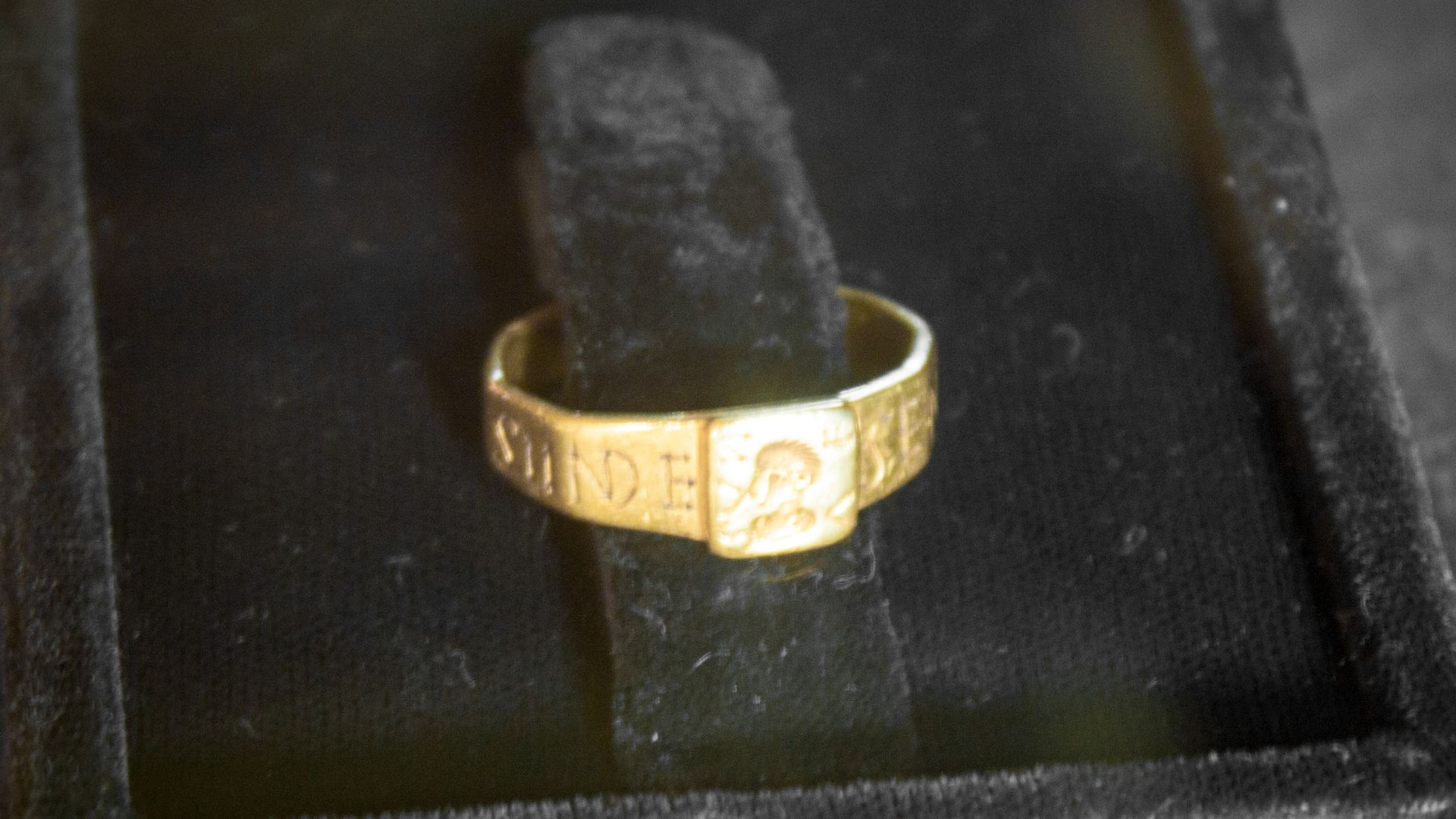
Found near Silchester in the 18th century, this large Roman-era gold ring (also called the Ring of Senicianus) carries quite a story. The “curse” isn’t modern rumor so much as an ancient-world practice: a related curse tablet from Roman Britain appears to invoke divine punishment connected to a theft dispute.
 Simon Q from United Kingdom on Wikimedia
4. RIB 306
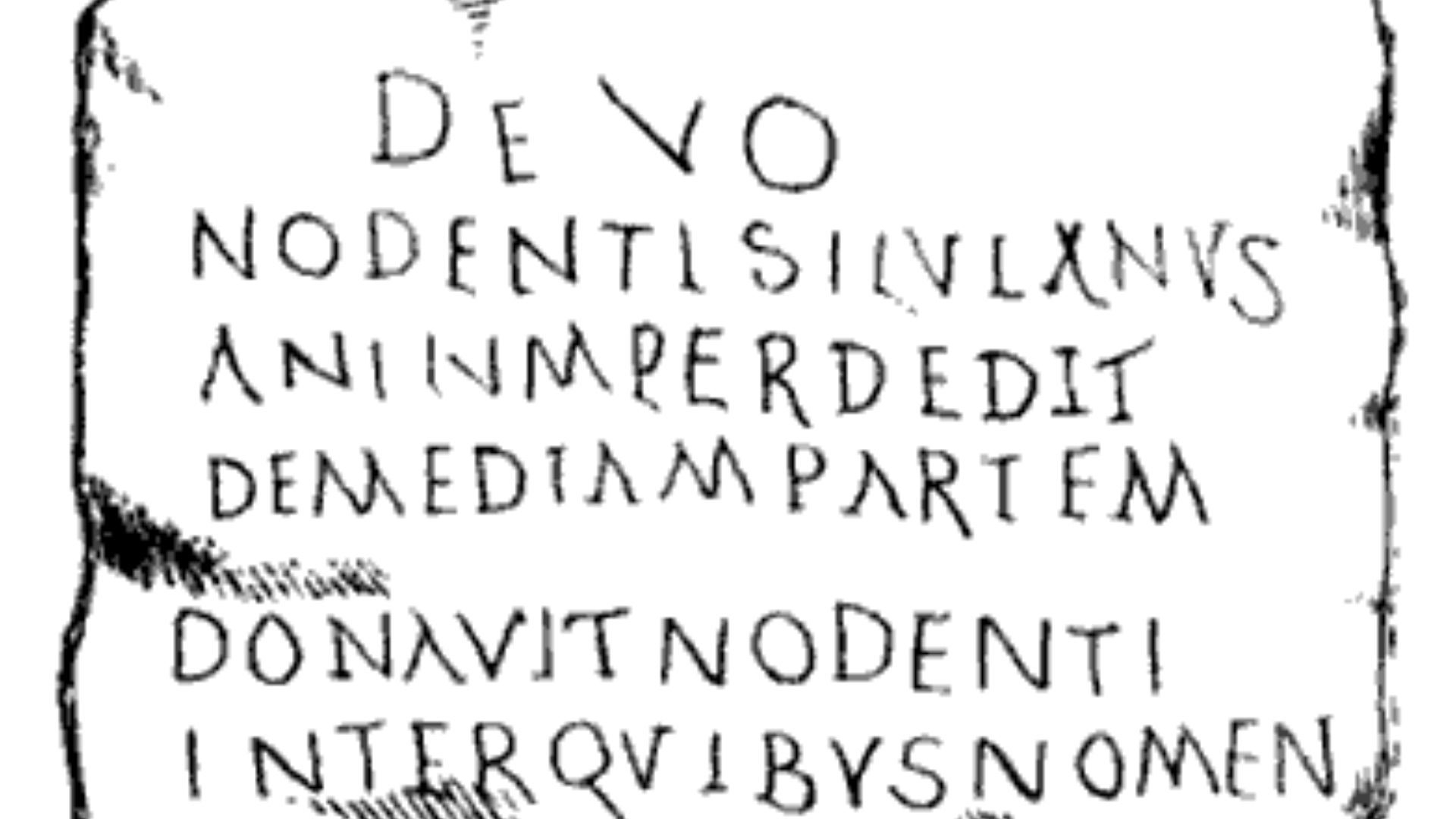
Say what you want about it, but this is a real, cataloged Roman lead curse tablet from Lydney Park that names Senicianus for stealing a ring. It then demands that his health be withheld until he returns it to the temple of the god Nodens. It’s part of the archaeological record, with details like material, dimensions, find context, and modern location documented.
 William Hiley Bathurst on Wikimedia
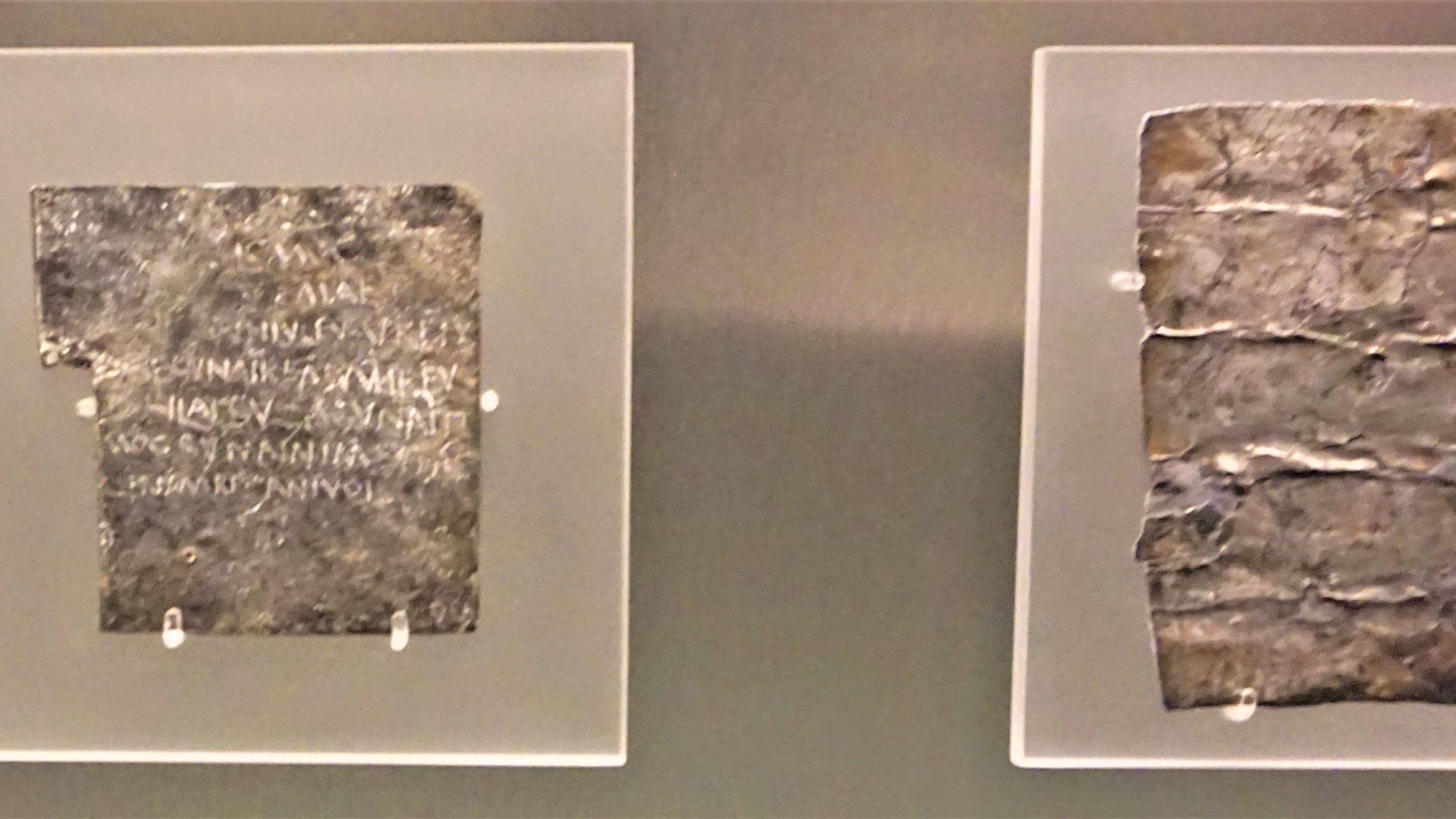
5. The Bath Curse Tablets
Discovered in excavations around 1979–1980, these are about 130 Roman curse tablets asking the goddess Sulis Minerva to punish thieves and return stolen property. They’re on display at the Roman Baths Museum, and their texts have been studied for everyday language and social history, not just for the creep factor.
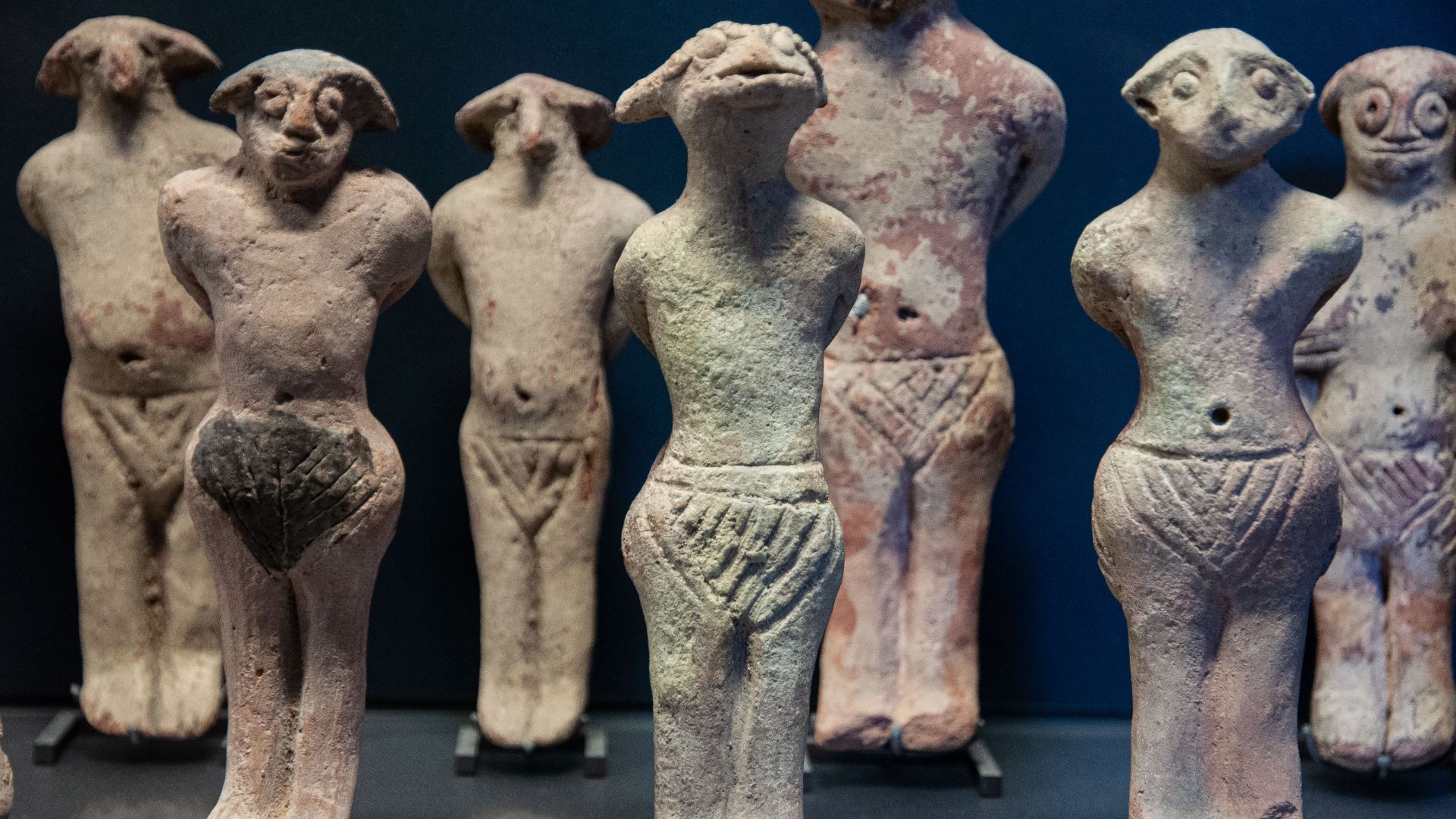
6. The Woman from Lemb
Dated to around 3500 BCE, this was discovered in Cyprus, which later picked up a grim reputation for bringing tragedy to successive owners. Local reporting kept the tale in circulation by tying it to named collectors and a chain of misfortunes, even as the “curse” remains a matter of belief.

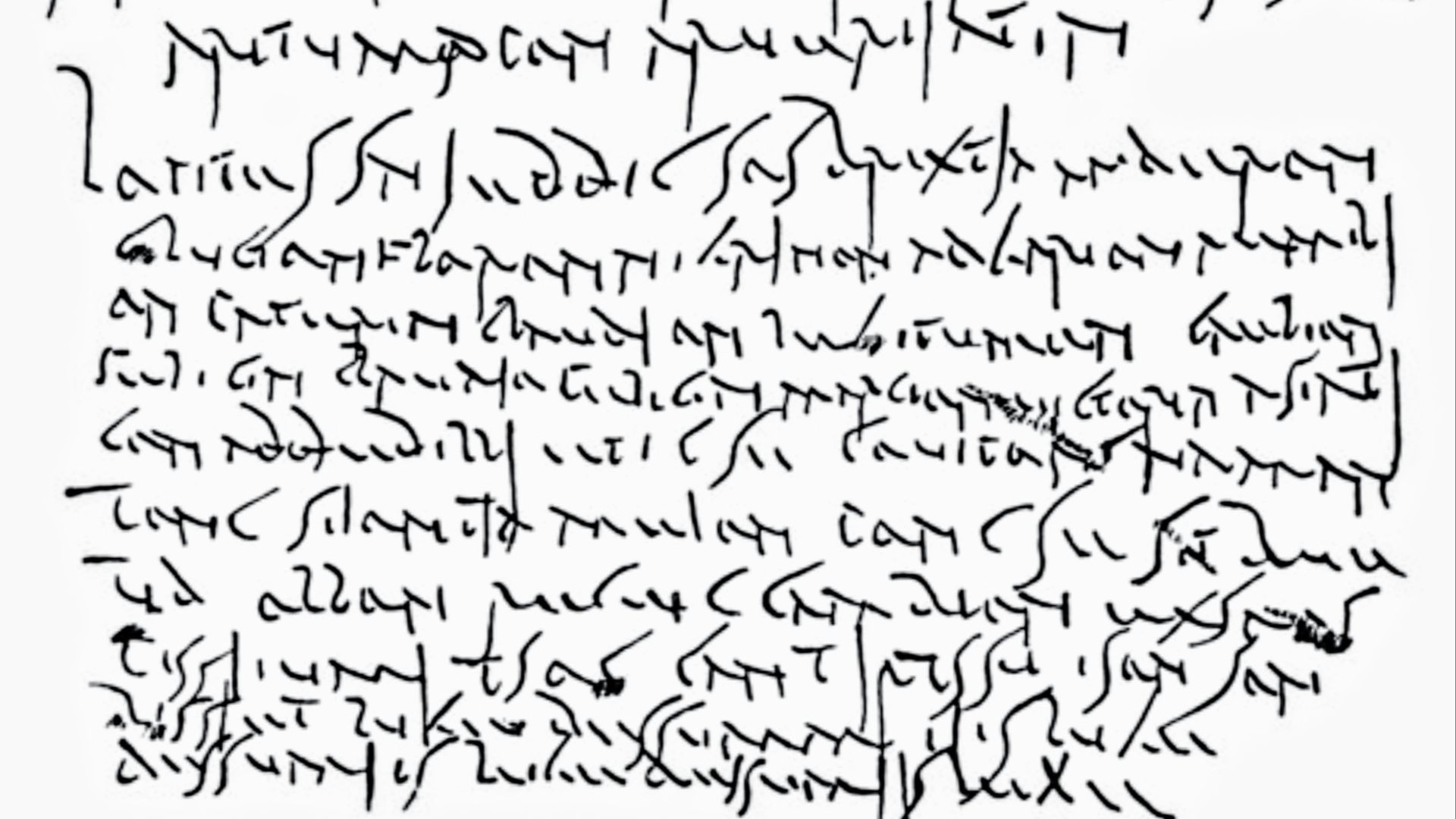
7. The Chamalières Tablet
Found in 1971 at a spring site in Chamalières, this lead tablet contains one of the longest surviving texts in the Gaulish language and is treated as a curse inscription. To this day, its importance is academic as well as eerie; it’s a key artifact for understanding Gaulish writing and ritual practice.
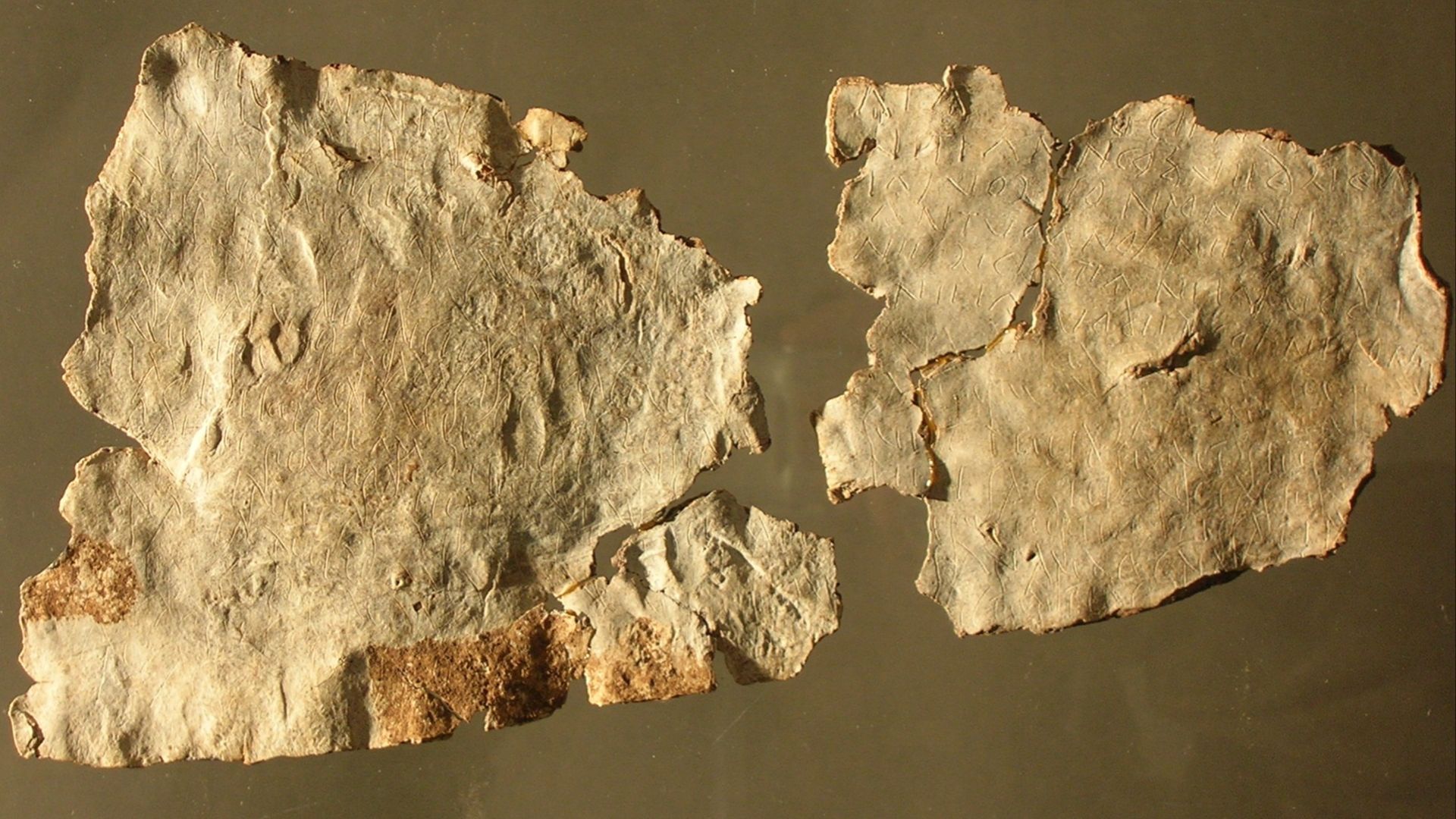
8. The Larzac Tablet
Discovered in 1983 in a grave at L’Hospitalet-du-Larzac, this tablet is actually another major Gaulish curse text, dated around 100 AD. Scholars today treat it as a magical conflict narrative (often described as involving rival groups of women), though full translation remains uncertain.
9. Ancient Egyptian “Execration” Figurines
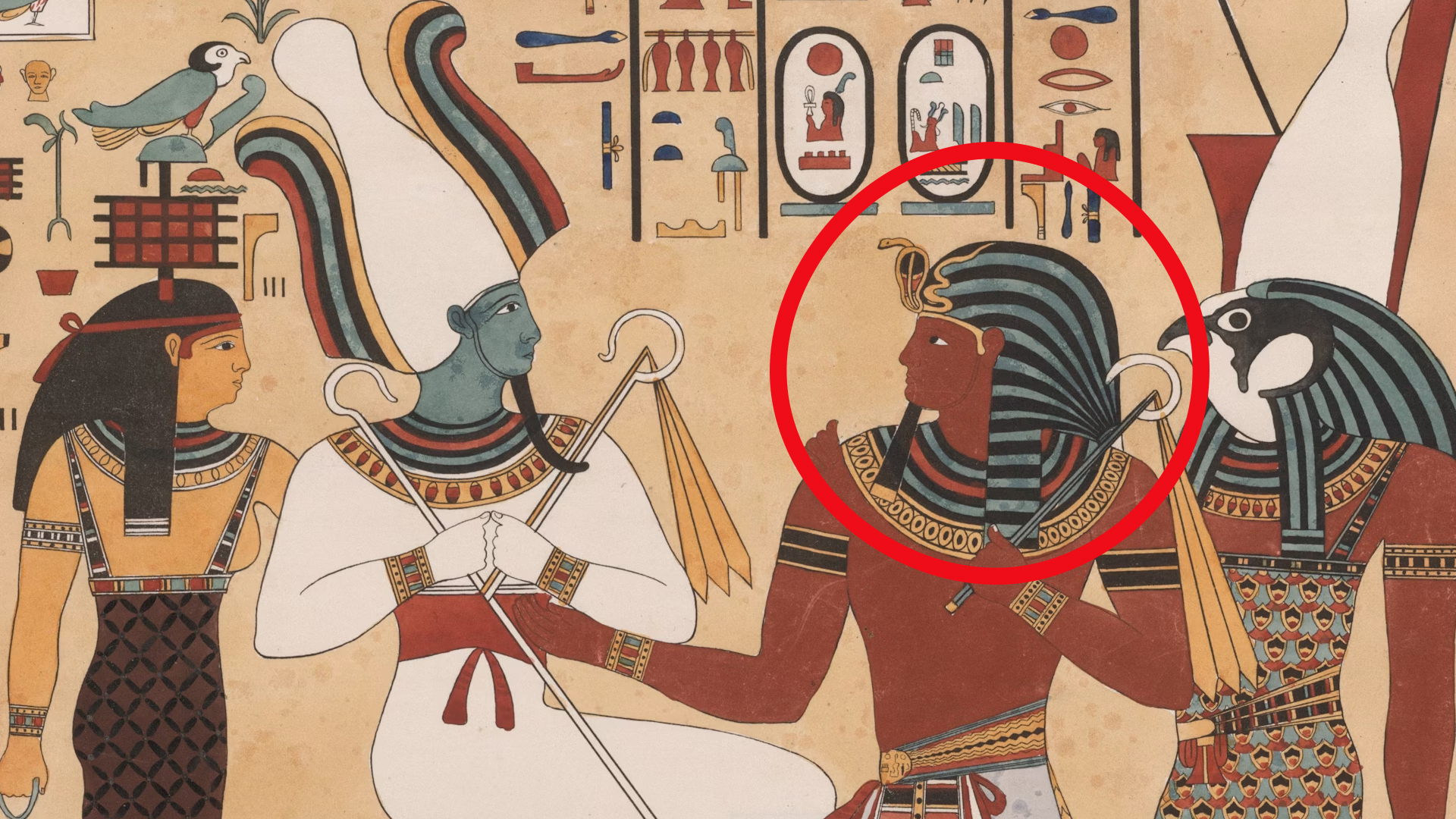
In Egypt’s Middle Kingdom, enemies’ names were written on objects like figurines, bowls, or clay blocks and then ritually broken to symbolically destroy them. They might not carry a horrifying story, but instead, are often considered literal “cursed objects” by design, created to carry hostile intent.
10. The “Unlucky Mummy”
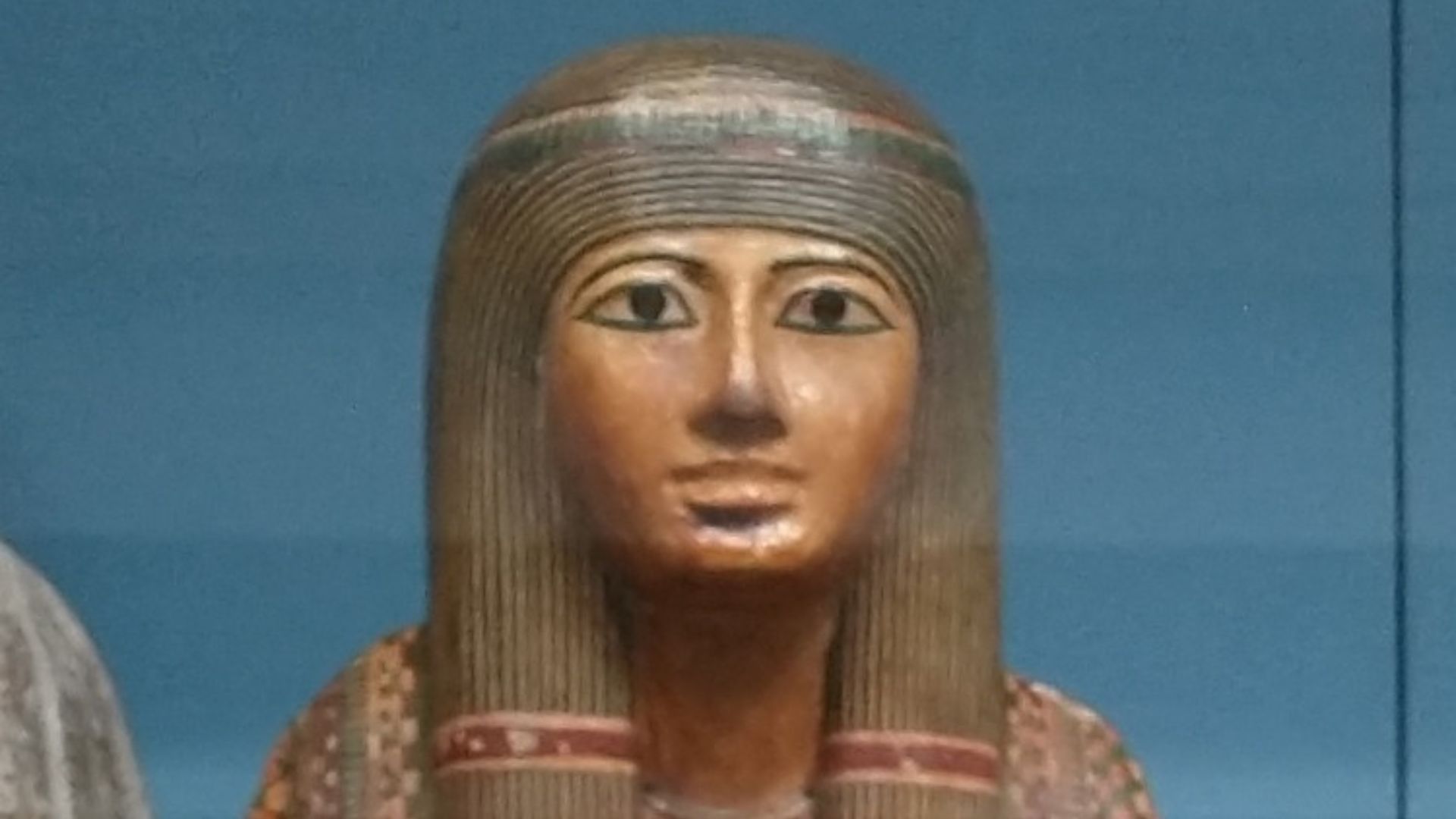
Despite the nickname, the “Unlucky Mummy” is a painted coffin lid acquired by the British Museum in 1889. Over time, it gathered a reputation for misfortune, and myths quickly started to spread around it. The British Museum keeps the object firmly grounded in verifiable catalog history, even when the stories wander.
11. The Bettiscombe “Screaming Skull”
This one’s a little different as it’s a specific case within the wider English “screaming skull” tradition, with written accounts appearing in the 19th century describing a skull that allegedly causes disturbances if moved. The stories commonly frame it as tied to an enslaved man and a violated burial wish.

12. The Burton Agnes “Screaming Skull”
Well, so long as we’re here, why not mention Burton Agnes Hall? It’s linked to a skull legend involving Anne Griffith and claims of unrest if the skull is removed. Versions of the story differ on where the skull is now, but the enduring point is how a physical relic became a focal object for a haunting tradition.

13. The Sator Square Inscription Objects
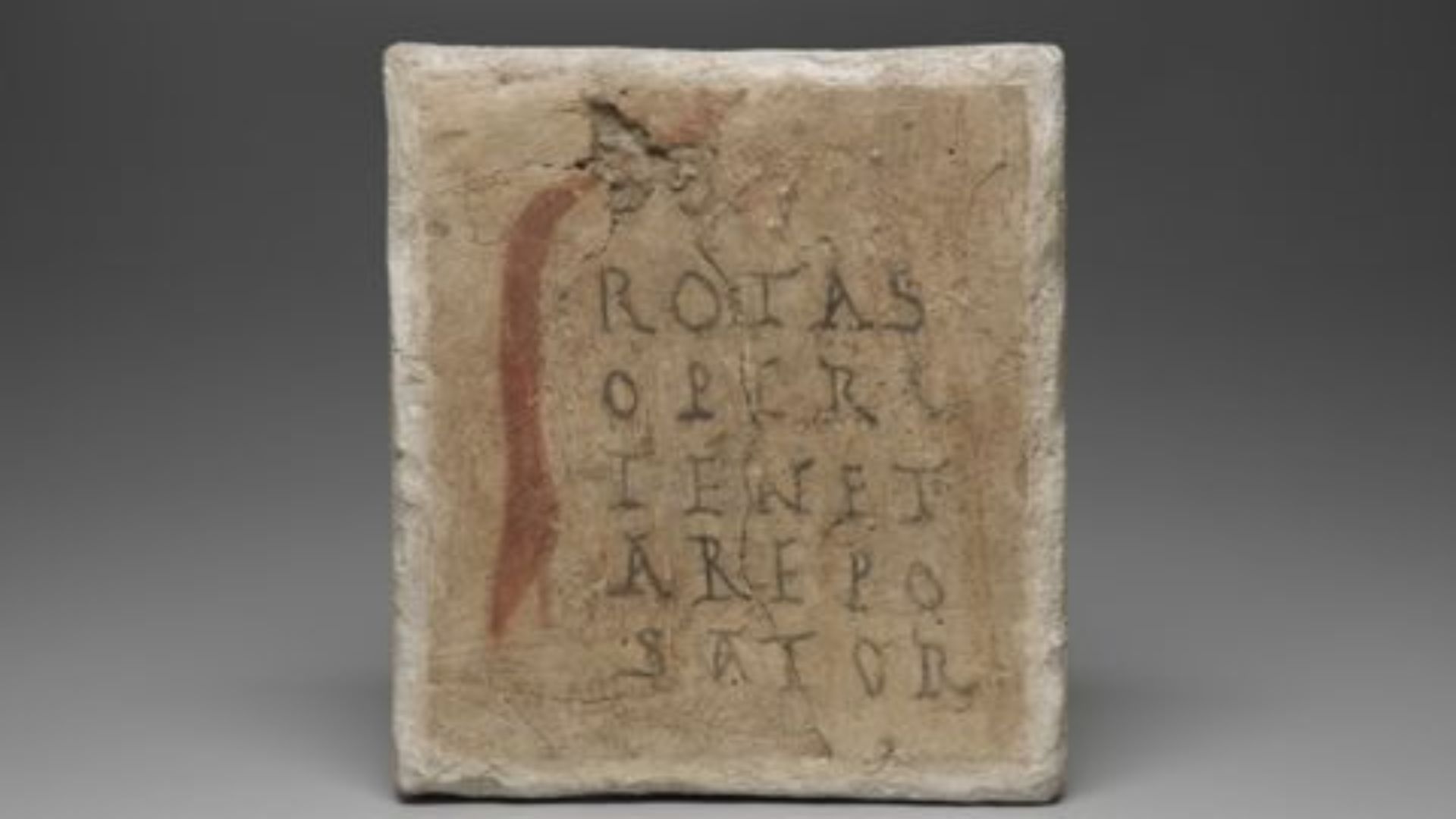
The Sator Square is a famous Latin letter-square found in multiple places and eras, including ancient inscriptions and later medieval church contexts. While it’s often discussed as a word puzzle, it also has a long afterlife in charms and folk practices, which is where the “magic object” reputation comes in. When carved into stone or written as a talisman, the object itself becomes the carrier of supposed power.
14. “The Hands Resist Him” Painting
Bill Stoneham mayhave painted it in 1972, but its reputation didn’t really take off until after a 2000 eBay listing framed it as haunted. Sure enough, the internet ran with it. The documented history includes exhibitions, ownership, and the specific moment the urban legend went viral.

15. “The Anguished Man” Painting
This painting’s notoriety comes from claims by its owner about a disturbing origin story and ongoing paranormal incidents. Even sources that treat it skeptically still document how the legend developed and how the painting became a recurring internet horror topic.

16. The “Crying Boy” Prints
Mass-produced prints of a tearful child became linked to an urban legend after tabloid reporting claimed they kept turning up unburned after house fires. The story eventually got so heated that public bonfires of the prints were organized.

17. The Myrtles Plantation Mirror
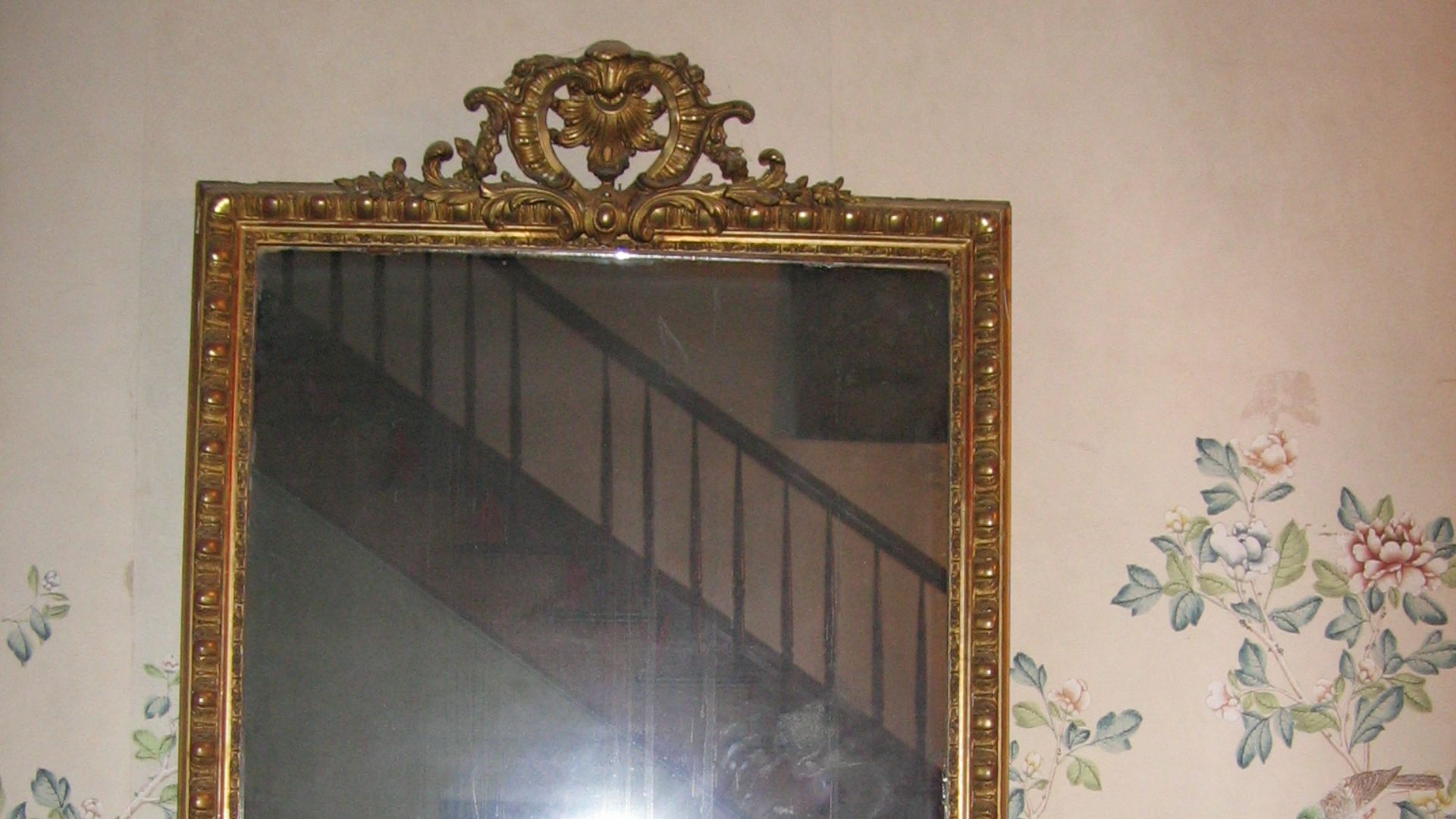
This plantation is a historic site with a long-running haunt narrative, and one specific mirror is said to hold spirits because it wasn’t covered after deaths. Skeptical investigations have challenged parts of the story, but the mirror remains a central object in the location’s documented folklore.
18. Man Proposes, God Disposes
This 1864 Edwin Landseer painting hangs at Royal Holloway, University of London, and it’s inspired by the doomed Franklin expedition search narrative. Over the decades, students developed a superstition that sitting near it during exams leads to failure, and a tradition grew around covering the canvas during exam periods.

19. The Basano Vase
The Basano Vase legend is a tricky one. On the one hand, it’s widely circulated and treated as an infamous cursed-object tale. On the other hand, key specifics (names, locations, verifiable chain of custody) are notably vague. That said, the uncertainty is part of its reputation: it’s repeatedly described as resurfacing, causing deaths, then being disposed of, with few checkable details.
20. Marquis de Sade’s 120 Days of Sodom Manuscript
Disturbing media buffs already know about this story. But for those unaware, the manuscript has a documented modern saga: it was reported stolen, then acquired for about €7 million by the firm Aristophil, and its notoriety fed an aura of bad luck in the public imagination. French authorities even declared it a national treasure when it was headed toward auction. Think of it as the curse of chaos, crime, and reputation.