


When Crowns Hung By A Thread
History is full of revolutions that toppled monarchies outright, but some crowns managed to survive by the narrowest of margins. In these moments, rulers faced uprisings, constitutional showdowns, military pressure, and mass protests that could’ve ended centuries of dynastic rule. Sometimes survival meant surrendering power, sometimes it required exile or abdication, and occasionally it came down to careful political maneuvering. Here are 20 times monarchies barely survived a revolution.
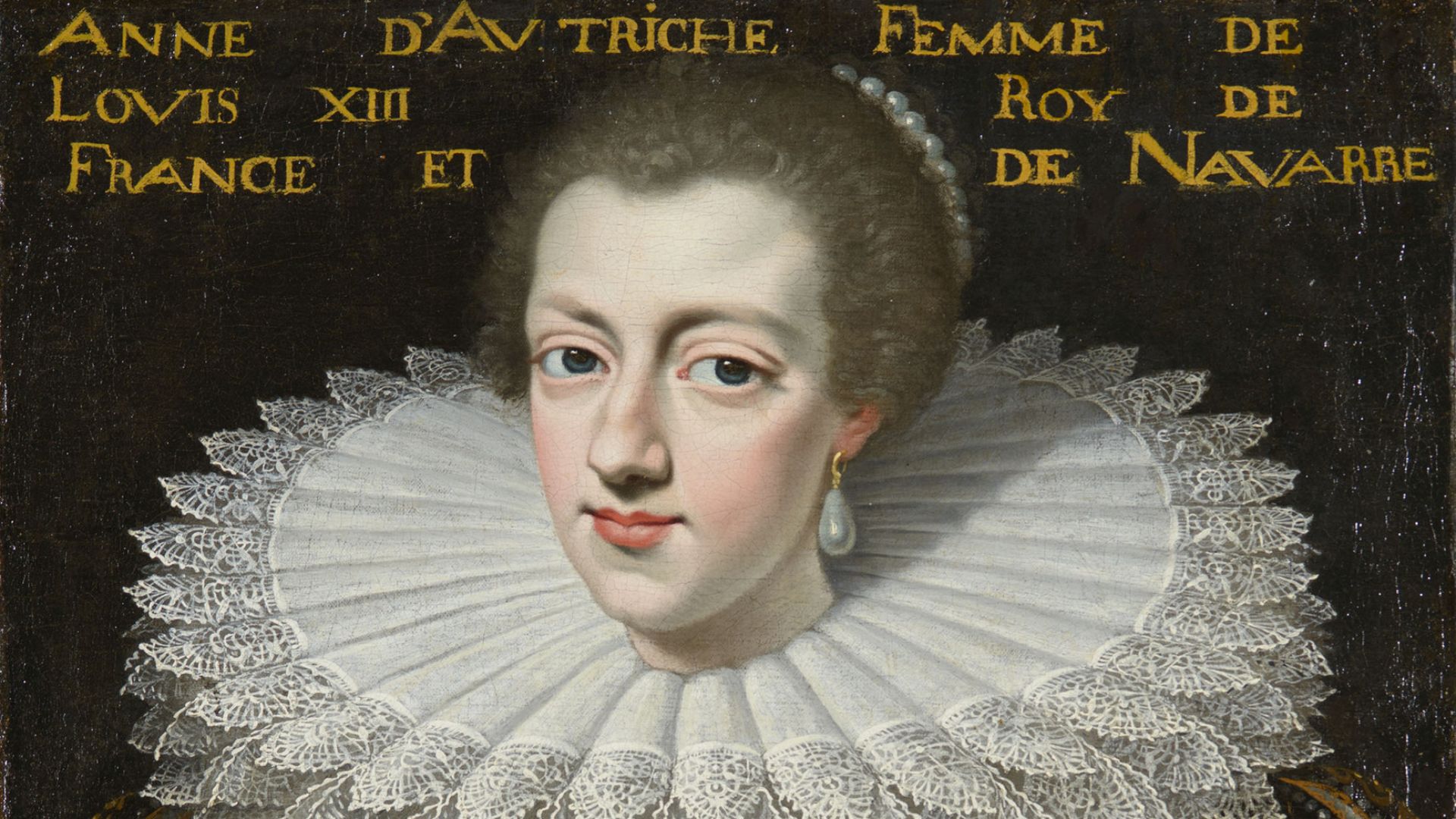 French School / Unidentified painter on Wikimedia
1. The Glorious Revolution (England, 1688)
James II was effectively pushed off the throne in 1688 when Parliament invited William of Orange to intervene. James fled to France, and power shifted without the kind of bloodshed seen elsewhere in Europe. The monarchy survived, but only by accepting constitutional limits through the 1689 Bill of Rights, which permanently reduced royal authority.
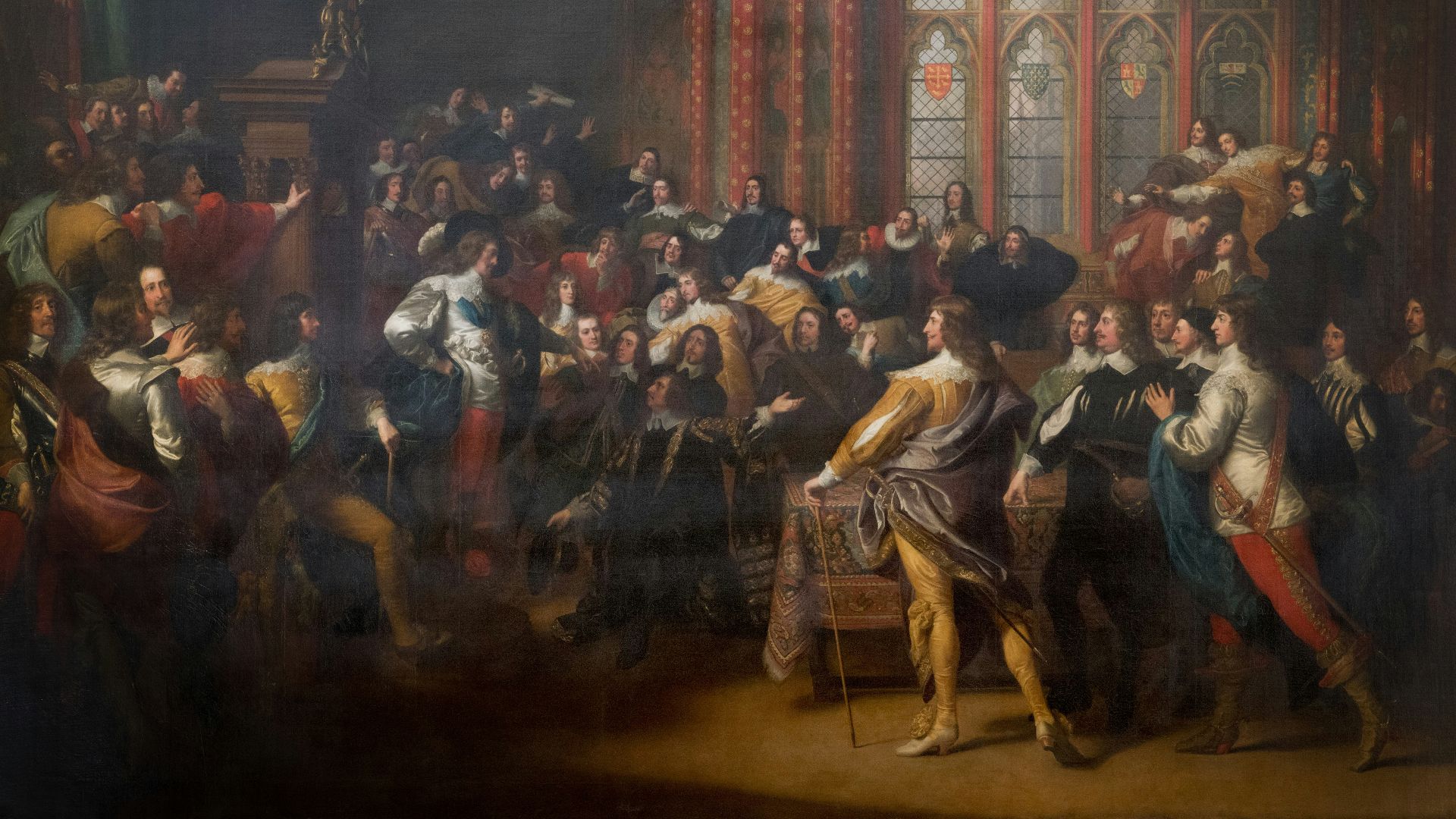 Boston Public Library on Unsplash
2. The Fronde (France, 1648–1653)
Long before 1789, the French crown faced serious unrest during the Fronde, a series of civil wars involving nobles and the Parlement of Paris. The royal family was forced to flee the capital while factions battled for influence. The monarchy held on, yet the experience left a deep mark on Louis XIV, who later centralized power to prevent a repeat.
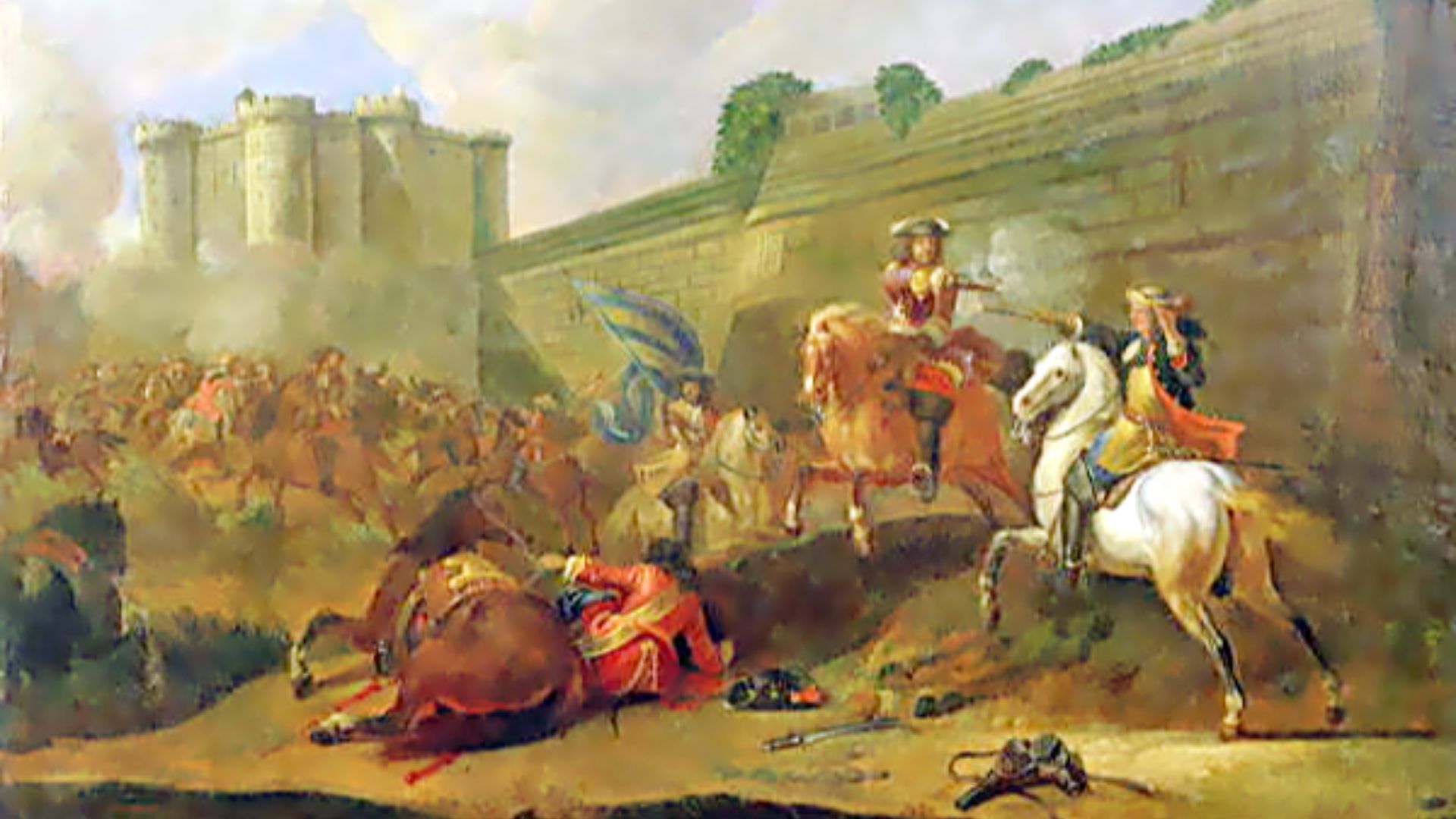 AnonymousUnknown author on Wikimedia
3. The 1848 Revolution In Denmark
The wave of revolutions that swept through Europe in 1848 reached Denmark and challenged absolute rule. Facing mounting pressure, King Frederick VII agreed to a constitution in 1849, ending centuries of absolute monarchy.
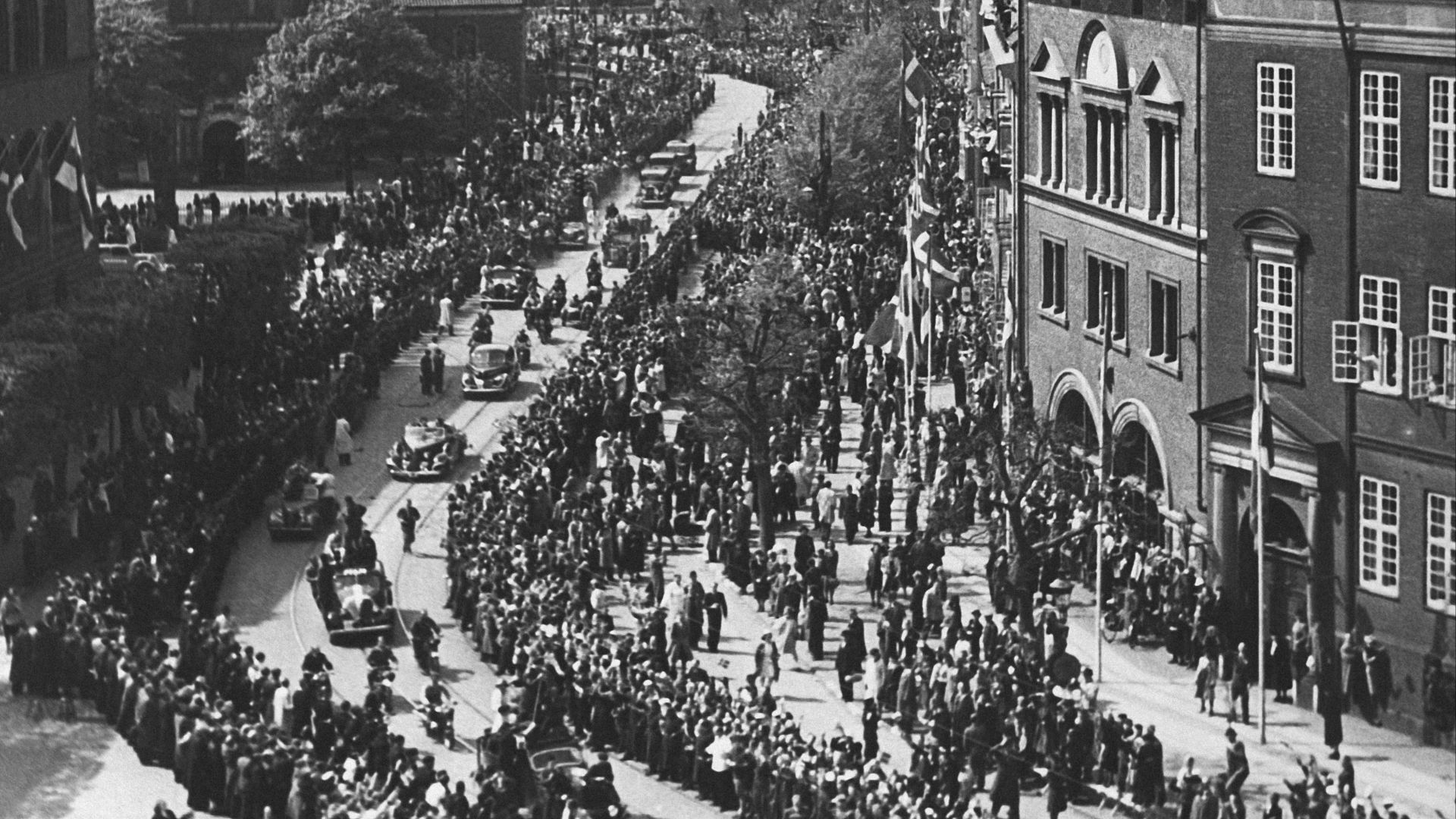 National Museum of Denmark on Unsplash
4. Norway’s 1905 Independence Crisis
In 1905, Norway dissolved its union with Sweden after years of political tension. Sweden mobilized militarily, and the situation could have escalated into war. Instead, negotiations prevailed, and although Sweden lost Norway, the Swedish monarchy itself endured the crisis.
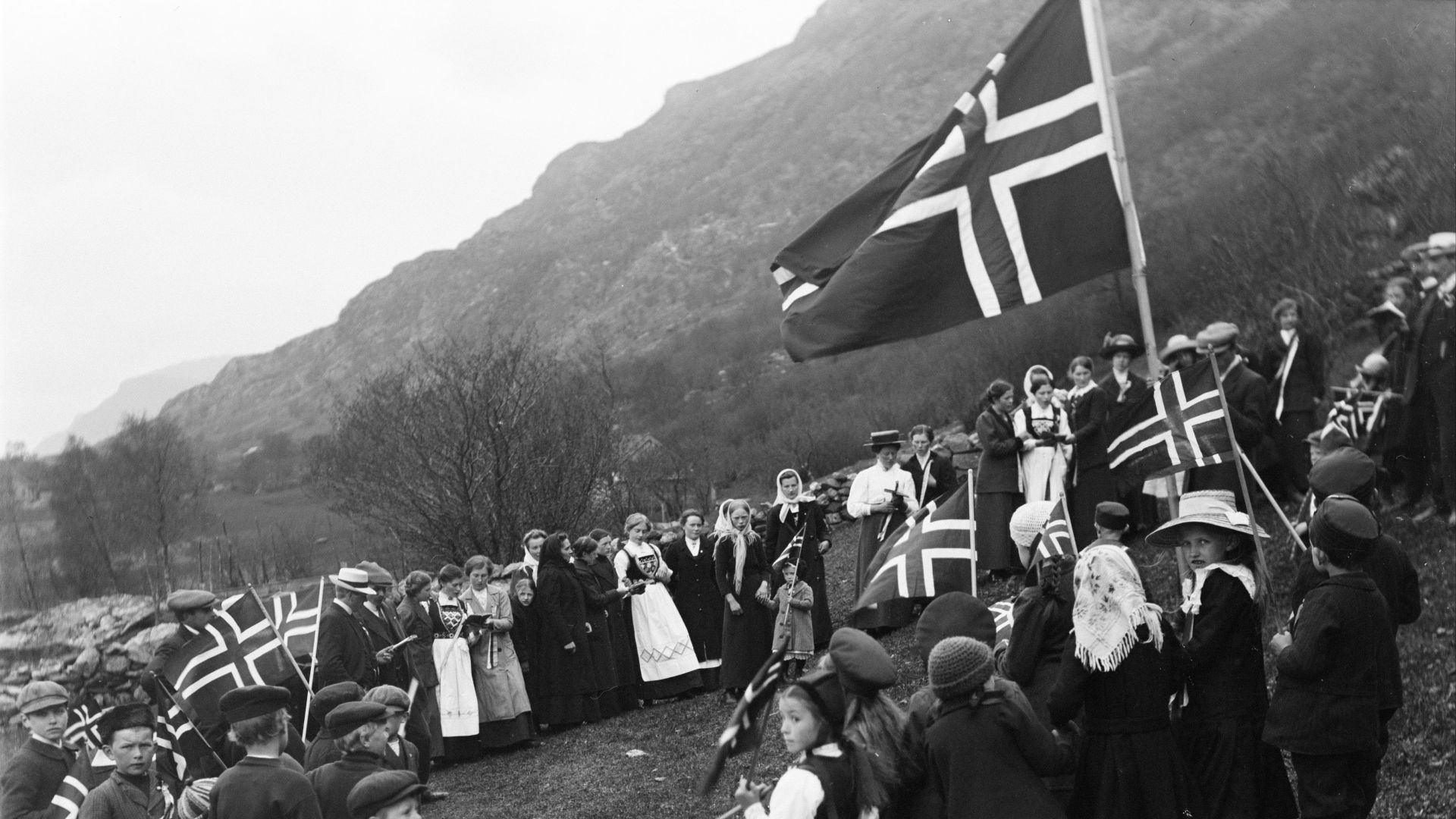 Fylkesarkivet i Vestland on Unsplash
5. The 1932 Siamese Revolution (Thailand)
A bloodless coup in 1932 ended the absolute monarchy in Siam, now Thailand. King Prajadhipok remained on the throne temporarily but with sharply reduced powers under a constitutional system.
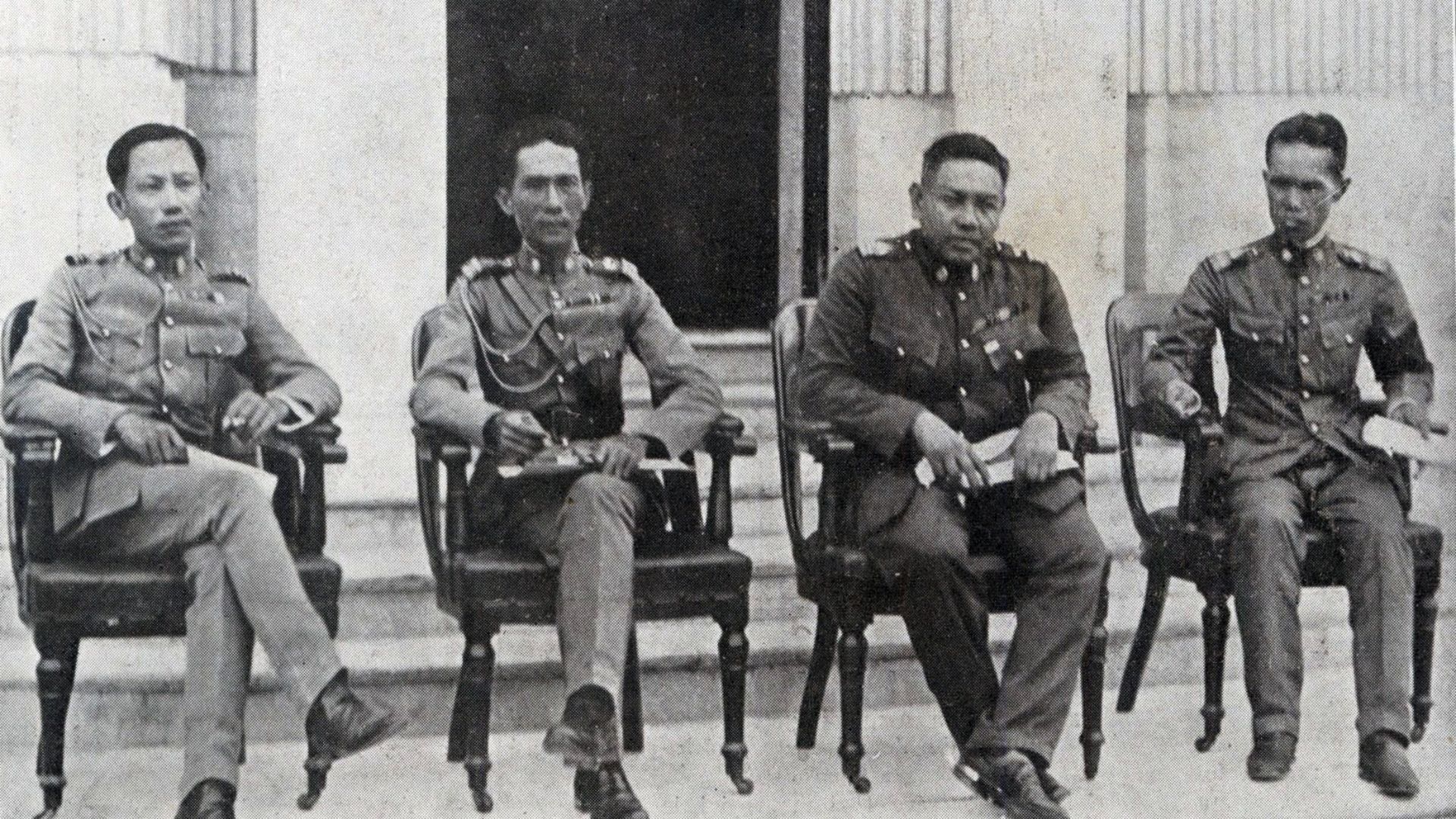 Unknown authorUnknown author on Wikimedia
6. The Belgian Revolution of 1830
The 1830 uprising led to Belgium breaking away from the United Kingdom of the Netherlands. King William I lost a substantial portion of his realm, which was a major blow to Dutch prestige and influence.
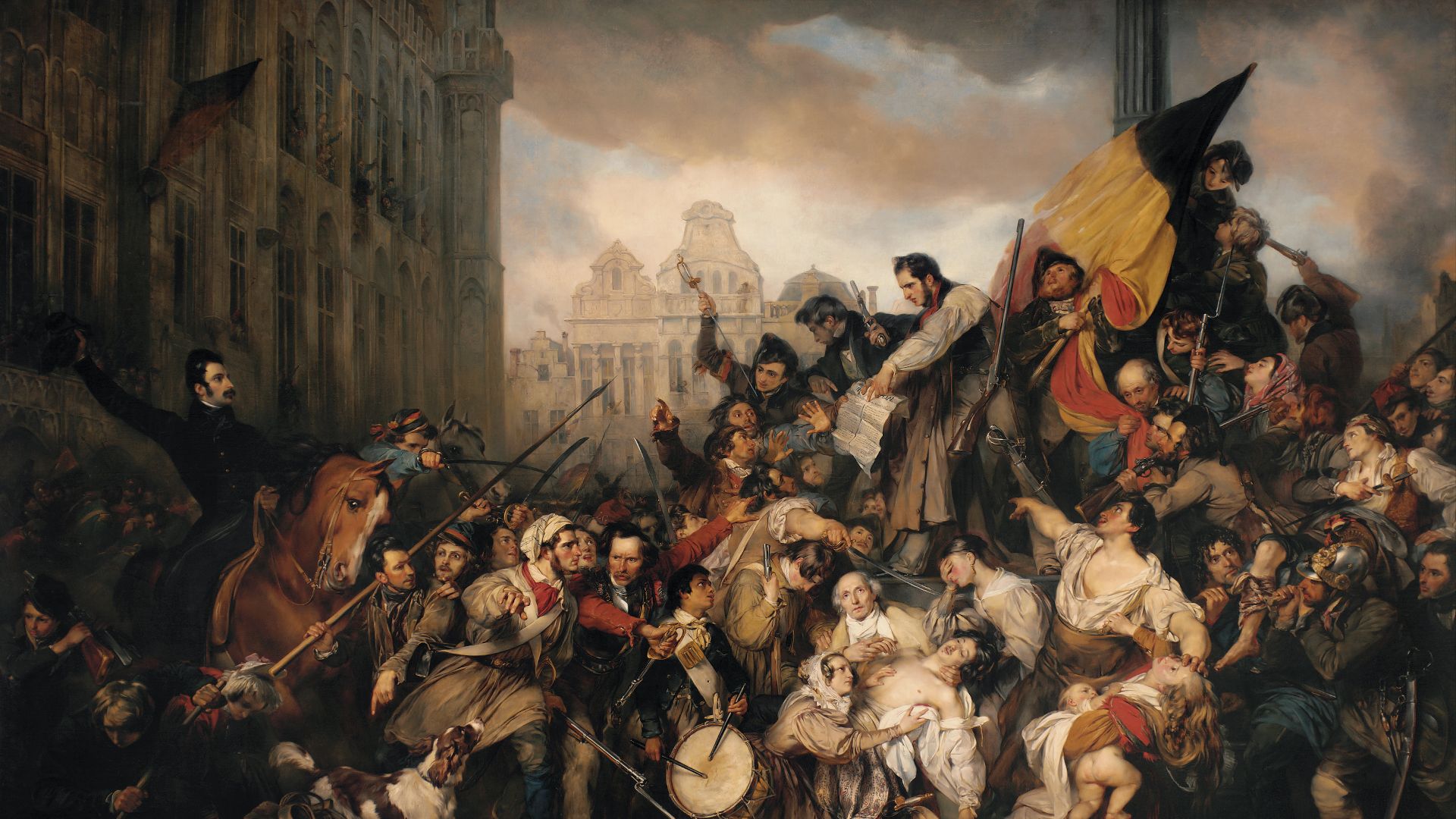 Égide Charles Gustave Wappers on Wikimedia
7. The 1868 Glorious Revolution In Spain
Queen Isabella II of Spain was deposed in 1868 after widespread dissatisfaction with her rule. Spain cycled through a short-lived monarchy under Amadeo I and then a republic. By 1874, however, the Bourbon monarchy was restored.
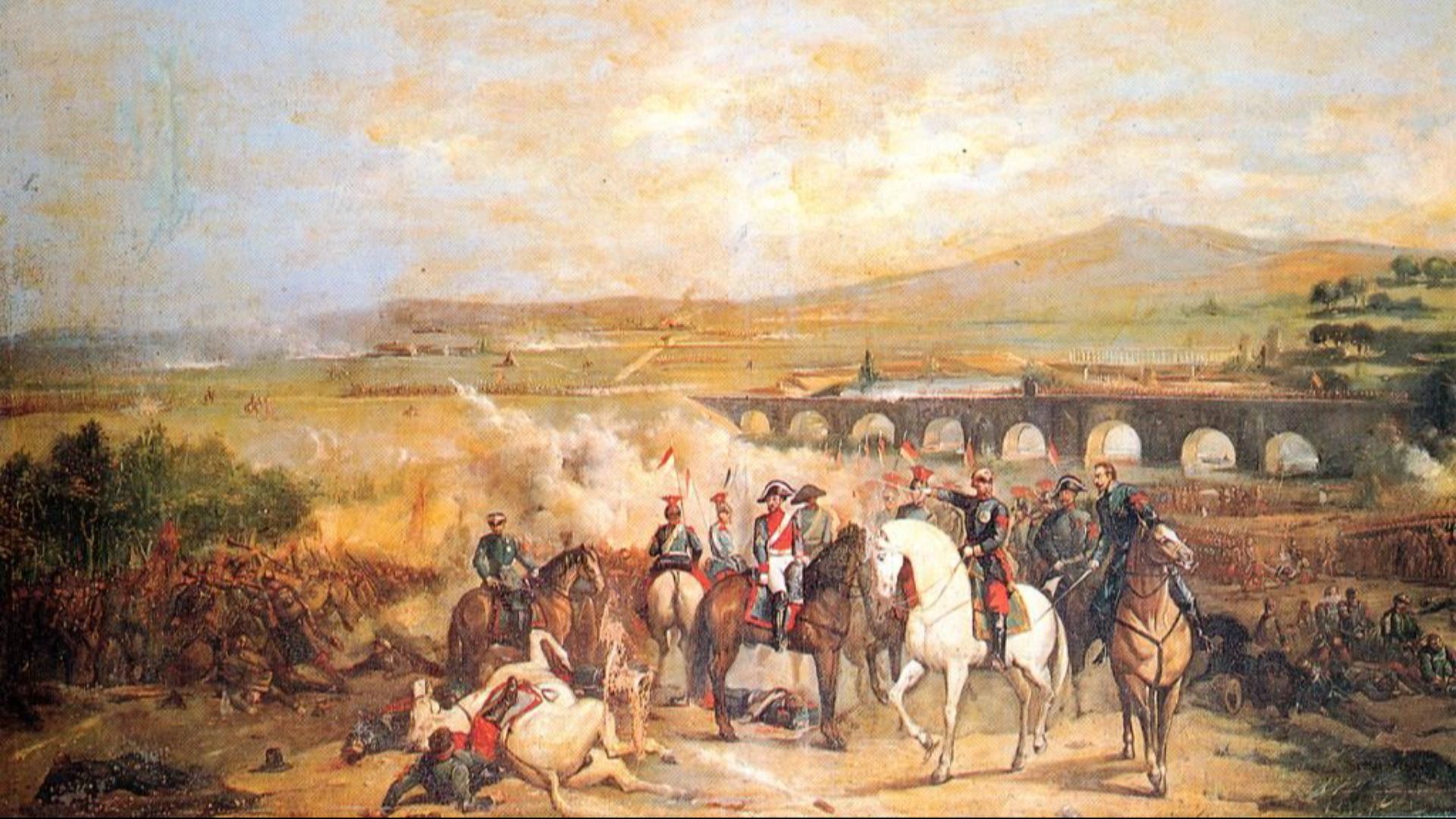 José María Rodríguez de Losada on Wikimedia
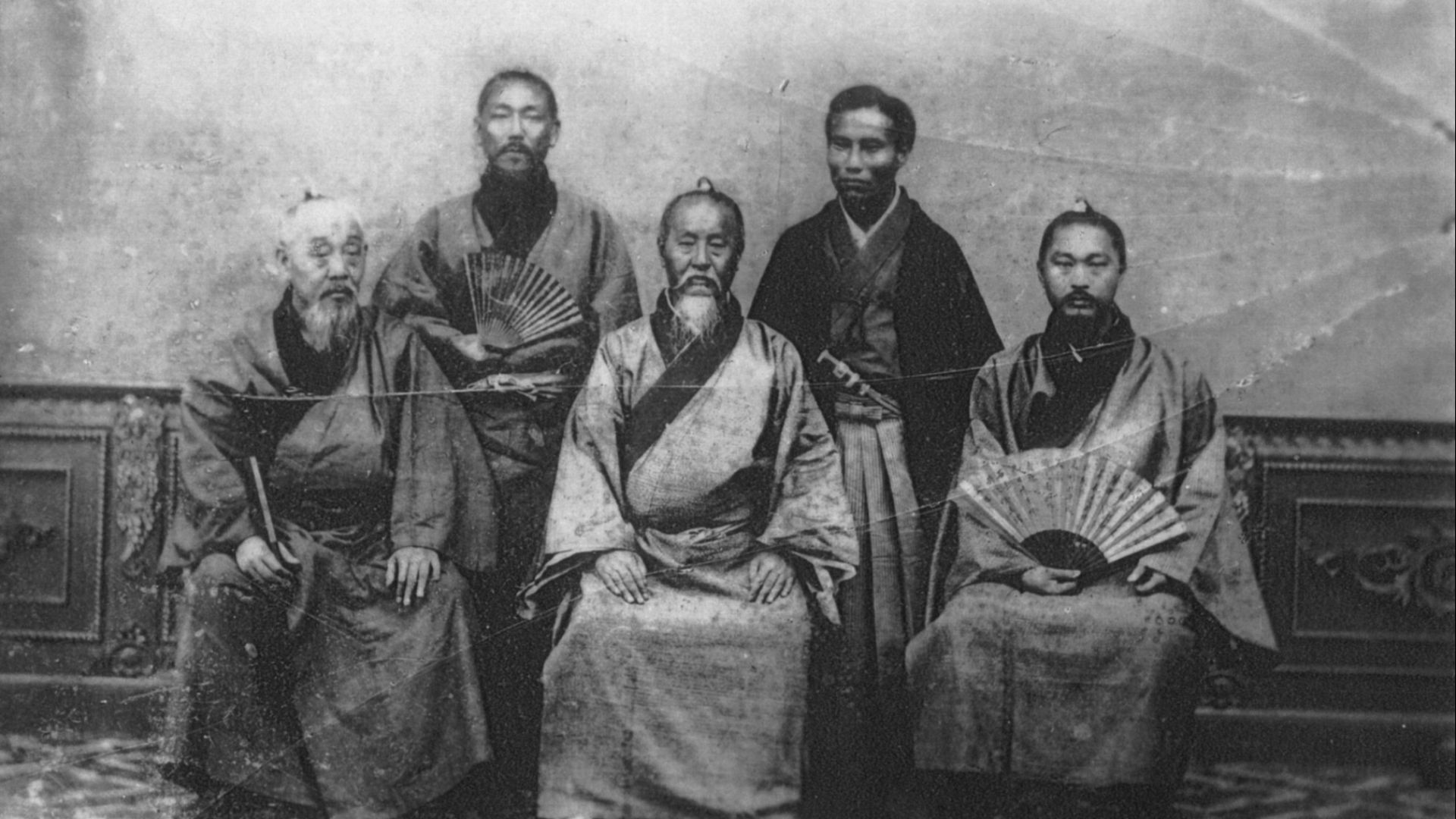
8. The Meiji Restoration (Japan, 1868)
The Meiji Restoration dismantled the Tokugawa shogunate and returned governing authority to the emperor. Although the emperor wasn’t the target of the revolution, Japan’s political order was fundamentally transformed.
 Unknown authorUnknown author on Wikimedia
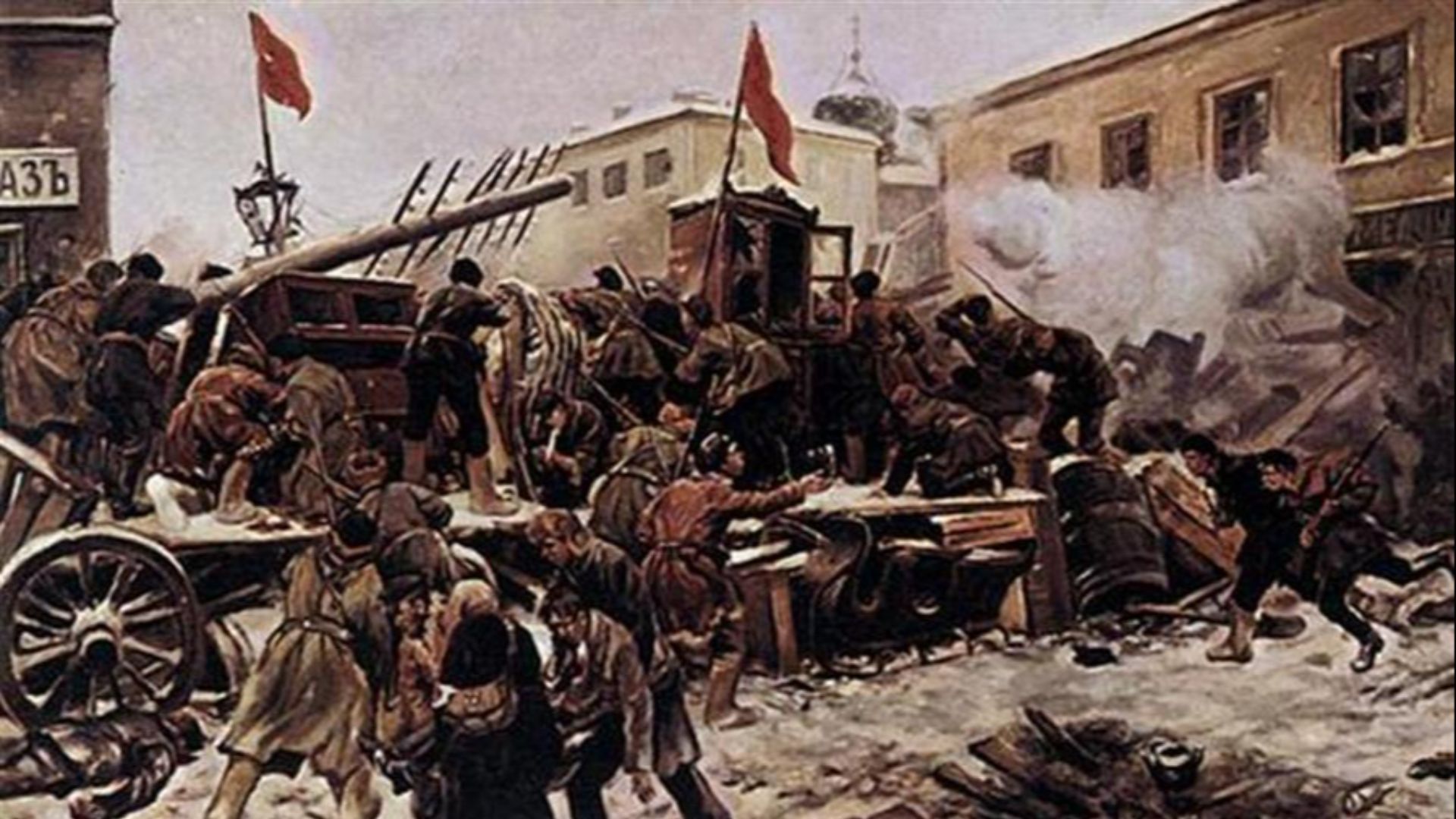
9. The Russian Revolution Of 1905
After military defeat in the Russo-Japanese War and widespread unrest, Tsar Nicholas II faced strikes, mutinies, and protests across the empire. He responded with the October Manifesto, which created a legislative assembly known as the Duma.
10. The Greek Uprising Of 1843
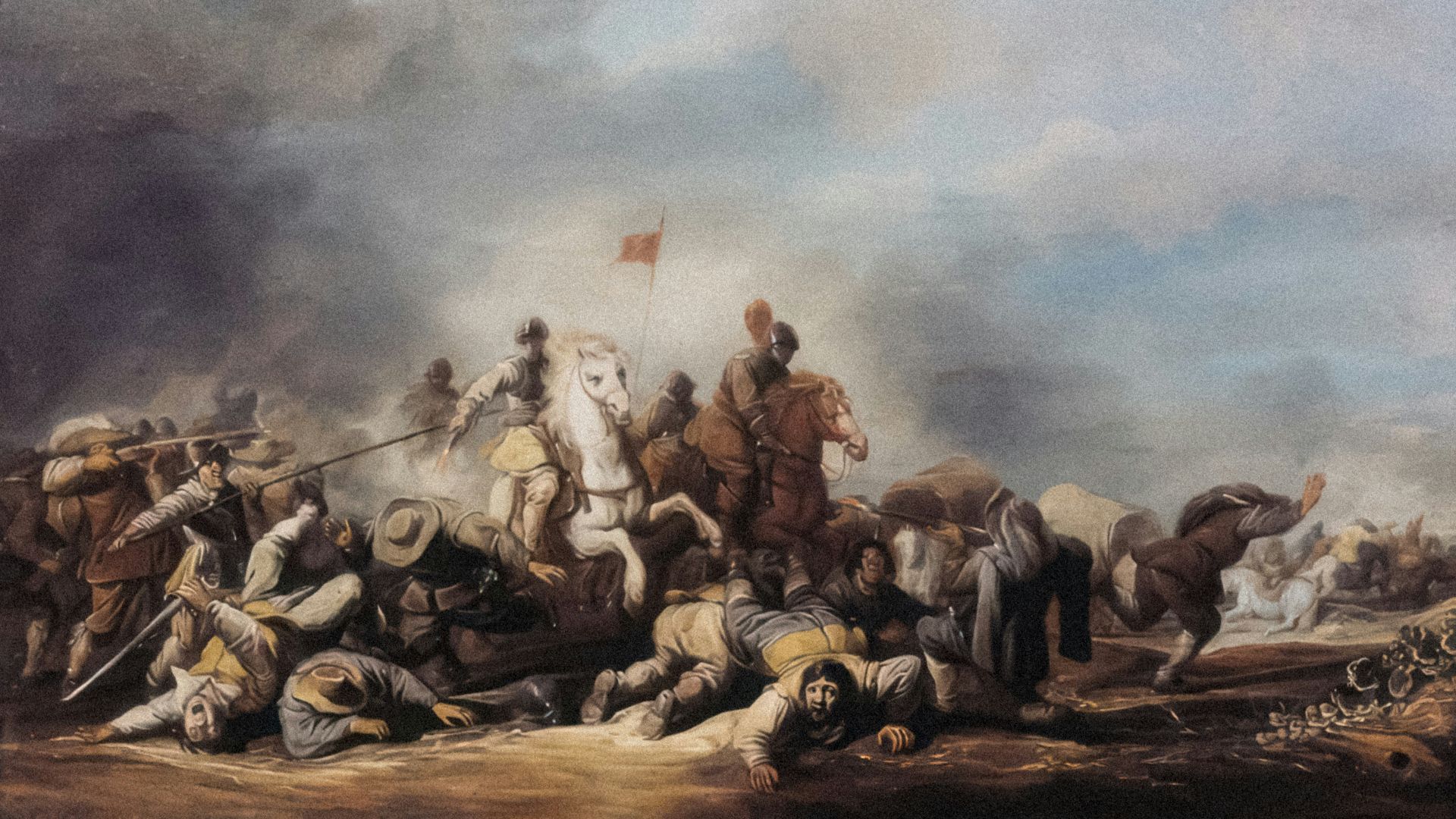
King Otto of Greece encountered a military-backed revolt demanding a constitution. Rather than attempt a violent crackdown, he conceded and granted one. The monarchy remained in place, but was now constrained by constitutional limits.
 National Historical Museum of Sweden (NHM) on Unsplash
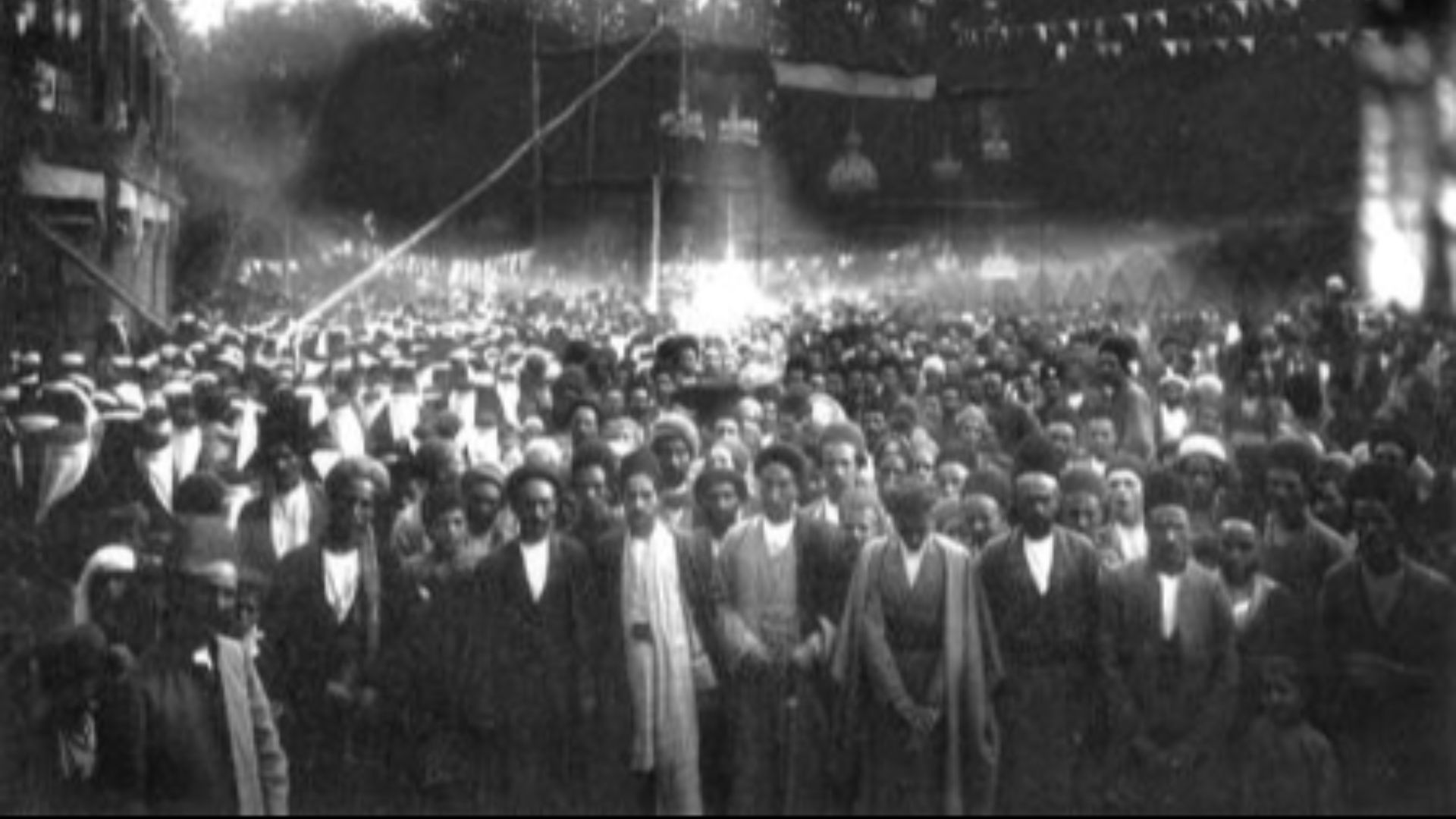
11. The Iranian Constitutional Revolution (1905–1911)
The Qajar dynasty faced sustained protests demanding parliamentary governance and limits on royal power. After significant unrest and political struggle, a constitution was established and a parliament created. The monarchy survived, but only by accepting a dramatic reduction in authority.
 Unknown authorUnknown author on Wikimedia
12. The Swedish Reform Crisis Of 1917
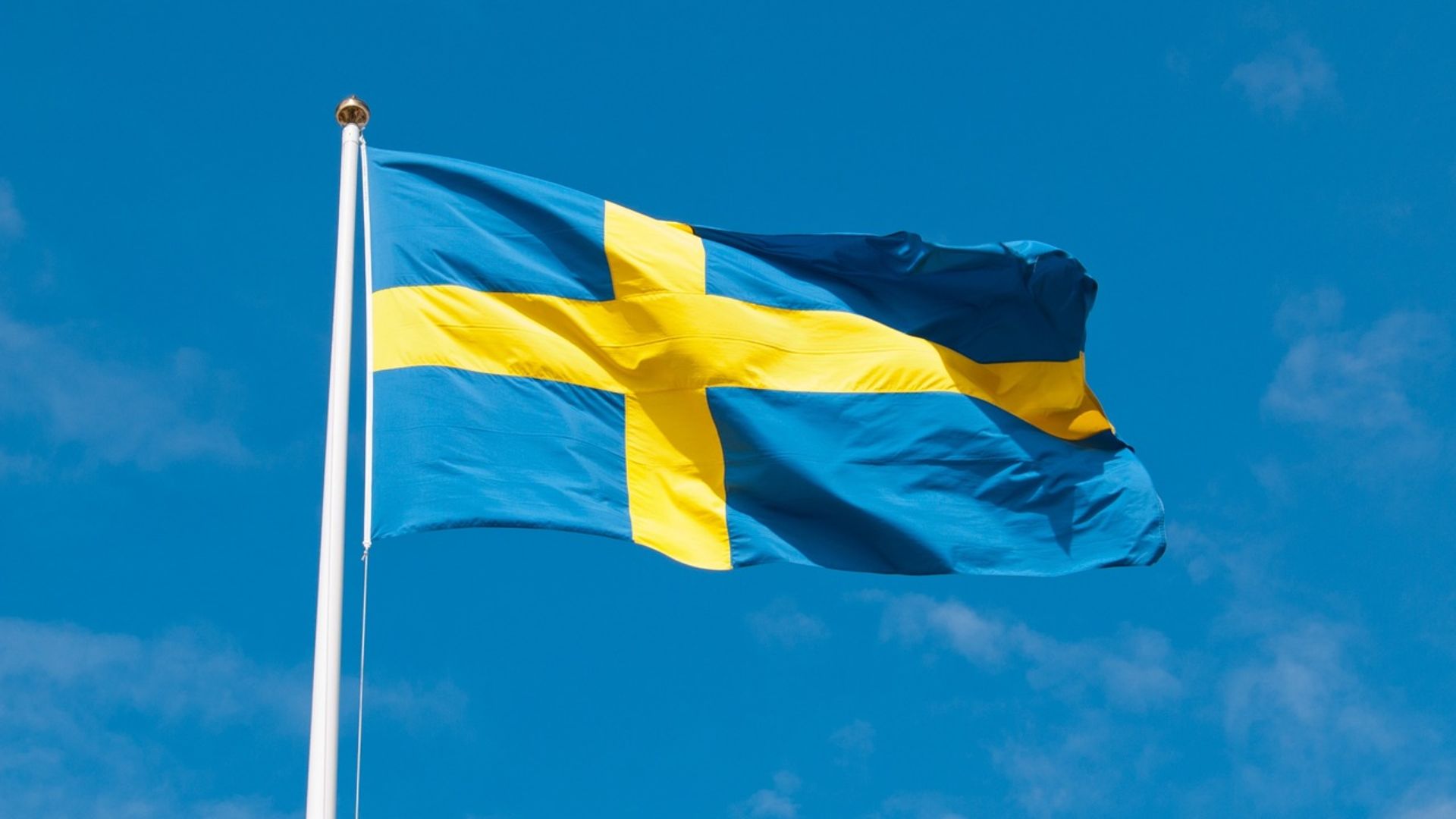
During World War I, political tensions in Sweden pushed the country toward democratic reform. King Gustaf V ultimately accepted a shift toward full parliamentary government. By stepping back from active political control, the monarchy preserved its existence.
13. The Belgian Royal Question (1950)
After World War II, King Leopold III’s wartime conduct led to intense national division in Belgium. A referendum narrowly supported his return, but protests and strikes followed. Leopold eventually abdicated in favor of his son, allowing the monarchy to survive by sacrificing the sitting king.
14. The 1936 British Abdication Crisis
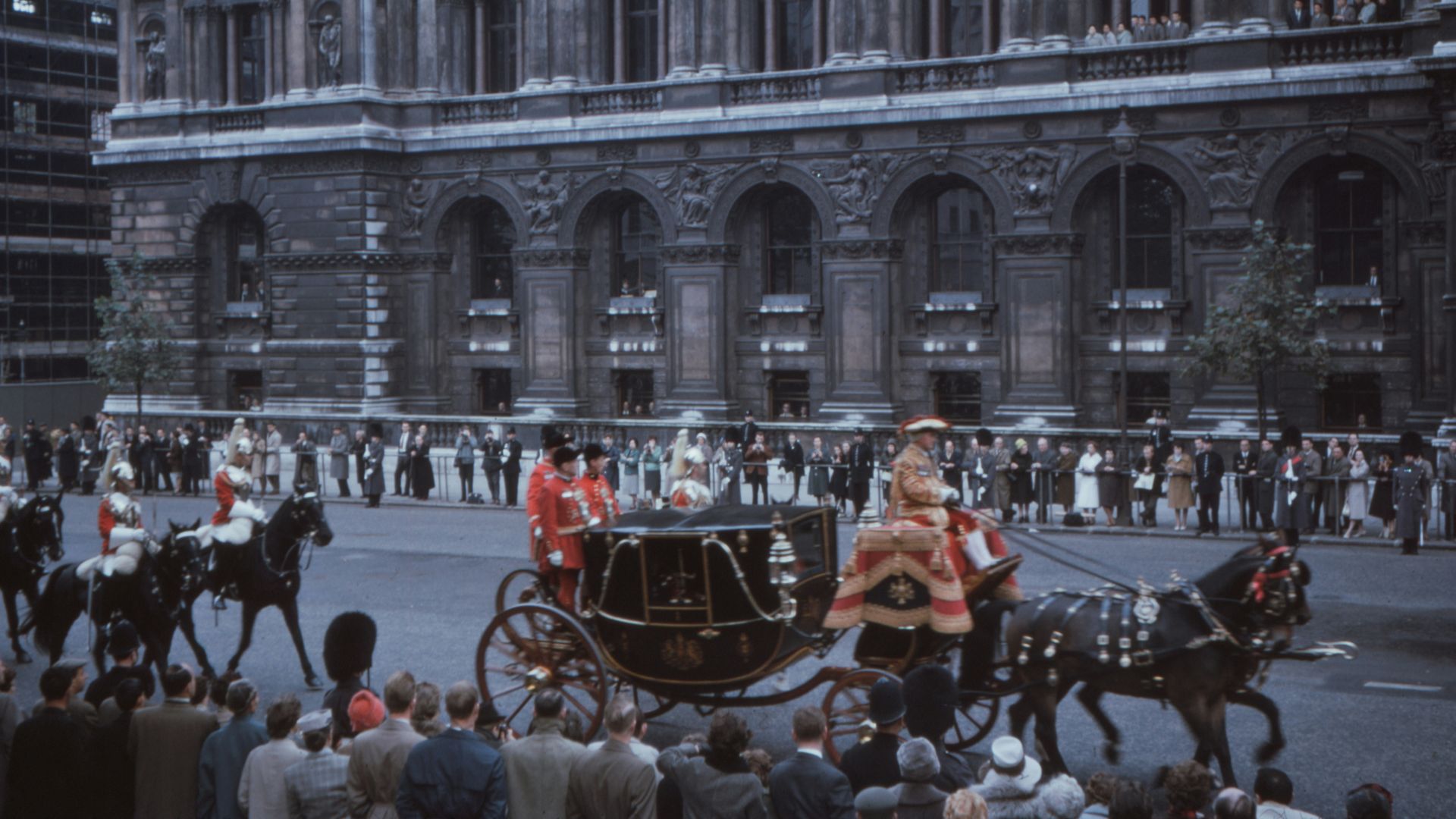
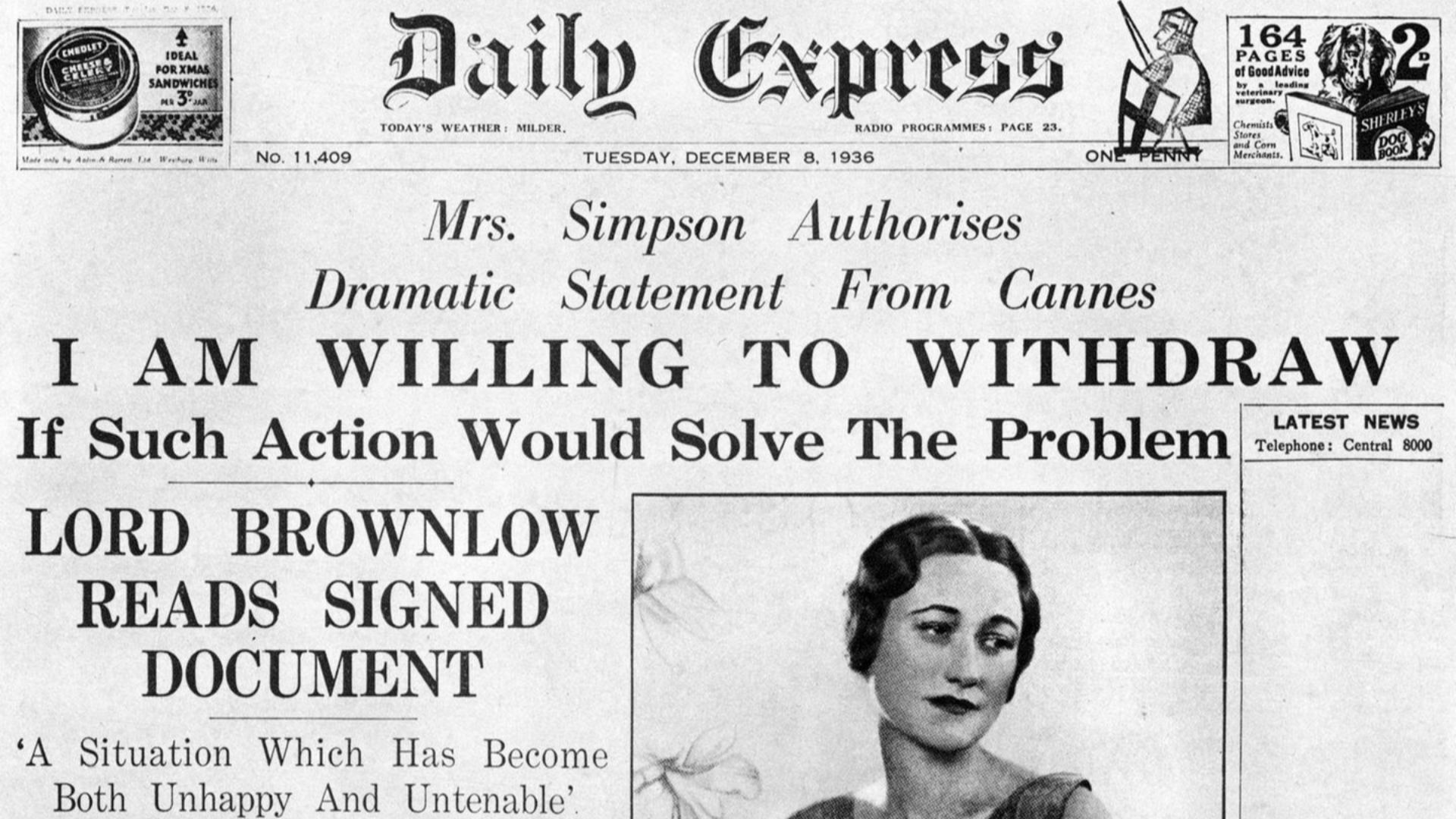
King Edward VIII’s determination to marry Wallis Simpson created a constitutional crisis. Facing opposition from the government and much of the public, he chose to abdicate. The monarchy survived under George VI, and the institution itself remained stable.
15. The Nepalese People’s Movement (1990)
Mass demonstrations in Nepal in 1990 demanded democratic reform and an end to absolute monarchy. King Birendra agreed to constitutional changes that introduced multiparty democracy. The monarchy narrowly avoided immediate abolition by adapting to popular demands.
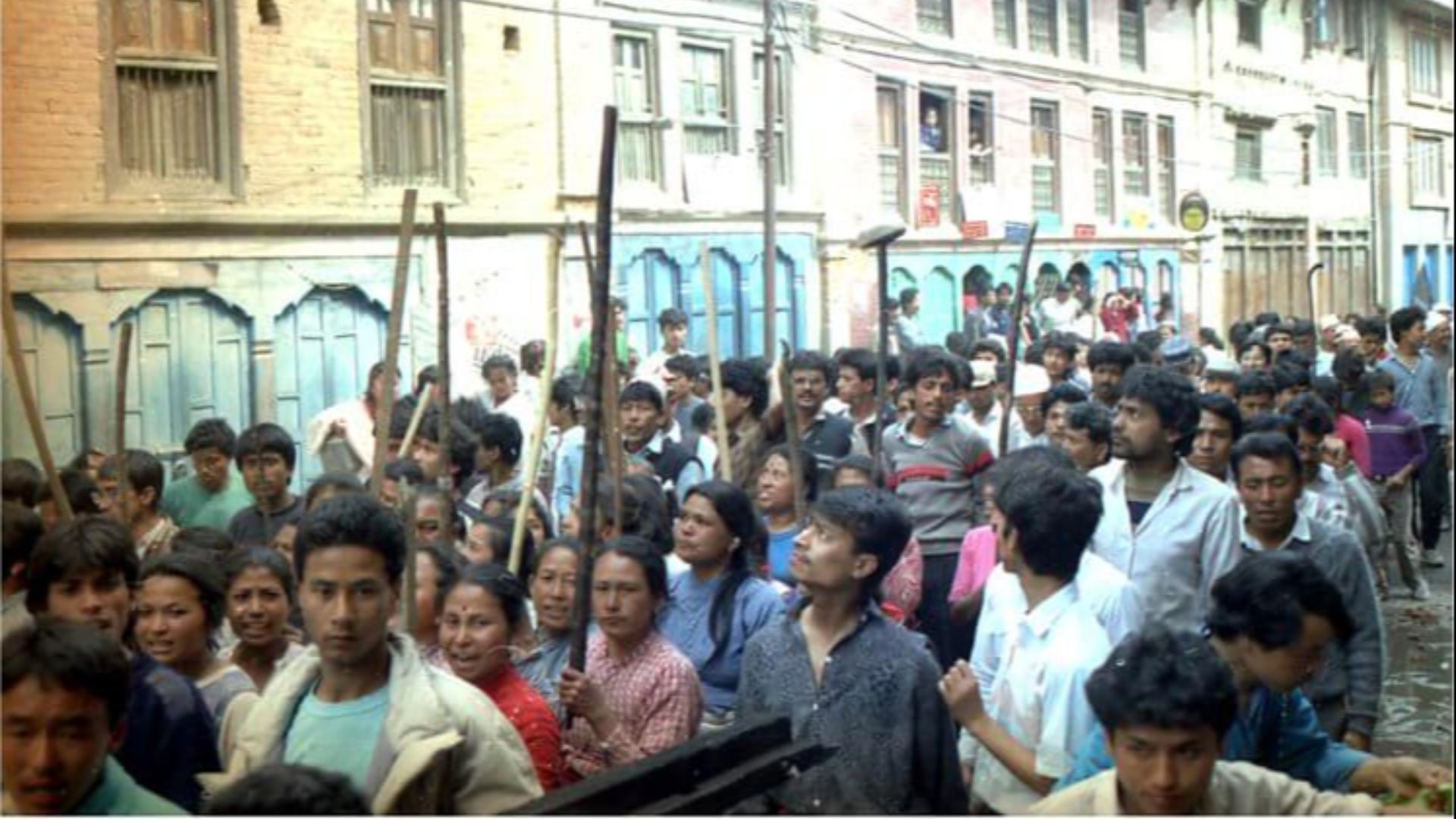 Min Ratna Bajracharya on Wikimedia
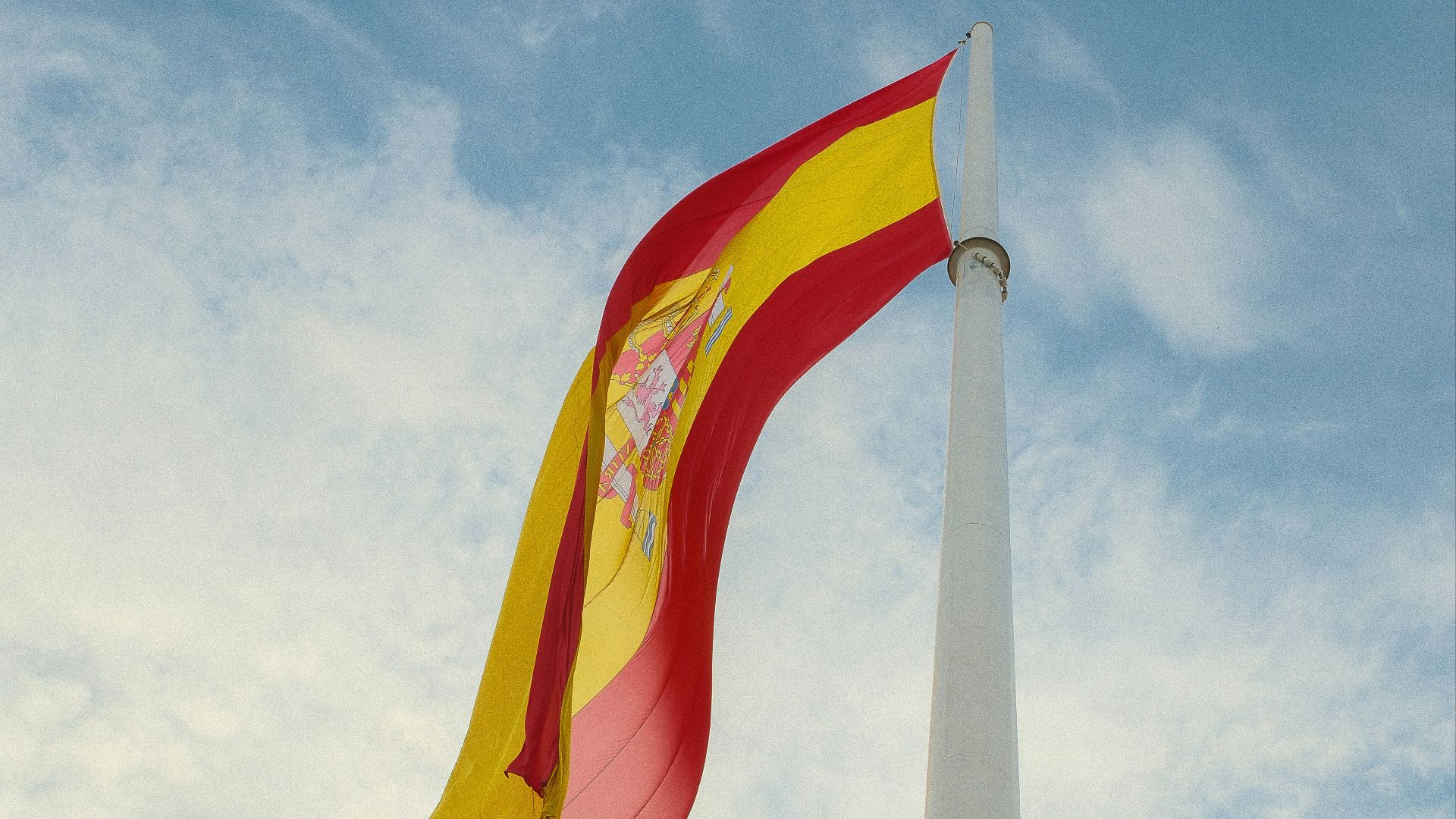
16. The Spanish Transition After 1975
Following the death of Francisco Franco, Spain restored the monarchy under King Juan Carlos I. Many feared renewed authoritarianism or republican upheaval. By actively supporting democratic reforms, Juan Carlos helped secure the monarchy’s survival in a transformed political landscape.
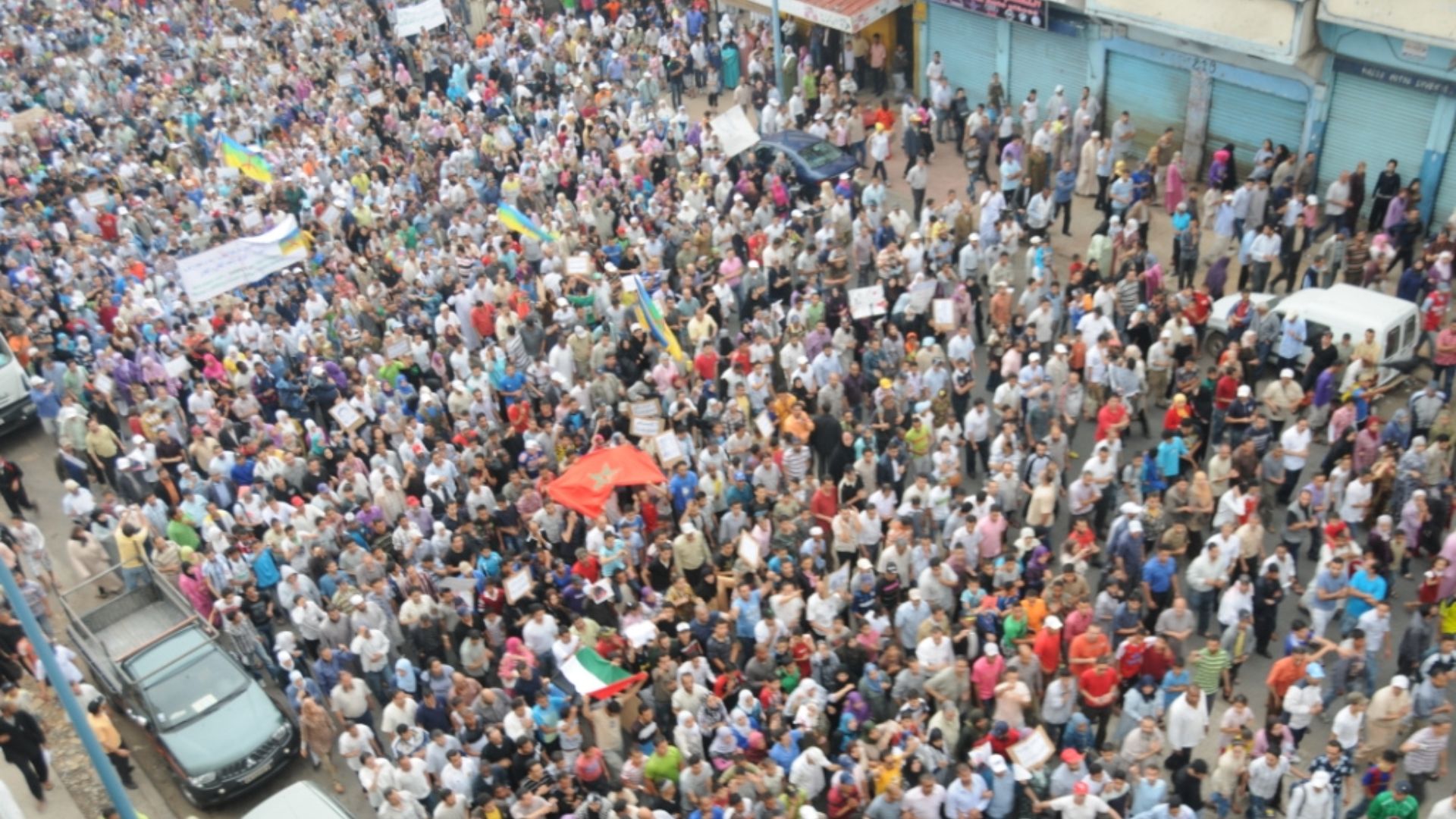
17. The Moroccan Protests Of 2011
During the Arab Spring, Morocco experienced significant protests calling for political reform. King Mohammed VI responded with constitutional amendments expanding parliamentary powers.
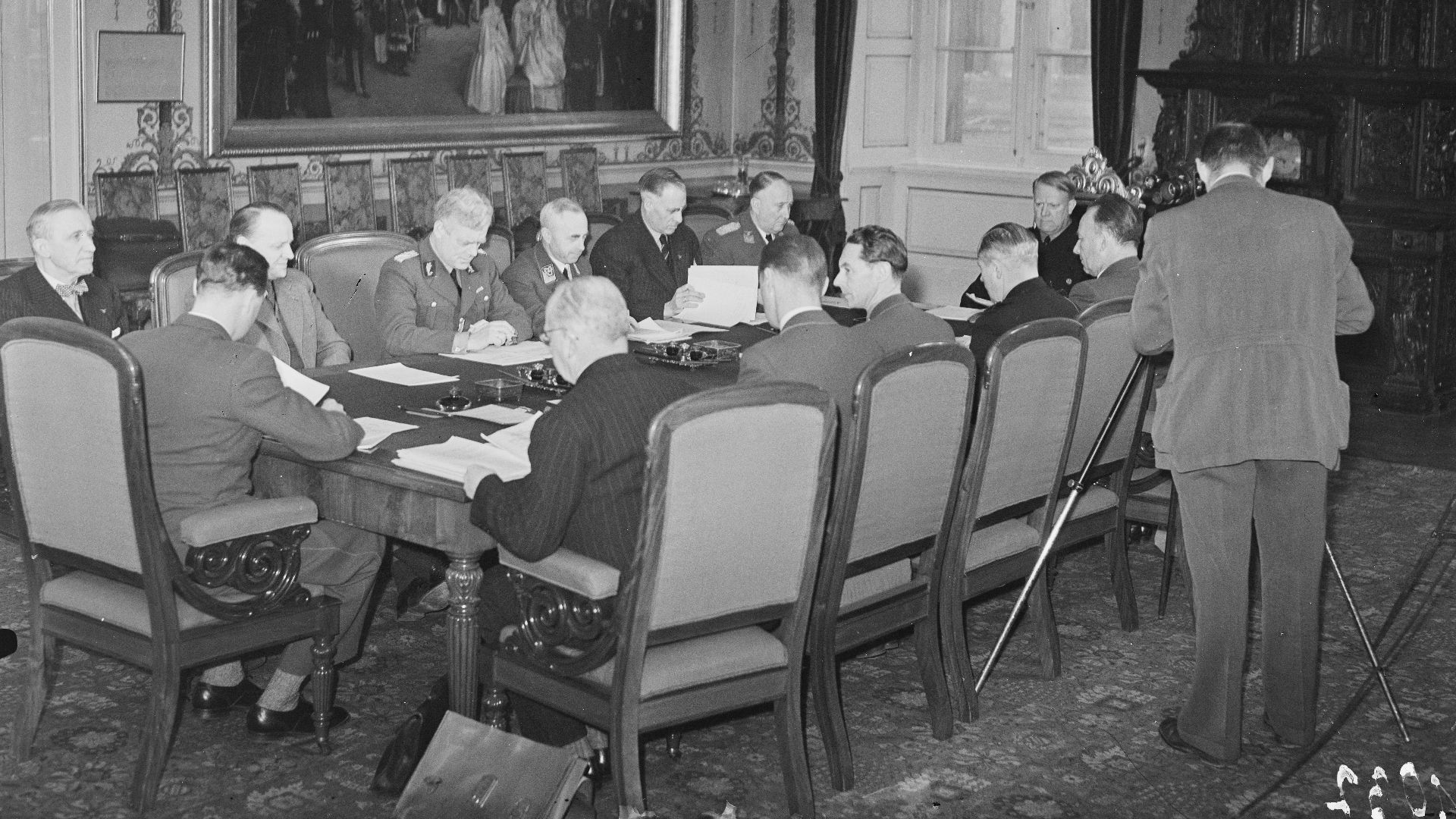
18. The Norwegian Monarchy During World War II
When Nazi Germany invaded Norway in 1940, King Haakon VII refused to legitimize the occupation government. He fled into exile but remained a powerful symbol of resistance.
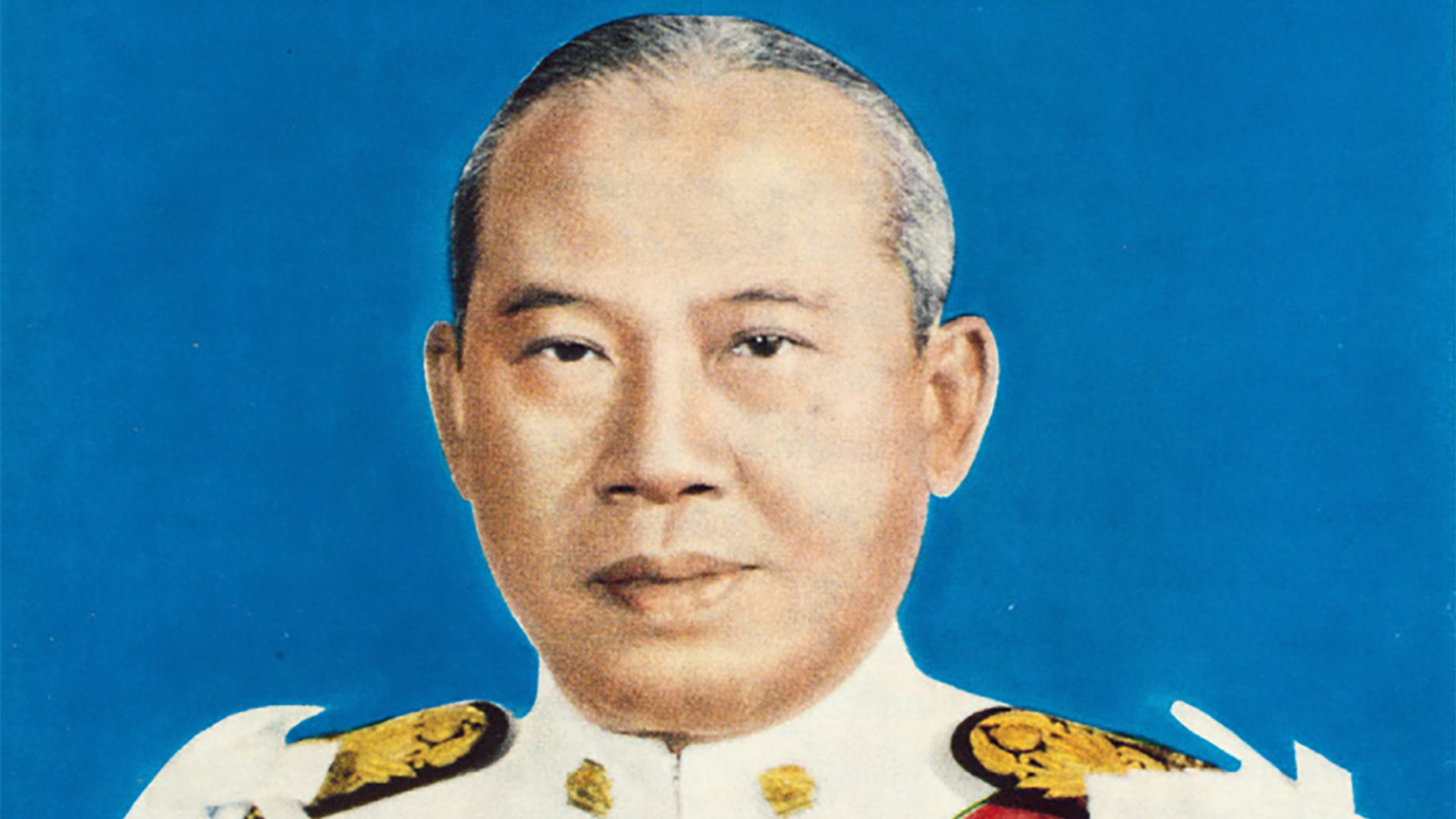
19. The Thai Uprising Of 1973
Student-led protests in 1973 toppled Thailand’s military government. King Bhumibol Adulyadej intervened during the crisis and distanced the monarchy from the regime. By positioning himself as a stabilizing figure, he ensured the crown endured the upheaval.
 Extracted by the uploader; original author unknown on Wikimedia
20. The Jordanian Crisis Of 1957
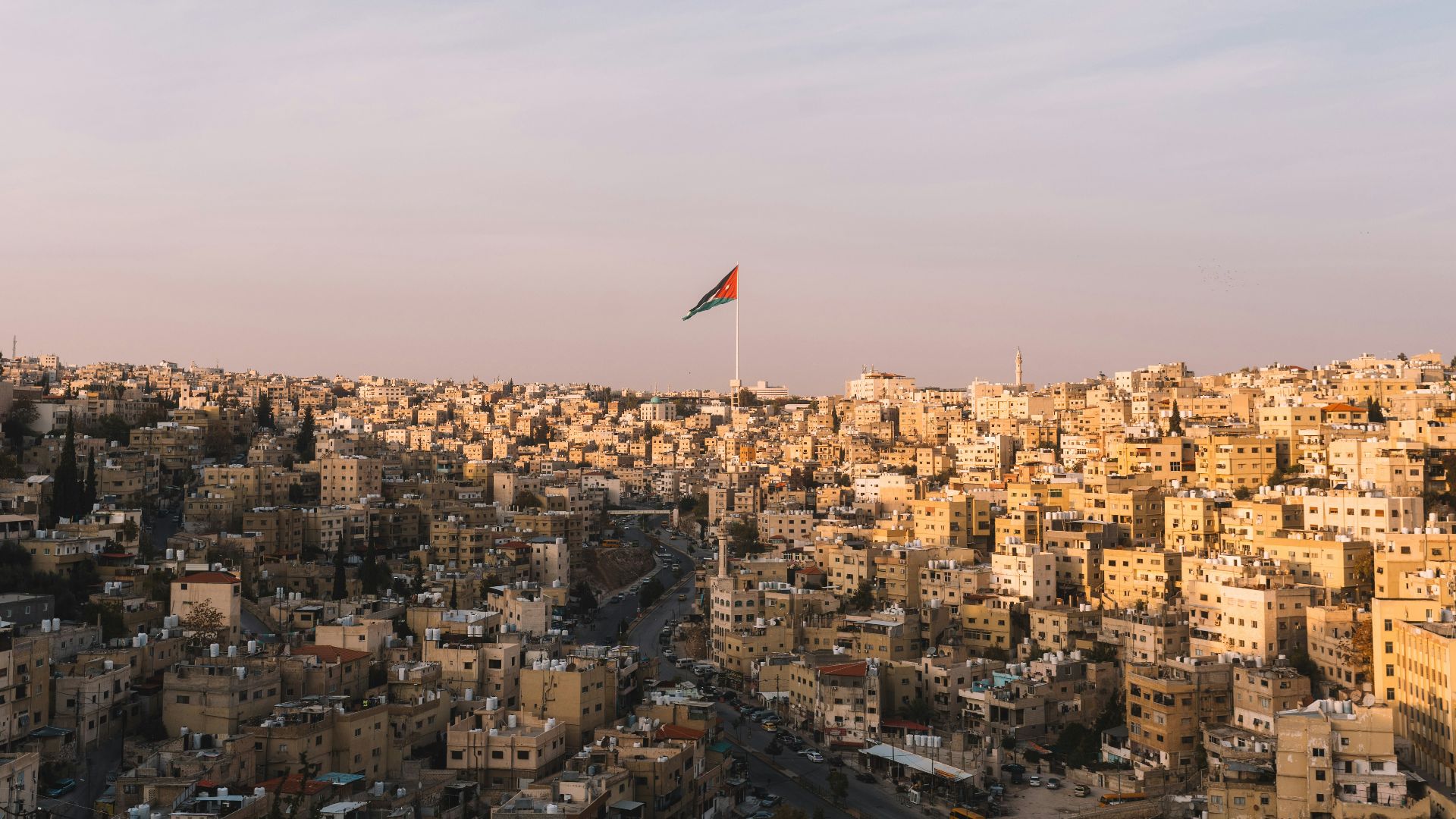
In 1957, political turmoil and alleged coup plots threatened King Hussein’s rule in Jordan. He moved decisively against political opponents and dissolved parliament.
KEEP ON READING
The story of Ching Shih, the Woman Who Became the…
Unknown author on WikimediaFew figures in history are as feared…
By Emilie Richardson-Dupuis Dec 29, 2025
Einstein's Violin Just Sold At An Auction—And It Earned More…
A Visionary's Violin. Wanda von Debschitz-Kunowski on WikimediaWhen you hear…
By Ashley Bast Nov 3, 2025
This Infamous Ancient Greek Burned Down An Ancient Wonder Just…
History remembers kings and conquerors, but sometimes, it also remembers…
By David Davidovic Nov 12, 2025
The Mysterious "Sea People" Who Collapsed Civilization
3,200 years ago, Bronze Age civilization in the Mediterranean suddenly…
By Robbie Woods Mar 18, 2025
20 Greatest Ancient Athletes In History
Ancient Olympics. Long before modern stadiums and multimillion-dollar endorsements, athletes…
By Sara Springsteen May 1, 2026
20 Soldiers Who Defied Expectations
Changing the Rules of the Battlefield. You’ve probably heard plenty…
By Annie Byrd Feb 10, 2026