

When People Were Surprisingly Lucid On Their Deathbeds
Last words have a way of pulling people in because they seem to promise one last glimpse of the person behind the legend. Sometimes they sound brave, sometimes they sound strangely ordinary, and sometimes they're so sharp or poetic that they end up outliving everything else attached to the name. These final remarks became famous not just because they were spoken at dramatic moments, but because they seemed to match the people who said them in unforgettable ways. Whether solemn, ironic, or oddly perfect, these are the lines history kept repeating.
 Bain News Service on Wikimedia
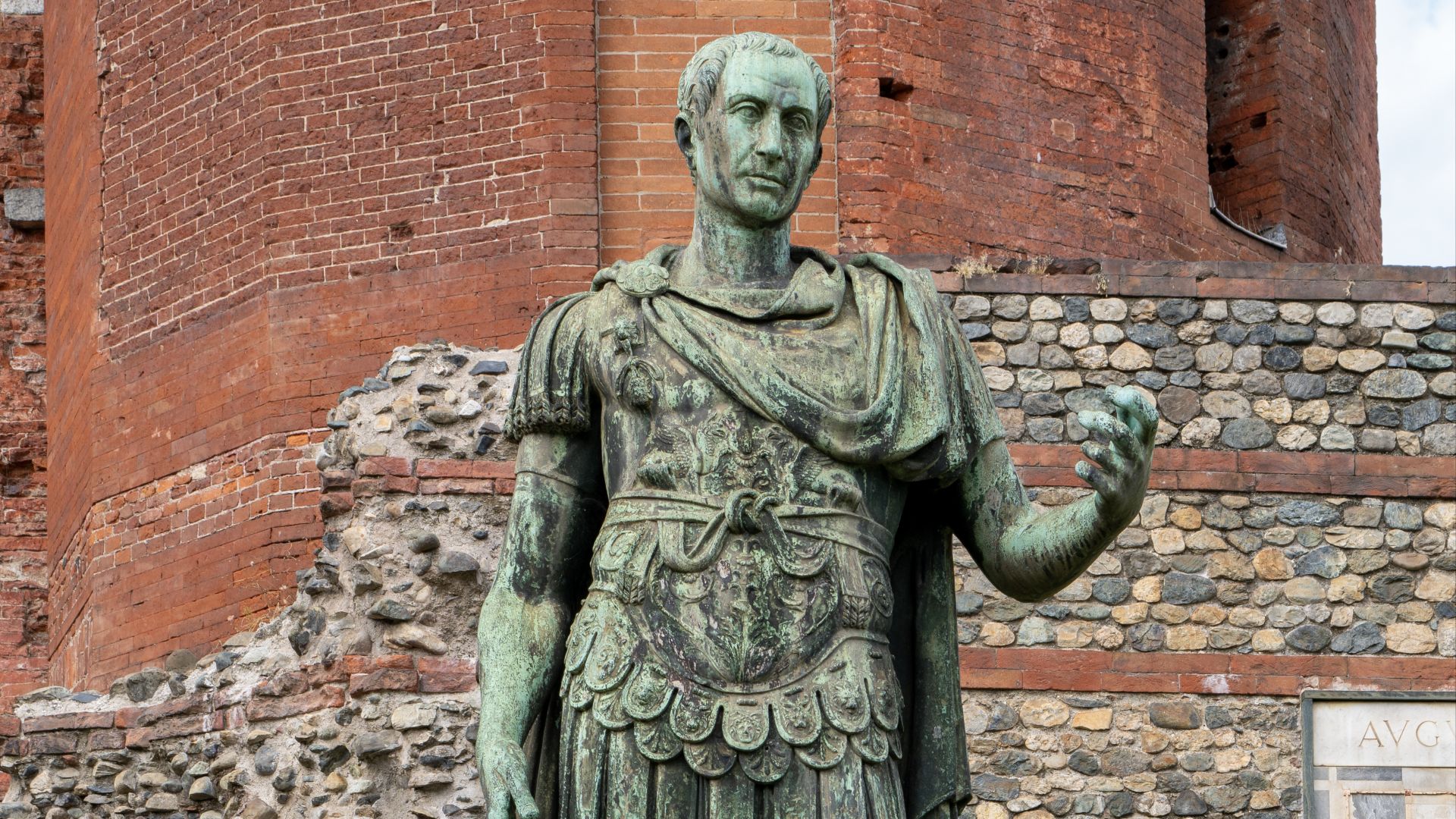
1. Julius Caesar — “Et tu, Brute”?
This may be the most famous death line in Western history, even if it is more literary than documentary. The line comes to most people through Shakespeare’s Julius Caesar, where Caesar sees Brutus among the assassins and utters the immortal phrase. It remains iconic because it turned murder into the ultimate image of betrayal in just a few words.
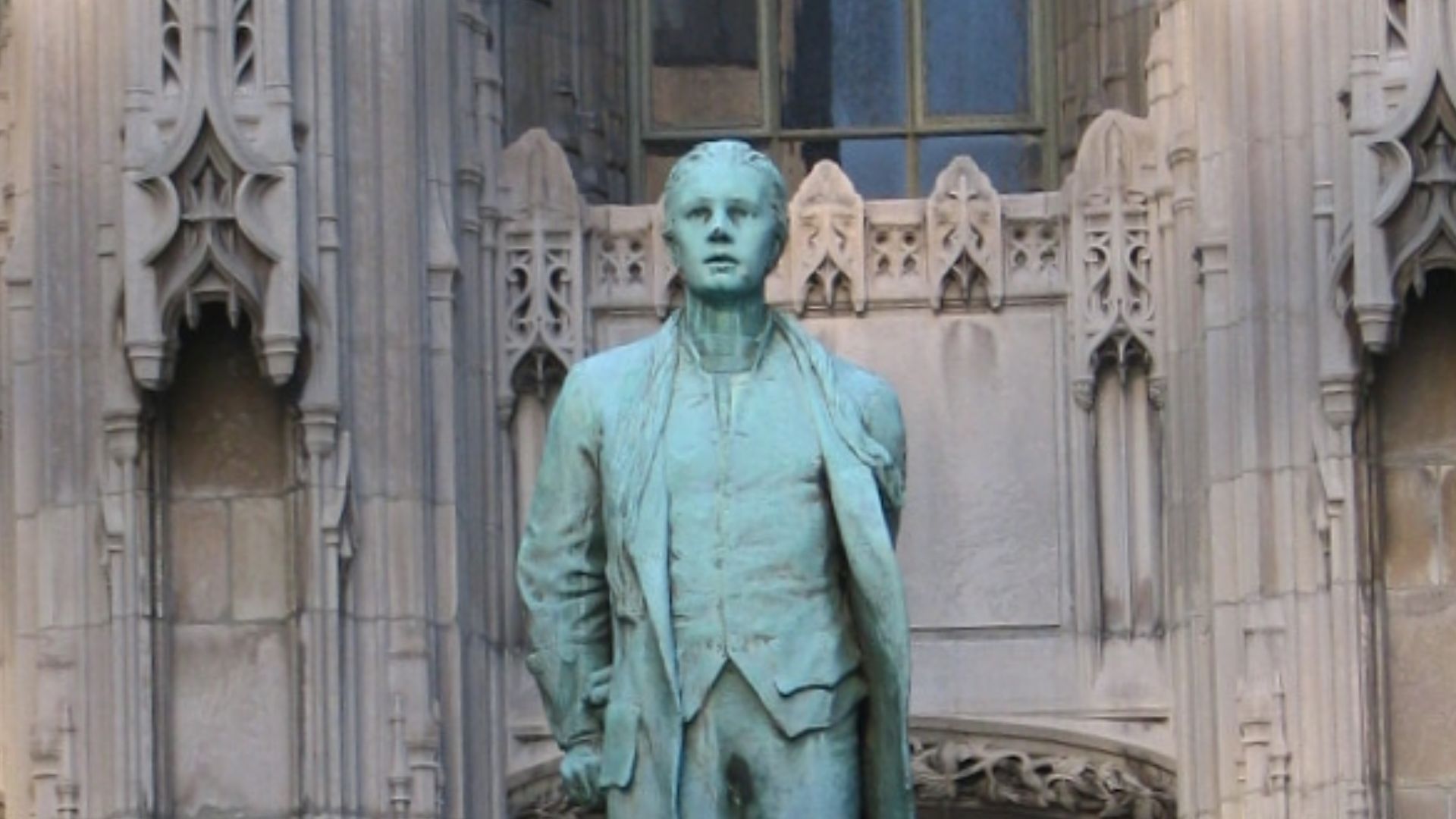
2. Nathan Hale — “I only regret that I have but one life to lose for my country”.
Nathan Hale’s reputed last words are famous because they sound like the distilled essence of patriotic sacrifice. The Library of Congress preserves the wording on a memorial plaque marking the site associated with his execution by the British in 1776 when he was just 21, and the line has endured as the statement most people connect to Hale.
Even if you know almost nothing else about him, you probably know this sentence.
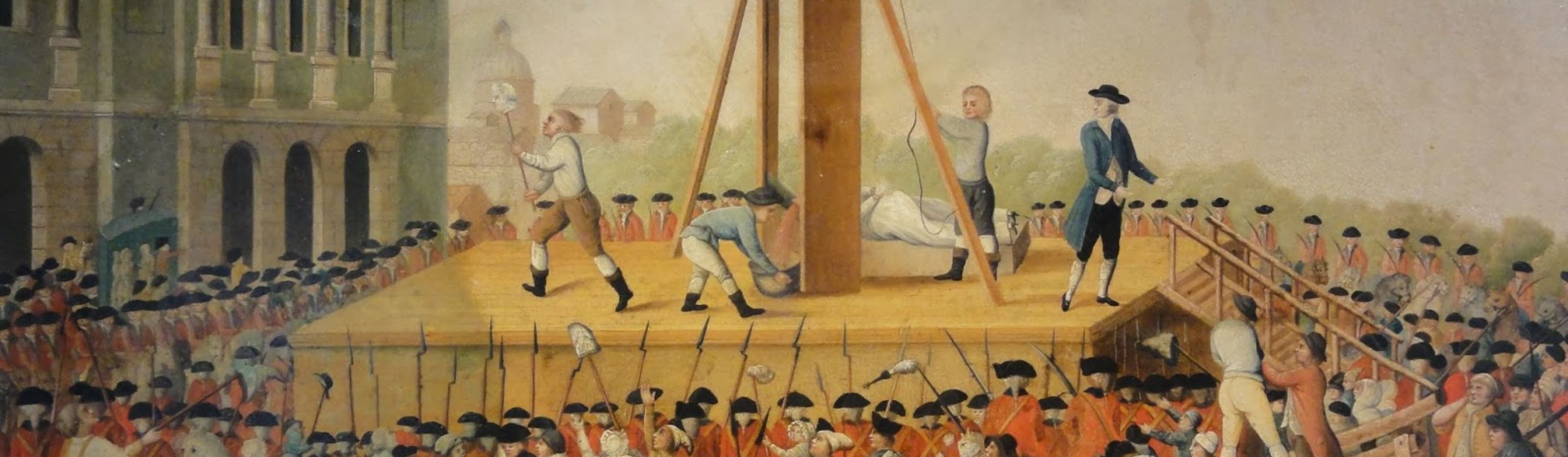
3. Marie Antoinette — “Pardon me, sir, I meant not to do it”.
Marie Antoinette’s most famous final remark is remembered not as grand or political, but as unexpectedly polite. Accounts of her execution say she stepped on her executioner’s foot and apologized with the now-famous line. That tiny flash of courtly manners at the guillotine gave the story a strange, lasting elegance.
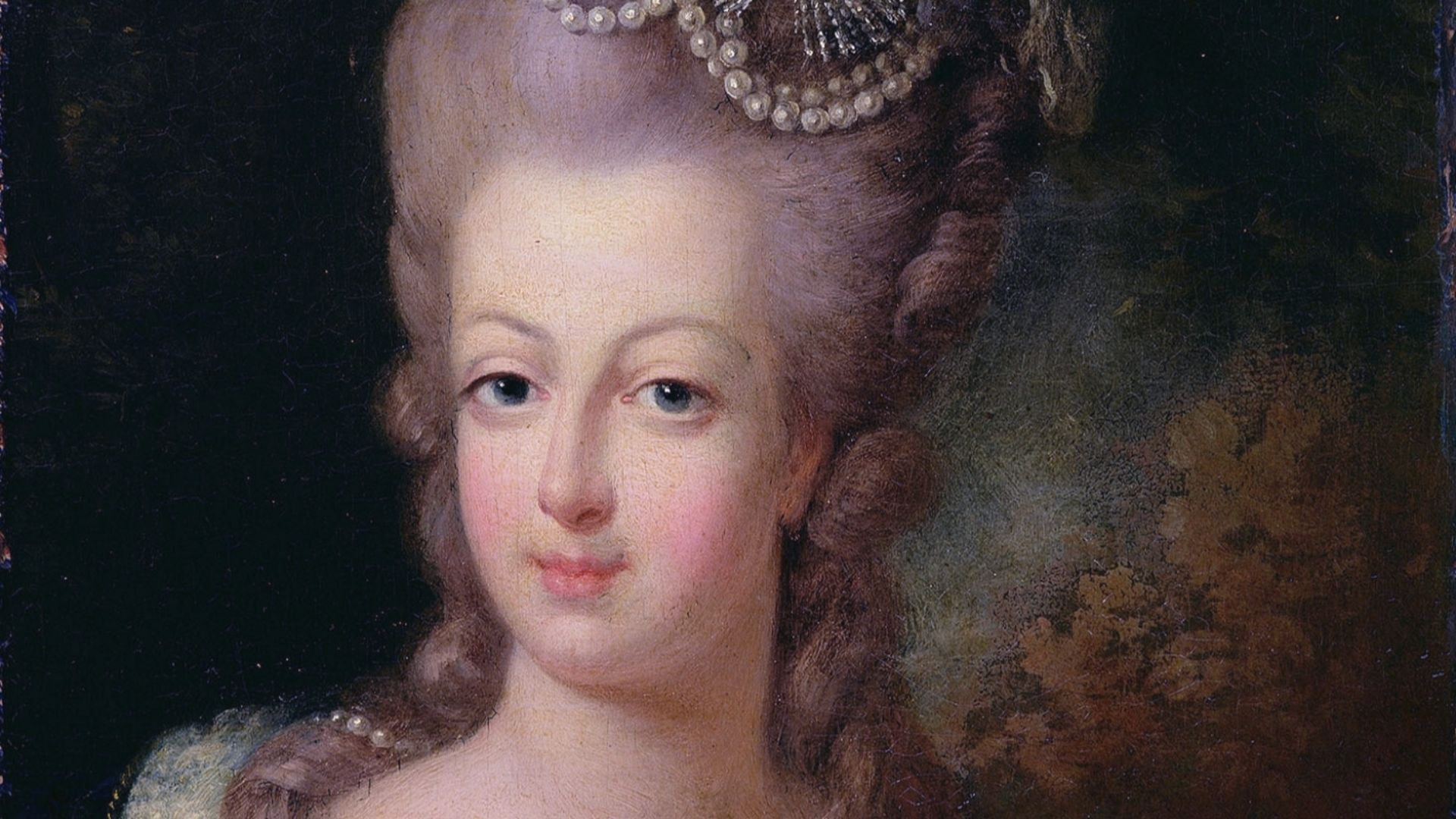 After Jean-Baptiste André Gautier-Dagoty on Wikimedia
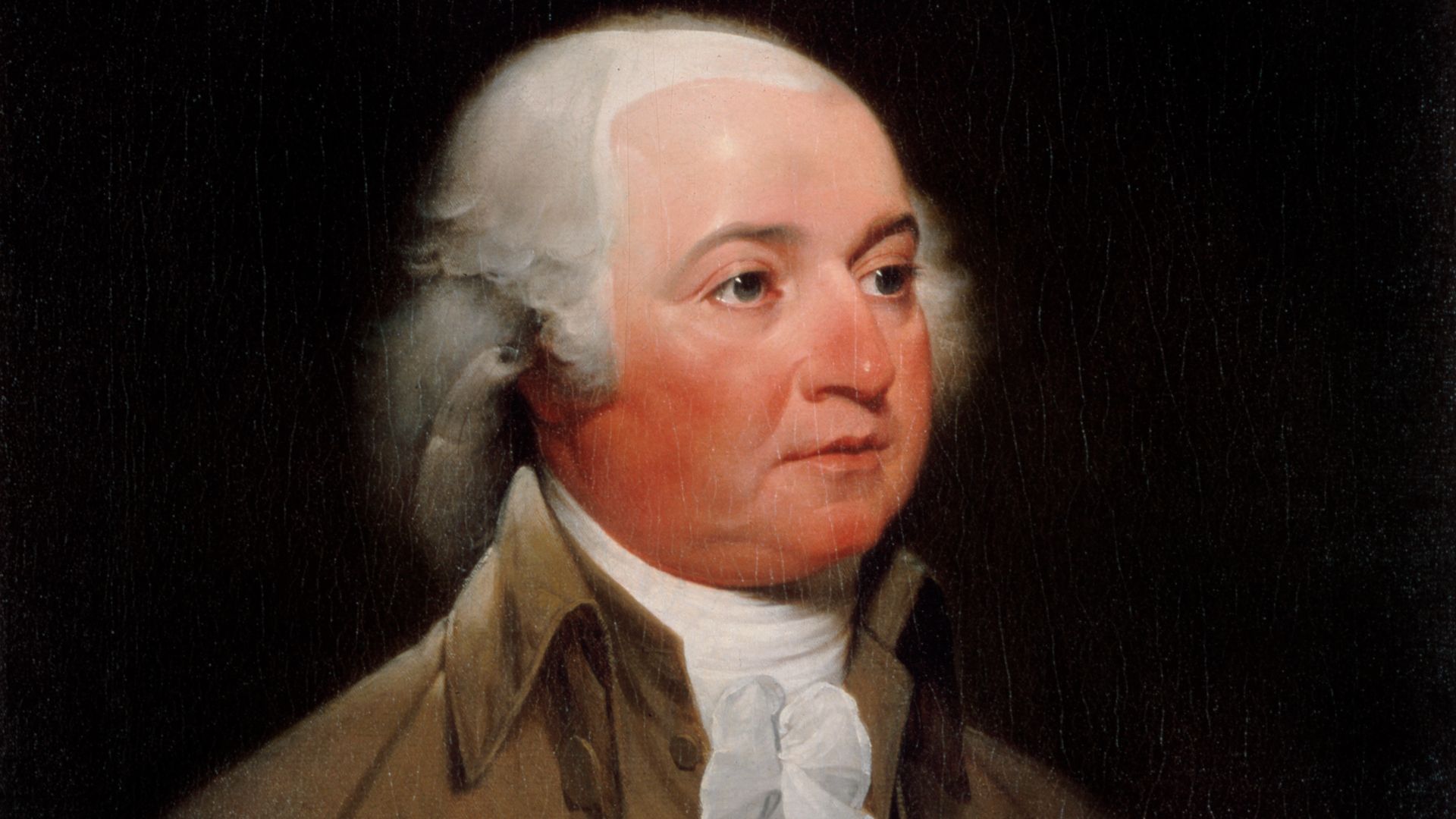
4. John Adams — “Thomas Jefferson survives”.
John Adams got one of history’s most poignant exits, and it happened to be wrong by only a few hours. Adams’s last words were some version of “Thomas Jefferson survives,” not knowing Jefferson had already died earlier that day. The sentence became famous because it tied the two old rivals together one final time on the fiftieth anniversary of American independence.
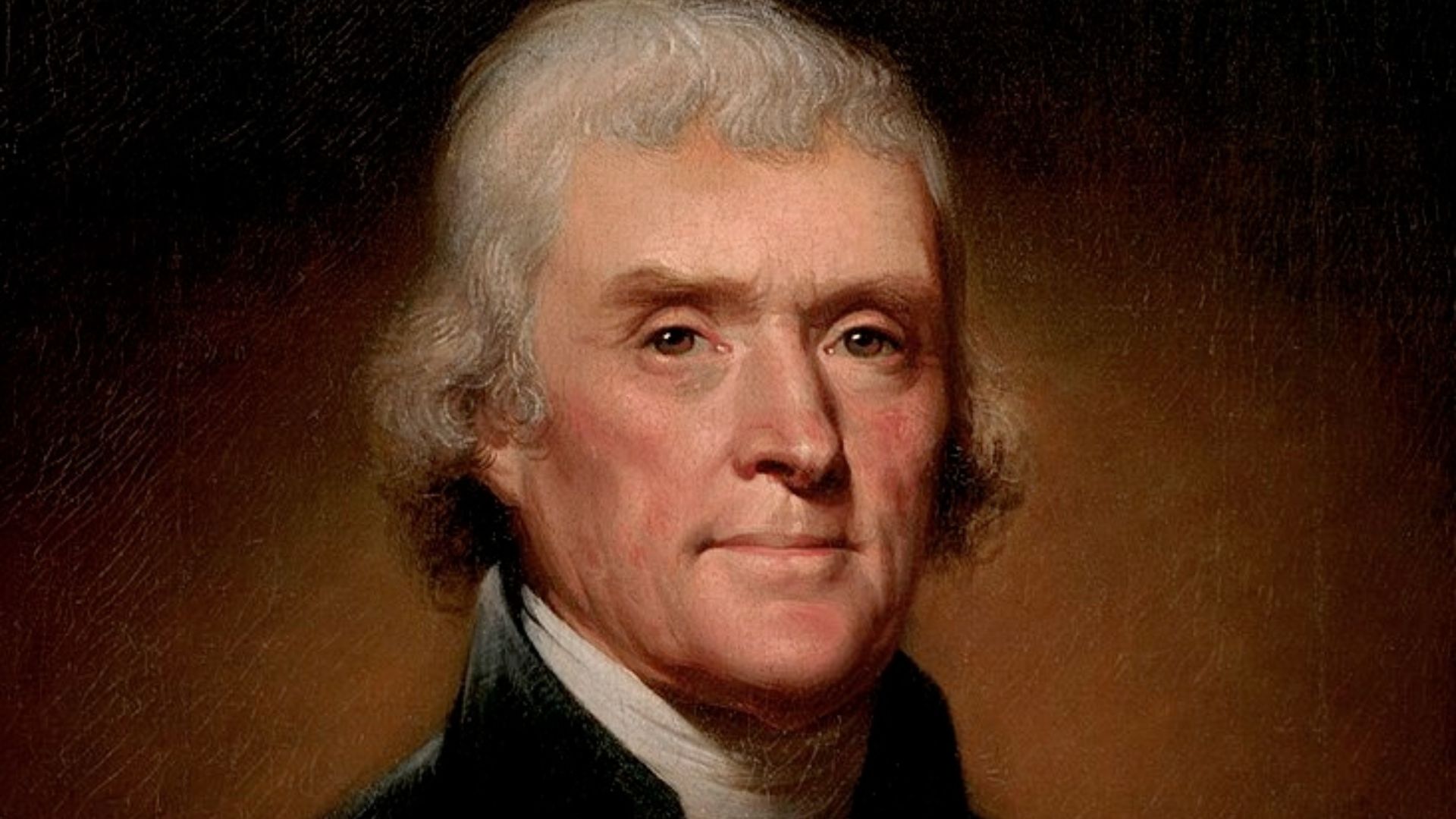
5. Thomas Jefferson — “Is it the Fourth”?
Jefferson’s famous last words are memorable because they show him thinking about history even while dying. Britannica reports that his last conscious words on the previous evening were “Is it the Fourth”? He did indeed die on the 50th anniversary of the signing of the Declaration of Independence. You could hardly script a more Jeffersonian ending than that.
6. Nostradamus — “You will not find me alive at sunrise”.
After a lifetime of prophecying, it's only appropriate that Nostradamus predicted his own death.
Accounts of his death say he reportedly told his secretary, Jean de Chavigny, that he would not be found alive at sunrise, and he was indeed found dead the next morning.
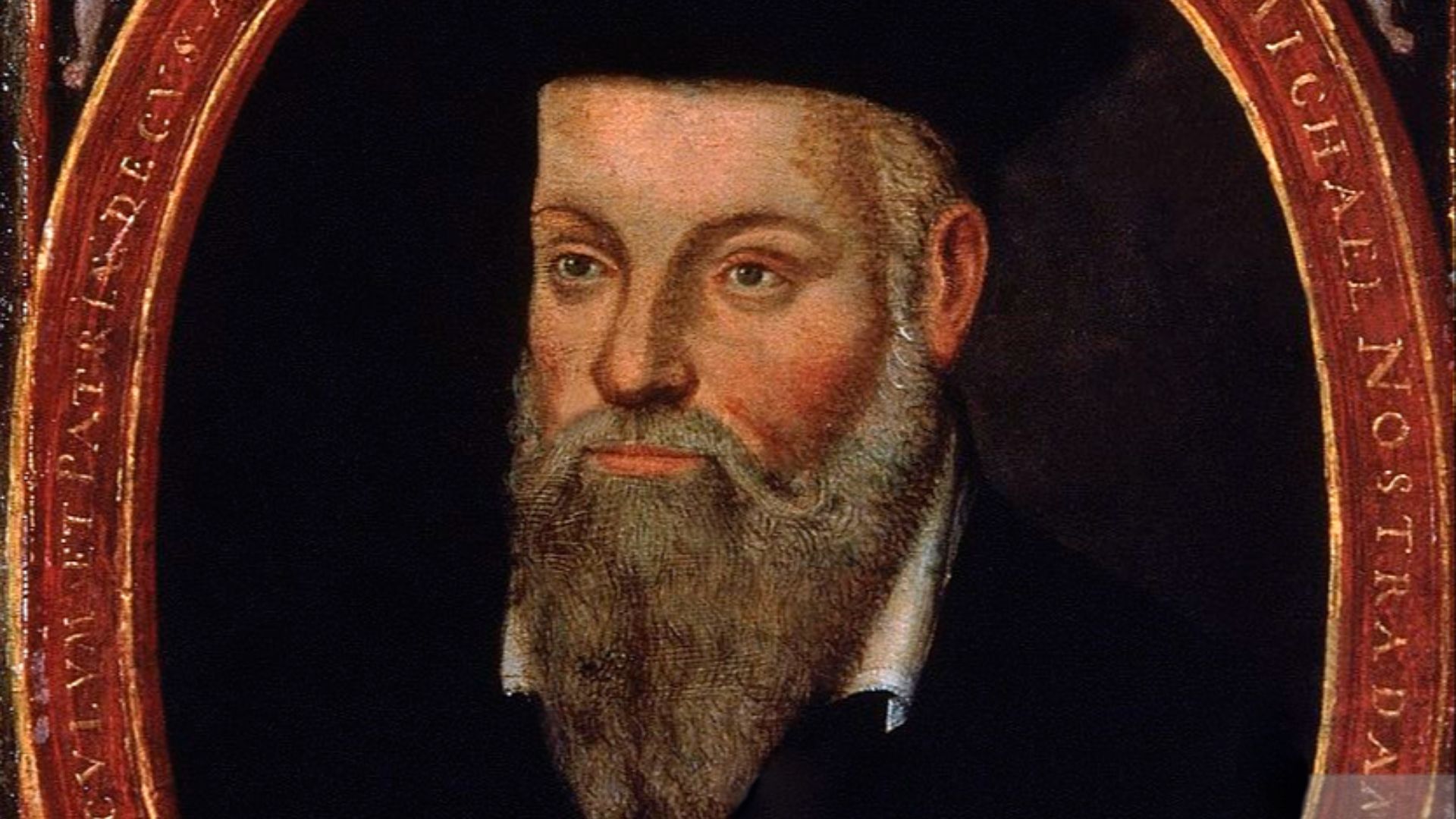 César de Notre-Dame on Wikimedia
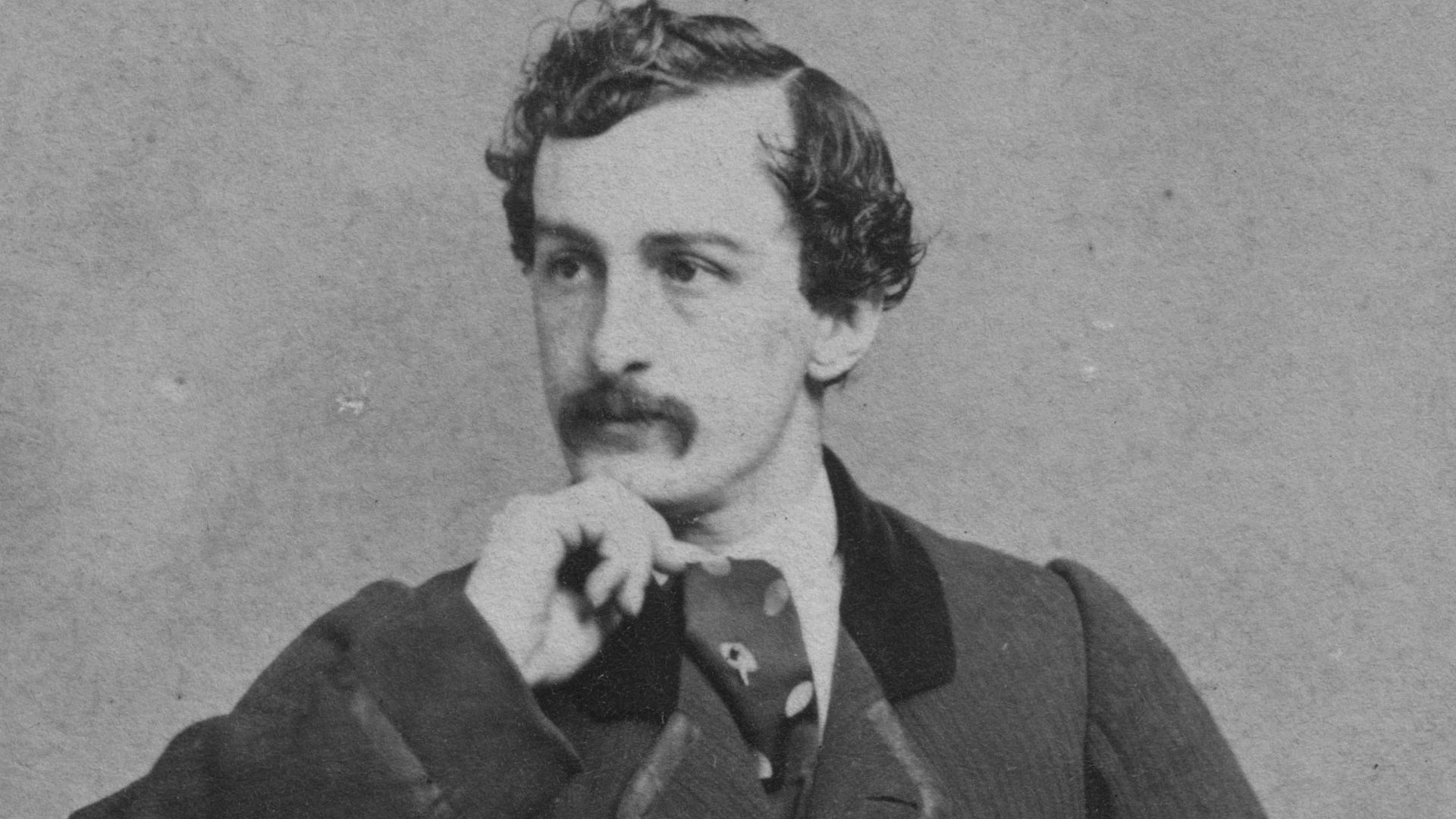
7. John Wilkes Booth — “Useless, useless”.
Booth’s most famous final words are remembered with a bitter kind of irony. After he was cornered and shot during the manhunt, he died on a farmhouse porch, and many standard accounts preserve his last utterance as “Useless, useless” while he looked at his hands. The line has stuck because it sounds like a sudden recognition of his own collapse.
8. Lord Nelson — “Thank God I have done my duty”.
Admiral Nelson’s final words have been remembered almost as carefully as his victory at Trafalgar. “Thank God I have done my duty” was reportedly his last coherent thought. The wording became famous because it fit the public image of Nelson perfectly. If a national hero was going to die in battle, people wanted him to sound exactly like this.
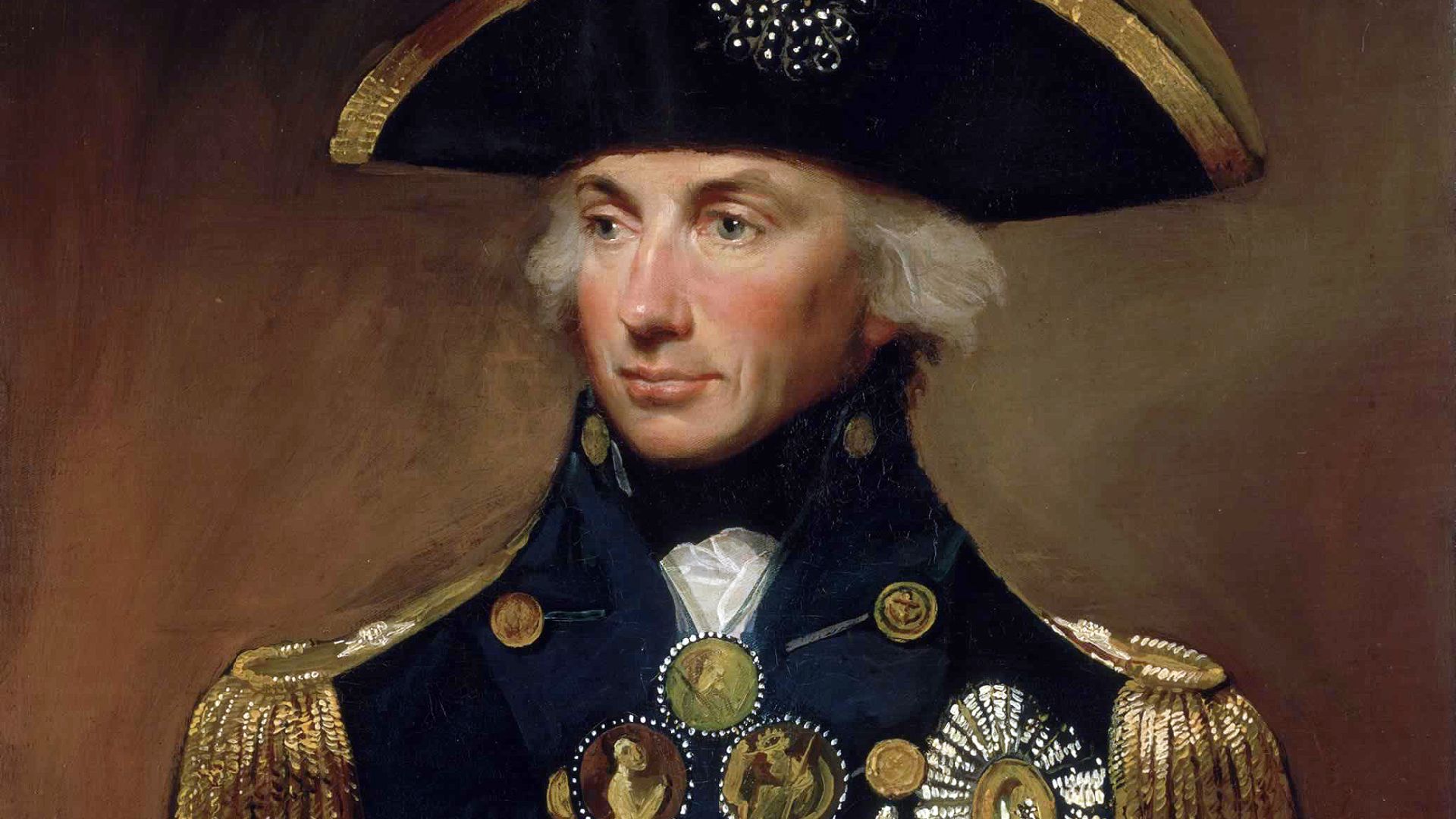 Lemuel Francis Abbott on Wikimedia
9. Ludwig van Beethoven — “Friends, applaud, the comedy is over”.
Beethoven’s alleged last line has lasted because it sounds theatrical in precisely the way people like their geniuses to be. Around his death, several dramatic anecdotes took shape, and the traditional Latin version, “Plaudite, amici, comoedia finita est,” remains the best-known one attached to him. Whether he really said it or not, the phrase helped turn his death into legend.
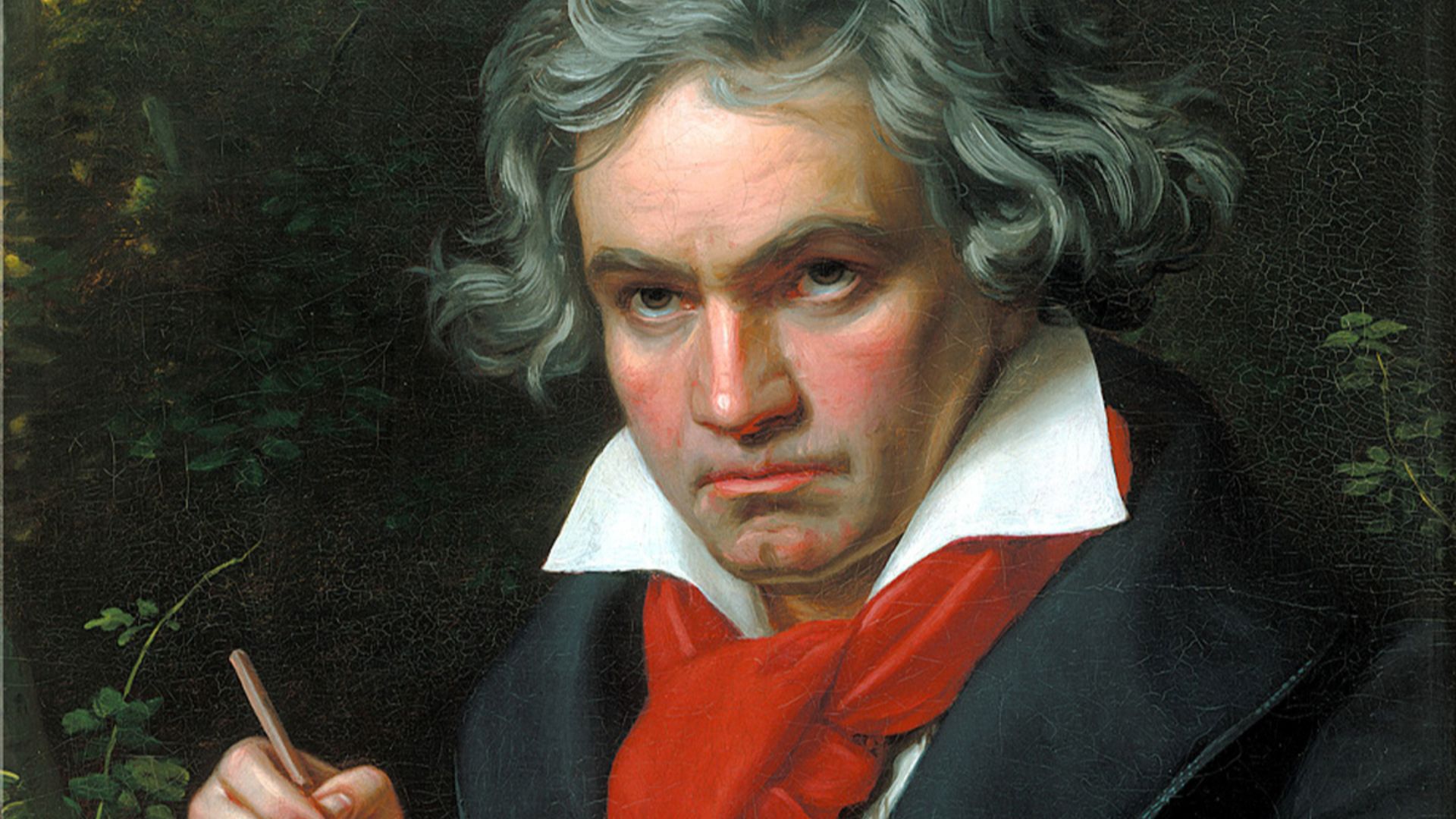 Joseph Karl Stieler on Wikimedia
10. Voltaire — “This is no time to be making new enemies”.
This line has lasted because it delivers exactly the sort of dry, sharp wit people want from Voltaire at the edge of death. The quote is widely repeated as his response when a priest urged him to renounce Satan. It's philosophical, clever, and fits in nicely with his advocacy for secularism and his lifelong critique of the Catholic church.
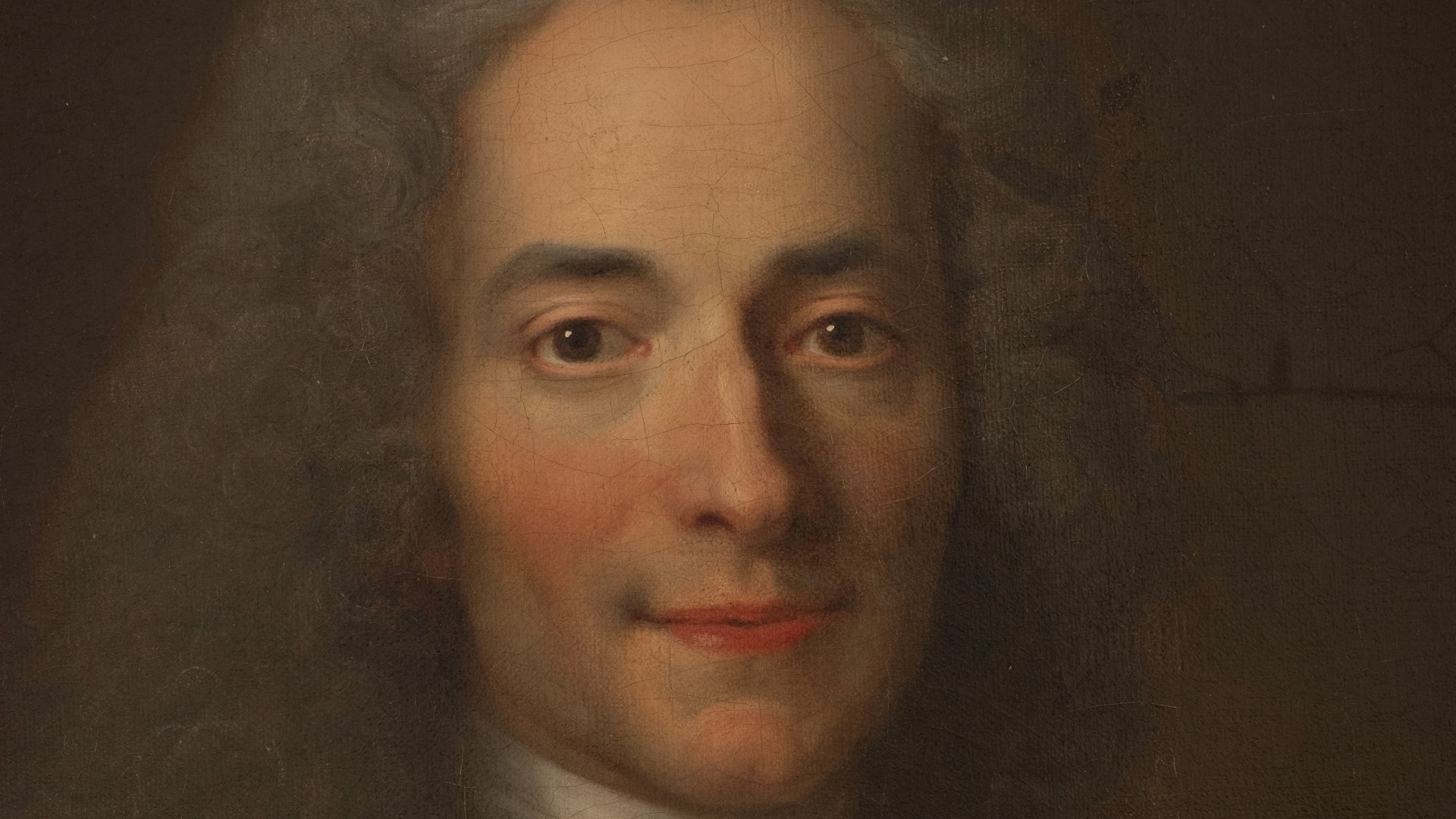 Nicolas de Largillière on Wikimedia
11. Emily Dickinson — “I must go in, the fog is rising”.
Emily Dickinson’s reputed last words remain beloved because they sound like one of her poems escaped into the room at the final moment. The Poetry Foundation preserves the line in its discussion of poets’ dying words, and it has endured because it feels uncannily Dickinsonian. Whether you read it literally or symbolically, it lingers.
 unknown derivative work on Wikimedia
12. Thomas Hobbes — “I am about to take my last voyage, a great leap in the dark”.
Hobbes gets one of the strongest philosophical exits on record. This phrase about a “great leap in the dark” is the line most often linked to his death, and it's survived because it sounds so dramatic. You don't have to agree with his politics to admit that he knew how to leave a sentence behind.
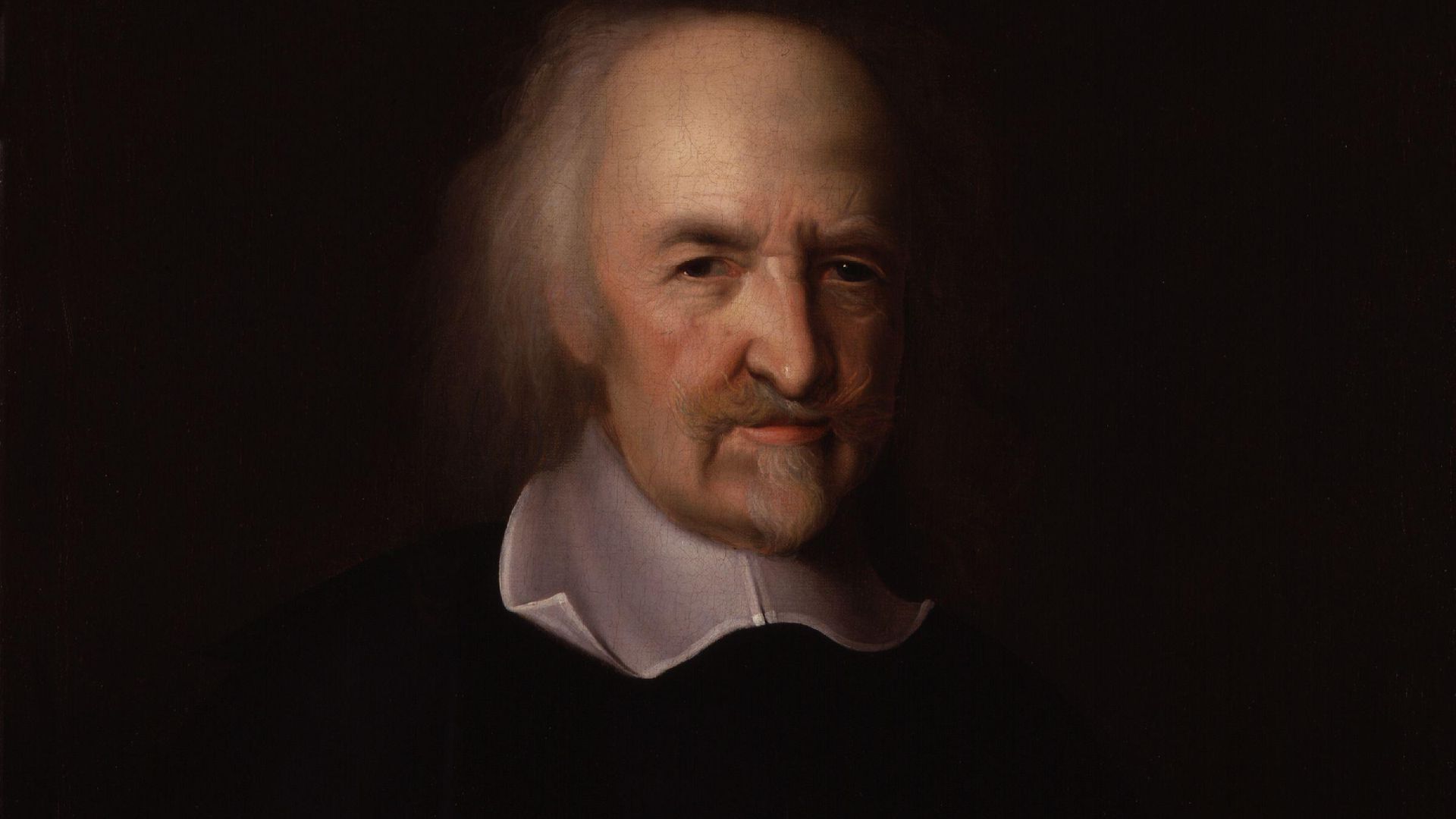 John Michael Wright on Wikimedia
13. Johann Wolfgang von Goethe — “More light”!
Goethe’s “Mehr Licht”! has become famous partly because nobody can resist arguing about what it meant. The Poetry Foundation casually refers to “More light” as his deathbed line, and the phrase has long been attached to him in literary culture. Some people hear spiritual symbolism, while others think he may simply have wanted the shutters opened.
Either way, it has become too famous to separate from his name.
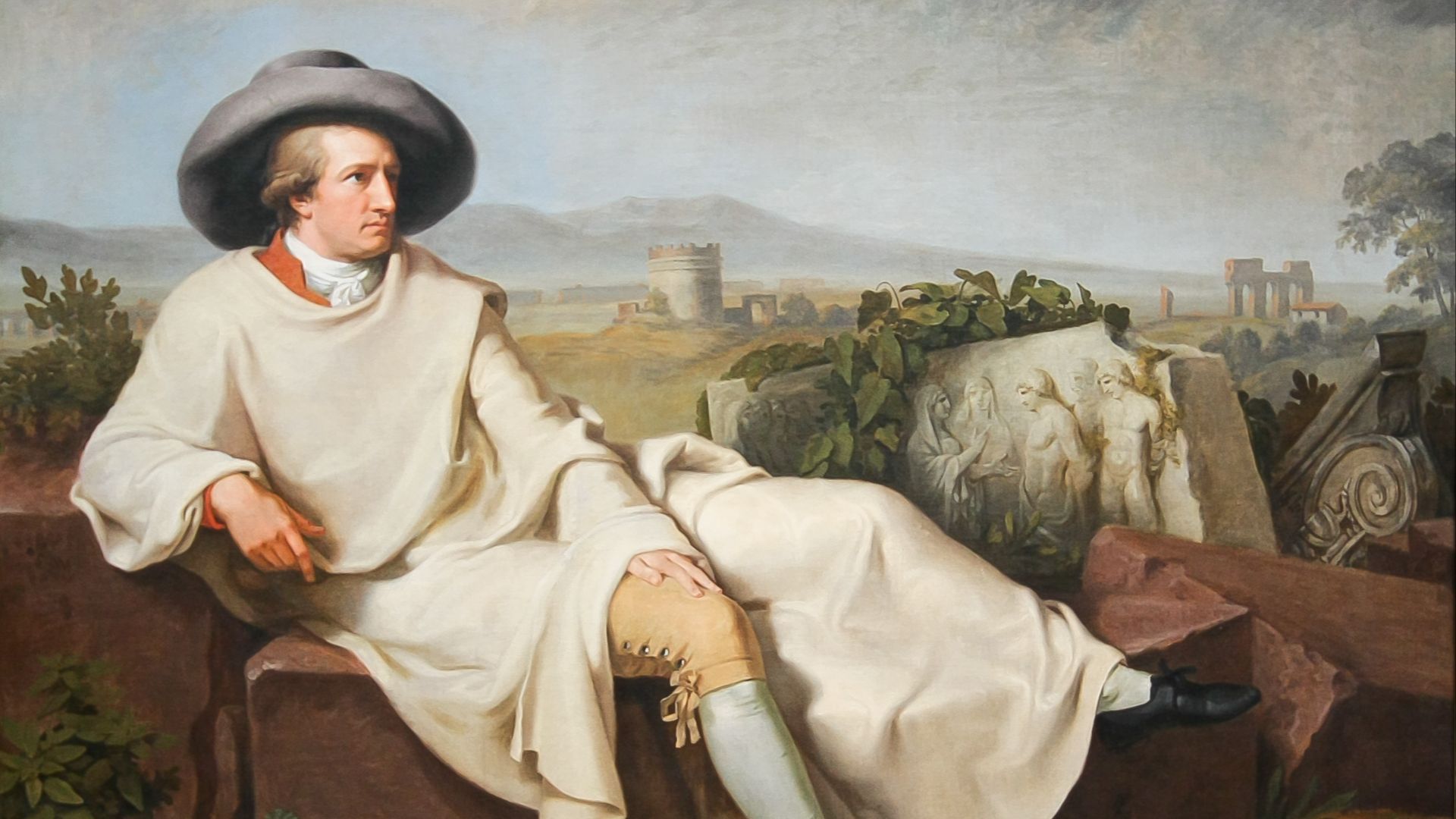 Johann Heinrich Wilhelm Tischbein on Wikimedia
14. Anton Chekhov — “I haven’t had champagne for a long time”.
Chekhov’s final line is memorable because it feels calm, elegant, and quietly heartbreaking all at once. Britannica notes that after a doctor ordered champagne for the dying writer, Chekhov said, “I haven’t had champagne for a long time,” drank it, and then died shortly afterward.
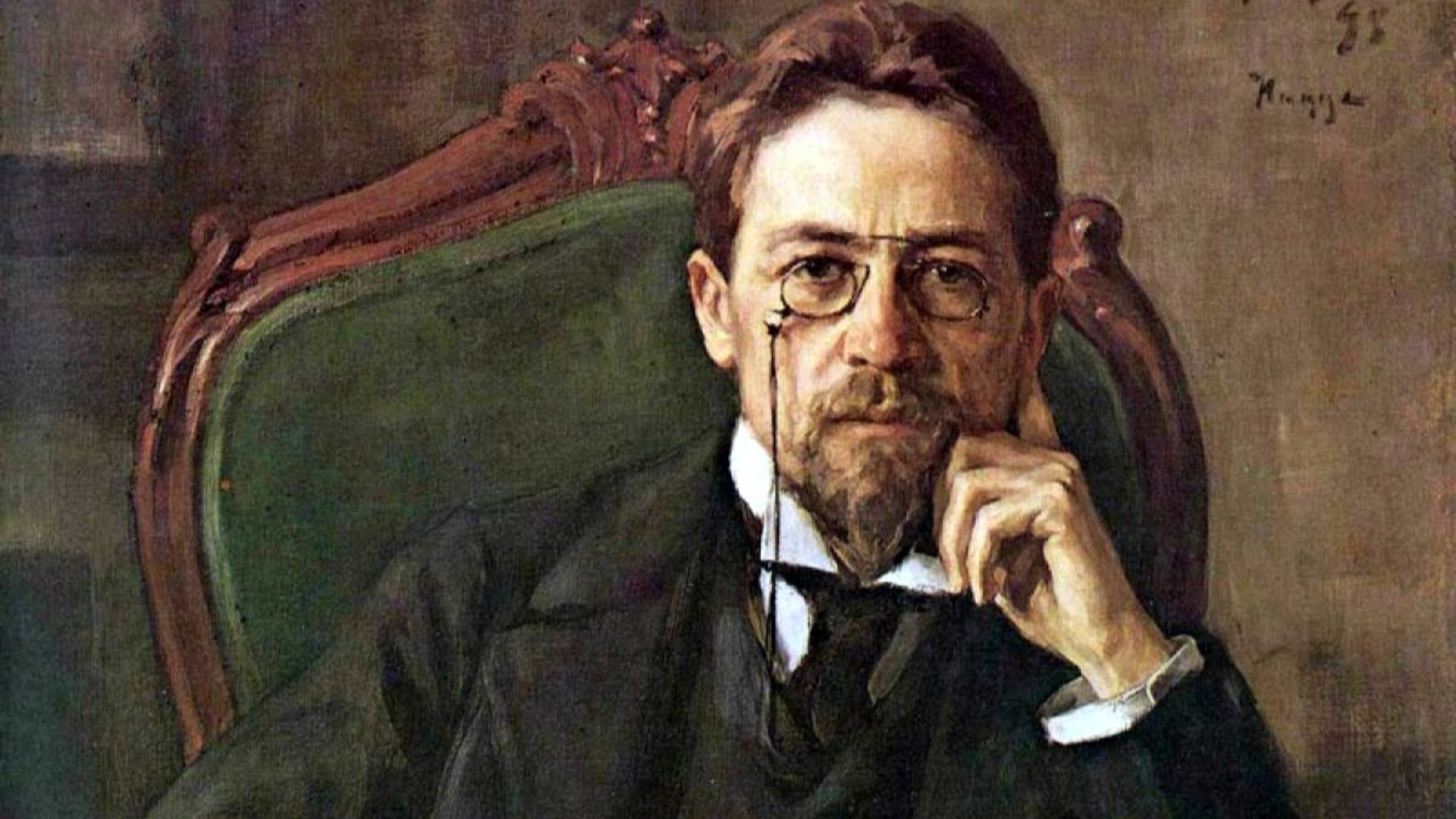
15. Nero — “What an artist dies in me”!
Nero’s death line may be one of the vainest ever remembered, which is exactly why it stuck. The famous line “Qualis artifex pereo”! is linked to Suetonius’s account of Nero’s last hours. The wording survived because it captures the emperor’s theatrical self-image so perfectly.
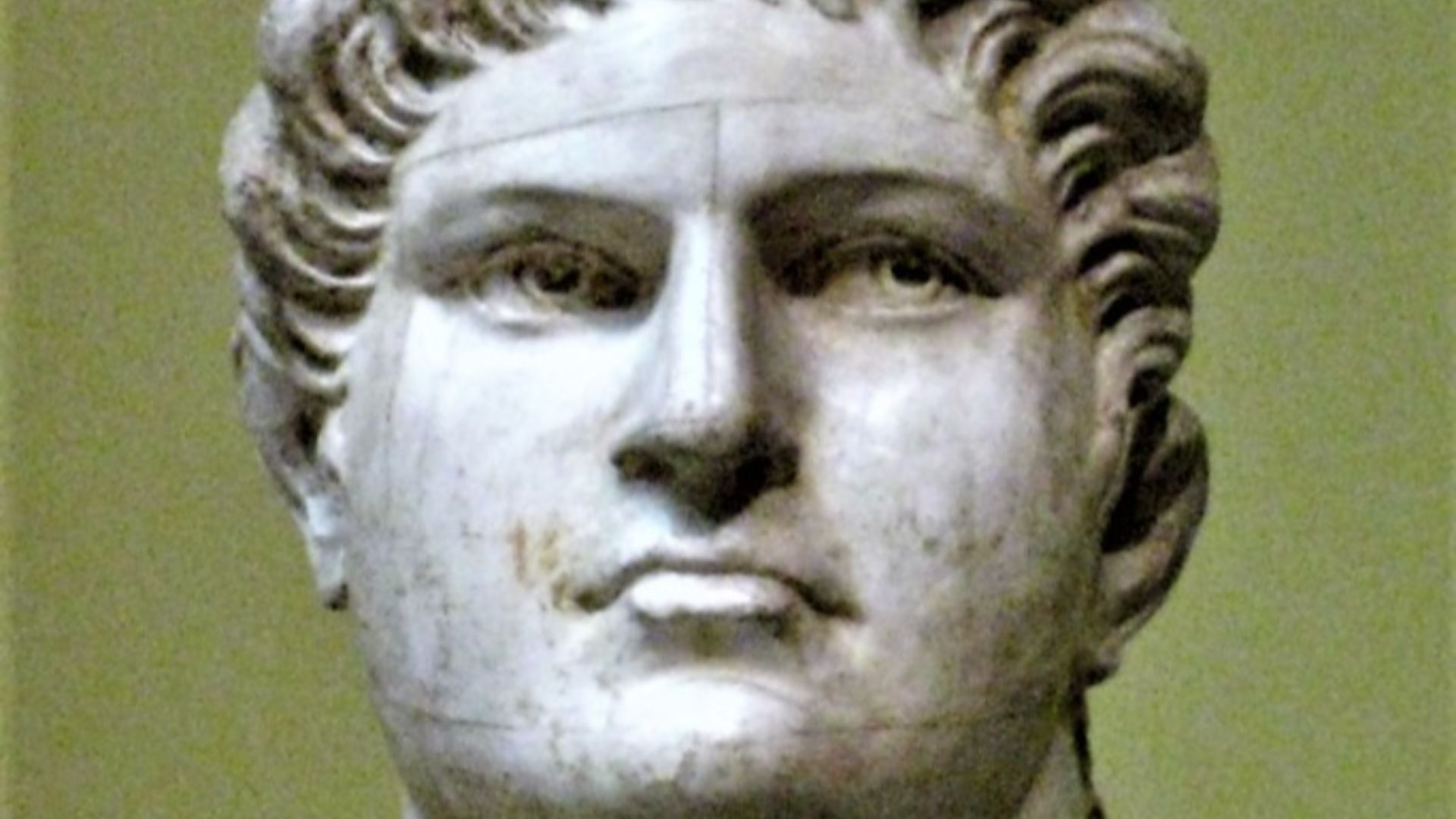
16. François Rabelais — “I am going to seek a great perhaps”.
Rabelais gets a far more evocative line than most people expect. “I am going to seek a great perhaps” is among the quotes attached to him, in his final days, and it has lasted because it sounds thoughtful, strange, and oddly peaceful all at once. The phrase is understood by scholars to mean he was taking a risk on the unknown—the afterlife.
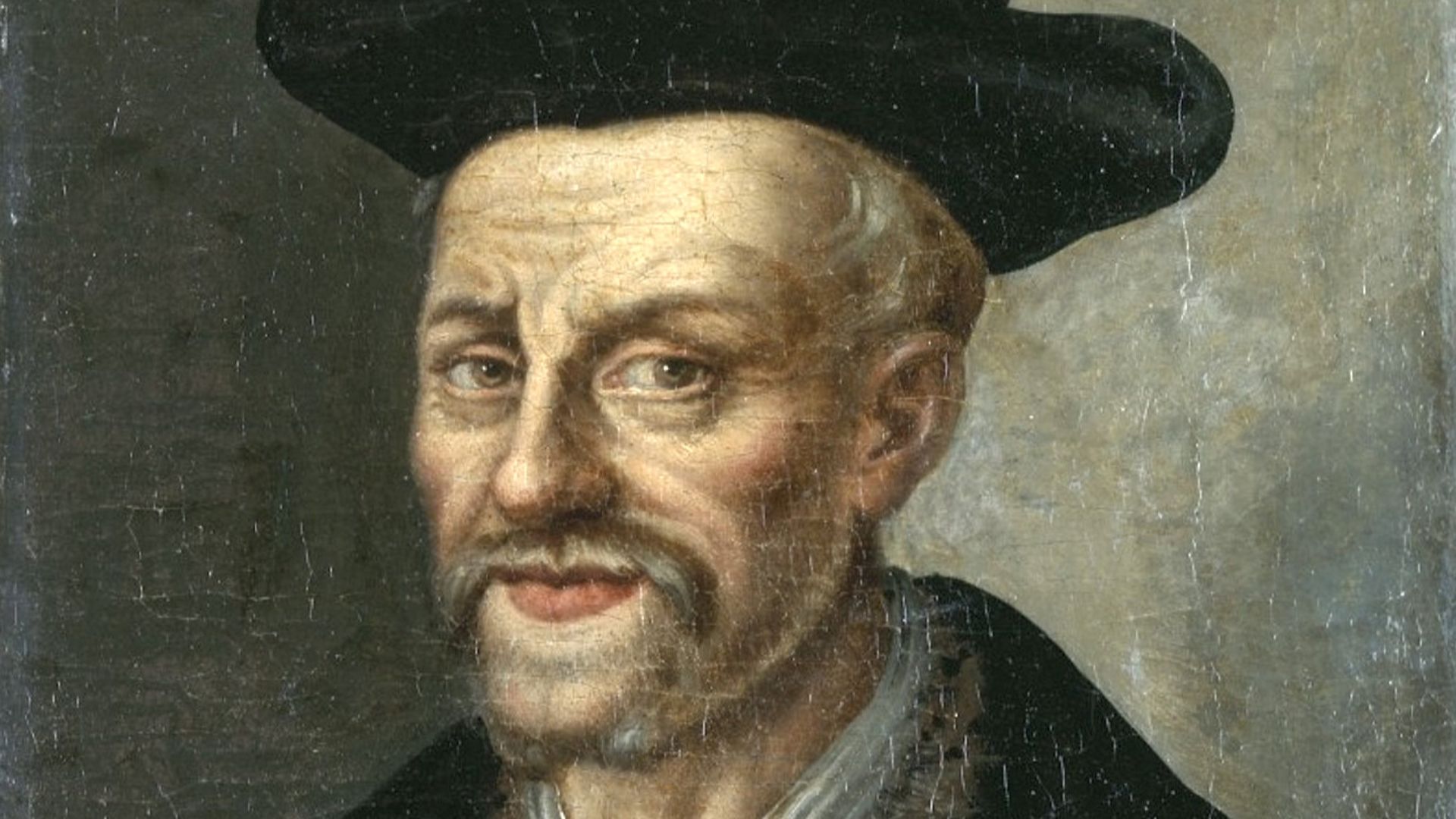 Unidentified painter on Wikimedia
17. Steve Jobs — “Oh wow. Oh wow. Oh wow”.
Steve Jobs’s final words became famous almost instantly because they were so brief and so oddly open-ended. TIME and CBS both reported the account from Mona Simpson’s eulogy, where she said Jobs looked past his family and repeated “Oh wow” three times. The phrase invites endless interpretation, which is probably why it spread so widely.
 Matthew Yohe (talk) on Wikimedia
18. John Sedgwick — “They couldn’t hit an elephant at this distance”.
Sedgwick’s famous final remark survives because it is one of history’s most brutal examples of instant irony. The story goes that the Union general mocked the danger posed by Confederate sharpshooters and was almost immediately killed. The line endures because it's memorable, grim, and impossible to improve in retelling.
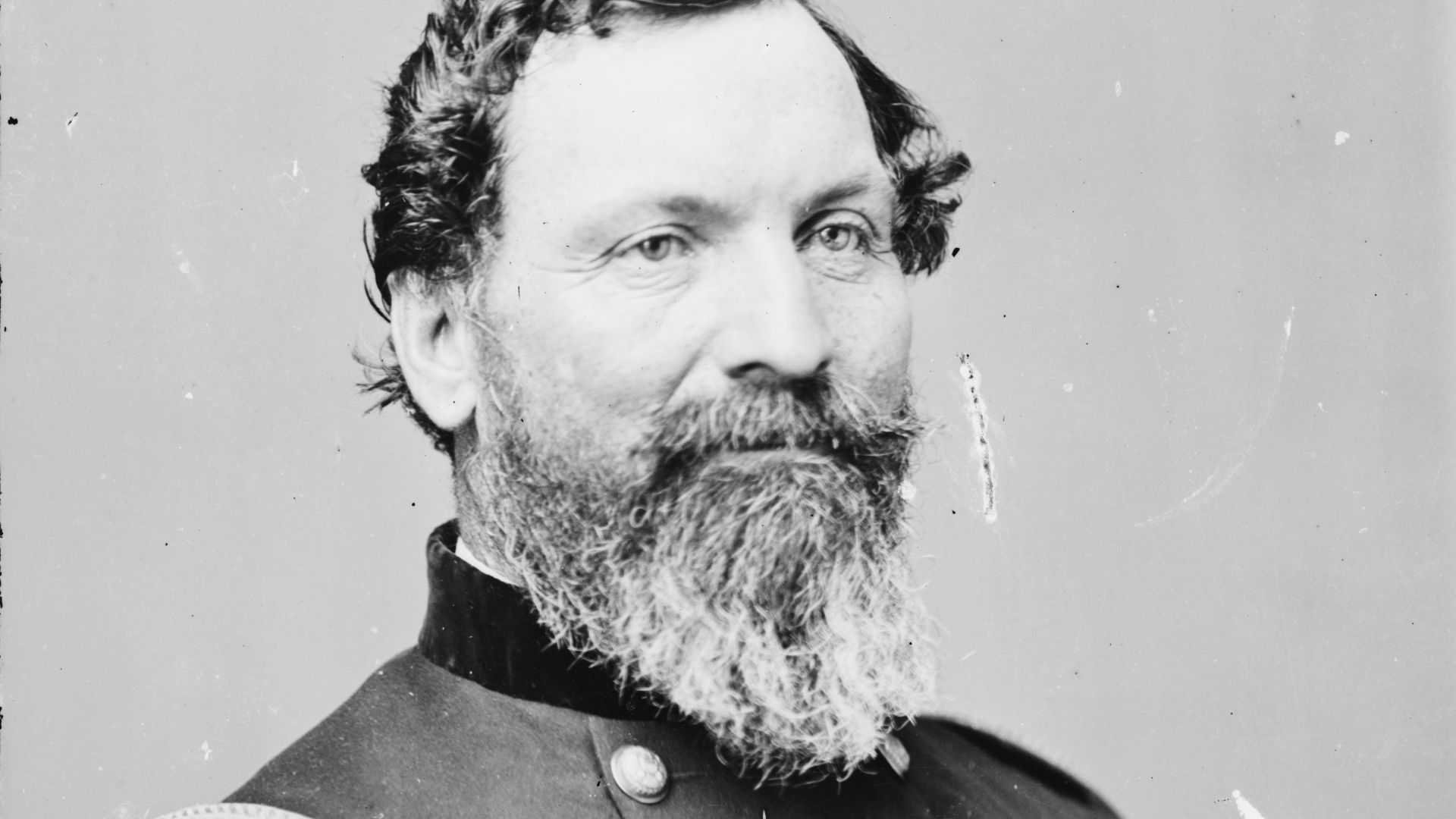 Mathew Benjamin Brady on Wikimedia
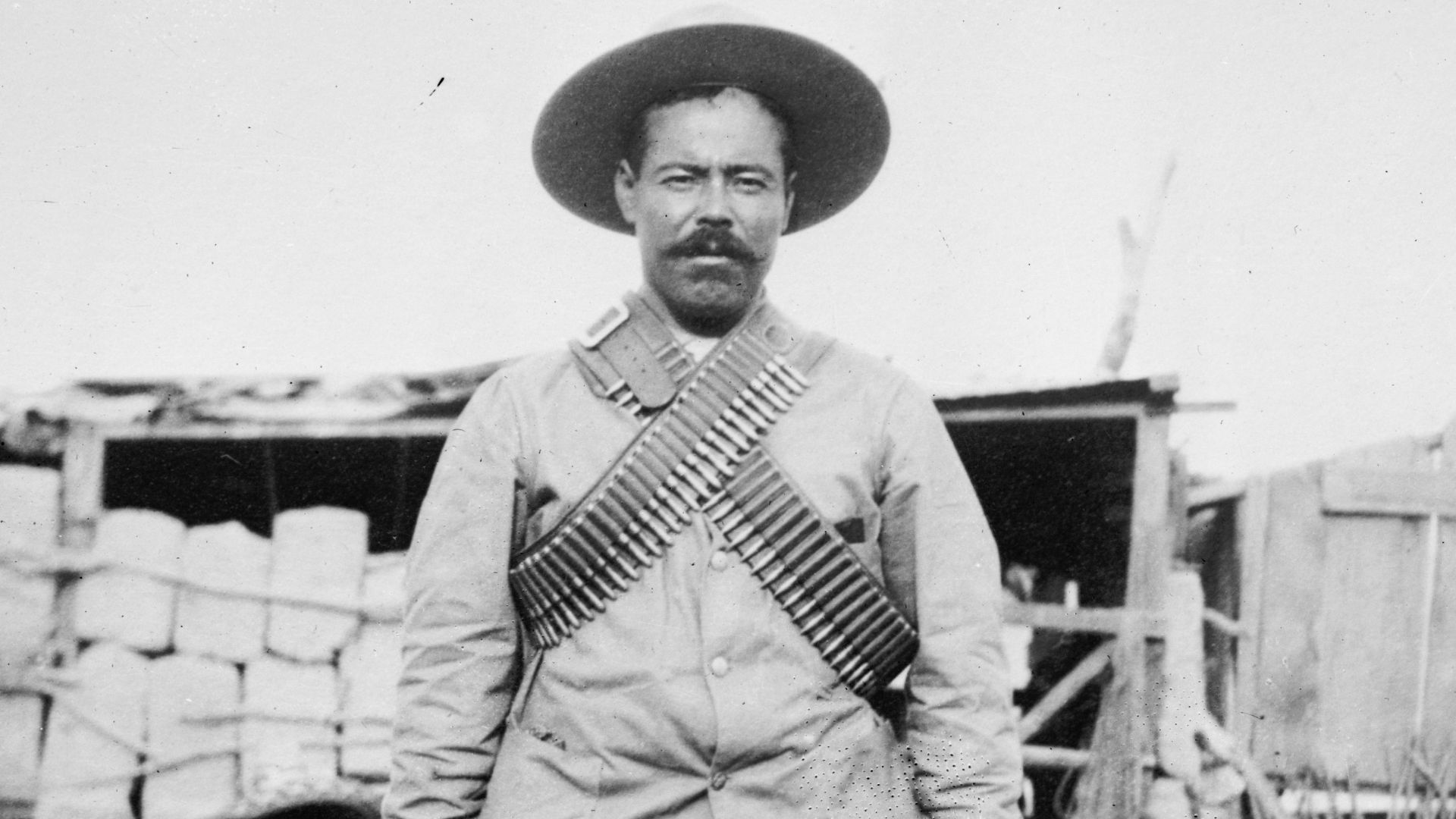
19. Pancho Villa — “Don’t let it end like this. Tell them I said something”.
Pancho Villa’s supposed last words are famous partly because they sound so cinematic. The line is probably apocryphal, because evidence suggests Villa died almost instantly in the attack. However, that hasn't stopped the quote from spreading for years. In a way, its survival tells you almost as much about Villa’s legend as a verified line ever could.
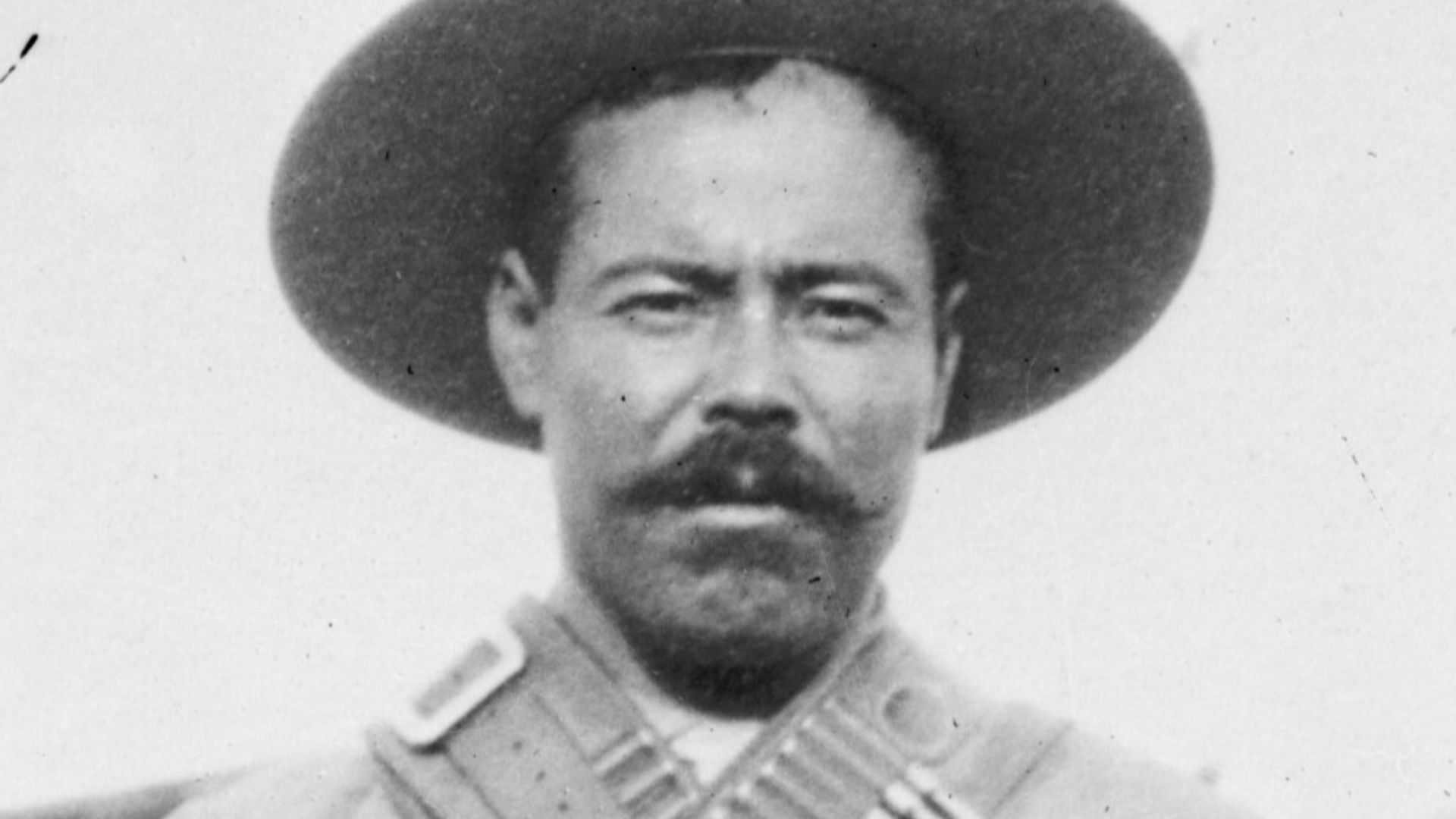 Bain News Service on Wikimedia
20. James Monroe — “I regret that I should leave this world without again beholding him”.
This often-repeated line is about not seeing James Madison, Monroe's close friend and predecessor, again. Despite it circulating widely in presidential trivia for years, it lacks solid source support, which makes it a perfect example of how last words become part of public memory, whether or not the documentation is strong. More likely, this line was something American history fans wanted him to say.
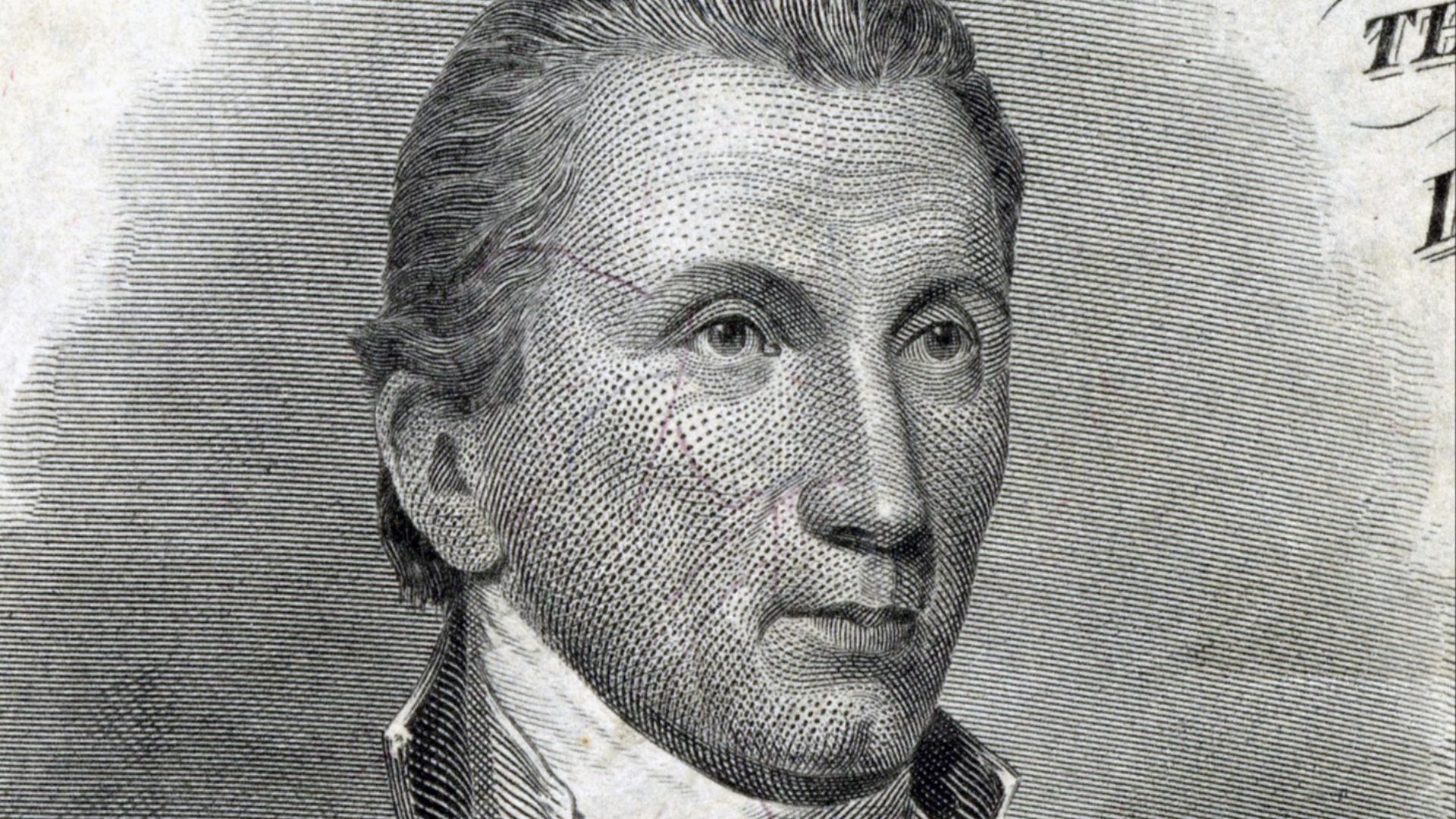 Bureau of Engraving and Printing & Smithsonian Institution on Wikimedia
KEEP ON READING
The Brutal Realities Of Gladiator Life Beyond the Arena
David Cruz asenjo on PexelsWhen most people think of gladiators,…
By Rob Shapiro Mar 31, 2026
The Volcano Winter That Nearly Toppled Europe
Collin Ross on UnsplashMost people, if asked to name a…
By Cameron Dick Mar 31, 2026
From School Plays To Starting A Cult: 20 Of The…
The Books That Made Us. Many people will tell you…
By Farva Ivkovic Jan 31, 2025
20 Facts About Jane Grey, The Forgotten Queen Of England
A Quick, Messy, and Tragic Reign. Lady Jane Grey never…
By Maria Cruz Jan 31, 2025
20 Priceless Historical Art Pieces Rescued By The Monuments Men
Protecting Human History. While the soldiers on the front lines…
By Sara Springsteen Mar 31, 2026
Almost Every Ancient Statue Has a Missing Nose, And It's…
Gary Todd from Xinzheng, China on WikimediaWalk through the classical…
By Elizabeth Graham Mar 31, 2026