20 Medieval Rulers Whose Nicknames Reveal Just How Cruel They Were
When Your Reputation Was Too Terrible to Forget
Medieval rulers weren't exactly known for their gentle approach to leadership, but some developed reputations so disturbing that their names became permanently associated with violence. While certain kings earned flattering titles like "the Great" or "the Wise," others became known as "the Cruel," "the Butcher," or even "the Devil." These nicknames often reflected their willingness to execute enemies, betray family members, or punish entire populations for challenging their authority. Here are 20 medieval rulers whose nicknames reveal just how ruthless the pursuit of power could be.
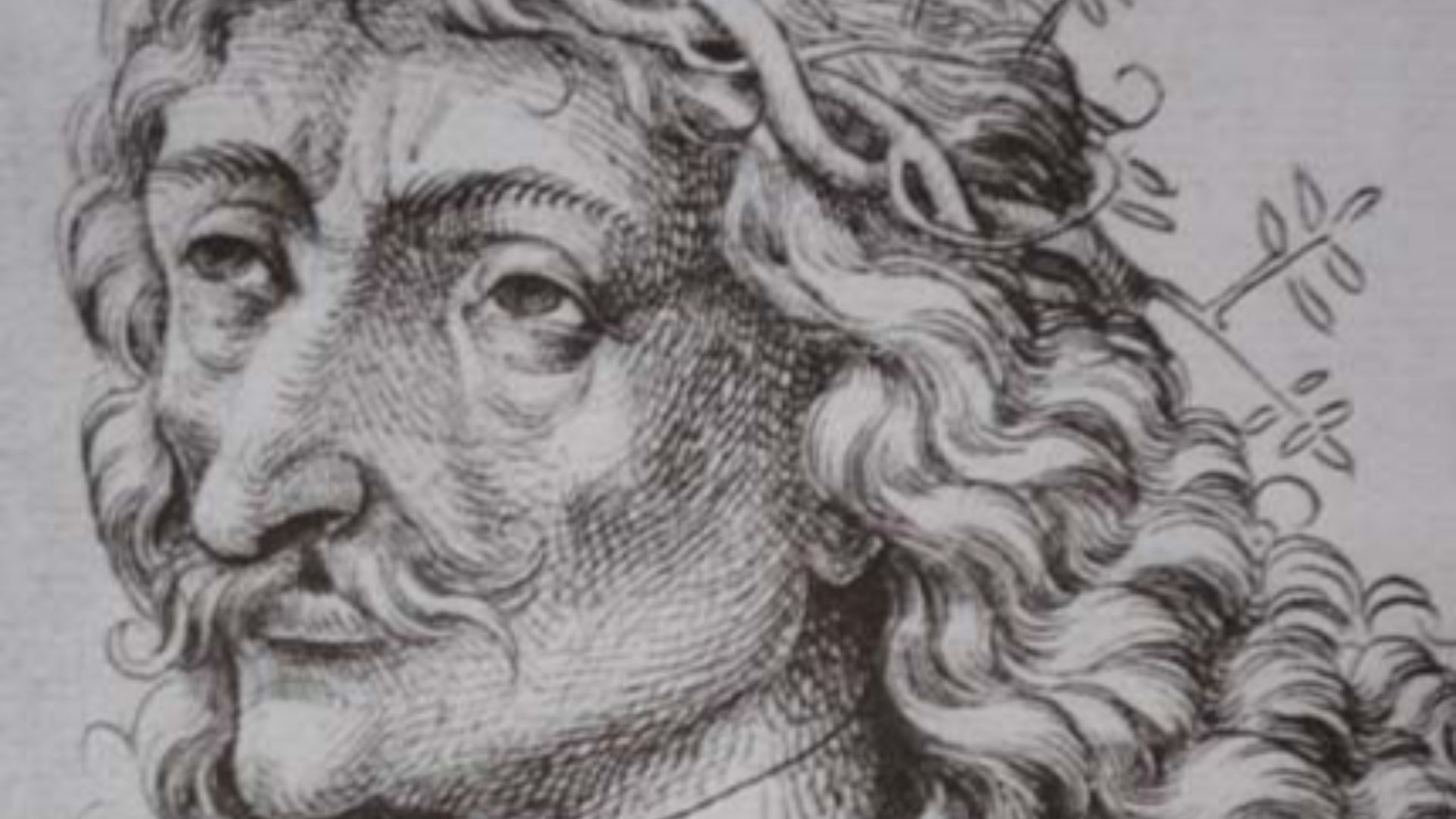
1. Vlad the Impaler
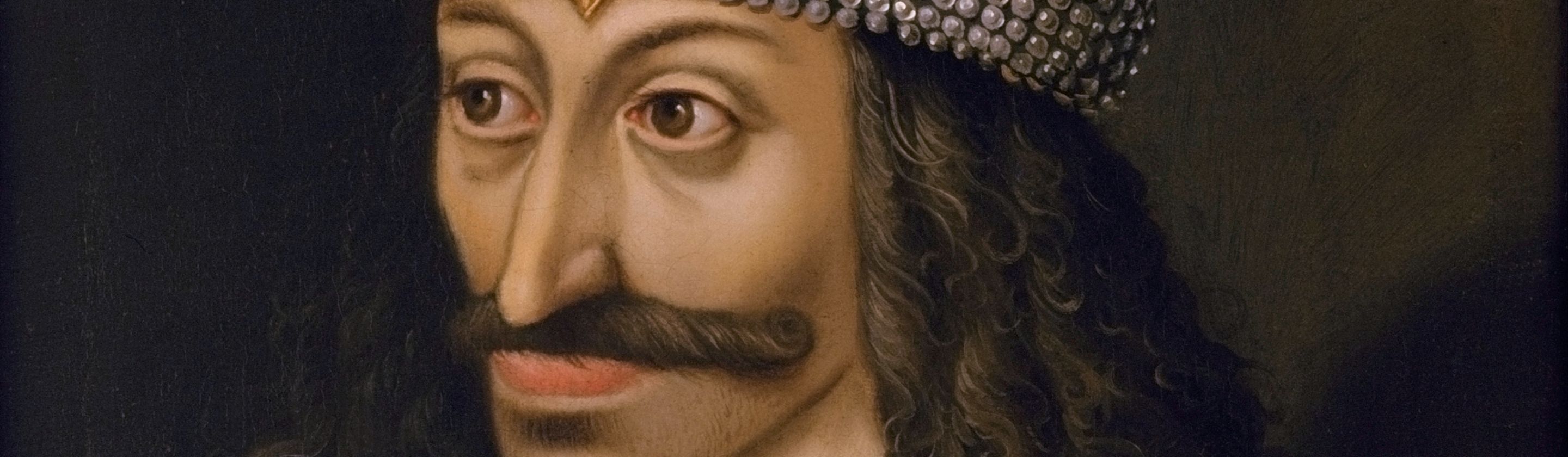
Few medieval rulers earned a nickname quite as disturbing as Vlad III, who governed Wallachia during the 15th century. His preferred method of punishing enemies involved impaling victims on wooden stakes, often displaying their bodies as warnings to anyone considering rebellion. Although his brutality helped establish his reputation as a formidable opponent of the Ottoman Empire, it also inspired terrifying stories that spread throughout Europe.
2. Eric Bloodaxe
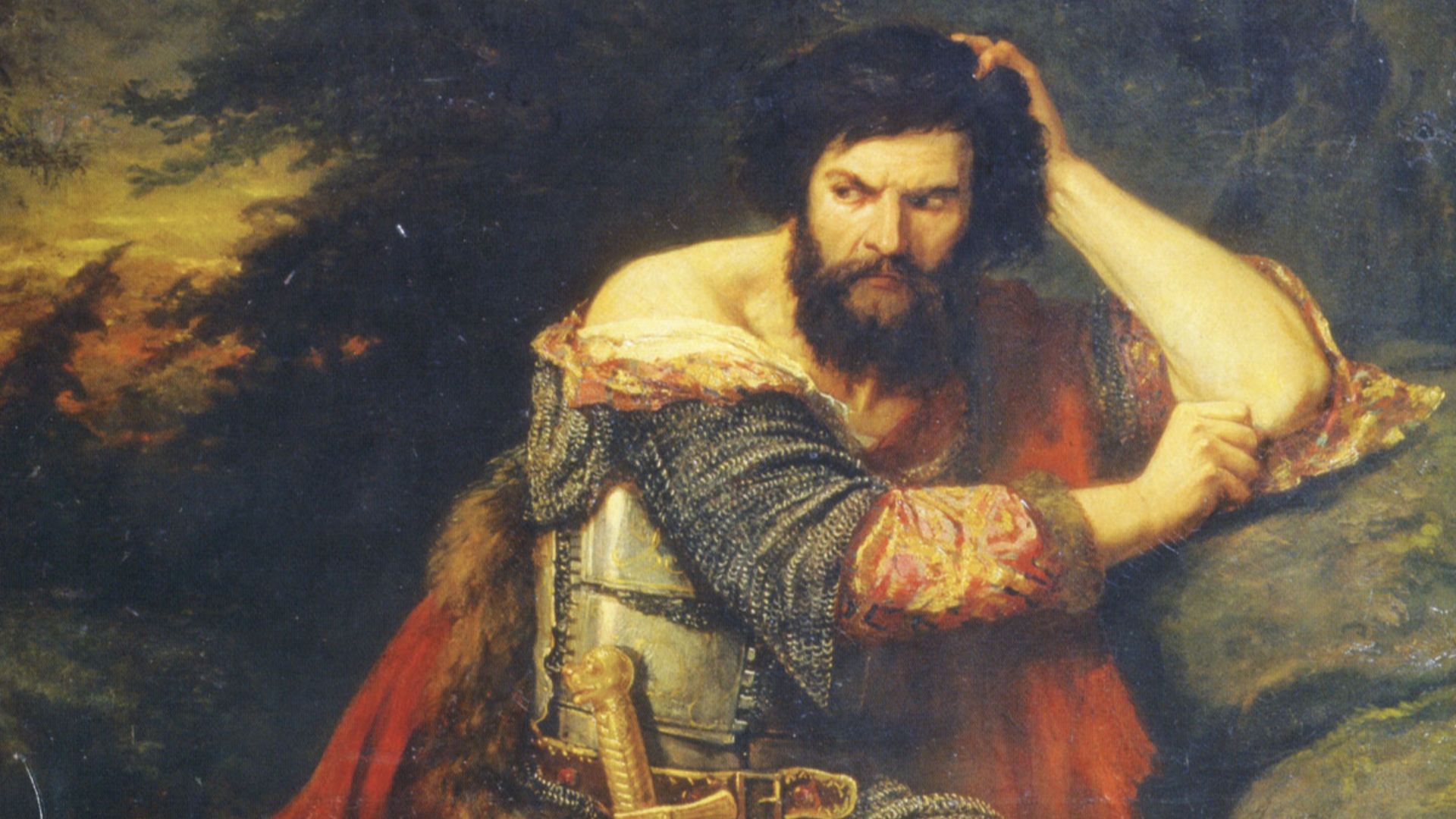
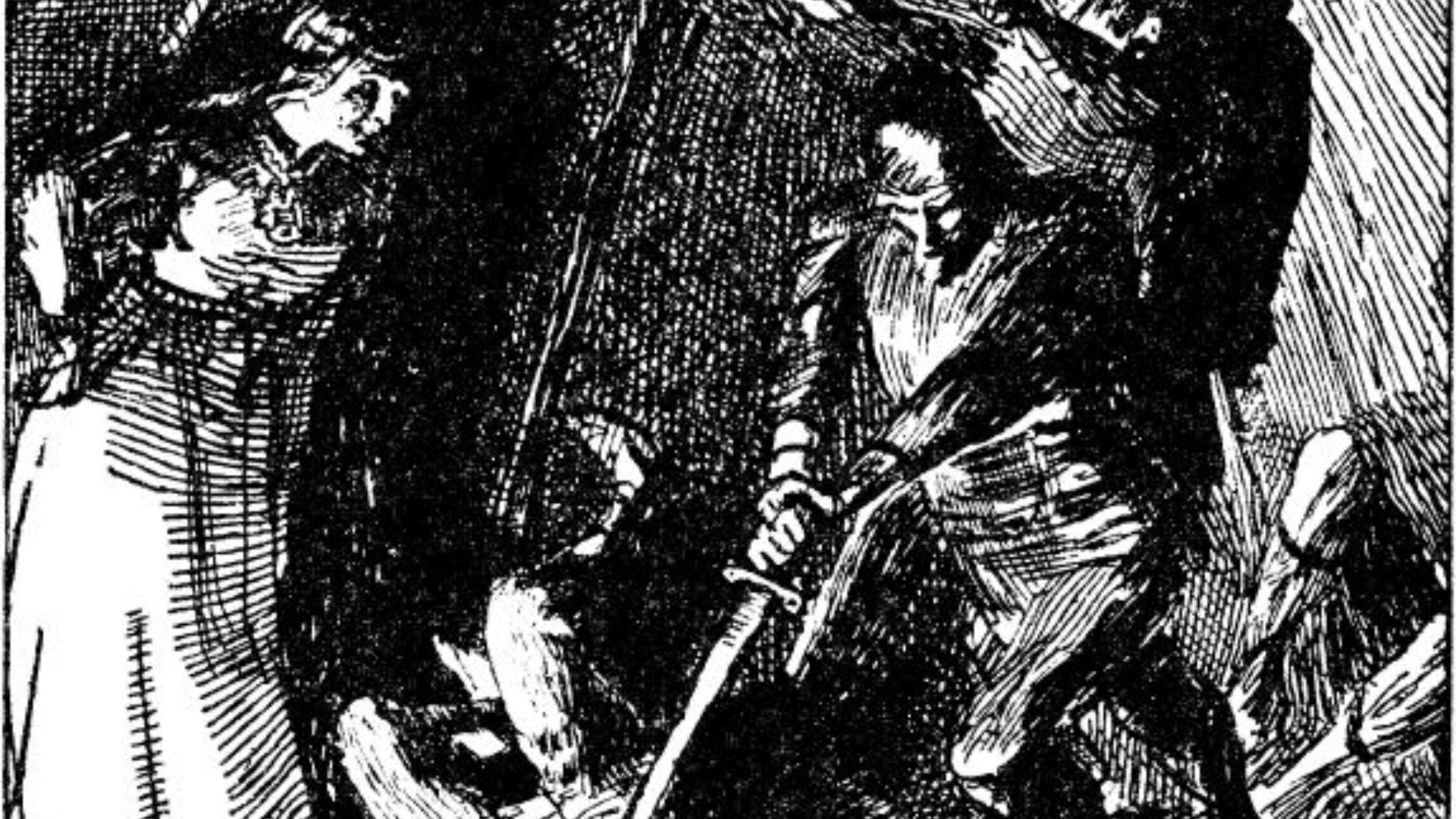
Eric I ruled Norway during the 10th century, and his nickname suggests that diplomacy wasn't exactly his preferred way of settling disagreements. Medieval sagas accuse him of killing several of his brothers to eliminate potential rivals for the throne, although the historical details remain uncertain. After losing power in Norway, he eventually became ruler of York, where his turbulent reign came to a violent end. Whether his nickname came from his battlefield reputation or his alleged family murders, neither explanation is particularly reassuring.
3. Boleslaus the Cruel
Boleslaus I earned his unfortunate title after becoming involved in the murder of his older brother, Duke Wenceslaus, in 935. According to medieval accounts, Wenceslaus was attacked by conspirators associated with Boleslaus, who then seized control of Bohemia. Despite this violent beginning, Boleslaus proved to be an effective ruler who expanded his territory and strengthened his authority. Unfortunately for his reputation, murdering your own brother tends to overshadow even the most impressive administrative accomplishments.
4. Sviatopolk the Accursed
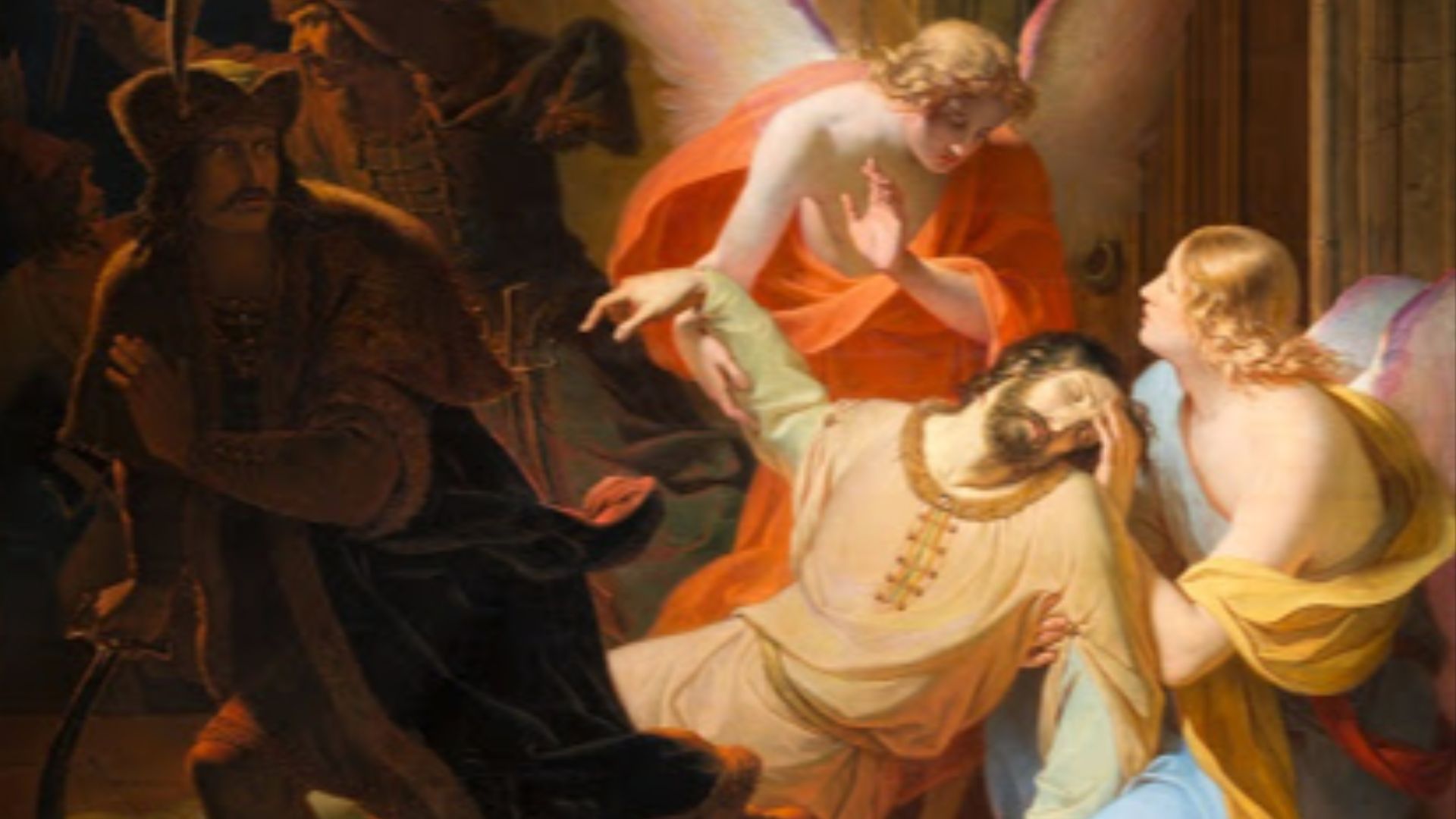
Being remembered as "the Accursed" suggests that Sviatopolk I wasn't particularly popular with the people who documented his reign. Following the death of Vladimir the Great in 1015, Sviatopolk became involved in a violent succession struggle for control of Kyivan Rus'. Medieval chronicles accuse him of orchestrating the murders of his brothers Boris, Gleb, and Sviatoslav, although historians have questioned parts of this account. These alleged crimes became central to his reputation, particularly after Boris and Gleb came to be revered as saints.
5. Basil the Bulgar Slayer
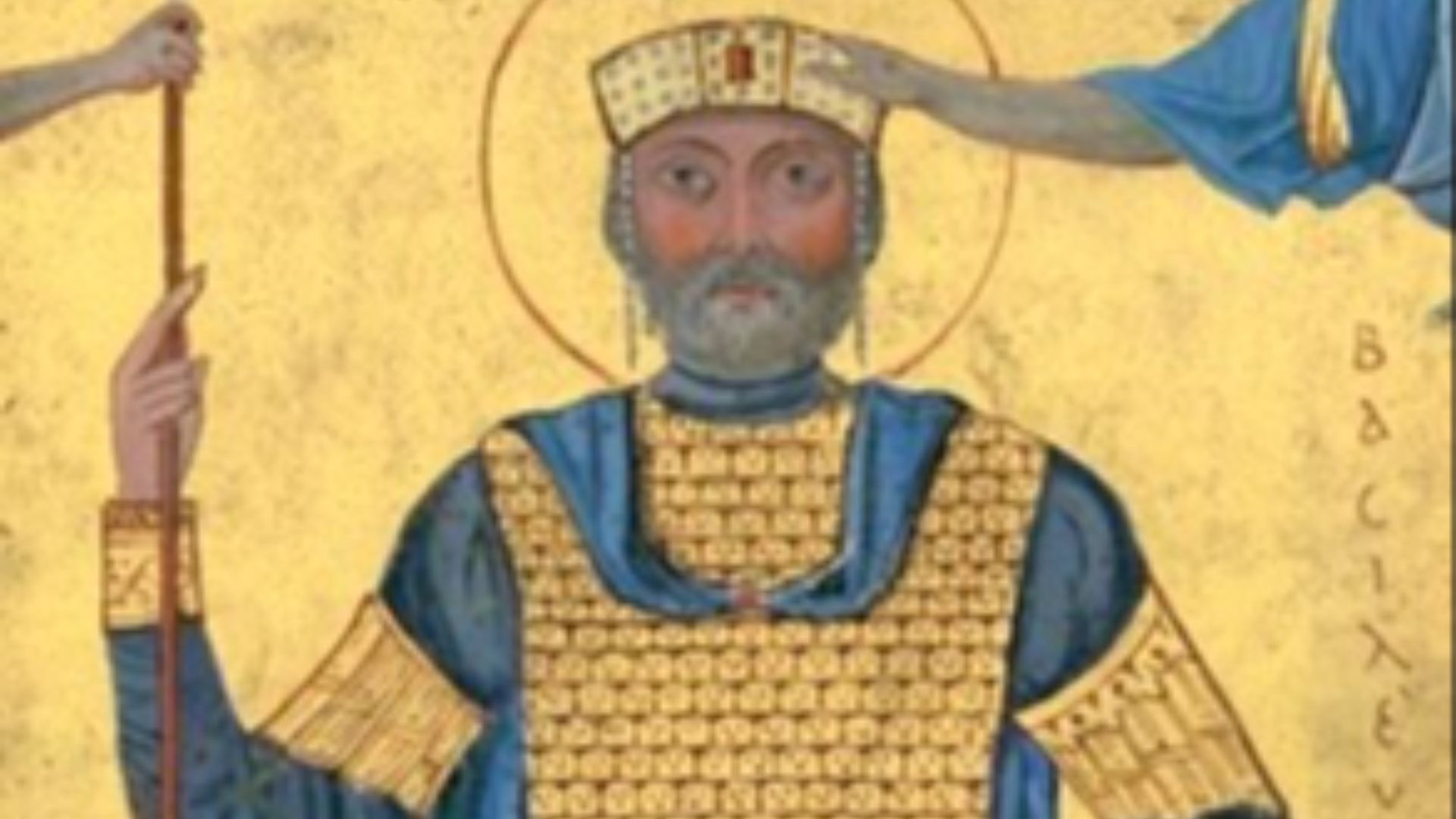
Byzantine Emperor Basil II earned the nickname "Bulgar Slayer" through his relentless military campaigns against the Bulgarian Empire. Following his victory at the Battle of Kleidion in 1014, medieval accounts claim he ordered thousands of Bulgarian prisoners blinded, leaving a small number partially sighted to guide the others home. Historians continue to debate the exact scale of this punishment, but the story became inseparable from his reputation.
6. Kaloyan the Romanslayer
Bulgarian Tsar Kaloyan ruled between 1197 and 1207 and became known as the Romanslayer because of his campaigns against Byzantine forces. His nickname was a deliberate reference to Basil II's title, reflecting Bulgaria's bitter history with its powerful neighbor. Kaloyan also fought the Latin Empire established after the Fourth Crusade, capturing Emperor Baldwin I following the Battle of Adrianople in 1205. His campaigns included devastating attacks on cities, and his treatment of defeated enemies earned him a particularly fearsome reputation.
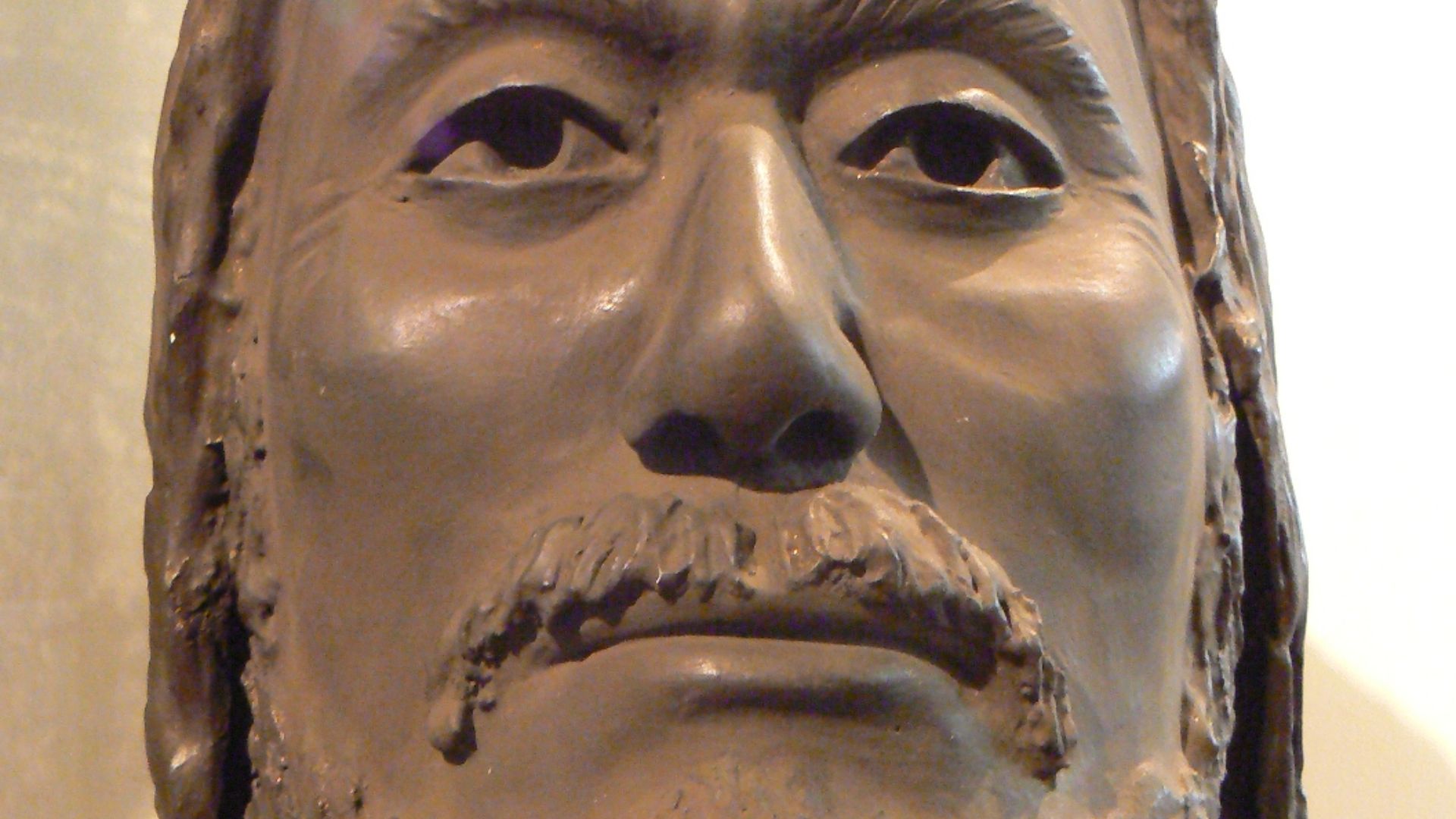 Vassia Atanassova - Spiritia on Wikimedia
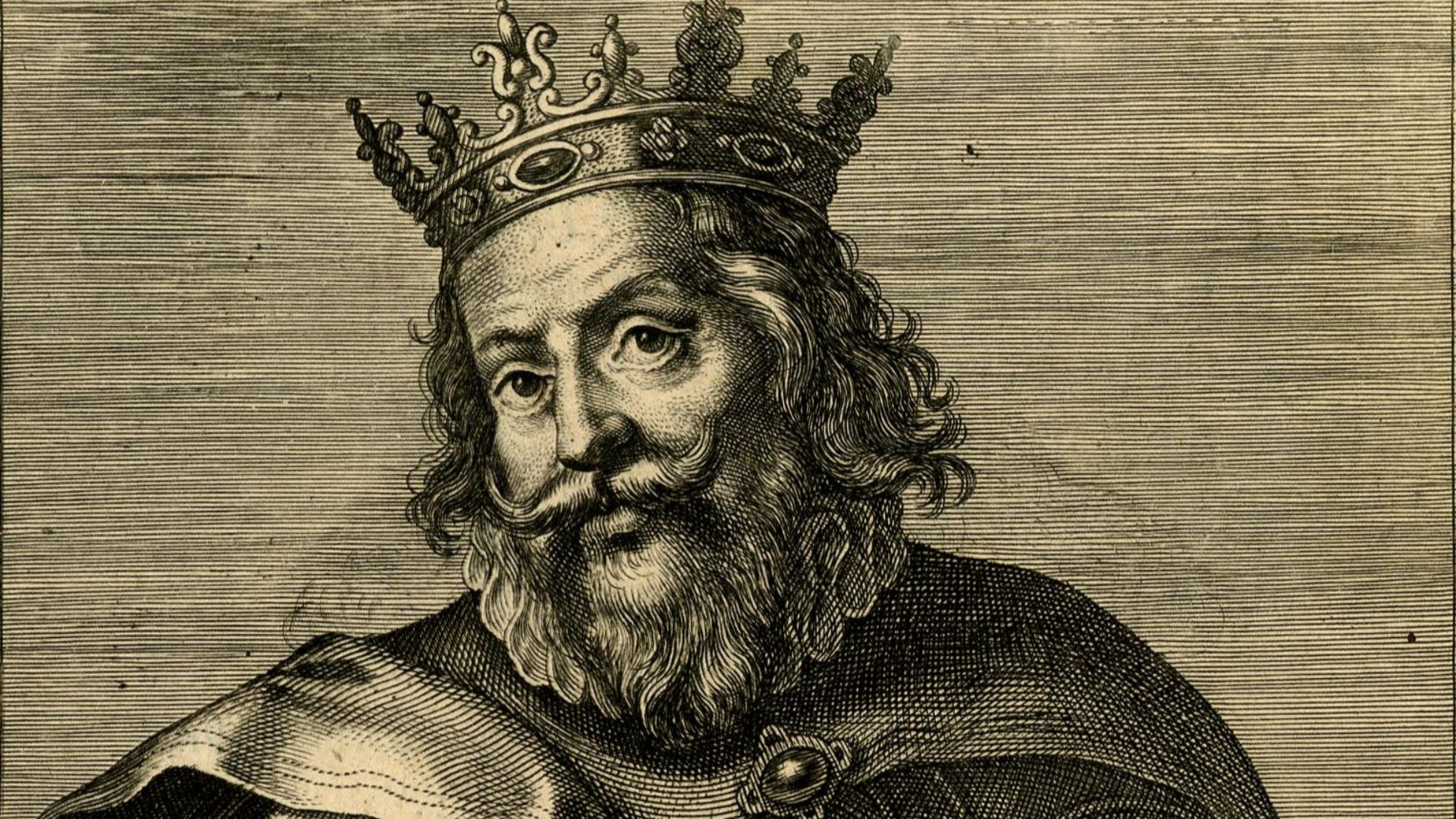
7. Peter the Cruel
Peter I of Portugal became notorious for the extreme punishments he inflicted on people he believed deserved justice. His most infamous act involved seeking revenge against the men responsible for murdering his lover, Inês de Castro, who had been executed on his father's orders. After becoming king, Peter captured two of those responsible and had them brutally executed, with chroniclers describing their hearts being removed.
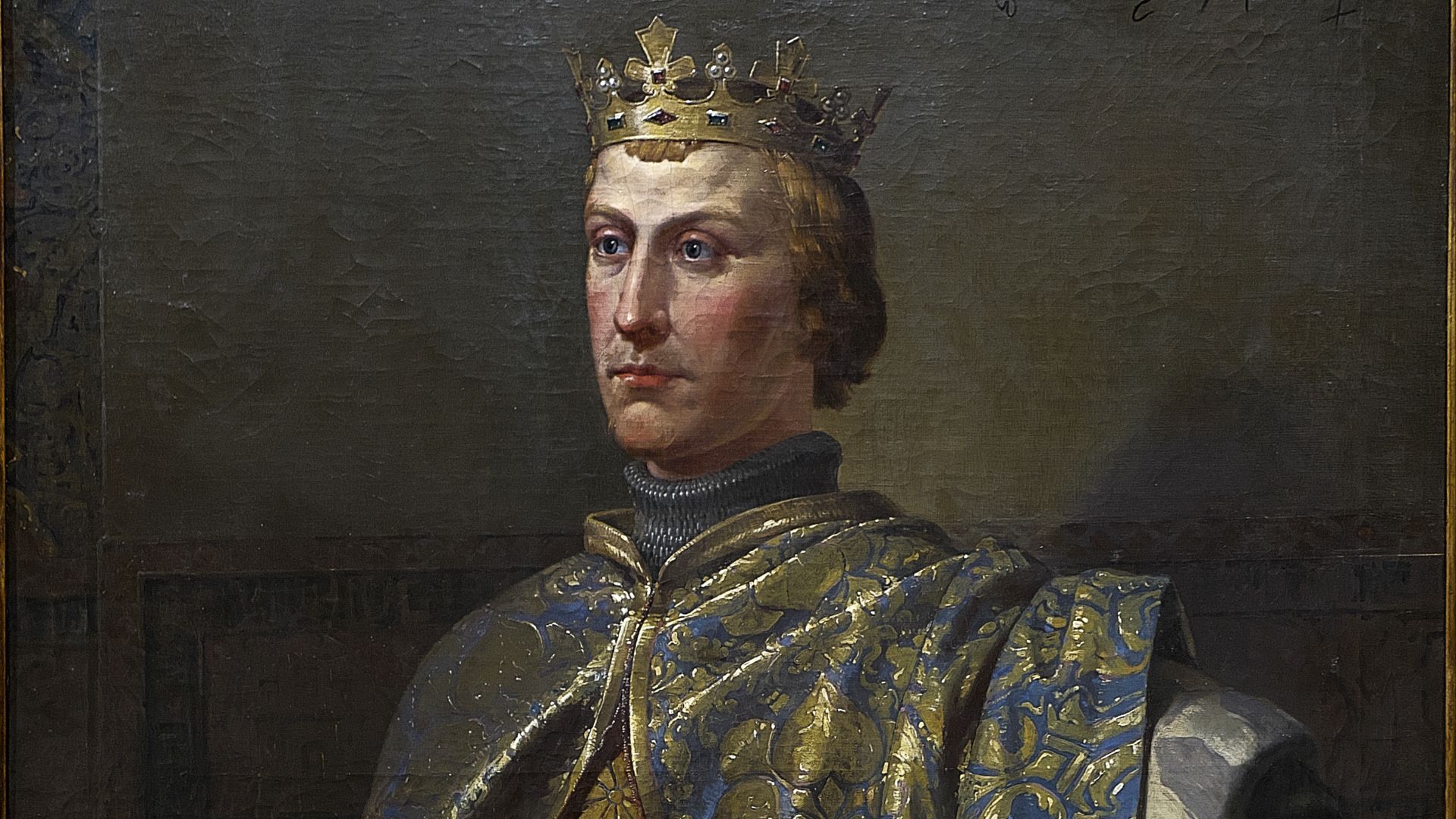
8. Peter the Cruel (of Castile)
Another medieval ruler named Peter earned the exact same nickname, although this Spanish king's reign involved considerably more political bloodshed. Peter I of Castile ruled during the 14th century and became notorious for executing nobles, eliminating suspected enemies, and responding harshly to rebellion. His opponents called him "the Cruel," while supporters preferred "the Just," demonstrating how much someone's opinion of a ruler could depend on which side they supported. Ultimately, his violent struggle for power ended when his half-brother Henry killed him in 1369.
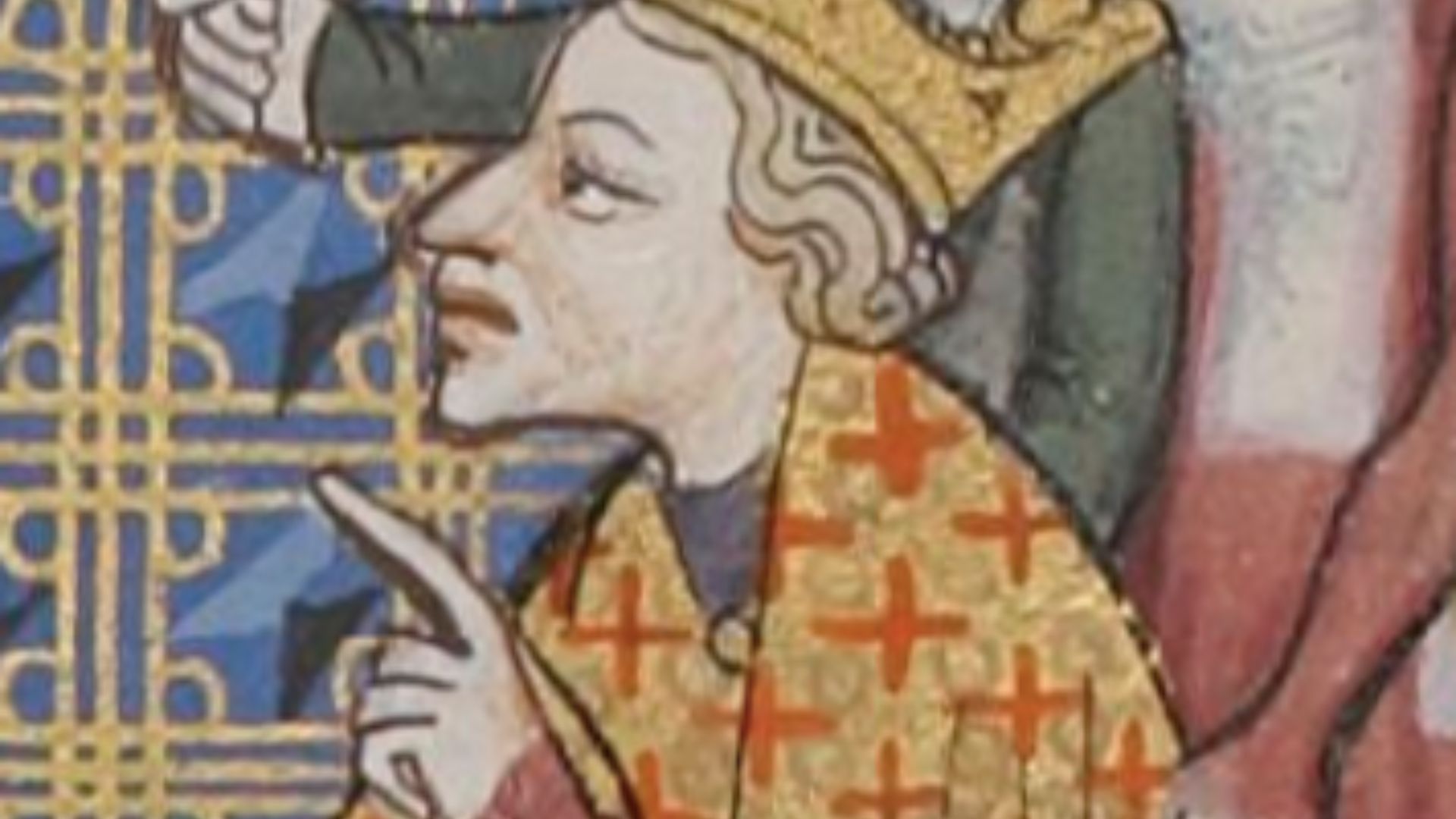
9. Charles the Bad
Charles II of Navarre apparently caused so much trouble during his lifetime that history settled on the remarkably straightforward nickname "the Bad." Throughout the 14th century, he repeatedly involved himself in conspiracies, shifting alliances, and disputes with the French monarchy. He was also implicated in the assassination of Charles de la Cerda, a powerful French royal official, in 1354. His willingness to resort to violence and political betrayal made him one of the more troublesome figures in medieval European politics.
10. John the Pitiless
John of Bavaria received his nickname after brutally suppressing a rebellion against his authority as prince-bishop of Liège. In 1408, his forces helped defeat rebellious citizens at the Battle of Othée, where thousands lost their lives during the fighting. The subsequent crackdown involved executions and severe punishments for those associated with the uprising, including members of prominent families. His refusal to show much mercy during the conflict earned him the title "the Pitiless," which remained attached to his name long after his death.
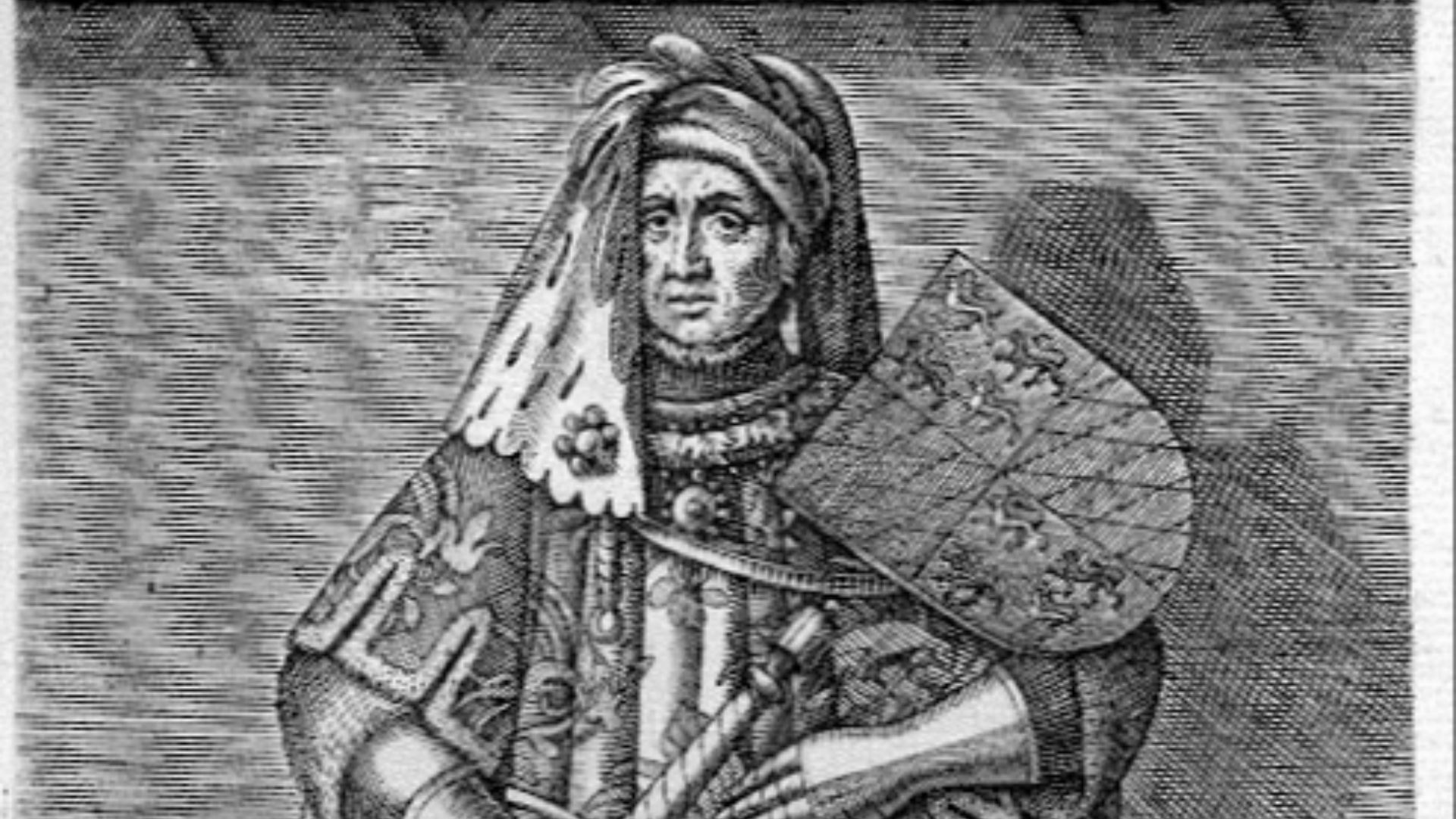
11. Ezzelino the Tyrant
Ezzelino III controlled large territories in northern Italy during the 13th century and became infamous for his exceptionally harsh rule. Contemporary accounts describe widespread imprisonment, executions, and brutal punishments against anyone suspected of challenging his authority. His reputation grew so disturbing that later writers portrayed him as an almost impossibly evil figure, although some of their stories were undoubtedly exaggerated. The nickname "the Tyrant" reflected the fear surrounding his government and the extreme measures he reportedly used to maintain control.
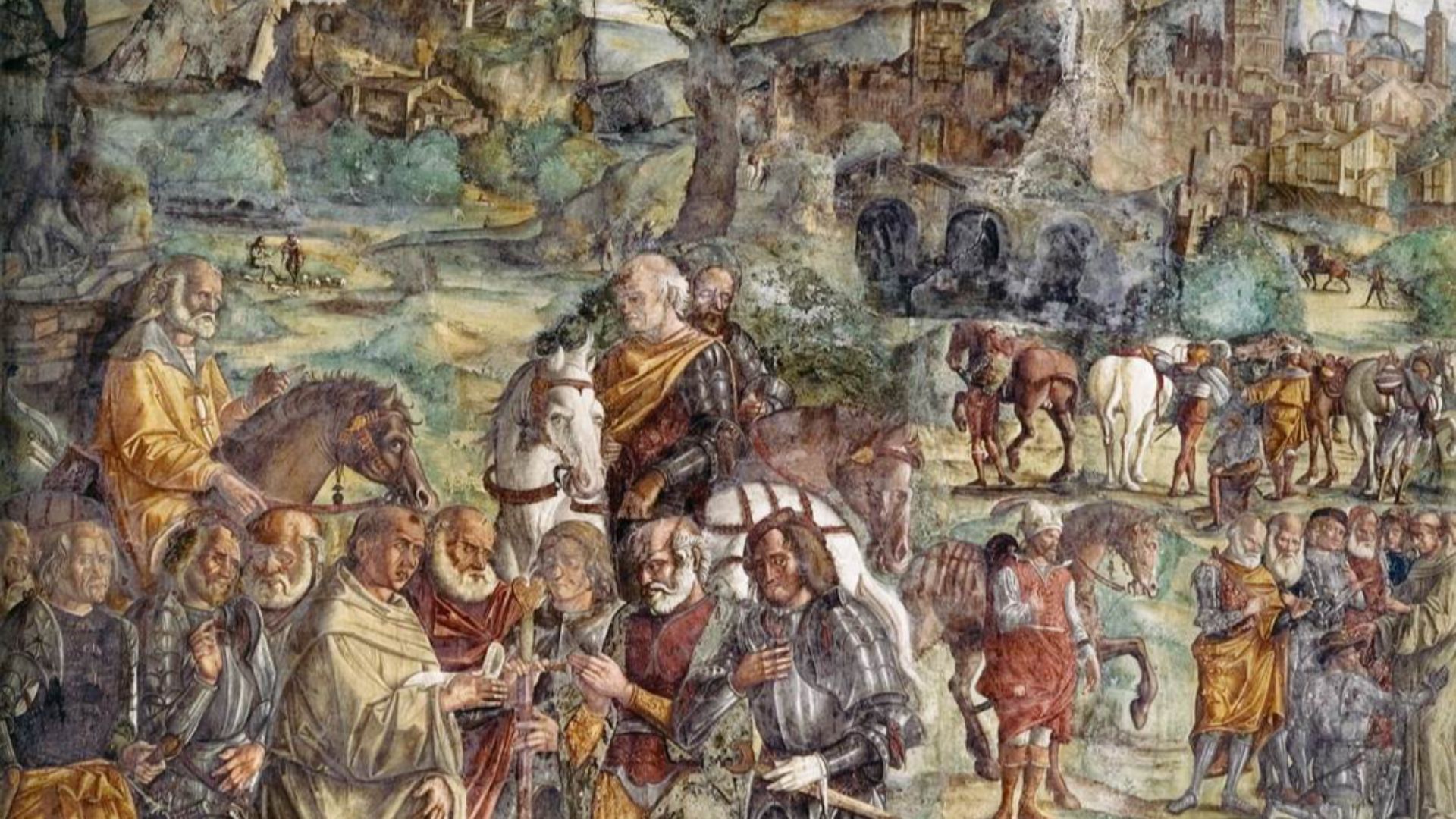 Giovanni Antonio Requesta on Wikimedia
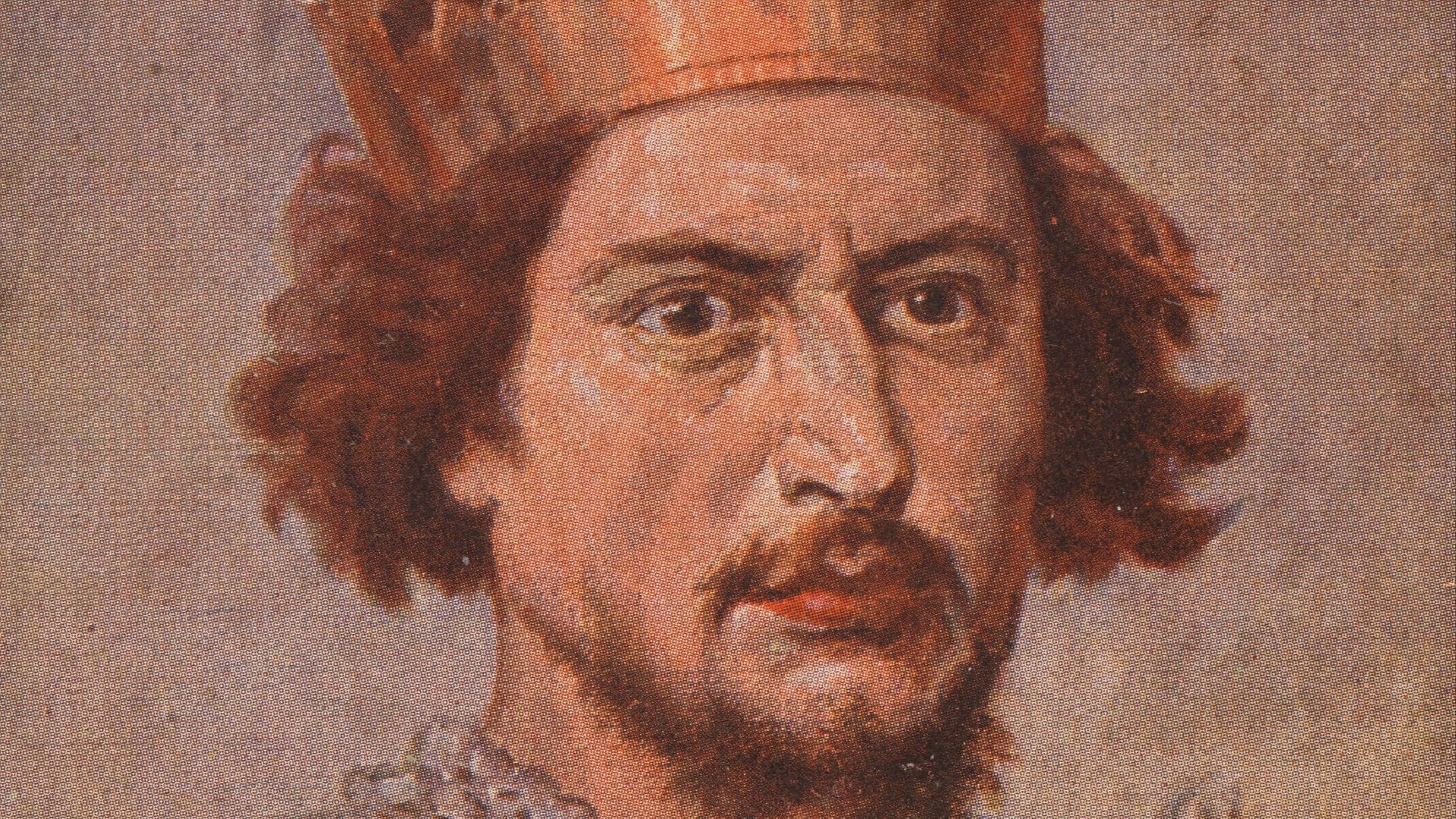
12. Bolesław the Cruel
Bolesław II of Poland was also known as "the Bold," but his confrontation with Bishop Stanislaus of Kraków gave him a much darker reputation. In 1079, the king ordered the bishop's death following a political and religious dispute, although the exact circumstances remain controversial. Later accounts described the bishop being killed and dismembered, turning the incident into one of Poland's most notorious medieval scandals. The resulting backlash contributed to Bolesław being removed from power.
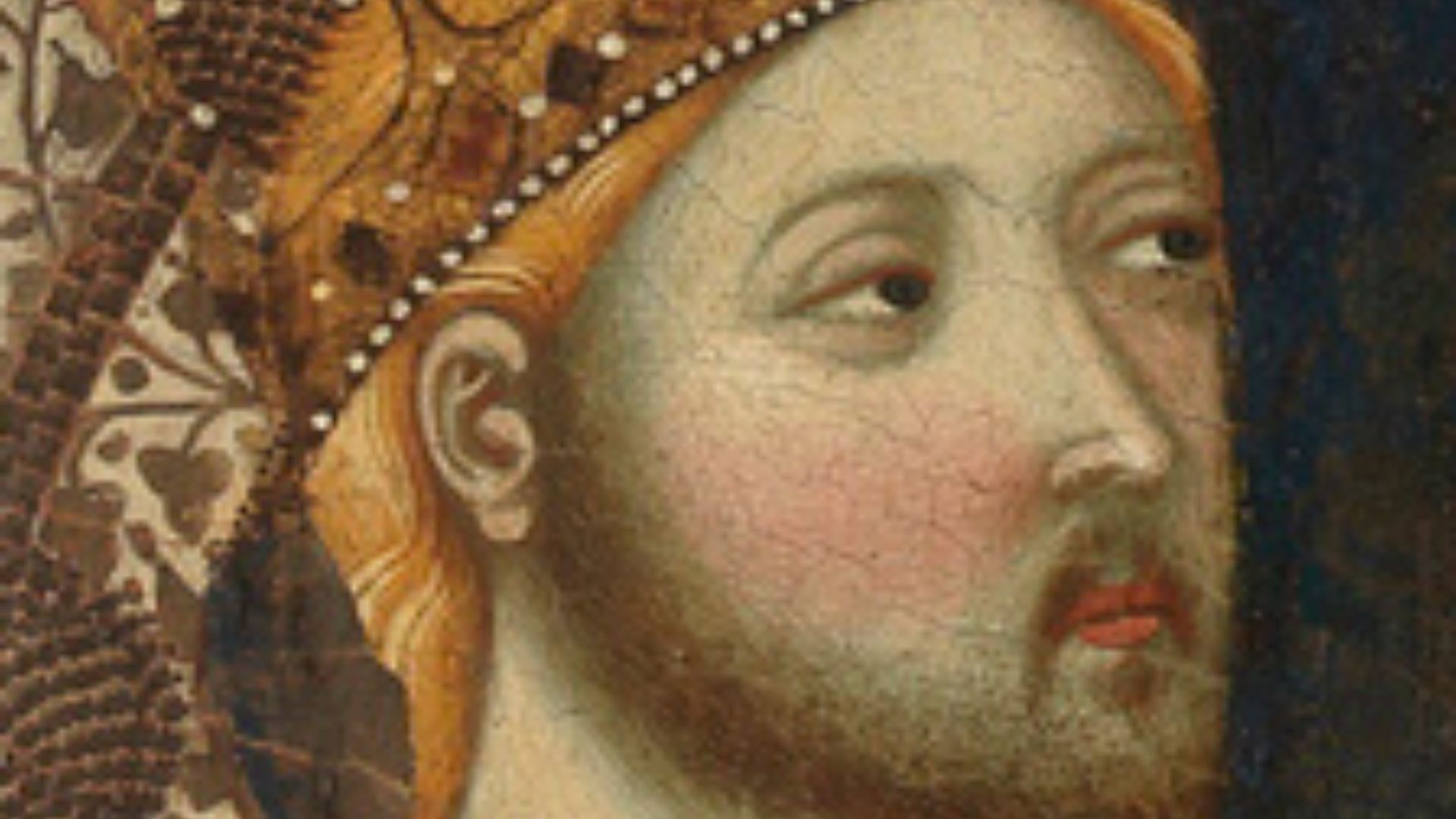
13. Henry the Fratricide
Henry II of Castile didn't earn his nickname through an ordinary battlefield victory, but through the killing of his own half-brother. During a prolonged civil war, Henry fought against King Peter I before finally confronting him at Montiel in 1369. Their encounter ended with Peter's death at Henry's hands, allowing the victorious brother to take the Castilian throne. Although Henry went on to establish a successful royal dynasty, history continued to remember him as "the Fratricide," leaving little doubt about how he came to power.
14. Berenguer Ramon II the Fratricide
Another ruler whose reputation became associated with brotherly betrayal was Berenguer Ramon II, who jointly governed Barcelona with his twin brother Ramon Berenguer II. In 1082, Ramon Berenguer was murdered while hunting, and suspicion quickly fell on his surviving sibling. Although Berenguer Ramon II's direct involvement was never conclusively proven, the accusations surrounding the killing permanently damaged his reputation.
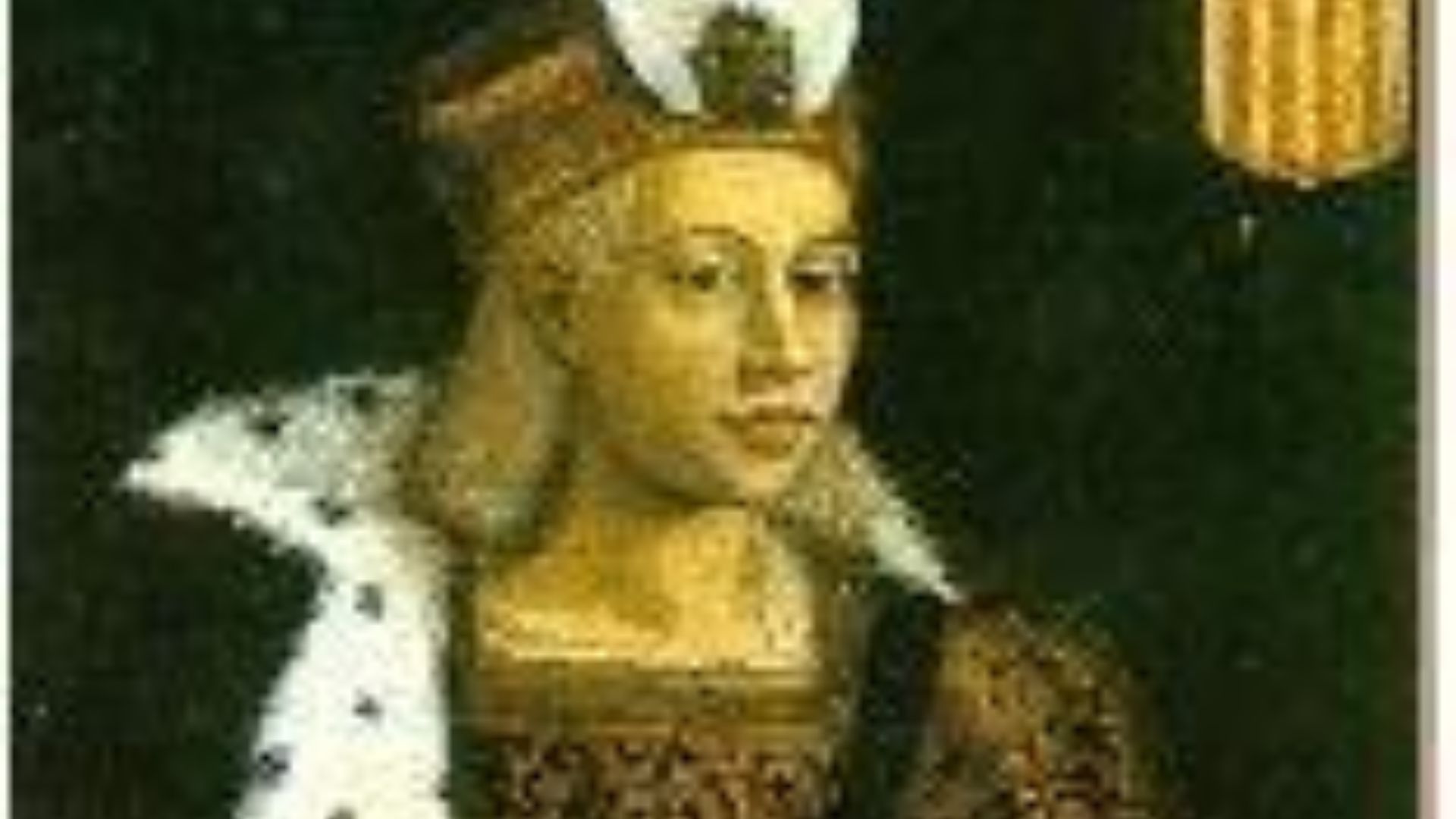
15. Louis the Universal Spider
Louis XI of France earned the unusual nickname "the Universal Spider" thanks to his remarkable talent for political manipulation. Instead of relying entirely on open warfare, he used secret negotiations, informants, shifting alliances, and calculated betrayals to weaken his enemies. His government also became associated with severe imprisonment and harsh treatment of prominent opponents, further contributing to his ruthless reputation. Although his methods helped strengthen the French monarchy, his willingness to undermine almost anyone made him a deeply feared political figure.
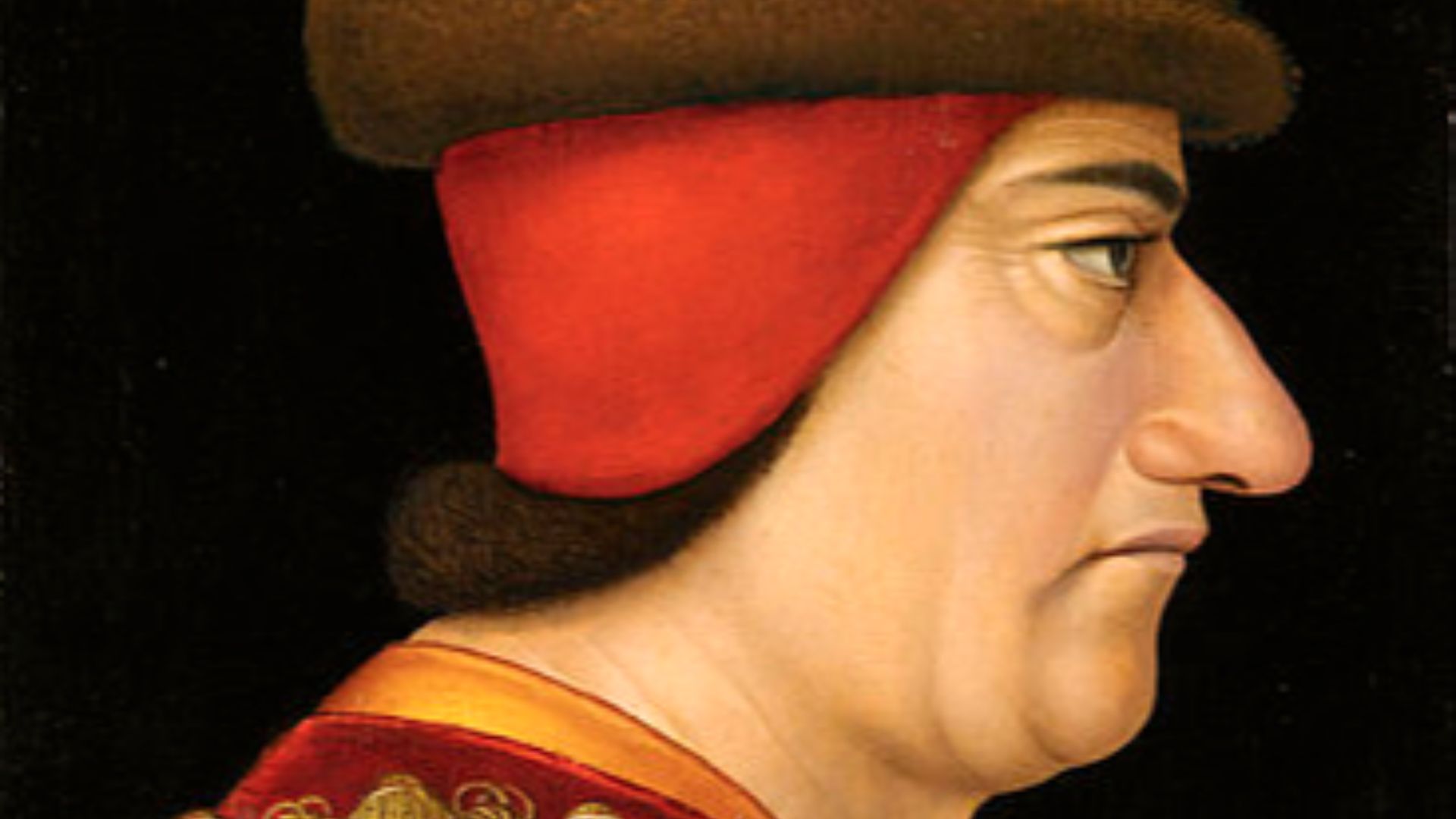 Alain.Darles et anonyme on Wikimedia
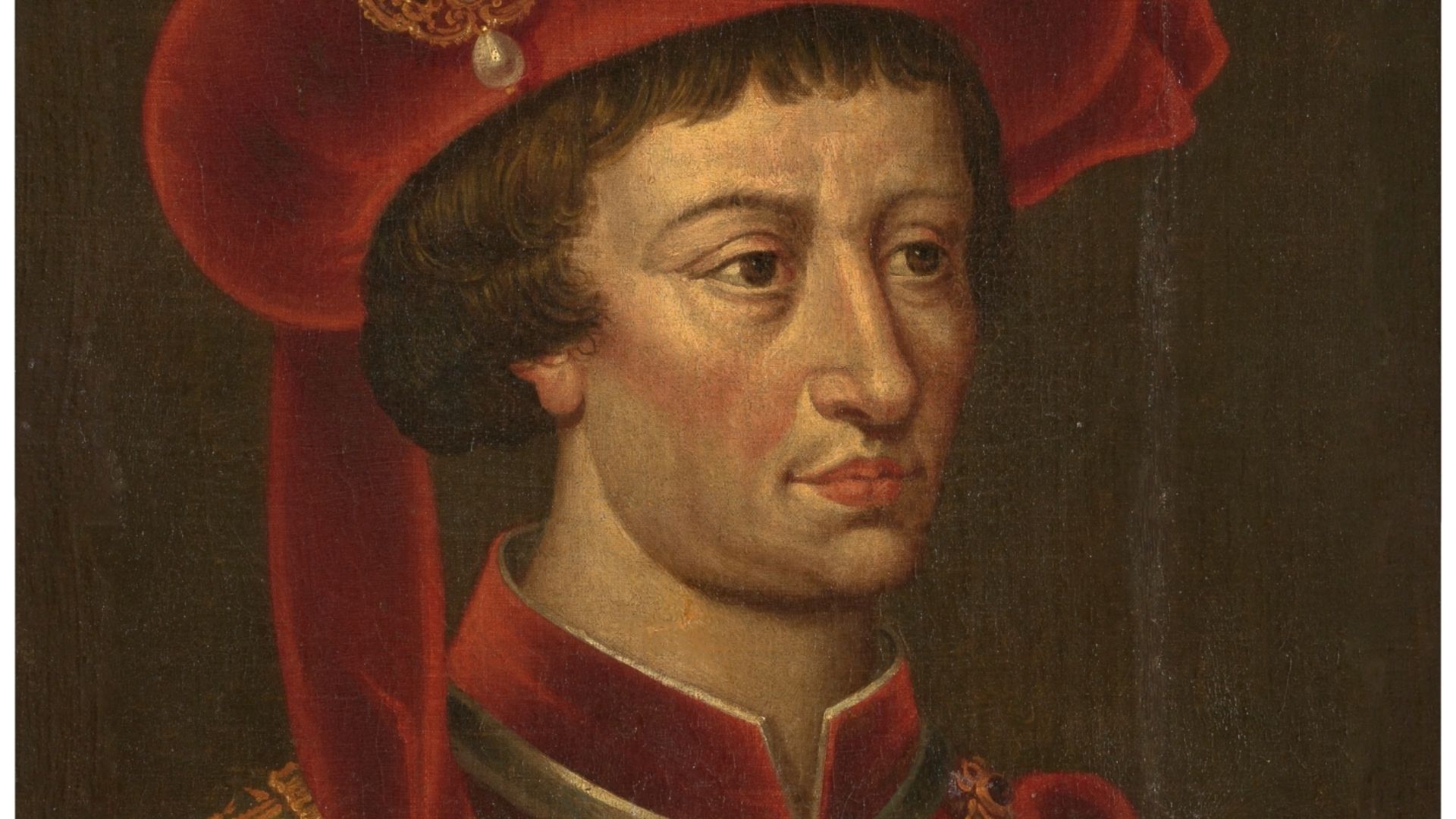
16. Charles the Terrible
Charles the Bold, Duke of Burgundy, was also called "the Terrible" by some of his enemies, particularly those who suffered through his military campaigns. During the destruction of Dinant in 1466, his forces devastated the town and killed numerous inhabitants following a dispute with Burgundian authority. Two years later, the suppression of a rebellion in Liège brought further bloodshed and widespread destruction. Charles hoped to establish Burgundy as a powerful independent state, but his aggressive methods also made him one of the most feared rulers of late medieval Europe.
17. Robert the Devil
Robert I of Normandy became known as "the Devil," although the origins of this nickname are complicated by centuries of legends and accusations. He succeeded his brother Richard III in 1027 following the latter's sudden death, which prompted suspicions that Robert had arranged his murder. His reign also involved violent disputes with nobles and religious institutions, which is why he was likened to the devil.
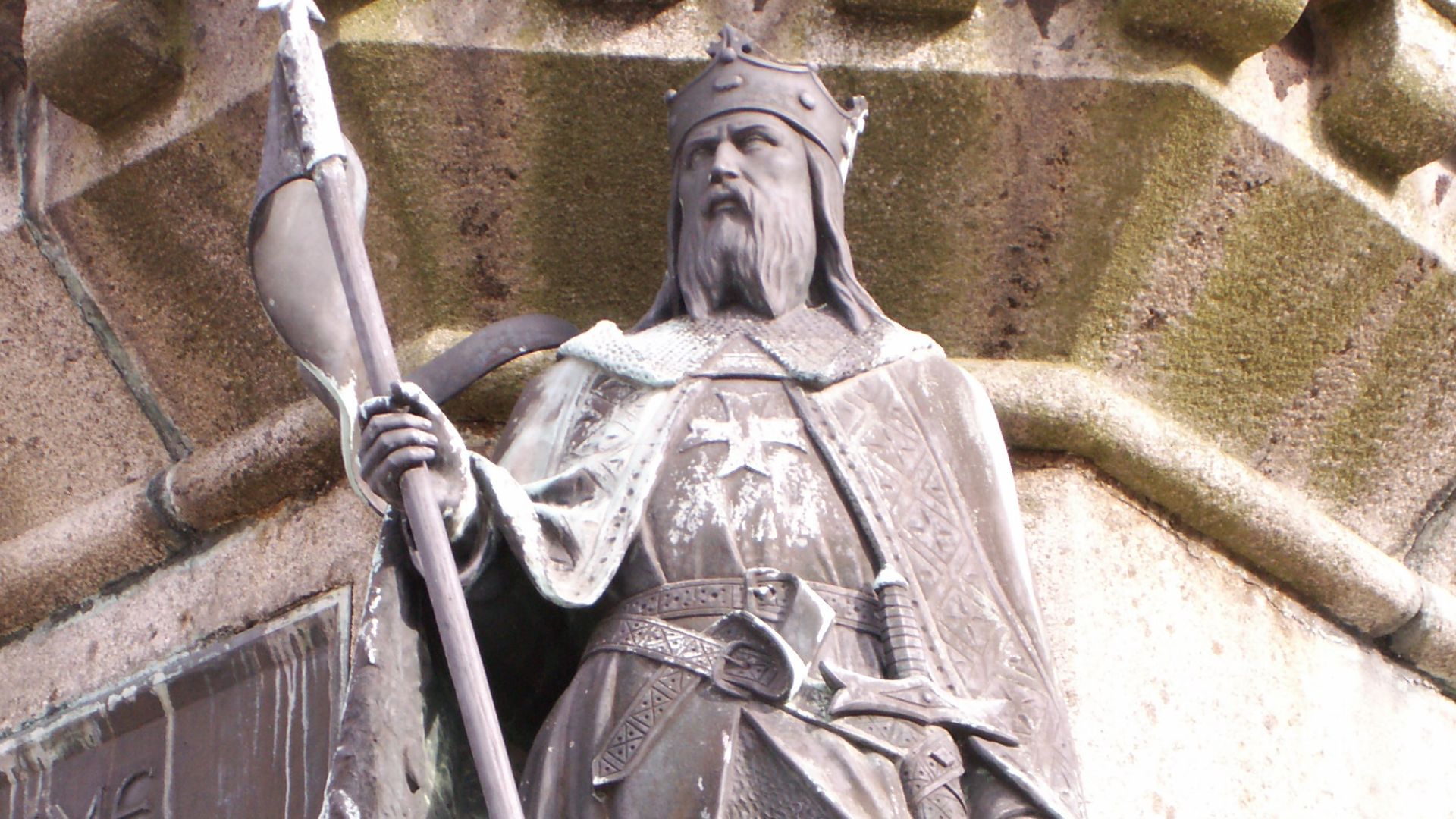 Michael Shea, imars on Wikimedia
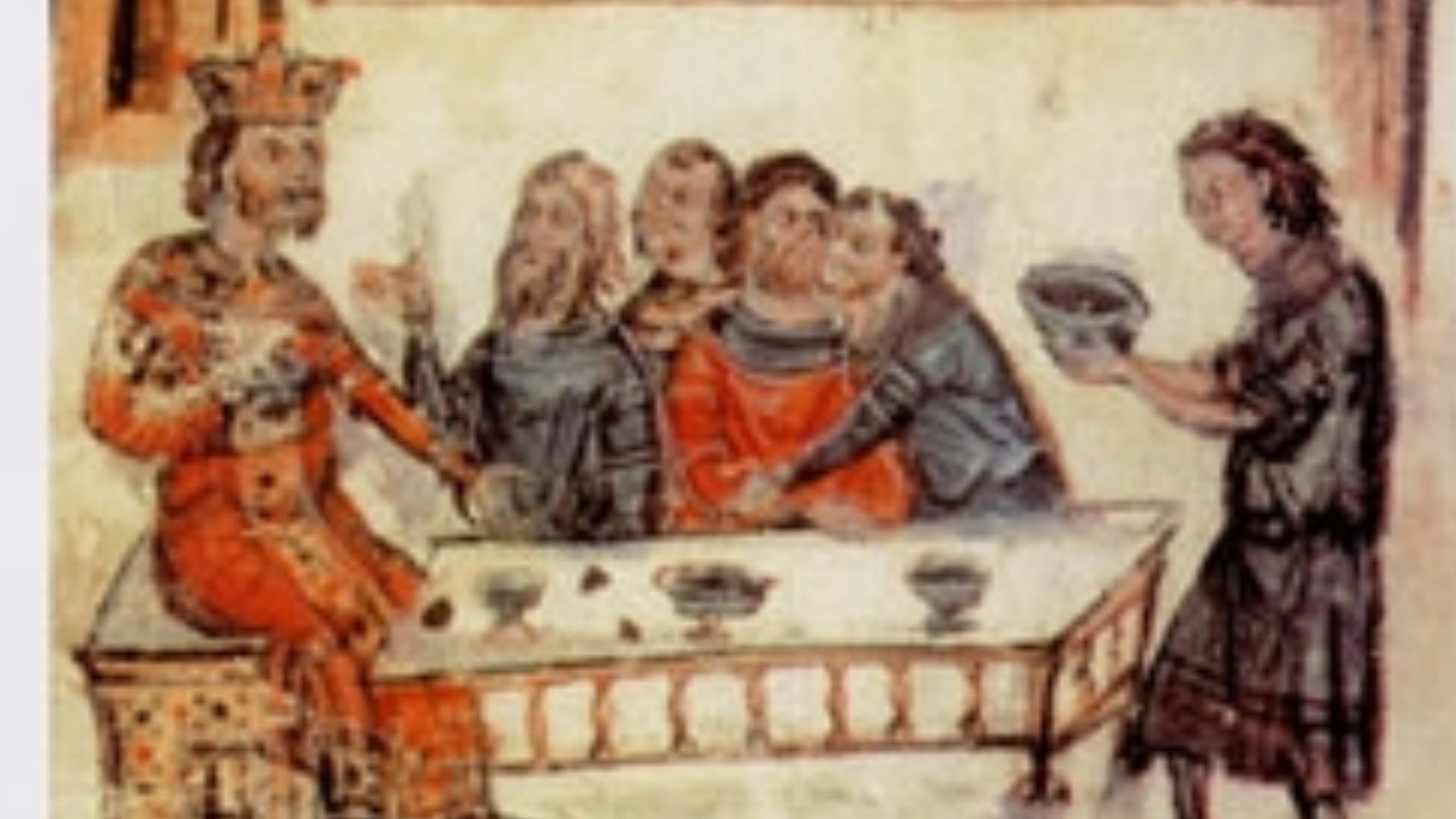
18. Krum the Horrible
Krum, who ruled Bulgaria during the early ninth century, developed a fearsome reputation through his military victories against the Byzantine Empire. After defeating Emperor Nikephoros I in 811, he was said to have turned the dead emperor's skull into a drinking vessel, although historians debate the reliability of this story. His later campaigns involved the destruction of settlements and the forced relocation of civilians from Byzantine territories.
 Rossen Kolev (photo) on Wikimedia
19. Leo the Butcher
Leo I ruled the Eastern Roman Empire during the fifth century, and his nickname originated from a particularly ruthless act of political betrayal. The emperor had initially gained power with the assistance of Aspar, an influential military commander who held considerable authority at court. However, their relationship eventually deteriorated, and Leo arranged the killing of Aspar and one of his sons in 471 to eliminate their political influence. The incident earned him the nickname "the Butcher," demonstrating just how dangerous imperial politics could become, even for the people who helped place an emperor on the throne.
 Authors of Menologion of Basil II on Wikimedia
20. Archibald Douglas, the Grim
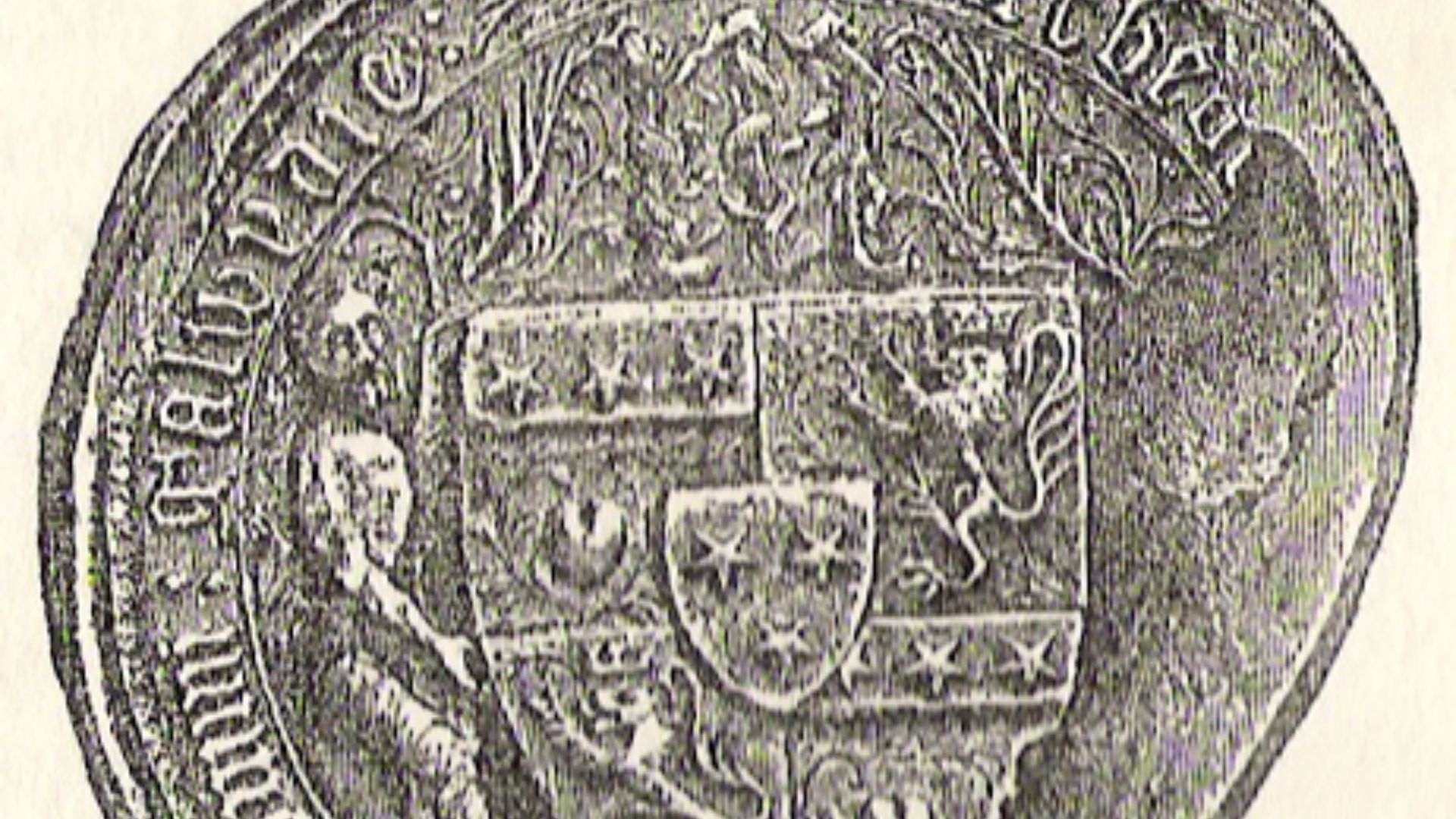
Archibald Douglas, the third Earl of Douglas, was a powerful Scottish nobleman whose nickname reflected his intimidating reputation as a medieval warrior. During the 14th century, he fought against English forces and established himself as an aggressive military leader who defended and expanded his family's territories. His formidable appearance and battlefield reputation contributed to the title "the Grim."