

20 Things American Schools Used To Grade That Had Nothing To Do With Learning
The Report Card Used To Be A Much Longer Document
Old report cards covered a lot more than reading, writing, and math. Teachers also gave marks for things like clean fingernails, good posture, and how much money a child had saved. Some of these rules came from health campaigns or government programs, and schools took them just as seriously as academic grades. Looking back, it's surprising how much of a child's everyday life ended up on a report card. Here are 20 things American schools used to grade that had little to do with learning.
 Vitalii Khodzinskyi on Unsplash
1. Deportment
Deportment was the old-fashioned term for behavior, and schools graded it for well over a century. A third-grade report card from Kentucky in 1908 had a separate section for progress, effort, and deportment. It even told parents that these marks were a better measure of how their child was doing than their academic grades. Apparently, behaving yourself mattered more than getting the answers right.

2. Conduct, On A Sliding Scale
A 1930 report card for seven-year-olds didn't leave much room for nuance. Teachers could choose from Rude, Annoys Others, Inclined to Mischief, or Very Good. There wasn't even an option for a child who behaved reasonably well most of the time. You were either very good or some degree of trouble, and that judgment went home to your parents in writing.
3. Penmanship, By Arm Movement
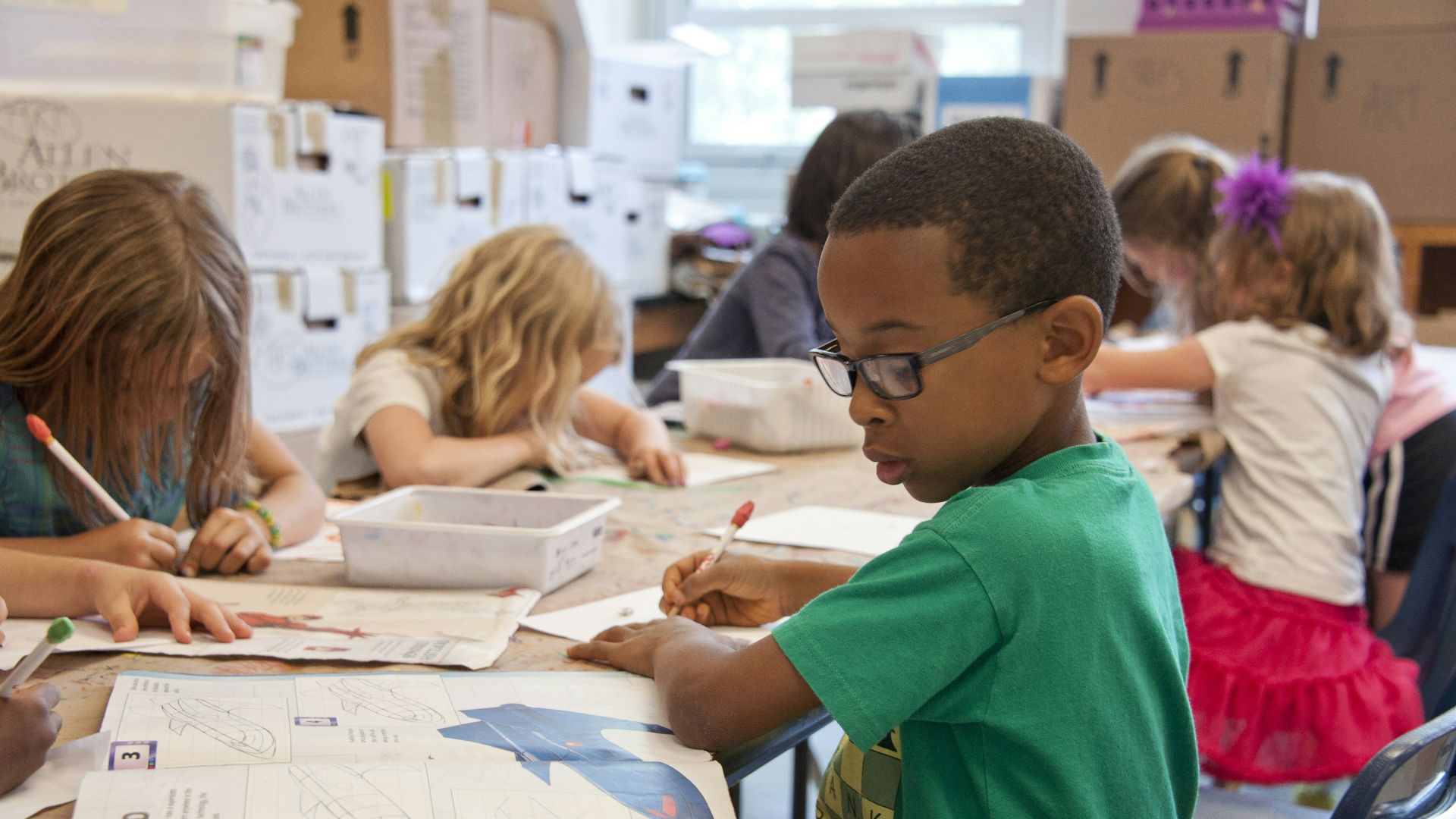
The Palmer Method became popular in American schools during the early 1900s, and it wasn't enough for children to write neatly. They had to produce their letters using movements from the shoulder and upper arm rather than their fingers. Boston had adopted the method across its public schools by 1911. A child could have perfectly readable handwriting and still lose marks for moving the pencil the wrong way.

4. Which Hand You Used
Left-handed children often struggled with handwriting lessons because the Palmer Method was designed for right-handed writing. Some teachers insisted that everyone write with their right hand, even moving pencils out of children's left hands and forcing them to switch.
5. Posture, Graded A To D
At Wellesley College, students were graded on how they stood and carried themselves. Anyone who scored below an A could be assigned a remedial posture course, and campus monitors reportedly called out students for slouching. Good posture was supposed to reflect good character, so standing straight became another part of your education.

6. Fingernails And Teeth, Every Single Day
A photograph from an Oklahoma school in April 1917 shows children lining up for a daily inspection of their teeth and fingernails. Older students did the checking, and the teacher recorded the results. The school had been doing this every day that year, so even children who finished their homework and behaved themselves could still get marked down for dirty fingernails.

7. Toothbrush Drill
Some schools in the 1910s and 1920s had children brush their teeth together during what officials called toothbrush drill. Everyone followed the same routine while teachers supervised. Health experts disagreed about how useful the practice was, but schools kept doing it because dental hygiene had become a major public health concern.

8. Handkerchief Drill
The Modern Health Crusade, a school health program backed by the national tuberculosis association, taught children how to blow their noses properly. It was called handkerchief drill, and students practiced the routine together in class. Similar exercises appeared in Canadian school records.

9. Correct Weight
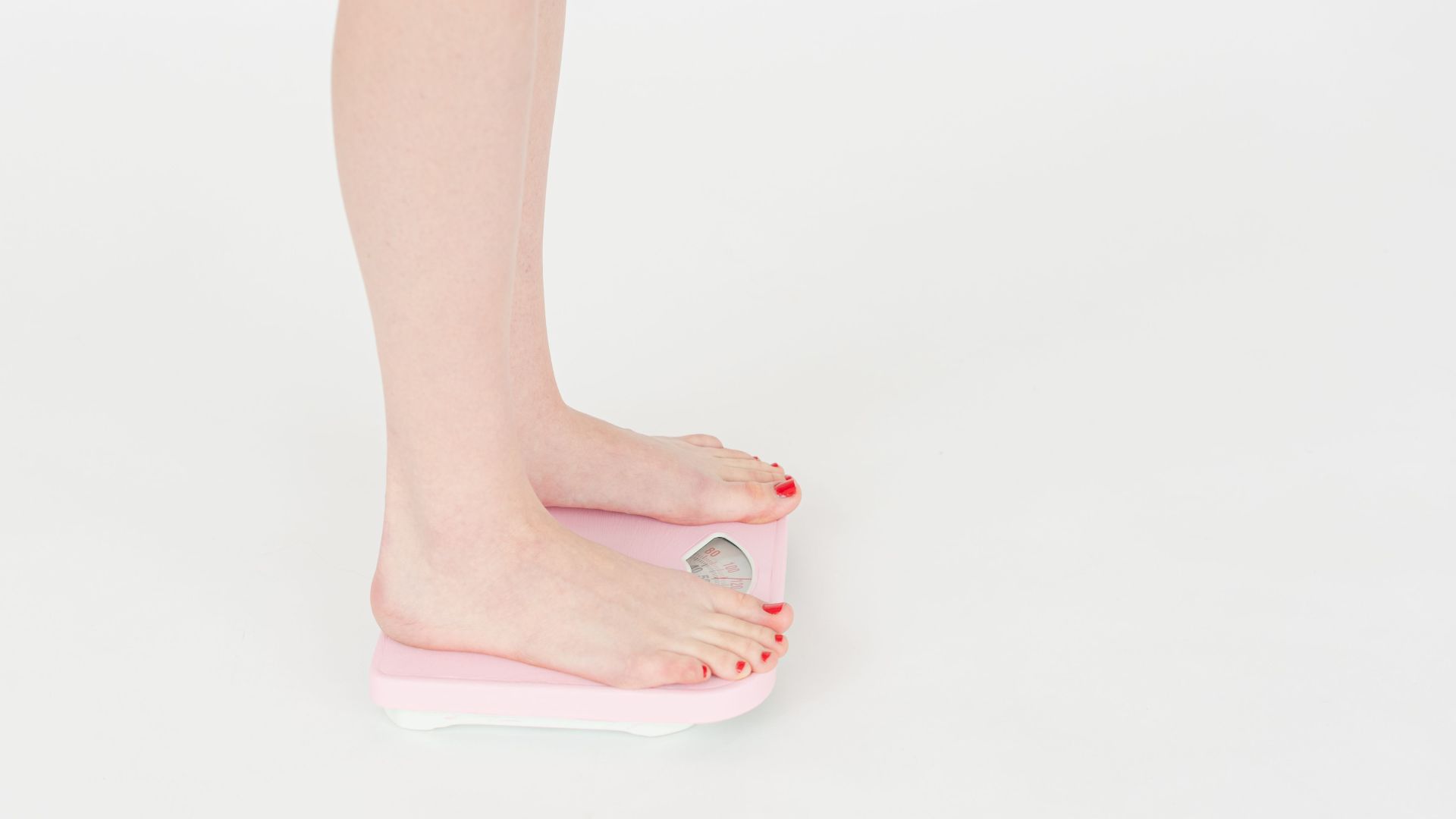
Schools once weighed children regularly and sent the results home on health charts. Some programs included sections for correct weight and posture, with underweight children drawing particular concern. The numbers became another way to judge whether a child was developing properly.
10. Health Chores, With Knighthood Attached
The Modern Health Crusade turned everyday health habits into a competition, with children earning rewards for following healthy routines. Schools tracked their progress and recognized students who consistently met the program's expectations. Millions of children took part, making basic hygiene another area where students were expected to prove themselves.

11. Thrift
School savings programs were so common by the late 1920s that roughly one in six American students had an account. Around 15,000 programs were operating, and schools kept track of how much children deposited. Supporters argued that saving money taught discipline and good character.

12. War Stamp Sales
During World War I, schools encouraged children to save money for war savings stamps, and successful programs could earn a Certificate of Service. Students were expected to contribute whatever they could to the war effort. Some savings campaigns later handed out deactivated hand grenades converted into piggy banks, which children could keep once they'd saved enough to buy a stamp.

13. Social Consciousness
Some report cards in the 1920s included a mark for social consciousness, which meant something rather different from what people might expect today. Schools used it to judge manners, friendliness, neat appearance, and how children spoke to others. A shy child or one who struggled to keep their clothes tidy could receive a lower mark regardless of academic performance
14. Healthfulness
A 1930s report card from Eggertsville, New York, included healthfulness as something teachers could evaluate. The card divided a child's development into categories such as social adjustment and attitude toward work, with additional marks for individual traits. Health ended up being treated almost like an accomplishment.

15. Self-Control
The Eggertsville report card also included a mark for self-control. Teachers were expected to judge how well children managed their impulses and behaved when things didn't go their way. It's a reasonable thing for a teacher to notice, but putting a grade on it made an ordinary part of growing up feel like another school subject.

16. Perseverance
Perseverance had its own place on some report cards, alongside qualities like dependability and initiative. Teachers judged whether children kept trying when something was difficult and recorded the result as an official mark. The problem was that one teacher's idea of perseverance could be another teacher's idea of stubbornness.

17. Interest
A 1930 report card let teachers rate a child's interest in schoolwork, with options ranging from Lacks Interest to Very Interested. That meant a student could understand the material perfectly well but still receive a poor mark for seeming bored. It also put the responsibility for an interesting lesson entirely on the child.
18. Attitude
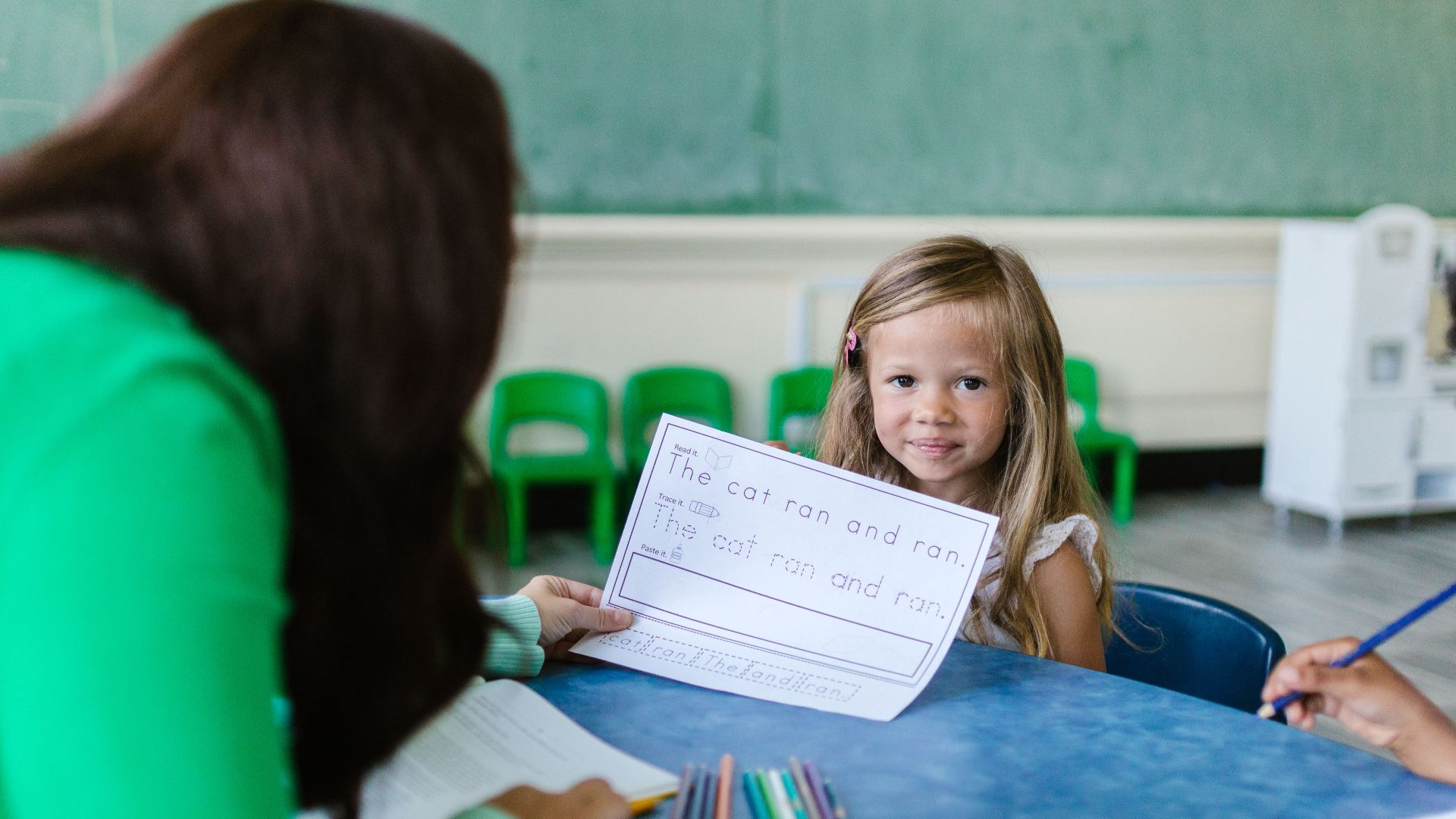
By the 1960s, some report cards had a separate attitude column beside every academic subject. A student could receive a good grade in arithmetic while getting a much less flattering assessment of how they approached the class. One surviving report card shows a teacher who simply left the attitude columns blank.

19. The Flexed Arm Hang
The Presidential Physical Fitness Award began in 1965, with children needing to perform at or above the 85th percentile on a series of exercises. Girls were generally tested on the flexed arm hang instead of pull-ups, which meant holding their chin above a bar for as long as possible. The result became part of how schools assessed physical fitness.

20. Tardiness
Old report cards didn't just record attendance. They also had separate columns for every day a child arrived late, sometimes tracking those numbers across the entire school year. For a young student, getting to school on time often depended on parents, transportation, and whatever was happening at home that morning. None of that changed the record.