10 Military Deceptions That Fooled Entire Armies & 10 That Failed Spectacularly
10 Military Deceptions That Fooled Entire Armies & 10 That Failed Spectacularly
Forged Letters and Phantom Armies
A fake army can be just as useful as a real one if it convinces the enemy to defend the wrong place. Military commanders have used everything from inflatable tanks to corpses carrying forged documents to mislead their opponents. The most successful deceptions worked because they confirmed what the enemy already suspected, making the lie easier to believe. Others unraveled when someone spotted a small inconsistency or refused to take the bait. Here are 10 military deceptions that changed battles and 10 that fell apart before they could.
 Unknown authorUnknown author on Wikimedia
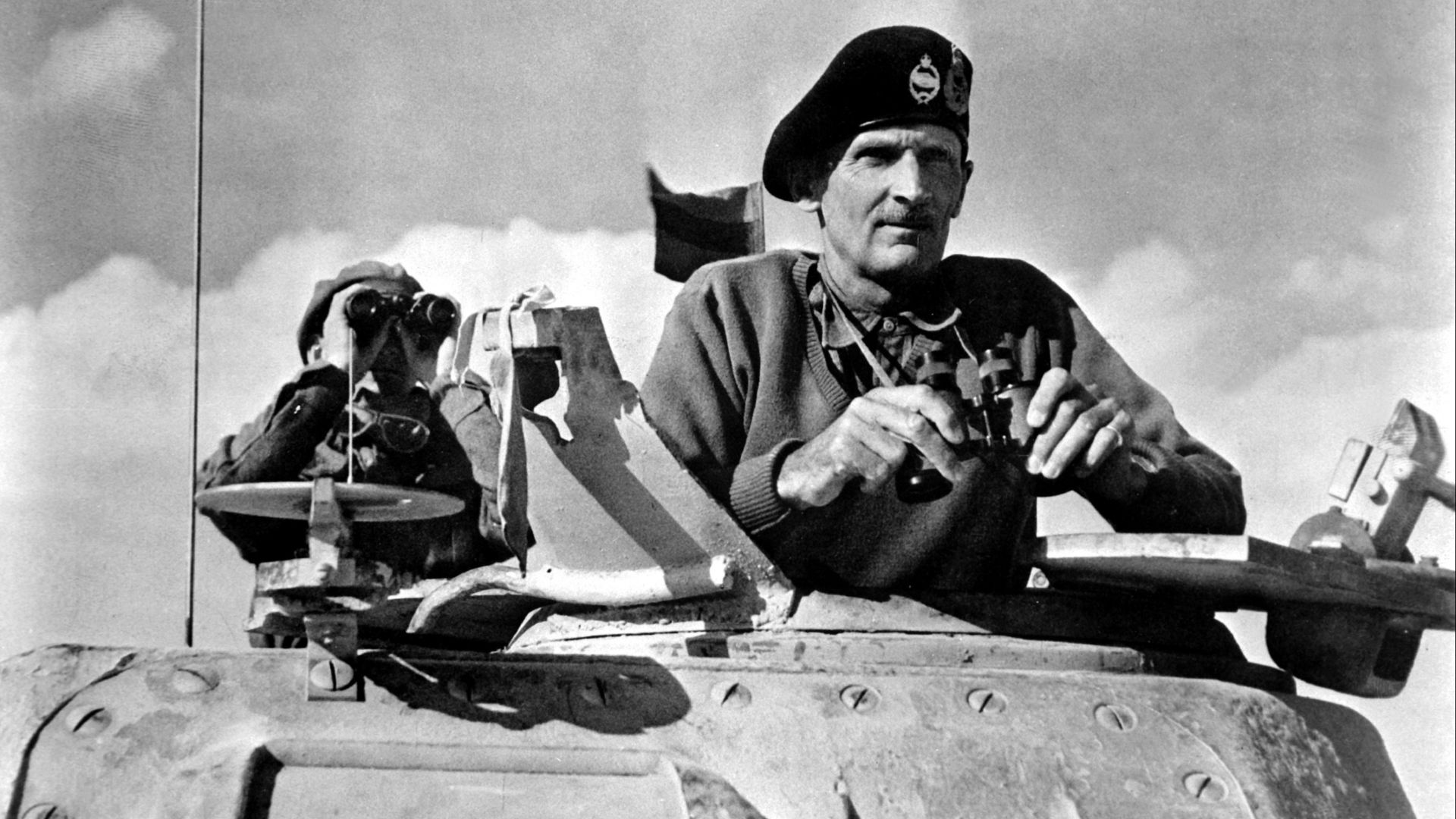
1. Hannibal's Center Gave Way on Purpose
Hannibal drew up his line at Cannae in 216 BC with the weakest troops in the middle and his best on the wings. Roman infantry pushed that center back and kept pushing, until the pocket closed behind them. Rome lost most of an army in an afternoon because the retreat it chased had been arranged in advance.
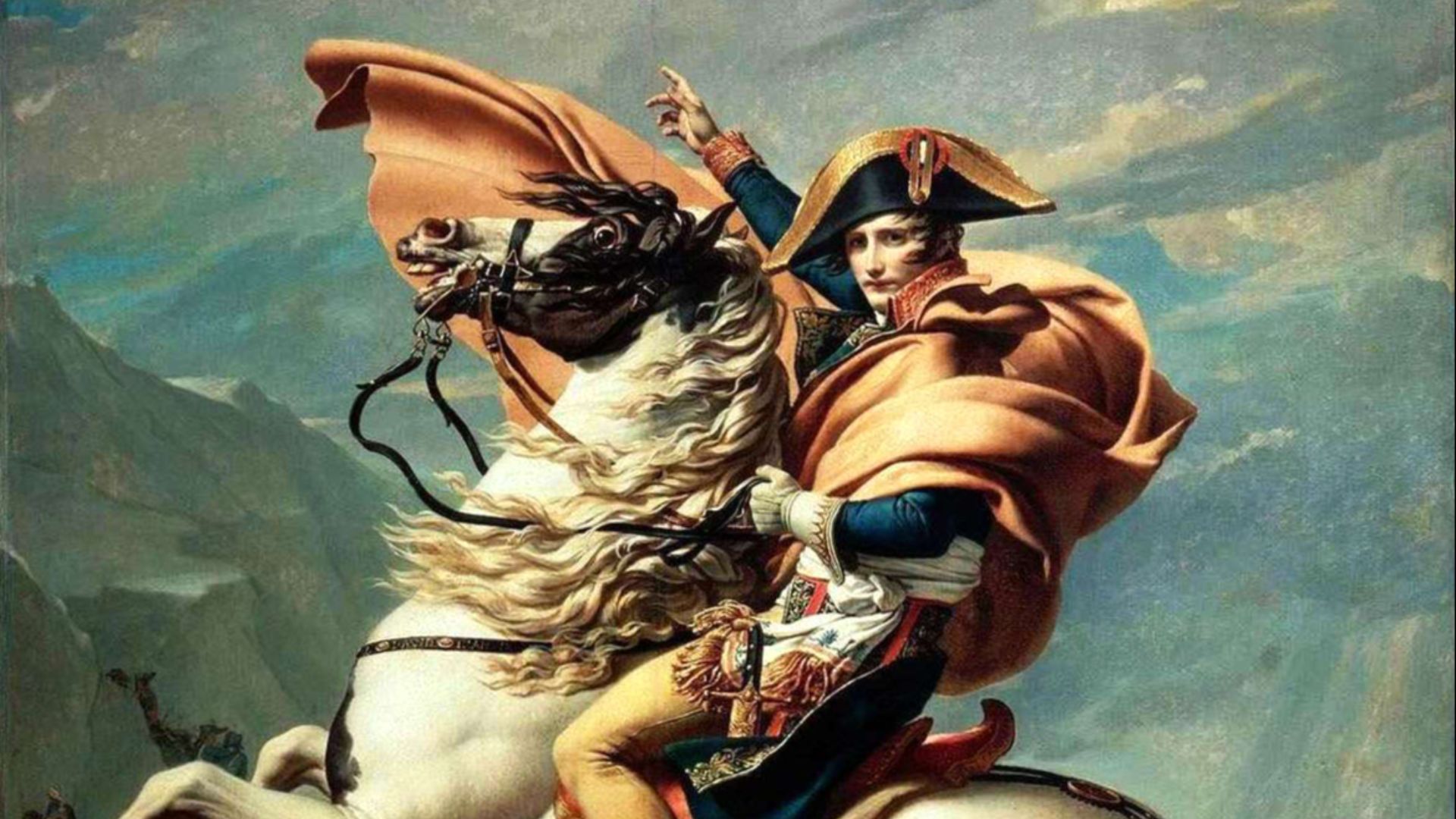
2. Napoleon Gave Up the High Ground
Napoleon pulled his troops off the Pratzen Heights in December 1805 and left his right flank visibly thin, inviting an attack there. Allied commanders committed the center to rolling up that flank, and Soult's reserve retook the empty heights and split their army in two.
 Jacques-Louis David on Wikimedia
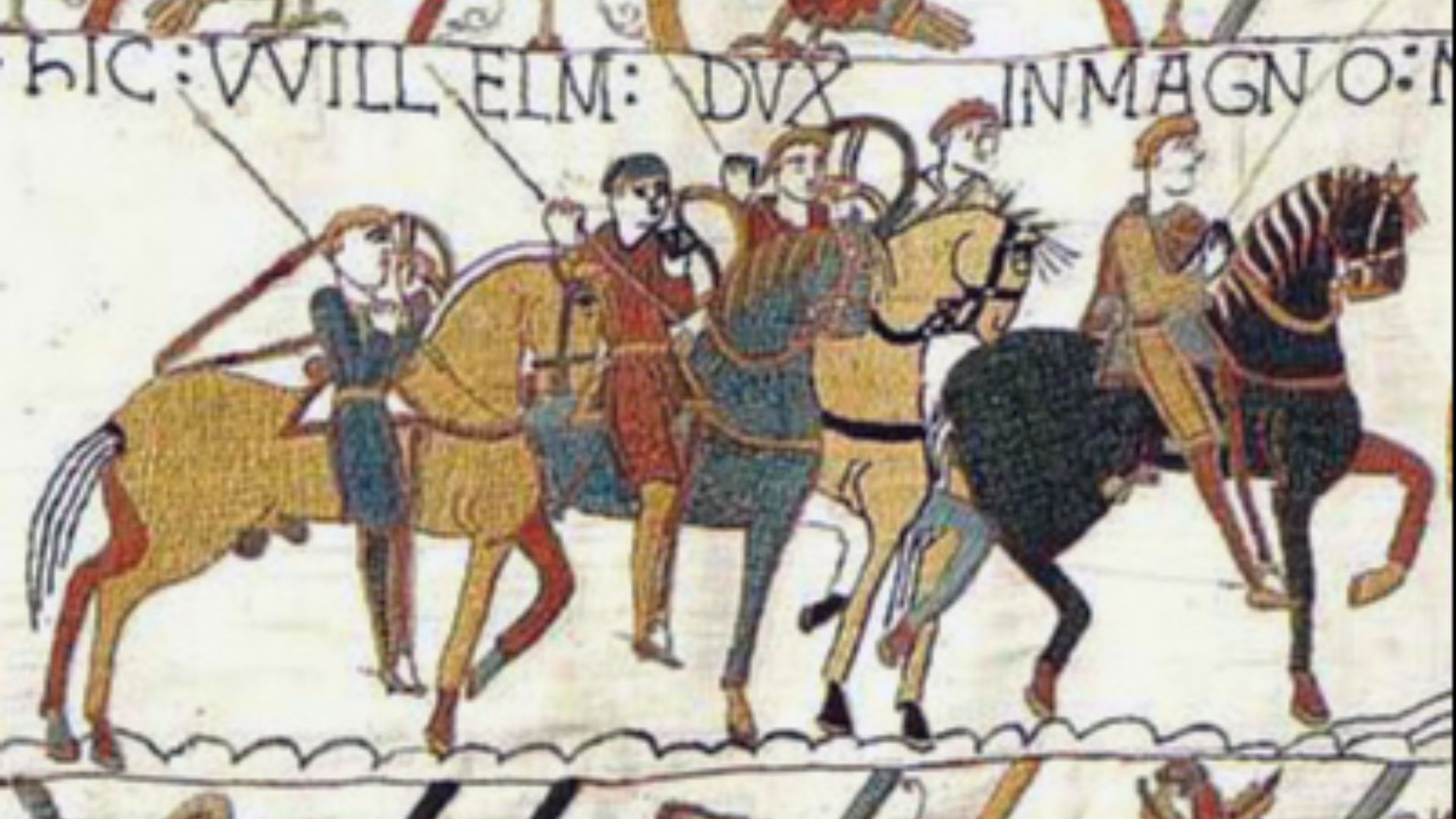
3. The Normans Fled Downhill at Hastings
At the Battle of Hastings in October 1066, Norman cavalry appeared to retreat, drawing English soldiers out of their defensive shield wall. Once the English gave chase, the Norman riders turned and attacked, cutting down troops who had lost the protection of their formation. The tactic was repeated during the battle, although historians still debate whether the first retreat was deliberate or an actual rout that the Normans later turned to their advantage.
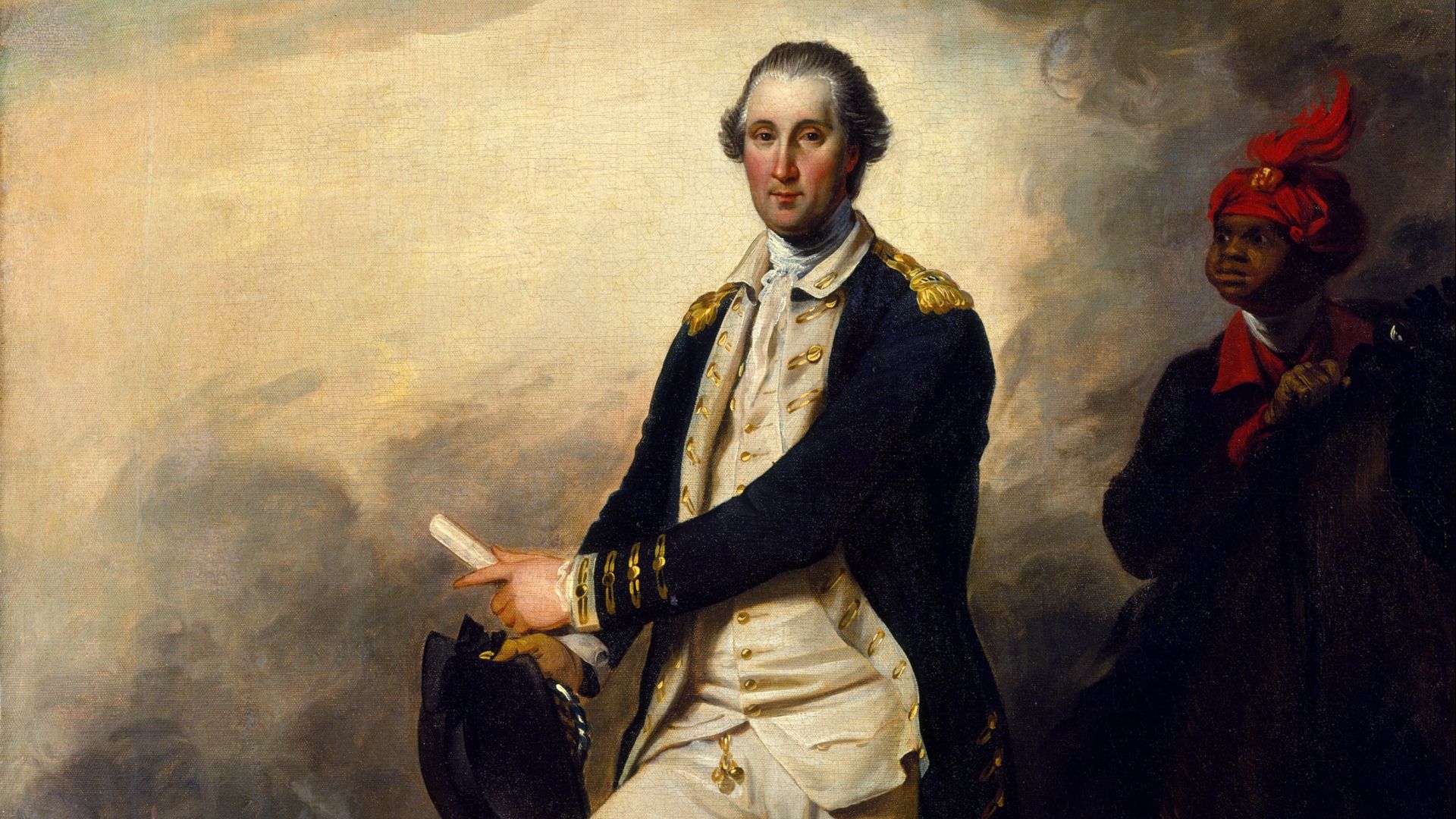
4. Washington Built Camps He Never Used
George Washington left dummy camps and bread ovens across New Jersey in 1781 and let dispatches fall into British hands suggesting an assault on New York. Henry Clinton kept his garrison where it was. Continental and French troops were most of the way to Virginia before anyone worked out that Yorktown was the target.
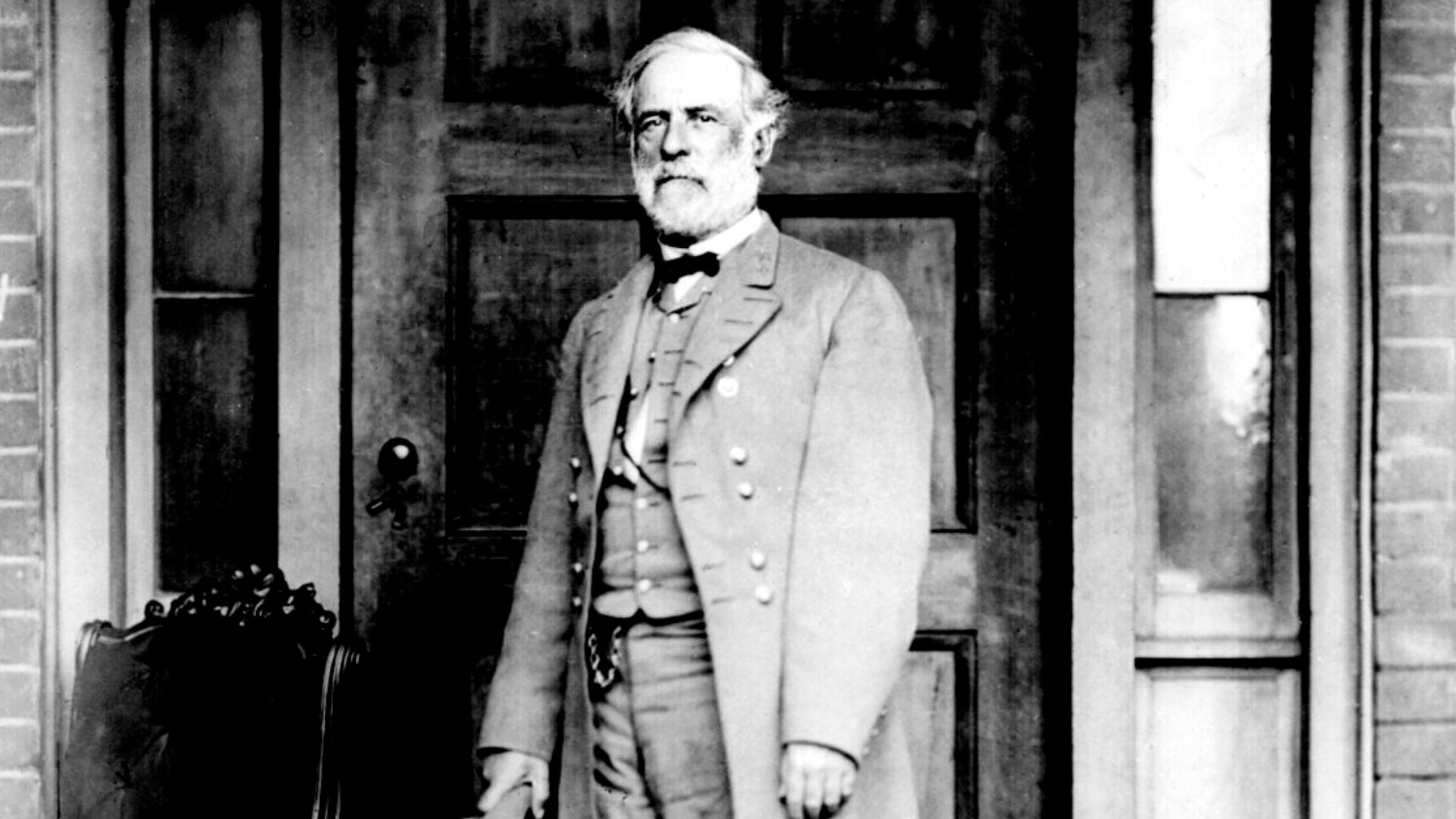
5. Jackson Marched Around the Union Flank
Robert E. Lee split a smaller army at Chancellorsville in May 1863 and sent Stonewall Jackson on a long march through woods that hid the column from Union observers. Joseph Hooker's staff read the dust and movement as a retreat toward Richmond. That attack landed on an unprotected right flank in the early evening and rolled it up.
 Mathew Benjamin Brady on Wikimedia
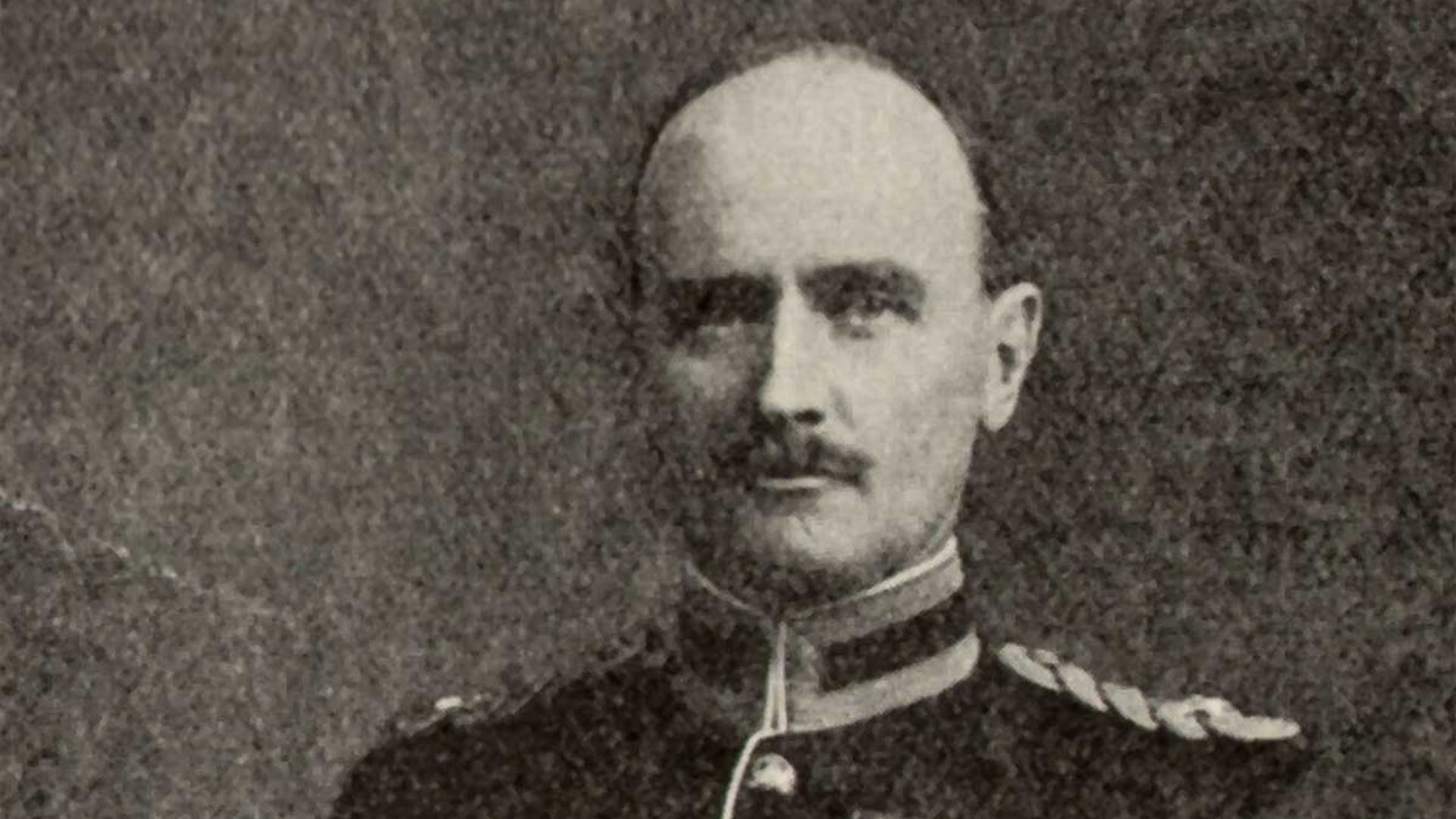
6. Allenby Filled a Valley With Canvas
Edmund Allenby's force in Palestine built dummy camps and canvas horses in the Jordan Valley through the summer of 1918, and kept a staged headquarters running in Jerusalem. Ottoman and German commanders drew their reserves east to meet the threat. In September the attack came along the coast at Megiddo instead, and the line broke within a day.
 Unknown authorUnknown author on Wikimedia
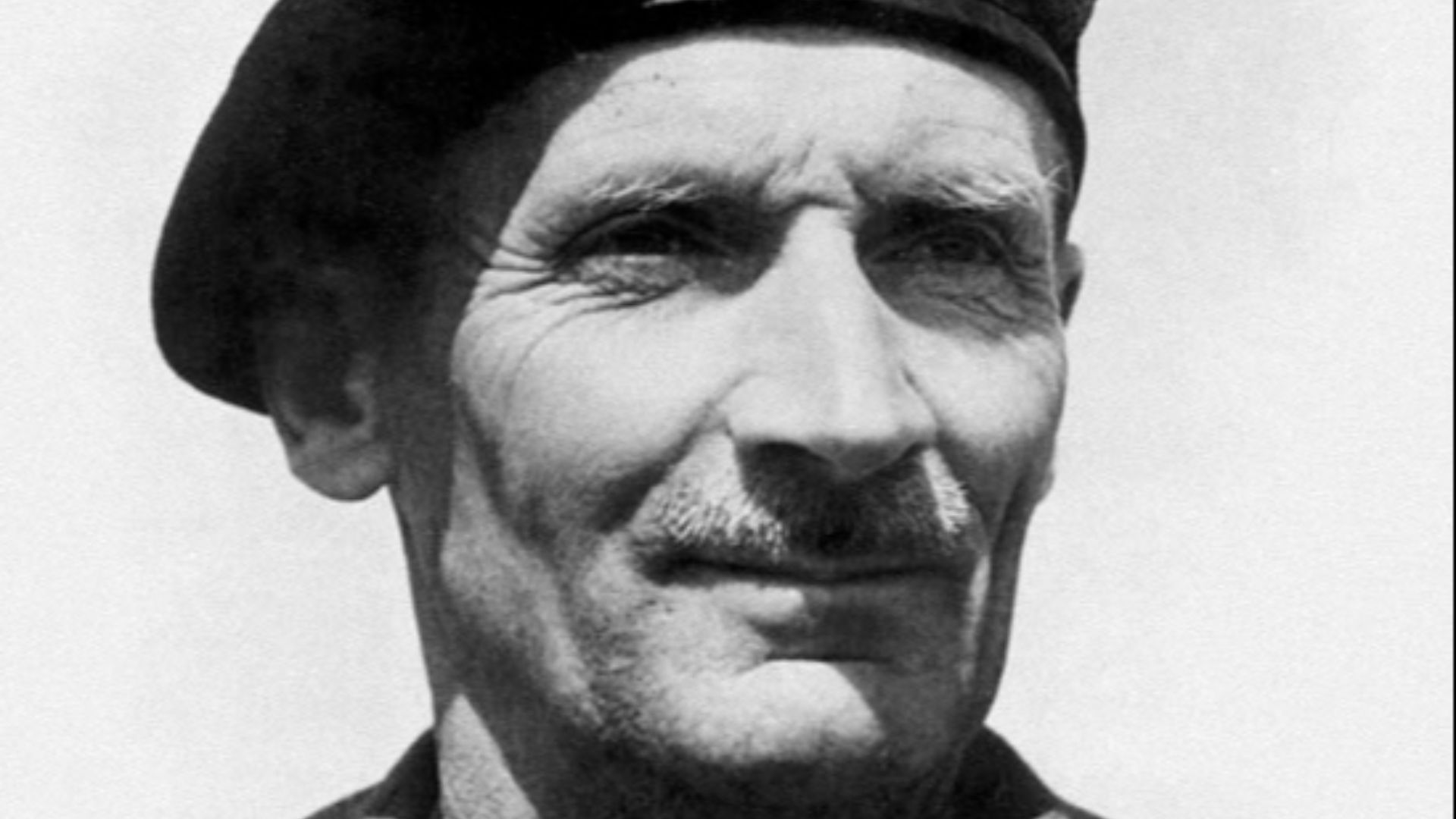
7. Tanks Dressed as Supply Trucks
Bernard Montgomery's army at El Alamein spent weeks in 1942 building a dummy water pipeline toward the southern end of the line, laying it slowly enough that German analysts could estimate a completion date. Armor in the north sat under canvas frames that made it read as supply trucks from the air.
8. A Corpse Carried Forged Letters
British intelligence put a body in a Royal Marines uniform into the sea off Huelva in April 1943, carrying letters that pointed an Allied invasion at Greece and Sardinia. Spanish authorities passed the documents along, as London expected. Divisions moved toward both places, and Sicily was invaded in July against thinner defenses.
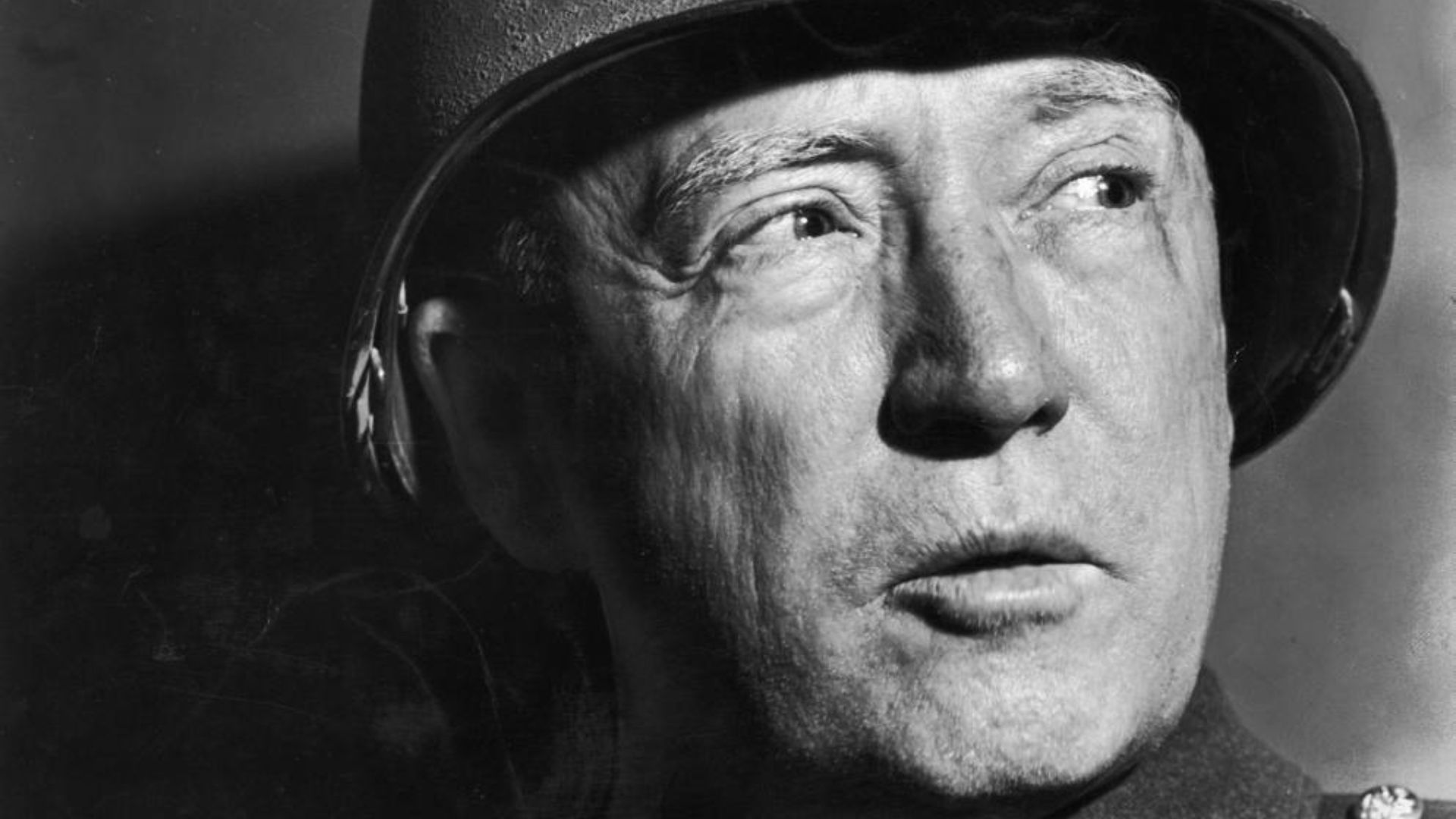
9. Patton Commanded a Paper Army
The First U.S. Army Group existed as radio traffic and dummy landing craft, with George Patton's name appearing in press reports as its commander. German intelligence placed it in southeast England and read Normandy as a feint, so the Fifteenth Army stayed at Calais for weeks after June 6.
10. The Soviets Hid an Entire Offensive
Soviet planners spent the spring of 1944 moving radio nets and rail traffic to suggest the next blow would fall in the south. Reserves went to Army Group North Ukraine instead. Operation Bagration opened against Army Group Centre in June and destroyed it as a fighting formation within weeks.
Now, here's 10 that failed spectacularly.
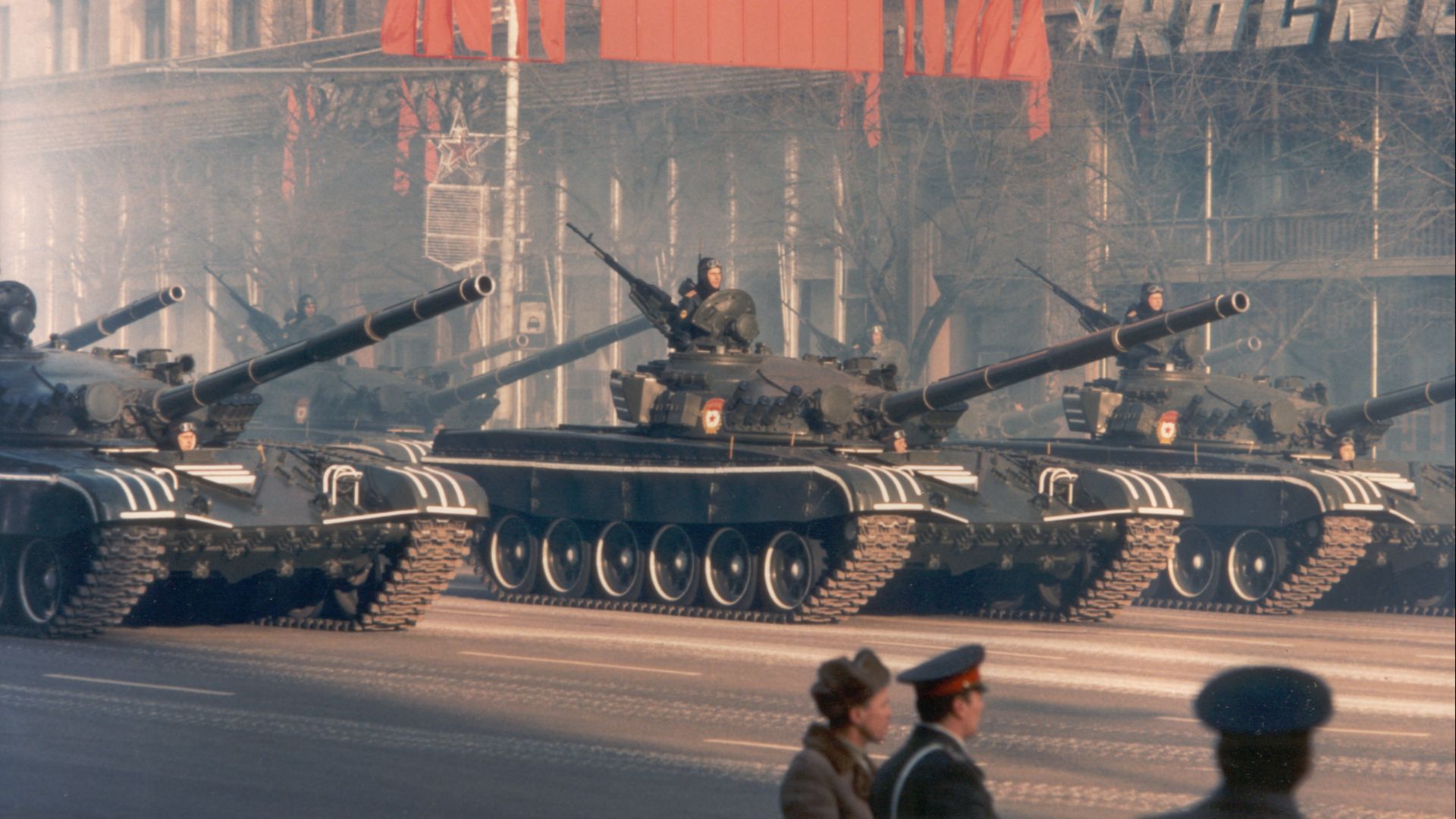
1. The Staged Raid at Gleiwitz
SS men in Polish uniforms seized a radio station at Gleiwitz on the last night of August 1939 and left a body behind as evidence of a Polish raid. The invasion followed the next morning. Almost nobody outside Germany believed the story, and the pretext only ever convinced an audience already inclined to accept it.
 Jonathan Velasquez on Unsplash
2. A Saboteur Walked Into the FBI
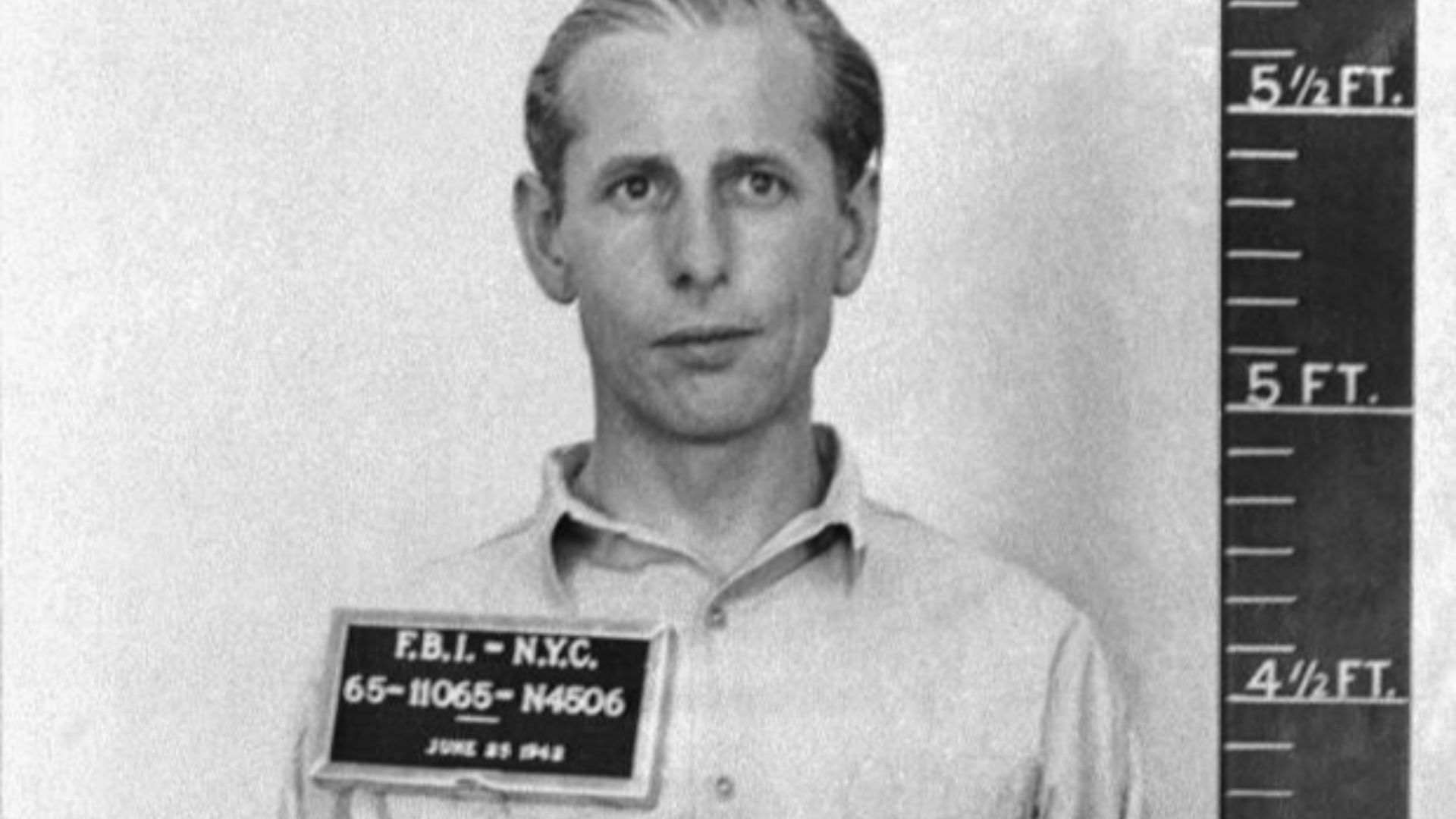
In June 1942, eight German saboteurs landed on American beaches from U-boats, one group in Amagansett, New York, and the other in Florida. They brought explosives and civilian clothes, planning to attack factories and transportation infrastructure. The operation fell apart when one of the men, George Dasch, contacted the FBI and revealed the plot. All eight were arrested, and six were executed that August.
 Federal Bureau of Investigation, Büro New York City on Wikimedia
3. The Diversion Nimitz Already Knew About
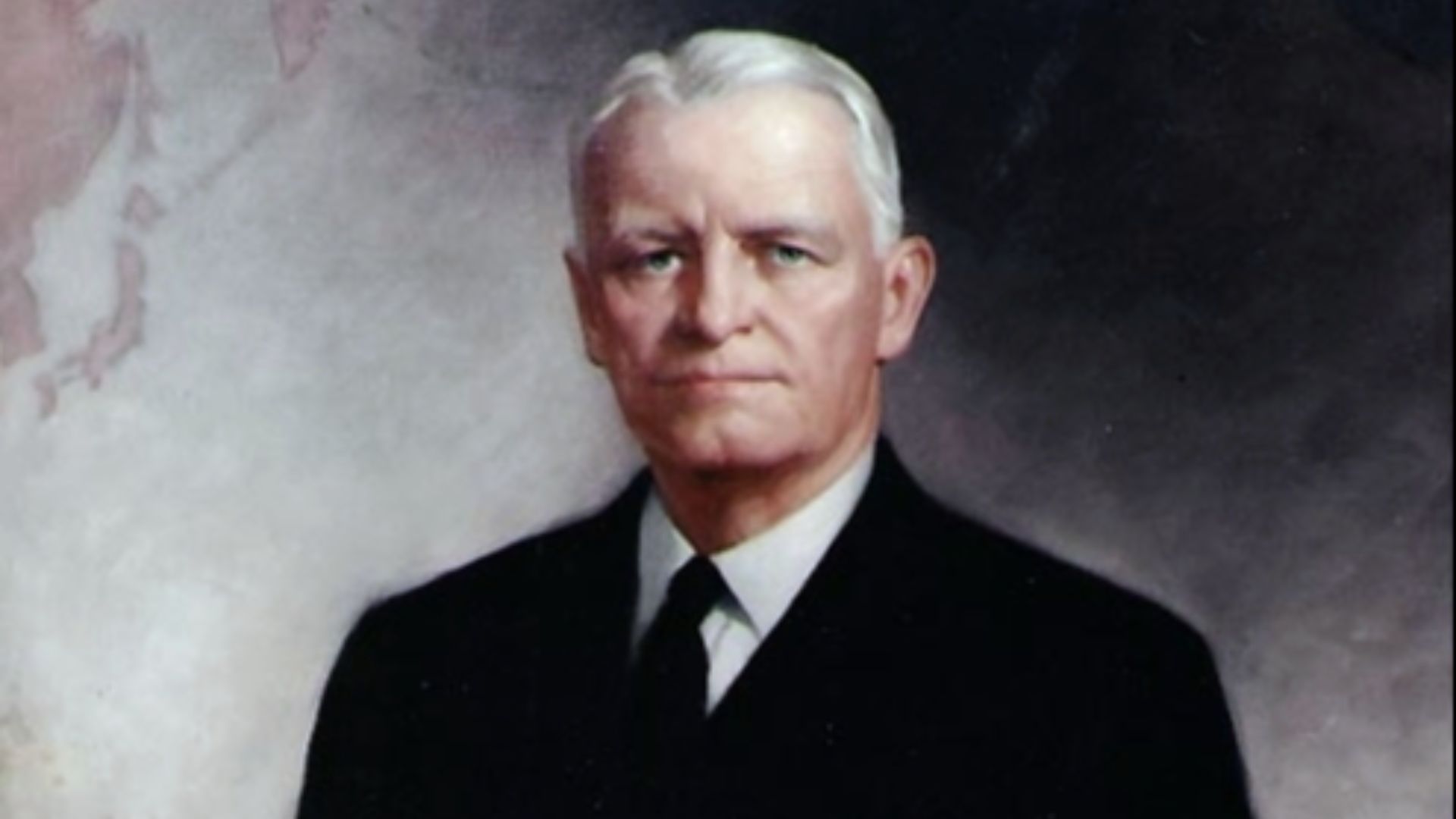
Japan sent a force against Attu and Kiska in June 1942 to pull the American fleet north and away from Midway. Codebreakers in Hawaii had been reading the operational plan for weeks, so Chester Nimitz left the Aleutians alone and put his carriers where the main attack was coming. The diversion cost ships and fooled nobody.
 United States Navy released by original artist, Adrian Lamb. on Wikimedia
4. Kursk Could Not Be Hidden
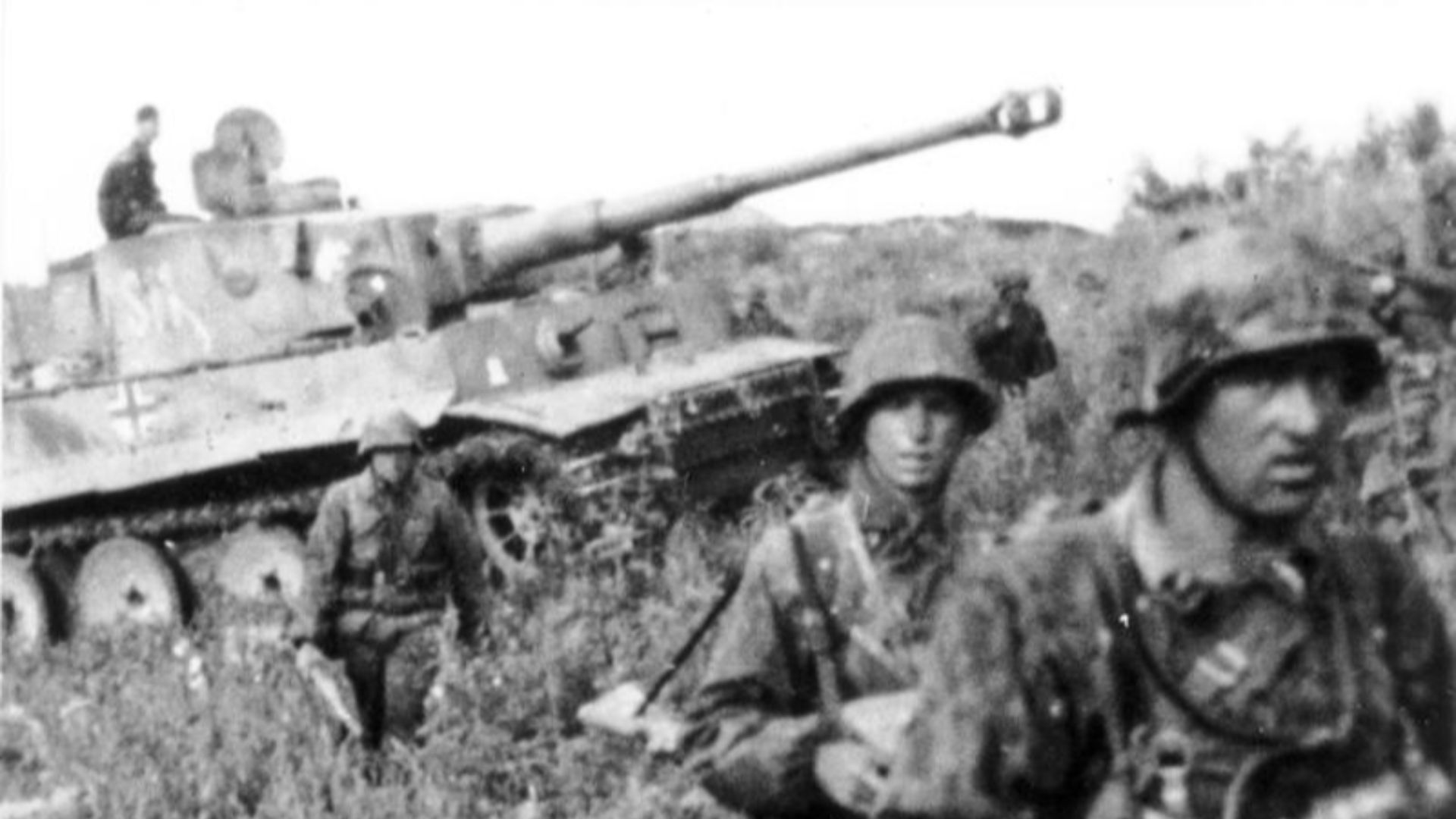
German planners tried to conceal the scale and timing of the Kursk offensive in spring 1943, moving troops at night and sending false orders over the radio. Soviet commanders already knew where the attack was coming and roughly when, giving them time to build layers of defenses across the expected routes. When German tanks advanced in July, they ran straight into one of the most heavily fortified positions on the Eastern Front.
 Zschäckel, Friedrich on Wikimedia
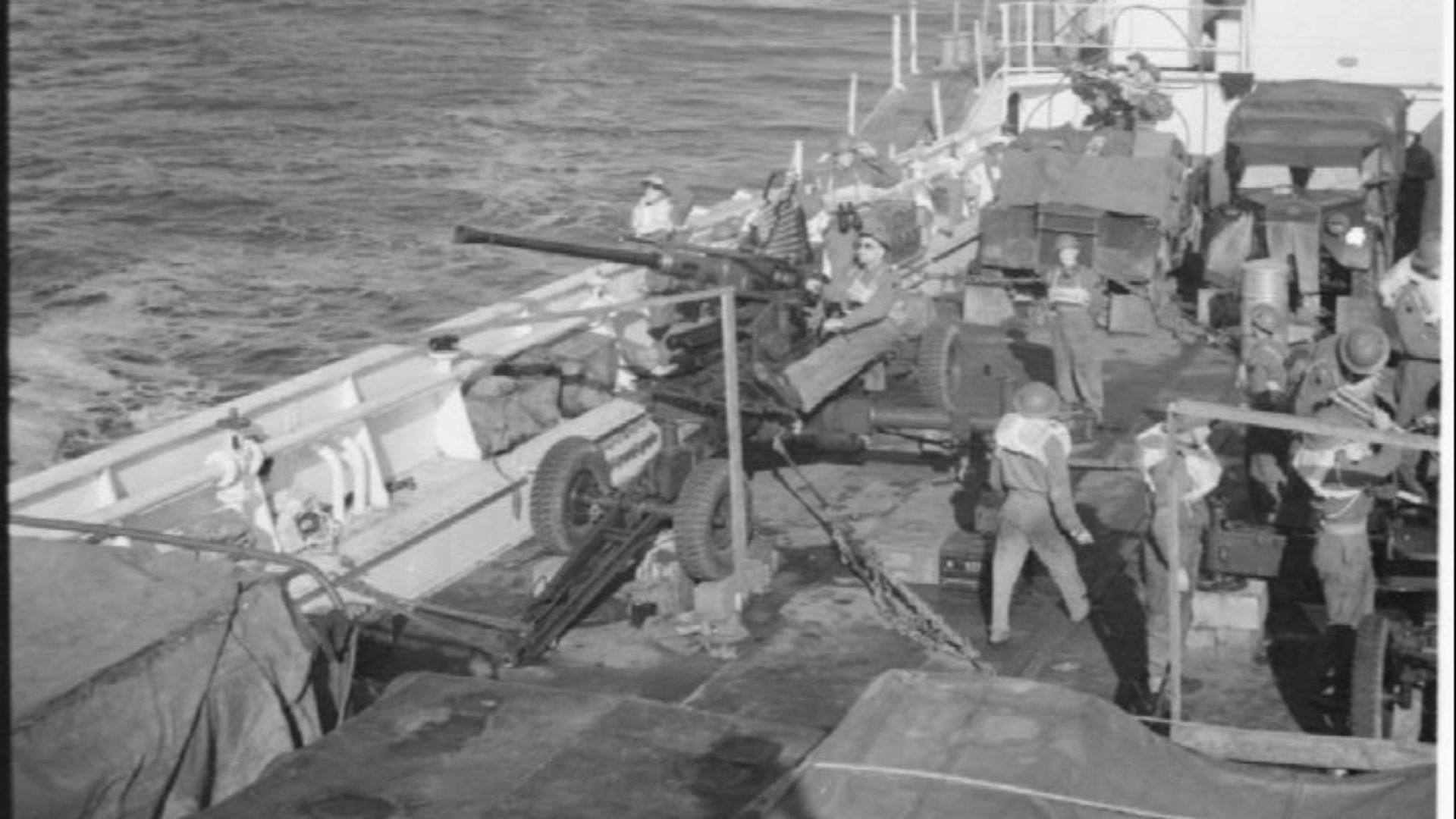
5. Cockade Had No Army Behind It
Operation Cockade in 1943 was meant to suggest a cross-Channel landing and pull German aircraft west from the Soviet front. Fake radio traffic carried most of it, and the buildup was never large enough to be convincing. Nothing moved west, and the Luftwaffe stayed where it was.
 Malindine E G (Lt), War Office official photographer on Wikimedia
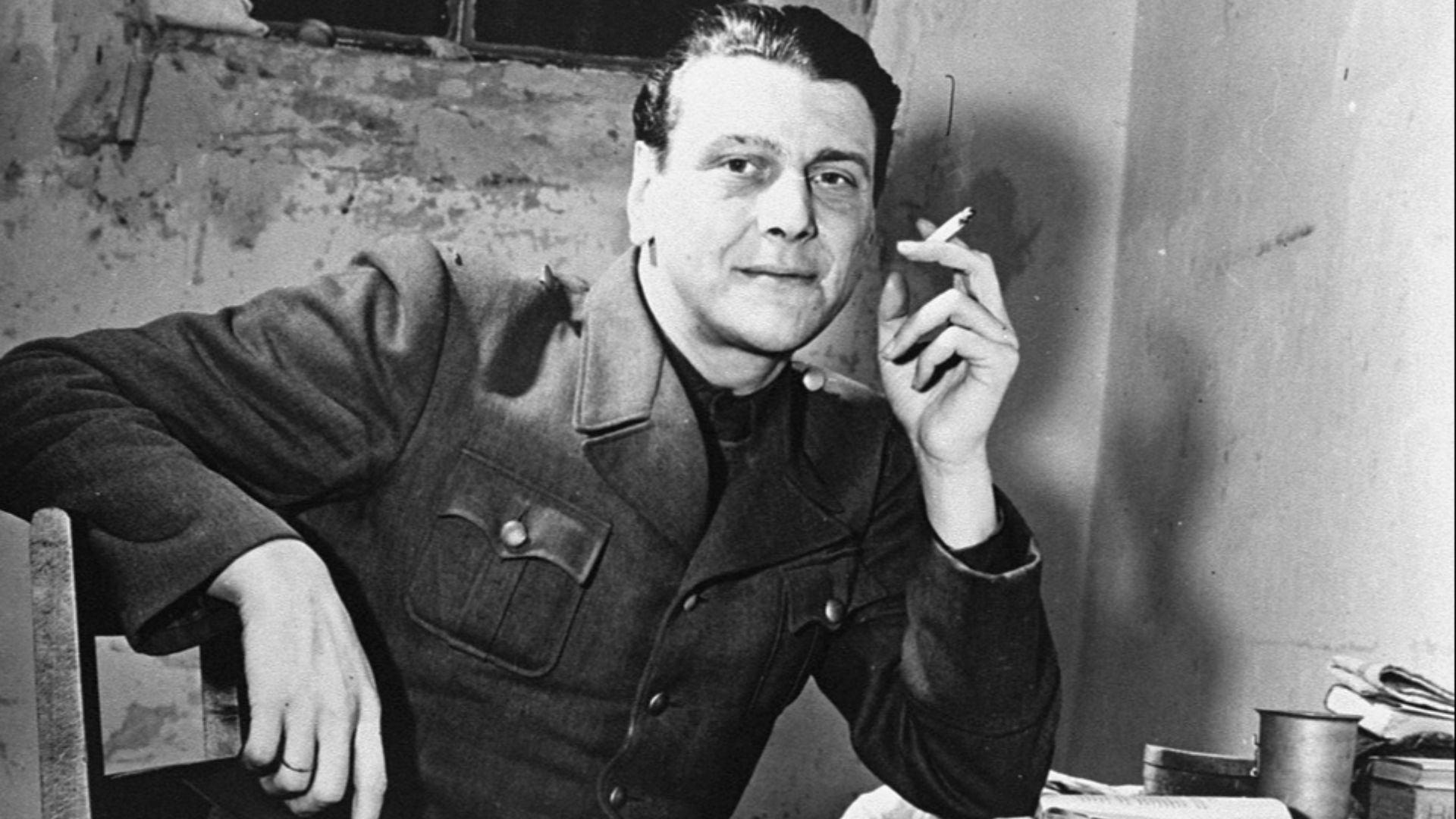
6. Skorzeny's Men in American Uniforms
Otto Skorzeny put English-speaking German troops in American uniforms and jeeps during the Ardennes offensive in December 1944, with orders to seize bridges over the Meuse. Few got anywhere near them. Captured men were tried as spies and shot, and the main effect was a wave of checkpoint paranoia behind American lines.
7. The Weather Plane Story
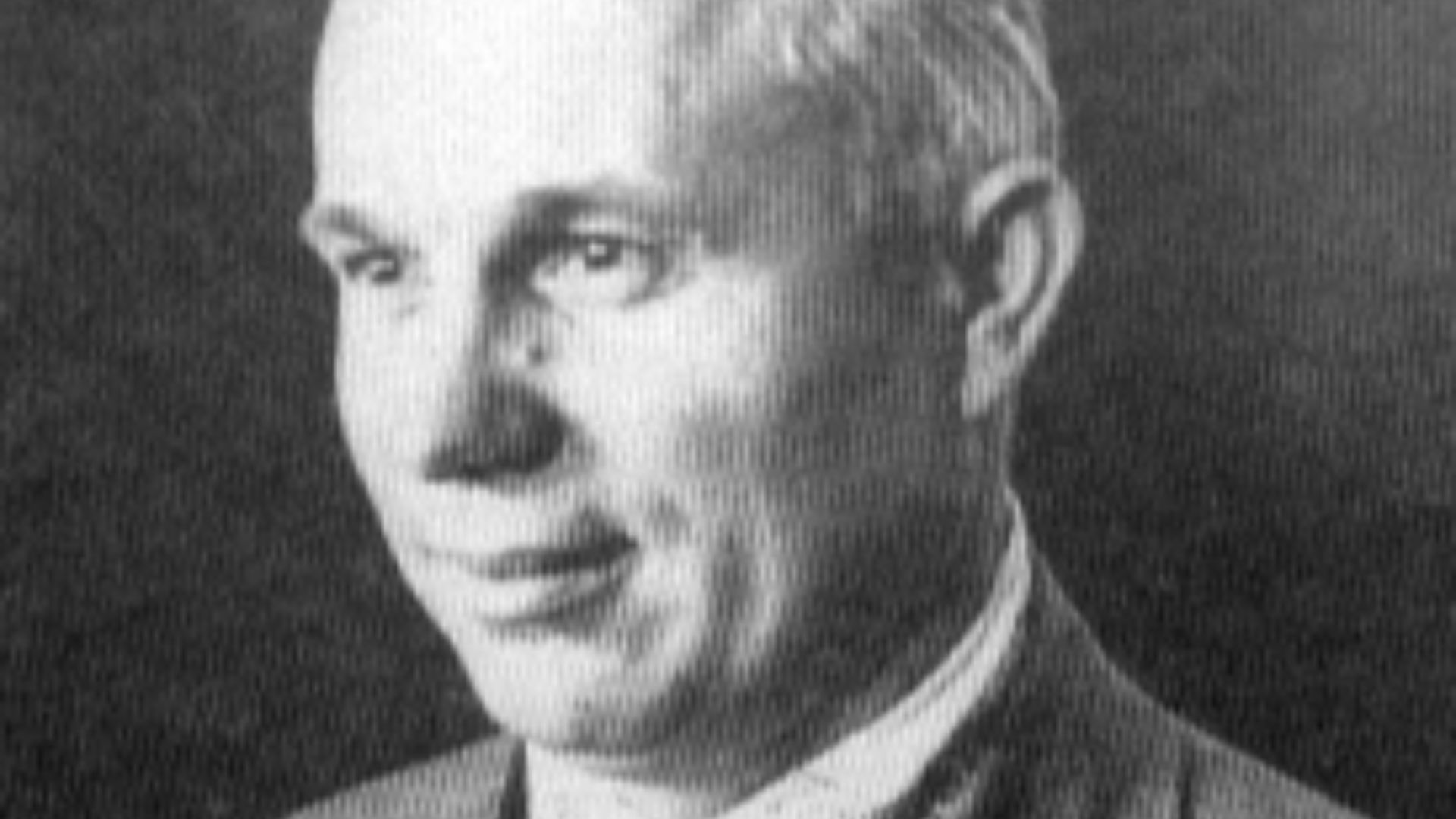
The United States announced in May 1960 that a NASA weather research aircraft had strayed off course and gone missing somewhere near Turkey. Nikita Khrushchev then produced Francis Gary Powers alive along with pieces of the wreckage, and Dwight Eisenhower was left holding a cover story his own pilot had already disproved.
 Unknown authorUnknown author on Wikimedia
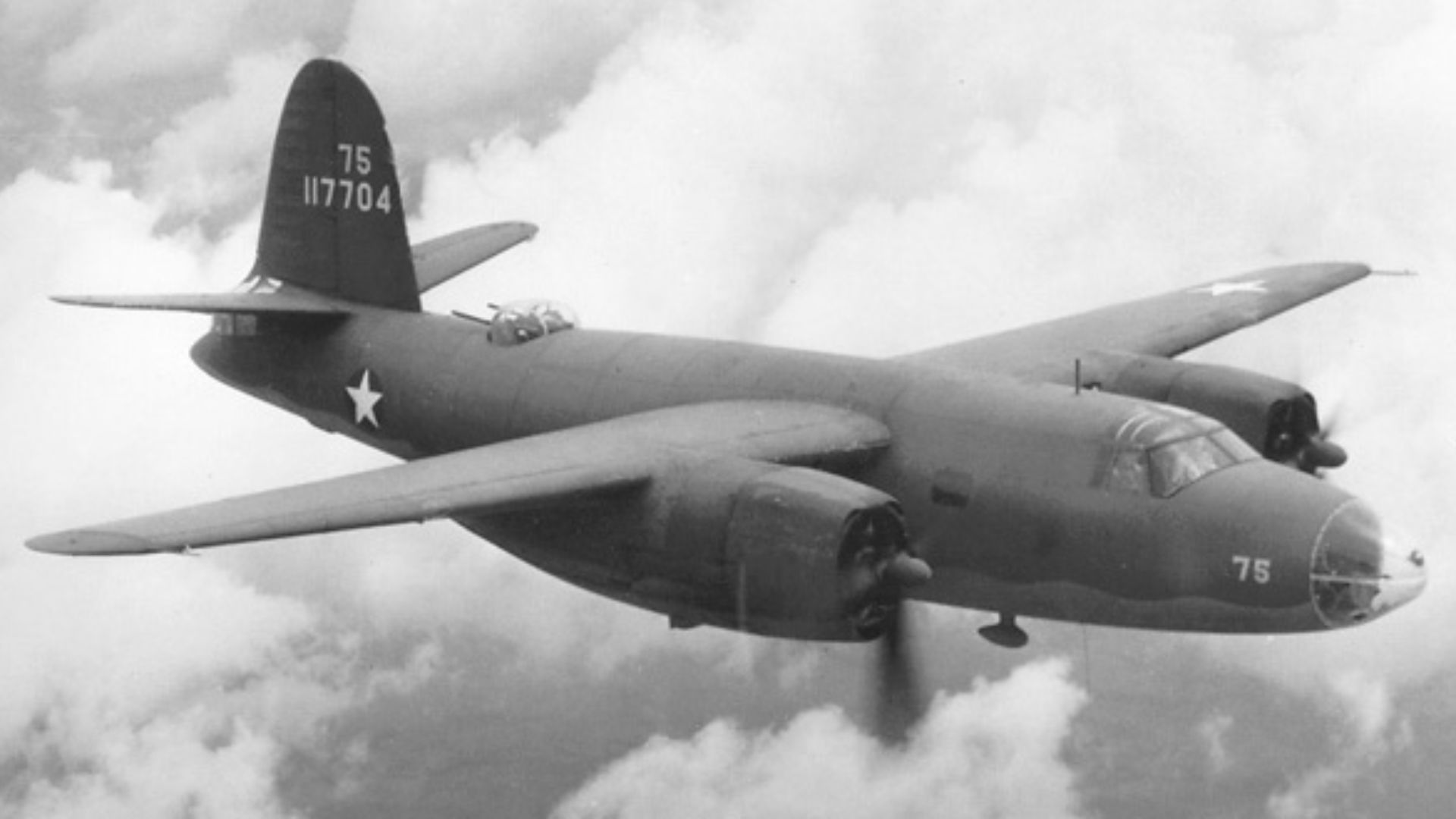
8. Reporters Caught the Fake Defector
A B-26 in Cuban markings landed in Miami in April 1961, flown by a pilot claiming he had defected after bombing his own airfields. Journalists noticed the guns had not been fired and the nose was solid metal rather than the plexiglass on real Cuban aircraft. The cover story was gone before the landings began.
 Patxi Aguado~commonswiki on Wikimedia
9. Missiles Under Agricultural Manifests
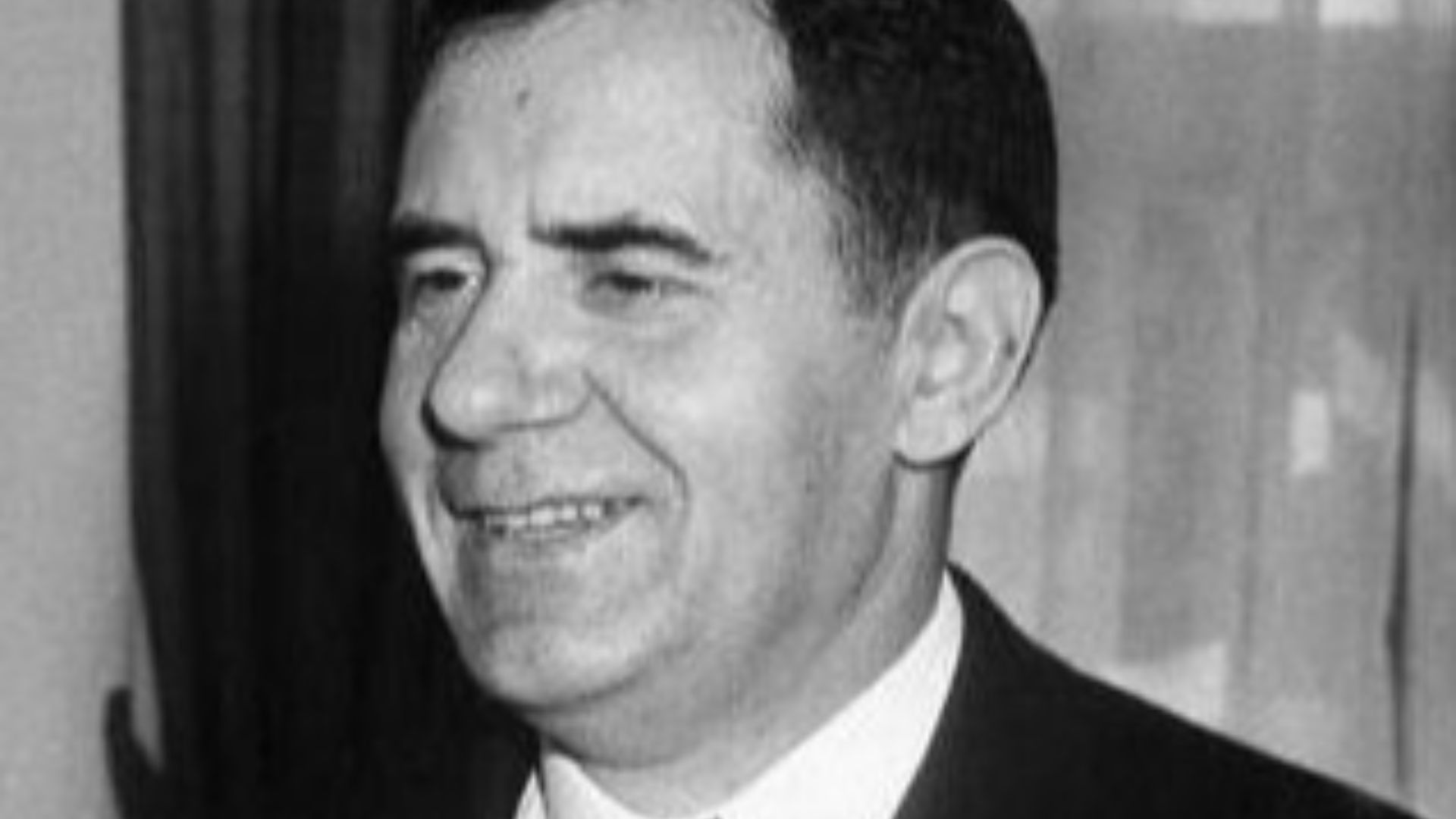
Soviet ships carried missiles to Cuba in 1962 listed as farm machinery, with troops issued civilian clothes for the crossing. Launch sites went up faster than they could be camouflaged, and U-2 photography caught them in October. Andrei Gromyko was still denying the deployment when Adlai Stevenson put the photographs on a stand at the United Nations.
10. Germany Deceived Its Own Command
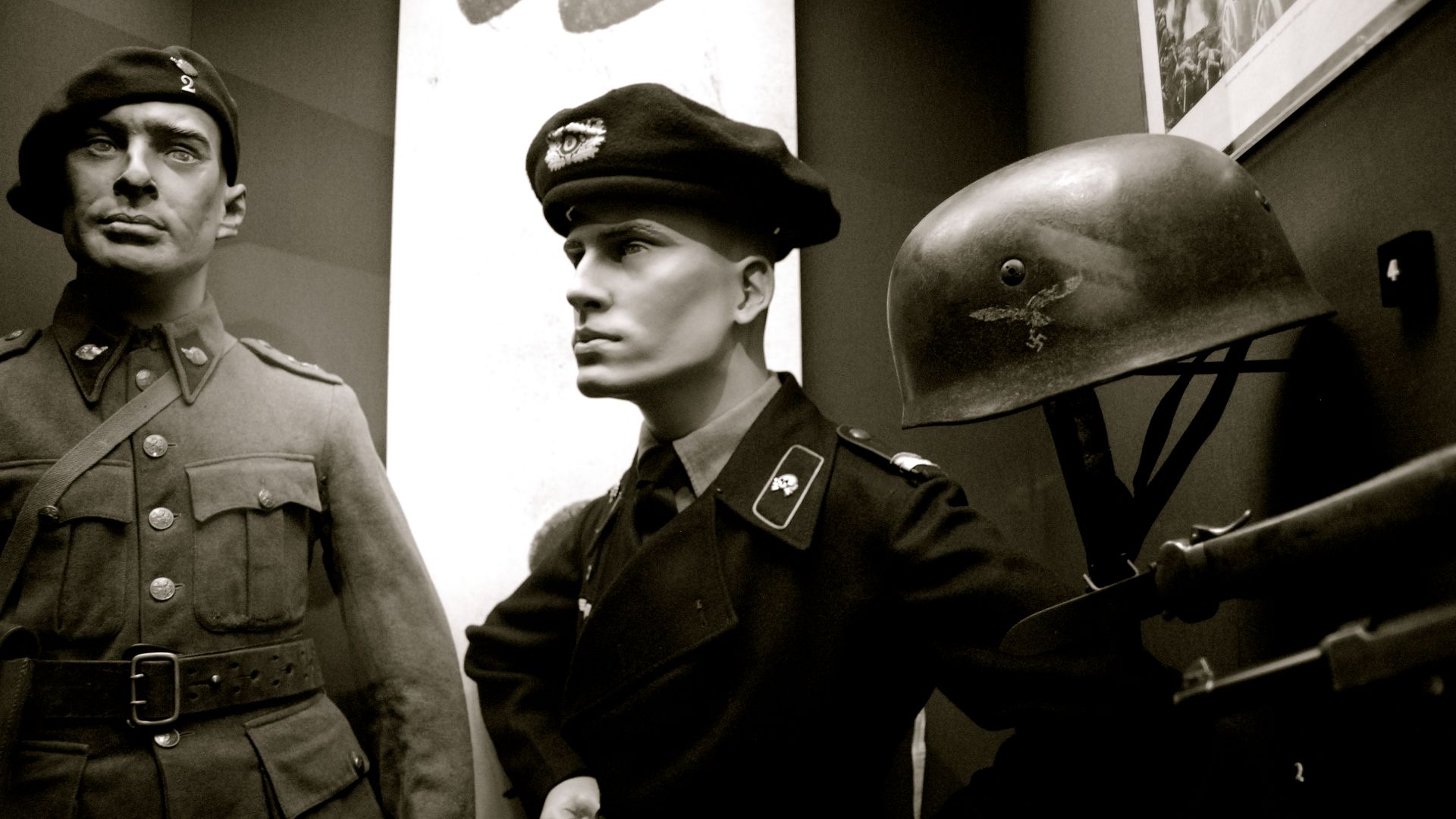
German formations shattered in 1944 and 1945 were often kept on the maps at full designation, so a division on paper might hold the strength of a regiment. Orders went out to units that could not carry them out. The deception ran inward, and the final year's planning rested on an army that had partly stopped existing.
KEEP ON READING