10 Animals That Survived the Dinosaur Extinction & 10 That Couldn't Survive the Ice Age
Sixty-Six Million Years Apart
Two of prehistory's best-known extinction events played out in very different ways. The asteroid that struck Earth 66 million years ago wiped out the dinosaurs, but smaller animals that could shelter underground and survive on limited food had a better chance. The extinctions near the end of the last ice age hit the opposite end of the scale, with mammoths, giant sloths, and other large animals disappearing across much of the world. Being big had been an advantage for millions of years, but changing conditions made survival increasingly difficult. Here are 10 animals that survived the asteroid and 10 that didn't make it through the last ice age.
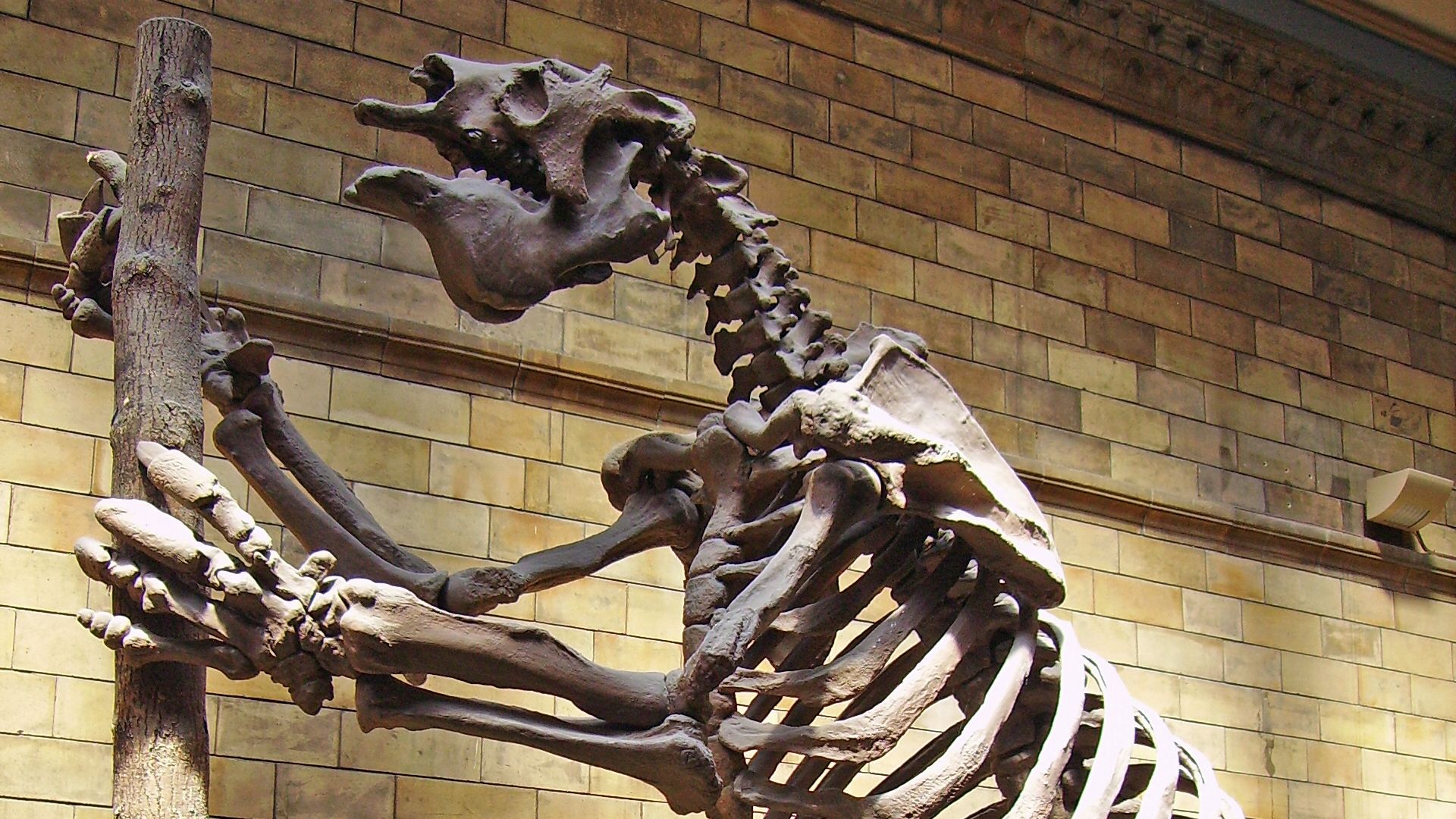
1. Crocodiles Waited It Out in Rivers
Crocodilians crossed the Cretaceous boundary with far lighter losses than their land-dwelling relatives. Fresh water buffered the worst of the temperature swing, and a cold-blooded animal that can go months between meals does well in a famine. Several crocodile families persisted, and the group stayed diverse for millions of years after.
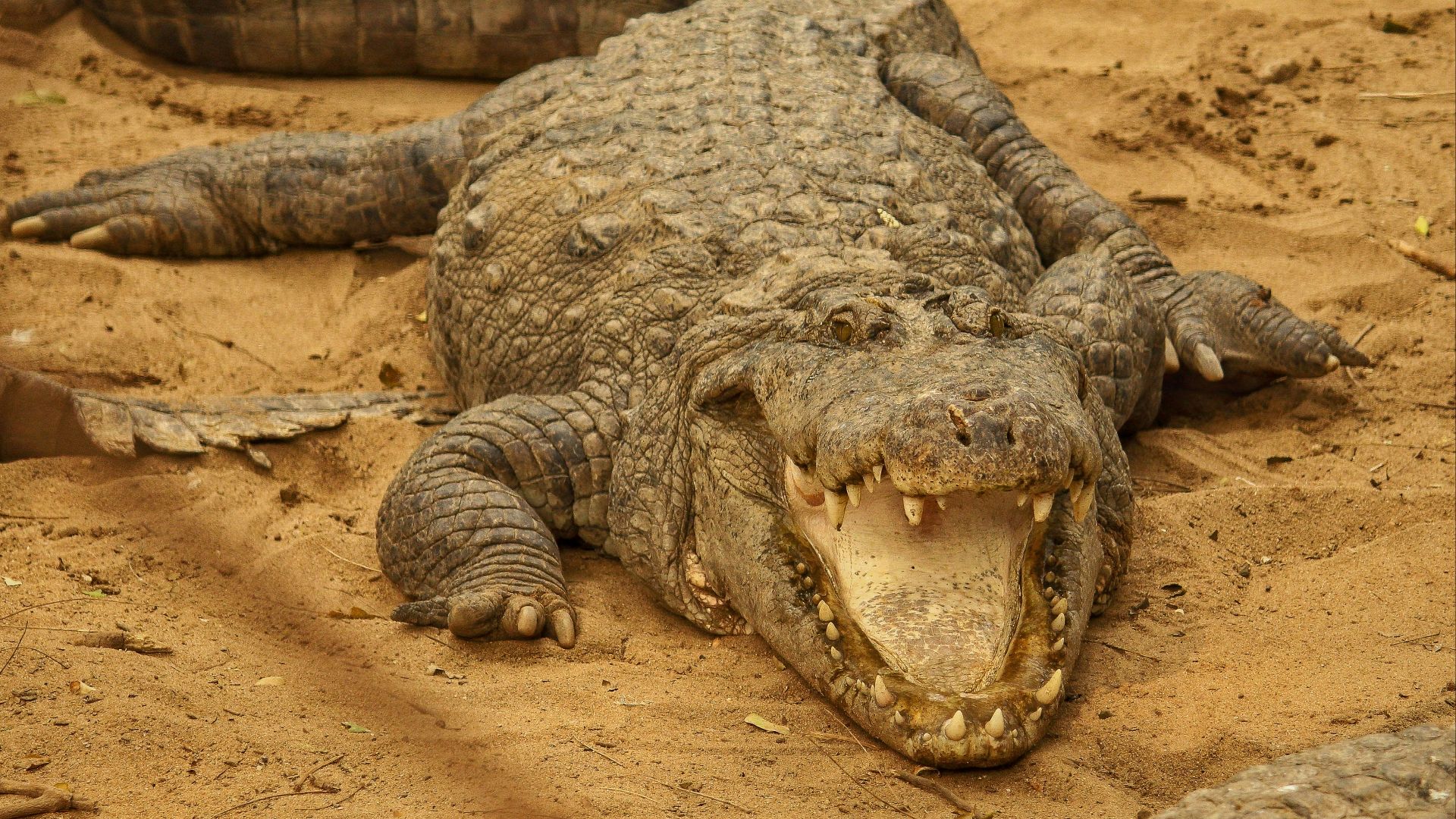
2. Freshwater Turtles Lost Almost Nothing
Nearly all freshwater turtle families were still present after the extinction. Ponds and rivers held a steadier temperature than open ground, and a turtle's slow metabolism meant it needed little food to begin with. Sea turtles had a harder time, and several marine groups did not get past the boundary at all.
3. Birds Were the Dinosaurs That Stayed
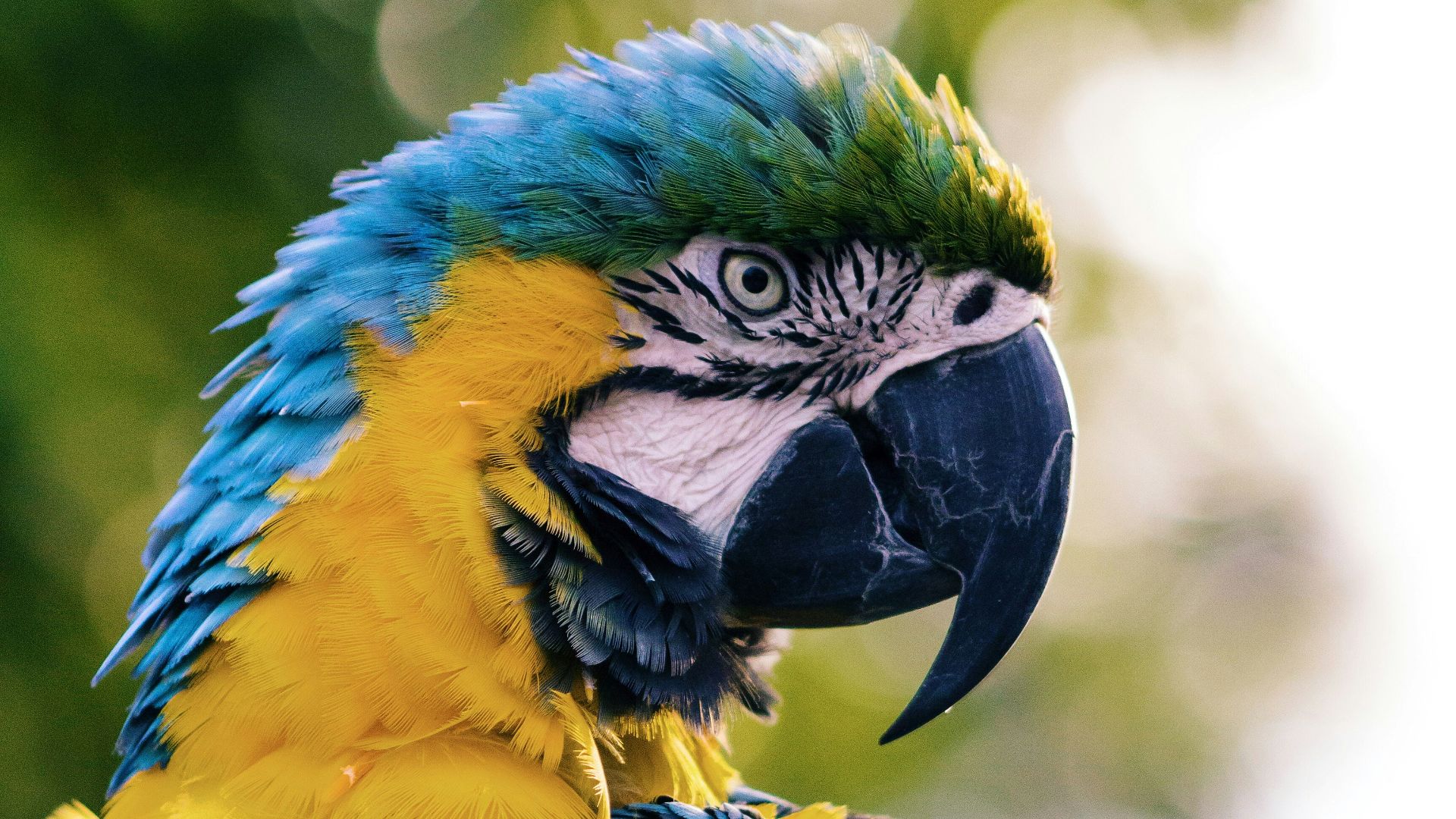
Birds are dinosaurs, so the group never fully left. Toothed and tree-dwelling birds died with the forests, and what was left were mostly ground-feeding species with beaks built for seeds. Seeds keep for years in soil, and they were among the few reliable foods through the long dark that followed.
4. Multituberculate Mammals Lived Underground
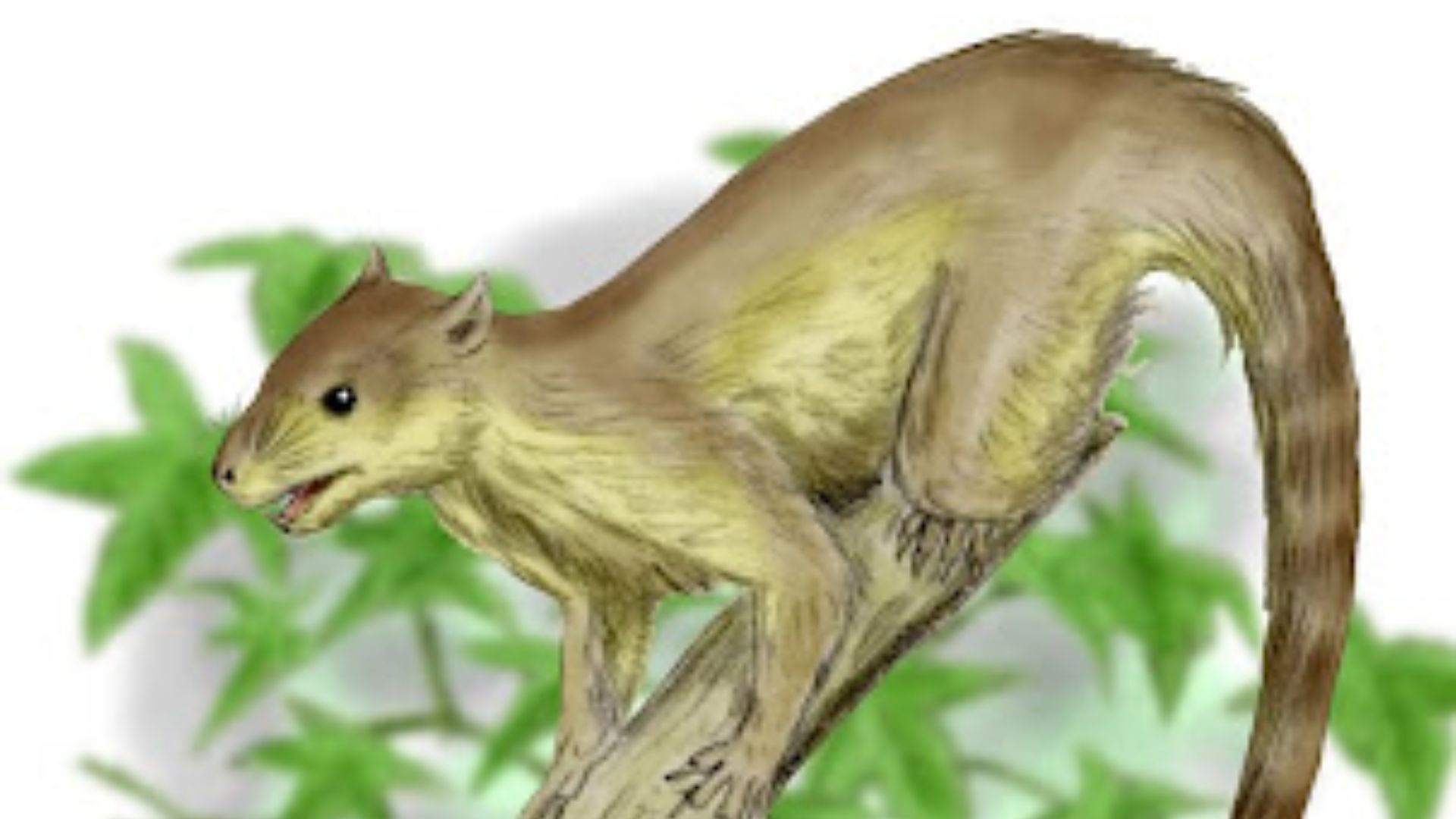
Multituberculates were the most successful mammals of the age, mostly rodent-sized burrowers with teeth that handled seeds and insects without much specialization. A burrow is insulated against heat and cold alike, and that shelter mattered more in the first months after the impact than any other trait.
5. Snakes Came Out of It Thriving
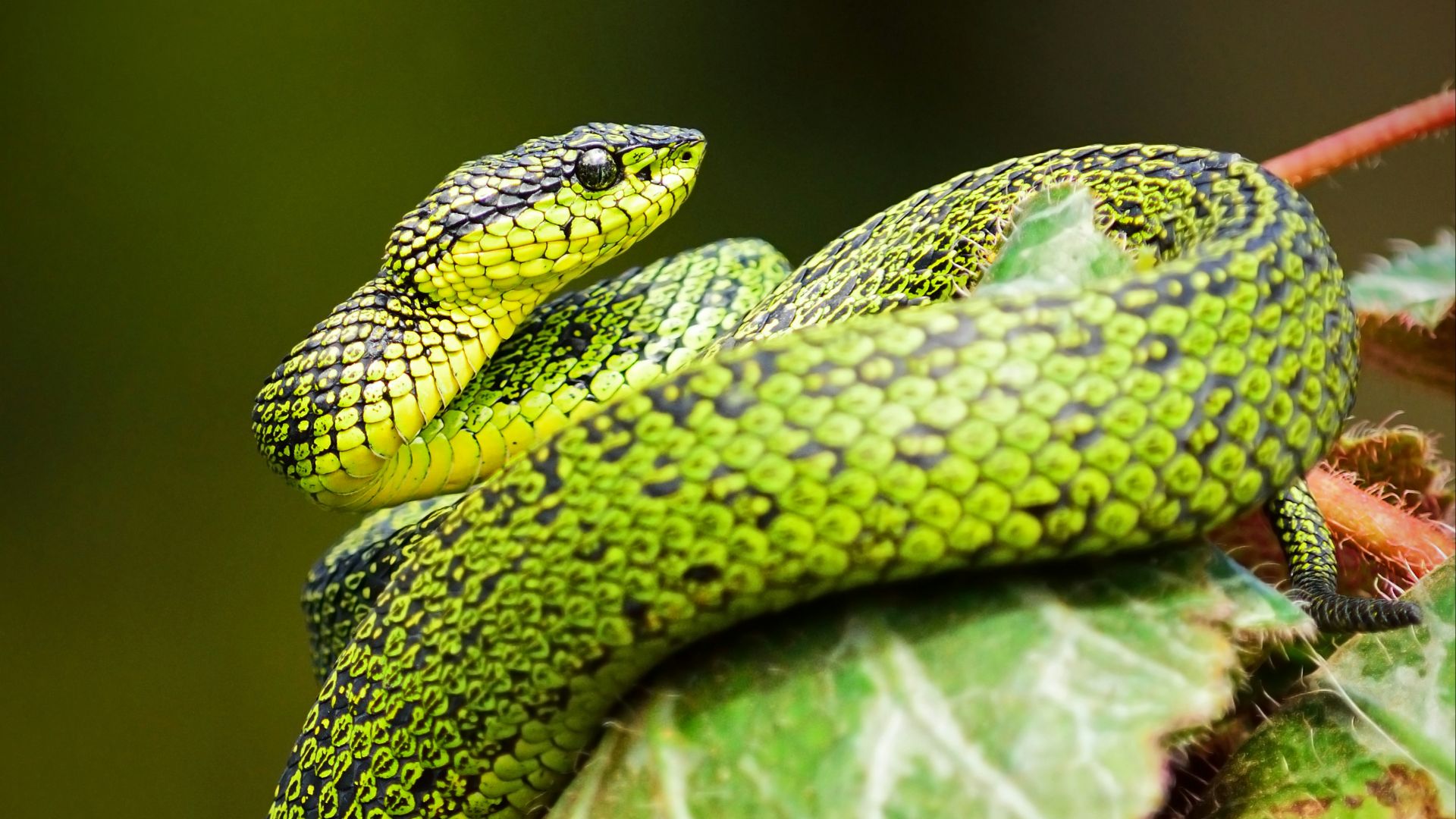
Snakes lost most of their species at the boundary and then spread into the empty space that followed. Burrowing habits and an ability to fast for long stretches carried a handful of them across. Nearly every snake alive descends from those few survivors, and the modern families all date from that recovery.
6. Frogs Rebuilt From a Few Groups
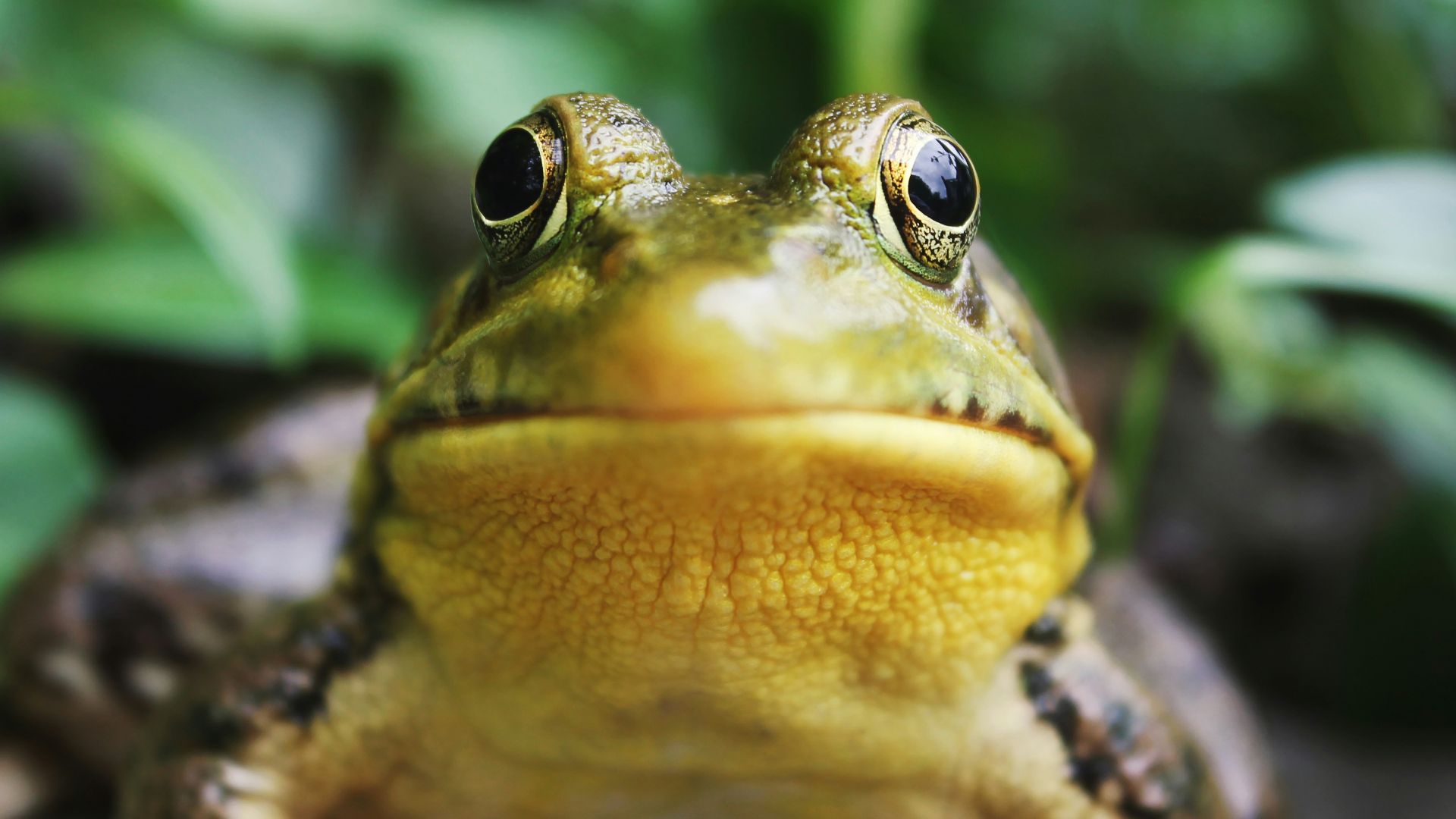
Damp microhabitats kept frogs alive while open ground cooked and then froze. Genetic work published in 2017 placed close to nine in ten living frog species in groups that spread after the asteroid. Most of the frog families you could name are younger than the extinction itself, so the group's diversity dates from the recovery rather than the long age before it.
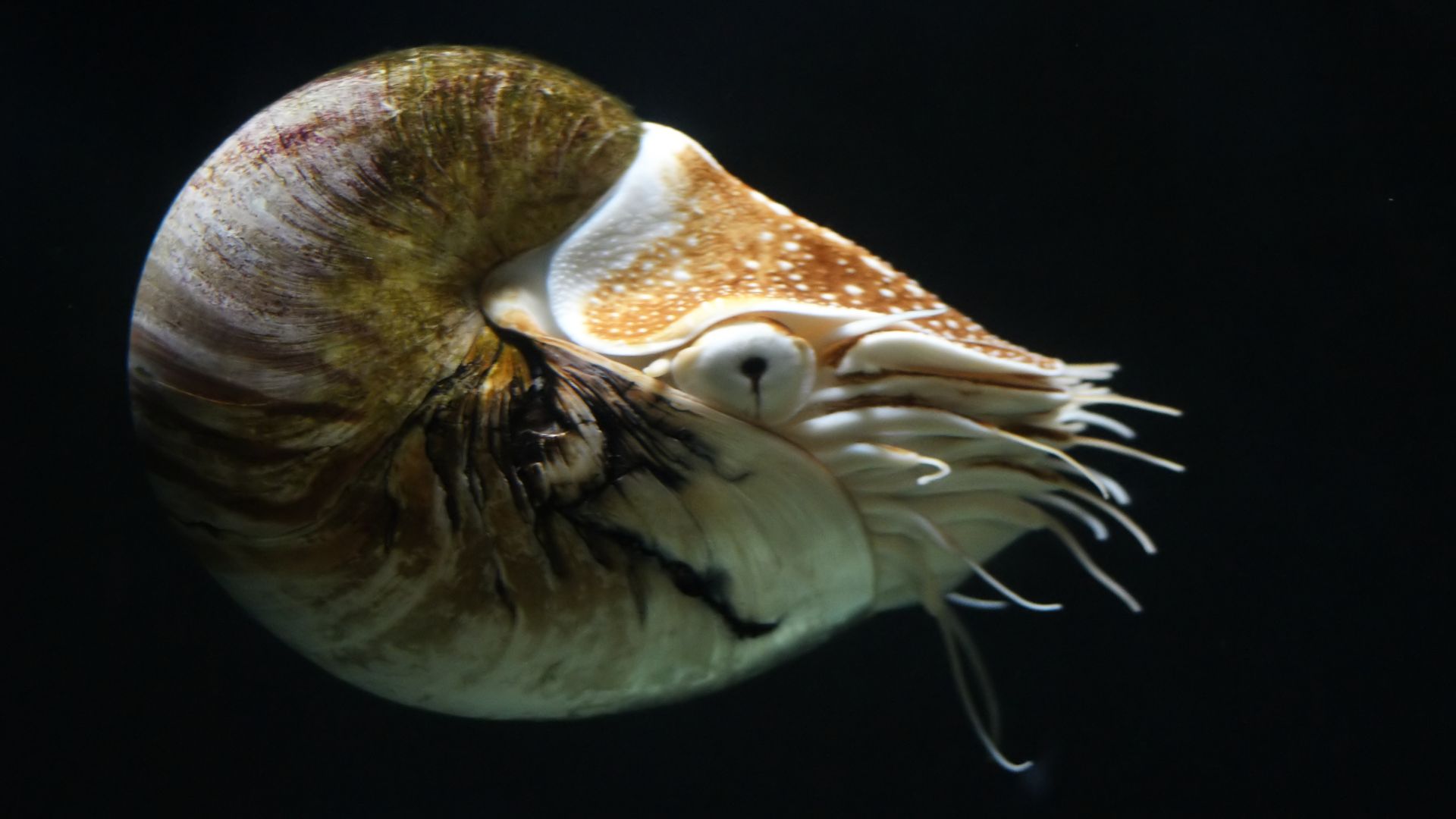
7. Nautiluses Outlived the Ammonites
Ammonites and nautiluses were close relatives in the same seas, and only one group walked away. Ammonite young hatched tiny and drifted as plankton, and the ocean's surface food chain collapsed under them. Nautiluses laid a few large eggs that developed on the seafloor, so their hatchlings never depended on plankton at all.
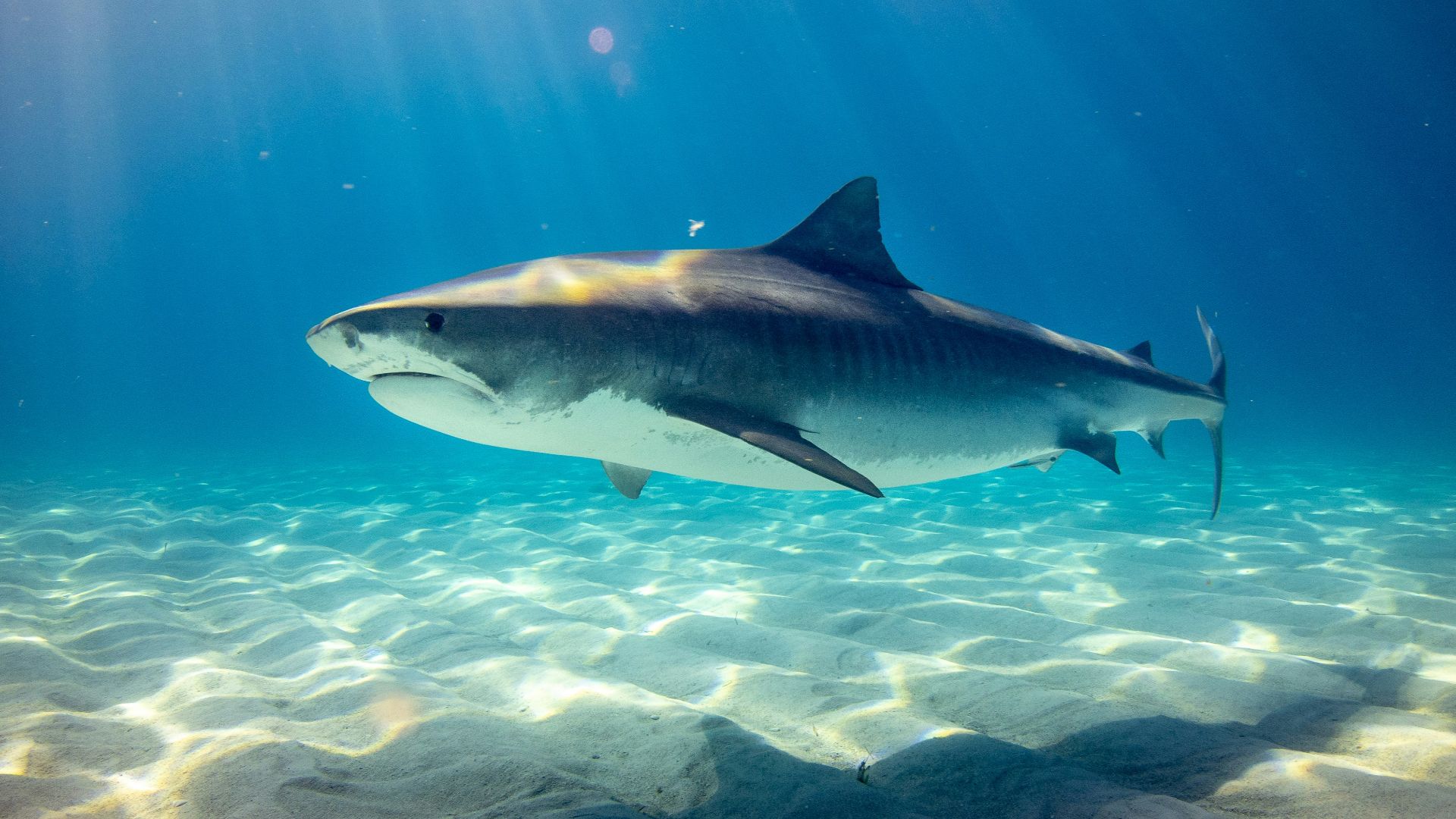
8. Sharks Had Deep Water to Use
Deep water gave sharks a buffer that surface hunters did not have. Scavengers also found more carcasses than usual in the months after the impact, though that advantage did not last. The groups that struggled were the ones feeding in shallow coastal water, where plankton died off first and everything above it followed.
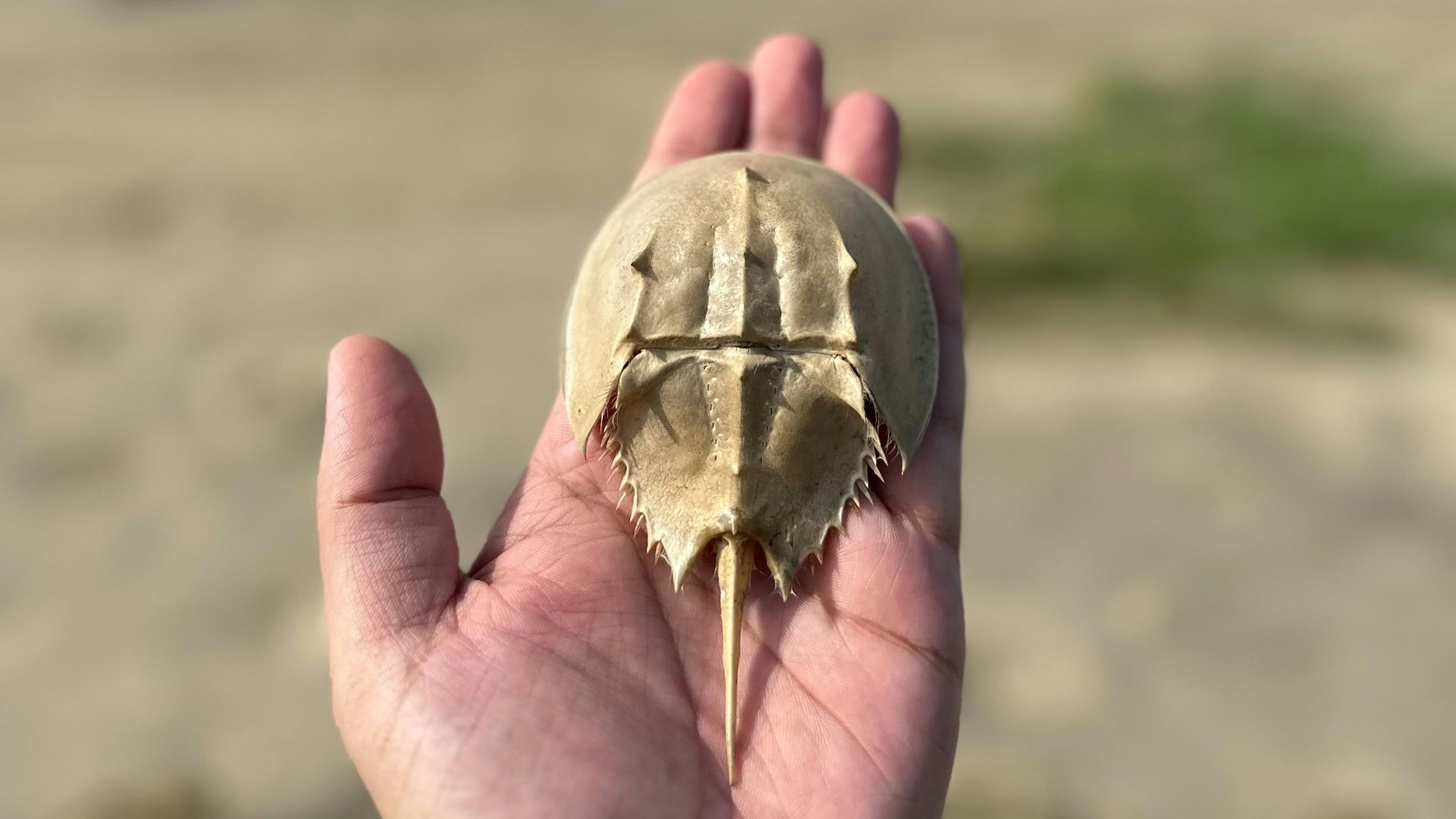
9. Horseshoe Crabs Were Already Ancient
Horseshoe crabs had been around for well over two hundred million years before the asteroid arrived, and they carried on afterward with little apparent change. Living in estuaries and eating whatever settles to the bottom is a hard strategy to interrupt, and the body plan has barely shifted since.
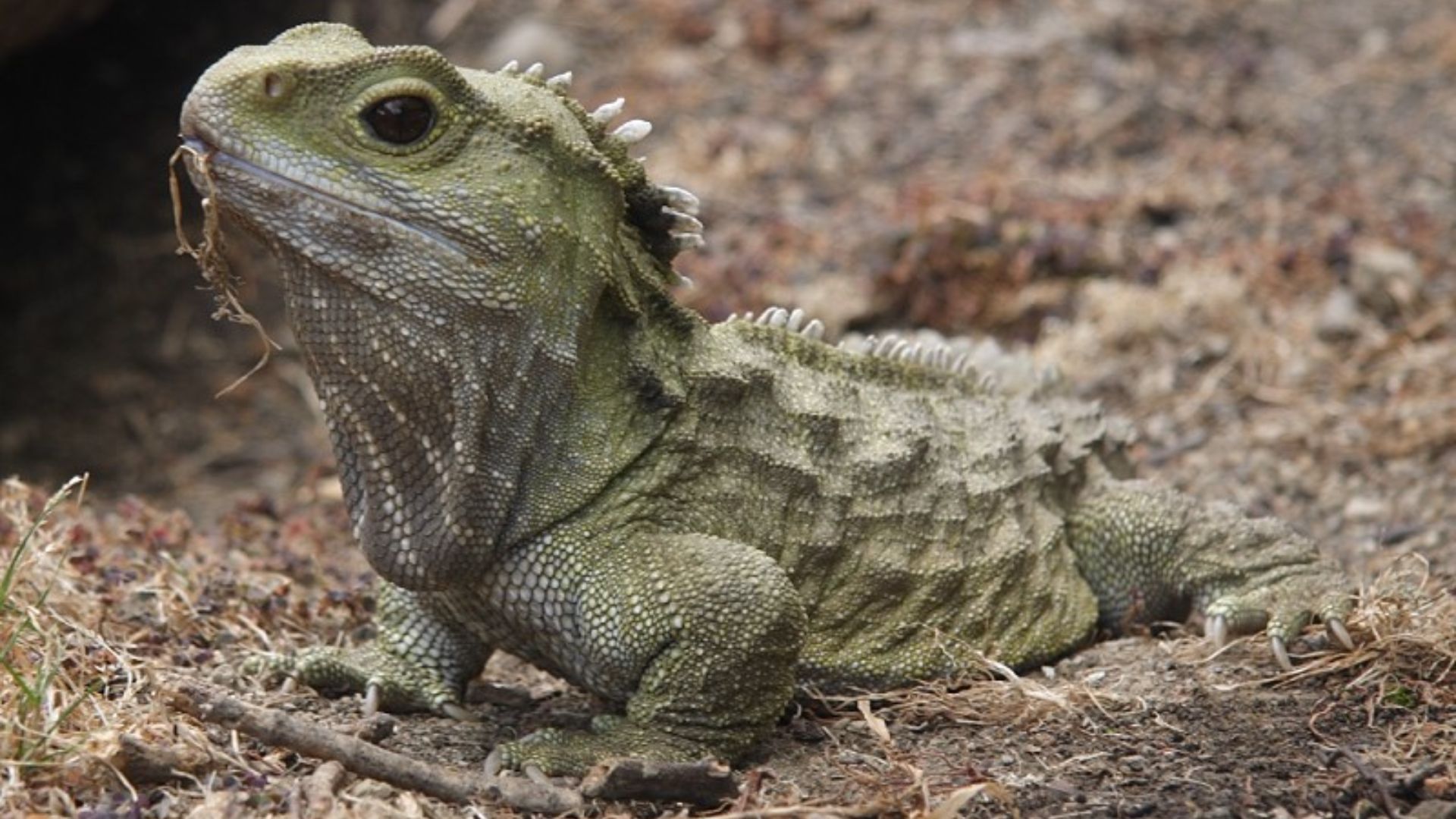
10. The Tuatara's Group Nearly Disappeared
Rhynchocephalians were a large and widespread group of reptiles through the age of dinosaurs, and they made it past the extinction. Their decline came later and slower, as lizards took over most of the same niches. One species is left, the tuatara of New Zealand, on islands where its competitors never arrived.
Now, here's 10 that didn't survive the ice age.
 No machine-readable author provided. Knutschie assumed (based on copyright claims). on Wikimedia
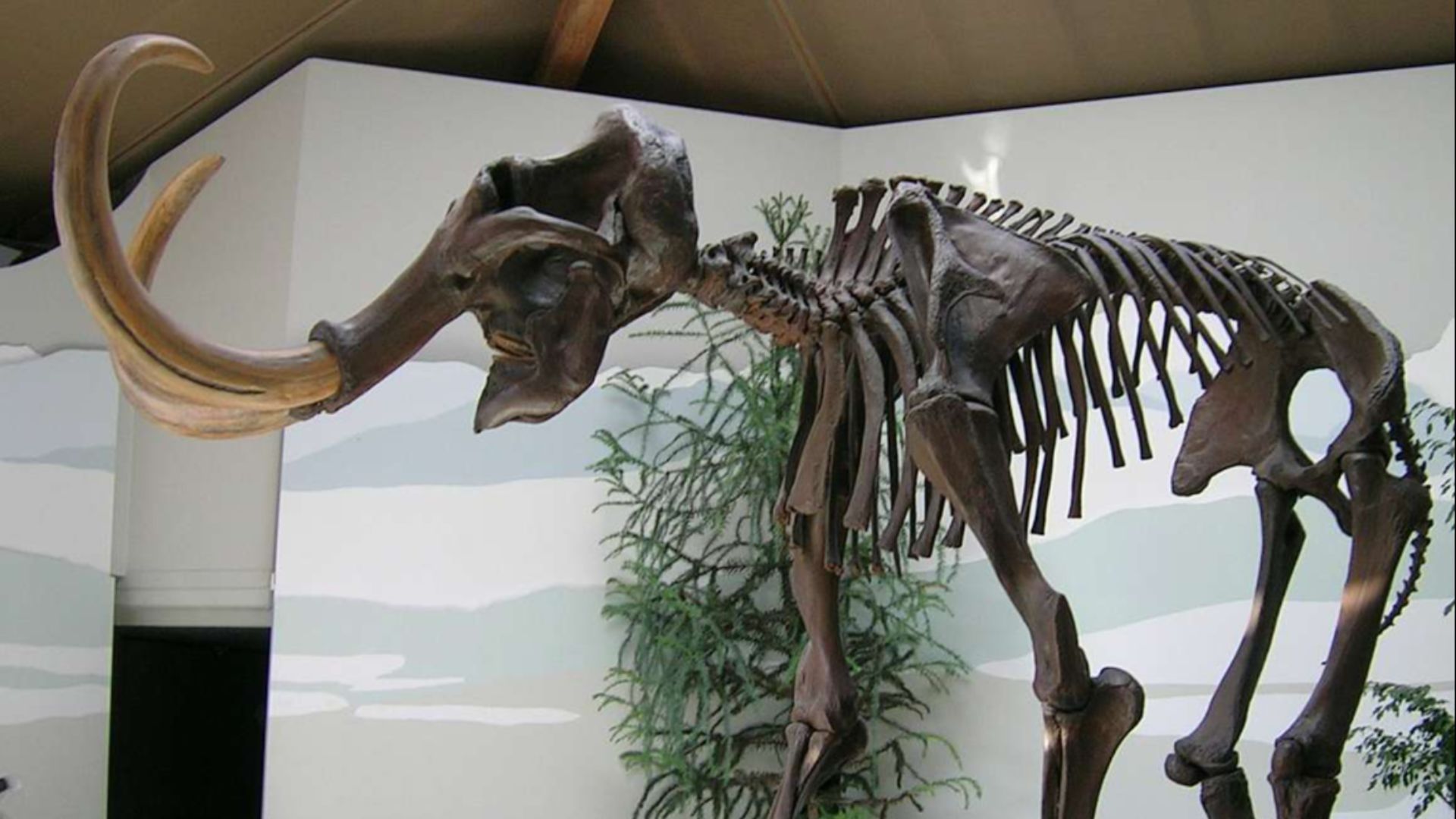
1. The Woolly Mammoth's Last Island
Woolly mammoths were gone from the Eurasian and North American mainland by 10,000 years ago, as the steppe they grazed turned to forest and bog. A small population survived on Wrangel Island in the Arctic Ocean for thousands of years after that. The last of them died about 4,000 years ago, around the time the pyramids were being built.
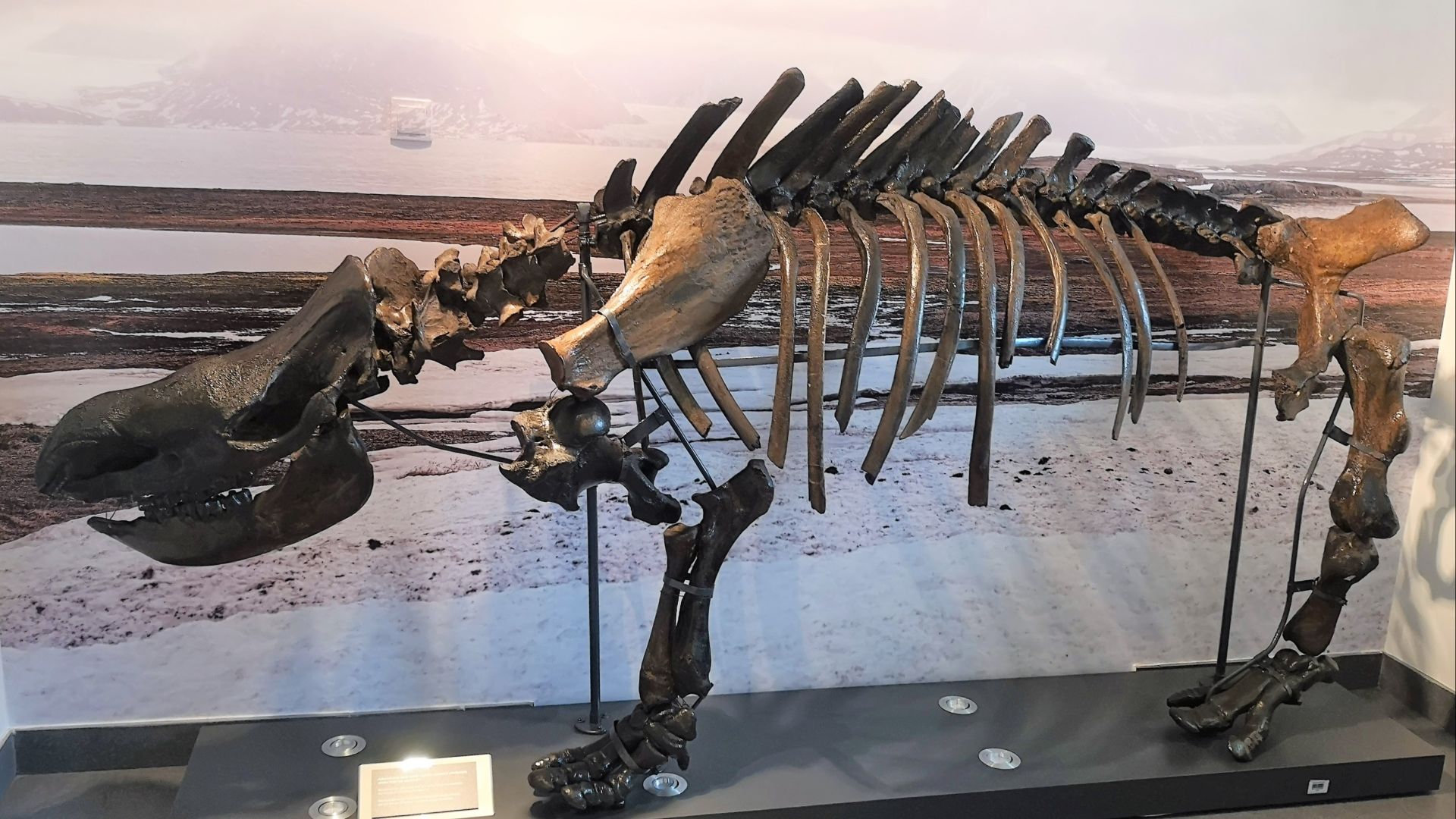
2. The Woolly Rhinoceros and the Thaw
Northern Eurasia lost its woolly rhinos 14,000 years ago. Ancient DNA sequenced in 2020 showed the population holding steady until close to the end, so a long decline under hunting pressure looks unlikely. A sharp warming period fits the timing better, and the animal was built for a cold it could not follow north.
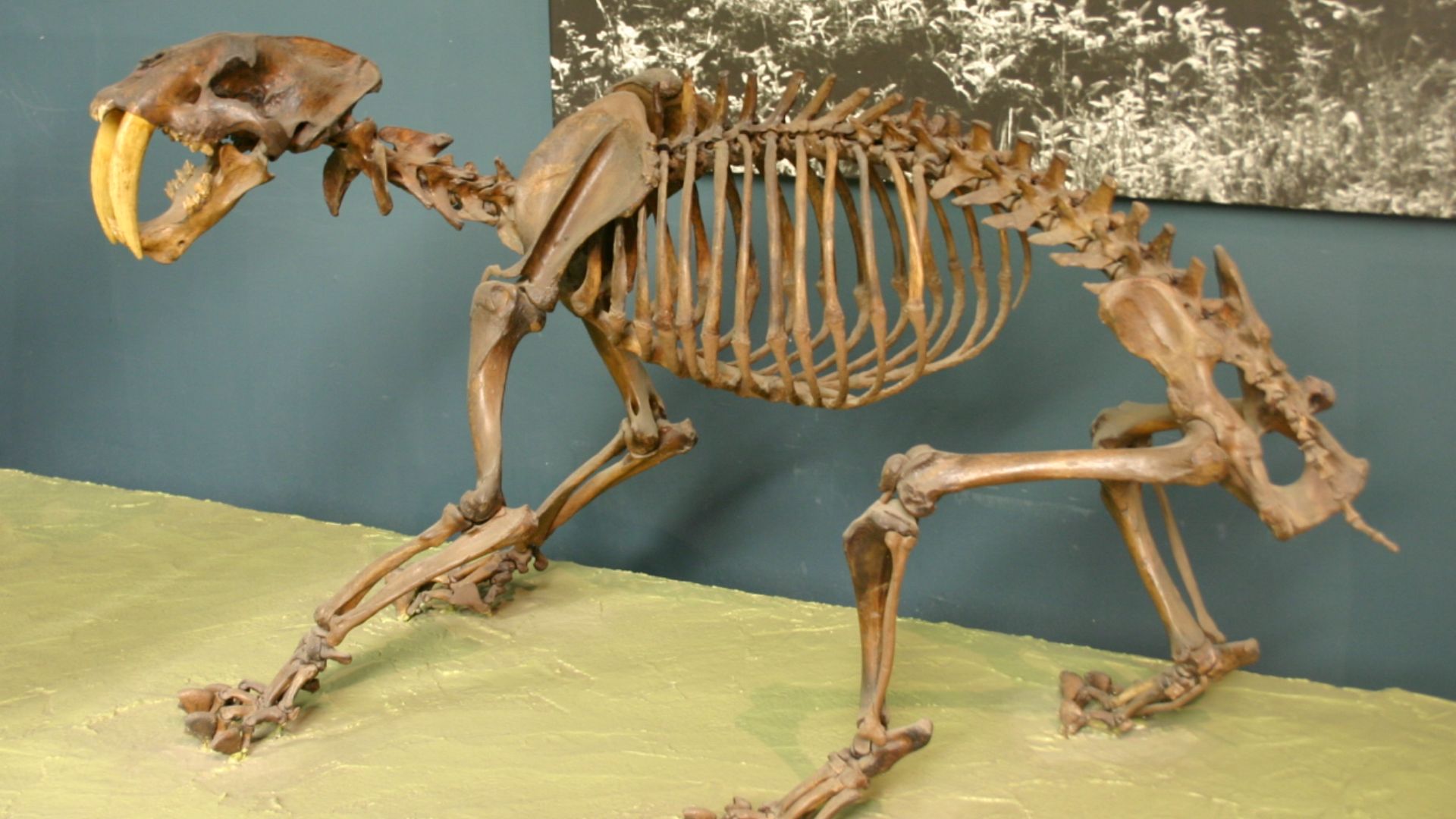
3. Smilodon Lost Its Prey
Smilodon's long canines were fragile in the way a steak knife is fragile, suited to a precise killing bite on large and slow animals. When the big herbivores of the Americas went, a cat specialized for that prey had nowhere to go and nothing smaller it could take efficiently.
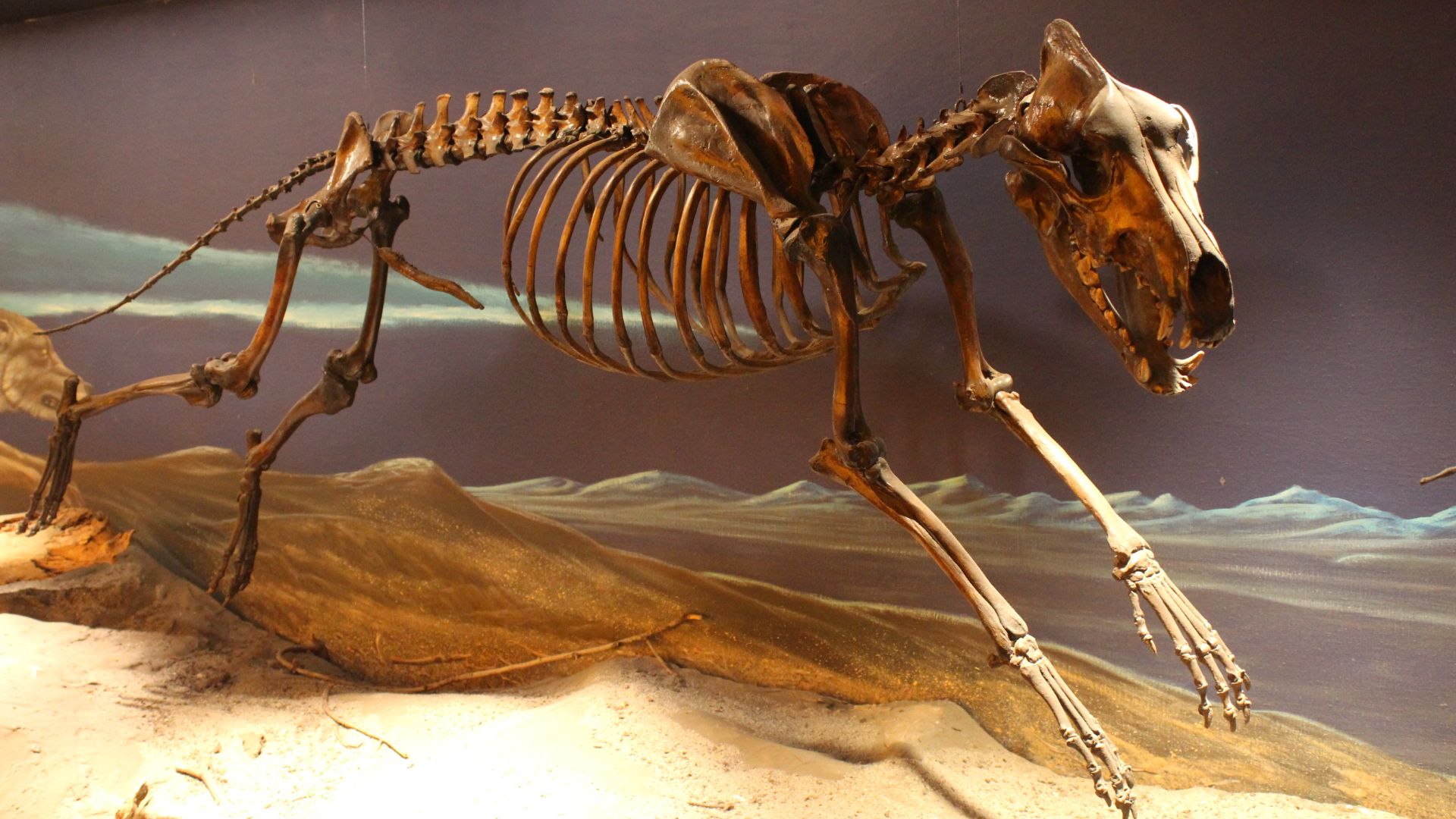
4. The Dire Wolf Left No Relatives
Dire wolves hunted across the Americas down to 13,000 years ago, and they looked enough like gray wolves to be taken for close cousins. A 2021 genome study put their split from the wolf line almost six million years back, with no sign of interbreeding since. Nothing alive is closely related to them, so the lineage ended outright.
5. The Short-Faced Bear Bred Too Slowly
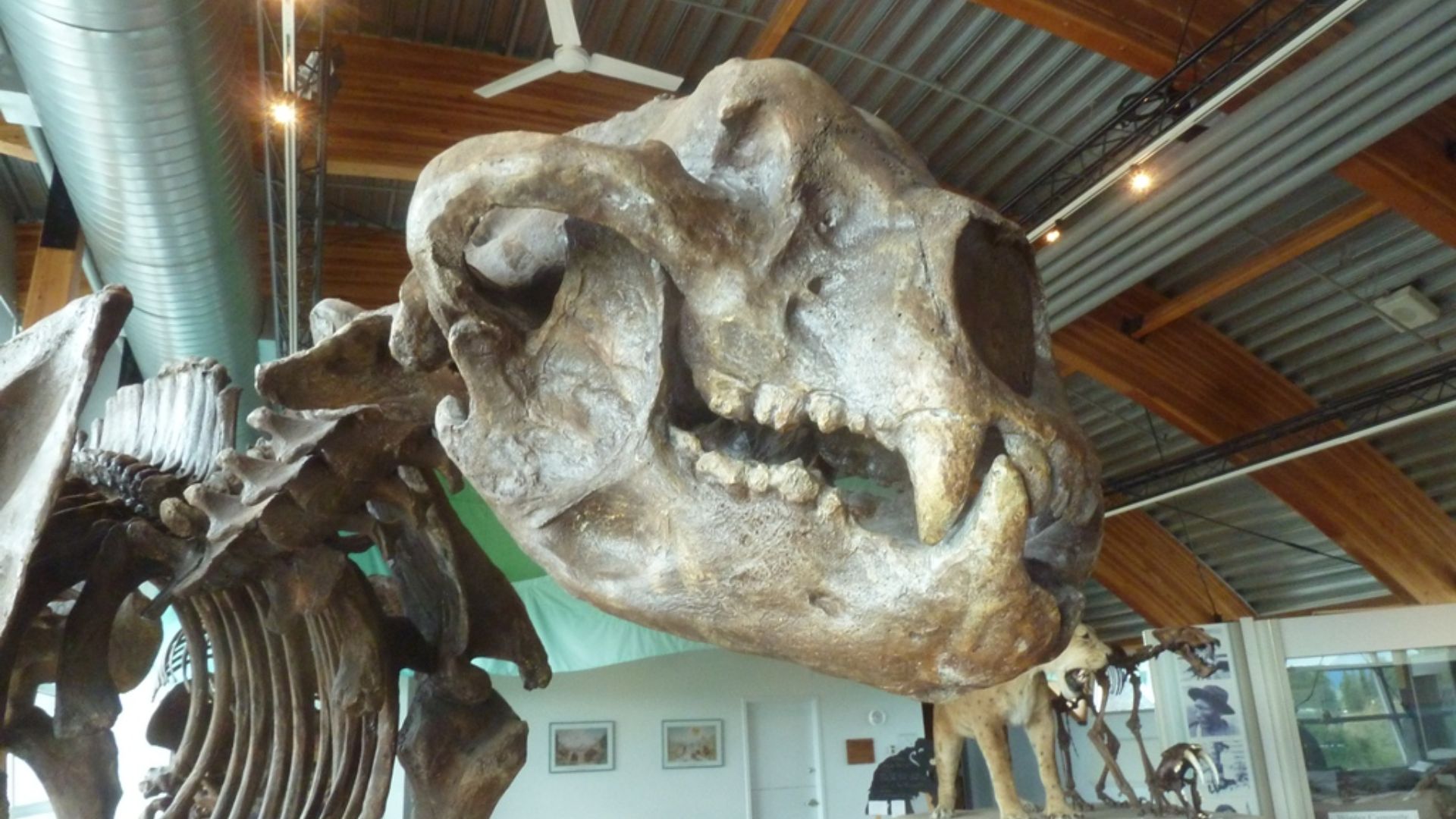
No living bear matches Arctodus simus for size. It stood taller at the shoulder than a polar bear and ranged across North America until the youngest bones put it at 11,000 years. Animals that size need enormous territories and breed slowly, so there is little margin when the food base shifts.
6. Megatherium Browsed at Elephant Size
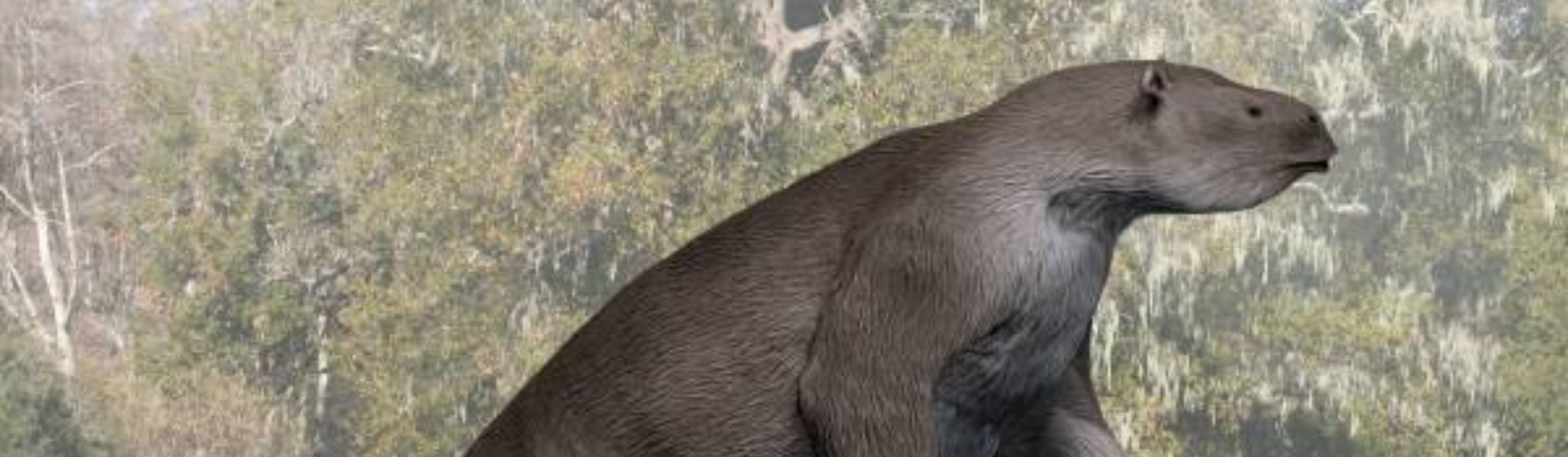
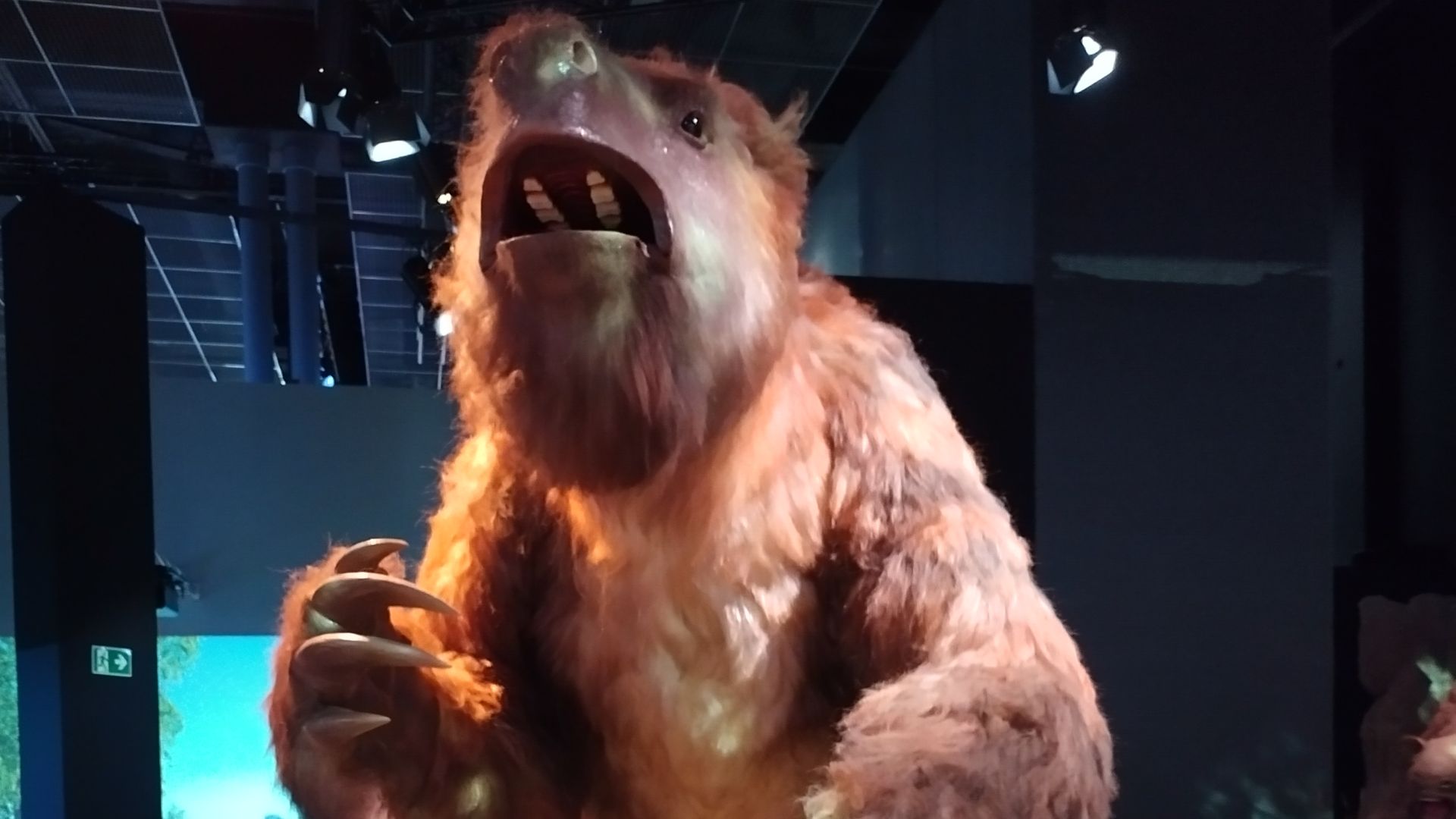
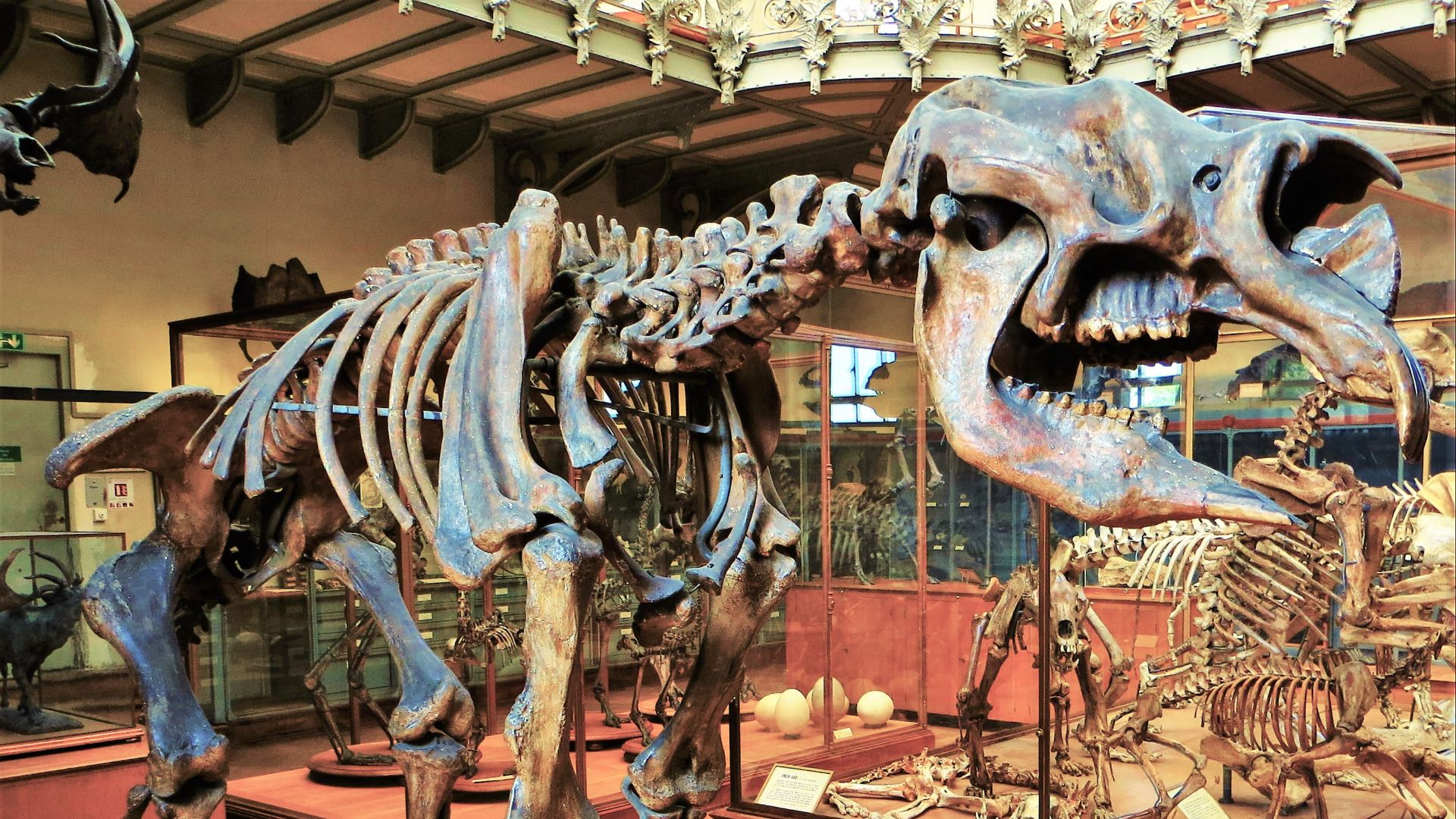
Megatherium reached elephant size and fed in South America on its hind legs, using its claws to pull branches down. It was still there 12,000 years ago, late enough to overlap with people in the same river valleys. Smaller tree sloths survive, so the family did not end, though nothing near that size remains.
7. Glyptodon Wore Bone Armor
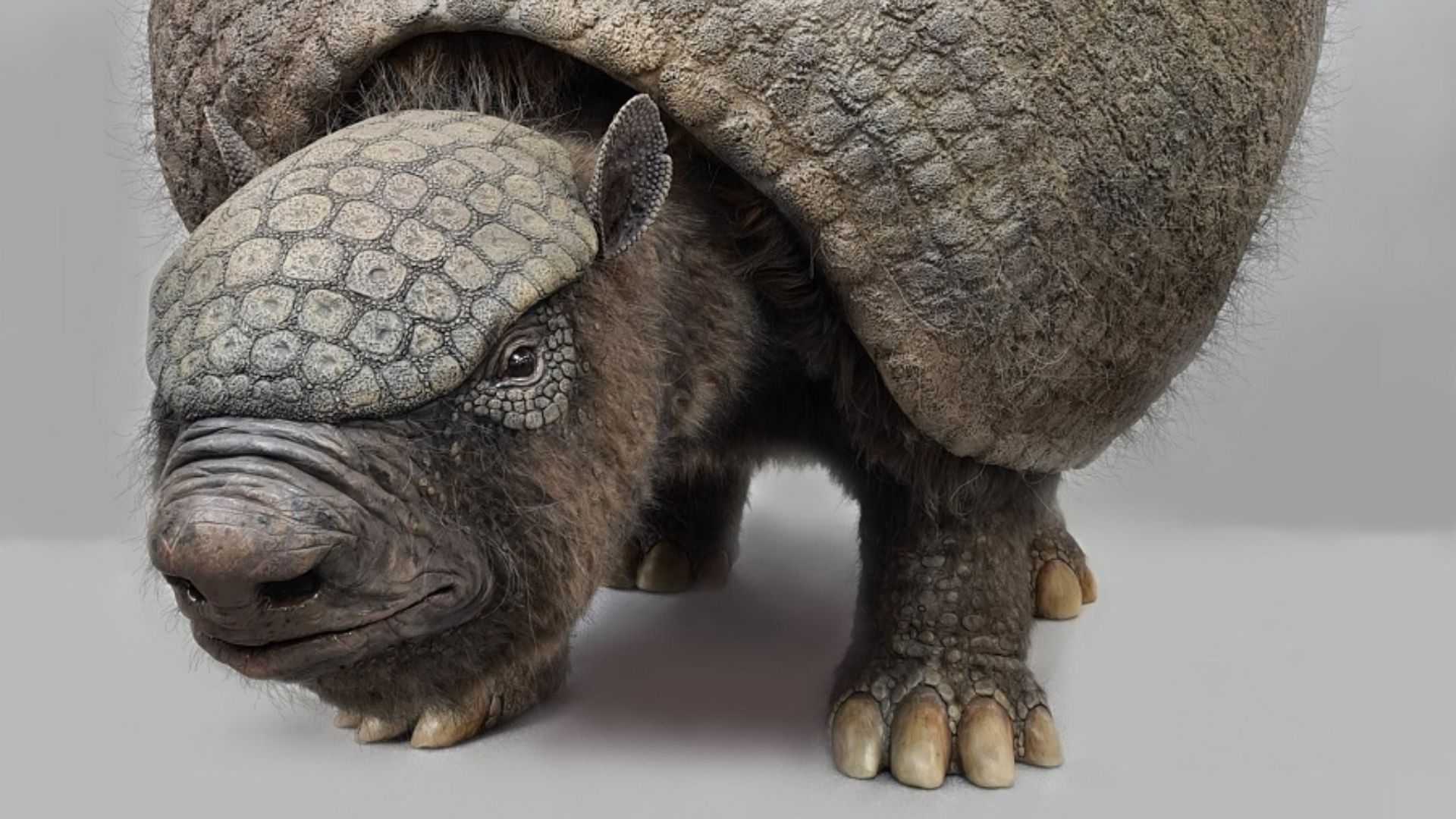
Bone armor covered Glyptodon in a single fused dome, and the animal grew to roughly the size of a small car. Armor works against predators and does nothing about a changing climate or a hunting party with spears. South American sites put the last of them at 10,000 years.
8. The Irish Elk's Antlers
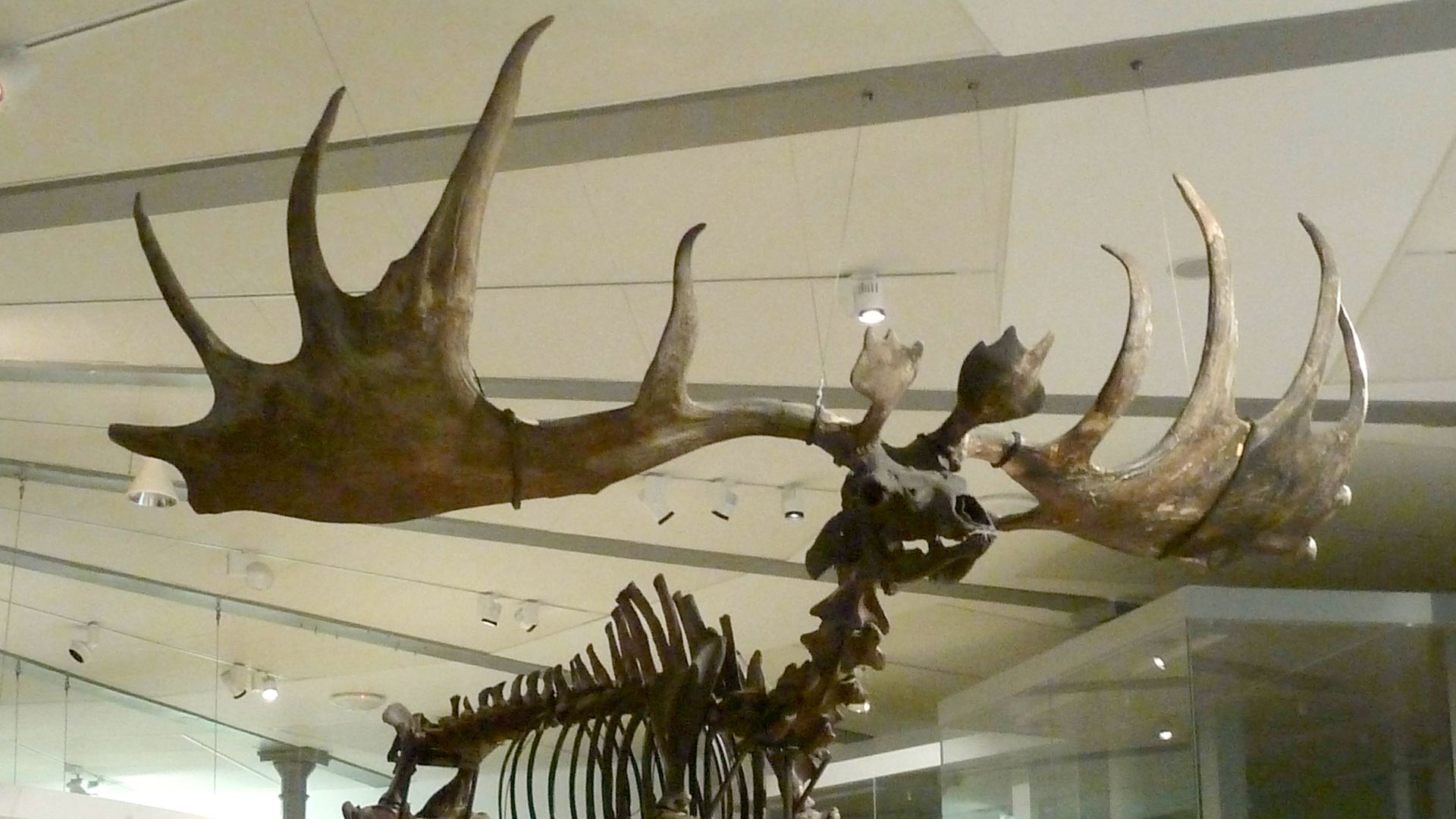
Megaloceros giganteus grew antlers spanning more than ten feet, the widest of any deer known. Its last populations held on in western Siberia until 7,700 years ago, long after it was gone from Europe and the ice had retreated.
9. Diprotodon Went Early in Australia
Australia lost Diprotodon 40,000 years ago, well before the extinctions in the Americas. The animal was a wombat relative the size of a car and the largest marsupial known. The timing there has its own argument, since people reached the continent long before the climate shifted and the two explanations are hard to separate.
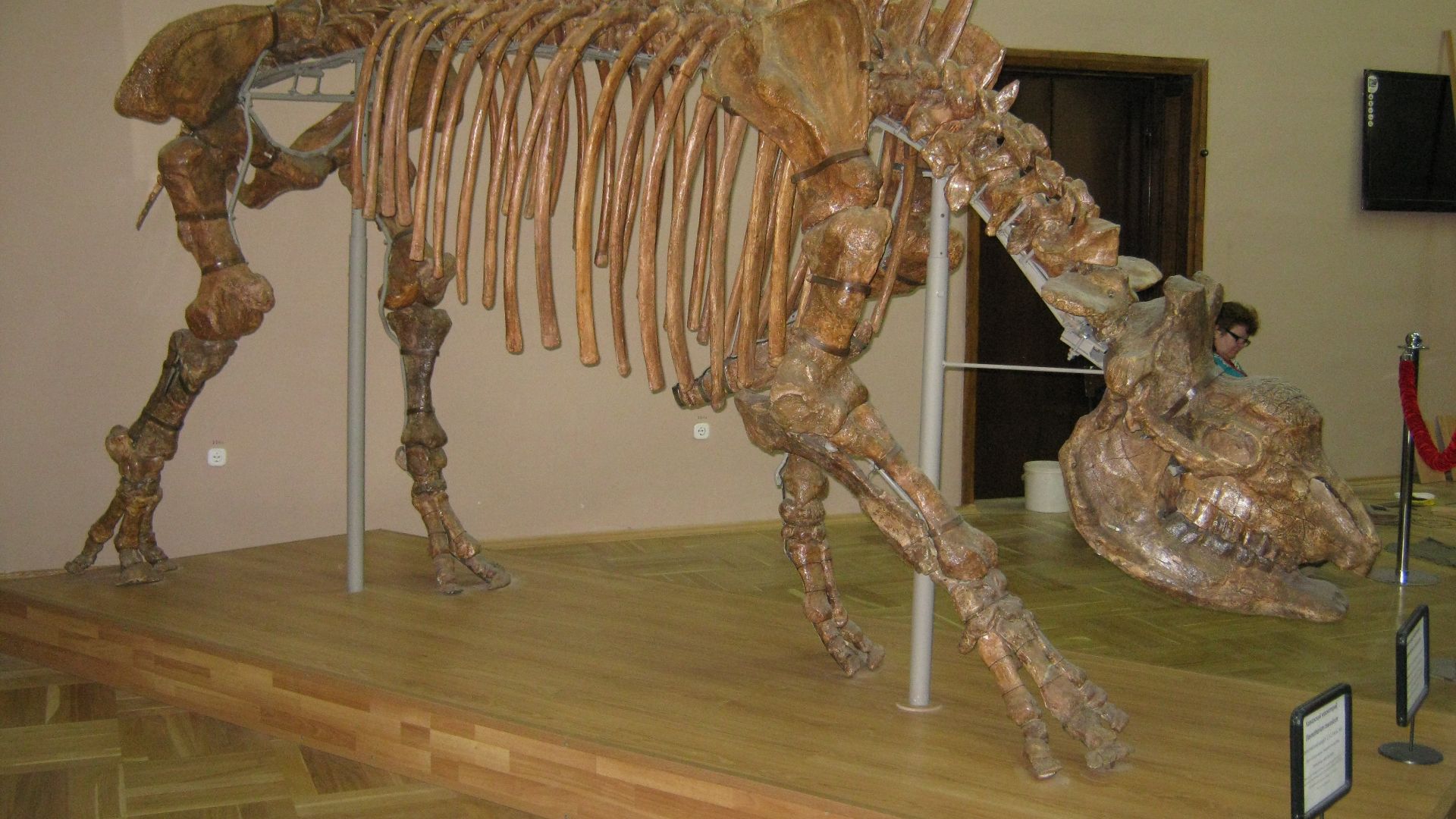
10. Elasmotherium's Date Moved
Elasmotherium was a rhinoceros with a single massive horn boss, long assumed to have died out hundreds of thousands of years ago. Radiocarbon work published in 2018 put its last remains at 39,000 years, overlapping with modern humans in the region. The animal sometimes called the Siberian unicorn was far more recent than anyone had it.