
10 Things T. Rex Fossils Actually Prove & 10 Questions Scientists Still Can't Settle
The Bone Evidence And The Open Arguments
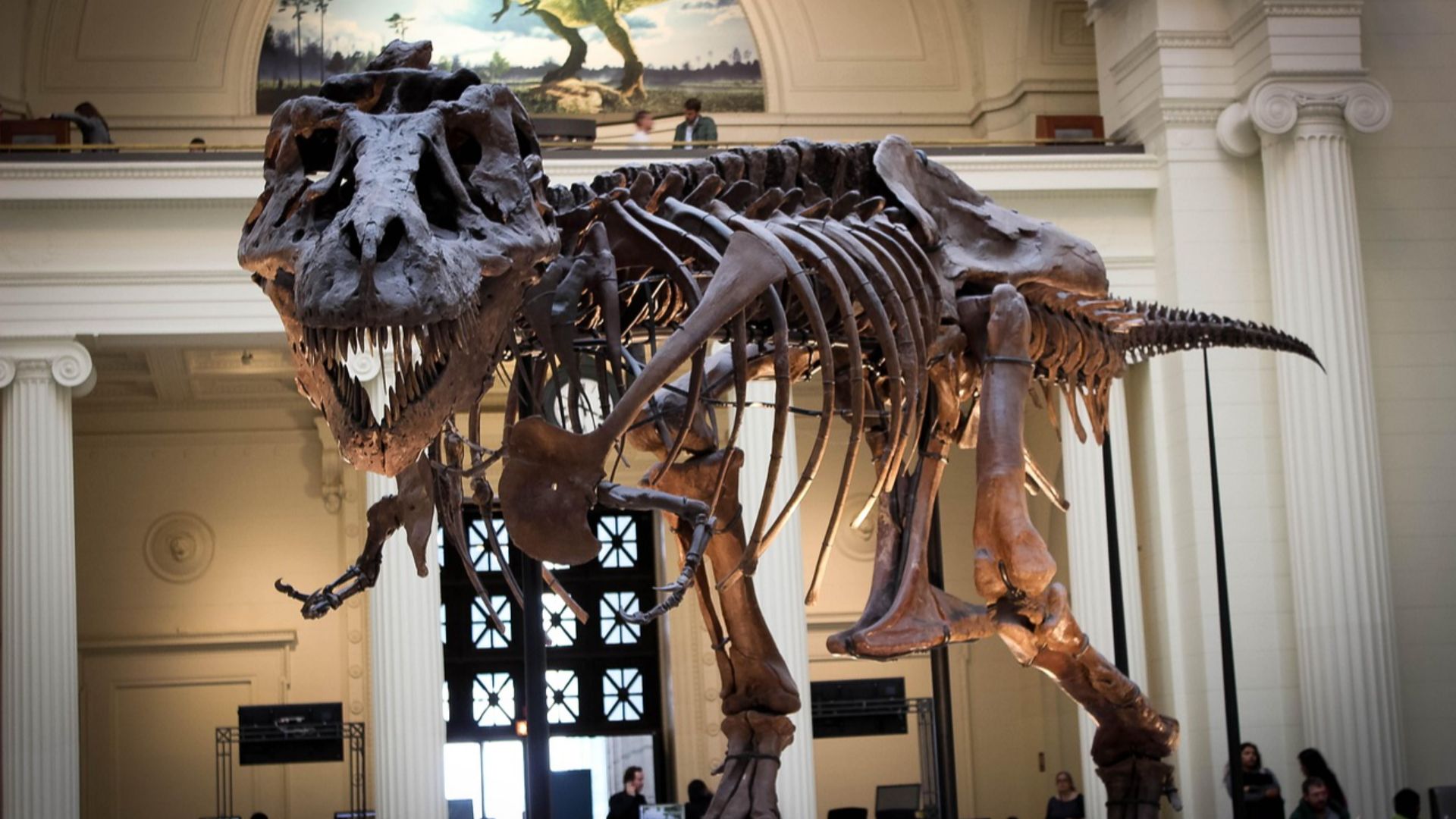
T. rex is one of the most recognizable extinct animals, thanks to museums and movies. But much of what people think they know about it doesn't come from the fossils. Its bones reveal surprisingly specific details, including what individual animals ate and how old they were when they died. Other questions have kept scientists arguing for decades, with no clear answer in sight. Here are 10 things the fossils establish, followed by 10 questions that remain unanswered.
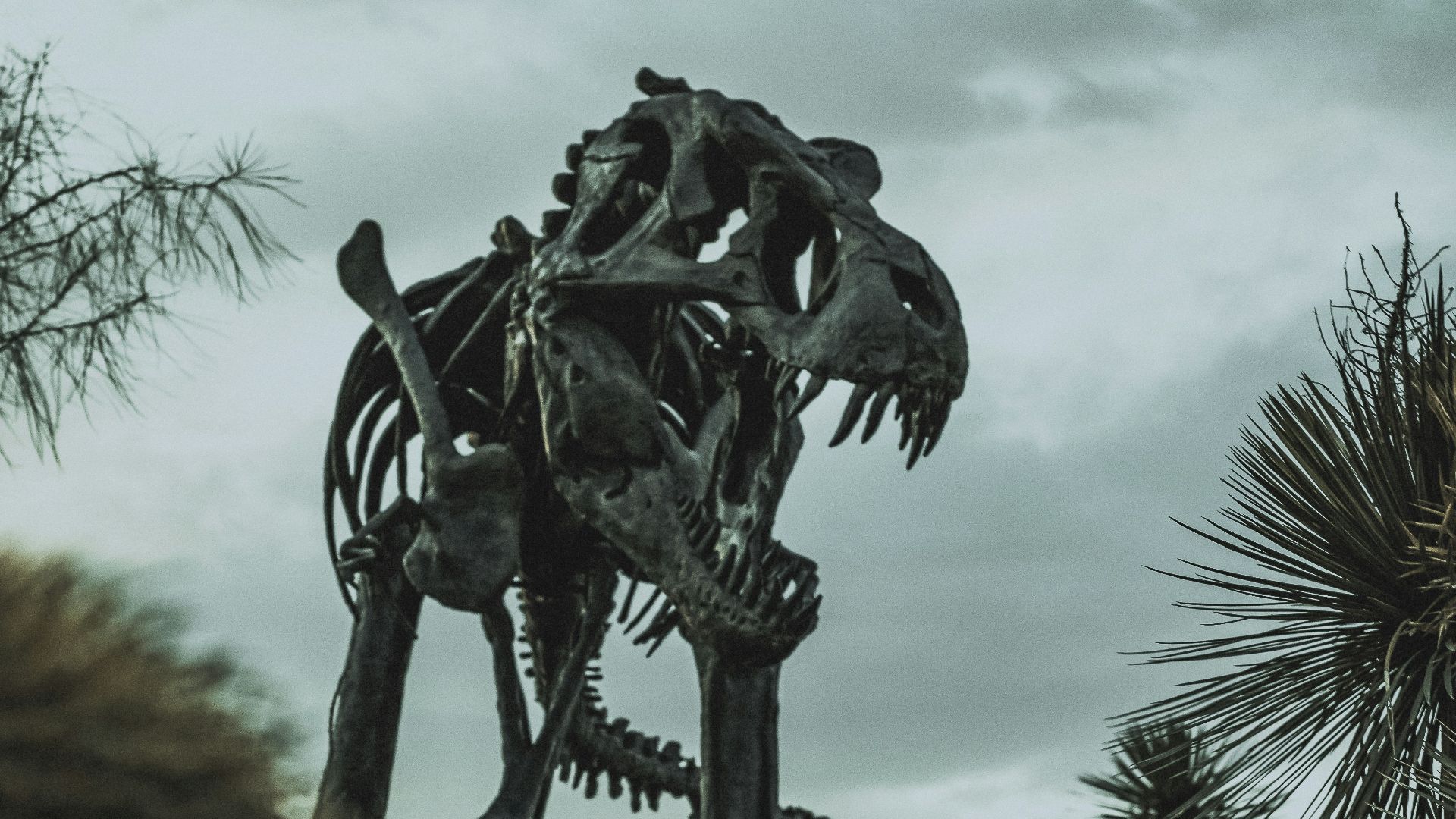
1. Its Bite Crushed Bone
The force at the back teeth came in near 8,000 pounds, more than twice what the largest living crocodiles manage. Pressure concentrated at the tooth tip mattered more than the raw total for breaking through bone. The largest teeth ran 30 centimeters counting the root, blunt and heavily serrated.
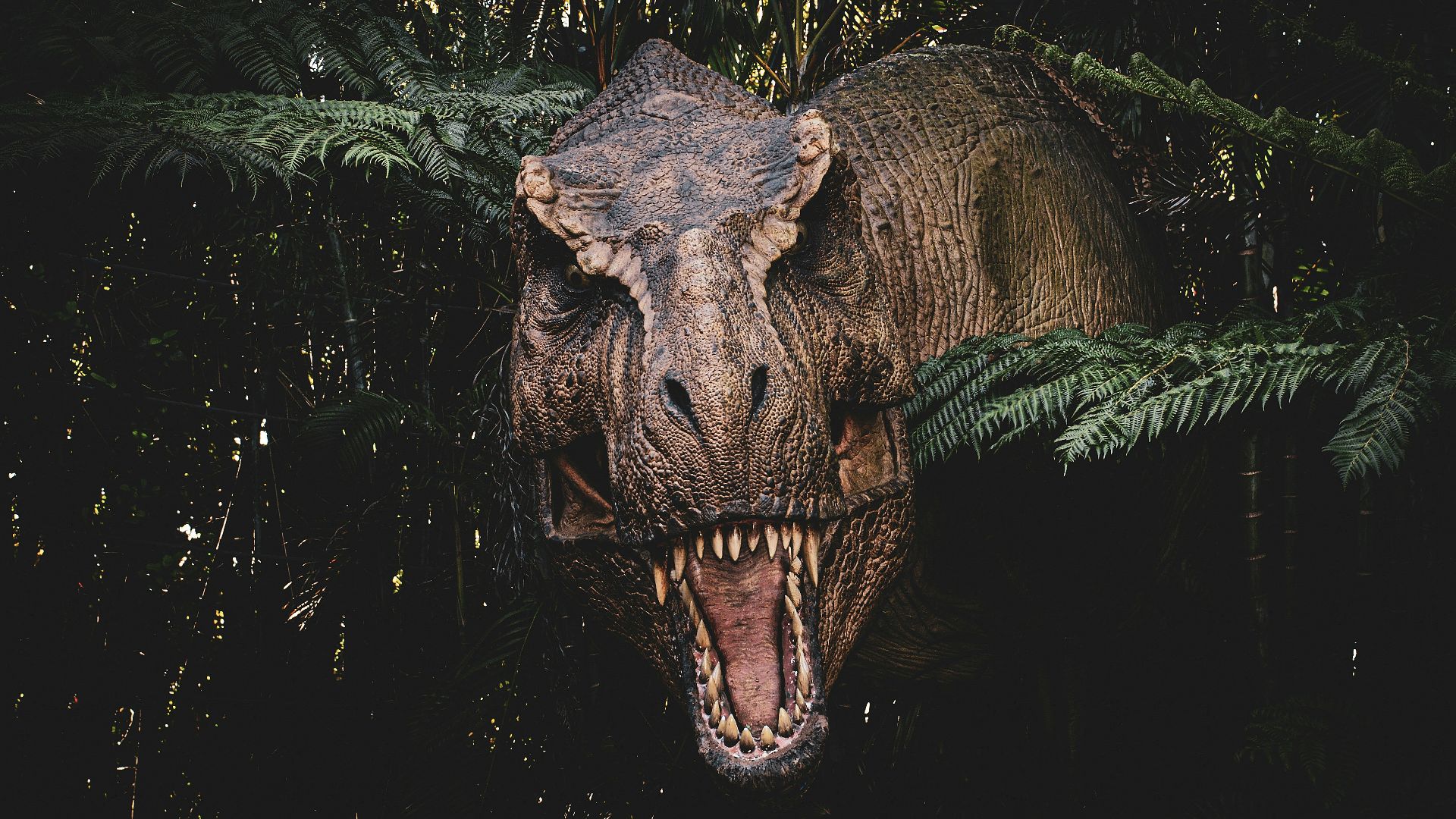
2. It Fed On Triceratops
One Triceratops pelvis from the Hell Creek Formation carries 58 definite tooth marks and 22 more that are probable. The marks are furrows rather than clean punctures, left where teeth sank in and dragged back through the carcass. Casts taken from the deepest holes reproduce the serrations along a tyrannosaur tooth.
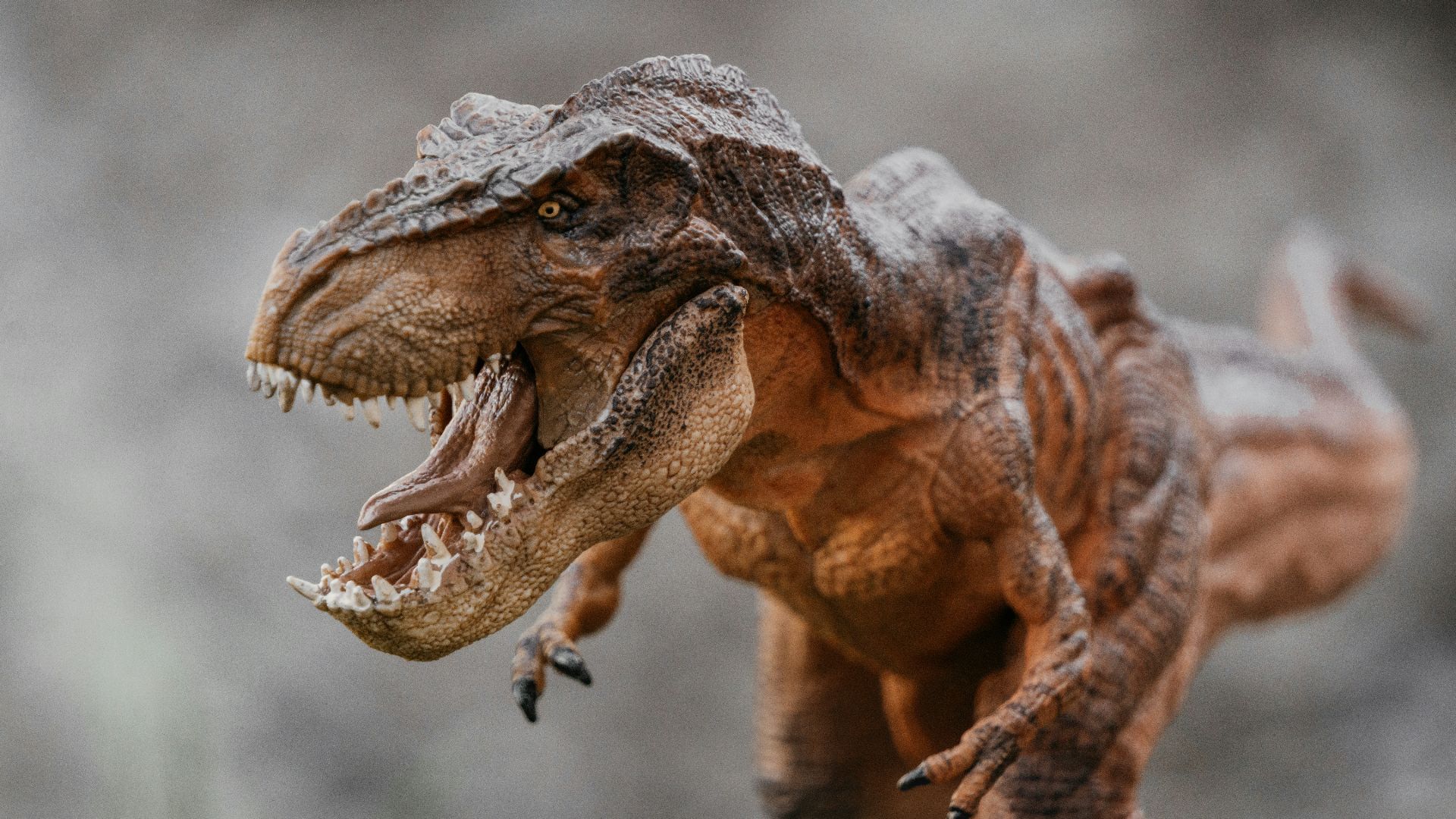
3. Bone Went Through Its Gut Undigested
Fossil droppings from Saskatchewan run more than 40 centimeters long and hold about 2.5 liters of material, with broken bone making up a third to half the mass. Nothing else in those rocks was large enough to have produced them. The fragments came from a young plant-eating dinosaur and reached the gut already shattered.
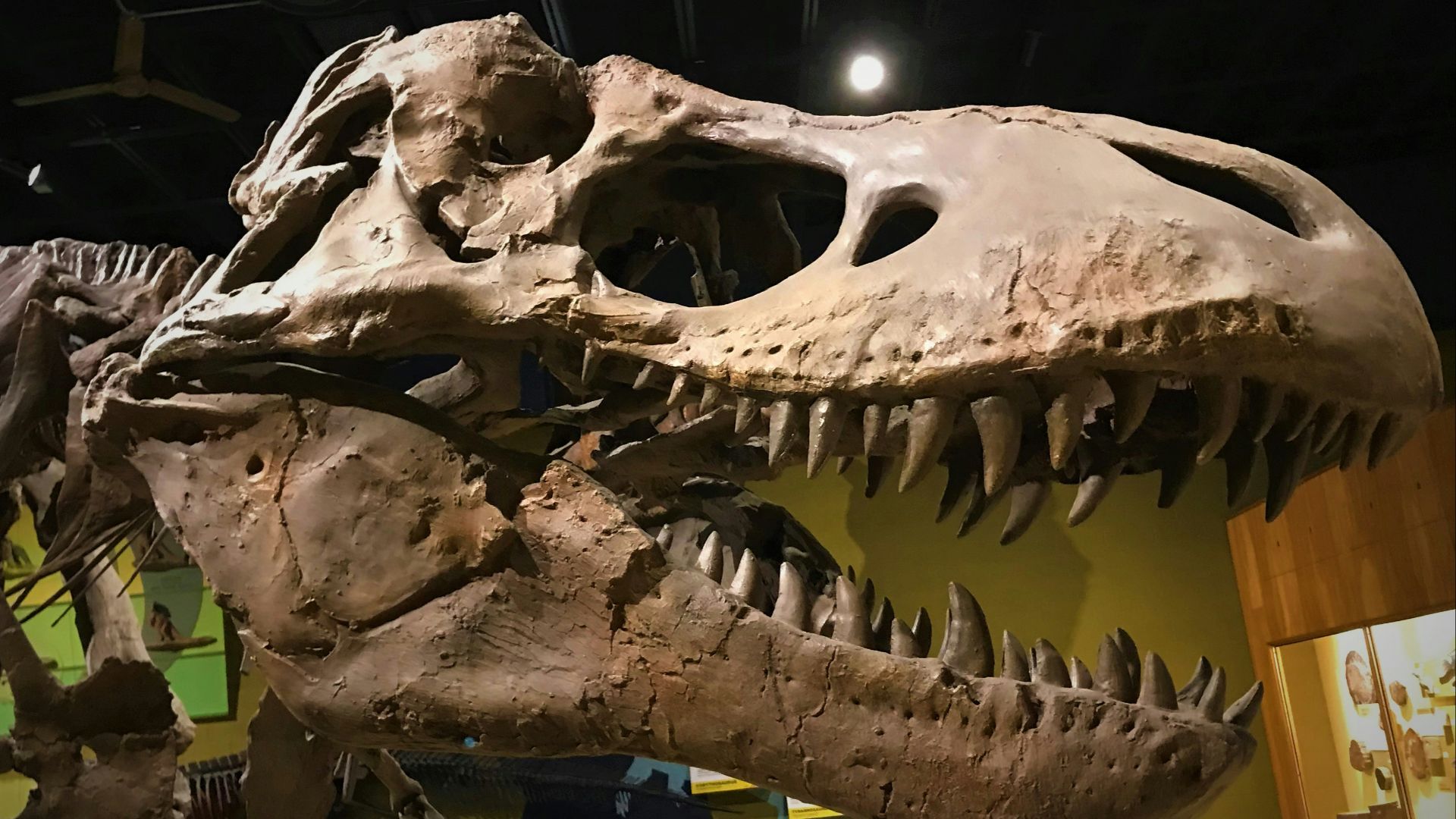
4. Tyrannosaurs Fed On Other T. Rex
Four T. rex bones in museum collections carry tooth marks that only another tyrannosaur could have left. The gouges sit on foot and arm bones in positions awkward to reach in a fight, and none of them healed. Predation or scavenging is a separate question these marks can't answer.
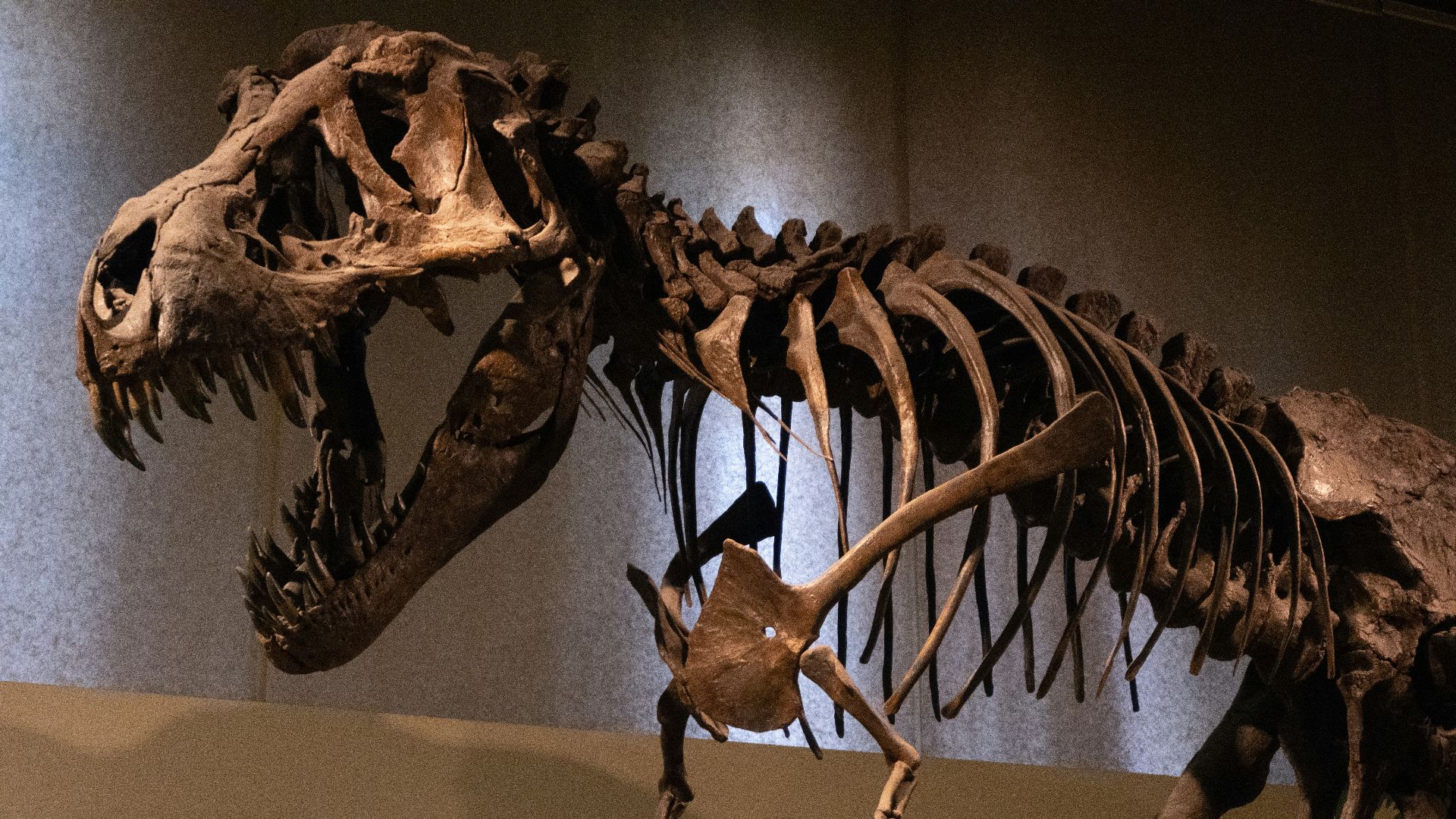
5. It Grew Fast And Died Young
Growth rings in ribs and other small bones put Sue's age at death at 28, with growth stopping somewhere around 18 to 20. A second old individual reads closer to 30. Through the peak of the growth spurt the animal was adding roughly two kilograms a day.
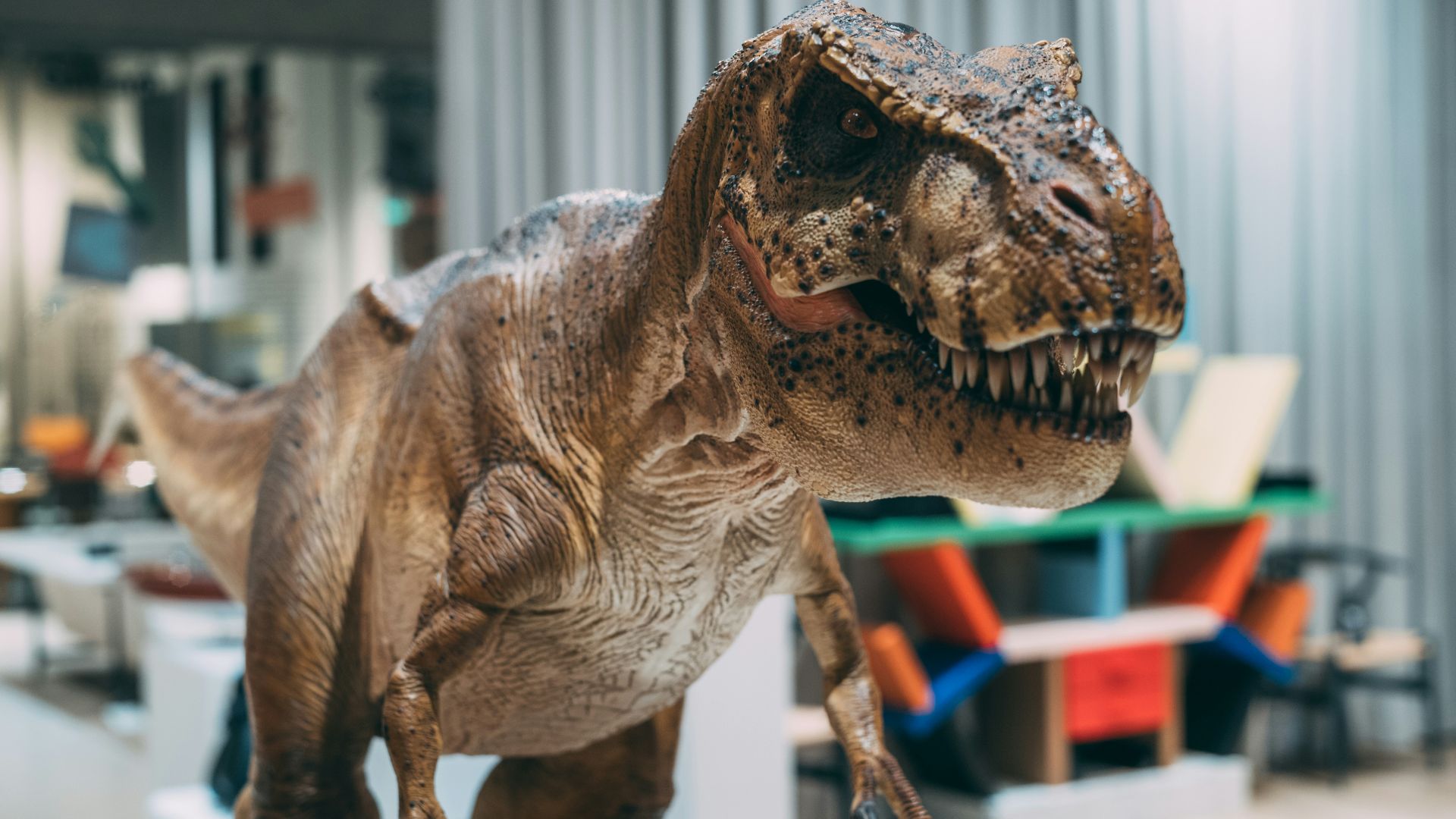
6. Adults Passed Eight Metric Tons
Scotty, the heaviest specimen measured, comes out around 8,870 kilograms, with Sue just behind at about 8,462. Both measured about 12 meters from nose to tail. The two sit inside each other's error bars, so crowning a largest individual is premature.
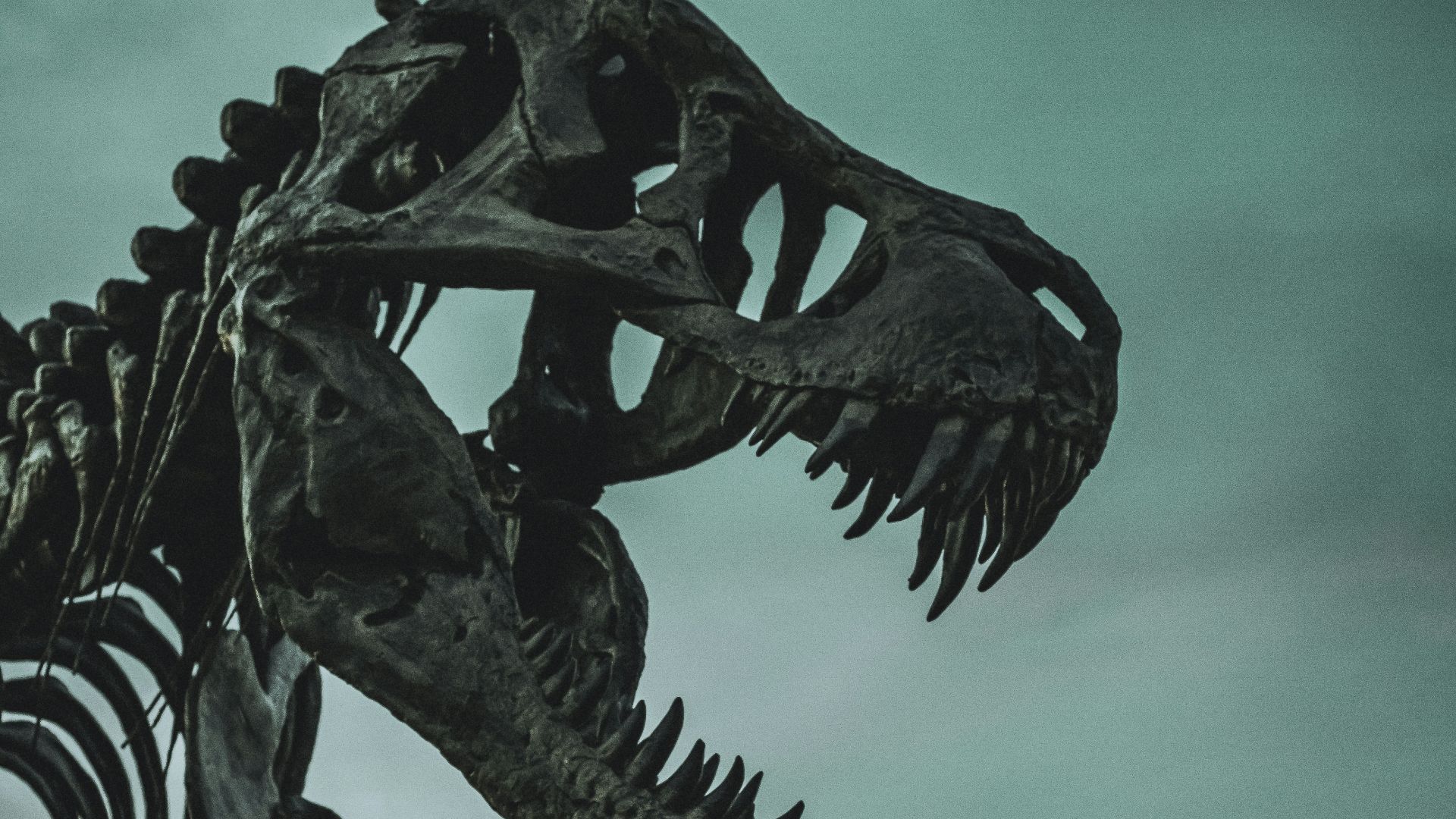
7. At Least One Specimen Was A Laying Female
A femur from a Montana specimen nicknamed B-rex holds medullary bone, the calcium reserve female birds build inside their limb bones before shelling eggs. Ostriches and emus lay down the same tissue and crocodiles never do, which is part of why the identification held. It appears only around laying and disappears once the eggs are done.
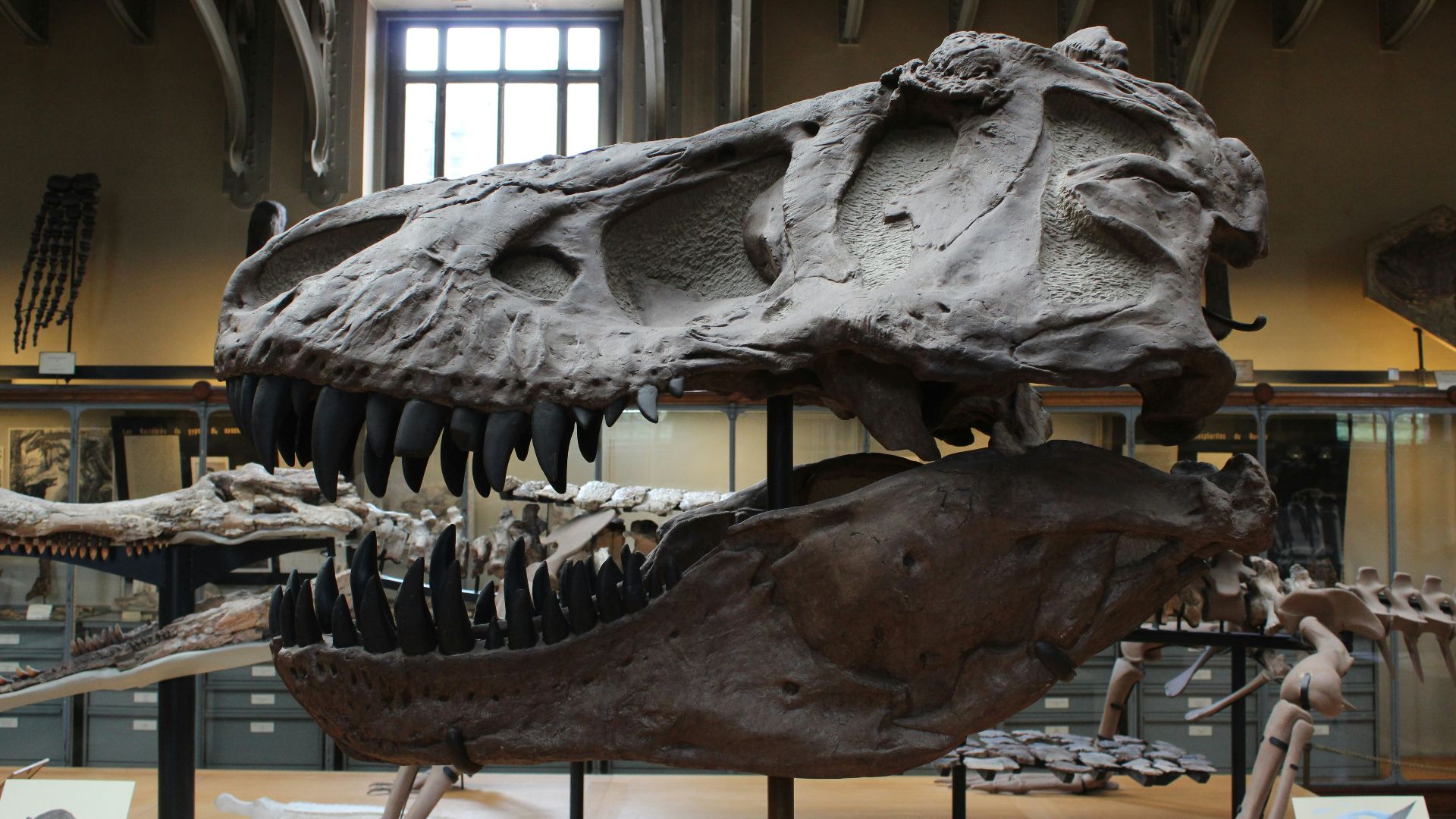
8. Its Eyes Faced Forward
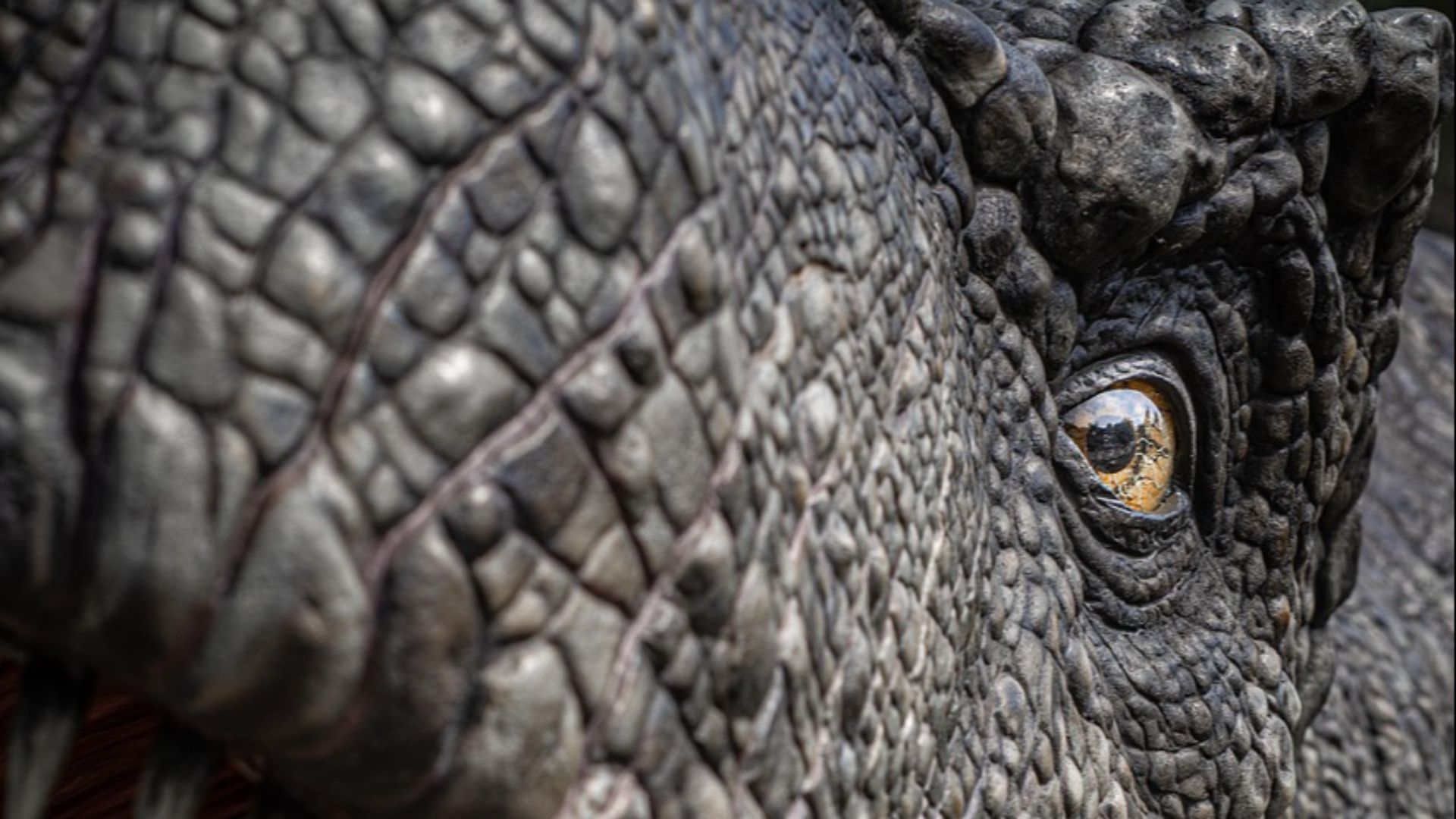
The eye sockets sit in a narrow snout and point ahead, giving the two fields of view a substantial overlap. Binocular range works out near 55 degrees, wider than a hawk's. Each eyeball was roughly softball-sized, and skull shape shifted over the lineage toward lower snouts and larger eyes.
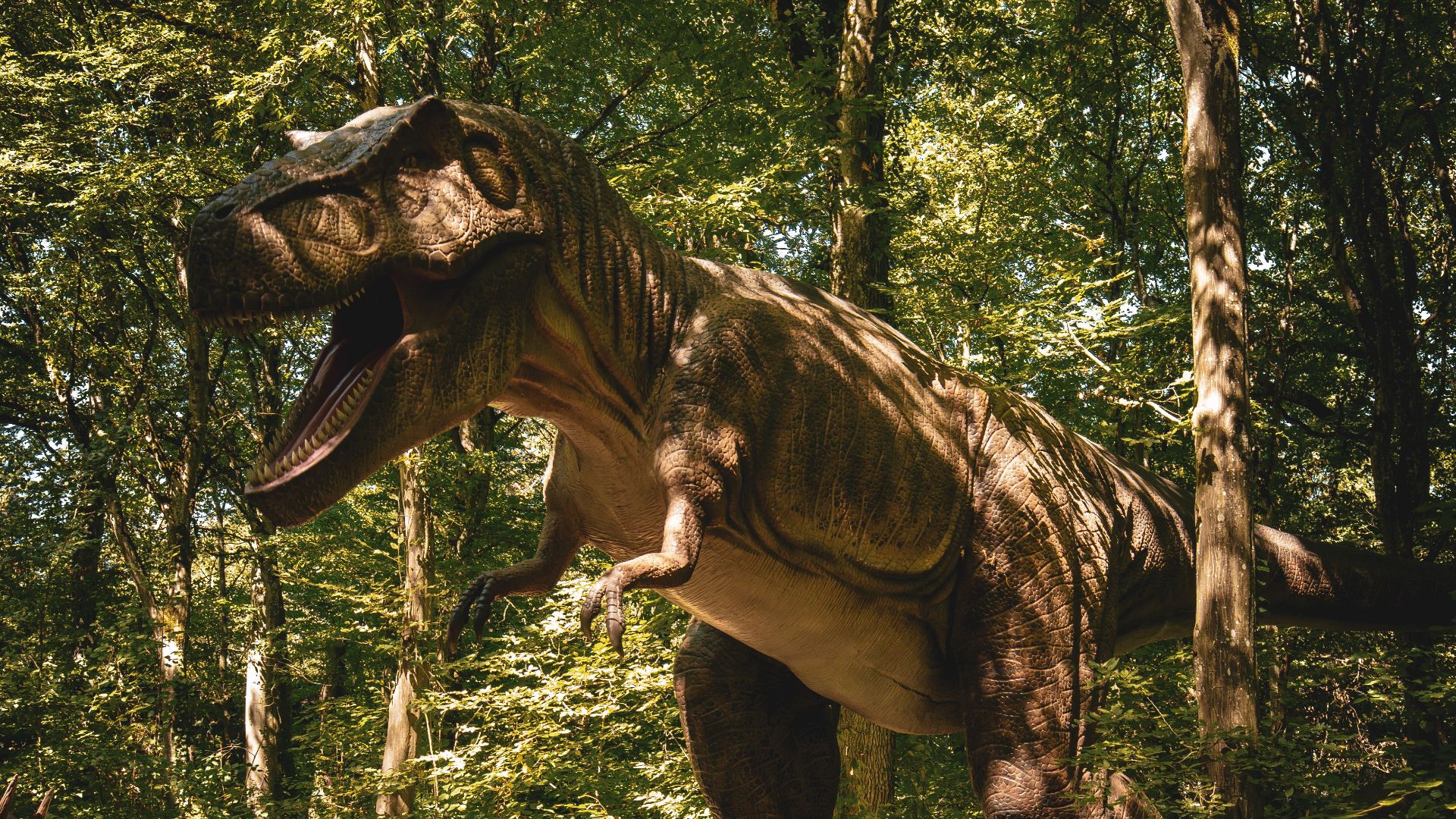
9. Parts Of It Were Scaly
Skin impressions preserved with a Montana specimen nicknamed Wyrex cover small patches from the neck down to the tail, each one showing pebbly scales. Comparable impressions appear on four related tyrannosaurs. The patches establish scales where they occur and say nothing about the rest of the body.
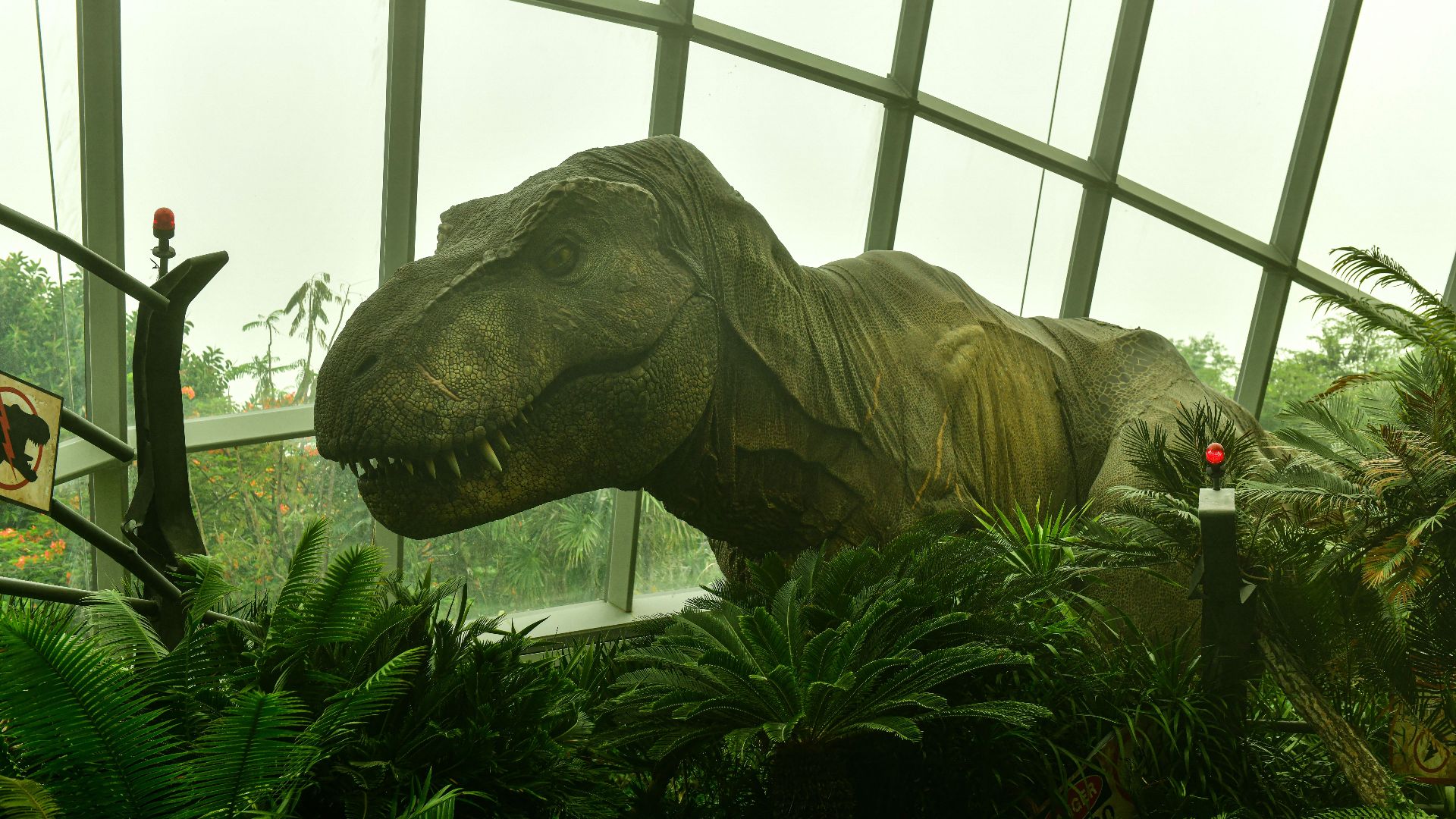
10. Individuals Lived With Injuries And Disease
Sue's skeleton carries broken ribs and holes in the jaw, enough damage to leave the animal in rough shape by the time it died. Another specimen took a bite to the back of the skull that only a larger T. rex could have delivered. Healed breaks mean these animals survived their injuries and went on hunting afterward.
Now, here's 10 the fossils haven't closed.
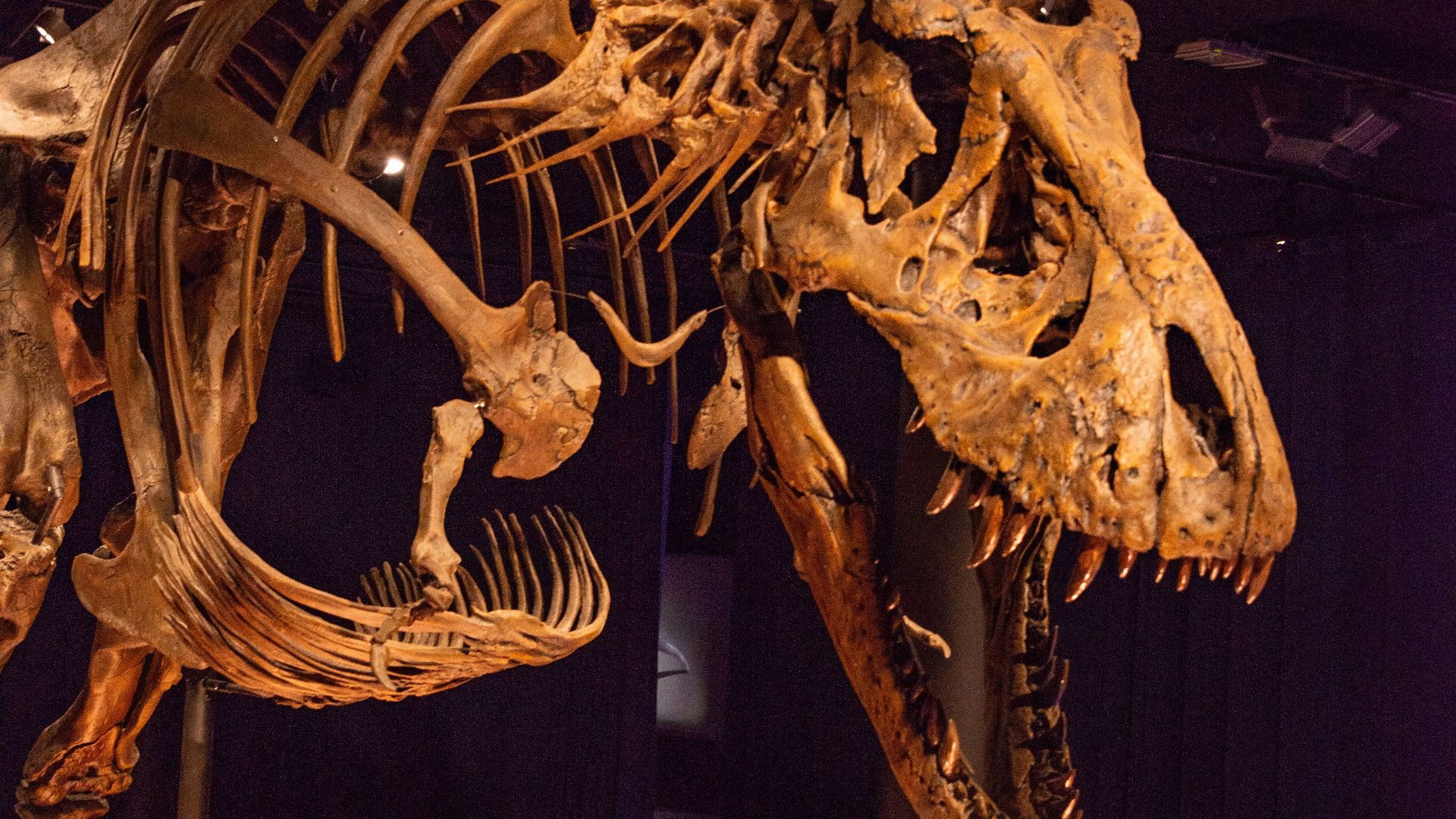
1. Feathers Anywhere On The Body
Early tyrannosauroids had feathers and the Wyrex patches are scaly, so every area without skin impressions stays undetermined. Feathers need extraordinary conditions to fossilize, and their absence from a few scraps of skin settles little. Nothing in the record yet covers the back or the top of the head.
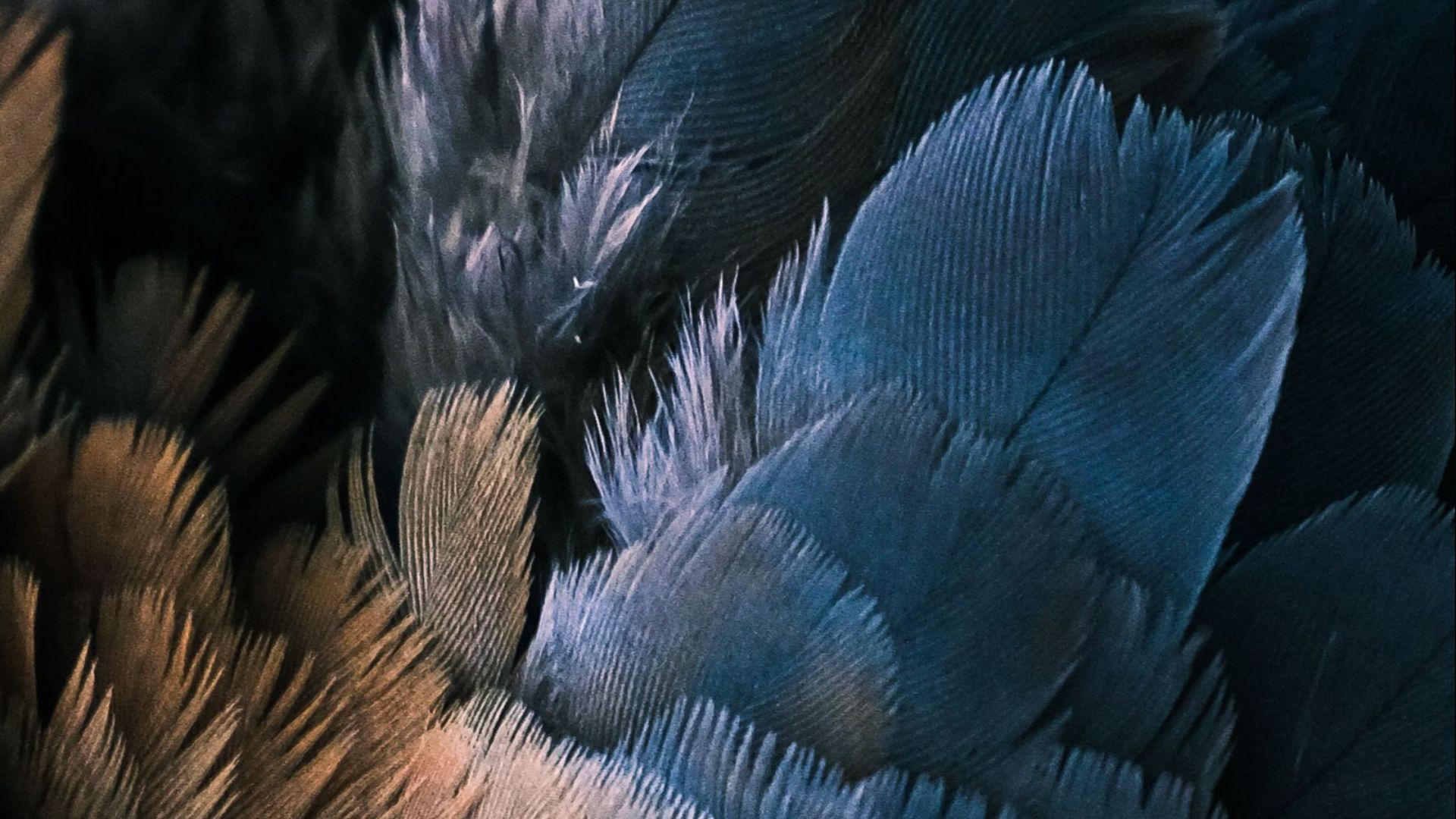
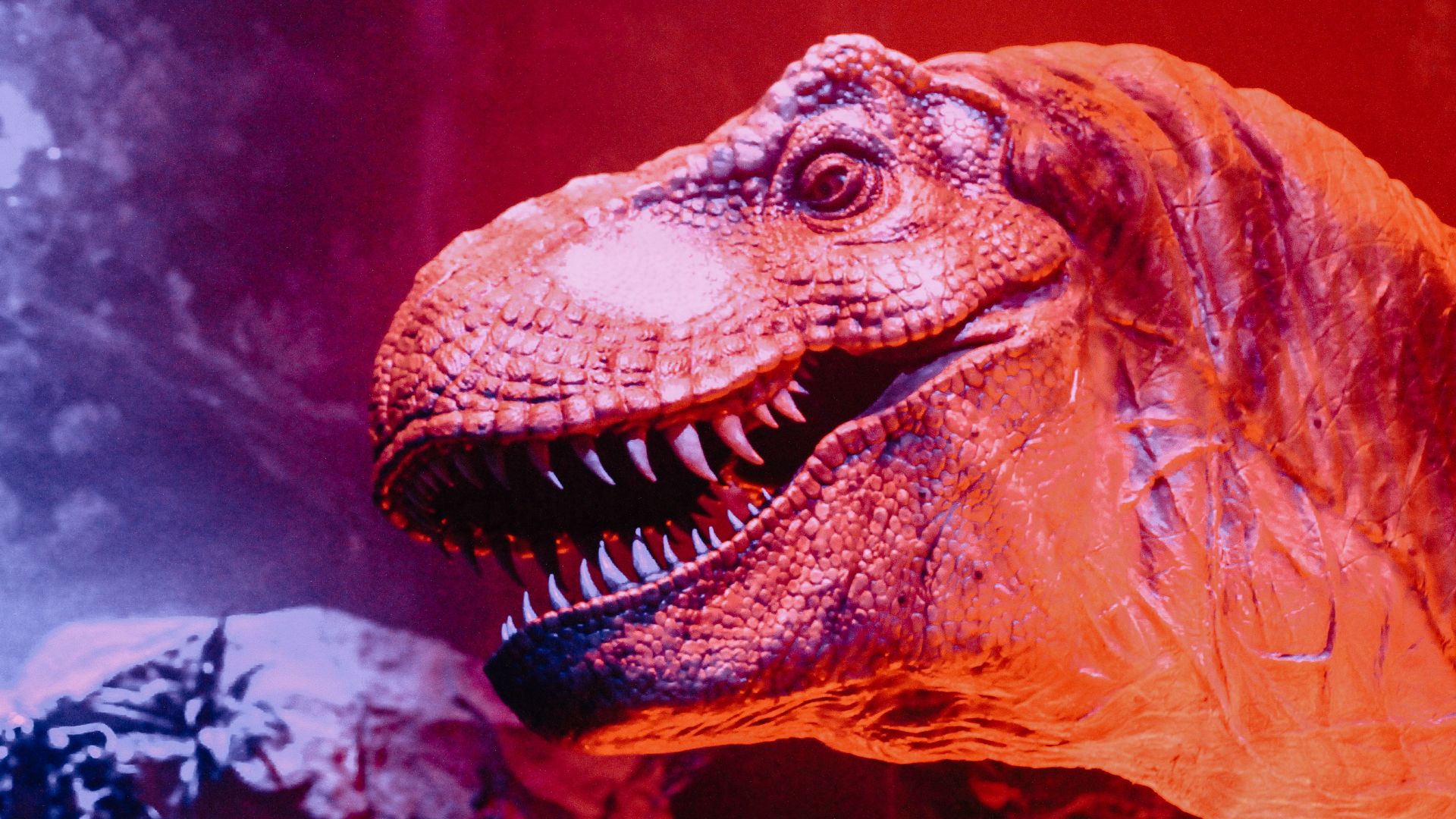
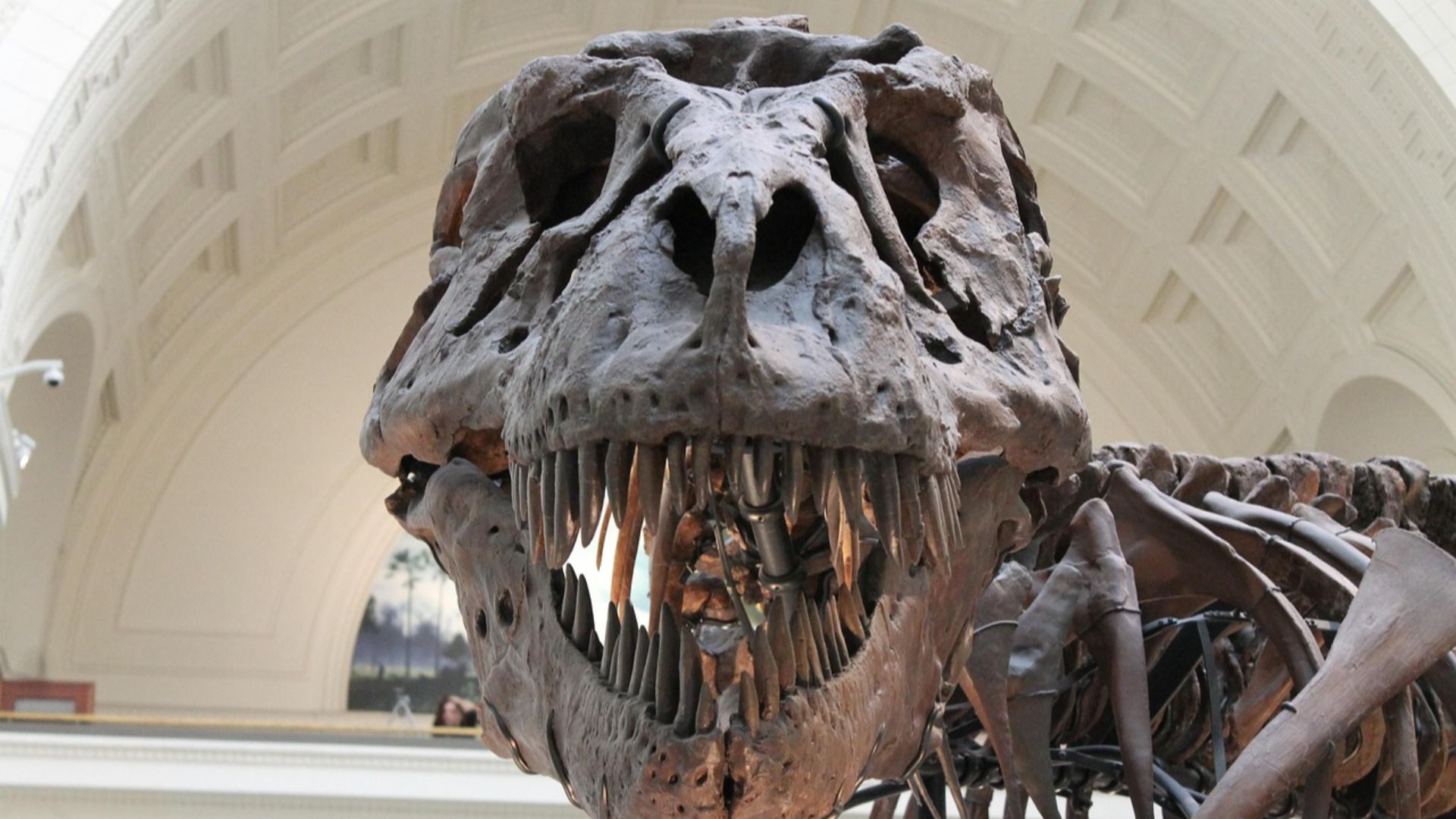
2. Whether Lips Covered The Teeth
One camp holds that the teeth sat behind scaly lips, since the enamel shows no sign of drying out and the teeth are proportionally normal for a predatory reptile. The other reads the skull as crocodile-like, with the teeth left exposed. That exchange was still running through late 2025.
 Mehmet Turgut Kirkgoz on Pexels
3. How Fast It Could Move
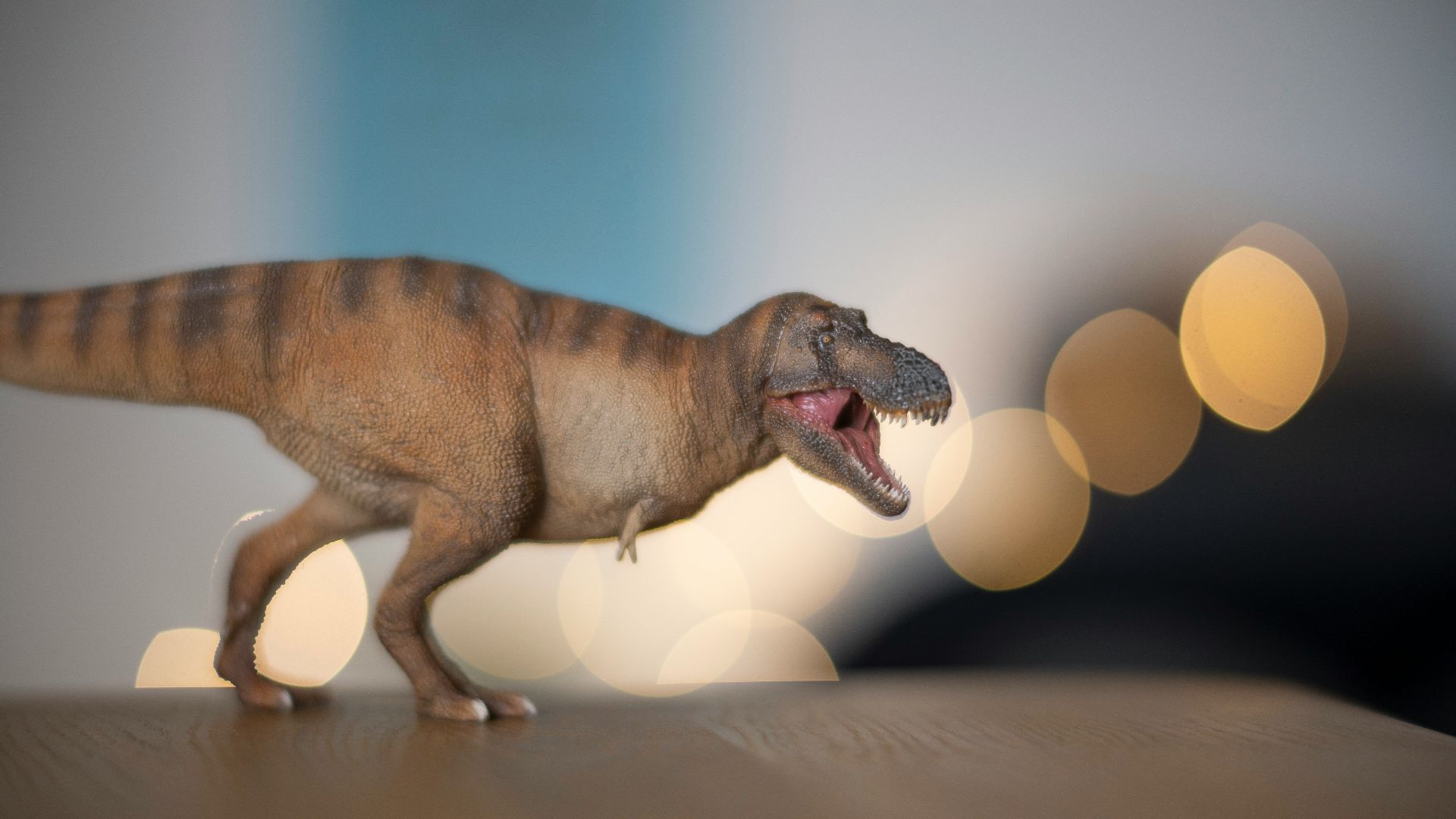
Published top speeds range from about 11 to 34 miles per hour depending on the method. Simulations that track loads on the leg bones suggest the skeleton could not take a true running gait at all, capping it near a fast walk. Those results depend on assuming the muscles were as strong as they could possibly be.
4. Brain Size And Intelligence
Neuron-count estimates have placed T. rex somewhere in baboon territory. The counts turn on how much of the braincase the brain actually filled, and in living reptiles that figure runs only a third to half. No one has a way to read that fraction off a fossil skull.
5. Whether It Lived In Groups
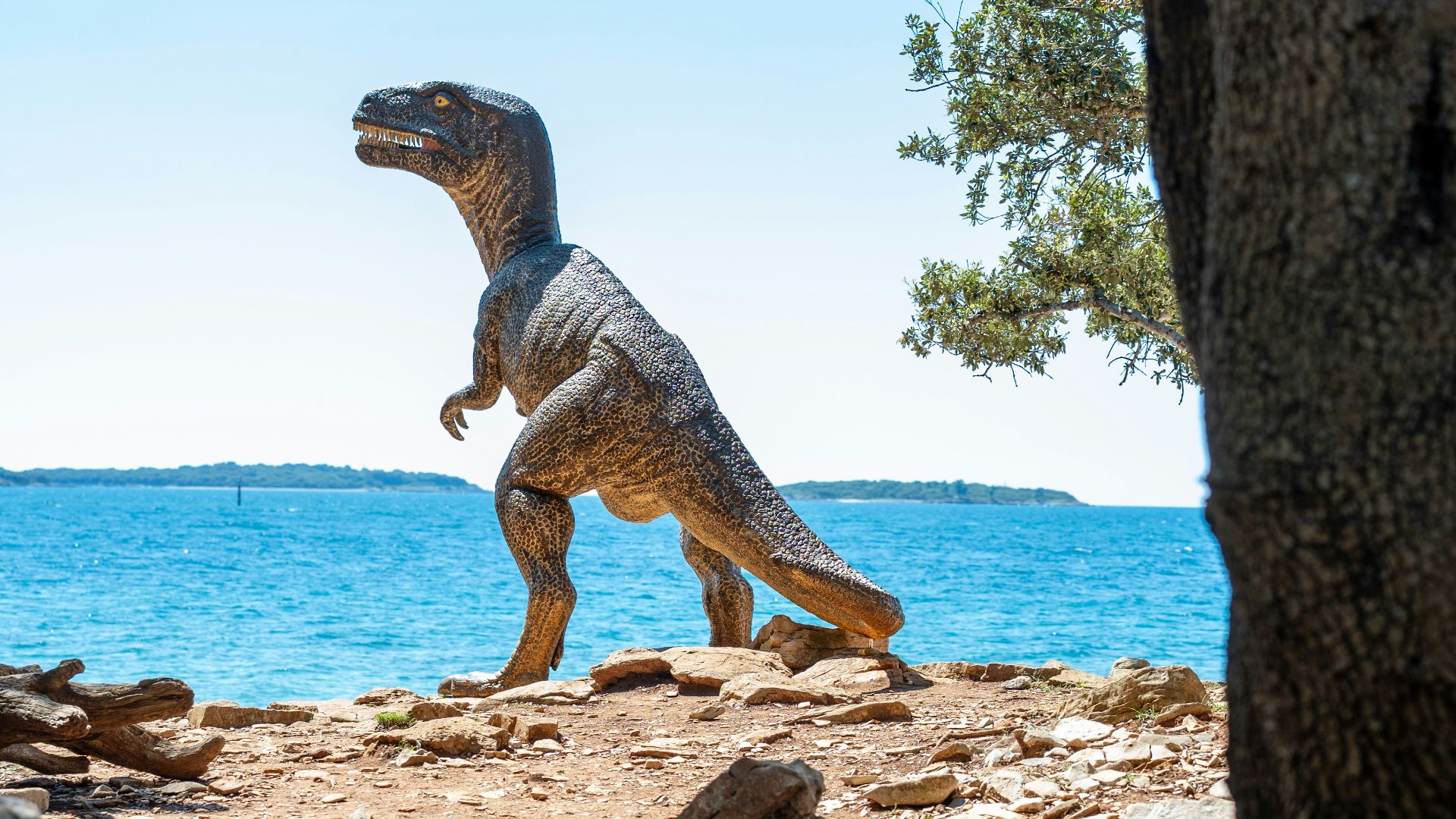
Bonebeds holding several tyrannosaurs of a single species exist in Alberta and Utah, and they have been read as social groups. Flooding can also pile unrelated carcasses into one spot, and vultures show that predators gather at a carcass without cooperating. No T. rex bonebed has turned up, and only one tyrannosaur footprint is known.
6. How Many Tyrannosaurus Species There Were
Most specialists still recognize a single Tyrannosaurus species. An attempt to split the genus into three rested on femur thickness and the shape of a lower front tooth, and critics said the statistical breakpoints were set before the test ran. Several of those critics leave room for more than one species given better fossils.
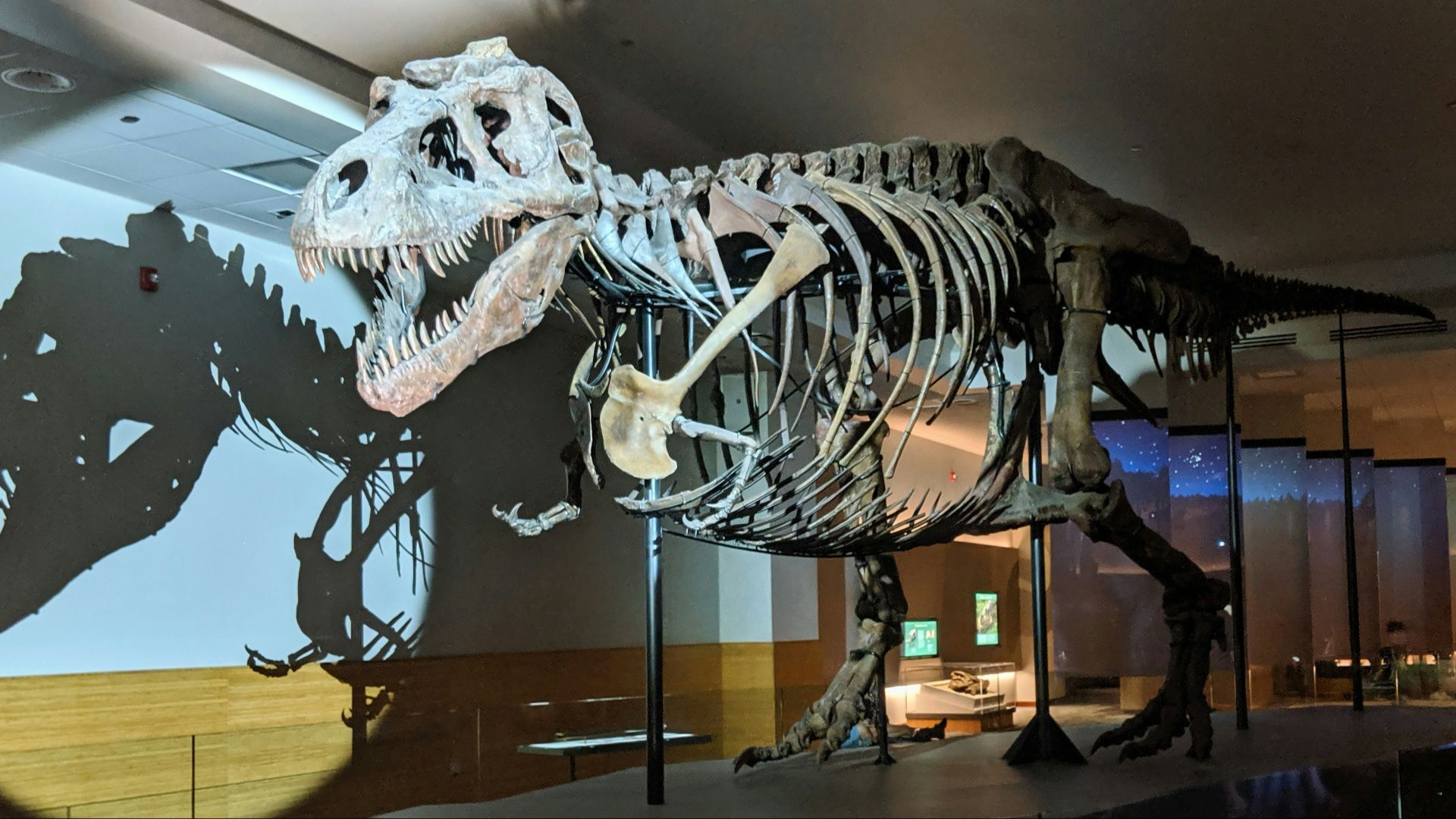
7. Telling Males From Females
Medullary bone identifies a female only if she died while laying, which rules out most specimens. Robust and gracile builds have been proposed as the two sexes for decades without a test that settles the matter. Skeletons of male and female dinosaurs appear otherwise identical.
8. What Juveniles Looked Like
Nanotyrannus turned out in 2025 to be a species in its own right rather than a young T. rex, once a near-complete skeleton showed an animal that had finished growing. Small skeletons used for years to study T. rex growth may belong to that other genus. Sorting out which specimens are which has only started.
9. What The Arms Were For
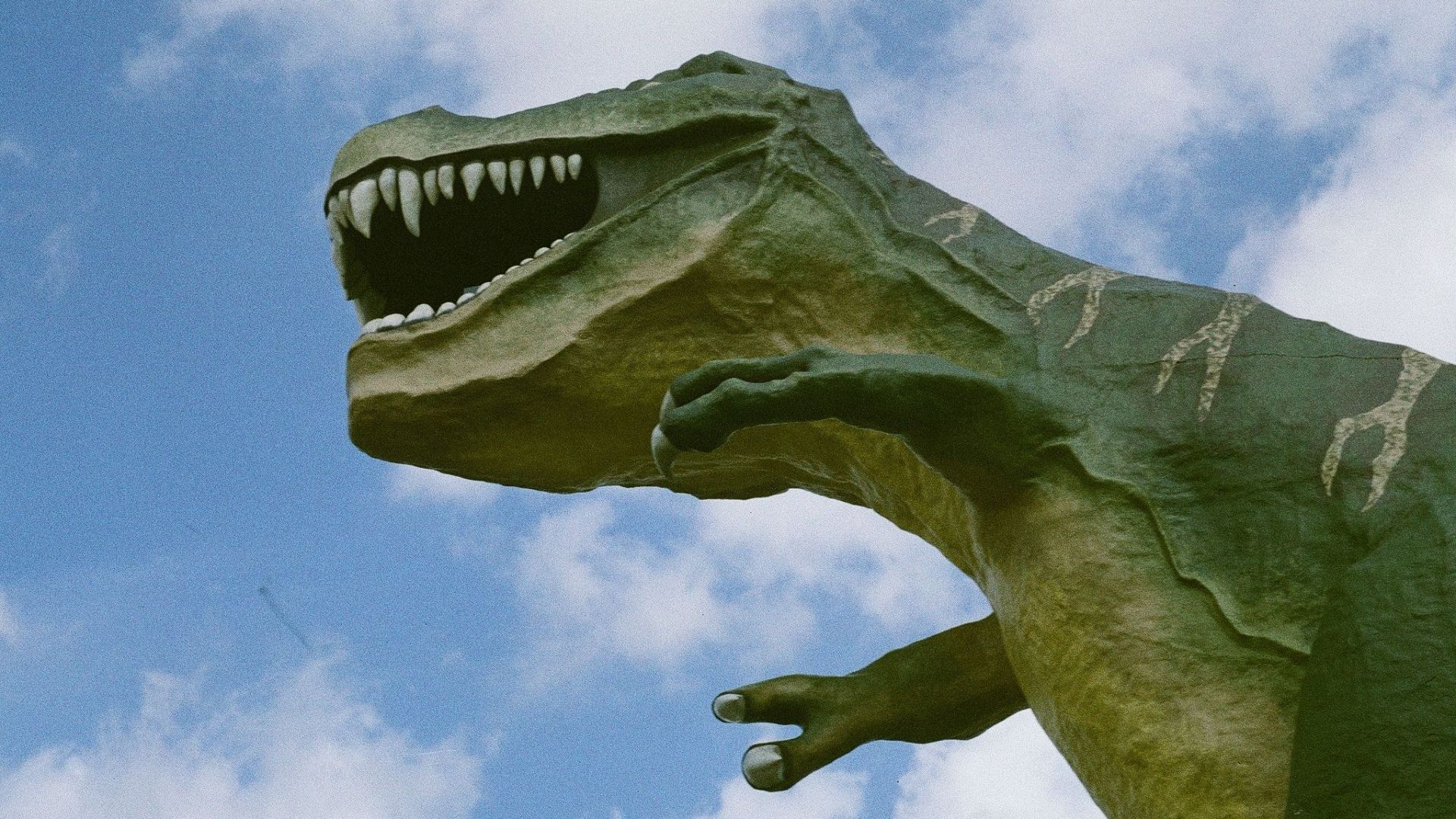
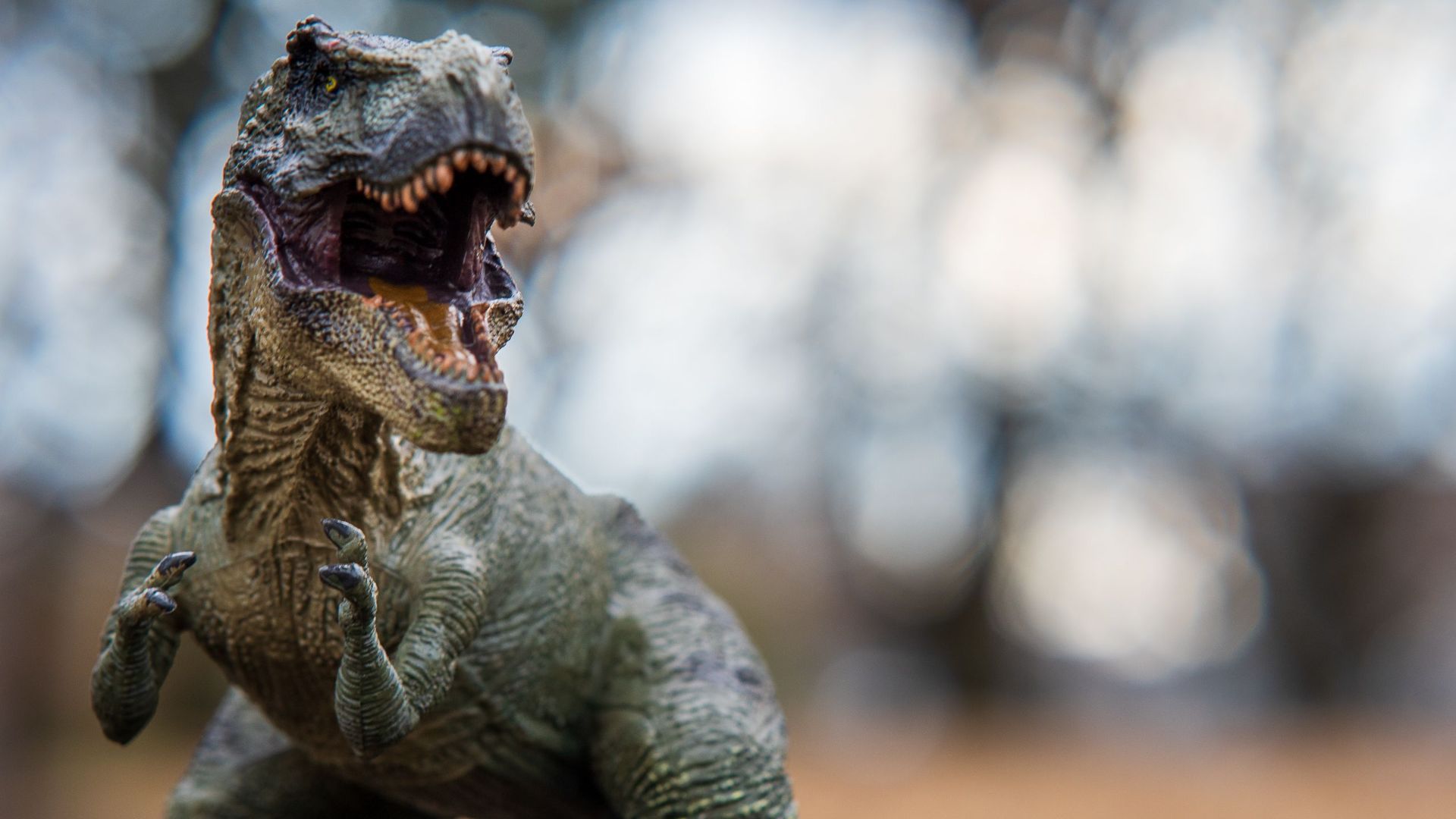
Proposed functions include holding prey and gripping a mate during courtship. None of them survive scrutiny, since the arms cannot reach each other or the mouth and every suggested use would work better with longer limbs. One alternative is that shrinking kept them clear of other jaws at a shared carcass.
 素材王国 Footage Kingdom on Pexels
10. Original Proteins In The Bones
If collagen really lasts 68 million years, it outlasts every prediction decay experiments have produced. Peptides reported from a T. rex femur matched ostrich bone closely when another lab reran the work on the same instruments, which points at contamination. Repeated attempts to recover those sequences elsewhere have failed.