
20 Historical Figures Who Went to Extreme Lengths to Hide Their Illegitimate Children
20 Historical Figures Who Went to Extreme Lengths to Hide Their Illegitimate Children
Some Family Secrets Were Too Scandalous to Reveal
Throughout history, powerful people have gone to extraordinary lengths to protect their reputations, particularly when children were born outside marriage. For royalty, politicians, and other prominent figures, an illegitimate child could threaten everything from social standing to political influence, making secrecy an attractive option. Some arranged secret births in foreign countries, while others made up elaborate stories about their children's identities or simply refused to acknowledge them. Here are 20 historical figures whose attempts to conceal their children show just how far people were willing to go to avoid scandal.
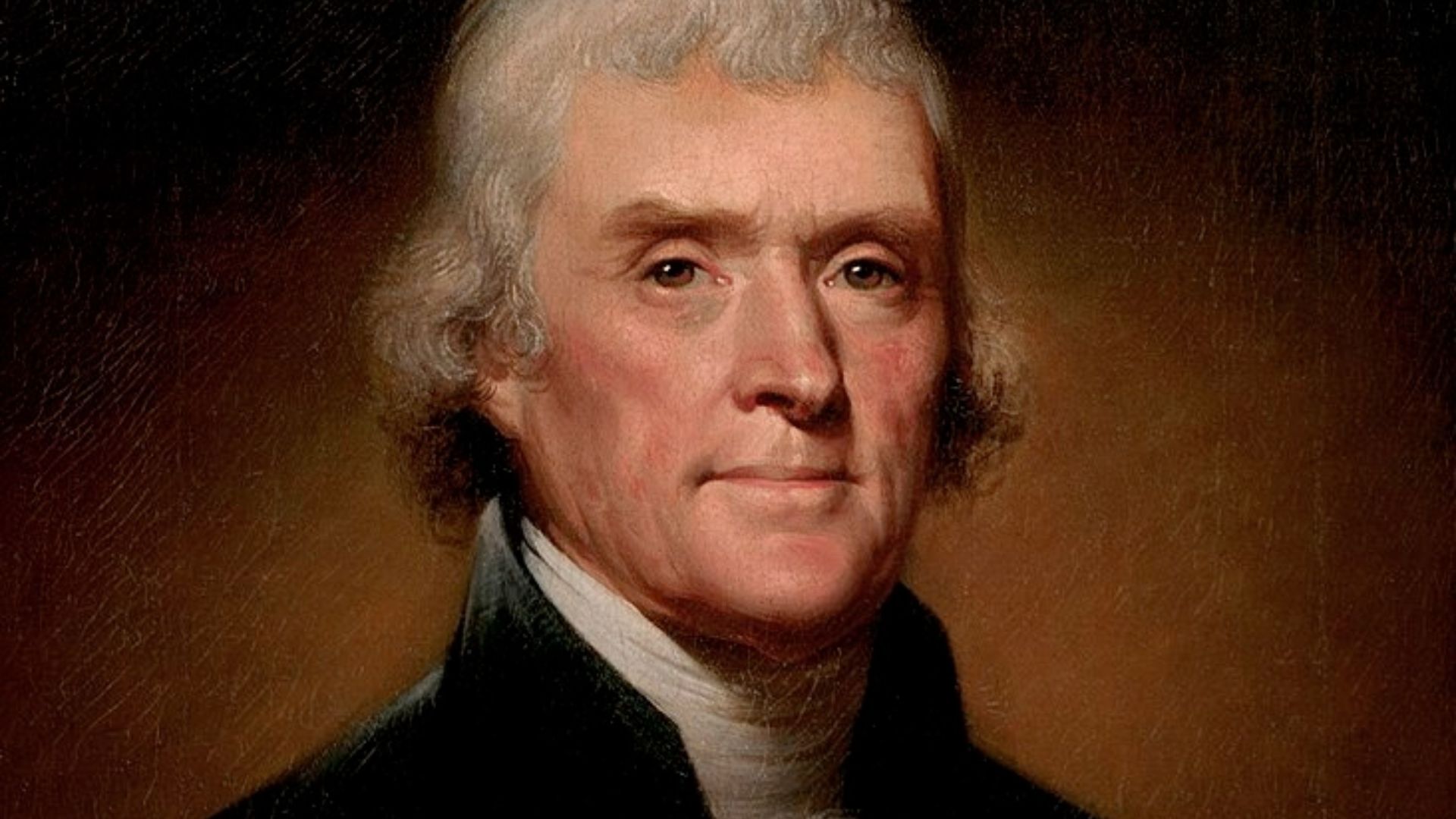
1. King Louis XIV of France
France's famous Sun King fathered several children with his mistresses, but he initially made considerable efforts to keep their existence secret. His children with Madame de Montespan were placed in the care of a trusted governess, Françoise d'Aubigné, who raised them discreetly away from court. Although the king eventually acknowledged several of his illegitimate children, their early years were marked by carefully arranged secrecy.
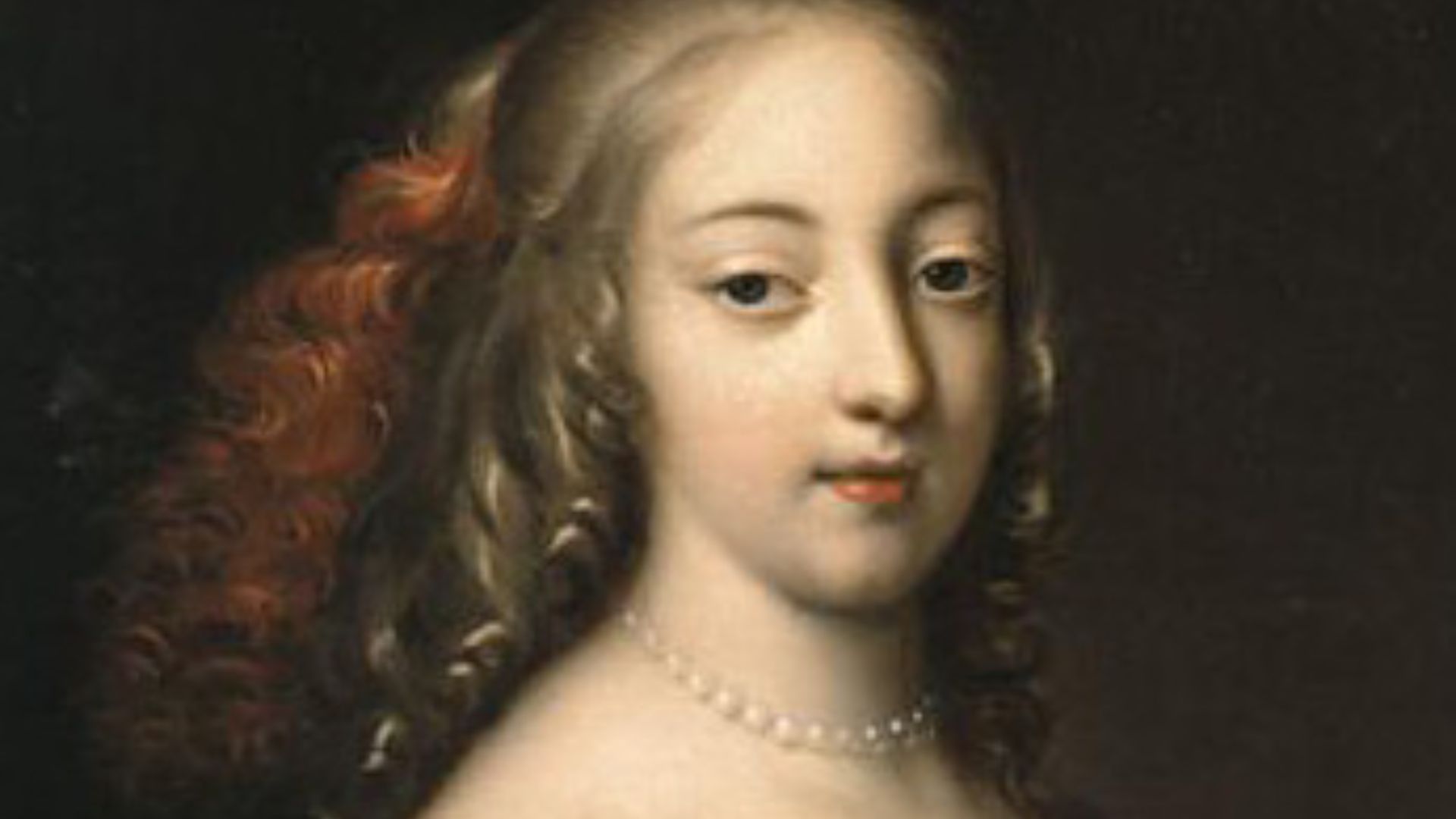
2. Madame de Montespan
As Louis XIV's influential mistress, Madame de Montespan found herself in a complicated position when she began having children with the king. She was still married to another man, making her pregnancies particularly problematic even within the relatively permissive French court. Her children were secretly entrusted to Françoise d'Aubigné, who reportedly went to extraordinary lengths to transport the newborns without attracting attention. This arrangement allowed Montespan to maintain her position at Versailles while keeping her growing family largely out of the public eye.
3. Anne Gerard, Countess of Macclesfield
In 1695, Anne Gerard reportedly arrived at a rented London apartment wearing a mask to hide her identity while preparing to give birth. The married countess had a daughter outside her marriage and later delivered a son under similarly secretive circumstances, placing both children in the care of others. She even claimed that both had died in infancy, although her son Richard Savage later identified himself as her surviving child. Unfortunately for Anne, her efforts eventually came to light during divorce proceedings, exposing the very details she'd worked so hard to conceal.
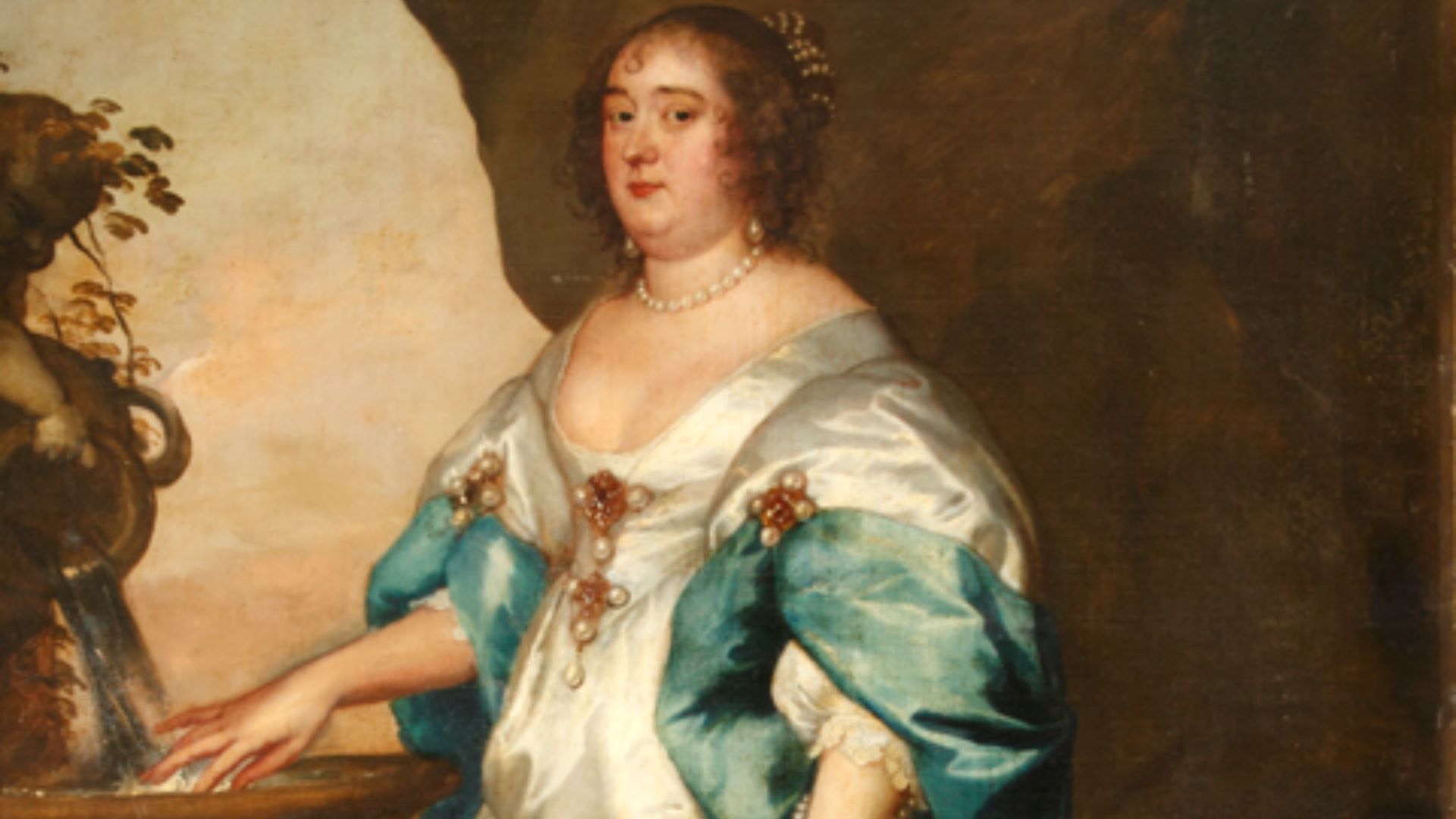 Workshop of Anthony van Dyck on Wikimedia
4. Princess Sophia of the United Kingdom
The daughter of King George III reportedly gave birth to an illegitimate son around 1800, creating a potentially embarrassing situation for the British royal family. Historians have often identified Thomas Garth, one of her father's equerries, as the child's possible father, although the circumstances remain disputed. According to historical accounts, the baby was placed with a tailor's family, where the tailor's wife was expected to pass him off as her own. Despite attempts to dismiss rumors of the pregnancy, Sophia's alleged secret eventually became a popular subject of royal gossip.
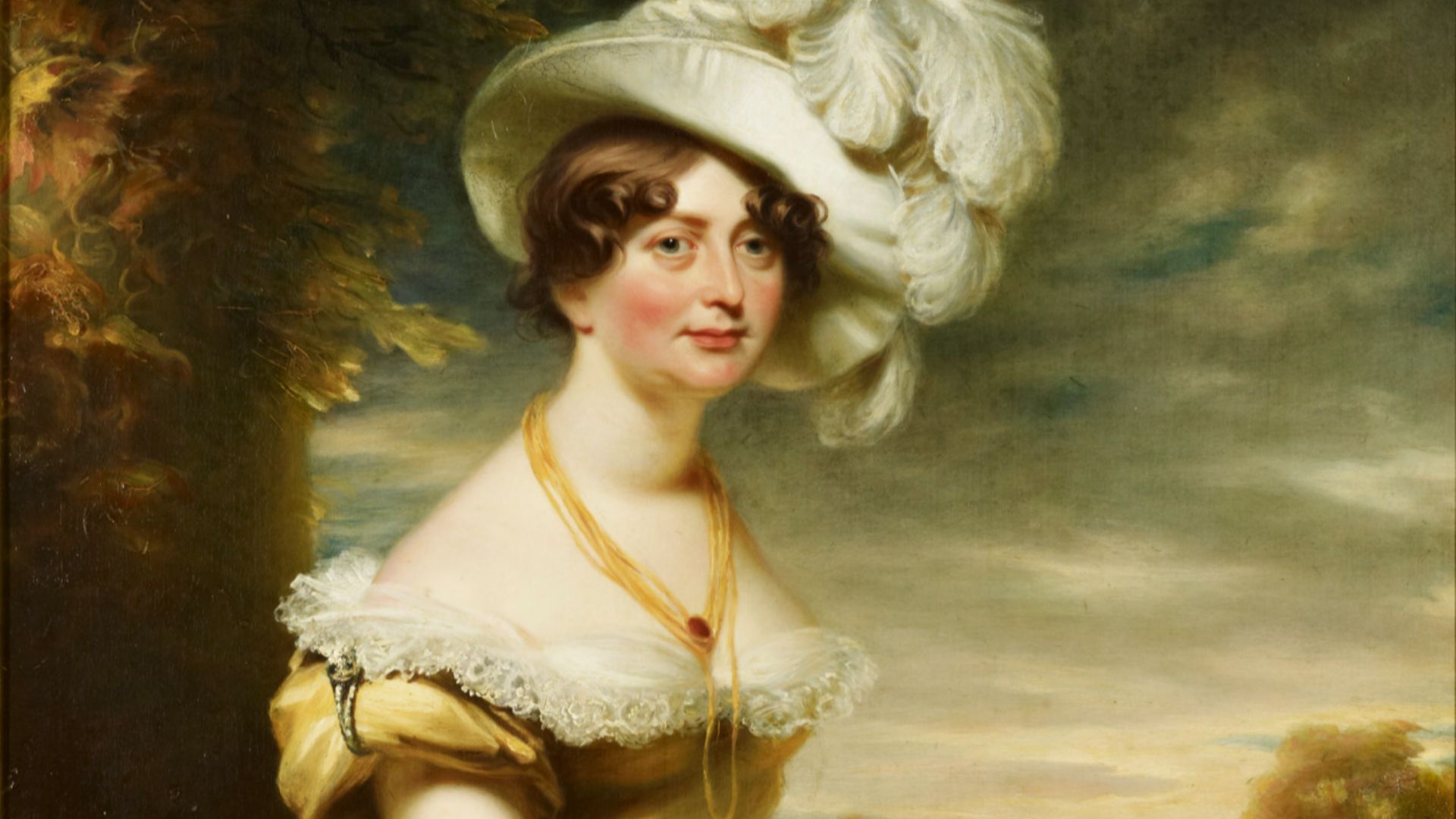 After William Beechey on Wikimedia
5. Hortense de Beauharnais
Napoleon's stepdaughter Hortense had good reason to avoid public attention when she became pregnant by her lover, Charles de Flahaut, in 1811. Although she was separated from her husband, Louis Bonaparte, having an illegitimate child could still create serious political and legal complications. To avoid a scandal, she traveled to Switzerland and secretly gave birth to a son who would later become the influential Duke of Morny. The boy was initially raised under another identity, allowing Hortense to return to public life without openly acknowledging her youngest child.
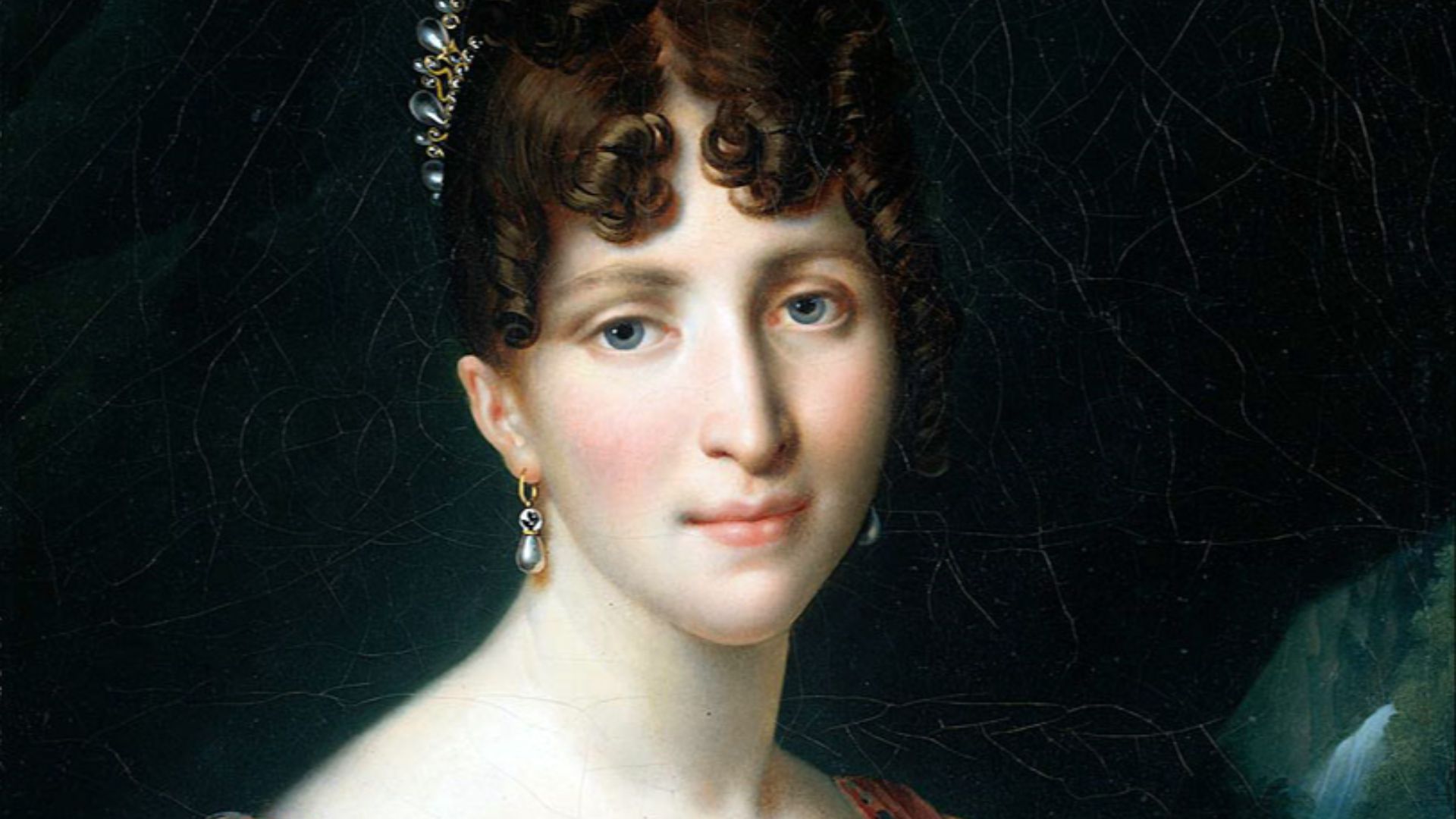 Anne-Louis Girodet on Wikimedia
6. Charles de Flahaut
French general Charles de Flahaut was the father of Hortense de Beauharnais's secret son, but publicly celebrating the birth wasn't exactly an option. His affair involved a woman with close ties to Napoleon's family, making discretion especially important. Their son, Charles-Auguste, was entrusted to others and raised under a different identity, with financial arrangements made to support his upbringing. He eventually became a prominent politician under Napoleon III, despite the considerable efforts his parents had made to conceal his origins.
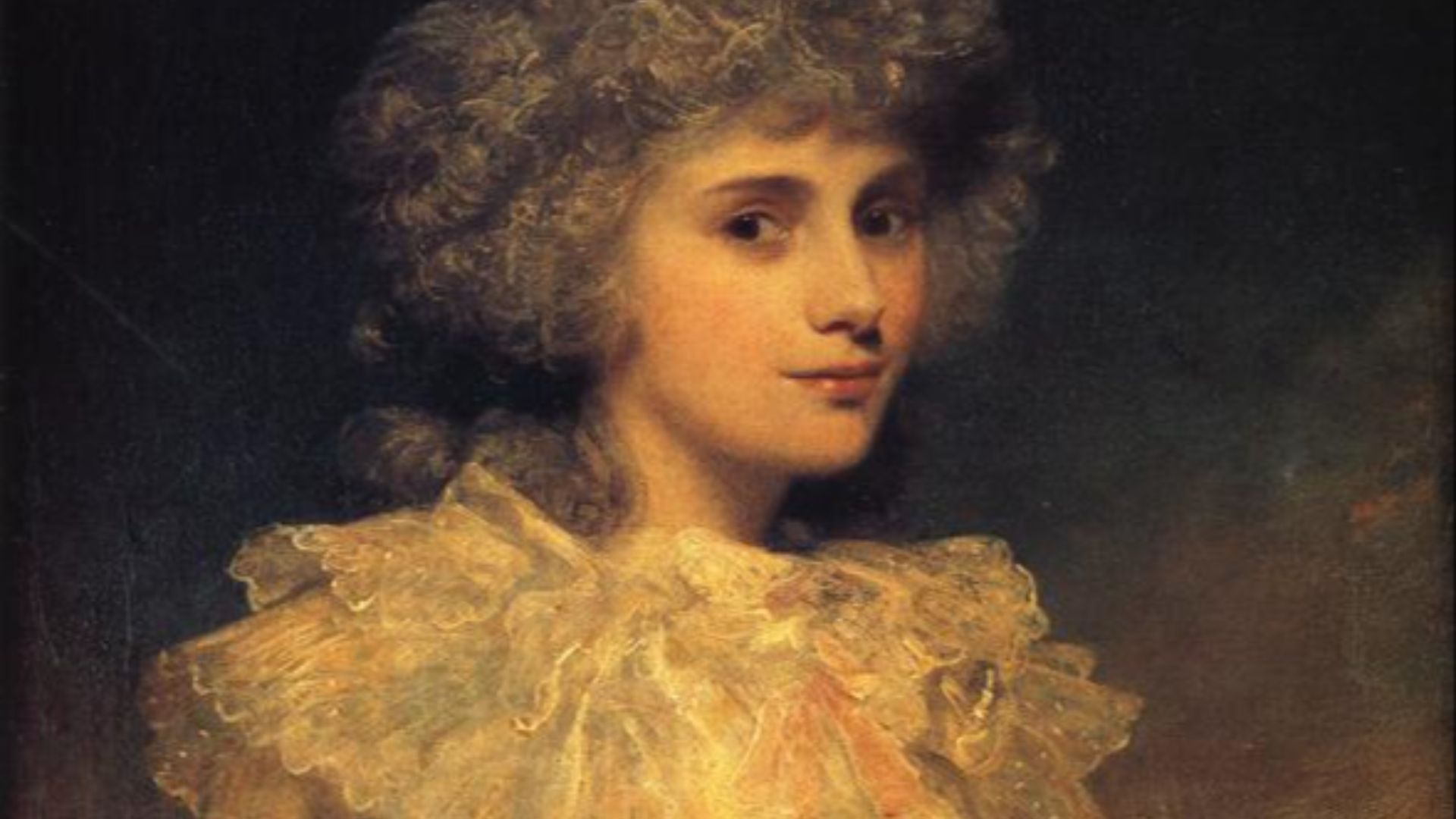
7. Lady Elizabeth Foster
When Lady Elizabeth Foster became pregnant by the married Duke of Devonshire in the 1780s, she decided that leaving England was better than risking a public scandal. Citing health concerns, she traveled abroad and secretly gave birth to a daughter in Italy in 1785. Three years later, she followed a similar plan in France, delivering another child far from the judgment of British society. Although both children eventually joined the Devonshire household, their early lives involved plenty of secrecy and long periods of separation from their parents.
 Unknown authorUnknown author on Wikimedia
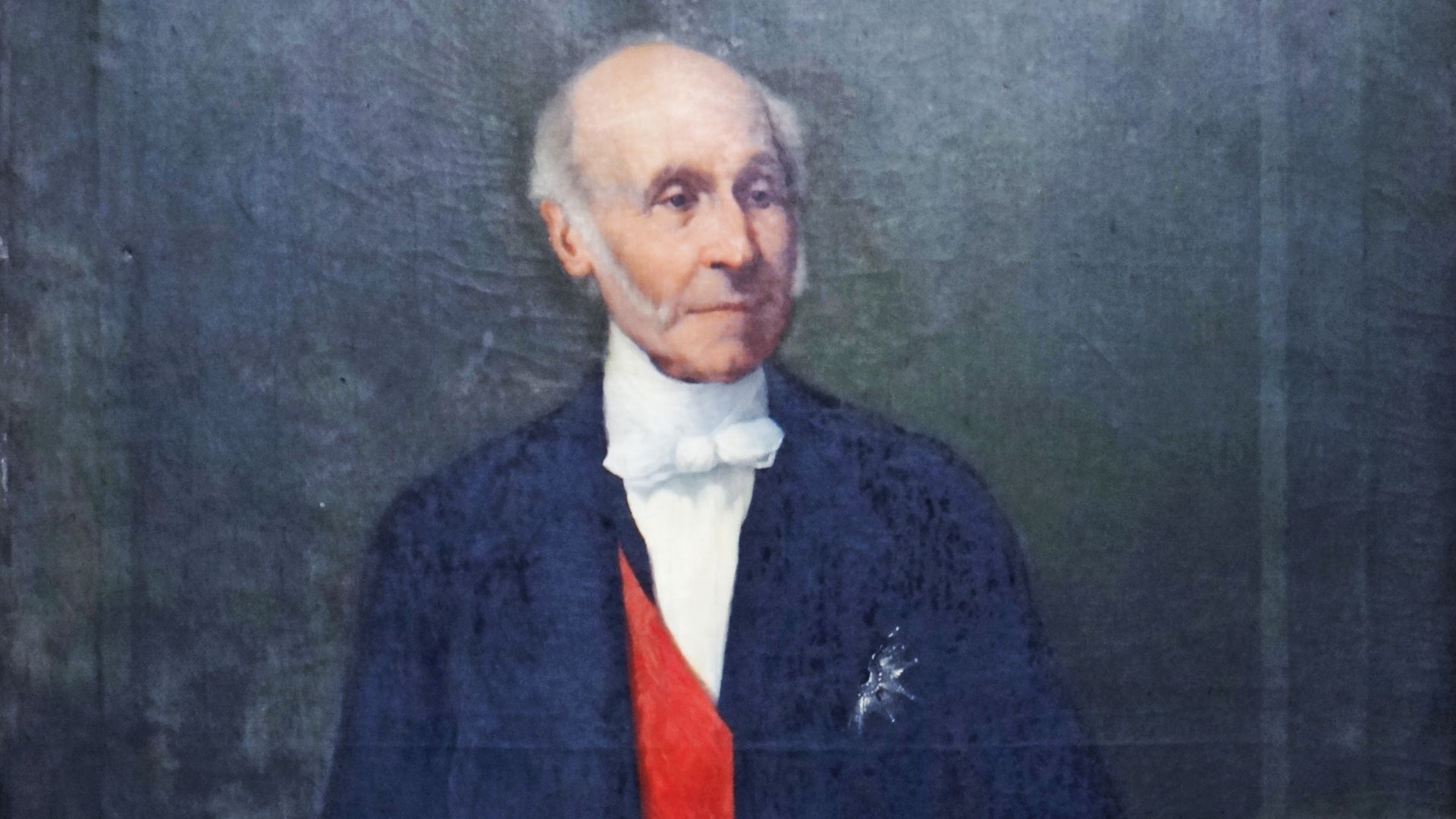
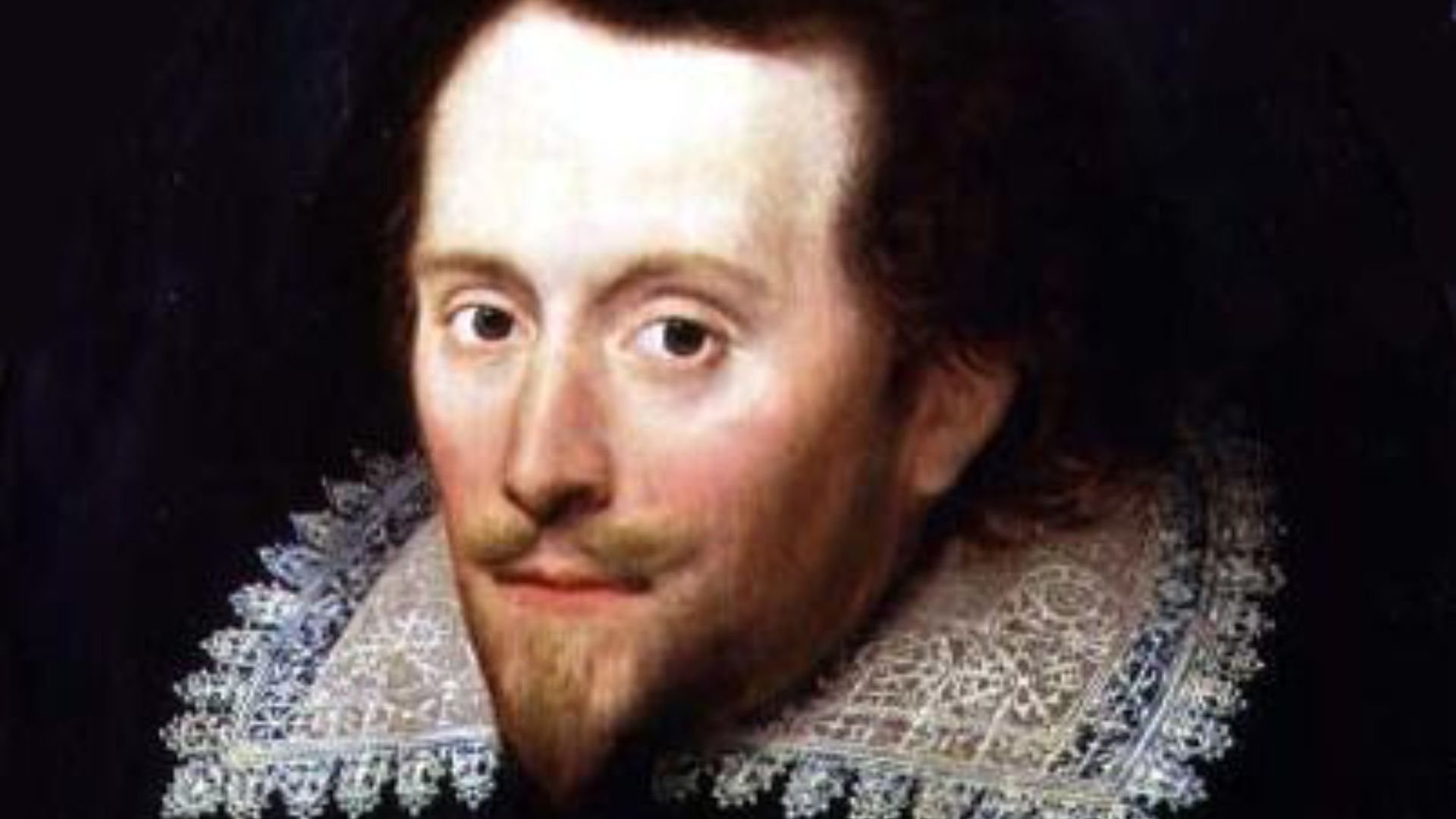
8. William Cavendish, 5th Duke of Devonshire
The 5th Duke of Devonshire maintained a rather unconventional household involving his wife, Georgiana, and her close companion, Lady Elizabeth Foster. When Elizabeth became pregnant with his children, the solution was to send her abroad rather than publicly acknowledge his growing family. Their two children initially lived with other families before eventually being brought into the Devonshire household. Although the duke's relationship with Elizabeth became widely known, the secrecy surrounding their children's births reveals just how carefully aristocrats tried to manage their reputations.
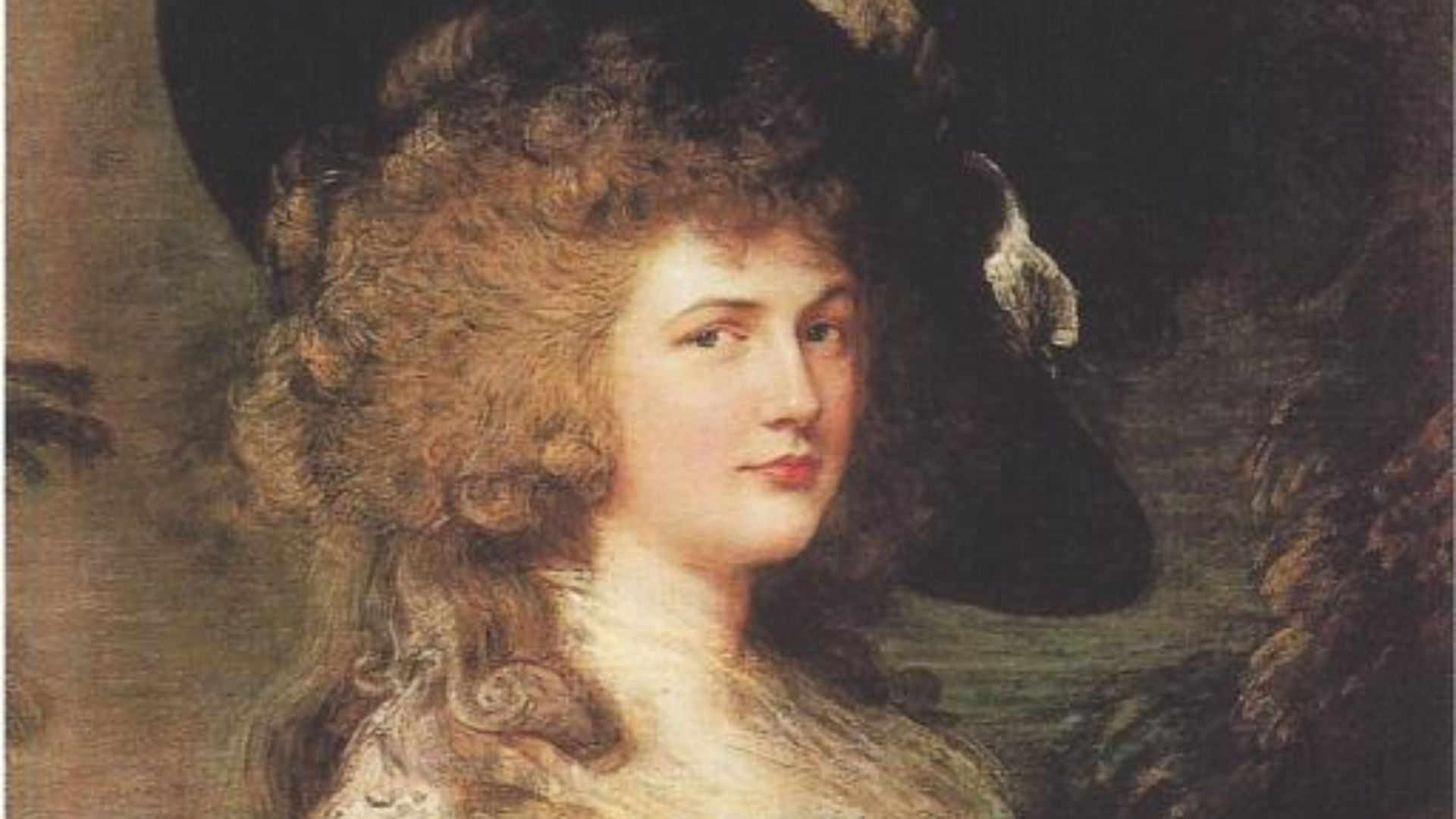
9. Georgiana, Duchess of Devonshire
Georgiana, Duchess of Devonshire, faced a scandal of her own when she became pregnant by politician Charles Grey in the early 1790s. With her marriage and social standing at risk, she traveled to continental Europe and secretly gave birth to a daughter named Eliza Courtney in 1792. The child was raised away from her mother, allowing Georgiana to eventually return to her place in British high society. Interestingly, her friend Lady Elizabeth Foster, who'd previously concealed the duke's illegitimate children, accompanied her during this difficult period.
 Thomas Gainsborough on Wikimedia
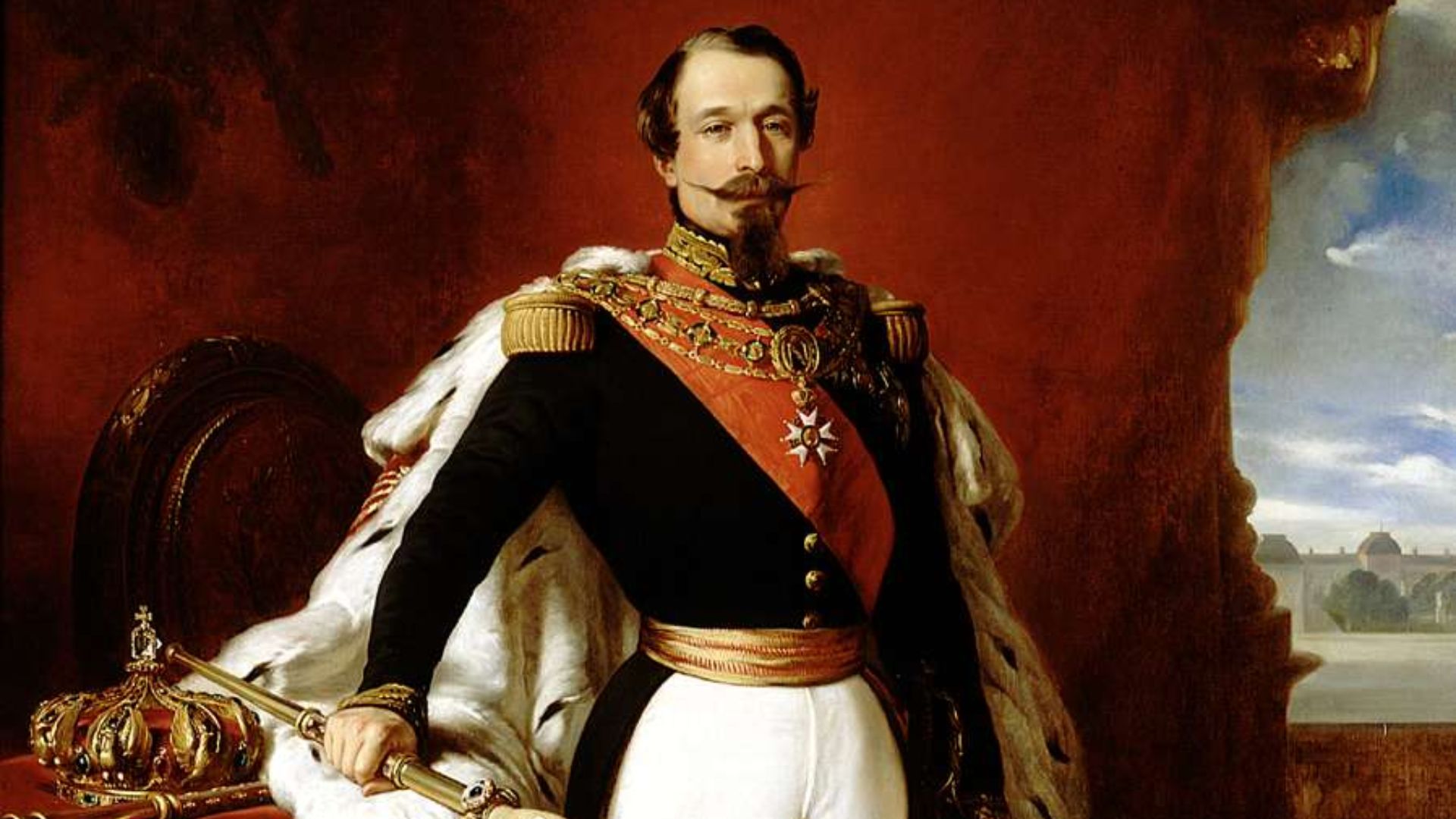
10. Napoleon III
Before becoming emperor of France, Napoleon III fathered two sons with Éléonore Vergeot while imprisoned at the fortress of Ham in the 1840s. To avoid scandal, Vergeot was sent to Paris to give birth, and both boys were initially placed in the care of a nurse before being raised by other guardians. Napoleon never formally acknowledged Eugène and Alexandre as his children, although he arranged financial support and later granted them noble titles. Their mother eventually married the emperor's foster brother, Pierre Bure, who legally recognized both boys as his own.
 Franz Xaver Winterhalter on Wikimedia
11. Elizabeth Macie
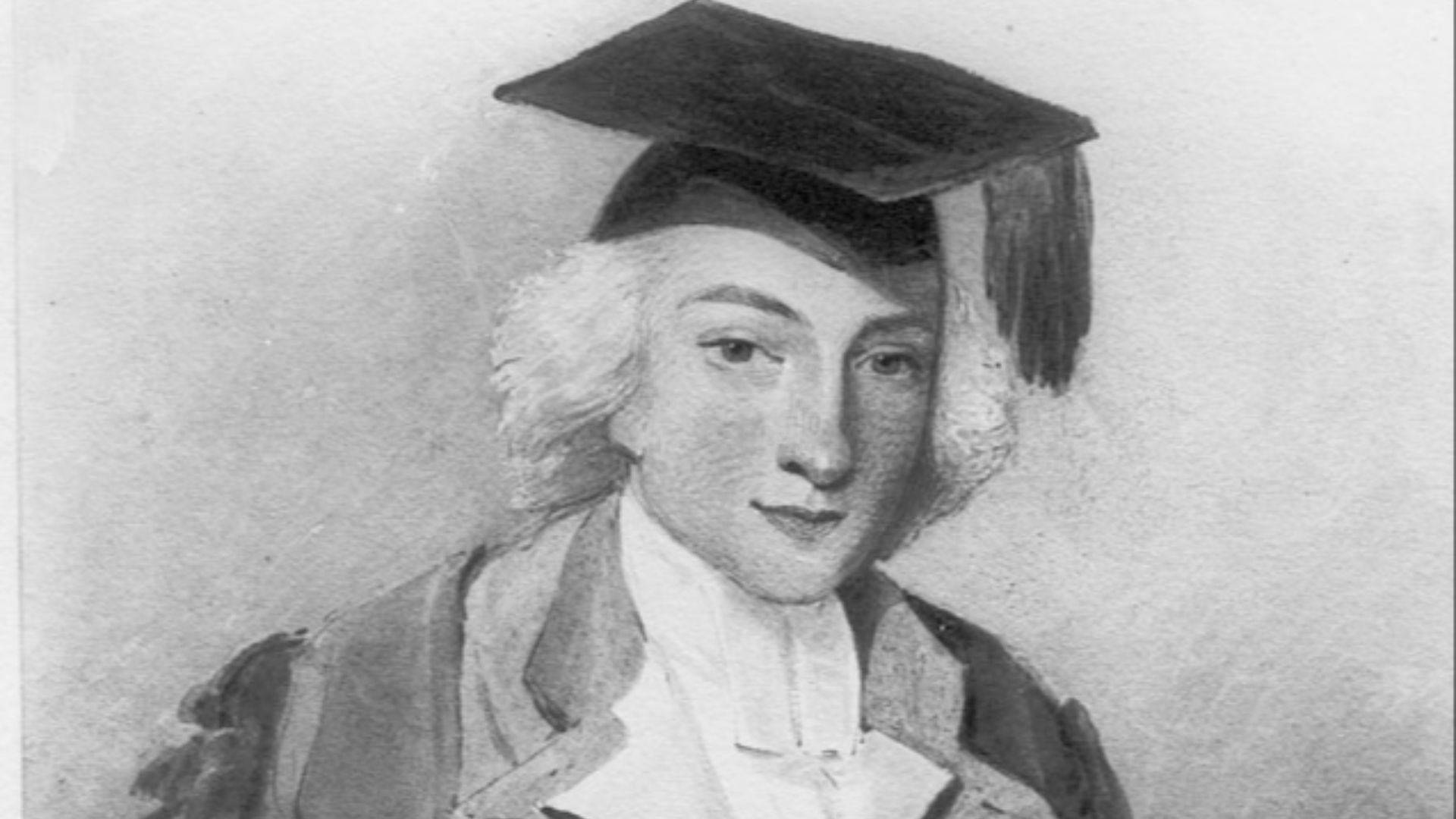
Elizabeth Macie, the mother of future Smithsonian Institution founder James Smithson, took considerable precautions when she became pregnant by the married Duke of Northumberland. She traveled to Paris to give birth discreetly and gave her son the surname of her deceased husband, helping conceal his illegitimate origins. Although James eventually discovered his father's identity, he grew up without receiving public acknowledgment from the duke.
12. Albert Einstein
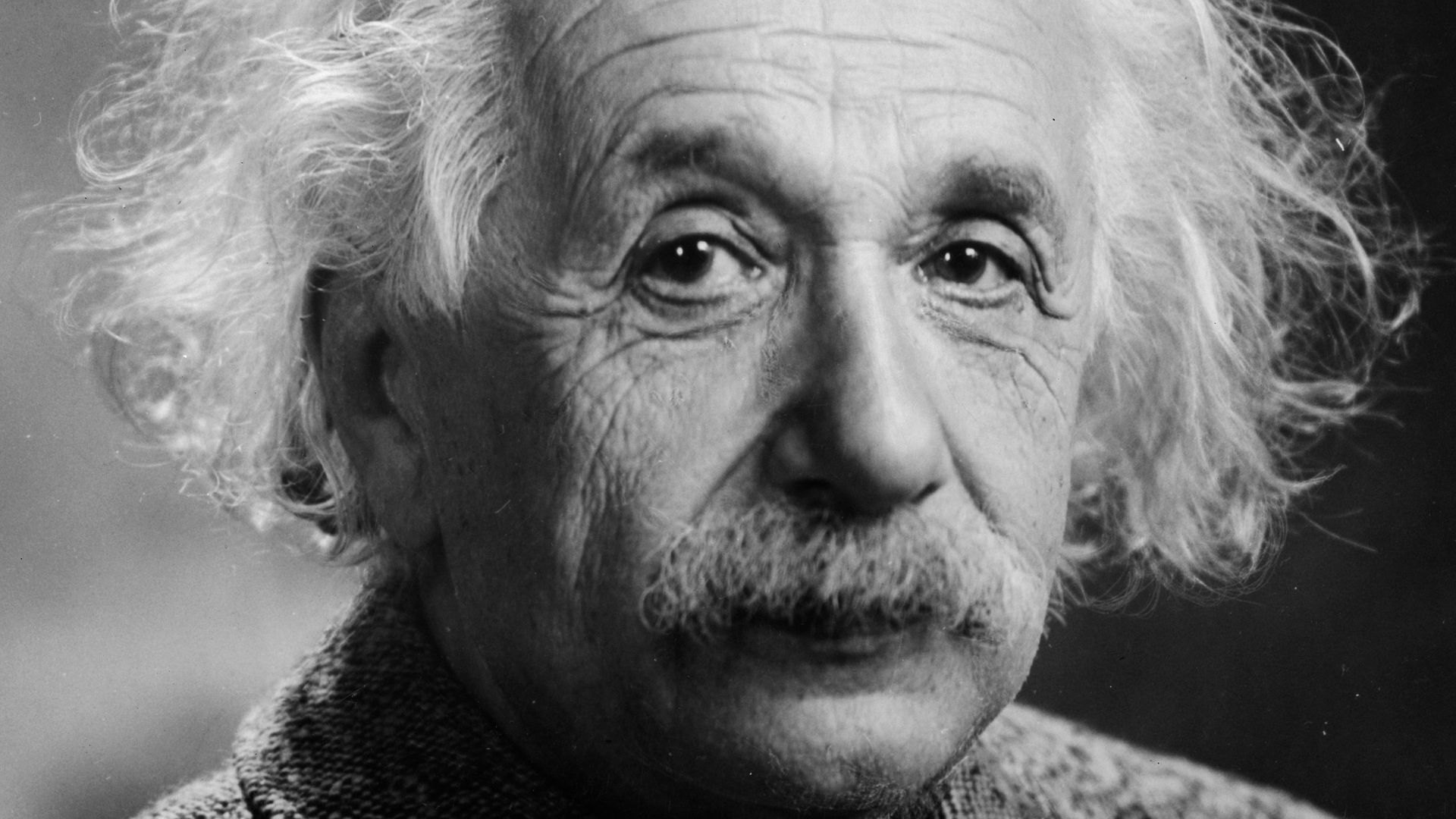
Long before Albert Einstein became one of the world's most celebrated scientists, he and his future wife, Mileva Marić, welcomed a daughter named Lieserl in 1902. Because she was born before their marriage, her existence remained hidden from the wider public for decades. Einstein never publicly acknowledged his daughter, and historians still don't know whether she died in childhood or was placed for adoption. Her existence only became widely known through the couple's surviving correspondence, which surfaced long after Einstein's death.
 Orren Jack Turner on Wikimedia
13. Prince Bernhard of the Netherlands
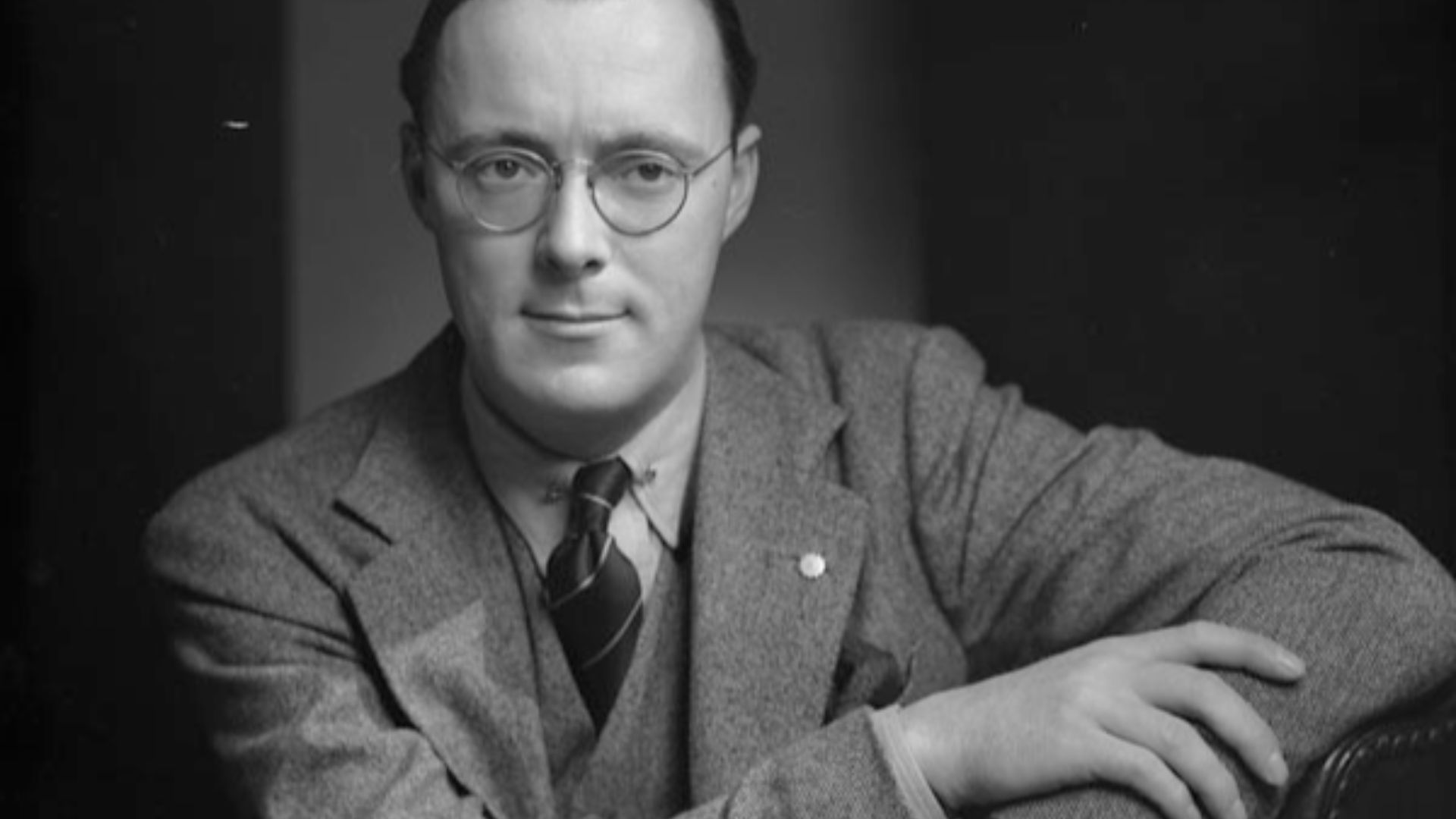
Prince Bernhard, the husband of Queen Juliana of the Netherlands, managed to keep the existence of his illegitimate daughter Alicia de Bielefeld hidden from the public for decades. Born in San Francisco in 1952, Alicia grew up largely outside the spotlight while her father continued performing his royal duties. In a series of interviews published after his death in 2004, the prince finally acknowledged her as well as another secret daughter, revealing a family secret he'd kept for more than 50 years.
14. Charles Lindbergh
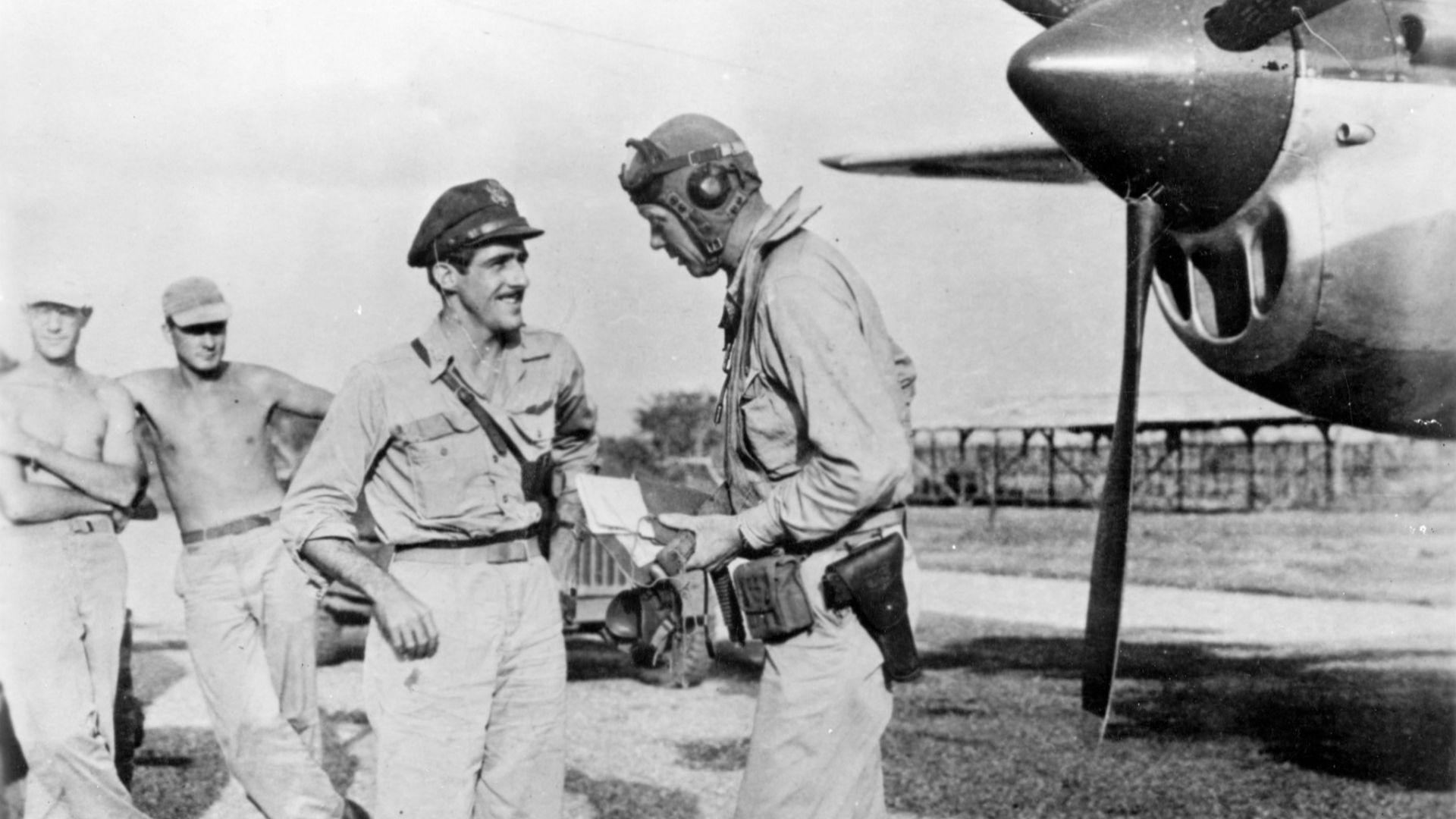
American aviator Charles Lindbergh managed to live an extraordinary double life for years, secretly fathering seven children with three women in Europe while publicly remaining married to Anne Morrow Lindbergh. He visited his other families using a different name, hiding his true identity even from his children. Shortly before his death in 1974, he reportedly wrote to the three women asking them to continue keeping their relationships secret. The truth finally emerged decades later, when DNA testing confirmed the parentage of children from one of these relationships.
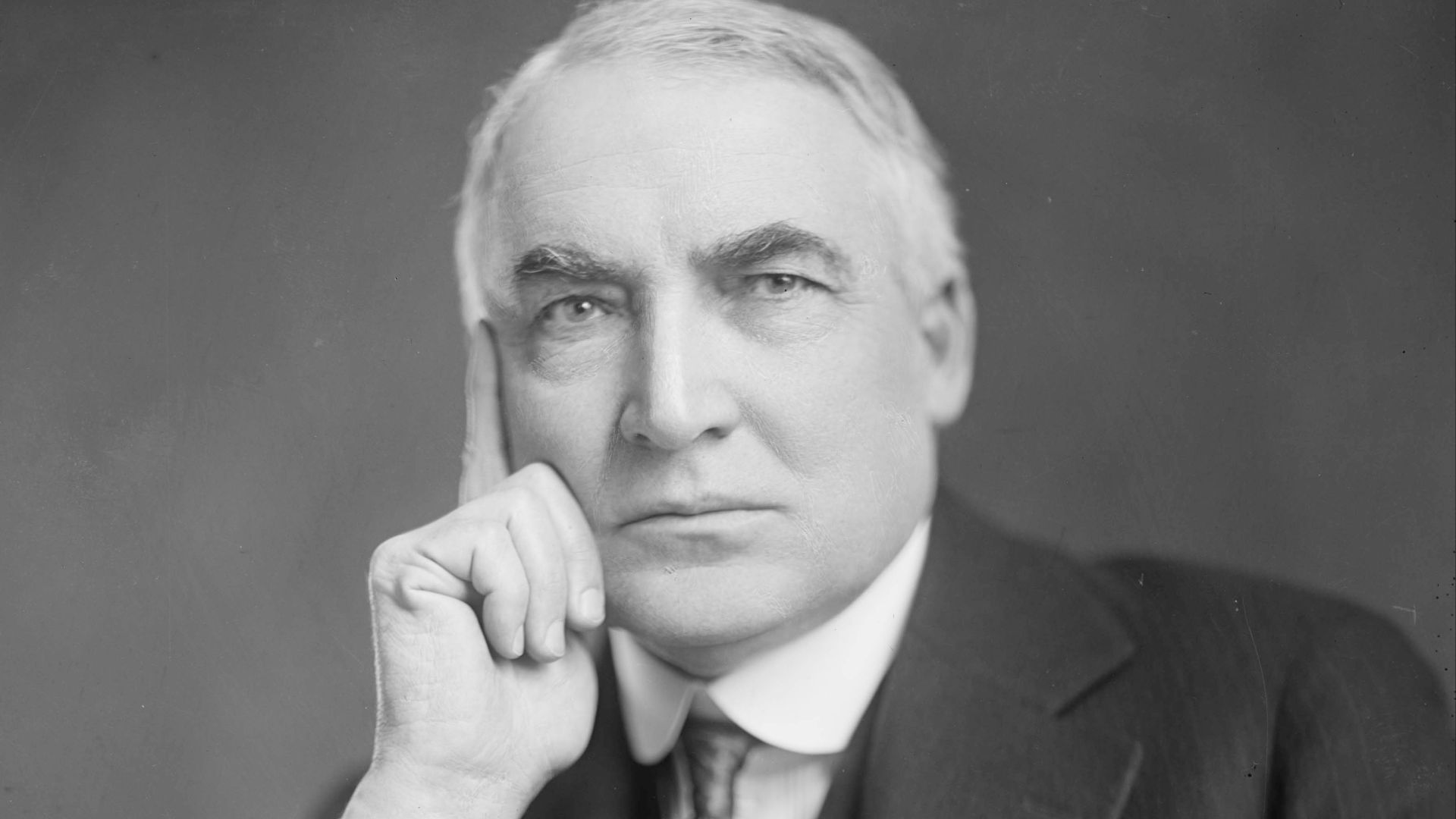
15. Warren G. Harding
President Warren G. Harding had a daughter, Elizabeth Ann, with his mistress Nan Britton, but their relationship remained a secret from the American public during his lifetime. Following Harding's death, Britton published a book detailing their affair and identifying the former president as her daughter's father. Her allegations faced considerable skepticism, and the Harding family continued to reject them for decades. It wasn't until 2015 that genetic testing finally confirmed the connection, resolving a controversy that had lasted nearly a century.
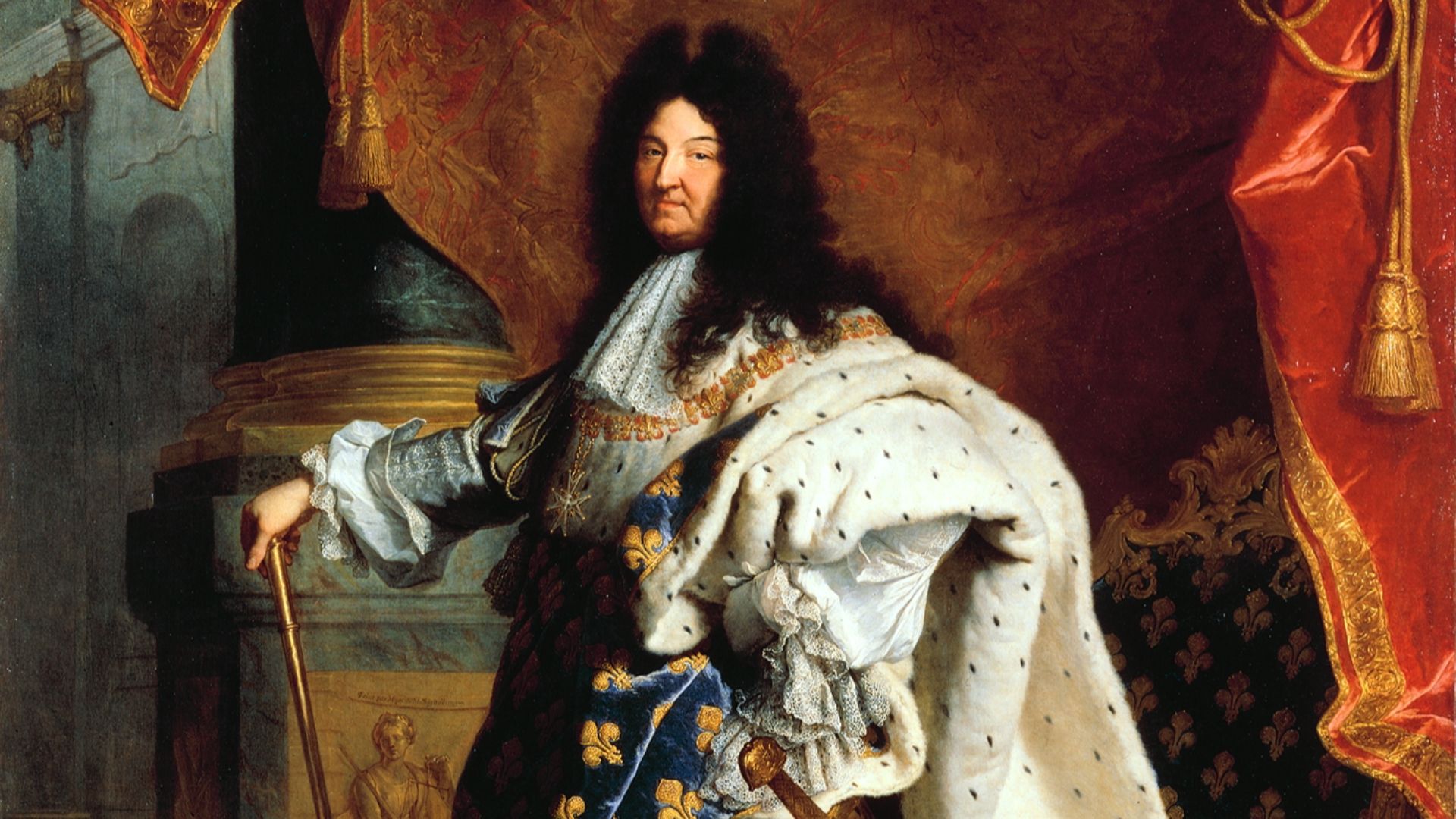
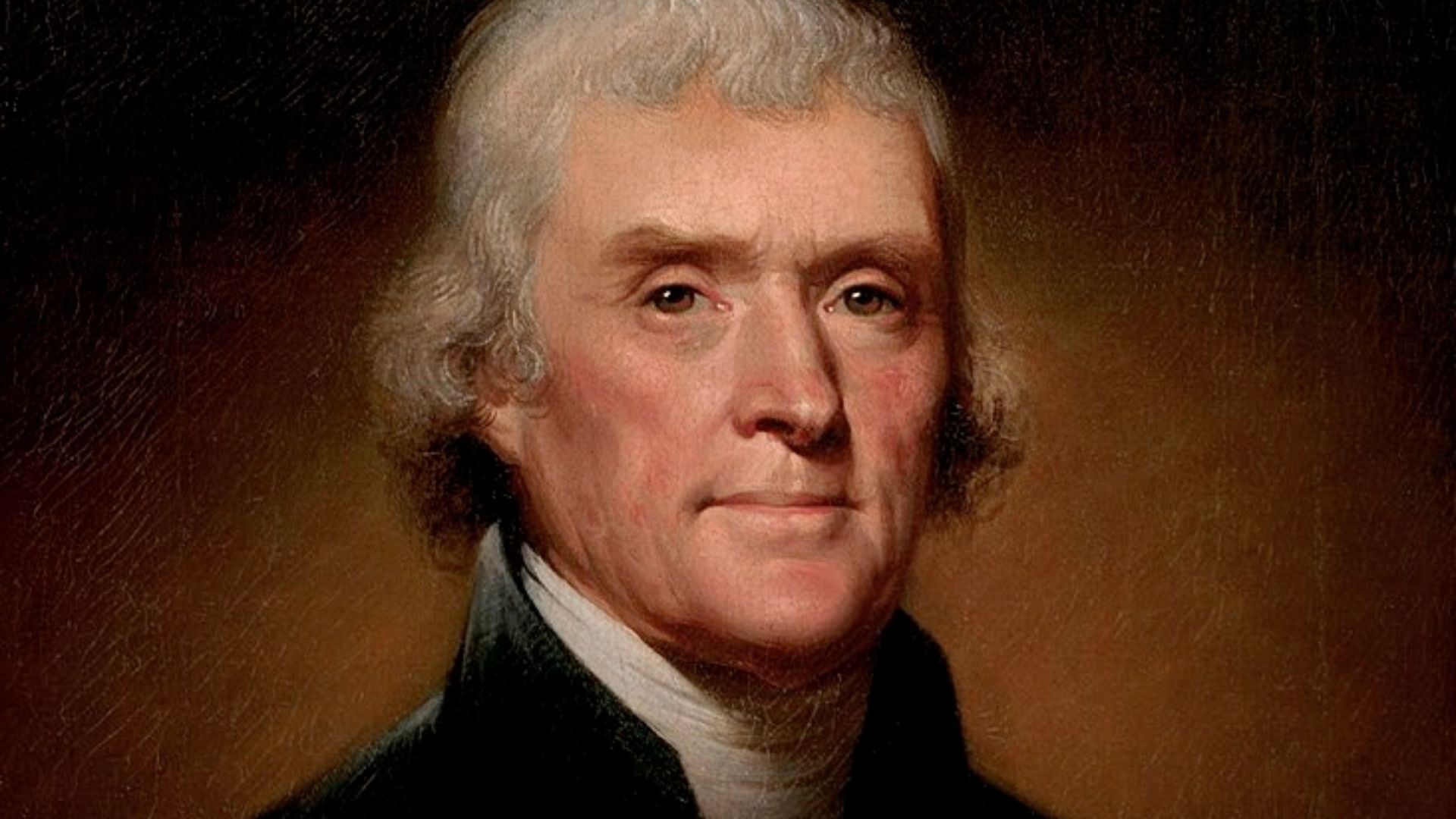
16. Thomas Jefferson
Thomas Jefferson fathered children with Sally Hemings, an enslaved woman at Monticello, but he never publicly acknowledged his paternity. Despite newspaper accusations dating back to 1802, Jefferson remained silent while the children grew up enslaved on his plantation. He eventually arranged for all four surviving children to gain their freedom, although he never formally recognized them as his descendants. Historical records and genetic evidence have since provided strong support for the relationship, which Jefferson's family and generations of historians had disputed for years.
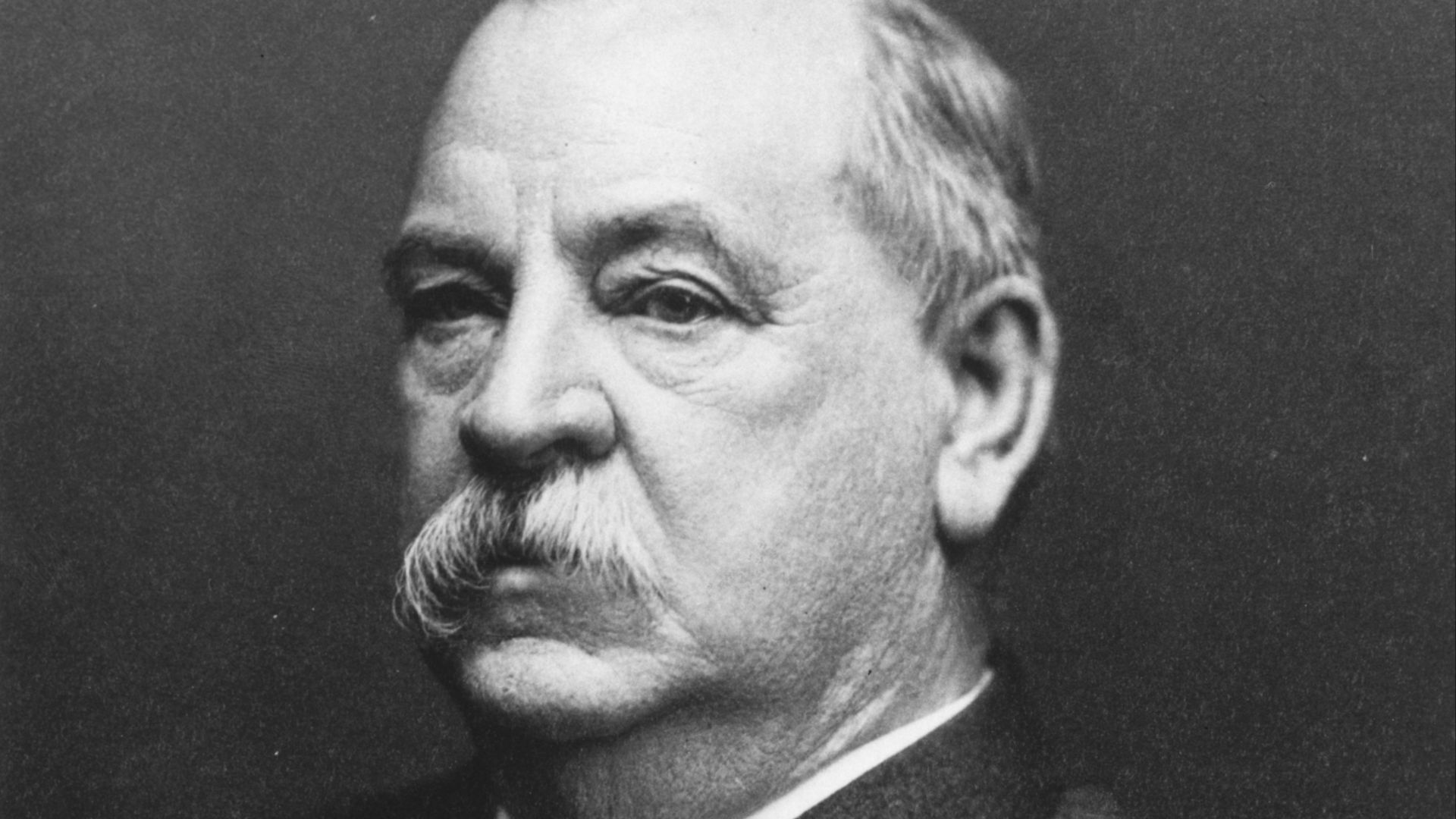
17. Grover Cleveland
Grover Cleveland's presidential ambitions nearly came undone in 1884 when newspapers exposed an earlier controversy involving a child born outside marriage. Maria Halpin had given birth to a boy in 1874, and the child was later placed in an orphanage before being adopted by another family. Cleveland provided financial assistance but never definitively confirmed that he was the father, leaving the question unresolved. His campaign carefully managed the damaging revelations, and he ultimately won the election despite the scandal.
18. Horatio Nelson
British naval hero Horatio Nelson went to remarkable lengths to invent a different identity for his daughter Horatia, born to his married lover Emma Hamilton in 1801. The couple claimed she was an orphan whose parents had died. Nelson described Horatia as his adopted daughter and initially arranged for her to live with a nurse instead of openly bringing her into his household. His surviving correspondence shows how seriously he took the deception, with some letters even referring to the child's imaginary parents.
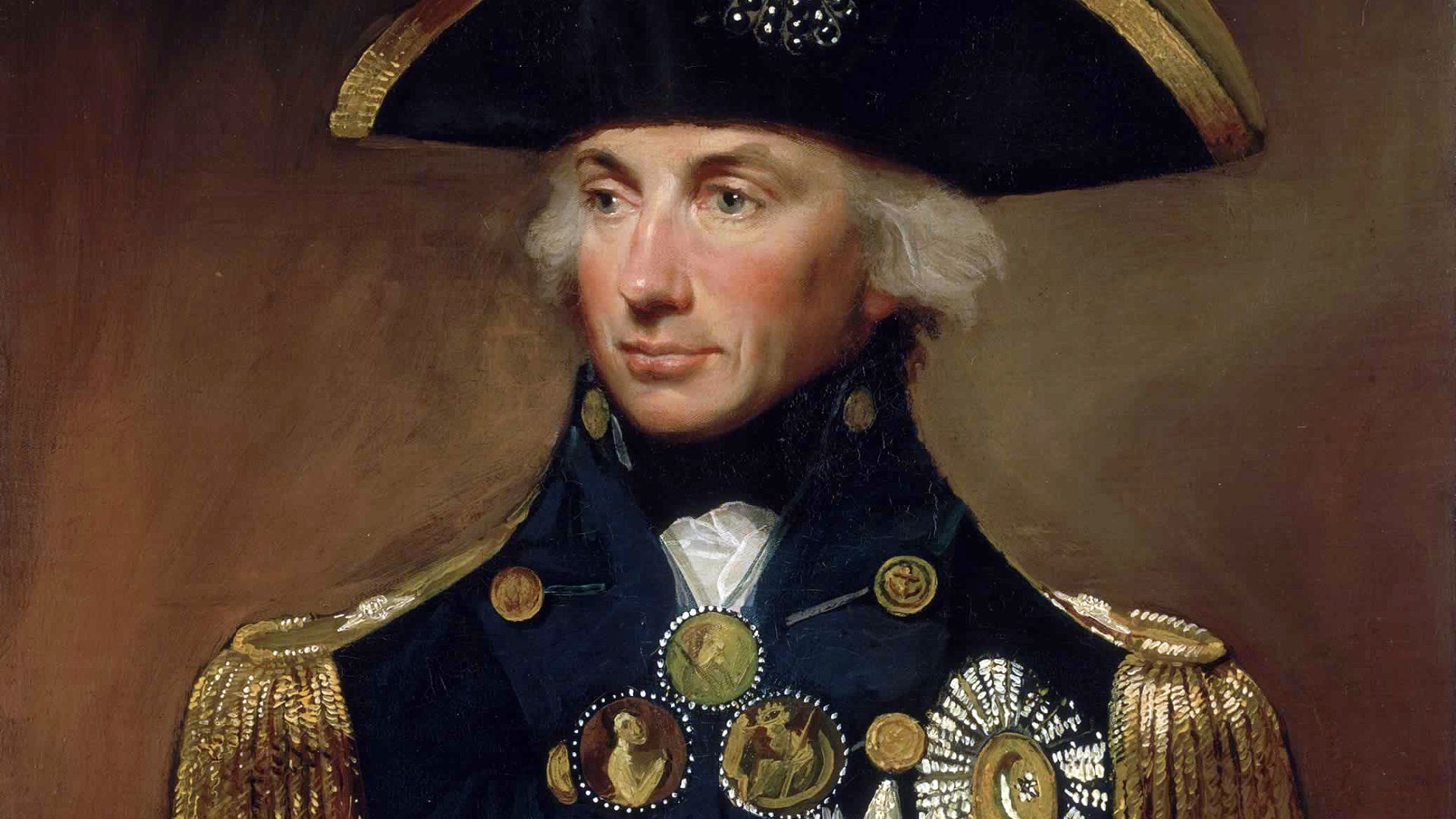 Lemuel Francis Abbott on Wikimedia
19. François Mitterrand
Former French president François Mitterrand managed to keep his illegitimate daughter, Mazarine Pingeot, hidden from the public for nearly two decades. Born in 1974 to his longtime mistress Anne Pingeot, Mazarine grew up in considerable secrecy, even living with her mother in a government-owned residence protected by security personnel. She was reportedly instructed to tell school friends that her father was a lawyer, allowing Mitterrand to maintain his carefully controlled public image. His secret finally became national news in 1994, when photographs revealed the existence of the daughter he'd kept out of the spotlight for years.
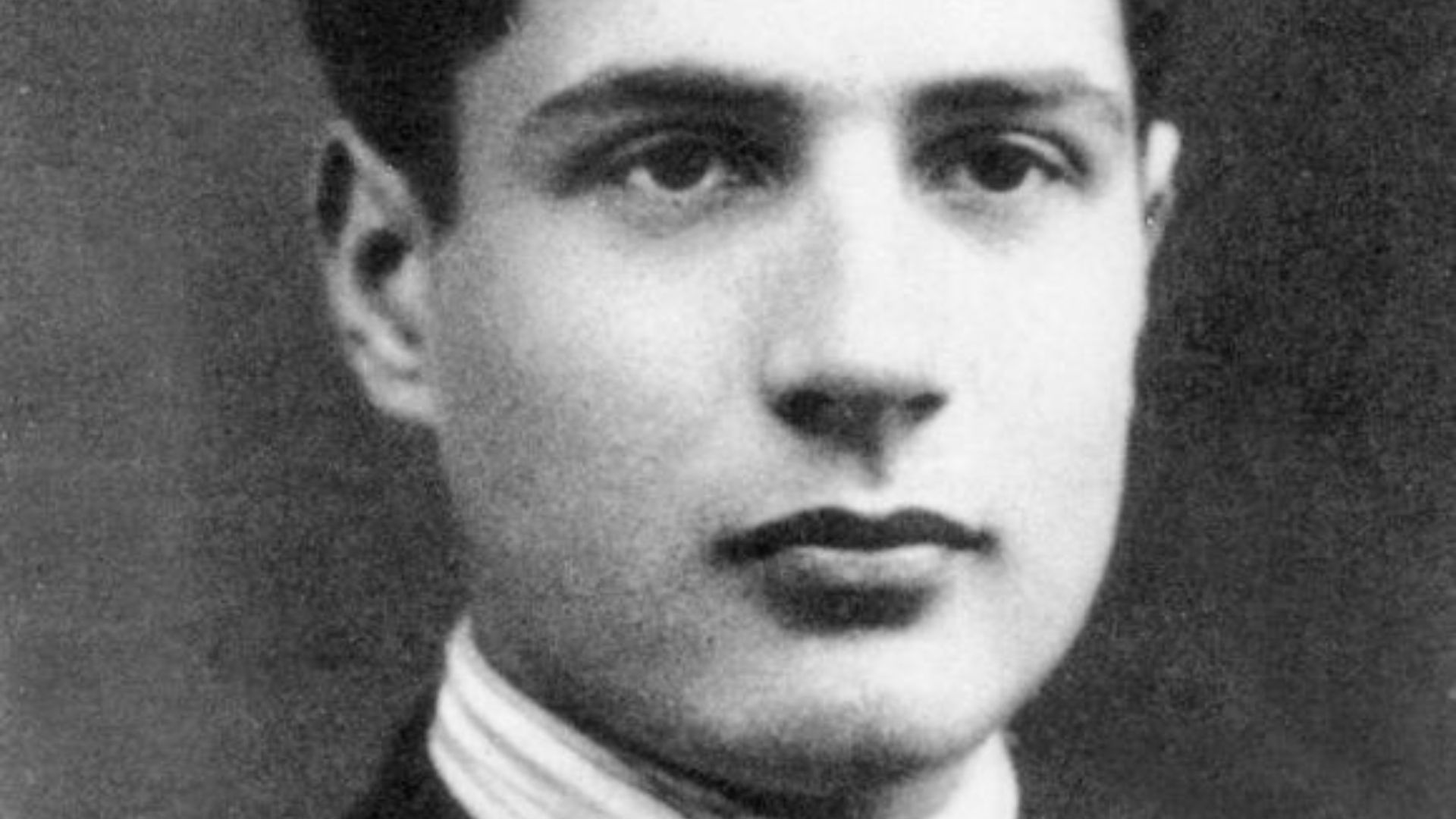
20. Gustav Klimt
Austrian artist Gustav Klimt fathered several children outside marriage, although his private family life attracted considerably less attention than his famous paintings. His relationships with Maria Ucicka, Maria Zimmermann, and Consuela Huber produced children whom he financially supported without establishing a conventional public family life with them. Interestingly, his official death notice in 1918 made no mention of any children, despite their documented existence. They later received compensation from his heirs, bringing greater attention to a family history that had remained largely separate from his public reputation.
KEEP ON READING