

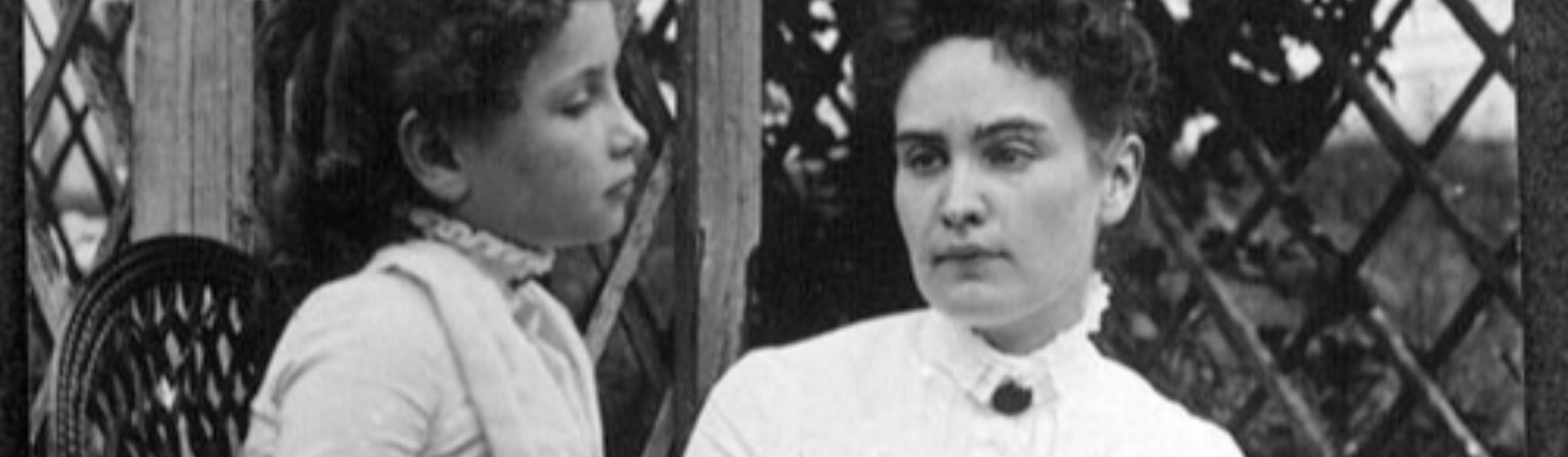
Hardship Left Its Mark
History is often told through victories, inventions, speeches, and turning points. What gets less attention is the pain many influential people carried before they became symbols of achievement. Illness, disability, grief, poverty, discrimination, exile, and personal loss did not simply sit in the background of their lives. In many cases, hardship shaped what they believed, and why they kept going when easier paths closed. Here are 20 history-makers shaped by affliction.
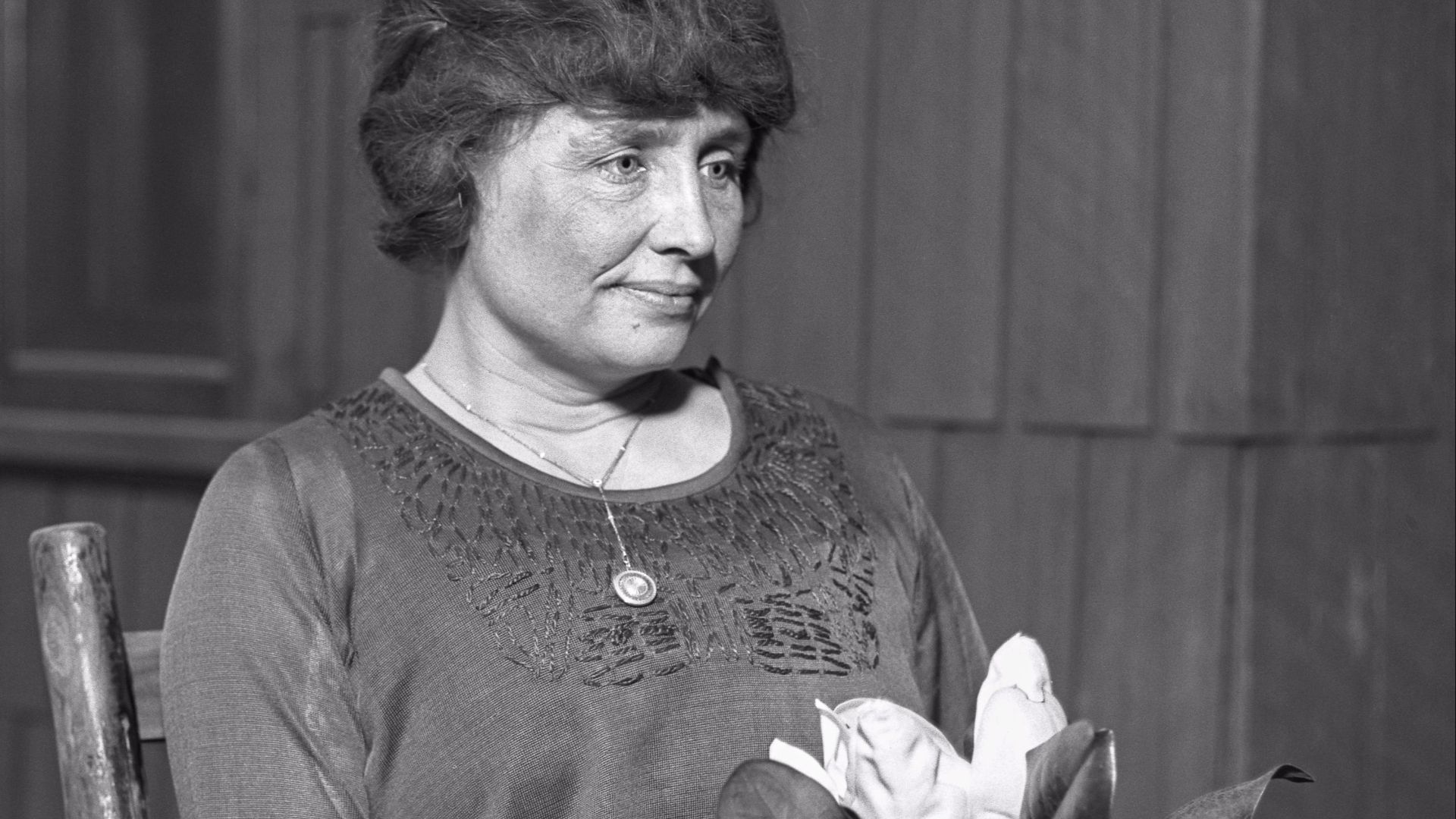
1. Helen Keller
Helen Keller lost both her sight and hearing after an illness in early childhood. Her life could have been narrowed by other people’s expectations, but education gave her a way to communicate and advocate. She became a writer, lecturer, and activist whose influence reached far beyond disability rights.
 Los Angeles Times; restored by User:Rhododendrites on Wikimedia
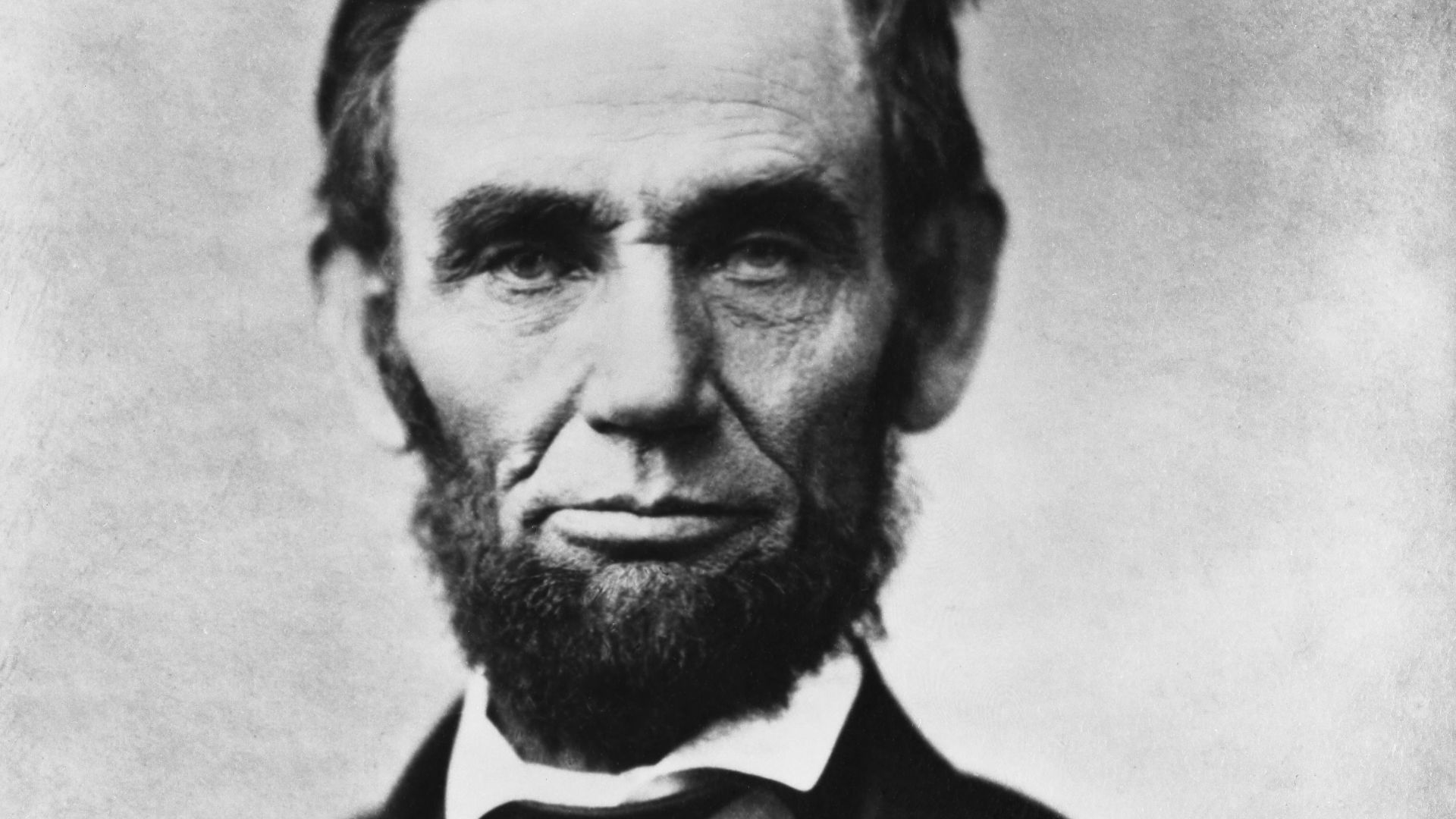
2. Abraham Lincoln
Abraham Lincoln carried deep emotional strain throughout much of his life. He endured poverty, political defeat, and the death of a young son while leading the United States through the Civil War. His grief did not make him gentle in a simple way, but it seemed to deepen his understanding of suffering and national loss.
 Alexander Gardner on Wikimedia
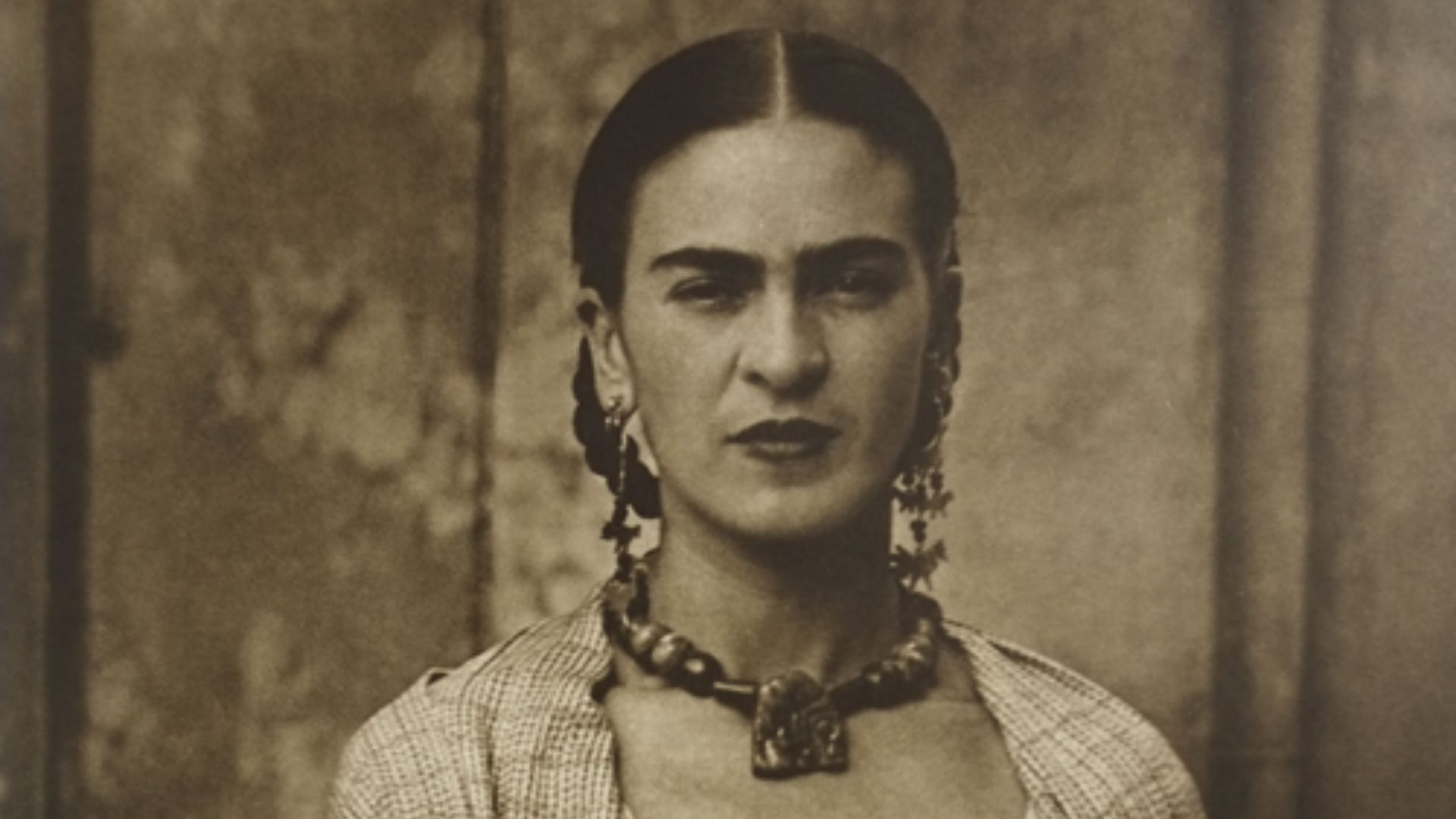
3. Frida Kahlo
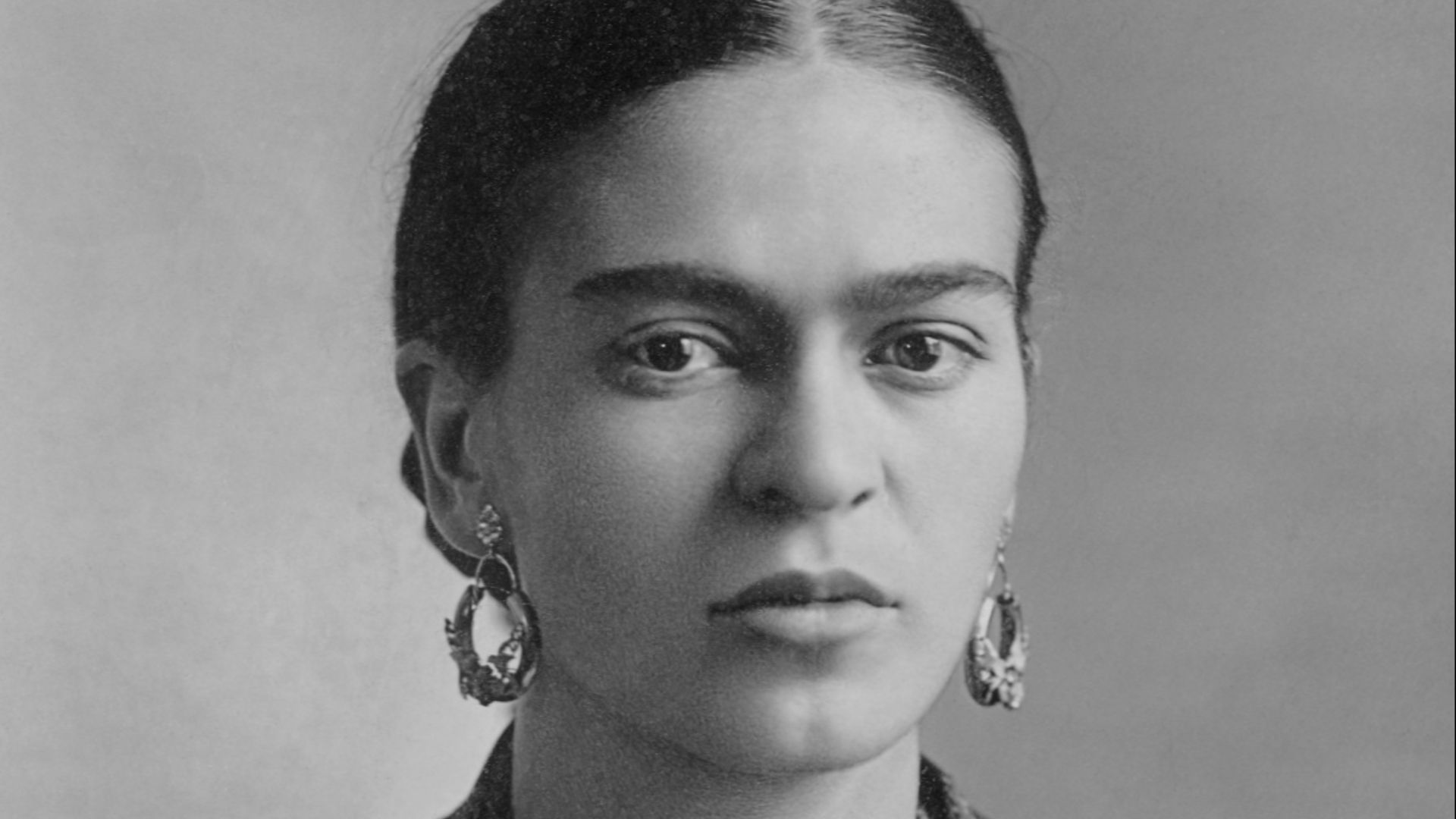
Frida Kahlo lived with lasting pain after a severe bus accident in her teens. Her injuries shaped her body, her daily life, and much of her art. Rather than hide pain, she turned it into images that were direct, strange, intimate, and impossible to ignore.
4. Franklin D. Roosevelt
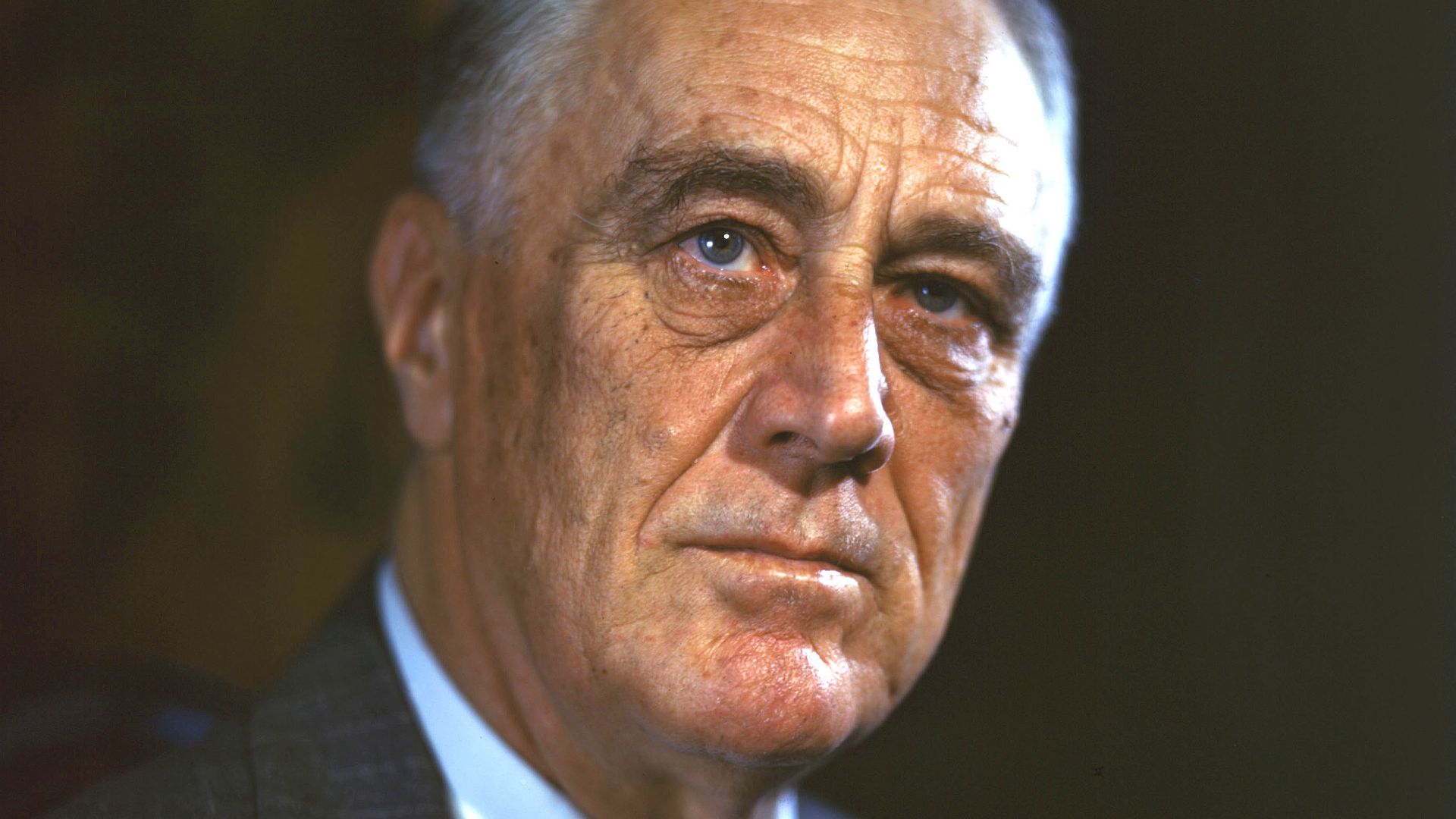
Franklin D. Roosevelt was left paralyzed from the waist down after illness as a young man. At a time when disability was often treated as weakness, he carefully managed his public image while rebuilding his political career. His experience with vulnerability helped inform his public language about fear, endurance, and collective responsibility.
5. Harriet Tubman
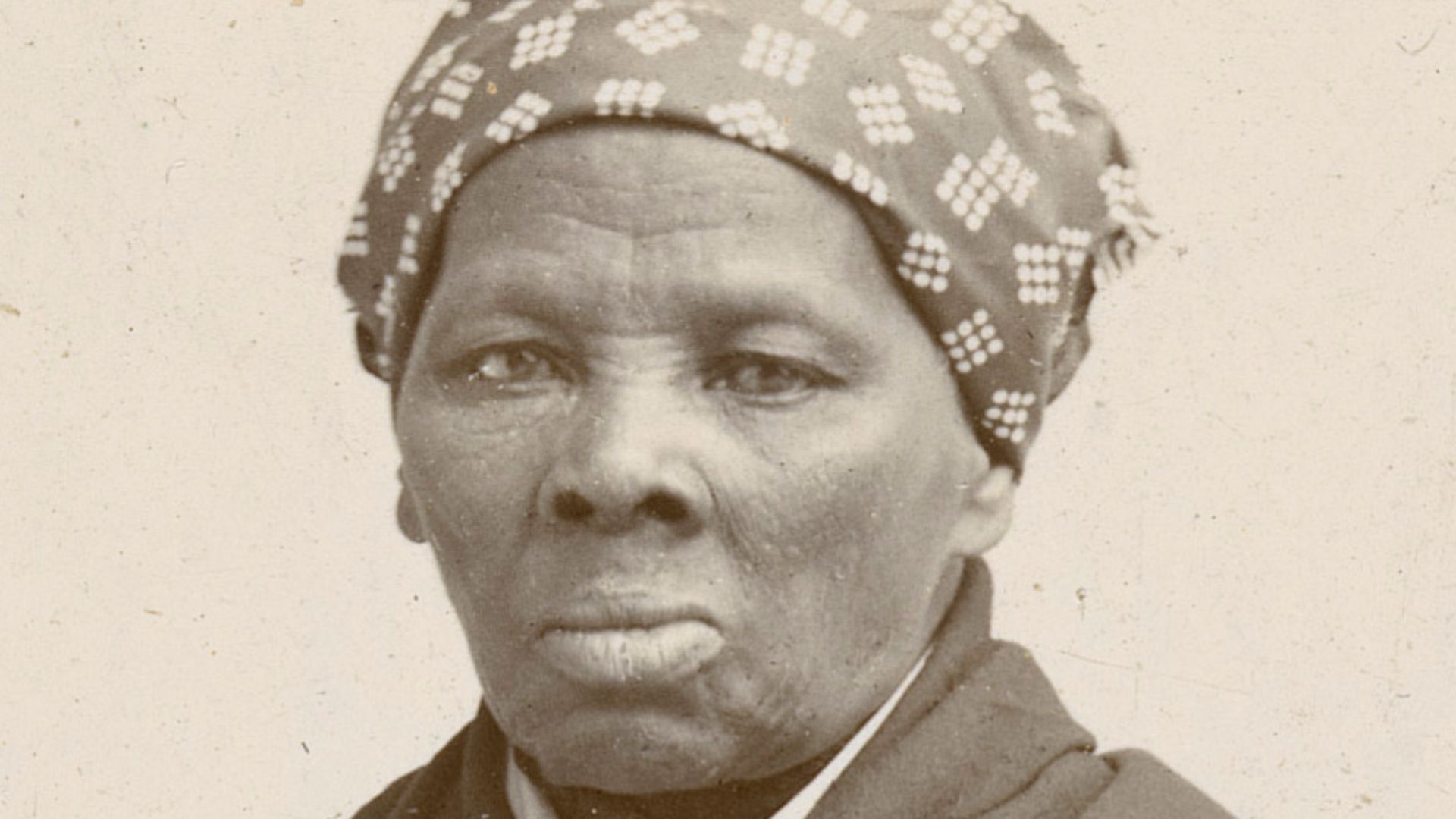
Harriet Tubman suffered a serious head injury as a child when an overseer struck her with a heavy object. She lived with seizures, pain, and sudden sleep episodes for the rest of her life. Even so, she repeatedly risked capture to lead enslaved people to freedom and became one of the most courageous figures in American history.
 Horatio Seymour Squyer on Wikimedia
6. Ludwig Van Beethoven
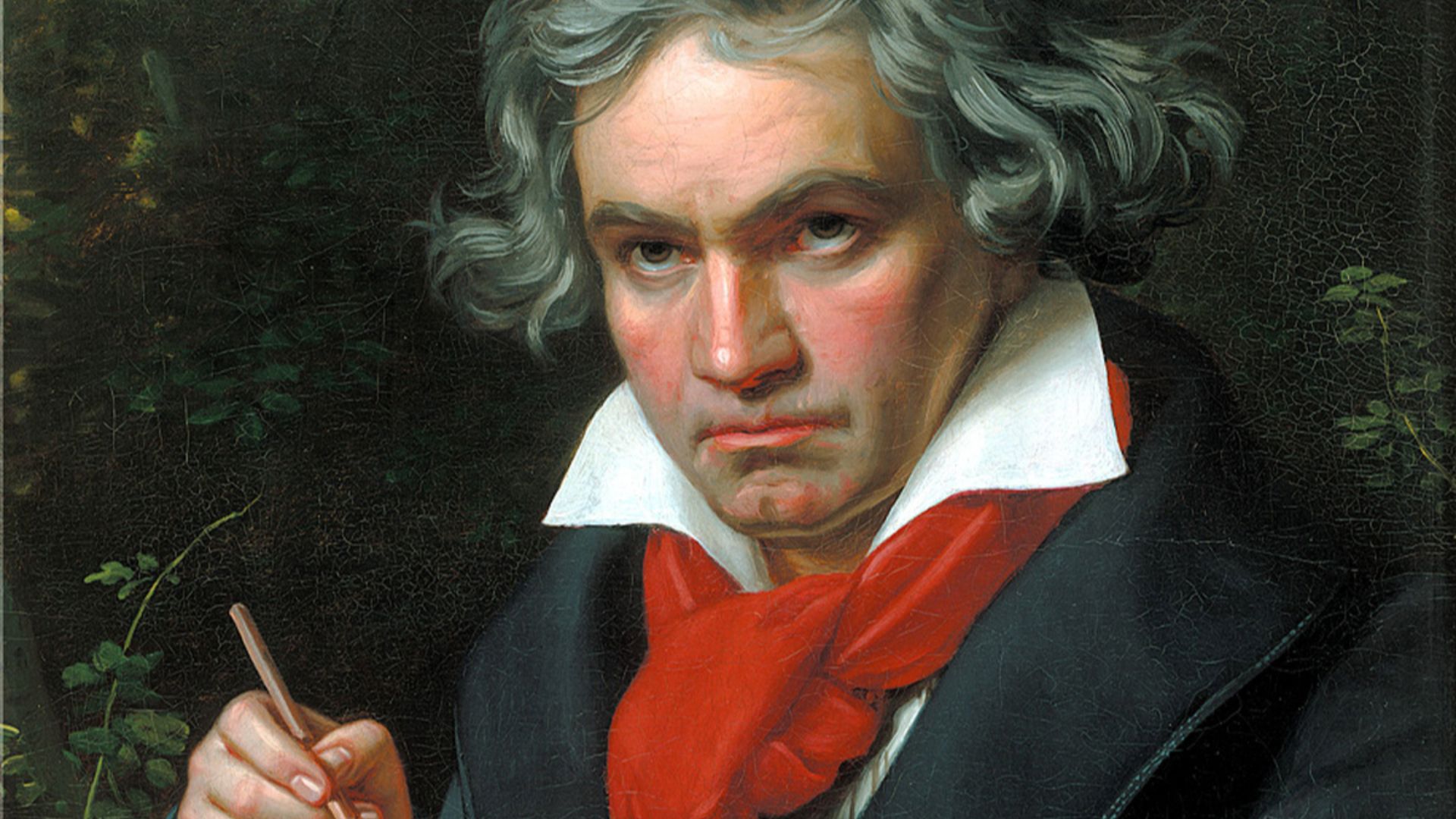
Beethoven began losing his hearing while still building his career as a composer. For a musician, the loss was devastating, isolating, and professionally terrifying. Yet some of his most powerful work came after his hearing had seriously declined, including music that still feels urgent centuries later.
 Joseph Karl Stieler on Wikimedia
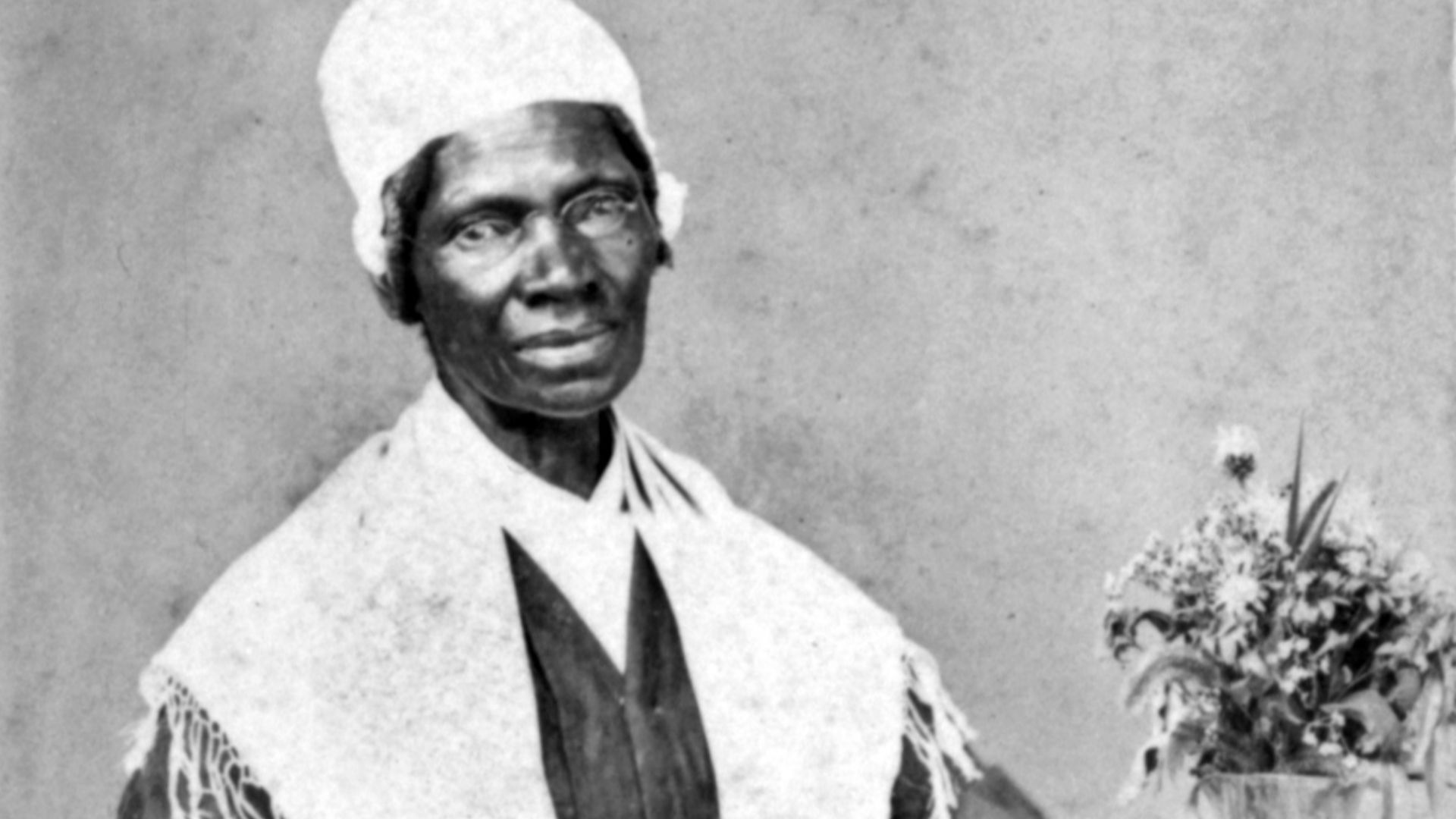
7. Sojourner Truth
Sojourner Truth was born into slavery and endured violence, forced labor, and the separation of family members. After gaining freedom, she became a forceful speaker for abolition and women’s rights. Her authority came not from polish, but from lived experience and moral clarity.
8. Stephen Hawking
Stephen Hawking was diagnosed with motor neuron disease as a young man and was given a limited prognosis.
The illness gradually changed how he moved, spoke, and worked. He continued to produce major scientific ideas and became one of the most recognizable thinkers of the modern age.
 Frankie Fouganthin on Wikimedia
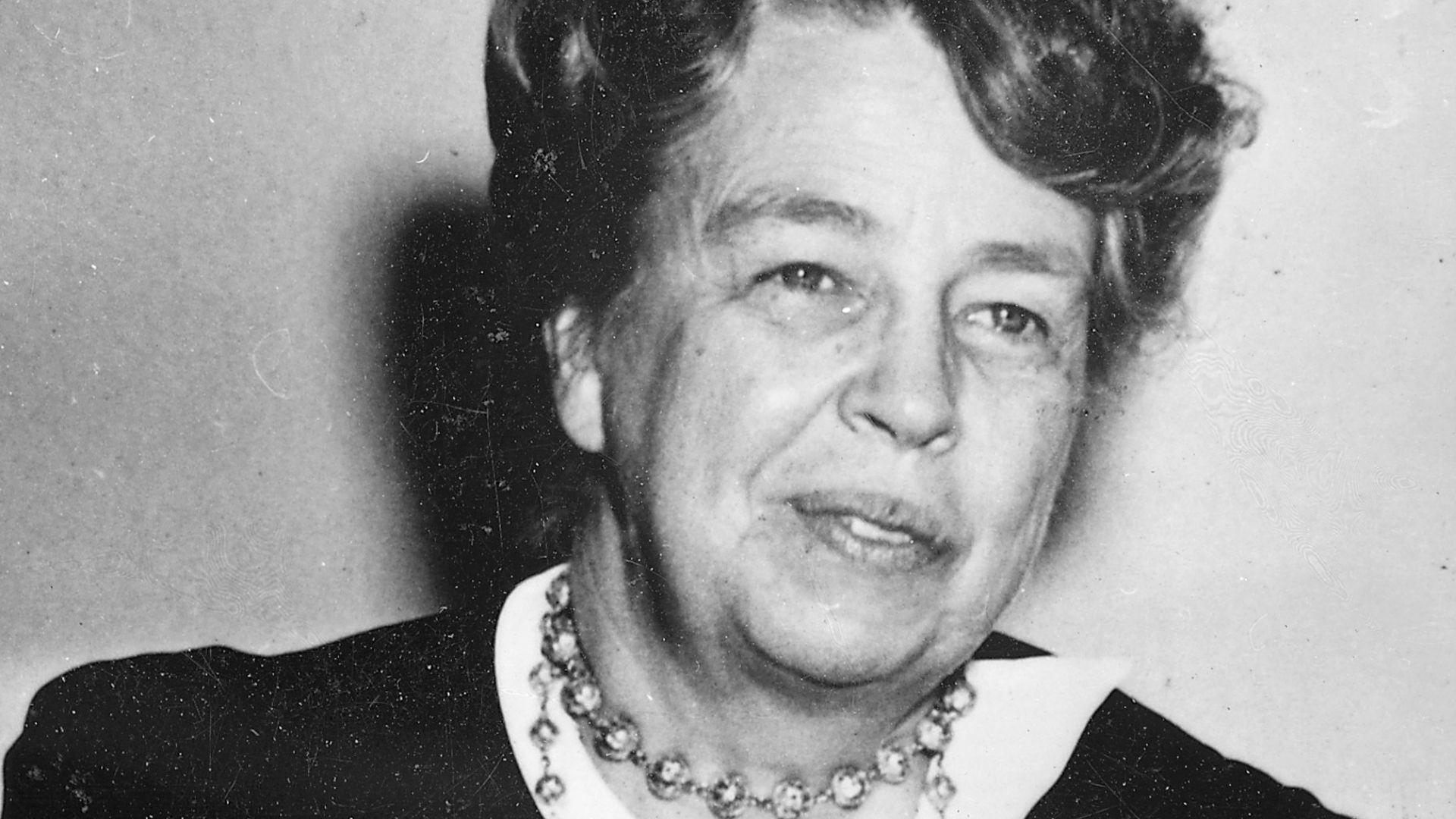
9. Eleanor Roosevelt
Eleanor Roosevelt grew up with deep insecurity, family instability, and the early deaths of both parents. She was often made to feel plain, unwanted, and unsure of herself. Over time, those wounds became part of the empathy and seriousness she brought to public service, human rights, and political life.
 Unknown authorUnknown author or not provided on Wikimedia
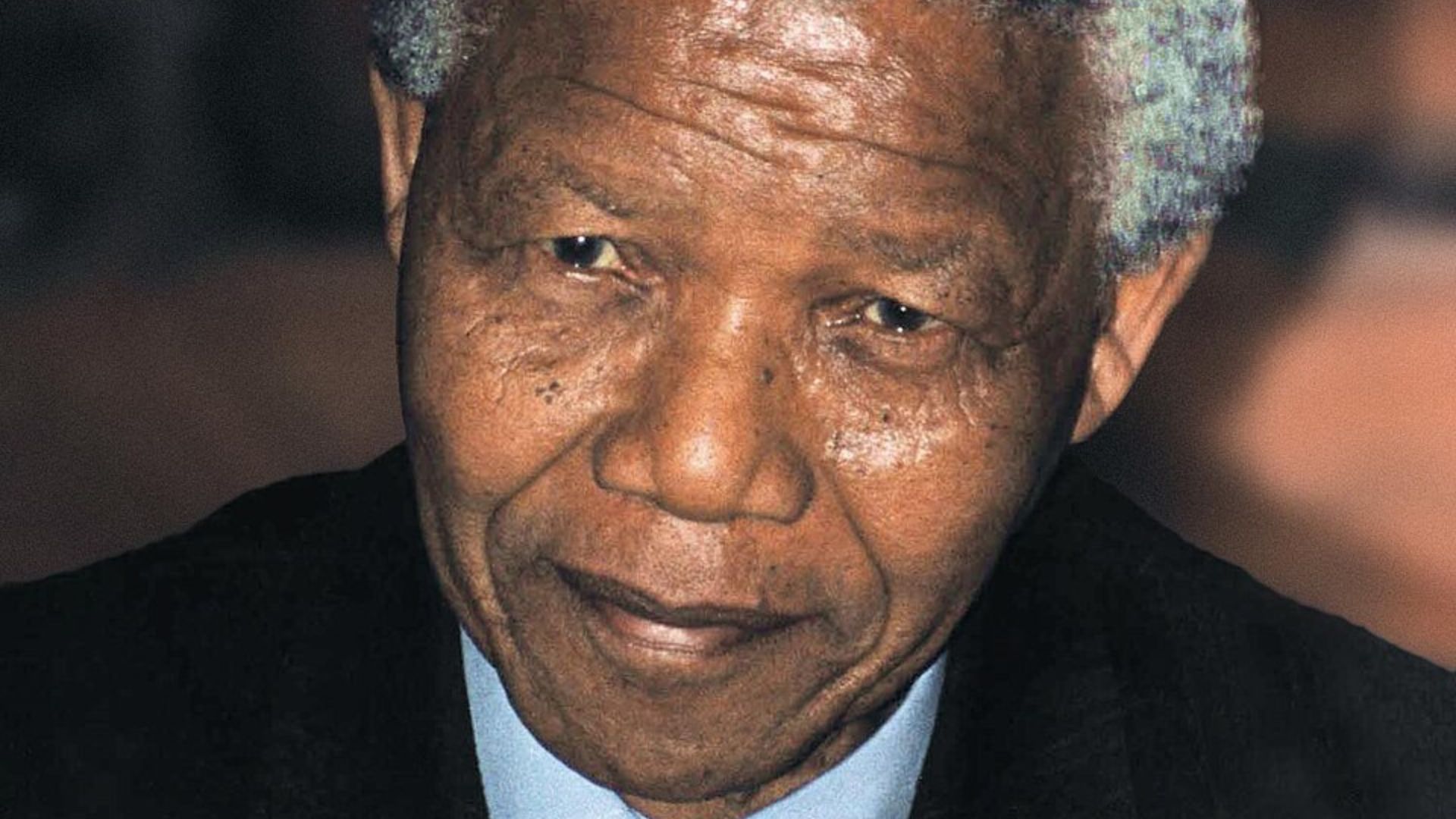
10. Nelson Mandela
Nelson Mandela spent 27 years in prison, much of it under harsh and degrading conditions. The confinement cost him years with his family and changed the course of his personal life. Yet he emerged with enough discipline and political vision to help guide South Africa away from apartheid.
 commons.wikimedia.org on Google
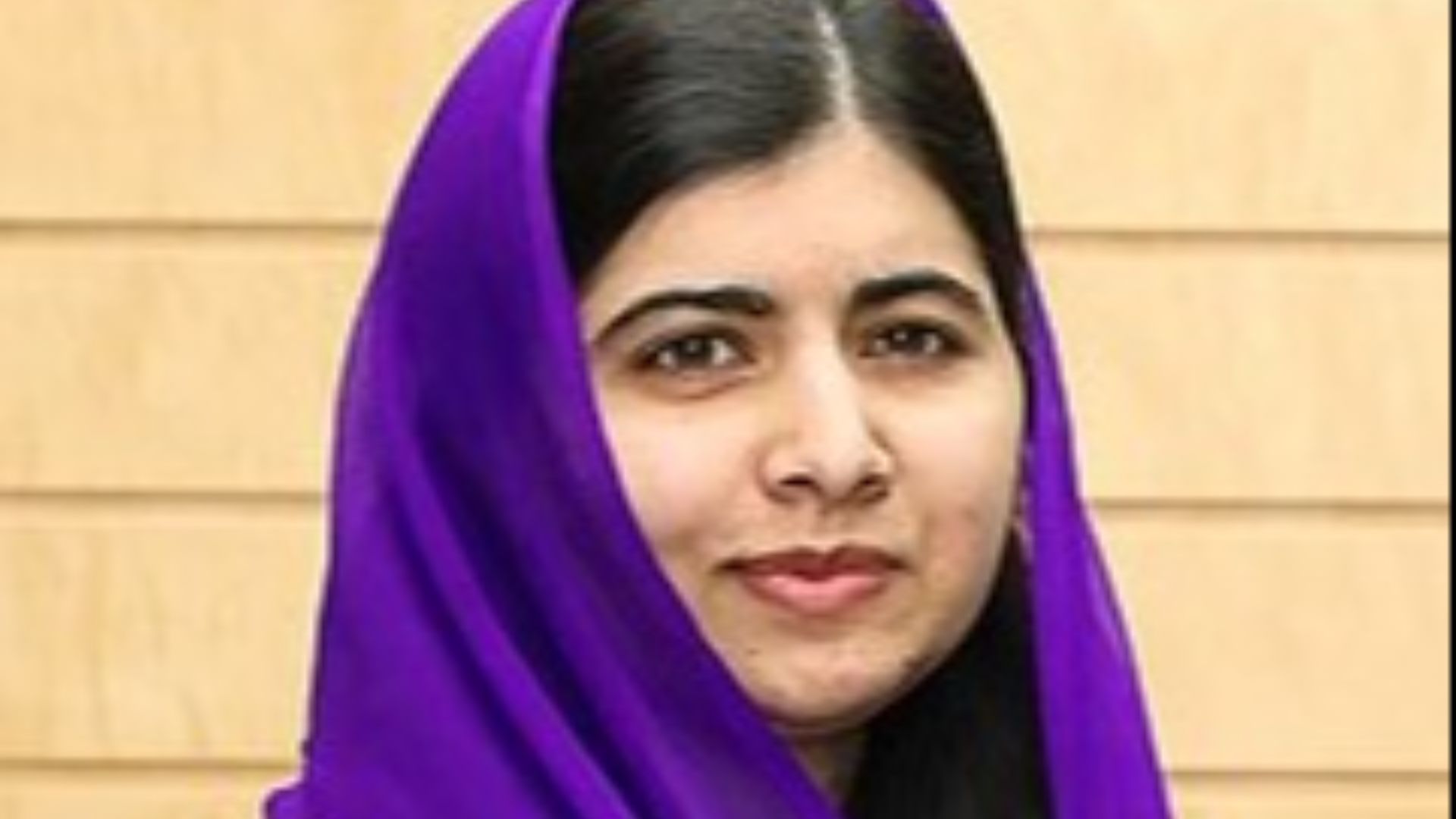
11. Malala Yousafzai
Malala Yousafzai was attacked as a teenager for speaking publicly about girls’ education. The violence against her was meant to silence her, but it gave her cause global visibility. She became an international advocate for education while still carrying the weight of what resistance had cost.
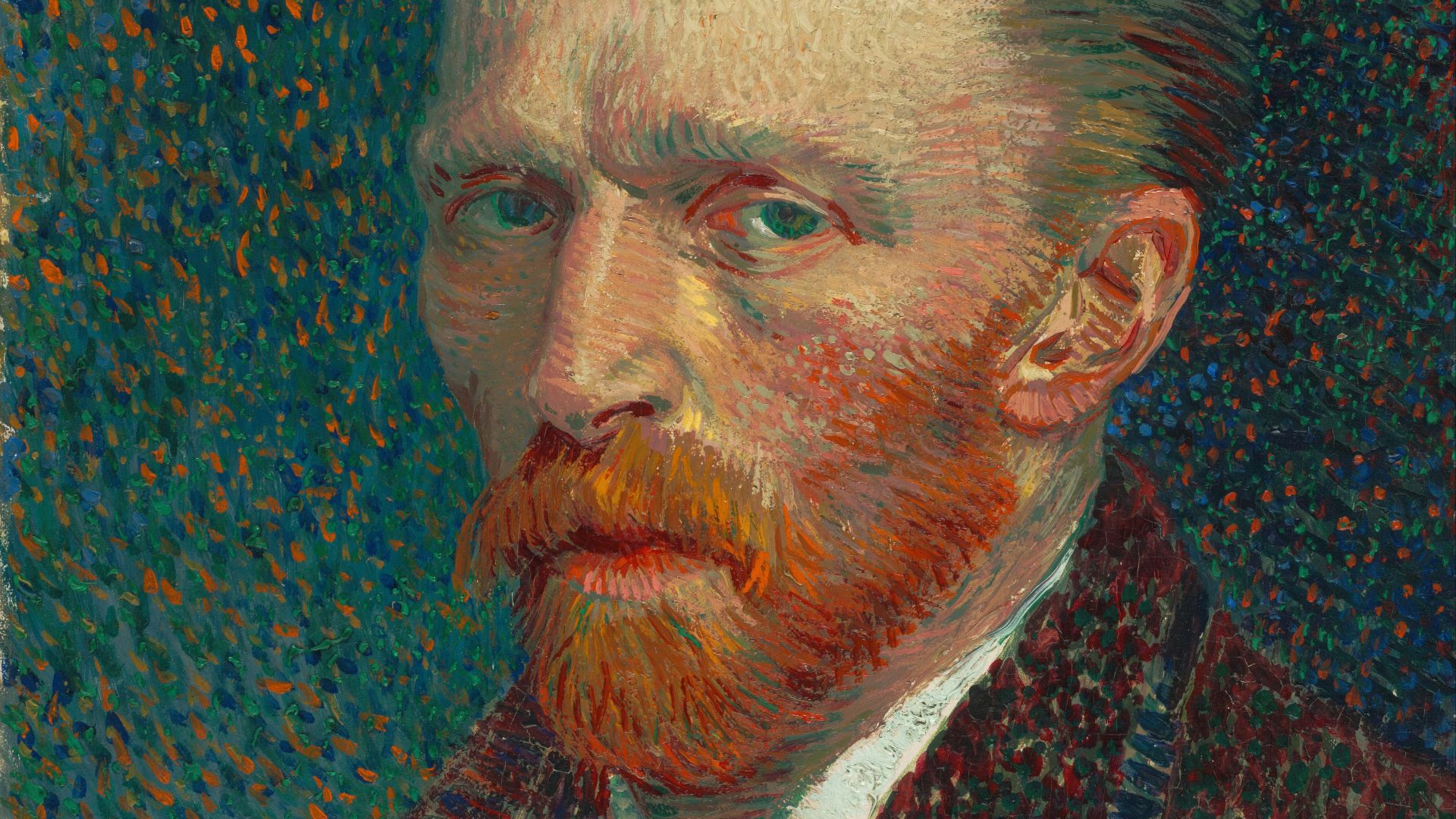
12. Vincent Van Gogh
Vincent van Gogh struggled with mental illness, poverty, loneliness, and repeated rejection during his lifetime. He sold very little art while alive and often depended on his brother for support. His work later became beloved around the world, partly because it seems to hold both anguish and fierce attention to beauty.
13. Wilma Rudolph
Wilma Rudolph was born prematurely and faced serious childhood illness, including polio. Doctors once doubted she would walk normally. She went on to become an Olympic champion, turning a childhood marked by physical limitation into one of the great stories in track and field.
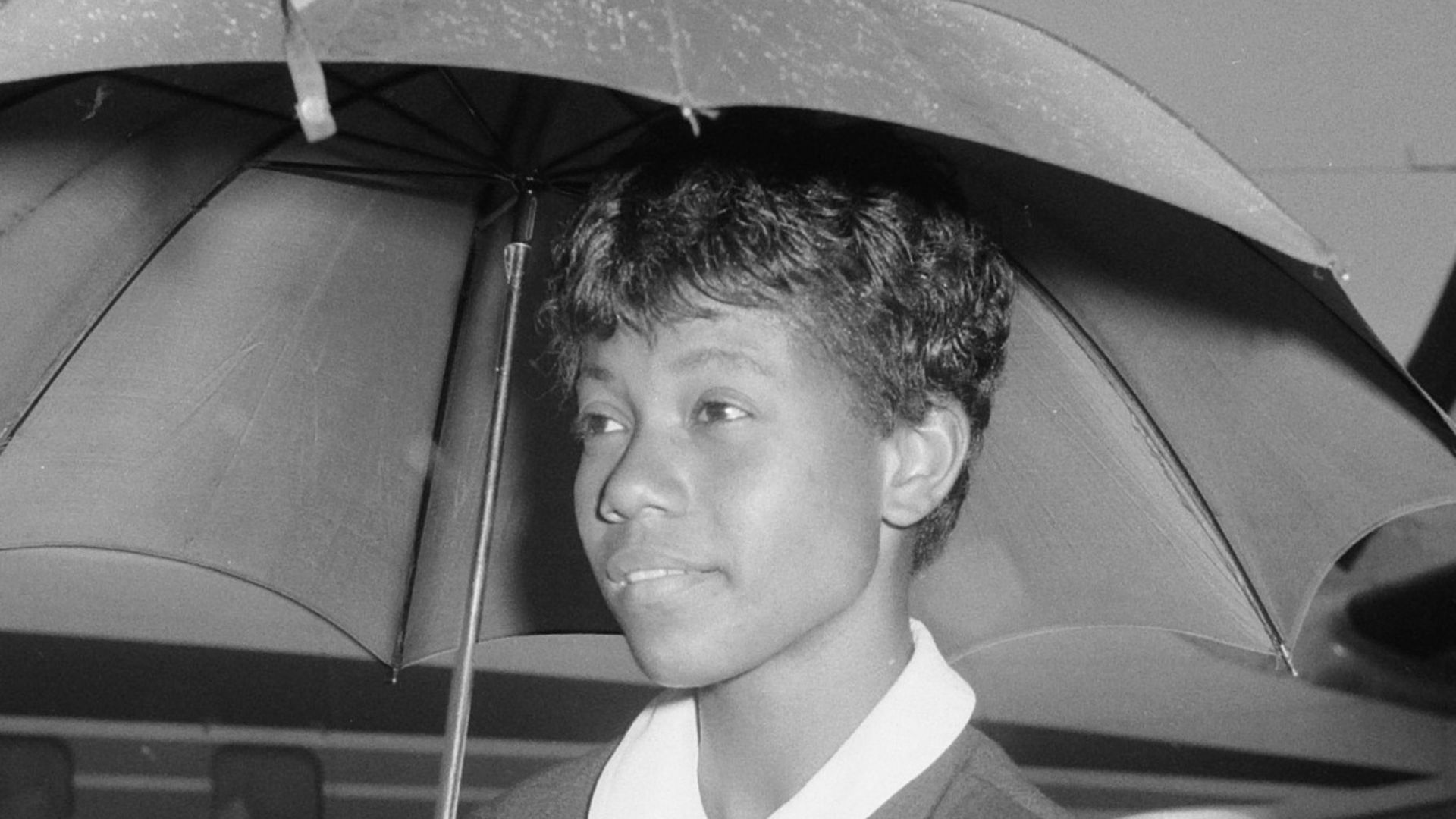 Lindeboom, Henk / Anefo on Wikimedia
14. Maya Angelou
Maya Angelou experienced trauma as a child and stopped speaking for several years. During that silence, she developed a deep relationship with language, memory, and literature. She later became a poet, memoirist, and public voice whose work helped many readers name their own pain.
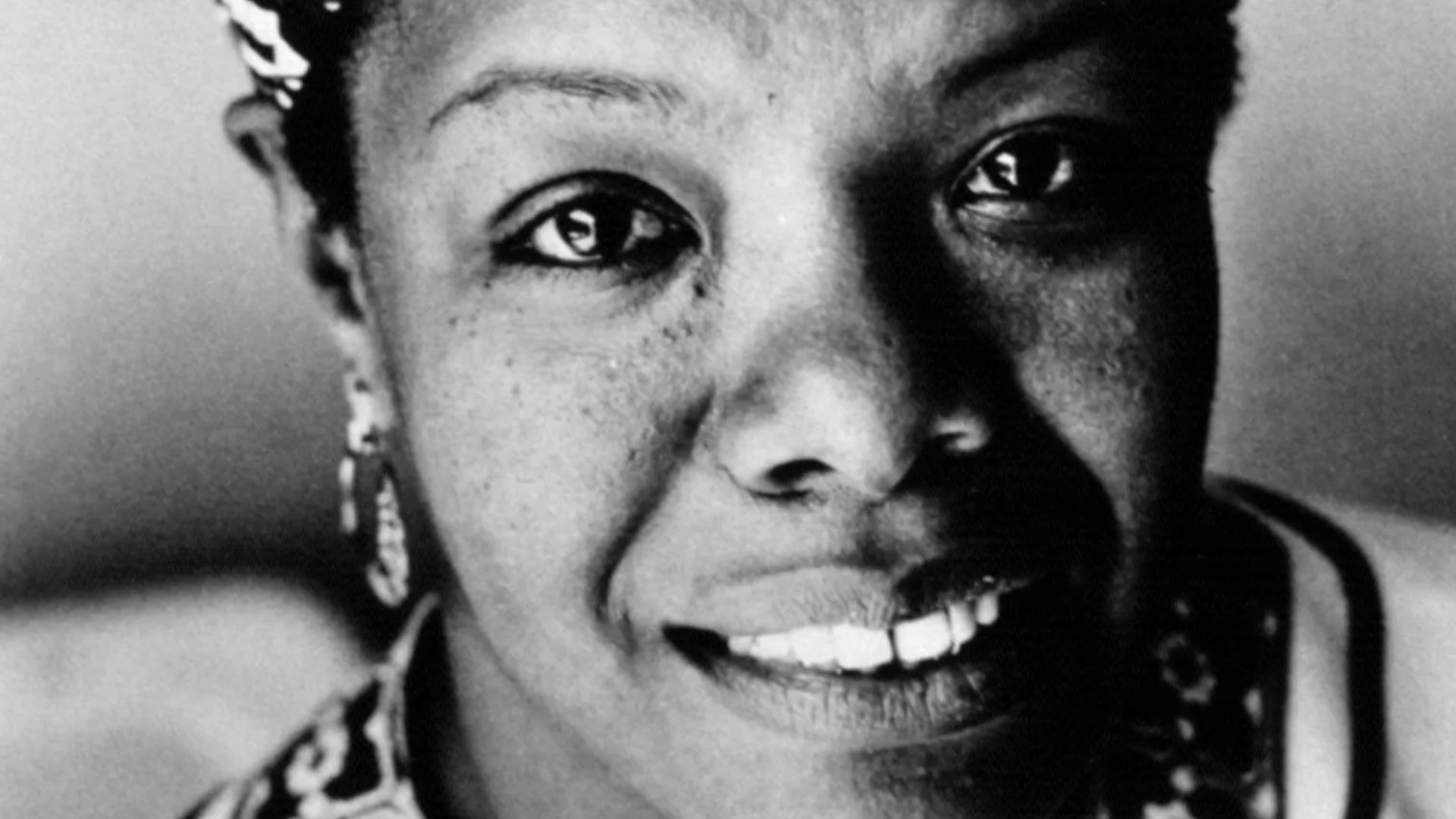 Unknown authorUnknown author on Wikimedia
15. John Lewis
John Lewis faced beatings, arrests, and threats while working in the civil rights movement. His activism demanded physical courage as well as moral discipline. The scars he carried became part of his public witness and helped define a life devoted to nonviolent change.
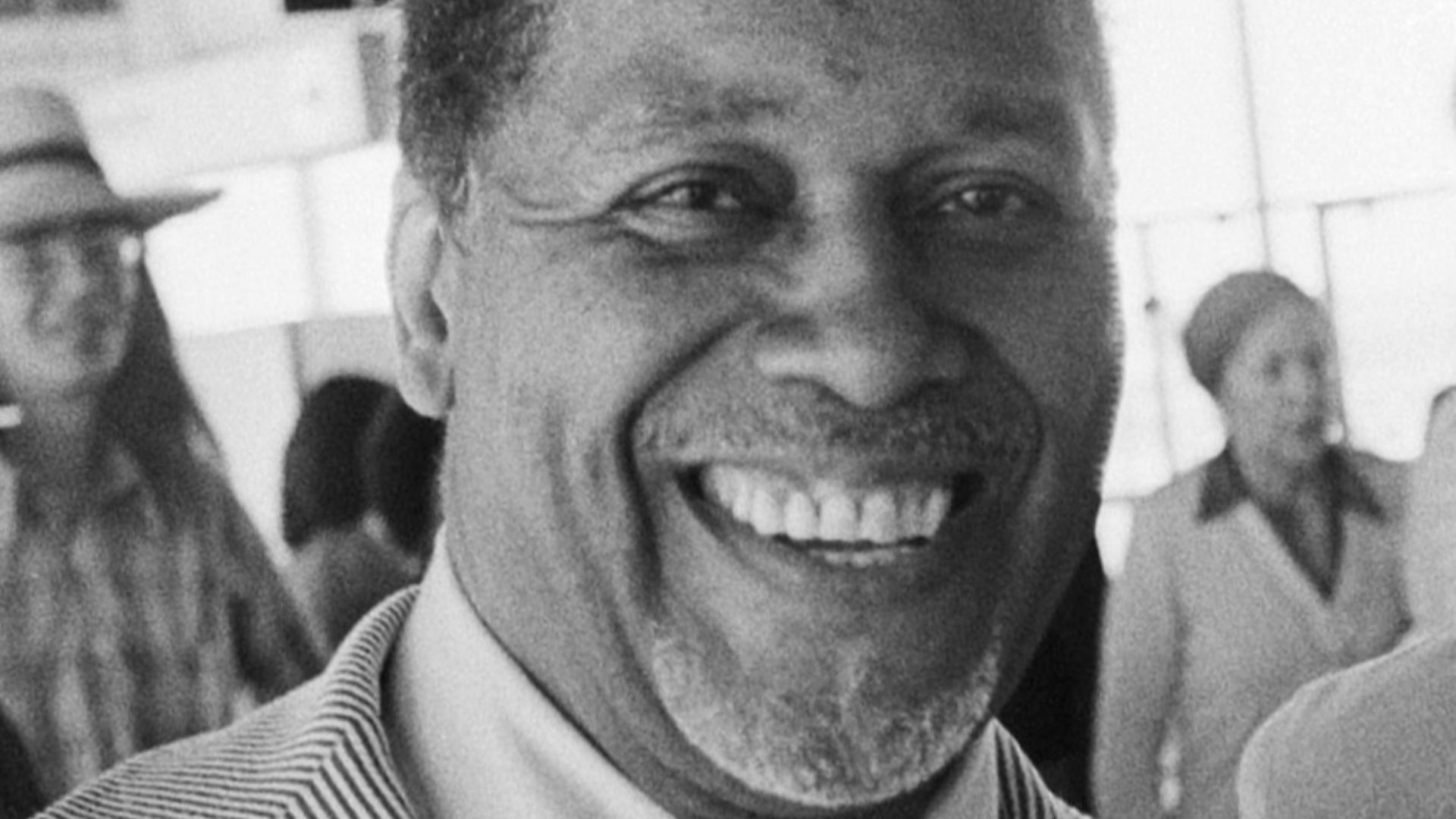 Bert Verhoeff for Anefo on Wikimedia
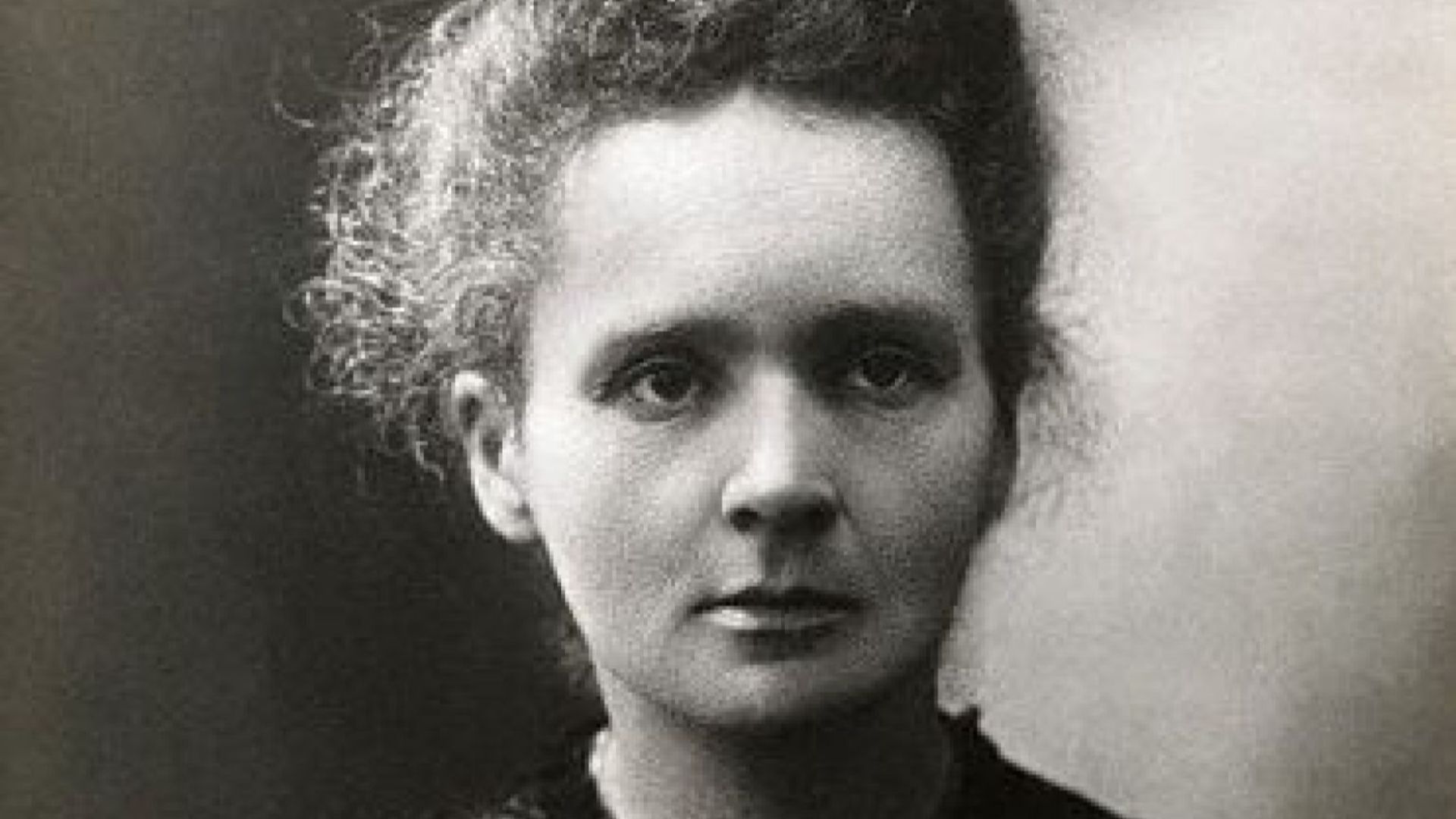
16. Marie Curie
Marie Curie faced poverty, sexism, and professional exclusion while pursuing science. Later, her work with radioactive materials damaged her health, though the risks were not fully understood at the time. Her persistence helped transform physics and chemistry, even as the work took a personal toll.
 Unknown authorUnknown author on Wikimedia
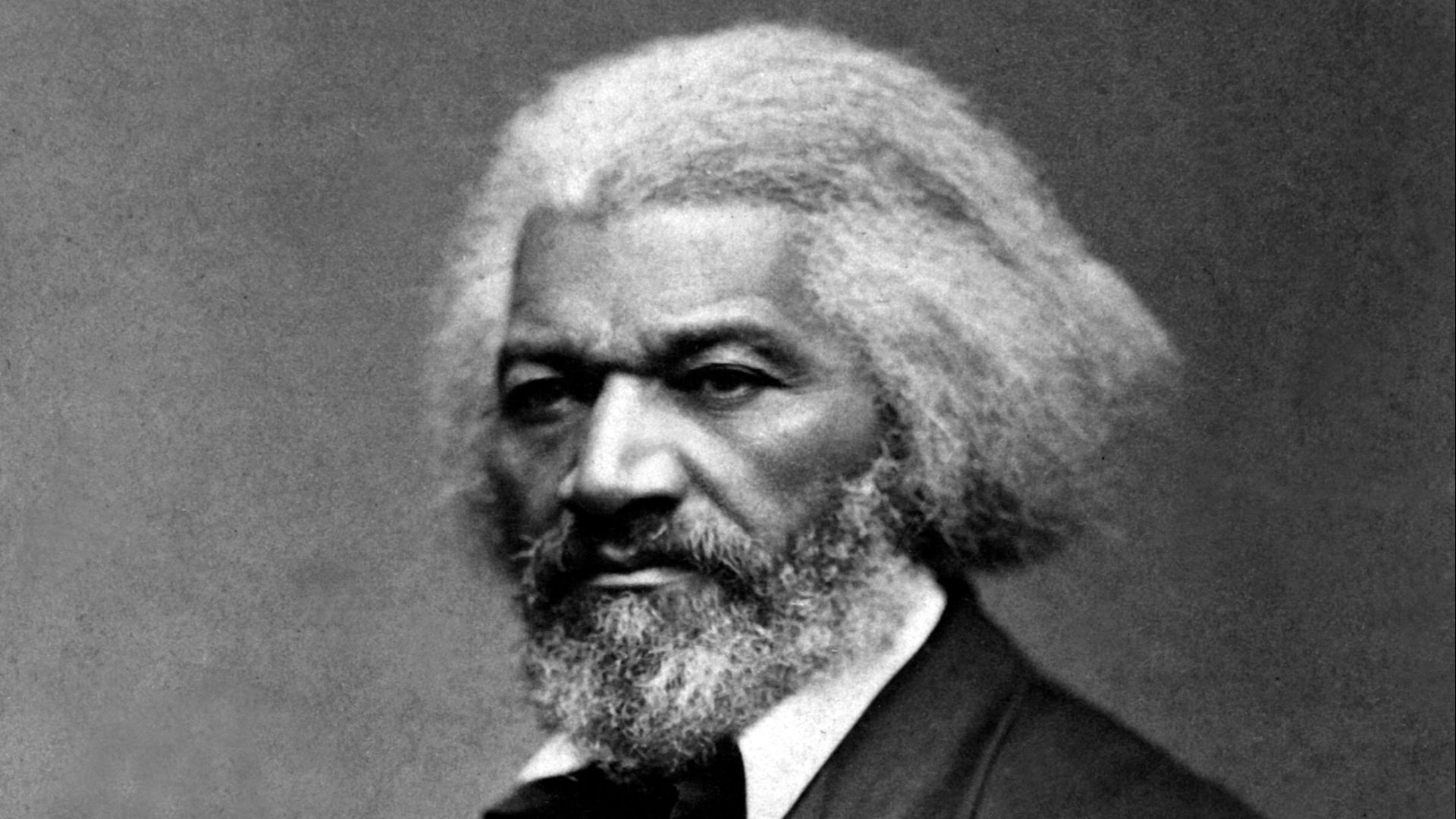
17. Frederick Douglass
Frederick Douglass escaped slavery after years of brutality, control, and denied education. Learning to read helped him understand both the machinery of oppression and the power of words against it.
He became one of the most important writers and speakers in the fight against slavery.
 George Kendall Warren on Wikimedia
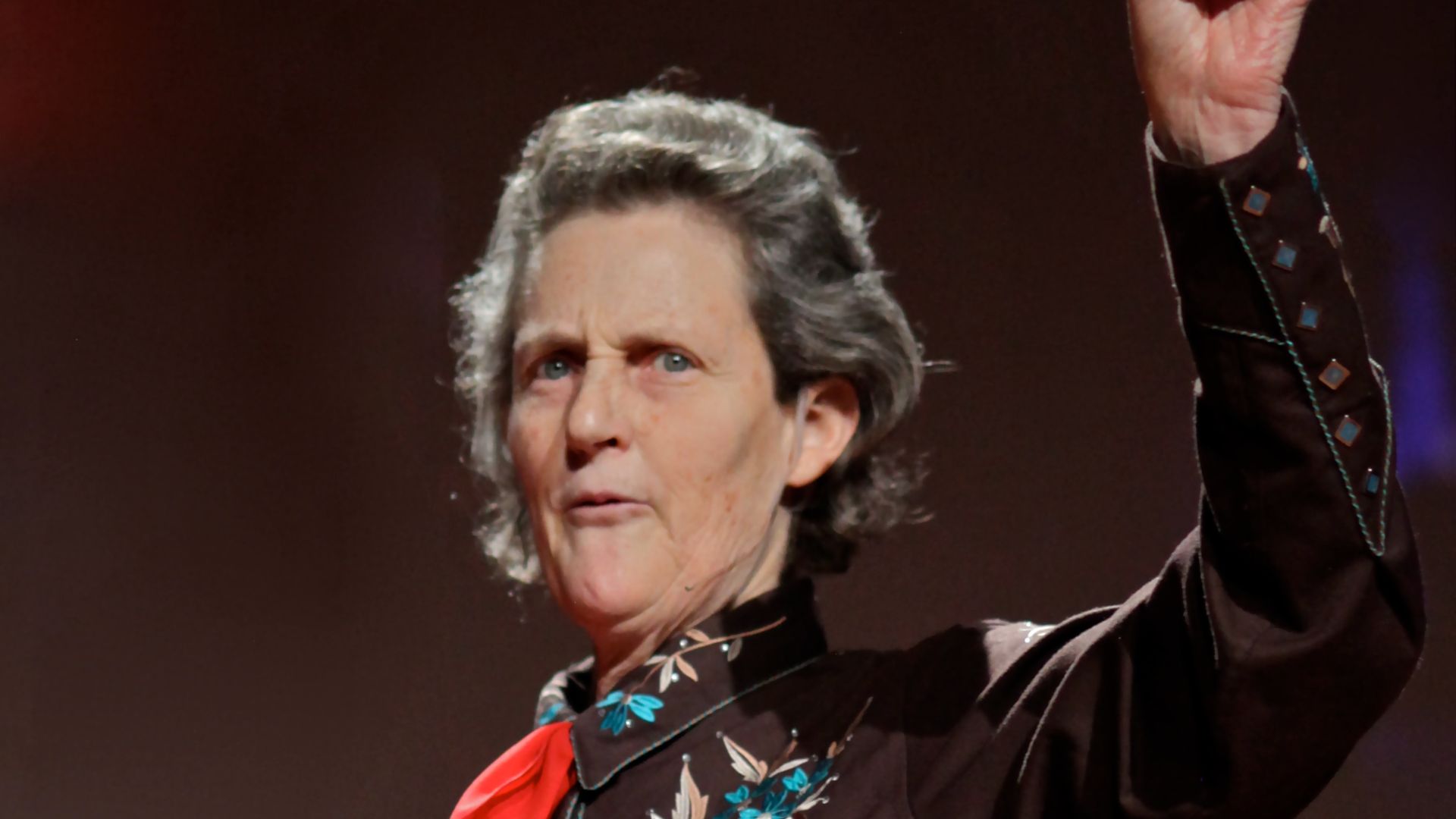
18. Temple Grandin
Temple Grandin grew up autistic at a time when many people misunderstood or underestimated her. She learned to use her visual thinking as a strength rather than treat it only as an obstacle. Her work changed livestock handling practices and broadened public understanding of neurodiversity.
 Steve Jurvetson from Menlo Park, USA on Wikimedia
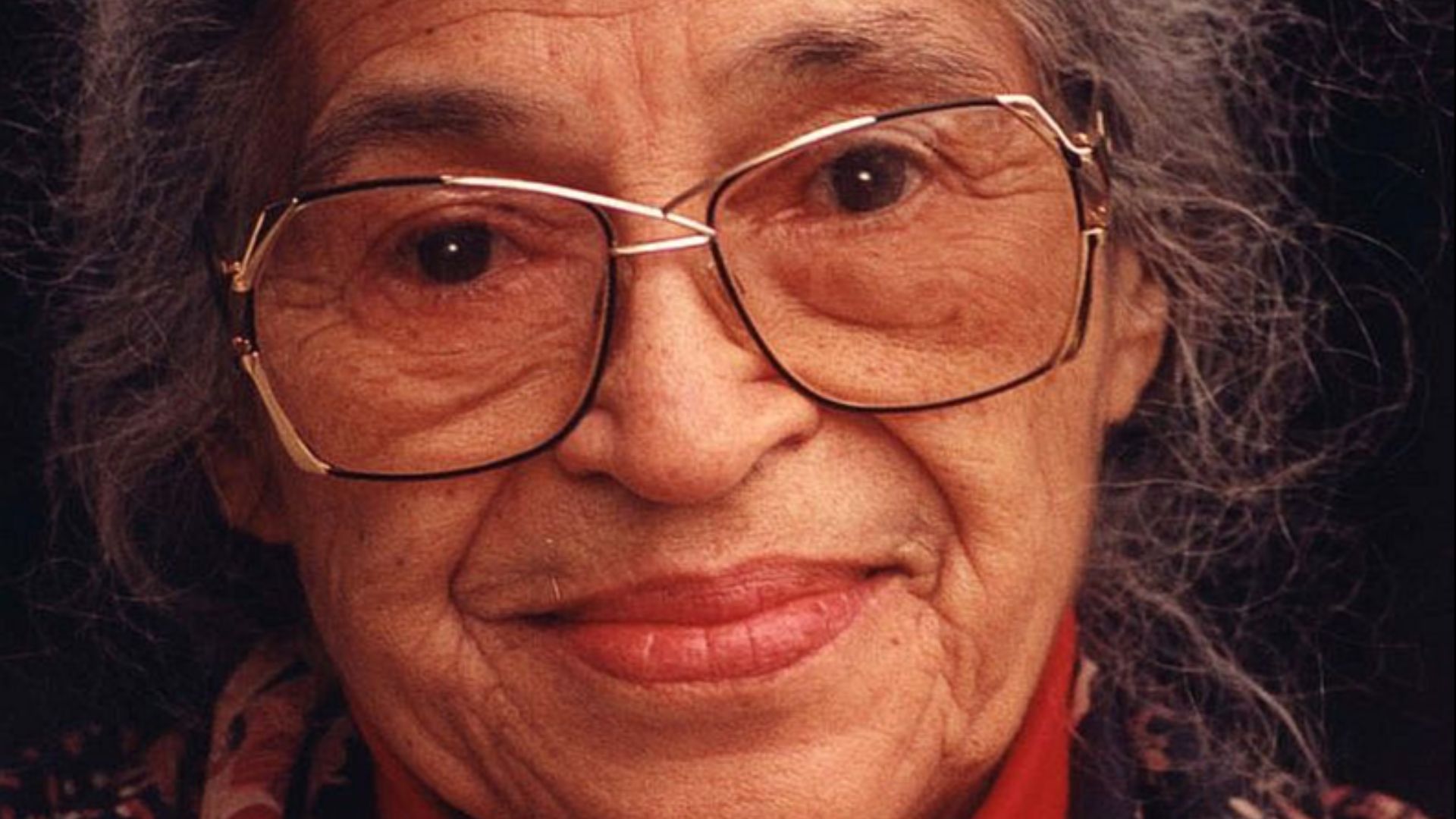
19. Rosa Parks
Rosa Parks lived under the daily humiliations and dangers of segregation. Her refusal to give up her bus seat was not a sudden act from nowhere, but part of years of quiet, disciplined activism. The pressure she faced helped reveal how ordinary injustice could become the center of national change.
 John Mathew Smith & www.celebrity-photos.com from Laurel Maryland, USA on Wikimedia
20. Winston Churchill
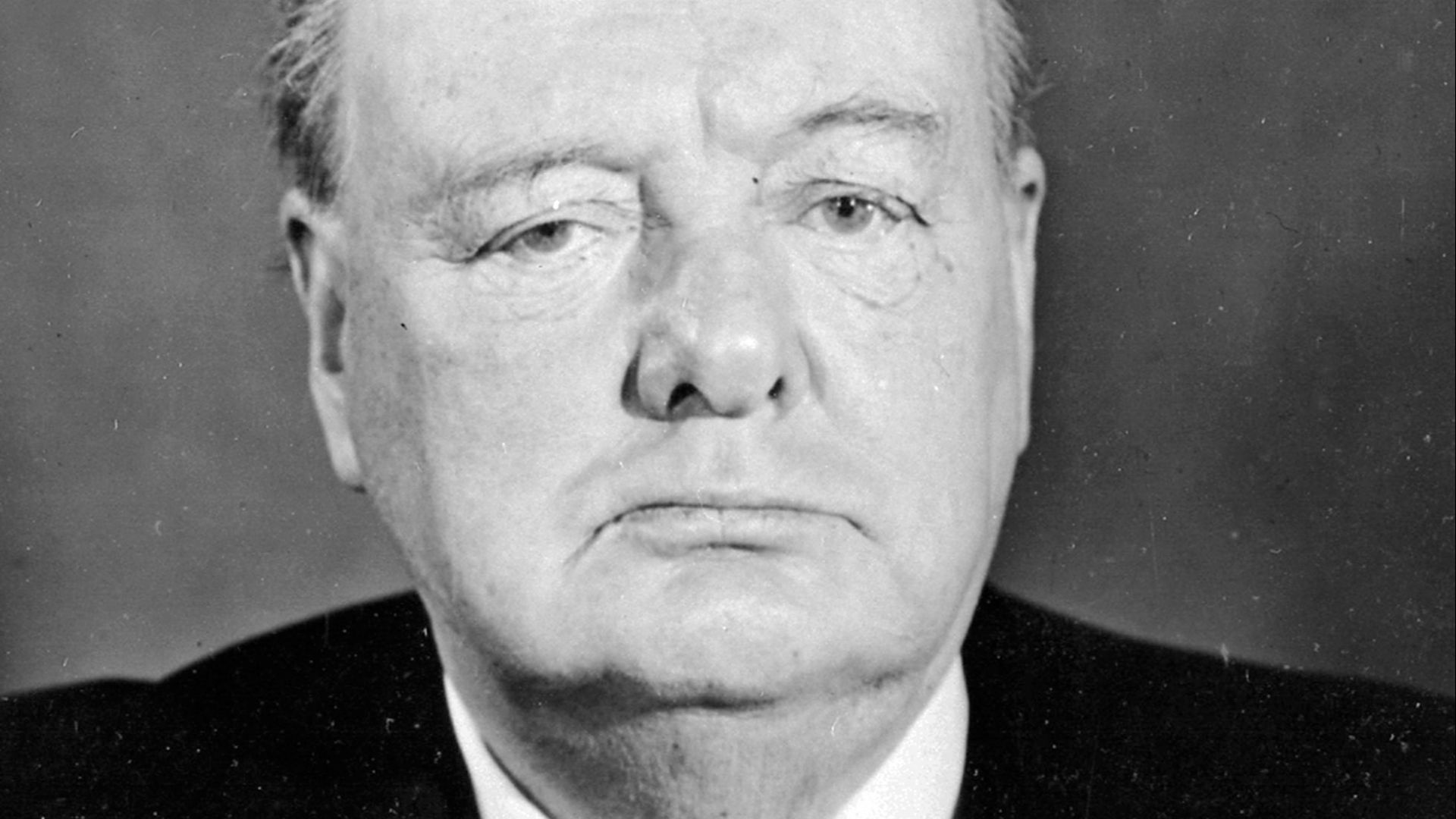
Winston Churchill dealt with depression, political failure, and long periods of public rejection before his wartime leadership became legendary. His setbacks were not minor detours; they shaped his stubbornness and his sense of history. By the time Britain faced crisis, he had already spent years learning how to survive defeat.
.jpg)
_Cropped.jpg)
KEEP ON READING

The Origins Of 3 Common Sayings You Still Use Today
Etienne Boulanger on UnsplashMany of the phrases you use every…
By Rob Shapiro Apr 28, 2026
Was Caligula The Most Ruthless Roman Emperor?
Artur Matosyan on UnsplashRoman Emperor Caligula is one of ancient…
By Rob Shapiro Dec 18, 2025
1 Weird Fact About Every President
Washington, Lincoln, FDR. Most people know something about the lives…
By Robbie Woods Dec 3, 2024
10 Accidental Discoveries That Changed Maps & 10 That Changed…
Mistakes That Mattered. A lot of major discoveries did not…
By Cameron Dick Apr 15, 2026
10 Actors Who Perfectly Played a Historical Figure & 10…
Which Performance is Your Favorite?. Playing the role of a…
By Rob Shapiro Sep 15, 2025
10 Actors Who Perfectly Played a Historical Figure & 10…
Portraying a real person from history is one of the…
By Noone Dec 17, 2025