
The Civil War Soldier Who Survived Being Shot in the Head & Changed Medicine Forever
The Civil War Soldier Who Survived Being Shot in the Head & Changed Medicine Forever
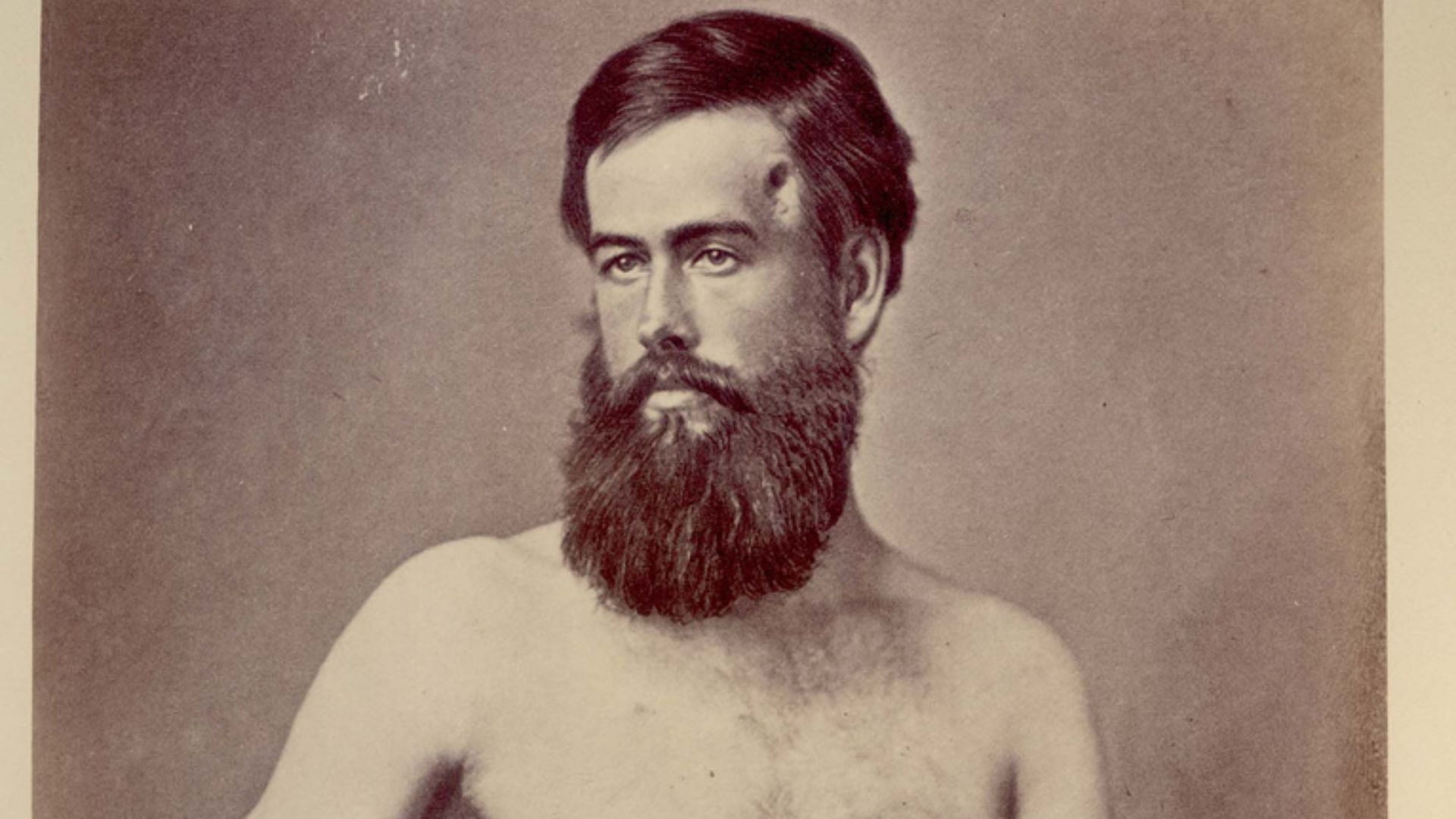 National Museum of Health and Medicine on Wikimedia
Being shot in the head may sound like a sure death sentence, especially back when doctors didn't have antibiotics, modern imaging technology, or the advanced surgical techniques that make treating traumatic brain injuries possible today. However, during the Civil War, one Union soldier managed to survive an injury so severe that even his physicians were astonished by his recovery. His name was Edson D. Bemis, and his remarkable medical history would eventually become part of an important record of battlefield medicine.
What makes Bemis's story so fascinating isn't simply that he survived a bullet penetrating his brain. Doctors carefully documented his recovery, preserved photographs of his injuries, and continued gathering information about his condition years after the war. His case became part of a much larger effort to understand traumatic injuries, helping lay the groundwork for modern military medicine.
A Soldier Who Seemed Impossible to Kill
Edson D. Bemis served in the 12th Massachusetts Volunteer Infantry, a Union regiment that saw some of the Civil War's fiercest fighting. At the Battle of Antietam in September 1862, a musket ball struck his left arm, fracturing the bone. Despite the seriousness of the injury, he eventually recovered and returned to military service. Unfortunately, though, it wouldn't be his last encounter with enemy gunfire.
During the Battle of the Wilderness in May 1864, Bemis suffered another gunshot wound, this time near his right hip. He required extensive medical treatment but eventually healed well enough to rejoin his regiment. By early 1865, the corporal had already survived two injuries that could easily have ended his military career. However, his third wound would be far more devastating.
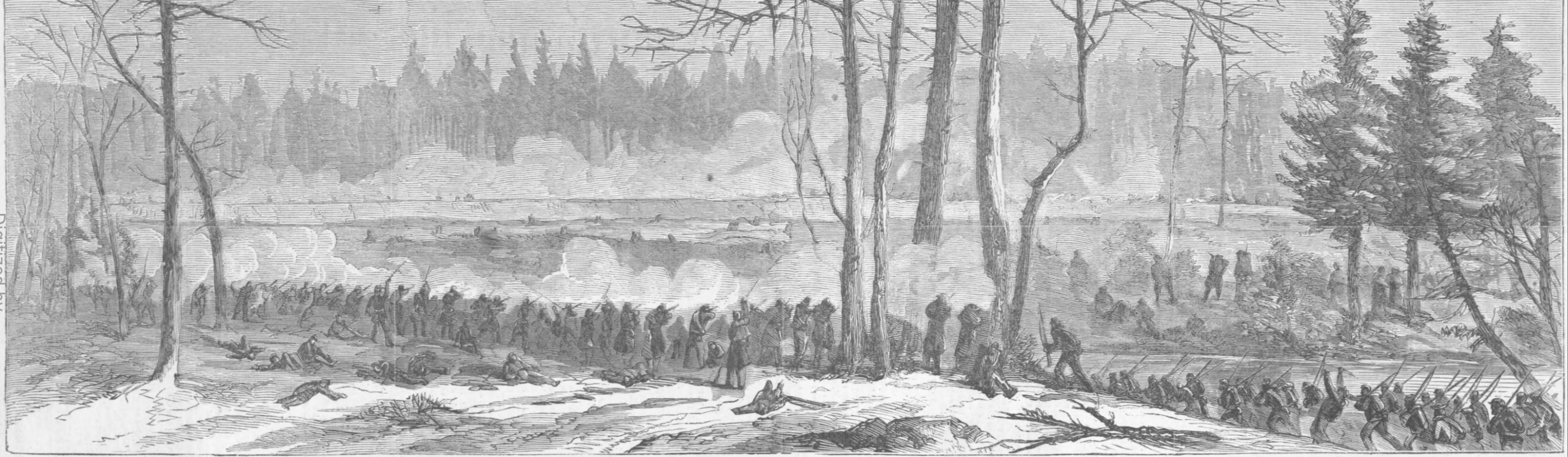
On February 5, 1865, Bemis was fighting at the Battle of Hatcher's Run in Virginia when a musket ball struck the left side of his skull. The projectile fractured his temporal bone and penetrated his brain, leaving him unconscious and paralyzed on his right side. Medical personnel even observed brain tissue emerging from the wound. Given the circumstances, it seemed unlikely that he'd survive the next few days.
The Operation That Saved His Life
Bemis was placed under the care of surgeon Albert Vanderveer, who faced an incredibly difficult medical challenge. Nineteenth-century physicians knew that penetrating skull injuries were serious, but they had no way of examining the brain using anything resembling today's CT scans. Infection was another major concern, as antiseptic surgical practices hadn't yet become widespread. Still, Vanderveer believed that removing the projectile offered Bemis his best chance of survival.
On February 8, three days after the shooting, the surgeon successfully extracted the musket ball along with several fragments of damaged bone. Remarkably, Bemis's condition began improving after the procedure, and he soon regained enough awareness to identify himself. His paralysis also started to subside, although he initially struggled to maintain conversations. Considering the extent of the damage to his skull and brain, his recovery was nothing short of extraordinary.
By July 1865, Bemis had recovered enough to leave military service, and physicians photographed his nearly healed injury at the Army Medical Museum. Medical records described a defect in his skull so large that the movement of his brain could be detected beneath the tissue covering it. Putting that horrific image aside, his mental and sensory abilities appeared remarkably unaffected during the examination. His photographs and surgical records became valuable evidence that even some of the most severe brain injuries weren't necessarily fatal.
Doctors continued monitoring his condition after the war, revealing that his initial recovery wasn't the whole story. In an 1870 letter, Bemis reported that he'd married and become a father, although he still struggled with headaches, hearing difficulties, and memory problems. His experience showed that surviving a catastrophic injury didn't necessarily mean escaping its long-term effects. For physicians, these observations offered valuable insight into the difference between immediate survival and lasting neurological recovery.
How His Survival Helped Advance Medicine
Bemis's case was eventually included in The Medical and Surgical History of the War of the Rebellion, a major government publication documenting Civil War illnesses, injuries, and treatments. The project brought together thousands of medical observations, giving physicians a more systematic way to study battlefield medicine. Detailed accounts like Bemis's preserved important information about surgical procedures, patient outcomes, and the lasting consequences of traumatic brain injuries. Although he didn't change medicine single-handedly, his survival added to an expanding collection of medical knowledge.
The value of these records became increasingly apparent as neuroscience and surgical techniques advanced throughout the late nineteenth century. Physicians gradually gained a better understanding of how different areas of the brain worked, while antiseptic practices made complicated operations much safer. Civil War medical records offered historical evidence that surgeons could compare with newer discoveries. Cases involving severe head wounds were especially useful because they revealed both what contemporary treatments could accomplish and where they fell short.
Unfortunately, Bemis's later years weren't nearly as encouraging as his initial recovery. His neurological condition gradually worsened over the following decades, eventually leaving him dependent on others for everyday activities. He died in 1900, with his death attributed to cerebral degeneration caused by his wartime injuries. Today, his extraordinary story reminds us that medical progress doesn't always come from groundbreaking inventions, but can also begin with carefully documenting the experiences of patients who survive against seemingly impossible odds.