Straight Out Of A Novel
History isn't short on complicated people, and some of its most fascinating stories involve women whose lives took remarkably dark turns. Some began as ambitious political figures, respected rulers, or members of powerful families before becoming associated with persecution, betrayal, political violence, or outright cruelty. Their stories aren't always as simple as "good person becomes evil," either; several operated in brutal political systems where survival often demanded ruthless decisions, while others accumulated terrible reputations through actions that historians still debate.
 Unknown authorUnknown author on Wikimedia
1. Wu Zetian
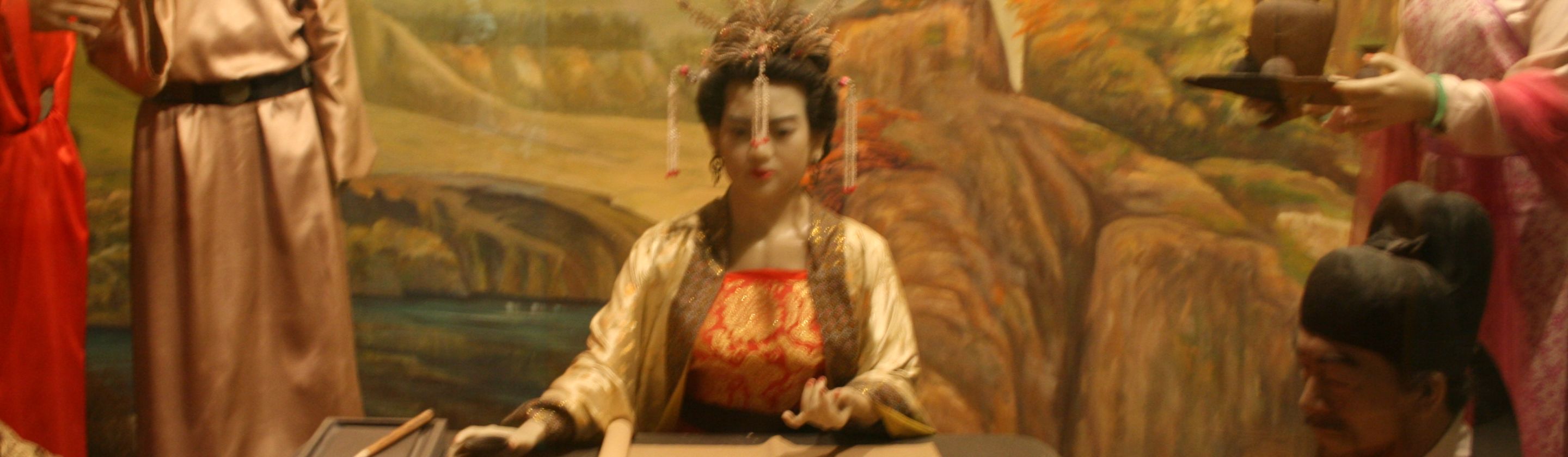
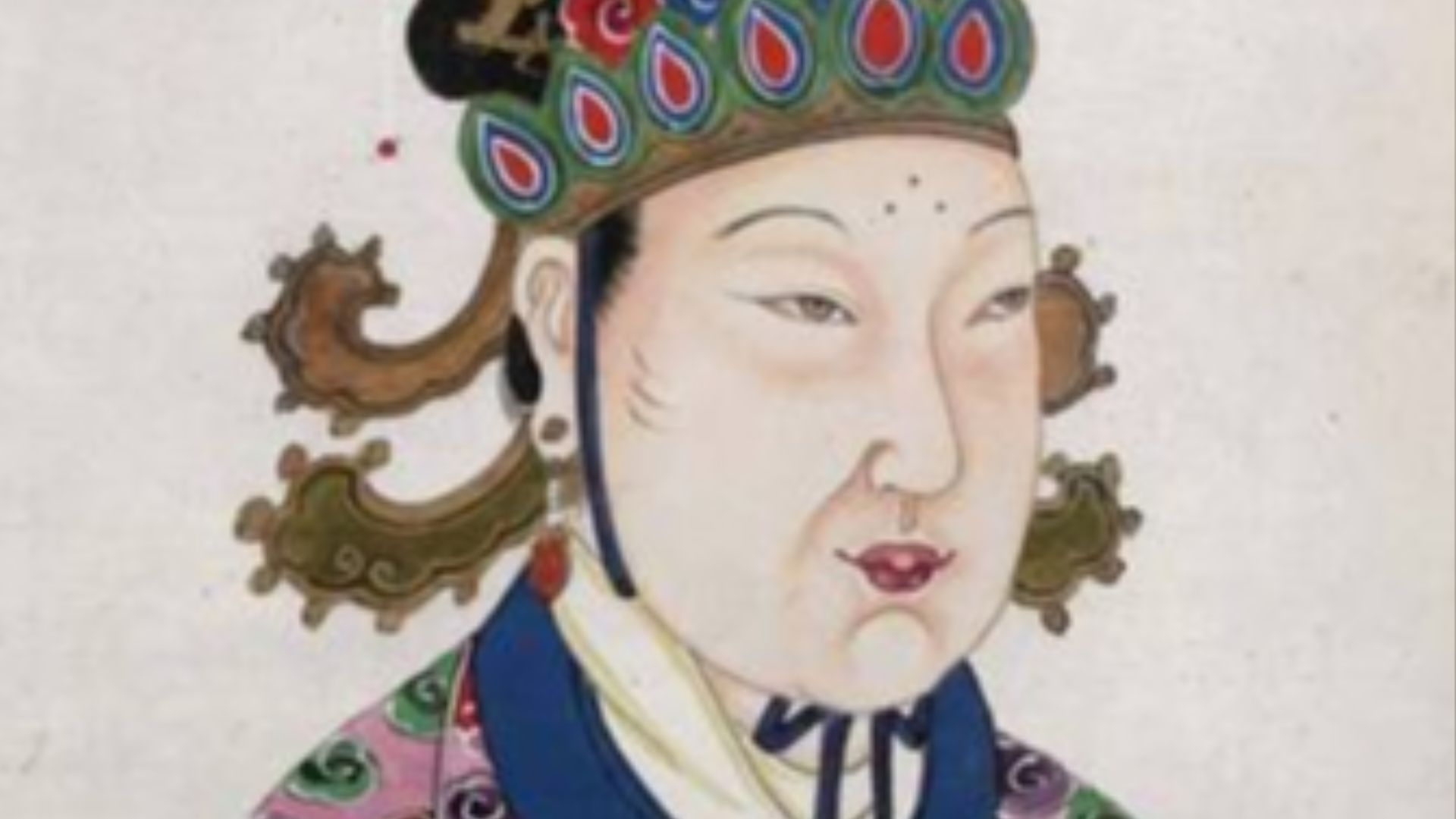
Originating as a low-ranking concubine, Wu Zetian fought her way through the ranks of the Tang imperial court to seize power for herself. Historical accounts accuse her of taking out rivals, stationing political informants, and punishing enemies. Stories about Wu became especially gruesome.
 Unknown authorUnknown author on Wikimedia
2. Ranavalona I
After ascending to the throne of Madagascar in 1828, Ranavalona I set about purging colonial influence from her island nation. As she advanced this policy, however, Ranavalona’s government killed political opponents and persecuted Christian converts. Surviving records describe her ordering thousands of executions while requiring accused criminals to perform exhausting hard labor.
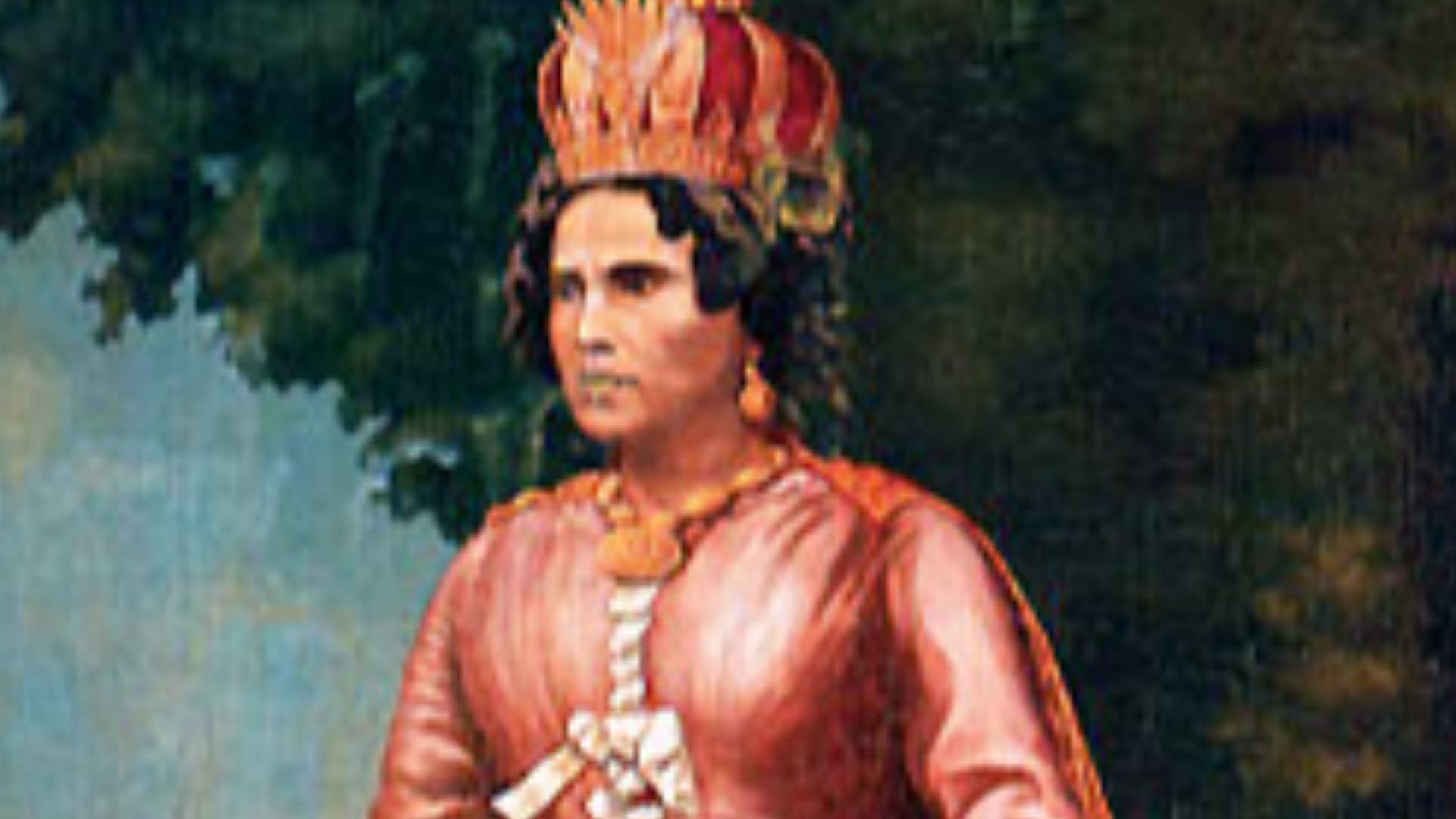 Philippe-Auguste Ramanankirahina (1860-1915) on Wikimedia
3. Mary I
Mary I became Queen of England at a time when religious politics divided the country. When her government discovered Protestants practicing without authorization, Mary had them executed. Scores of people were burned at the stake during Mary’s five-year reign, creating an enduring legacy that earned her the nickname “Bloody Mary.”
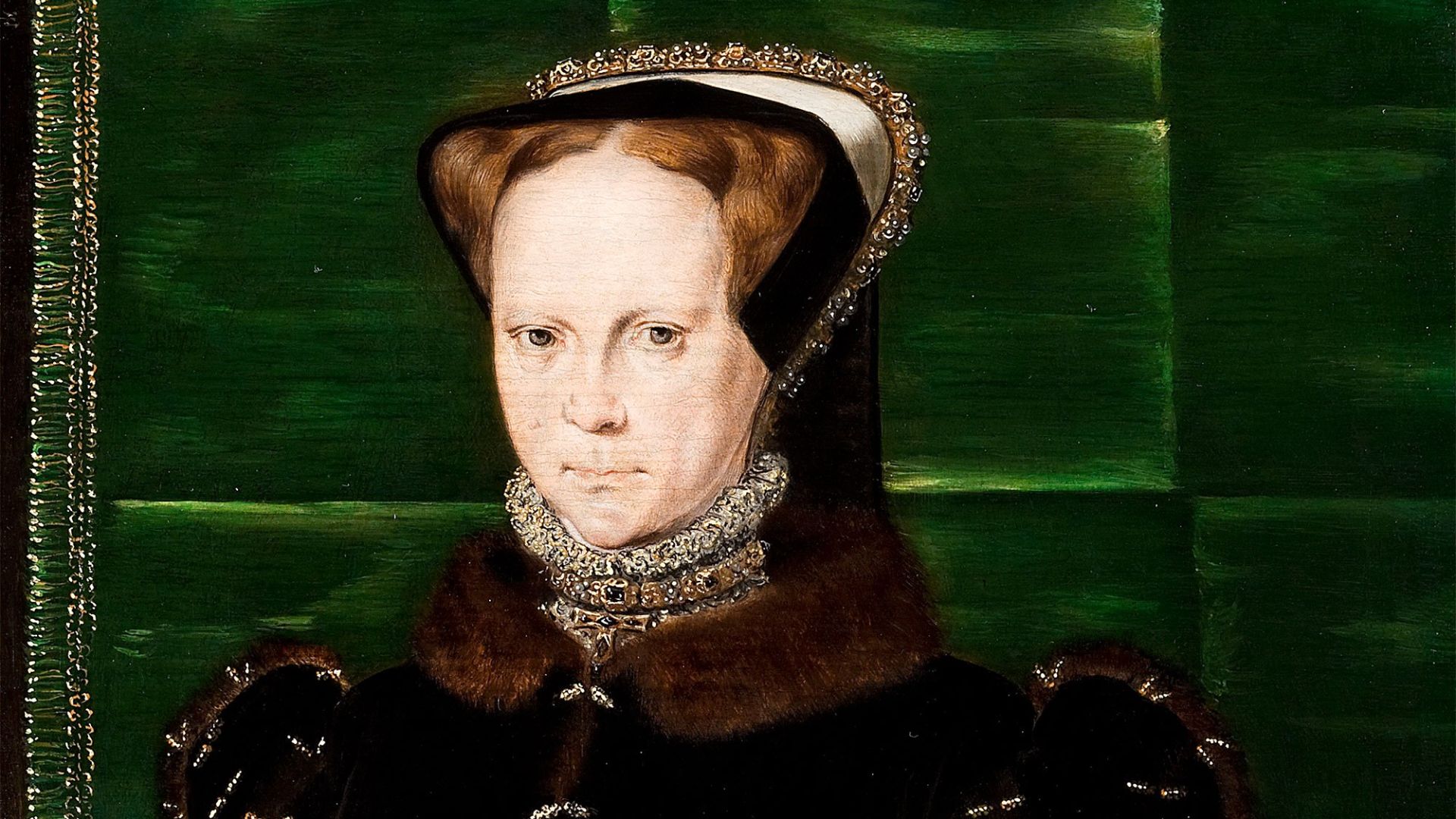
4. Irene of Athens
When power struggles with her son arose during her reign, Irene of Athens chose violence over a return to peace. Sentences were passed, and when Constantine resisted Irene’s decision, she ordered him to be blinded. Her choice to rule as sole emperor tainted Irene’s legacy irreversibly, even if she initially took the throne as regent.
5. Olga of Kyiv
Olga of Kyiv takes her place on this list for her revenge against the Drevlians, who killed her husband. Reports suggest that she invaded the Drevlians and attacked their citizens using creative methods. The contrast is remarkable: someone remembered in one tradition as a merciless avenger eventually became one of Christianity's most honored women in medieval Eastern Europe.
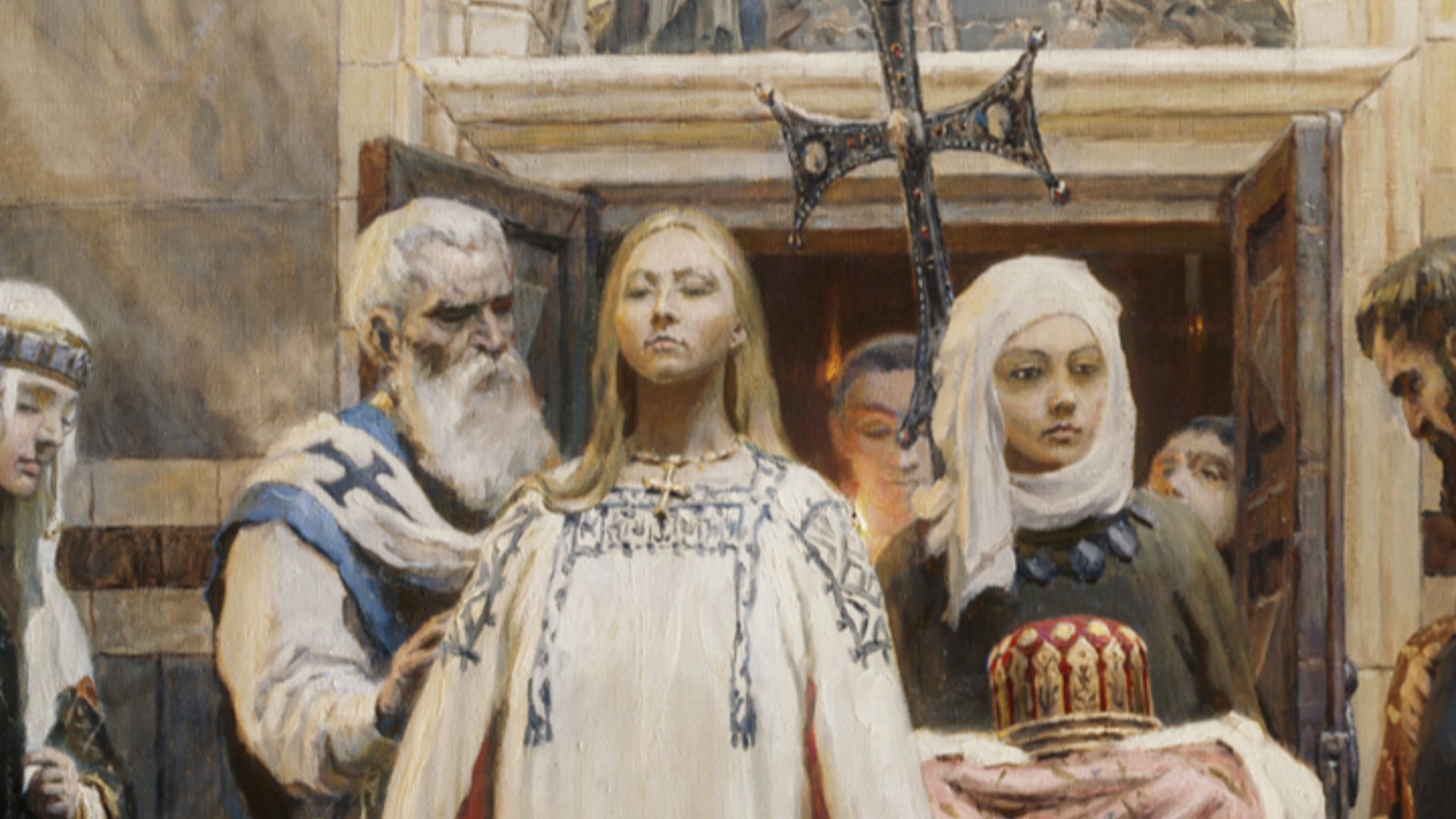
6. Theodora
As the wife of Justinian I, Theodora became one of the most powerful voices at the Byzantine imperial court. Like many who obtained her level of influence, historical records accuse her of meddling in people’s lives. She allegedly used political spies, locked up opponents, and applied vicious aggression to further her goals.
 Ambrosio-Zanotta / Goldwyn Pictures (U.S. Distribution) on Wikimedia
7. Catherine de' Medici
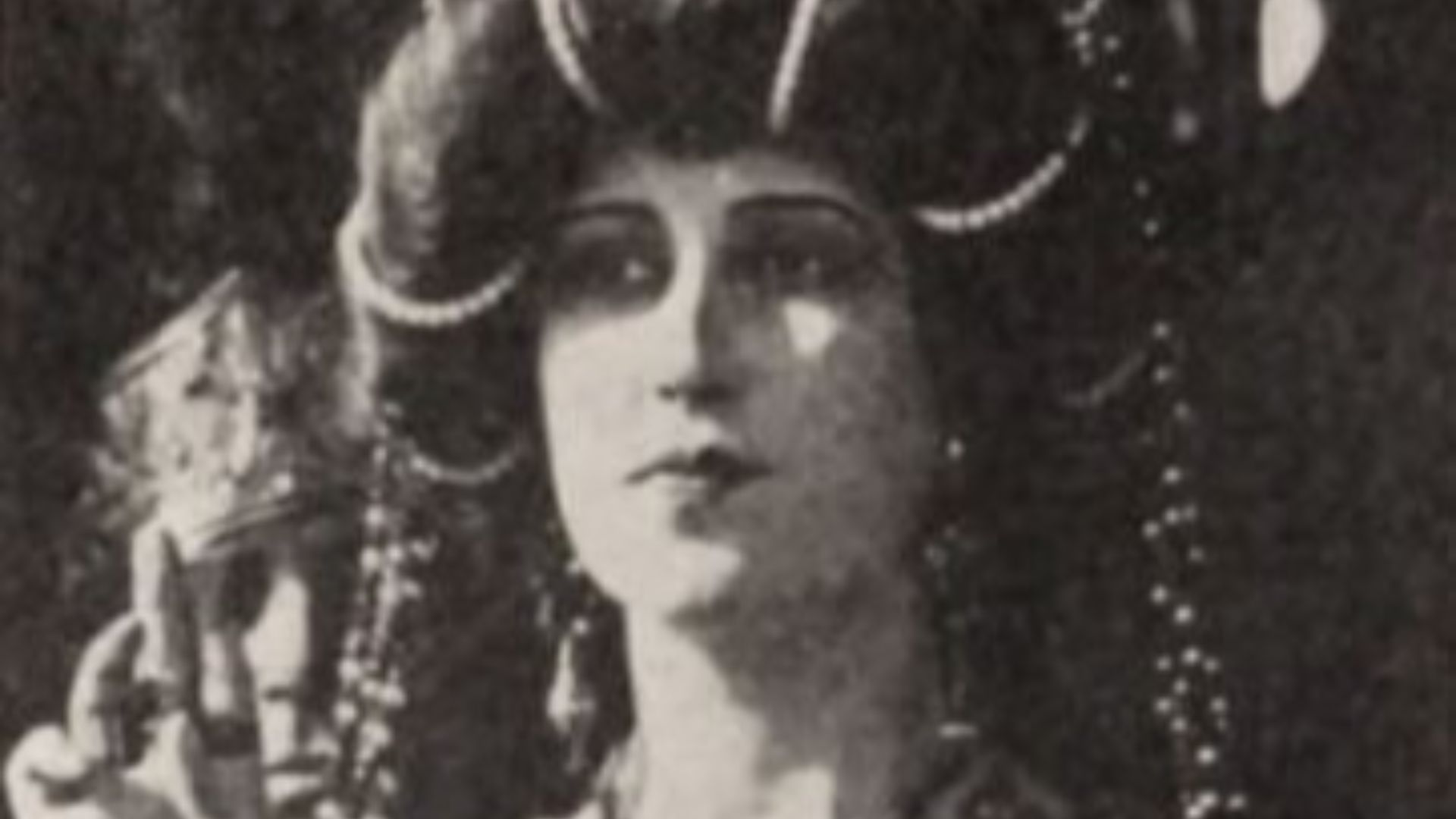
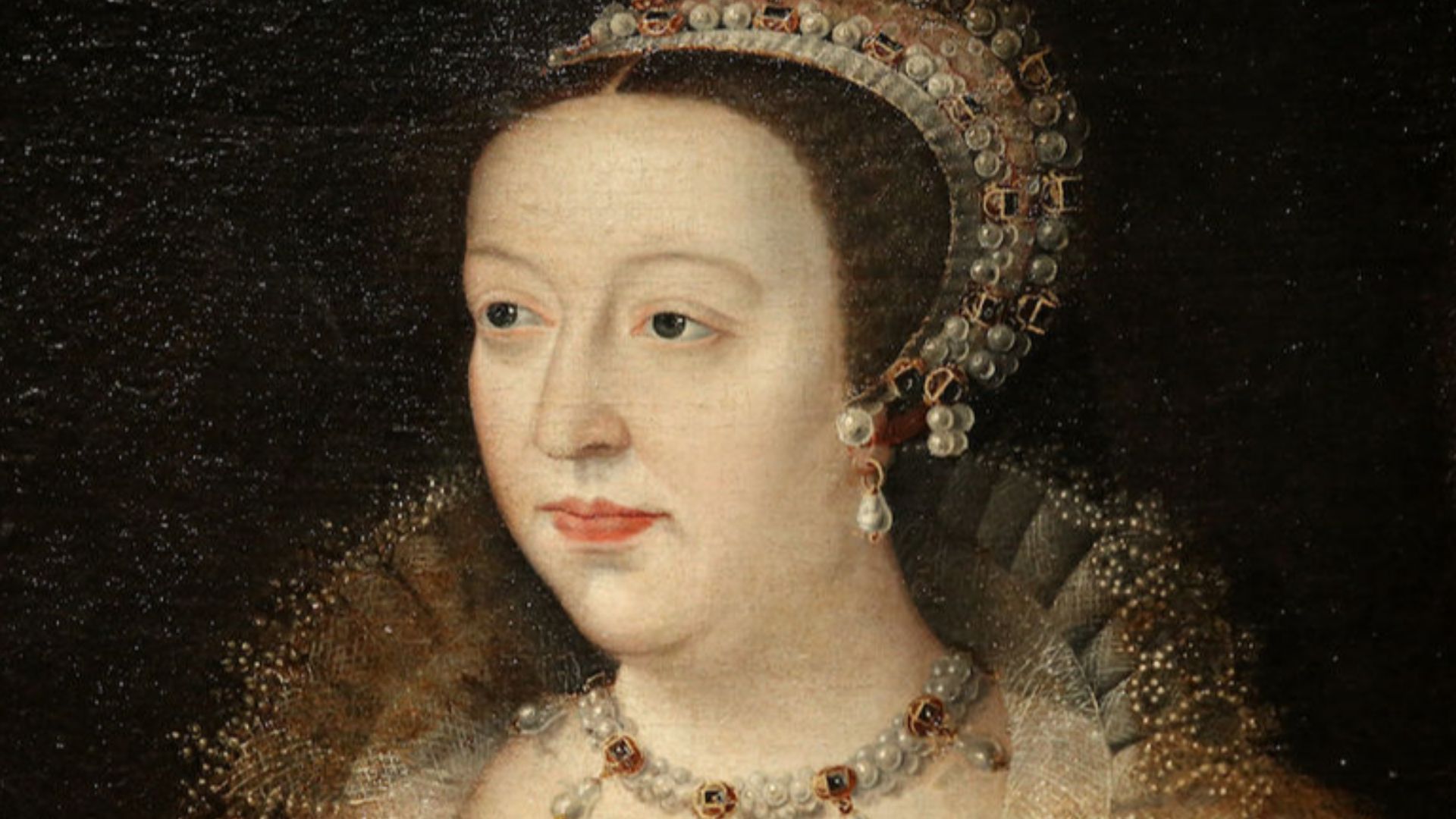
In addition to serving as Queen of France, Catherine de’ Medici was a powerful politician who lived during a turbulent time. Her family name became linked to the St. Bartholomew’s Day Massacre, but historians disagree about her personal involvement. Still, her reputation as a calculating political operator became firmly established, and her name has remained attached to one of France's most diabolical conflicts.
 Attributed to Germain Le Mannier on Wikimedia
8. Isabella I of Castile
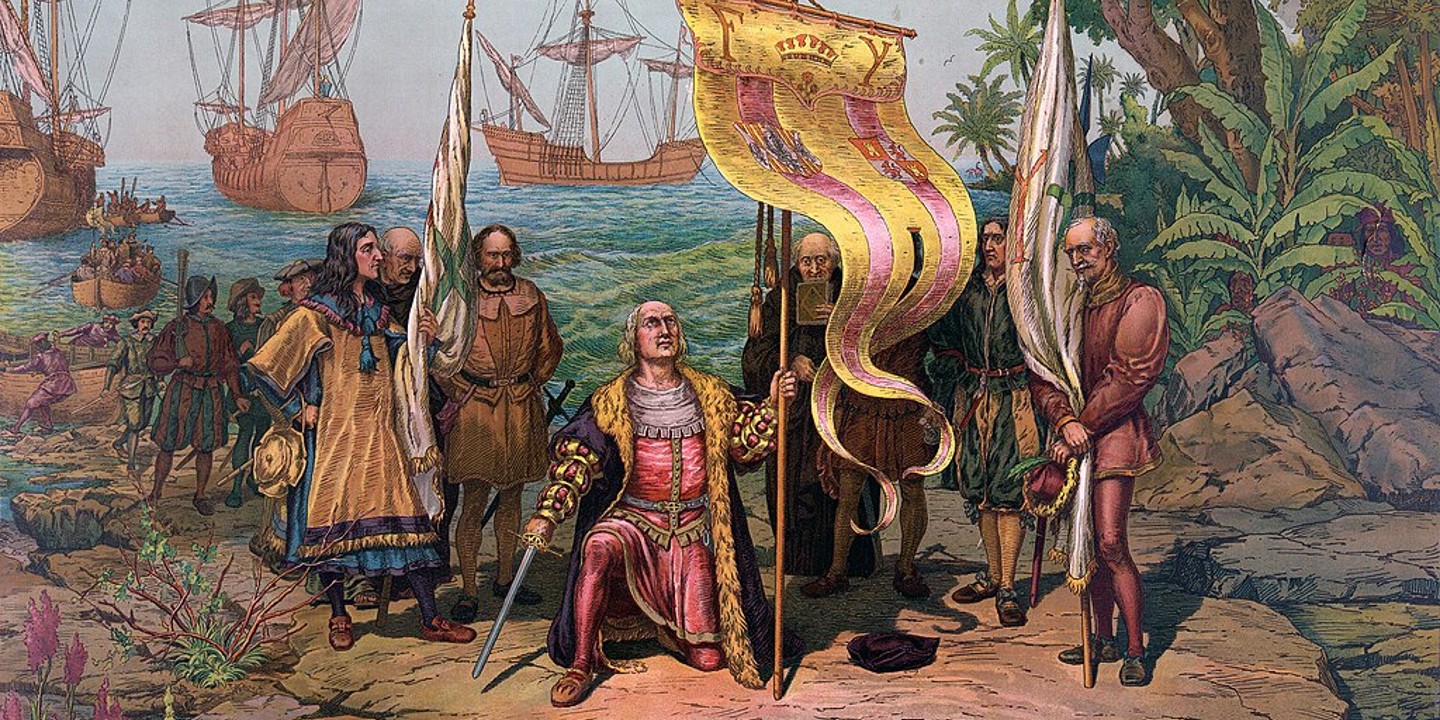
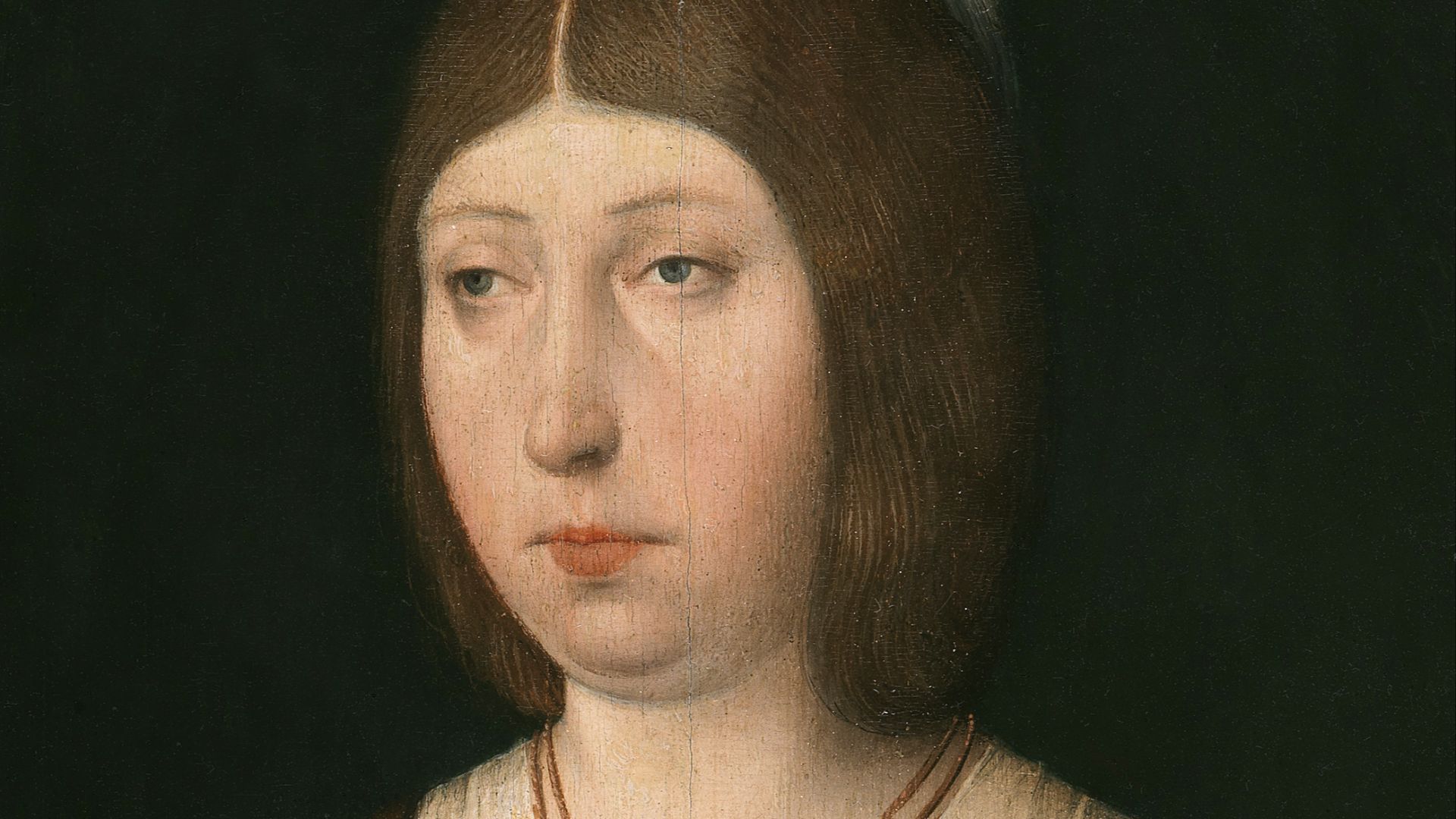
Known primarily as the female ruler who sponsored Christopher Columbus, Isabella I also oversaw the Spanish Inquisition. Converts were tolerated, but Jews and Muslims without sincere beliefs in Christianity were expelled. Isabella laid the foundation for modern Spain, but she accomplished that goal by committing herself to villainy.
9. Fredegund
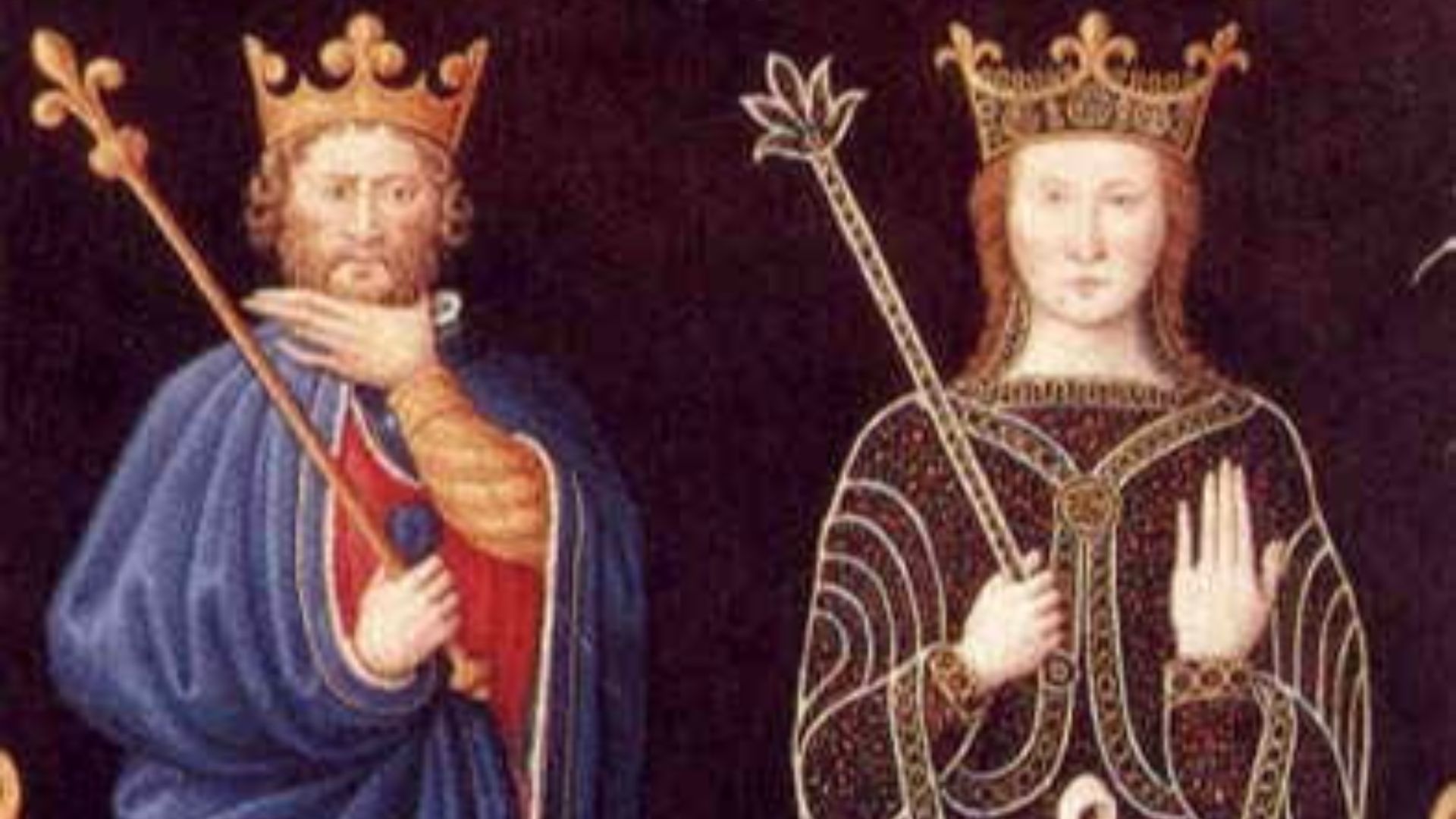
The ascent of Fredegund up the Merovingian court is a political drama packed with assassination and intrigue. Ancient historians portray her struggling with Brunhild and other family members for control of the kingdom. She survived long enough to establish a reputation as one of the Middle Ages’ most vicious queens.
10. Agrippina the Younger
In her prime, Agrippina the Younger was the daughter of Germanicus and the mother of Emperor Nero. She engaged in political maneuvering throughout her life and helped Nero secure his own path to power. Agrippina’s name is also attached to rumors that she poisoned Claudius.
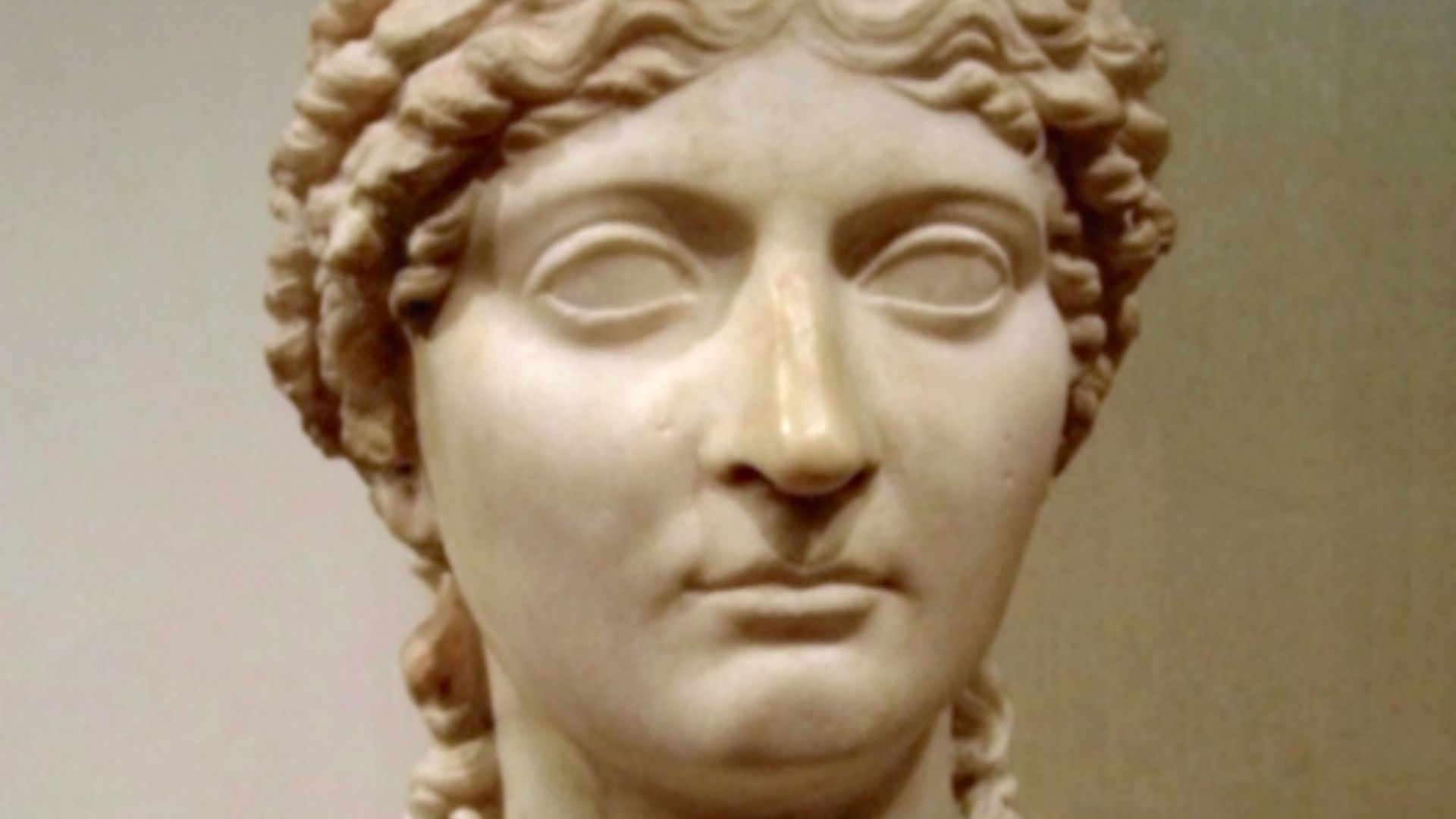 Anonymous (Rome)Unknown author on Wikimedia
11. Elizabeth Báthory
Earliest historical records from Elizabeth Báthory’s life make her sound like a calculating monster. The traditional story became increasingly sensational over time, including the famous claim that she bathed in victims' blood to preserve her youth. Modern historians have questioned parts of that narrative and the reliability of the evidence surrounding it.
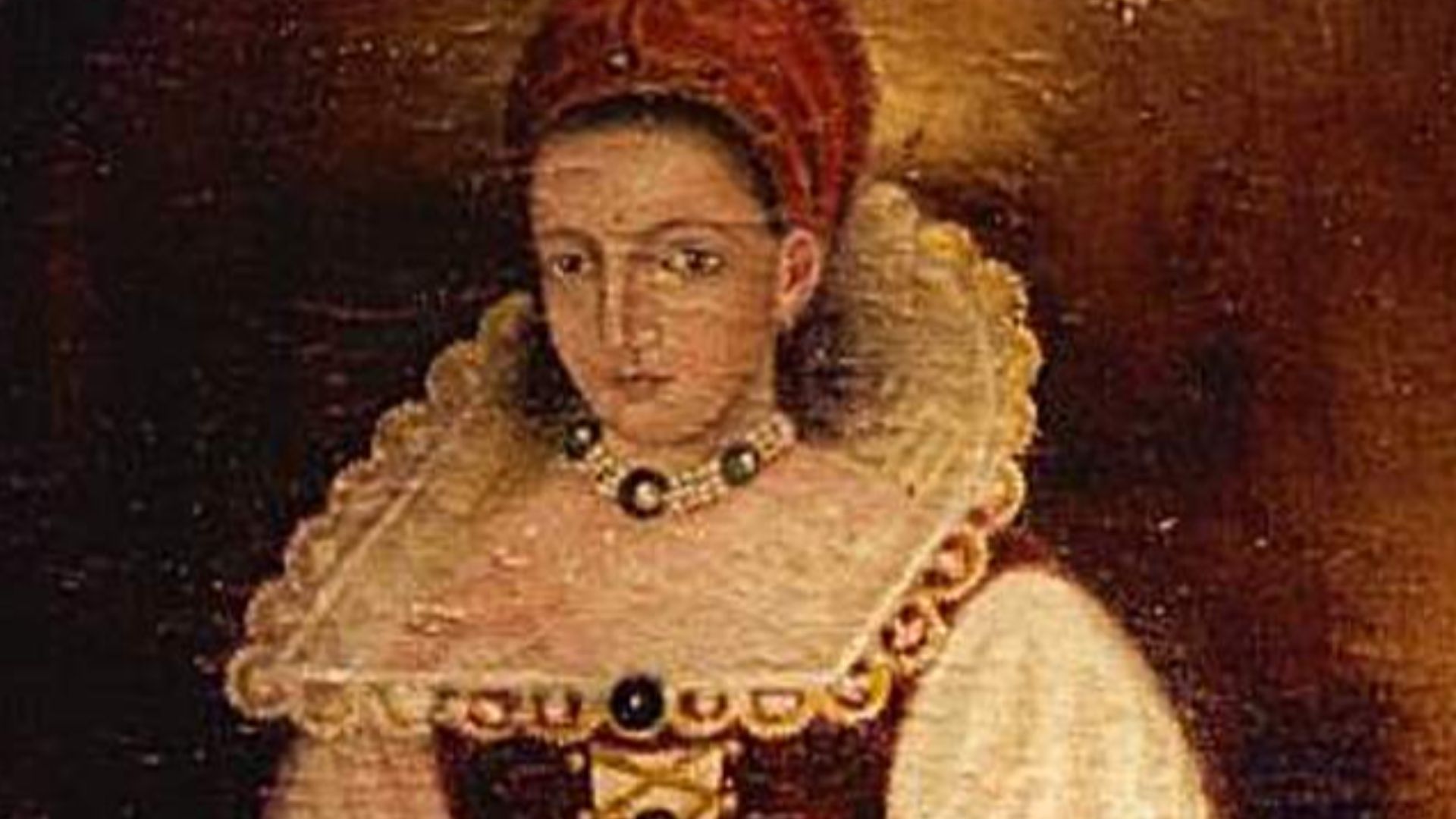 Unknown authorUnknown author on Wikimedia
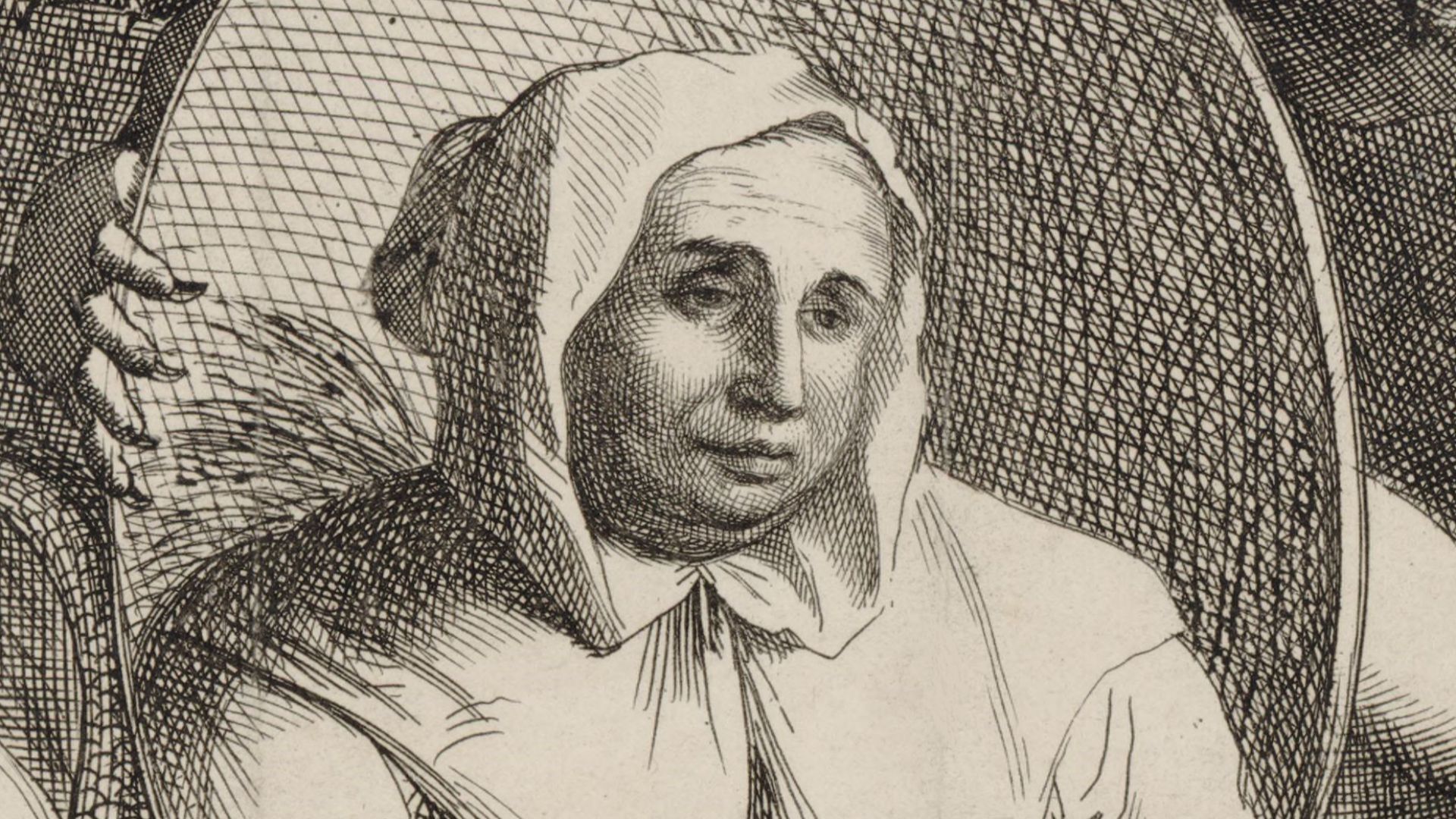
12. La Voisin
Catherine Monvoisin, better known as La Voisin, became a central figure in the Affair of the Poisons during the reign of Louis XIV. She offered fortune-telling, medical services, and illicit remedies while becoming connected to clients from the highest levels of French society. Authorities eventually linked her to poisoning and other criminal activities, and she was executed in 1680.
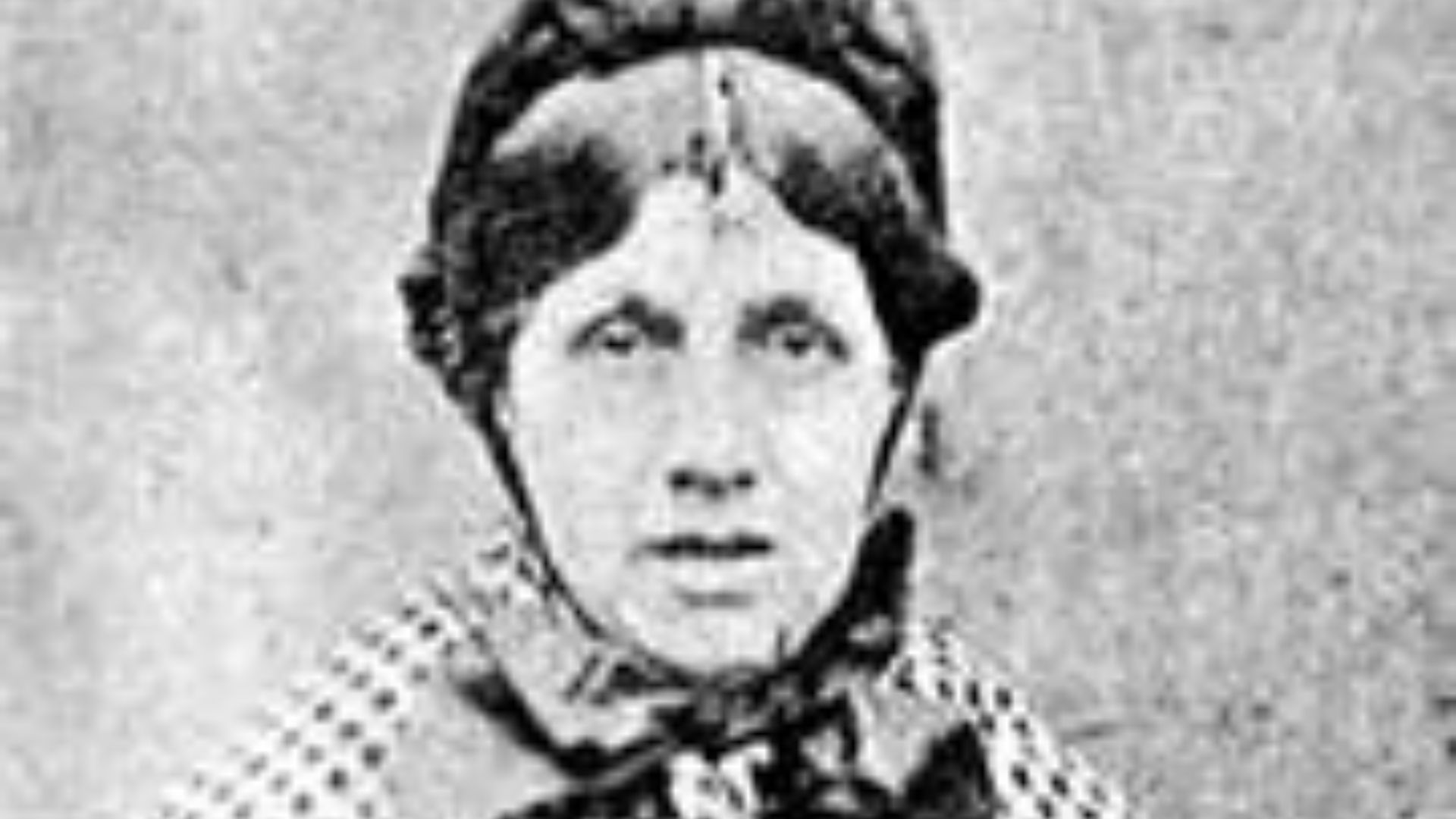
13. Mary Ann Cotton
Executed in 1886, Mary Ann Cotton belongs on every list featuring female criminals. Contemporary estimates suggest that she poisoned between 15 and 21 relatives to siphon off their life insurance policies. Cotton’s story is a macabre Victorian mystery that destroyed dozens of lives in ordinary English homes.
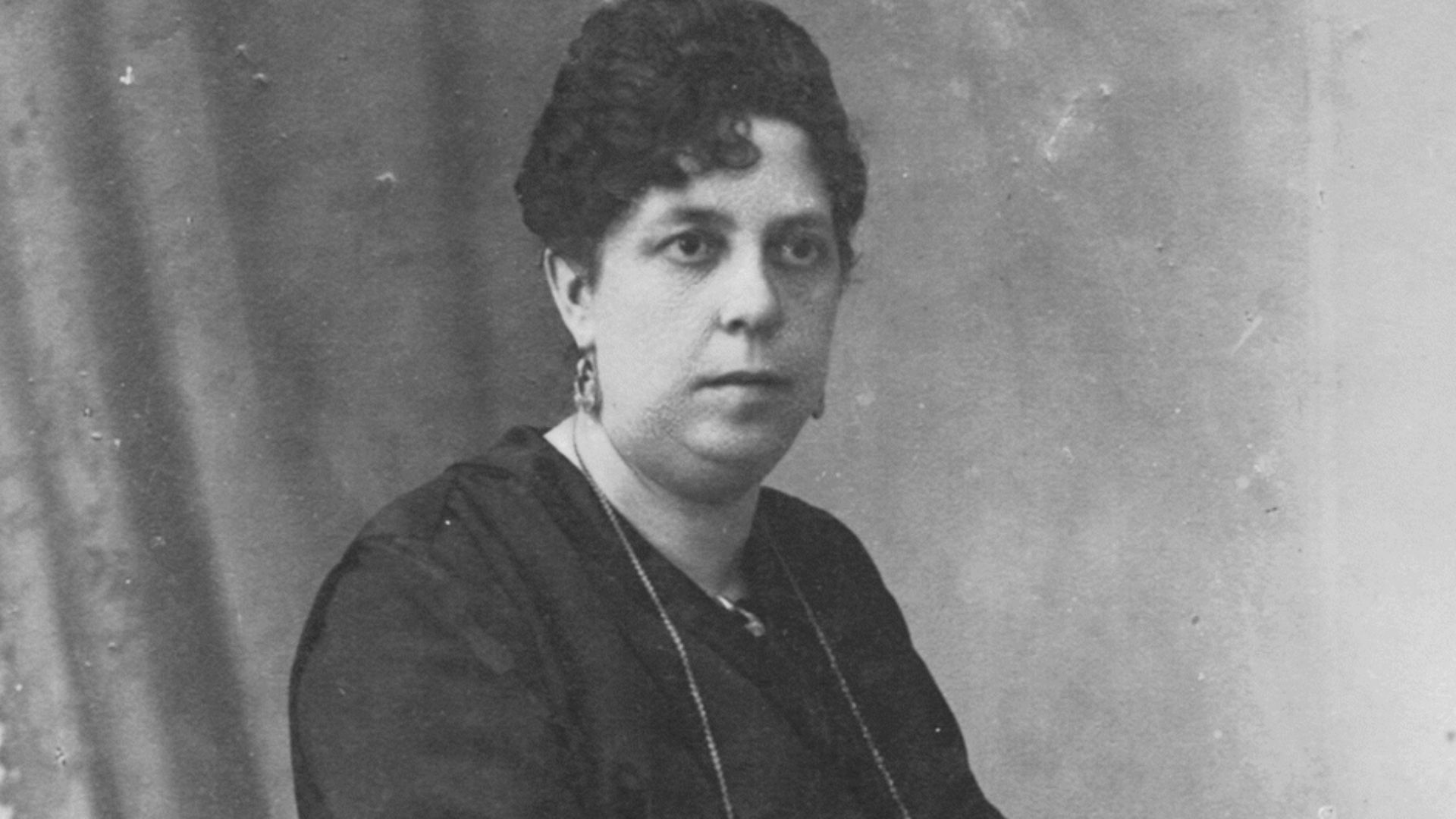
14. Enriqueta Martí
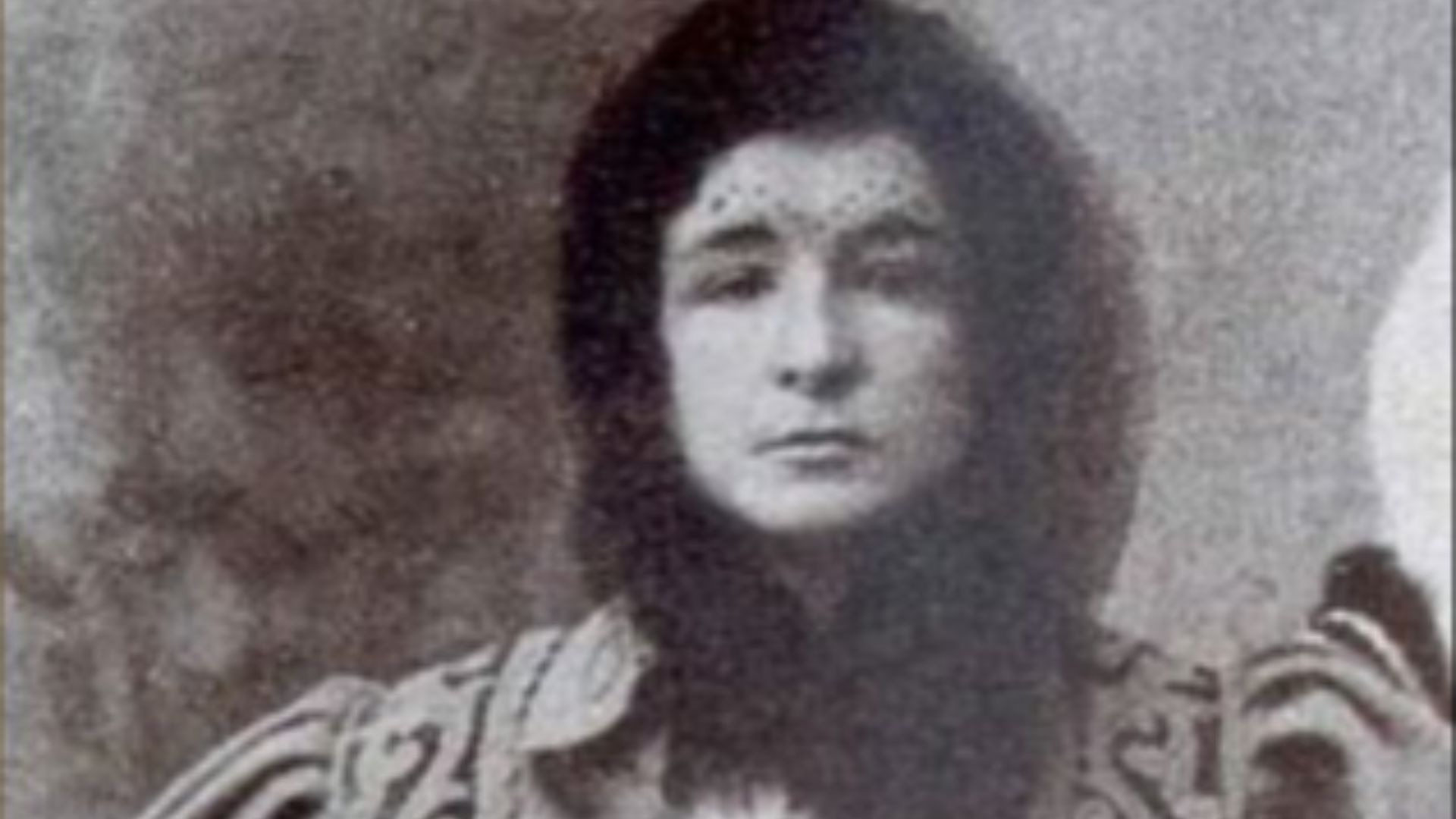
A similar crime to Mary Ann Cotton’s swept through Barcelona in the early 1900s. Newspapers gave her sensational nicknames and circulated increasingly disturbing stories about her activities. Many details surrounding the case became tangled with rumor and sensational journalism, making it difficult to separate established facts from later mythology.
 Ernest Mestre i Pratdepadua on Wikimedia
15. Griselda Blanco
Immigrating to the United States from Colombia, Griselda Blanco made a name for herself selling substances. She spent time in prison, becoming an informant before her passing in 2012. Fictional accounts and other sources have bloated Blanco’s story far beyond what historical records can support.
 Metro Dade Police Department on Wikimedia
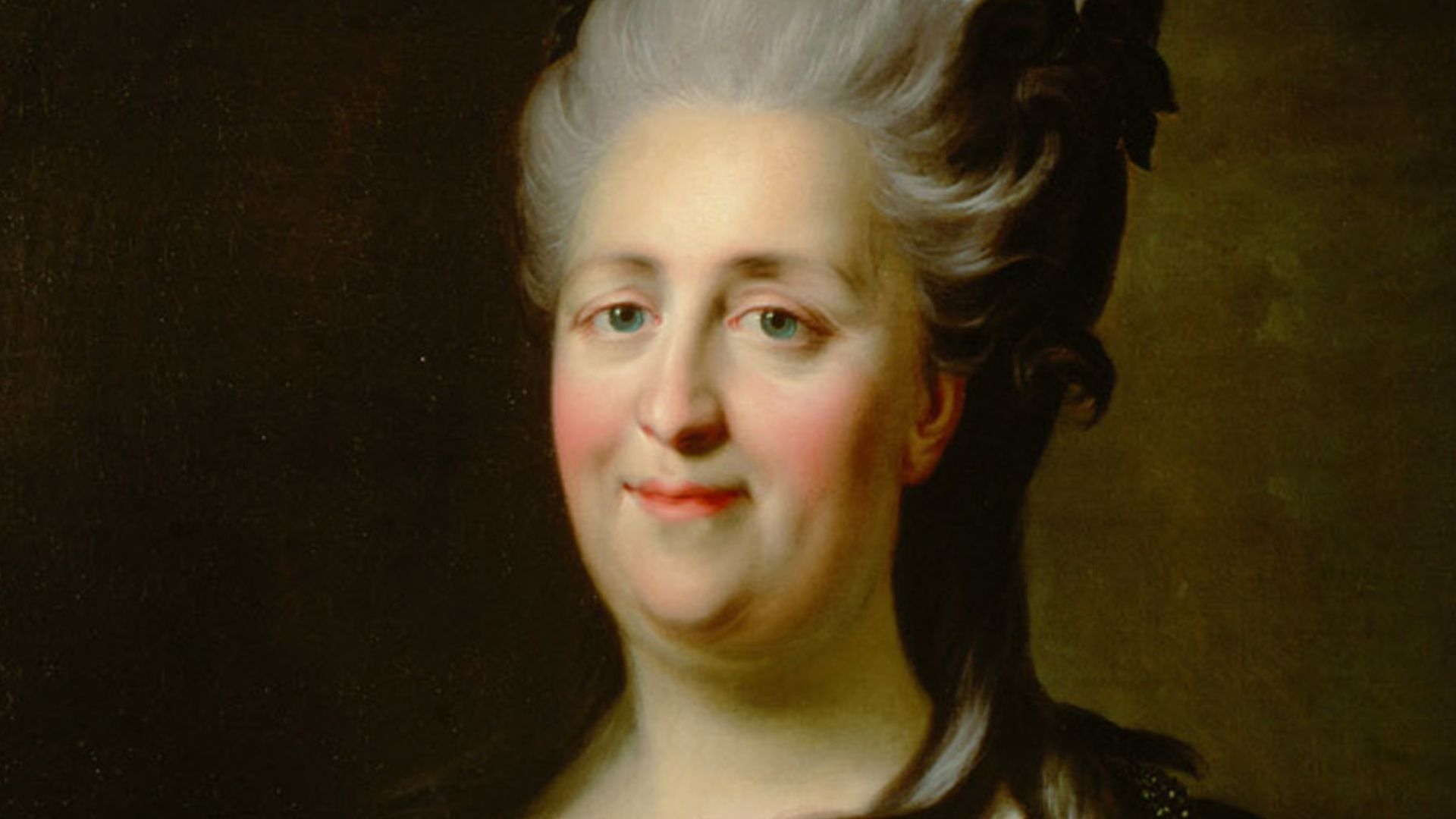
16. Catherine the Great
Modern historians remember Catherine the Great for her expansive rule over Russia. During her rise to power, Catherine battled her royal husband to take control of the government. She accomplished her goal by orchestrating a coup against Peter III shortly after his coronation.
 After Alexander Roslin on Wikimedia
17. Isabella of Bavaria
When mental illness began affecting King Charles VI of France, his wife grew ambitious. Isabella of Bavaria attempted to increase her power through ruthless political gambits. Historians later vilified her as a traitorous symbol of corruption, but few people were innocent during the king’s insanity.
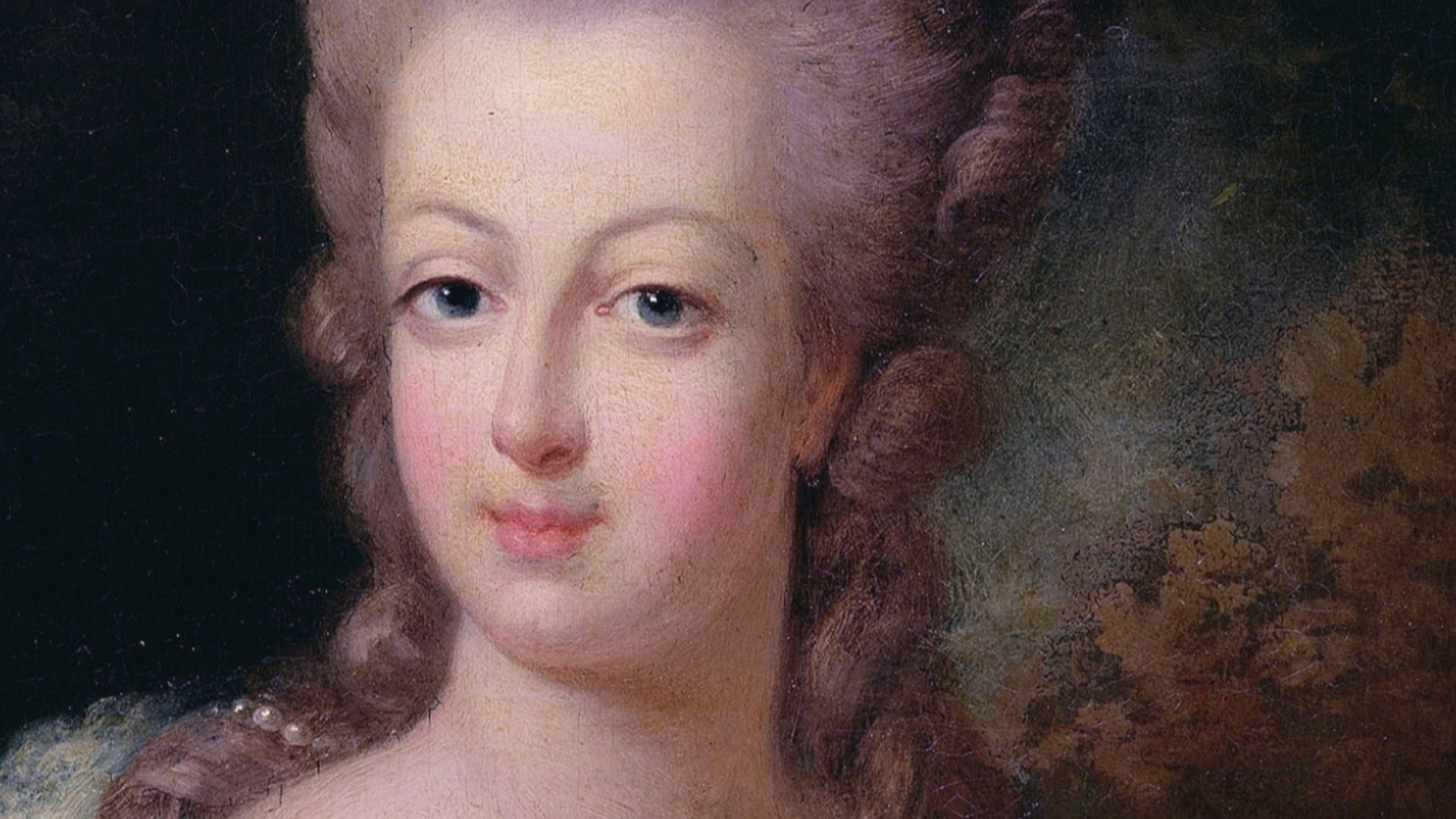
18. Marie Antoinette
Like Isabella before her, Marie Antoinette became a villain during France’s political upheaval. Due in large part to deliberate propaganda, she was a notorious figure by the time revolutionaries arrested her. Her actual political influence was considerably more complicated than the caricature, but by the time the revolution intensified, public opinion had largely cast her as one of its principal villains.
 After Jean-Baptiste André Gautier-Dagoty on Wikimedia
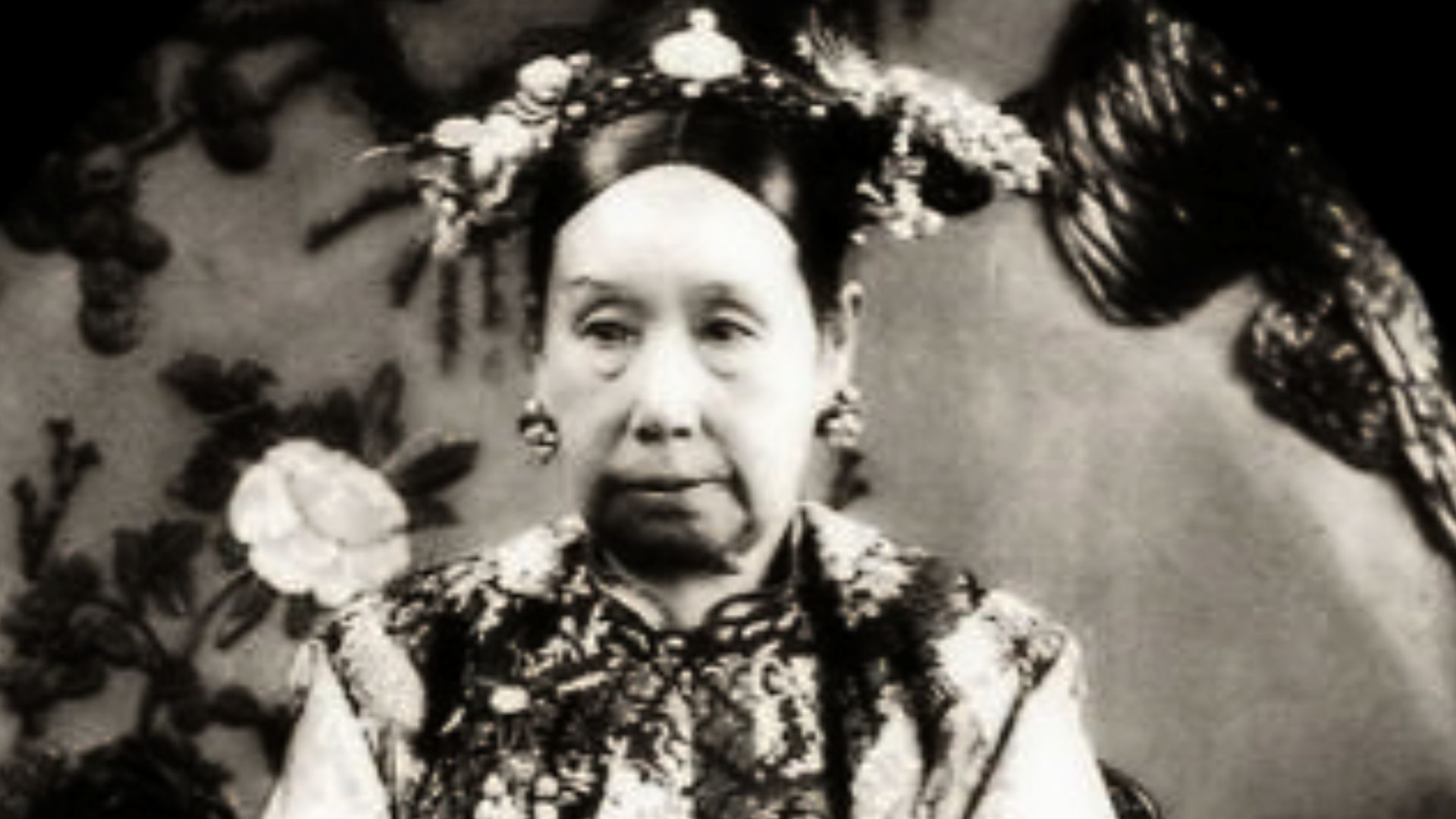
19. Empress Dowager Cixi
Empress Dowager Cixi essentially took control of China during her husband’s reign, ruling for decades. Enemies painted her as an evil queen determined to corrupt her nation’s politics. Whether that description is fair remains up for debate.
 John Yu Shuinling on Wikimedia
20. Lucrezia Borgia
Possibly the hardest person to find information on this list, Lucrezia Borgia is better known for rumors than accomplishments. Daughter of Pope Alexander VI, she became a symbol of political cruelty used by later generations. Conspiracy theories abound about her supposed poisoning habit, but facts are frustratingly difficult to come by.