
20 Historical People Who Went To Prison For Insulting Someone Powerful
Mocking The Wrong Person Used To Cost More Than A Fine
Making fun of the person in charge has been a risky gamble throughout history. In some places, even a joke told over a drink could earn you a prison sentence. Famous writers and artists often found themselves on the wrong side of these laws, but so did ordinary people who made a careless remark in front of the wrong crowd. Here are 20 people who went to prison for insulting someone powerful.
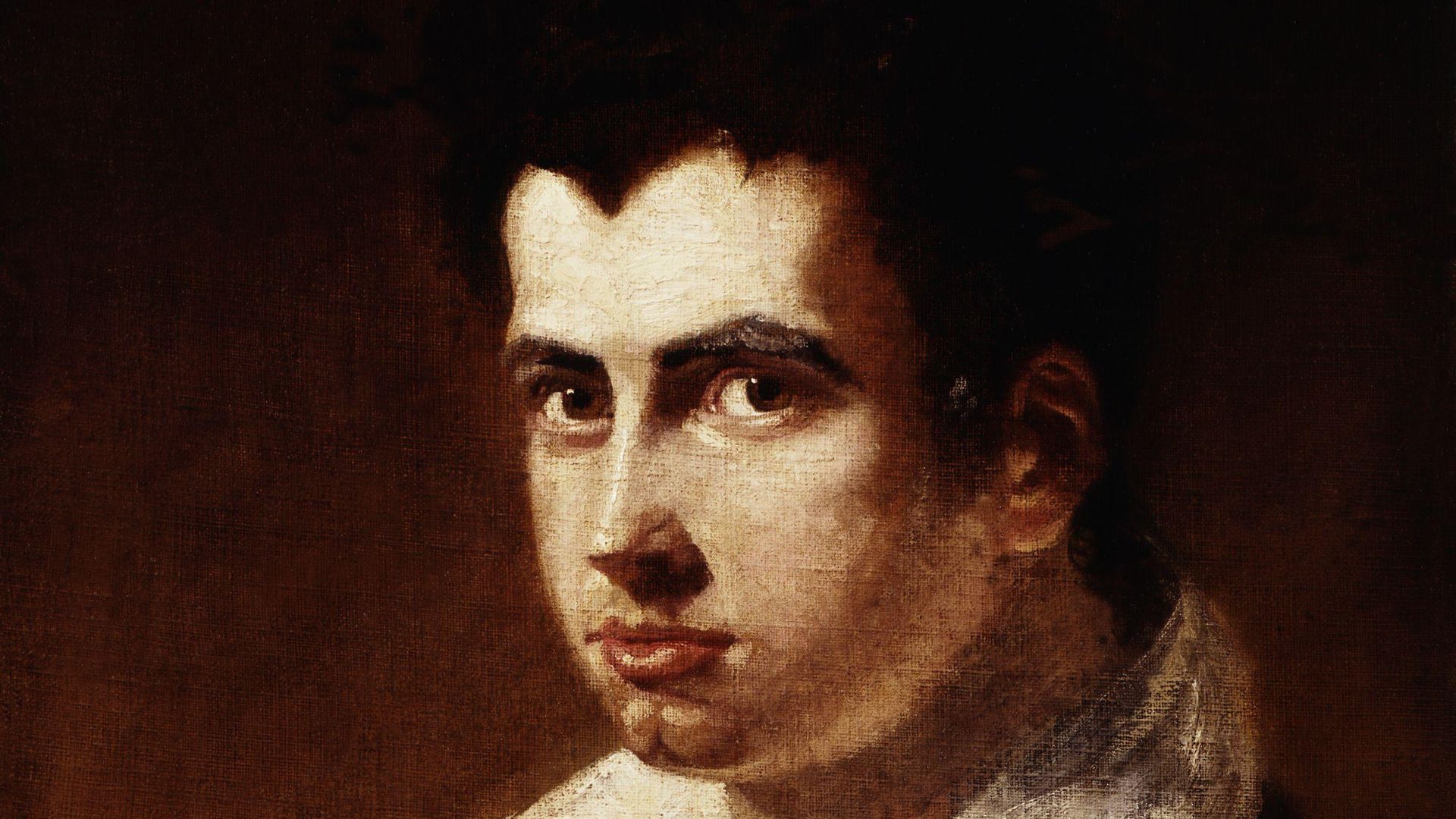 Benjamin Robert Haydon (died 1846) on Wikimedia
1. Naevius Mocked Rome's Most Powerful Family
The Roman playwright Gnaeus Naevius wrote a line suggesting the Metelli family only became consuls by luck. Ancient accounts say the family had him thrown in prison, where he wrote two plays apologizing for his rudeness. Tribunes eventually got him released, and he later died in exile in North Africa.
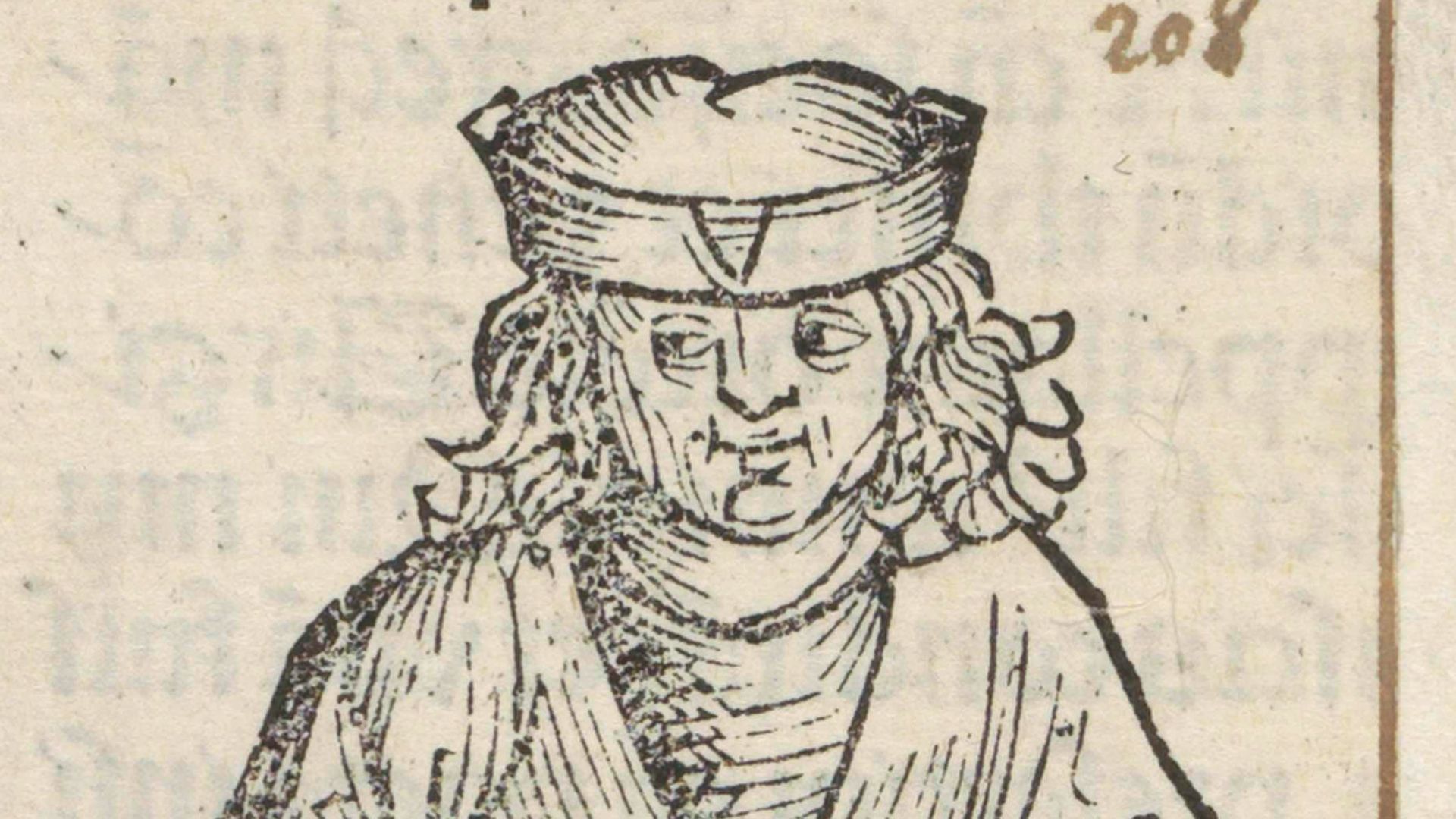
2. John Stubbs Lost A Hand Over Elizabeth I's Marriage Plans
John Stubbs wrote a pamphlet attacking Queen Elizabeth's proposed marriage to a French duke. His right hand was cut off with a cleaver in public, and he raised his hat with his left hand and shouted "God save the Queen." He then spent about a year and a half in prison.
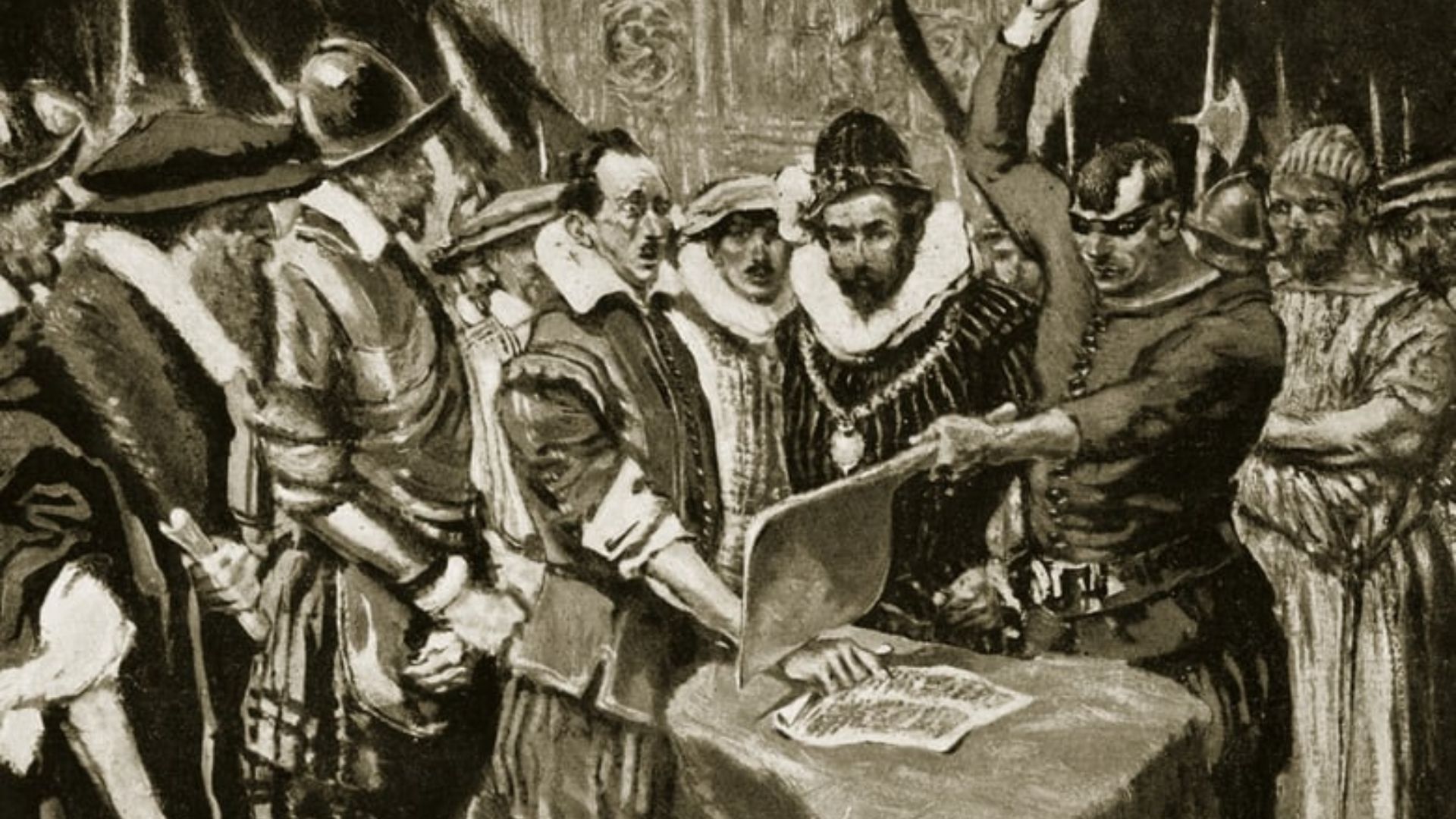 Edward Frank Gillett on Wikimedia
3. Ben Jonson Joked About King James's Scottish Courtiers
Ben Jonson cowrote the comedy Eastward Ho!, which poked fun at the Scots who'd followed King James to London and at the king's habit of handing out knighthoods. The king took offense, and Jonson landed in jail along with his cowriter George Chapman. Jonson later said the rumor was that they'd lose their ears and noses, though that punishment never came.
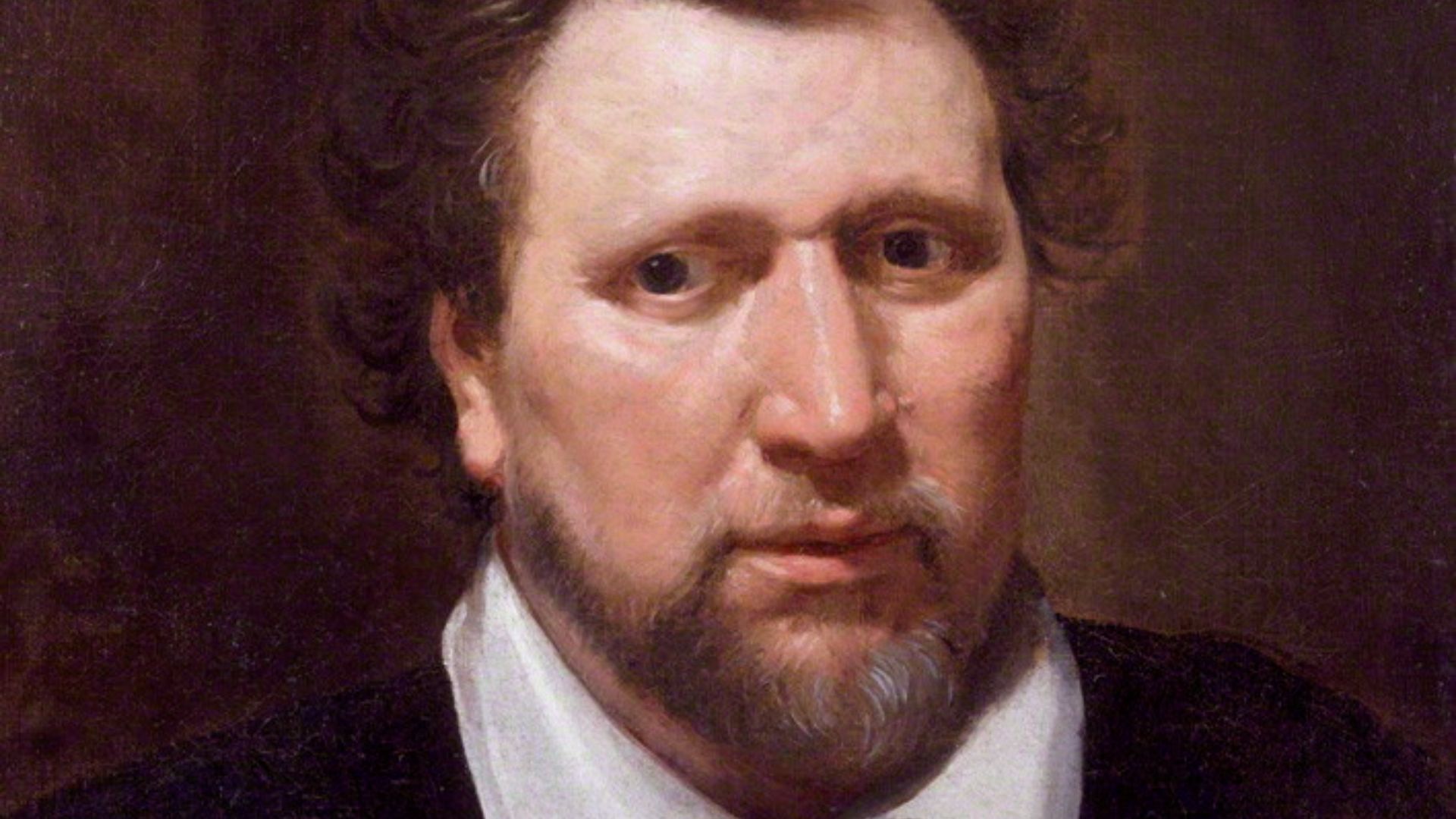 After Abraham van Blijenberch on Wikimedia
4. William Prynne Lost His Ears Over A Passage About Actresses
William Prynne published a thousand-page attack on the theater that called actresses "notorious whores." The book came out around the time Queen Henrietta Maria had performed in a court play, and the passage was taken as an insult to her. Prynne was fined £5,000 and sentenced to life in prison, and his ears were cropped in the pillory.
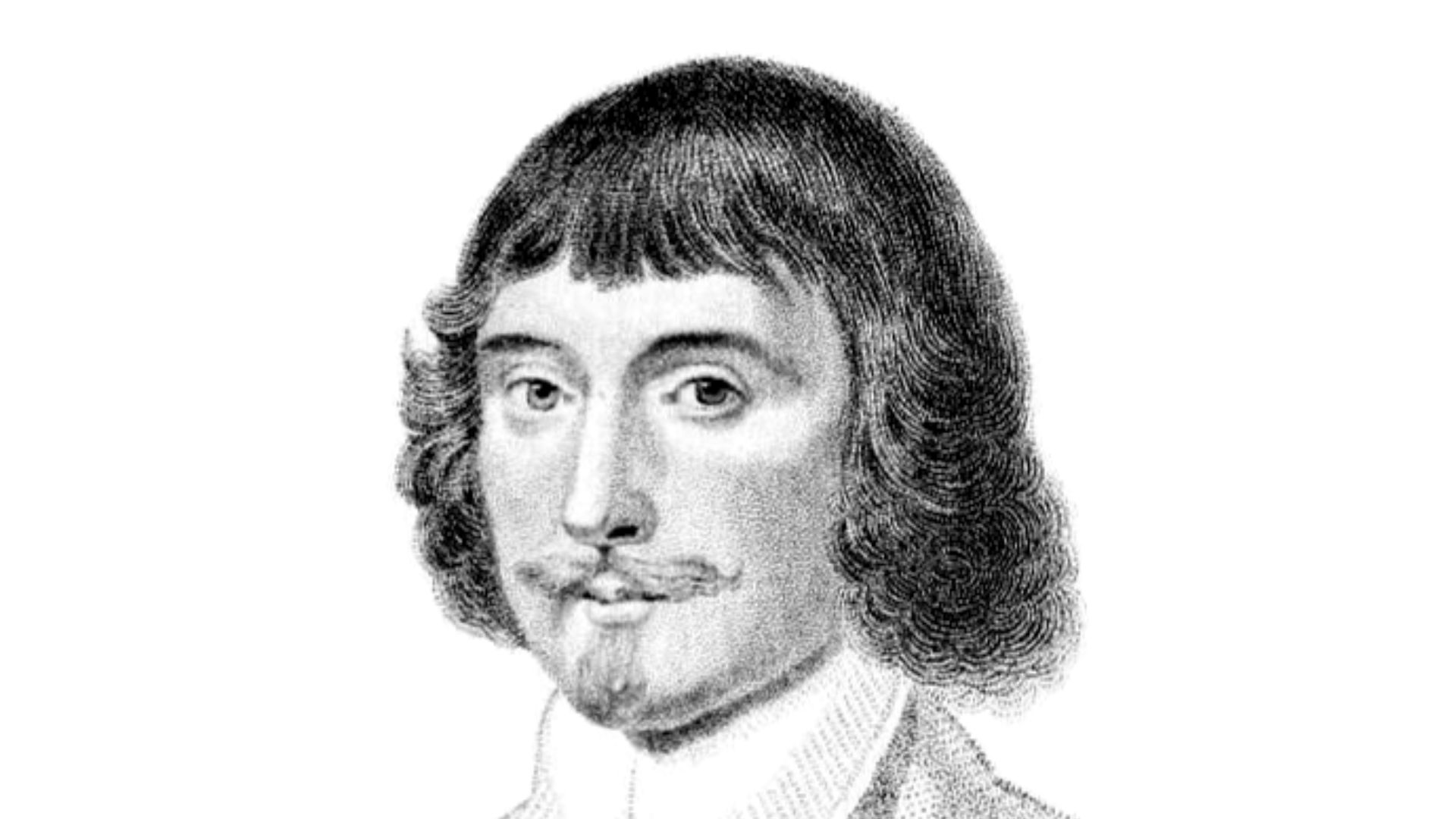 R. Cooper (sculpt.) on Wikimedia
5. Voltaire Went To The Bastille For Hinting At Royal Incest
A young writer named François-Marie Arouet circulated verses hinting that the Regent of France was sleeping with his own daughter. He was arrested in 1717 and spent eleven months in the Bastille. He worked on his first play while locked up and started calling himself Voltaire shortly after he got out.
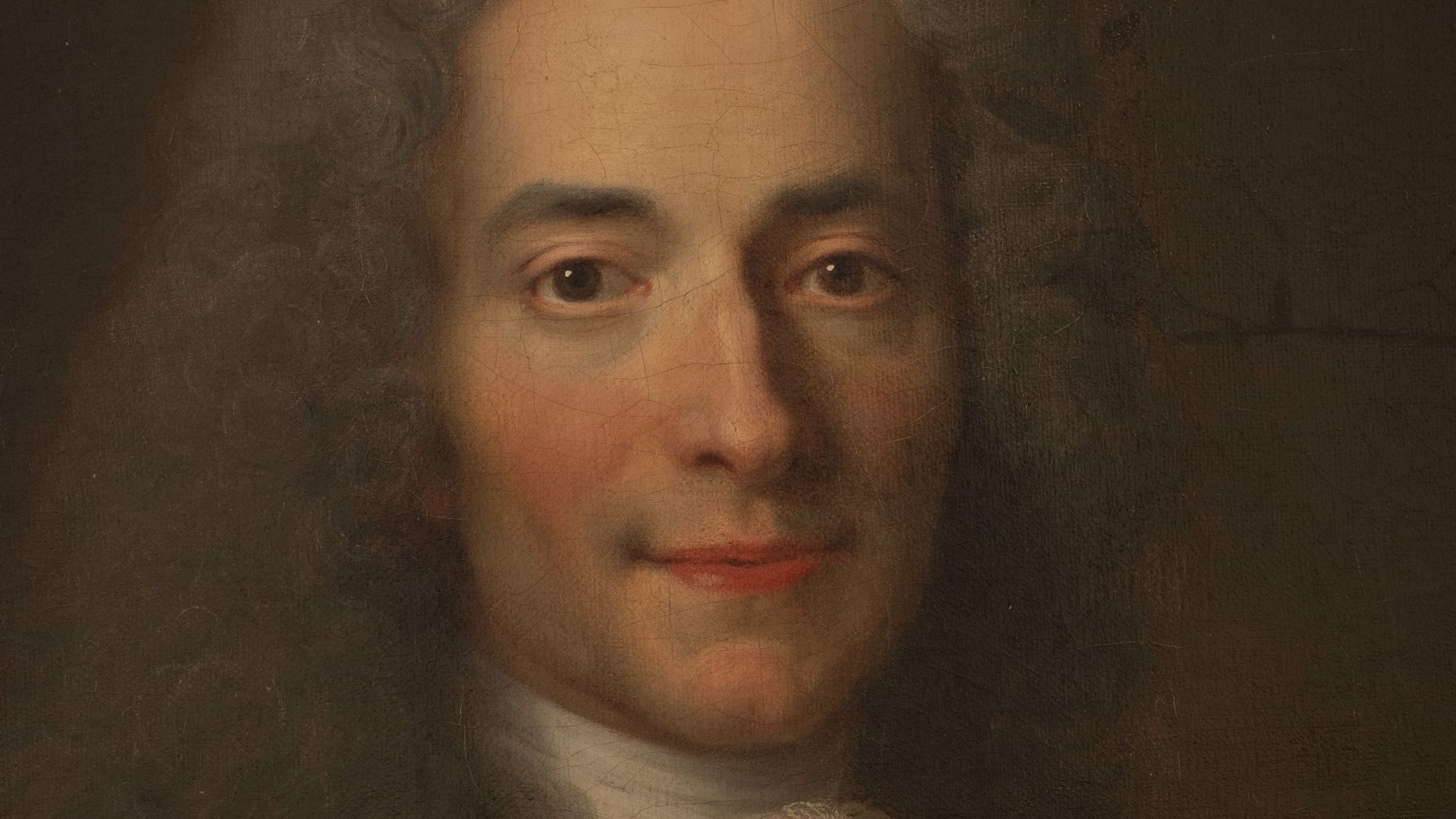 Nicolas de Largillière on Wikimedia
6. John Peter Zenger Sat In Jail For Criticizing New York's Governor
Zenger printed a newspaper that regularly attacked William Cosby, the royal governor of New York. Cosby had him arrested, and Zenger waited in jail for close to ten months before his trial. His wife kept the paper running the whole time, and a jury acquitted him in one of the first big wins for press freedom in the colonies.
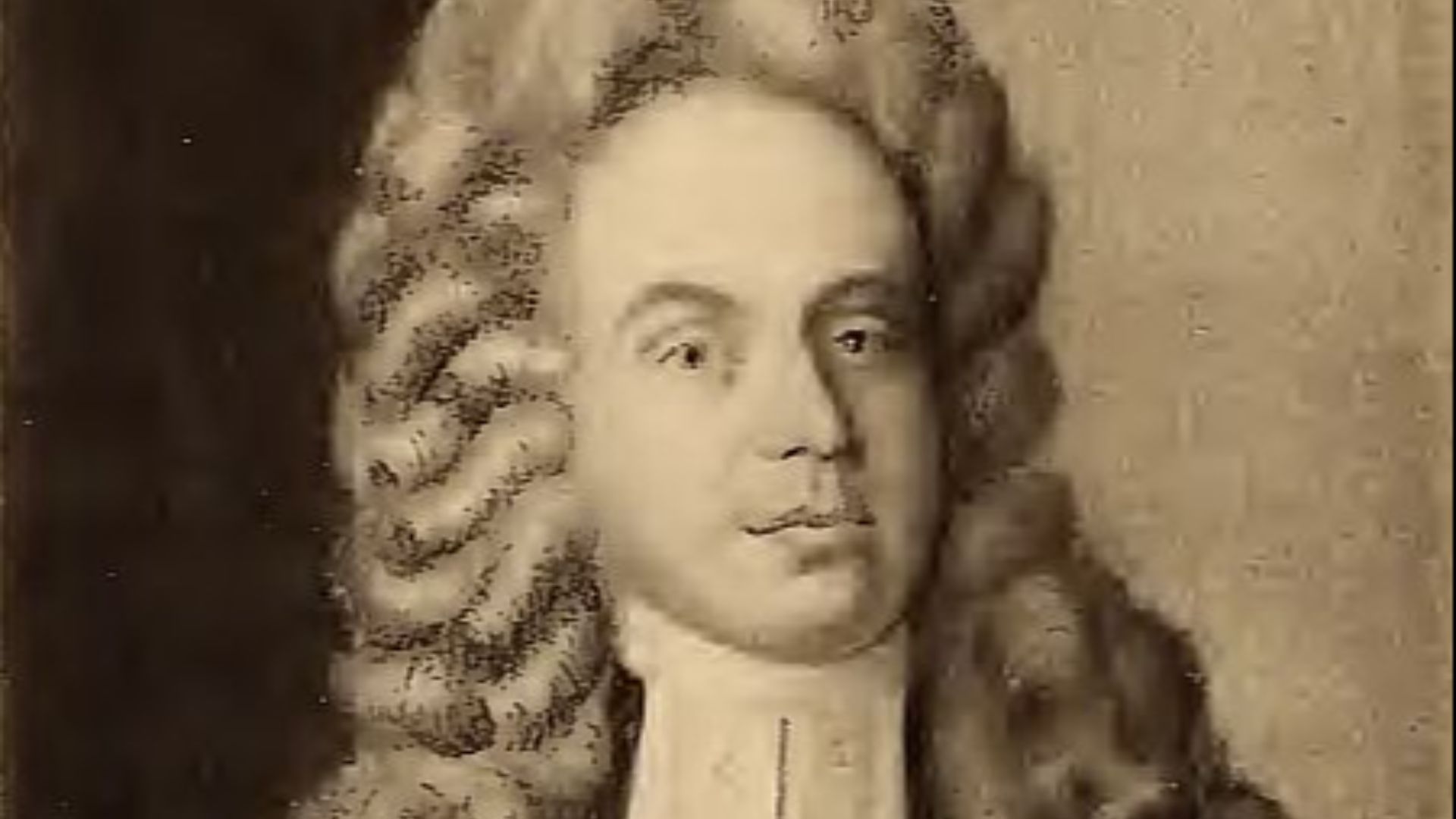 Unknown authorUnknown author on Wikimedia
7. John Wilkes Accused The King Of Lying
John Wilkes used issue 45 of his paper The North Briton to tear apart a speech given by King George III. He was held in the Tower of London for a short stretch, and the legal fight dragged on for years after that. When he finally surrendered to the courts, he served 22 months in prison, and the number 45 became a rallying symbol for free speech.
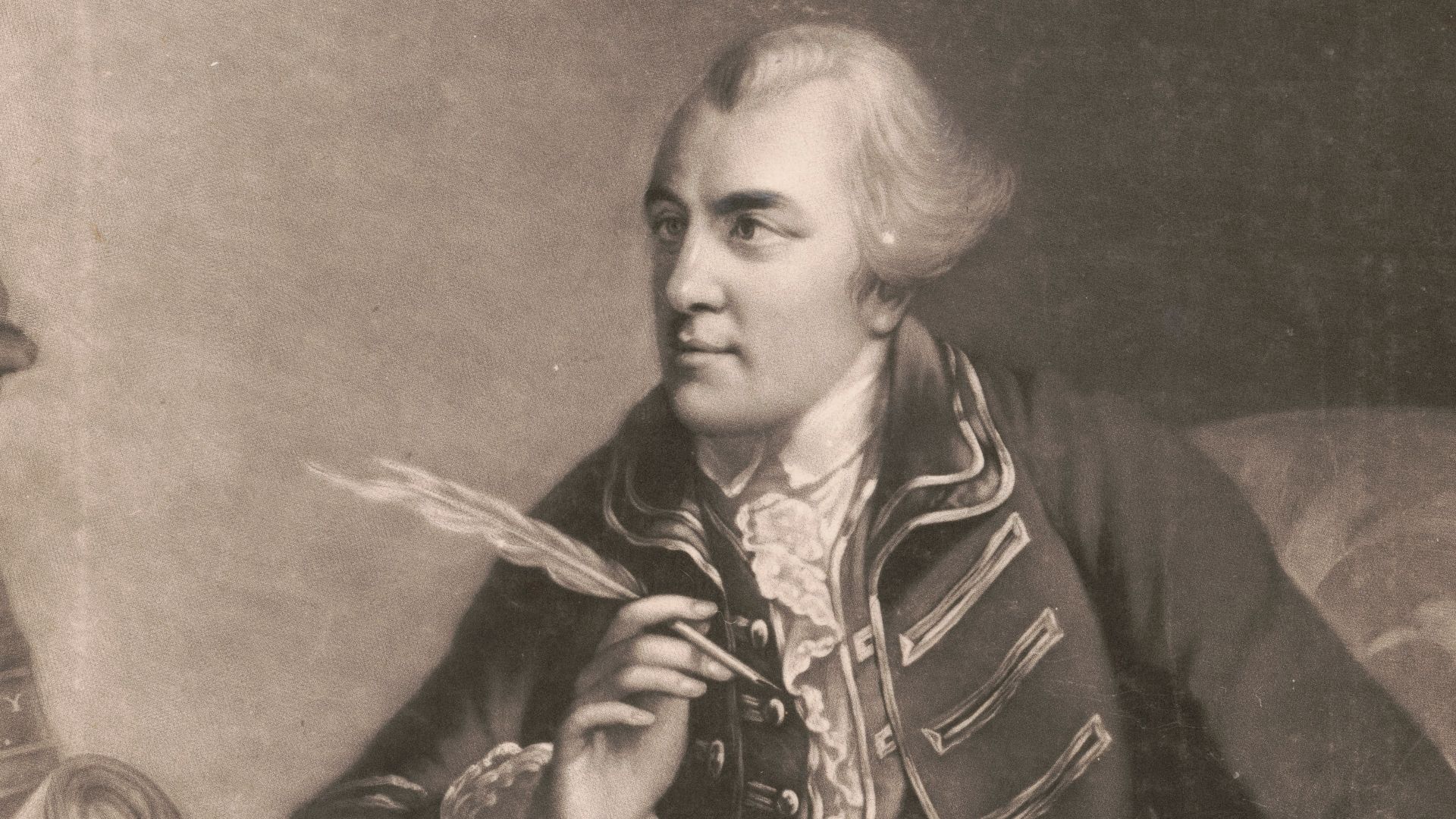 Popular Graphic Arts on Wikimedia
8. Beaumarchais Implied The King Was A Wild Animal
After a long fight to get The Marriage of Figaro on stage, Beaumarchais boasted in print that he'd beaten lions and tigers to do it. Readers took the lions and tigers to mean Louis XVI and his ministers. The king had him hauled off to Saint-Lazare, a prison normally used for juvenile offenders, where he spent five days.
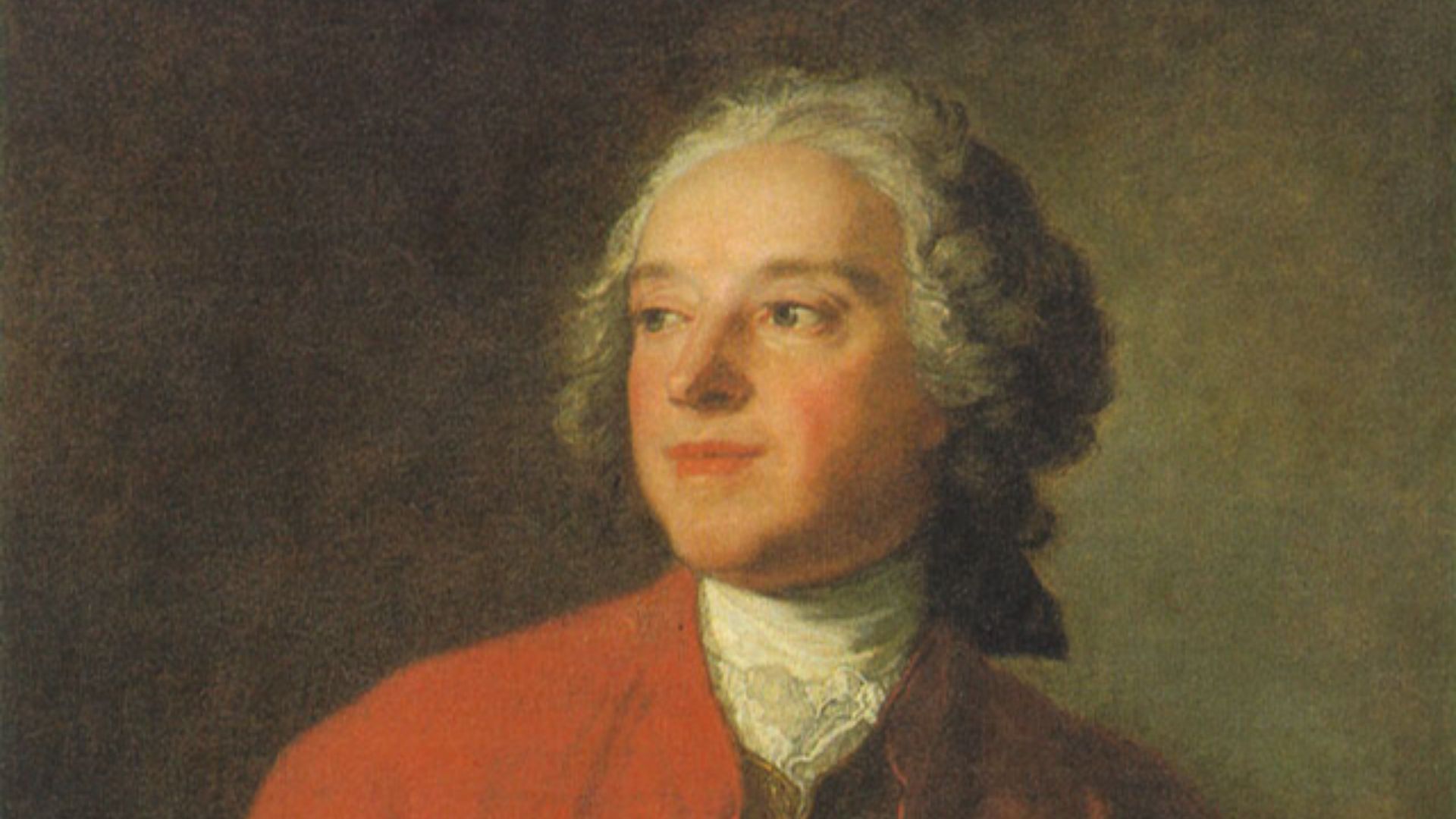 After Jean-Marc Nattier on Wikimedia
9. Luther Baldwin Made A Drunken Joke About John Adams
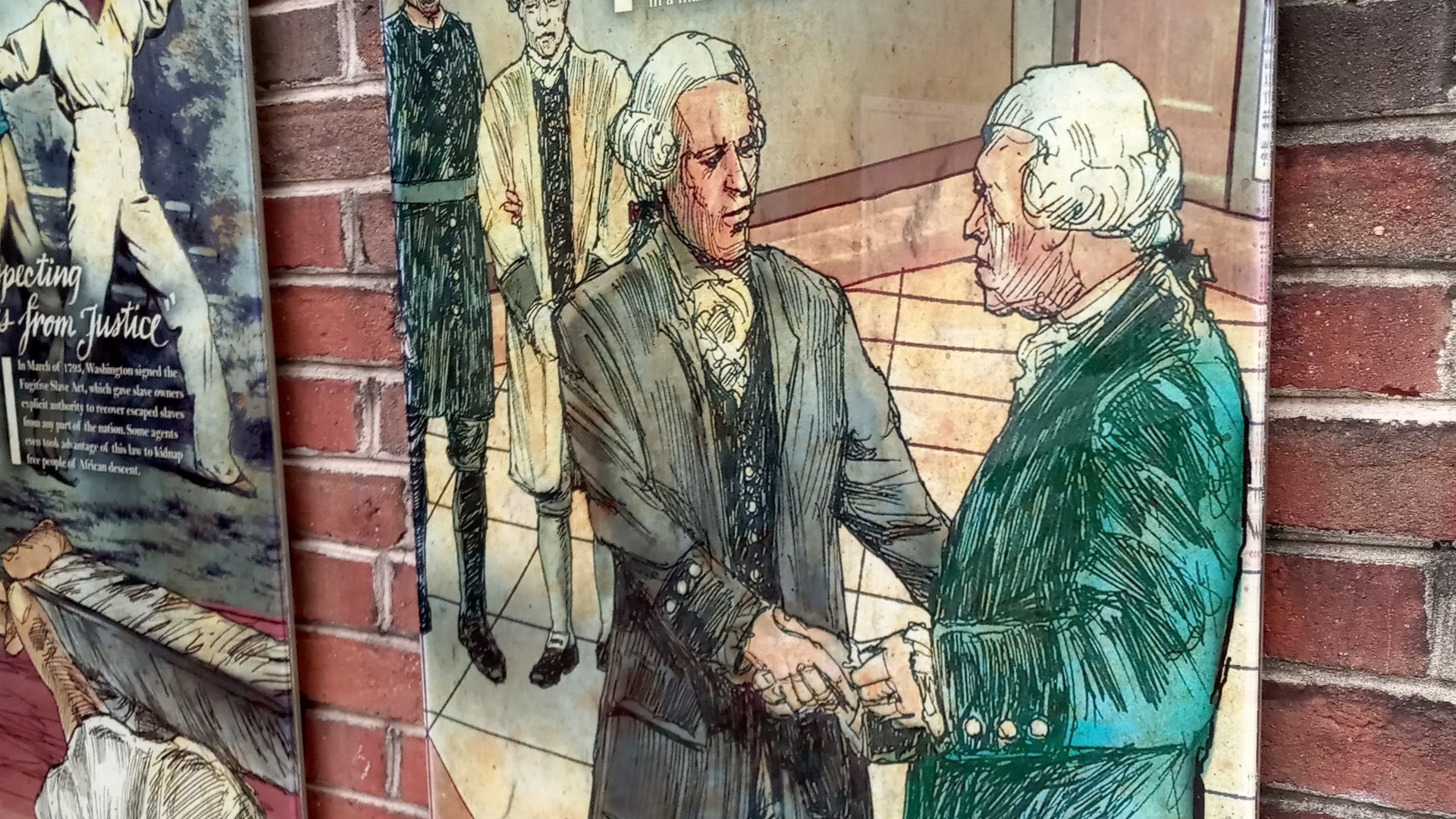
During a presidential parade through Newark, a cannon salute went off and a man in a tavern joked that they were firing at Adams's rear. Luther Baldwin answered that he didn't care if they fired right through it. The tavern owner reported him, and Baldwin was fined and jailed under the brand-new Sedition Act.
10. Matthew Lyon Won Reelection From A Jail Cell
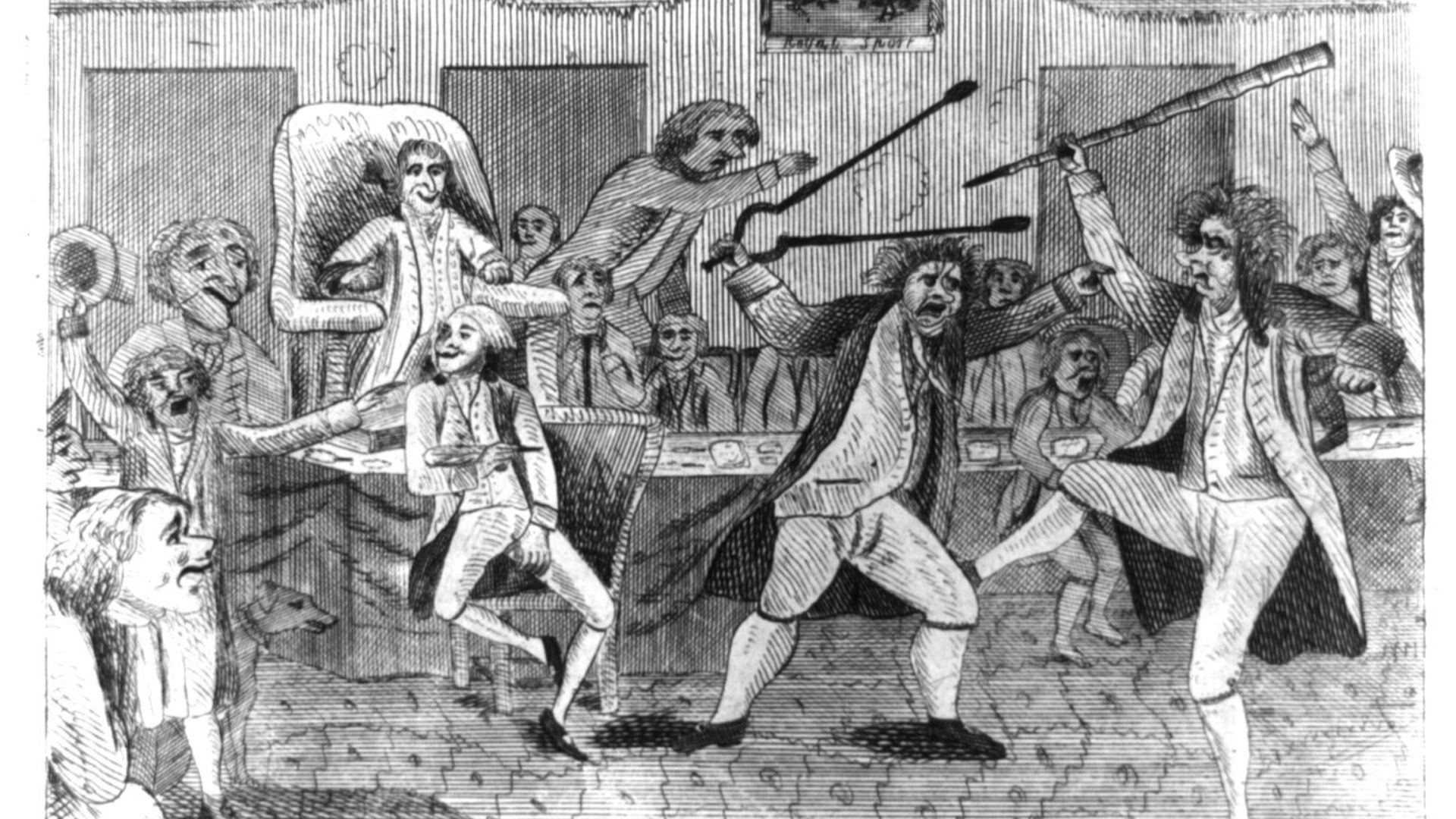
Vermont congressman Matthew Lyon accused President Adams of "an unbounded thirst for ridiculous pomp." A Sedition Act conviction got him four months behind bars and a $1,000 fine. Voters sent him back to Congress while he was still locked up, and he's the only person ever elected to Congress from jail.
 Unknown artistUnknown artist on Wikimedia
11. James Callender Called Adams A Gross Hypocrite
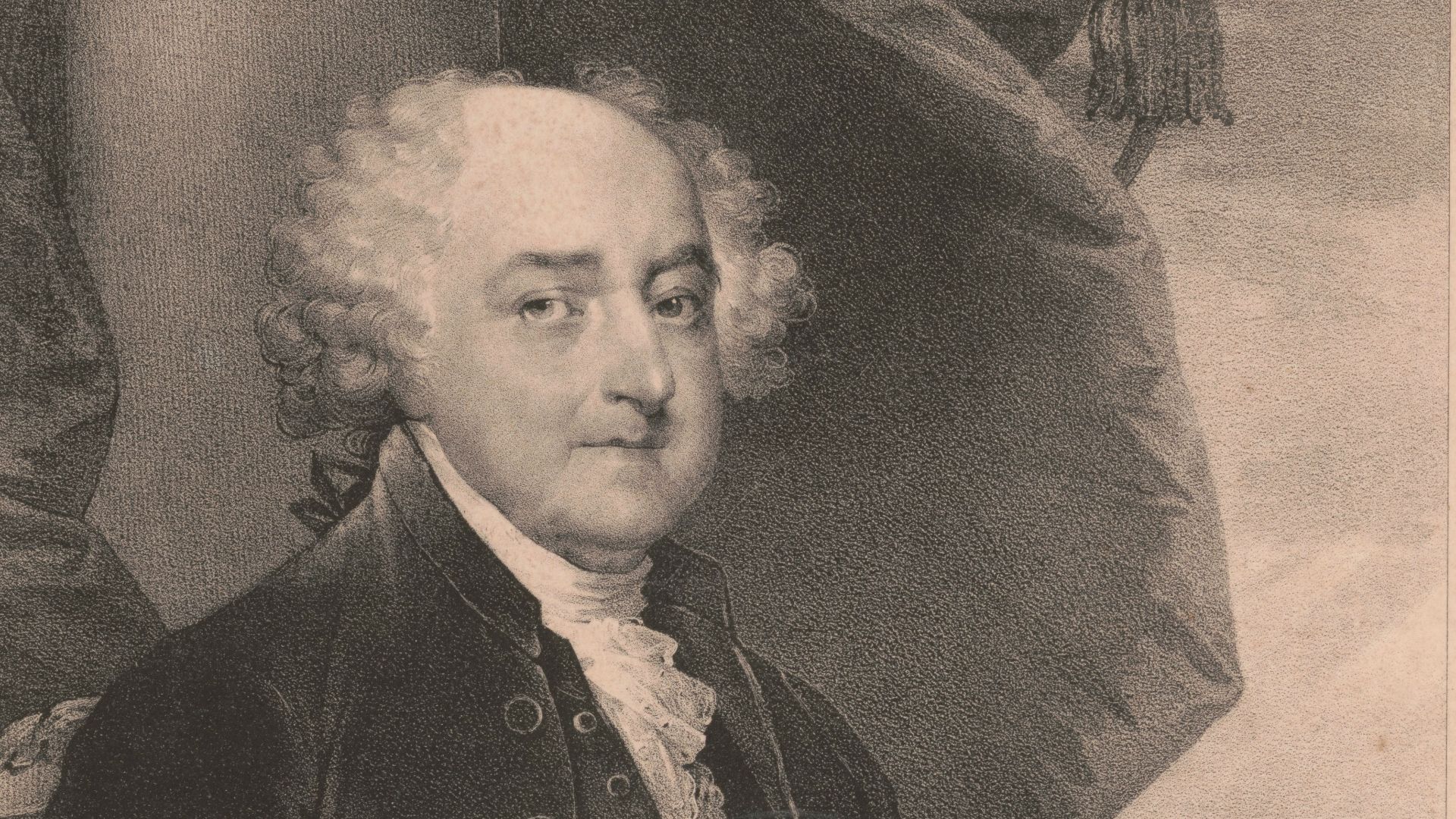
The writer James Callender described President Adams as "a repulsive pedant, a gross hypocrite" in a campaign pamphlet. That got him nine months in federal prison and a $200 fine. The Sedition Act he was convicted under was written to expire on the last day of Adams's term.
 Pendleton's Lithography.; Stuart, Gilbert, 1755-1828, artist on Wikimedia
12. Leigh Hunt Called The Prince Regent Fat
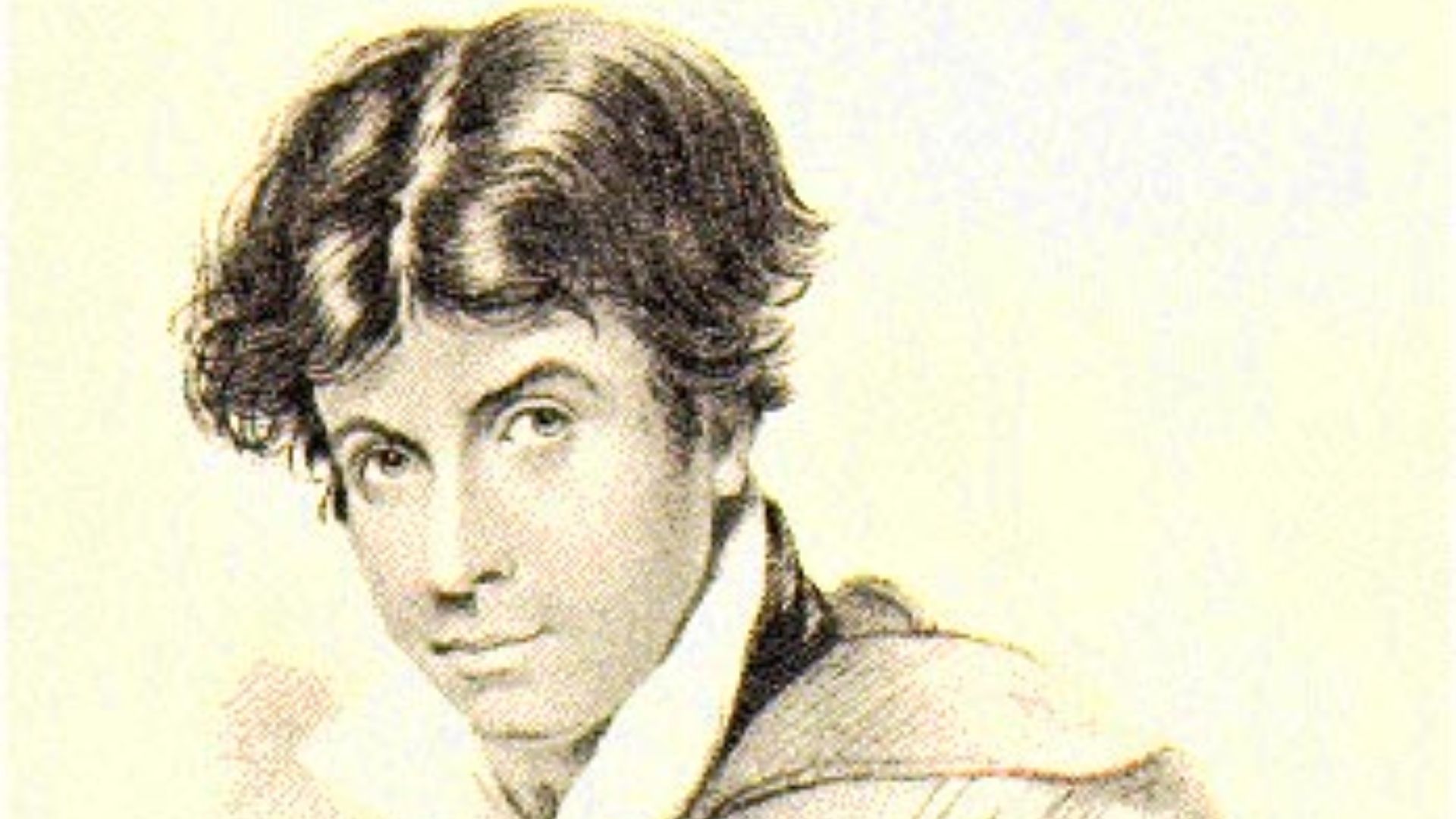
A pro-government paper had praised the Prince Regent as an "Adonis in loveliness," and Leigh Hunt answered in his own paper that the prince was a corpulent man of fifty. He and his brother each got two years in prison and a £500 fine. Hunt fitted out his cell with wallpaper and a piano, and he kept editing his paper from inside.
 drawn by J. Hayter, engraved by H. Meyer (appears to be Henry Hoppner Meyer) on Wikimedia
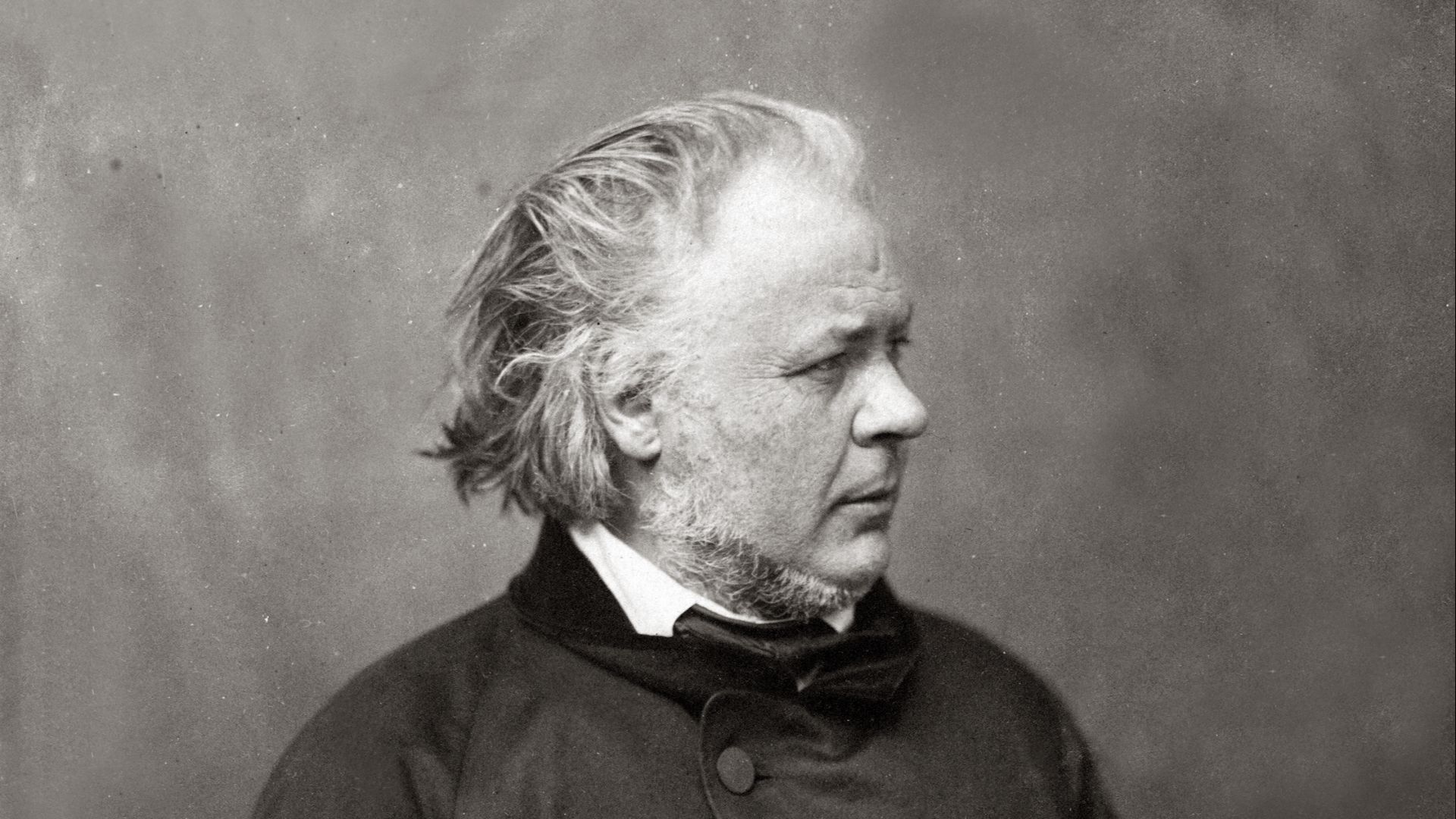
13. Honoré Daumier Drew The King As A Glutton
Daumier's caricature Gargantua showed King Louis-Philippe as a giant on a throne swallowing bags of coins carried up from the poor. He was convicted of insulting the king and served six months in Sainte-Pélagie prison. From his cell he wrote that he was producing lots of drawings just to annoy the government.
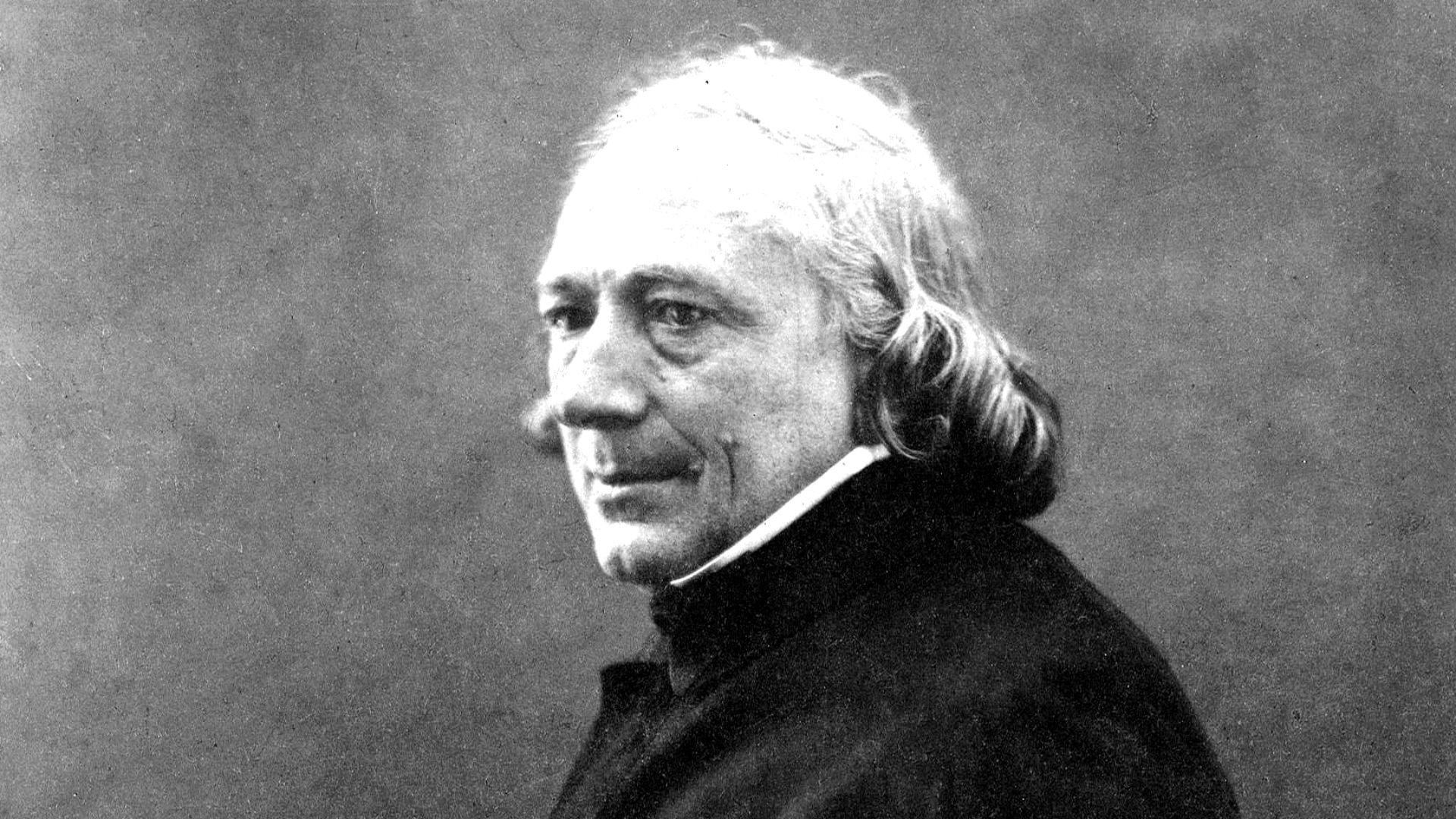
14. Charles Philipon Turned The King Into A Pear
Charles Philipon ran the satirical paper that published Daumier, and he came up with the idea of drawing Louis-Philippe as a pear. The image caught on so widely that the pear became shorthand for the king himself. Philipon was also jailed for six months that year over his own caricatures.
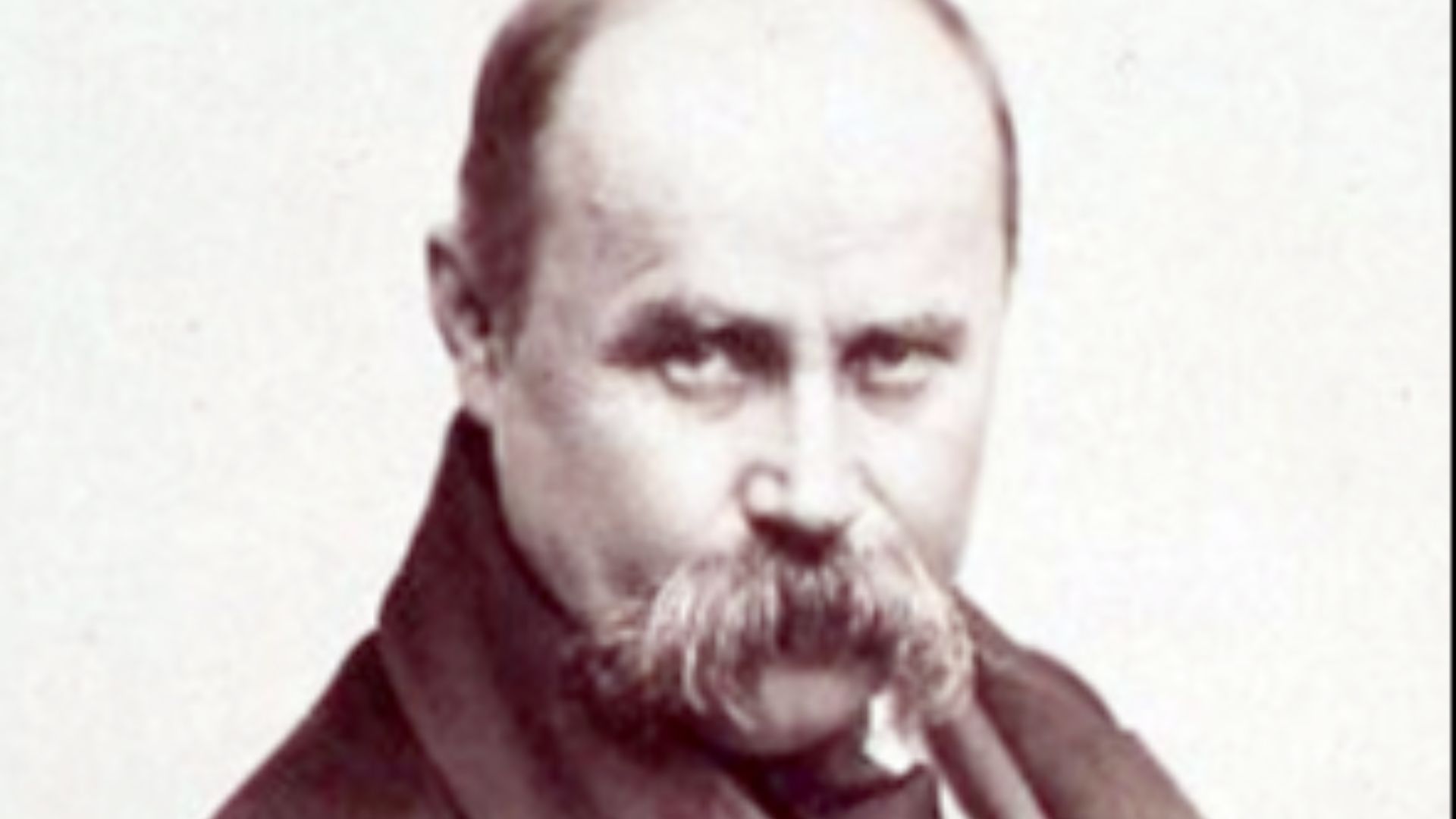
15. Taras Shevchenko Called The Empress A Dried-Up Prune
The Ukrainian poet Taras Shevchenko wrote verses calling Tsar Nicholas I a poison-fanged viper and mocking the empress's looks. When police found his work, he was imprisoned and then sent off as a private soldier to a remote frontier garrison. The tsar personally added a ban on writing or painting, and Shevchenko spent ten years in exile.
 Mykola (Ioan) Dossa on Wikimedia
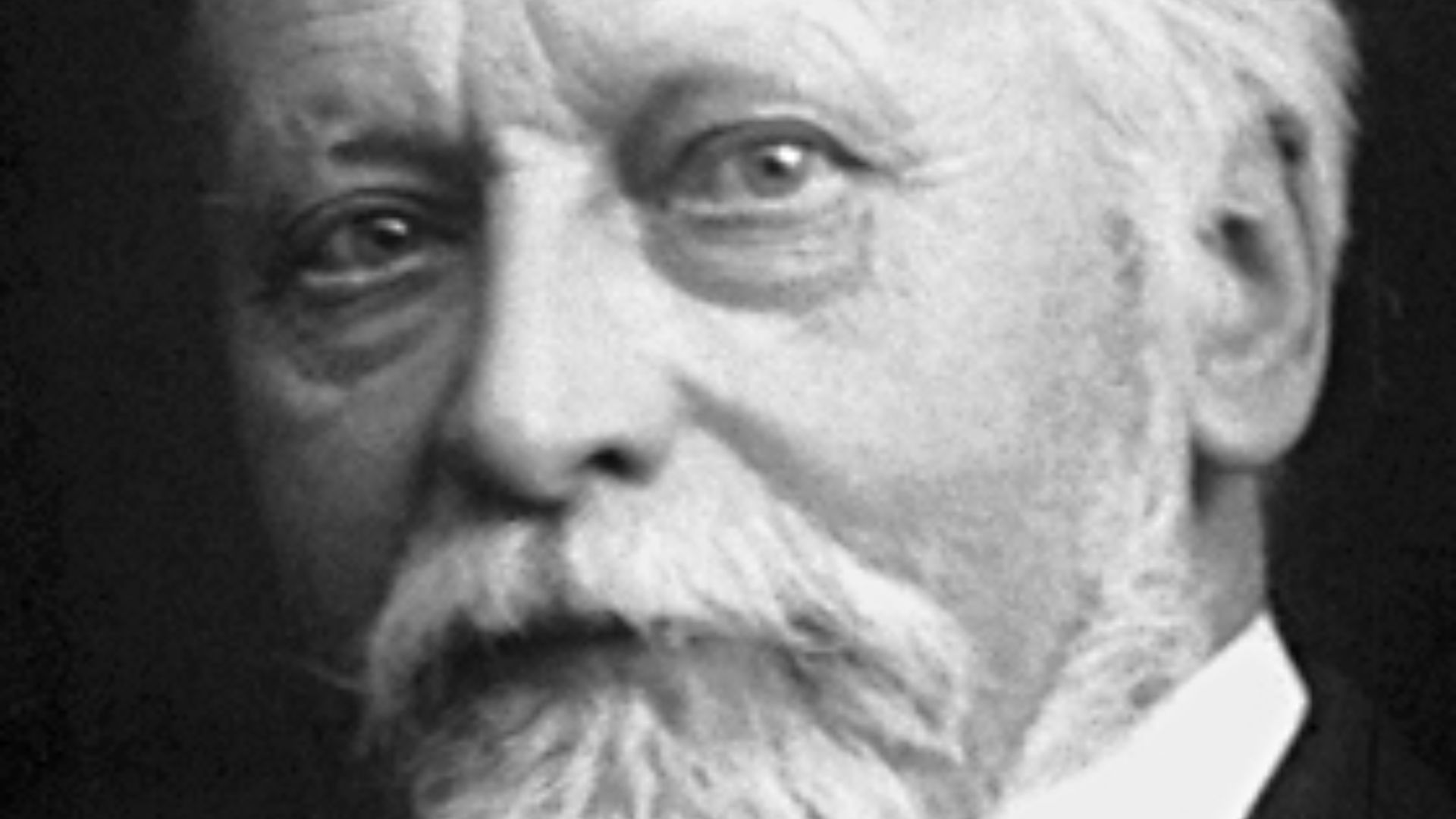
16. Ludwig Quidde Compared The Kaiser To Caligula
Historian Ludwig Quidde published a short study of the Roman emperor Caligula that readers took as a thinly veiled portrait of Kaiser Wilhelm II. The pamphlet sold enormously well, and prosecutors had trouble proving the Kaiser was the target. They got him a couple of years later over a remark about a medal honoring the Kaiser's grandfather, and he served three months in a Munich prison.
 Unknown authorUnknown author on Wikimedia
17. Frank Wedekind Mocked The Kaiser's Trip To The Holy Land
Frank Wedekind wrote a satirical poem about Wilhelm II's visit to Palestine for the Munich magazine Simplicissimus, using a pen name that was an open secret among readers. The issue was confiscated, and Wedekind was charged with insulting the monarch. He spent several months locked in a fortress before he was pardoned.
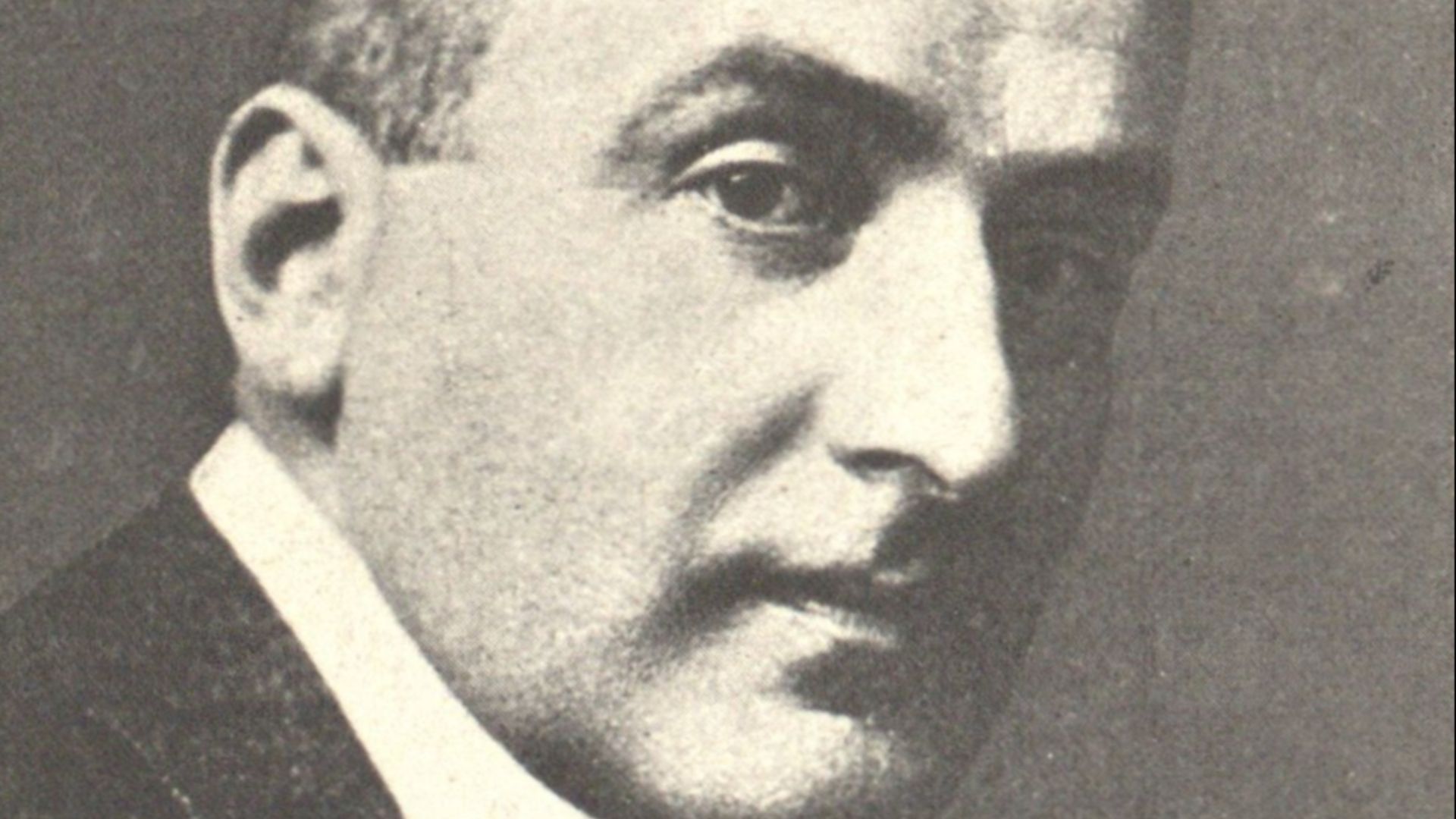
18. Thomas Theodor Heine Drew The Cover For That Same Issue
Heine's cover showed the medieval emperor Barbarossa doubled over with laughter while clutching a Prussian helmet. The cartoonist got six months in prison for it. The magazine's publisher fled to Switzerland to avoid arrest and was later hit with a 30,000-mark fine.
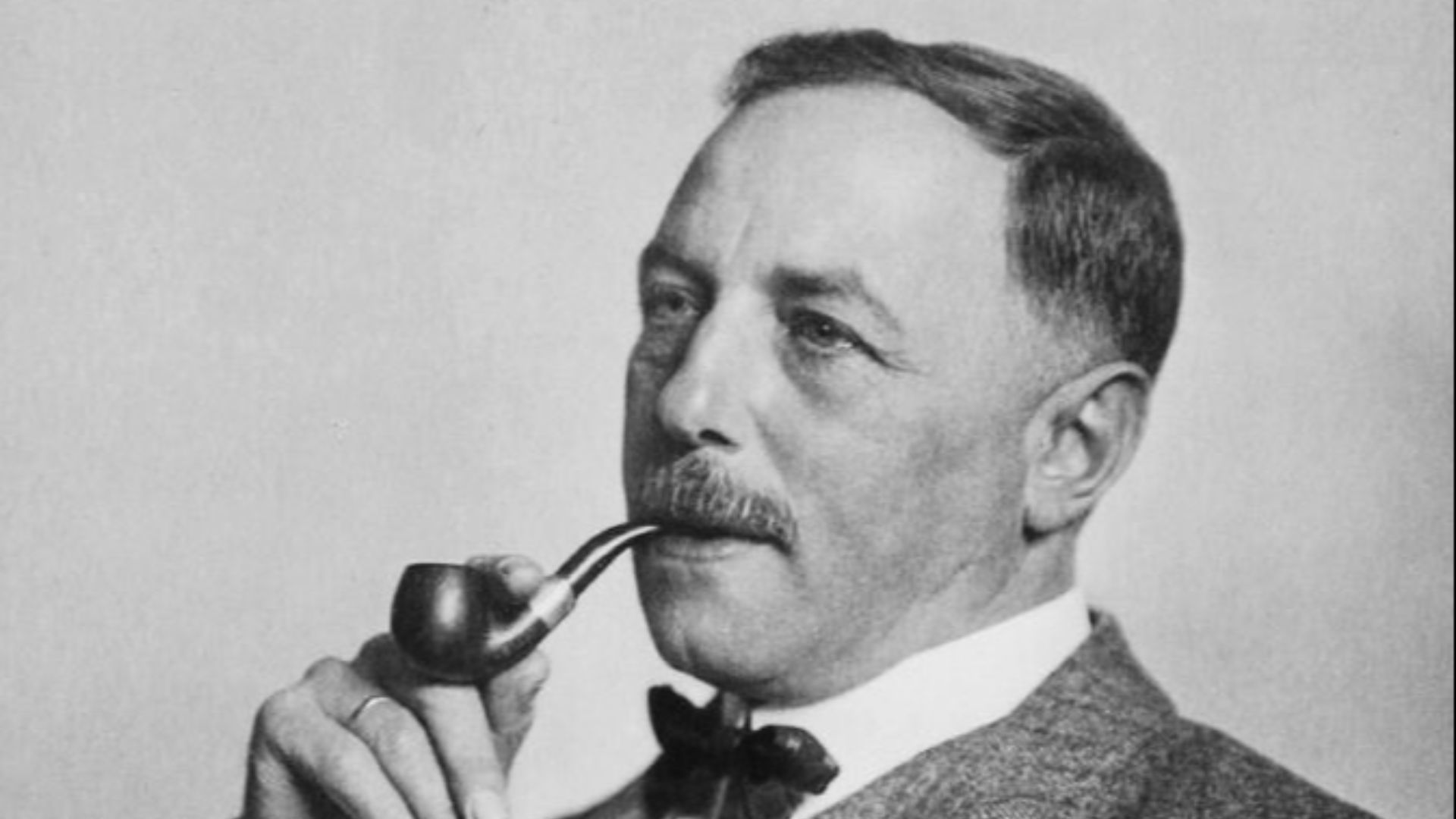
19. Osip Mandelstam Wrote An Epigram About Stalin
Mandelstam recited a short poem at small private gatherings that called Stalin a peasant slayer with fat fingers. Someone reported it, and he was arrested in 1934 and sent into exile in the Urals. He was arrested again a few years later and died in a transit camp near Vladivostok.
 The original uploader was Leeore at English Wikipedia. on Wikimedia
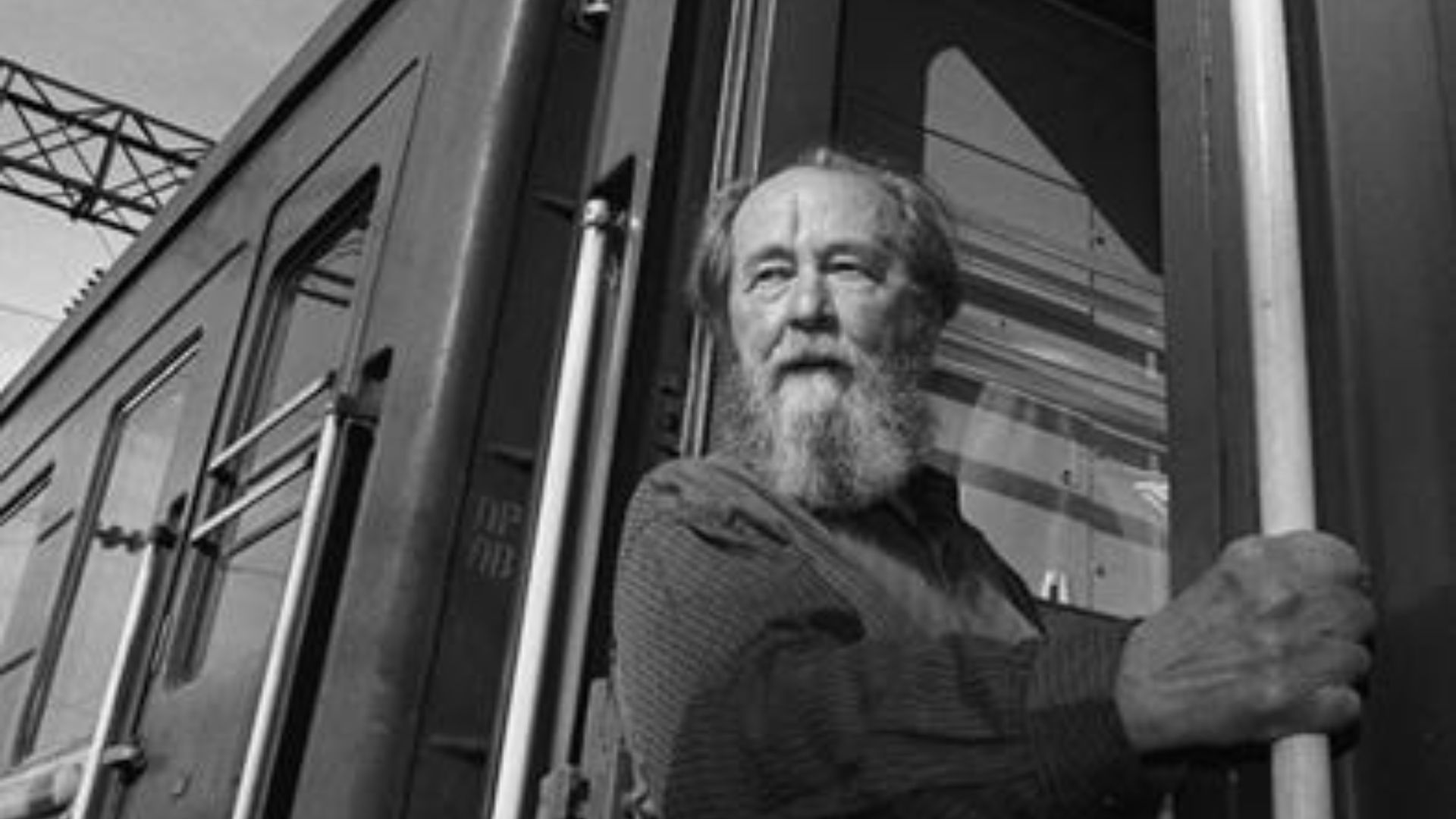
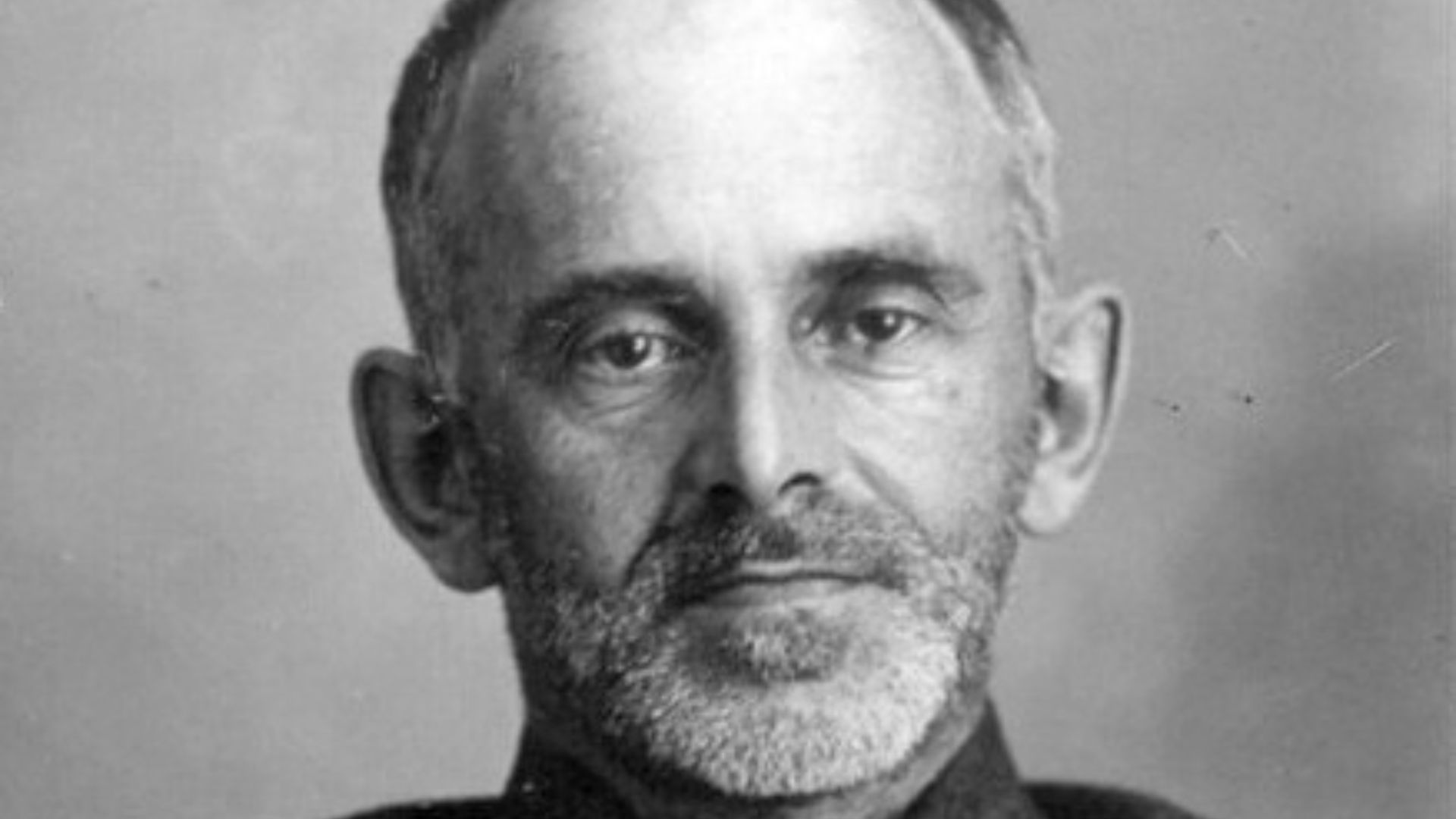
20. Aleksandr Solzhenitsyn Insulted Stalin In A Private Letter
Solzhenitsyn was an artillery captain at the front when military counterintelligence read his letters to an old school friend. He'd referred to Stalin in disrespectful, lightly disguised terms, calling him things like "the master." That got him eight years in prisons and labor camps, which he later turned into One Day in the Life of Ivan Denisovich.