
The Woman Who Survived the Titanic Only to Find Herself on Another Sinking Ship
The Woman Who Survived the Titanic Only to Find Herself on Another Sinking Ship
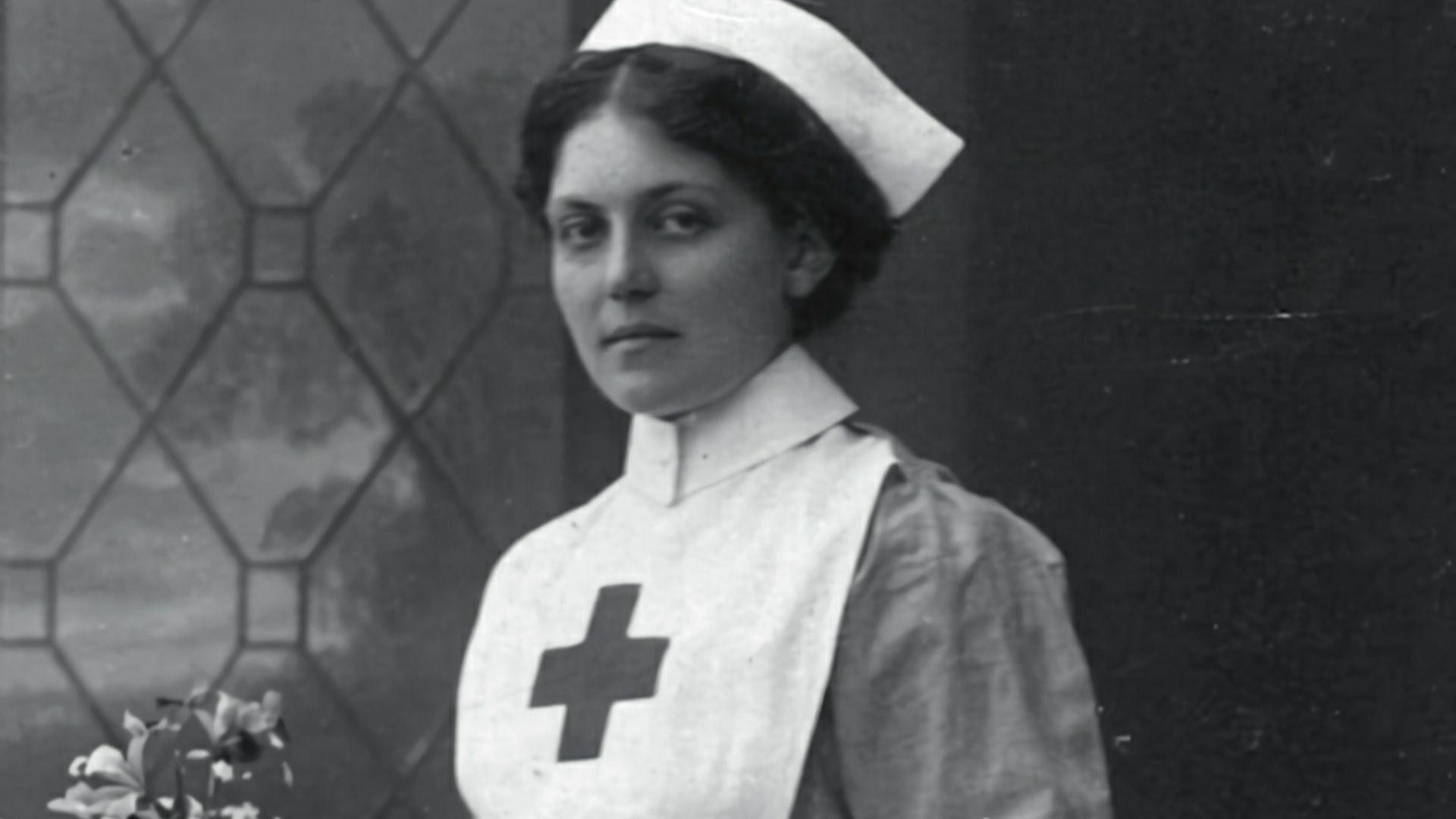
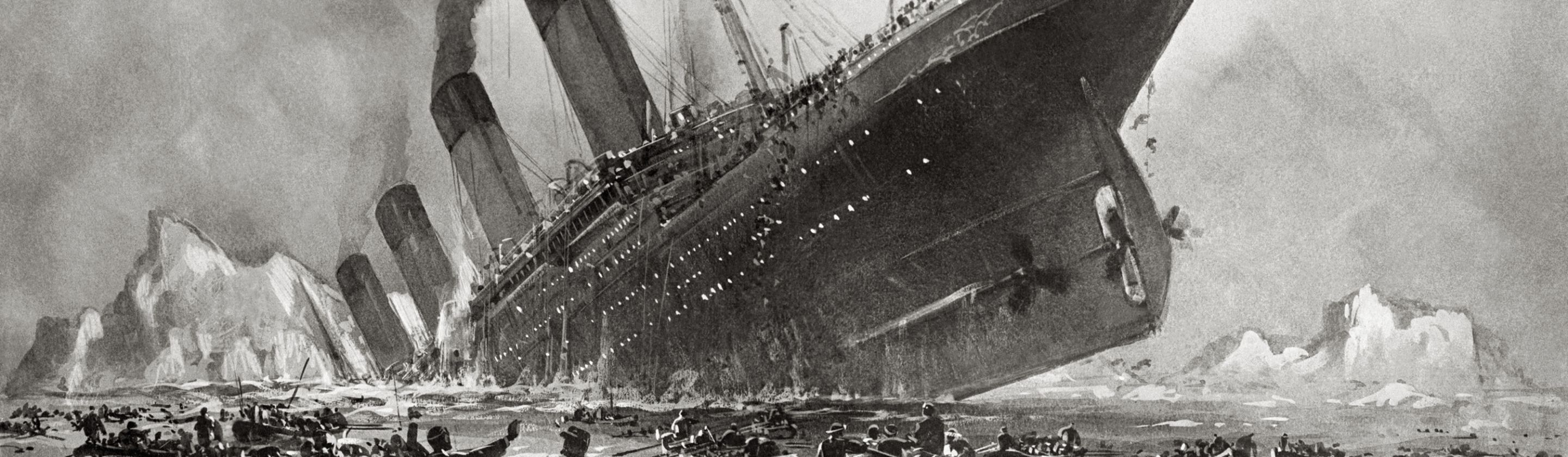
Surviving the sinking of the Titanic would be enough to put most people off traveling by sea for the rest of their lives. However, for young stewardess Violet Jessop, the tragic events of April 1912 didn't mark the end of her maritime career. In fact, she'd go on to experience another devastating shipwreck just four years later.
What's particularly remarkable about Jessop's story is that she'd already been involved in a serious maritime accident before stepping aboard the Titanic. All three incidents involved sister ships belonging to the White Star Line, a British shipping company known for its enormous luxury ocean liners. Her incredible history of survival eventually earned her the nickname "Miss Unsinkable."
A Career at Sea That Nearly Ended Before the Titanic
Born in Argentina in 1887 to Irish immigrant parents, Jessop spent much of her childhood helping care for her younger siblings. She struggled with serious health problems from an early age, including a bout of tuberculosis that doctors didn't expect her to survive. After her father died, the family relocated to England, where her mother found work as a ship stewardess.
When her mother's health began to deteriorate, Jessop left school and decided to pursue the same occupation to help support her family.
By 1911, she was working aboard the RMS Olympic, one of the most impressive passenger ships ever built at the time. Unfortunately, she happened to be working aboard the vessel when it collided with the British naval cruiser HMS Hawke on September 20, 1911. Although the Olympic sustained considerable damage, it remained afloat and was eventually repaired, allowing Jessop to come away from her first major maritime accident without serious injury.
Surviving the Most Famous Shipwreck in History
Jessop wasn't particularly enthusiastic about leaving the Olympic to work aboard its newly constructed sister ship, the Titanic. However, her friends encouraged her to take advantage of the opportunity, convincing her that working on such a magnificent vessel would be an experience worth having. At just 24 years old, she joined the crew for the ship's maiden voyage from Southampton to New York in April 1912.
When the Titanic struck an iceberg on April 14, Jessop was among the stewardesses responsible for assisting passengers during the emergency. According to her memoirs, an officer instructed her to enter Lifeboat 16 to reassure hesitant passengers that it was safe to board. Shortly before the lifeboat was lowered, an officer handed her a baby to look after, meaning she suddenly had someone else's safety to worry about in addition to her own.
After spending several hours in the freezing conditions of the North Atlantic, Jessop and her fellow survivors were rescued by the RMS Carpathia. She later recalled that a woman approached her aboard the rescue ship, took the baby from her arms, and walked away without introducing herself. Despite everything she'd been through that night, Jessop didn't give up her profession, eventually returning to work at sea and taking on new responsibilities following the outbreak of World War I.
Another Sinking & an Extraordinary Return to Sea
During World War I, Jessop served as a nurse with the British Red Cross, eventually finding herself aboard the HMHS Britannic, the third of the White Star Line's Olympic-class vessels. Originally designed to carry paying passengers, the enormous ship had been converted into a hospital vessel to treat sick and wounded soldiers. On November 21, 1916, while traveling through the Aegean Sea near Greece, the Britannic struck a naval mine and began sinking.
Unlike her experience aboard the Titanic, Jessop couldn't escape the Britannic without entering the water, where she sustained a serious head injury. She managed to reach safety once again and lived to recount her second shipwreck.
Perhaps the most astonishing part of Jessop's story is that she returned to work aboard the Olympic in 1920 and continued making a living at sea for another three decades. After retiring in 1950, she settled into a much quieter life in a thatched cottage in Suffolk, England, where she enjoyed gardening and keeping chickens. She died in 1971 at the age of 83, having spent roughly 42 years working at sea despite her exceptionally unfortunate experiences.
Jessop's memoirs were eventually published in 1997, giving historians a rare firsthand account of what life was like for women working aboard early 20th-century ocean liners. In addition to documenting two historically significant shipwrecks, her recollections shed light on the demanding working conditions behind the luxurious accommodations enjoyed by wealthy passengers. Although she's primarily remembered for her extraordinary luck, her determination to carry on with her career after everything she'd endured is arguably just as remarkable.
KEEP ON READING