
In 1806, a 22-year-old Bostonian named Frederic Tudor loaded 130 tons of pond ice onto a brig and sent it to Martinique. The local paper treated it as a gag. The Boston Gazette ran the news under the words "No joke" and added that it hoped the venture would not prove "a slippery speculation."
For a while, it did. Tudor lost money on that voyage and on several after it, and it took him decades of trial and error to turn frozen New England ponds into a business that reached around the globe. By the 1830s, ice cut near Boston was being unloaded in Rio de Janeiro and Calcutta.
The First Shipments Melted
The Martinique cargo had nowhere to go once it landed. There was no insulated building to keep it in, so most of the ice melted while Tudor tried to convince people they wanted it. He told his agent to give it away to bartenders, figuring that customers would come back once they'd tasted a cold drink.
The lesson he took home was that the ice house had to be waiting before the ship arrived. Tudor started building insulated storehouses at the far end of each route, beginning in Havana. He also experimented with packing the blocks in everything from rice to coal dust before settling on pine sawdust, which sawmills were producing anyway.
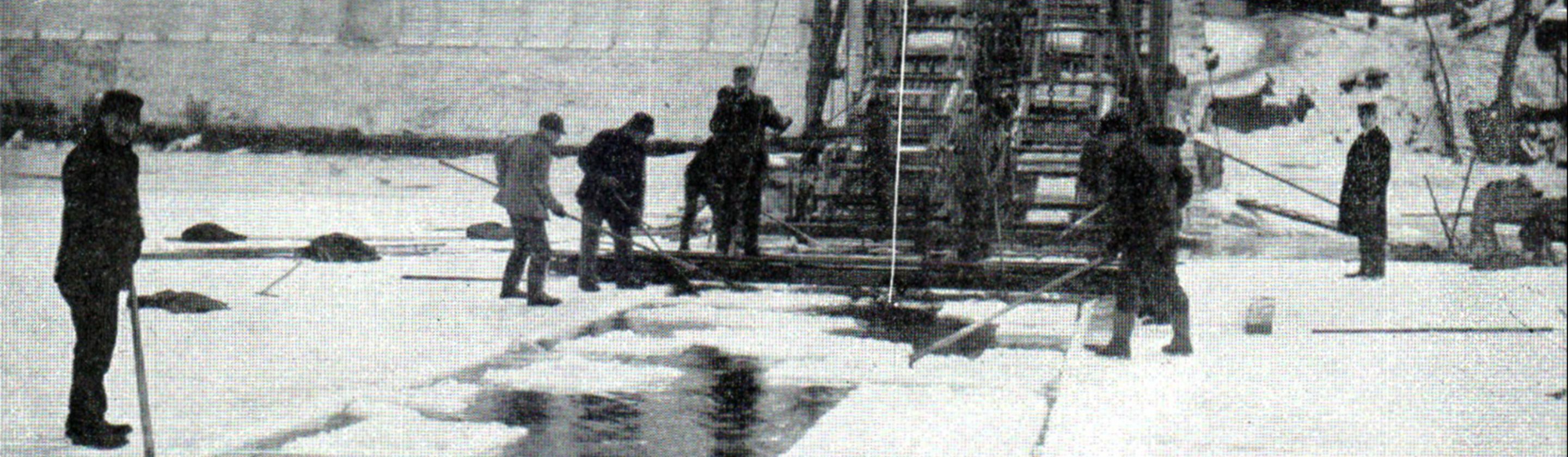
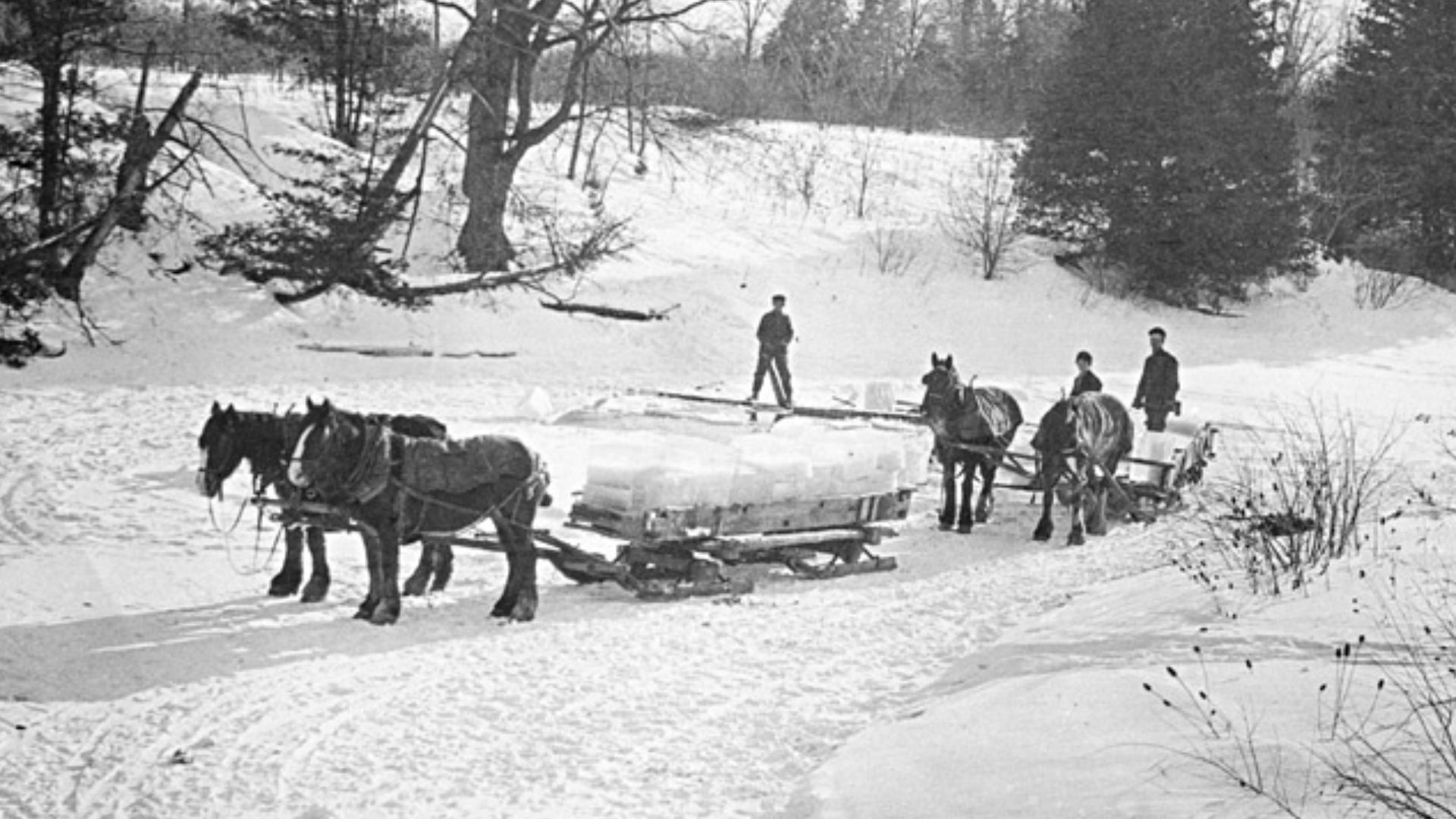
Harvesting was the other headache, since early crews hacked out blocks of every size and shape. Nathaniel Wyeth, whose father ran a hotel on Fresh Pond in Cambridge, became Tudor's ice manager and in 1825 built a horse-drawn cutter that scored the pond into even blocks. By one estimate it cut harvesting costs from 30 cents a ton to 10, and the uniform blocks could be stacked into a single tight mass in a ship's hold. Wyeth went on to patent ice-harvesting machinery of his own.
Ice Reaches Calcutta
In 1833, Tudor and two partners tried the longest run yet. The idea came from Samuel Austin, a Boston merchant whose ships already made the India run. The ship Tuscany left Boston in May with 180 tons of ice packed in sawdust, and Tudor wrote in his diary that it was an experiment he'd wanted to make for 20 years. The trip meant crossing the equator twice and rounding the southern tip of Africa.
The Tuscany reached Calcutta about four months later with roughly 100 tons still frozen. Ice wasn't entirely new to the city, but the only local supply was slushy stuff collected upriver in winter, good for chilling jugs of water and not much else. (One buyer reportedly refused to wrap his block in cloth, worried the cloth would warm it up, and got home with a sliver.) The British residents bought the whole cargo, and the partners came out roughly $10,000 ahead.
Ice ships started arriving on a regular schedule after that. Calcutta's yearly supply climbed to almost 3,000 tons by 1847, and the trade spread to Bombay and Madras. Ships that would otherwise have sailed for India carrying ballast now carried something they could sell.
Walden Pond Ended Up in India
By the 1840s, Tudor's crews were cutting ice from ponds all over eastern Massachusetts, including Walden. In the winter of 1846–47, they took about 10,000 tons from it in a few weeks, and trains hauled the blocks to the Charlestown docks. That figure comes from a letter by Ralph Waldo Emerson, who owned a woodlot on the shore and seemed mostly interested in what the commotion might do for his land value.
Henry David Thoreau was living in his cabin by the pond at the time and watched a hundred workers carve it into blocks. On a good day, he noted, about a thousand tons left the pond. He wrote in Walden that the sweltering people of New Orleans and Calcutta would "drink at my well." By the eve of the Civil War, Boston was sending nearly 150,000 tons of ice a year to dozens of countries.
Then the machines caught up. India's first artificial ice maker, the Bengal Ice Company, started production in 1878 and undercut the long voyage from Boston. Back home, the United States was turning out 26 million tons of manufactured ice in 1914, compared with 24 million tons cut from lakes and ponds. Iceboxes held on in most American homes until electric refrigerators took over in the 1920s.
KEEP ON READING