
Succession Planning the Hard Way
Being the eldest son of a king meant growing up knowing you'd probably have the throne one day. The trouble was that your father might live another 40 years. Many princes were given land to govern and armies to command in the meantime, which made it relatively easy to try their luck a little early. Some pulled it off, while others paid dearly for their impatience. Here are 20 sons who raised armies against their own fathers.
1. Ashur-danin-pal Turned 27 Assyrian Cities Against His Father
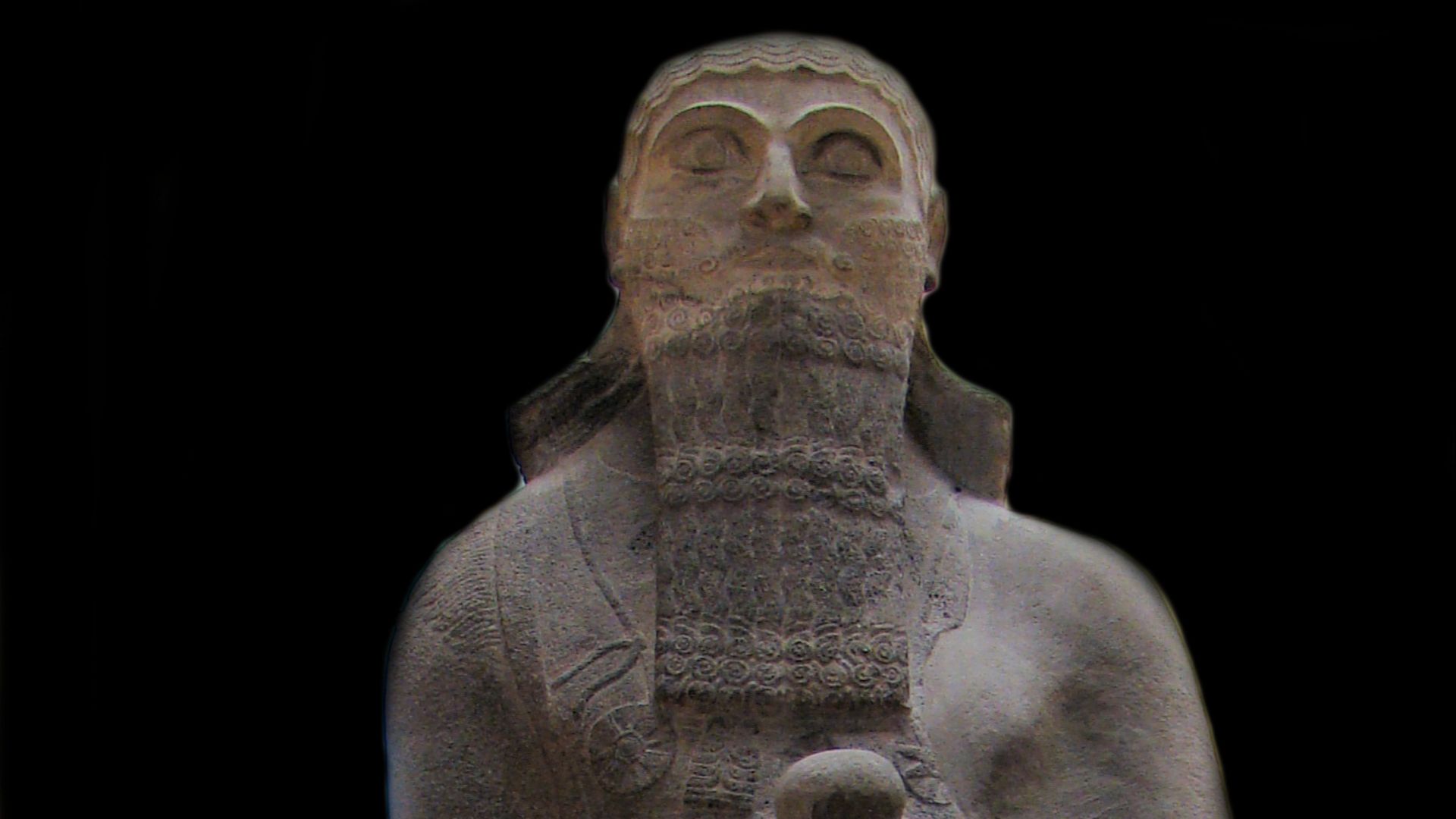
Late in the reign of Shalmaneser III, around 827 BC, his son Ashur-danin-pal led a revolt that pulled 27 cities to his side, Nineveh and Ashur among them. The civil war dragged on for years and stalled Assyria's expansion. His younger brother, the future Shamshi-Adad V, finally crushed it, and Ashur-danin-pal drops out of the record after that.
 Bjørn Christian Tørrissen on Wikimedia
2. Liu Ju Fought His Father's Troops in Chang'an
In 91 BC, a court official named Jiang Chong planted witchcraft dolls in Crown Prince Liu Ju's palace and then conveniently discovered them. Unable to get through to his father, Emperor Wu, the prince had Jiang executed and called up the palace guard. His father took this as an act of rebellion. Liu Ju took his own life after the revolt failed, but his infant grandson survived the purge and eventually took the throne as Emperor Xuan.
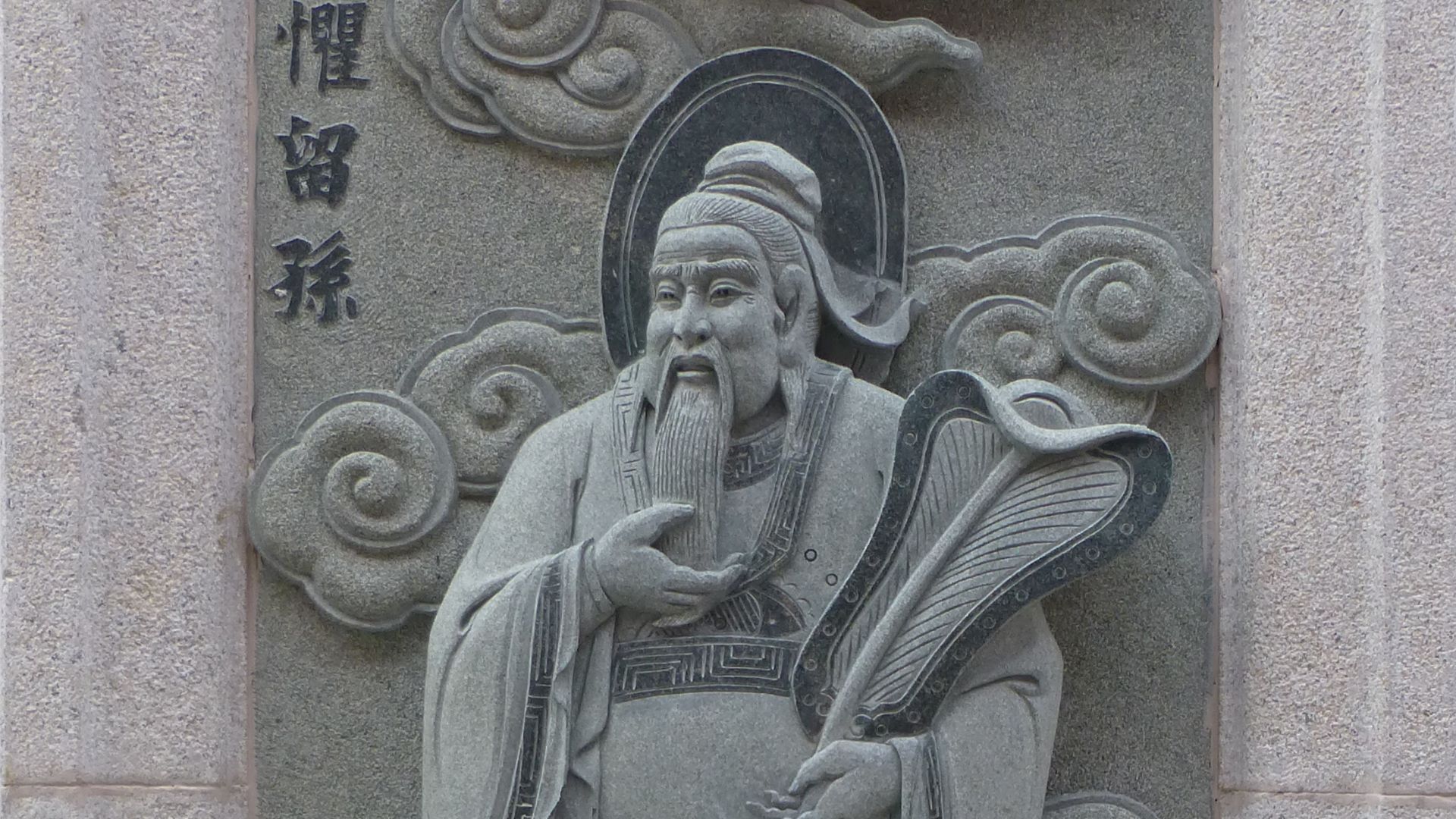 Photo Dharma from Penang, Malaysia on Wikimedia
3. Lothair Got His Brothers to Help Depose Louis the Pious
In 833, Charlemagne's son Louis the Pious marched out to face three of his own sons near Colmar. Overnight, most of his army crossed over to the rebels, and the spot became known as the Field of Lies. Lothair had his father deposed and forced him into public penance, though Louis was back on the throne within a year.
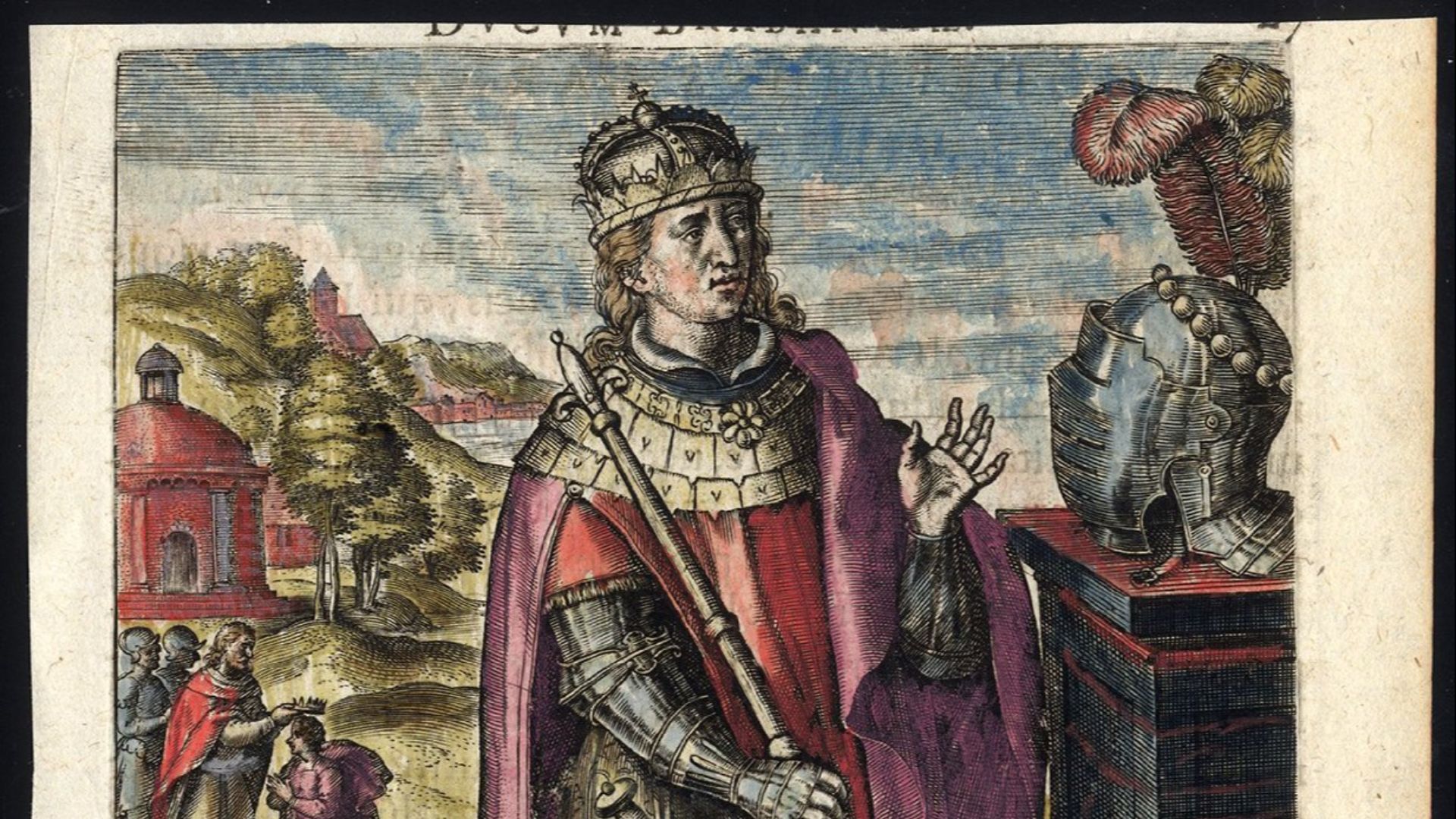
4. Yaroslav Stopped Paying Tribute and Called In Varangians
Yaroslav was ruling Novgorod in 1014 when he refused to send the annual tribute to his father, Vladimir the Great, in Kiev. He brought in Varangian fighters to hold off the punishment he knew was coming. Vladimir died in 1015 before he could march, and Yaroslav later fought his way onto Kiev's throne and picked up the nickname the Wise.
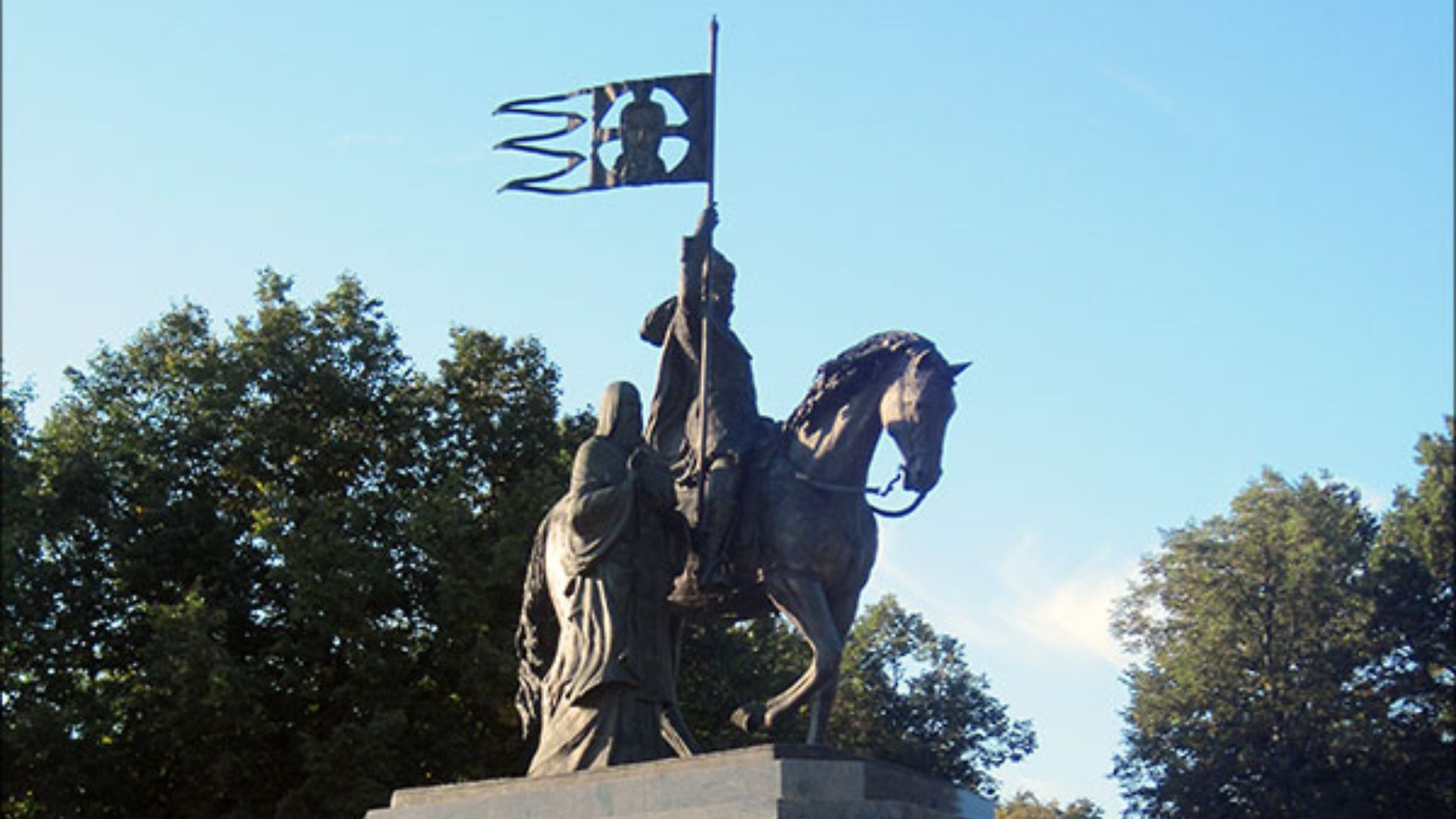
5. Liudolf Rebelled Against Otto the Great
Otto I's eldest son, Liudolf, rose against him in 953, worried that his new stepmother Adelaide's family would push him out of the succession. The revolt lost support in 954 when Hungarian raiders swept into Germany and the rebels were accused of encouraging them. Liudolf submitted and gave up his duchy of Swabia, then died a few years later while campaigning for his father in Italy.
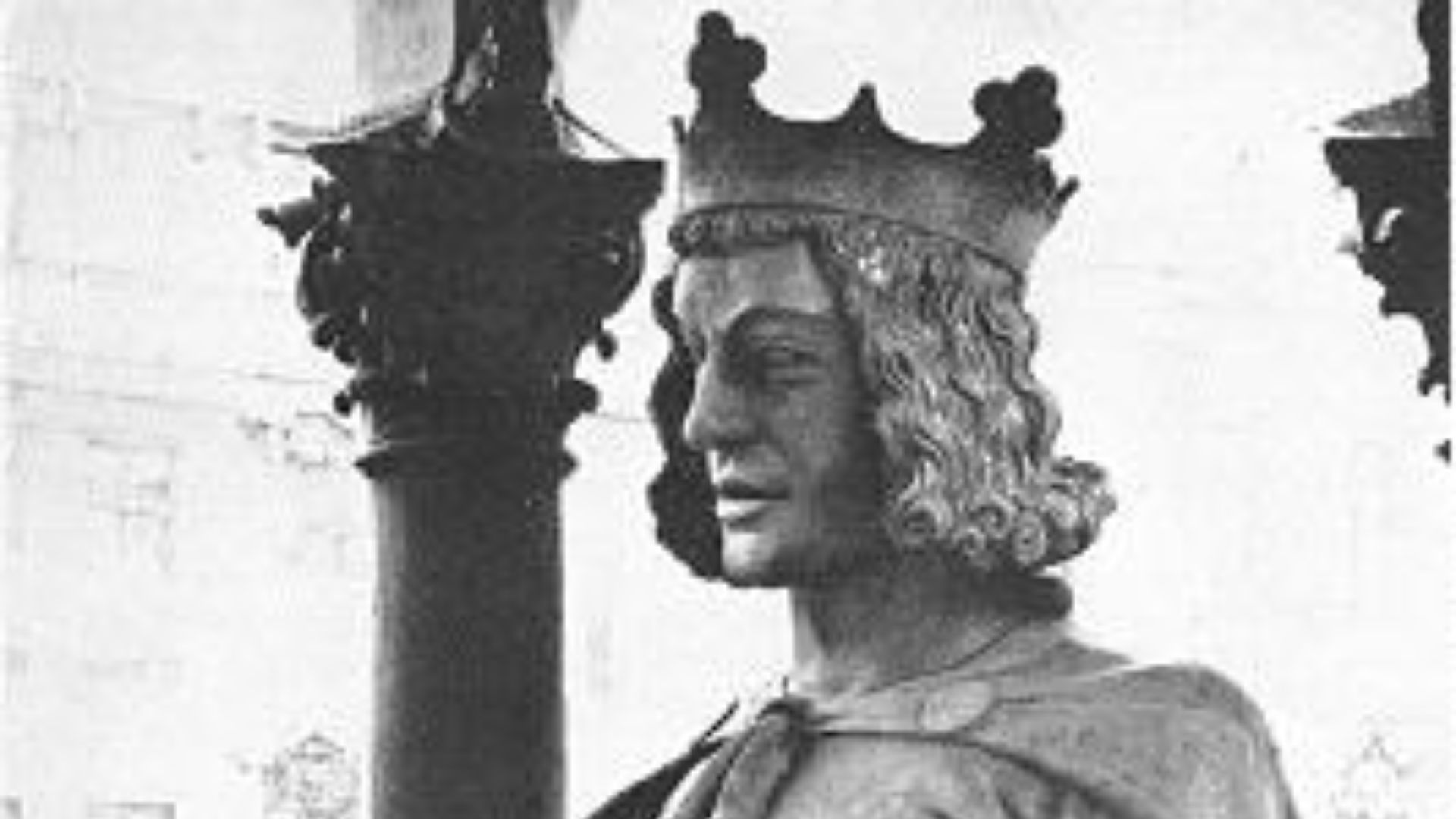
6. Robert Curthose Unhorsed William the Conqueror
William the Conqueror's eldest son wanted Normandy while his father was still alive, and he dug in at the castle of Gerberoy with help from the French king. (Curthose roughly means short stockings, a dig usually credited to his father.) In January 1079, Robert wounded William in the hand and had his horse killed under him. He reportedly stopped once he recognized his father's voice, and William cursed him anyway.
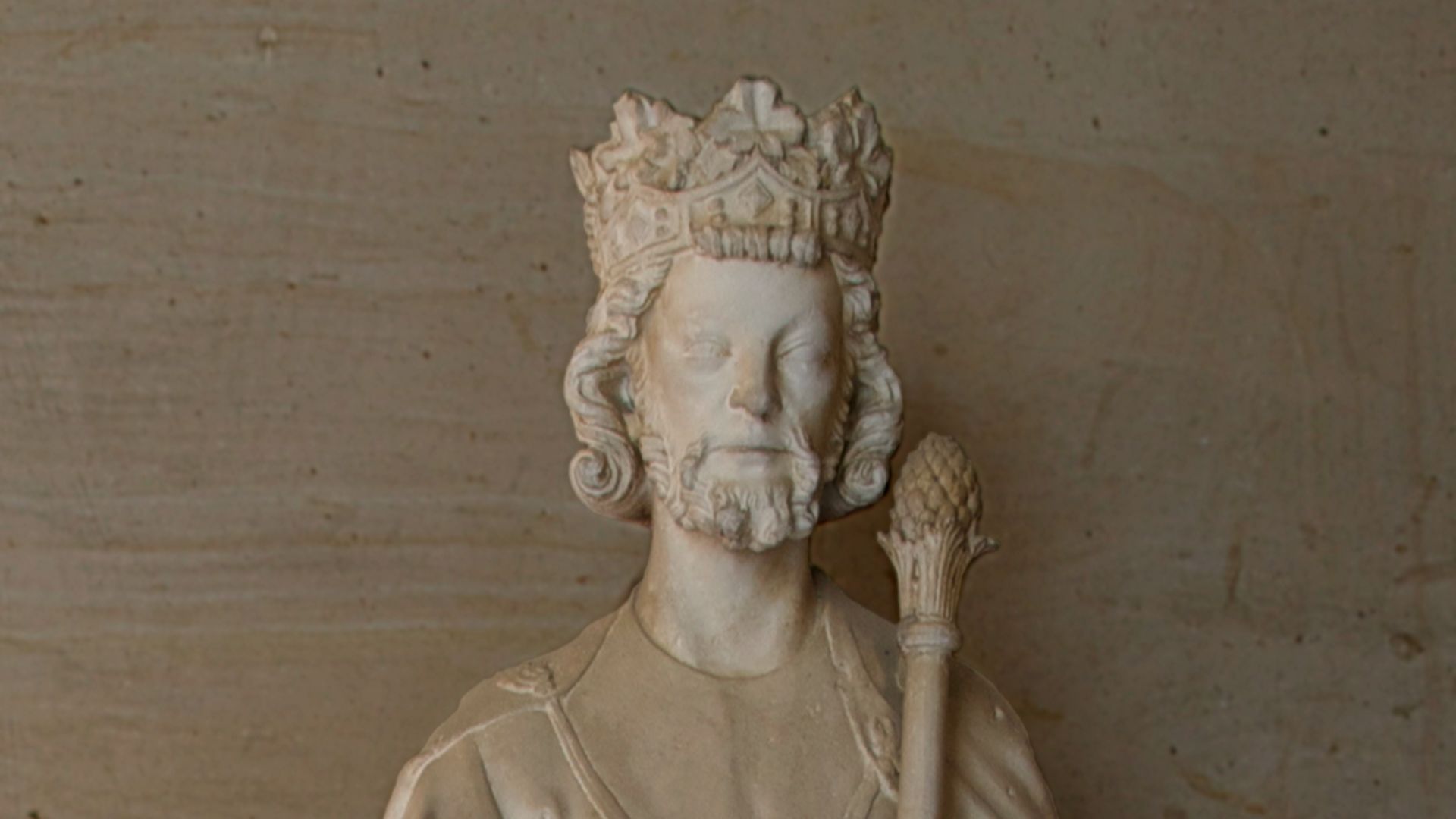
7. Henry V Captured His Father and Forced Him to Abdicate
Holy Roman Emperor Henry IV had been at odds with the pope for years when his own son decided to join the other side in 1104. A year later, the younger Henry invited his father to peace talks, took him prisoner, and forced him to surrender the crown. Henry IV managed to escape and was putting together another army when he died in 1106.
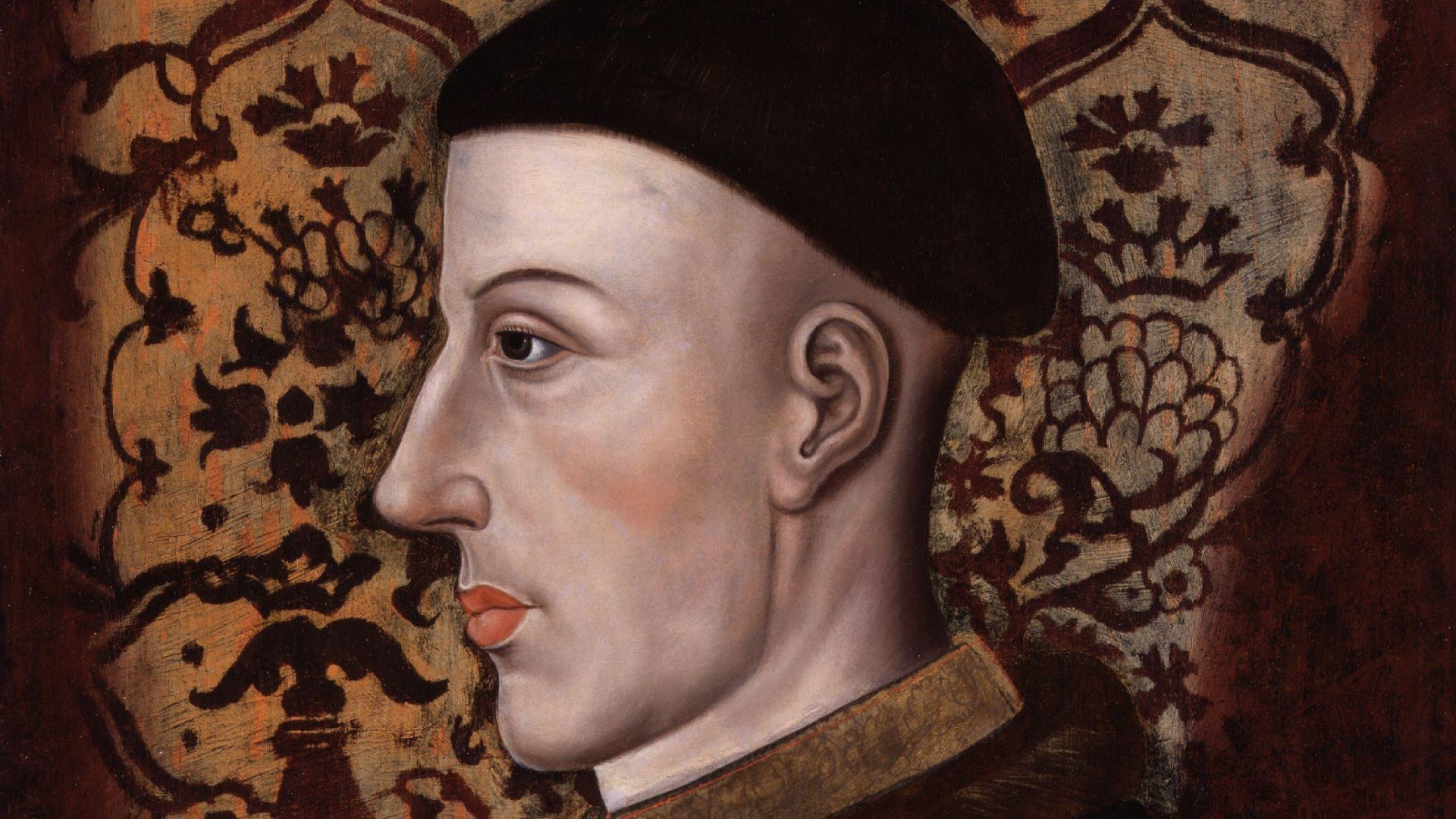
8. Henry the Young King Started the Great Revolt of 1173
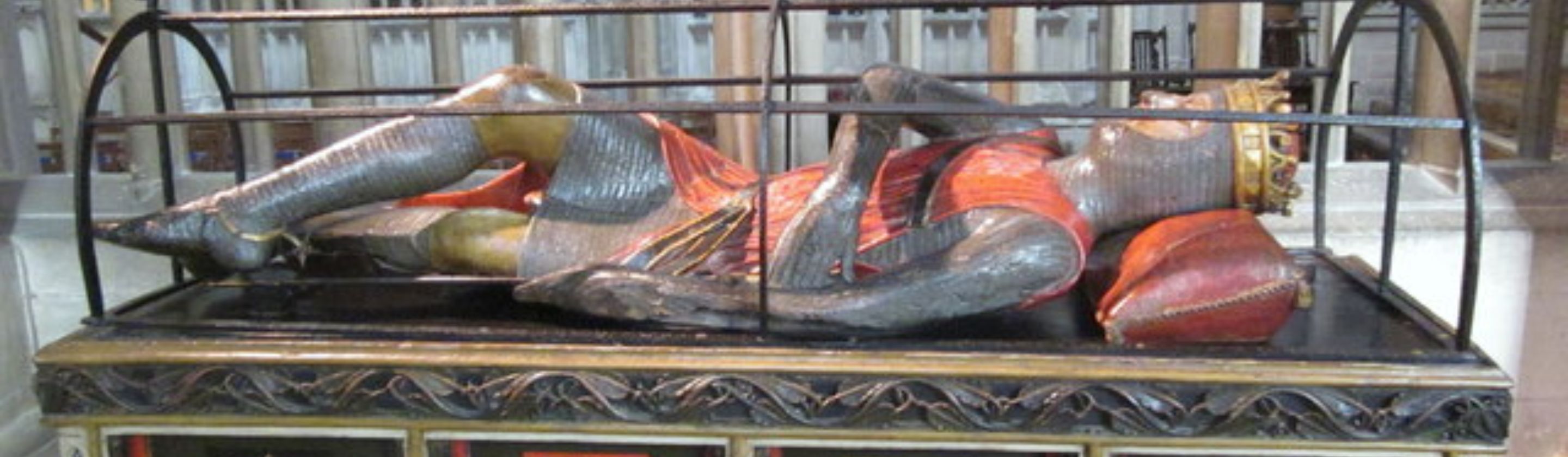
Henry II had his eldest son crowned as co-king in 1170 but gave him almost no land or money to go with the title. In 1173 the Young King rebelled with backing from the king of France, and his mother, Eleanor of Aquitaine, took his side. Henry II won within about 18 months and went easy on his sons, though he kept Eleanor confined for most of the rest of his reign.
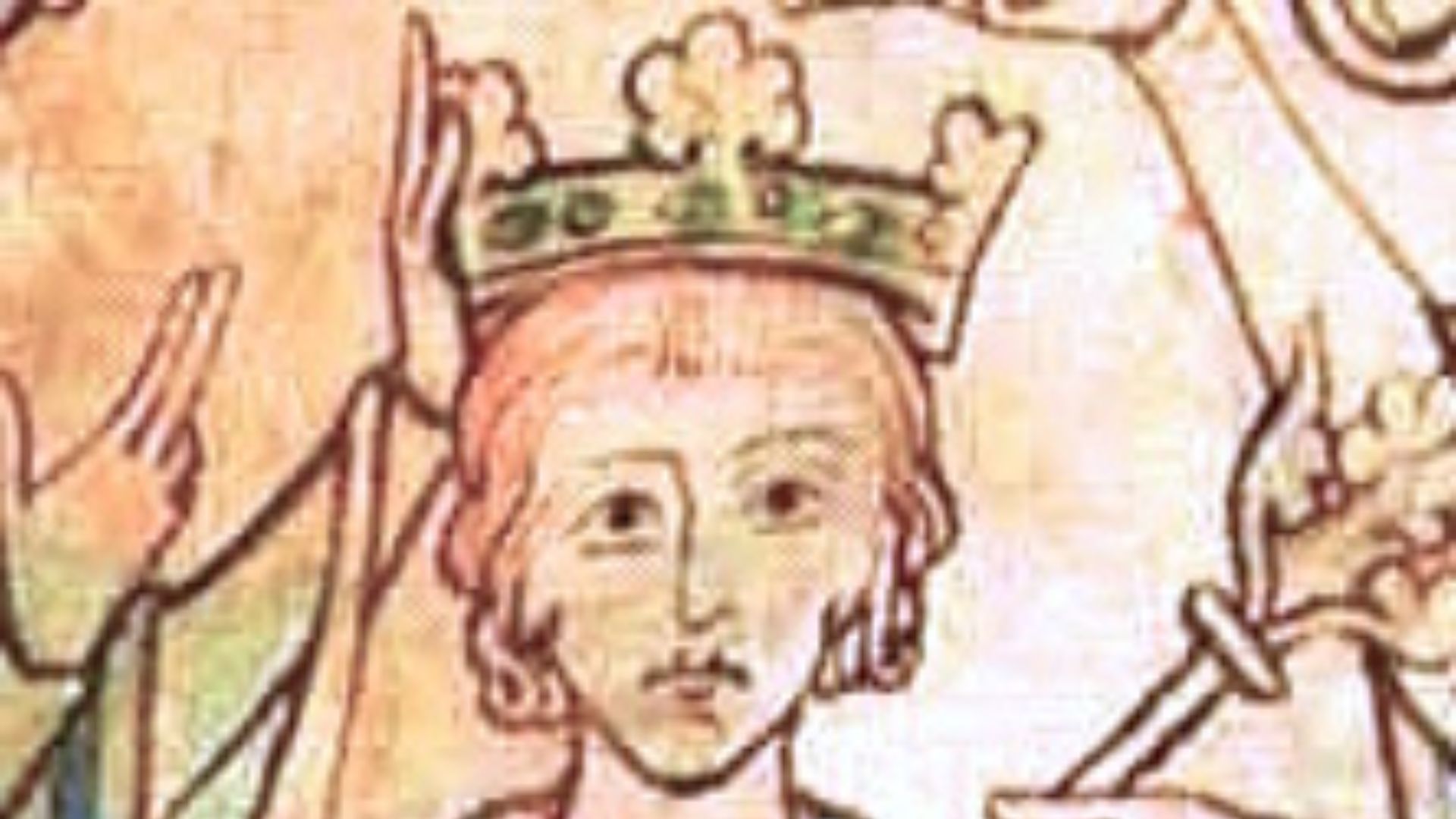 Unknown authorUnknown author, possibly Matthew Paris (c. 1200 – 1259) on Wikimedia
9. Richard the Lionheart Chased His Father to His Deathbed
Richard joined the 1173 revolt as a teenager, but his real break came in 1189, when he allied with Philip II of France against Henry II. Their forces drove the sick king out of Le Mans and pushed him into accepting humiliating terms. Henry died at Chinon days later, reportedly after learning that his favorite son, John, had joined the rebels too.
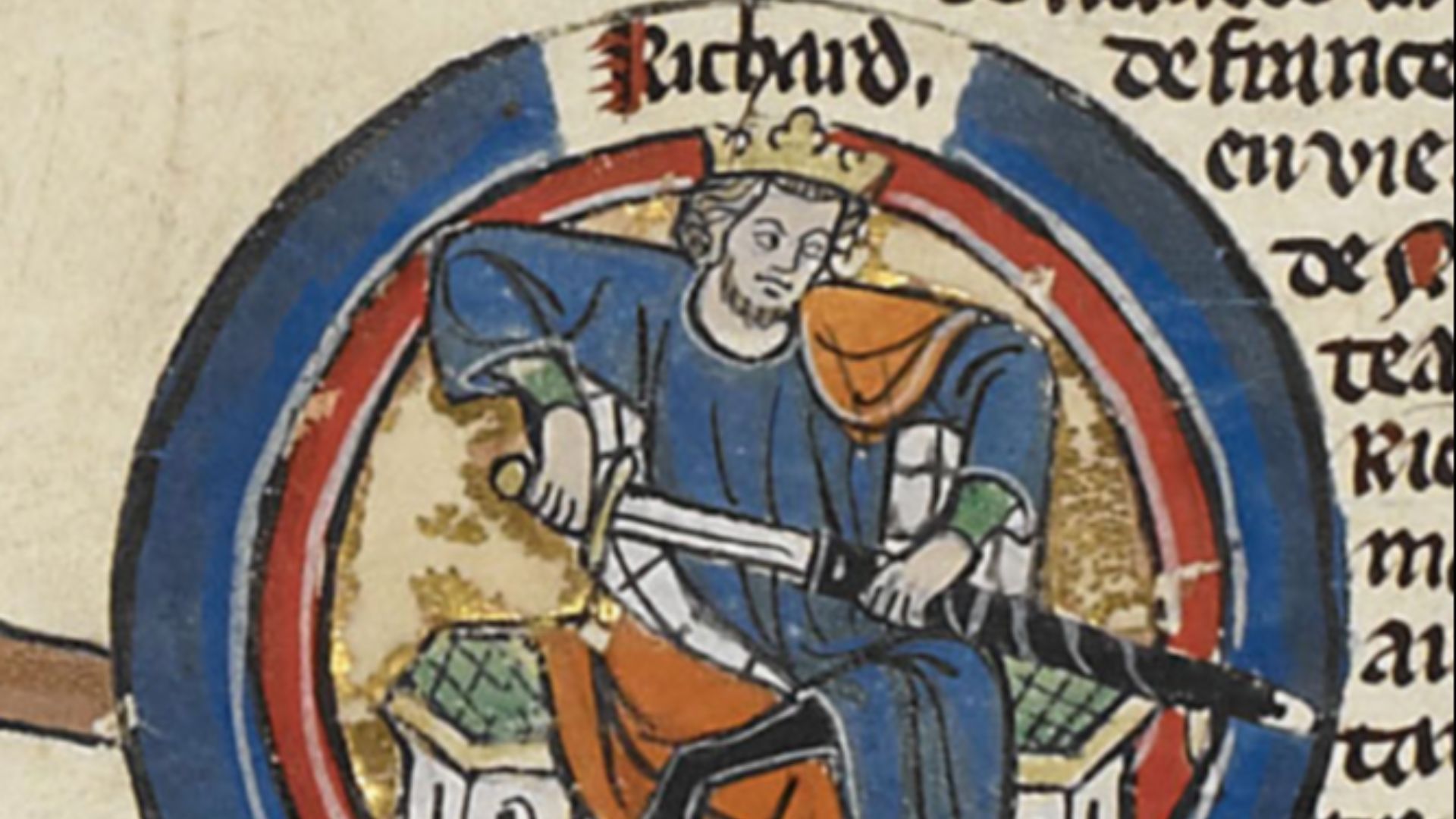 AnonymousUnknown author on Wikimedia
10. Ottokar II Had Himself Named Younger King of Bohemia
Unhappy Bohemian nobles backed the young Ottokar against his father, King Wenceslaus I, in 1248 and proclaimed him younger king. Wenceslaus won the war the following year and threw his son in prison. Father and son patched things up soon after, and Ottokar went on to rule lands that stretched all the way to the Adriatic.
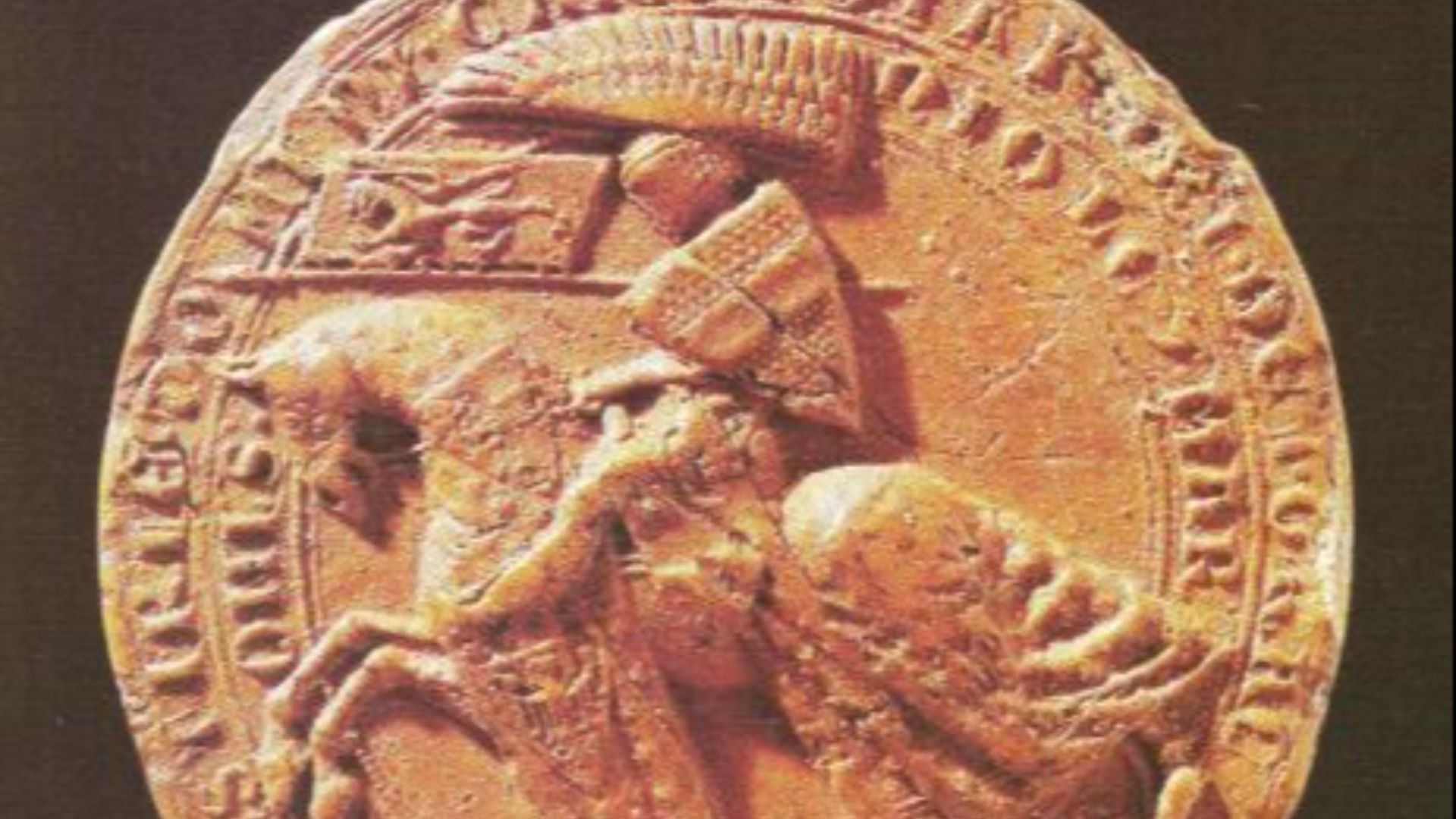
11. Stephen V Beat His Father in a Hungarian Civil War
Béla IV of Hungary split the kingdom with his son Stephen in 1262, and the arrangement broke down into open war within two years. Béla seemed to favor Stephen's younger brother, which didn't help. Stephen defeated his father's army at Isaszeg in 1265 and took the throne when Béla died five years later.
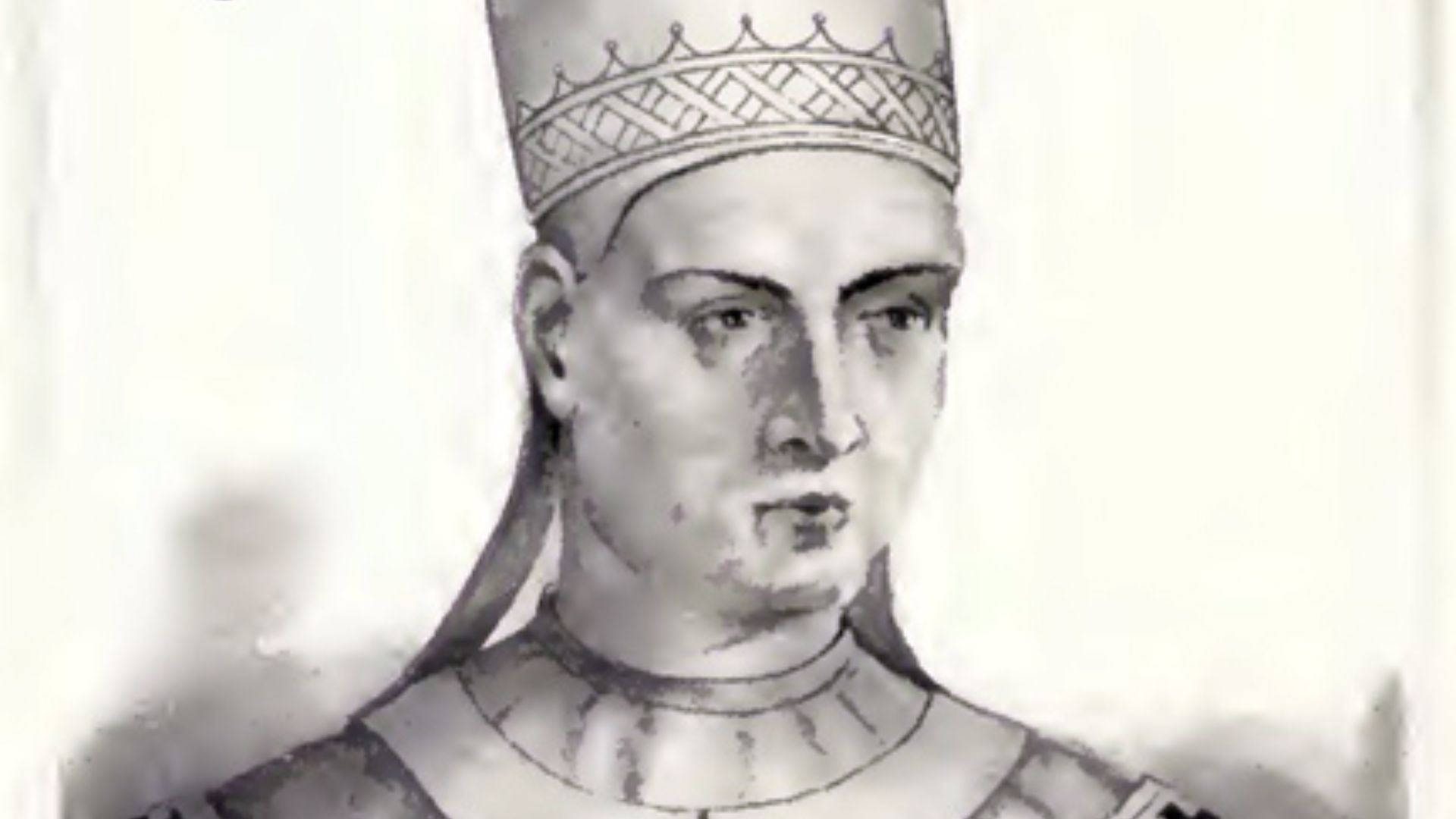
12. Sancho IV Had Alfonso X Stripped of His Powers
When Alfonso X of Castile moved to pass the throne to his grandsons instead of his son Sancho, Sancho turned much of the nobility against him. In 1282, an assembly at Valladolid stripped the king of most of his powers and handed them to Sancho. Alfonso, nicknamed the Wise for his scholarship, disinherited and cursed his son, then died in 1284 with Castile still divided.
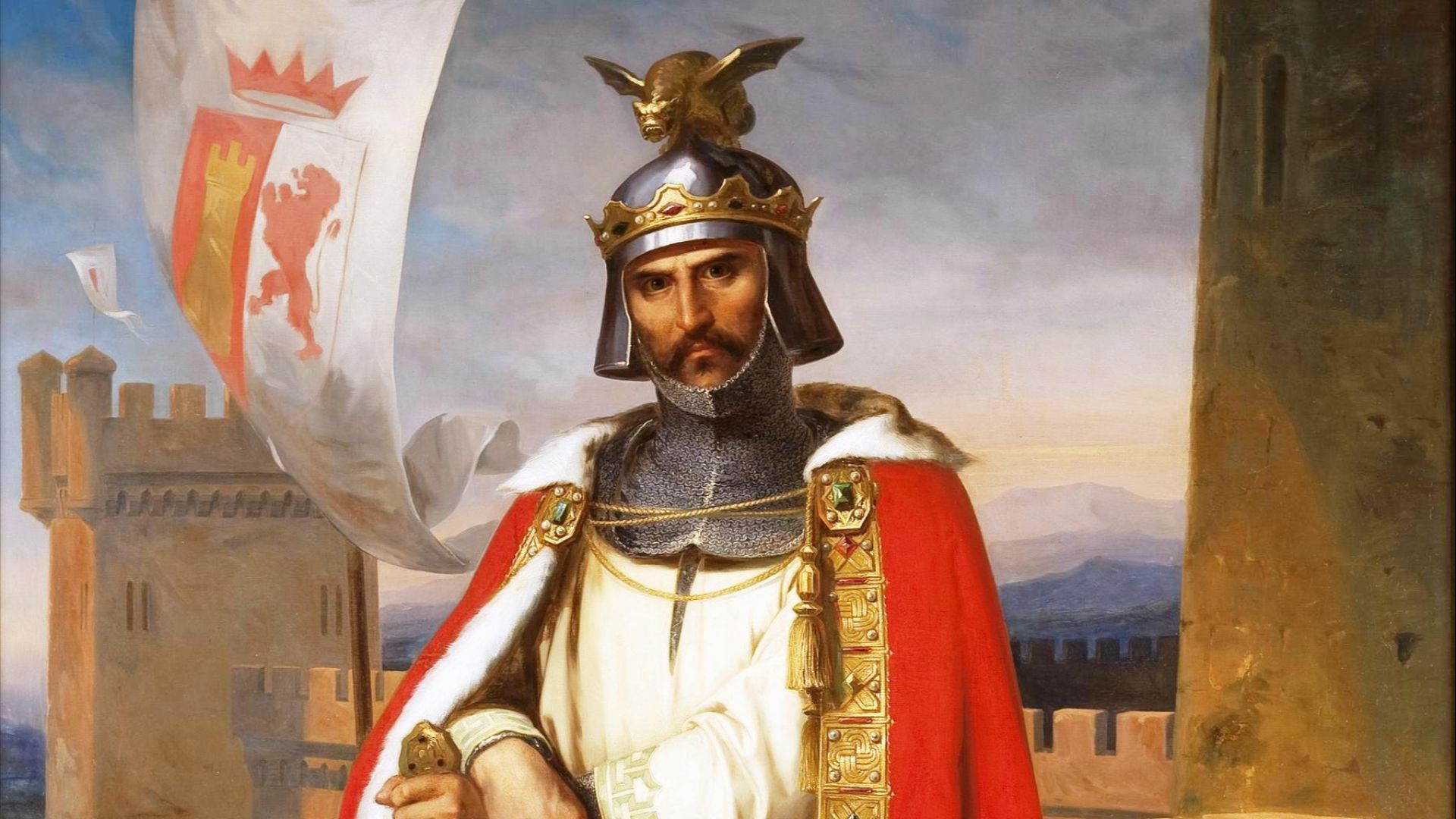 Luis Ferrant y Llausás on Wikimedia
13. Pedro I Went to War Over the Murder of Inês de Castro
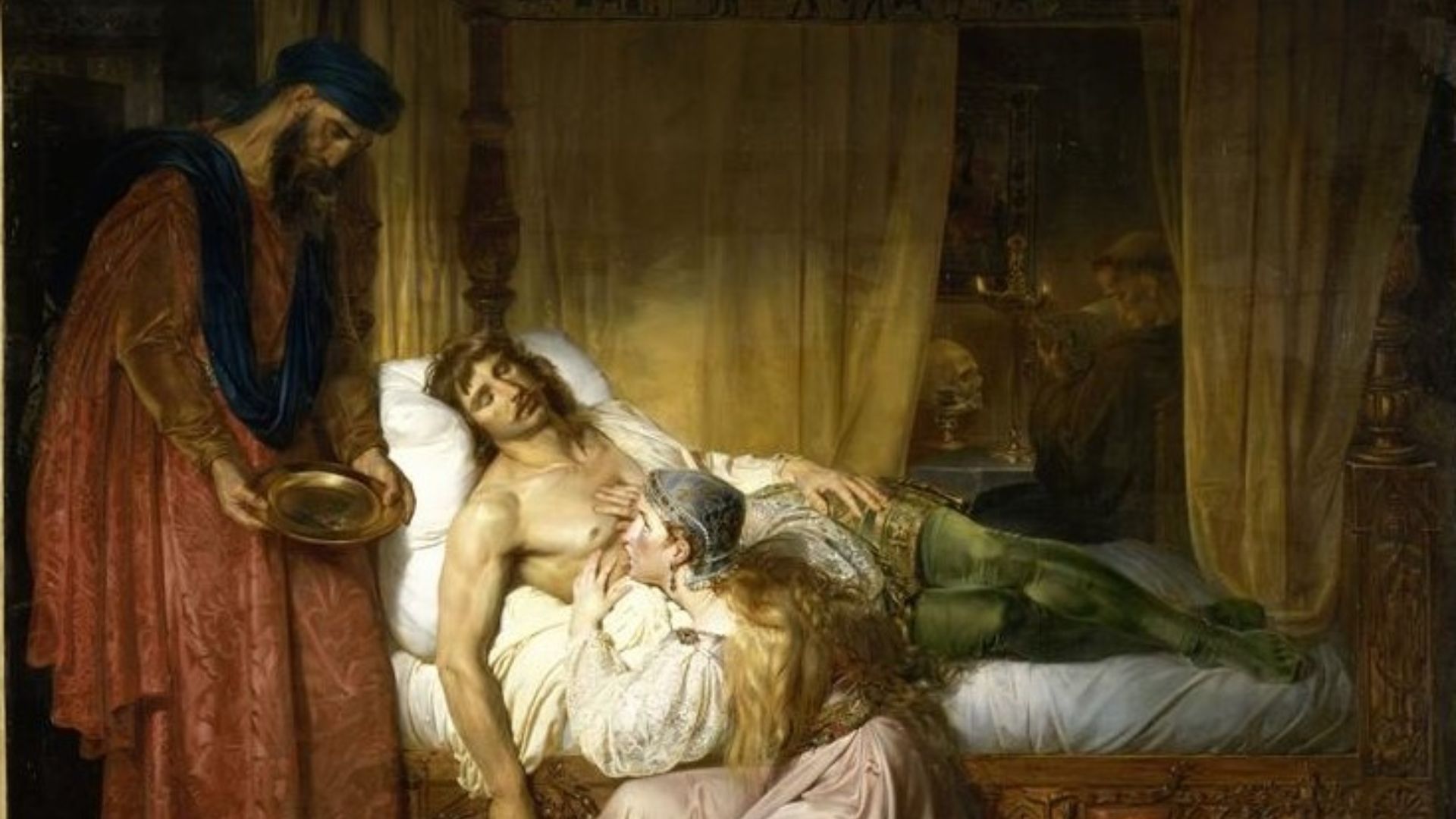
Afonso IV of Portugal had his son Pedro's lover, Inês de Castro, killed in 1355 to keep her Castilian relatives away from the crown. Pedro raised an army and ravaged northern Portugal before the two made peace later that year. Once he became king, Pedro hunted down two of the killers and reportedly had their hearts torn out.
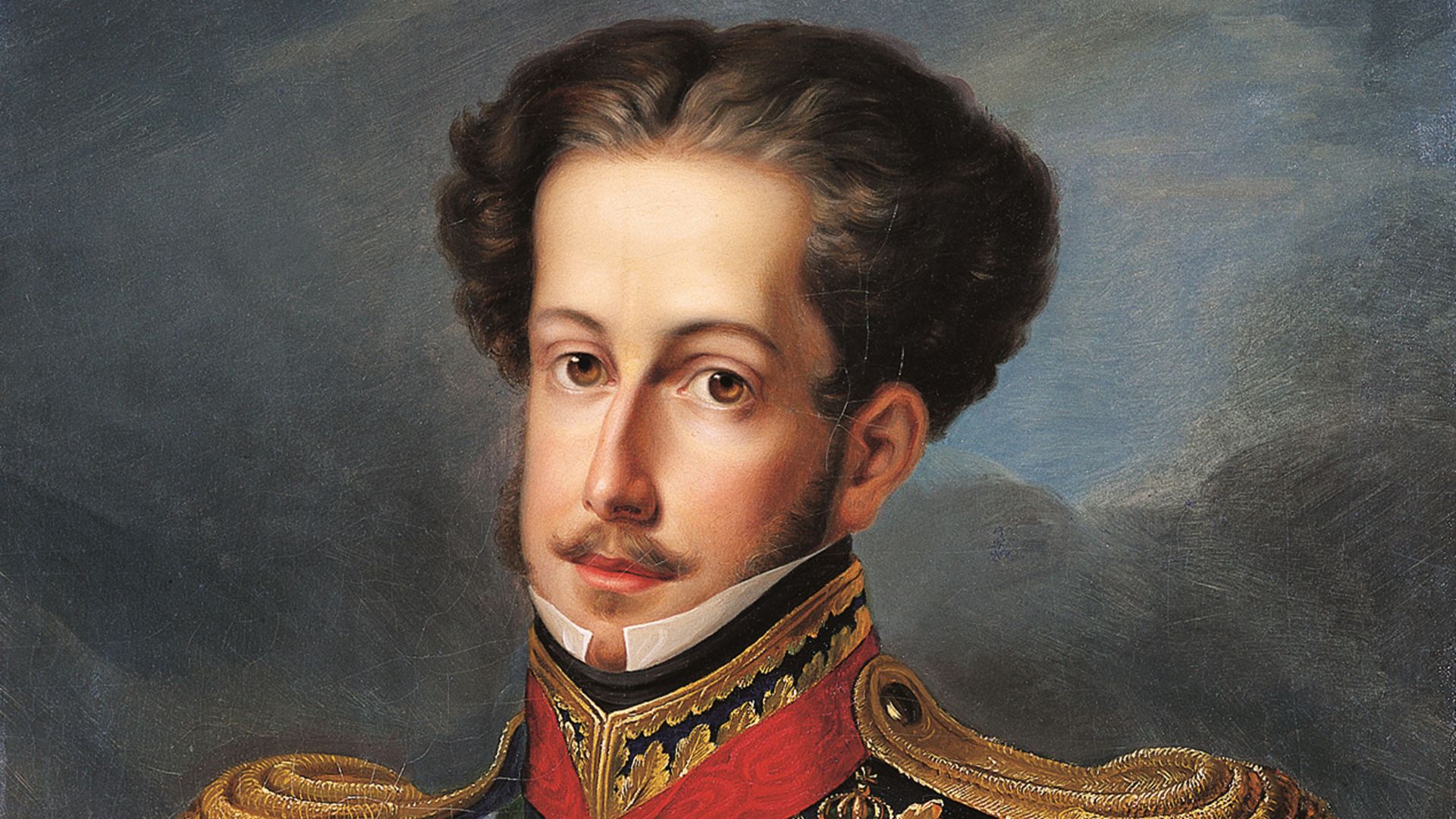 Simplício Rodrigues de Sá on Wikimedia
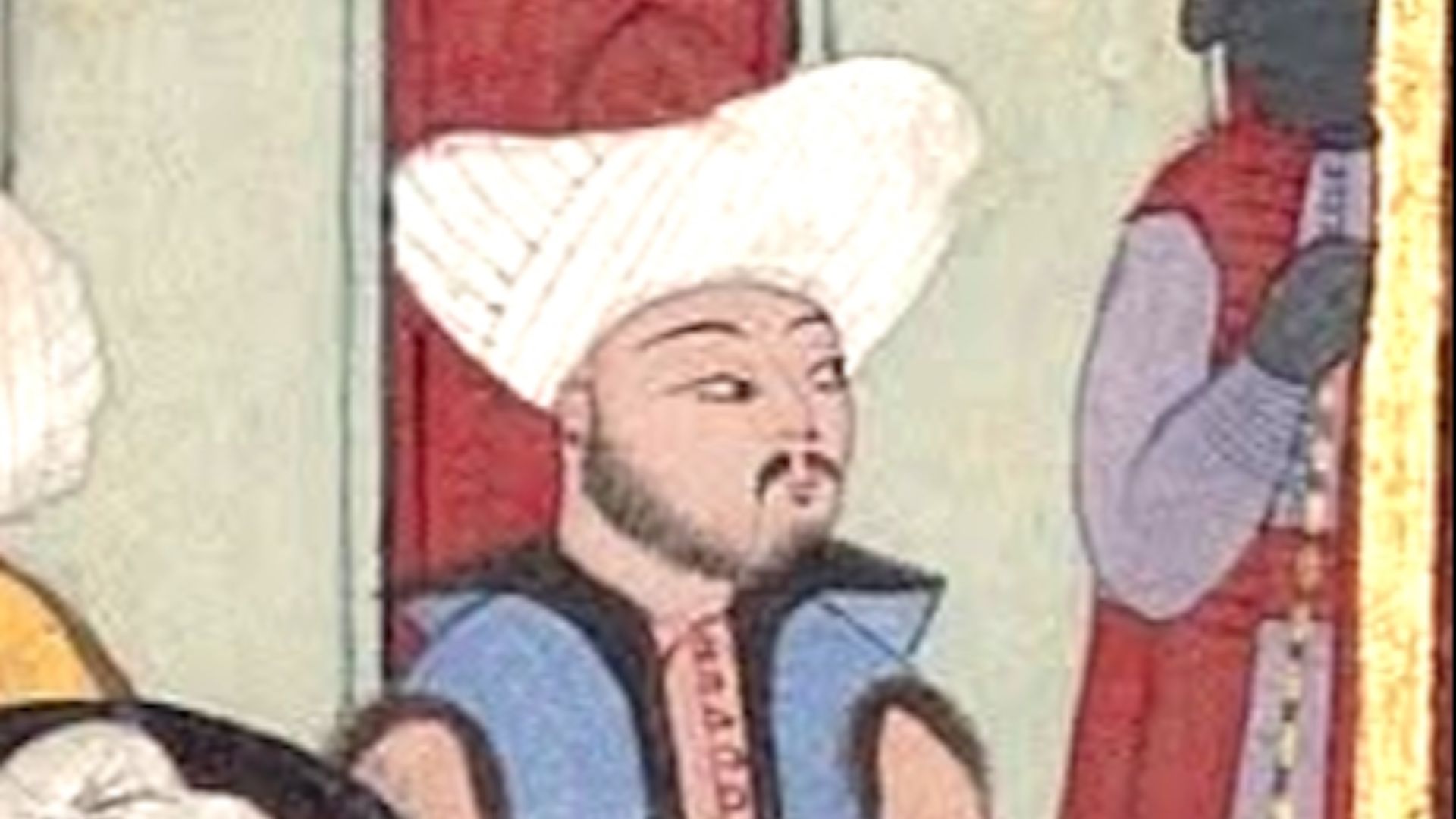
14. Savcı Bey and Andronikos IV Rebelled Against Both Fathers at Once
The Ottoman prince Savcı Bey and the Byzantine heir Andronikos teamed up in 1373 against their fathers, Sultan Murad I and Emperor John V. Both revolts fell apart within weeks. Murad had his son blinded, and Andronikos was partly blinded too, losing the sight in one eye.
15. Louis XI Joined a Noble Revolt at 16
The future Louis XI was 16 in 1440 when he joined the Praguerie, a rebellion of French nobles against his father, Charles VII. Charles put it down within months and took his son back. The two never got along after that, and Louis spent his father's last years living in exile at the Burgundian court.
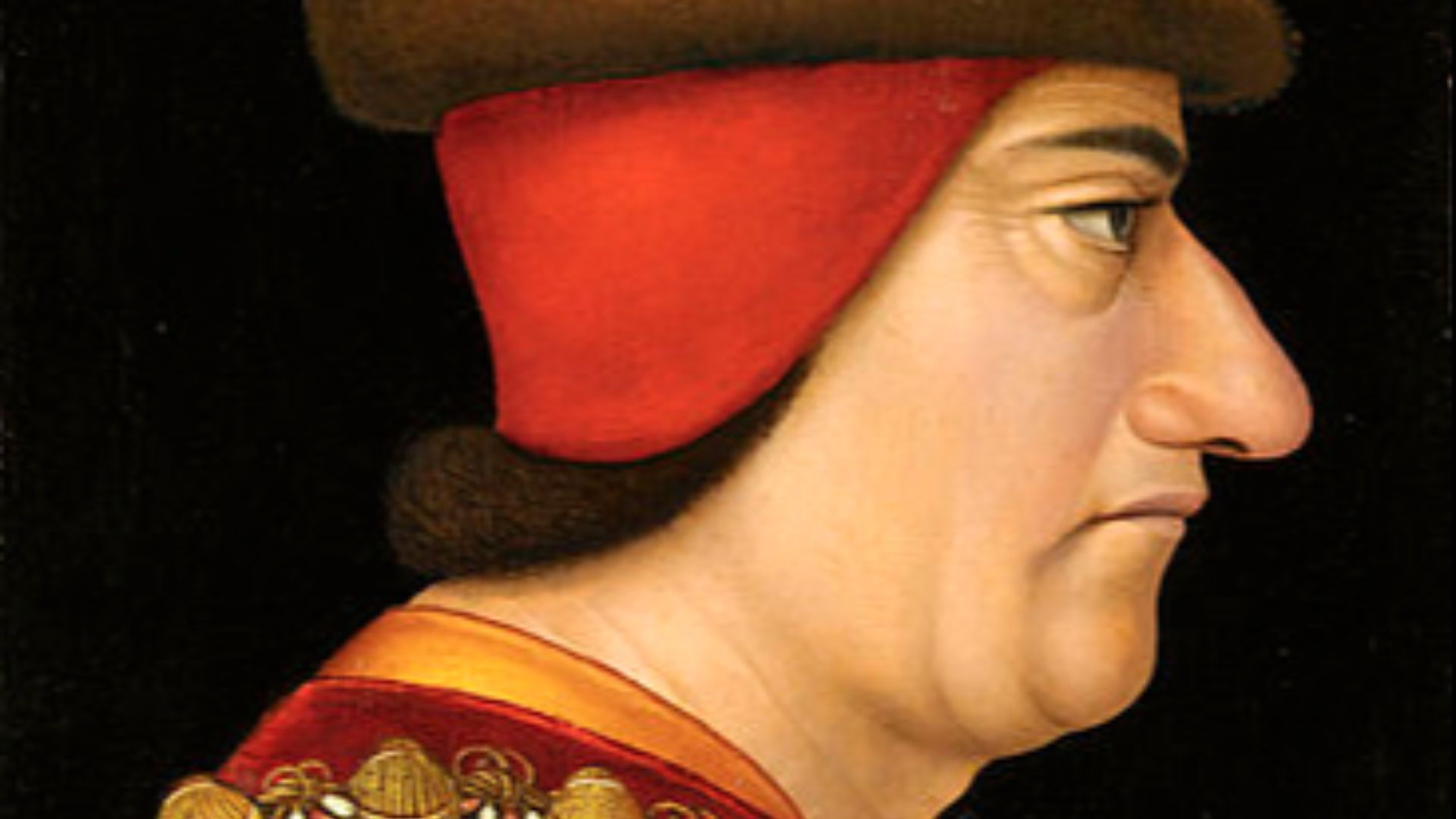 Alain.Darles et anonyme on Wikimedia
16. Selim I Lost to His Father and Took the Throne Anyway
Selim marched against his father, the Ottoman sultan Bayezid II, in 1511 and was beaten badly enough that he fled to Crimea. The Janissaries backed him the next year, and Bayezid abdicated in April 1512. Bayezid never made it to his retirement and died on the road about a month after stepping down.
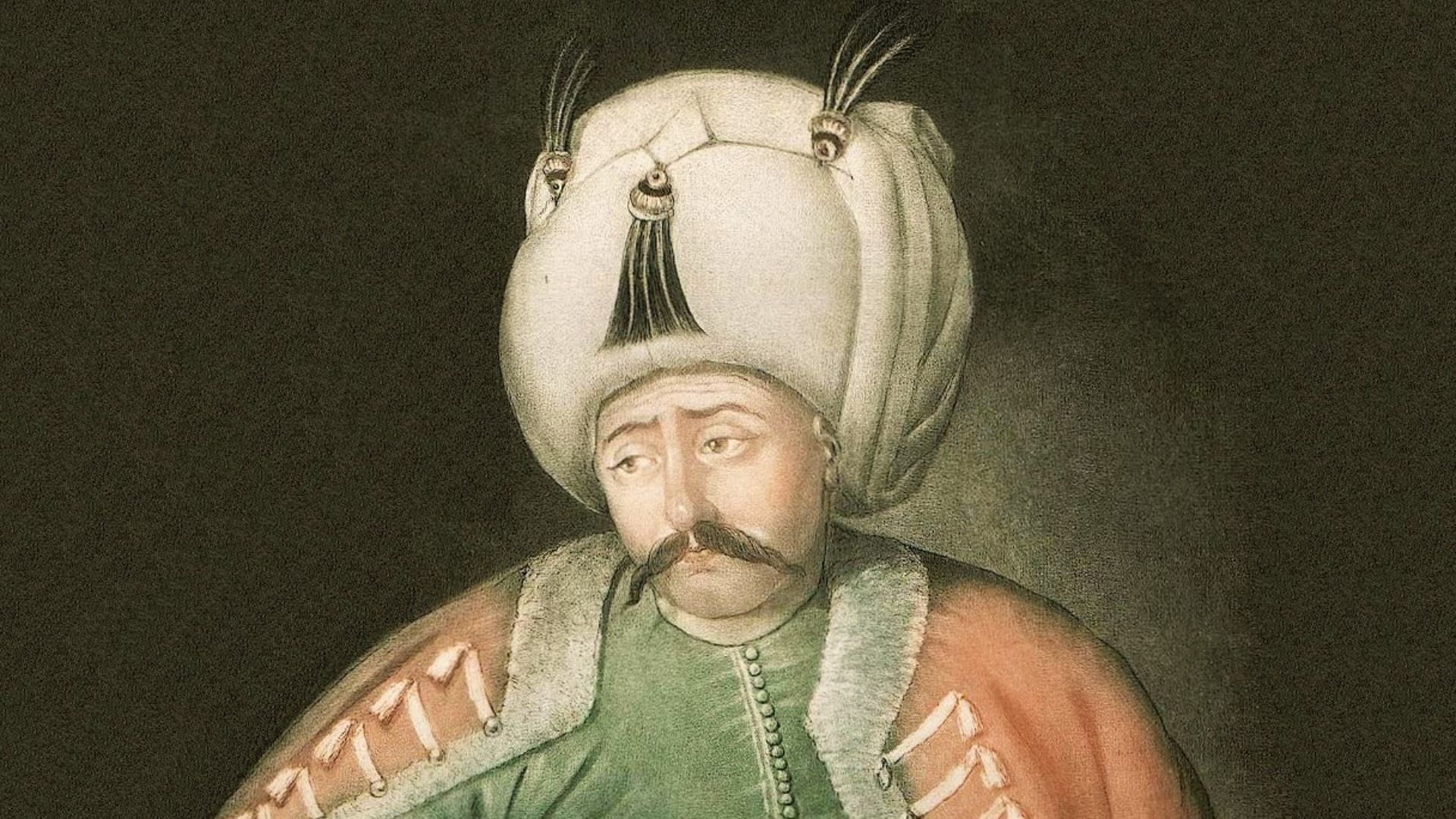 Konstantin Kapıdağlı (Κωνσταντίνος Κυζικηνός) on Wikimedia
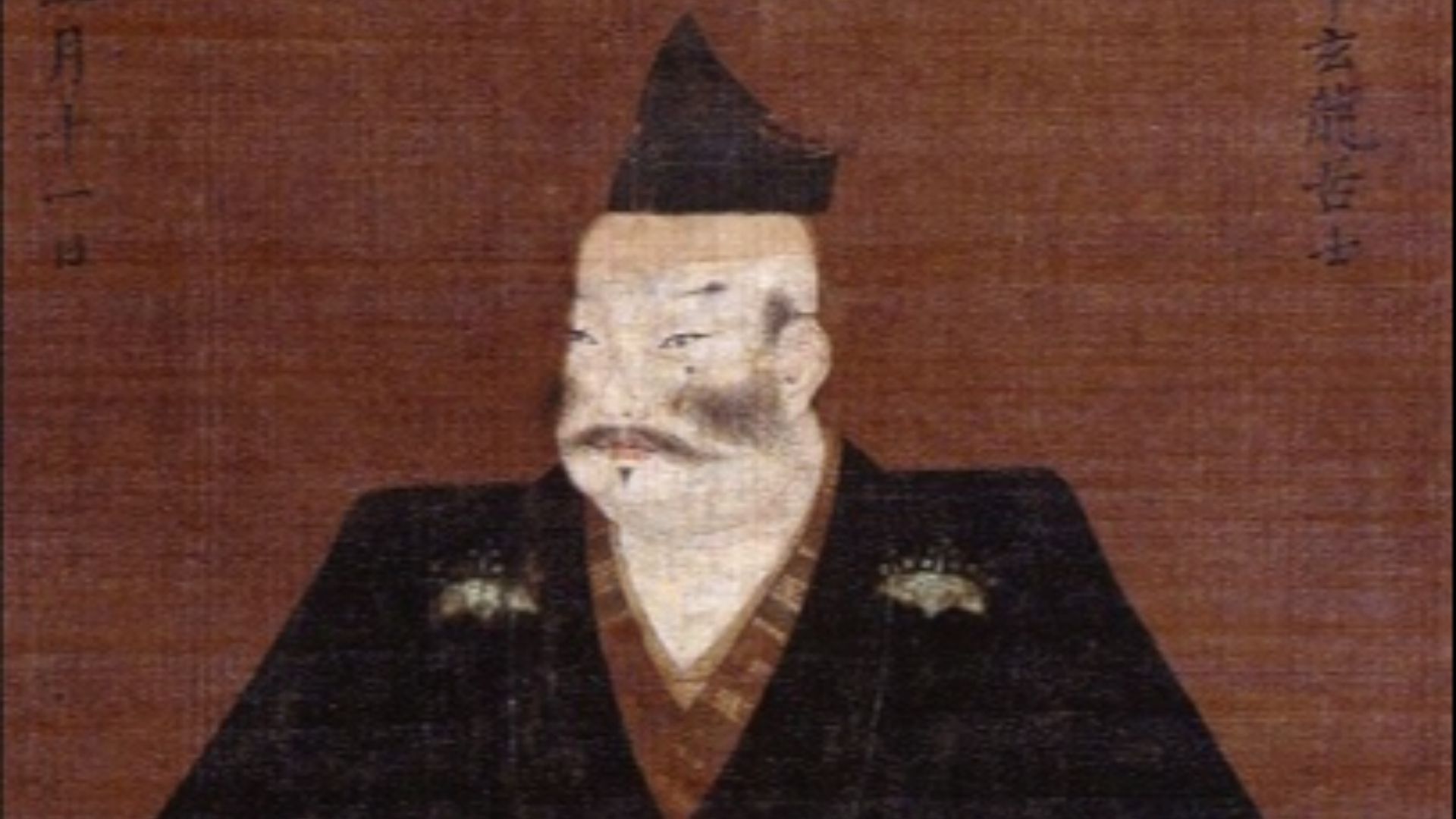
17. Saitō Yoshitatsu Killed His Father at Nagara River
Saitō Dōsan rose from obscurity to control Mino Province, which earned him the nickname the Viper of Mino. In 1556, his son Yoshitatsu, convinced his father meant to disinherit him, met him in battle at the Nagara River. Dōsan died in the fighting, and his son-in-law Oda Nobunaga eventually took Mino for himself.
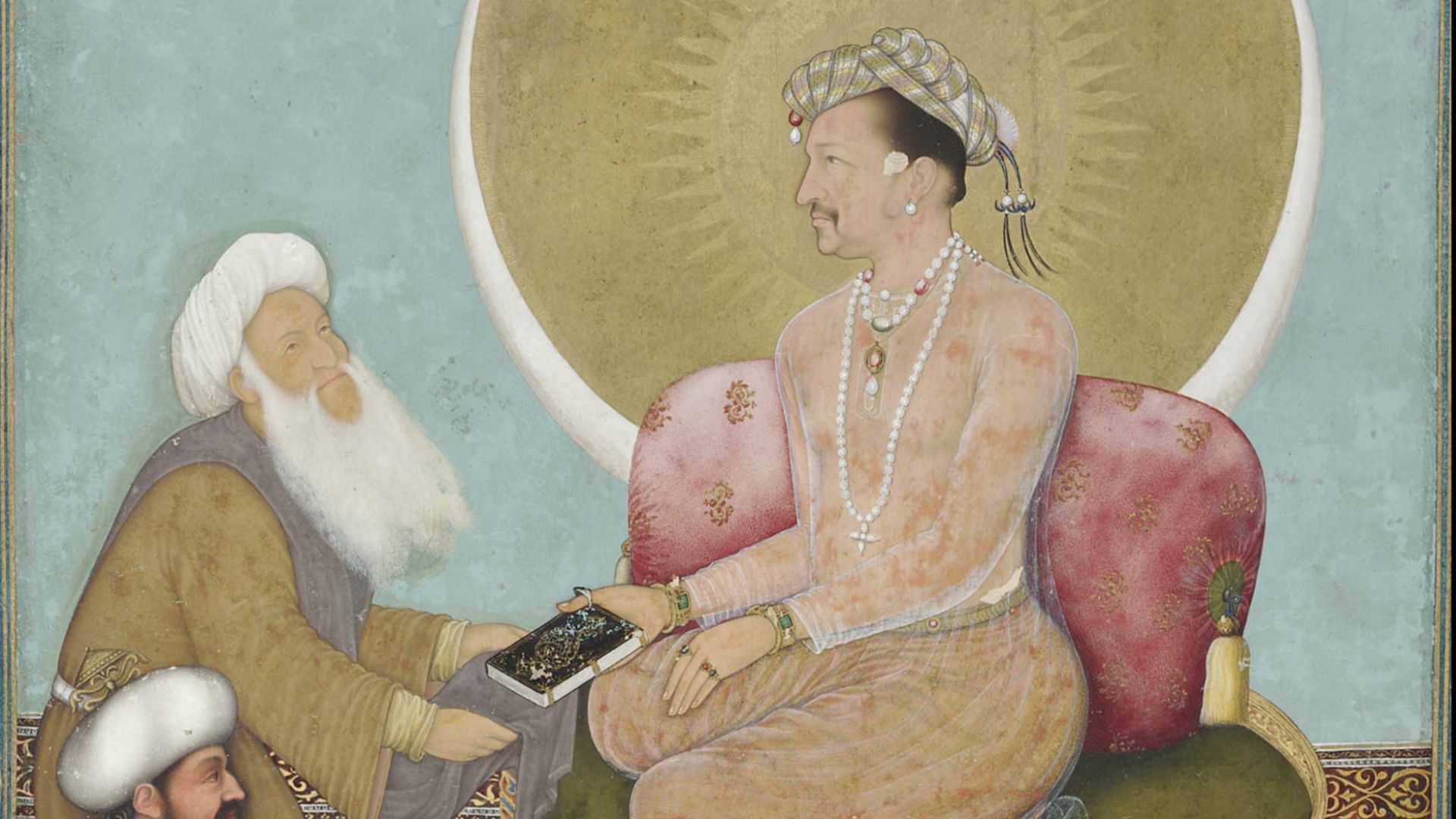
18. Jahangir Set Up His Own Court While Akbar Was Still Alive
Prince Salim, the Mughal emperor Akbar's eldest son, rebelled in 1600 and set up a rival court at Allahabad. In 1602 he had his father's closest adviser, Abul Fazl, ambushed and killed on the road. Akbar forgave him anyway, and Salim took the throne as Jahangir in 1605.
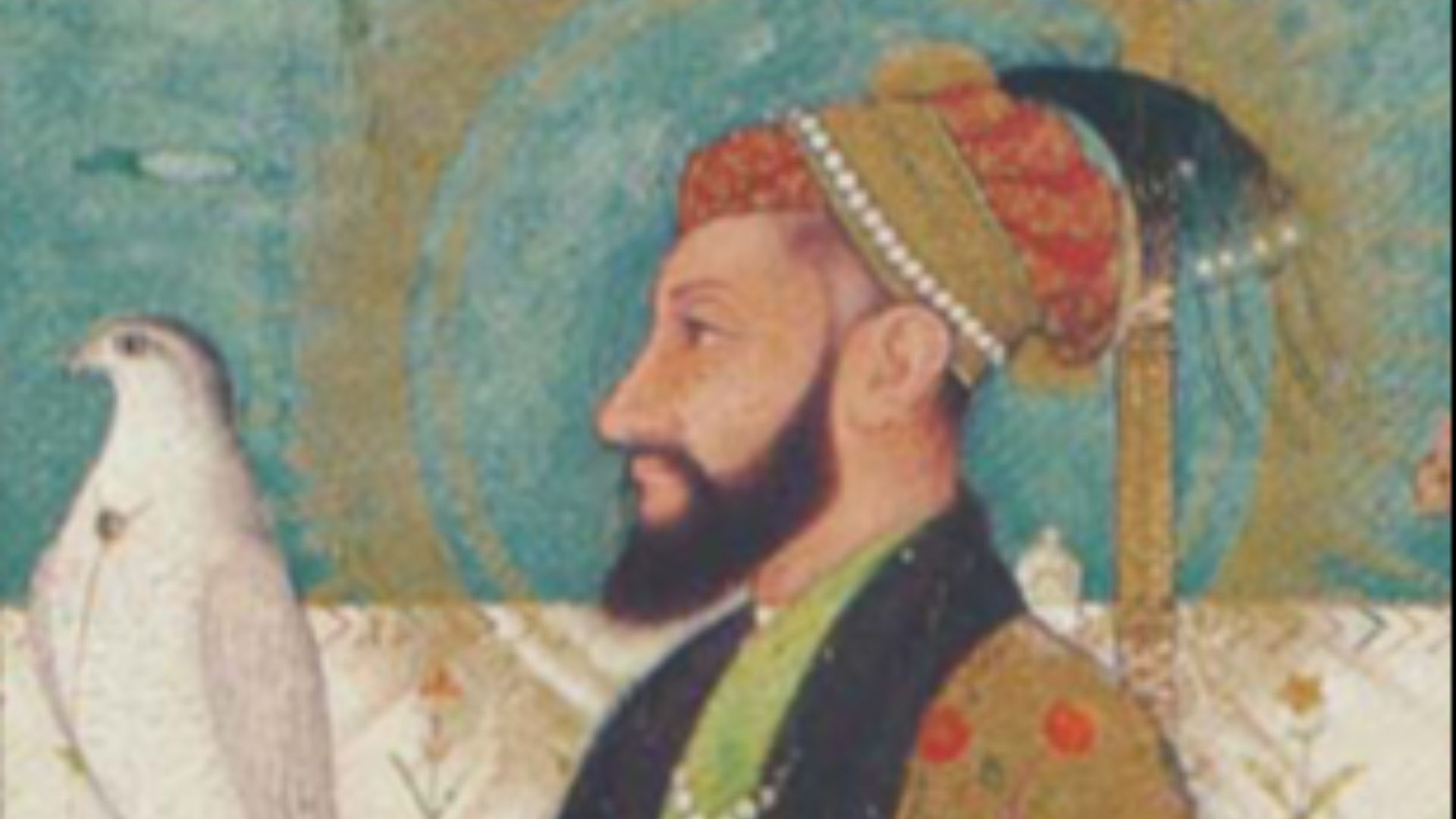
19. Aurangzeb Locked Shah Jahan in the Agra Fort
When Shah Jahan fell seriously ill in 1657, his four sons went to war over who would succeed him. Aurangzeb beat his father's favorite, Dara Shikoh, at Samugarh in 1658 and then confined Shah Jahan inside the Agra Fort. The old emperor spent his last eight years there and died in 1666, within sight of the Taj Mahal he'd built for his wife.
 Darbarscene.jpg: Cordanrad
derivative work: Rani nurmai (talk) on Wikimedia
20. Prince Akbar Declared Himself Emperor Against Aurangzeb
In January 1681, Aurangzeb's son Akbar declared himself emperor with Rajput backing and marched on his father at Ajmer. Aurangzeb let the Rajputs find a letter that made it look like Akbar was betraying them, and most of them walked away. Akbar fled south to the Maratha king Sambhaji and eventually went into exile in Persia, where he spent his last years hoping his father would die first.
KEEP ON READING