20 Historical Figures Whose Nicknames Outlived Their Real Names
When the Nickname Becomes the Name
History has a funny way of deciding which names are worth remembering, and sometimes the one that sticks isn't the one a person was born with. A childhood nickname, battlefield label, or catchy frontier moniker can become so closely attached to someone that their actual name practically disappears from popular memory. In a few cases, you may have heard about these people dozens of times without realizing what they were really called. Here are 20 historical figures whose nicknames became far more famous than their actual names.
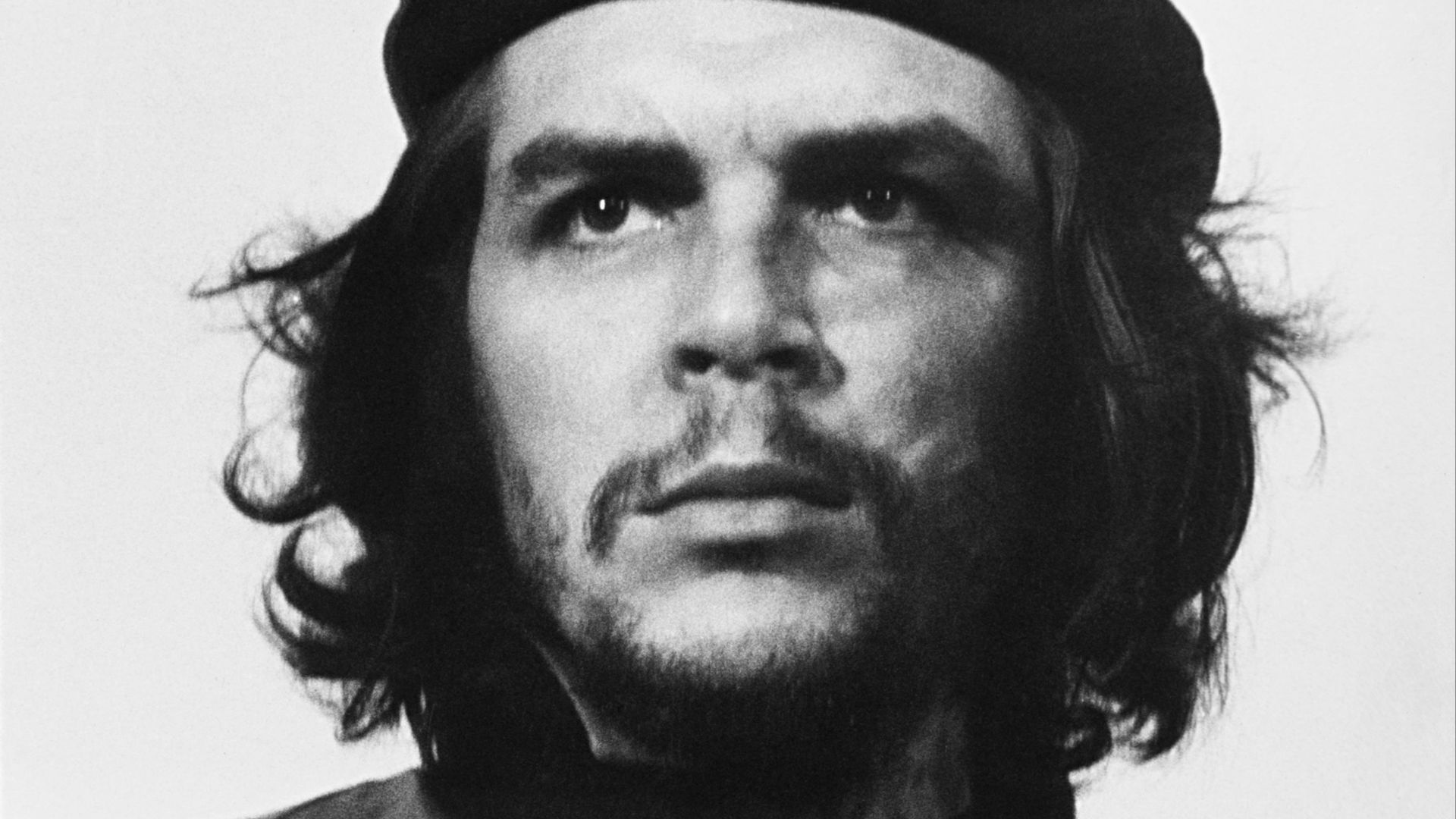 Alberto Korda, restored by Adam Cuerden on Wikimedia
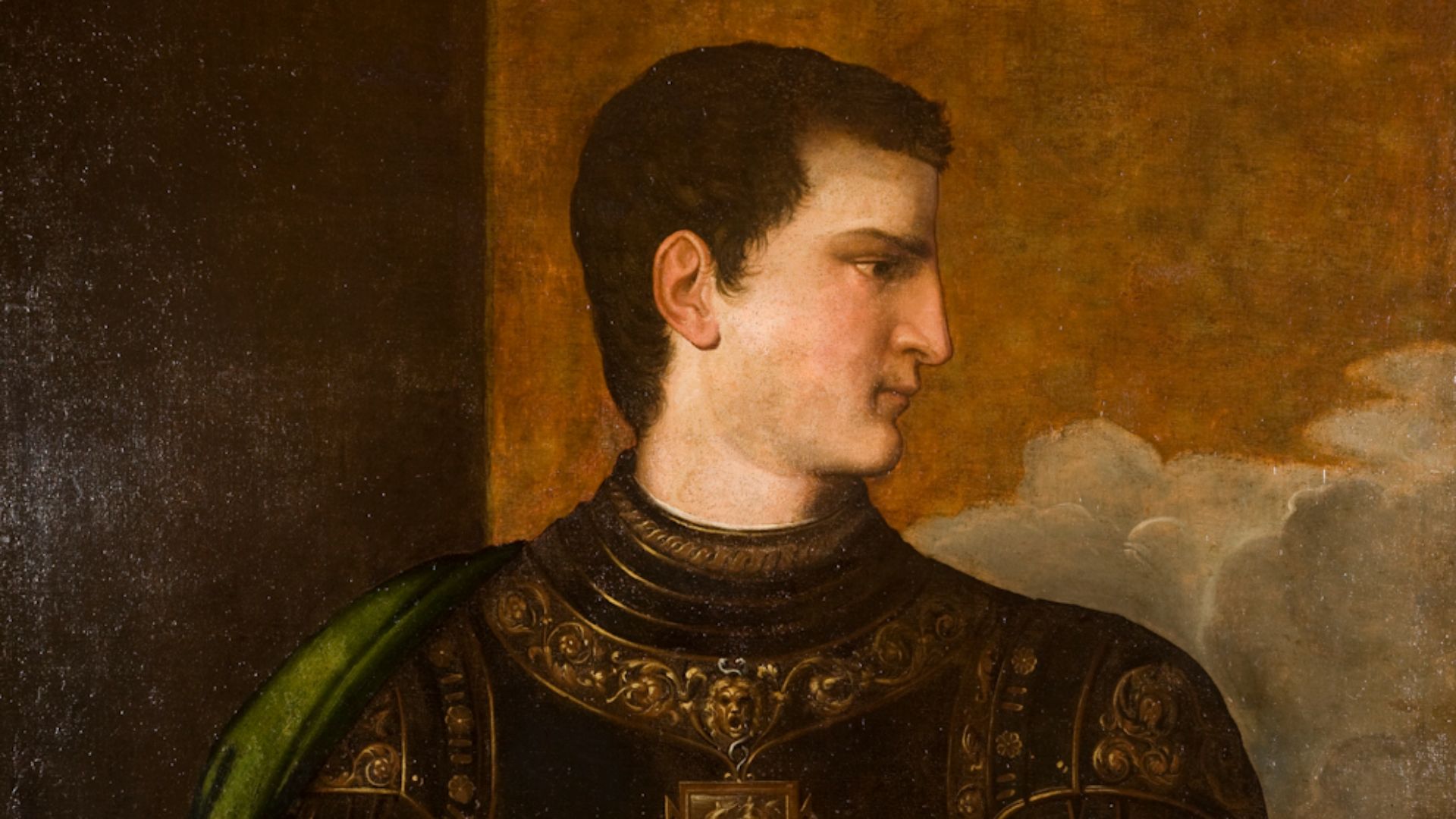
1. Caligula
The Roman emperor everyone calls Caligula was actually named Gaius Julius Caesar Germanicus. As a child, he accompanied his father on military campaigns while wearing a miniature soldier's outfit, inspiring troops to call him "Caligula," roughly meaning "Little Boots." Gaius probably wouldn't be thrilled to know that the cute childhood nickname followed one of Rome's most infamous emperors through the next 2,000 years.
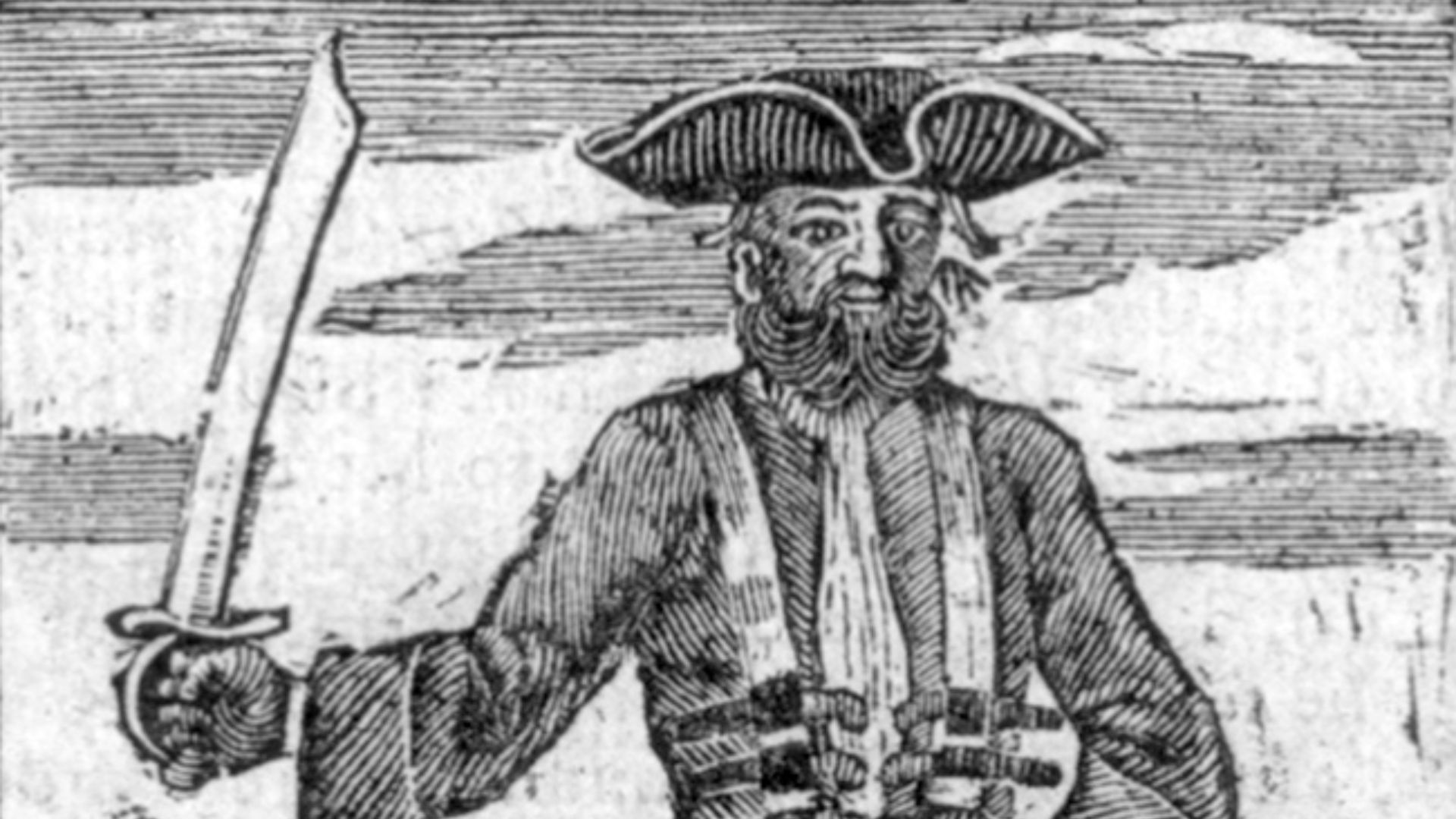
2. Blackbeard
Blackbeard's real name is generally believed to have been Edward Teach, but his enormous dark beard became such an important part of his intimidating appearance that the nickname practically turned into a brand. Today, mention Edward Teach, and you might get a blank stare, but almost everyone has heard of Blackbeard.
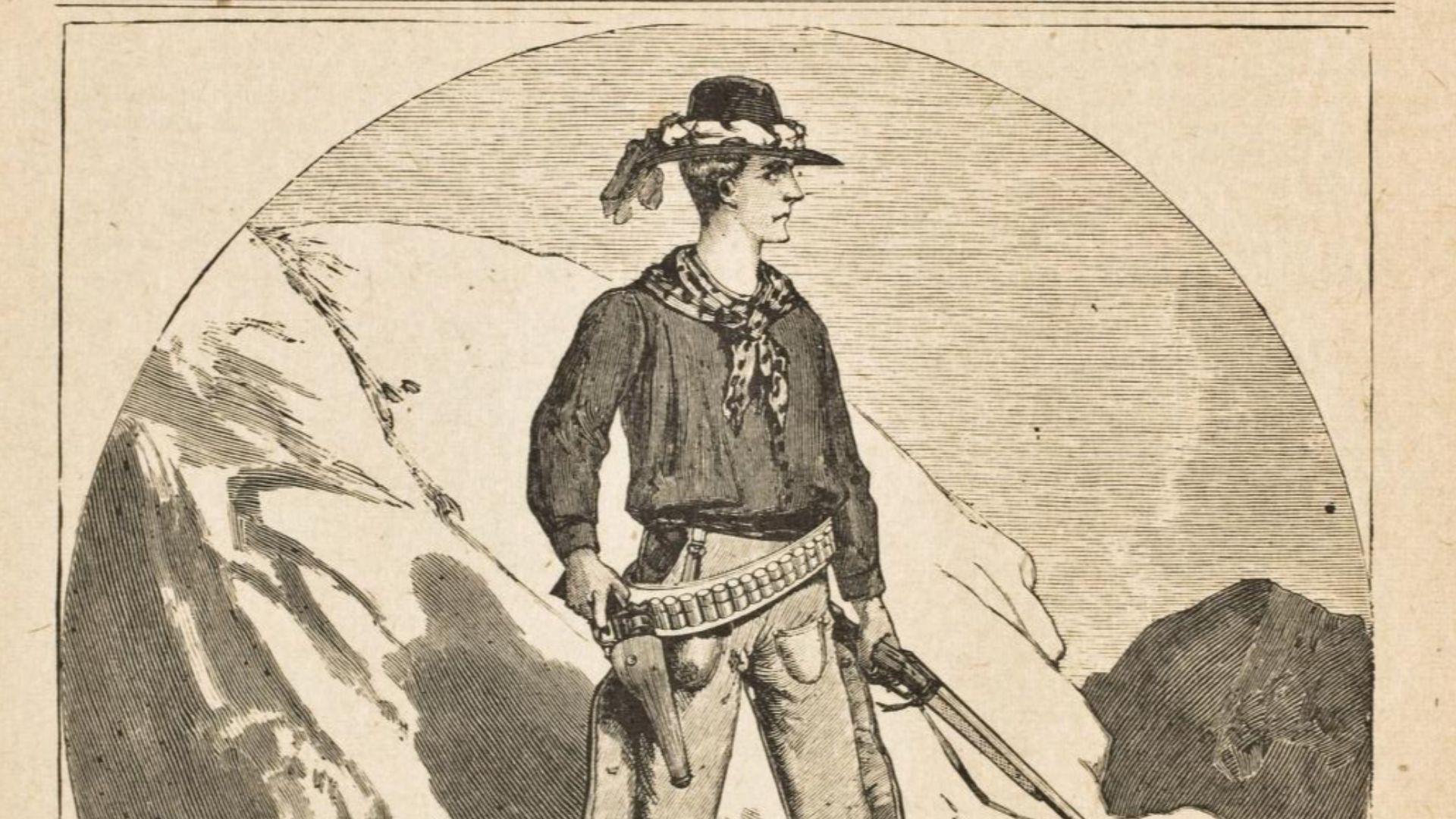
3. Billy the Kid
The outlaw known as Billy the Kid was born Henry McCarty, though he also used the name William H. Bonney. His youthful appearance helped make "the Kid" an obvious label as his reputation spread across the American West. By the time he was killed at about 21 years old in 1881, his nickname had already become attached to a growing legend.
4. Buffalo Bill
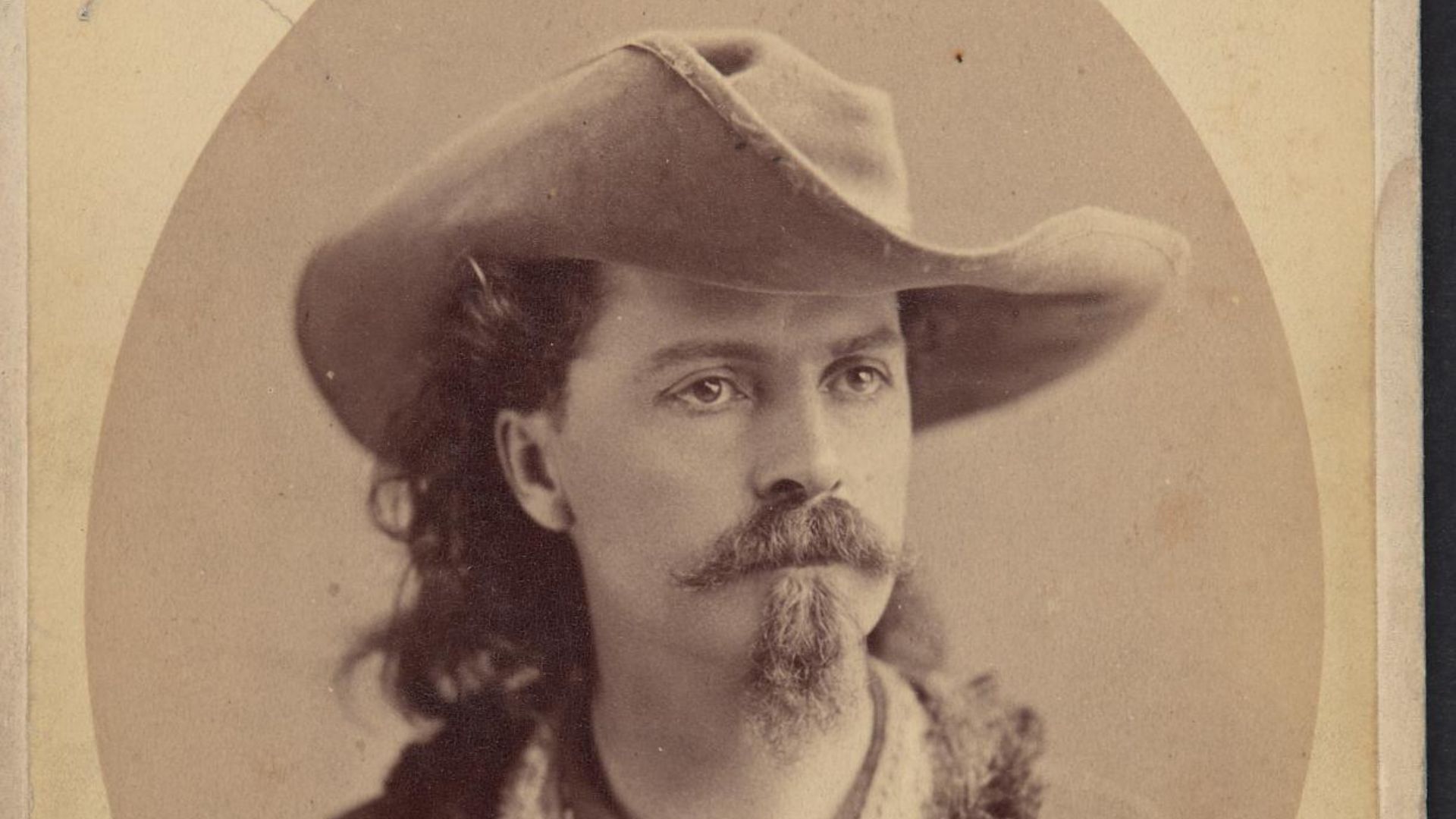
William Frederick Cody earned the nickname Buffalo Bill after working as a buffalo hunter, then made it internationally famous through his hugely successful Wild West shows. Those performances turned Buffalo Bill into a celebrity persona recognized far beyond the American frontier.
5. Calamity Jane
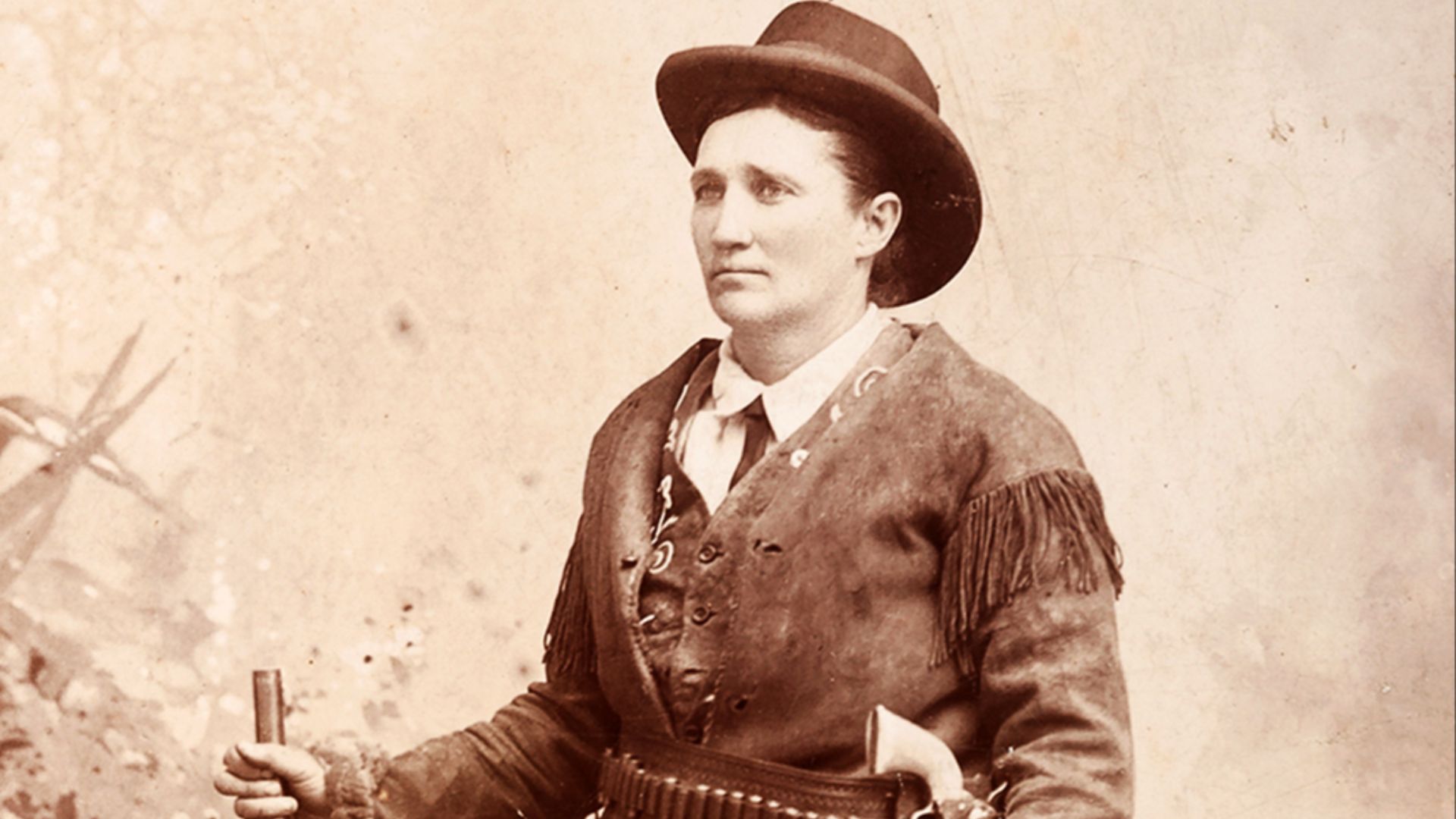
Her birth name was Martha Jane Cannary, but that's rarely the name you'll find leading stories about this colorful figure of the Old West. Exactly how she acquired "Calamity Jane" remains disputed, particularly because she liked telling dramatic stories about her own adventures. Whatever its origin, the nickname proved much harder to forget than Martha ever did.
 imprint of C.E. Finn, Livingston, Mont. on Wikimedia
6. Wild Bill Hickok
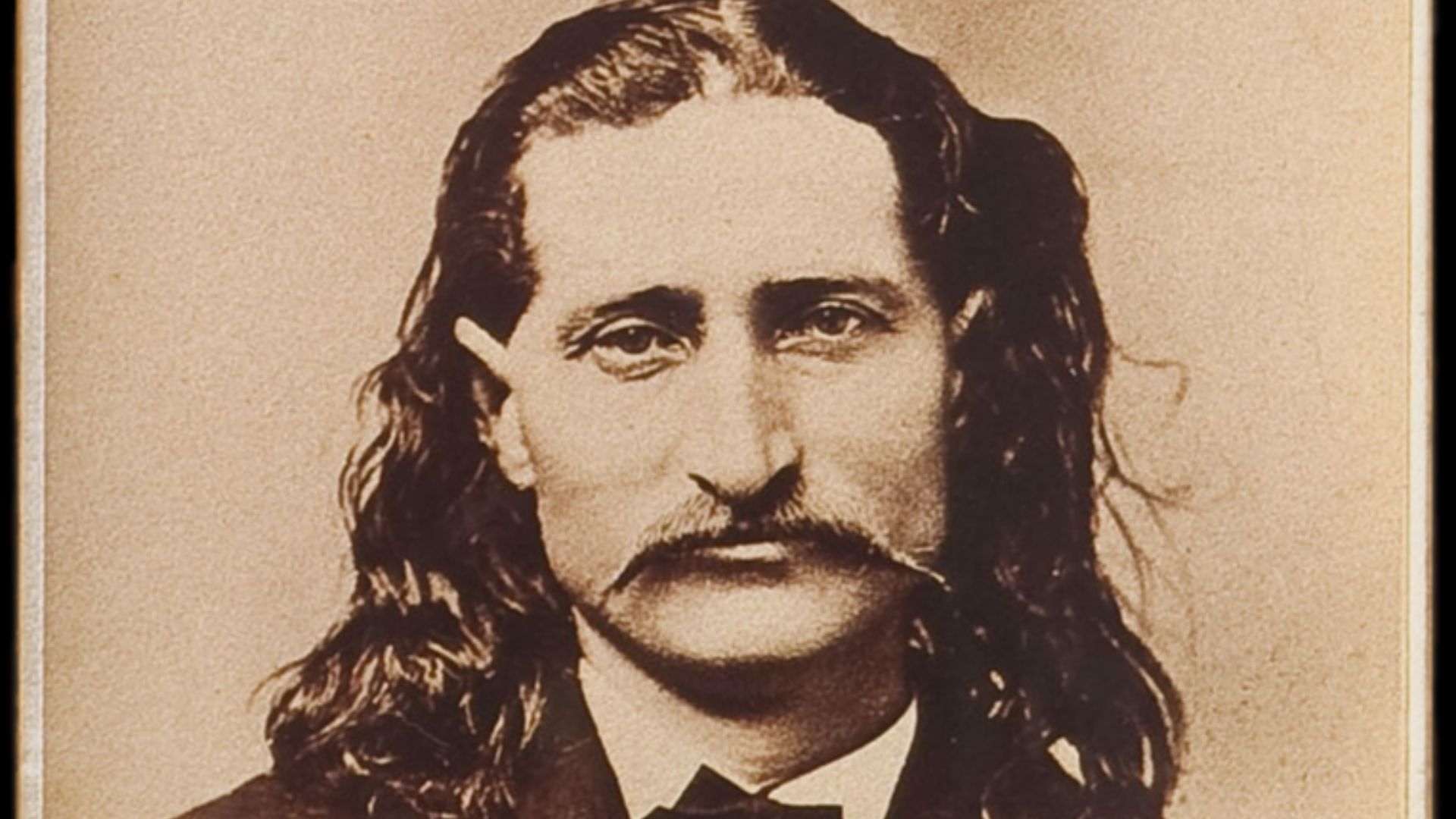
James Butler Hickok certainly had a respectable name, but "James Butler" wasn't nearly as useful for building a frontier reputation. He became widely known as Wild Bill while gaining fame as a gunfighter, scout, lawman, and gambler. Even his murder in Deadwood in 1876 only added to the stories surrounding the name Wild Bill Hickok.
7. Doc Holliday
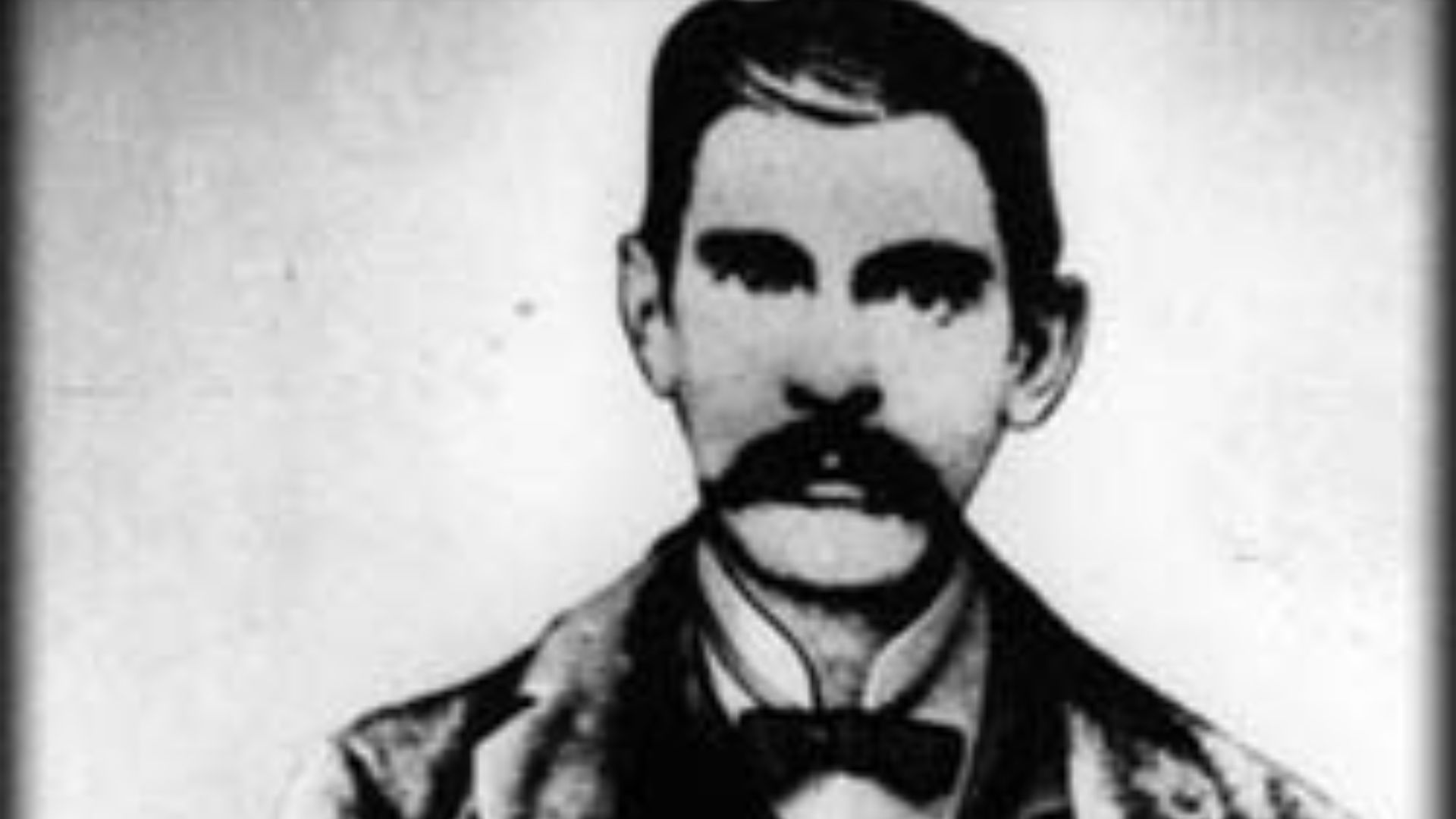
John Henry Holliday didn't pick up "Doc" because he was constantly patching up wounded cowboys. He trained as a dentist and earned a dental degree before tuberculosis and a wandering life pulled him toward gambling and the American West. His involvement with Wyatt Earp and the events surrounding the gunfight near the O.K. Corral ensured that "Doc" became the part everyone remembered.
8. Butch Cassidy
Robert LeRoy Parker sounds more like a perfectly ordinary citizen than the leader of the Wild Bunch, which may explain why Butch Cassidy proved so much more memorable. Parker adopted the surname Cassidy in honor of a rancher he knew, while "Butch" may have come from a period when he worked as a butcher. His alias became so successful that Robert Parker has largely vanished behind it.
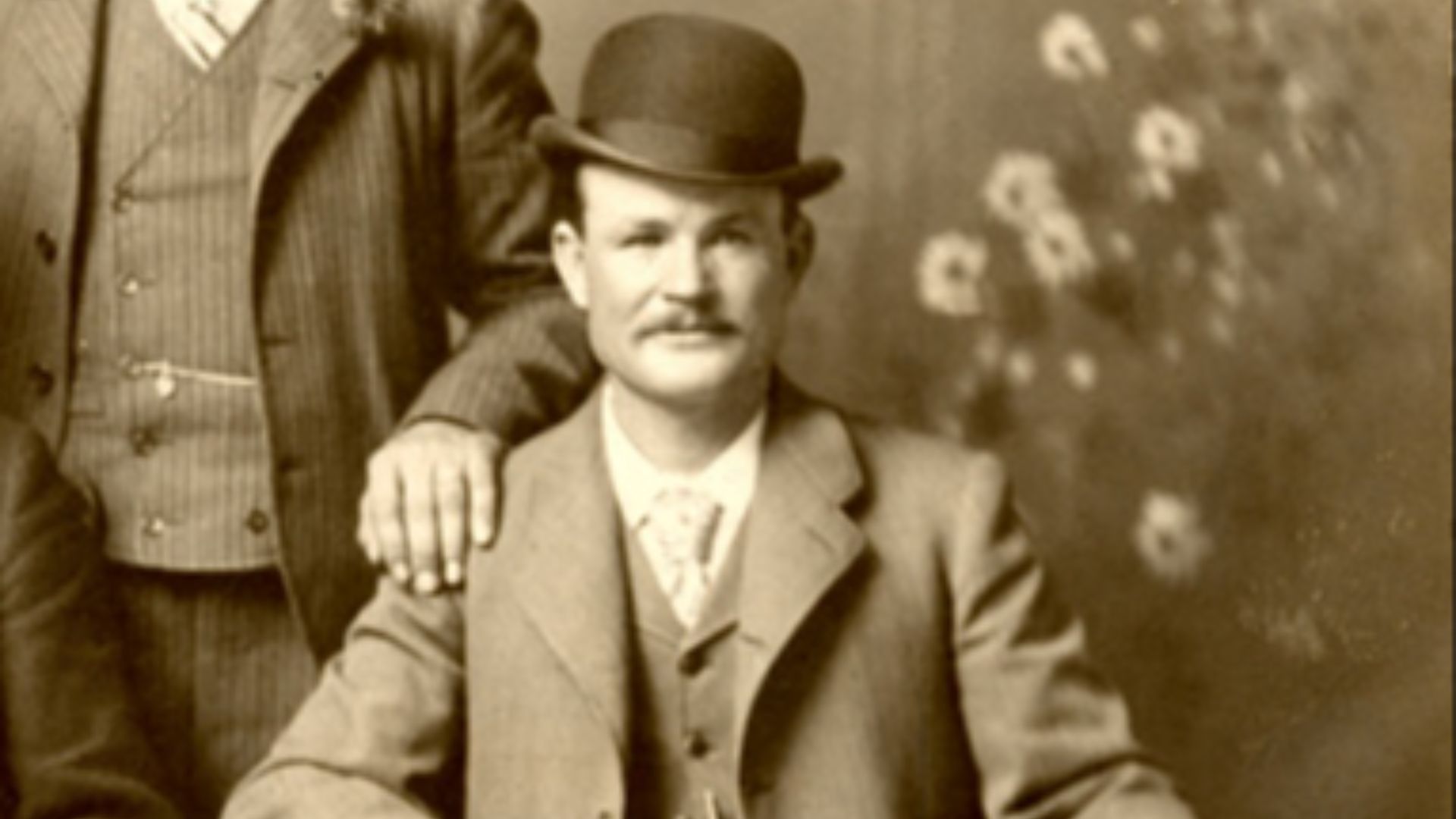 CDA, Greenmountainboy on Wikimedia
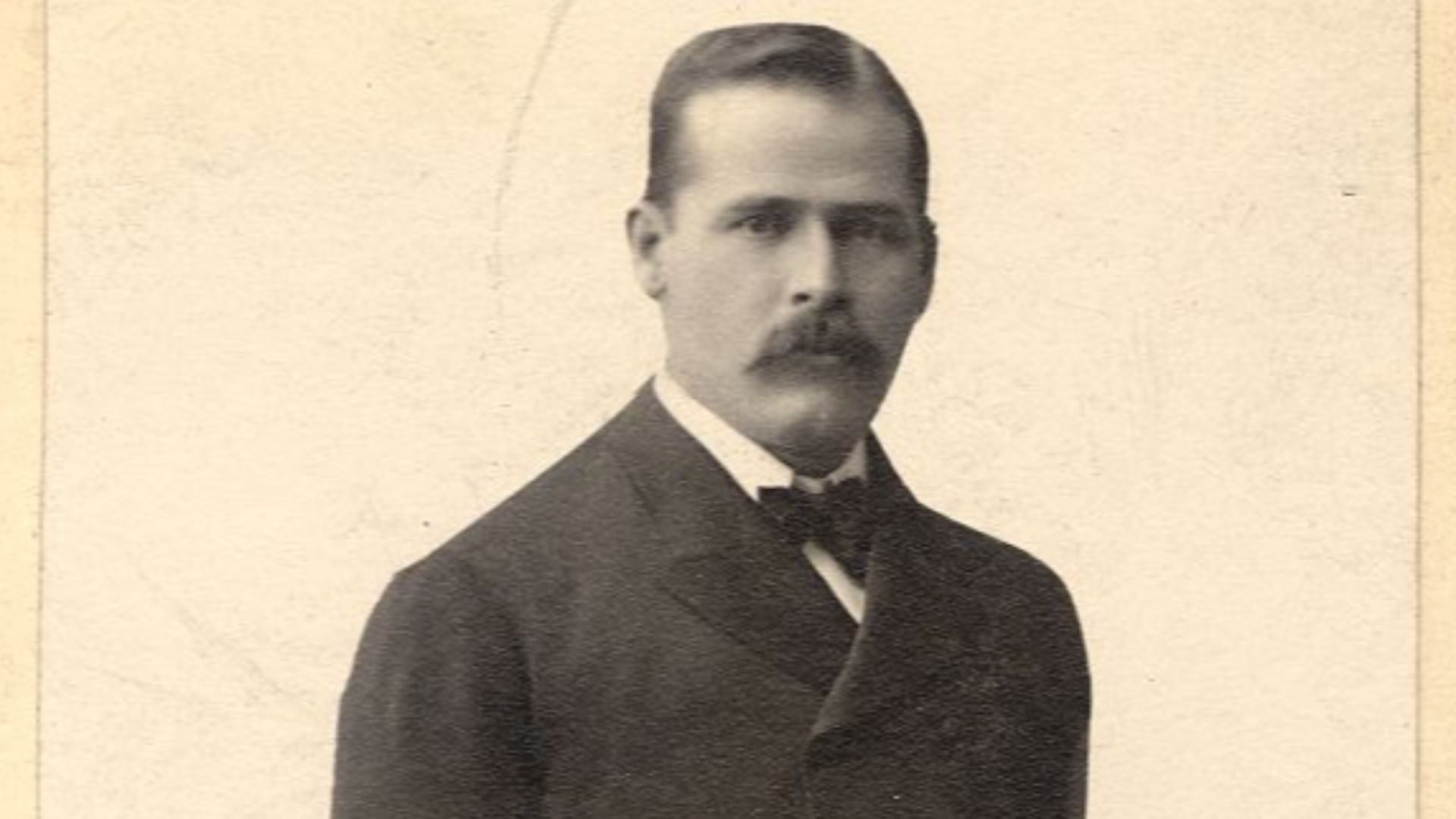
9. The Sundance Kid
Harry Alonzo Longabaugh became the Sundance Kid after being jailed in Sundance, Wyoming, for horse theft. He later joined Butch Cassidy's Wild Bunch and became one of the gang's best-known members. Even without his nickname being immortalized by Hollywood, it was already what history remembered him as.
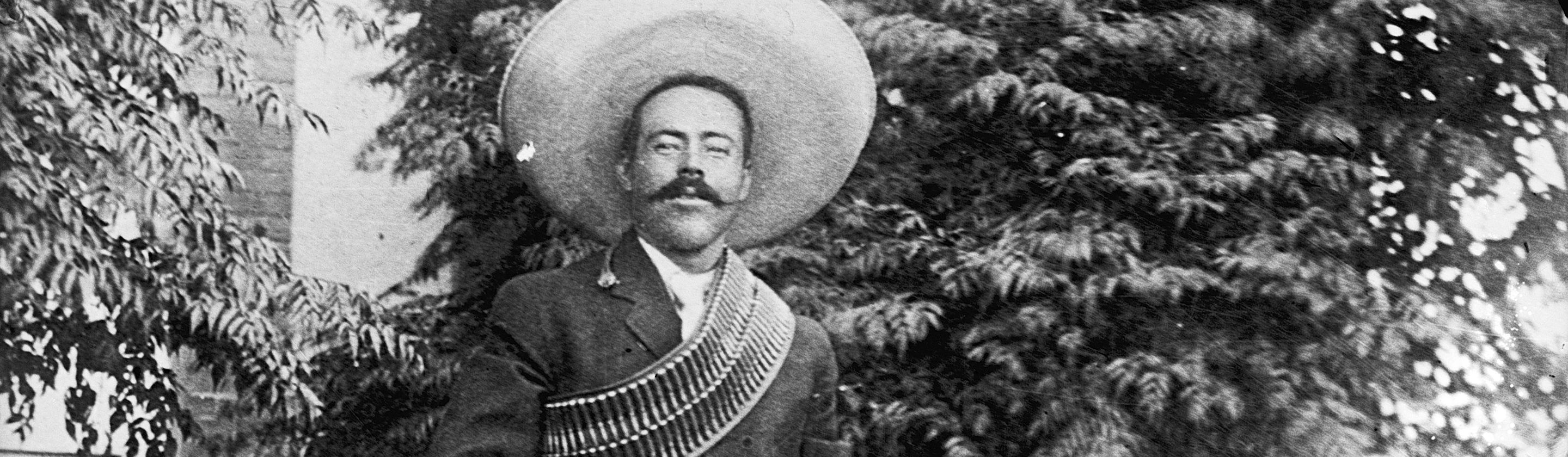
10. Pancho Villa
The Mexican revolutionary known worldwide as Pancho Villa was born José Doroteo Arango Arámbula. As a young man, he adopted the name Francisco Villa, with Pancho being a common nickname for Francisco. His revolutionary career made Pancho Villa internationally famous while leaving Doroteo Arango known mainly to people who've dug a little deeper into his biography.
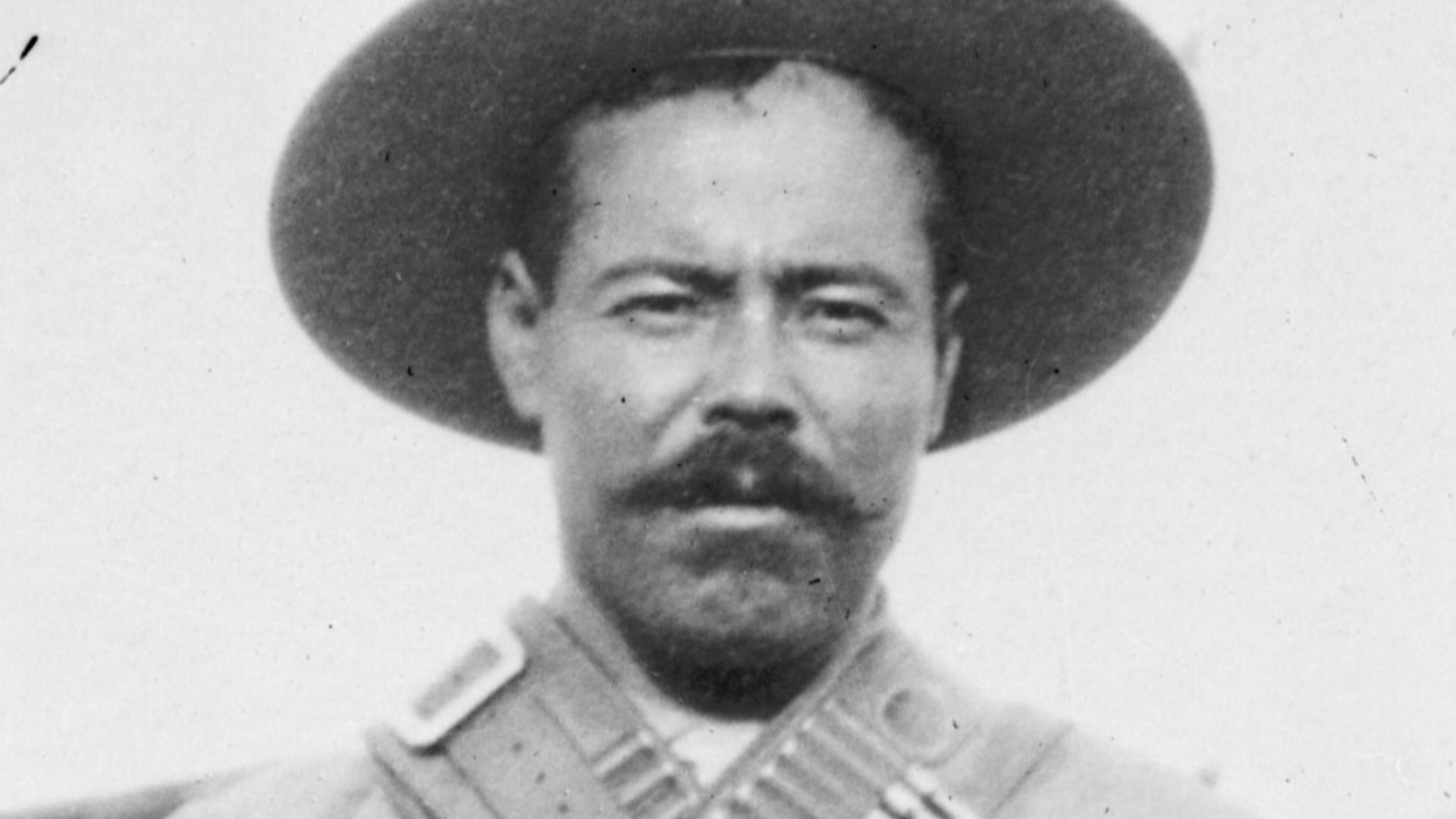 Bain News Service on Wikimedia
11. Che Guevara
Ernesto Guevara became "Che" because he liked to use the Argentine slang word, "che," which is an interjection like "hey," "dude," or "buddy" in English. Because it made him stand out, his Cuban companions began using it as his nickname. Eventually, the three-letter name became so famous that "Che" alone is enough to identify him.
Alberto Korda, restored by Adam Cuerden on Wikimedia
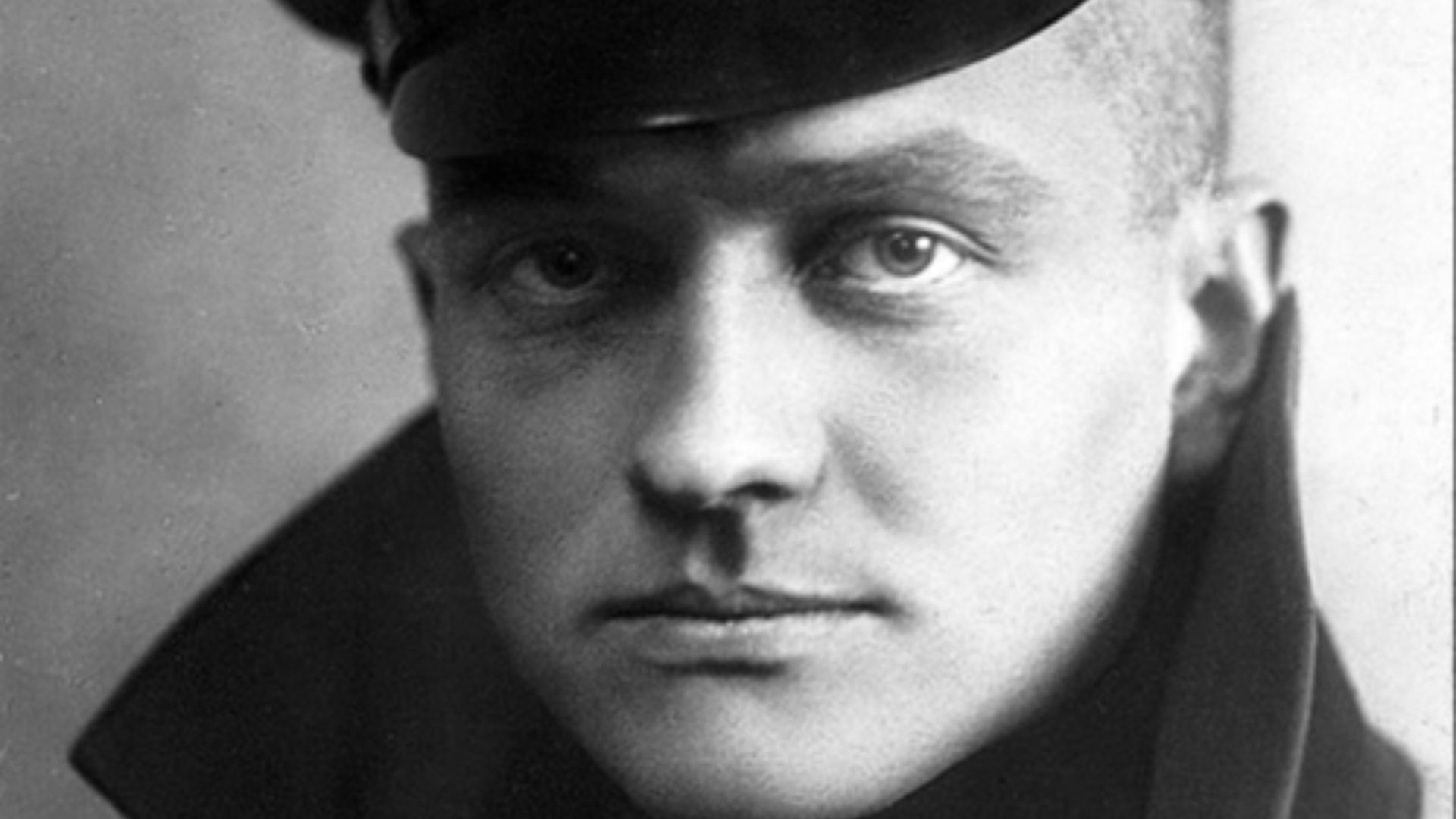
12. The Red Baron
German World War I fighter pilot Manfred von Richthofen shot down 80 enemy aircraft, but his full name isn't what most people remember first. His title, red-painted aircraft, and aristocratic background helped inspire the enduring label "the Red Baron." More than a century later, that nickname remains one of the most recognizable to come out of WWI.
13. Stonewall Jackson
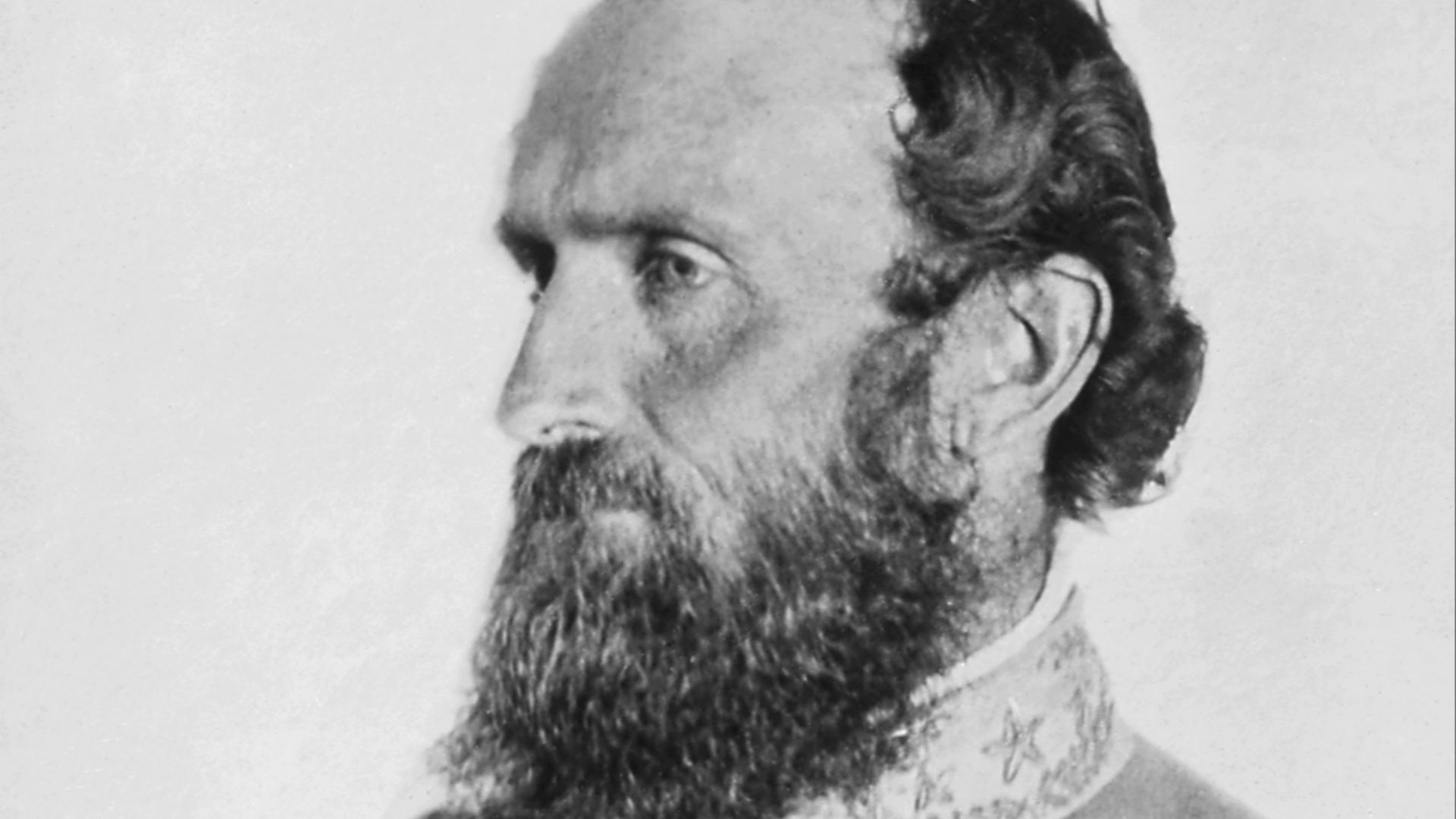
Confederate general Thomas Jonathan Jackson acquired his enduring nickname at the First Battle of Bull Run in 1861. According to the traditional account, fellow general Barnard Bee compared Jackson's position to a stone wall as his troops stood firm during the fighting. Jackson's unit proudly adopted the name and became the "Stonewall Brigade."
14. El Cid
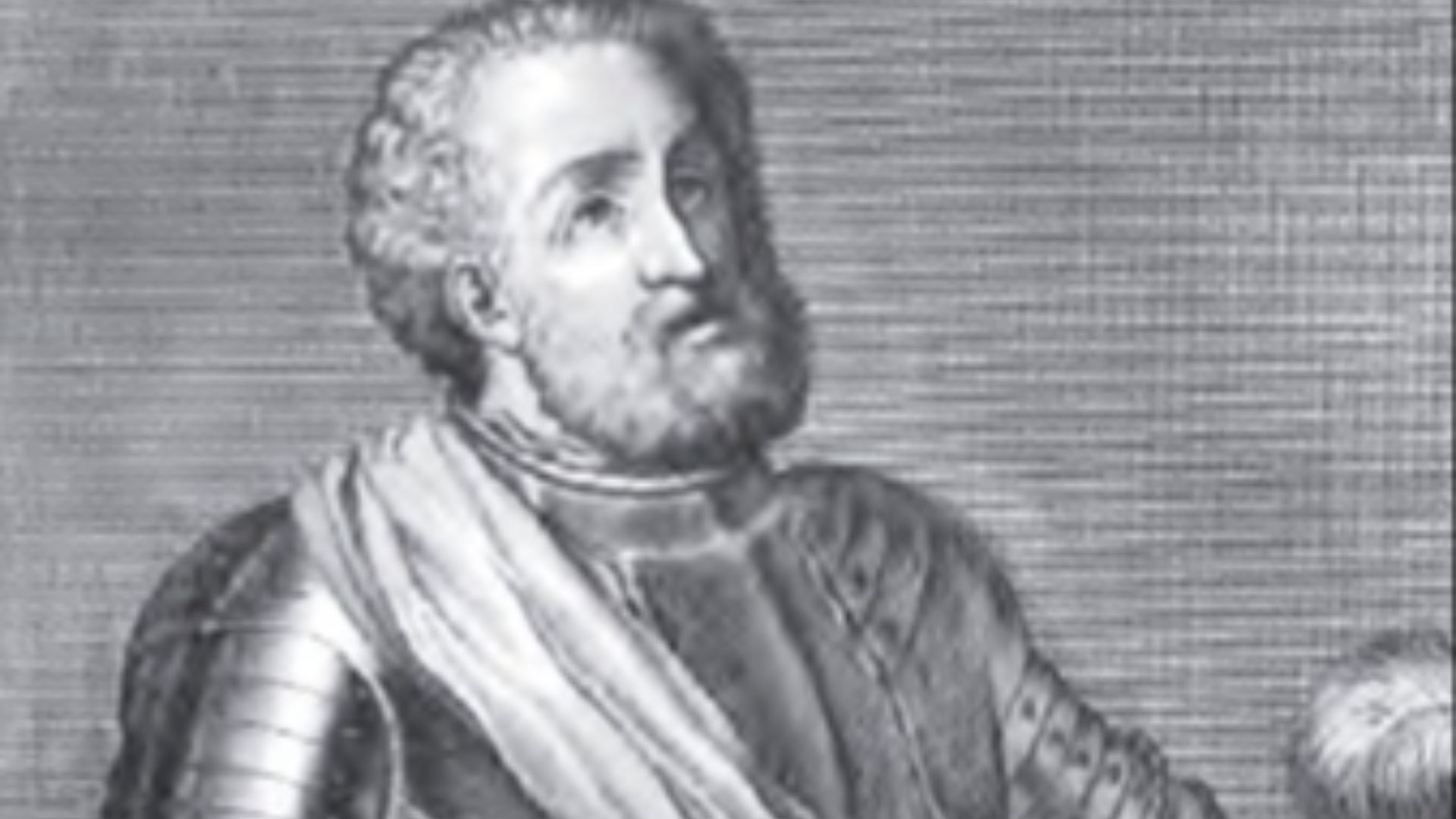
The medieval Spanish warrior Rodrigo Díaz de Vivar is much better known by the compact title El Cid. His Muslim opponents and allies gave him the name, which is derived from the Arabic sayyid, meaning something along the lines of "lord" or "master." His military exploits and later literary legend made El Cid a Spanish national icon while turning Rodrigo Díaz into the name you usually have to look up afterward.
 Al pie de la imagen figuran los datos de su autor. on Wikimedia
15. Black Bart
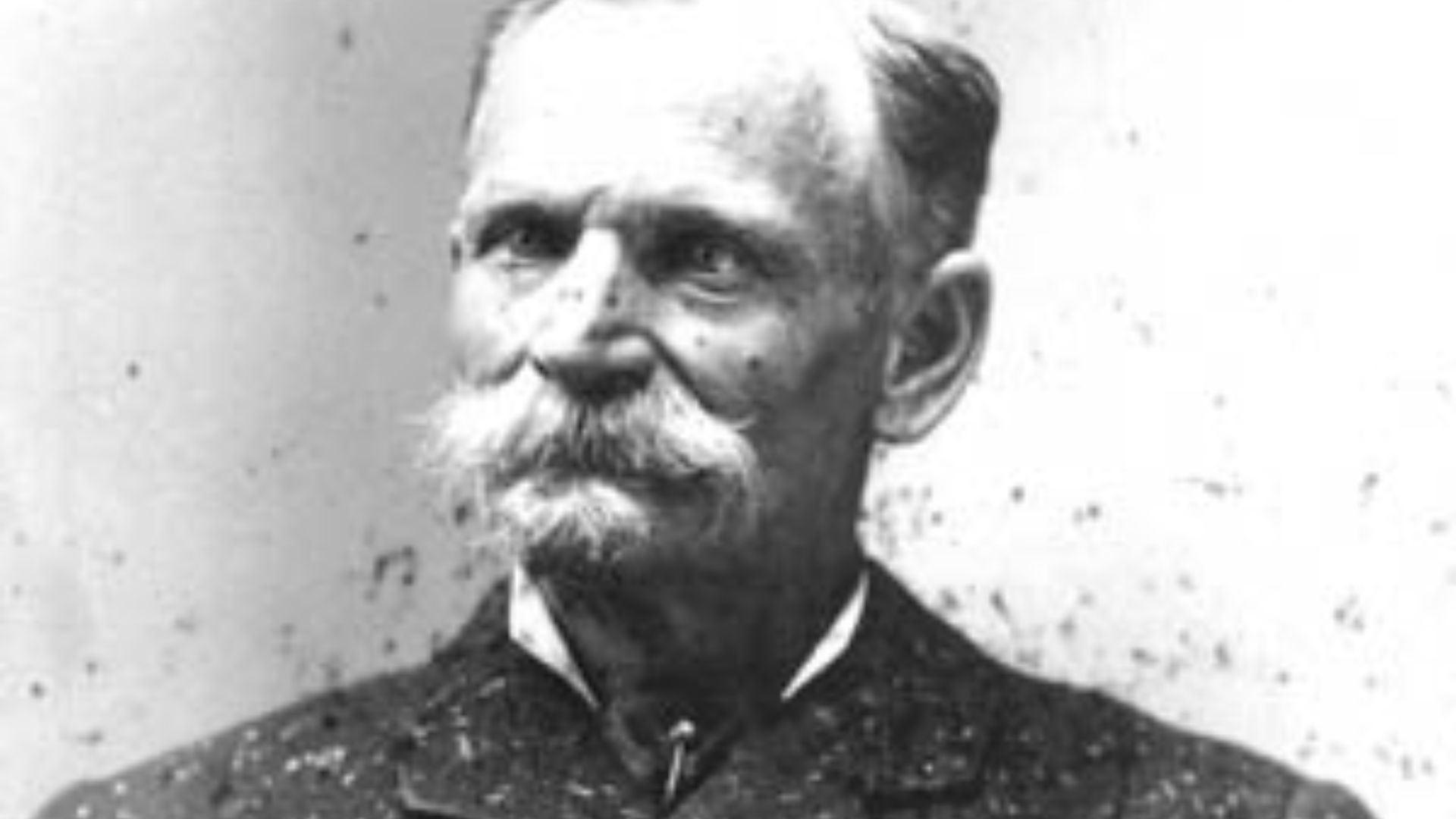
Charles Earl Boles became one of the more unusual stagecoach robbers of the American West, but he committed his crimes under the name Black Bart. He was known for robbing Wells Fargo stagecoaches and even leaving poems behind after a couple of his robberies. That theatrical touch helped Black Bart survive in popular memory far more effectively than Charles Boles.
16. Lady Bird Johnson
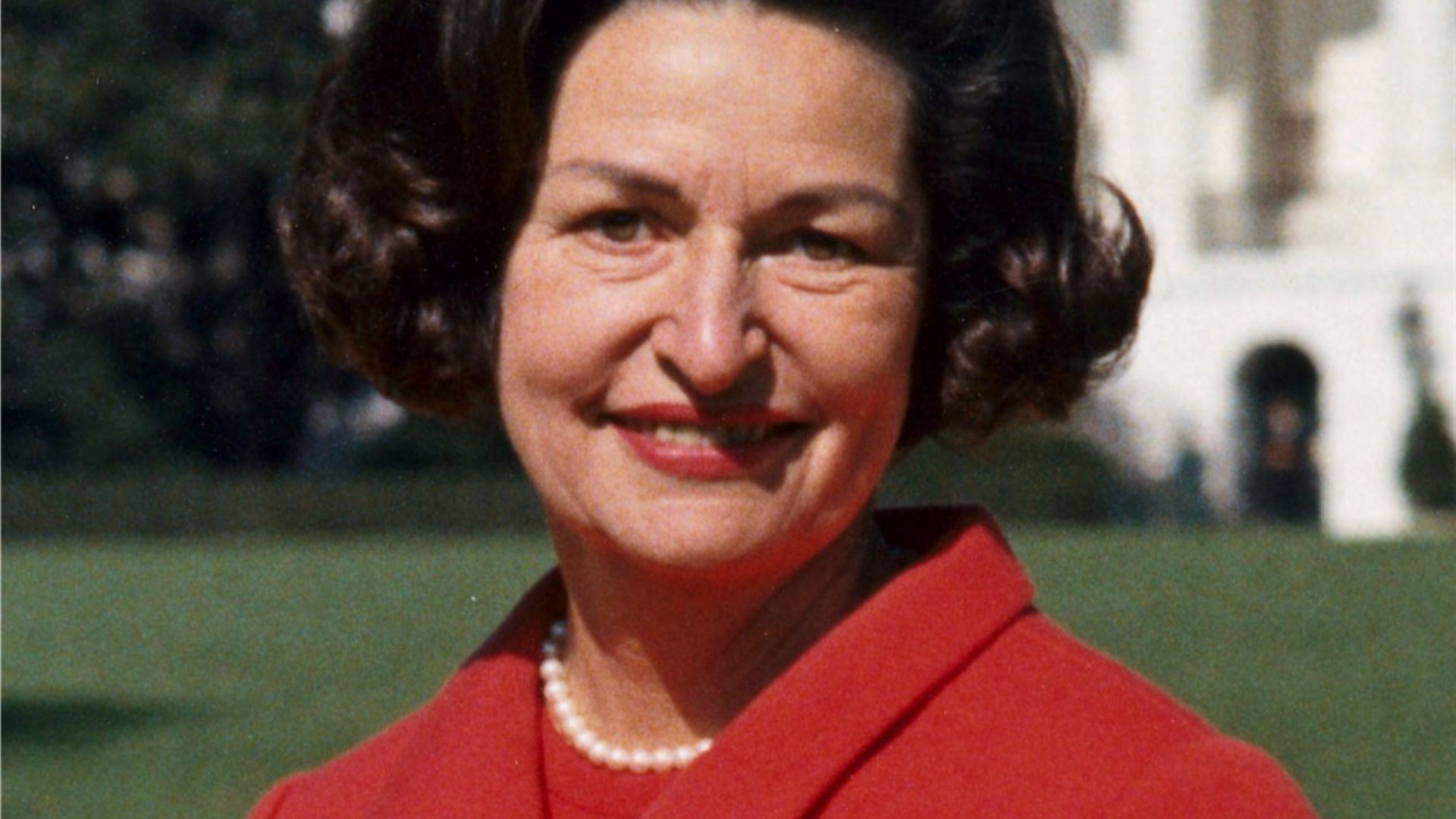
The former first lady was born Claudia Alta Taylor, yet almost nobody remembers her as Claudia Johnson. A nursemaid reportedly began calling her "Lady Bird" when she was a small child, and the nickname stayed with her throughout her life. By the time her husband Lyndon B. Johnson entered the White House, Lady Bird sounded less like a nickname and more like her official first name.
 Robert Knudsen, White House Press Office (WHPO) on Wikimedia
17. Black Jack Pershing
John Joseph Pershing commanded the American Expeditionary Forces during World War I, but history frequently adds the nickname "Black Jack" before his surname. He earned the nickname when he served as a white lieutenant commanding one of the U.S. Army's segregated African-American regiments in the late 19th century. Over time, the derogatory cadet slang softened, and "Black Jack" became a badge of honor representing his fierce discipline and lifelong respect for the soldiers he commanded.
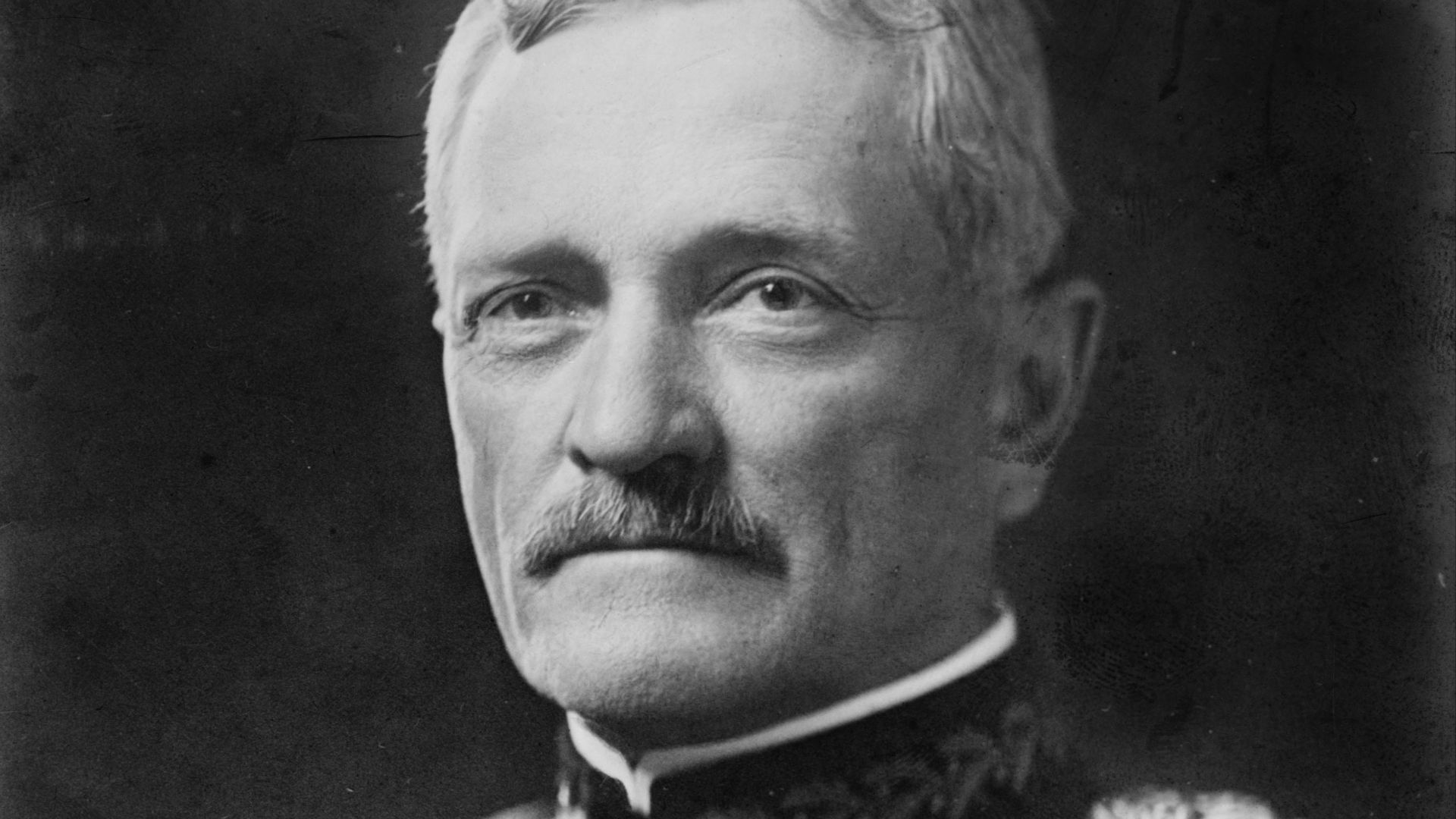 Bain News Service, publisher on Wikimedia
18. Caracalla
One of Rome's most notorious emperors wasn't actually born with anything resembling the name Caracalla. He was born Lucius Septimius Bassianus and later officially became Marcus Aurelius Antoninus, while "Caracalla" came from a type of hooded Gallic garment he was known for wearing. Somehow, the clothing-based nickname defeated several imposing Roman names and became the one history kept.
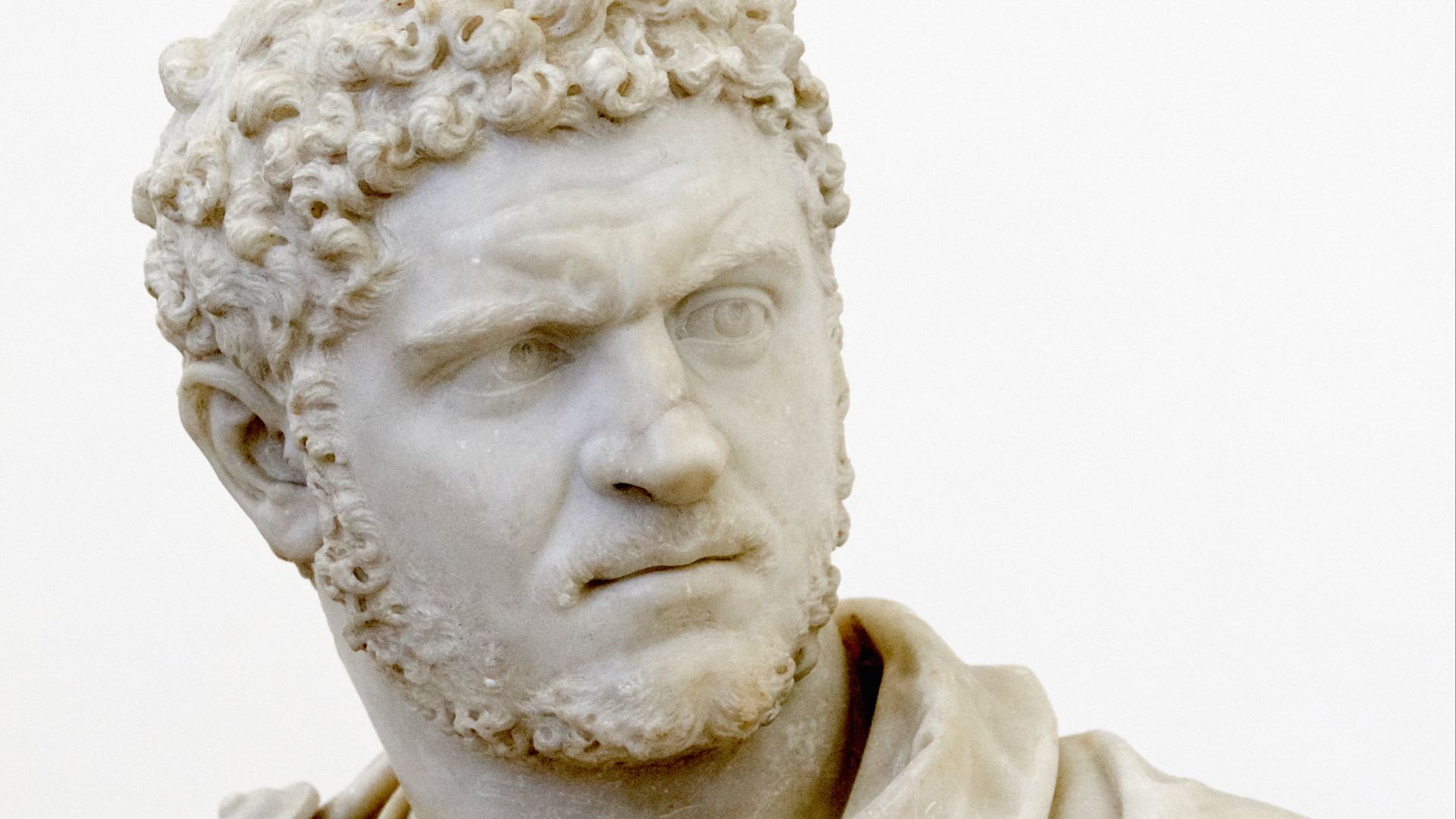
19. Lawrence of Arabia
Thomas Edward Lawrence had a perfectly memorable name, yet the title "Lawrence of Arabia" completely overshadowed it. His role in the Arab Revolt during World War I, along with his own writings and later portrayals of his exploits, turned the description into an enduring public identity. Even people who couldn't tell you what T.E. stands for have probably encountered Lawrence of Arabia.
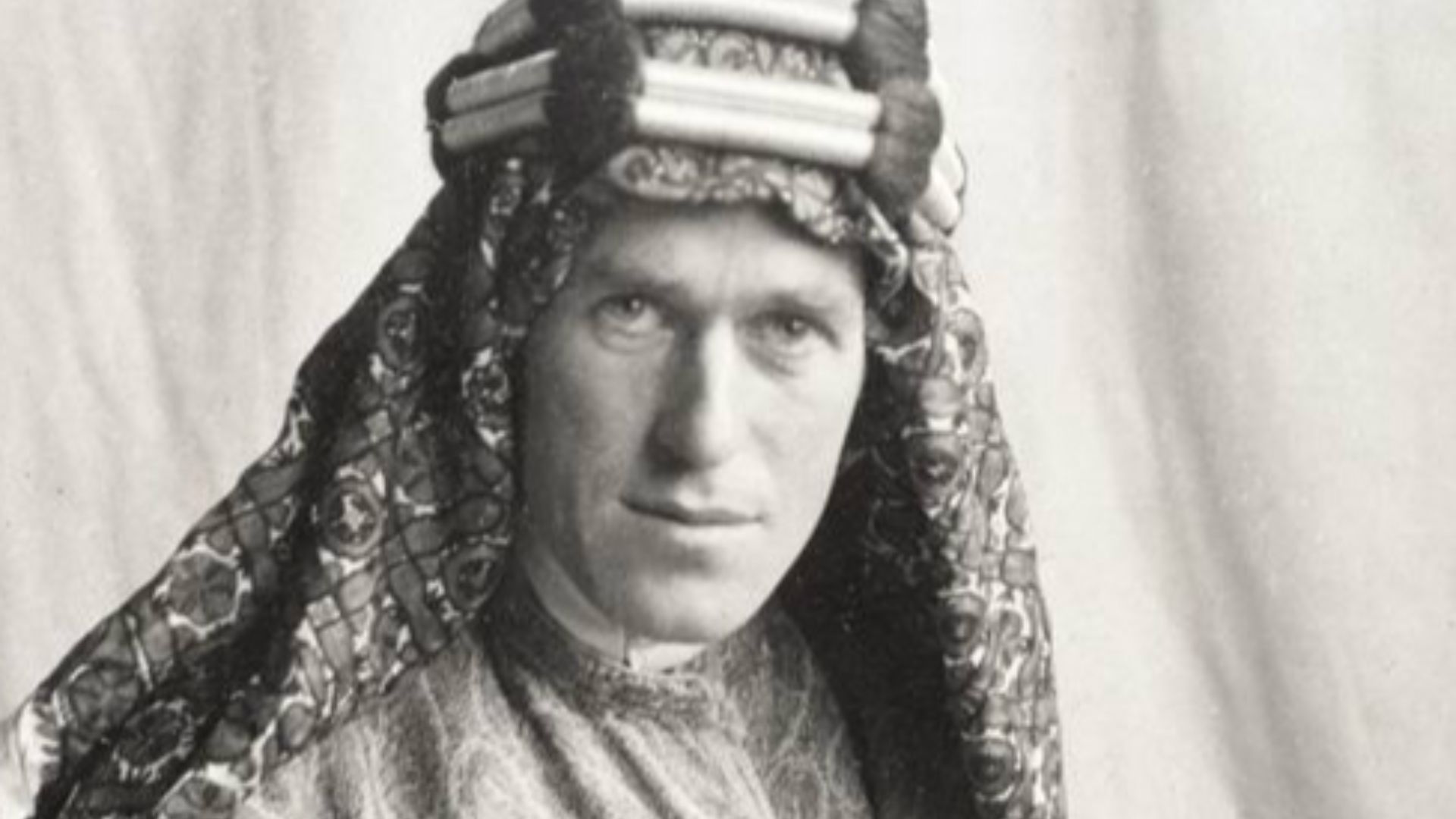 Lowell Thomas (photographer) on Wikimedia
20. The Iron Duke
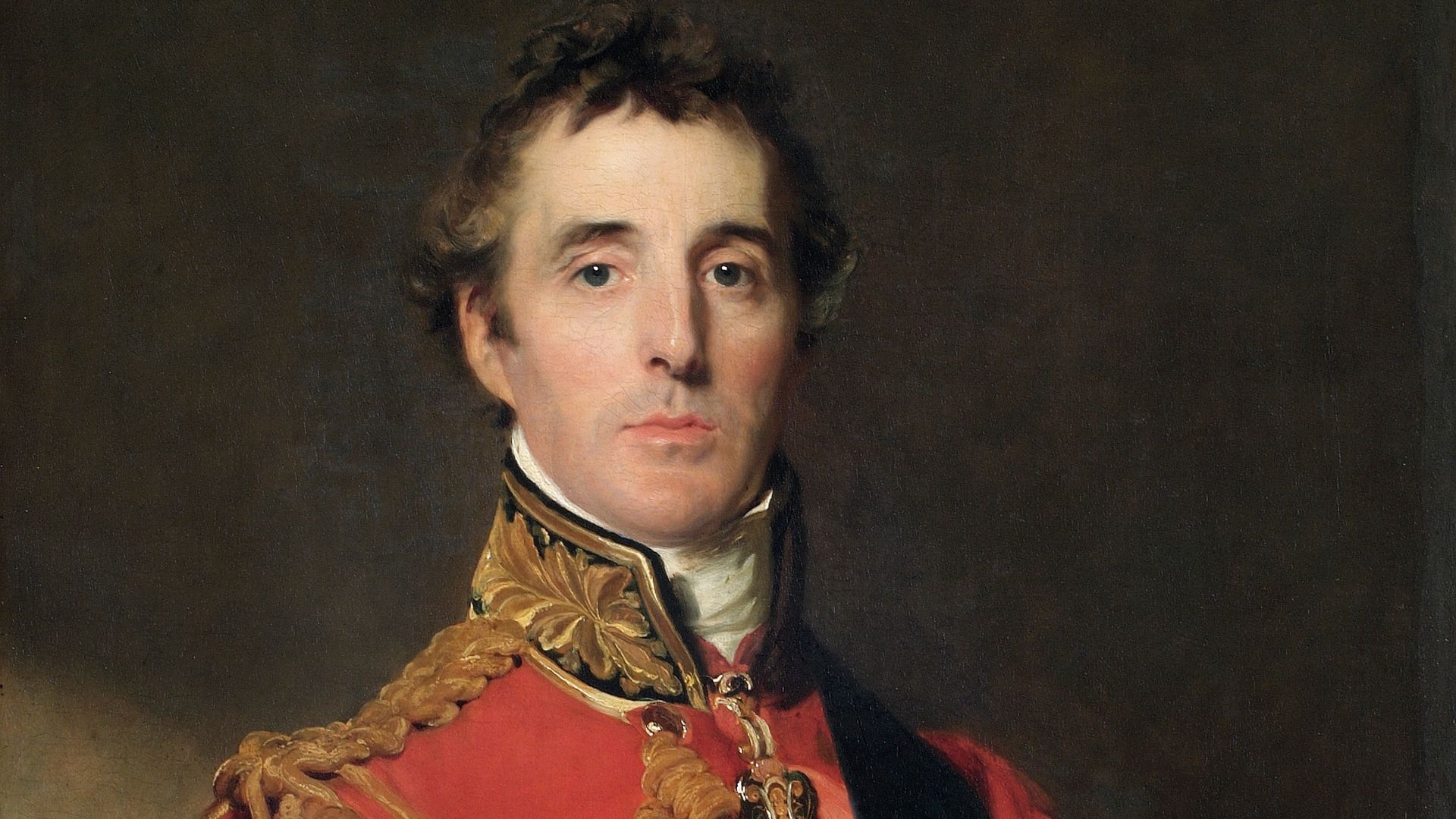
Arthur Wellesley became the first Duke of Wellington and defeated Napoleon at Waterloo, but his personal name is less familiar than either his title or his nickname. "The Iron Duke" became associated with Wellington later in his career, reflecting his reputation for toughness and political resolve. Arthur Wellesley may have been the man himself, but the Iron Duke is the figure popular history chose to remember.