20 Historical Figures Who Were Obsessed With Their Appearance
When Looking Good Became a Historical Mission
Long before filters, cosmetic clinics, and carefully staged selfies, famous people were already putting a huge amount of effort into how they looked. Kings, queens, writers, politicians, and military leaders used everything from clothing to cosmetics and elaborate bathing routines to control the image they presented to the world. For some, appearance was simply a matter of vanity, while for others it was tied directly to status, power, or public reputation. From towering wigs to obsessive grooming habits, these 20 historical figures prove that worrying about your appearance is definitely nothing new.
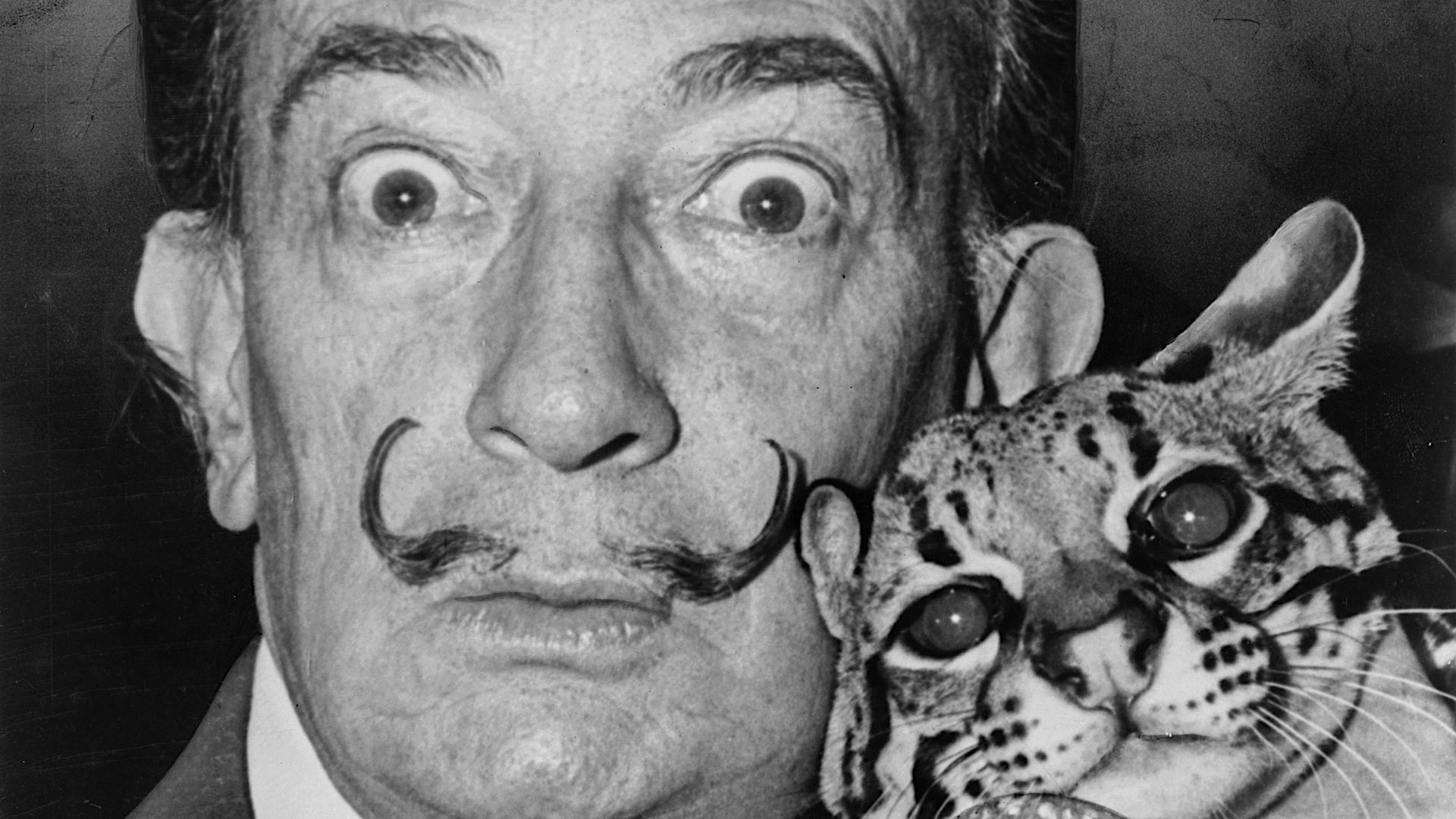 Roger Higgins, World Telegram staff photographer on Wikimedia
1. Empress Elisabeth
Empress Elisabeth of Austria, better known as Sisi, was famous for hair that reached nearly to the floor. Caring for it could take hours, and washing it was such an elaborate process that it reportedly occupied much of the day. She also followed demanding exercise and eating routines to preserve her exceptionally slim figure.
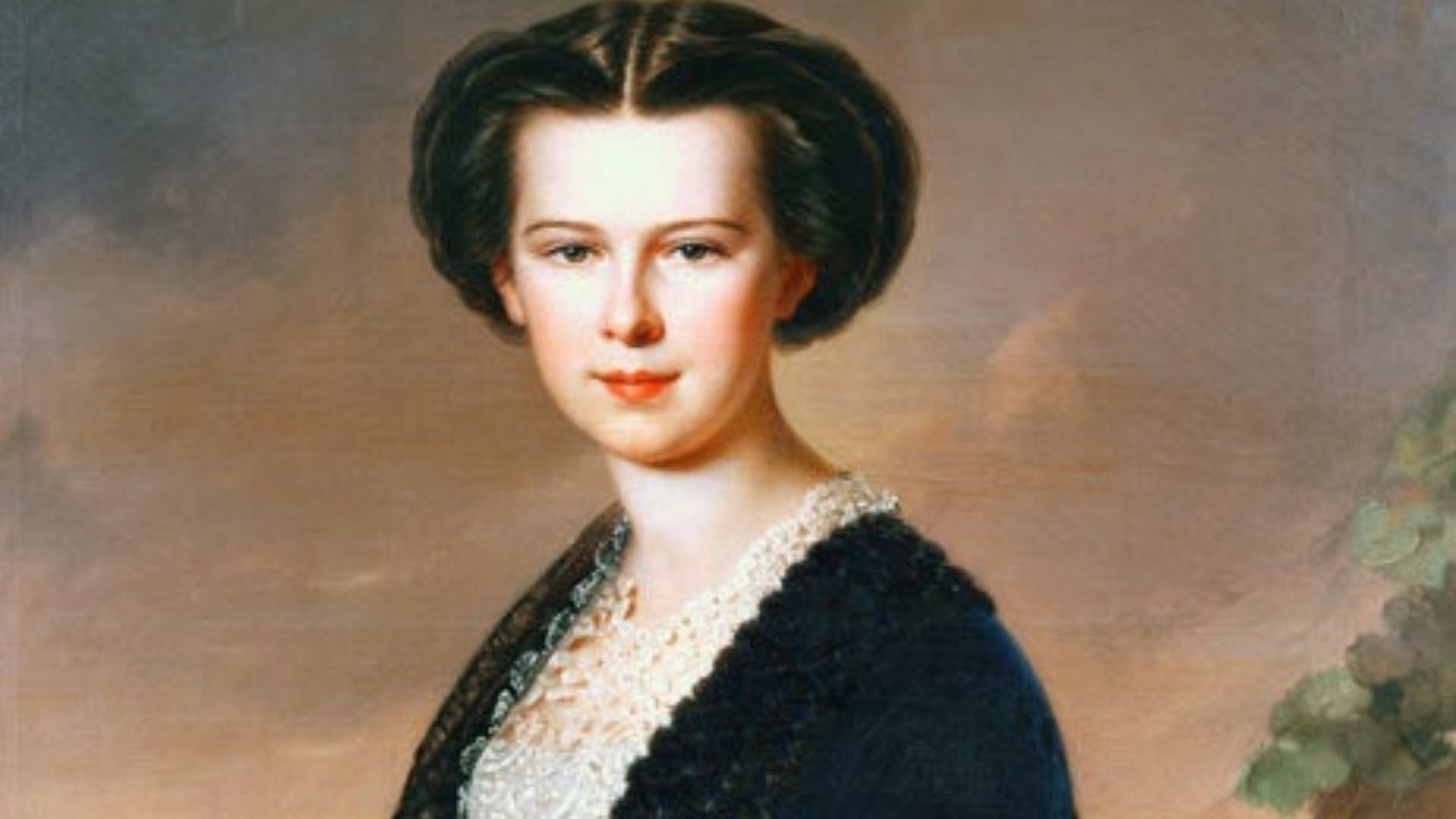 After Anton Einsle on Wikimedia
2. Beau Brummell
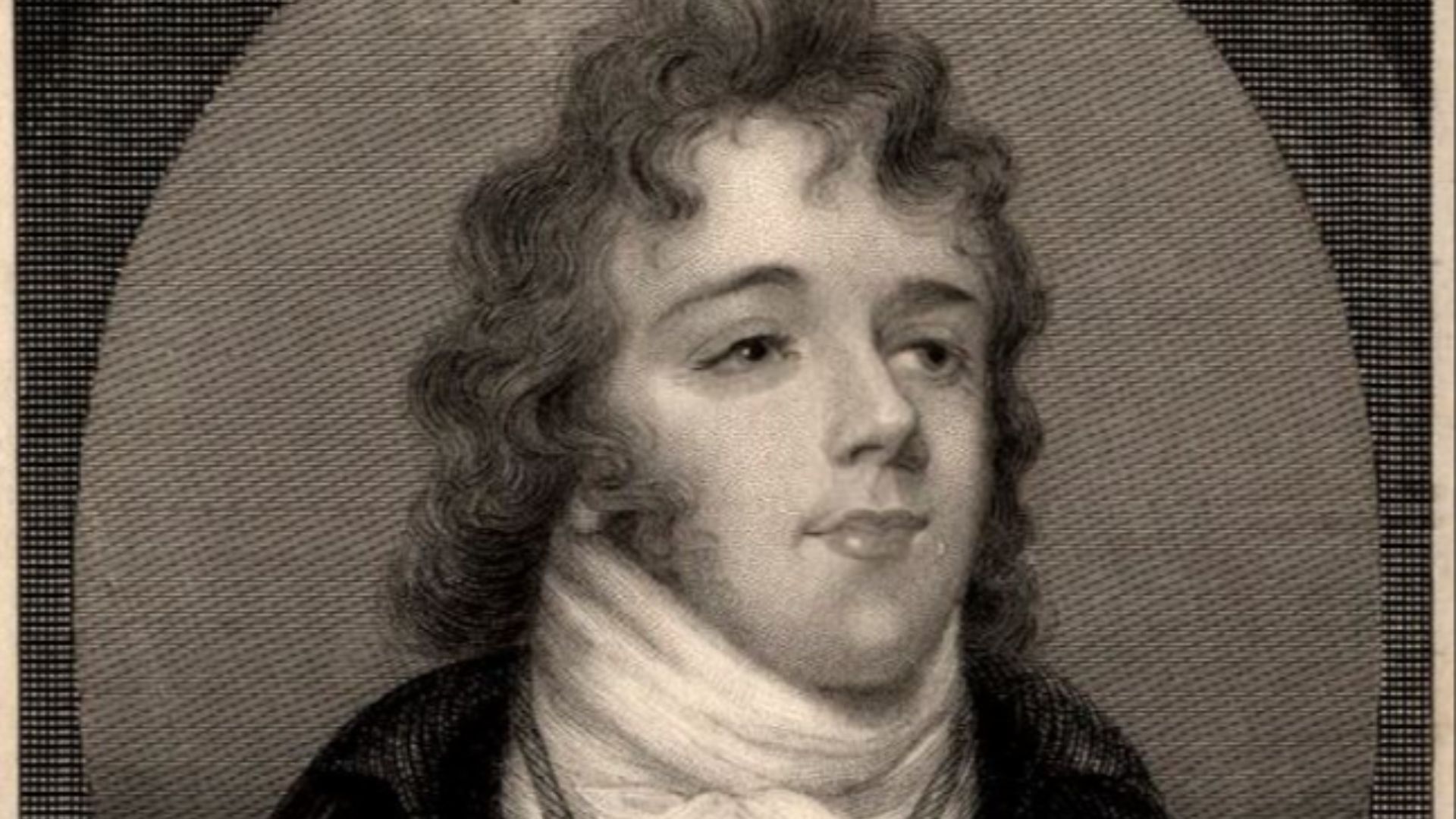
Beau Brummell became one of Regency Britain's greatest fashion celebrities by treating personal grooming with extraordinary seriousness. He was known for bathing carefully, wearing spotless linen, polishing his boots, and spending ages getting his cravat tied exactly right. His version of style involved perfectly fitted clothing and immaculate cleanliness.
3. Marie Antoinette
Marie Antoinette's appearance became almost as famous as her position as queen of France. Working with fashionable hairdresser Léonard Autié, she embraced towering hairstyles decorated with feathers, ribbons, ornaments, and occasionally elaborate themed objects. Her wardrobe was similarly lavish, with new gowns and changing silhouettes helping establish trends throughout the French court.
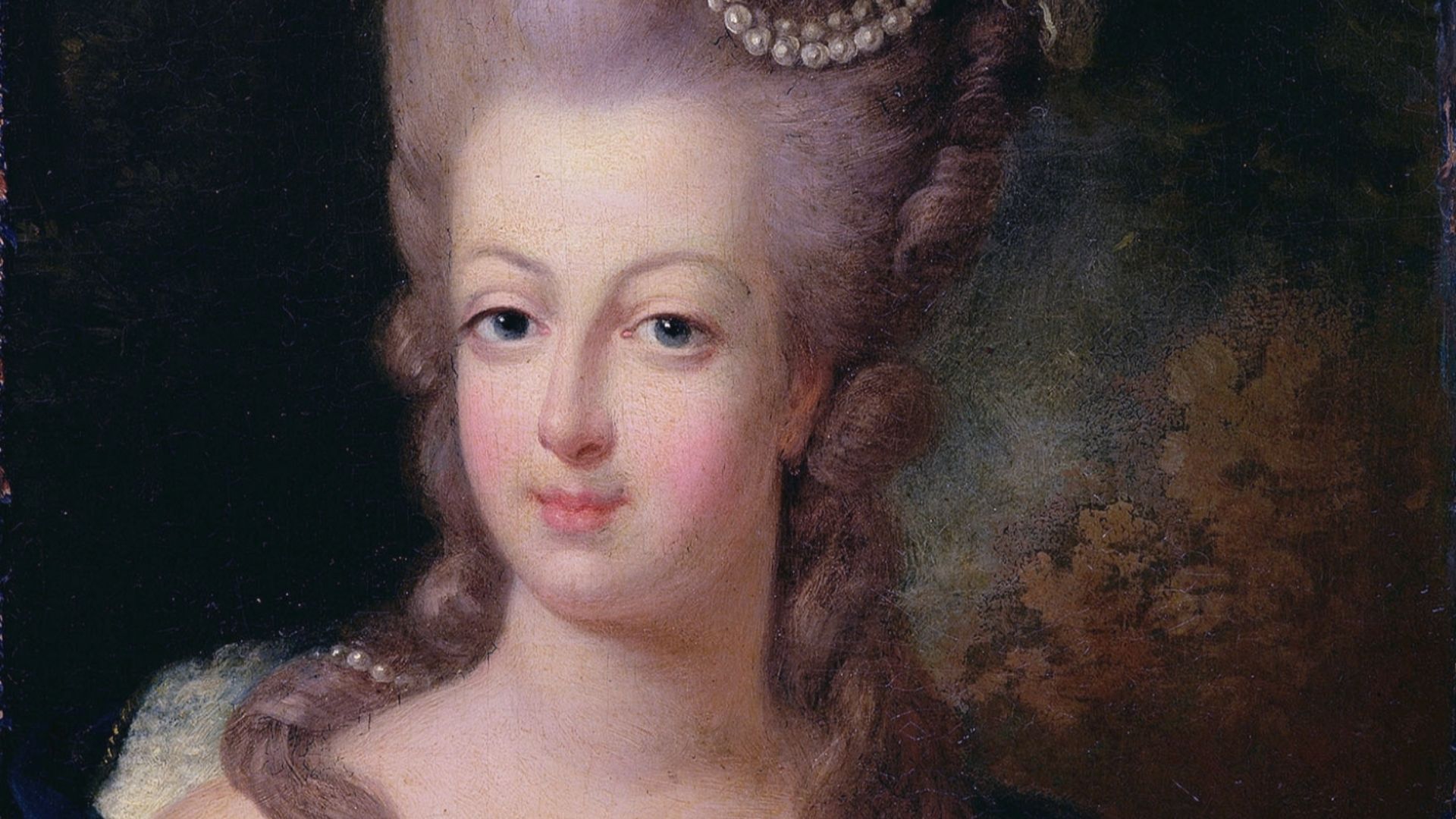 After Jean-Baptiste André Gautier-Dagoty on Wikimedia
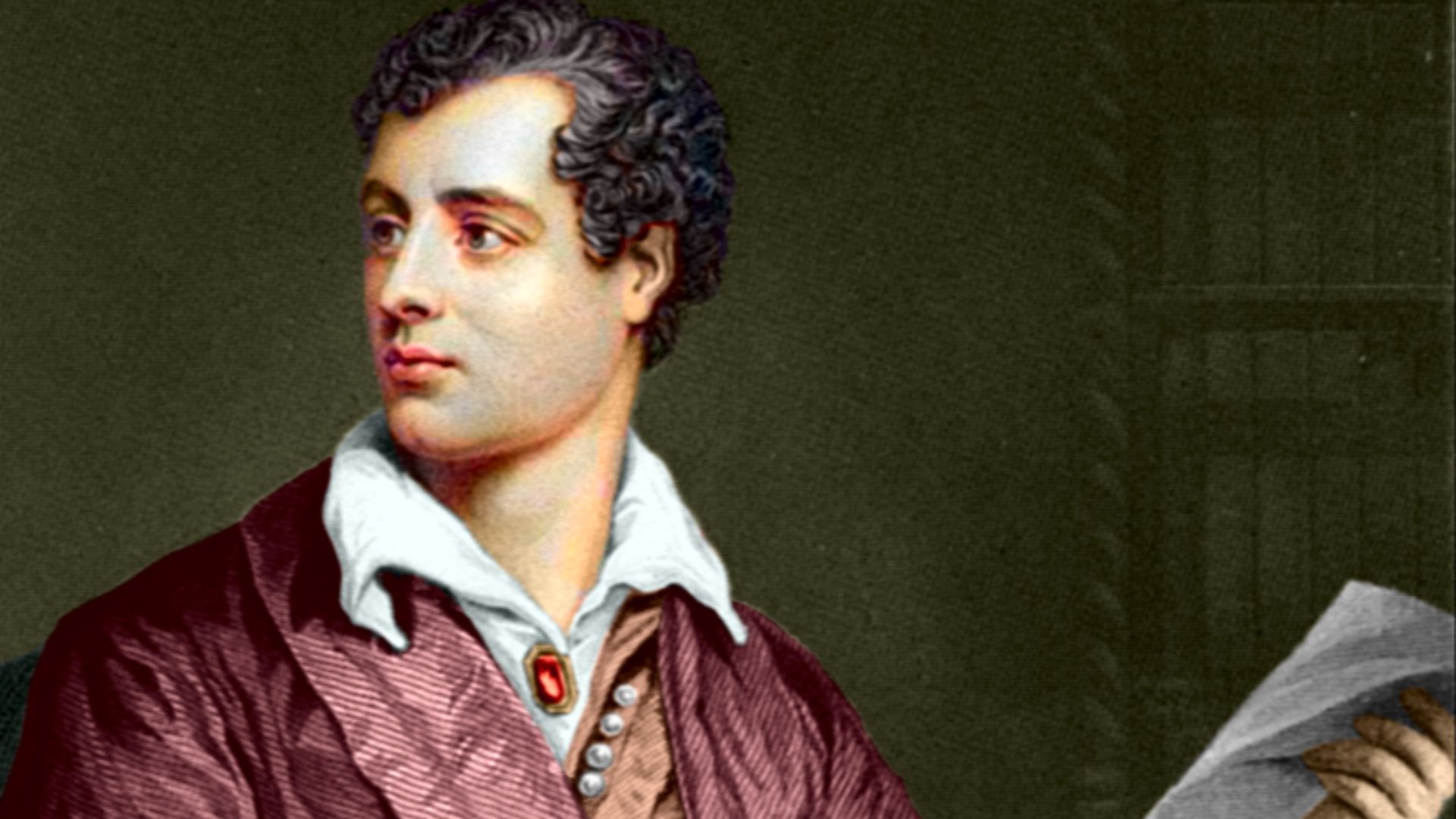
4. Lord Byron
The poet Lord Byron cultivated the image of a dark, handsome, rebellious celebrity, but maintaining that reputation wasn't exactly effortless. He frequently worried about gaining weight and experimented with restrictive eating habits, including meals centered around small portions and vinegar. Byron also paid close attention to clothing because he understood how strongly his physical appearance influenced his public appeal.
5. Elizabeth I
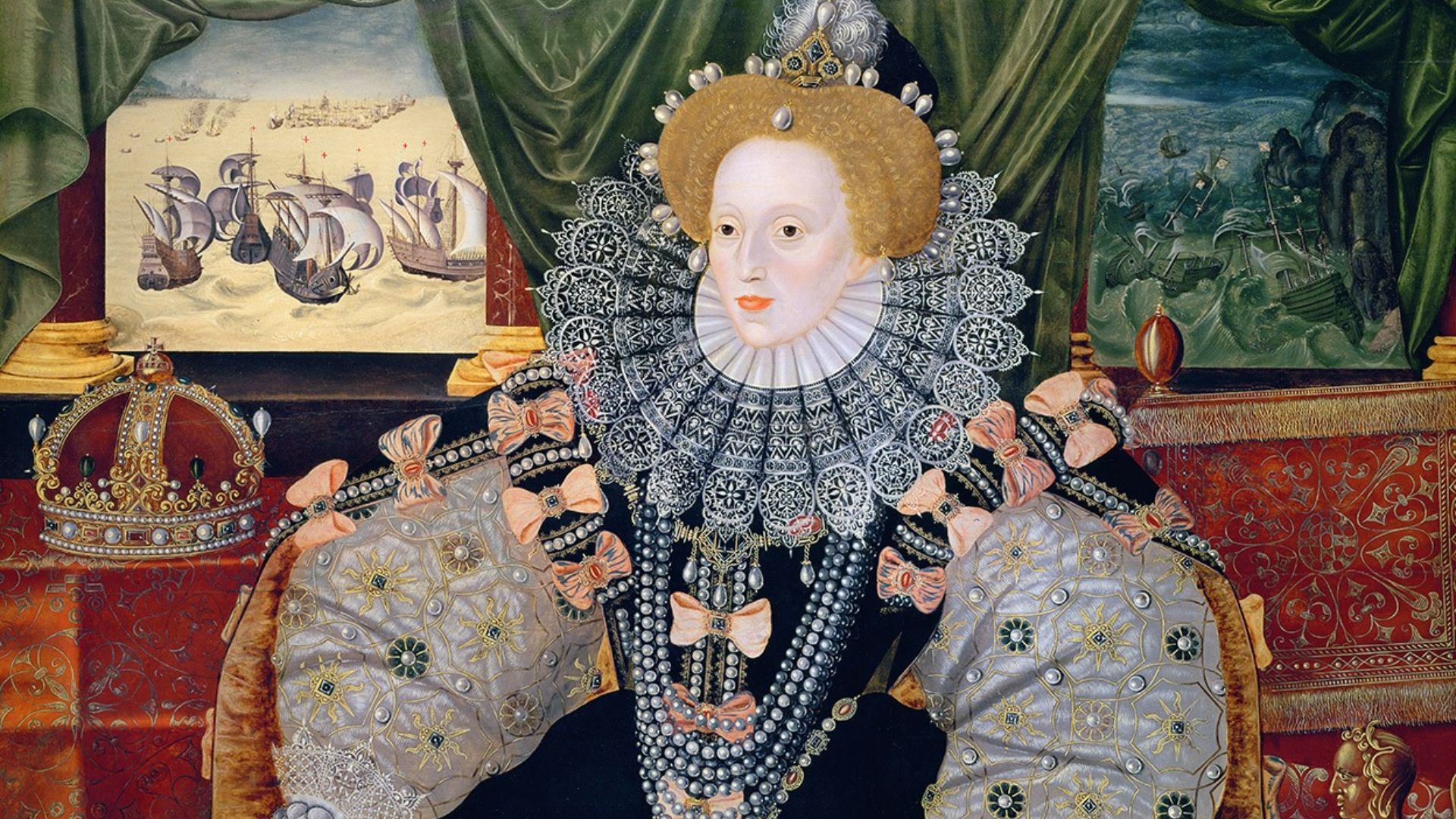
Queen Elizabeth I became known for her striking white complexion, red lips, and carefully styled reddish hair. After smallpox left her with facial scarring, she reportedly used thick cosmetics to create the smooth, pale appearance that became closely associated with her look. This, along with her wigs, elaborate gowns, jewels, and decorative collars, indicates that Elizabeth certainly wasn't following a minimalist beauty routine.
 Formerly attributed to George Gower on Wikimedia
6. Georgiana Cavendish
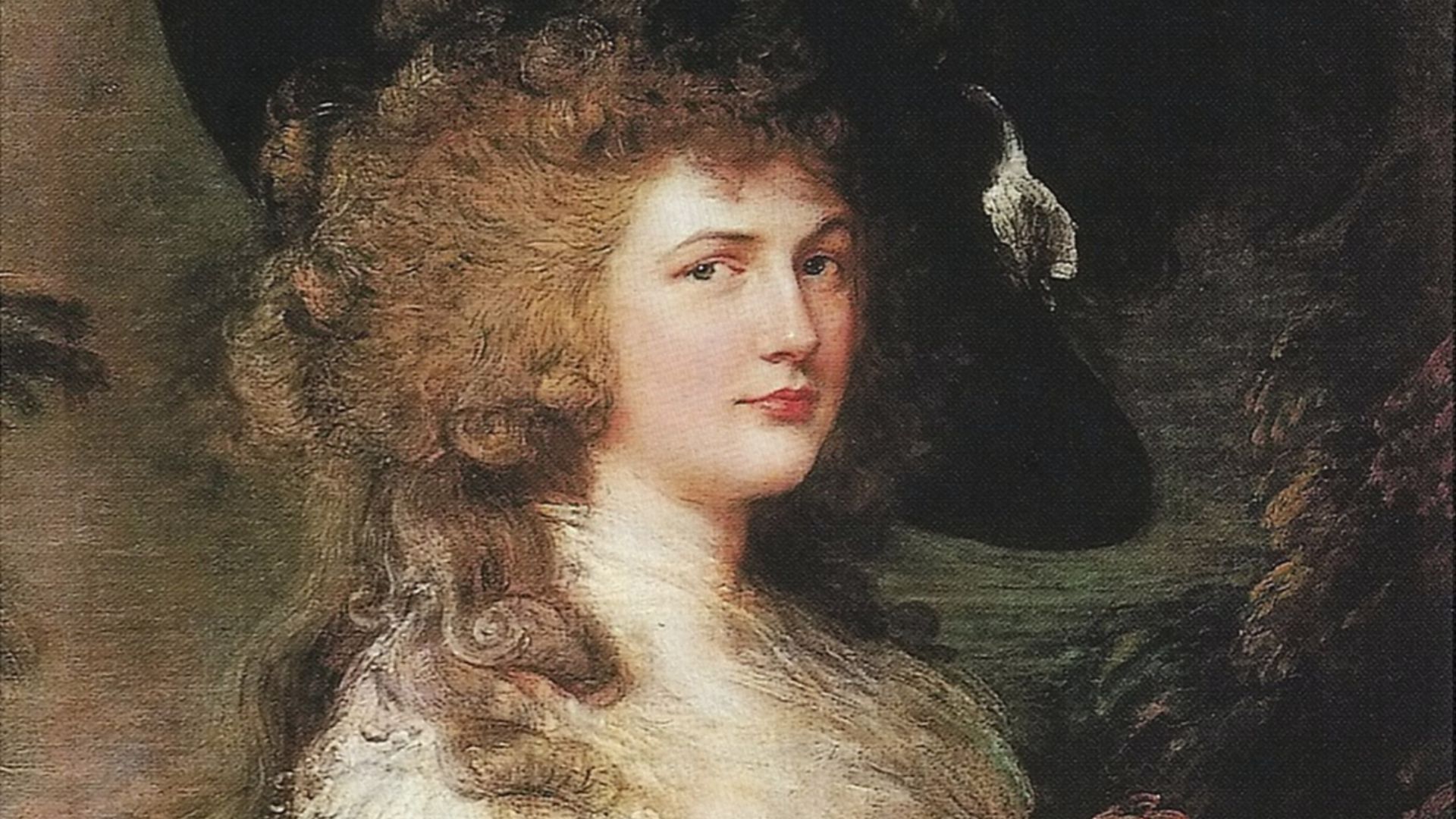
Georgiana Cavendish, Duchess of Devonshire, was one of the most watched fashion figures of eighteenth-century Britain. She wore extravagant gowns and famously embraced enormous hairstyles decorated with feathers that could add remarkable height. Society women eagerly copied her latest looks, which only encouraged her reputation as a trendsetter.
 Thomas Gainsborough on Wikimedia
7. George IV
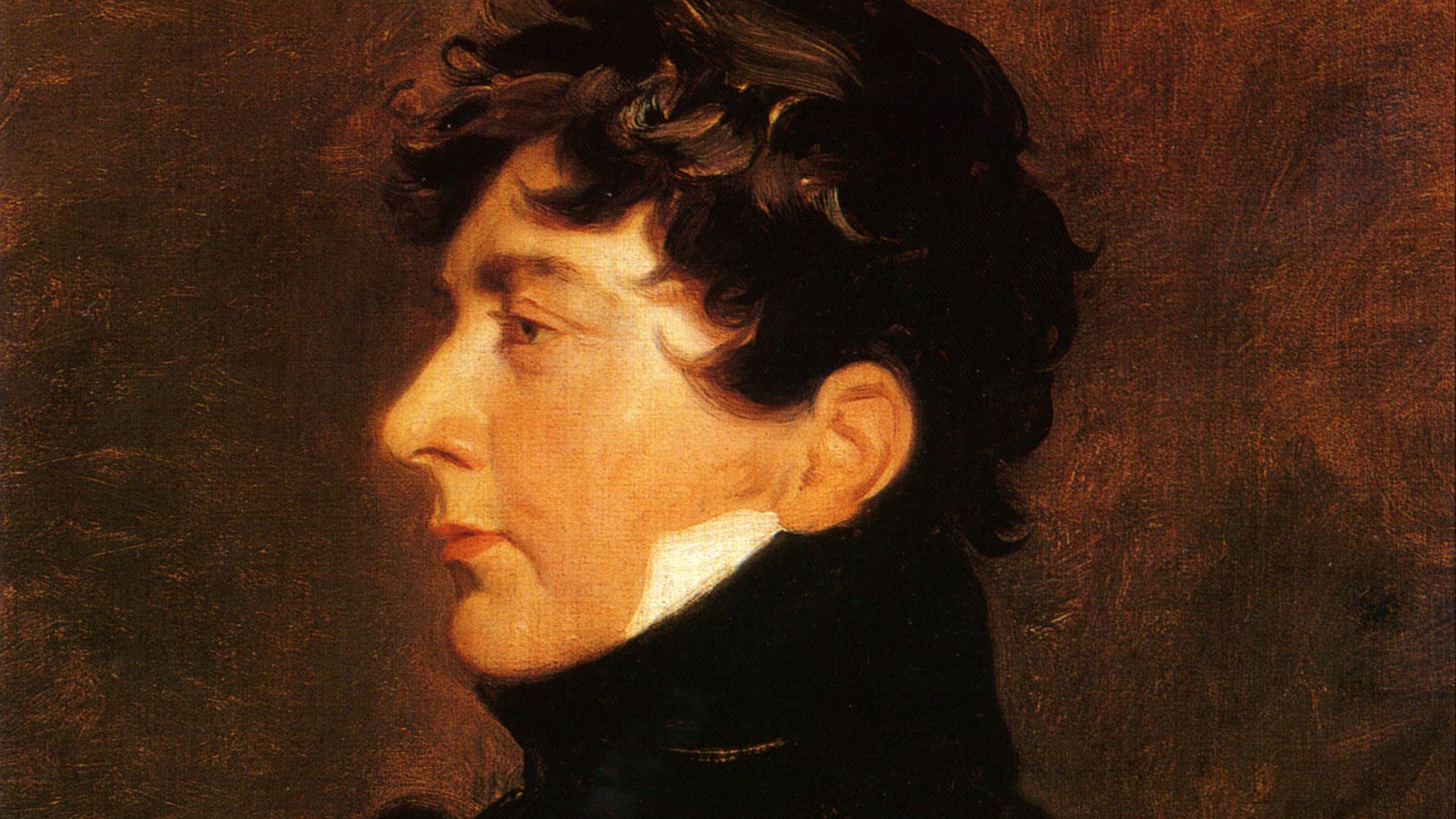
George IV loved clothing, tailoring, and luxury with an enthusiasm that regularly strained his finances. He ordered expensive coats, shoes, uniforms, jewelry, and accessories while working closely with fashionable figures such as Beau Brummell. As his weight increased, he also used corseting and carefully structured clothing to shape his silhouette.
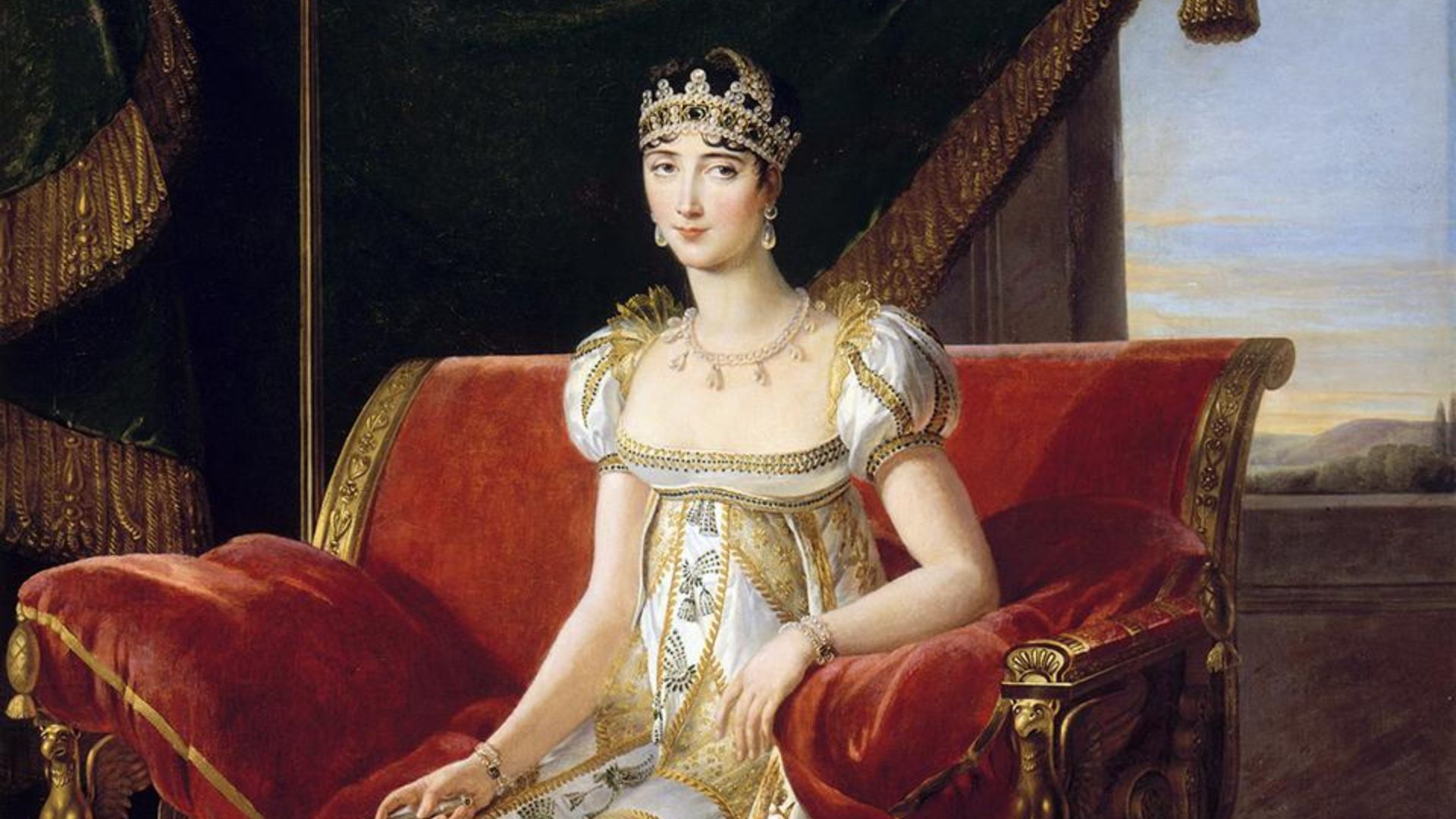
8. Pauline Bonaparte
Napoleon's sister Pauline Bonaparte was widely admired for her looks, and she wasn't particularly shy about showing them off. She favored fashionable gowns, jewelry, luxurious bathing, and beauty treatments while cultivating a glamorous lifestyle. Pauline also famously posed semi-nude for Antonio Canova's sculpture of her as Venus, which suggests she had considerable confidence in her appearance.
 Marie-Guillemine Benoist on Wikimedia
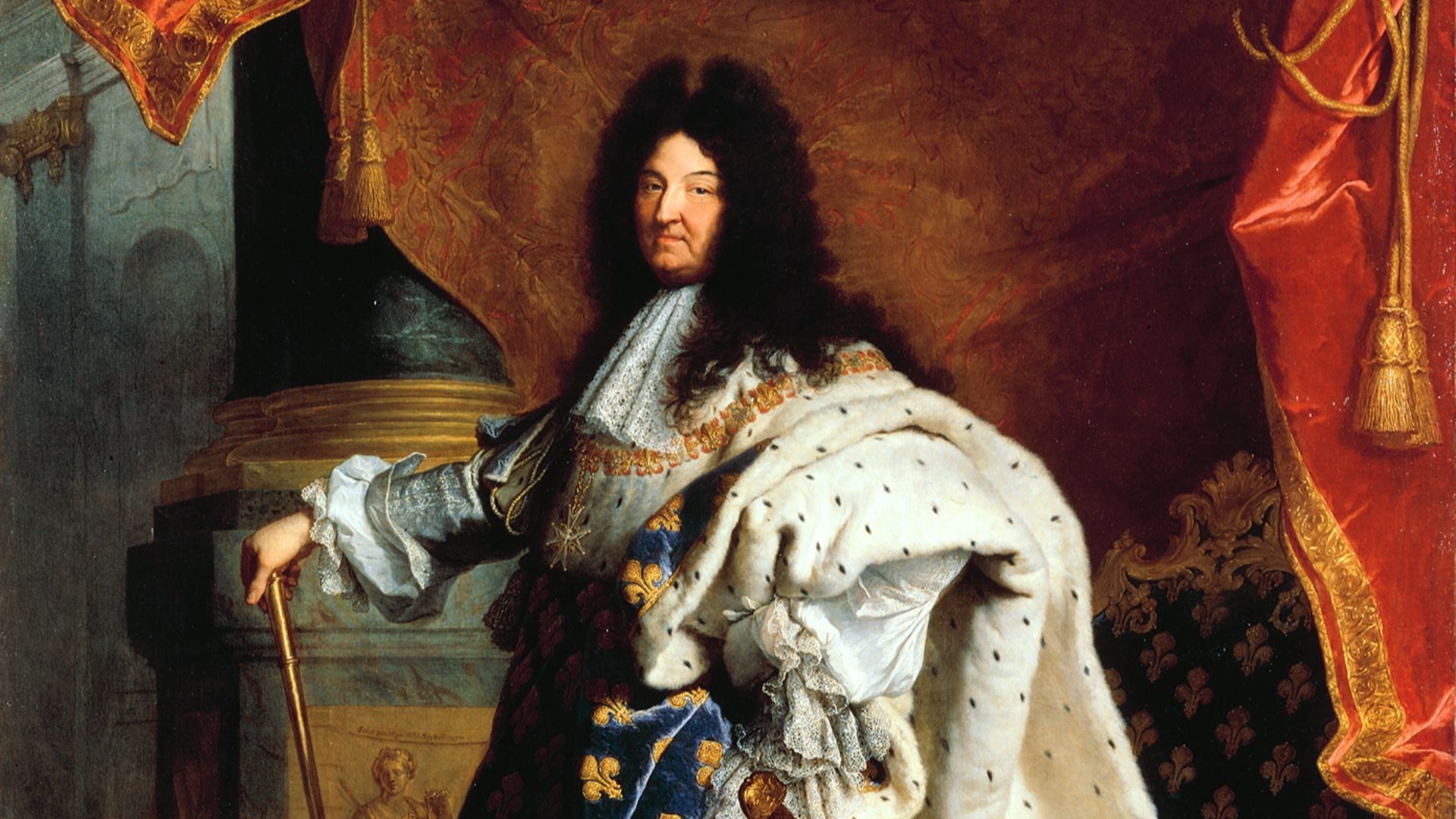
9. Louis XIV
Louis XIV surrounded himself with luxury, and his own wardrobe was no exception. He wore richly embroidered clothing, elaborate wigs, silk stockings, jewelry, and high-heeled shoes designed to show off his legs. His grooming and dressing rituals even became formal events attended by members of the court.
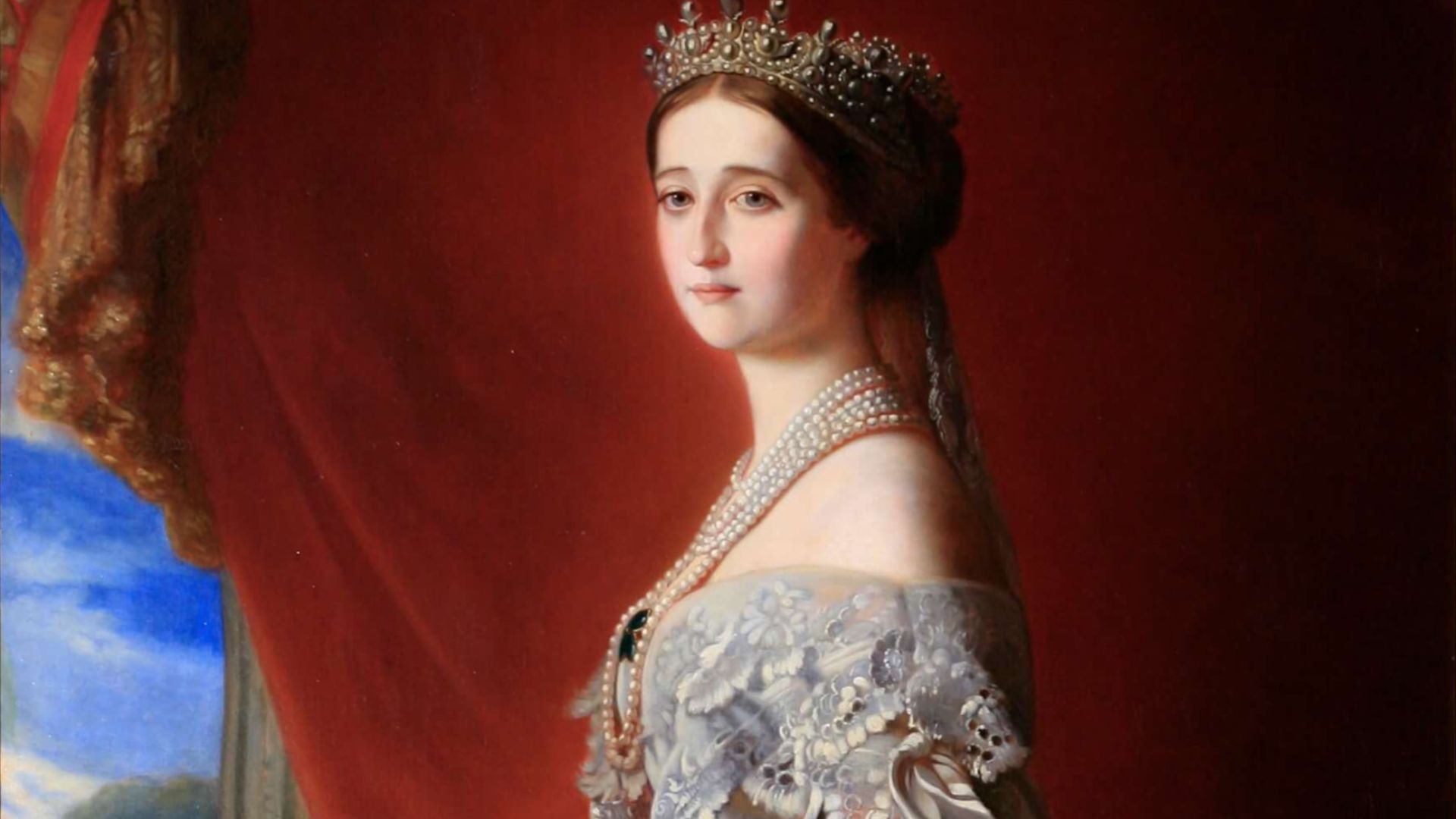
10. Empress Eugénie
Empress Eugénie of France had an enormous influence on nineteenth-century women's fashion. She adored luxurious dresses, followed new trends closely, and became closely associated with designer Charles Frederick Worth. Her taste helped popularize elaborate gowns, wide skirts, and refined accessories across Europe.
 Pierre-Désiré Guillemet / After Franz Xaver Winterhalter on Wikimedia
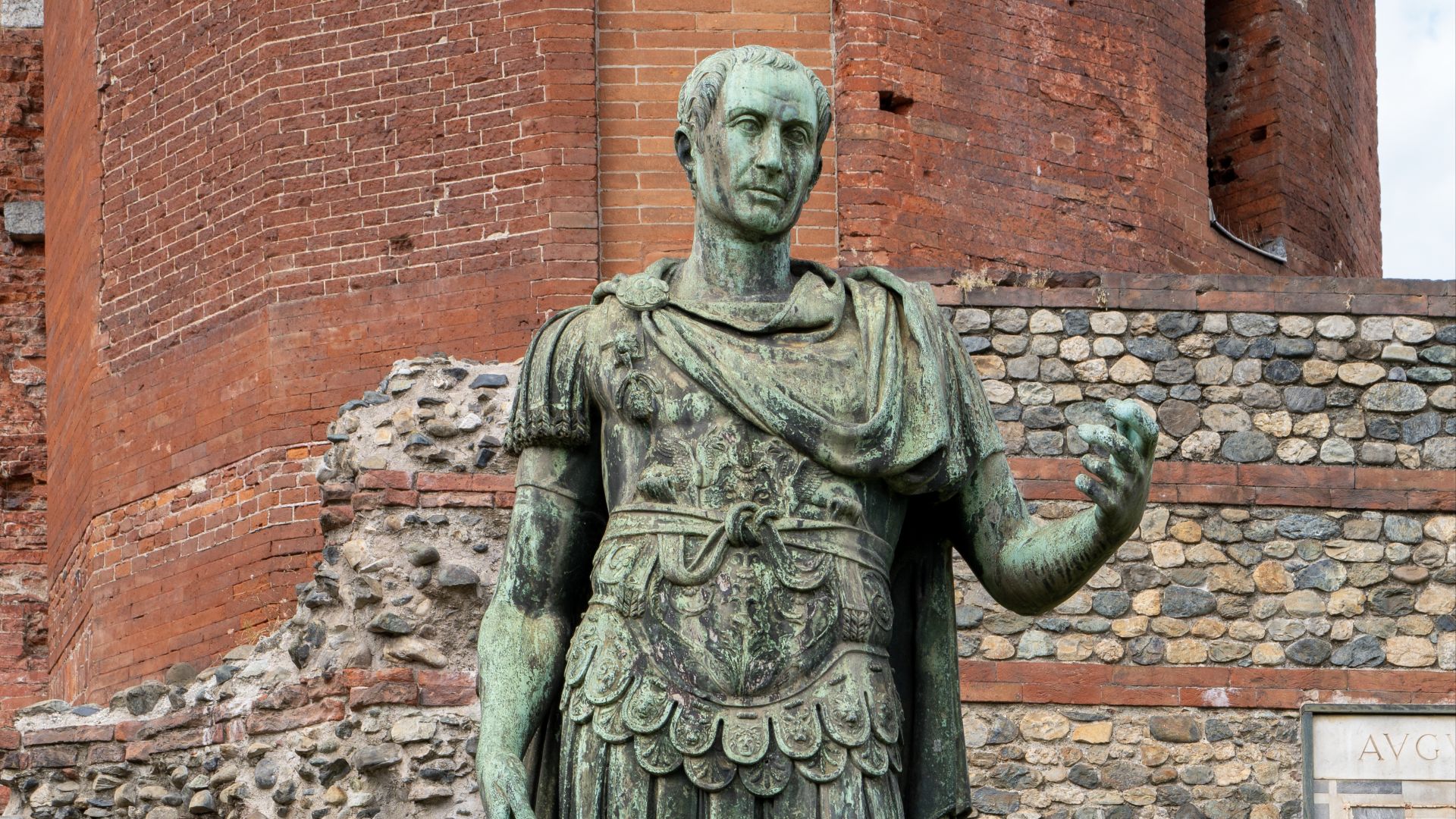
11. Julius Caesar
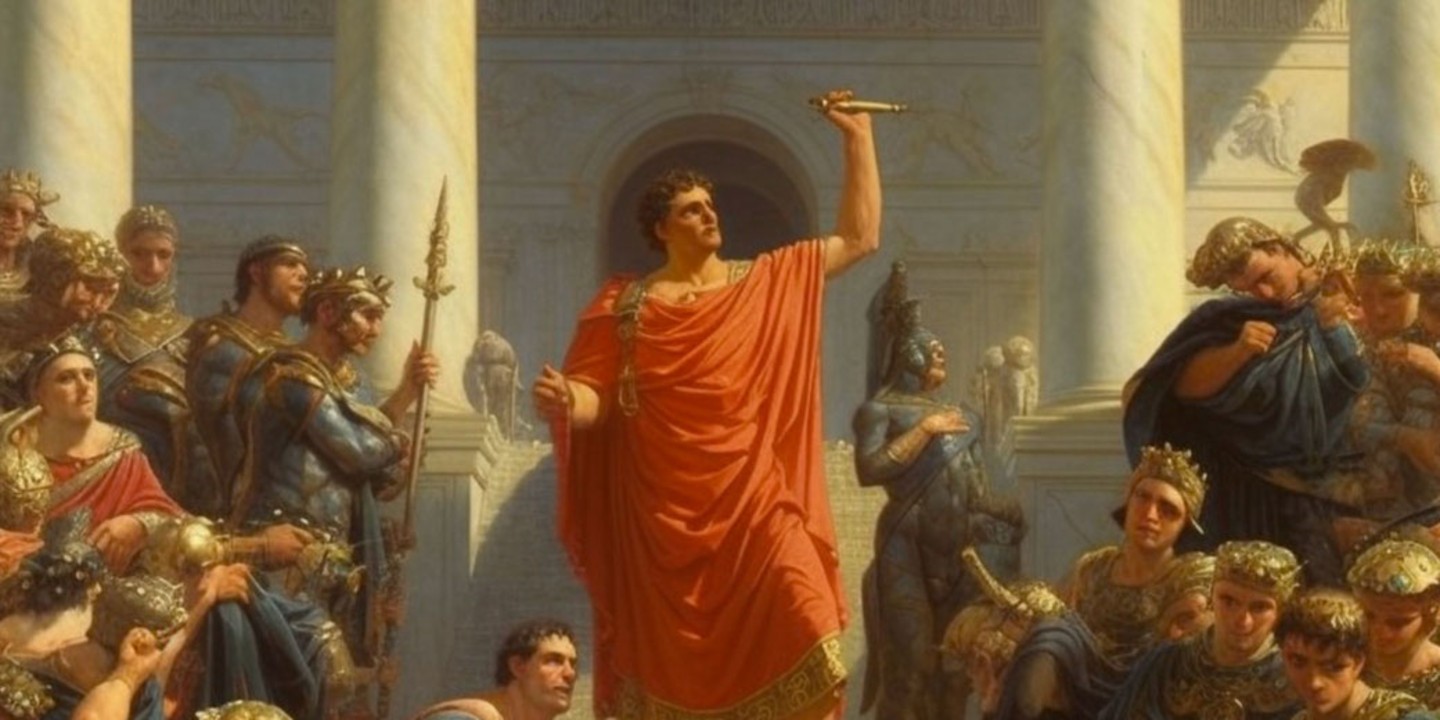
Julius Caesar was famously sensitive about his thinning hair. Ancient writers claimed he combed his remaining hair forward in an attempt to disguise his receding hairline. He was also reportedly pleased to wear a laurel wreath frequently because it conveniently covered part of his head. Even one of Rome's most powerful men apparently had trivial insecurities.
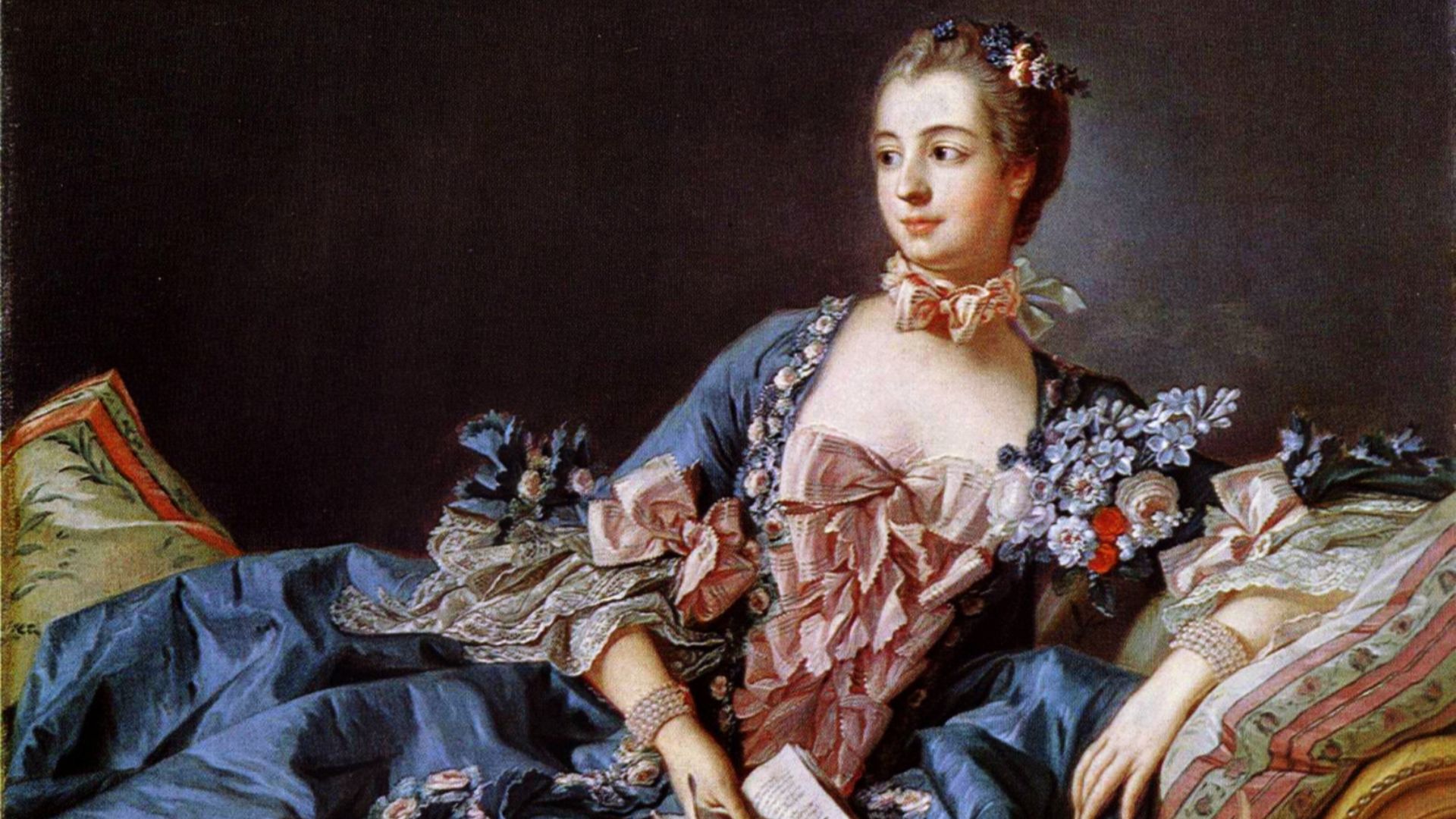
12. Madame de Pompadour
Madame de Pompadour became synonymous with elegance at the court of Louis XV. She wore luxurious dresses, elaborate hairstyles, jewelry, perfume, and cosmetics while spending heavily on keeping up with court fashion. Her pale complexion and carefully arranged appearance were frequently captured in flattering portraits.
13. Charles II
King Charles II of England enjoyed fashion and helped popularize several styles during the Restoration period. He wore elaborate clothing, lace, ribbons, and wigs, and his court became known for a much more flamboyant look than the stark years that preceded it. Charles also introduced a new style of men's court dress that included a long coat, waistcoat, and breeches.
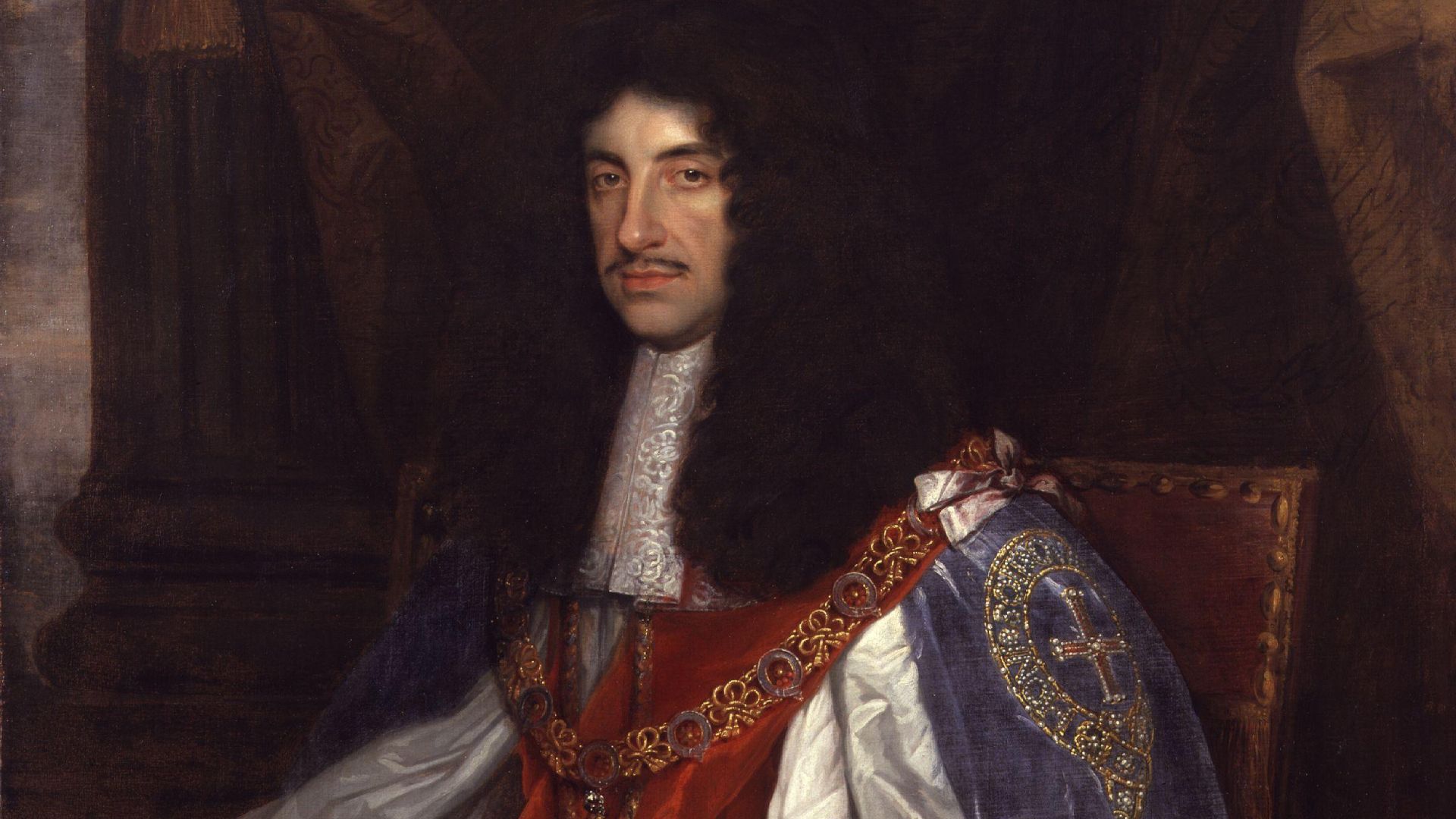 John Michael Wright on Wikimedia
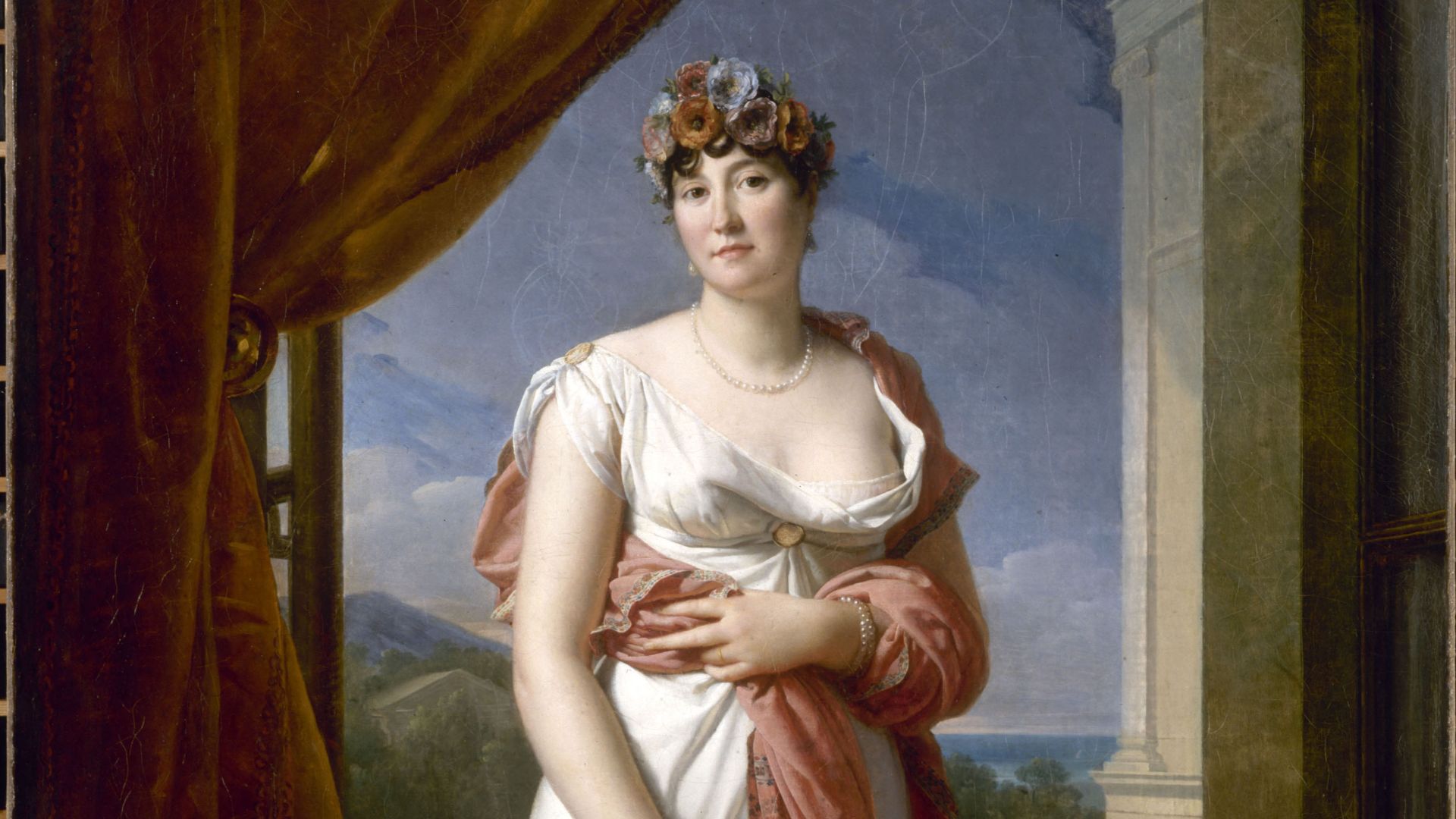
14. Madame Tallien
Thérésa Tallien was one of the most fashionable women in France during the years after the French Revolution. She embraced revealing gowns inspired by classical styles, often made from light fabrics that shocked more conservative observers. Tallien also became associated with unusual beauty practices and an extravagant lifestyle.
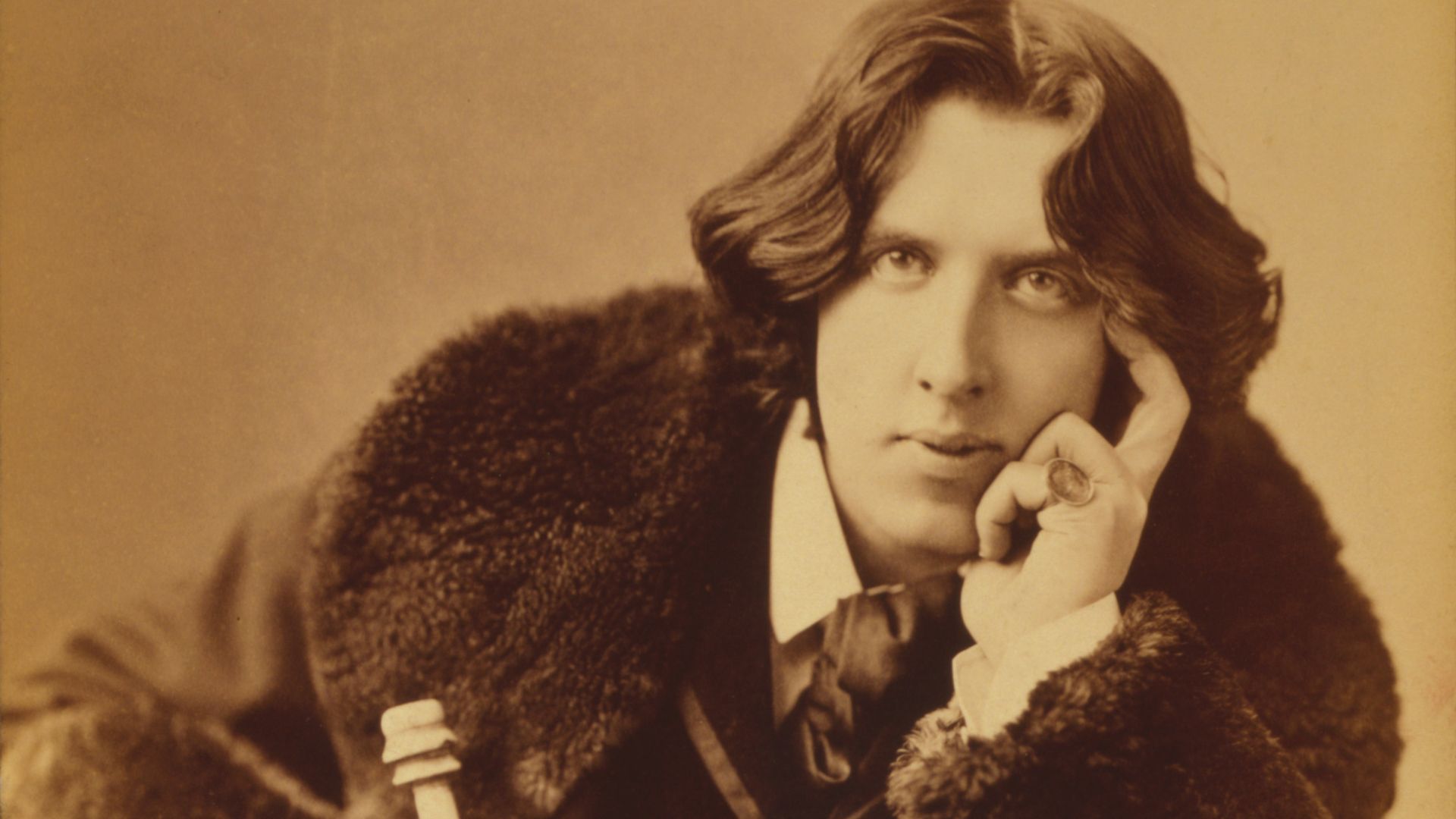
15. Oscar Wilde
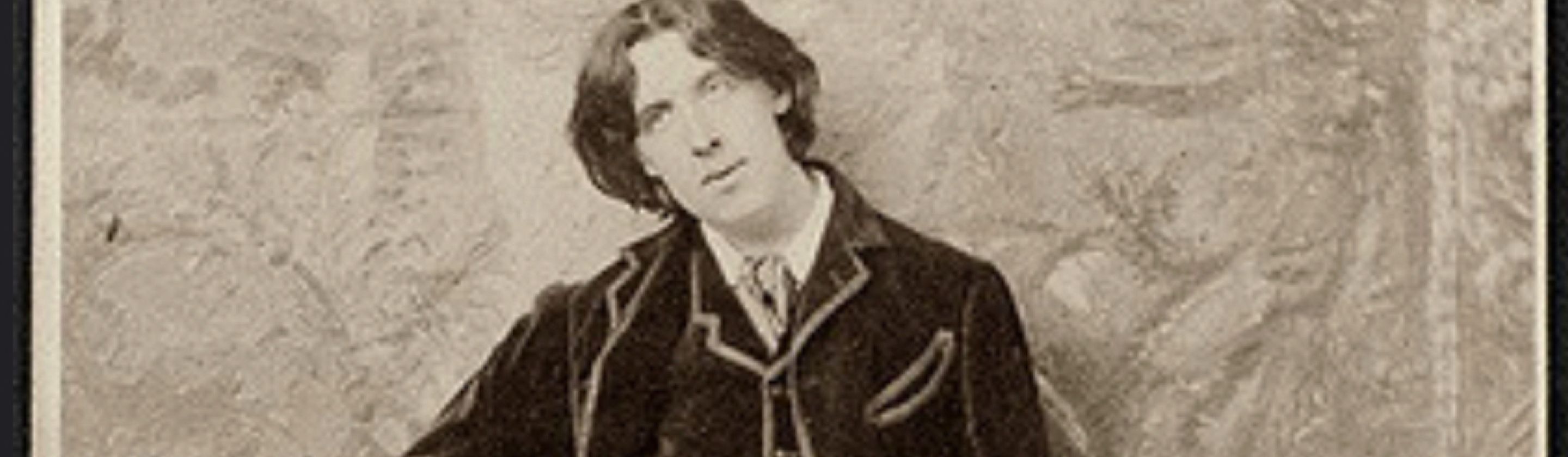
Oscar Wilde made clothing part of his everyday personality long before he became famous for his plays. During his younger years, he favored velvet jackets, silk stockings, unusual colors, decorative flowers, and carefully arranged hair. His outfits were distinctive enough that audiences came to expect visual flair whenever he appeared in public.
16. Queen Alexandra
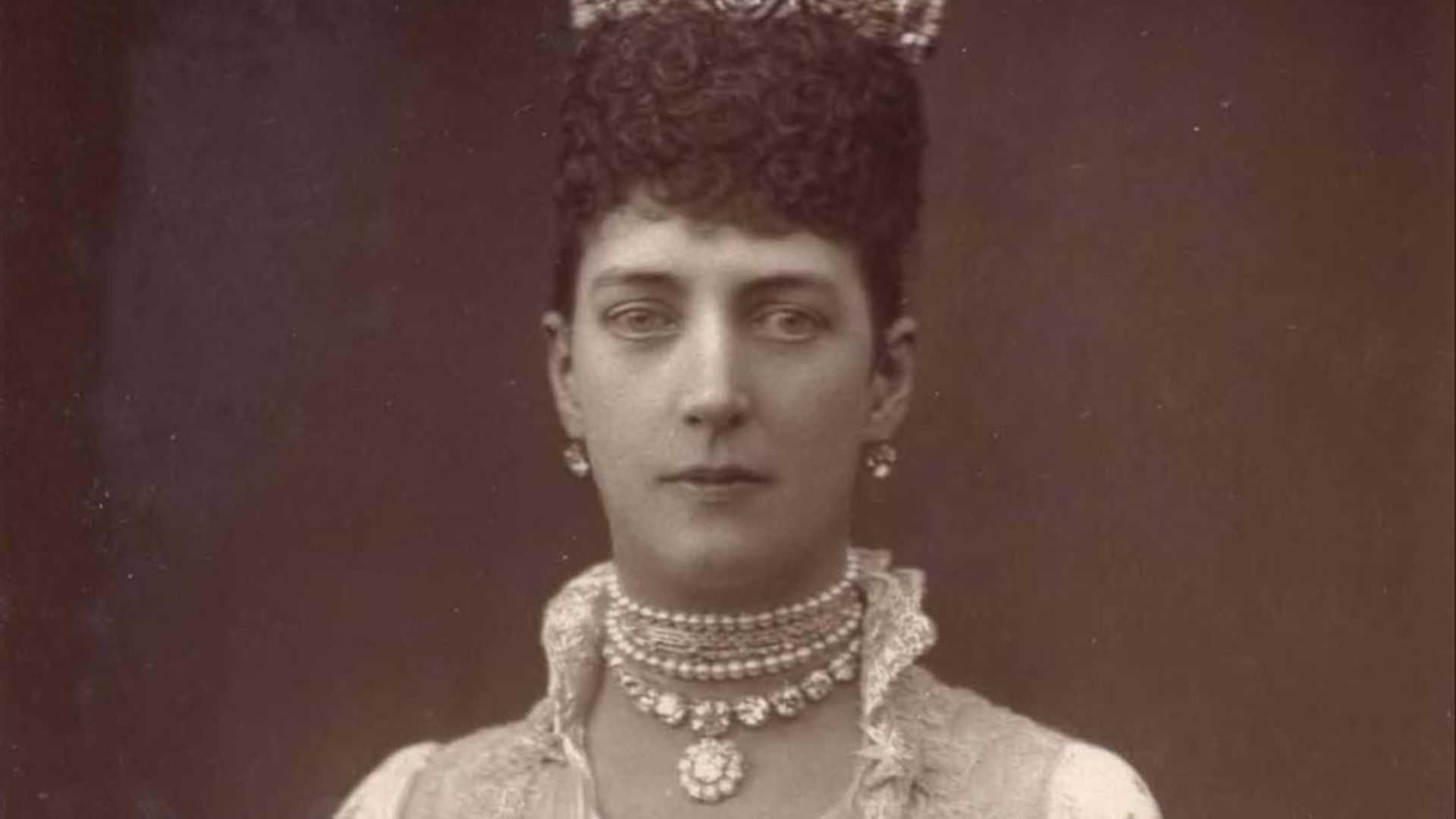
Queen Alexandra of Britain was admired for her beauty and became an influential fashion figure in the late nineteenth century. She frequently wore high collars and layered necklaces, which helped conceal a scar on her neck while simultaneously creating a style that other women copied. Alexandra was also known for elegant gowns and an exceptionally youthful appearance.
17. Benjamin Disraeli
Before becoming one of Britain's best-known prime ministers, Benjamin Disraeli attracted attention with an unusually theatrical wardrobe. He favored colorful waistcoats, jewelry, elaborate shirts, and carefully styled curls during his younger years. His clothing was considered extravagant even in an era when men's fashion could be highly decorative.
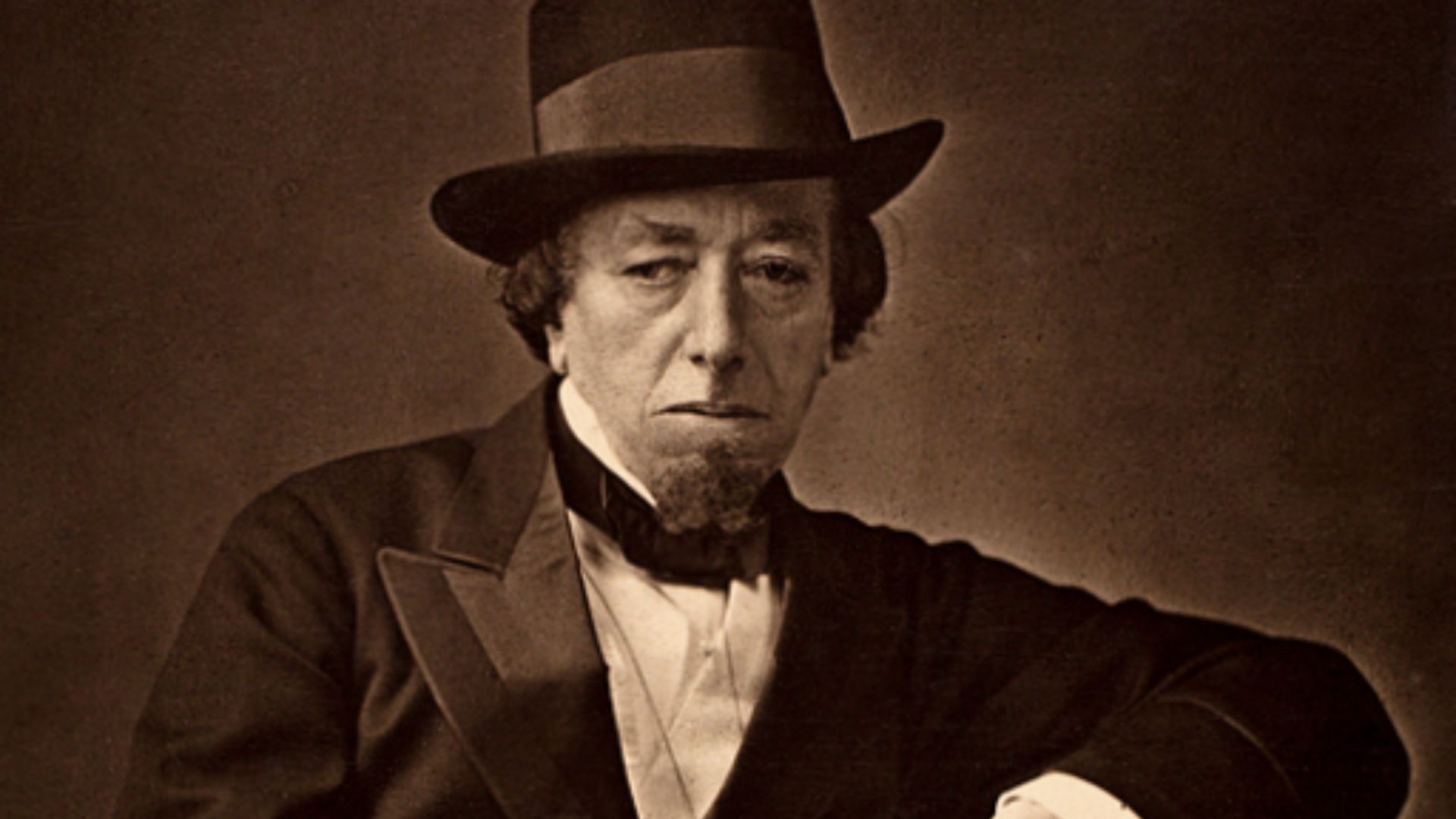 Cornelius Jabez Hughes on Wikimedia
18. Sarah Bernhardt
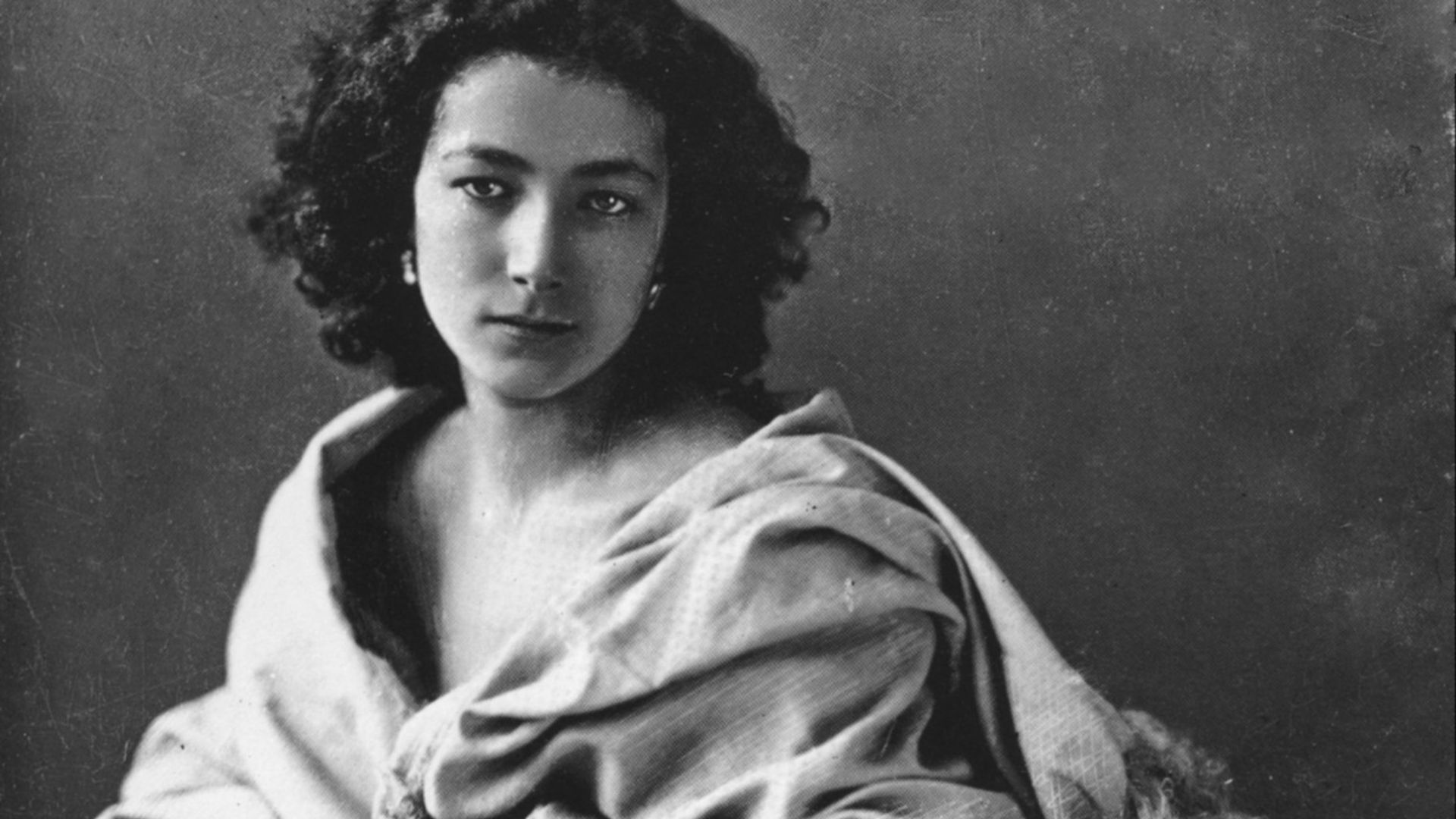
Sarah Bernhardt approached fashion with the same dramatic instinct she brought to the stage. She wore luxurious gowns, posed in elaborate costumes, and carefully styled herself for photographs that circulated widely among her admirers. Her slender figure and distinctive appearance became part of what made her an international celebrity.
19. Napoleon Bonaparte
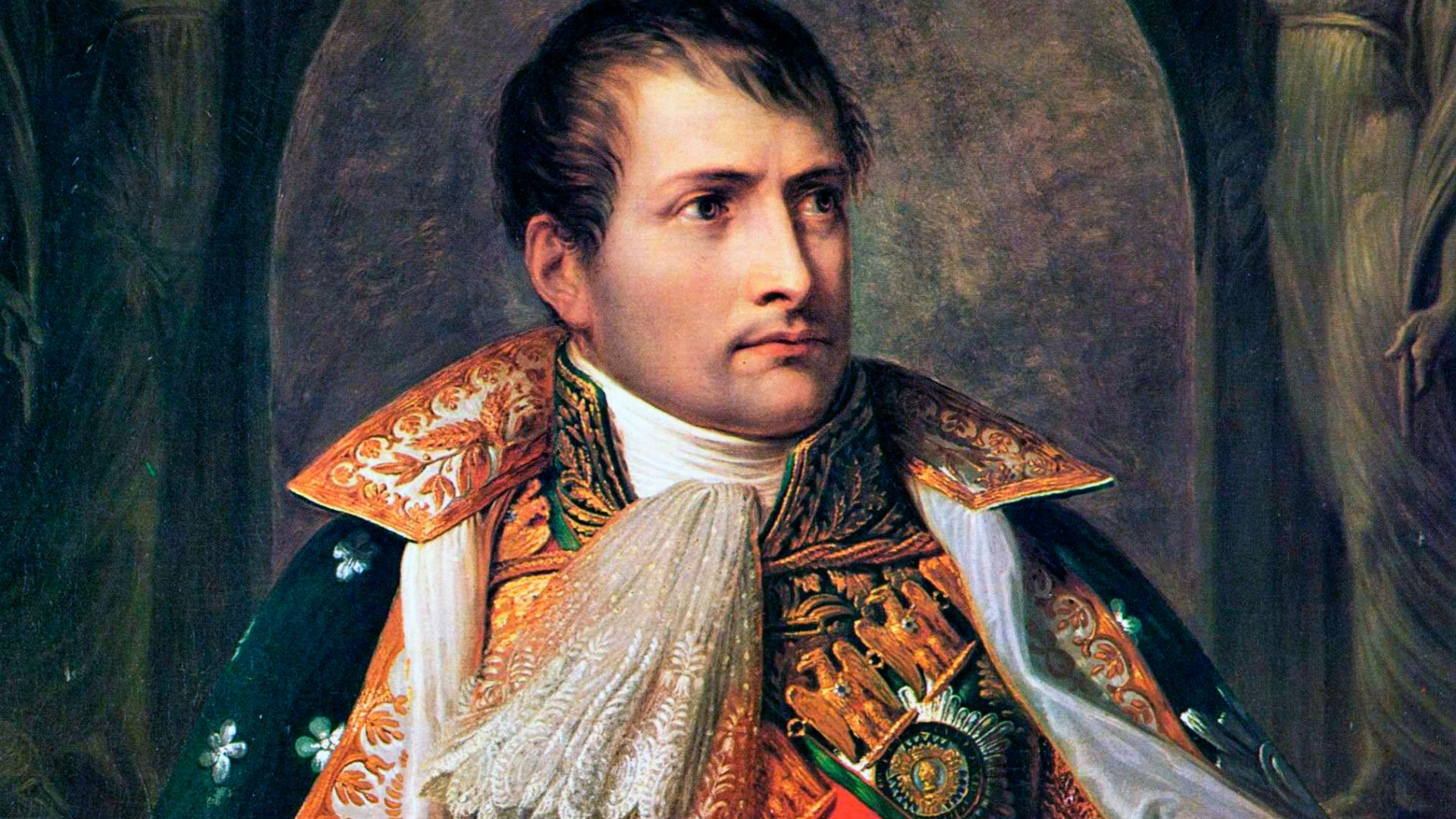
Napoleon may not seem like an obvious beauty obsessive, but his grooming habits could be surprisingly elaborate. He enjoyed long, hot baths, used generous amounts of eau de cologne, and paid close attention to personal cleanliness. He also had servants help him shave and dress, making grooming a regular part of his routine even during busy periods.
20. Salvador Dalí
Salvador Dalí's thin, sharply pointed mustache became one of the most recognizable grooming choices of the twentieth century. He carefully shaped the ends upward and experimented with increasingly dramatic versions of the style as he grew older. He was known for treating his own body, clothes, and public image as a living extension of his surrealist art.
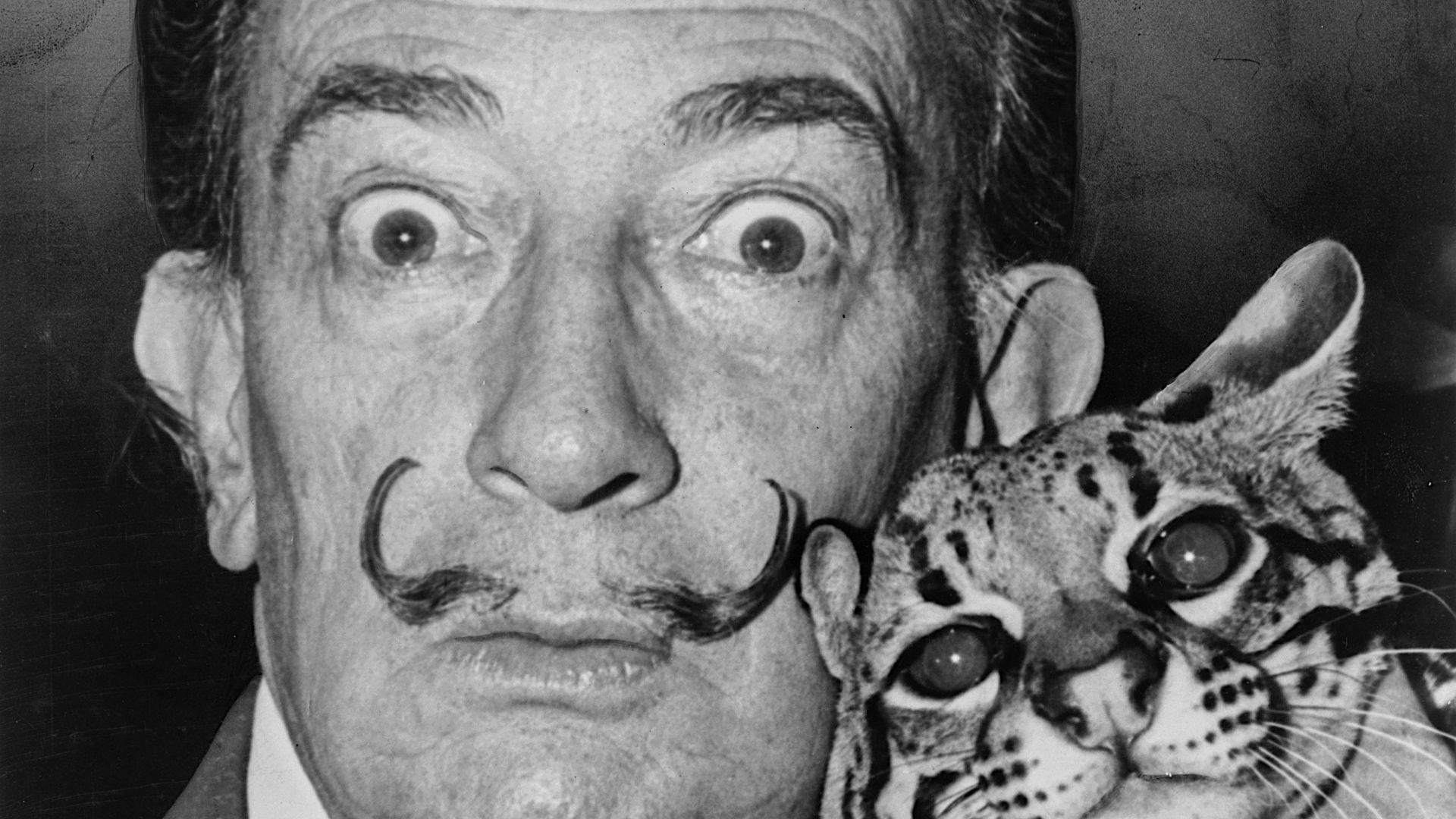 Roger Higgins, World Telegram staff photographer on Wikimedia
KEEP ON READING