20 Historical Figures Who Had No Friends Because Of Their Arrogance
Ego Has Always Been a Lonely Companion
History is filled with brilliant leaders, artists, inventors, and rulers whose confidence crossed the line into outright arrogance. While talent can earn admiration, an inflated ego often pushes away allies, friends, and even family members. In many cases, these historical figures found themselves isolated not because they lacked ability, but because few people enjoyed being around them. Here are 20 famous individuals whose arrogance earned them more enemies than friends.
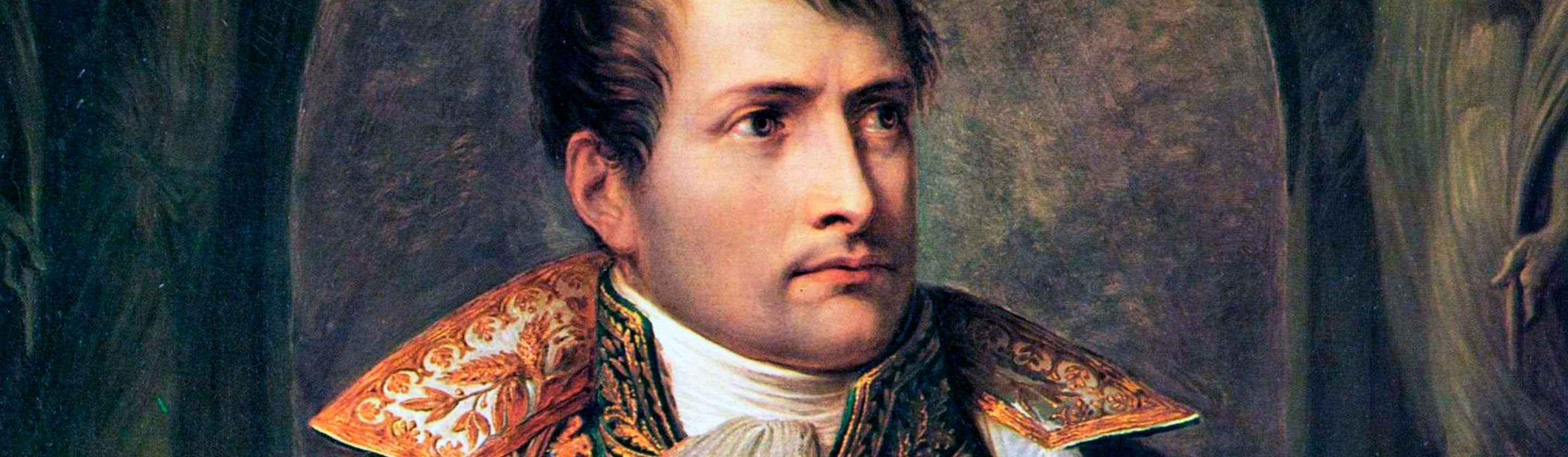
1. Napoleon Bonaparte
Napoleon inspired fierce loyalty from many soldiers, but his cockiness often alienated those closest to him. He believed few people could match his intelligence or military ability, making him dismissive of advice that conflicted with his own plans. As his empire expanded, trusted allies became increasingly wary of challenging him.
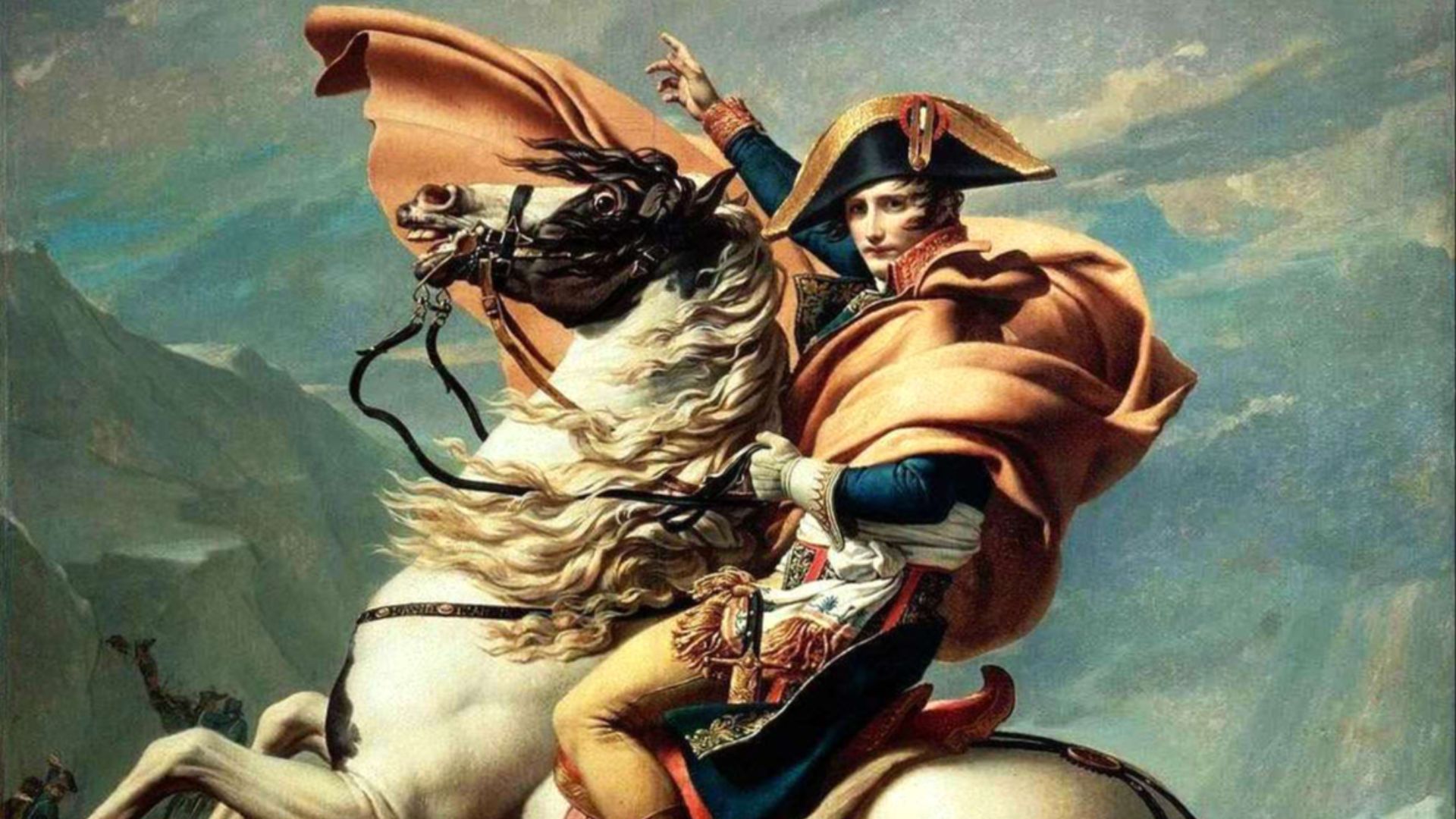 Jacques-Louis David on Wikimedia
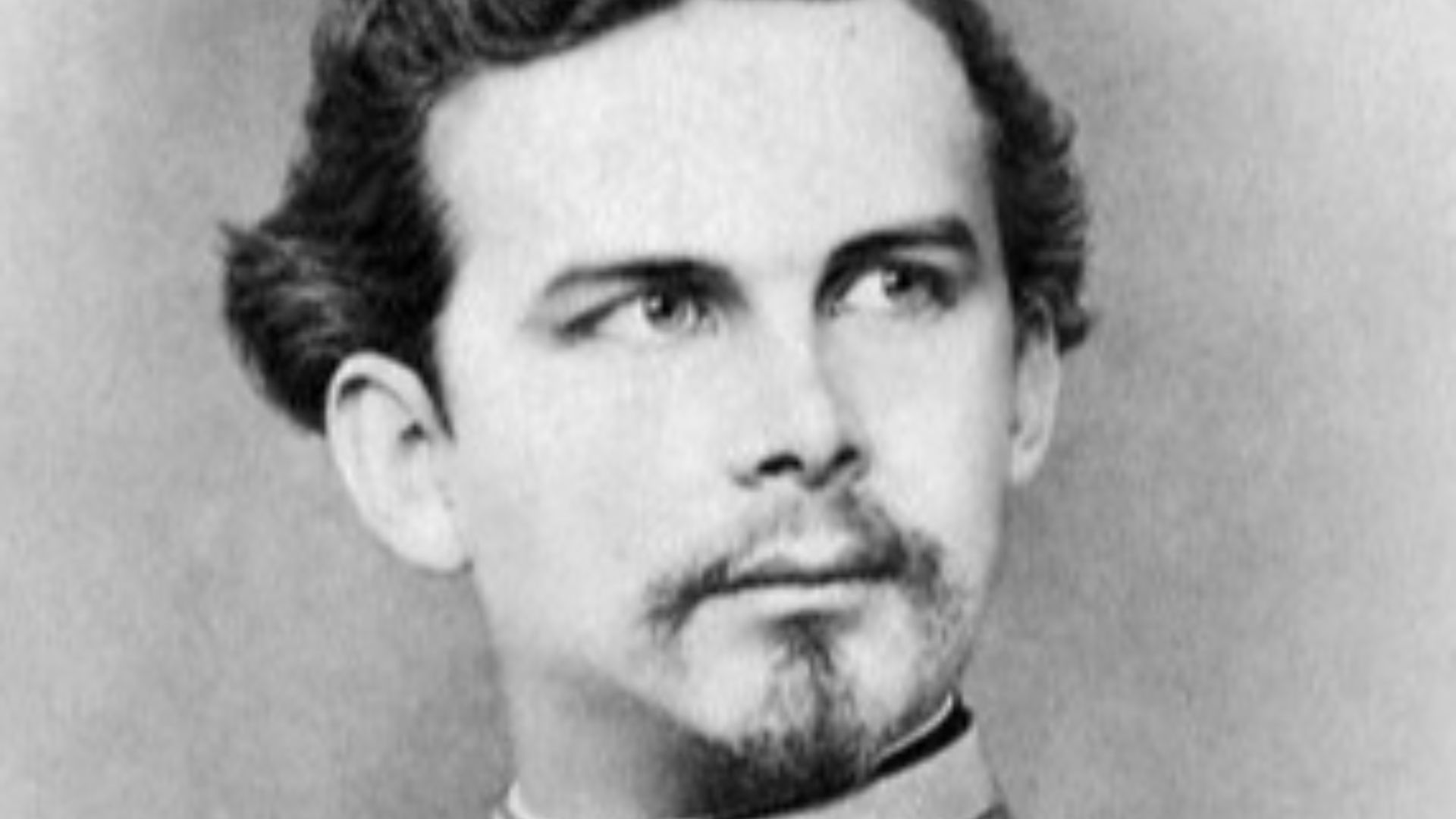
2. Ludwig II of Bavaria
King Ludwig II surrounded himself with elaborate castles and grand fantasies rather than close companions. He increasingly withdrew from court life while believing few people understood his vision. Ministers found him difficult to work with because he rarely accepted criticism.
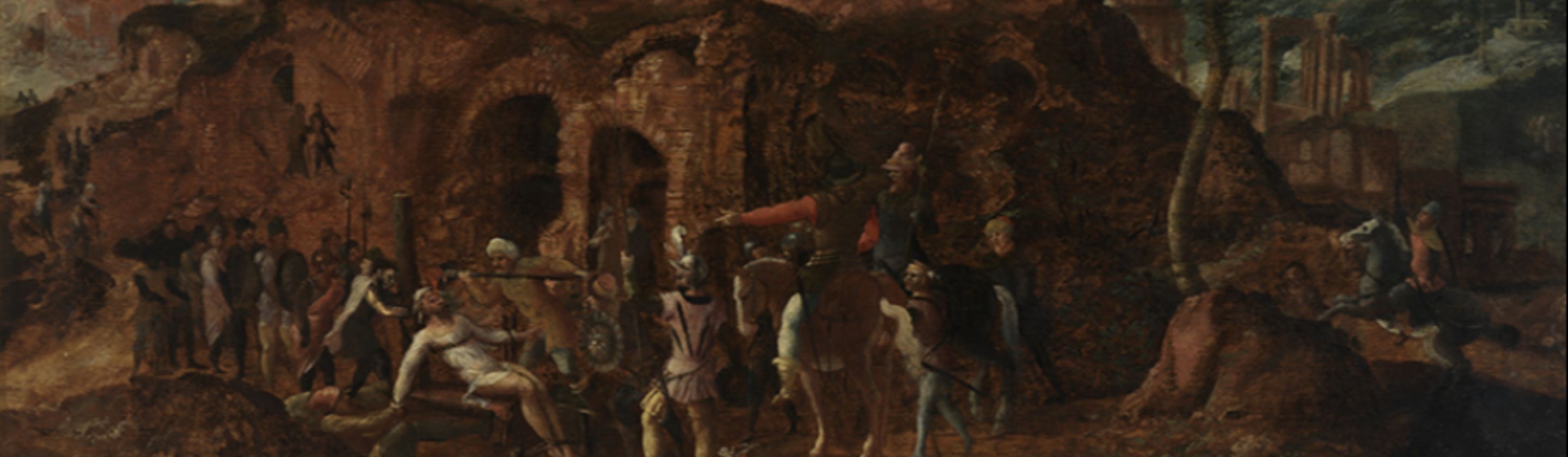
3. Caligula
Caligula expected absolute obedience from everyone around him. He frequently humiliated senators and treated powerful Romans as though they existed solely to entertain him. Few people could safely be considered his friend because anyone who displeased him risked severe punishment.
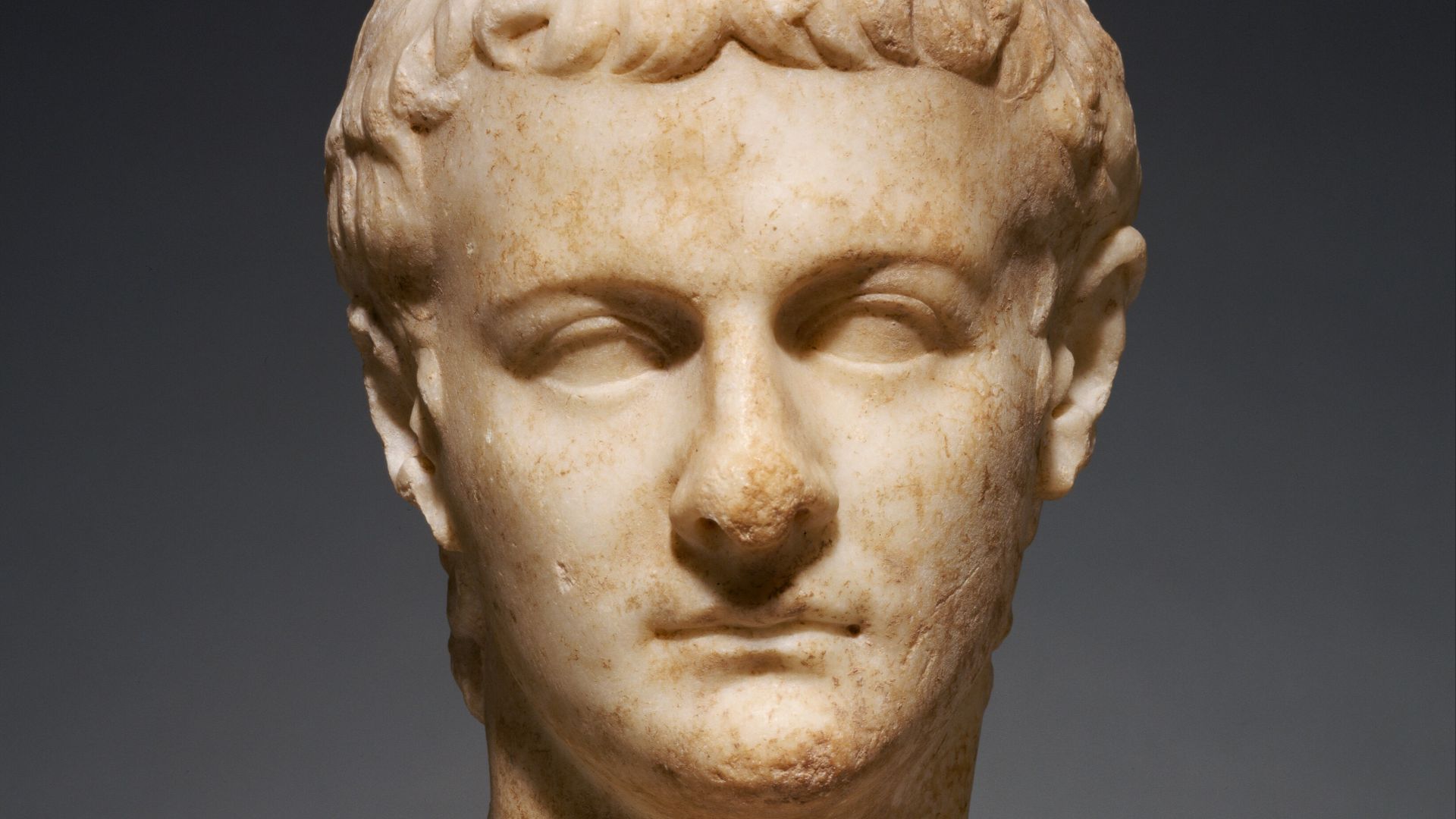 J. Paul Getty Museum on Wikimedia
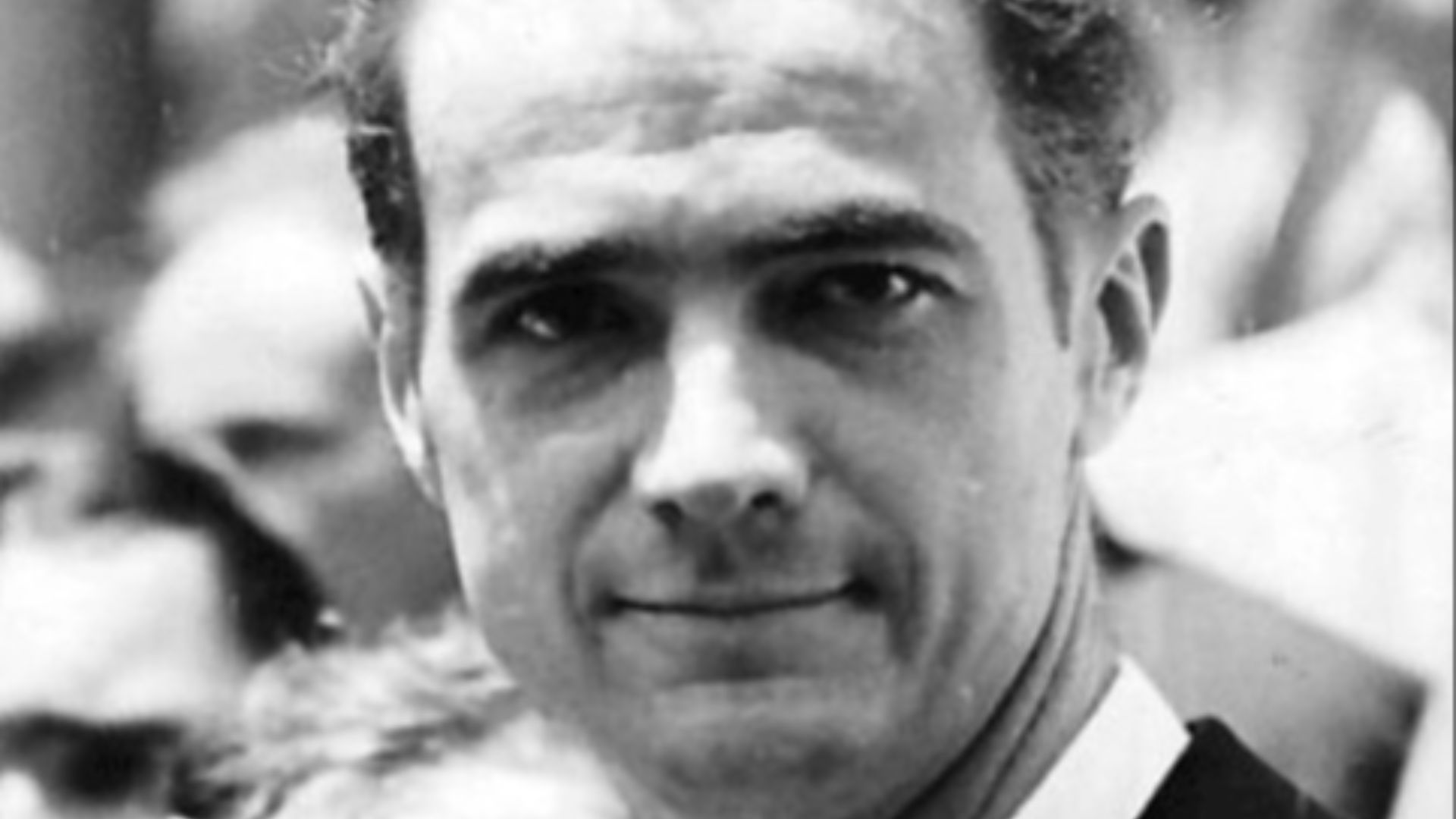
4. Howard Hughes
Howard Hughes was undeniably brilliant, but his immense wealth and success reinforced his belief that few people deserved his trust. Over time, he isolated himself almost completely from the outside world. Employees and advisors often struggled to work with him because he insisted on controlling every detail.
 Acme Newspictures on Wikimedia
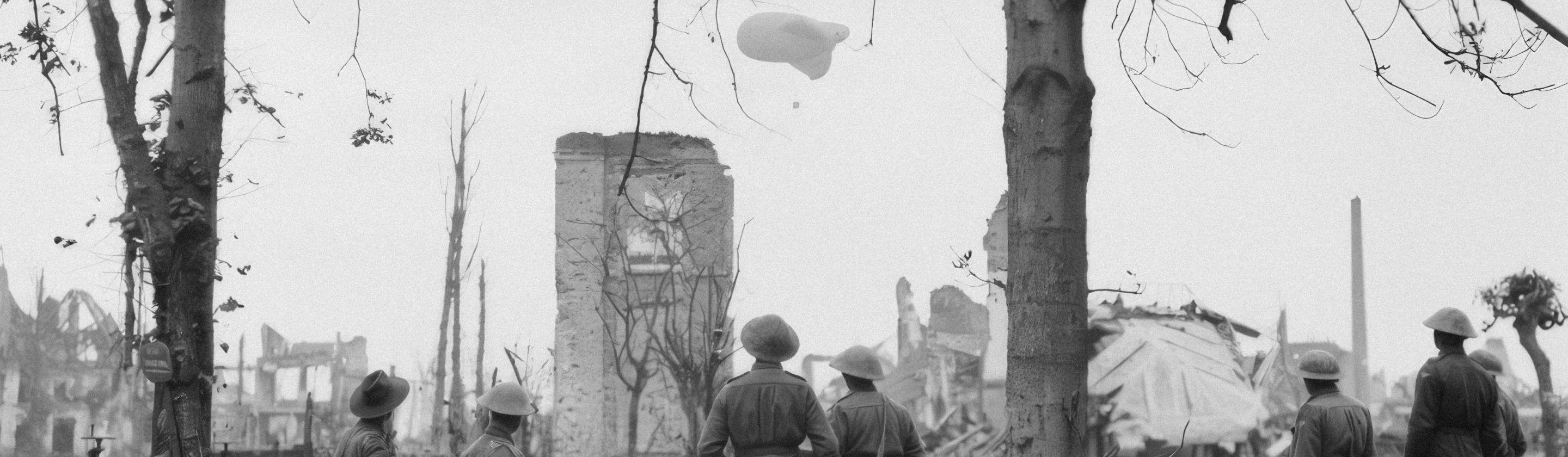
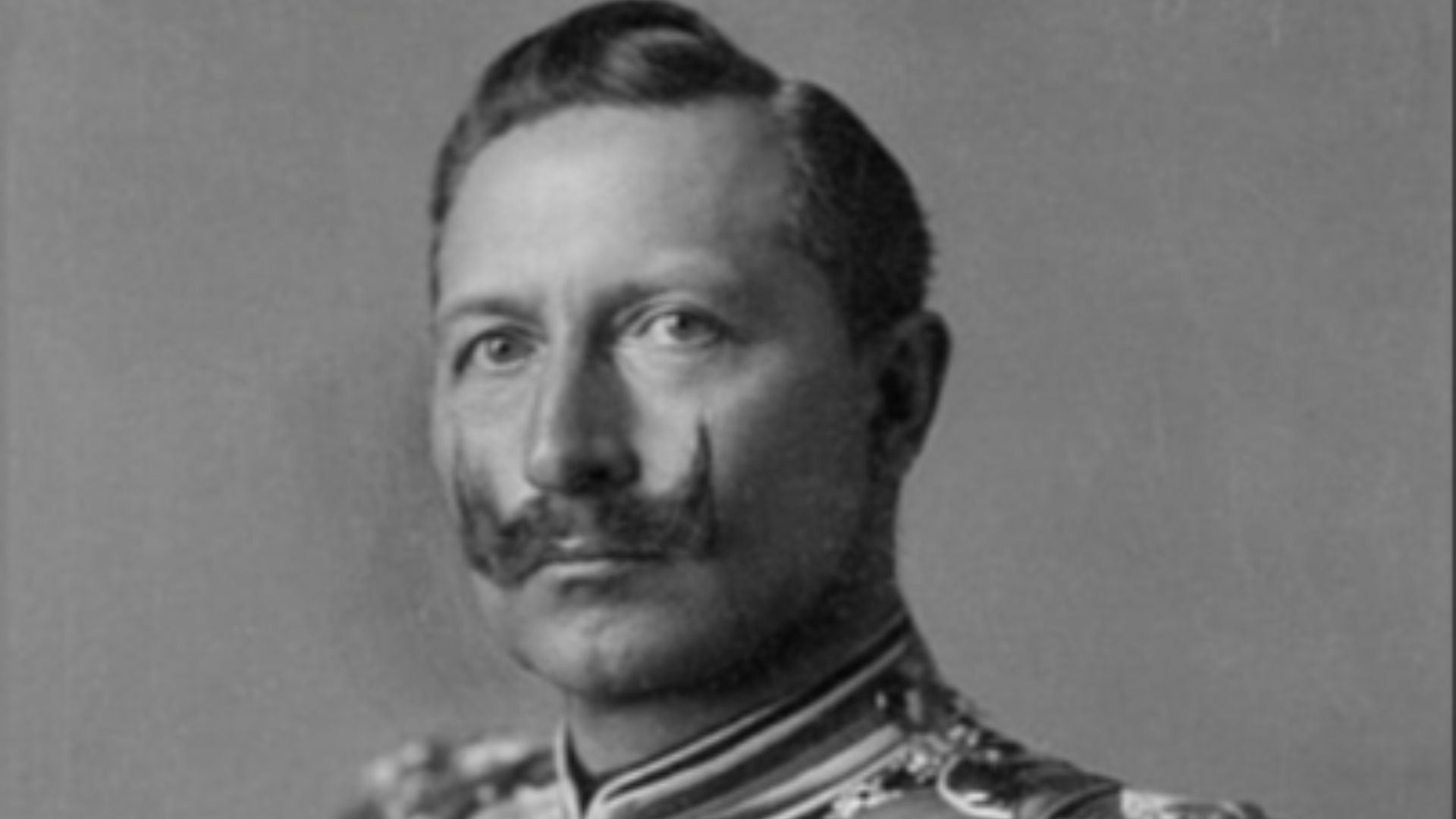
5. Kaiser Wilhelm II
Germany's last emperor projected supreme confidence, yet his personality often frustrated political allies. He frequently overruled experienced advisors because he believed his own instincts were superior. That habit created tension within his own government and weakened important relationships.
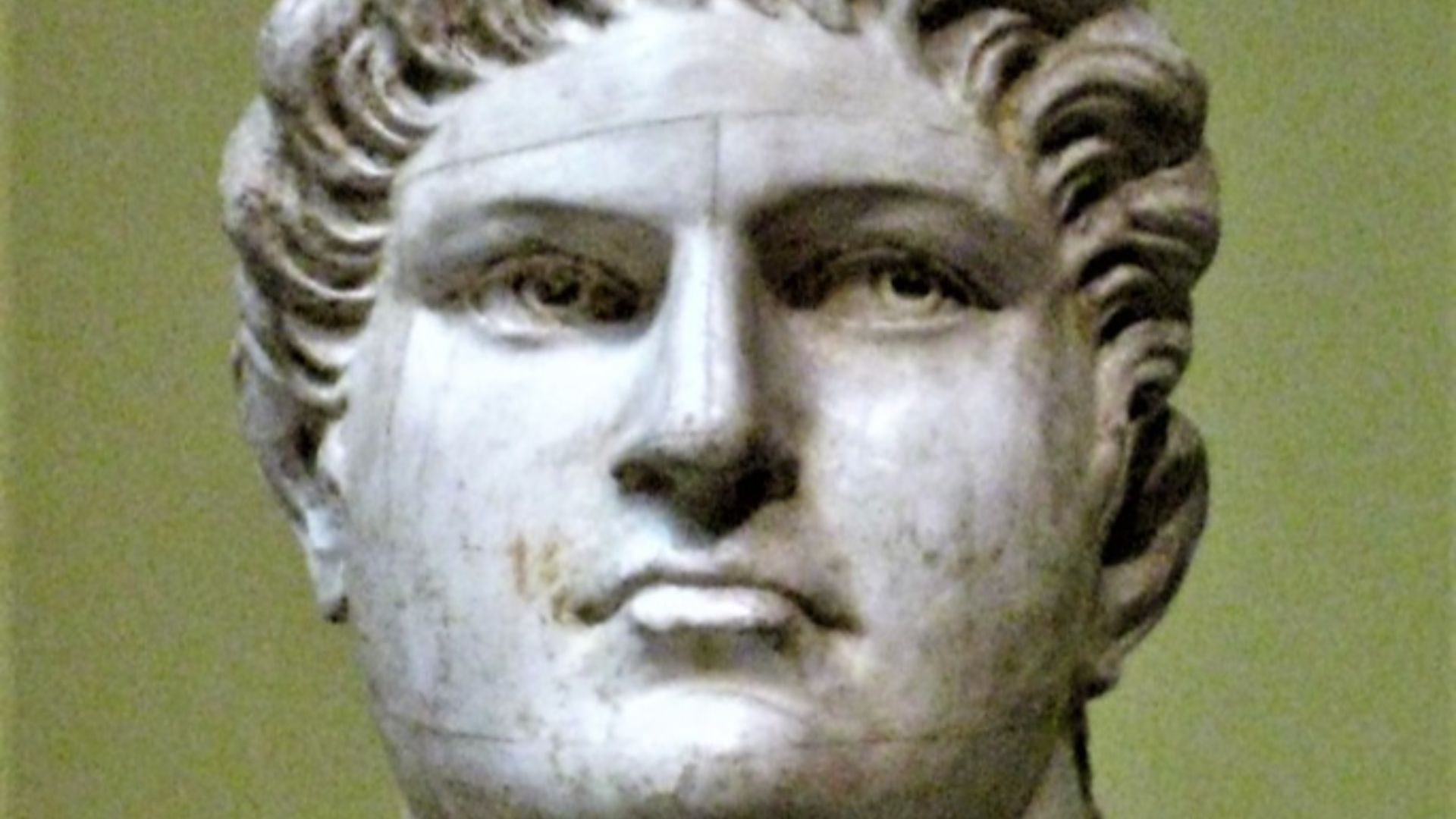
6. Nero
Nero expected admiration wherever he went, especially for his performances as a musician and actor. He demanded applause even when audiences had little choice but to cheer. Members of Rome's elite eventually grew tired of his vanity and unpredictable behavior.
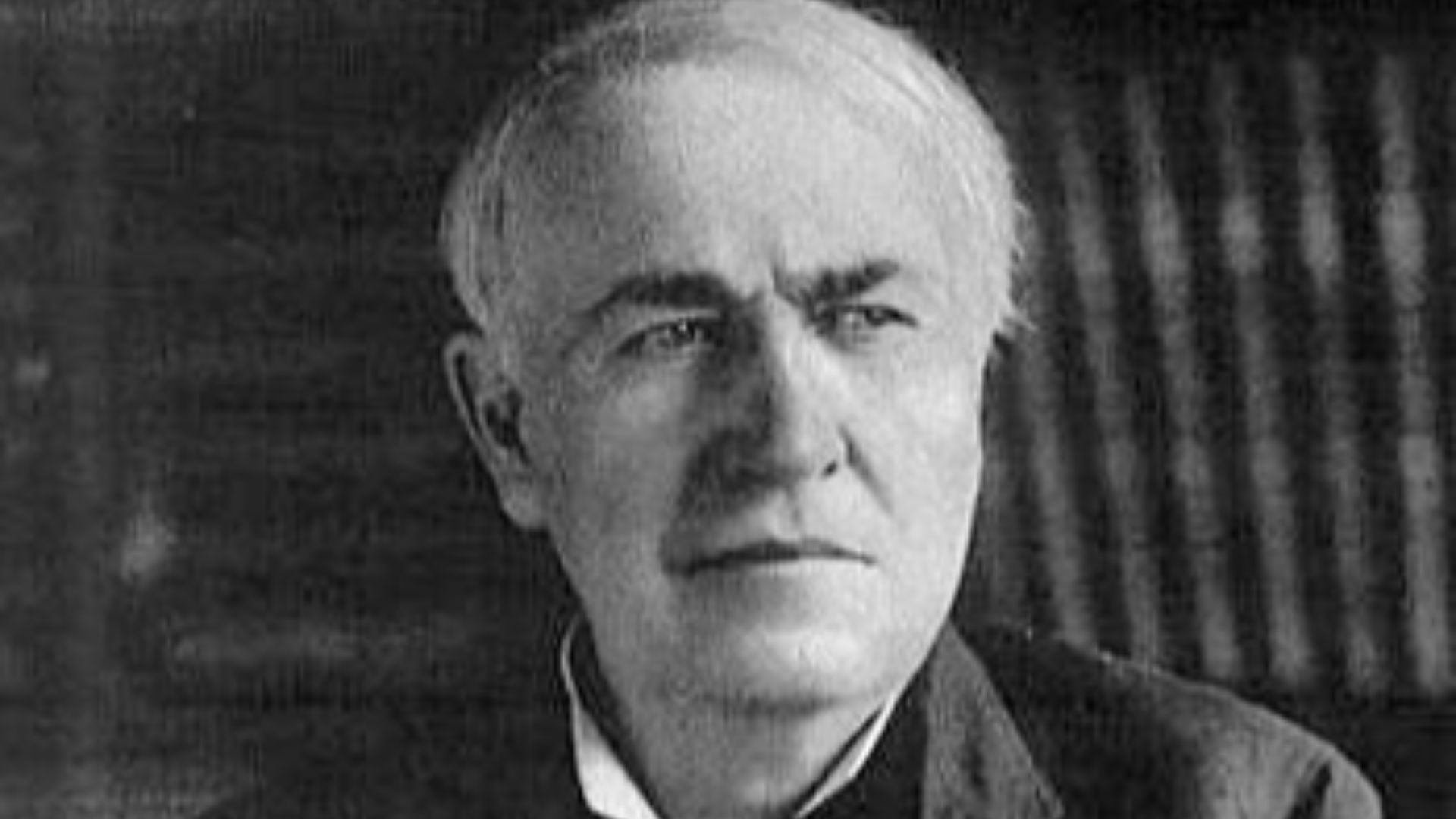
7. Thomas Edison
Edison was a remarkable inventor, but his competitive streak sometimes overshadowed his collaborative side. He often dismissed rivals and fought aggressively to protect his reputation. Business relationships occasionally deteriorated because he insisted on receiving much of the credit.
8. Douglas MacArthur
General Douglas MacArthur possessed extraordinary military talent, yet his self-belief frequently came across as arrogance. He openly challenged political leaders when he believed they were wrong. Fellow officers sometimes admired his brilliance while finding him difficult to work alongside.
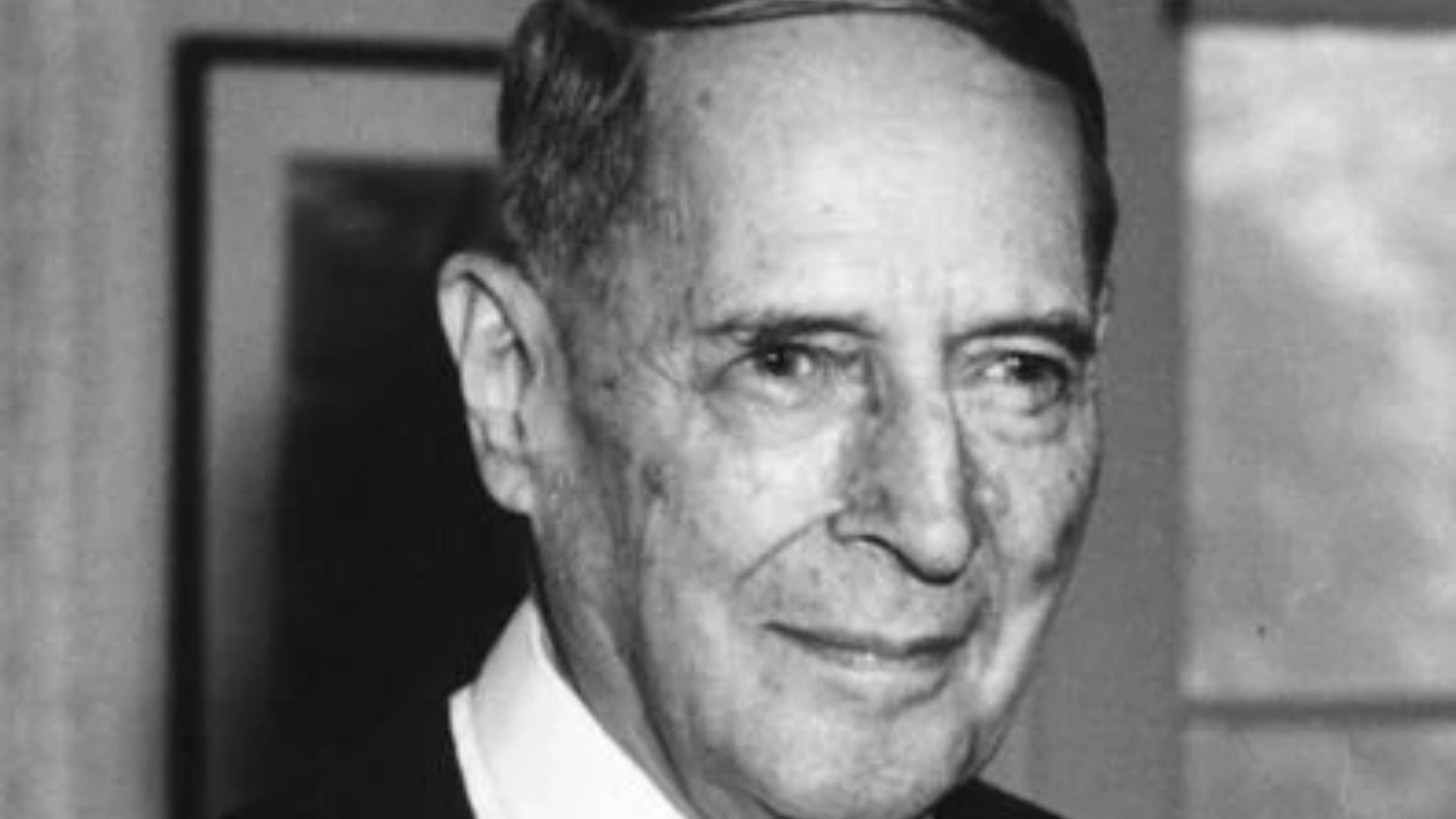
9. Ayn Rand
Ayn Rand attracted devoted followers through her philosophy, but she also drove many people away with her uncompromising personality. She expected complete intellectual agreement from those in her inner circle. Friends who questioned her ideas often found themselves excluded.
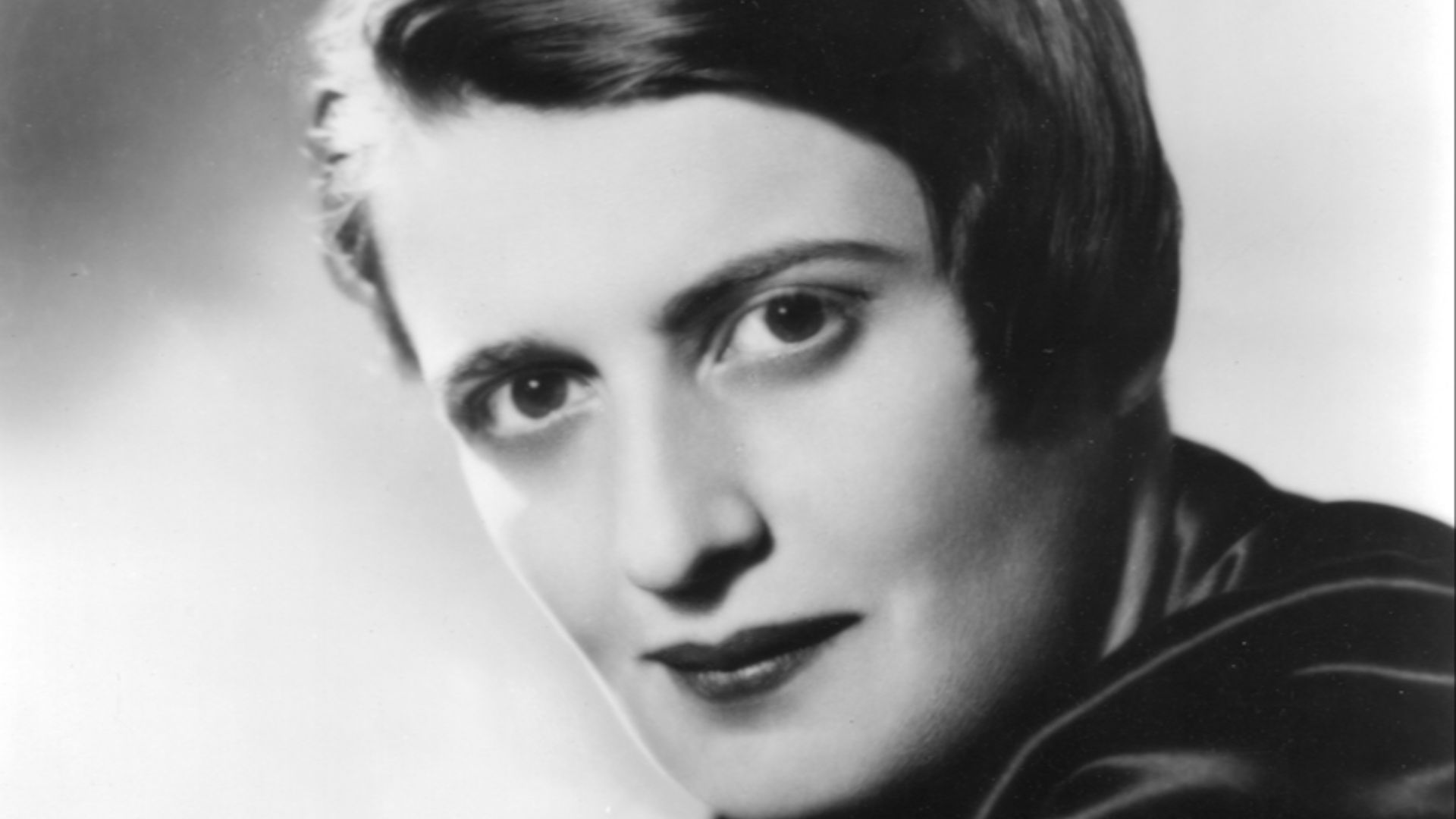
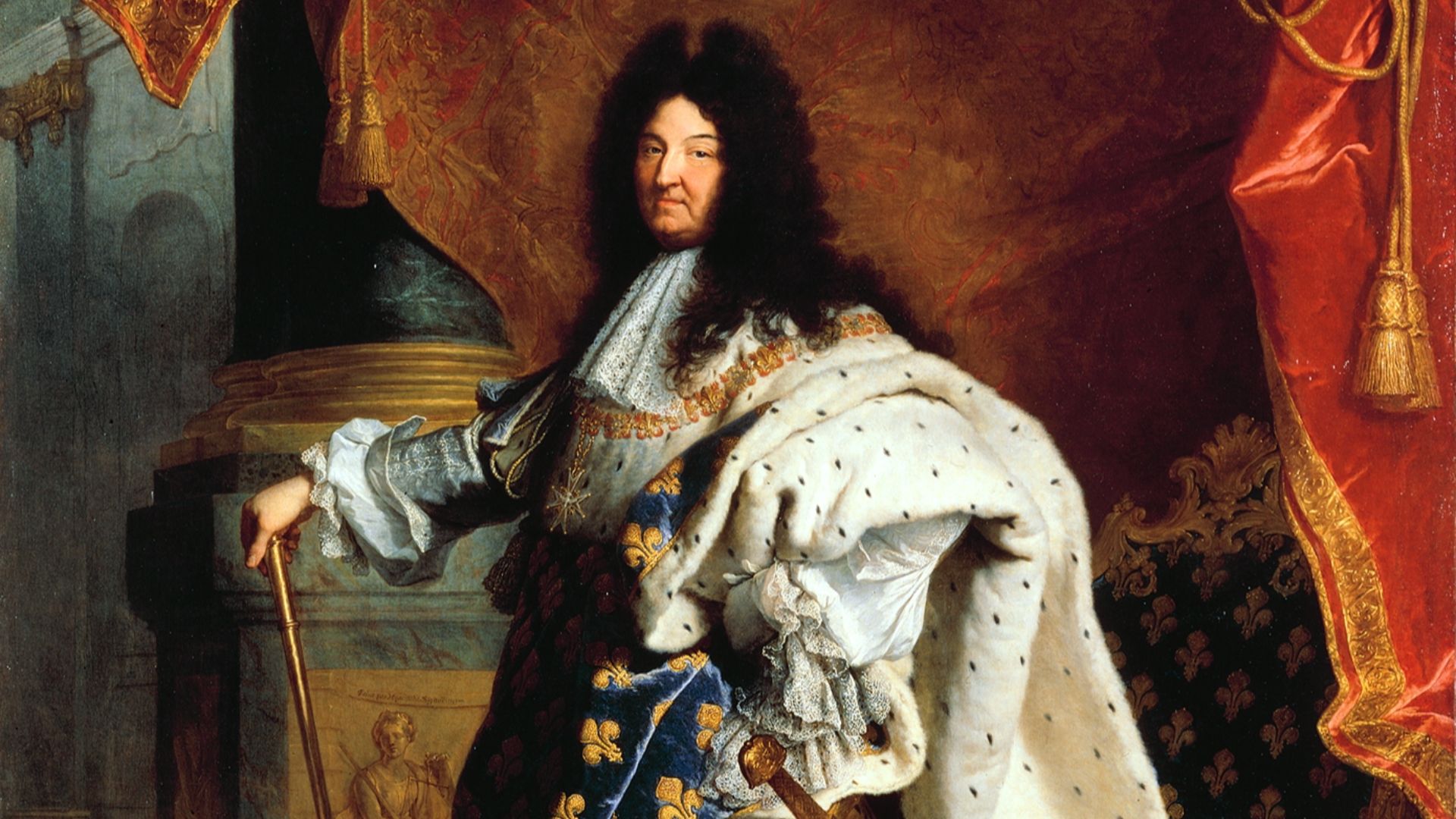
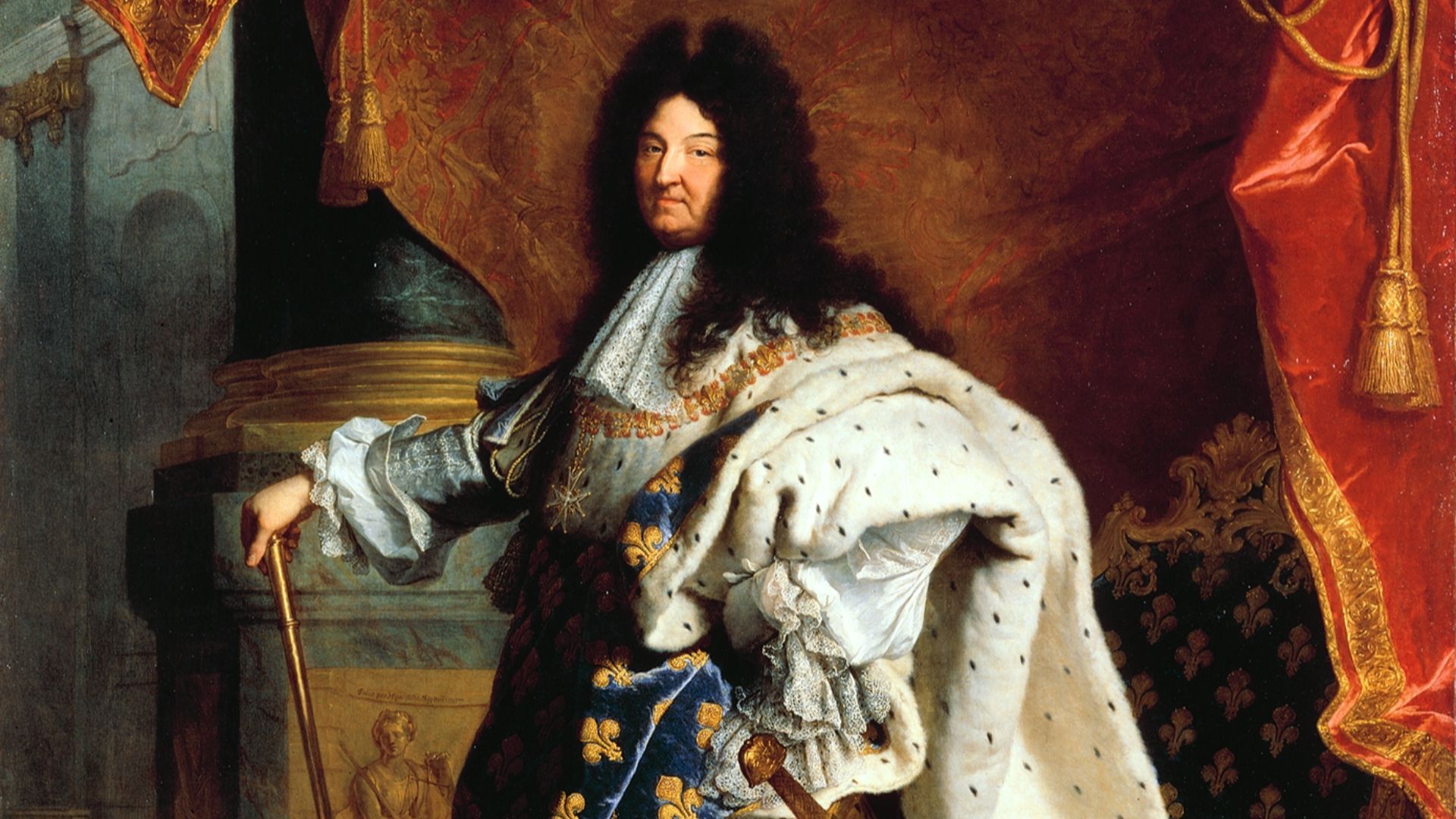
10. Louis XIV
The "Sun King" built Versailles to reflect his own grandeur and expected the French nobility to revolve around him. His court operated according to elaborate rituals that reinforced his importance every day. Although surrounded by hundreds of courtiers, genuine friendships were rare.
11. Richard Wagner
Richard Wagner's musical genius came with an enormous ego. He regularly spoke as though his work surpassed that of nearly every other composer. Even supporters sometimes found his personality exhausting.
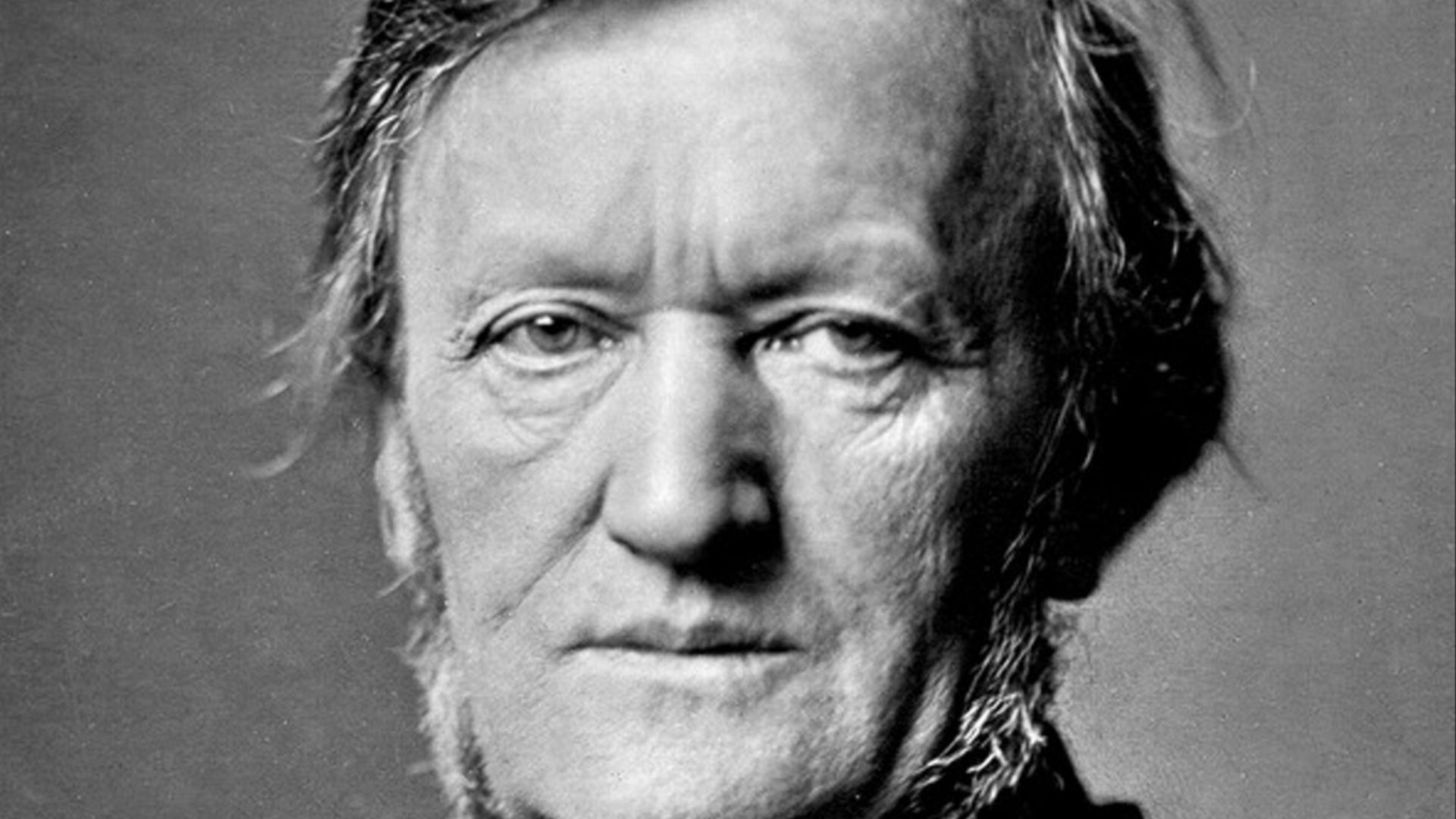 Franz Hanfstaengl on Wikimedia
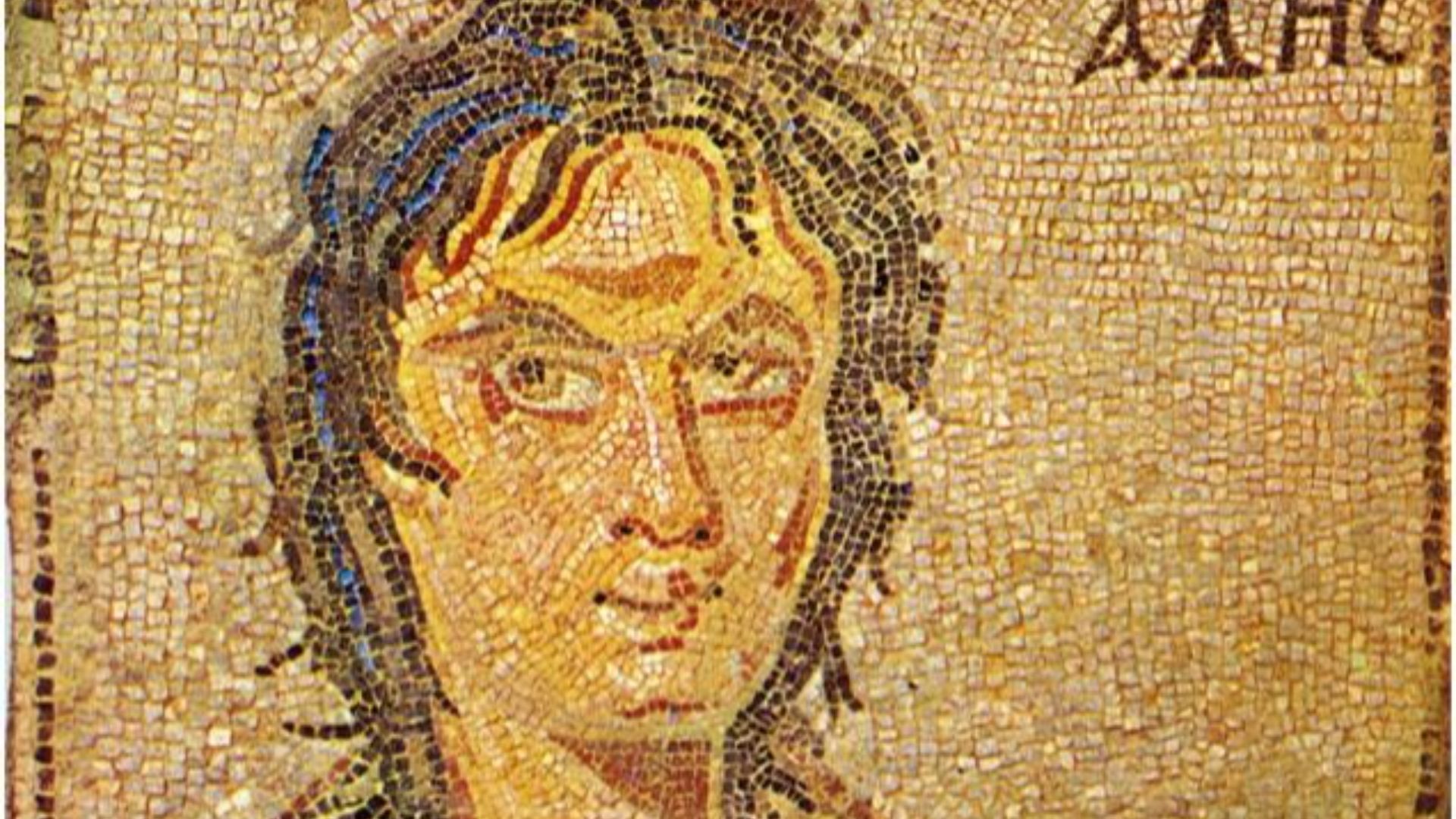
12. Alcibiades
The Athenian statesman Alcibiades possessed remarkable charm along with overwhelming self-confidence. He repeatedly switched political loyalties whenever it suited his ambitions. Former allies often felt betrayed after placing their trust in him.
 www.studyblue.com on Wikimedia
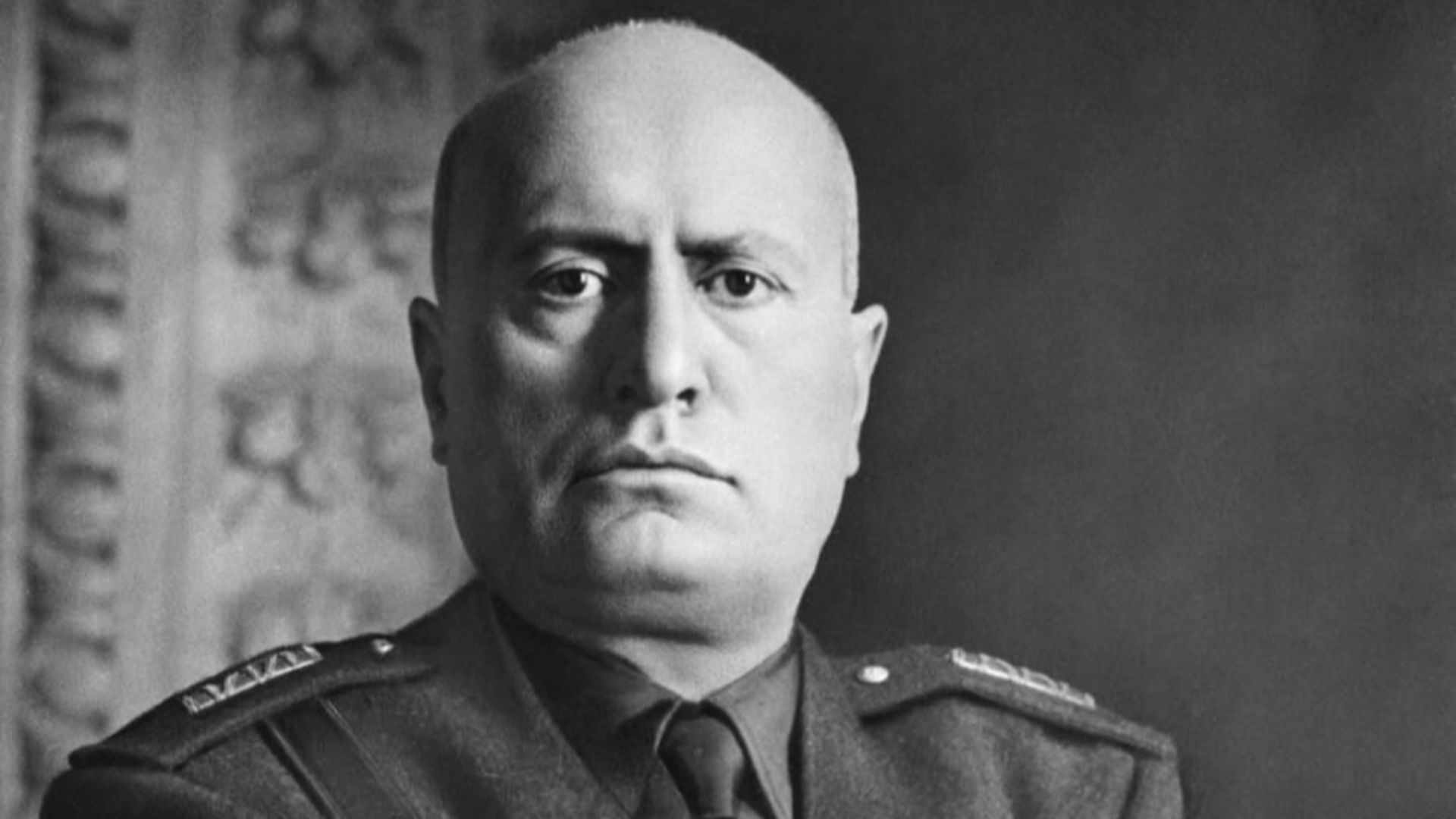
13. Benito Mussolini
Mussolini carefully cultivated an image of infallibility. He expected unwavering loyalty while dismissing criticism from advisors and political colleagues. As military failures mounted, many supporters quietly distanced themselves from him.
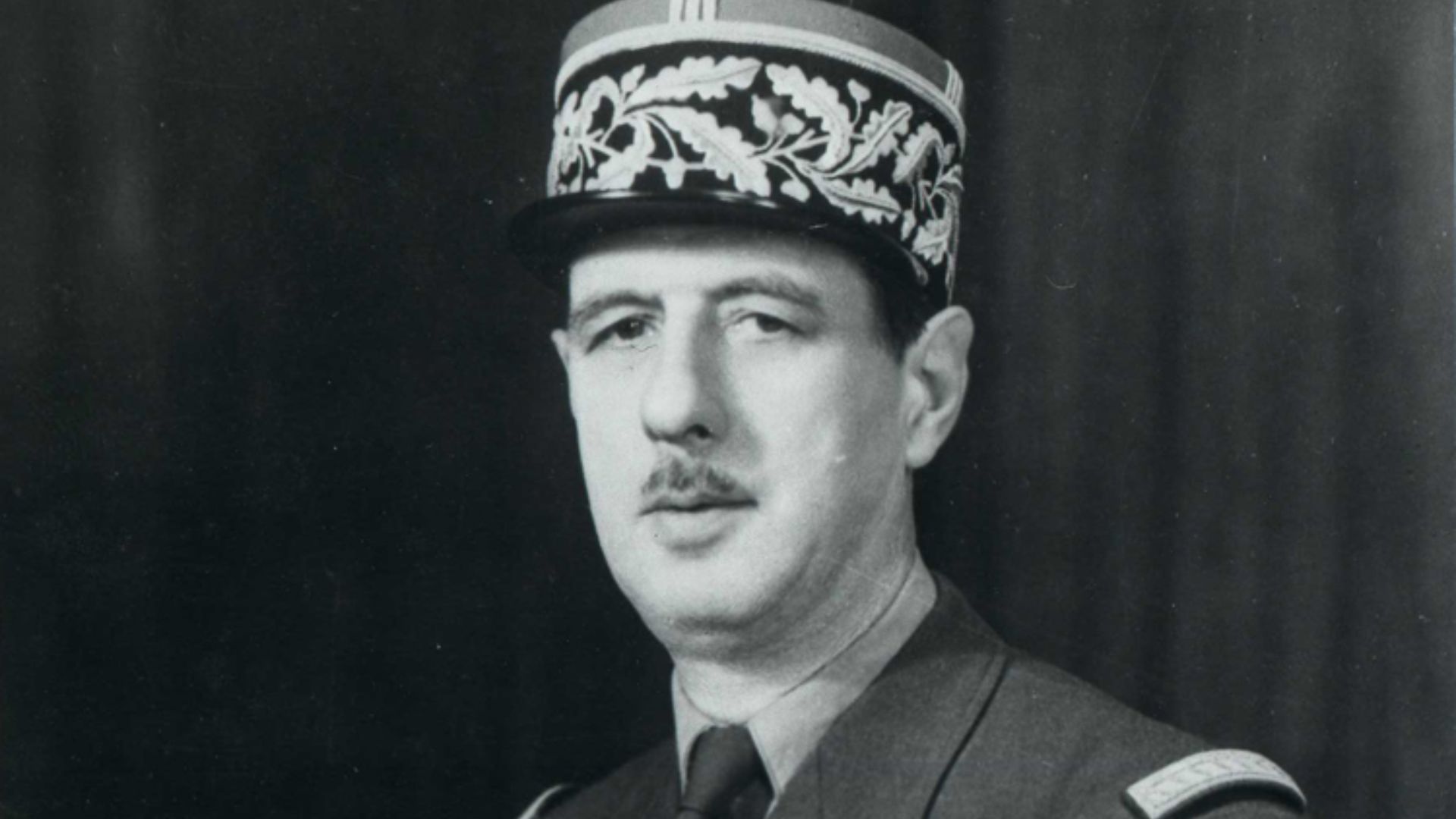
14. Charles de Gaulle
Charles de Gaulle believed deeply in France's greatness and rarely softened his opinions. Fellow politicians often described him as proud, stubborn, and unwilling to compromise. While widely respected as a leader, he maintained few close personal friendships.
 The National Archives UK on Wikimedia
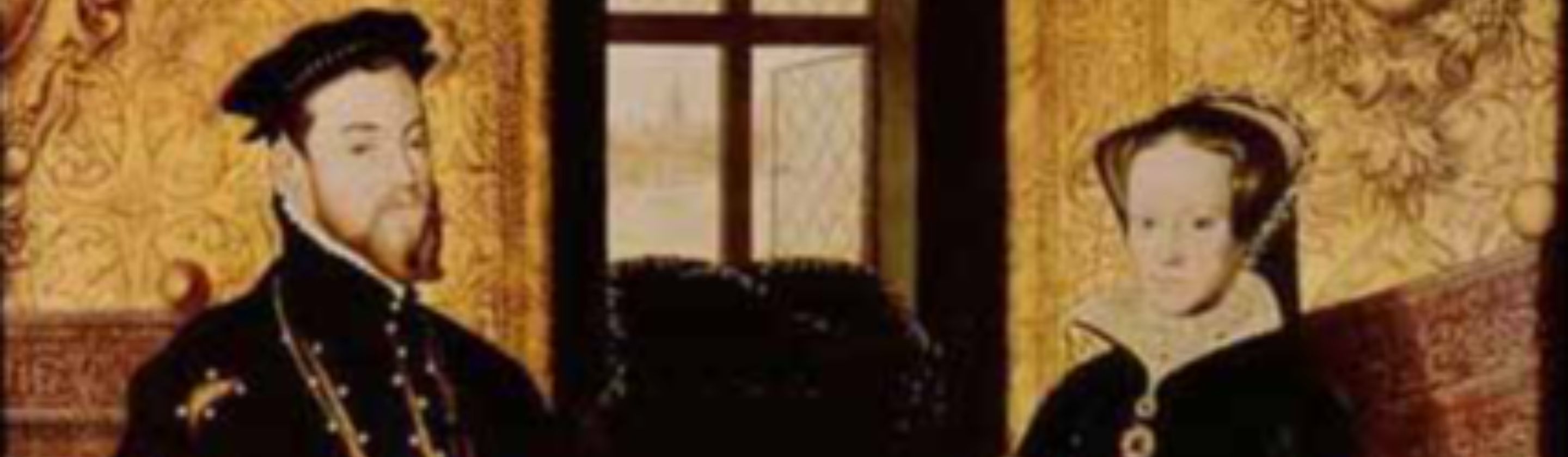
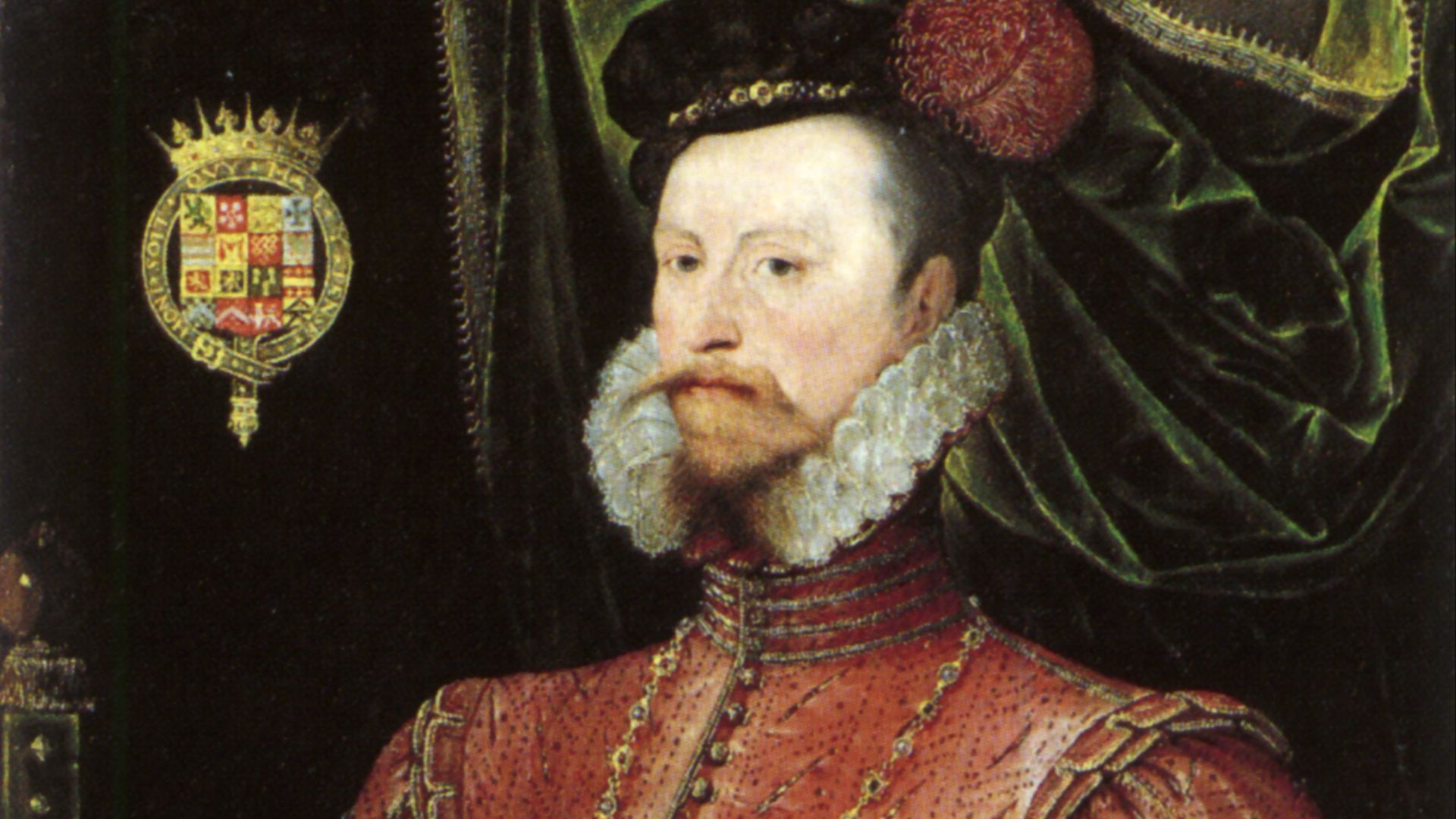
15. Robert Dudley
Robert Dudley enjoyed unmatched influence at Elizabeth I's court, and many contemporaries believed that privilege fueled his arrogance. Rivals accused him of acting as though ordinary court rules didn't apply to him. His confidence earned him powerful enemies among the nobility.
 Anglo-Netherlandish School, Unknown Artist on Wikimedia
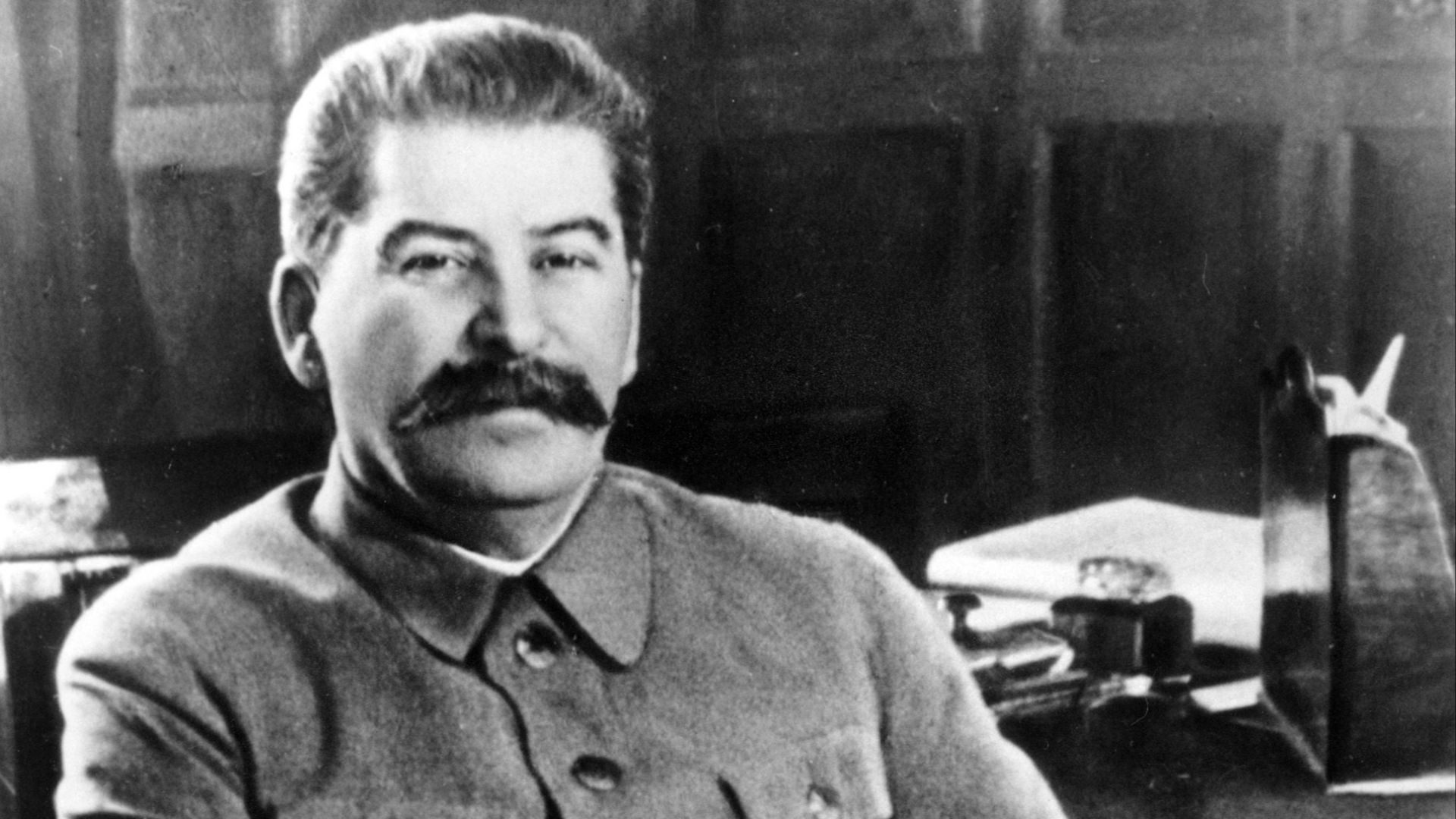
16. Joseph Stalin
Stalin trusted almost no one, partly because he believed nobody else was worthy of complete confidence. He viewed even longtime allies with suspicion and regularly turned against former friends. Fear replaced friendship throughout his inner circle, and eventually, nearly everyone around him served out of necessity rather than loyalty.
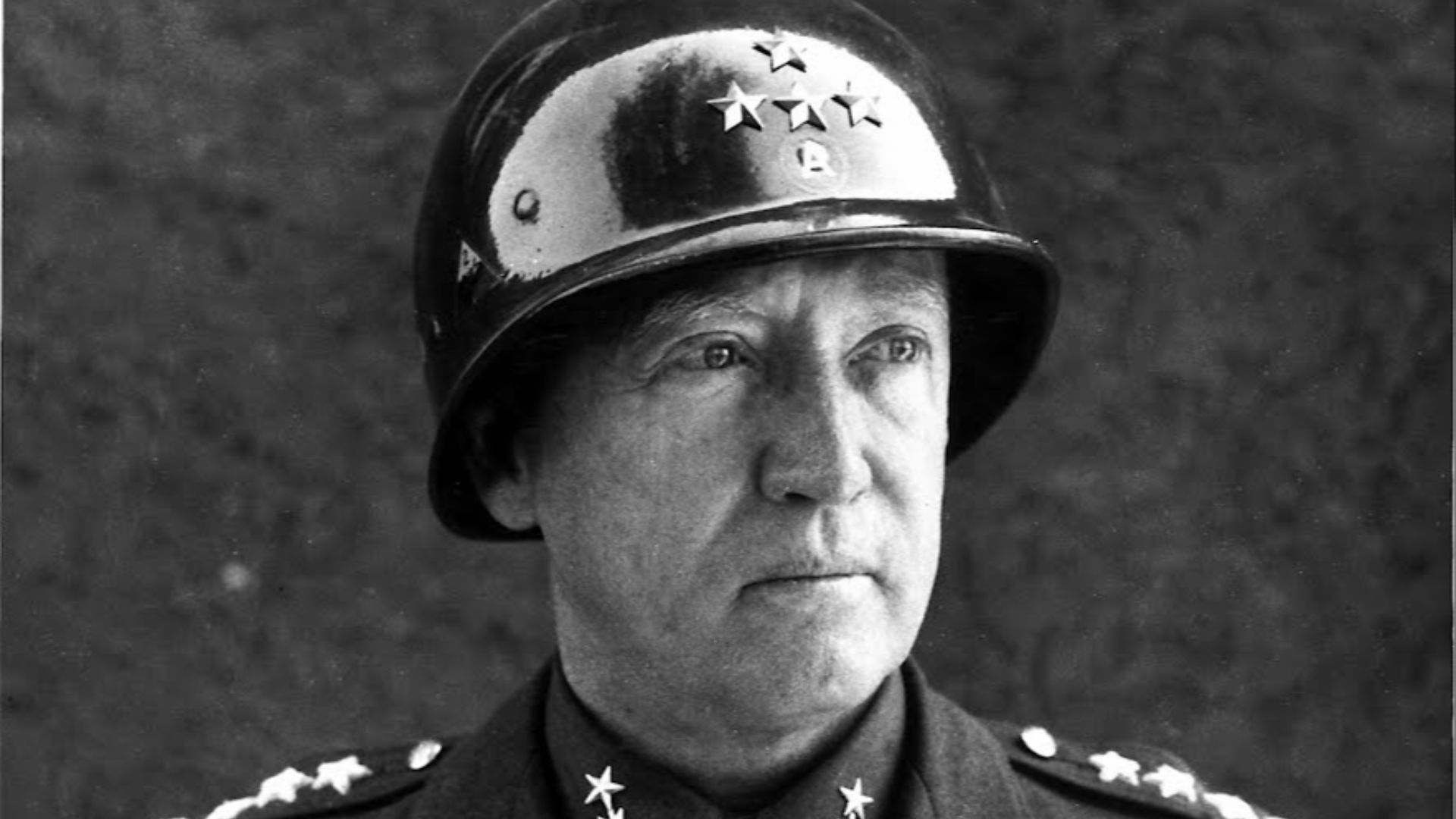
17. General George S. Patton
Patton's bold personality inspired countless soldiers, but it also created friction with fellow commanders. He rarely hesitated to express his opinions, even when they offended colleagues. That blunt confidence sometimes overshadowed his undeniable military skill.
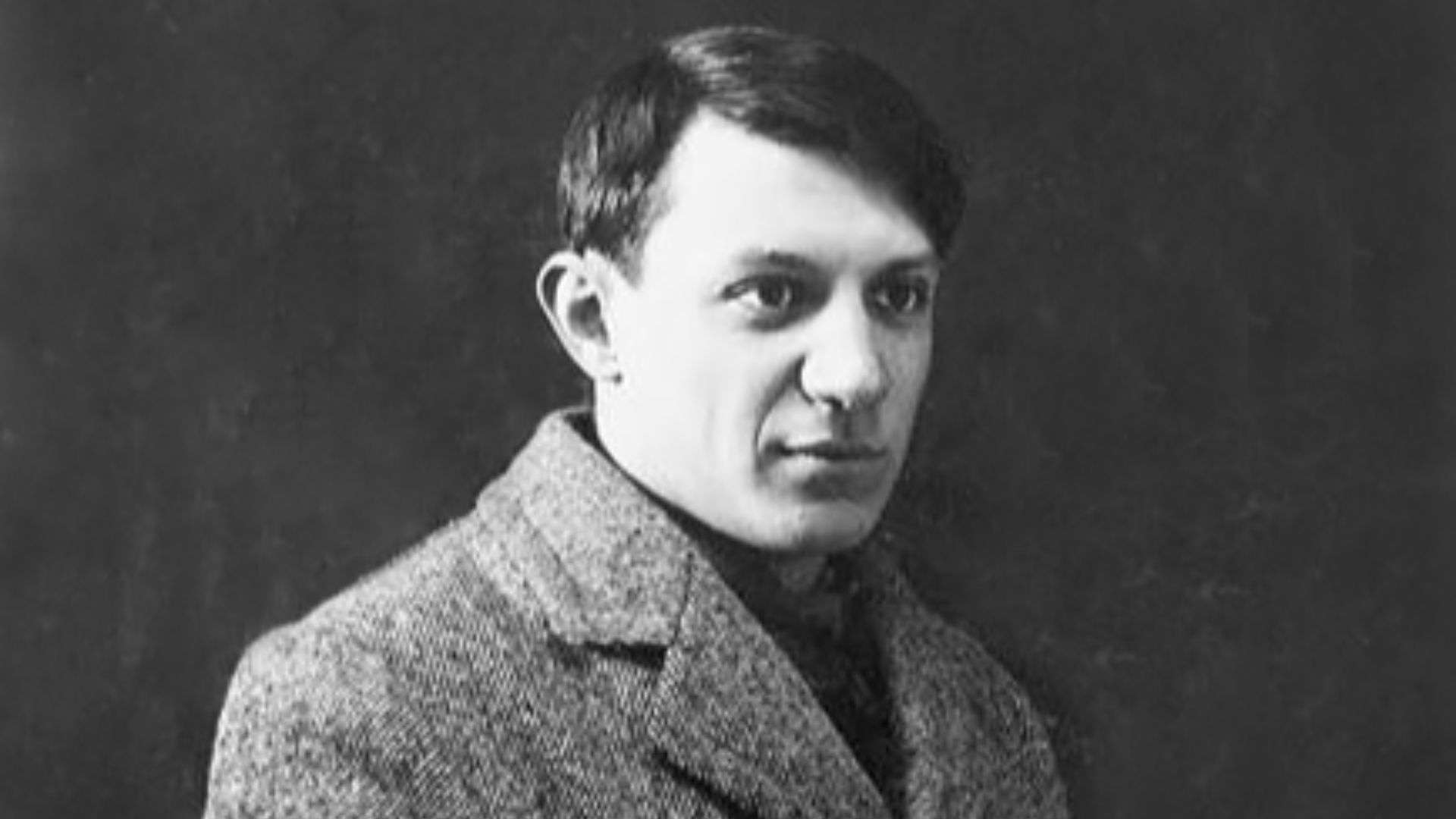
18. Pablo Picasso
Picasso revolutionized modern art, but many people found his personality difficult to admire. He frequently placed his own creative ambitions above the feelings of friends, lovers, and colleagues. Relationships often deteriorated because everything seemed to revolve around him.
19. Grigory Potemkin
Potemkin enjoyed immense influence within the Russian Empire and developed a reputation for extravagant confidence. His political rivals viewed him as boastful and excessively self-important. While he remained close to Catherine, many others resented his attitude and growing power. Admiration and friendship were rarely the same thing in imperial Russia.
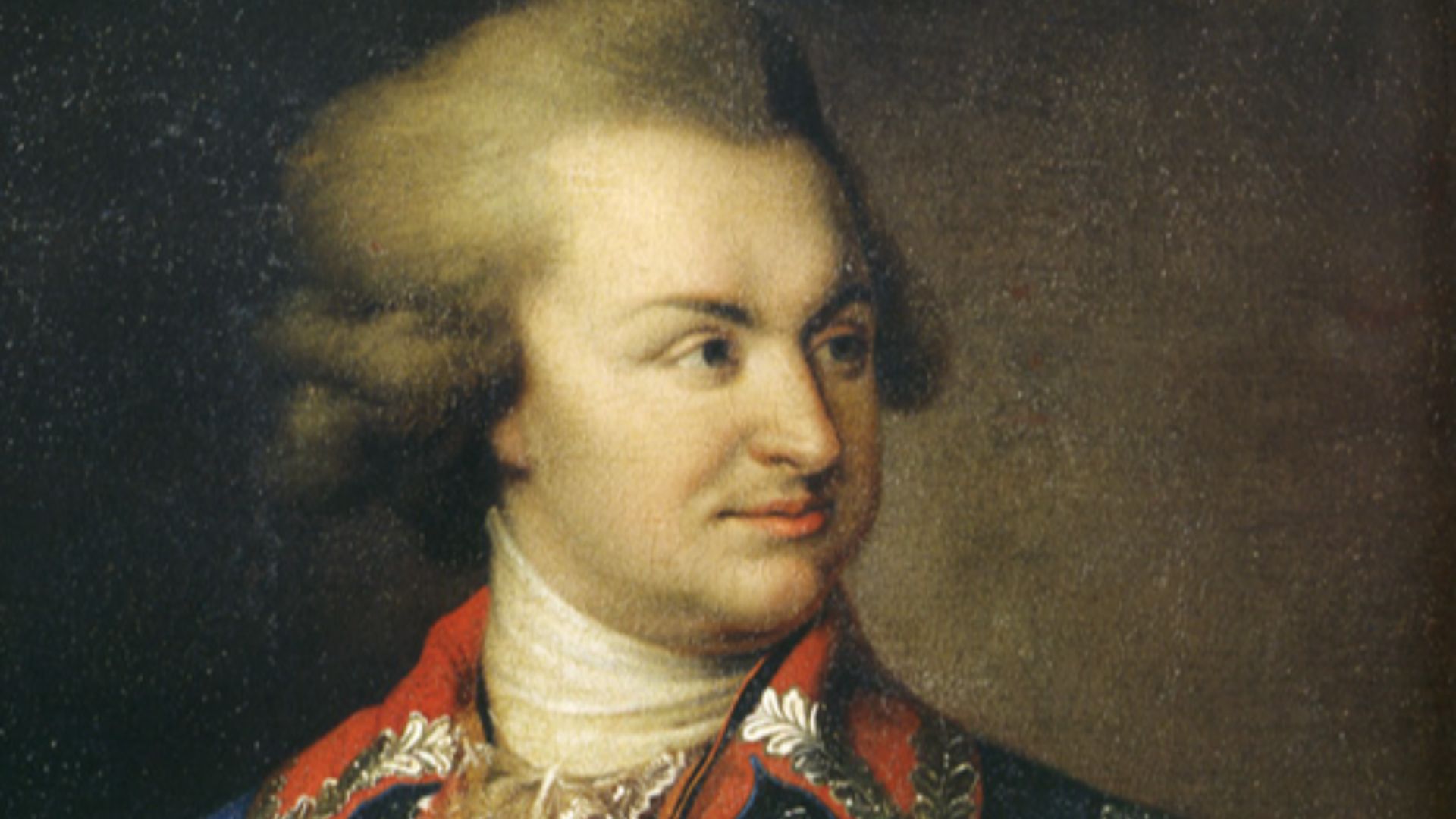 After Johann Baptist von Lampi the Elder on Wikimedia
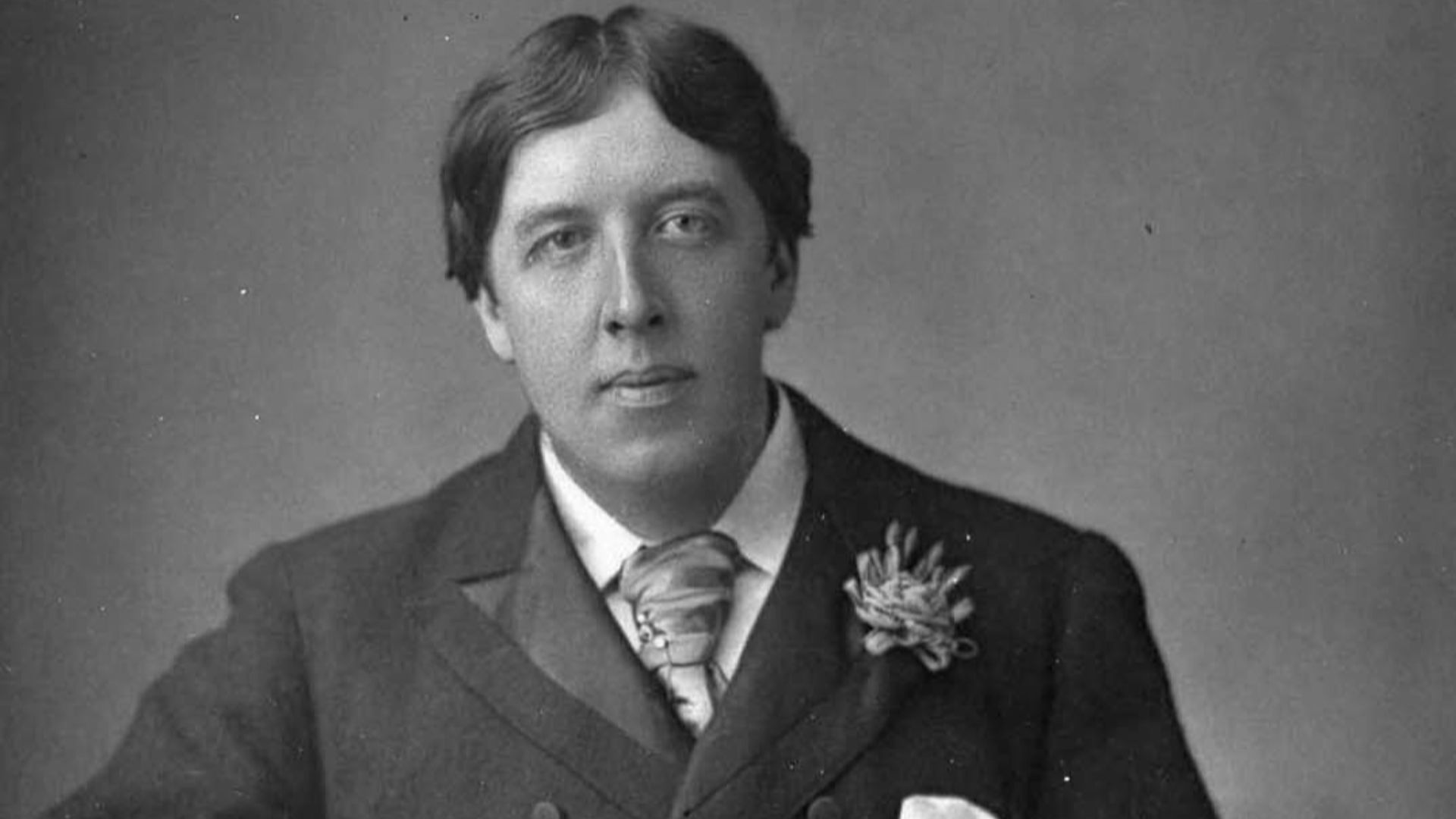
20. Oscar Wilde
Oscar Wilde's wit made him one of the most entertaining figures of the Victorian era, but his confidence could also come across as vanity. He delighted in showing off his intelligence and often mocked those he considered less clever. While he attracted admirers, some acquaintances found his sharp tongue difficult to overlook.
KEEP ON READING