Life Along the Nile Wasn't Kind
Ancient Egypt looks stunning in the history books, all gold masks and towering stone, but the day-to-day version of that world was a lot harder than the murals let on. Most people spent their lives farming, hauling, or grinding grain, and the risks that came with that work were constant. Disease, harsh punishment, and simple bad luck with the Nile's flood could upend a family overnight. None of this makes the civilization less remarkable, it just means the reality behind the artifacts was rougher than the highlight reel suggests. Here's 20 brutal realities of living in ancient Egypt.
1. Most People Never Reached Old Age
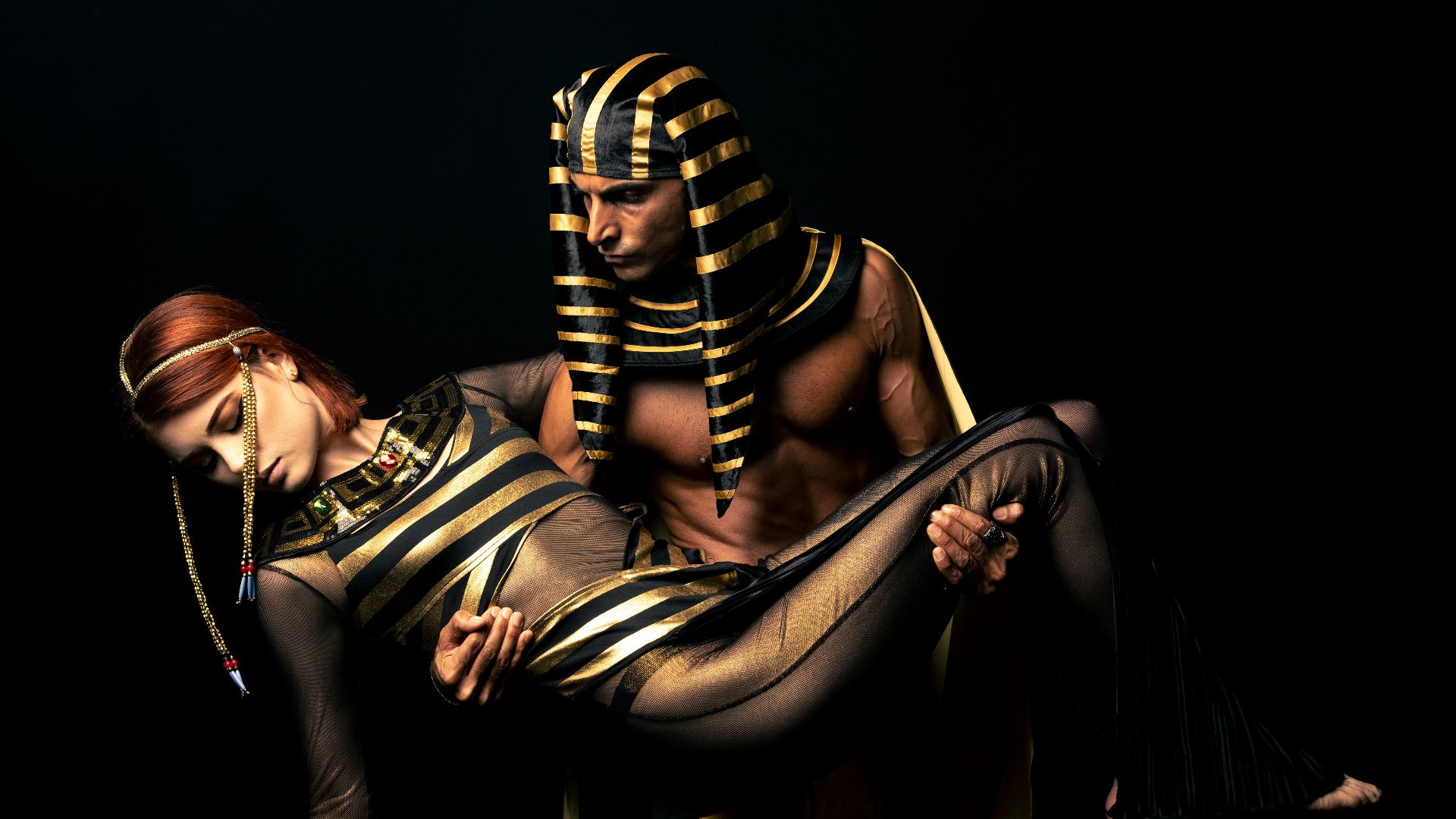
Egyptians who survived childhood could often expect to live into their thirties or forties, but a huge share of the population never got that far. Infant and child mortality was brutally high, and reaching fifty or sixty was rare enough to be treated as a mark of divine favor.

2. Bread Was Wearing Down Everyone's Teeth
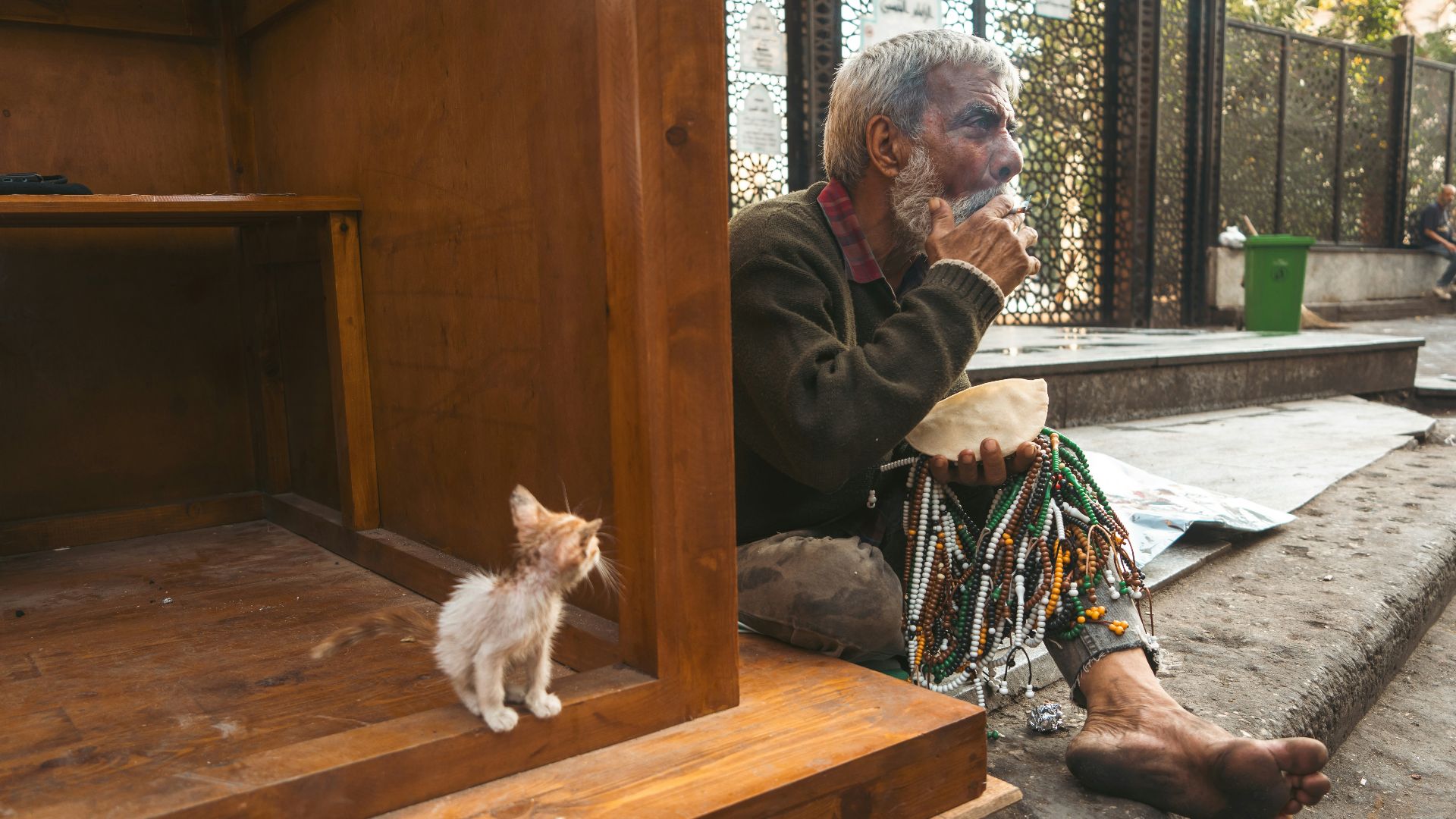
Grinding grain between stone querns left grit in the flour, and that grit ground people's teeth down year after year. Archaeologists find this wear constantly, sometimes bad enough to expose the tooth's pulp, and even royal mummies show serious dental damage despite every advantage money could buy.
3. Childbirth Was a Genuine Gamble
Pregnancy carried real danger, and complications during labor were a major cause of death for women. Egyptian medicine offered remedies and protective amulets for expectant mothers, but none of it changed the basic math of the risk.

4. Your Body Was Probably Carrying Parasites
Studies on mummies have found signs of schistosomiasis, a parasitic infection tied to contact with Nile water, in a majority of the remains examined. Head lice and occasional malaria were common too, and farmers wading through irrigation canals were especially exposed.

5. Farmers Owed the State Weeks of Unpaid Labor
Under a system called corvée, ordinary Egyptians were required to work on state projects for a set stretch of the year, often the very season the Nile flooded their own fields. Refusing wasn't really an option, since the obligation functioned like a tax.
6. Even Skilled Labor Was Grueling
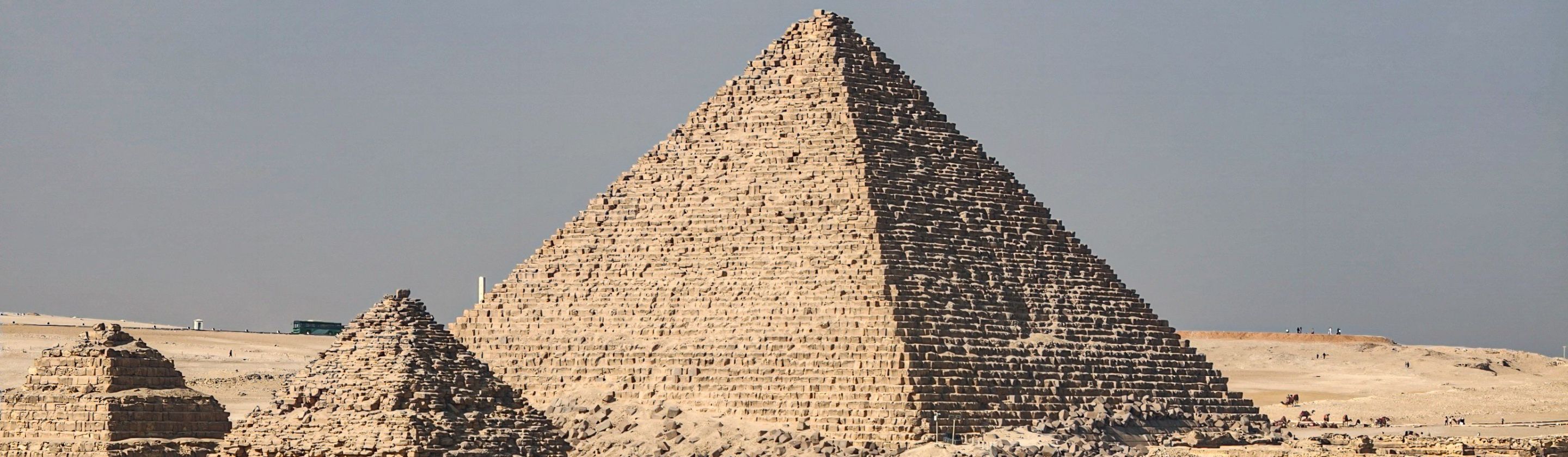
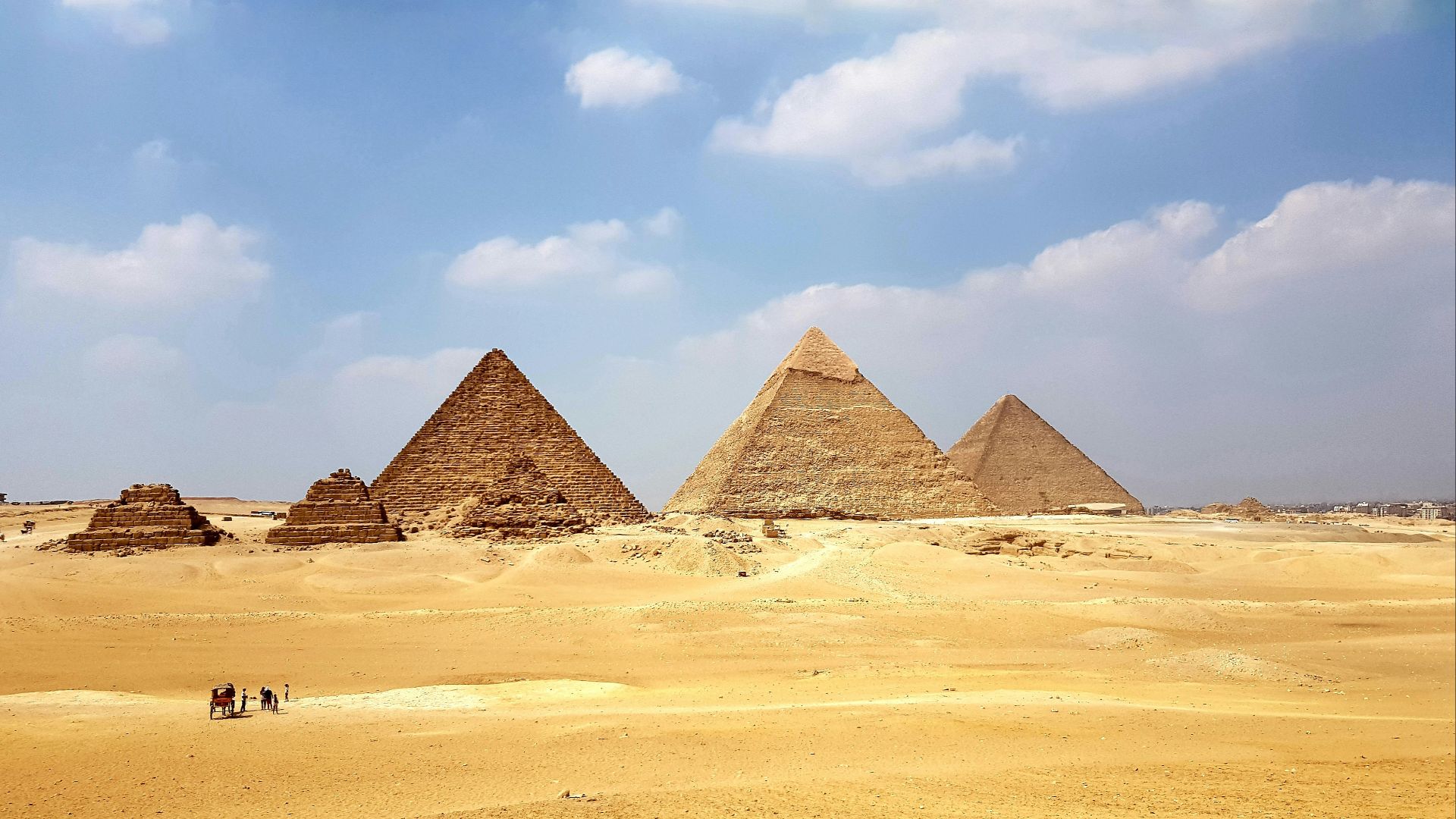
The people who built the pyramids weren't slaves; archaeology at Giza uncovered a purpose-built workers' town with bakeries and burial honors that slaves would never have received. Moving multi-ton blocks of stone with rope and muscle still took a real toll, and skeletons from the site show it in worn joints and healed fractures.
7. Tomb Robbery Could Get You Impaled
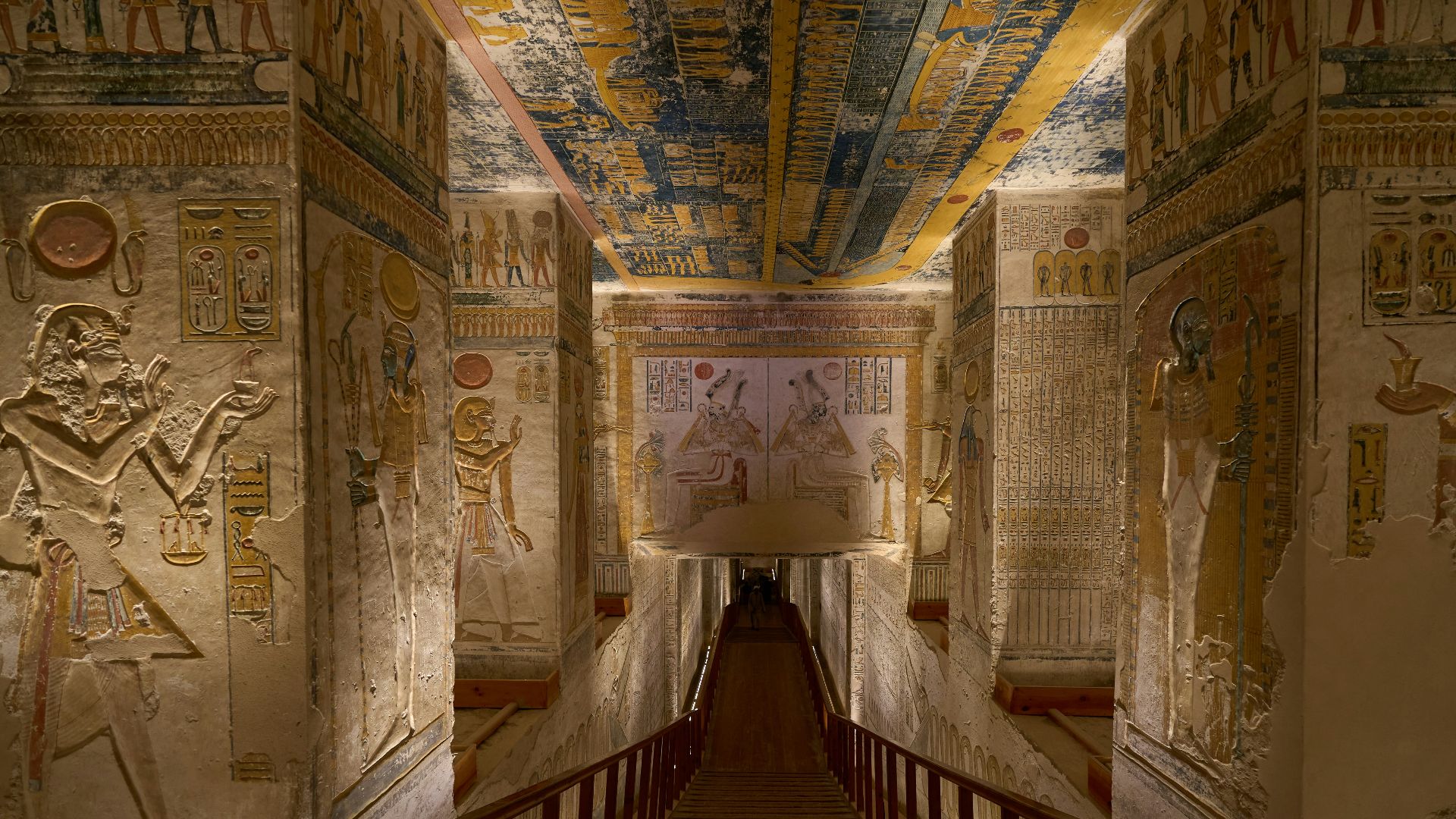
Court papyri from the Ramesside period record the trials of men who broke into royal tombs, and the punishments were severe. Confessions were often extracted through beatings, and those convicted could face mutilation or execution by impalement.
 Dmitrii Zhodzishskii on Unsplash
8. Ordinary Crimes Could Cost You a Hand or a Nose
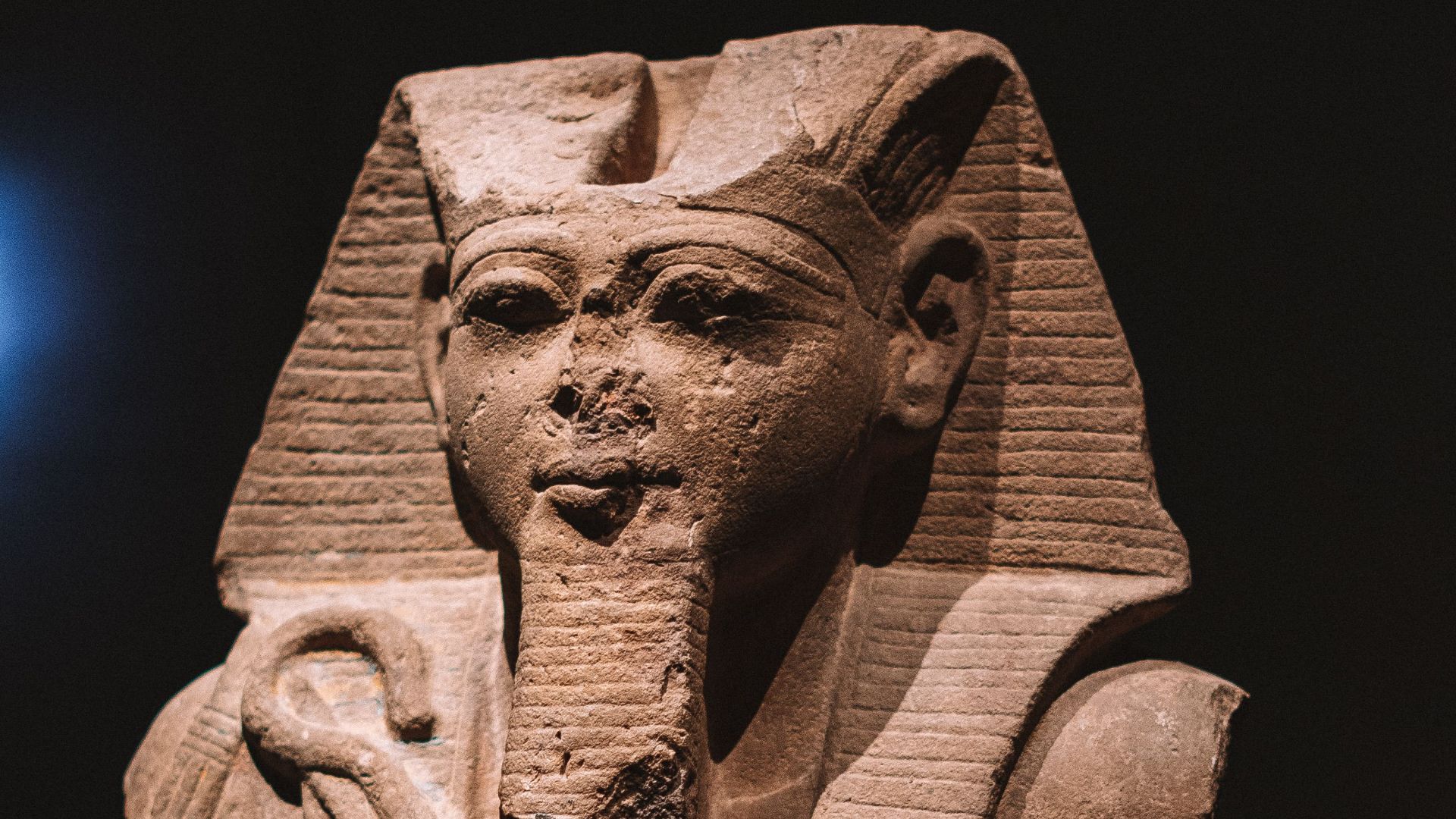
Egyptian law leaned on physical punishment for a wide range of offenses, not just the worst ones. Beatings with a rod were common even for minor theft, and repeat offenses could escalate all the way to amputation.
9. The Nile Could Just Not Flood
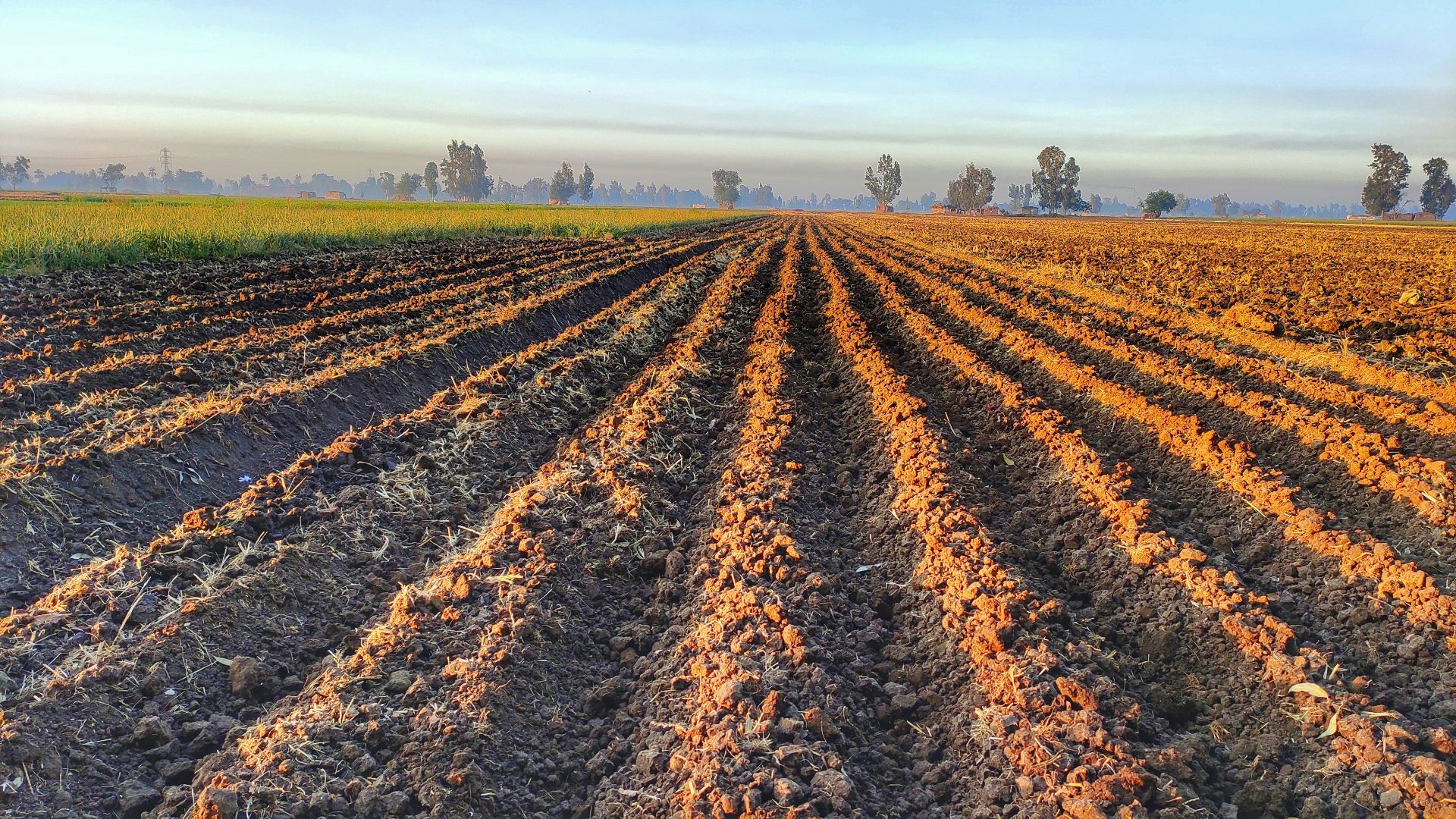
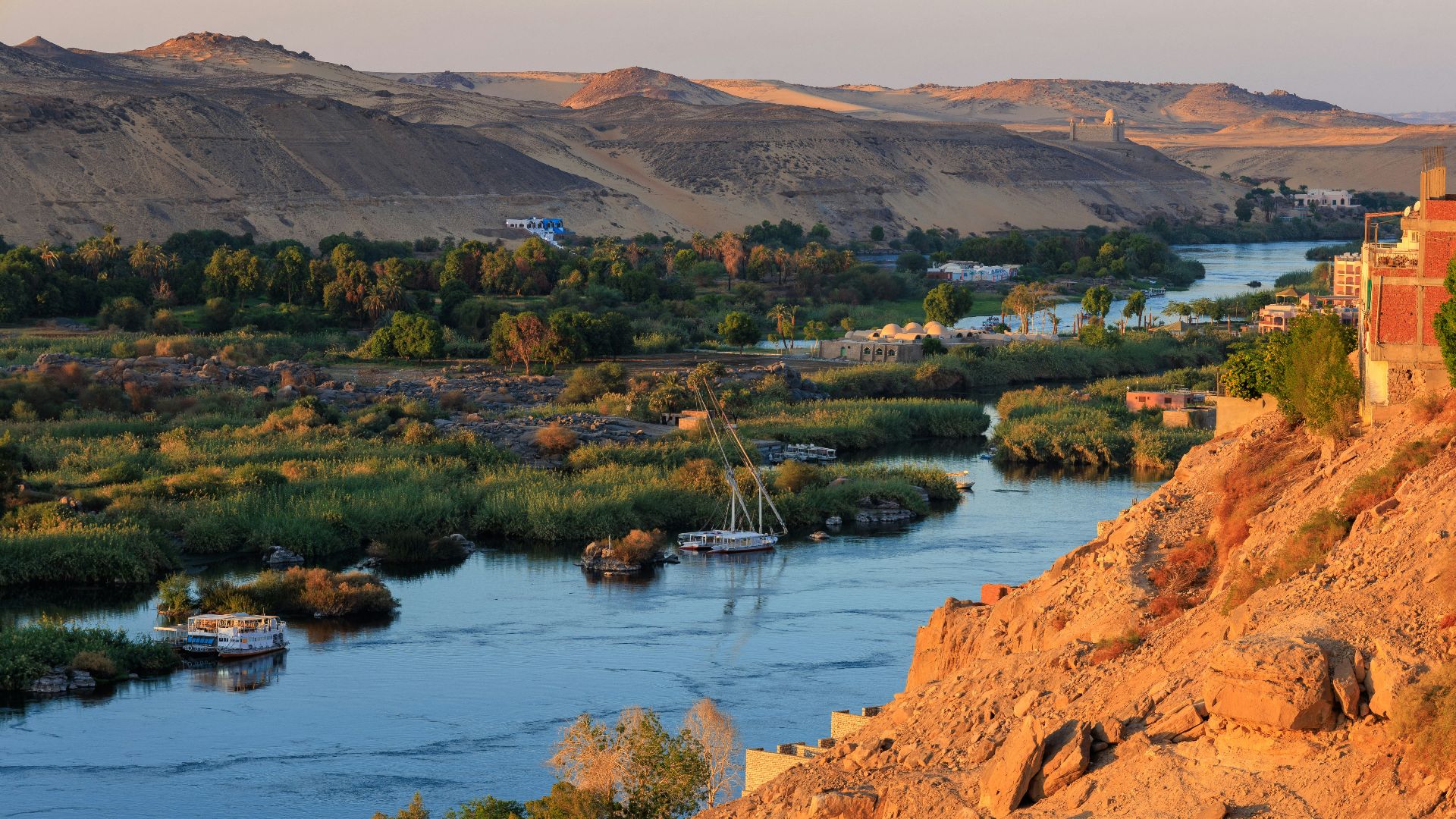
The entire food supply depended on the Nile's annual flood depositing fresh silt on the fields, and there was no reliable way to predict a bad year. A weak flood meant a smaller harvest, and some periods of political collapse in Egyptian history line up closely with stretches of poor flooding.
10. Wages Sometimes Just Didn't Show Up
Even skilled royal workers weren't immune to unpaid rations. The artisans who built the tombs in the Valley of the Kings once went weeks without their grain payments and responded with a sit-in strike, one of the earliest labor actions on record.
11. Medicine Mixed Real Skill With Guesswork
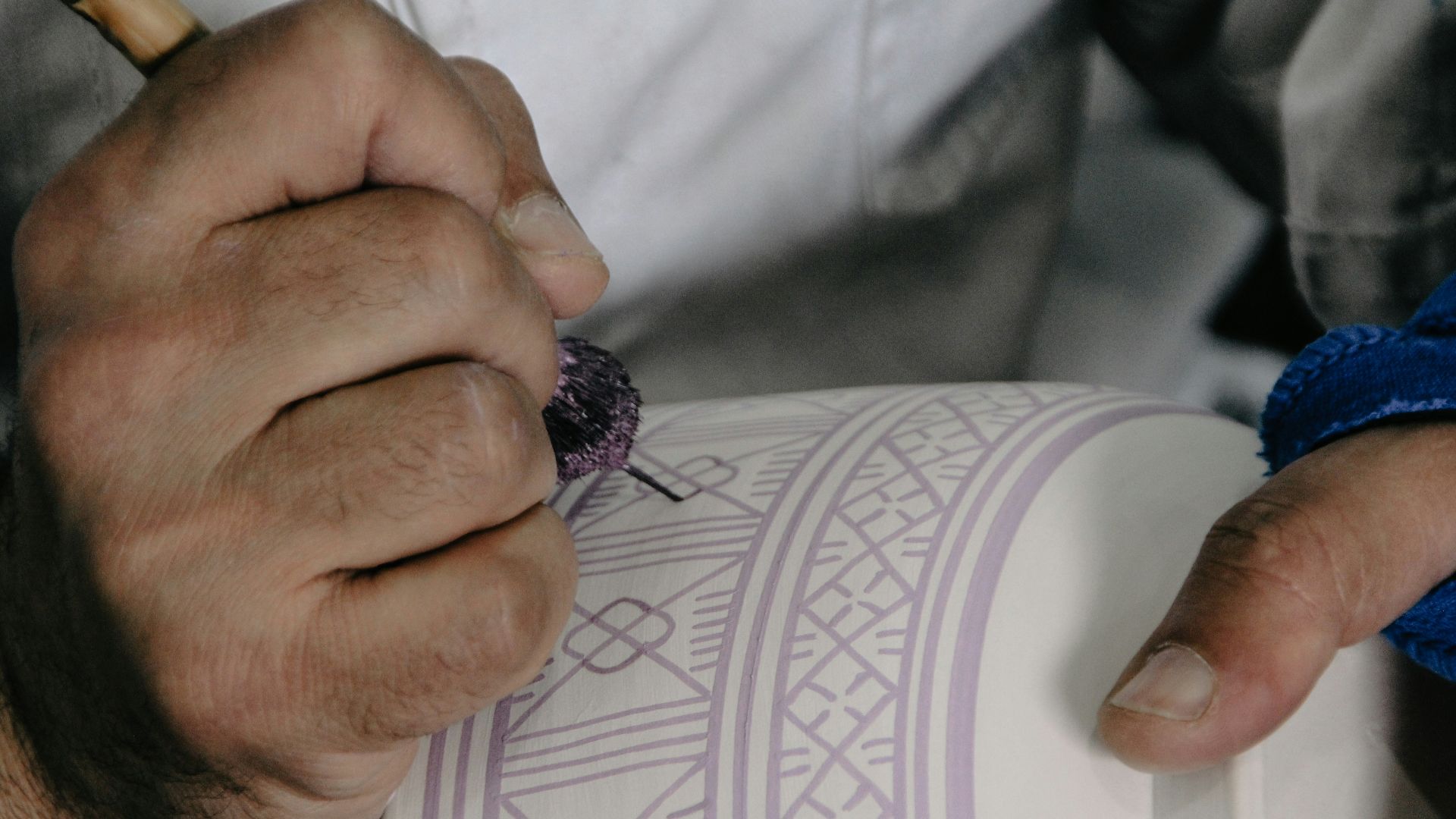
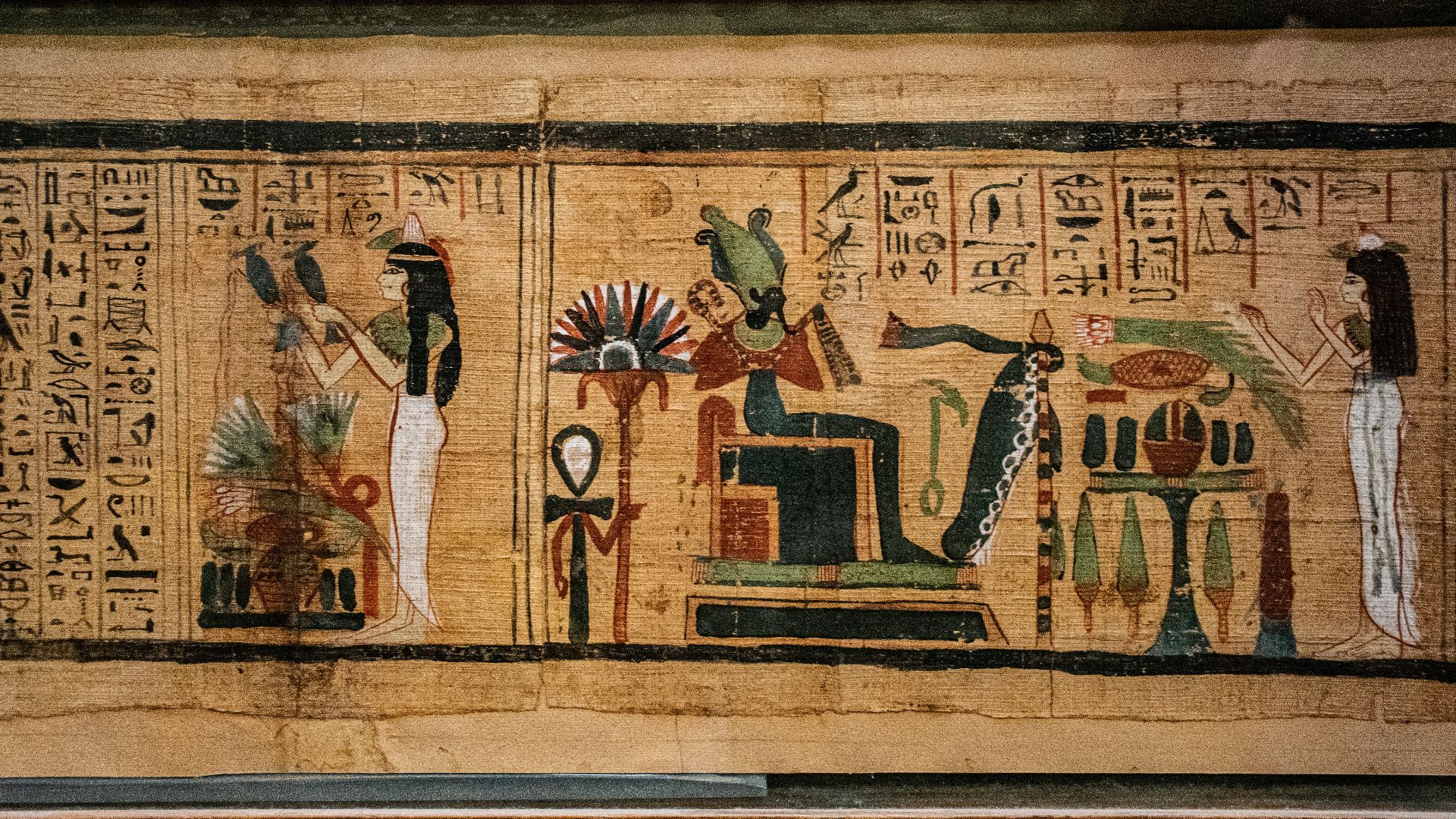
Egyptian physicians could set fractures and treat infections with genuine, tested remedies. At the same time, the same medical papyri prescribe spells and offerings to the gods for conditions doctors couldn't otherwise explain.
12. Dust Got Into Everyone's Eyes
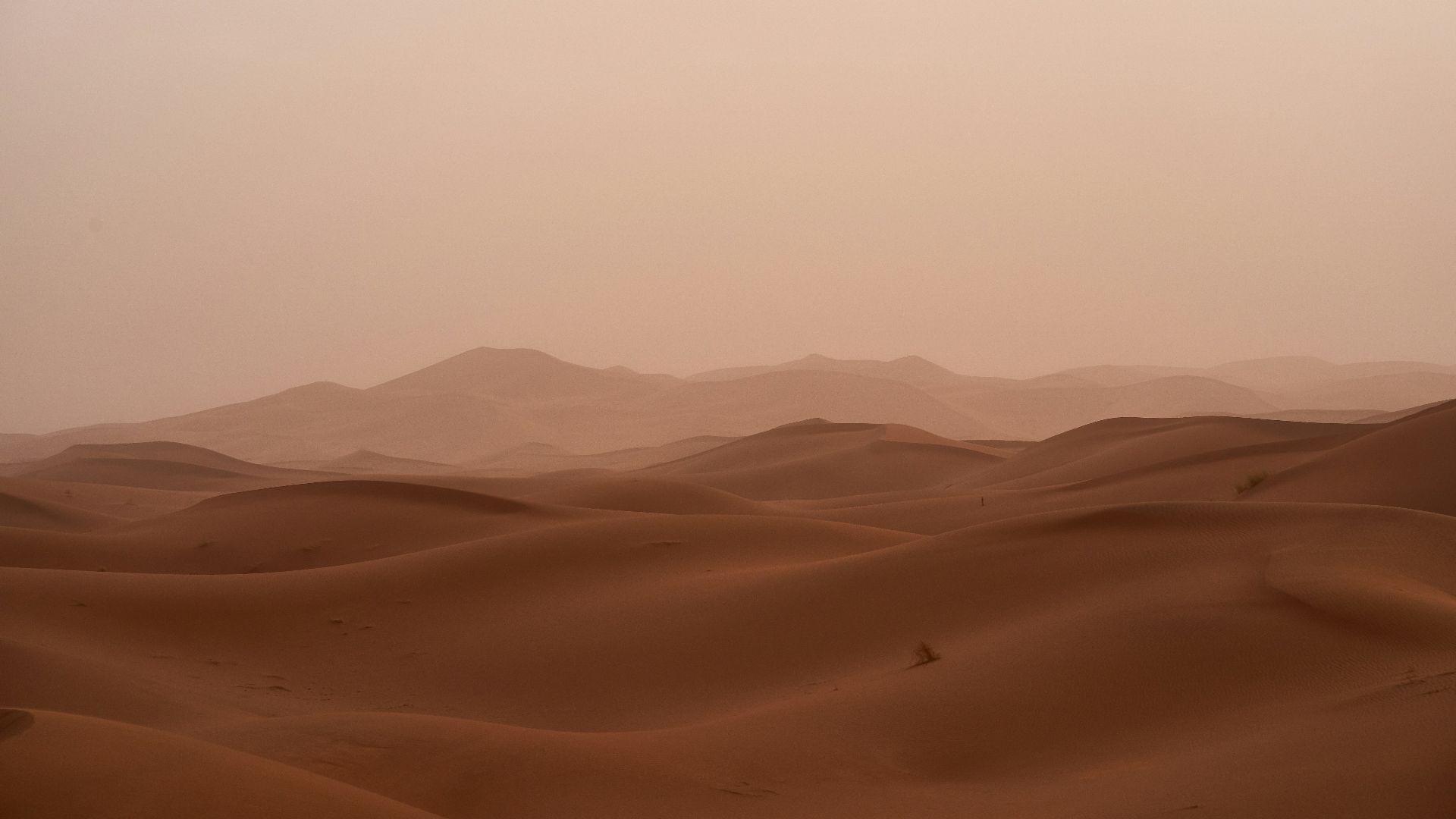
Chronic eye disease, especially conditions like trachoma, was common enough that partial blindness shows up regularly in Egyptian art and surviving remains. Wind-blown sand and swarms of flies made the eyes an easy target across a lifetime.
 Wolfgang Hasselmann on Unsplash
13. Most Homes Had No Real Privacy
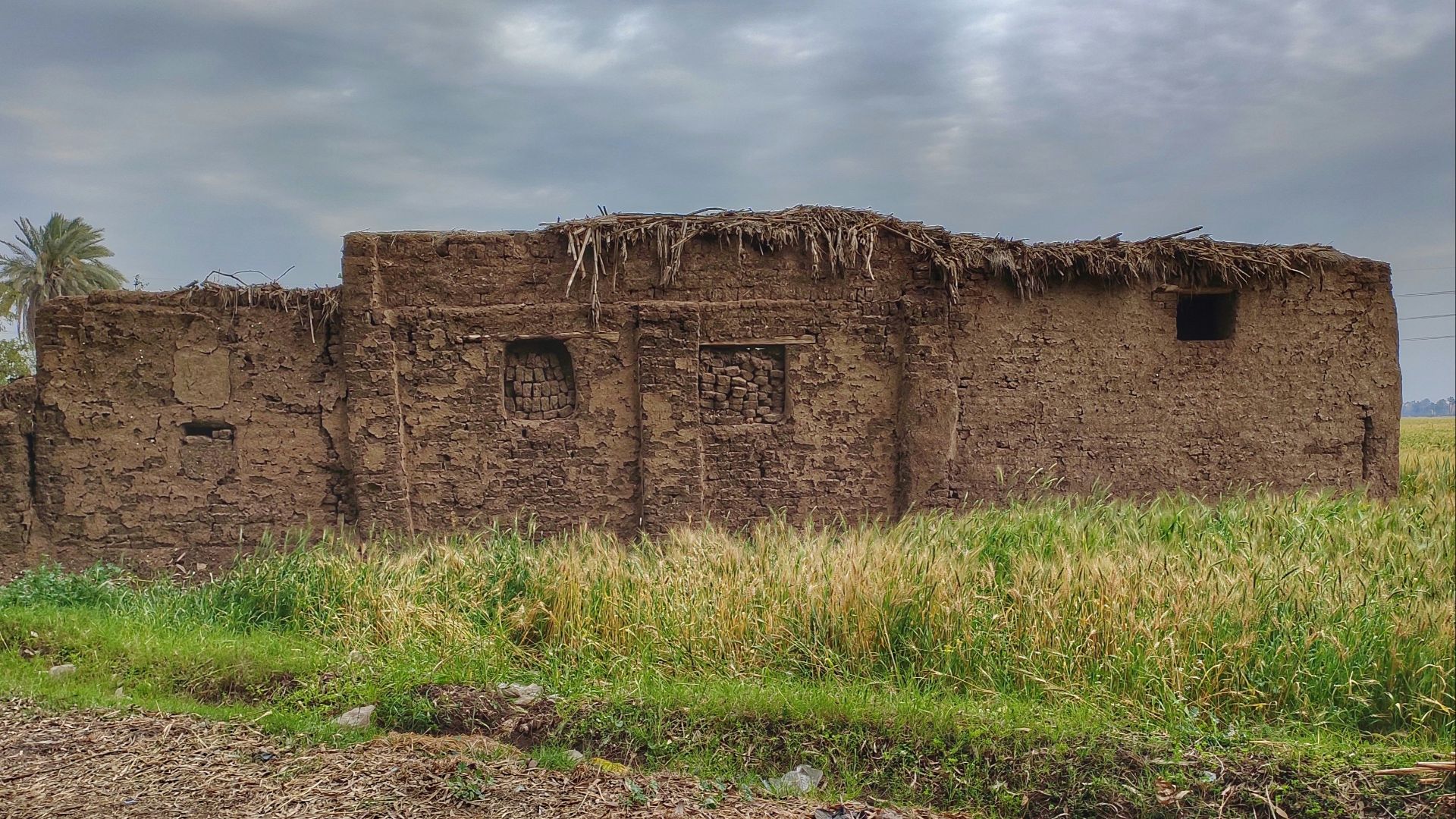
Ordinary families lived in cramped mudbrick houses, often with several generations under one roof and animals kept close for safety. Rooms were small and multipurpose, so there wasn't much space to be alone even if someone wanted it.
14. Women Had Rights, But Life Still Leaned Against Them
Egyptian women could own property and initiate divorce, which was unusually progressive for the ancient world. Still, they were shut out of most formal government and priestly roles, and the toll of repeated childbirth fell almost entirely on them.
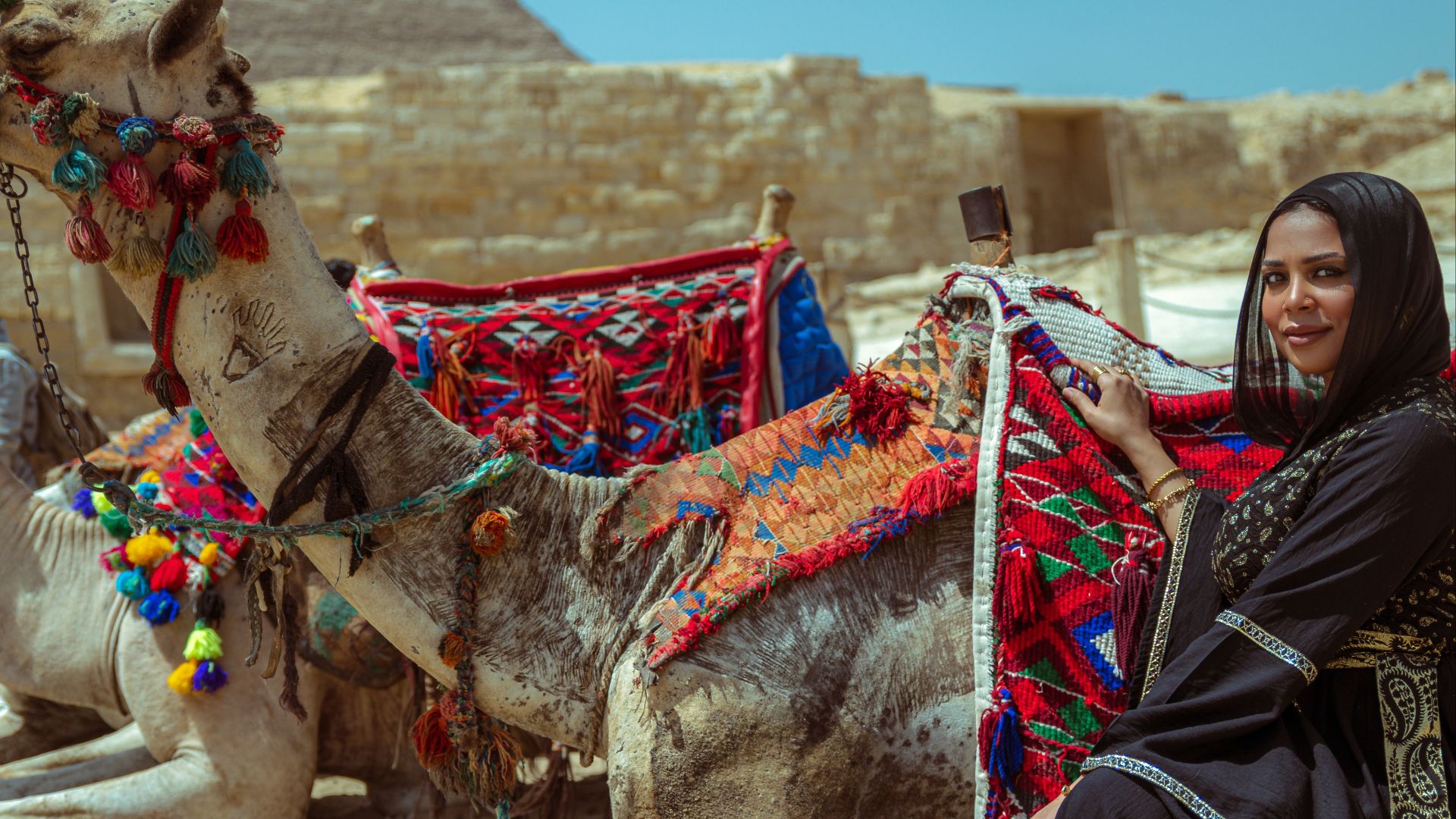
15. Proper Mummification Cost More Than Most People Had
The full embalming process, with its expensive oils and skilled embalmers, was really built for the wealthy. Poorer Egyptians were often just buried in the hot desert sand, which preserved bodies naturally but without any of the ritual the rich could afford.
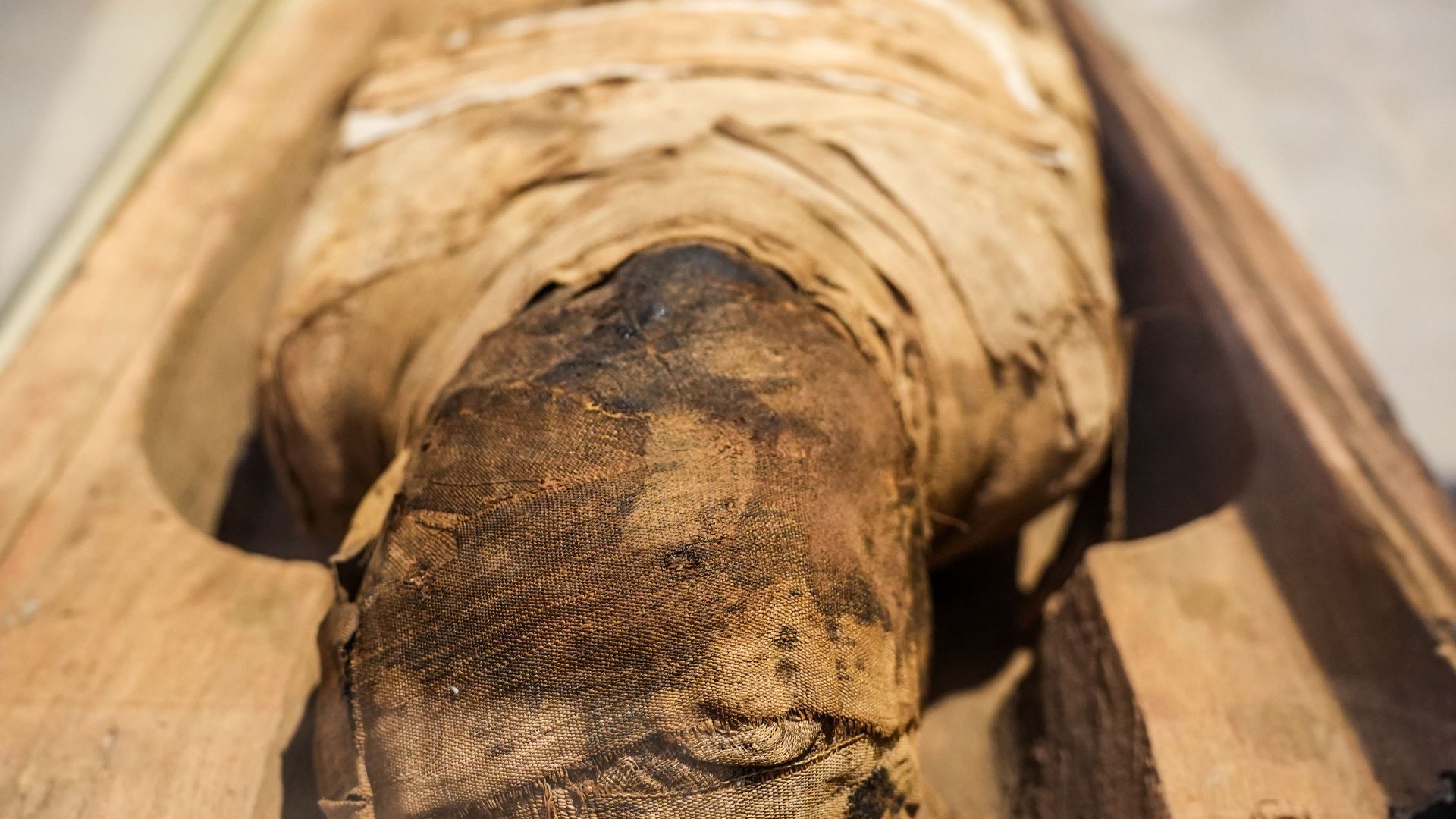
16. Losing Your Body Meant Losing Your Afterlife
Egyptian religion tied a person's existence after death directly to the survival of their body and their name. A destroyed tomb or a body lost to robbers wasn't treated as a simple tragedy; it was closer to a second death, a total erasure.
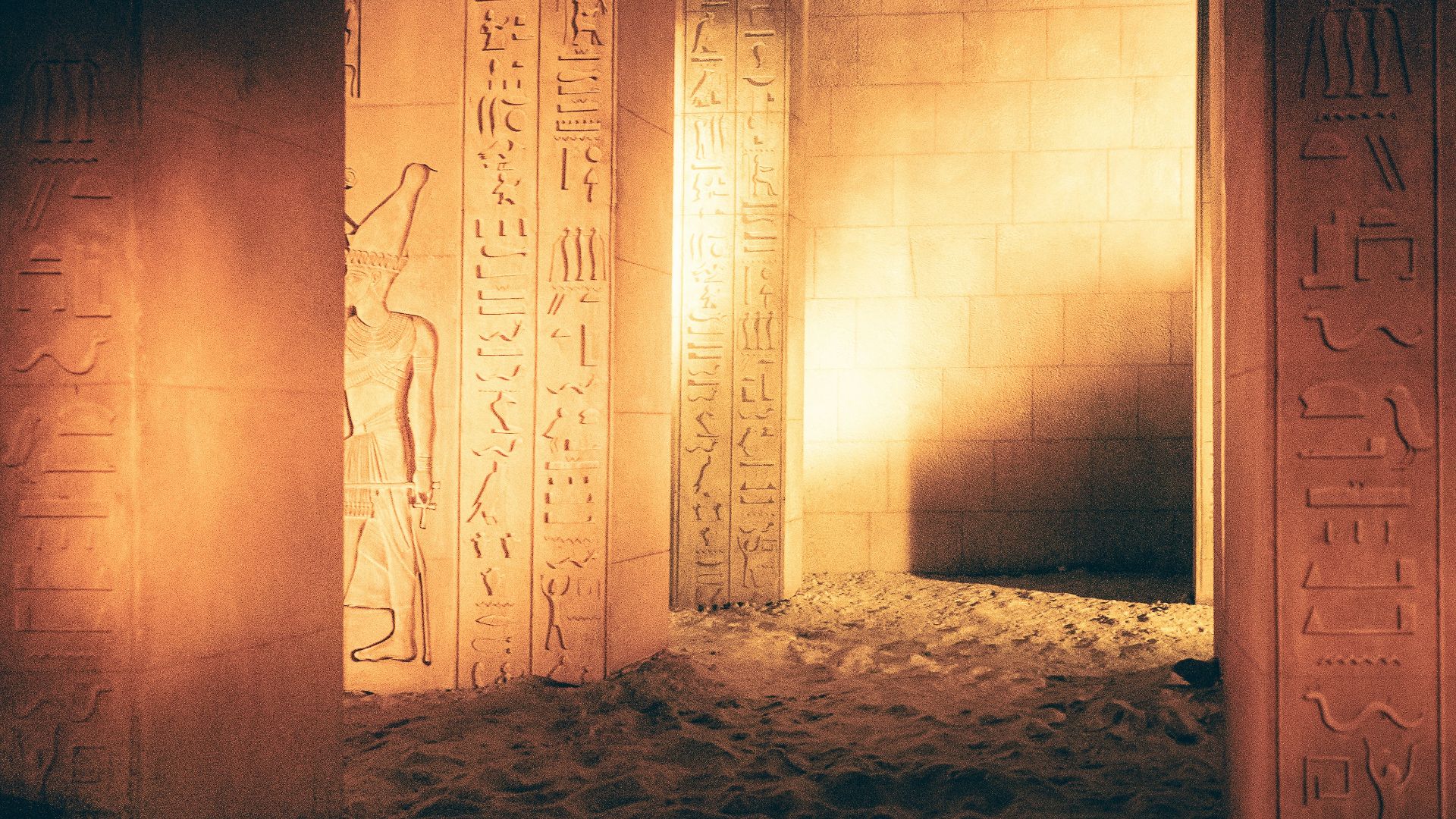
17. Scribes Tracked Almost Everything You Owned
Grain harvests and land holdings were logged by an extensive scribal bureaucracy built mainly to support taxation. Very few people could read or write, so most Egyptians dealt with an administrative system they had no real way to check.
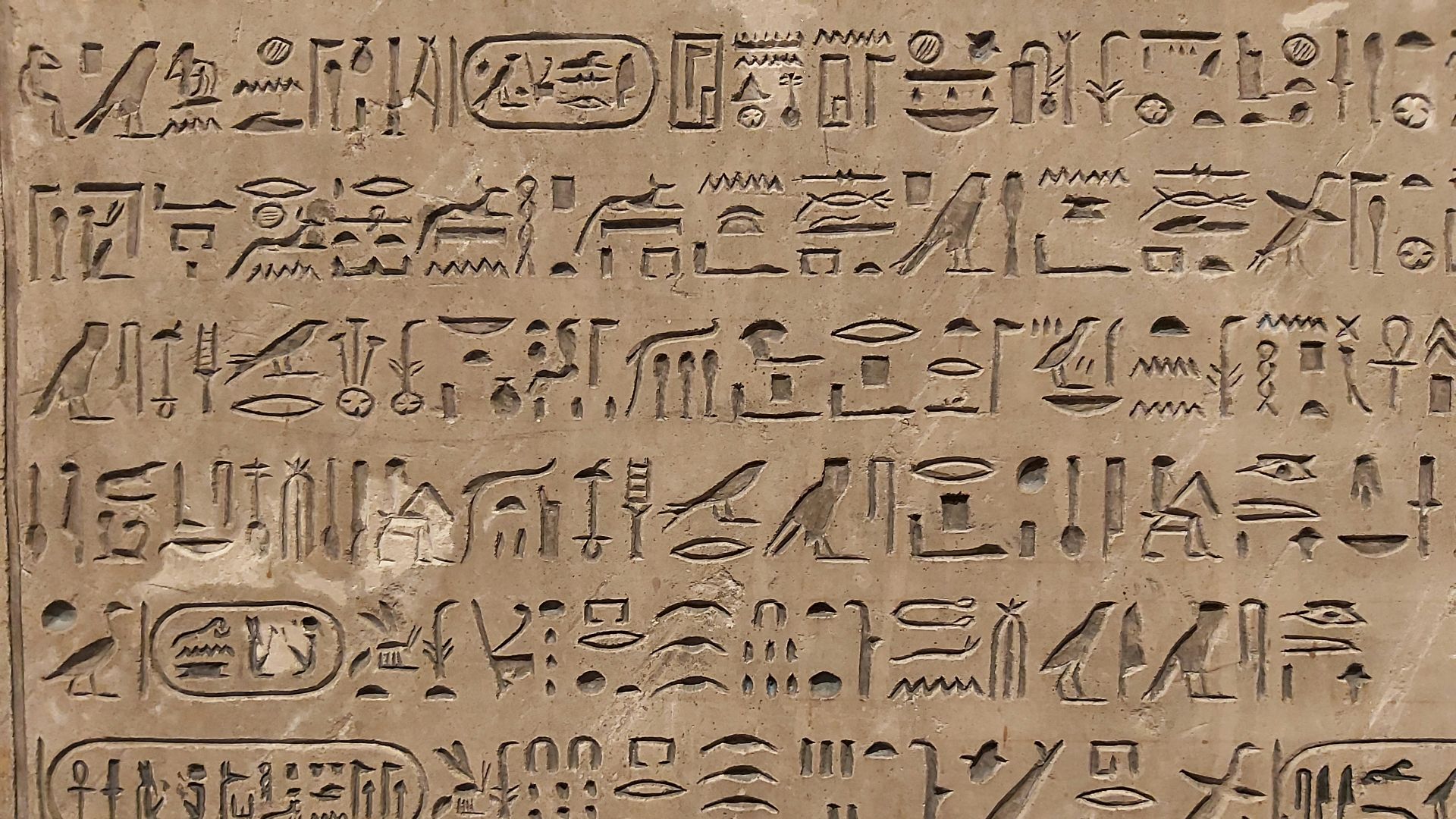
18. Dangerous Wildlife Was Just Part of the Day
Crocodiles and hippos lived in the same river that supplied drinking water and transportation. Snakes and scorpions were common enough that Egyptian medical texts include specific remedies for their bites and stings.

19. Grain Was Basically Your Paycheck
There was no coined currency for most of Egyptian history, so wages were paid in bread, beer, and grain rations instead. That system worked fine until rations were late or cut, and then it meant hunger directly rather than a delayed payment.
20. Most Lives Left No Trace at All
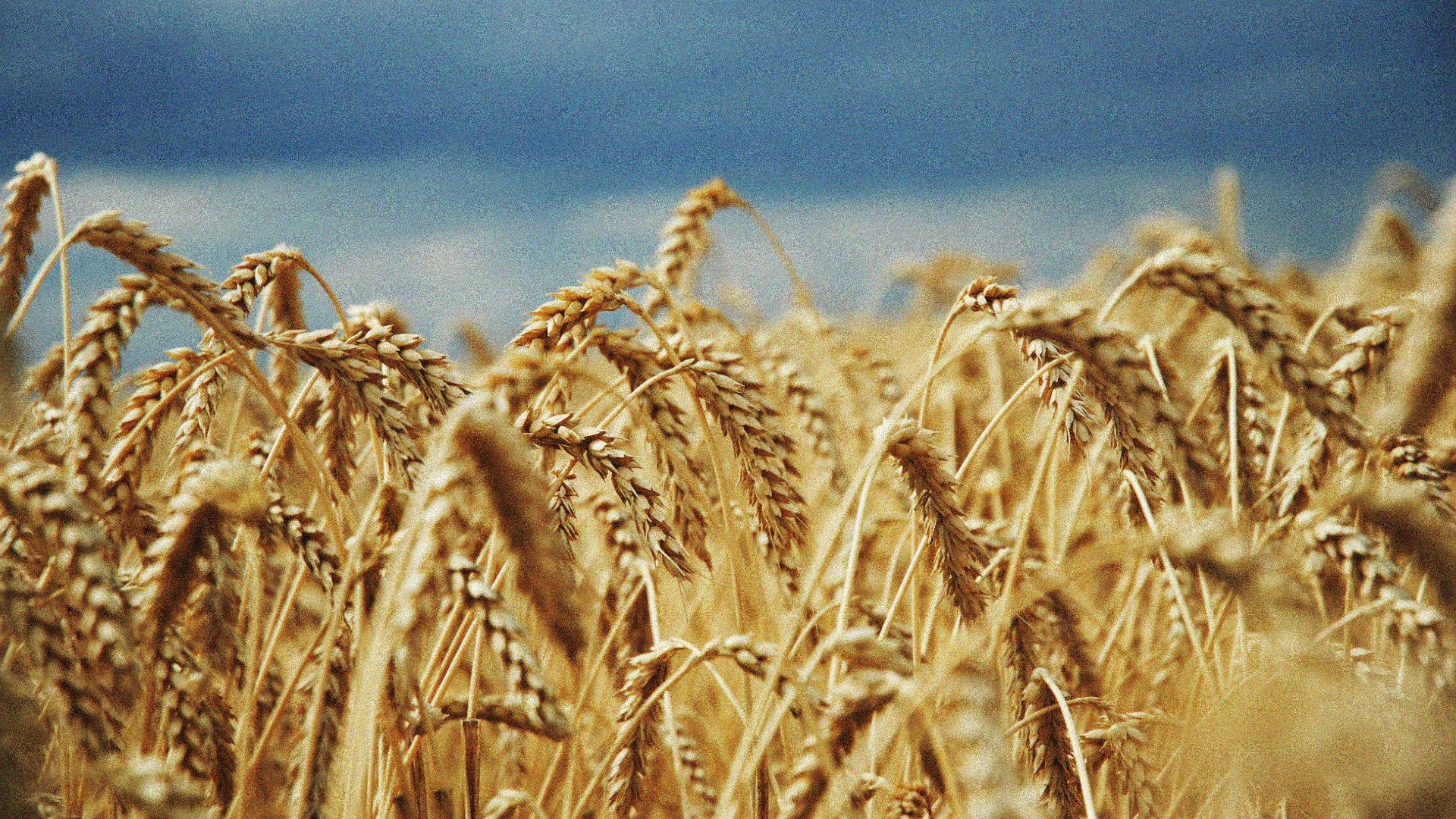
Literacy was limited to a small class of scribes and officials, so the overwhelming majority of Egyptians never wrote down anything about their own lives. What survives from ancient Egypt skews heavily toward pharaohs and administrators, simply because they're the ones who left records behind.
KEEP ON READING