 Originally loaded to en-wiki by Boylo on Wikimedia
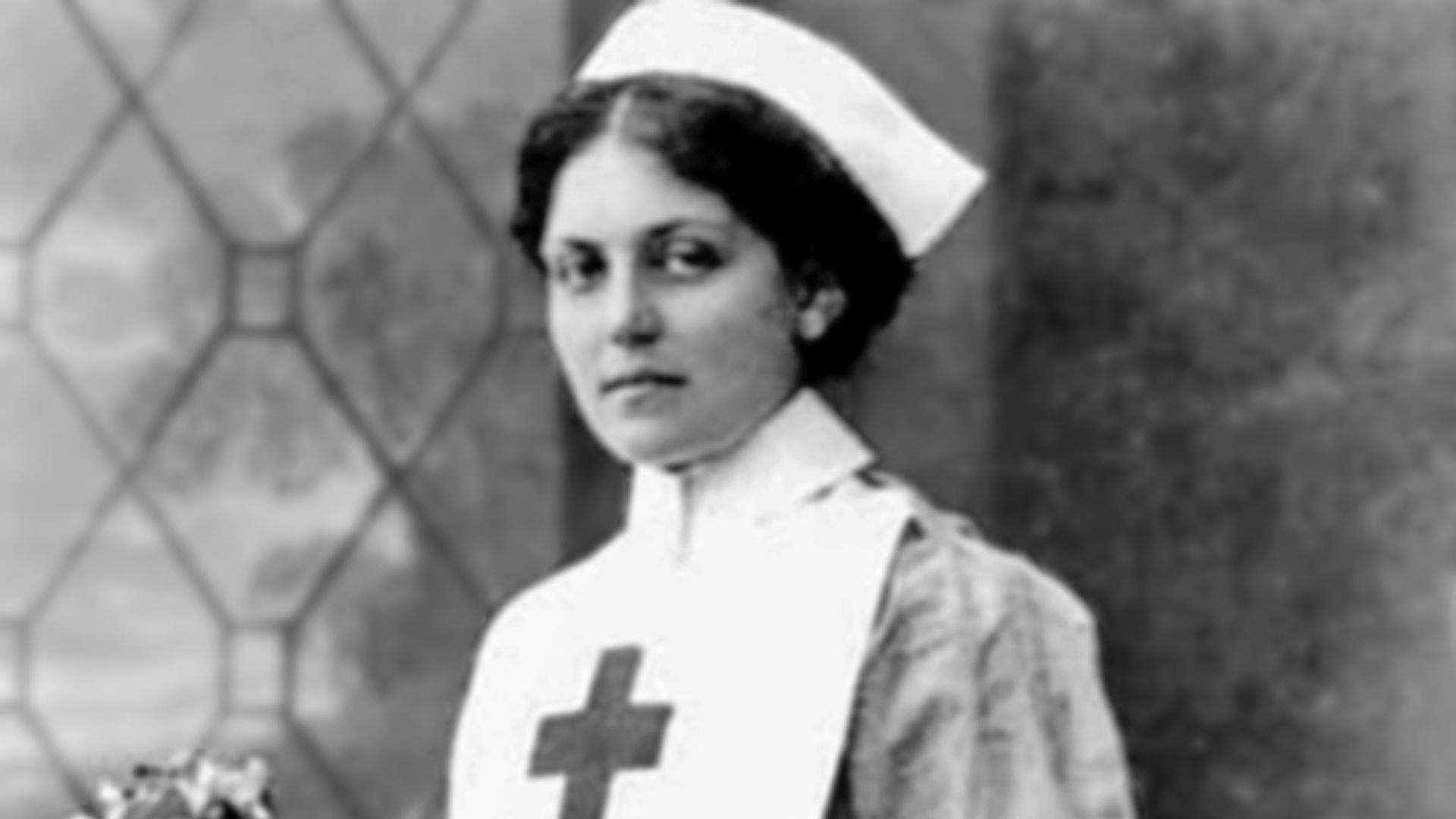
Violet Jessop spent most of her working life aboard ocean liners, and three of them either sank or nearly did while she was on board. She kept going back to sea after every single one, as though none of it had happened.
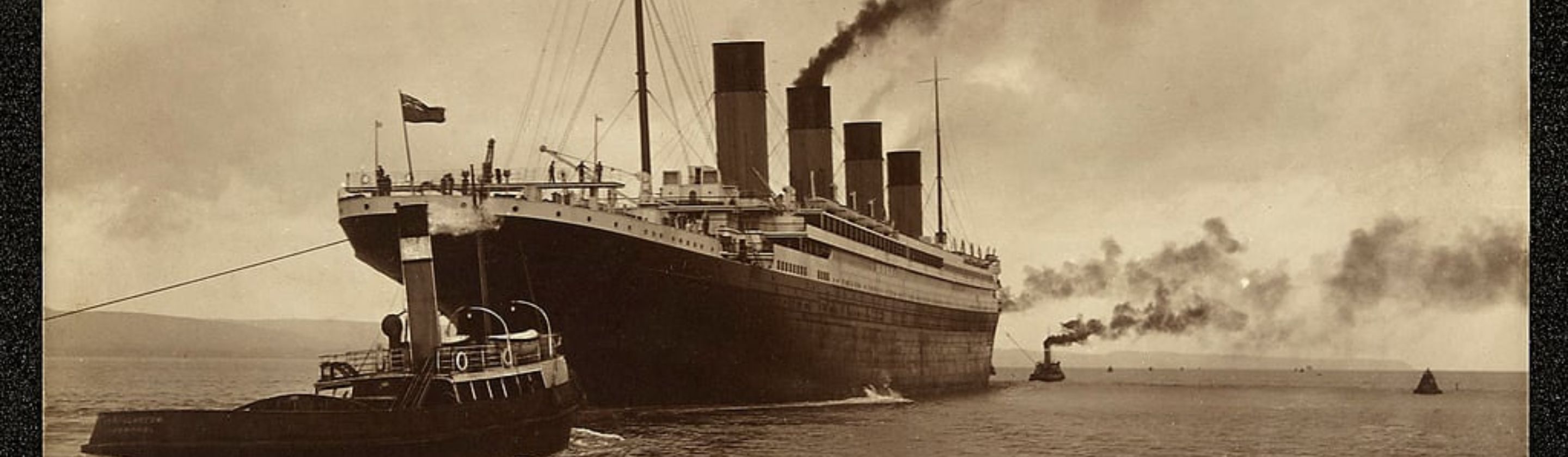
Her story is not folklore stitched together after the fact. It rests on ship manifests and a memoir she wrote herself, sources we can still check against public shipping records today. Three separate disasters shaped her name in maritime history, each one tied to a different ship in White Star Line's Olympic class, the trio of sister liners that included Olympic, Titanic, and Britannic.
A Sailor Before She Ever Meant to Be
Violet Constance Jessop was born on October 2, 1887, on a sheep farm near Bahía Blanca, Argentina, to Irish immigrant parents. She was the eldest of six children born to William and Katherine Jessop. As a child she contracted tuberculosis, and doctors gave her only a few months to live, yet she recovered and grew into an unusually hardy young woman.
After her father died, the family moved to England, where her mother took work as a ship's stewardess to support them. When her mother became too ill to continue, Violet stepped into the same role, first with the Royal Mail Line and later with White Star Line, the company that would define the rest of her working life. Some employers reportedly hesitated to hire her at first, worried that a stewardess still in her early twenties and considered attractive might cause friction among the crew.
Her first brush with disaster came aboard the RMS Olympic in 1911, when the liner collided with the British warship HMS Hawke in the Solent. Nobody died in that collision, but the damage was severe enough to send Olympic back to the shipyard, and a later inquiry blamed the accident on suction from Olympic's enormous hull pulling the smaller Hawke into her side. It planted the first seed of a reputation Violet never asked for.
The Night the Titanic Went Down
By 1912, Violet had transferred to Titanic, reportedly at the urging of friends who wanted her aboard the new flagship even though she had been happy on Olympic. She was working as a stewardess on the night of April 14 into April 15, when the ship struck an iceberg in the North Atlantic and began taking on water.
As crew loaded the lifeboats, an officer handed Violet an infant and told her to look after it. She held onto the baby through hours adrift on the freezing water until the RMS Carpathia picked up the survivors the next morning, at which point a woman rushed up and took the child from her arms, apparently the baby's own mother, without a word of thanks.
You can still read Violet's account of that morning today, published decades after her death as Titanic Survivor, once a maritime historian edited her handwritten memoir into a finished book. Losing so many colleagues that night did not push her away from the sea, and within a few years she was working aboard yet another Olympic-class liner.
A Second Escape on a Hospital Ship
When World War I broke out, Violet joined the British Red Cross and served as a stewardess with nursing duties aboard HMHS Britannic, the youngest of the three Olympic-class ships and by then a floating hospital ferrying wounded soldiers from the Gallipoli campaign. On the morning of November 21, 1916, with roughly a thousand people aboard, the Britannic struck a German mine in the Aegean Sea and began sinking within about an hour, killing around thirty of those on board.
Violet made it into a lifeboat, but the ship's list pulled several boats toward its still-spinning propellers, which were rising out of the water as Britannic tilted onto its side. She jumped from the boat to avoid the blades and was dragged underwater instead, striking her head hard enough to fracture her skull and gash her leg before she surfaced again.
She later credited her thick hair with cushioning some of that blow, whether or not it fully explains how she survived. Violet kept working at sea for years afterward, taking posts with other shipping lines before eventually retiring to a cottage in Suffolk, and she died of heart failure in 1971 at eighty-three. Later chroniclers gave her the nickname Miss Unsinkable, a title she never used for herself but earned all the same, having outlived nearly every ship that tried to kill her.
KEEP ON READING