 R. Taylor (R. & E. Taylor (Firm)) on Wikimedia
For over 135 years, one unanswered question has haunted true crime enthusiasts, historians, and casual readers alike: just who was Jack the Ripper? The moniker, of course, belongs to an unidentified killer who stalked London's East End in the fall of 1888, and to this day, nobody has definitively cracked the case. It's a mystery that has spawned countless books, documentaries, and walking tours through the very streets where the crimes took place.
What makes this case so enduring isn't just the brutality of the murders themselves, but the sheer number of theories that have piled up over the decades. You'll find suspects ranging from local tradesmen to members of the royal family, and while some theories hold more water than others, none have ever been proven beyond a reasonable doubt. Let's take a look at the murders, the investigation, and the suspects who've kept this cold case alive for well over a century.
The Whitechapel Murders
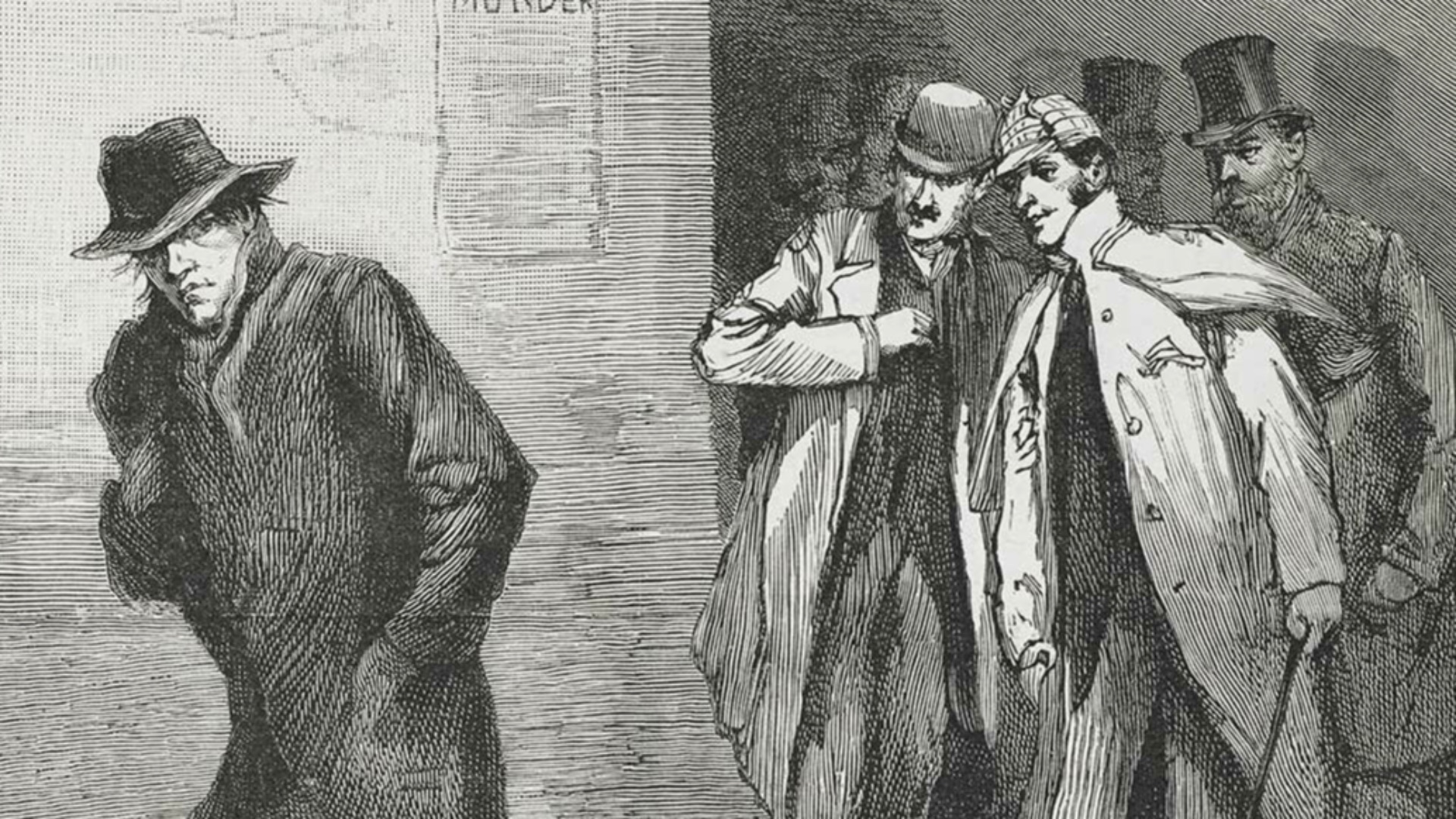
The killings that made Jack the Ripper infamous took place in Whitechapel, a working-class district in London's East End known at the time for overcrowding and widespread poverty. Between August and November of 1888, five women were killed within a relatively small area, and the pattern of the attacks led investigators to believe they were the work of a single perpetrator. These murders became known as the Whitechapel murders, and the killer was given the name "Jack the Ripper." The press coverage at the time was extensive and often sensationalized, which only added to the public's fear and fascination.
The timeline ran from August 31 to November 9, 1888, and displayed a pattern of escalating violence along with geographical clustering that heightened public panic. The five women typically considered to be the "canonical" victims were Mary Ann Nichols, Annie Chapman, Elizabeth Stride, Catherine Eddowes, and Mary Jane Kelly. While we can't say for certain, it's widely believed these five were the actual victims of Jack the Ripper, even though the broader file of Whitechapel murders included eleven cases in total.
The murders occurred at a time when thousands of Jewish refugees fleeing persecution in Eastern Europe were finding home in Whitechapel and Spitalfields, a context that matters for understanding the social climate of the investigation. Unfamiliar customs and existing tensions over housing and jobs led some residents to direct suspicion at the newly arrived Jewish community, an assumption that had no basis in evidence. That prejudice shaped parts of the public reaction and, unfortunately, some of the "suspect" theories that circulated at the time. You can read more about this history at the London Museum.
The Investigation and Its Challenges
Scotland Yard faced an uphill battle from the very start. Forensic science, as you might have guessed, was still in its infancy in 1888, meaning investigators had none of the tools we take for granted today such as fingerprinting or DNA analysis. Witnesses were often unreliable, the crime scenes were compromised by curious crowds, and the East End's dense, maze-like streets made it easy for a killer to disappear into the night.
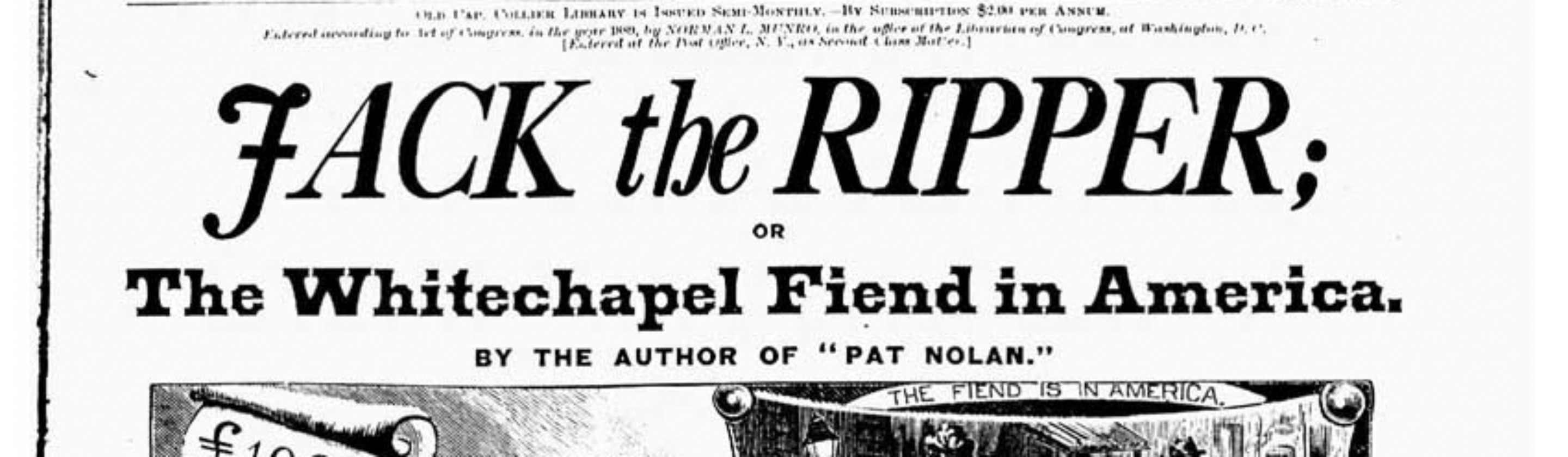
Adding to the chaos, the case attracted an enormous amount of public attention, including a flood of letters claiming to be from the killer himself. The most famous of these was the so-called "Dear Boss" letter, which is actually where the name "Jack the Ripper" originated. Most historians now believe this letter, along with many others, was a hoax written by a journalist trying to boost newspaper sales rather than an authentic communication from the murderer.
Despite interviewing hundreds of people and following numerous leads, the Metropolitan Police and the City of London Police were never able to identify a definitive suspect. All the identified victims were known to be local women living in common lodging houses in a relatively small area, which narrowed the investigation's scope but didn't ultimately lead to an arrest. The case remains officially unsolved, and it's still studied today by professionals and amateur researchers hoping to find an answer the original investigators missed.
The Leading Suspects
Perhaps the most influential document in the case is the Macnaghten Memoranda, written in 1894 by Scotland Yard official Melville Macnaghten. This document named three primary police suspects: Montague John Druitt, Michael Ostrog, and a man identified only as "Kosminski." It remains one of the most cited pieces of evidence for anyone trying to piece together the official police thinking at the time.
Druitt was a barrister and assistant schoolmaster who lost his teaching position in late November of 1888. His body was later found in the Thames, and the likely conclusion at the time was suicide. Macnaghten claimed to have received private information suggesting that Druitt's own family suspected him of being the killer, though this claim has never been substantiated with hard evidence.
Kosminski, later identified by researchers as Aaron Kosminski, was a Polish immigrant who worked as a hairdresser in Whitechapel. He was committed to an asylum in 1891, and police at the time described their suspect only as a Polish Jew confined to an insane asylum. Detective Inspector Donald Swanson, the senior officer on the case, reportedly considered Kosminski his prime suspect throughout the investigation. Ostrog, meanwhile, was a con man with a long history of theft and fraud, though researcher Philip Sugden found records suggesting Ostrog was actually jailed in France during the period of the killings, which would rule him out entirely. More recent DNA claims tied to Kosminski have circulated in the media, but these remain heavily disputed among historians due to questions about evidence contamination and chain of custody.
At the end of the day, Jack the Ripper's true identity remains one of history's most persistent unanswered questions. Between unreliable forensic methods, a media frenzy that muddied the waters, and more than a century of amateur sleuthing, the case has taken on a life of its own well beyond the actual events of 1888. Whether the killer was Druitt, Kosminski, or someone whose name never made it into the historical record, the mystery shows no signs of losing its grip on the public imagination anytime soon.