When Death Became a Final Decision
When you think of history, you might imagine turmoil, tragedy, war. The past, unless you lived through it yourself, always seems strangely fraught, and murky. But though history is filled with lives that ended for various reasons, whether through war or injustice or sheer misfortune, some people decided to take matters into their own hands. As you'll see, these choices weren’t always brave or honorable, but reveal just how much pride and even madness can drive a person to their own demise.
 Jastrow. cropped detail made by User:Nolanus on Wikimedia
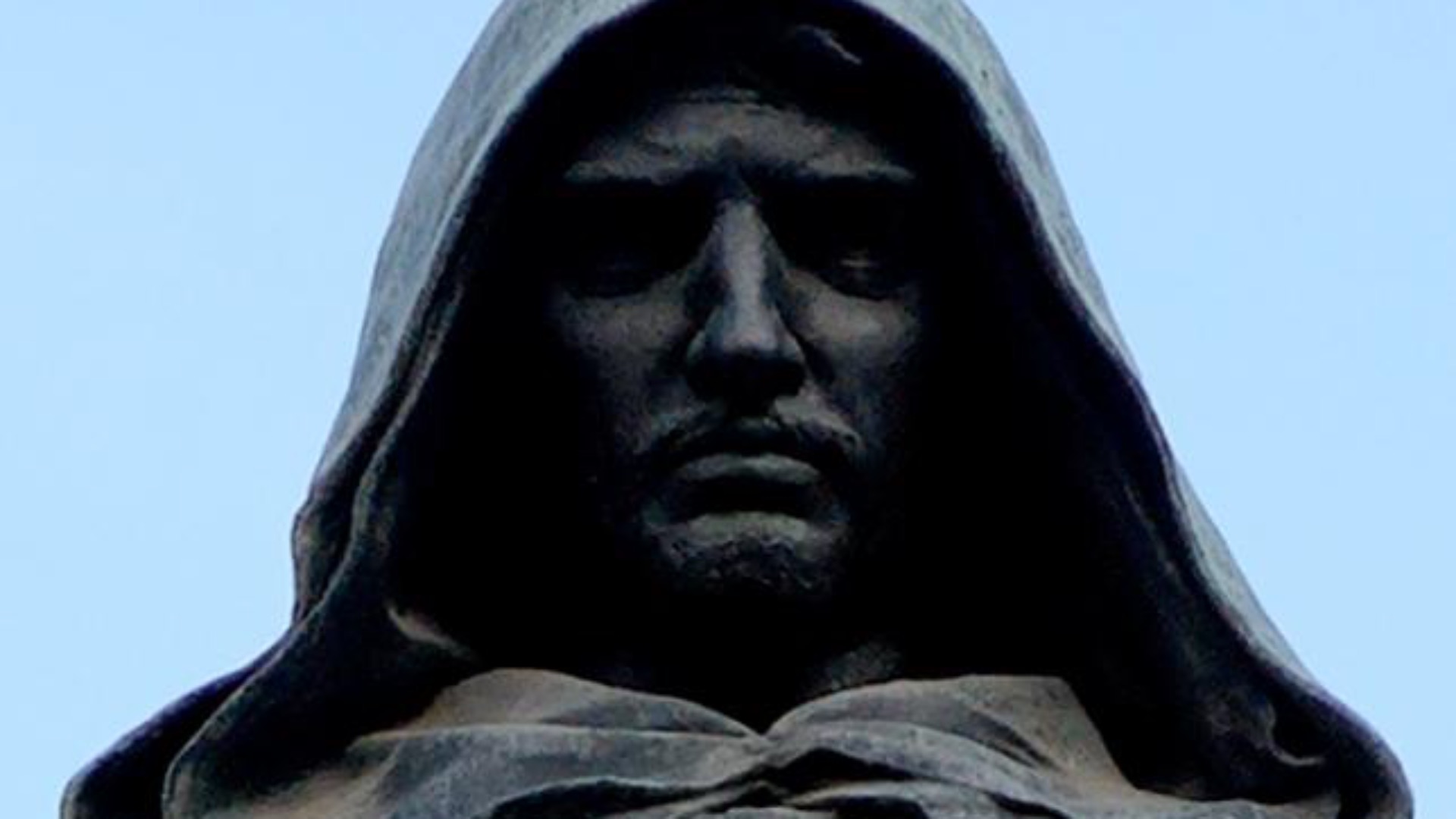
1. Socrates
After an Athenian jury convicted Socrates of impiety and corrupting the young in 399 BCE, the philosopher was sentenced to death by drinking hemlock. He could have proposed exile as an alternative punishment and later had an opportunity to escape, but he believed evading the sentence would violate the laws under which he had lived. Socrates therefore remained with his companions and carried out the court’s order himself.
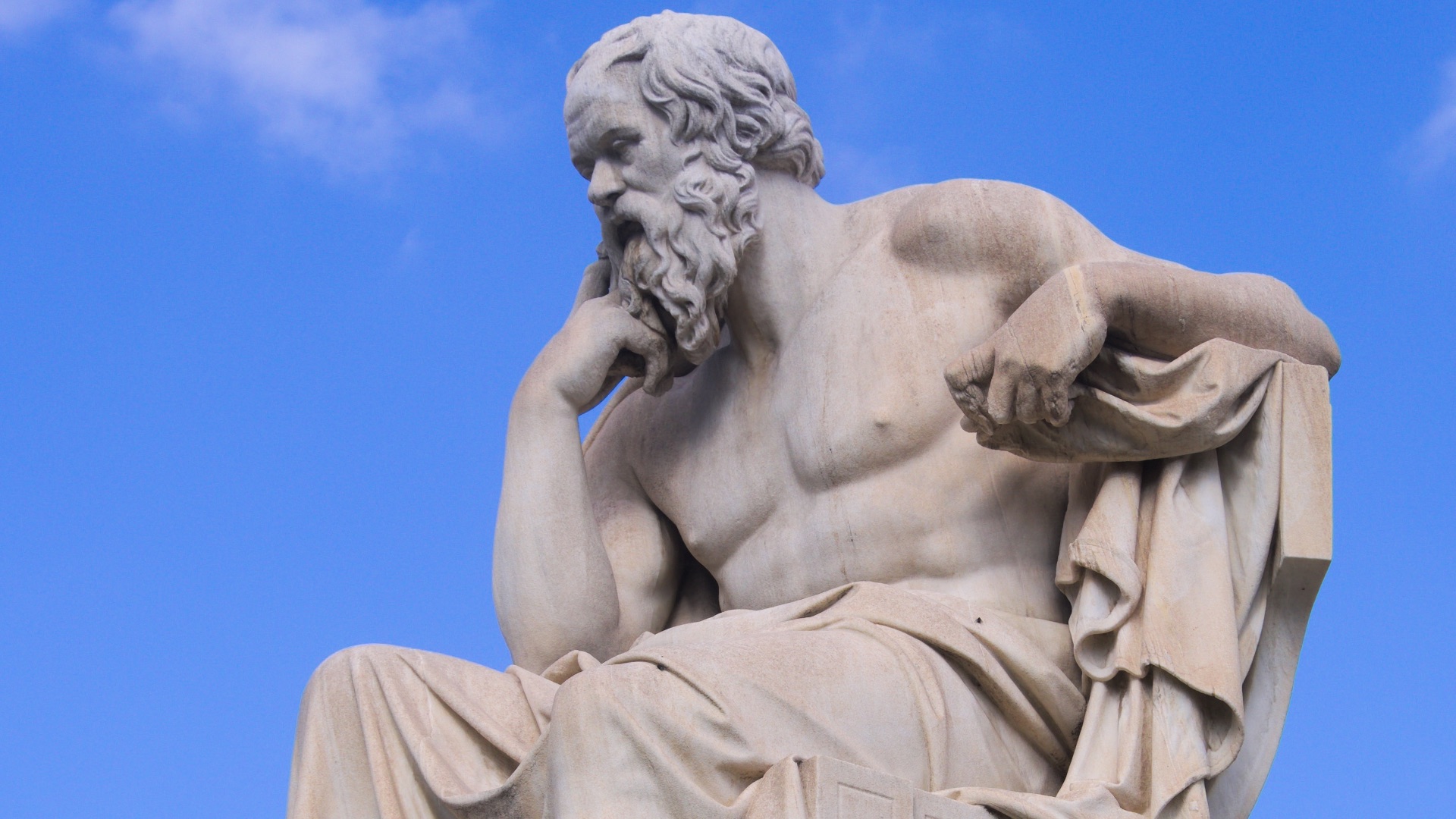
2. Cato the Younger
Cato the Younger spent much of his political career opposing Julius Caesar and defending his uncompromising vision of the Roman Republic. Following the defeat of the republican forces in North Africa in 46 BCE, he refused to wait for Caesar to pardon him, viewing such mercy as another form of submission. He took his own life at Utica rather than live under the authority of the man he considered a tyrant.
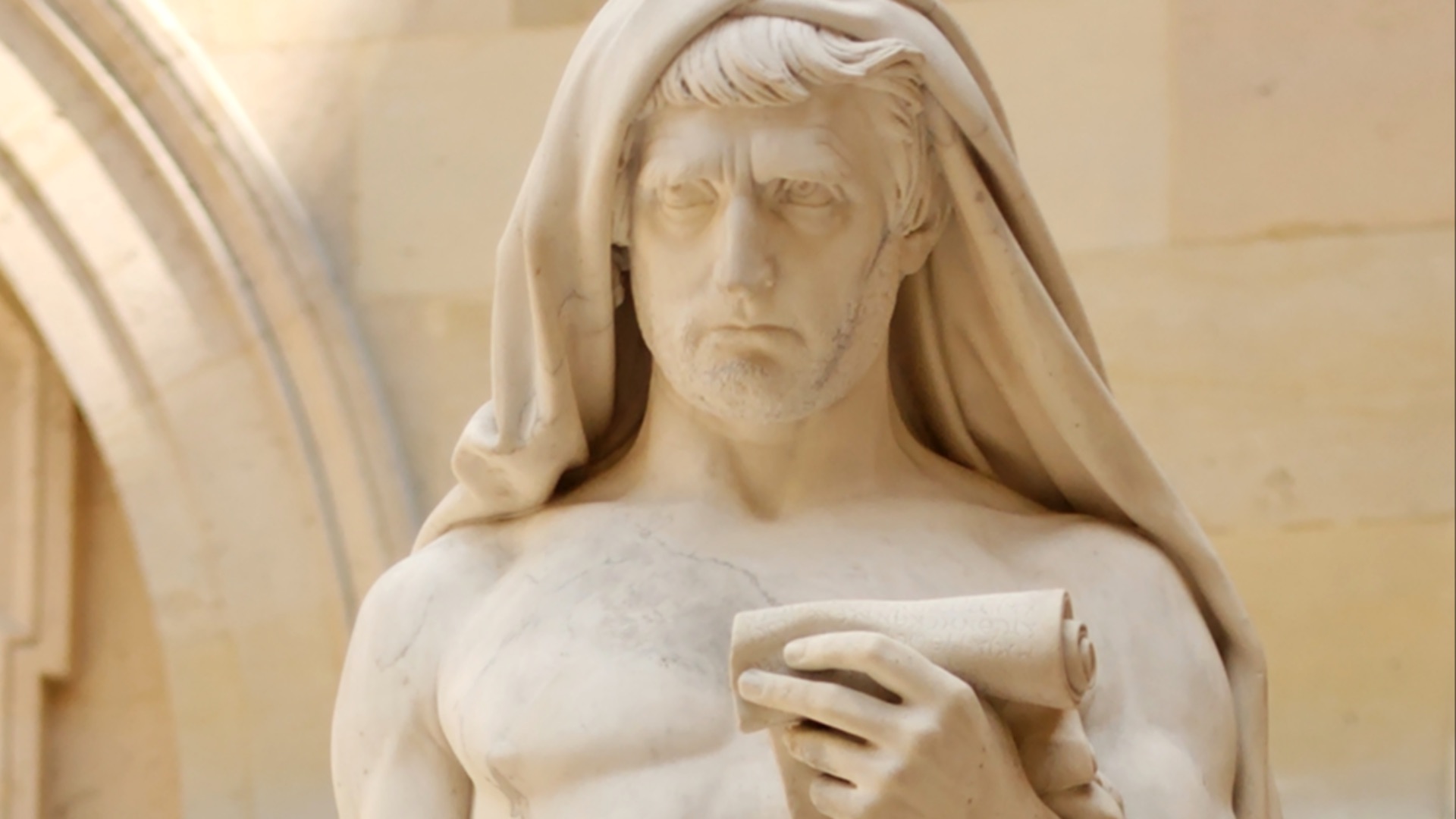 Jean-Baptiste Roman (1792–1835), François Rude (1784–1855) on Wikimedia
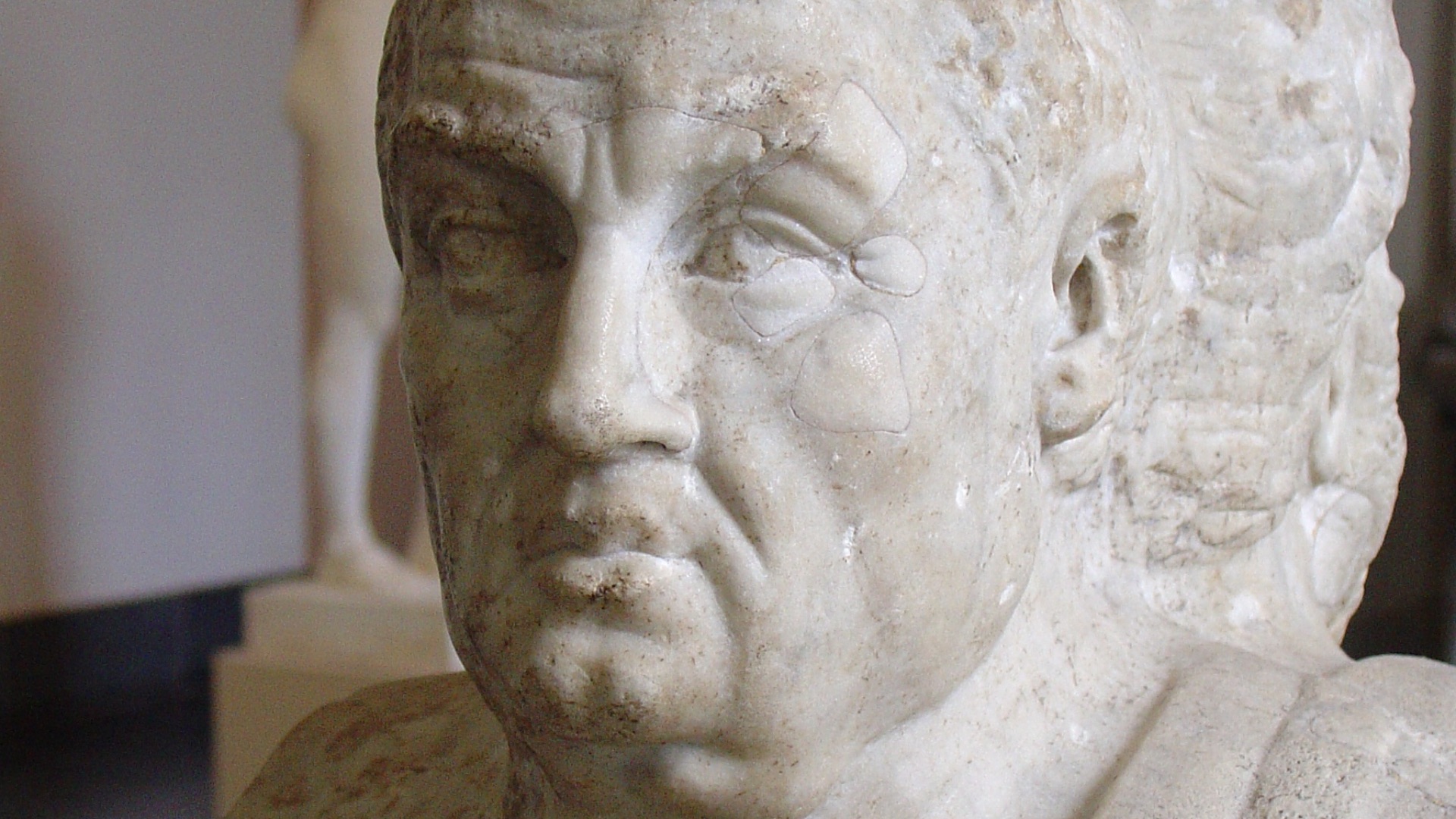
3. Seneca
Seneca had once served as Nero’s tutor and adviser, although his influence declined as the emperor’s rule became increasingly violent. After being accused of involvement in the Pisonian conspiracy in 65 CE, he received an order from Nero to end his own life. Whether or not he was guilty, Seneca complied with the forced choice and spent his final hours speaking with friends about philosophy.
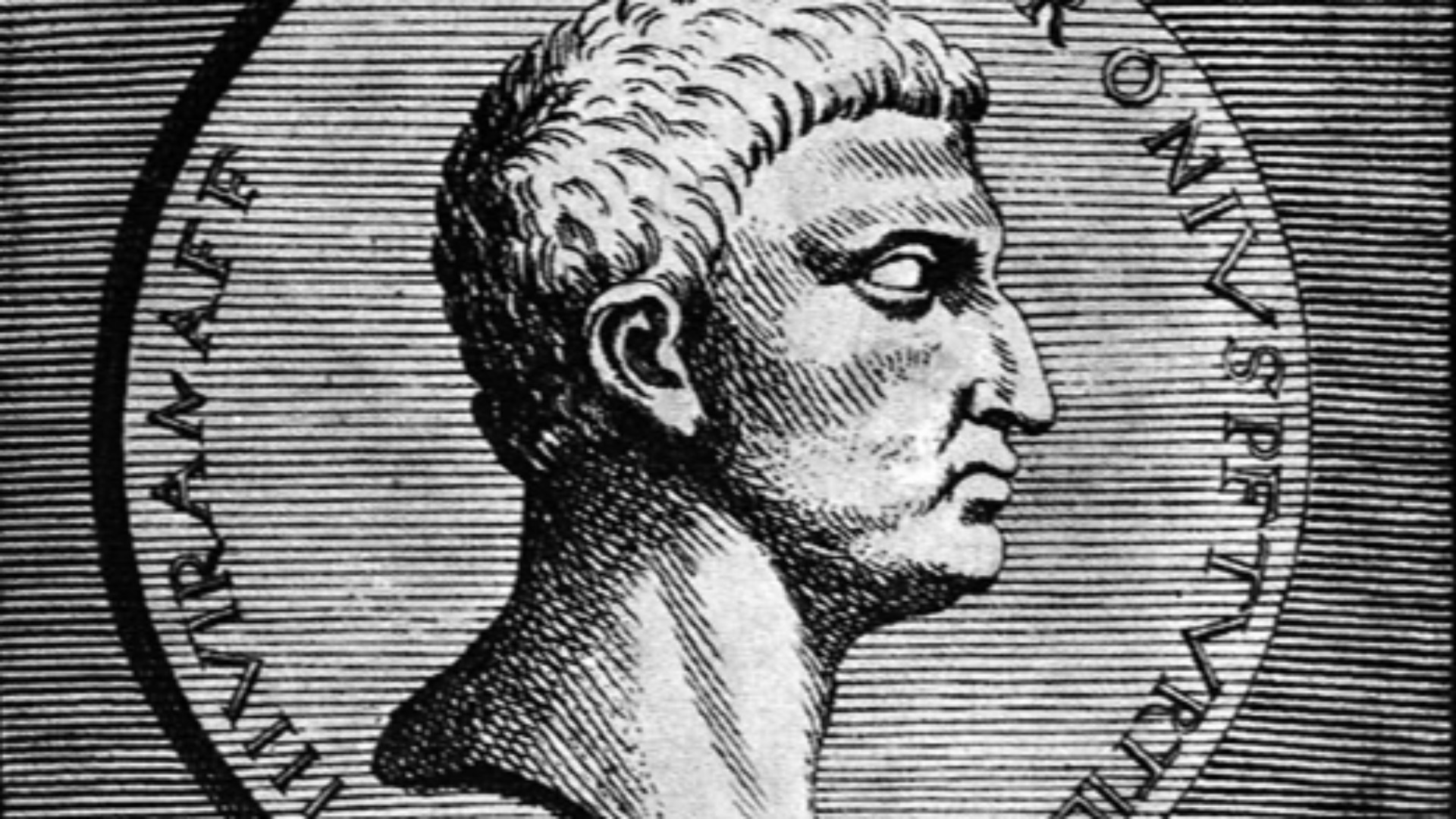
4. Petronius
Petronius, traditionally identified as the author of the Satyricon, belonged to Nero’s imperial court and gained a reputation for judging matters of style and taste. Once he fell under suspicion, he understood that the emperor would probably order his death, leaving him with little hope of survival. Ancient accounts describe him choosing his own time to die while composing a document that exposed Nero’s private conduct rather than praising the ruler.
5. Mark Antony
Mark Antony’s political and military fortunes collapsed after his forces lost to Octavian at the Battle of Actium. When Octavian entered Alexandria in 30 BCE, Antony received an incorrect report that Cleopatra had already died. He inflicted a fatal wound on himself and was taken to Cleopatra before dying, ending his life rather than surrendering to his Roman rival.
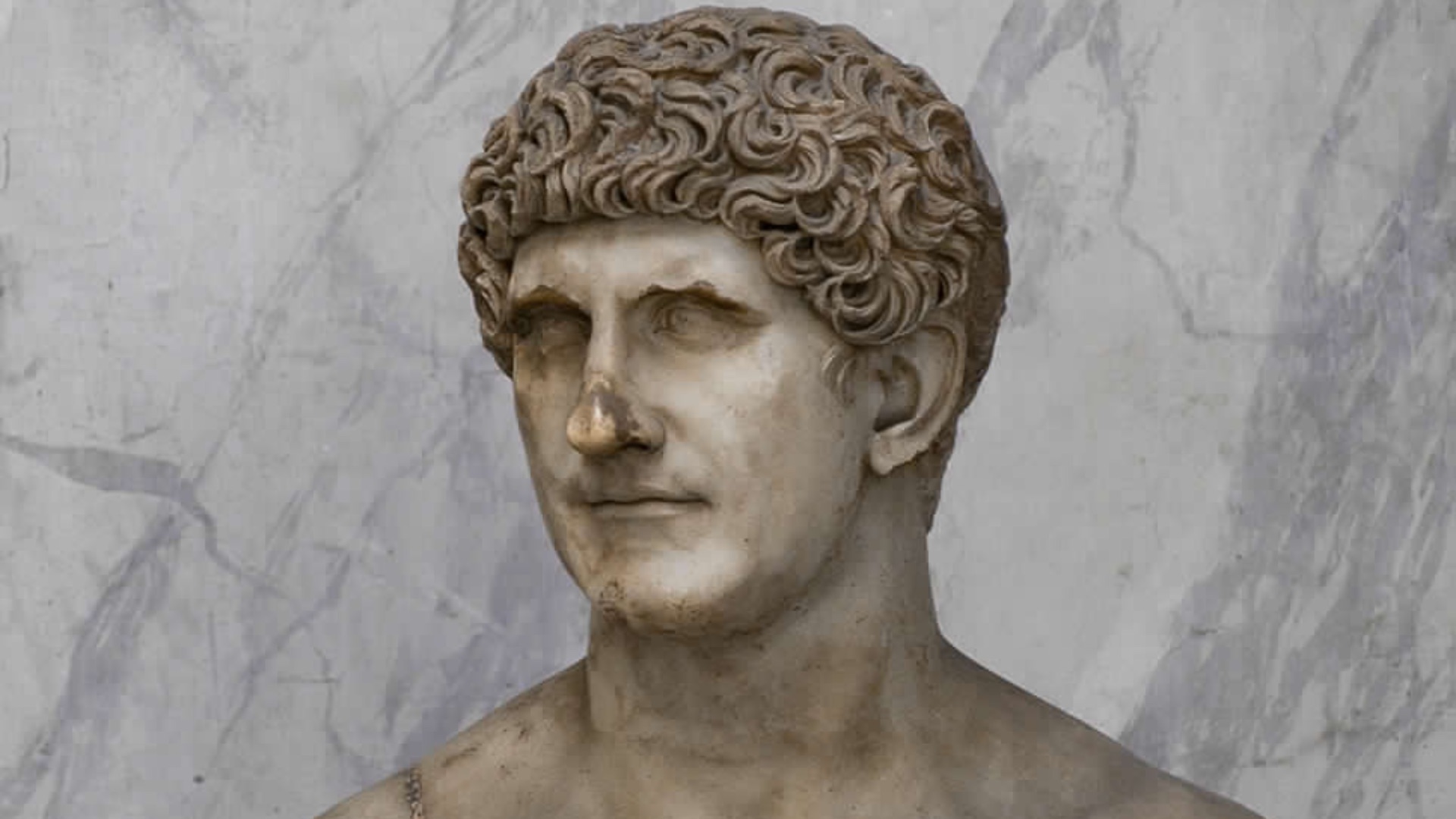 Ancient Roman artist of the 1st century AD (photo taken by Sergey Sosnovskiy) on Wikimedia
6. Cleopatra
Cleopatra VII was captured after Octavian defeated the remaining forces loyal to her and Antony. Ancient writers claimed she feared being transported to Rome and publicly displayed in Octavian’s victory celebration, although the exact circumstances and method of her death remain debated. She died in Alexandria in 30 BCE, apparently choosing death over becoming a living symbol of Rome’s conquest.
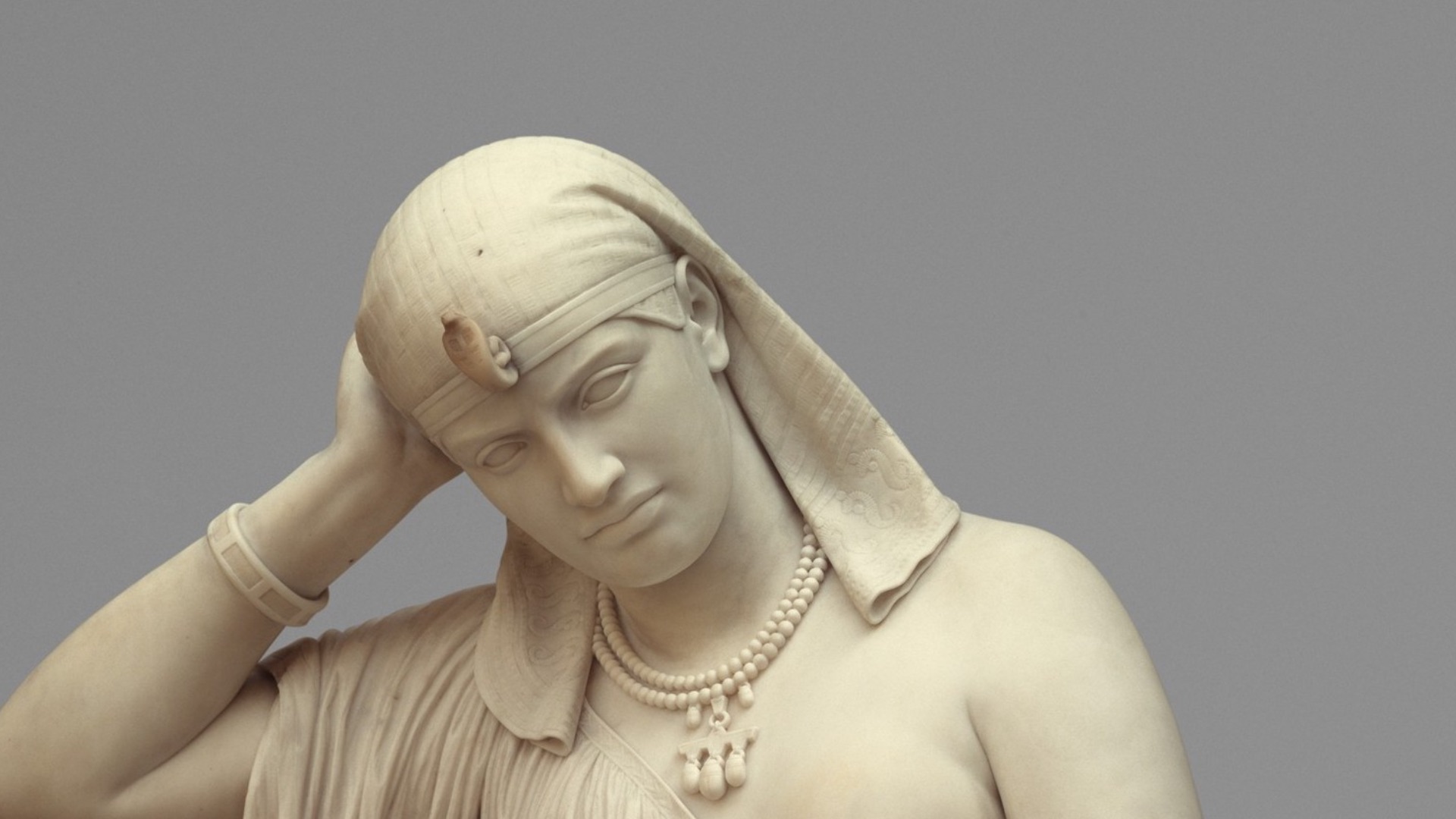 William Wetmore Story on Wikimedia
7. Hannibal
Long after the Second Punic War, Hannibal remained a target of the Roman government and moved between foreign courts seeking protection. When Roman representatives demanded his surrender from King Prusias of Bithynia, the aging commander realized that his residence had been surrounded. According to the traditional account, Hannibal used poison rather than allow his lifelong enemies to take him alive, though historians still debate the precise details.
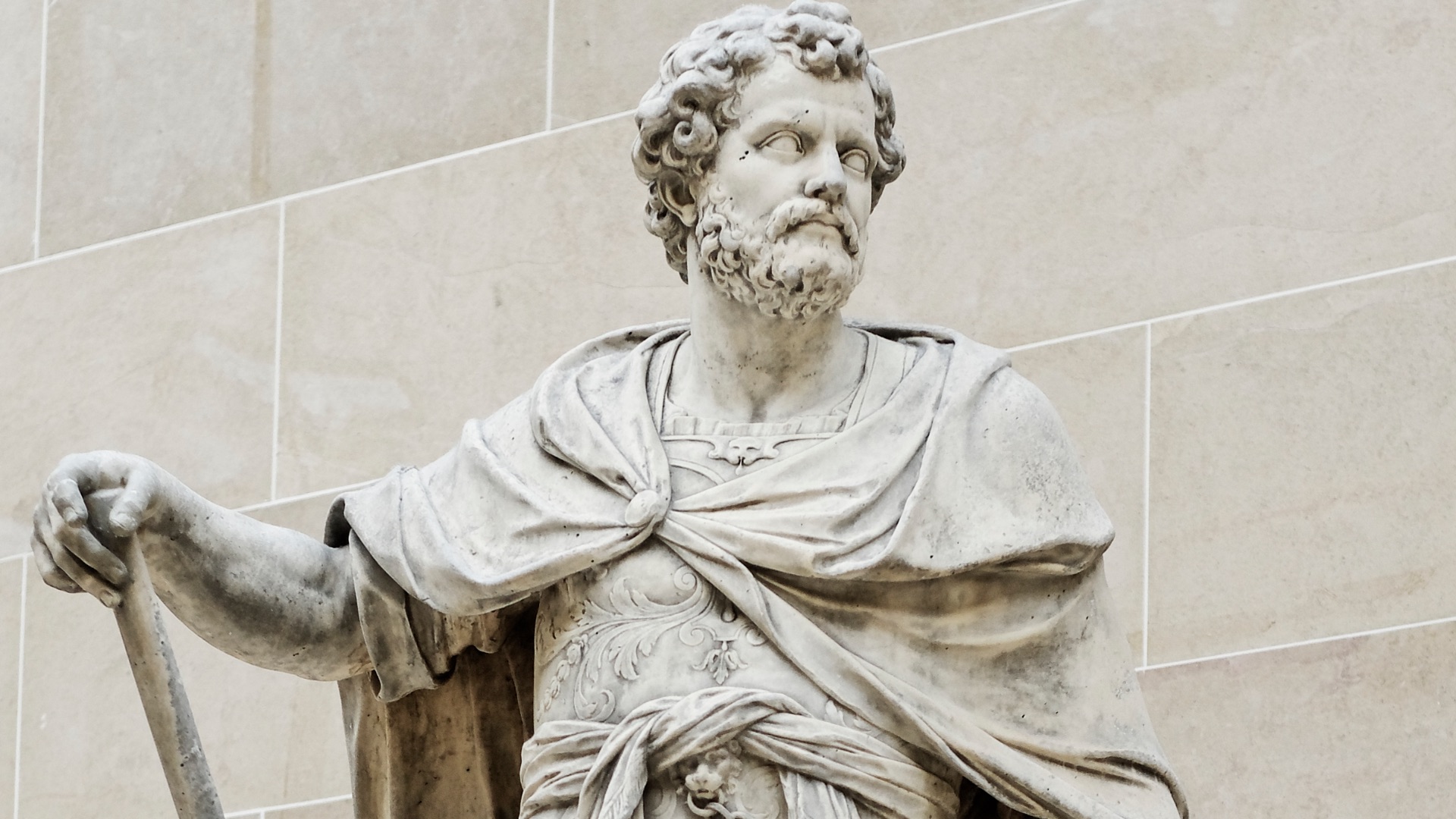 Sébastien Slodtz (French, 1655–1726) on Wikimedia
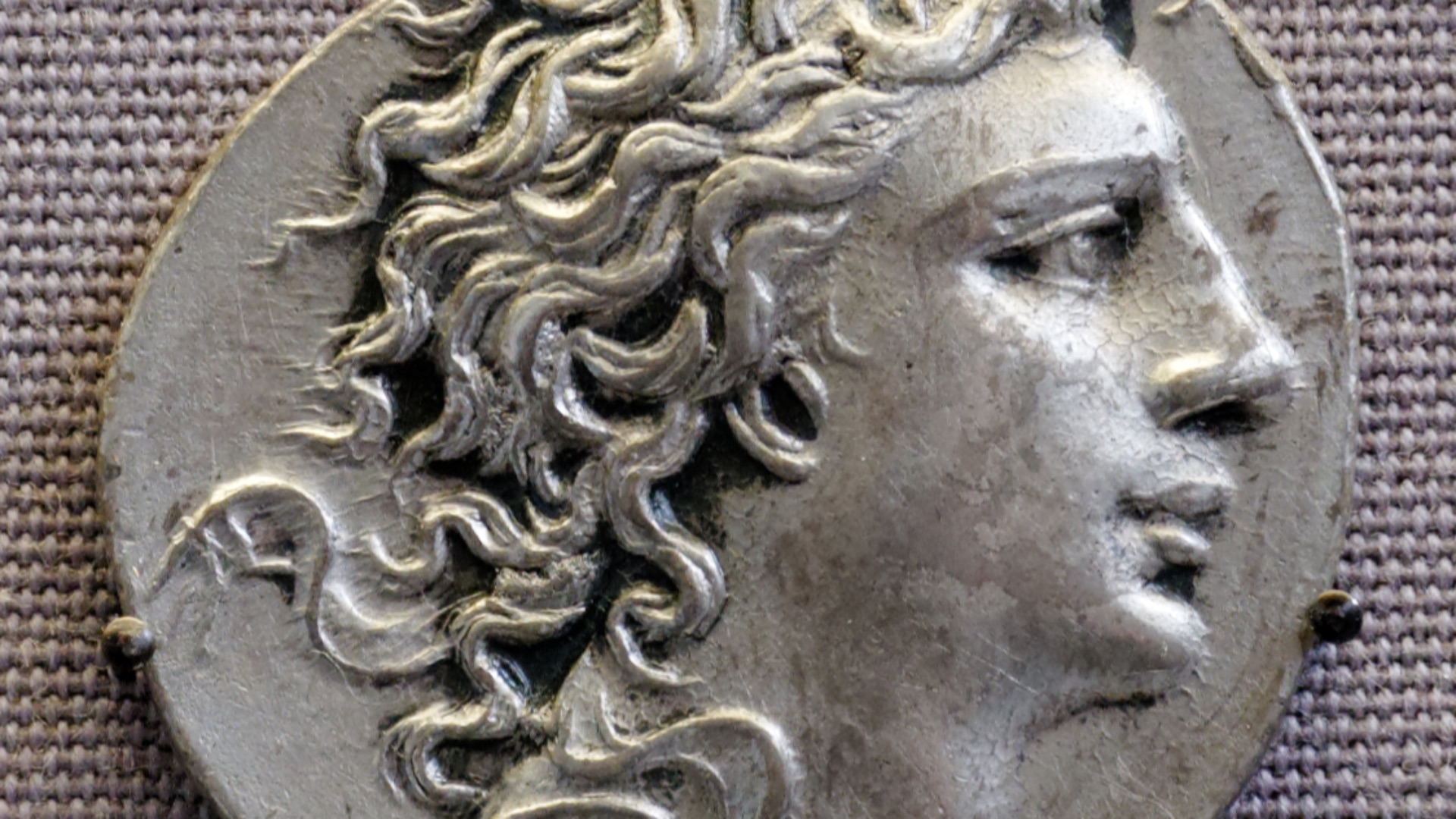
8. Mithridates VI
Mithridates VI of Pontus fought Rome for decades before rebellion and military defeat left him isolated in the Black Sea region. One tradition says he attempted to poison himself in 63 BCE, only to discover that his supposed resistance to poison prevented the intended result. He then reportedly asked a loyal guard to kill him, choosing death before his enemies could capture him.
9. Thomas More
Thomas More opposed Henry VIII’s claim to supreme authority over the Church in England, although he initially tried to protect himself through silence. He knew that accepting the required oath could secure his release, but he believed doing so would violate his religious conscience. More maintained his refusal and was executed for treason in 1535 after a trial whose fairness has long been questioned.
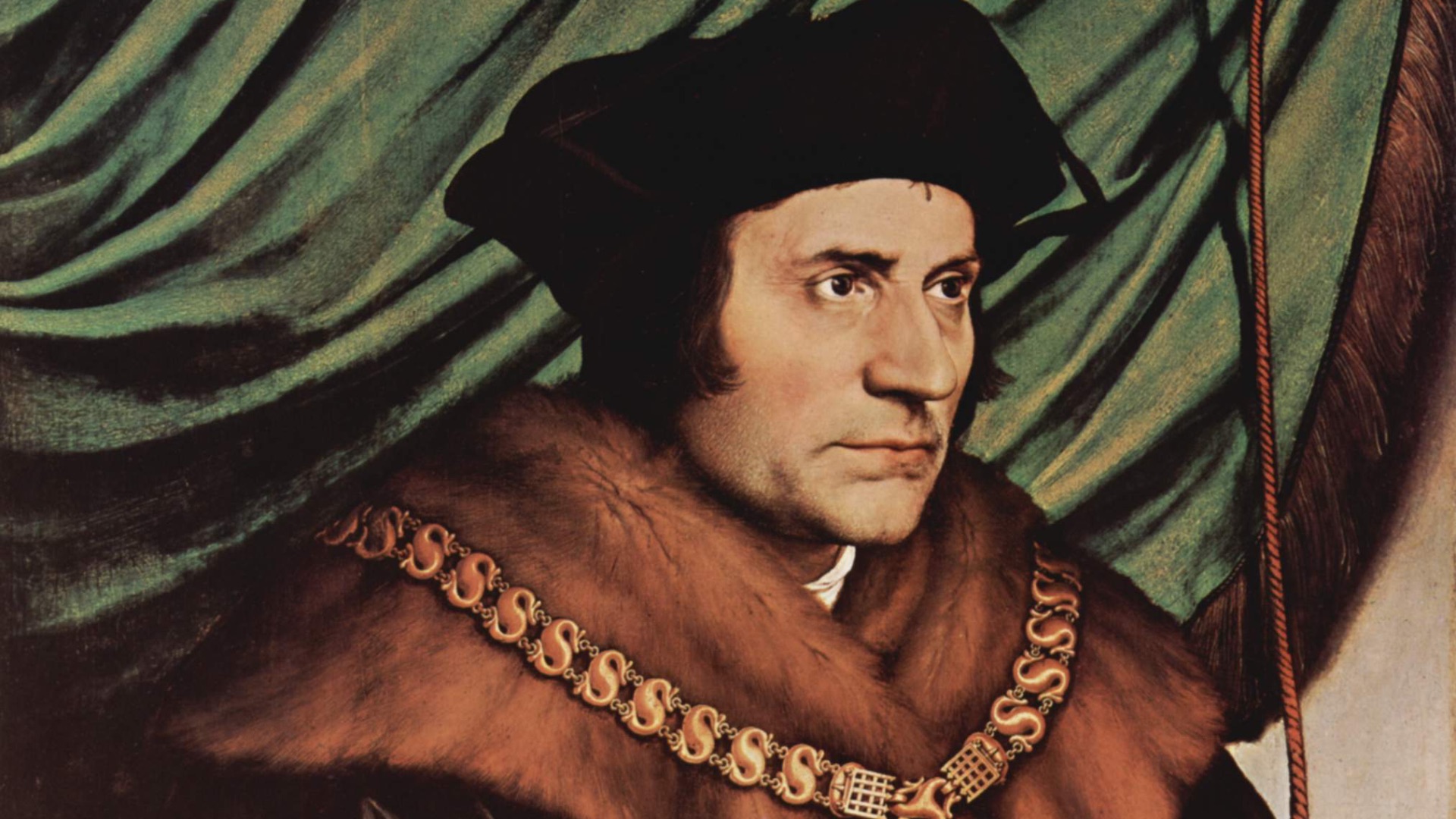 Hans Holbein the Younger on Wikimedia
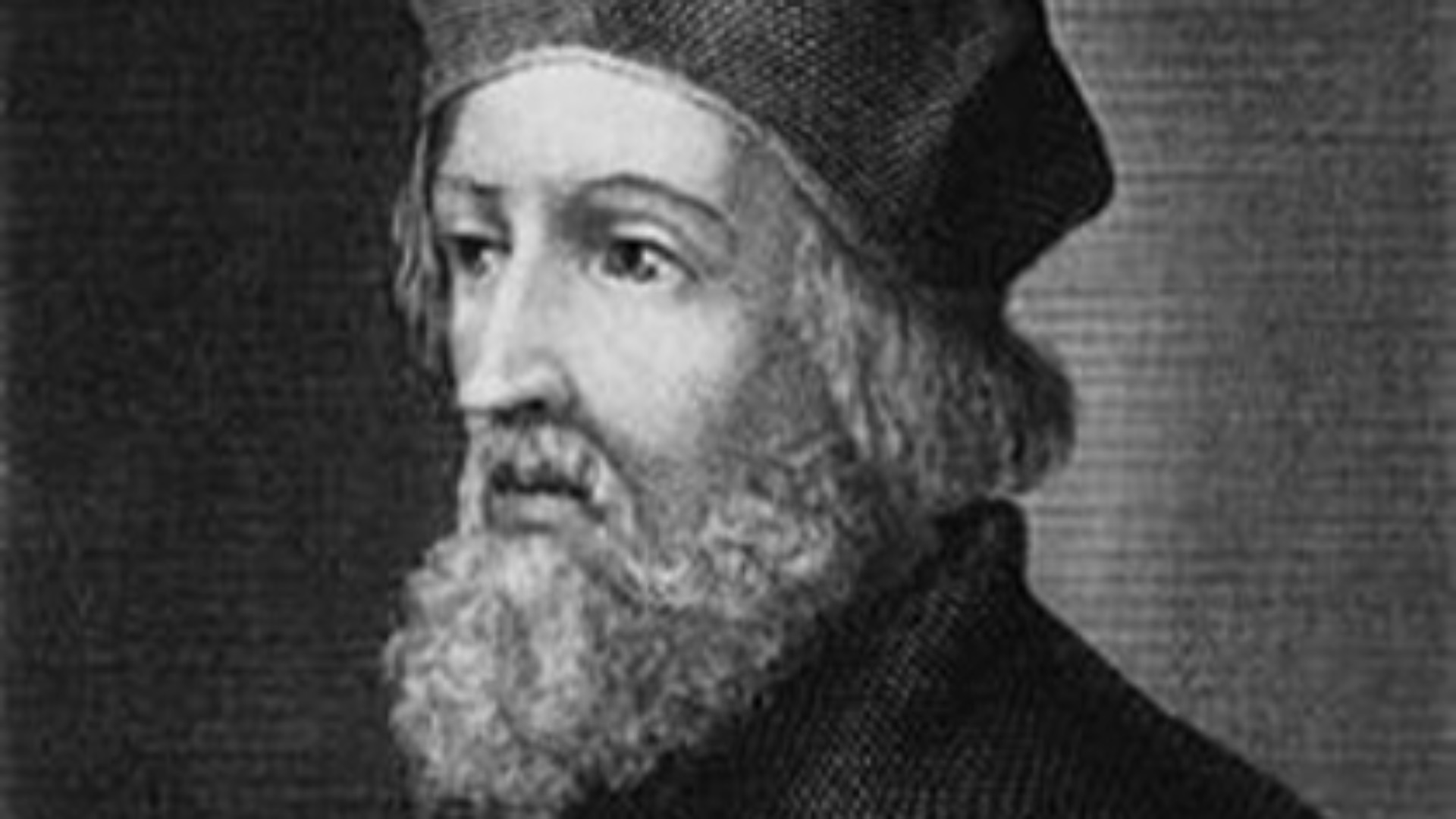
10. Jan Hus
Czech theologian Jan Hus was summoned before the Council of Constance to answer accusations of heresy. Imprisoned despite receiving a promise of safe conduct, he was repeatedly told that retracting his disputed teachings could save him. Hus insisted that he couldn’t renounce beliefs unless his errors were demonstrated from Scripture, and he was executed in 1415.
11. Giordano Bruno
Giordano Bruno spent approximately seven years imprisoned by the Roman Inquisition while officials examined his theological, philosophical, and cosmological ideas. He was offered opportunities to recant, but he ultimately refused to provide the complete submission his judges demanded. Declared an unrepentant heretic, Bruno was executed in Rome in 1600 after knowingly rejecting the path that might have preserved his life.
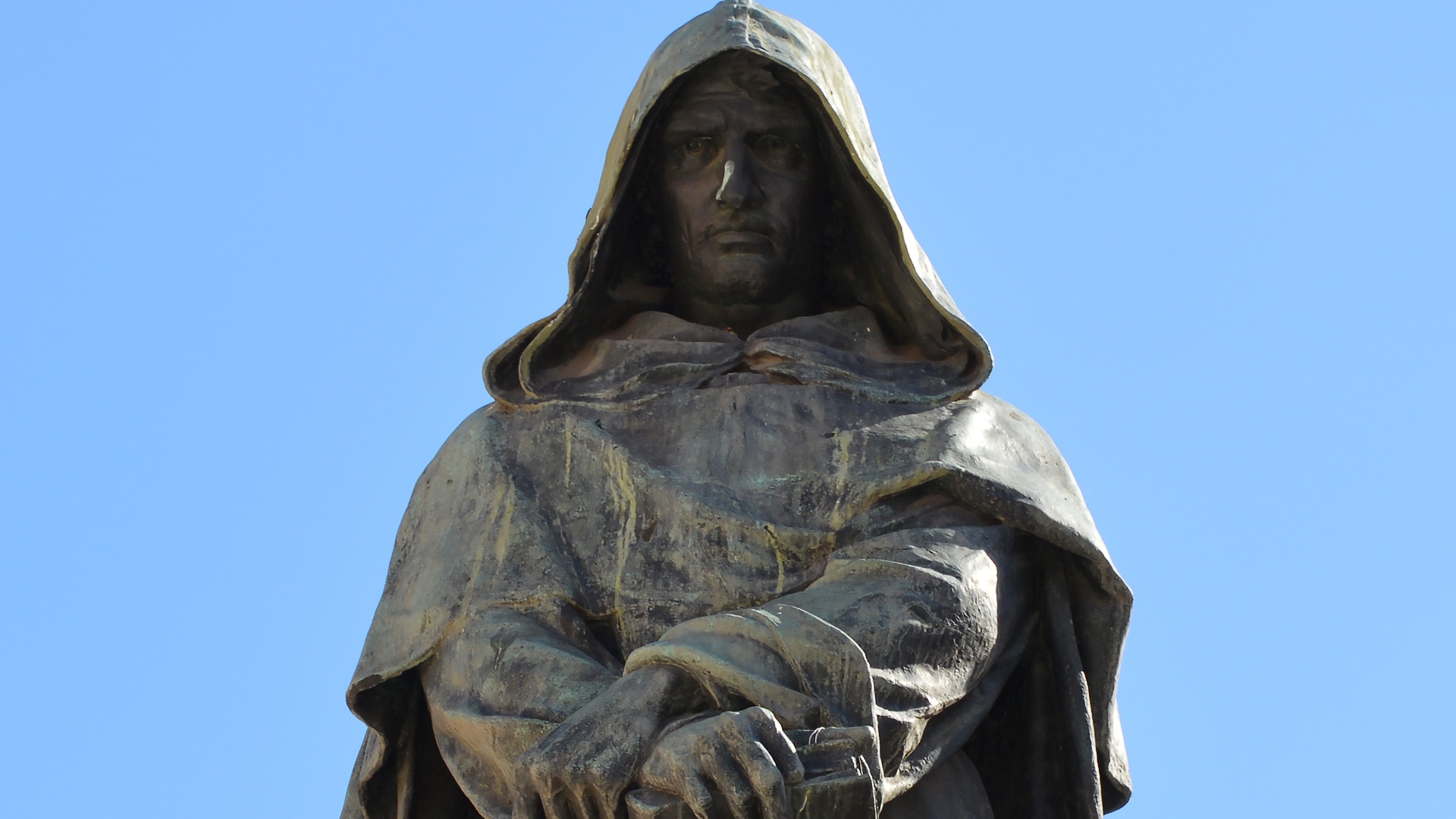 Livioandronico2013 on Wikimedia
12. Margaret Clitherow
Margaret Clitherow was arrested in Elizabethan England for sheltering Catholic priests, an offense treated with extreme severity at the time. She refused to plead guilty or not guilty because a formal trial could have forced her children and others to testify. That decision automatically exposed her to a fatal sentence, yet she maintained her refusal despite repeated warnings from officials.
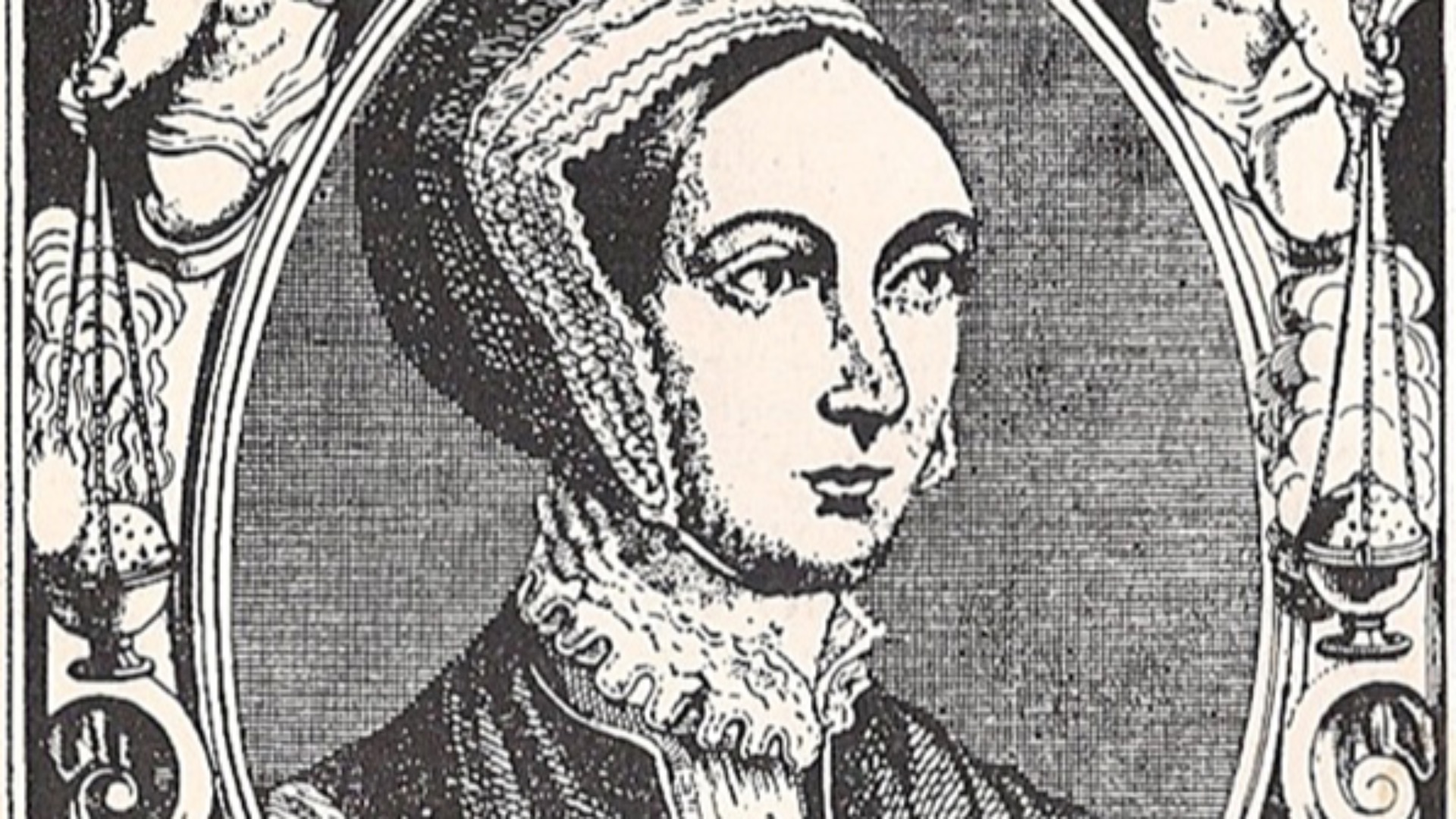 zeitgenössischer Stecher, um 1750, nach älterer Darstellung on Wikimedia
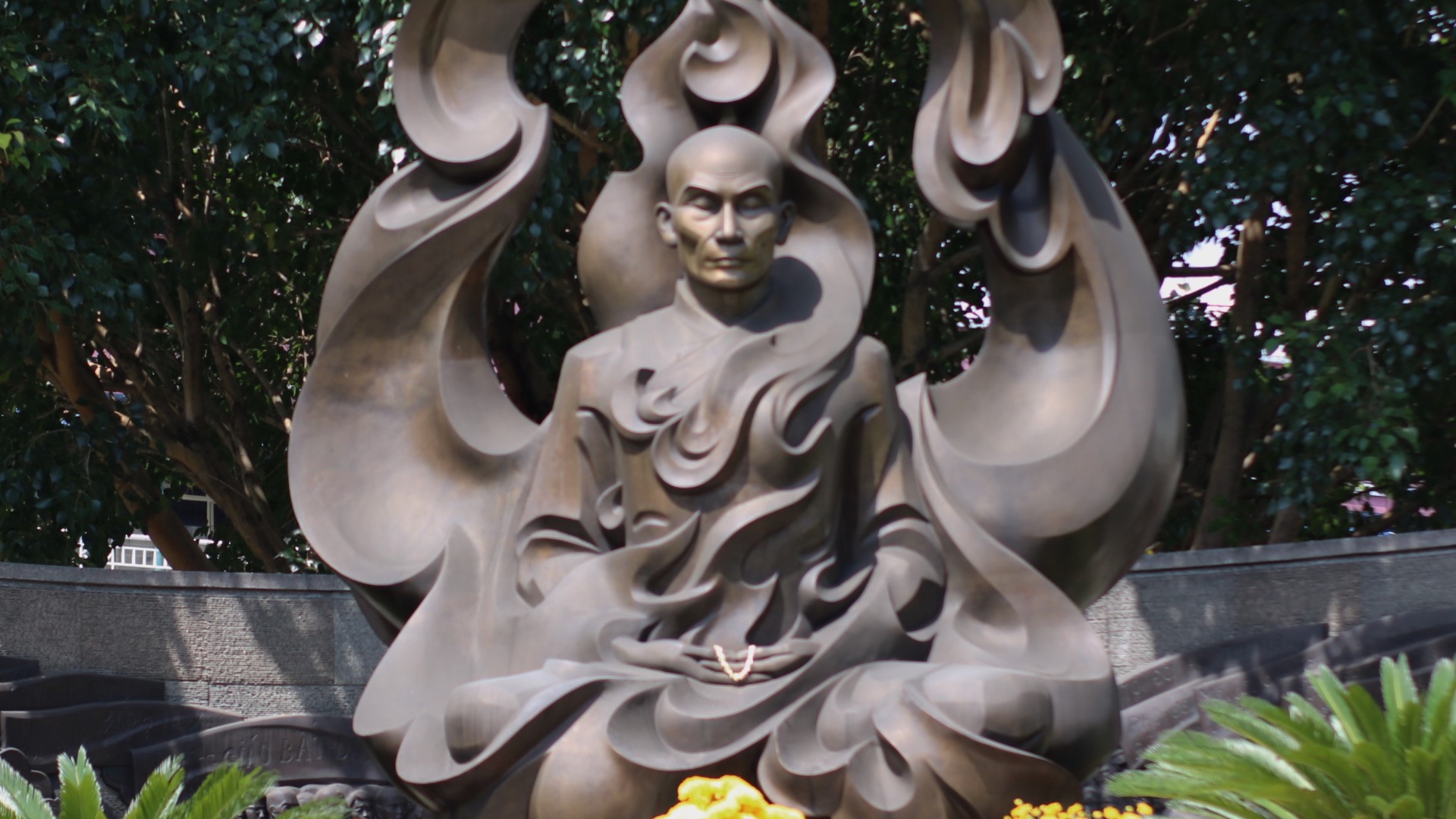
13. Thích Quảng Đức
In June 1963, Vietnamese Buddhist monk Thích Quảng Đức carried out a fatal public protest in Saigon against the South Vietnamese government’s treatment of Buddhists. The act was planned as a political and religious statement rather than an impulsive private decision. Photographs circulated internationally and intensified scrutiny of President Ngô Đình Diệm’s government, though the protest’s severe nature remains difficult and controversial to discuss.
14. Jan Palach
Student Jan Palach became distressed by the public resignation that followed the Warsaw Pact invasion of Czechoslovakia and the suppression of the Prague Spring. In January 1969, he staged a fatal protest in Prague intended to oppose censorship and the growing acceptance of Soviet control. His funeral became a major demonstration, and his memory later remained connected to resistance against communist rule.
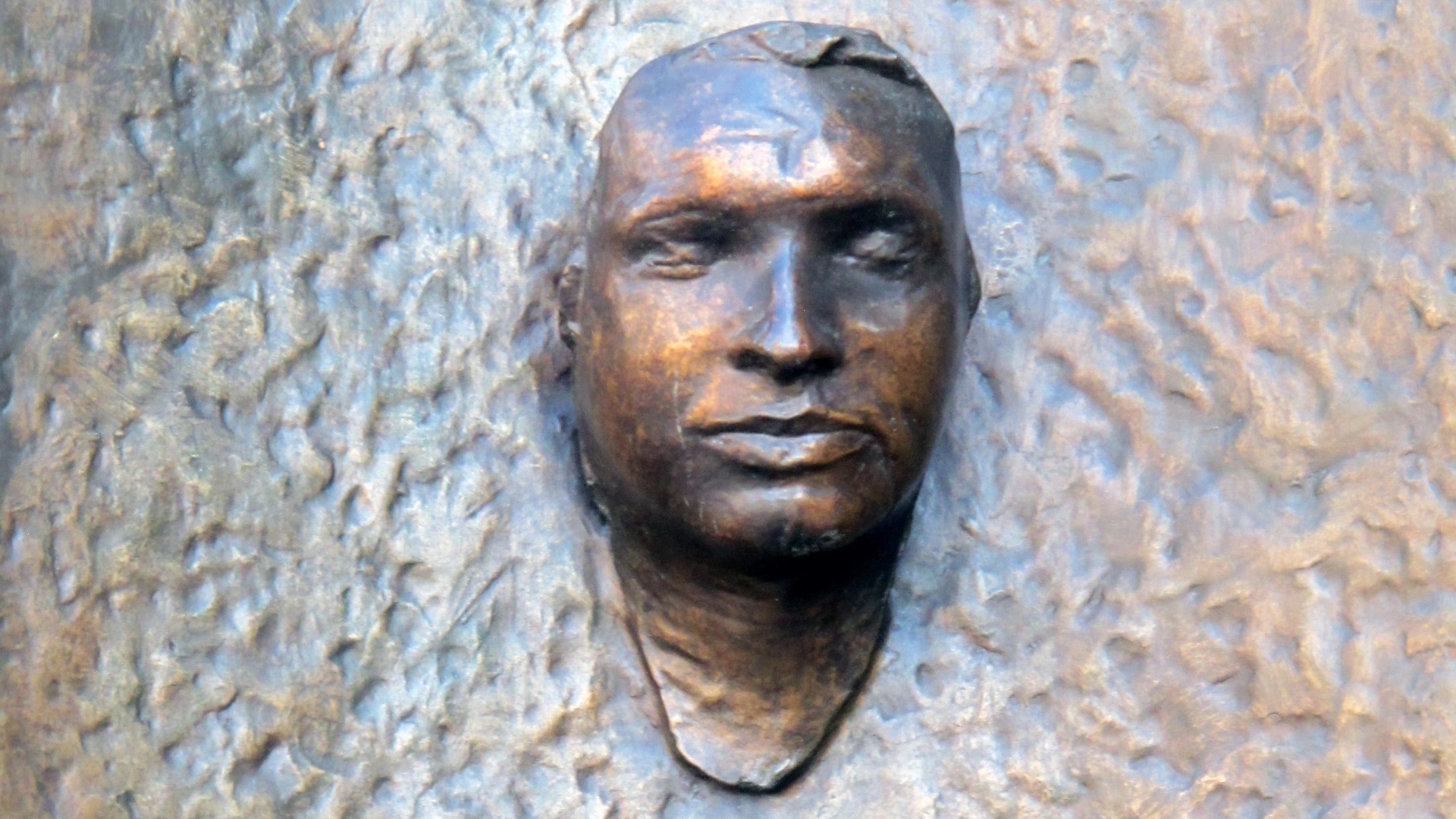
15. Bobby Sands
Bobby Sands began a hunger strike in Northern Ireland’s Maze Prison in March 1981 as part of a campaign demanding political status for republican prisoners. He continued refusing food even after being elected to the British Parliament during the protest. Sands died after 66 days, having maintained the strike despite knowing that the government might not concede before his health failed.
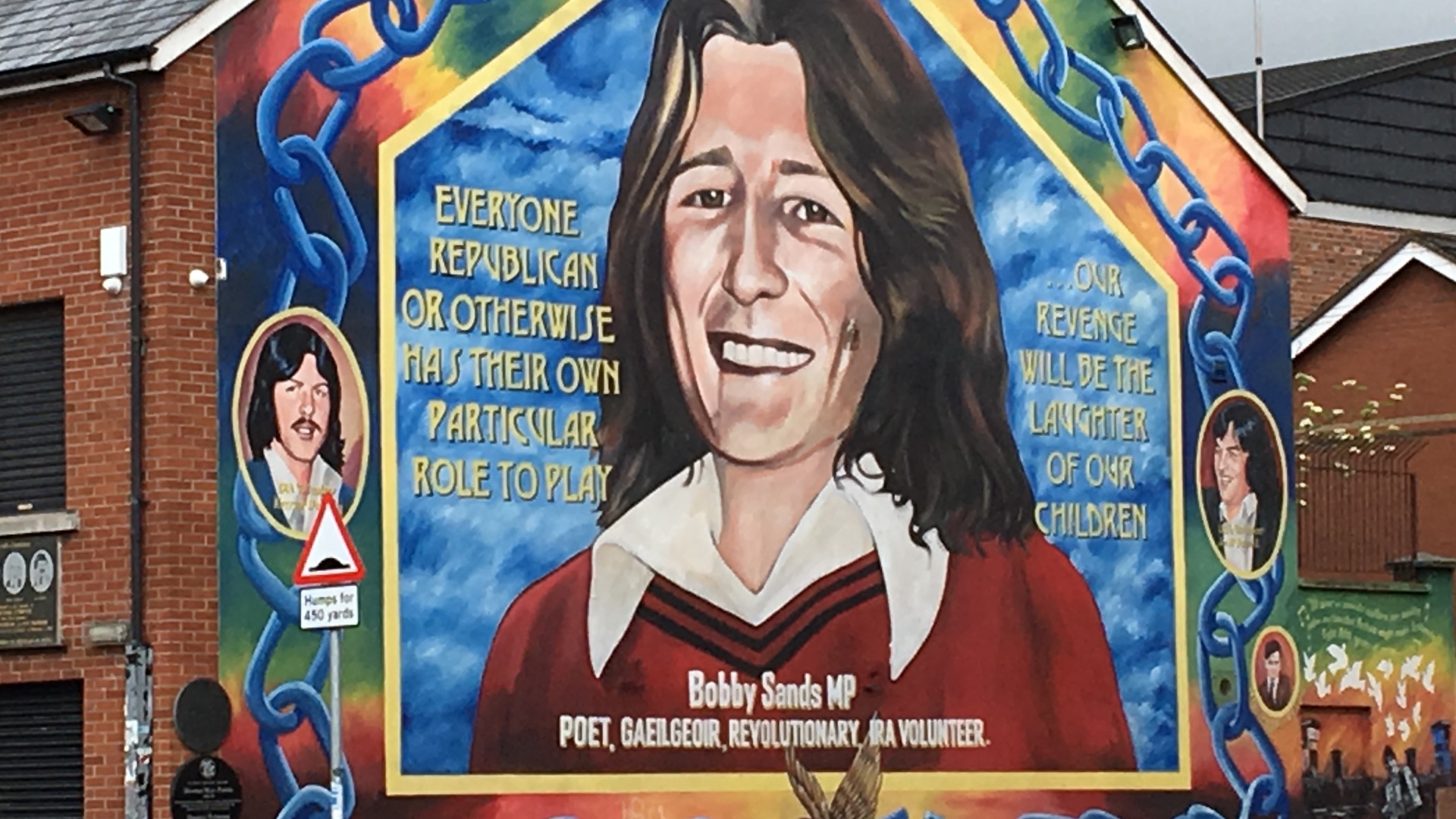
16. Yukio Mishima
Japanese novelist Yukio Mishima spent years developing an intensely nationalist public identity and eventually formed a private organization called the Shield Society. In November 1970, he and several followers entered a military headquarters, took an officer hostage, and attempted to persuade soldiers to reject Japan’s postwar political order. When his speech was ridiculed and the appeal failed, Mishima ended his life in a prearranged ritual act.
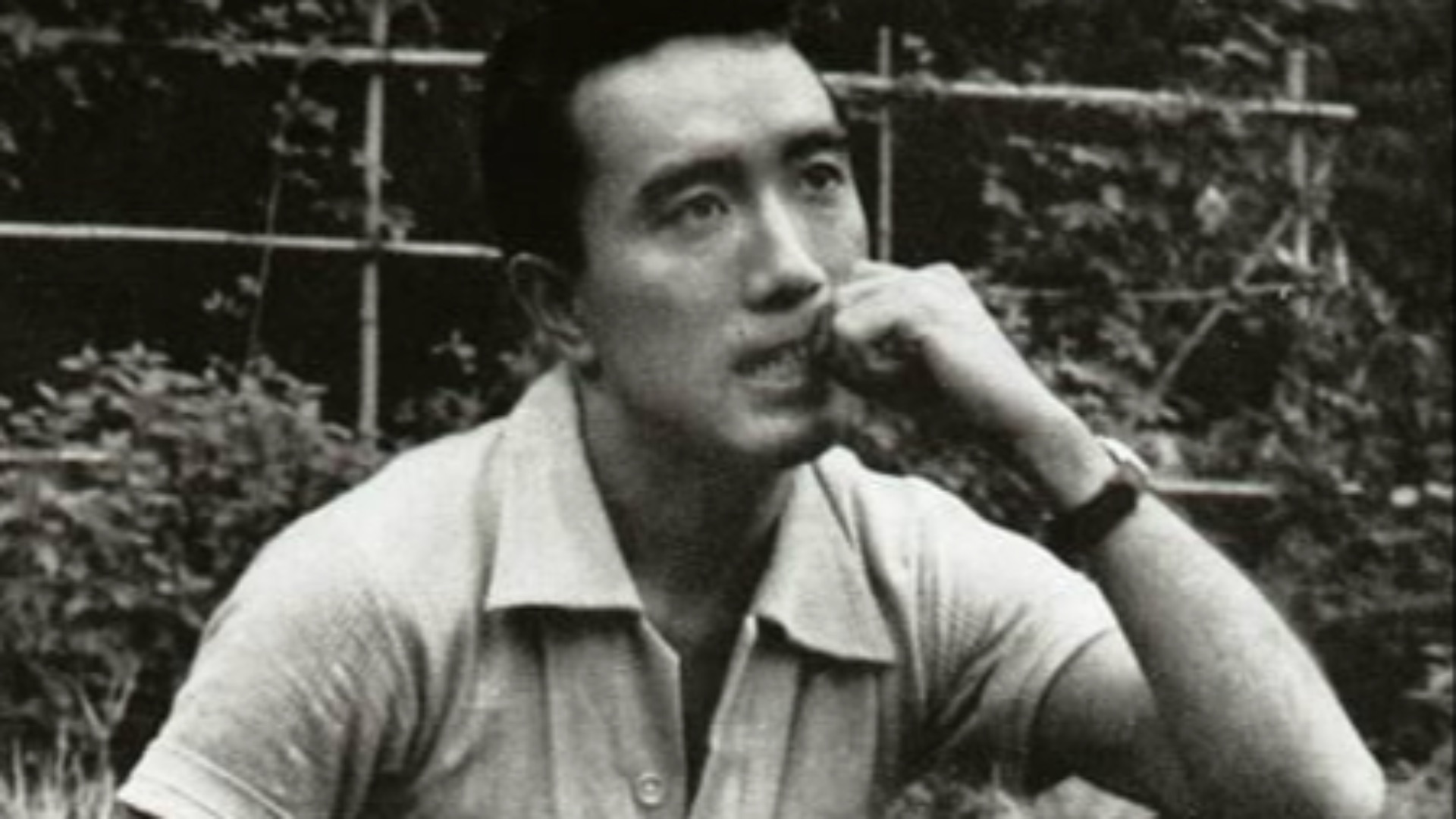
17. Adolf Hitler
By late April 1945, Adolf Hitler was confined to his Berlin bunker while Soviet forces closed in and Nazi Germany collapsed around him. Instead of surrendering and facing responsibility for the war and the regime’s crimes, he killed himself on April 30. His decision wasn’t an act of principle or sacrifice, but a final attempt to avoid capture, trial, and public defeat.
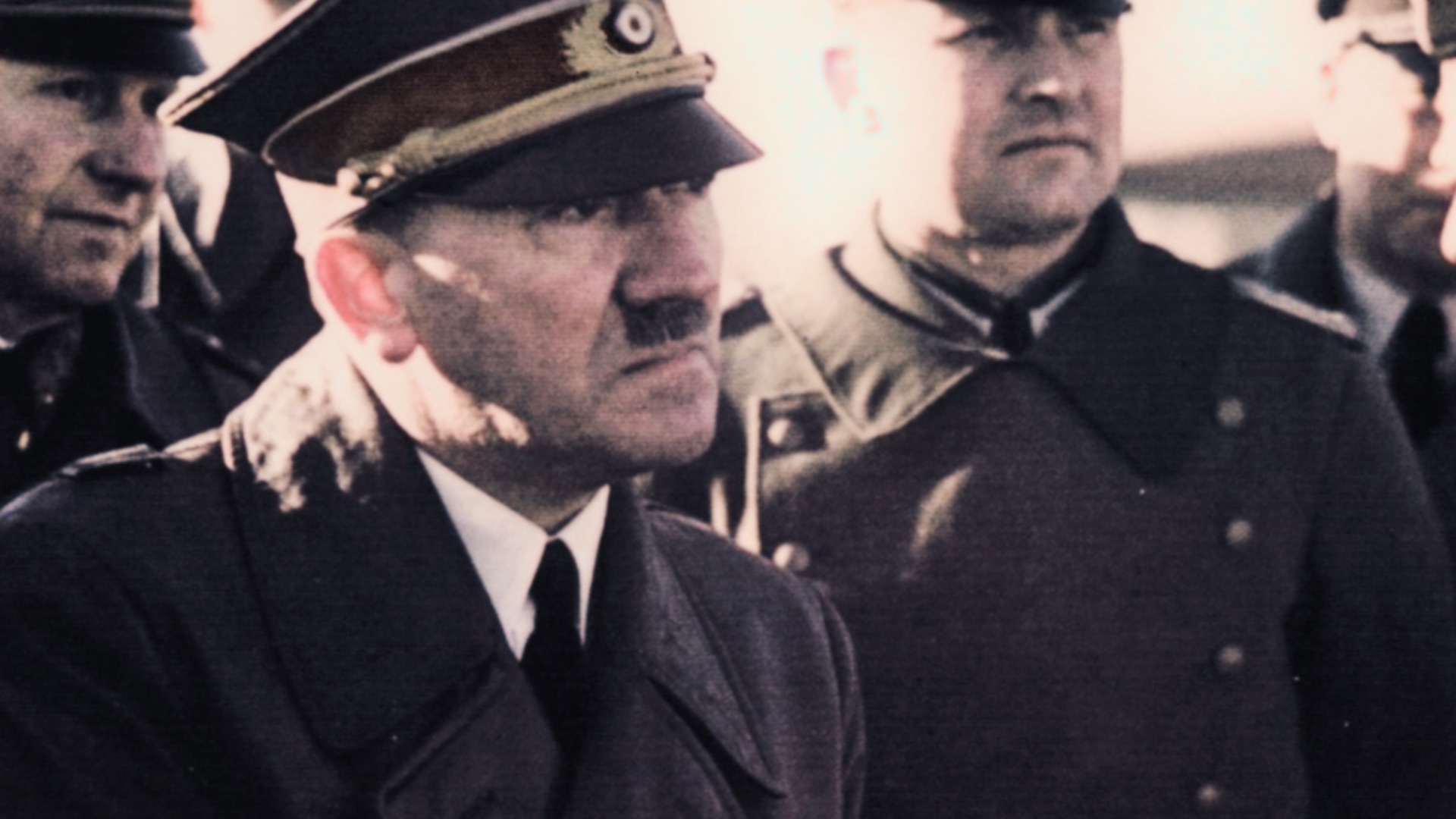
18. Virginia Woolf
British author Virginia Woolf experienced recurring periods of serious mental illness throughout her adult life. By early 1941, she believed her symptoms were returning as Britain endured World War II and she struggled to continue working. On March 28, she left letters for her husband and sister before ending her life, convinced that she wouldn’t recover from another episode.
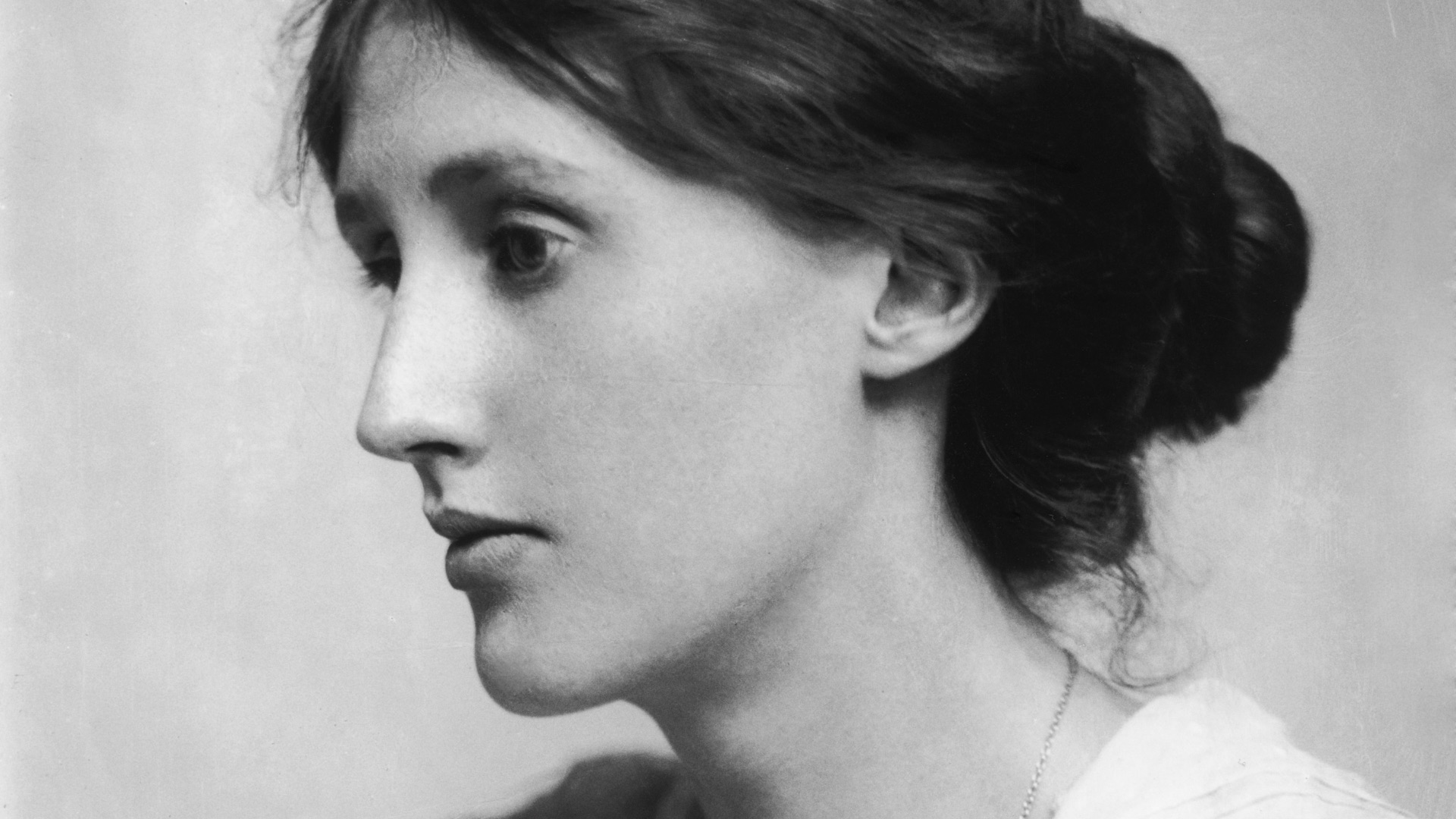 George Charles Beresford on Wikimedia
19. Vincent van Gogh
Vincent van Gogh struggled with recurring mental health crises, financial uncertainty, and fears that he’d become a lasting burden on his brother Theo. On July 27, 1890, he shot himself in the chest in a field near Auvers-sur-Oise and managed to return to the inn where he was staying. He died two days later with Theo beside him, leaving behind an extraordinary body of work that had only begun receiving wider recognition.
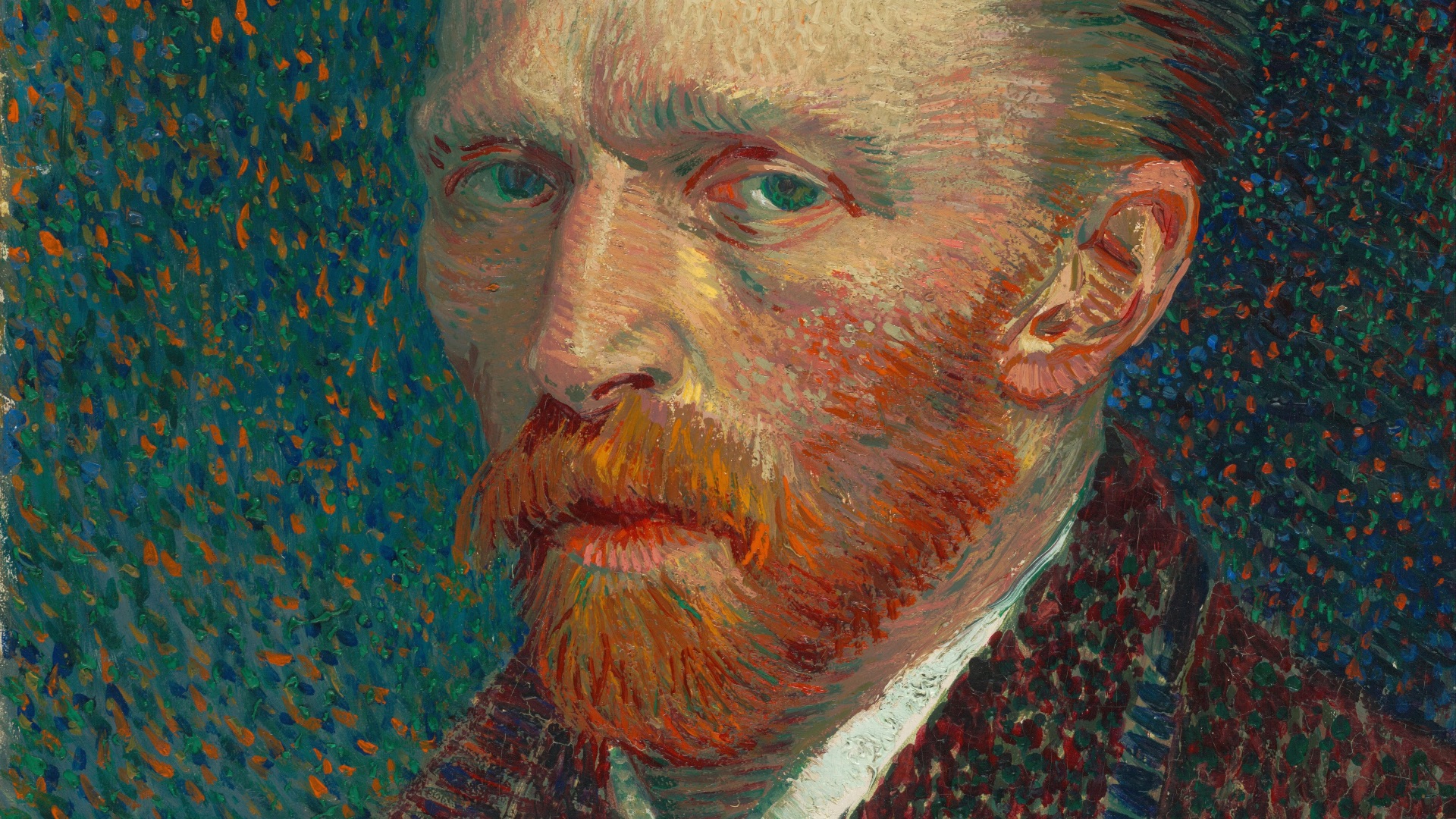
20. Joseph Goebbels
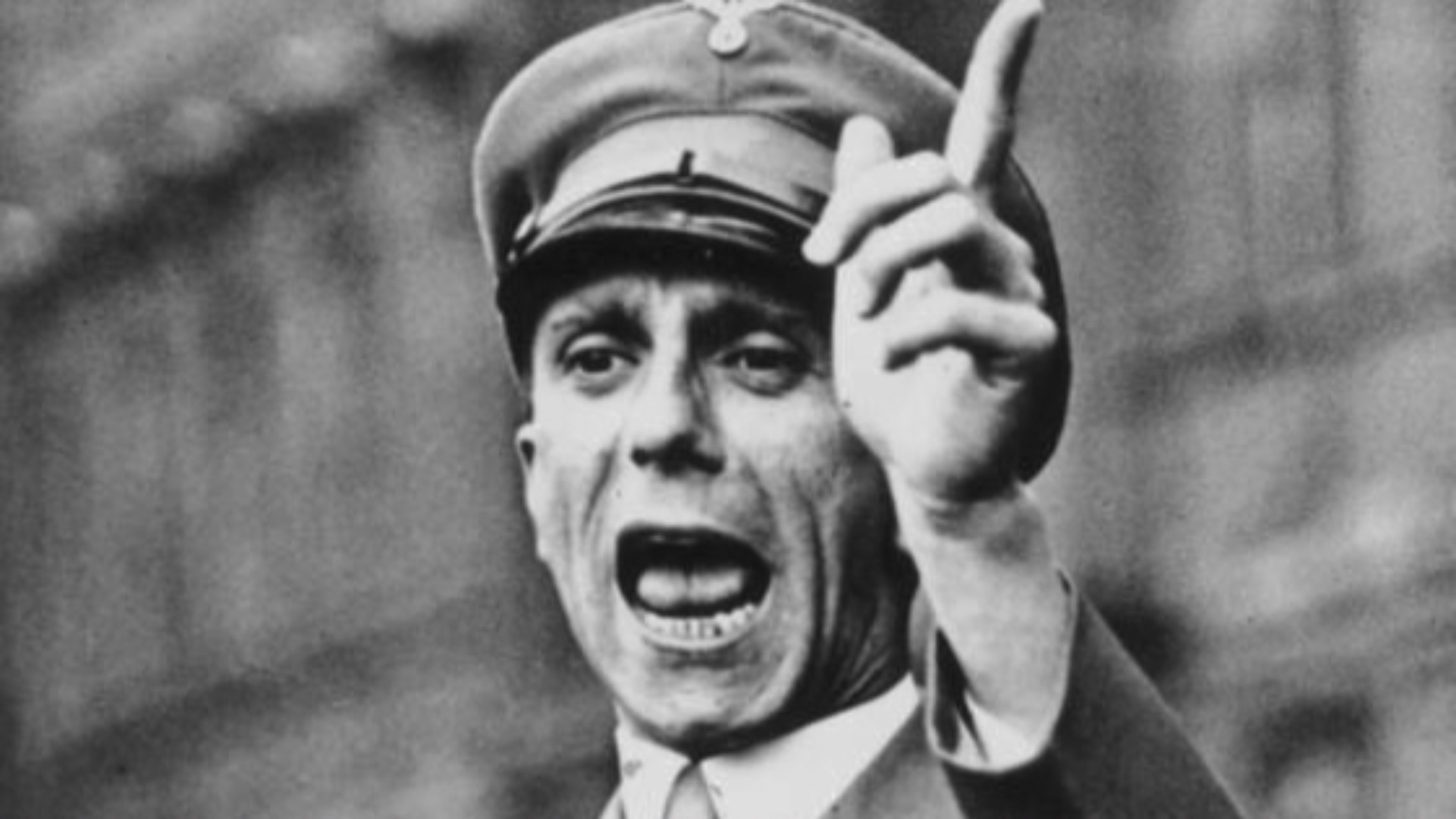
Nazi propaganda minister Joseph Goebbels remained in Berlin during the regime’s final days and rejected opportunities to flee. After Hitler’s death, Goebbels and his wife arranged the killing of their six children before ending their own lives, making his final decision inseparable from an appalling act of murder. His demise reflected absolute commitment to a defeated dictatorship rather than courage, loyalty worthy of admiration, or moral conviction.
KEEP ON READING