What Would You Rather?
You might think losing your life is the worst form of punishment, but it isn't. And throughout history, the harshest possible penalty wasn't always sentencing someone straight to the guillotine, but that of deliberate, prolonged suffering, whether it meant permanent mutilation or years of exhausting, forced labor. The penal treadmill, for example, required prisoners to continuously climb a never-ending treadmill without rest. Although many infamous torture devices have been exaggerated or invented in later centuries, surviving laws and court records confirm that, at least before those methods came into the picture, people endured grueling, inhumane sentences far worse than mere death.
1. Transportation to a Penal Colony
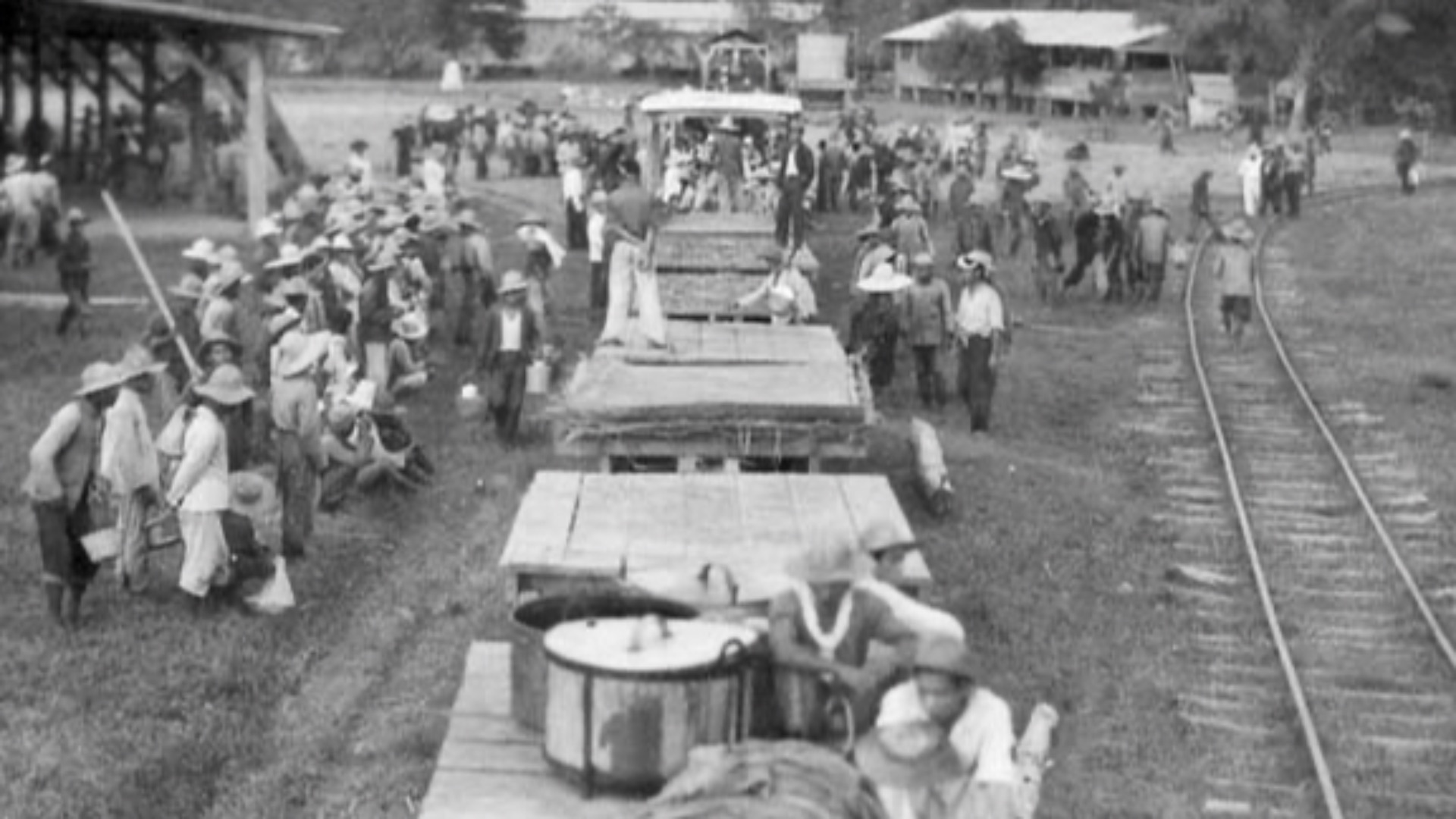
Transportation removed convicts from their homes and sent them across the ocean to distant colonies, often for sentences lasting seven years or life. Prisoners faced long voyages, forced labor, harsh discipline, and little realistic chance of returning to their families. Britain transported convicted people first to North America and the Caribbean and later to Australia, sometimes after commuting an original death sentence.
 Bureau of Corrections (Philippines) on Wikimedia
2. Forced Labor in Roman Mines
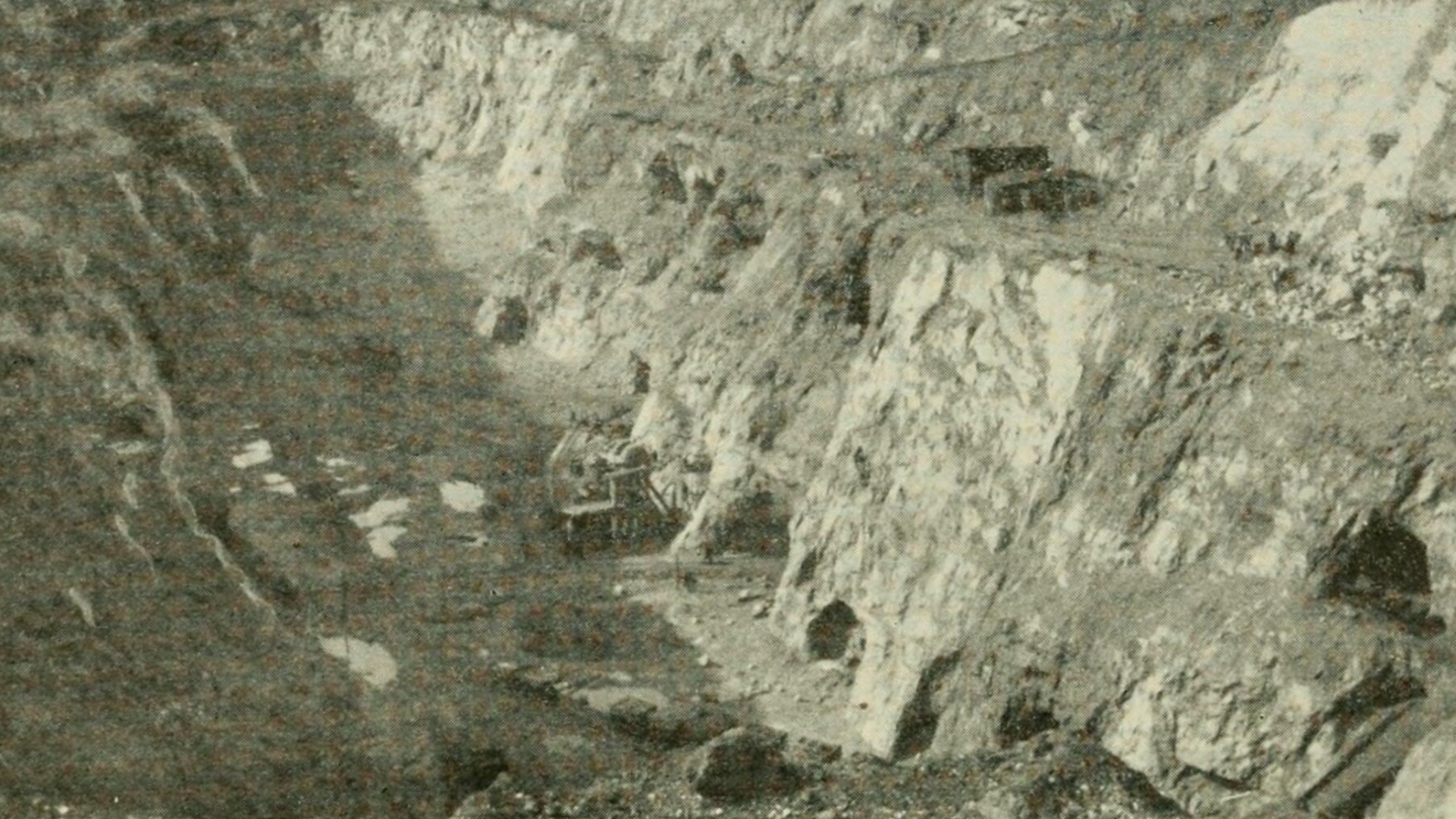
Roman authorities sometimes condemned enslaved people, prisoners, and religious dissenters to work in mines or quarries. These laborers spent their days underground or beneath intense heat, performing physically punishing work under armed supervision. The sentence could strip a person of legal status and continue until illness, injury, or exhaustion made work impossible.
 Internet Archive Book Images on Wikimedia
3. Galley Slavery
For centuries, several Mediterranean powers sentenced prisoners to row aboard military or government galleys. Rowers were commonly chained to their benches and expected to maintain exhausting rhythms for long periods, regardless of illness or injury. Captivity aboard a crowded vessel also exposed them to disease, poor sanitation, extreme weather, and severe discipline.
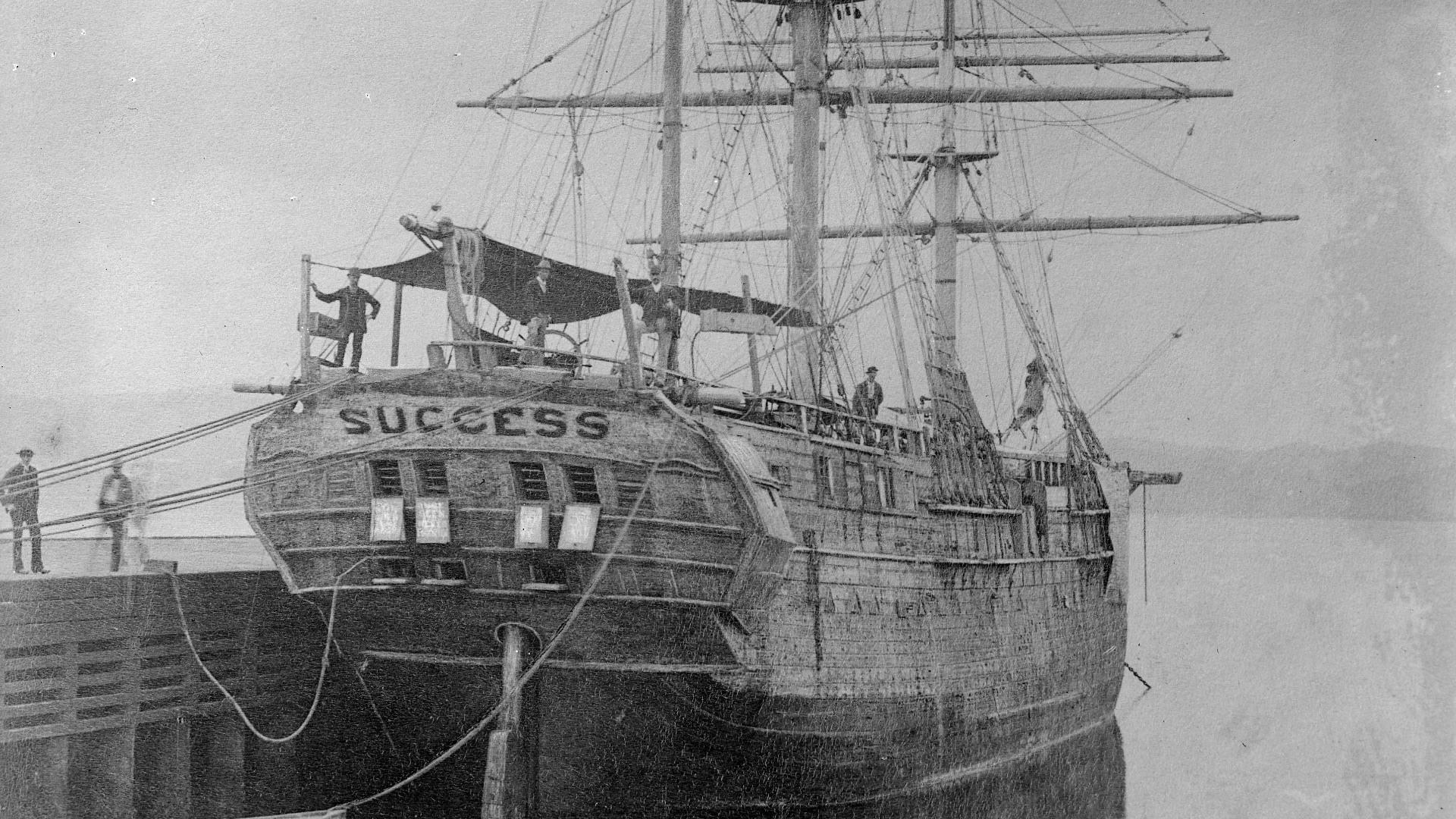
4. The Prison Hulks
When British prisons became overcrowded, aging ships were converted into floating prisons known as hulks. Convicts lived below deck in cramped, unhealthy conditions and were frequently sent ashore for demanding labor during the day. Although the ships were initially used to hold people awaiting transportation, many prisoners eventually served substantial portions of their sentences aboard them.
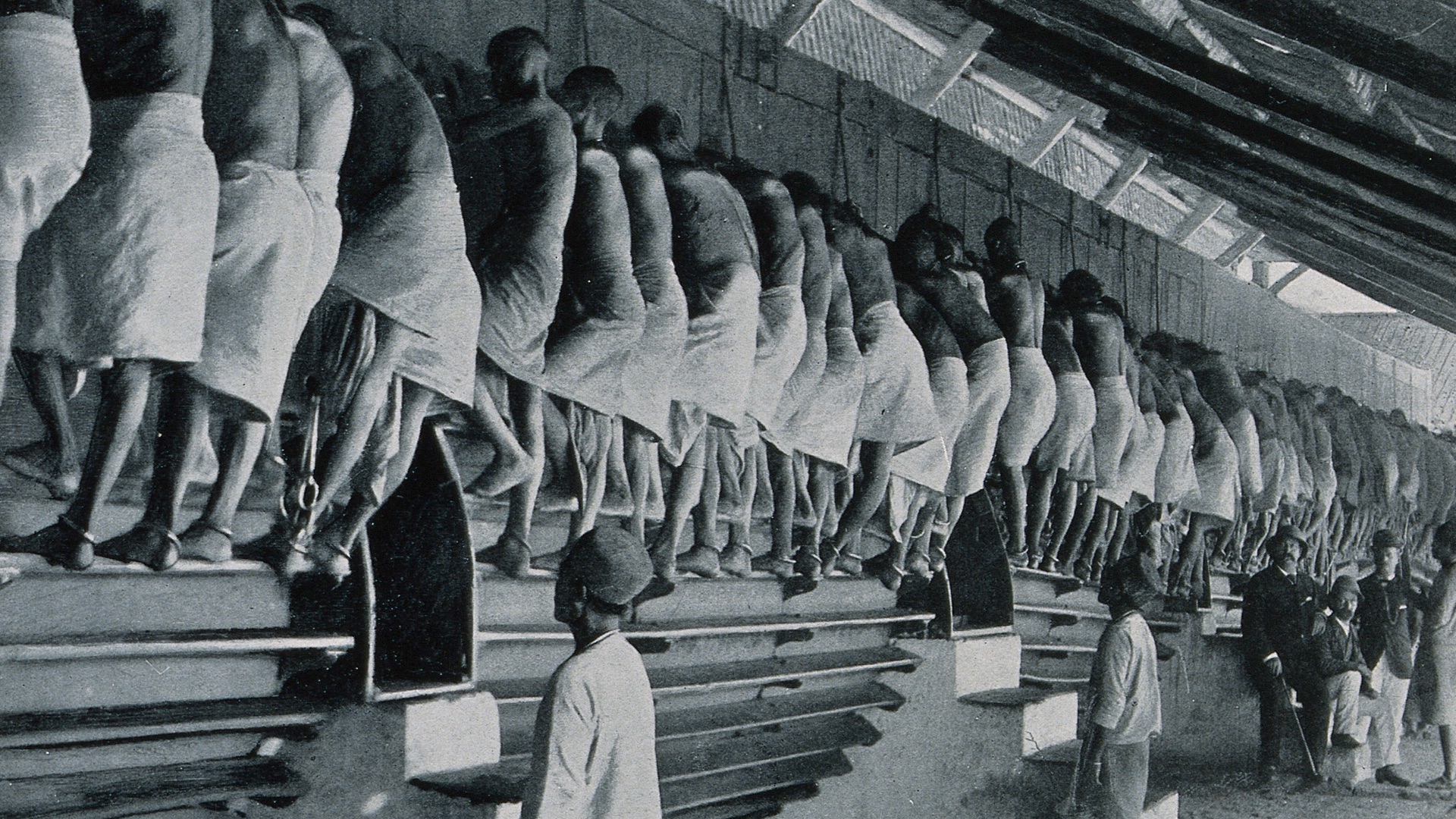
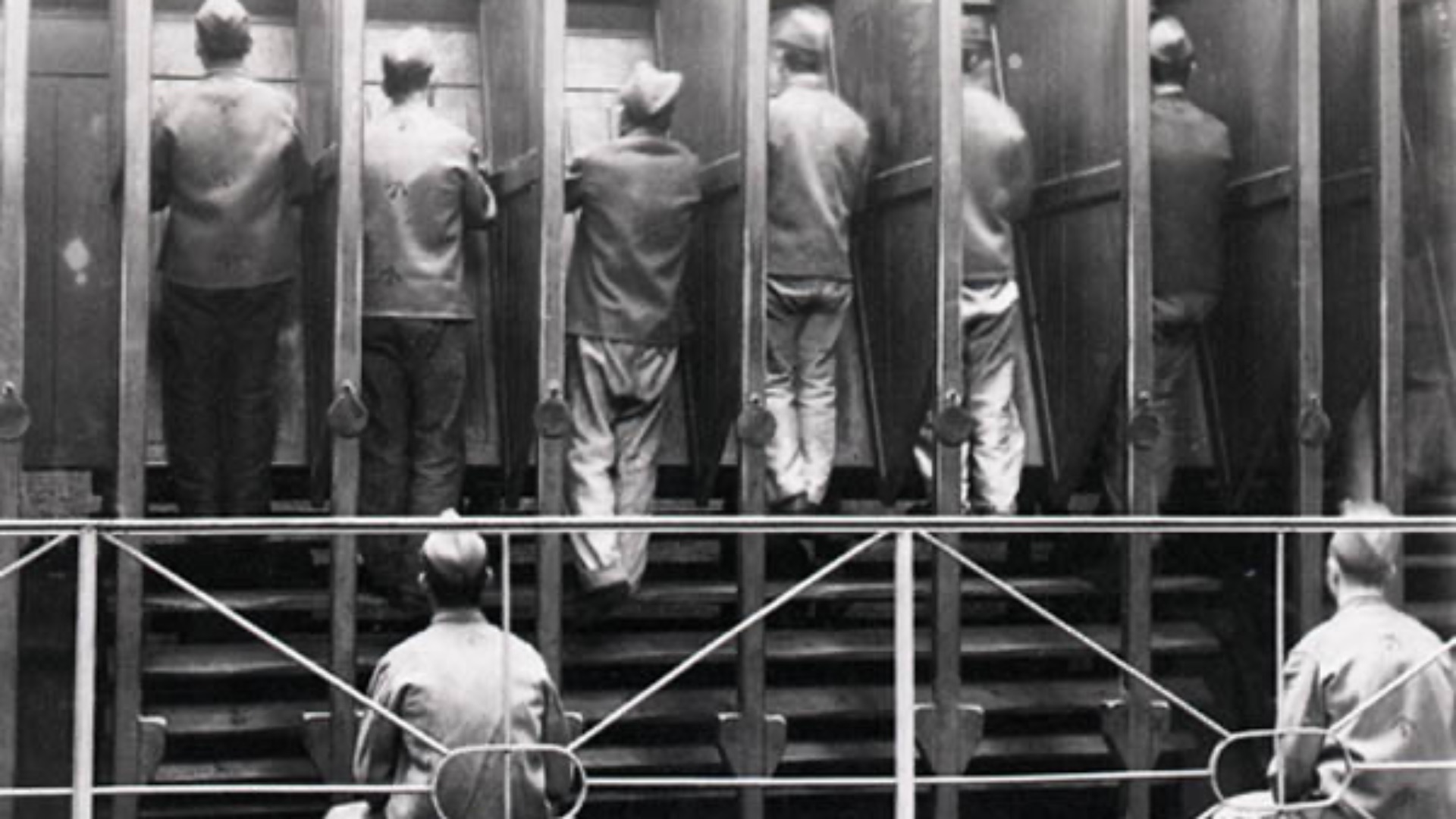
5. The Penal Treadmill
The prison treadmill required inmates to climb an endless sequence of rotating steps for hours at a time. Some machines powered mills or pumps, while others existed mainly to impose exhausting, monotonous labor. Prisoners couldn’t slow down without risking a fall, disciplinary action, or injury from the moving mechanism.
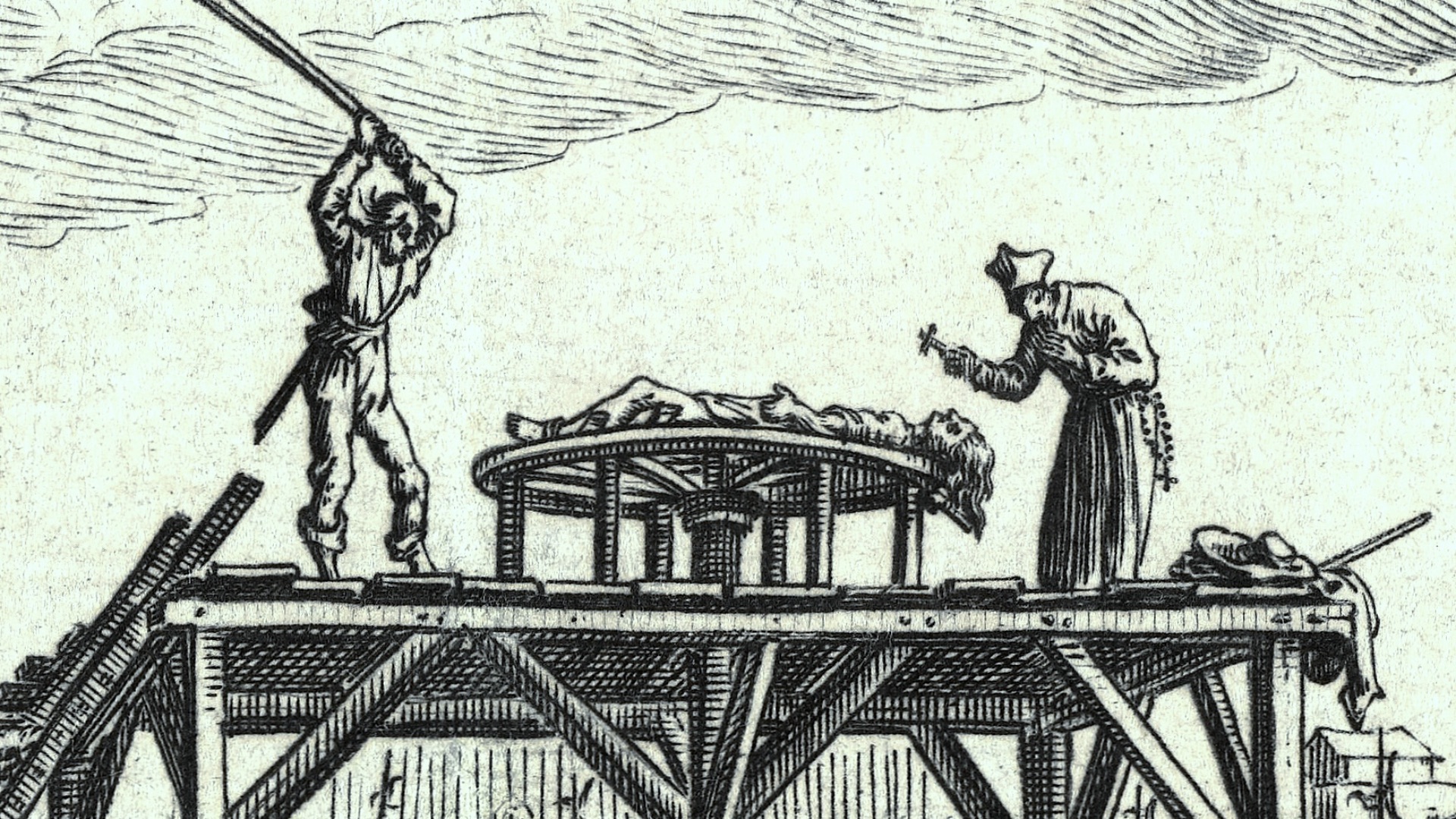
6. Breaking on the Wheel
Breaking on the wheel was a public punishment used in parts of Europe for serious crimes. The condemned person was restrained while an executioner inflicted disabling injuries before securing the body to a large wheel. Death might eventually follow, but the procedure was designed to extend both physical suffering and public humiliation rather than end life immediately.
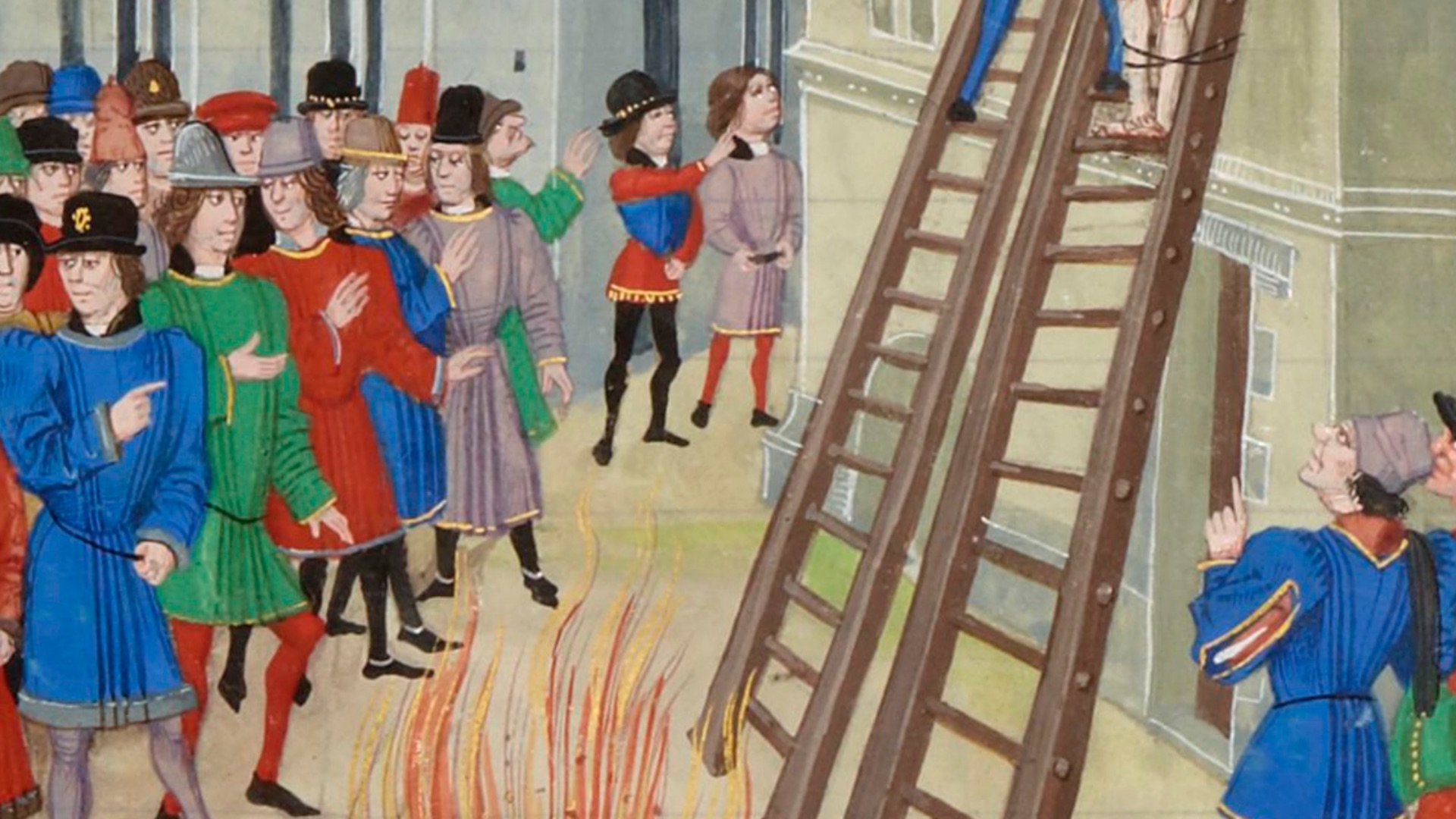
7. Drawing and Quartering
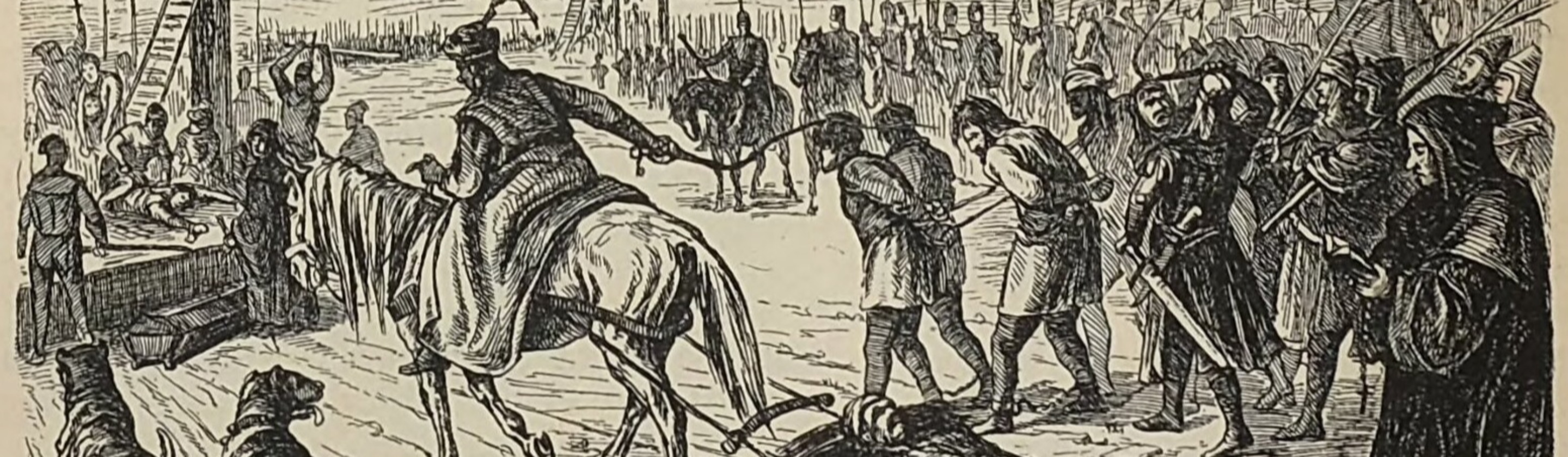
In medieval and early modern England, men convicted of high treason could be sentenced to hanging, drawing, and quartering. The punishment involved a procession through the streets, a deliberately interrupted hanging, further mutilation, and the division of the body. Its purpose went beyond execution, since the public display was meant to disgrace the condemned and intimidate anyone considering rebellion.
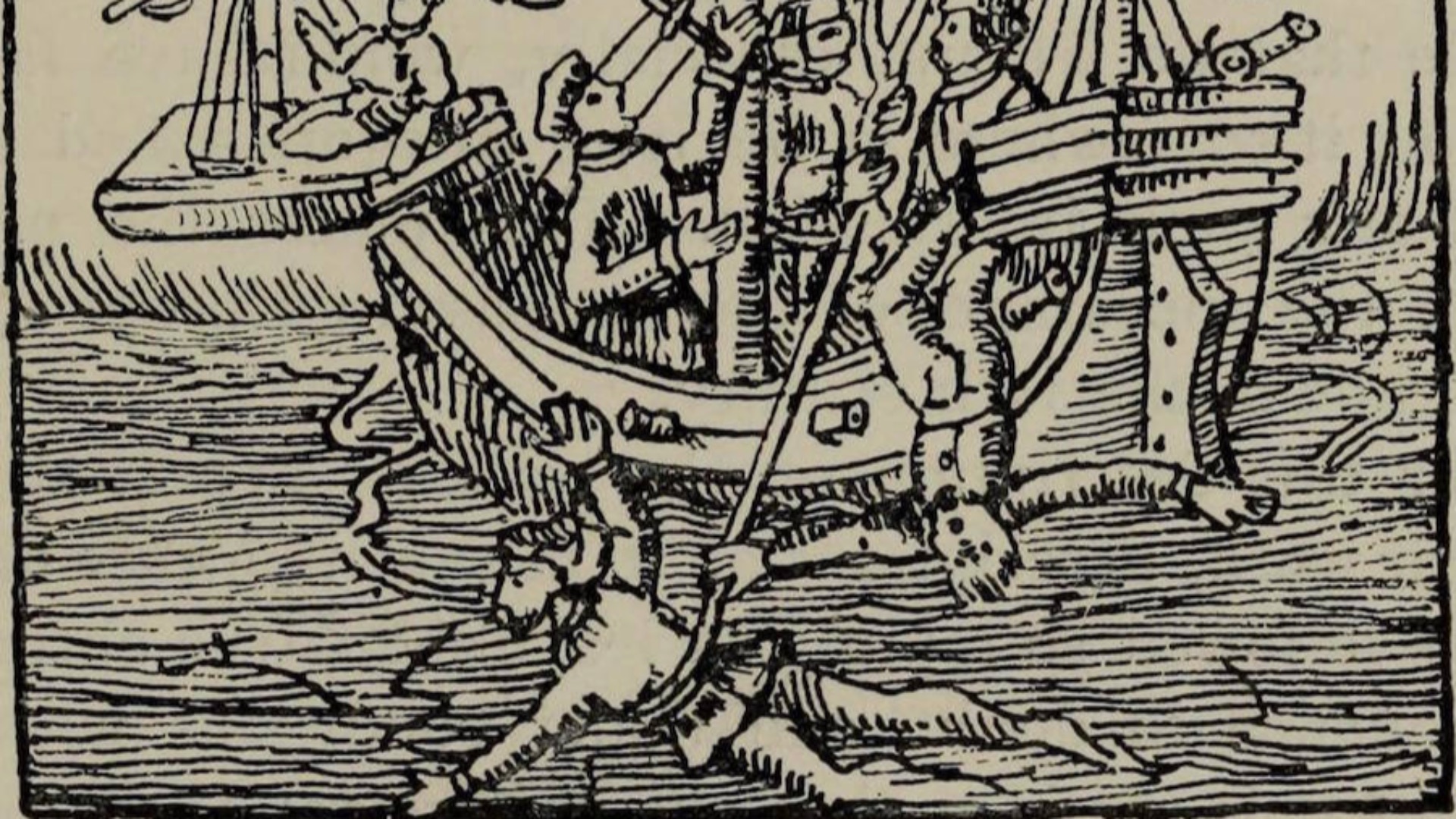
8. Keelhauling
Keelhauling was a maritime punishment associated particularly with some European navies. A sailor was pulled beneath a ship’s hull, where rough surfaces and marine growth could cause serious injuries. Even when the victim survived the initial passage, drowning, infection, and lasting physical damage remained possible.
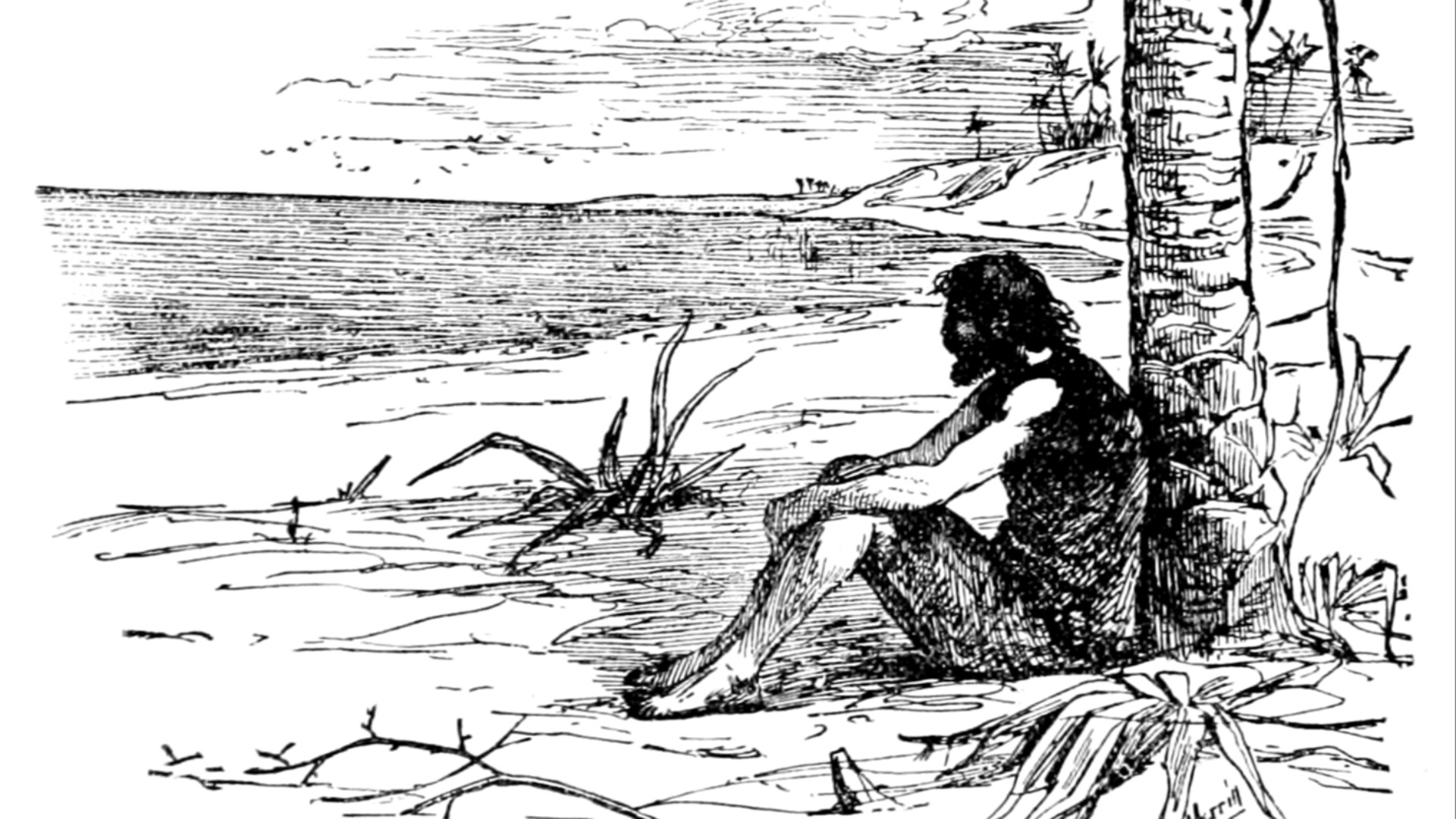
9. Marooning
Rather than executing troublesome sailors or pirates aboard ship, a crew could abandon them on an isolated island or coastline. The marooned person might receive a small amount of food, water, or ammunition, but rescue was far from certain. Survival meant confronting exposure, hunger, illness, and complete isolation without knowing whether another vessel would ever appear.
 Unknown author (book author: Samuel Adams Drake) Publisher Little, Brown and Company on Wikimedia
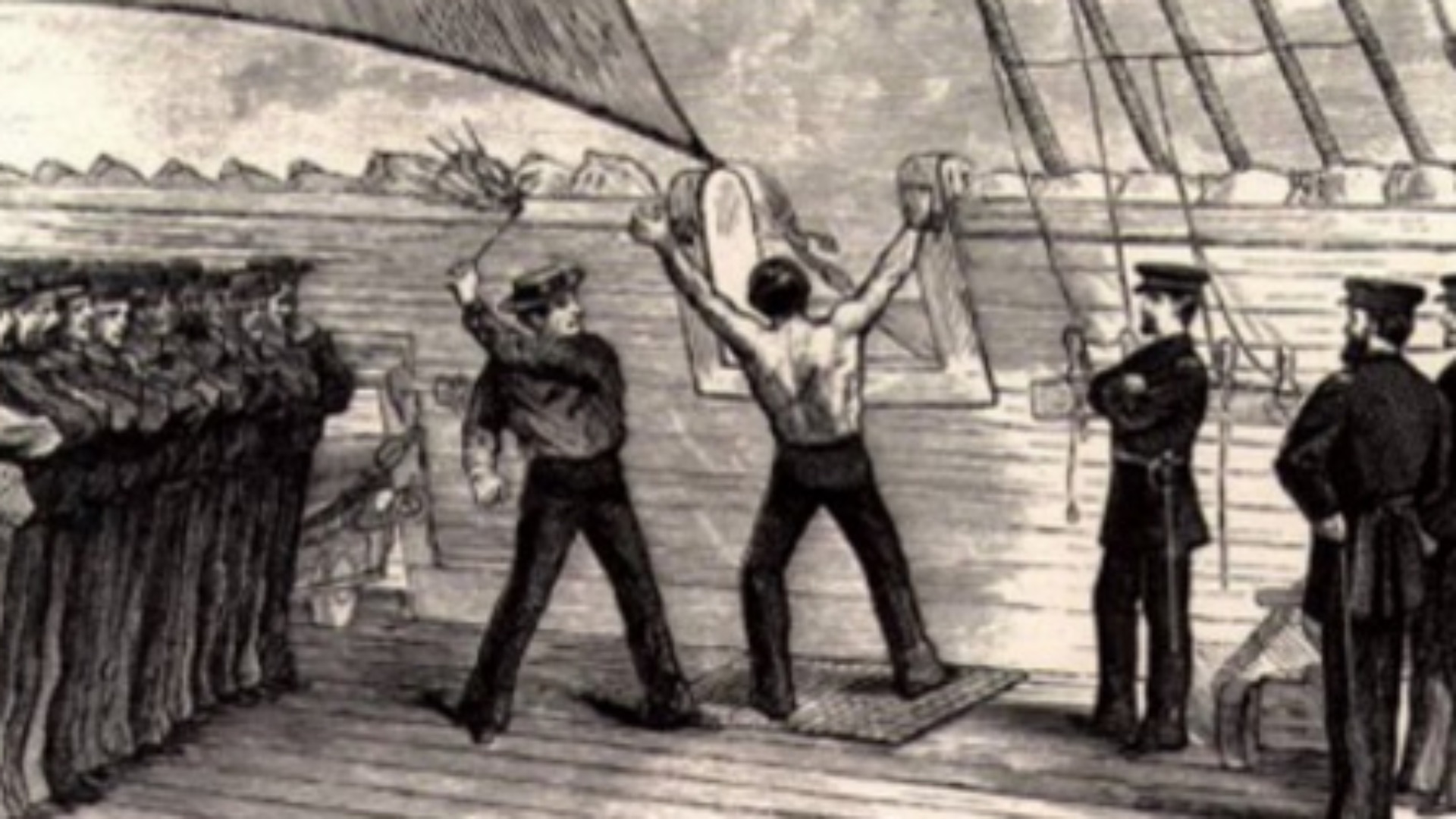
10. Public Flogging
Flogging subjected a prisoner, sailor, soldier, or enslaved person to repeated blows with a whip or similar instrument. The punishment was often conducted publicly so that humiliation would accompany the physical injuries. Depending on the number of lashes and the victim’s condition, recovery could take months, leave permanent damage, or never occur at all.
11. Branding
Branding used heated metal to burn a visible symbol into a convicted person’s skin. The mark could identify a particular crime, announce a person’s legal status, or make future convictions easier to punish more severely. Long after the wound healed, the branded individual could face rejection, unemployment, harassment, and suspicion wherever the mark was noticed.
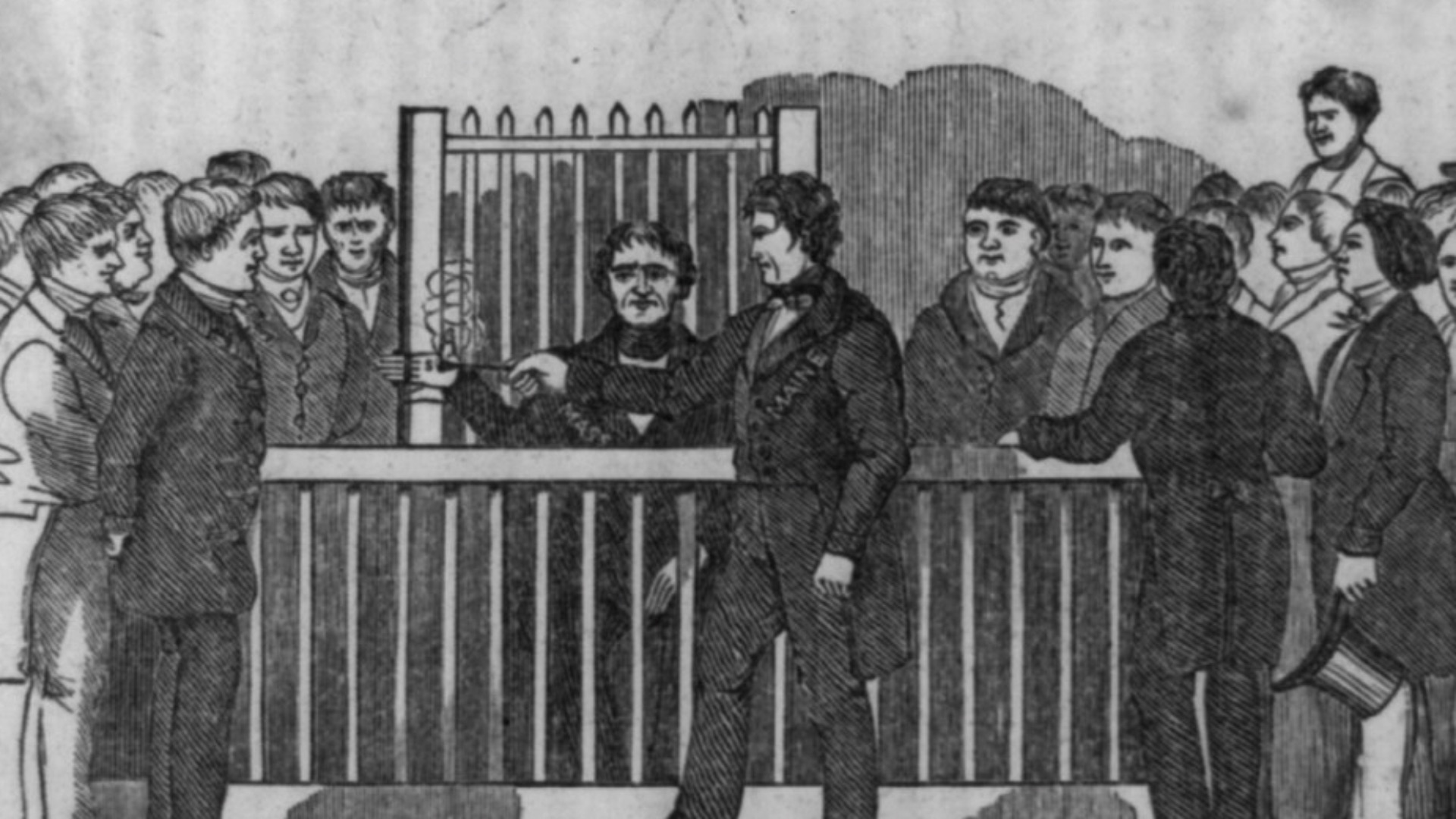 Miscellaneous Items in High Demand, PPOC, Library of Congress on Wikimedia
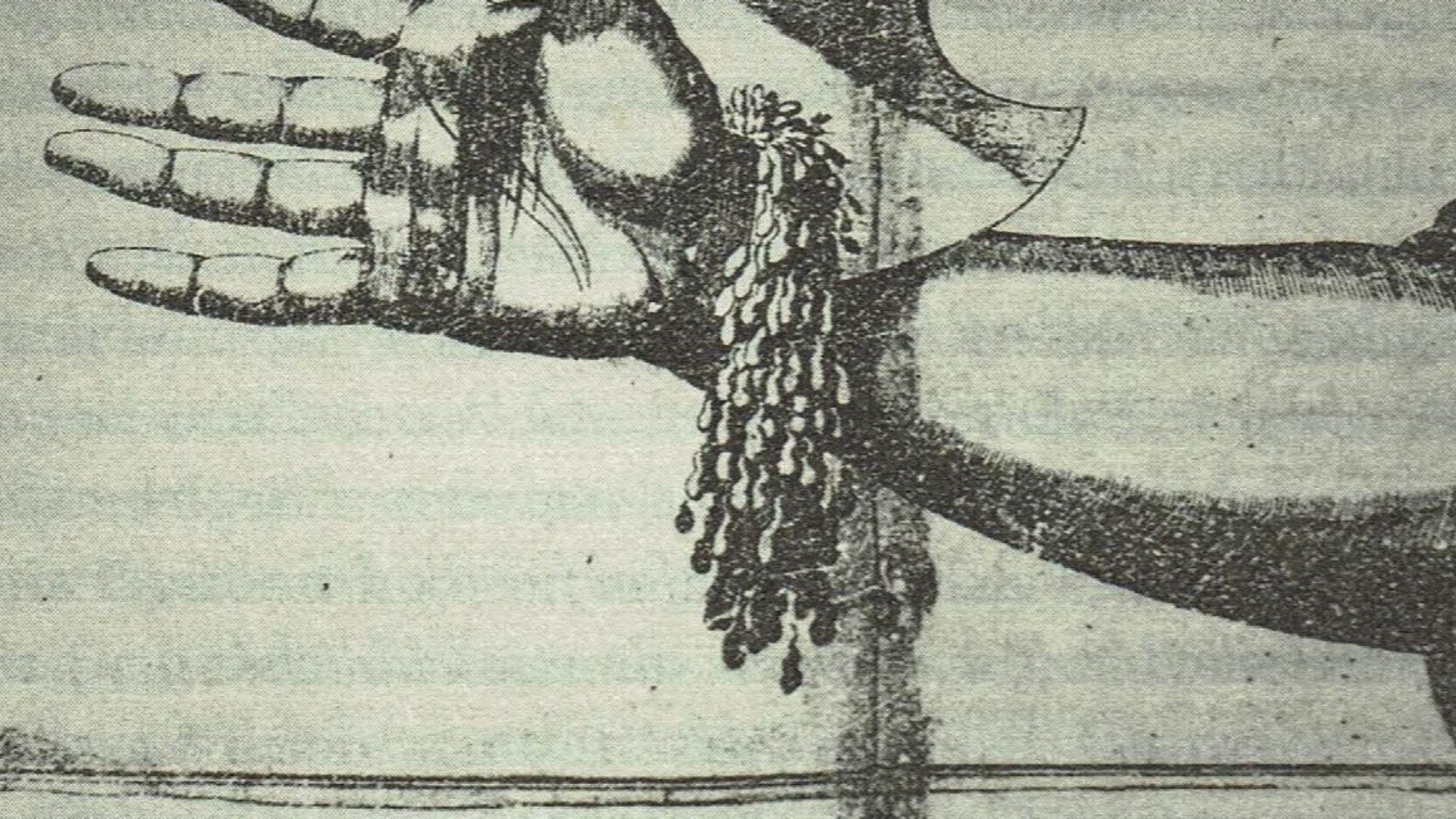
12. Mutilation as a Legal Sentence
Some historical legal systems punished offenses by cutting off ears, removing noses, amputating hands, or damaging other body parts. The injury was permanent and often selected to represent the supposed crime, such as removing the hand of an alleged thief. Beyond the immediate pain and medical danger, survivors had to live with disability and a visible sign of condemnation.
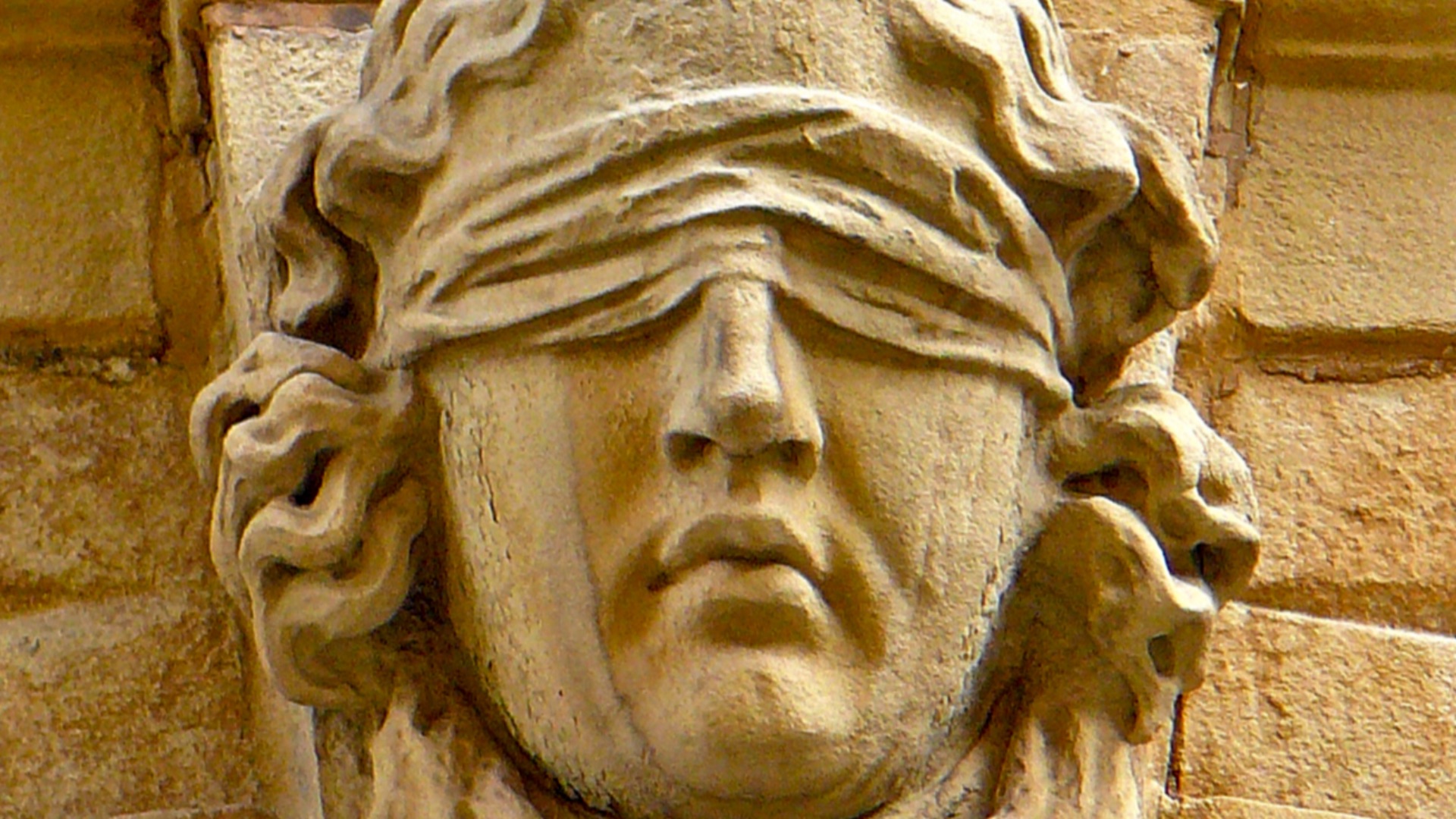
13. Judicial Blinding
Blinding appeared as a political and criminal punishment in several ancient and medieval societies. It could neutralize a rival without killing them, especially where physical wholeness was considered necessary for ruling. Survivors lost their independence and could spend the rest of their lives confined, dependent on others, or hidden from public view.
 Tim Green from Bradford on Wikimedia
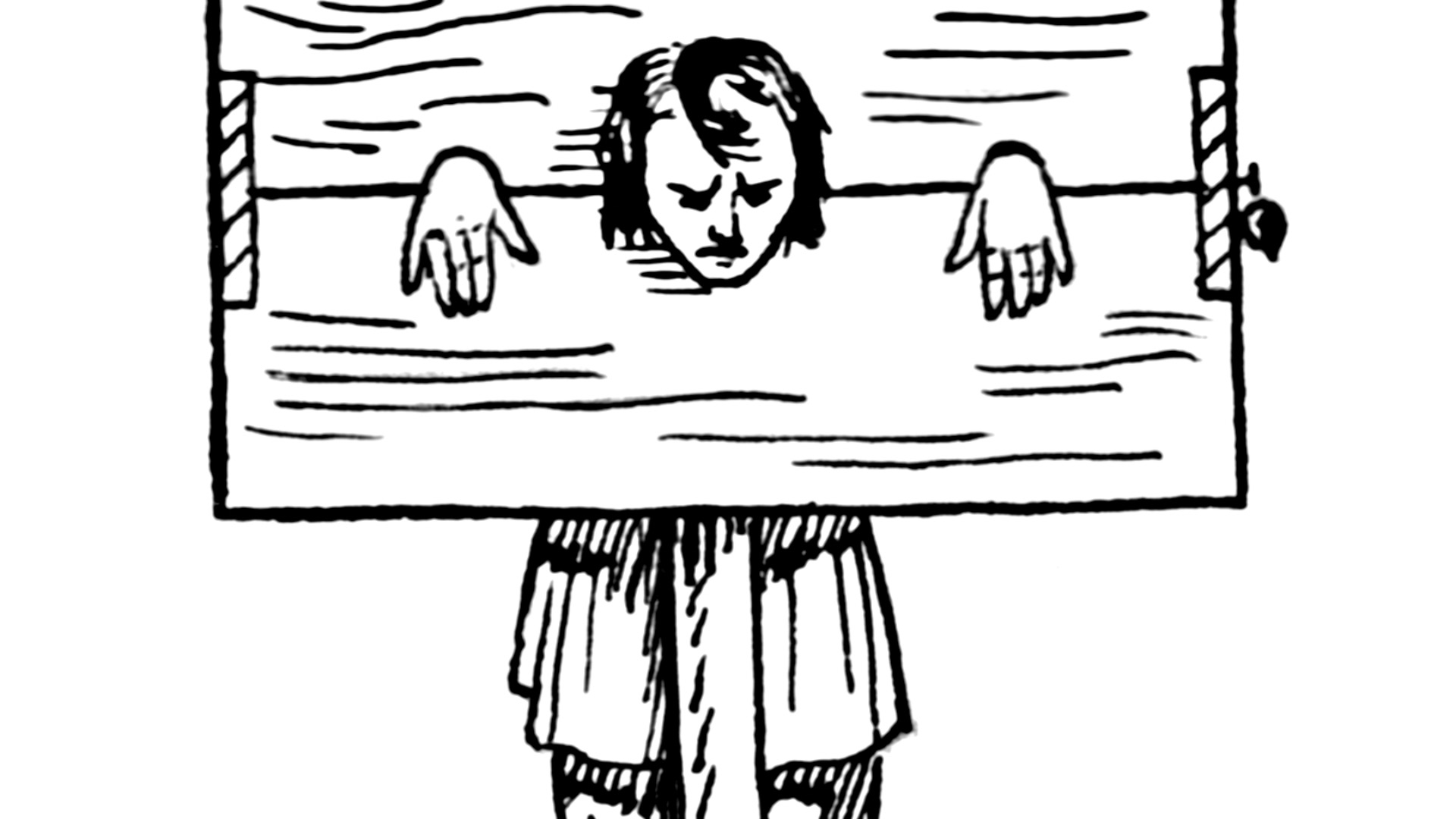
14. The Pillory
A person placed in the pillory had their head and hands locked into a wooden frame before a gathered crowd. Bystanders might shout insults, throw rotting food, strike the prisoner, or use heavier objects that caused serious injury. The formal sentence could last only a few hours, yet the resulting wounds and public disgrace followed some victims much longer.
 Pearson Scott Foresman on Wikimedia
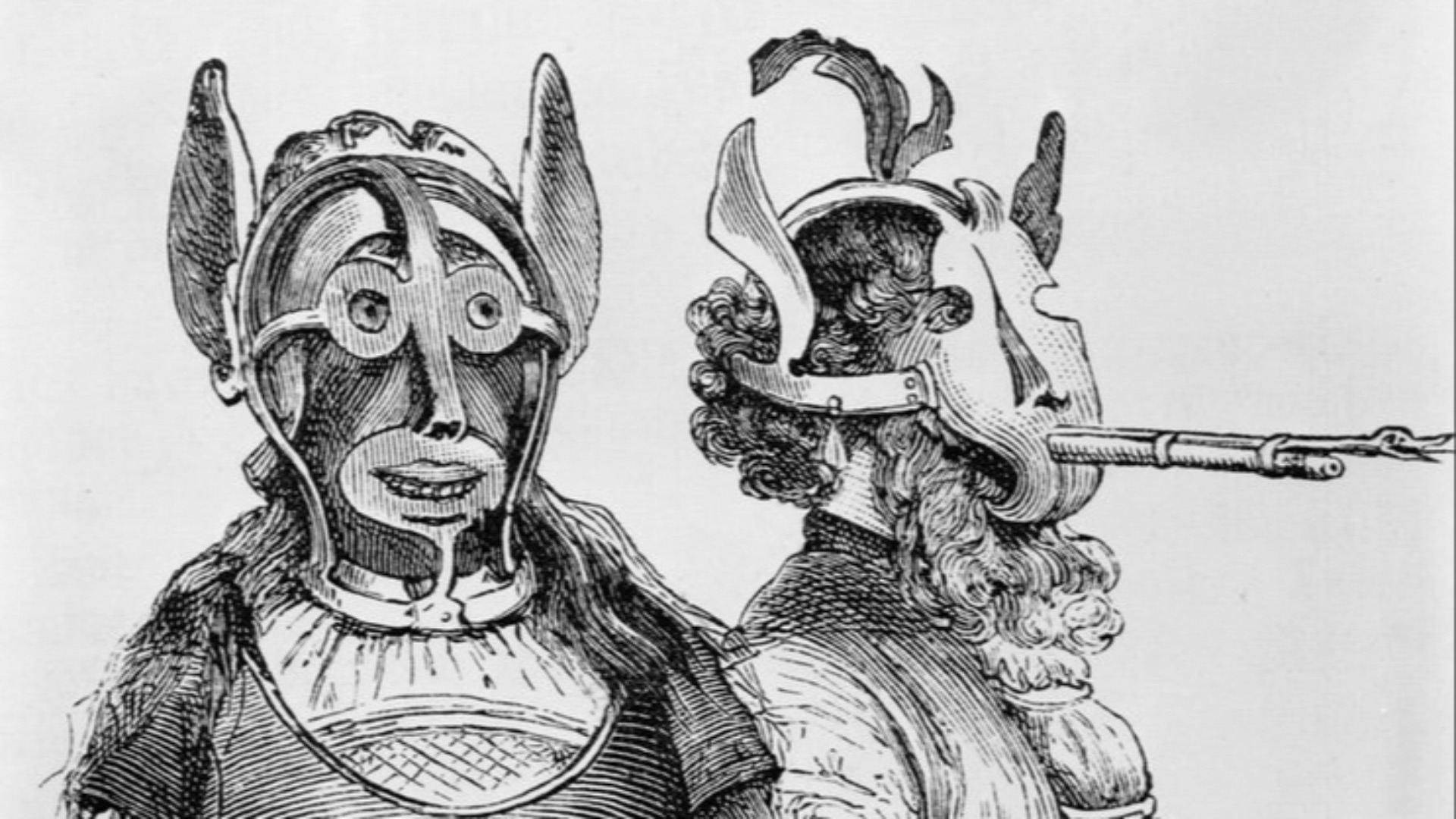
15. The Scold’s Bridle
The scold’s bridle was an iron restraint placed around a person’s head, usually as a punishment for women accused of disruptive or insulting speech. Some versions contained a metal plate that pressed into the mouth and made speaking difficult or painful. The wearer could then be paraded through the community, turning the sentence into an organized display of control and humiliation.
 AnonymousUnknown author on Wikimedia
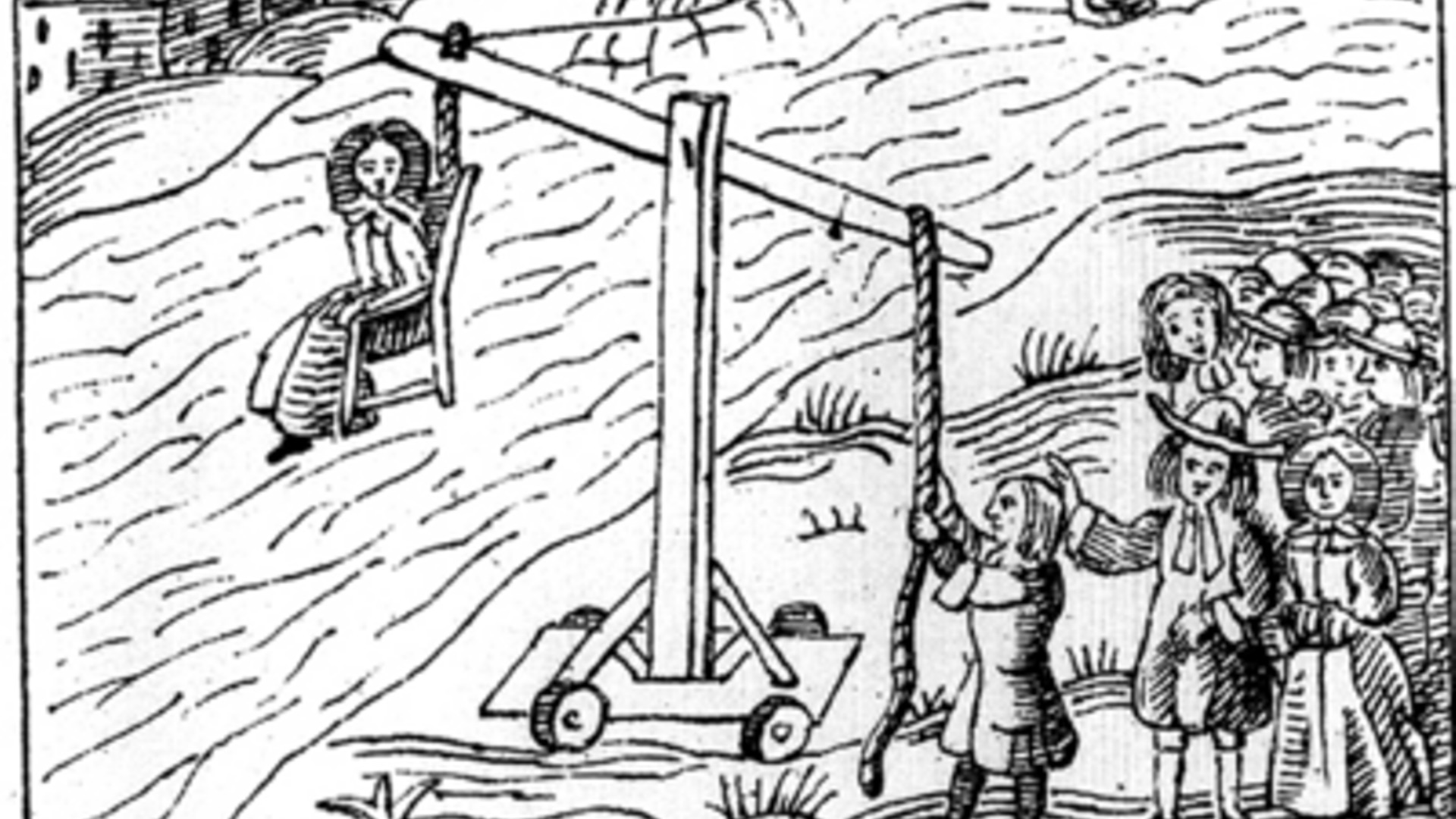
16. Ducking as Public Punishment
Ducking stools lowered restrained offenders into rivers or ponds before crowds of spectators. The practice was commonly directed at women accused of disorderly behavior, verbal abuse, or violations of community expectations. Repeated immersion carried the risk of drowning, hypothermia, panic, and illness, particularly in cold or polluted water.
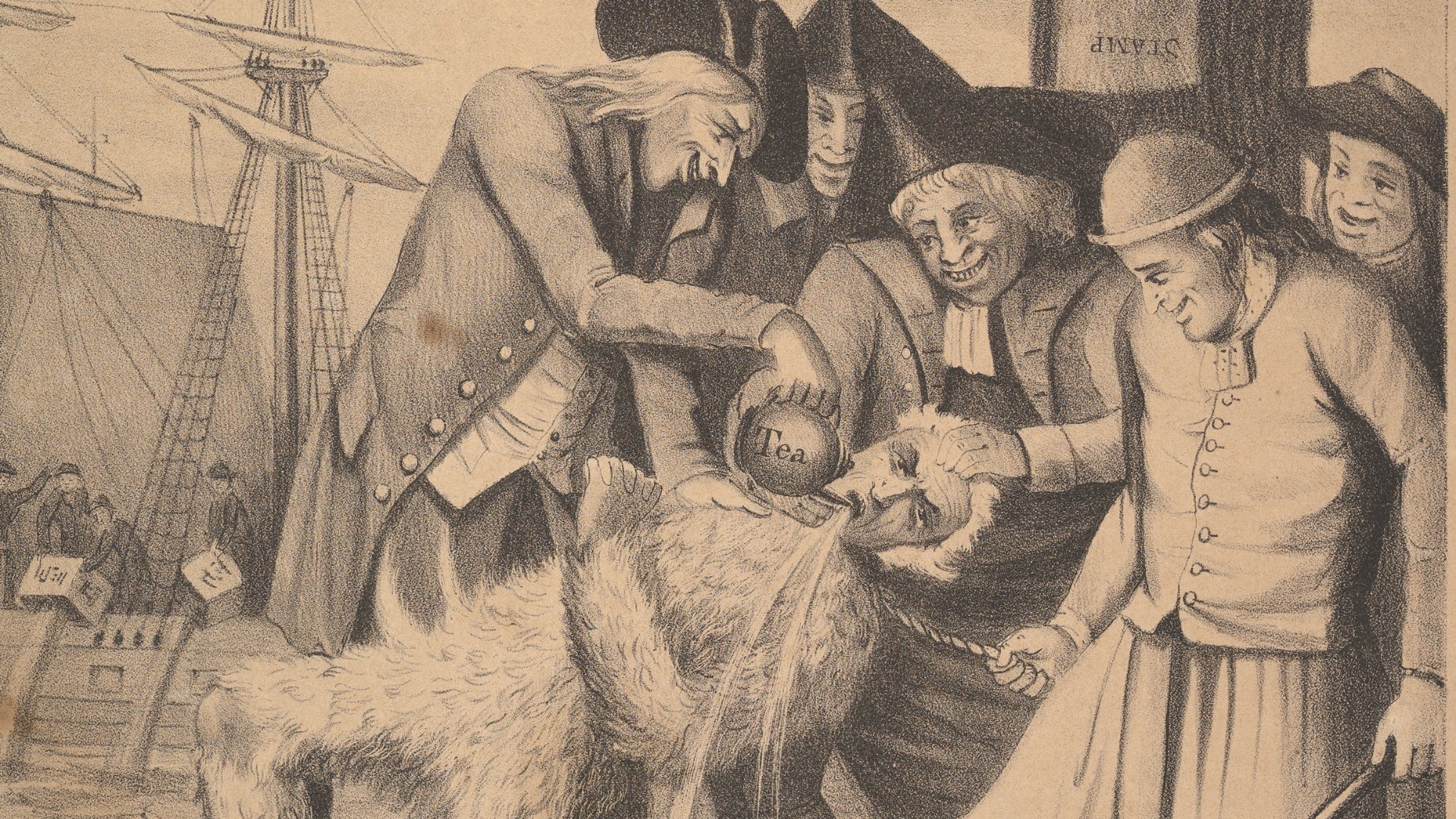
17. Tarring and Feathering
Tarring and feathering was usually carried out by mobs rather than through a formal court sentence, but it functioned as a powerful form of public punishment. Heated or softened tar was applied to a person’s body before feathers were added, after which the victim might be paraded through town. Removing the material could cause further injury, while the public spectacle exposed the target to intimidation and lasting social stigma.
 David Claypoole Johnston on Wikimedia
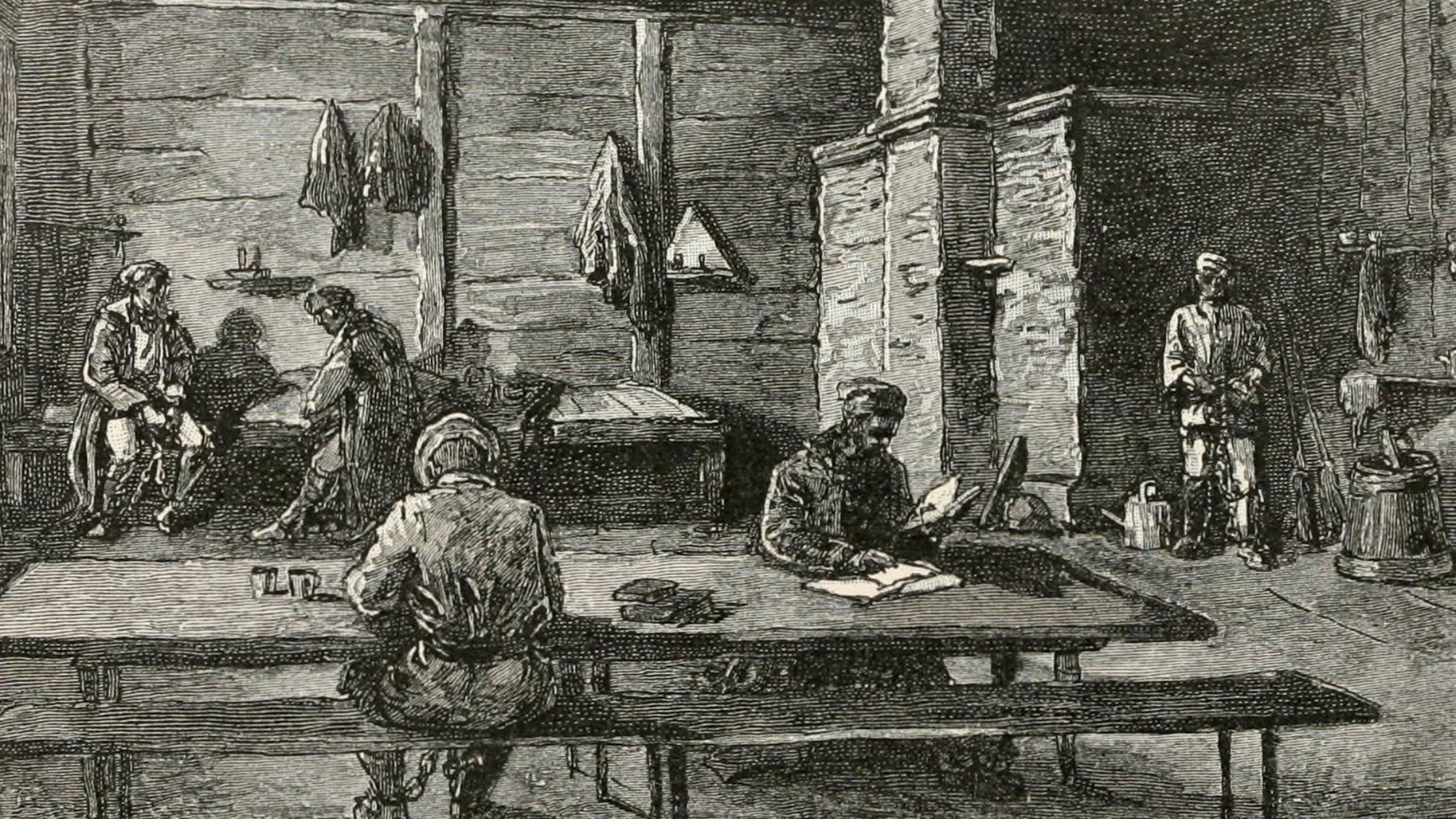
18. Siberian Katorga
Imperial Russia sent many political prisoners and convicted criminals into a system of exile and forced labor known as katorga. Prisoners could be marched or transported thousands of miles before working in mines, factories, logging camps, or remote settlements. Severe winters, isolation, physical labor, limited supplies, and strict supervision made the sentence an extended struggle for survival.
 Internet Archive Book Images on Wikimedia
19. Civil Death
Civil death didn’t physically kill a person, but it erased many of their legal rights while they were still alive. Depending on the place and period, someone subjected to it could lose property, inheritance rights, the ability to enter contracts, or recognition within their family. The individual continued to exist physically while the law treated them as though their social and legal identity had ended.
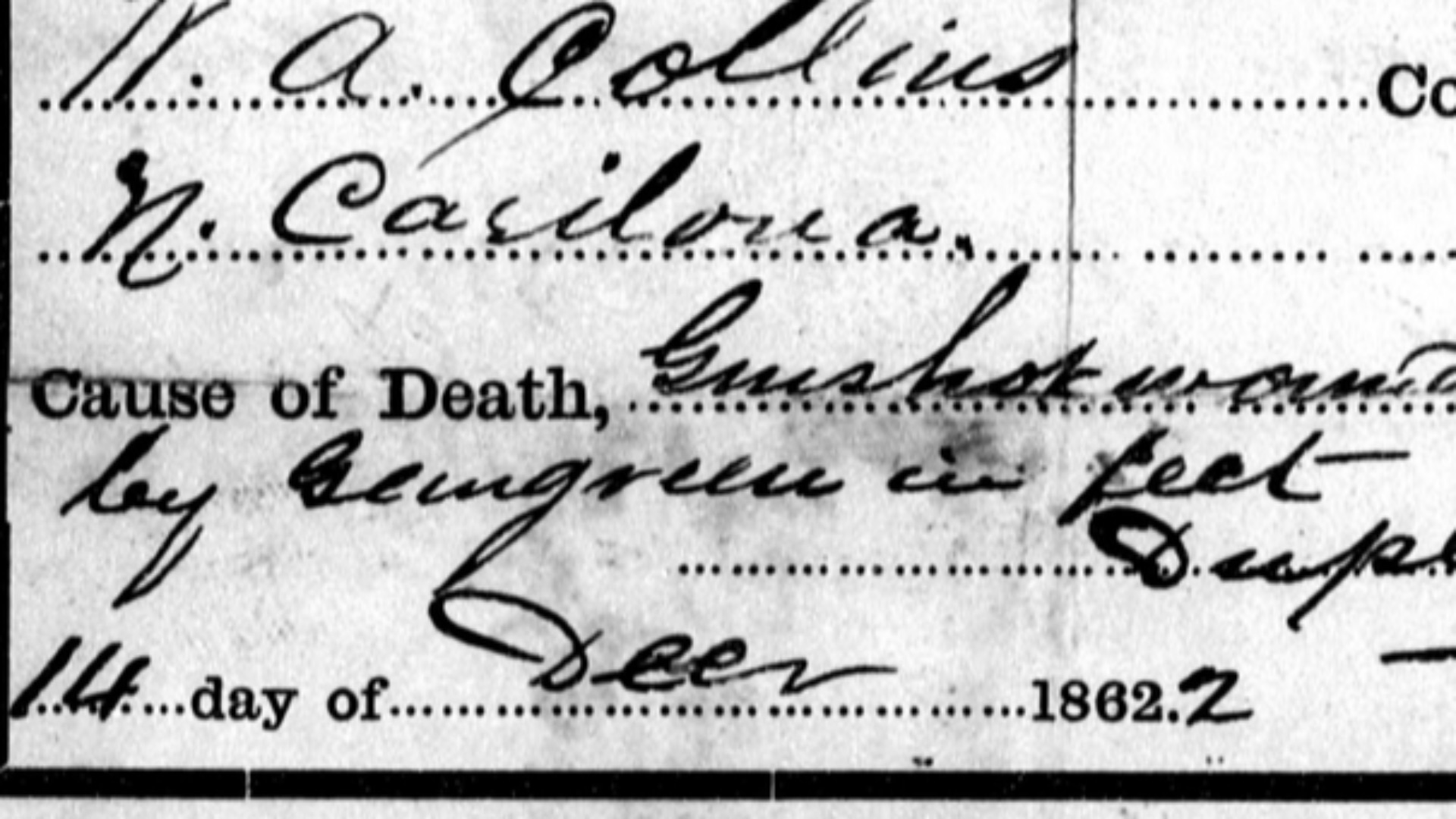 Collins, William A., 1841-1862 on Wikimedia
20. Permanent Banishment
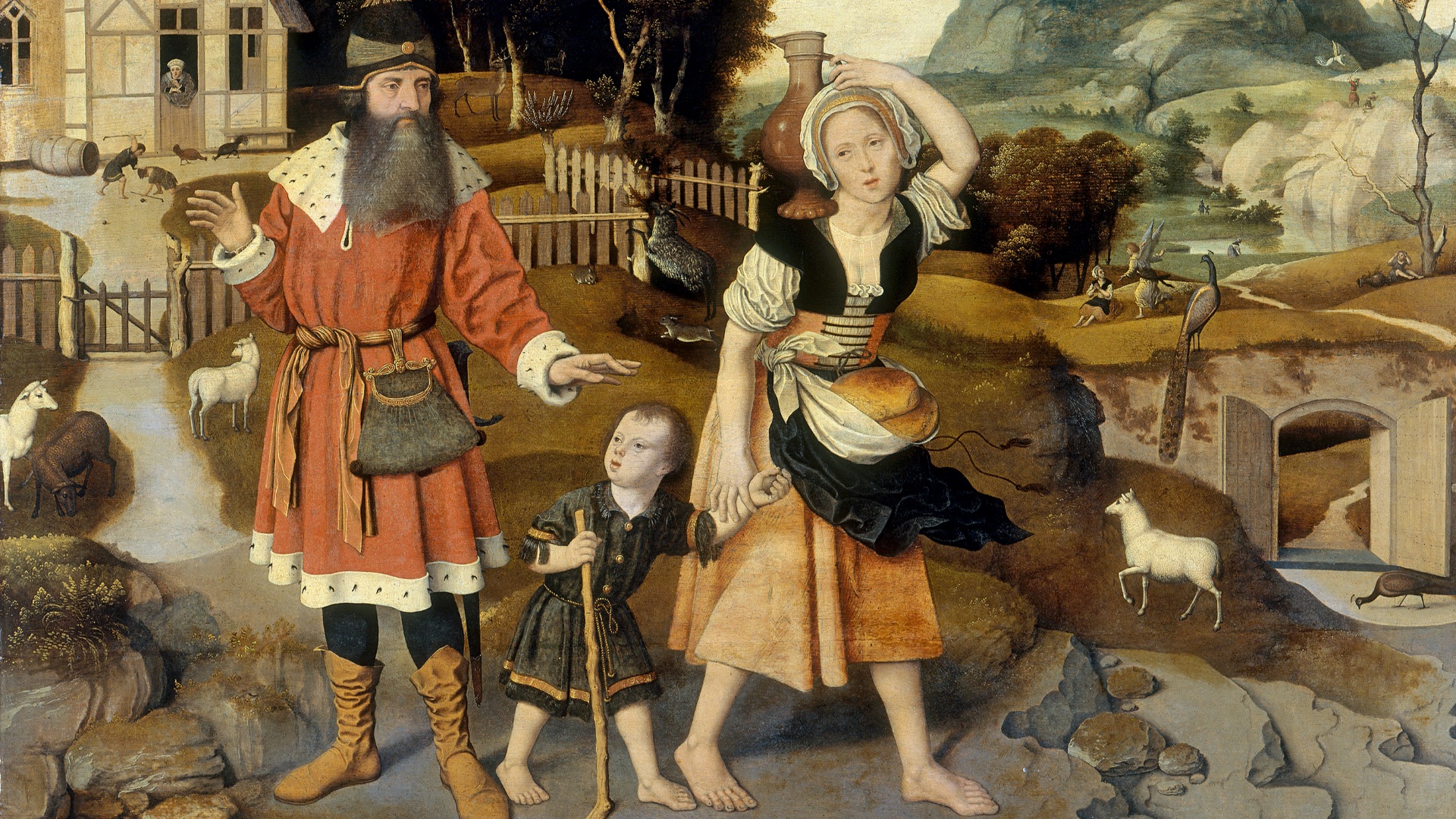
Exile forced people to leave their home, relatives, livelihood, and political community, sometimes under threat of execution if they returned. In societies where identity and survival depended heavily on family networks and local protection, banishment could leave a person dangerously vulnerable. Even those who found safety elsewhere had to live with the knowledge that their old life had been taken from them permanently.
KEEP ON READING