10 Historical Figures Who Could Have Been Models & 10 Who Had A Face For Radio
10 Historical Figures Who Could Have Been Models & 10 Who Had A Face For Radio
Famous Faces That History Never Forgot
Portraits, sculptures, photographs, and written descriptions suggest that some major historical figures could have stepped comfortably into fashion campaigns, while others were remembered for faces that were distinctive rather than conventionally attractive. Beauty standards have changed dramatically across cultures and centuries, and official portraits were often designed to flatter their subjects, so no ranking can be completely objective. Still, surviving images make it possible to consider 10 historical figures who might have modeled professionally and 10 whose voices, ideas, or achievements were probably their strongest selling points.
 Alexander Gardner on Wikimedia
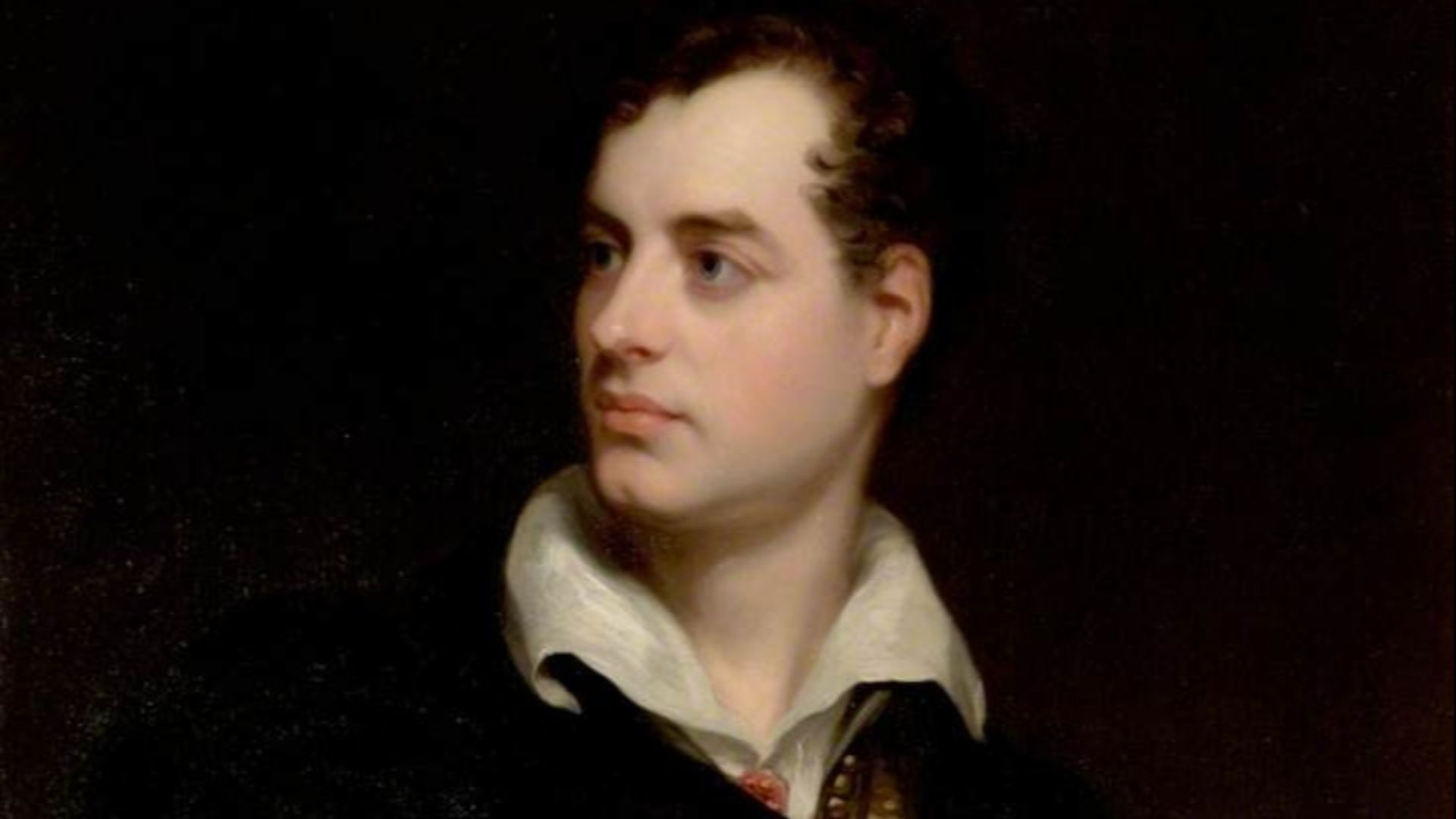
1. Lord Byron
Lord Byron’s carefully styled portraits helped establish the poet as one of the great celebrities of the Romantic era. His dark curls, strong profile, and deliberately serious expressions supported a public image that admirers found irresistible.
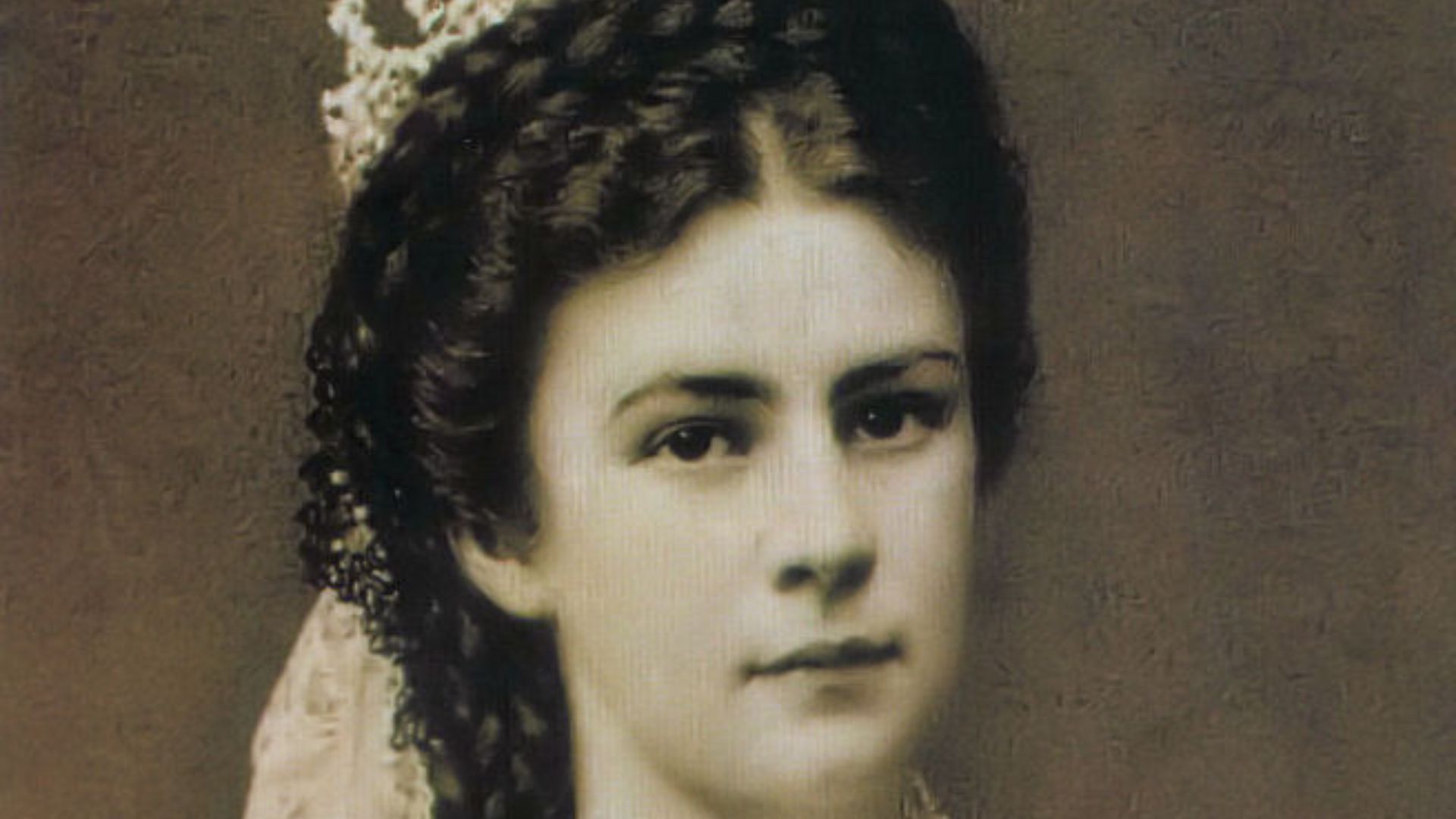
2. Empress Elisabeth of Austria
Commonly known as Sisi, Empress Elisabeth was celebrated for her appearance throughout Europe. She maintained her extremely long hair through elaborate beauty routines and paid close attention to her weight, clothing, and exercise habits. Her portraits show balanced features and a composed expression that would fit naturally into a modern luxury campaign.
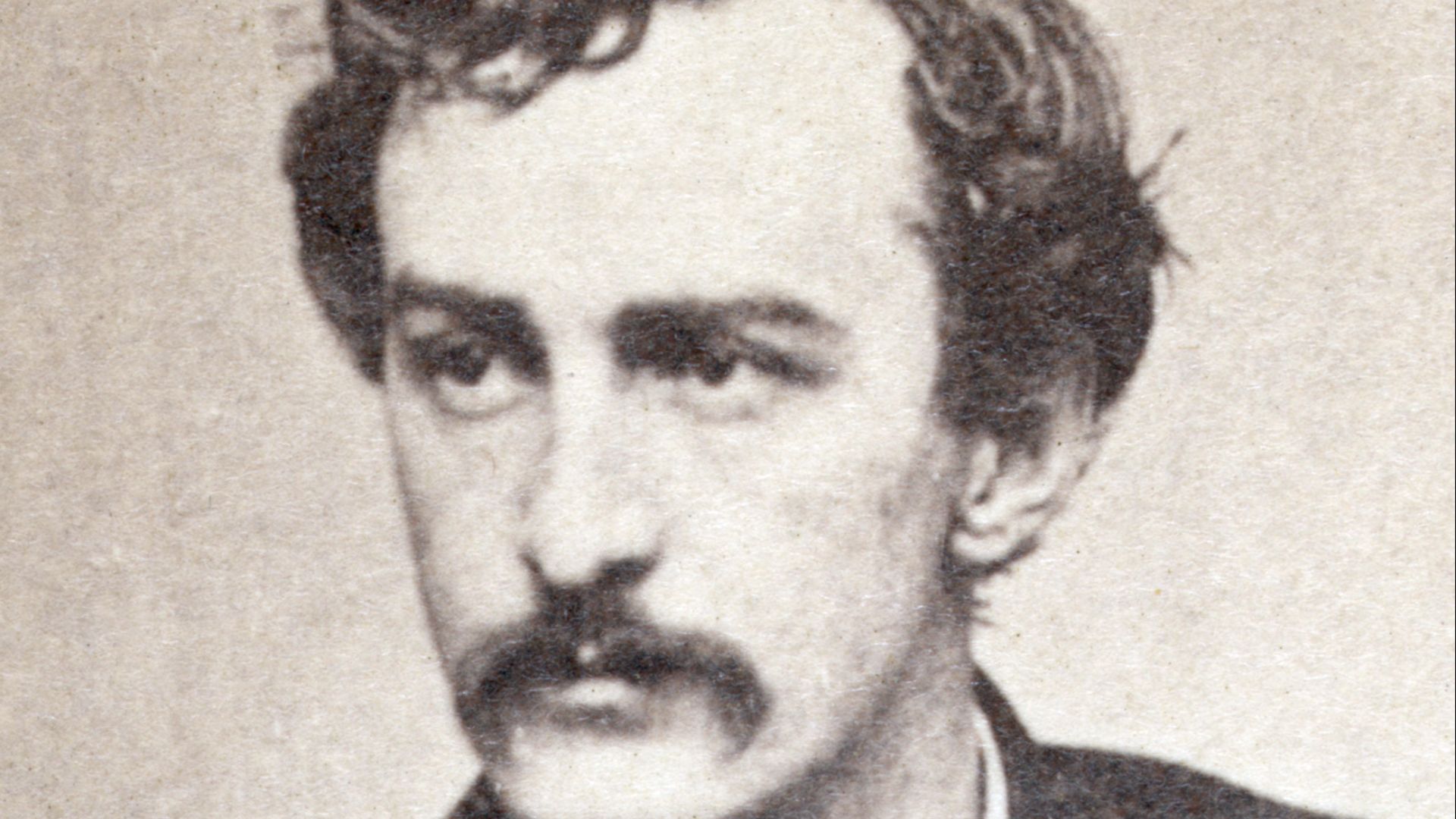
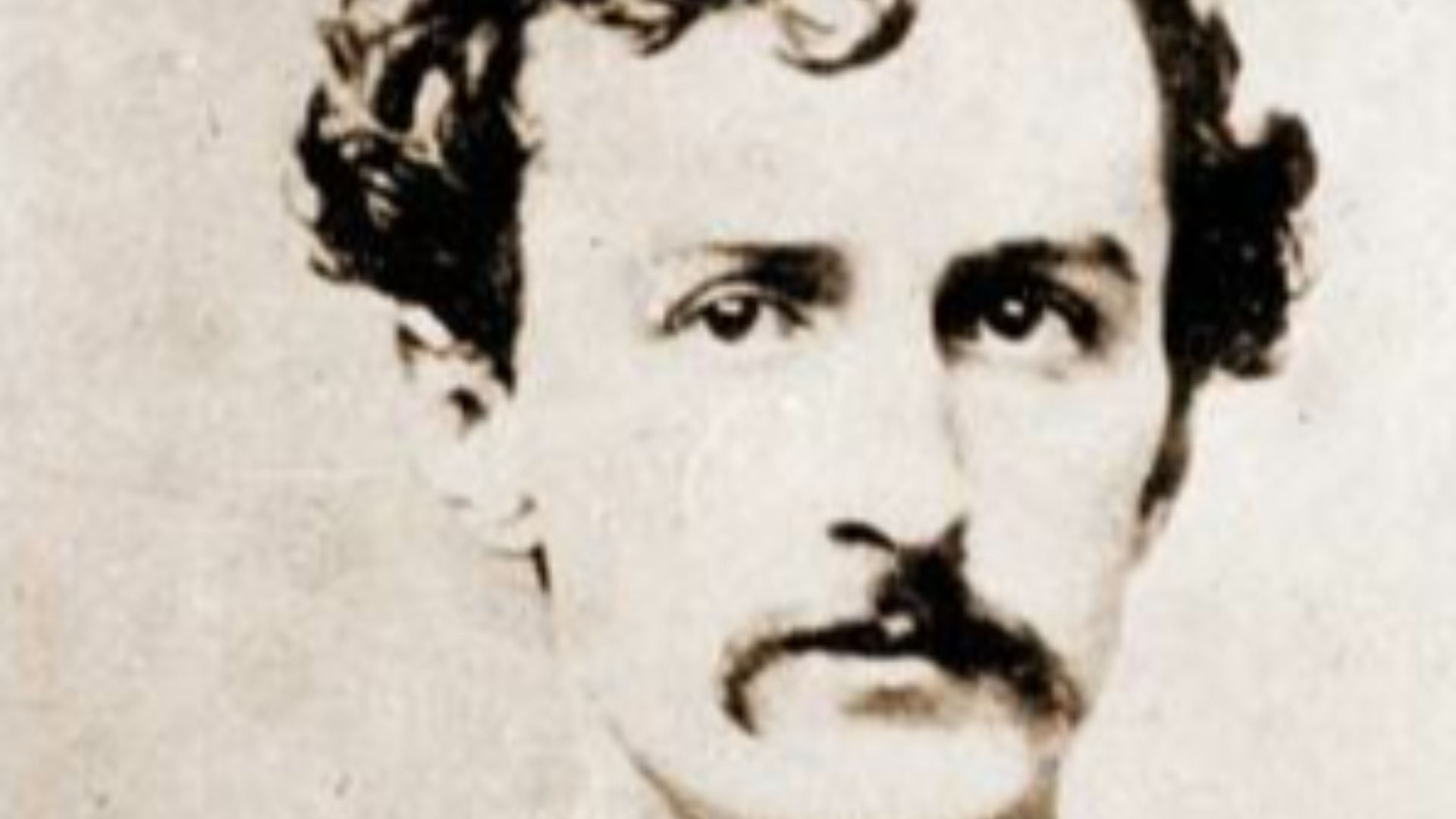
3. John Wilkes Booth
Long before he became infamous as Abraham Lincoln’s assassin, John Wilkes Booth was a successful stage actor who was widely regarded as handsome. Photographs show thick dark hair, expressive eyes, and the theatrical confidence expected from a member of a prominent acting family. His appearance helped attract audiences, although his later actions permanently overwhelmed his professional reputation.
 Sebastian Wallroth on Wikimedia
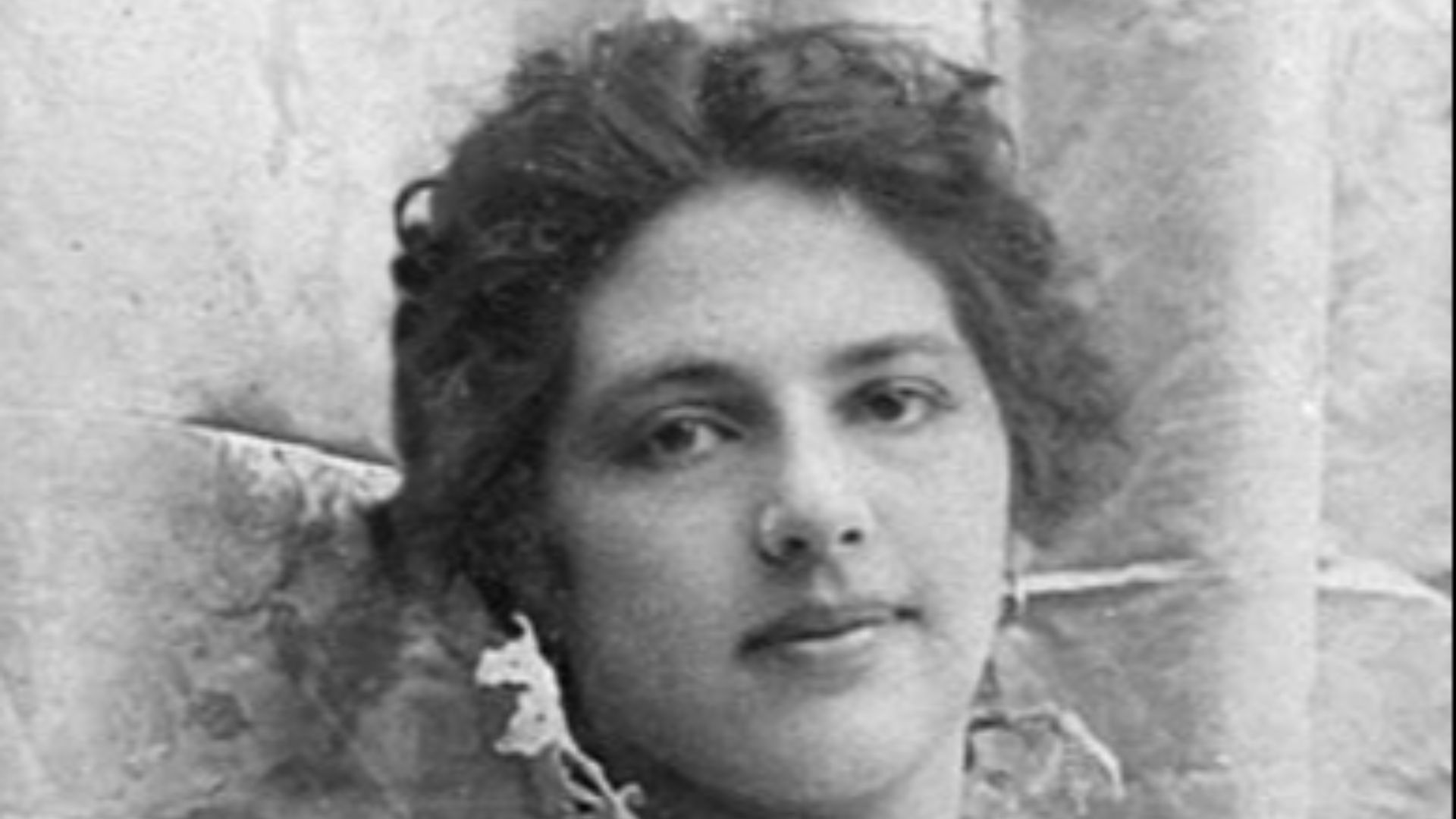
4. Mata Hari
Mata Hari created a glamorous public identity that depended heavily on clothing, posture, and calculated mystery. As an exotic dancer in early 20th-century Europe, she used costumes and publicity photographs to shape how audiences perceived her.
 Koene & Com / Batavia-Amsterdam on Wikimedia
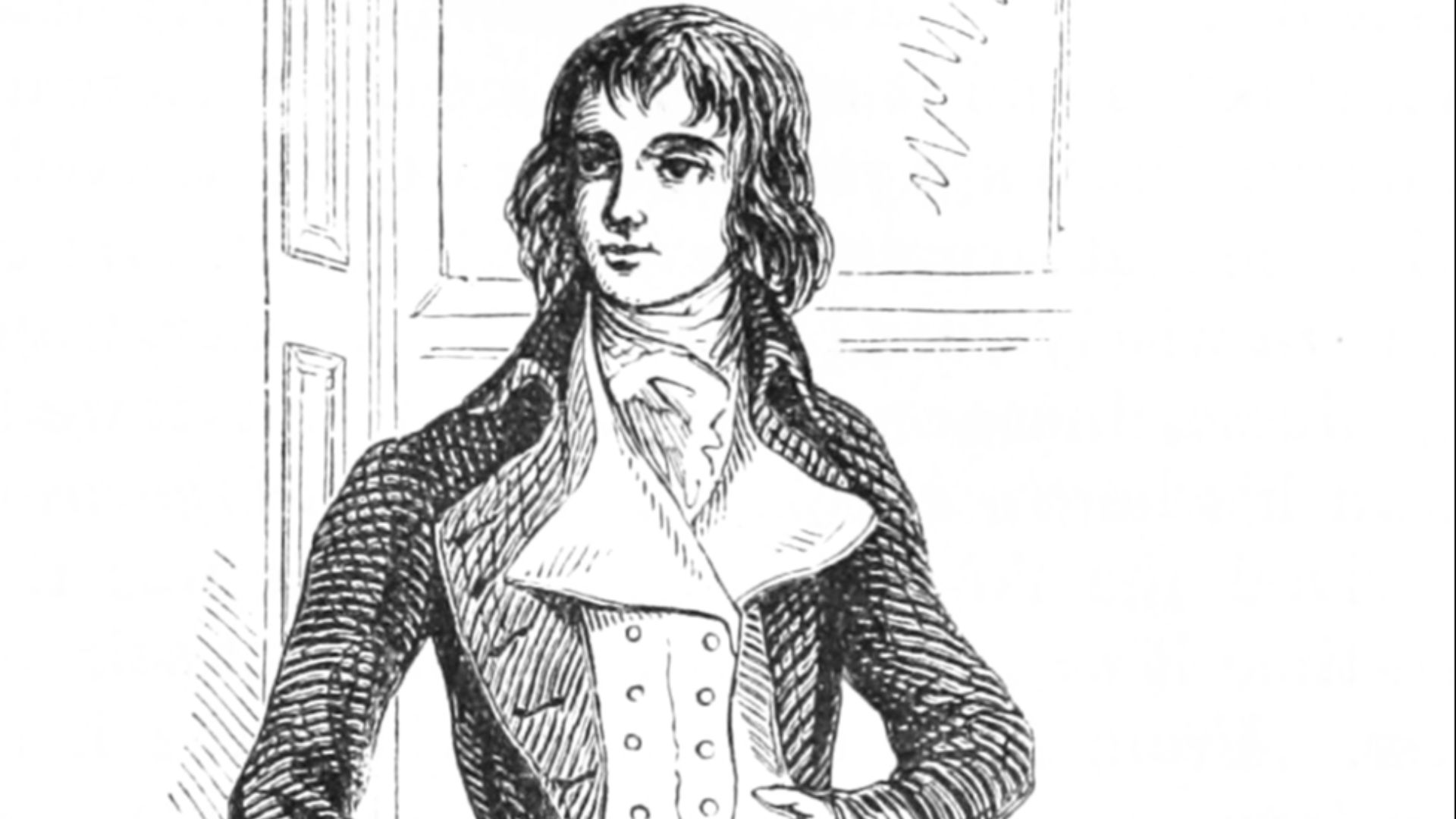
5. Beau Brummell
Beau Brummell became one of Regency England’s leading fashion authorities despite holding no major political office or hereditary title. His clean tailoring, careful grooming, and controlled public manner influenced upper-class men across Britain. Rather than relying on extravagant decorations, he helped popularize a simpler masculine elegance that remains visible in formal menswear.
 Anonymous engraver on Wikimedia
6. Ada Lovelace
Portraits of Ada Lovelace reveal graceful features, dark hair, and the confident presentation expected of an aristocratic woman. She’s remembered primarily for her work involving Charles Babbage’s proposed Analytical Engine, including notes describing how it might process more than ordinary calculations.
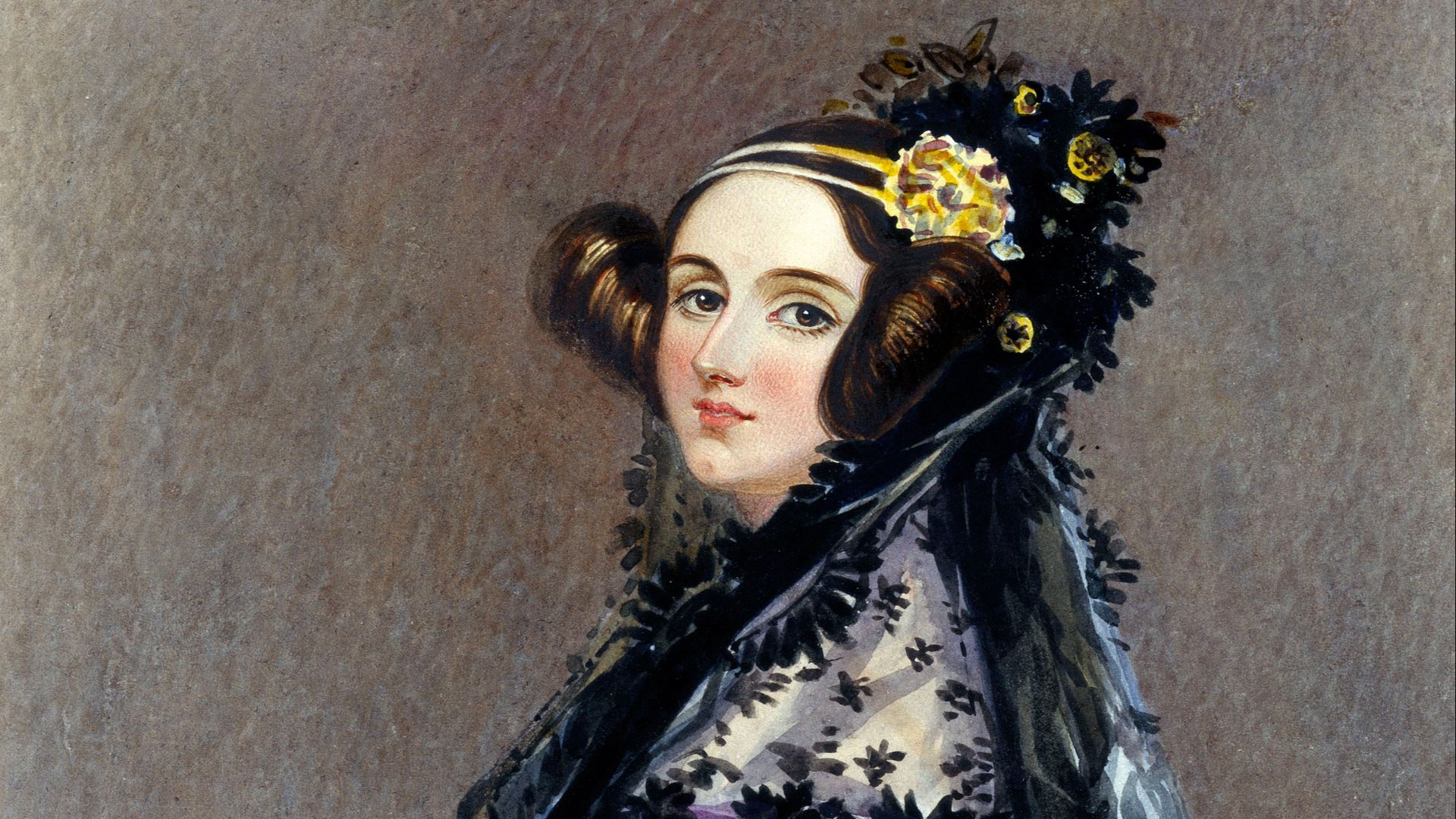 Alfred Edward Chalon on Wikimedia
7. Frederick Douglass
Frederick Douglass understood that photography could influence how the public viewed Black Americans during the 19th century. He became one of the most photographed Americans of his era, usually presenting himself with a serious expression, carefully arranged hair, and dignified clothing.
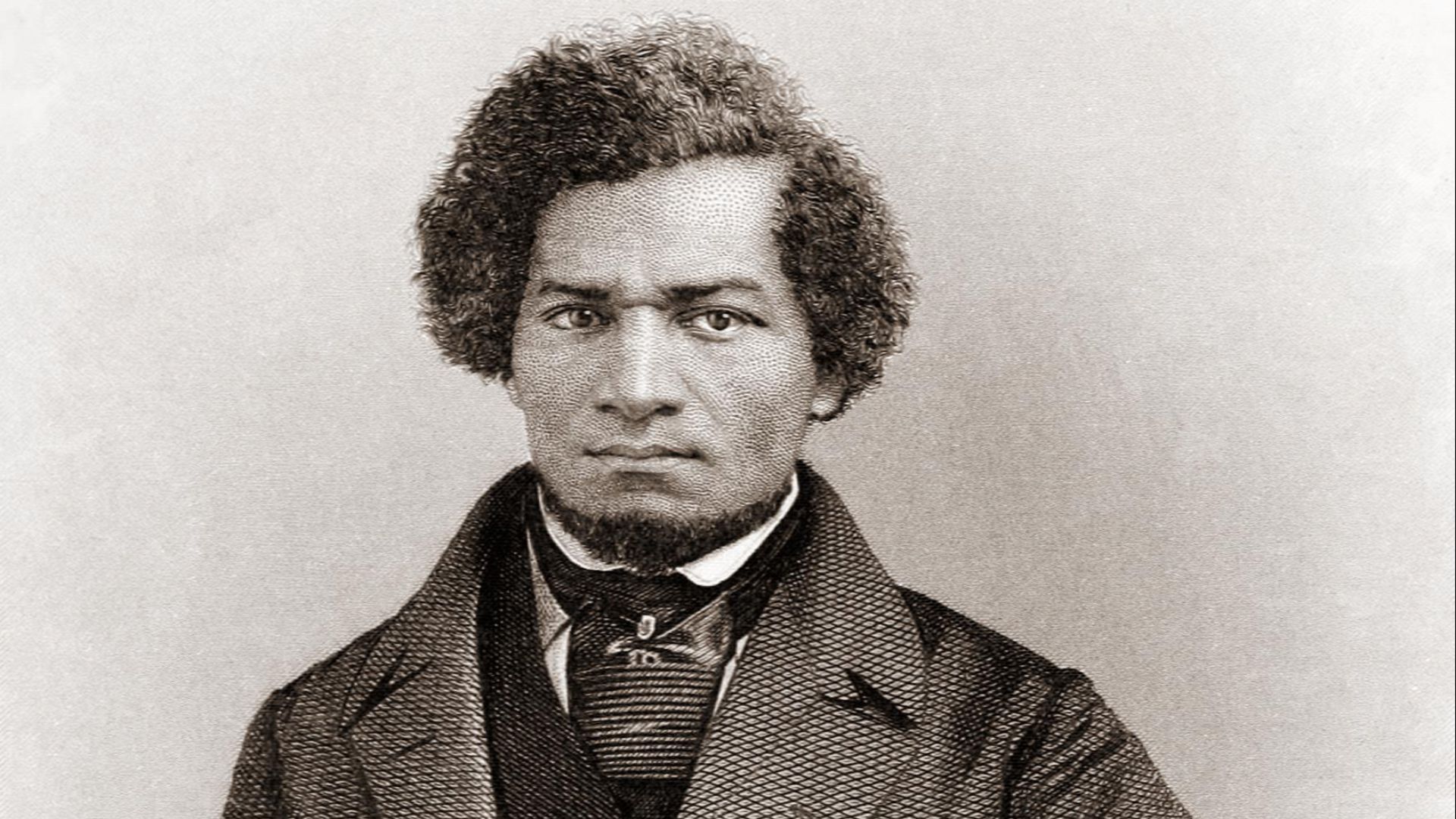 Engraved by J.C. Buttre from a daguerreotype. on Wikimedia
8. Nefertiti
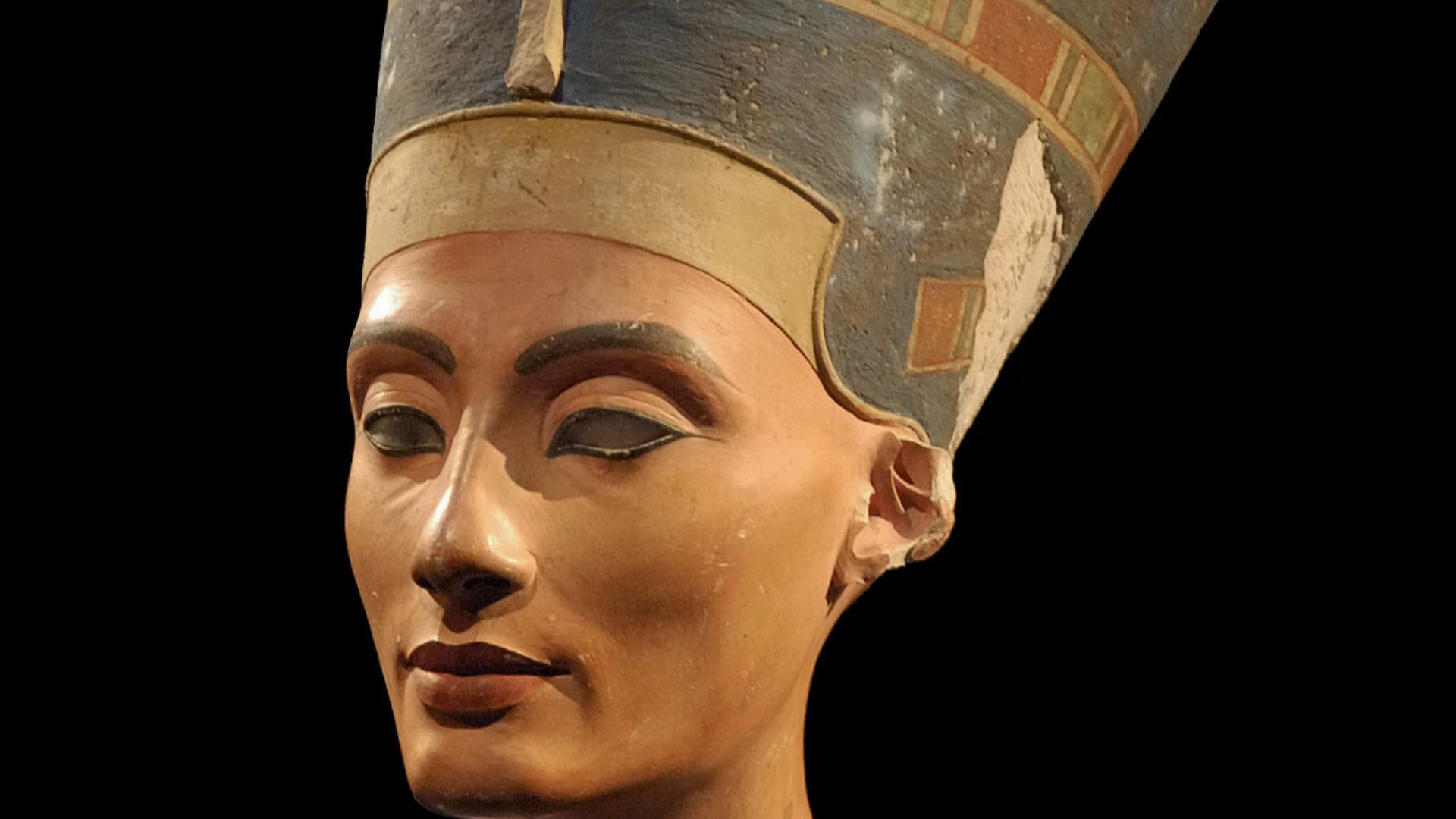
The famous painted limestone bust of Nefertiti has made the Egyptian queen one of the ancient world’s most recognizable faces. Its symmetrical features, long neck, and carefully applied cosmetic details reflect both artistic convention and royal presentation.
9. Prince Albert
Queen Victoria’s husband appeared in numerous paintings and early photographs during his relatively short life. His neatly styled hair, prominent sideburns, and formal clothing created a dignified image without seeming overly severe.
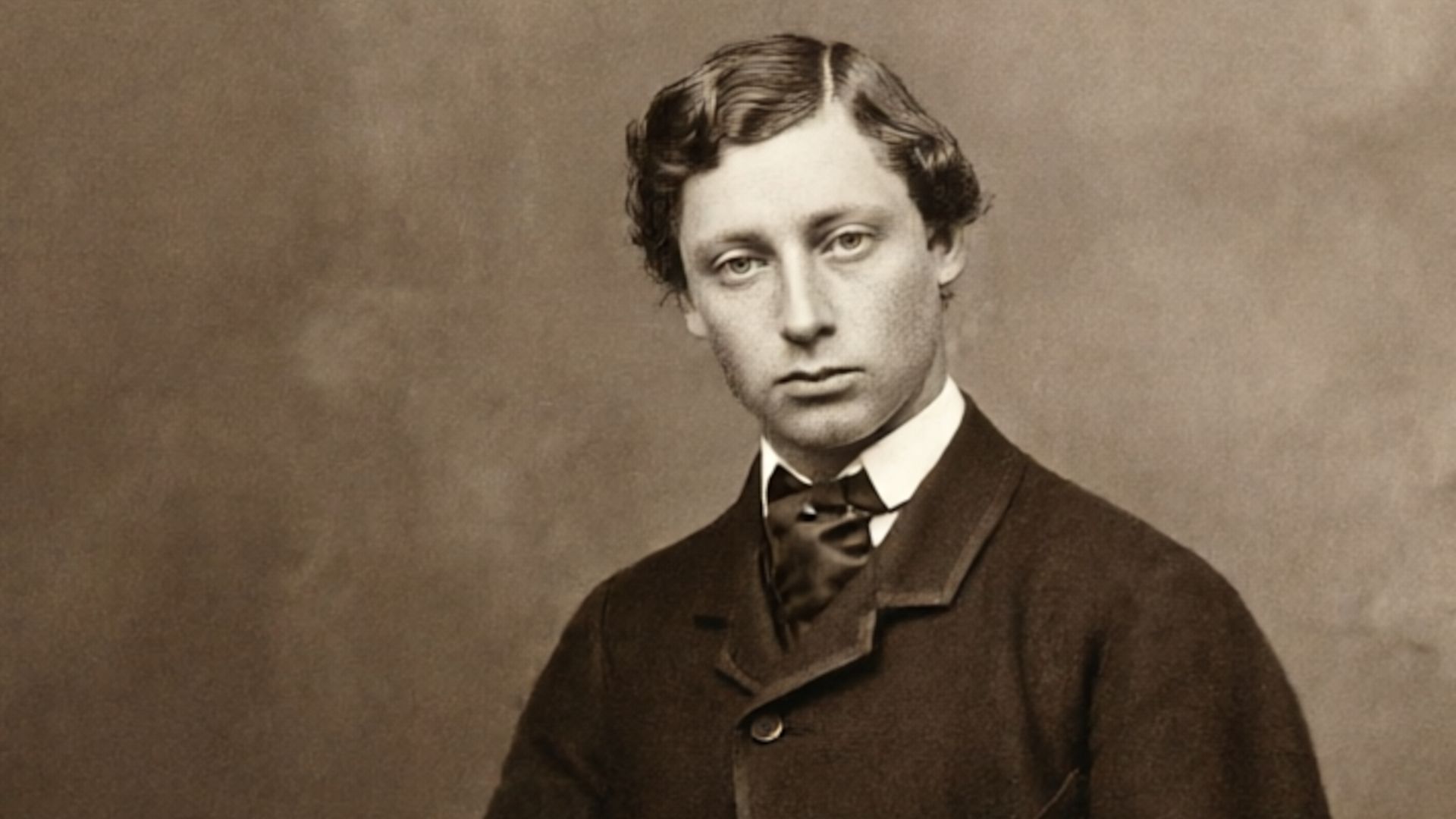 John Jabez Edwin Mayall on Wikimedia
10. Alexander Hamilton
Alexander Hamilton’s best-known portraits show a well-dressed man with sharp features, carefully powdered hair, and a composed gaze. His appearance matched the polished public identity expected of an ambitious statesman in the early United States.
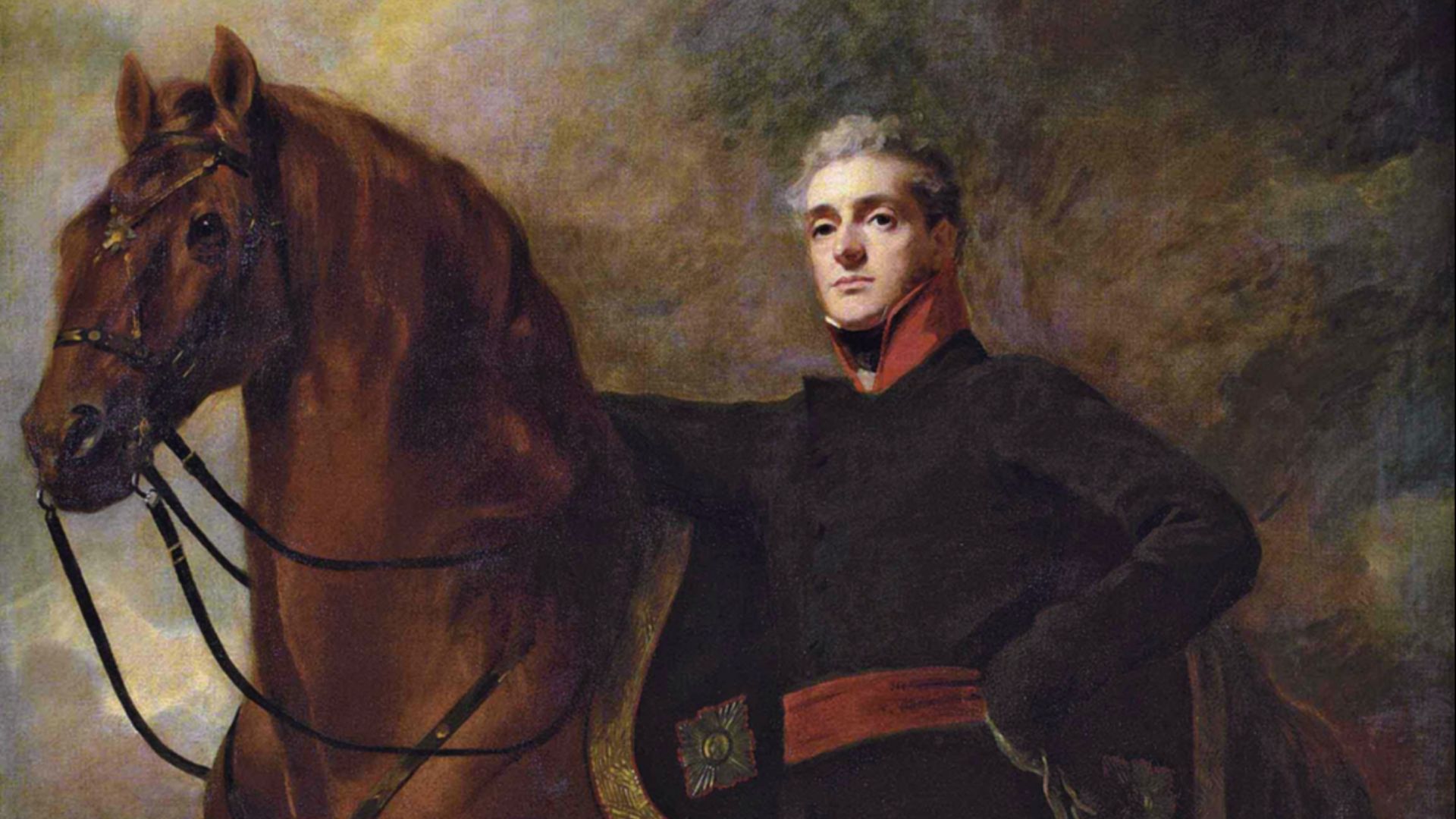
1. Abraham Lincoln
Abraham Lincoln openly joked about his unconventional appearance and once referred to his own face as homely. His tall frame, deeply lined features, large ears, and unruly hair made him immediately recognizable in photographs. Those same characteristics eventually became associated with honesty, endurance, and the tremendous pressure he carried during the American Civil War.
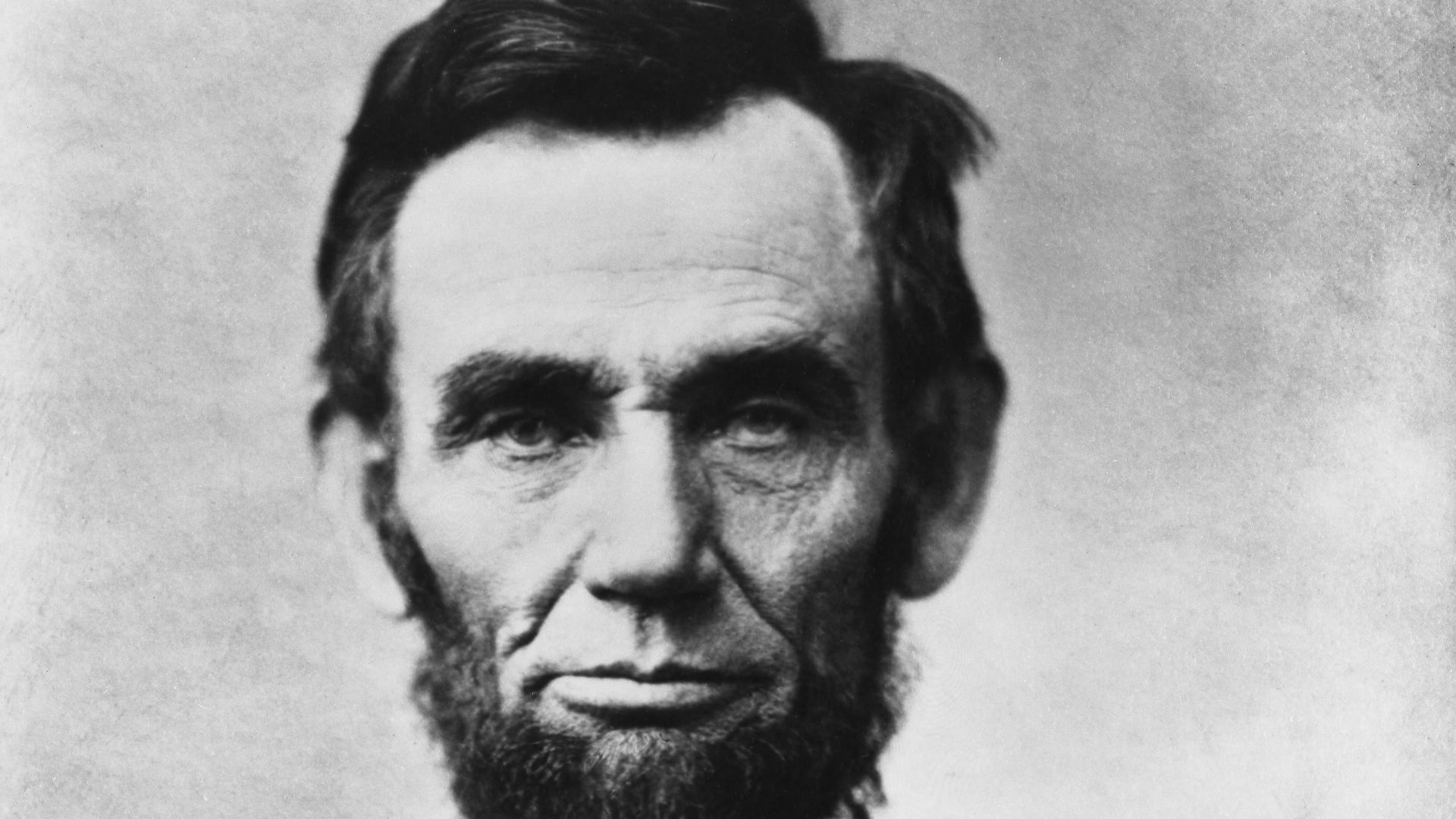 Alexander Gardner on Wikimedia
2. Winston Churchill
Winston Churchill’s round face, heavy jowls, and frequent scowl didn’t match traditional leading-man standards. Photographers nevertheless found him highly expressive, particularly while he was delivering speeches or making his famous hand gesture during World War II.
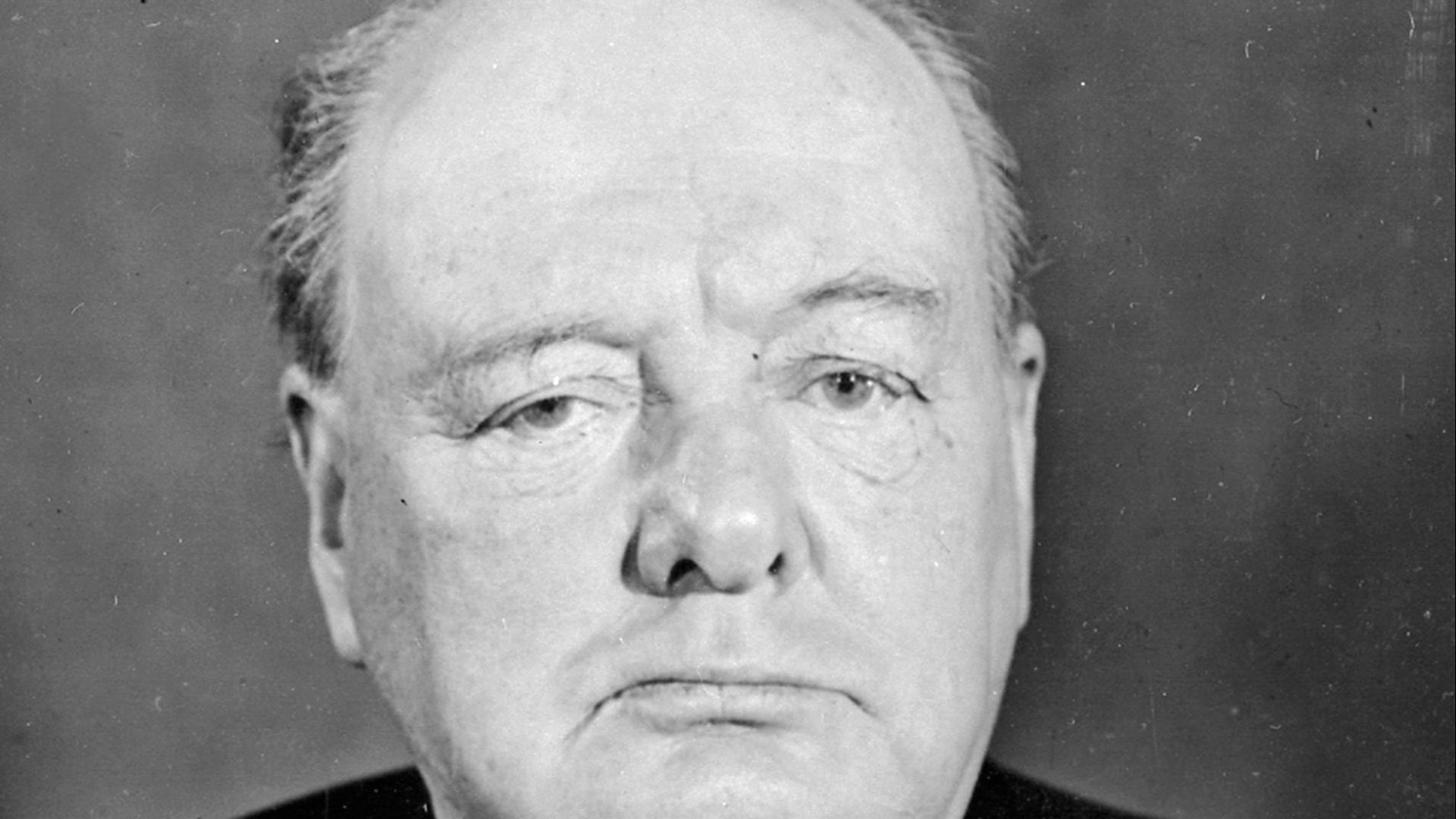 Central Office of Information on Wikimedia
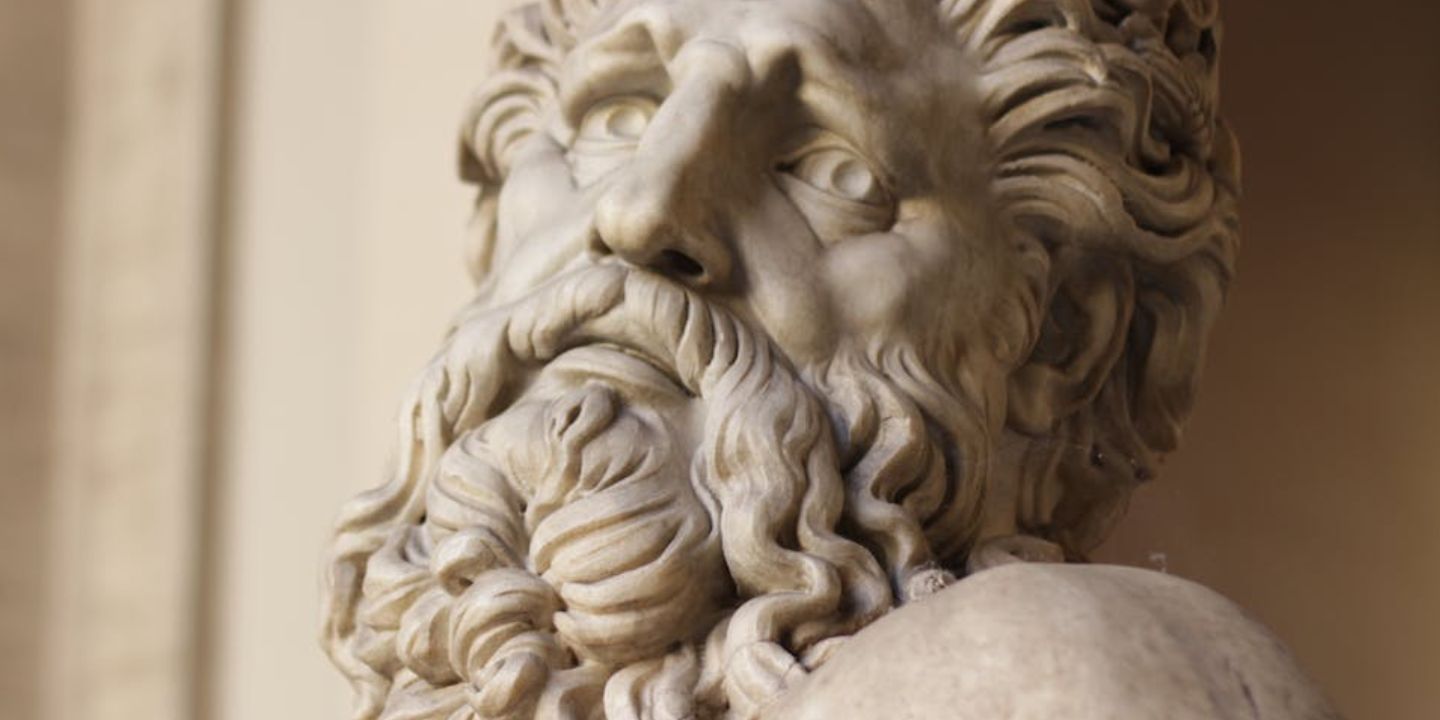
3. Socrates
No photographs or contemporary portraits of Socrates survive, but ancient sources consistently describe him as physically unattractive. Later sculptures present him with a broad nose, prominent eyes, a bald head, and a thick beard.
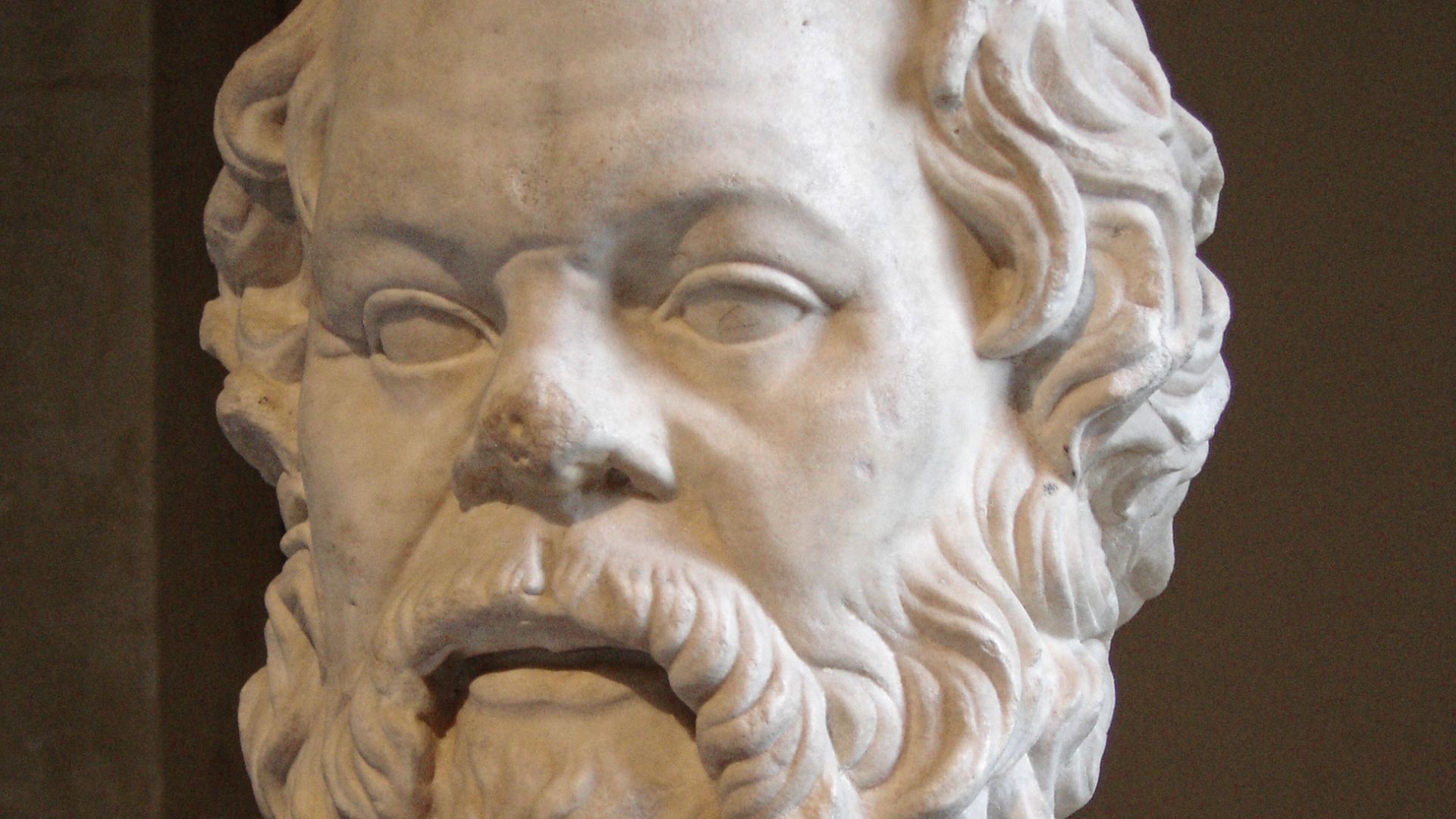 Copy of Lysippos (?) on Wikimedia
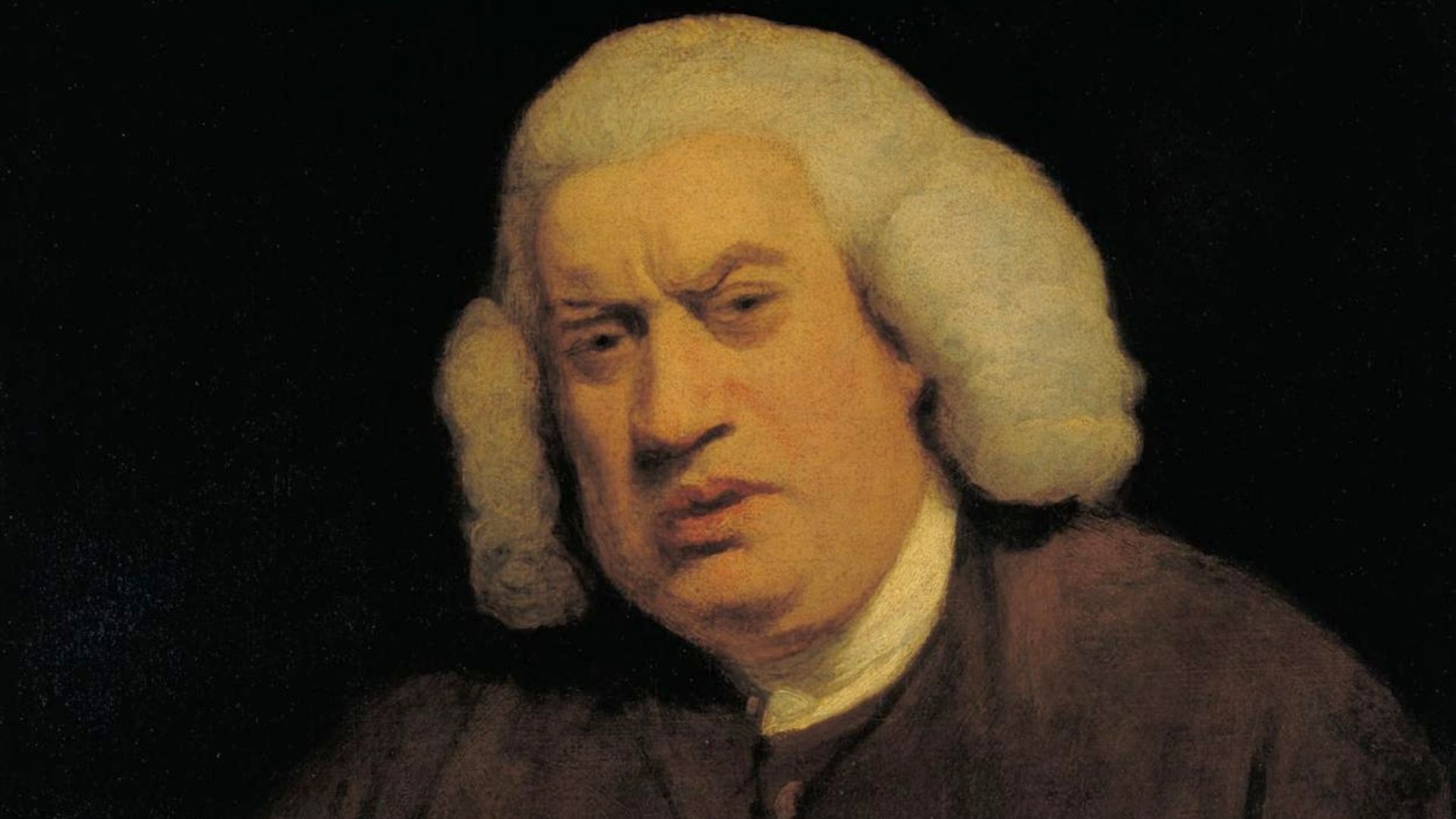
4. Samuel Johnson
Writer Samuel Johnson was known for a large, heavily marked face that painter Joshua Reynolds captured without excessive idealization. Childhood illness left him with impaired vision, hearing difficulties, and facial scarring, while involuntary movements also affected his public manner.
5. Oliver Cromwell
Oliver Cromwell reportedly asked portraitist Peter Lely to depict him accurately, including facial blemishes and other imperfections. The resulting images emphasize his heavy features, long hair, and stern expression rather than presenting a polished heroic figure.
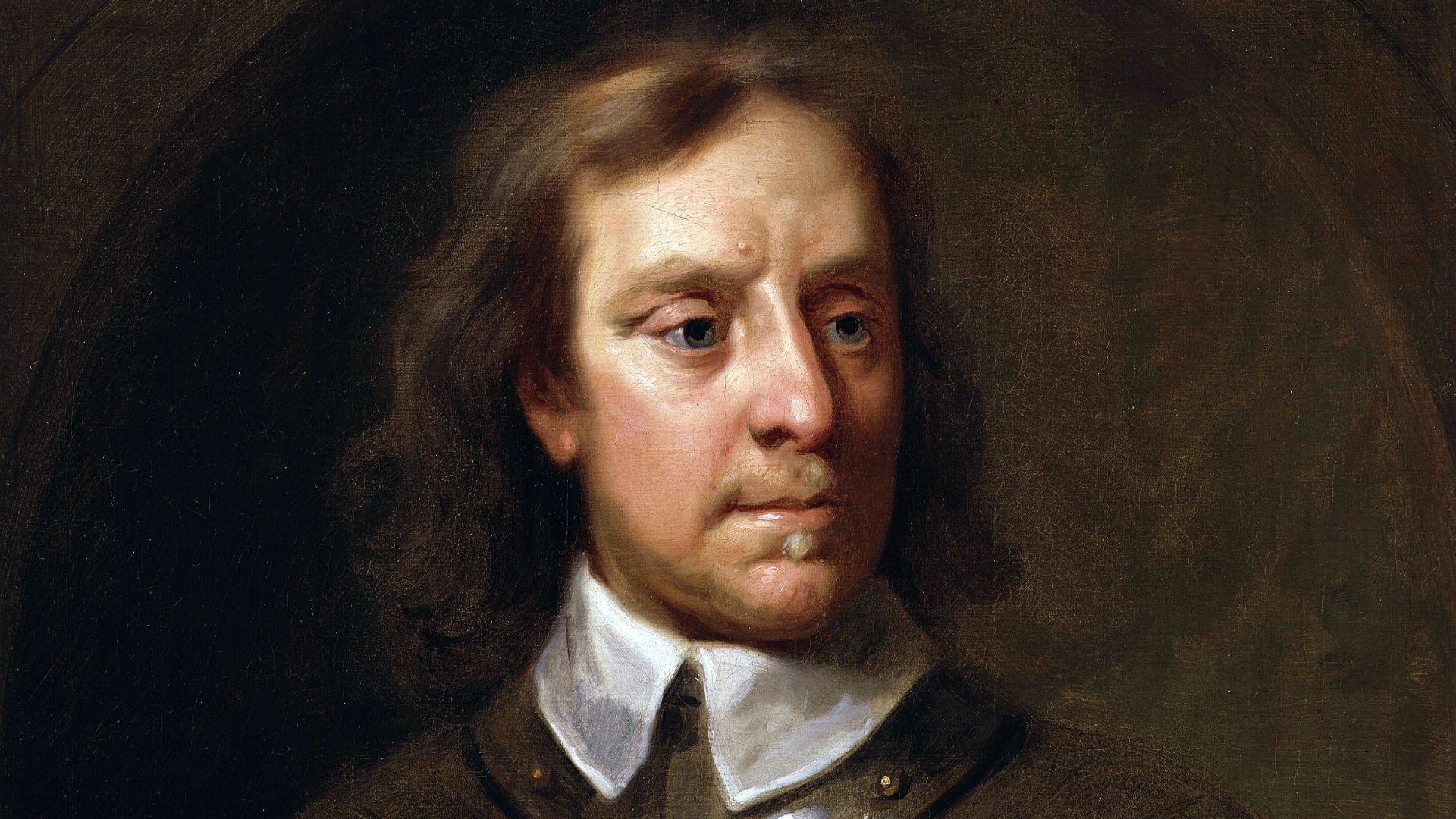 After Samuel Cooper on Wikimedia
6. Charles II of Spain
Charles II inherited serious health problems after generations of marriage between close relatives within the Spanish Habsburg dynasty. Portraits show the pronounced lower jaw and elongated facial structure associated with his family.
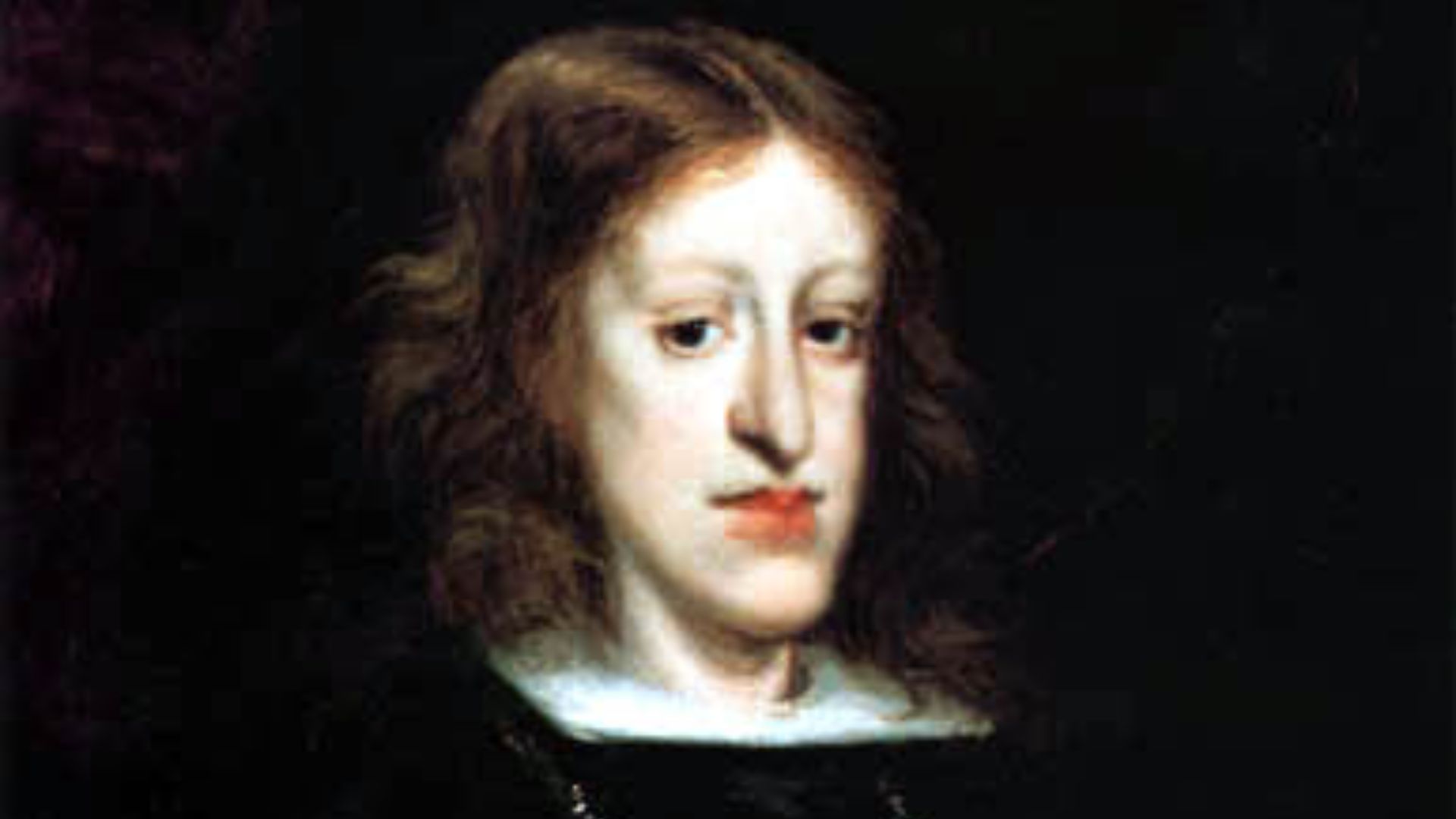 Don Juan Carreño de Miranda on Wikimedia
7. Isaac Newton
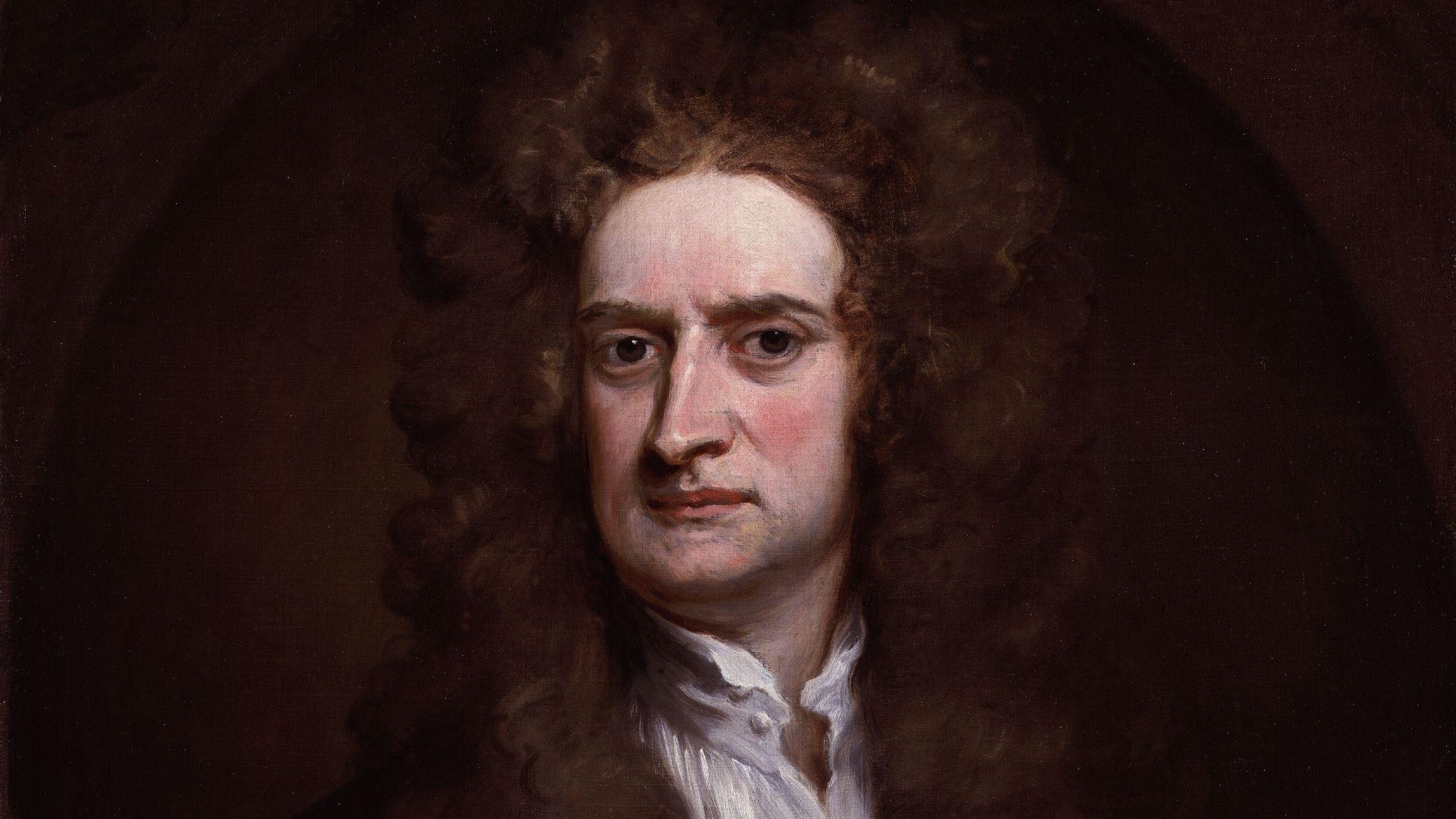
Isaac Newton’s portraits usually present him with a long face, tightly closed mouth, and an expression that suggests little interest in casual conversation. Elaborate wigs and formal clothing softened the effect without making him appear approachable.
8. Henry VIII
Young portraits of Henry VIII show an athletic and relatively handsome prince, but his appearance changed considerably as he aged. His intimidating physical presence became an important element of the royal image he deliberately projected.
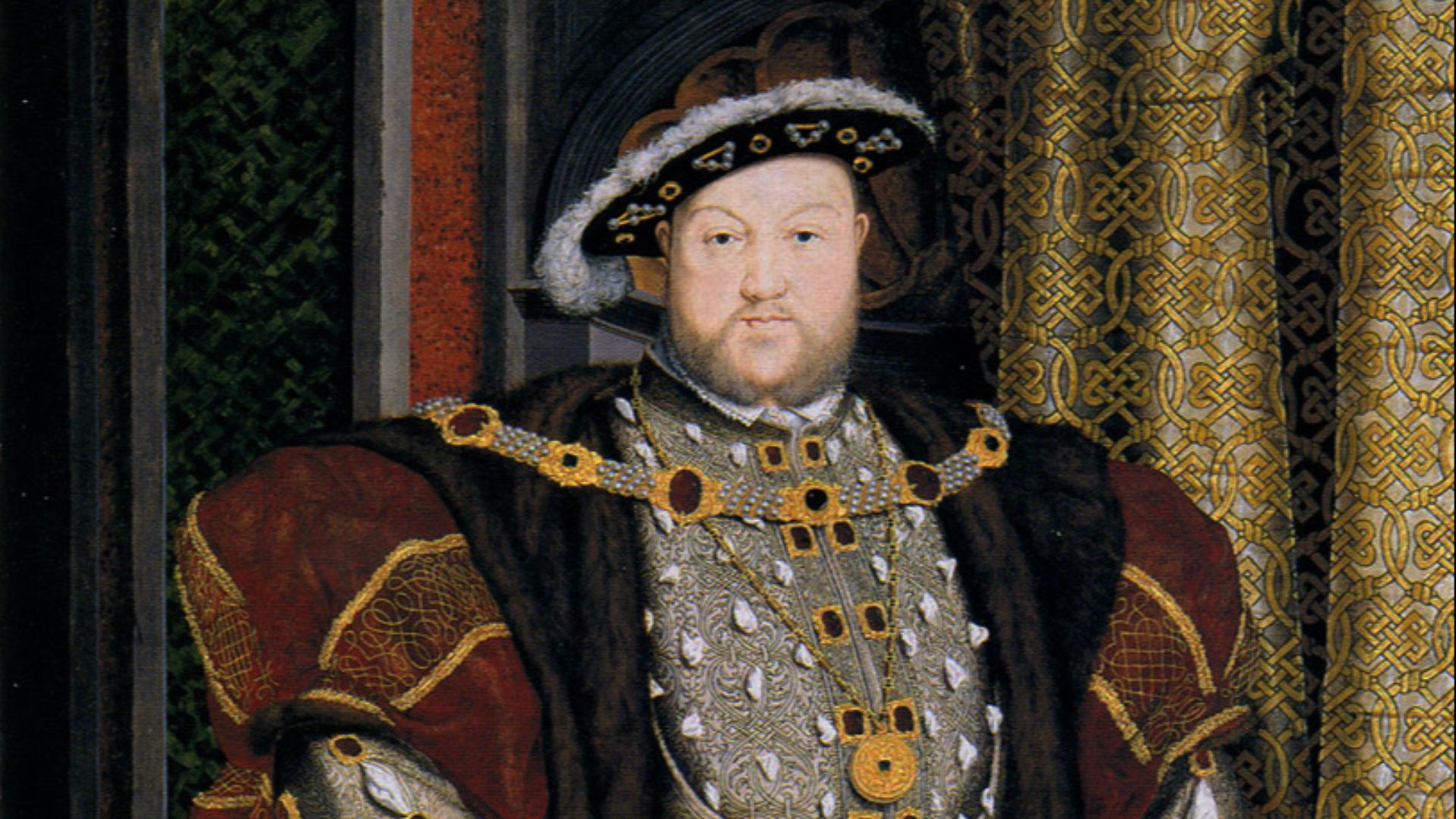 Unknown authorUnknown author on Wikimedia
9. Ulysses S. Grant
Ulysses S. Grant rarely looked comfortable in formal photographs, often appearing tired, stiff, or slightly irritated by the process. His heavy beard and understated clothing created a practical military appearance rather than a glamorous one.
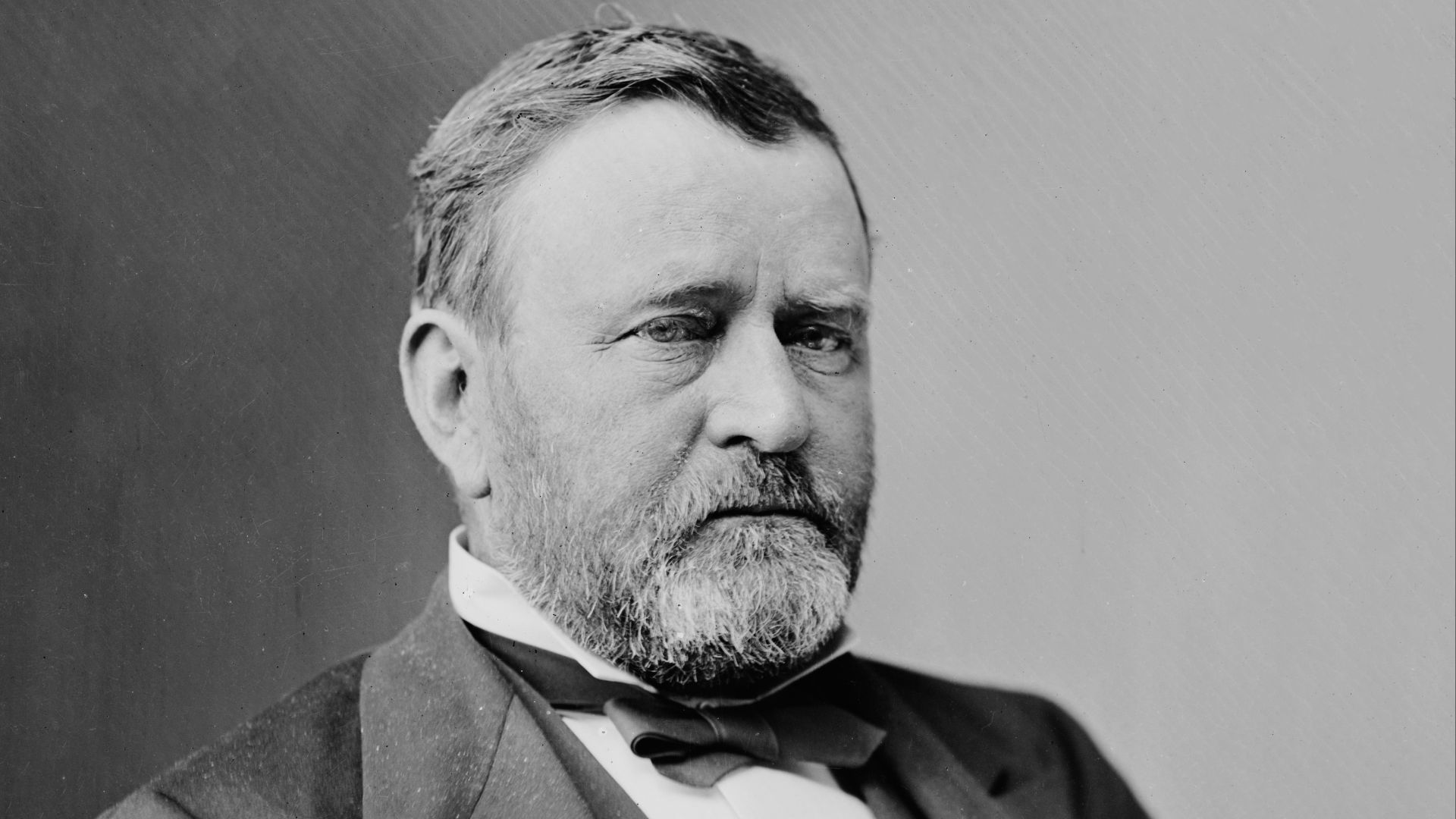 Brady-Handy Photograph Collection, Library of Congress on Wikimedia
10. Ludwig van Beethoven
Portraits of Ludwig van Beethoven show wild hair, a broad face, and an intense expression that artists repeatedly emphasized. His appearance became increasingly severe as deafness, illness, and personal frustration affected his daily life.
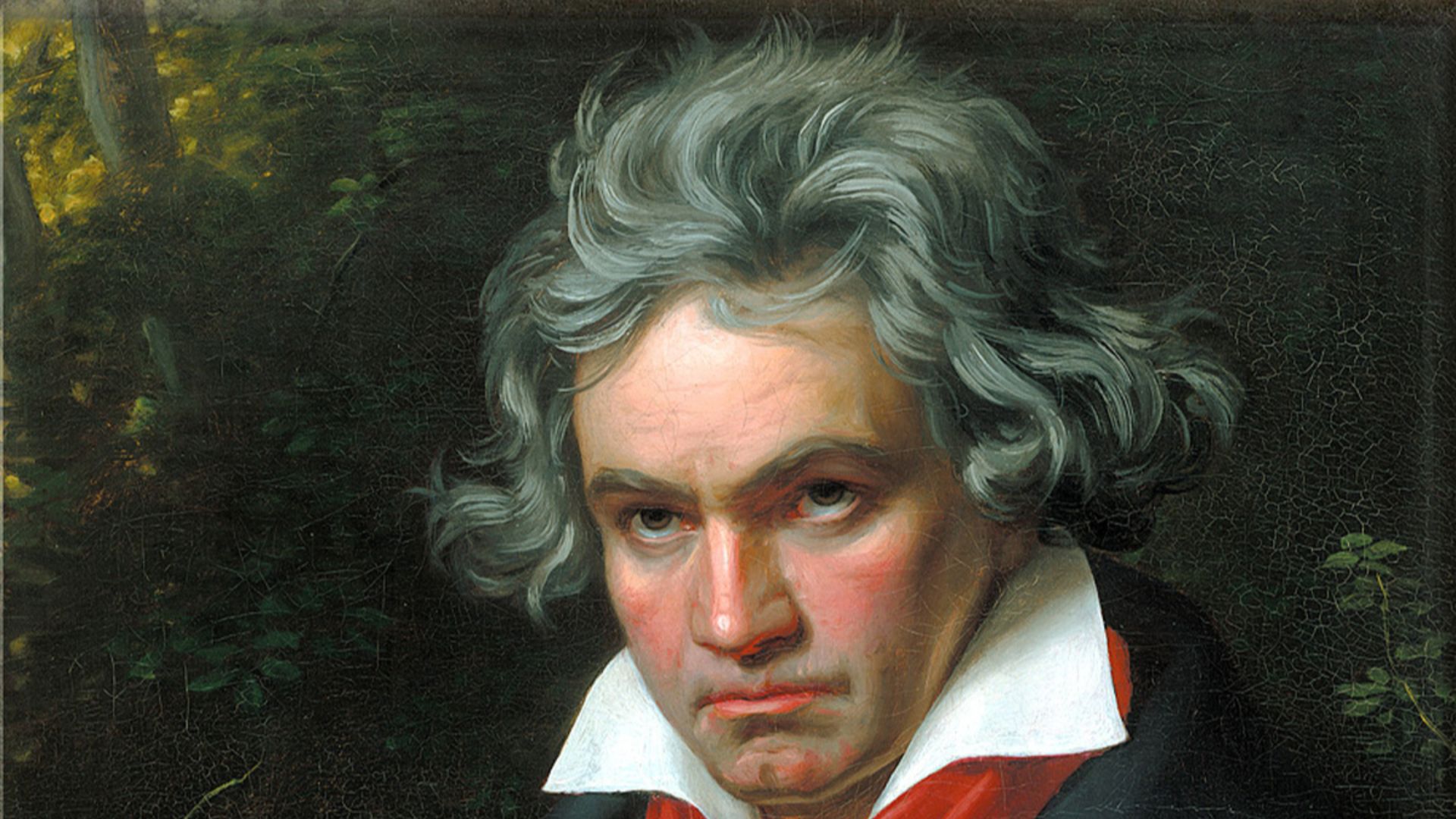 Joseph Karl Stieler on Wikimedia