20 Famous Historical Figures With Unexpected Side Hustles
Famous for One Thing, Busy Doing Something Else
History tends to give people one neat label, even when their actual lives were much more varied. Plenty of famous writers, politicians, inventors, and artists kept another profession, business, or serious sideline going while they were building the careers they ended up being remembered for. Some needed the extra income, while others simply refused to limit themselves to one field. Here are 20 historical figures who kept another pursuit going alongside the work that made their names.
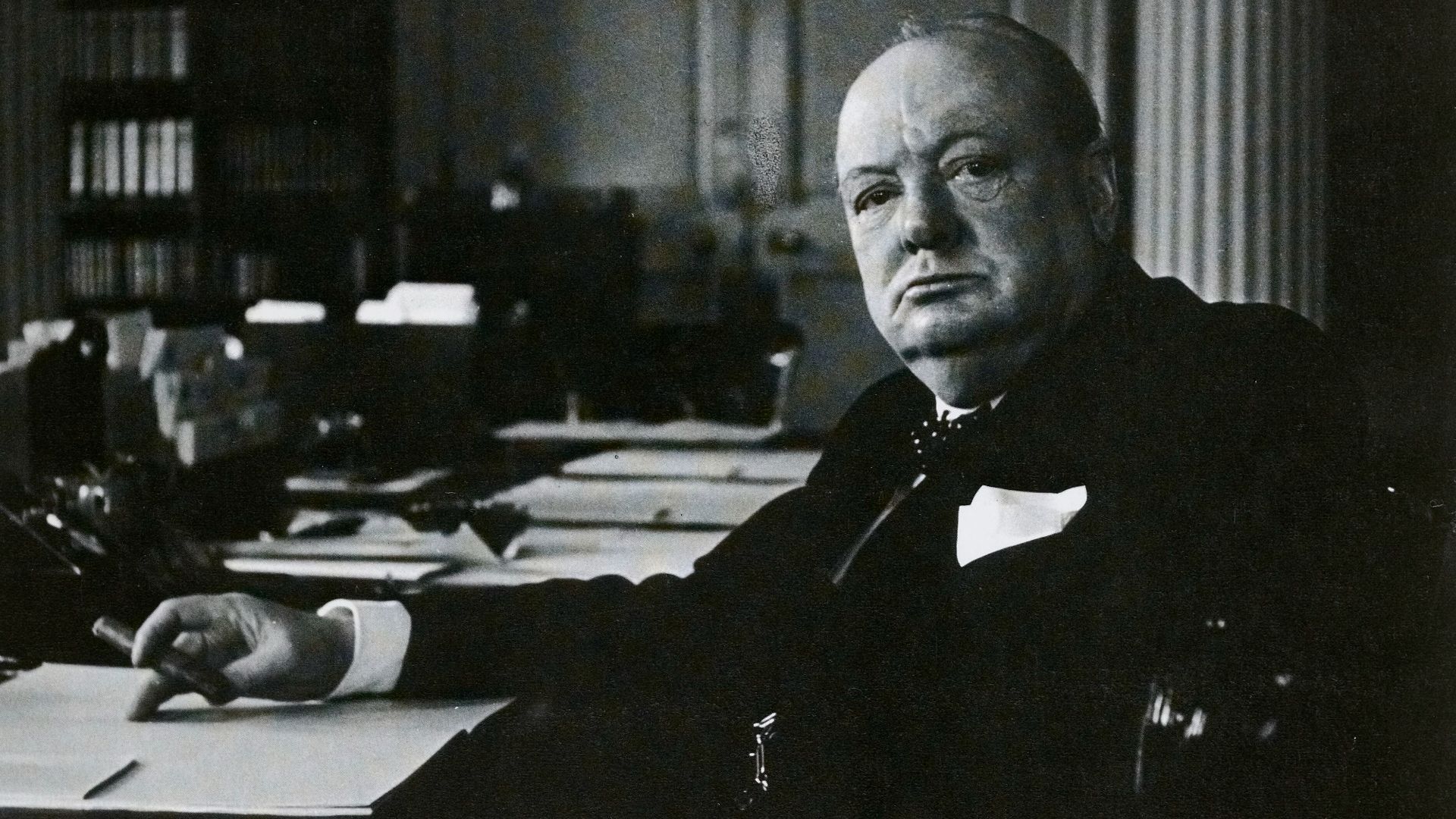
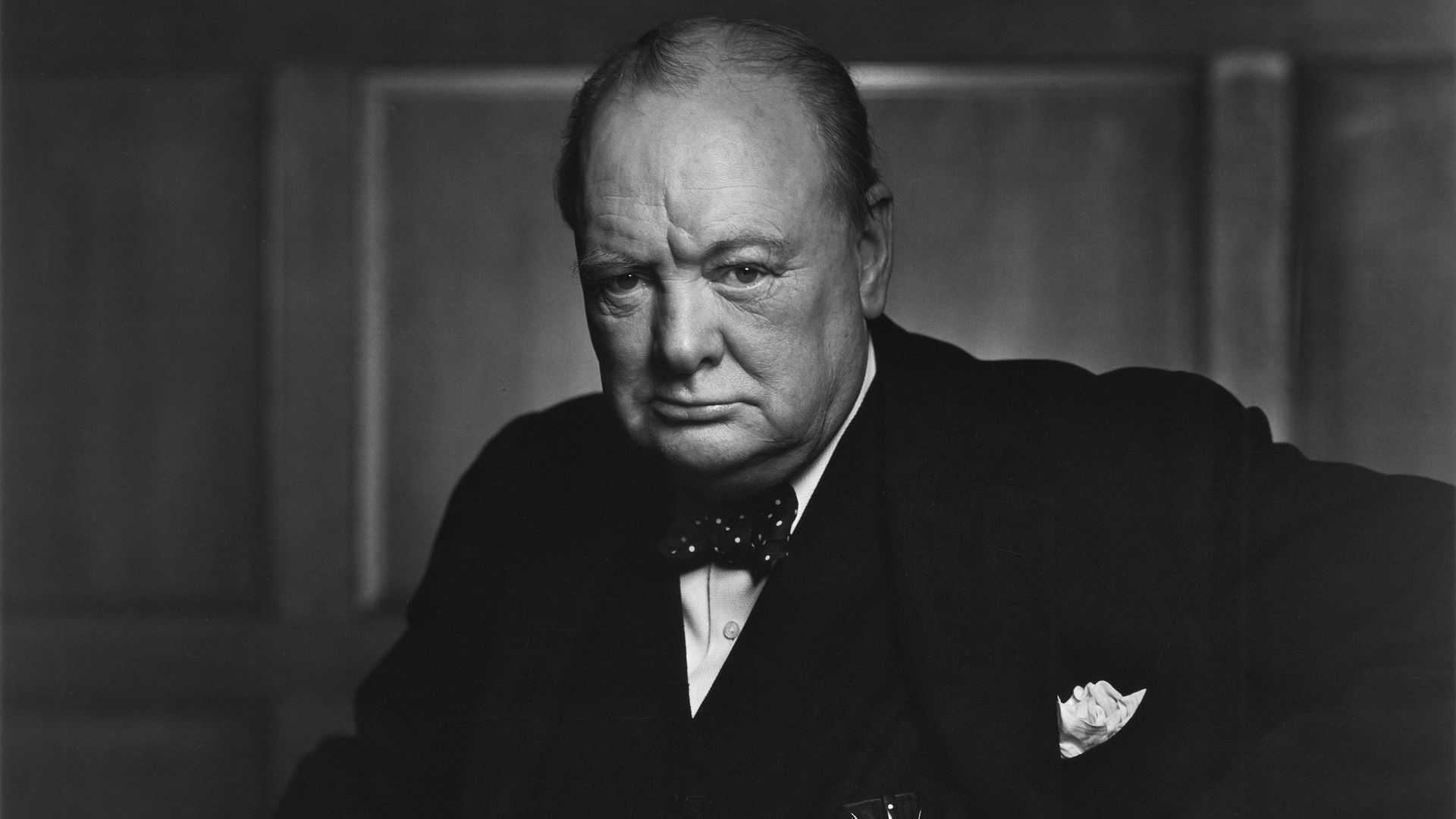
1. Winston Churchill
Churchill may be remembered primarily as Britain's wartime prime minister, but that apparently wasn't enough for him. He somehow found the time to produce journalism, biographies, histories, memoirs, and more than 40 books across a long political career, even winning the Nobel Prize in Literature in 1953. Writing also provided substantial income during periods when his political earnings couldn't support his famously lavish lifestyle.
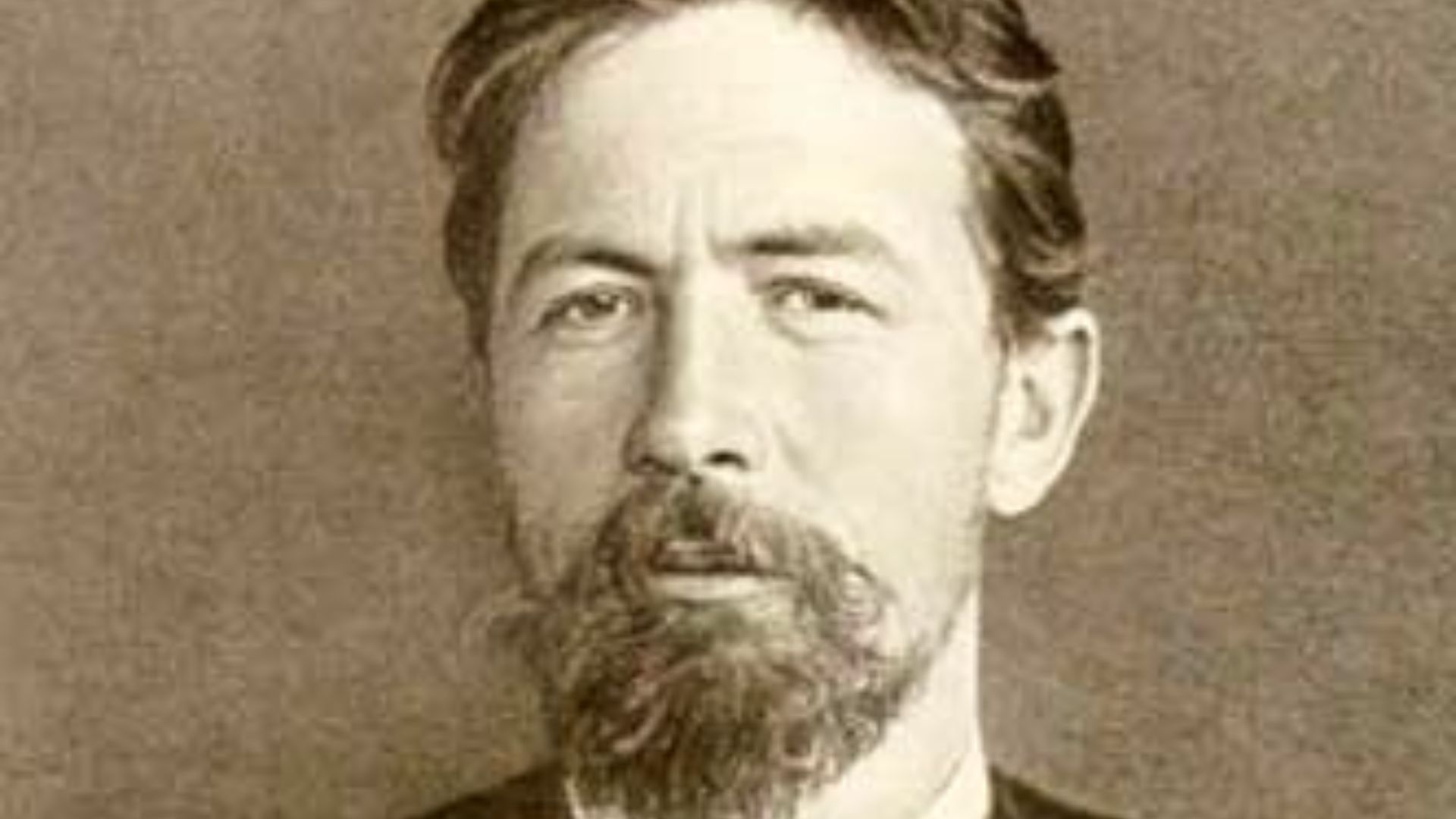
2. Anton Chekhov
Chekhov never stopped being a physician, even after his plays and short stories began attracting serious attention. He practiced medicine on and off throughout much of his writing career and treated patients even as his literary reputation expanded. The two occupations were important enough that scholars routinely describe him as having maintained dual medical and literary careers.
3. William Carlos Williams
William Carlos Williams spent more than 40 years practicing medicine in New Jersey while simultaneously becoming one of America's major modernist poets. His days involved house calls, patients, and medical work, while poetry filled the hours he could squeeze around them. Rather than seeing medicine as something that interrupted his writing, Williams believed the two parts of his life influenced each other.
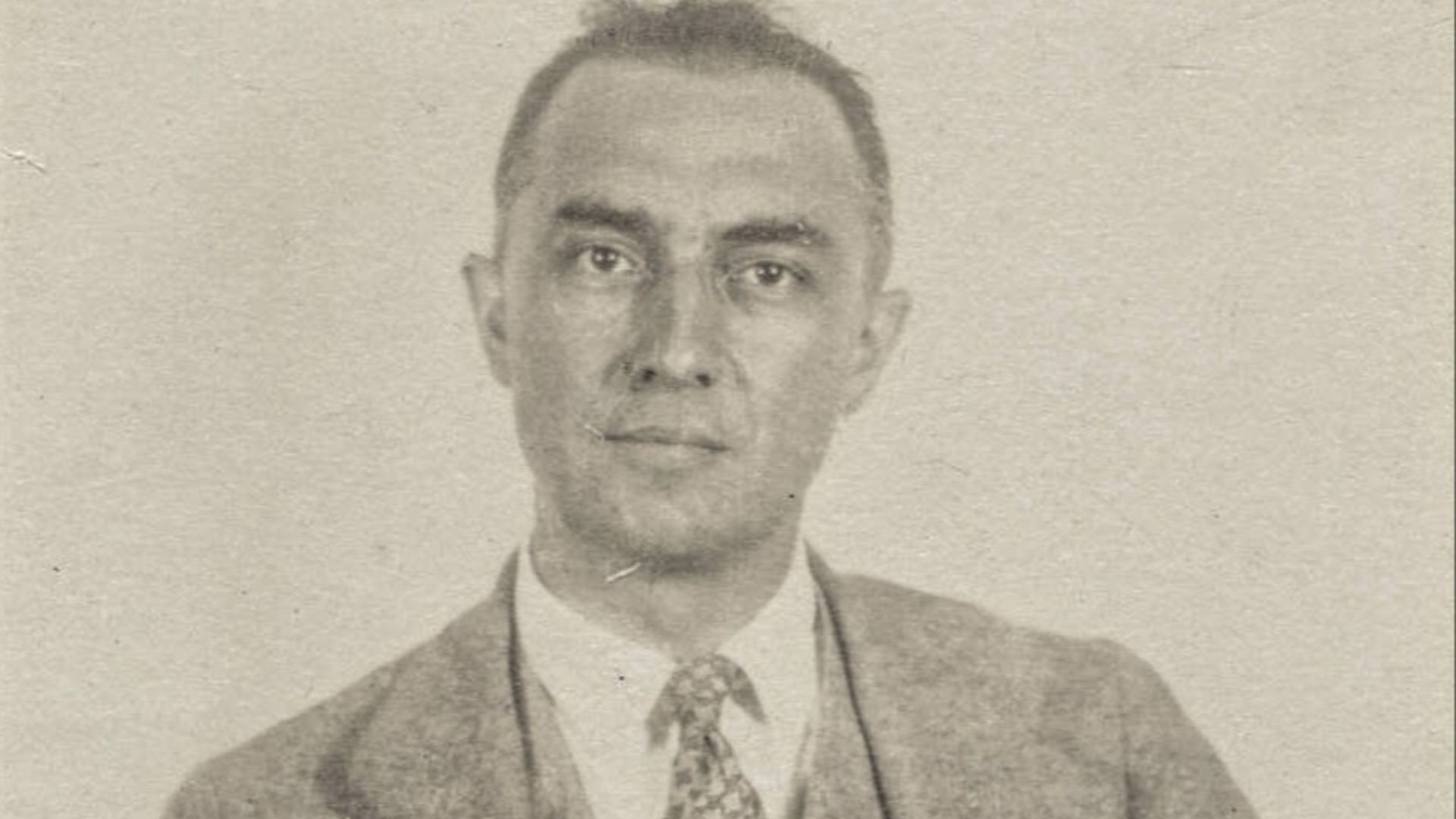 unknown (believed to be passport photograph) on Wikimedia
4. Wallace Stevens
Wallace Stevens managed to become a major American poet without giving up his decidedly less literary career in insurance. He spent decades at the Hartford Accident and Indemnity Company, eventually rising to an executive position while continuing to publish poetry. Stevens wasn't simply hanging onto an office job until literary fame arrived; he gained major success in both fields.
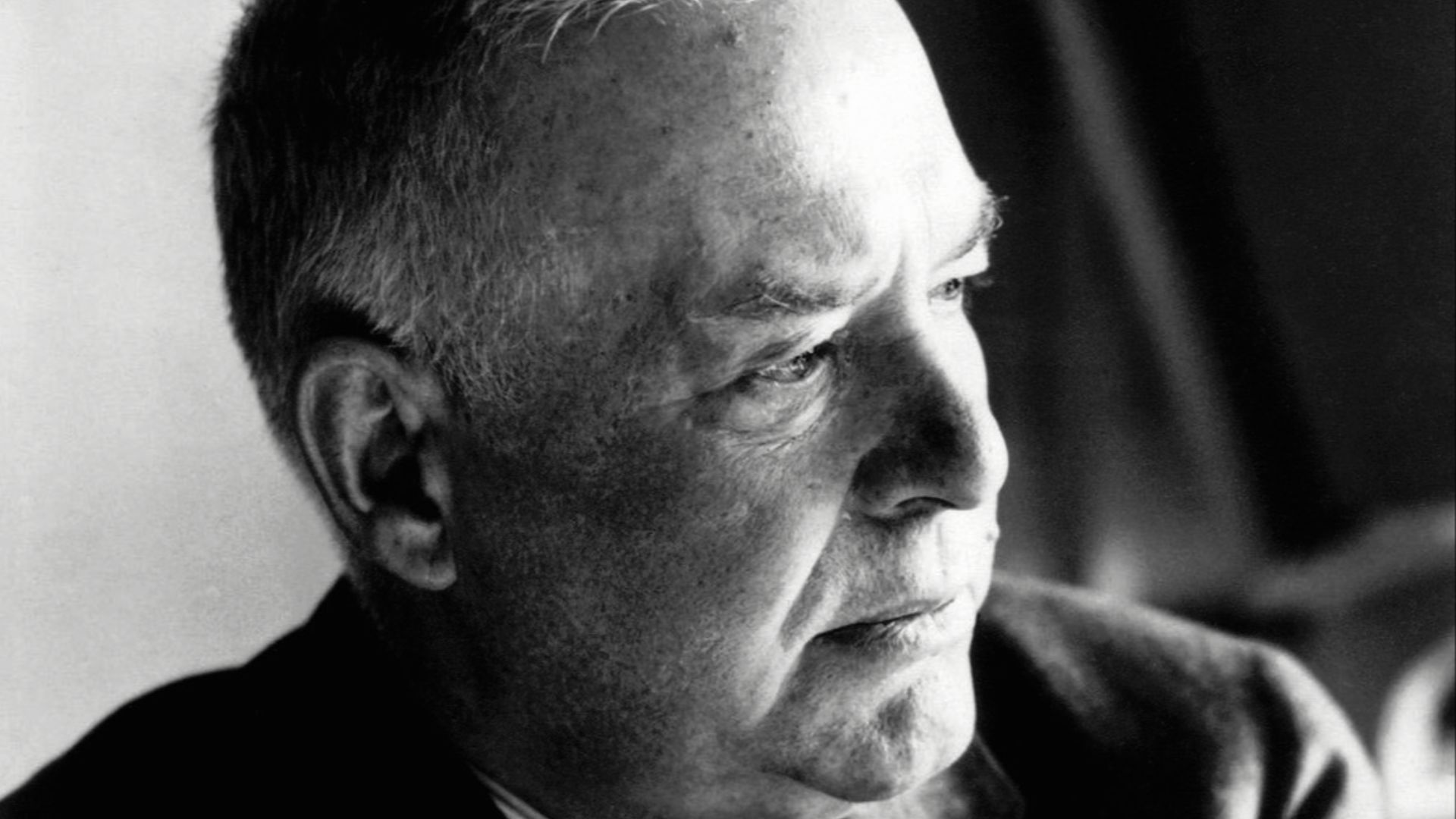 Photograph by Sylvia Salmi. on Wikimedia
5. Charles Ives
Experimental composer Charles Ives had another occupation that sounds considerably less experimental: he built a highly successful career in insurance. He launched his own agency and helped develop approaches to life insurance and estate planning while composing some of the most innovative music of his era. Much of his music was created privately as his business career continued during the day.
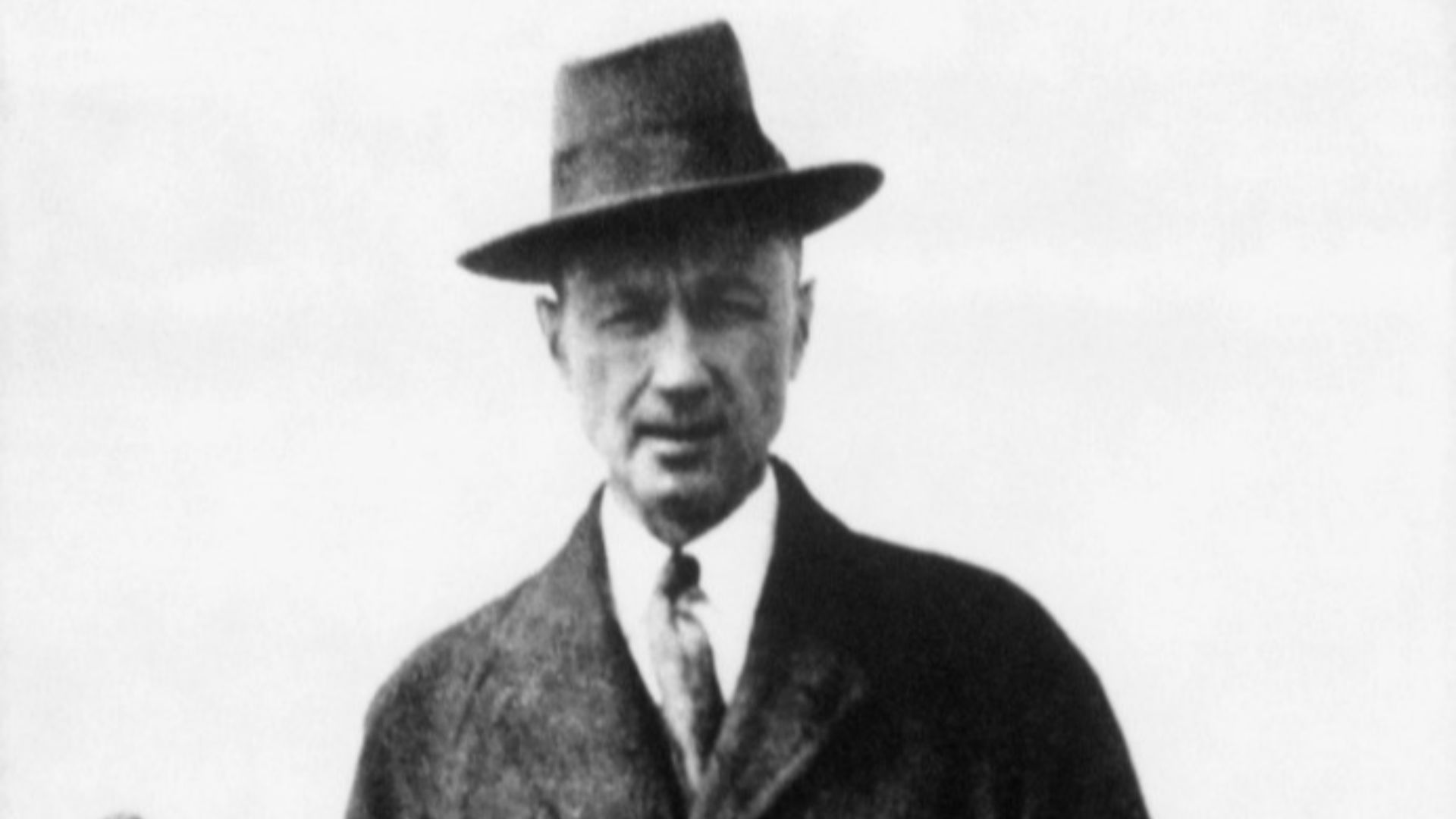
6. Anthony Trollope
Anthony Trollope became a celebrated Victorian novelist without immediately walking away from his long career with Britain's General Post Office. Between 1851 and 1870, his literary reputation grew substantially while he continued working for the postal service and traveling for official duties. He even helped promote the use of roadside pillar boxes during his postal career.
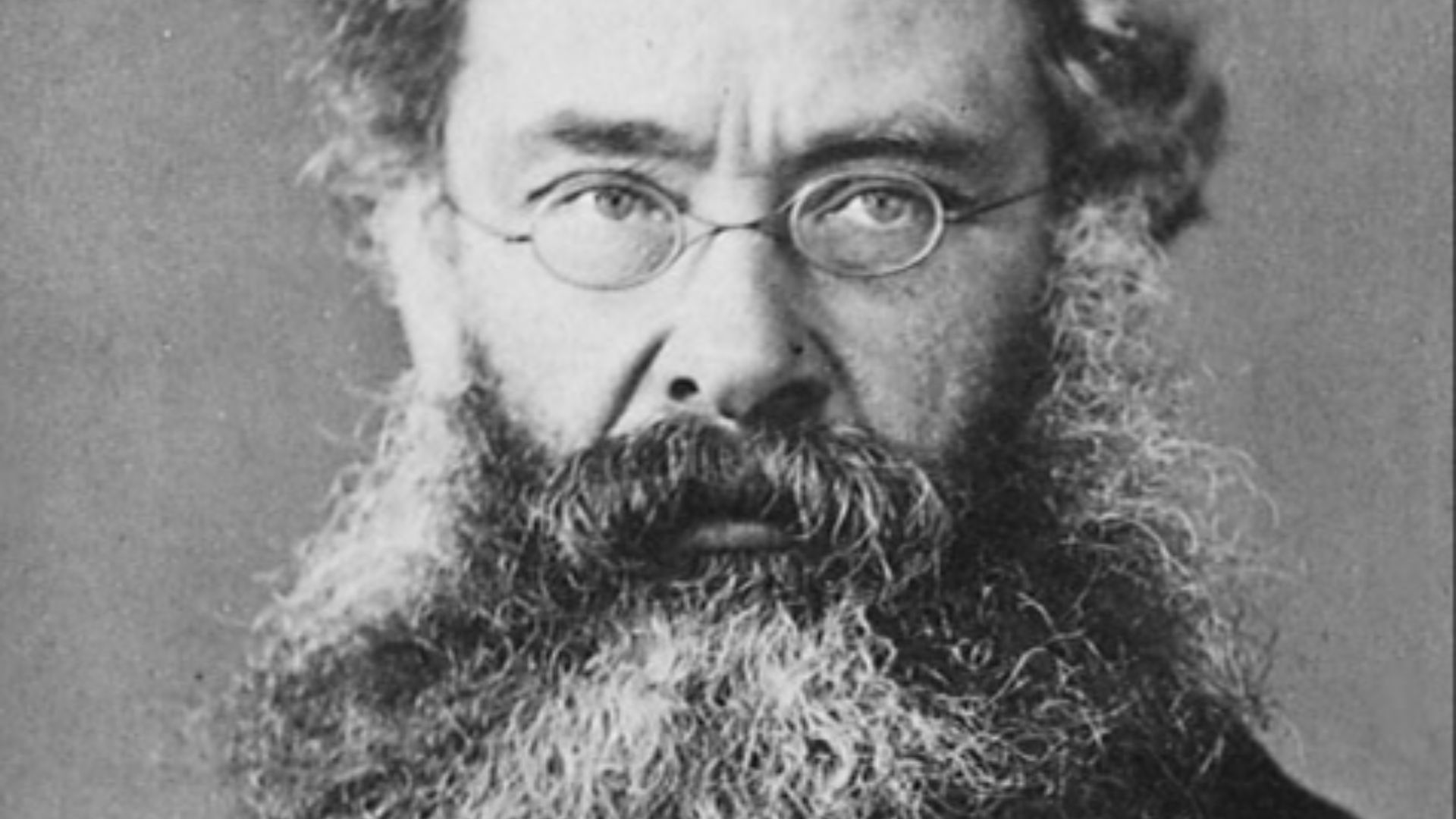
7. Bram Stoker
While writing the genre-defining novel, Dracula, Bram Stoker was busy managing London's Lyceum Theatre. He served as business manager for actor Henry Irving for nearly three decades and continued publishing fiction throughout that period. Stoker's responsibilities included publicity and the practical work involved in running a major theater.
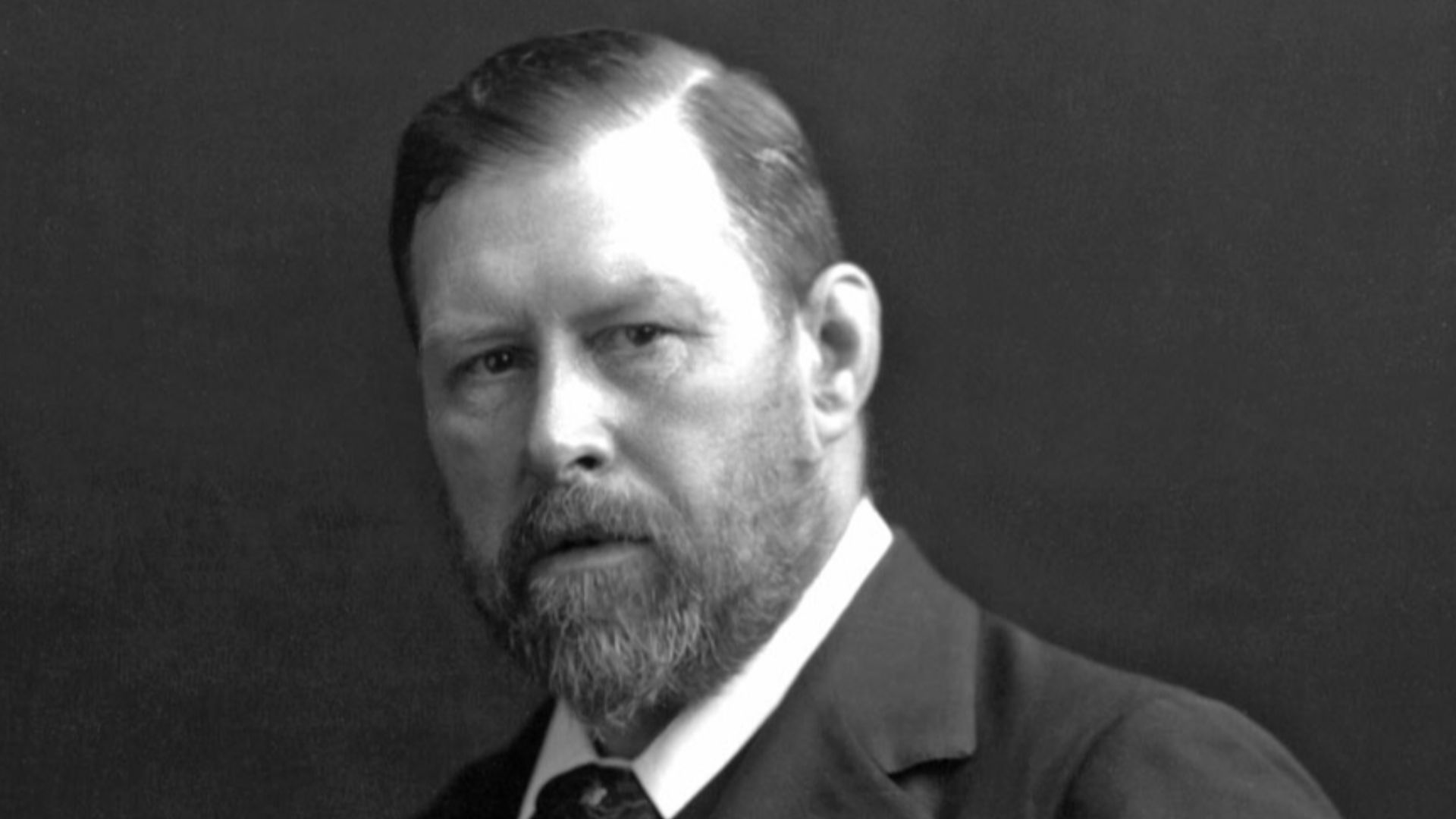 unknown / неизвестно on Wikimedia
8. T. S. Eliot
T. S. Eliot was already establishing himself as an important poet while spending his weekdays working at a bank in London. After leaving banking in 1925, he moved into publishing at Faber and became an influential editor while continuing to write poetry, criticism, and plays. His literary career therefore ran alongside not one but two substantial professional careers.
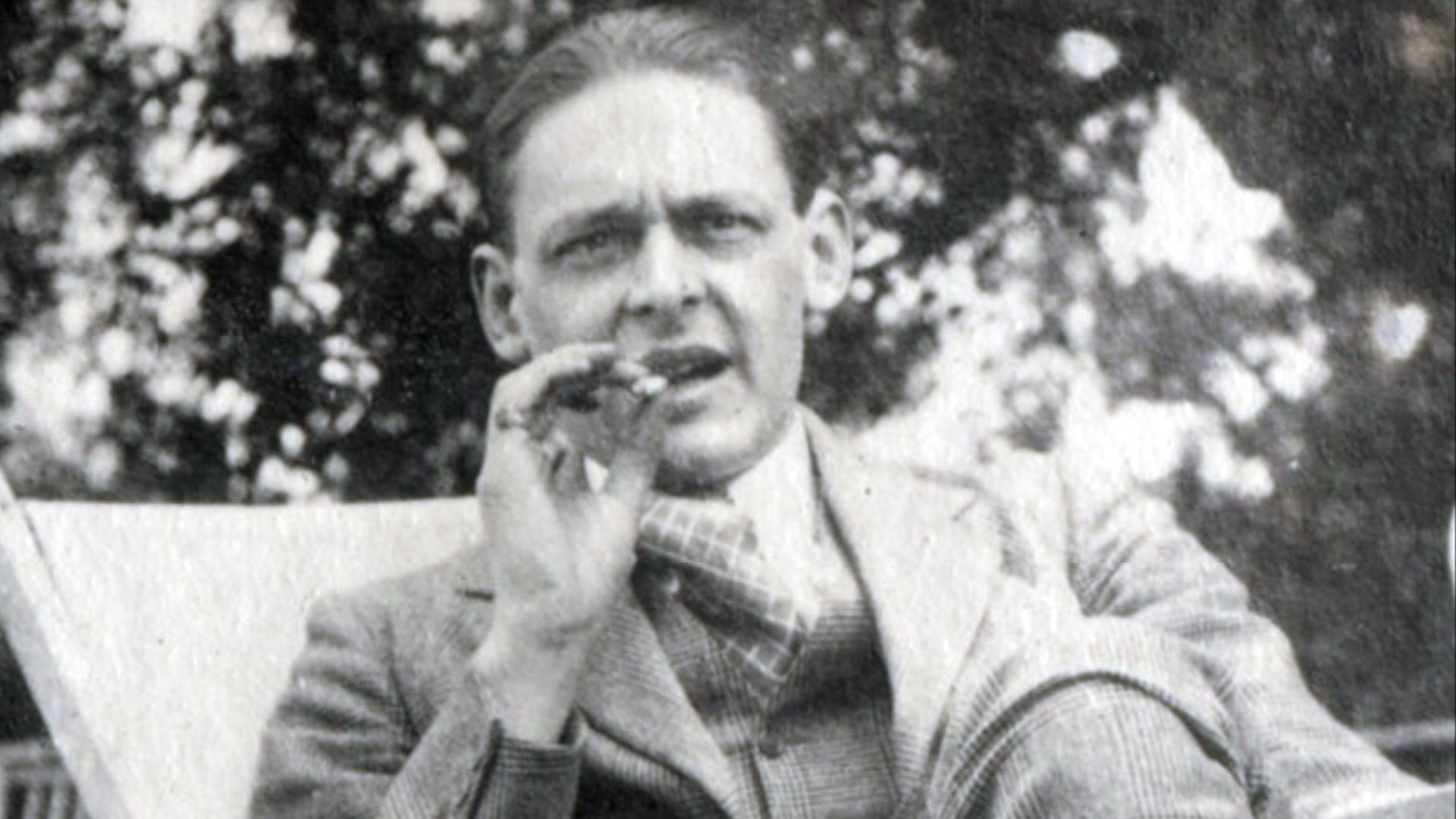 Lady Ottoline Morrell on Wikimedia
9. Henry David Thoreau
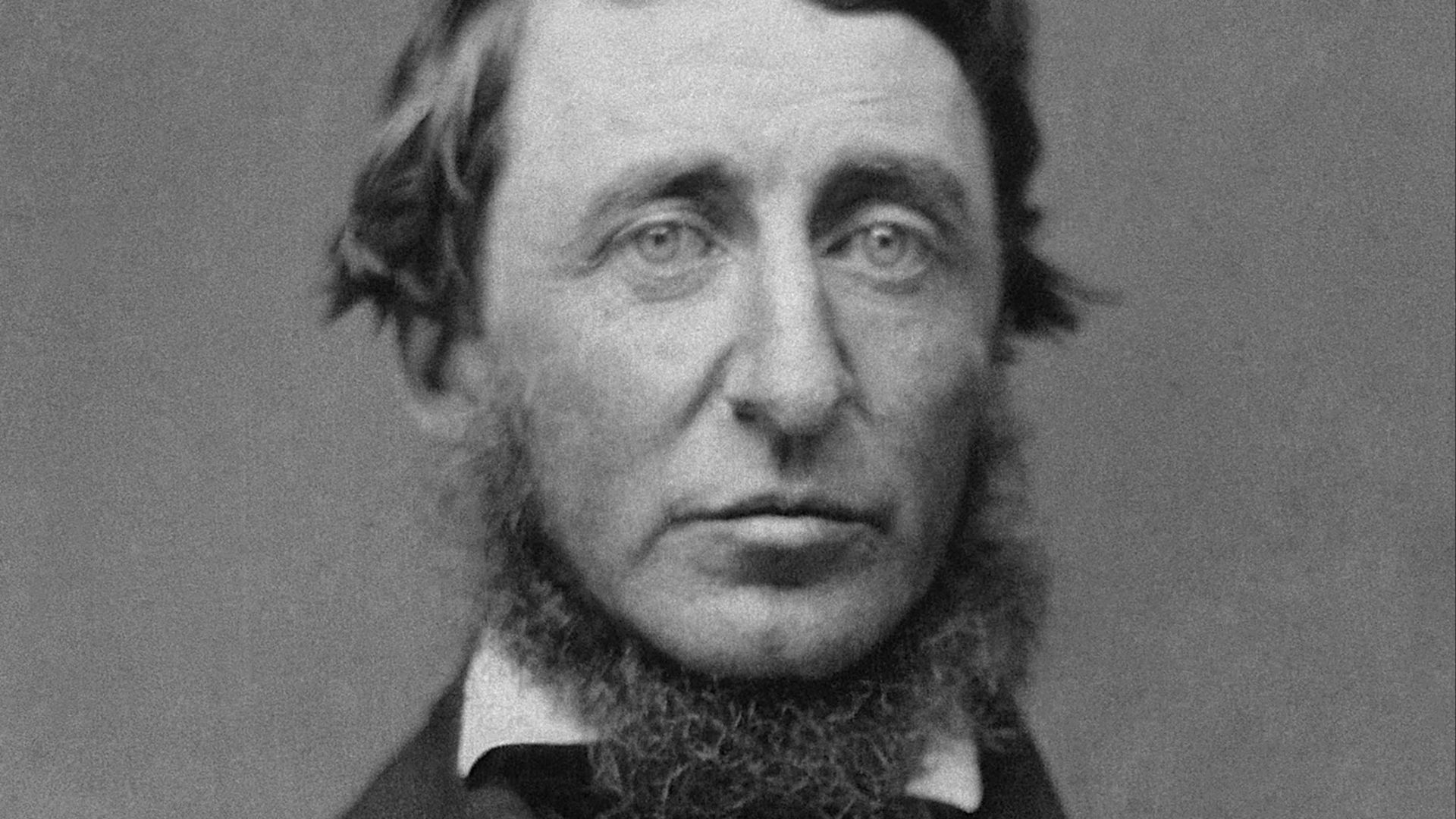
Thoreau's reputation rests on writing, philosophy, nature, and living in the forest, as he described in Walden, but even his simplified lifestyle required some income. Surveying became one of his most consistent ways of earning money, and he continued doing it while developing his literary and philosophical work. Even Thoreau couldn't completely escape the need for a paying gig.
10. Paul Revere
Paul Revere was a silversmith, businessman, and political activist long before his midnight ride became the part everyone memorized in school. During the years leading up to the American Revolution, he supplemented his income by practicing dentistry, including cleaning teeth and fitting artificial replacements. His metalworking skills were surprisingly useful for the delicate work involved.
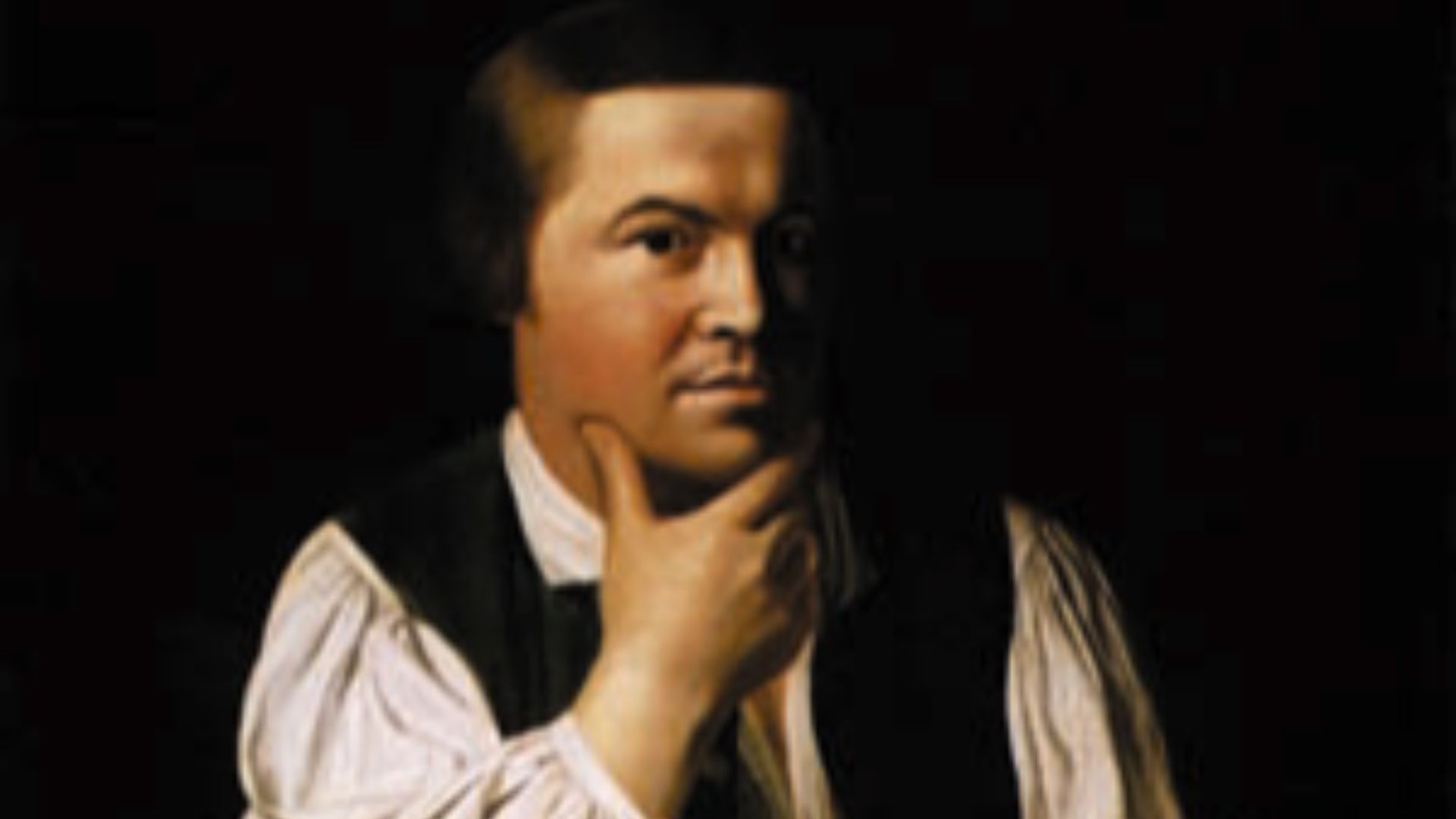 John Singleton Copley on Wikimedia
11. George Washington
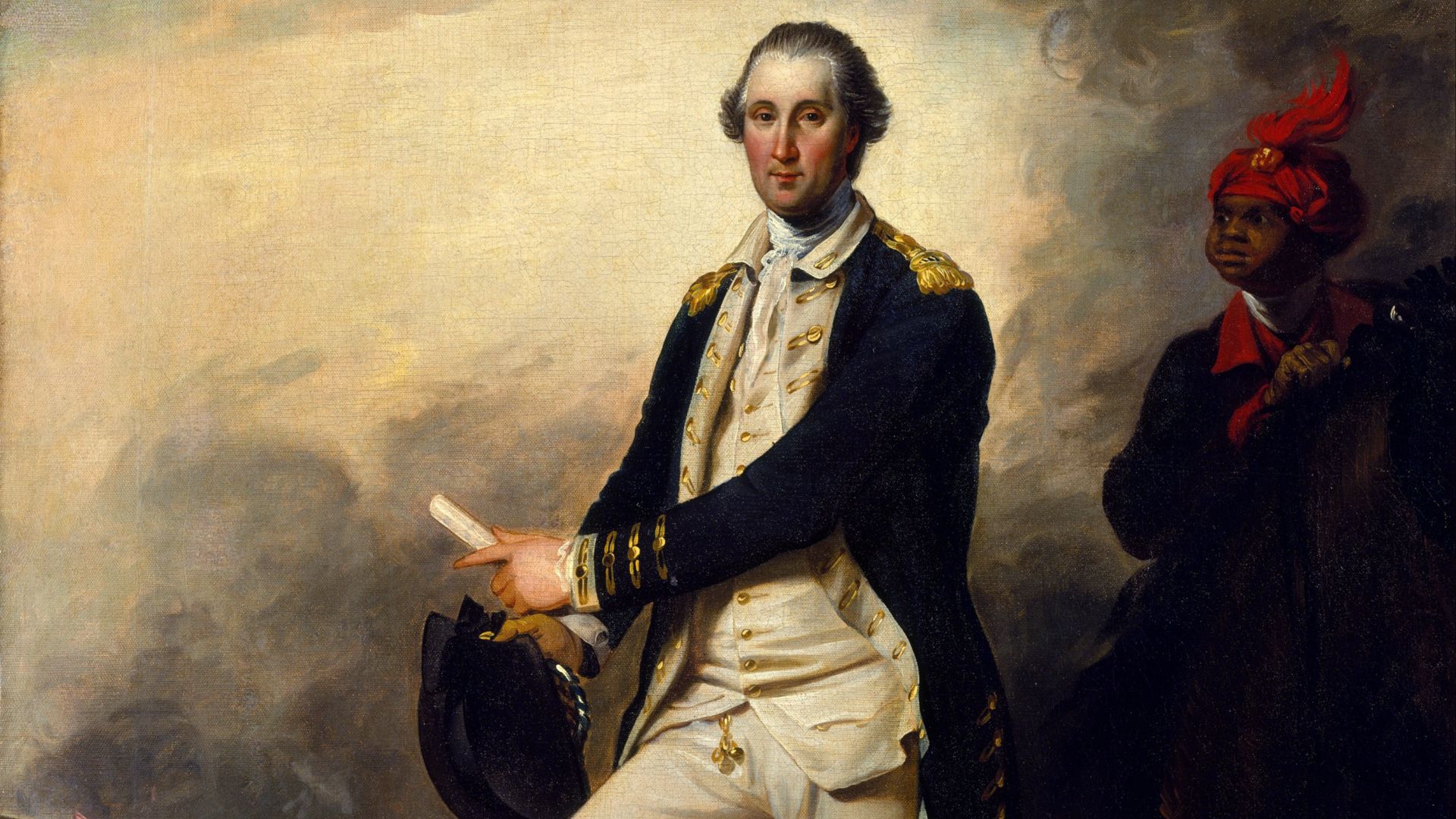
After becoming one of the most famous men in the new U.S., George Washington added commercial whiskey production to the enterprises at Mount Vernon. His distillery began operating after his presidency and eventually produced roughly 11,000 gallons in 1799, making it a remarkably large operation for its time. Washington was already a farmer and businessman, but whiskey became one of his estate's most profitable ventures.
12. Beatrix Potter
The creator of Peter Rabbit eventually became deeply involved in farming while her books were already successful and generating considerable income. Potter purchased farms in England's Lake District and became a respected breeder of Herdwick sheep, even winning awards for her animals.
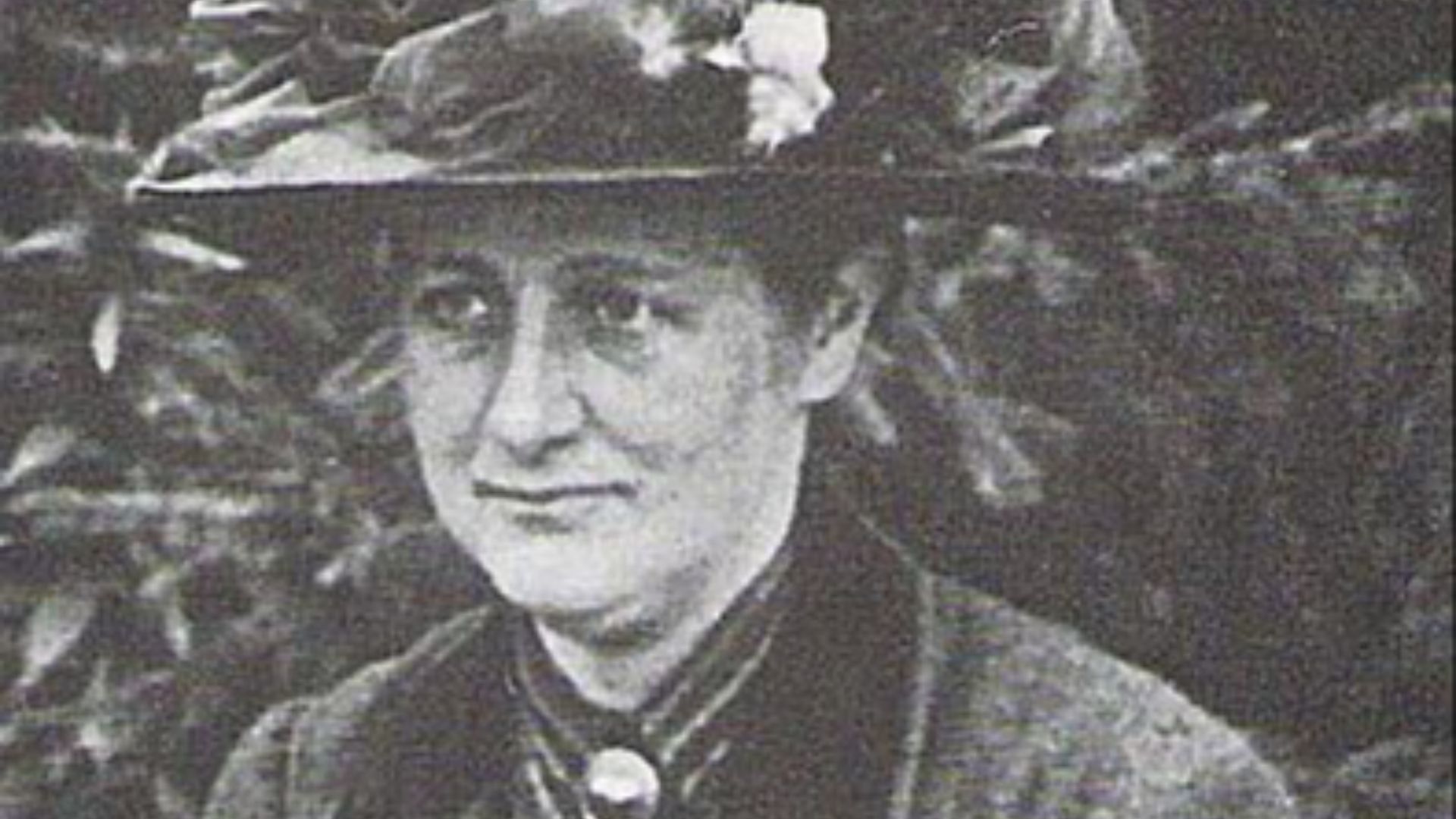 Potter's father Rupert Potter, died 1914 on Wikimedia
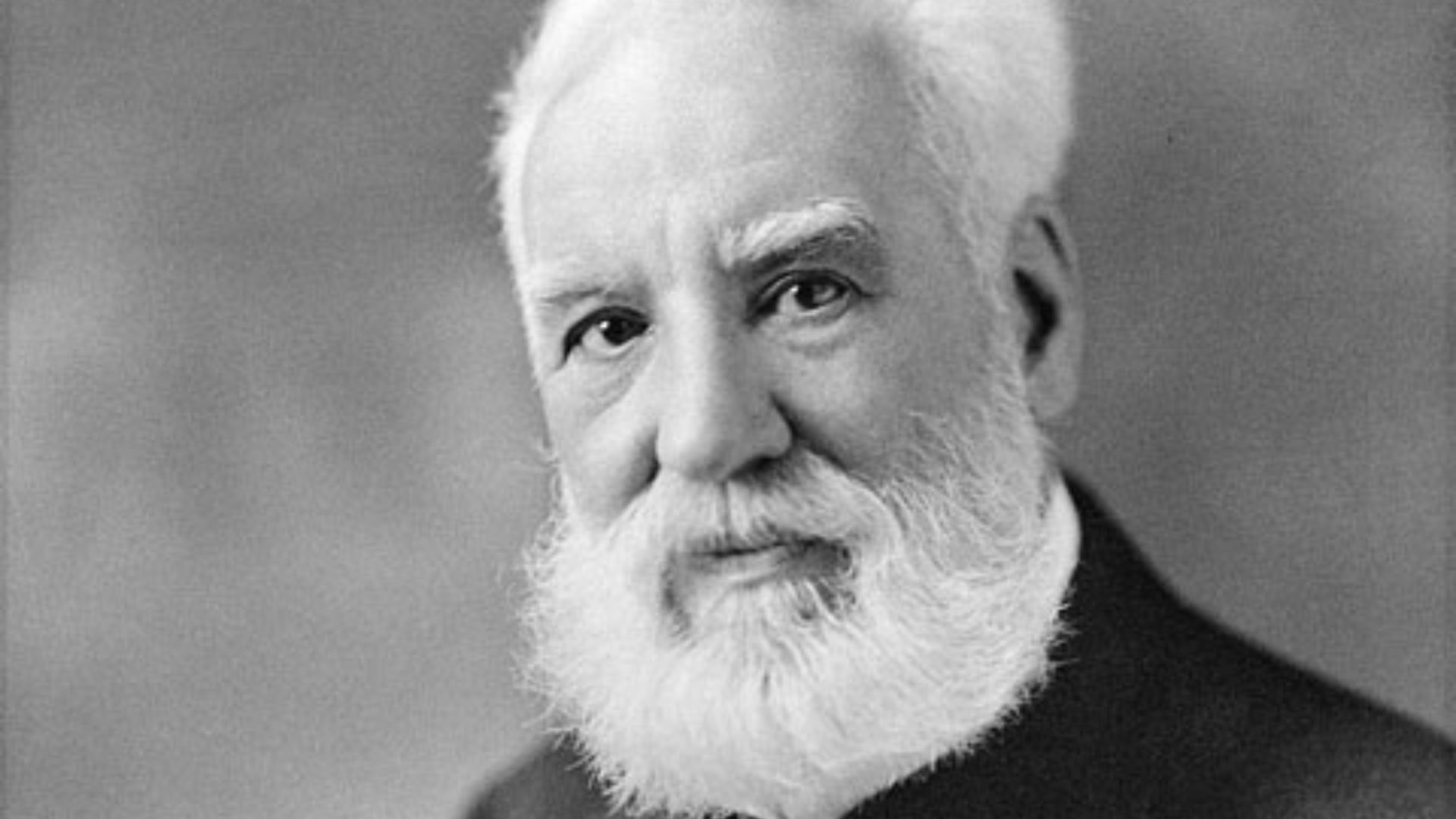
13. Alexander Graham Bell
Bell's telephone made him internationally famous, but education for deaf and hard-of-hearing people remained a major part of his life and professional identity. He taught speech and communication methods, conducted related research, and continued his involvement in deaf education even as his inventions attracted worldwide attention. Bell reportedly considered himself a teacher above all else, despite his fame as an inventor.
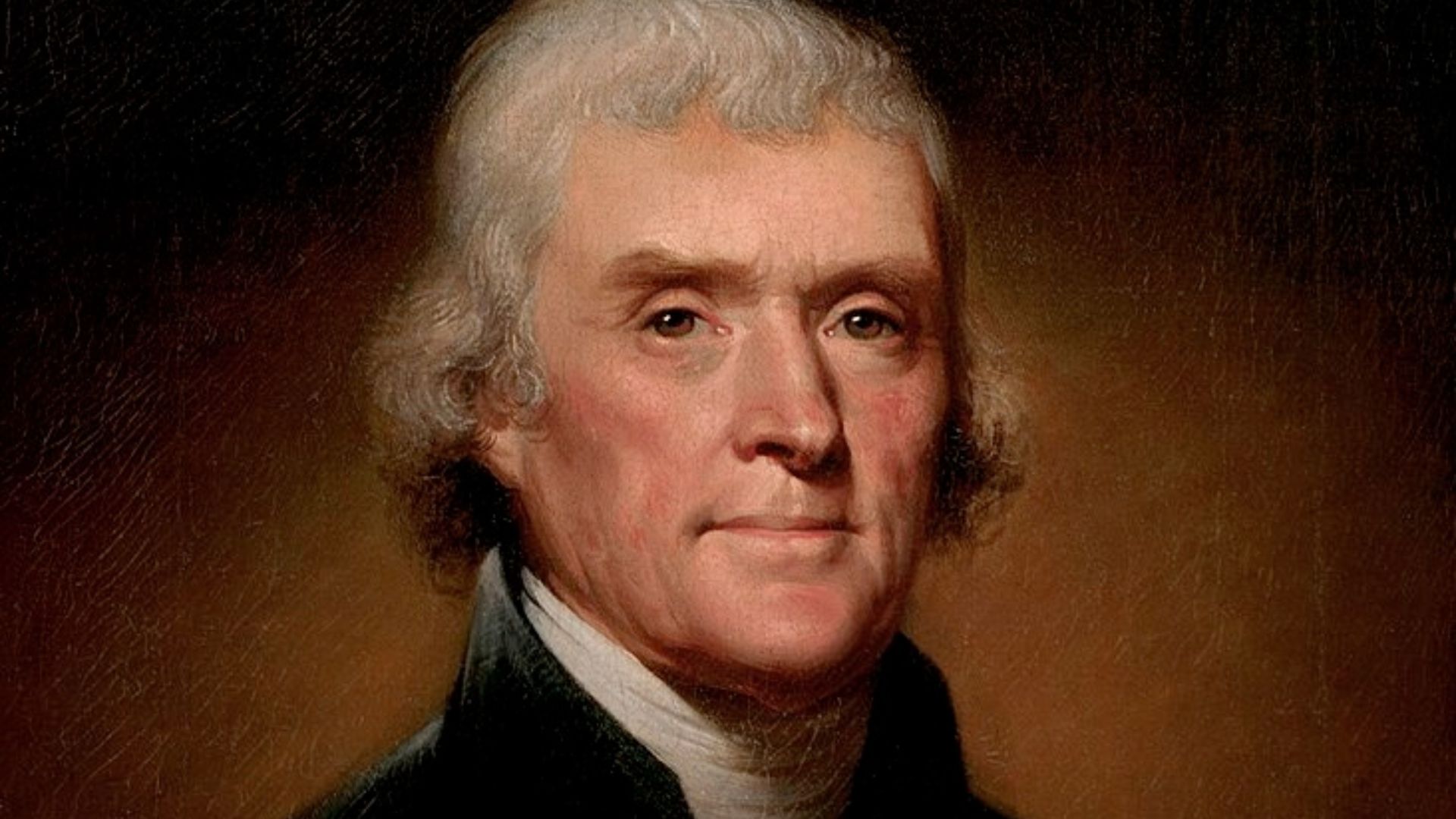
14. Thomas Jefferson
Jefferson held some fairly demanding political positions, including president of the U.S., but architecture remained a serious lifelong pursuit. The self-taught designer worked on Monticello for decades and later designed major portions of the University of Virginia, along with other buildings. He studied architectural texts closely and developed detailed plans.
15. Lewis Carroll
Lewis Carroll was the pen name of Charles Lutwidge Dodgson, whose everyday professional life was rooted firmly in mathematics. He served as a mathematical lecturer at Christ Church, Oxford, for decades while simultaneously writing the works that made Alice's Adventures in Wonderland famous. Dodgson also produced mathematical writing alongside his fiction, keeping both sides of his career active.
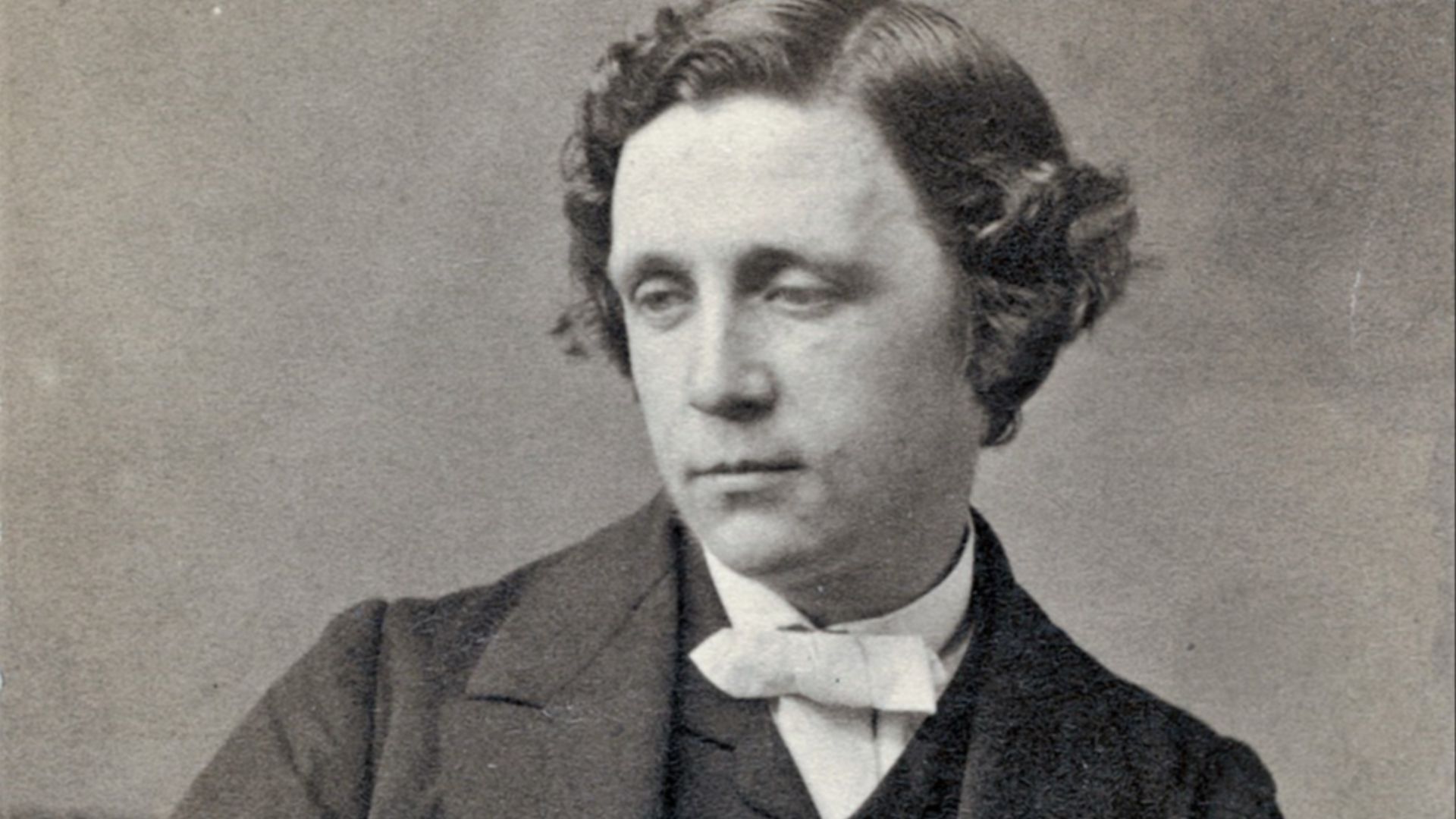 Oscar Gustave Rejlander on Wikimedia
16. Agatha Christie
Agatha Christie's knowledge of poisons wasn't built entirely from research. During World War II, when she was already one of the world's best-known mystery writers, Christie worked as a dispenser at University College Hospital in London. She'd previously trained in pharmacy work during World War I, conveniently giving her expertise that found its way into her murder plots.
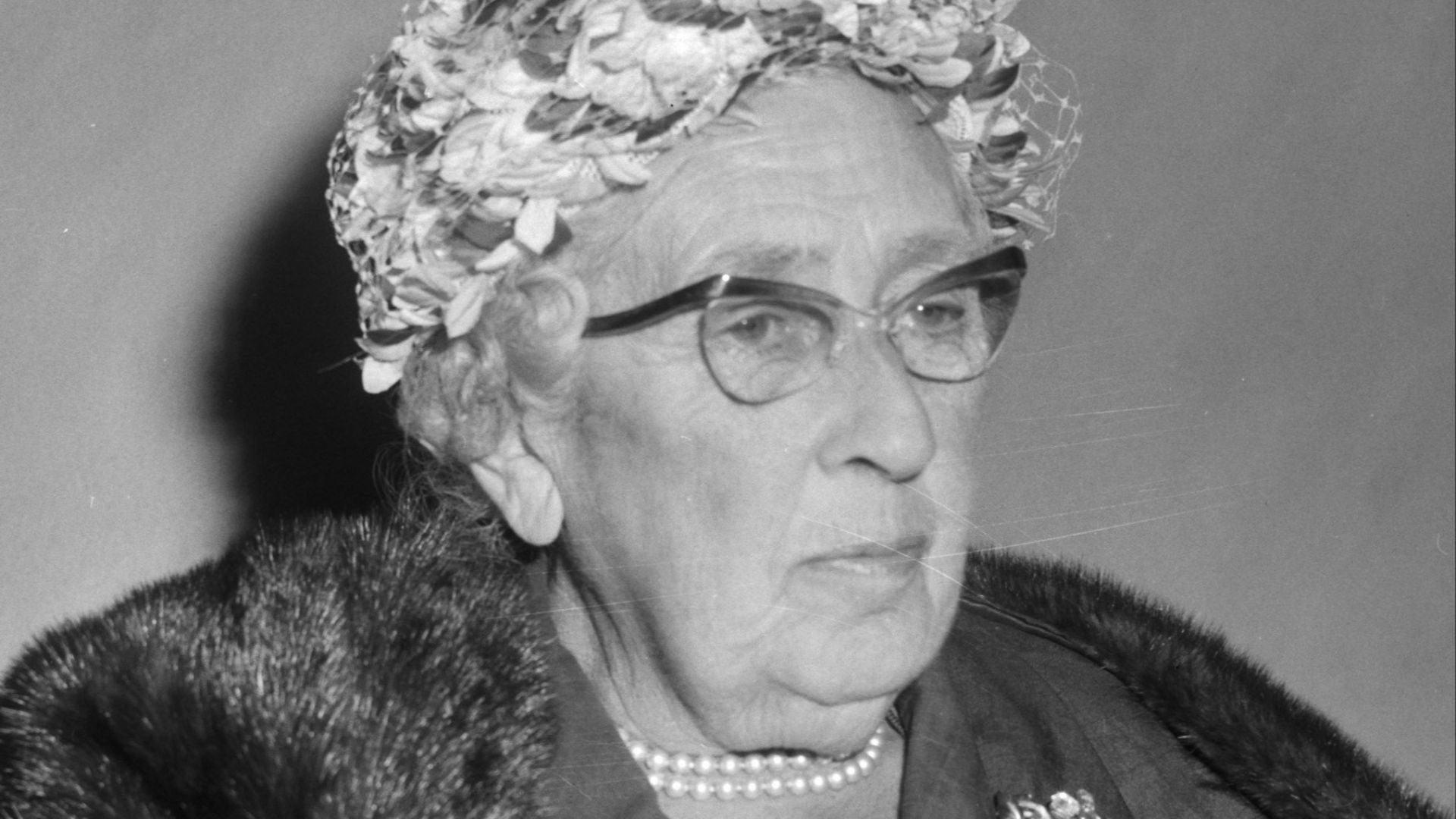 Joop van Bilsen for Anefo on Wikimedia
17. Hedy Lamarr
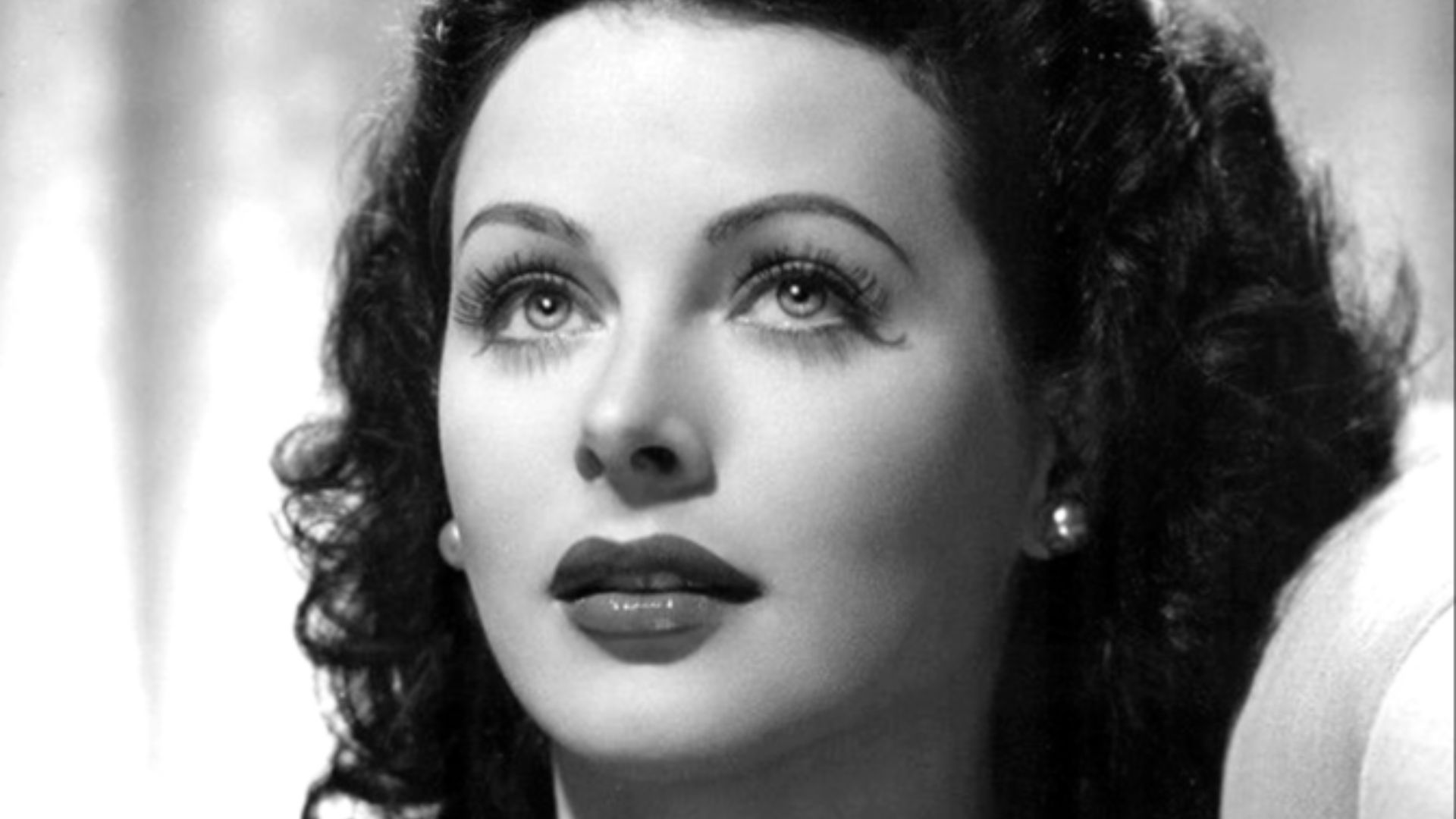
Hedy Lamarr wasn't just another pretty face in Hollywood. She played a major role in developing a frequency-hopping communication system during World War II. She and composer George Antheil teamed up to pantent the idea, which was intended to make radio-controlled torpedoes harder for enemies to jam. Acting and weapons-communication research aren't exactly careers you expect to find sharing the same biography.
18. Vladimir Nabokov
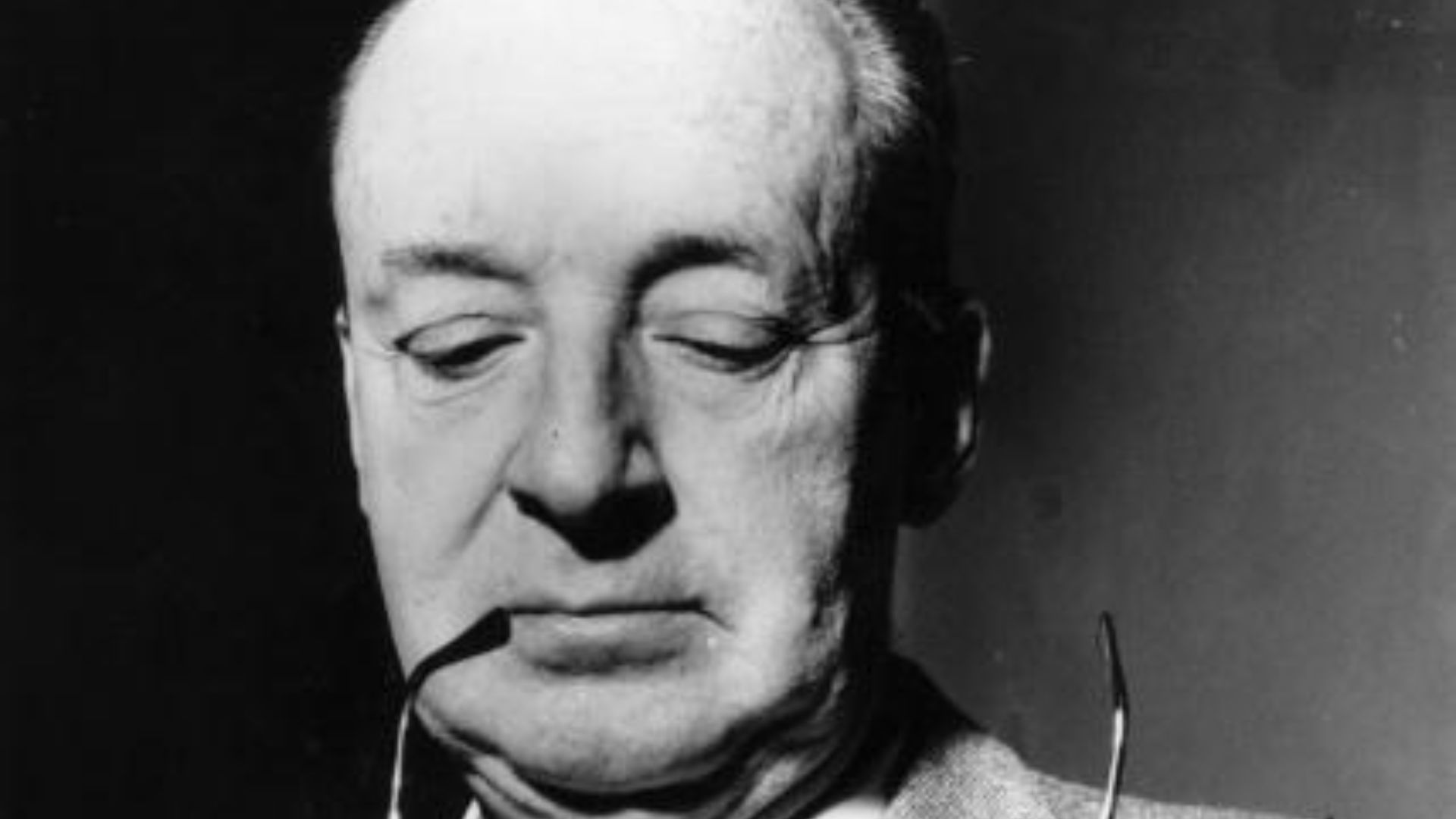
Readers know Vladimir Nabokov for novels such as Lolita, but he was also really into butterflies. In the 1940s, he worked with the lepidoptera collection at Harvard's Museum of Comparative Zoology, studying and classifying specimens while continuing his literary work. Nabokov even developed scientific ideas about butterfly evolution and migration that later researchers adopted.
 Keystone/Getty Images on Wikimedia
19. J. R. R. Tolkien
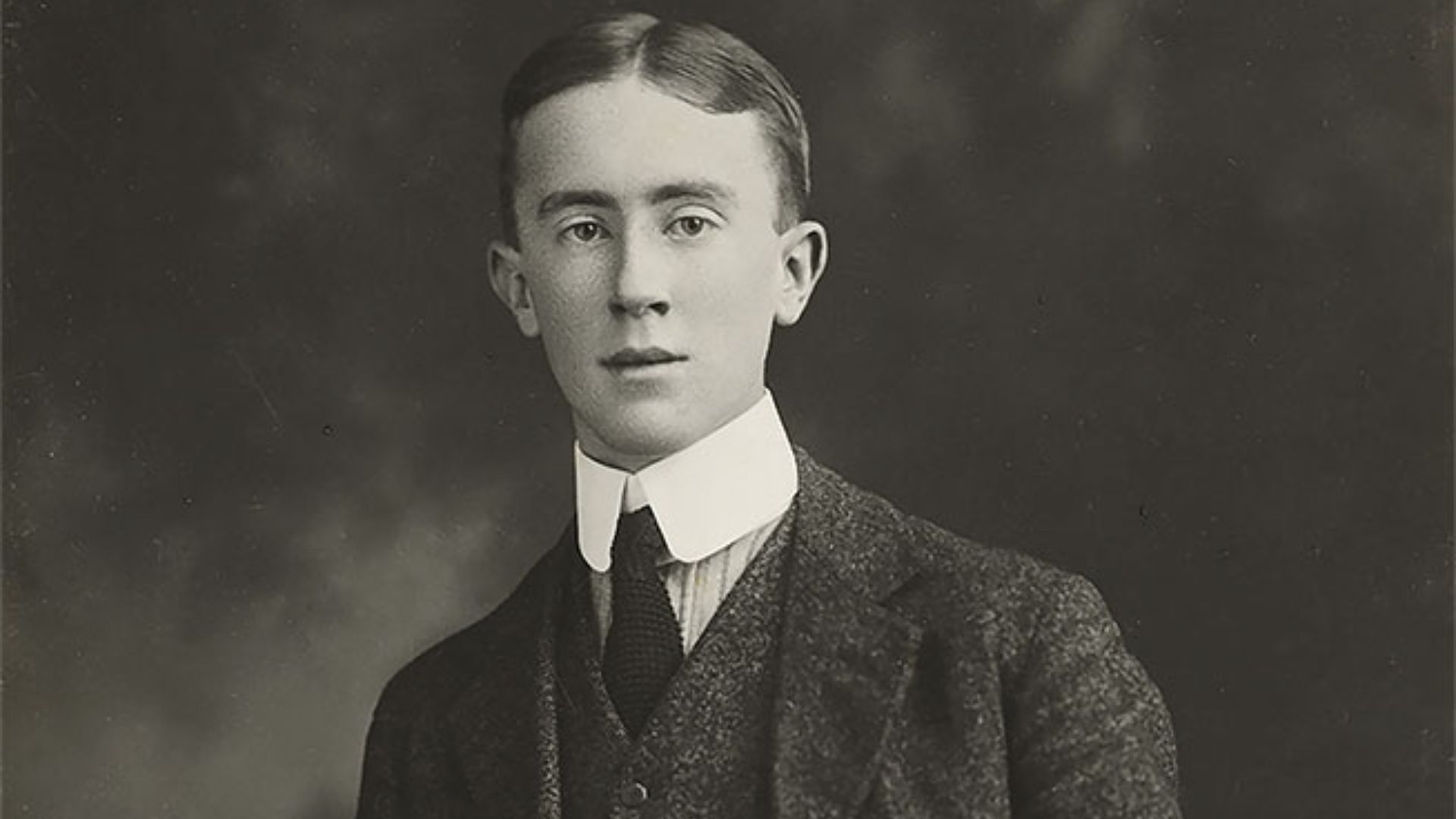
Tolkien wasn't spending workdays with his head in the clouds while The Hobbit and The Lord of the Rings took shape. He was a professional philologist and Oxford academic, holding major professorships in Anglo-Saxon and later English language and literature. His scholarship on languages and medieval literature continued alongside the fantasy writing that eventually made him internationally famous.
 H.J. Whitlock & Sons Ltd., Birmingham on Wikimedia
20. Winston Churchill
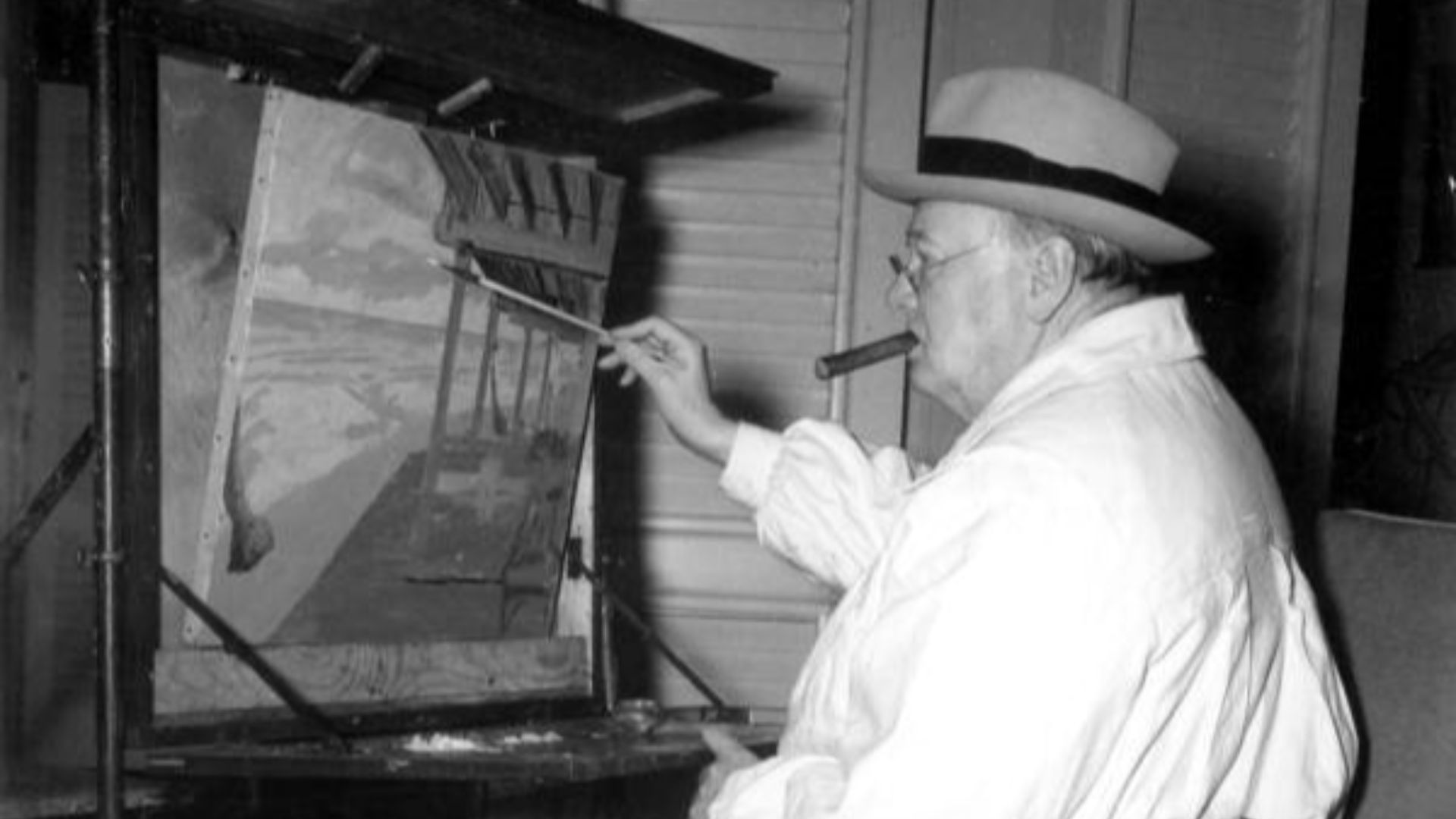
Churchill deserves a rare second appearance because his extracurricular workload was almost unreasonable. Alongside politics and professional writing, he became a dedicated amateur painter after taking up the hobby in 1915 and eventually produced hundreds of works, maintaining his own studio at Chartwell. He exhibited paintings and became accomplished enough to receive unusual recognition from Britain's artistic establishment
KEEP ON READING