20 Famous Historical Figures Who Nearly Chose Completely Different Careers
20 Famous Historical Figures Who Nearly Chose Completely Different Careers
History Could Have Looked Very Different
It’s easy to look back at famous historical figures and assume they were always destined for the roles that made them famous. In reality, plenty of them spent their younger years training for entirely different professions, and some actually worked those jobs before changing course. Doctors became revolutionaries, aspiring clergymen became scientists, and struggling artists entered politics with enormous consequences. Had a few decisions gone differently, some of history’s biggest names might be remembered for something completely unrelated. Here are 20 famous historical figures who almost chose very different professional paths than the ones they're remembered for.
1. Charles Darwin
Long before Charles Darwin developed his theory of evolution, his family expected him to follow a much more conventional path. He enrolled at the University of Edinburgh to study medicine, but he realized it wasn't a good fit when he struggled with watching surgeries. Darwin later studied at Cambridge with the idea of becoming an Anglican clergyman, which would have given him plenty of time to pursue his interest in nature, but a voyage aboard the HMS Beagle changed everything.
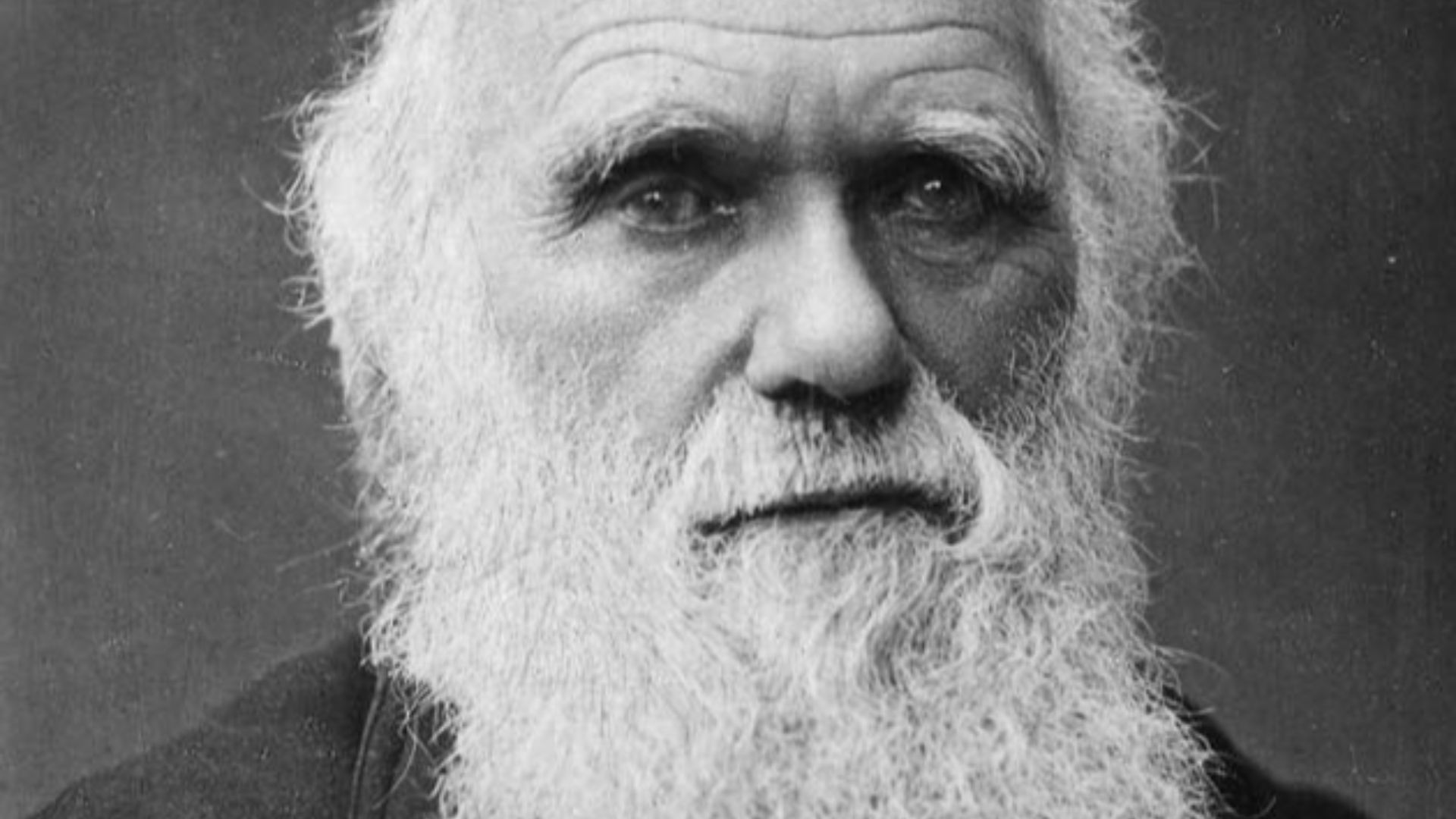 Herbert Rose Barraud on Wikimedia
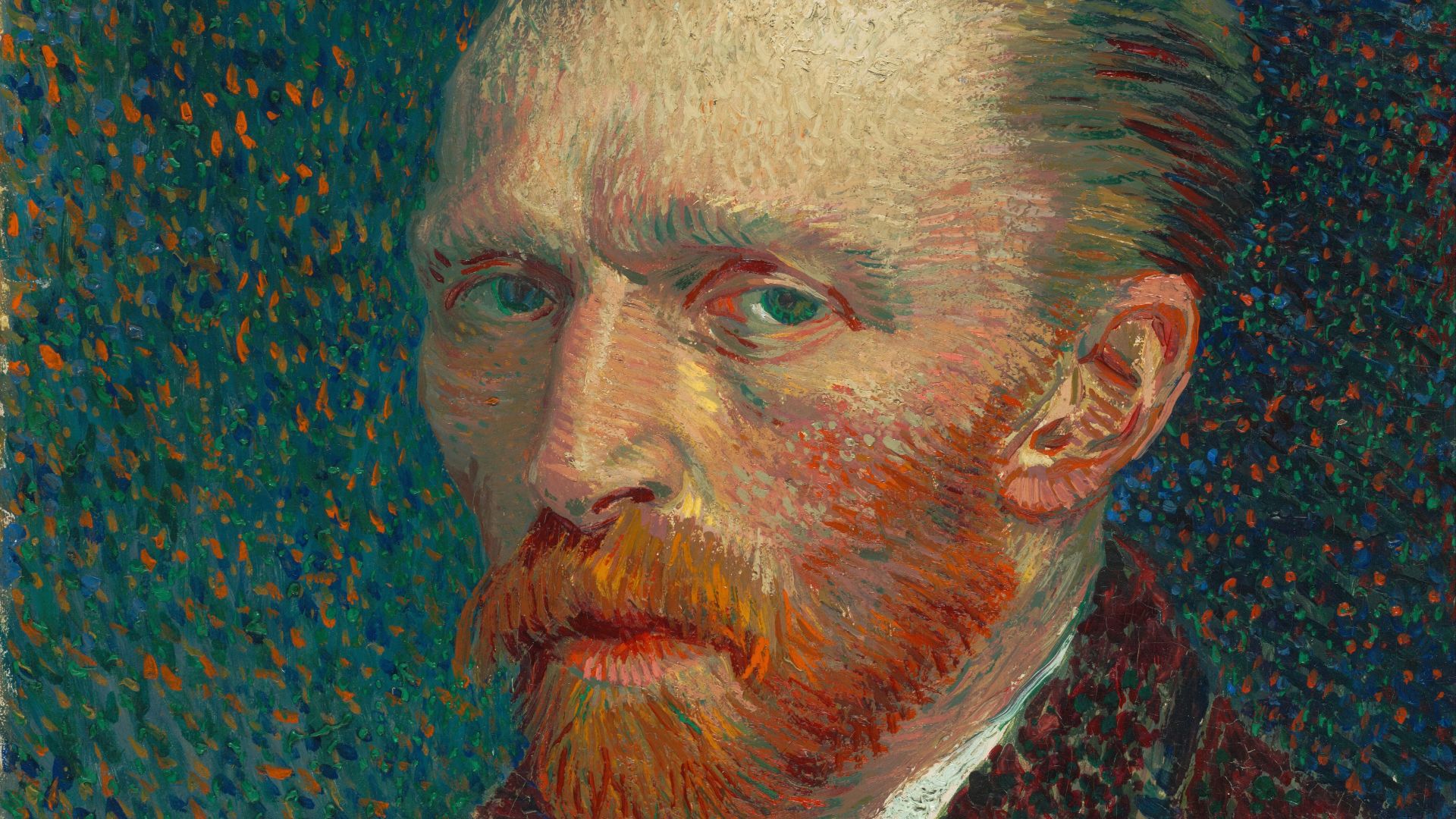
2. Vincent van Gogh
Painting wasn’t Vincent van Gogh’s first attempt at finding his place in the world. Deeply religious as a young man, he studied theology and later worked as a missionary among impoverished mining communities in Belgium. His intense approach to religious work eventually caused problems with church authorities, and his missionary career fell apart. Van Gogh turned seriously toward art in his late twenties, setting him on the path for which he’s now remembered.
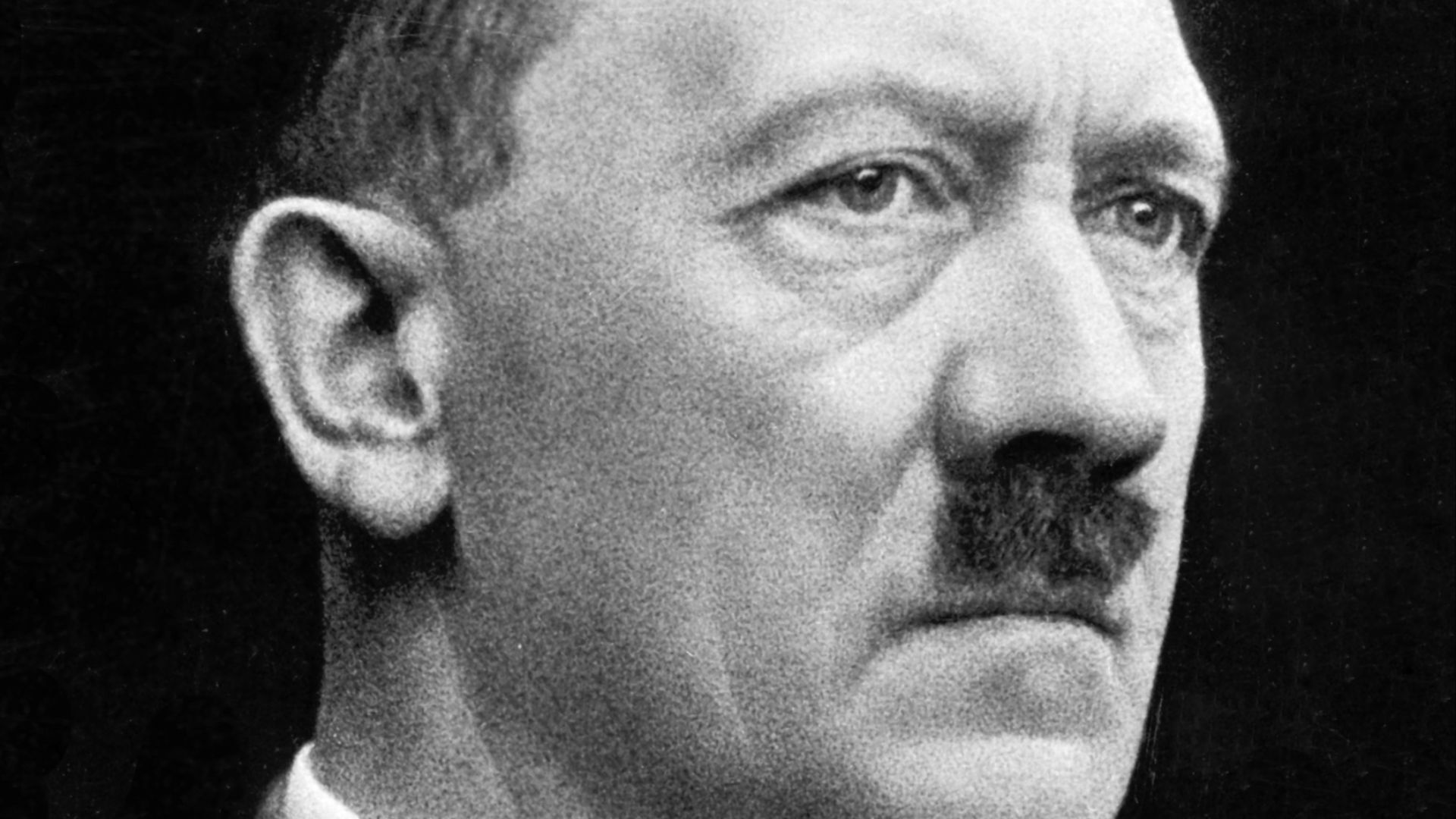
3. Adolf Hitler
Before entering politics, Adolf Hitler hoped to earn a living as an artist. He applied to the Academy of Fine Arts Vienna twice but was rejected. Hitler spent several years in Vienna selling paintings and postcards while living in increasingly difficult circumstances. If only he had been accepted into art school, the world may have avoided one of its more bloody and horrific periods.
4. Che Guevara
Ernesto “Che” Guevara didn’t originally set out to become one of the most recognizable revolutionaries of the 20th century. He studied medicine at the University of Buenos Aires and received his medical degree in 1953. Travels throughout Latin America exposed Guevara to widespread poverty and political inequality, gradually pushing his interests away from conventional medical practice towards dismantling capitalism alongside Fidel Castro.
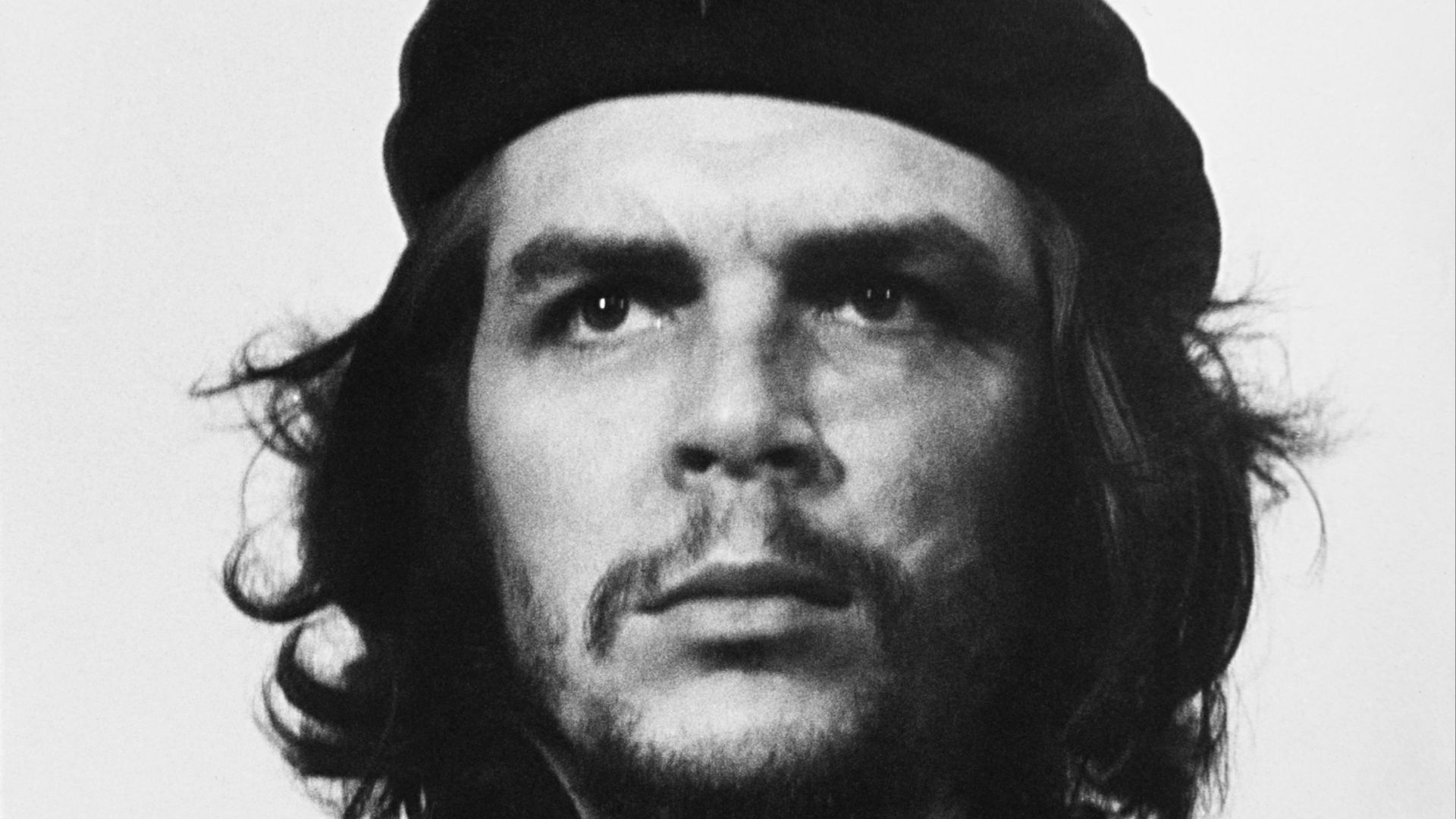 Alberto Korda, restored by Adam Cuerden on Wikimedia
5. Arthur Conan Doyle
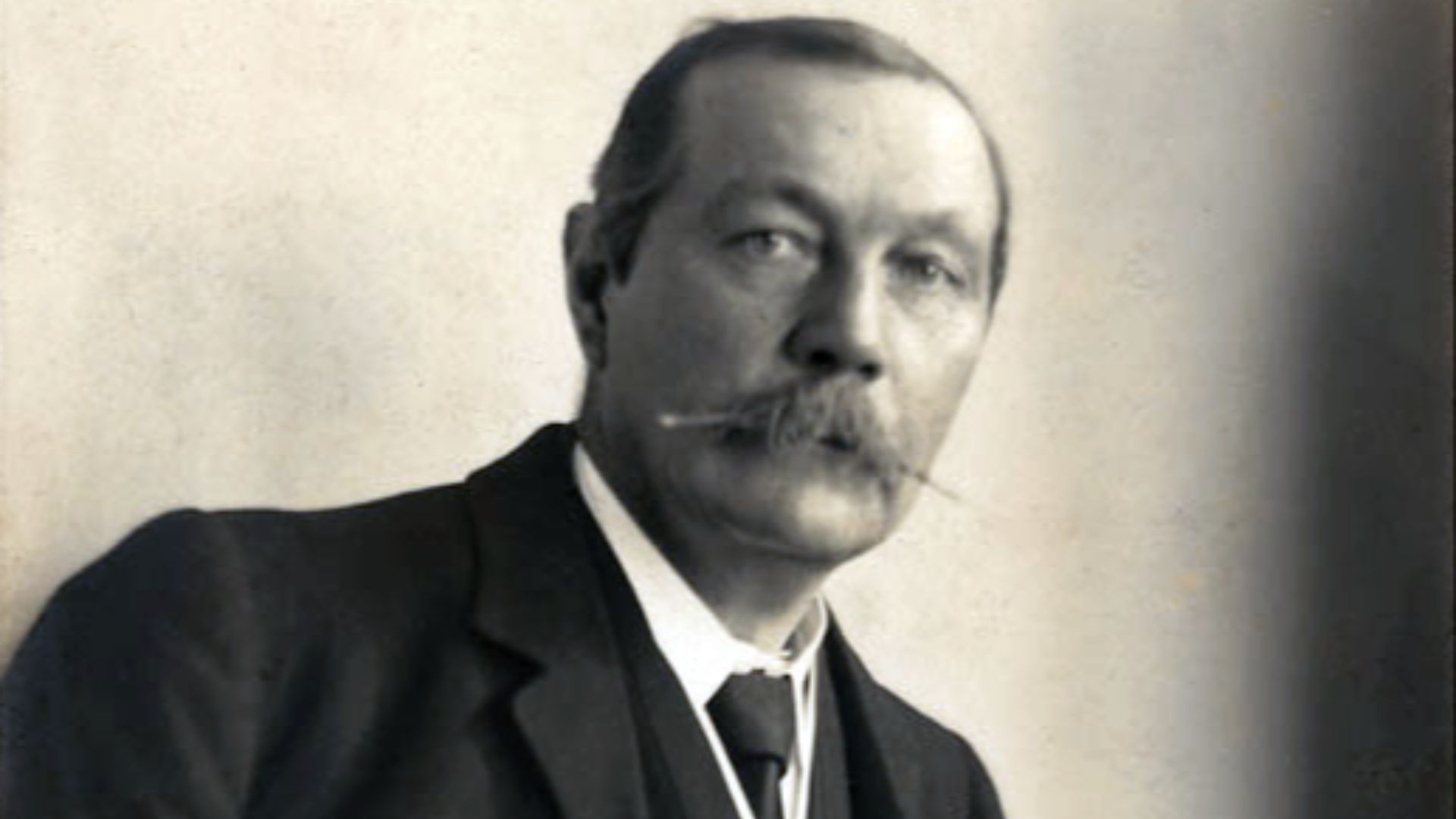
Sherlock Holmes might never have existed if Arthur Conan Doyle’s medical career had taken off. Doyle studied medicine at the University of Edinburgh and opened a medical practice in England after graduating, which explains why all the forensics in the books are so detailed. When business was slow, he used the quiet hours to write stories, eventually creating the detective who made him famous.
6. Joseph Stalin
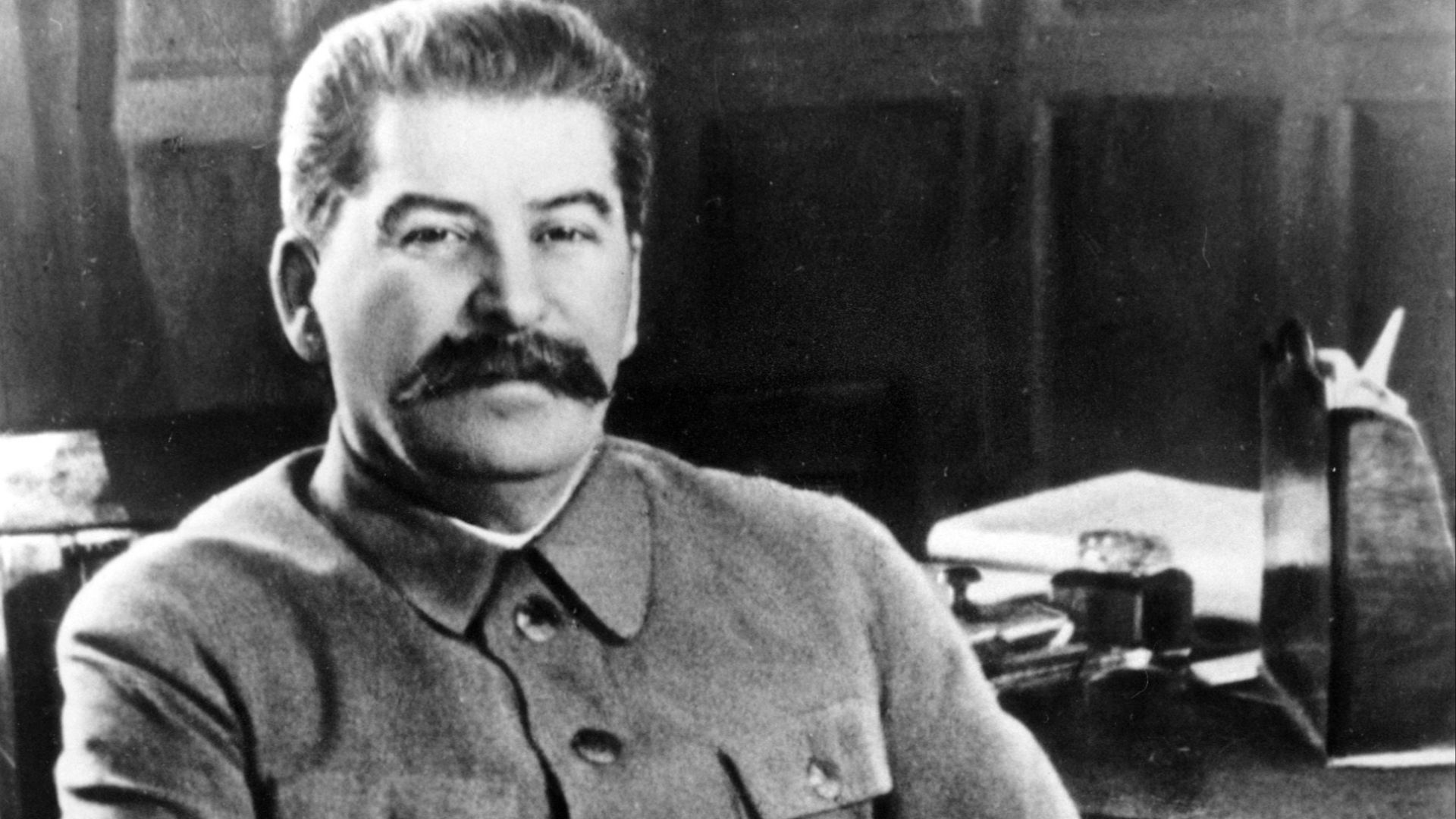
It seems people rarely aspire to become mass-murdering dictators from the get-go. Joseph Stalin’s early life pointed toward religion rather than revolutionary politics. As a teenager, he entered the Tiflis Theological Seminary, where he studied in preparation for a possible career in the Georgian Orthodox Church. During his time there, however, Stalin became increasingly interested in radical political literature and Marxism and left the seminary before completing his studies to join the revolution.
7. Mahatma Gandhi
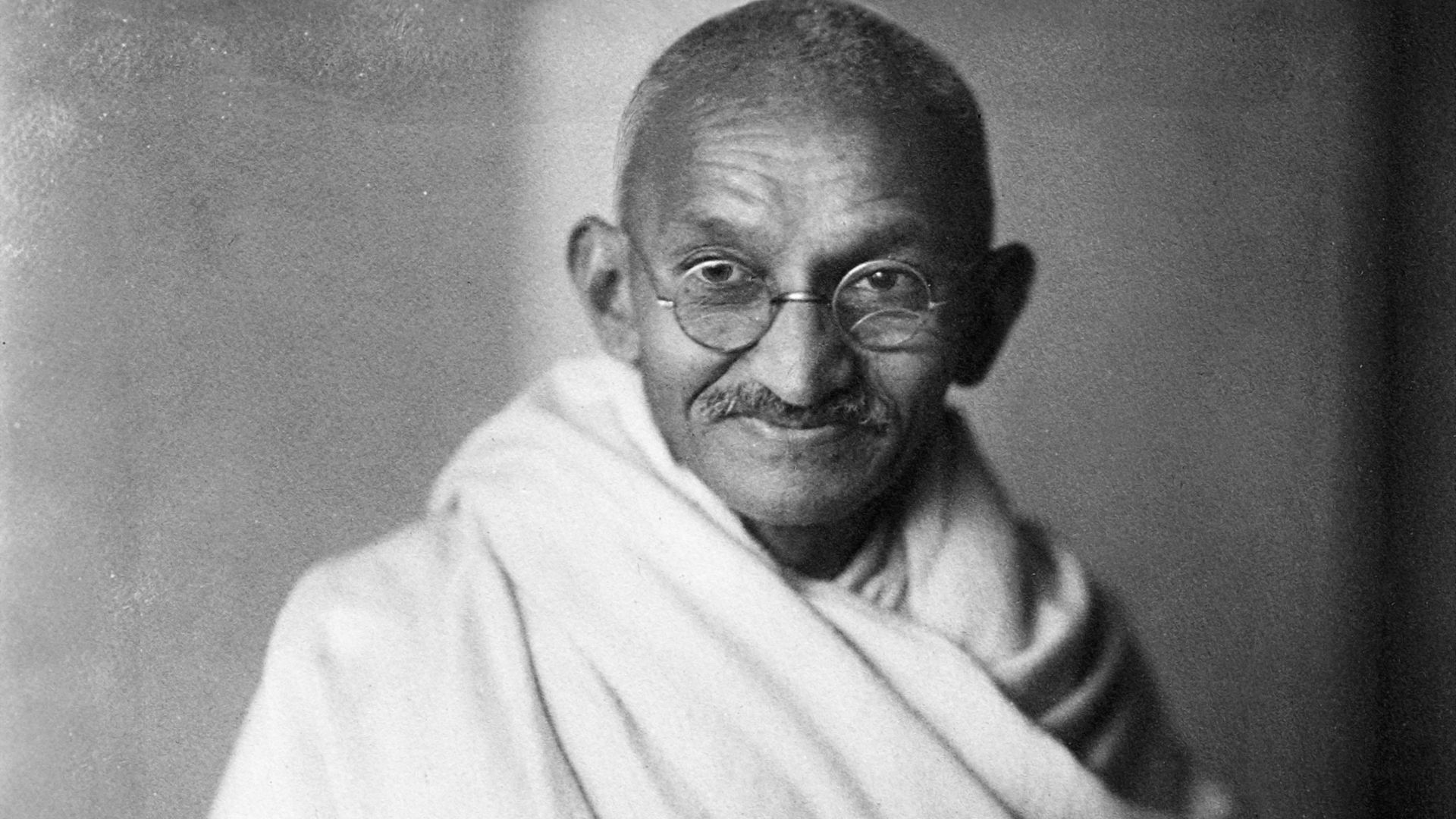
Mahatma Gandhi’s first professional ambitions were much less revolutionary than the movement he eventually led. After studying law in London, he returned to India and attempted to establish himself as a lawyer, though his early legal career there wasn’t especially successful. A job opportunity in South Africa gave him another chance to practice law and exposed him directly to racial discrimination, which helped transform him into a political activist.
8. Fidel Castro
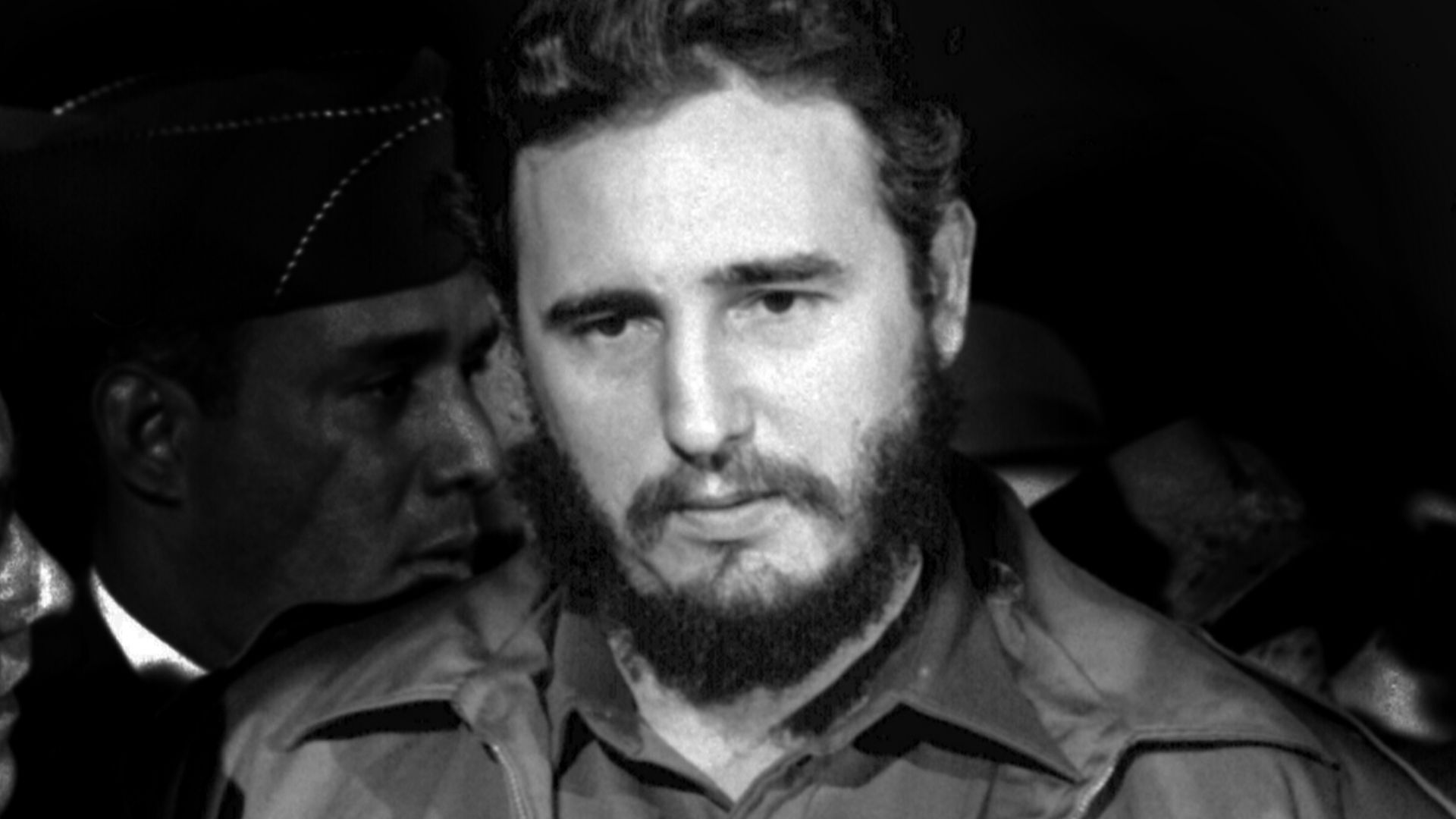
Before becoming Cuba’s revolutionary leader, Fidel Castro studied law at the University of Havana. He became involved in political causes while still a student. Castro later opened a small law practice, where he sometimes represented poorer clients who couldn’t afford substantial legal fees, but politics soon took over his life, and the courtroom gave way to revolutionary organizing.
 Warren K. Leffler
on Wikimedia
Warren K. Leffler
on Wikimedia
9. Nelson Mandela
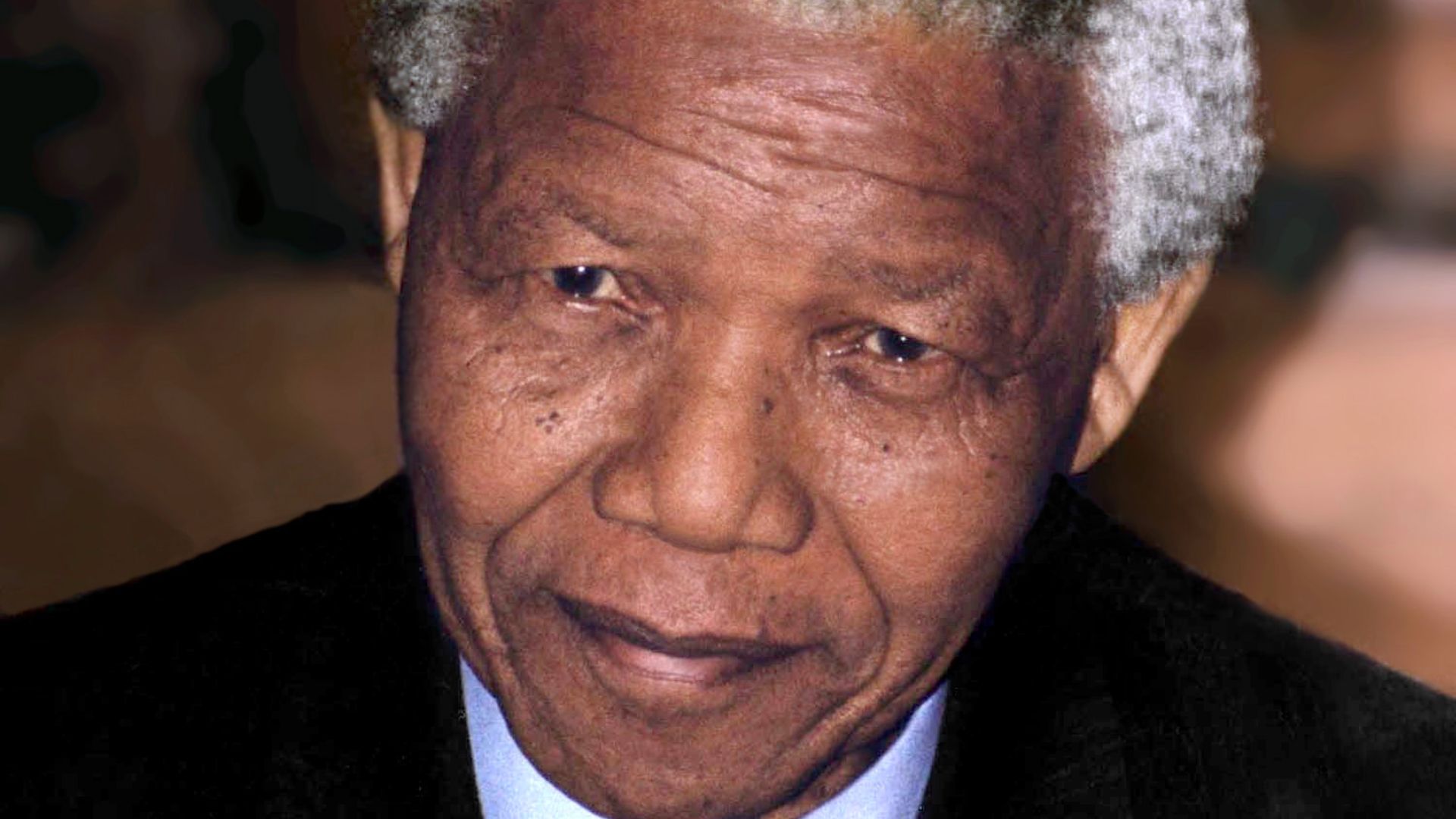
Nelson Mandela’s professional life began with legal ambitions rather than the expectation that he would become a global political figure. He studied law and eventually opened a Johannesburg practice with Oliver Tambo, creating one of South Africa’s first Black-owned law firms. Their work frequently brought Mandela face-to-face with the injustices imposed by apartheid. Legal advocacy gradually became inseparable from his political activism.
 Kingkongphoto & www.celebrity-photos.com from Laurel on Wikimedia
10. Abraham Lincoln
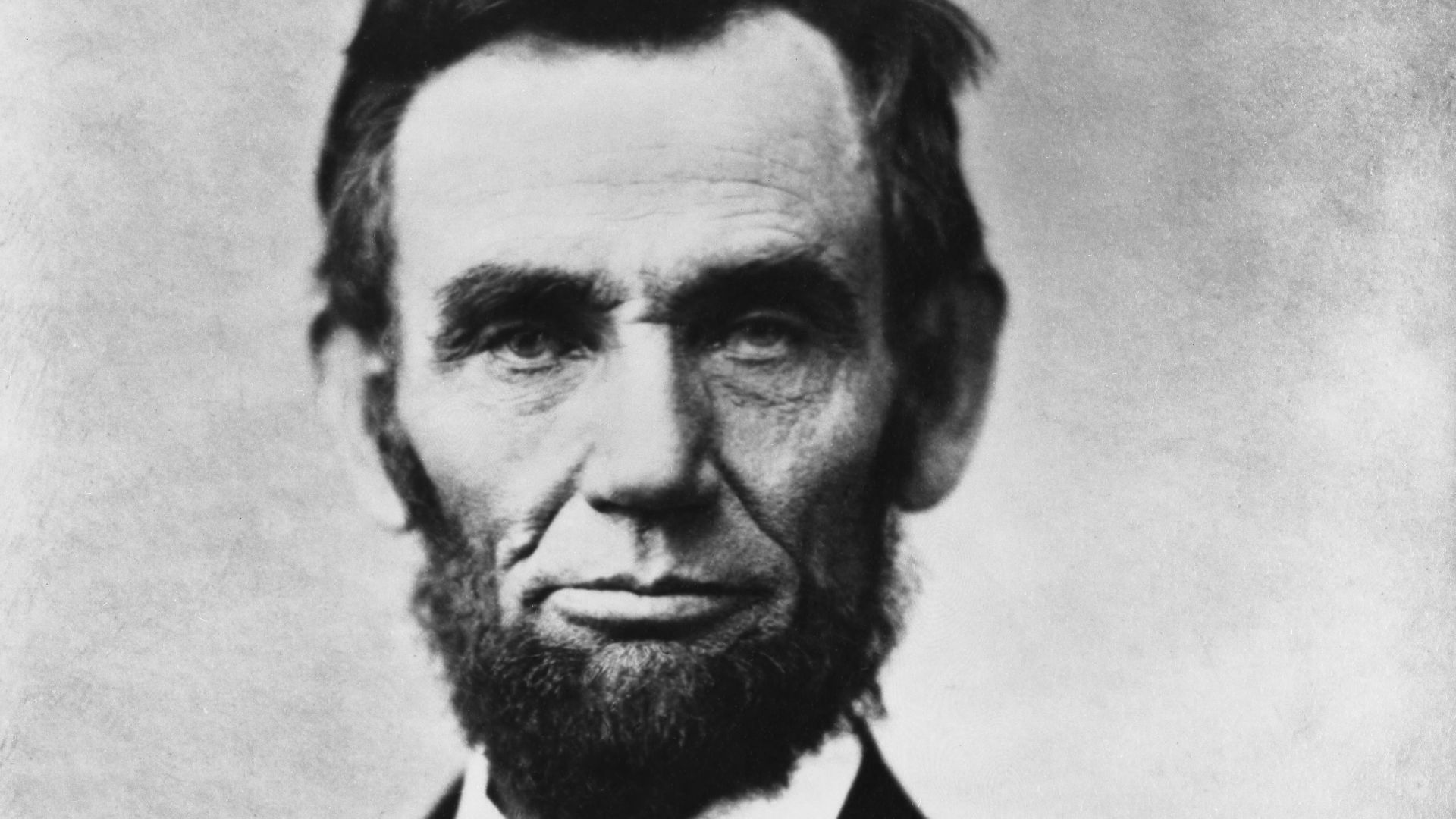
Politics wasn’t an obvious career destination for the young Abraham Lincoln. Before becoming a lawyer, he worked at various times as a farm laborer, store clerk, shopkeeper, surveyor, and postmaster. His attempt to run a general store ended badly enough that he was left dealing with debt for years afterward. Lincoln eventually taught himself law, finding the profession that helped launch his political career.
 Alexander Gardner on Wikimedia
11. Harry Truman
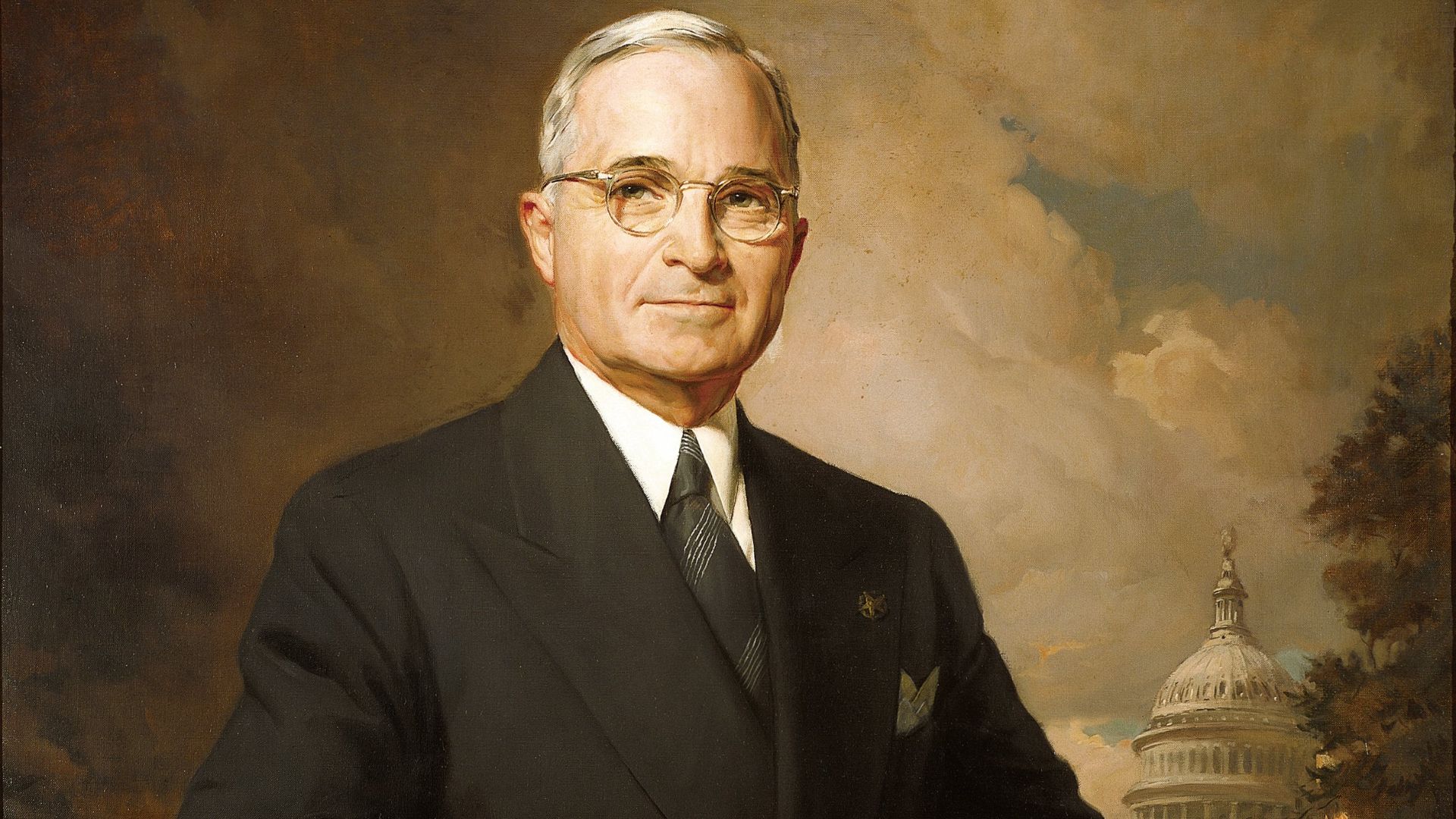
Harry Truman spent years trying to establish himself in business before entering national politics. After serving in World War I, he and a friend opened a men’s clothing store in Kansas City. The business struggled during an economic downturn and eventually failed, leaving Truman with a mountain of debt. His later move into politics worked out somewhat better, considering he eventually became president of the U.S.
12. Winston Churchill
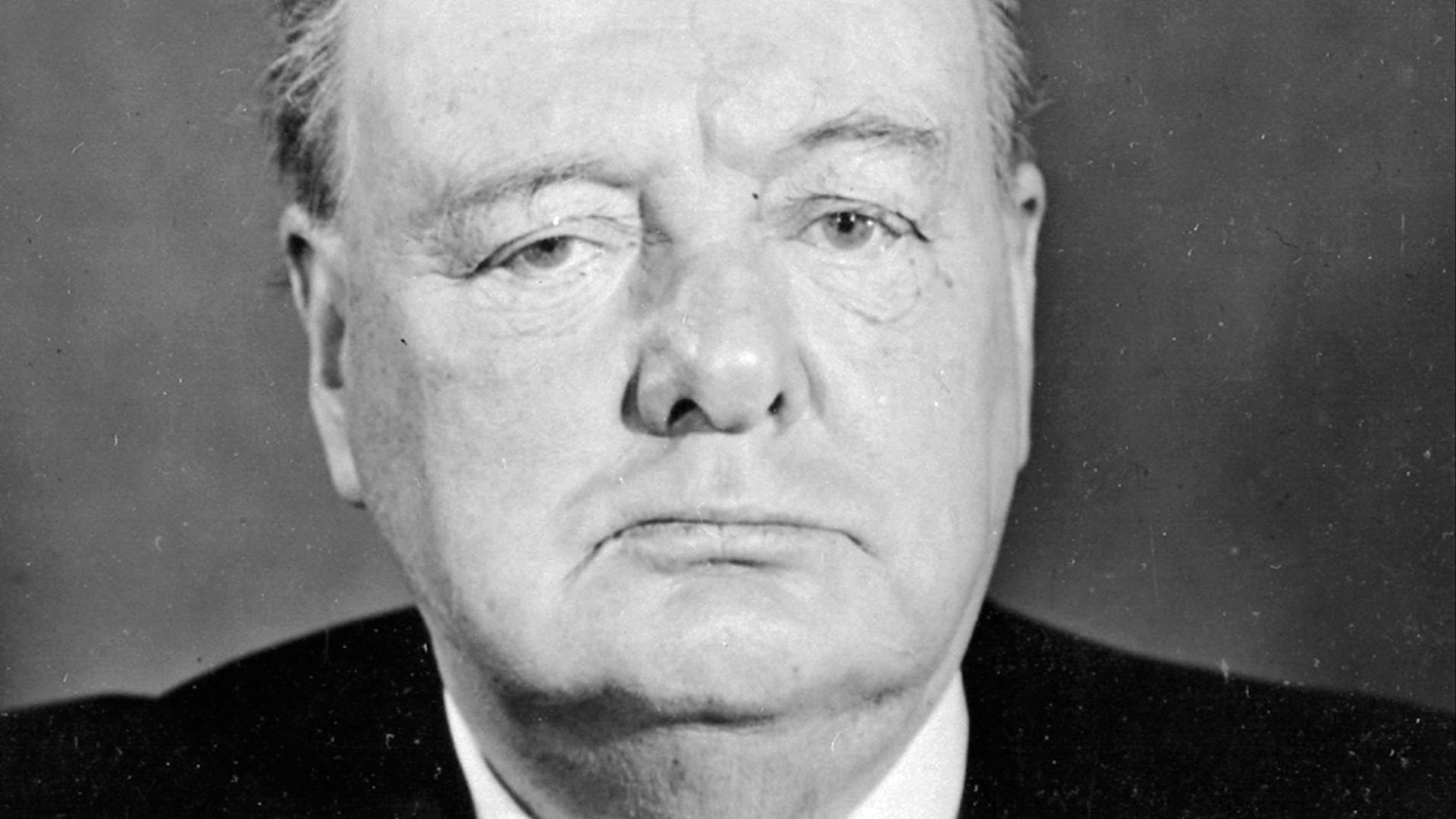
Winston Churchill is remembered mainly as a wartime prime minister, but for years it looked as though his career might remain within the military. He attended the Royal Military College at Sandhurst and served as a cavalry officer in places including India and Sudan. Churchill also worked as a war correspondent and was a prolific writer, even winning the Nobel Prize in Literature.
 Central Office of Information on Wikimedia
13. Ronald Reagan
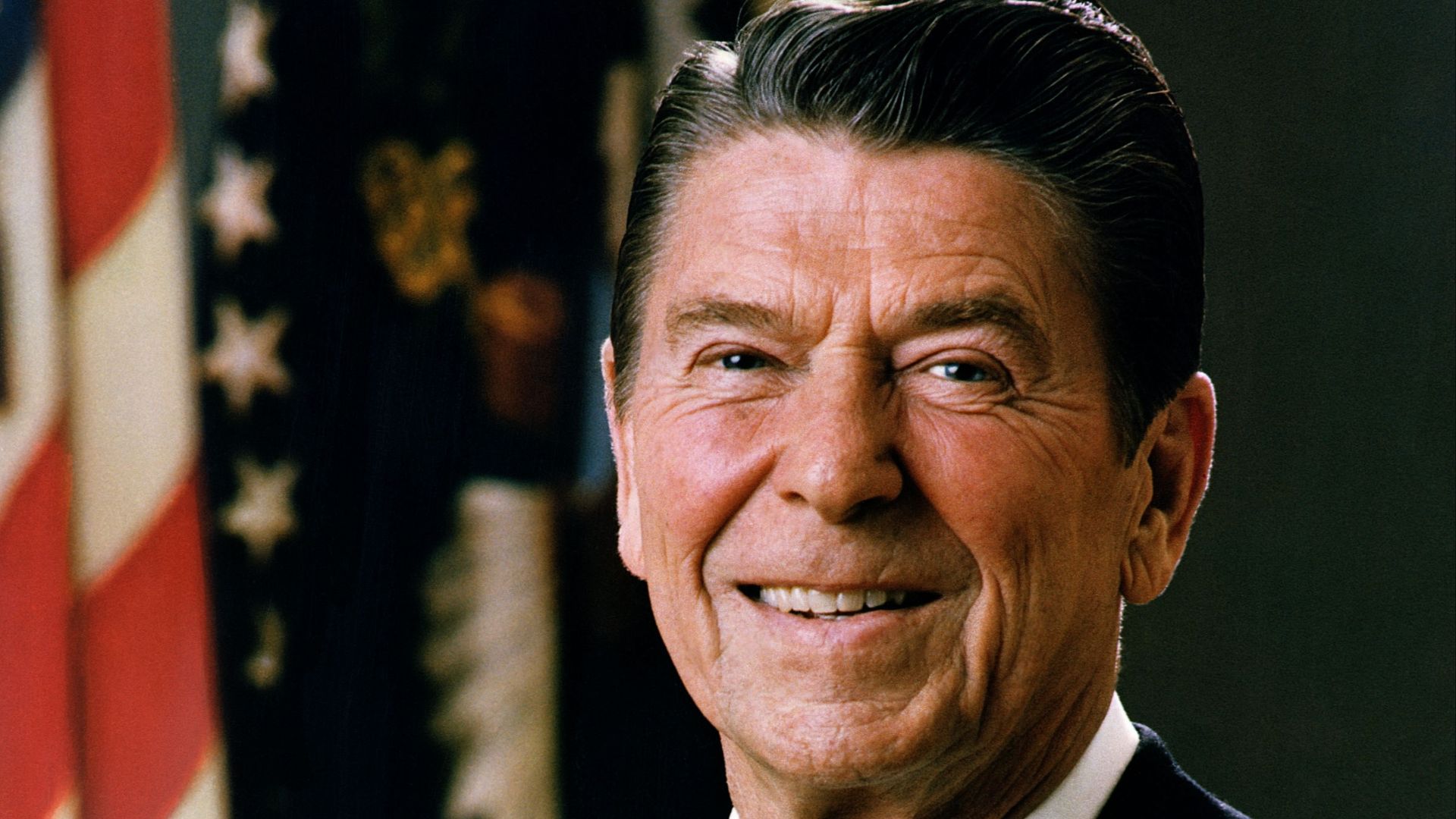
Long before he became associated with American conservative politics, Ronald Reagan was trying to make it in entertainment. He began his career as a radio sports announcer before signing a contract with Warner Bros. and appearing in dozens of films. Reagan later became president of the Screen Actors Guild, which helped draw him further into political issues. By the time he entered elected office, his original Hollywood career had become only the first chapter of his public life.
14. Mao Zedong
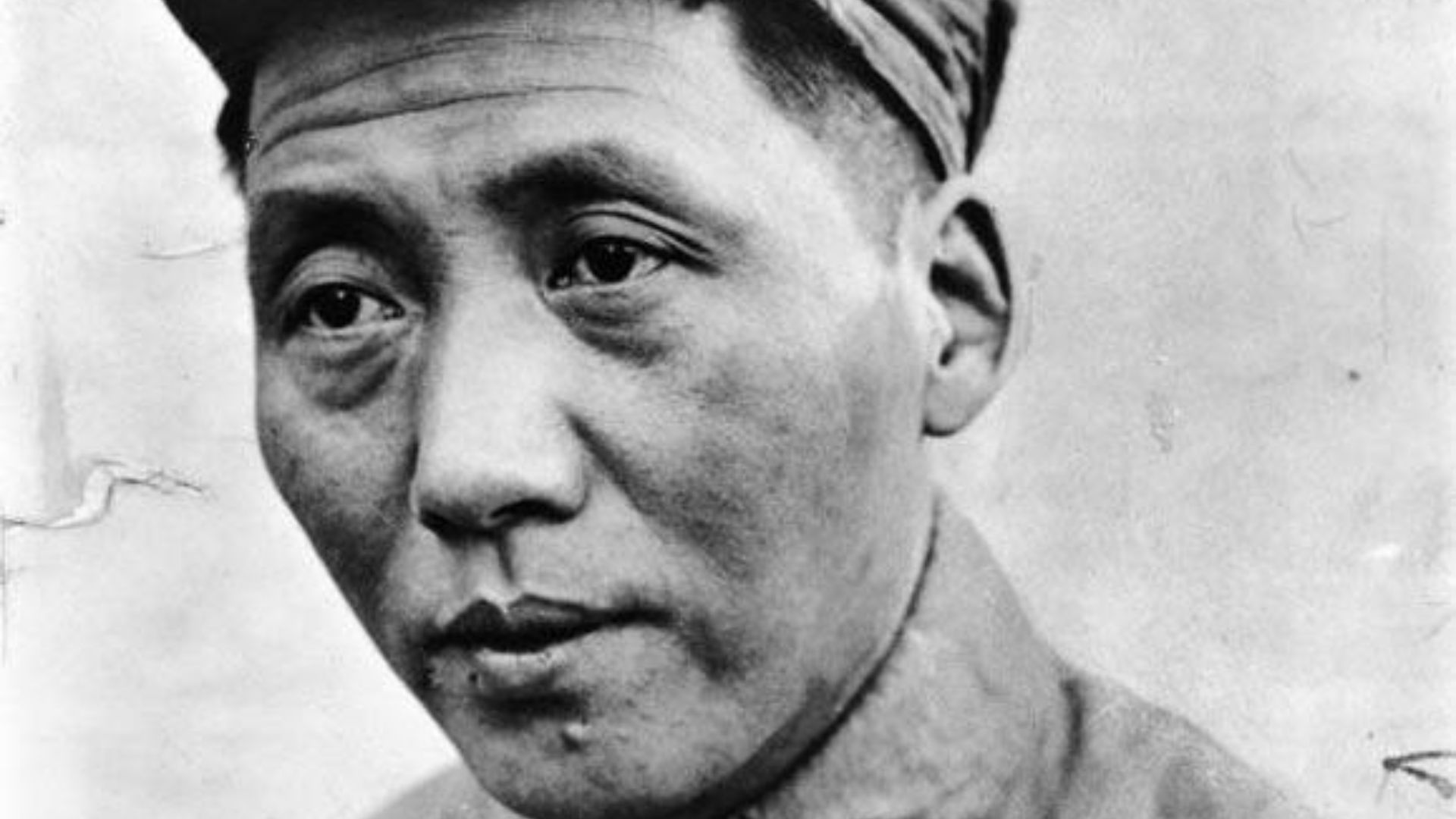
Mao Zedong’s education initially prepared him for the classroom rather than revolutionary leadership. He graduated from a teacher-training school in Hunan and spent time working in education-related roles before becoming deeply involved in politics. During those years, China was experiencing enormous political upheaval, and Mao increasingly focused on revolutionary ideas. Teaching soon disappeared from his plans as he helped build the Chinese Communist movement.
 Unknown photographer on Wikimedia
15. T.S. Eliot
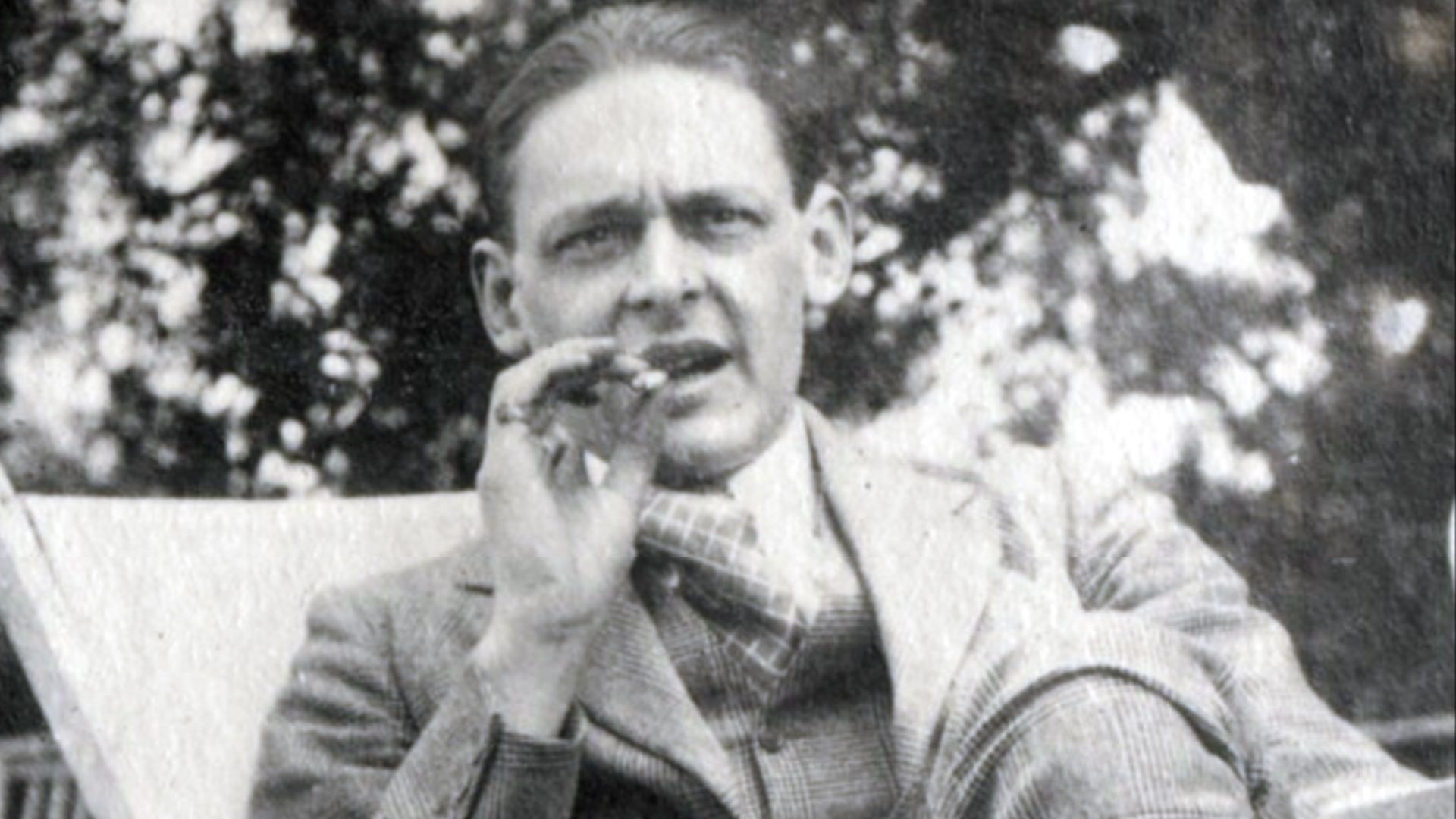
T.S. Eliot could easily have spent far more of his life working with financial documents instead of literary ones. After completing his studies, the future poet took a position at Lloyds Bank in London and remained there for several years. He wrote some of his most important early work while maintaining his demanding office job. Eliot eventually left banking after joining the publishing house Faber and Gwyer, allowing literature to become his full-time profession.
 Lady Ottoline Morrell on Wikimedia
16. William Somerset Maugham
W. Somerset Maugham seemed headed for a respectable medical career before literature won out. He studied medicine at St Thomas’ Hospital in London and qualified as a doctor in the 1890s. His experiences working with patients in poorer areas provided material for his first novel, Liza of Lambeth. The book’s success encouraged him to abandon medicine and concentrate entirely on writing.
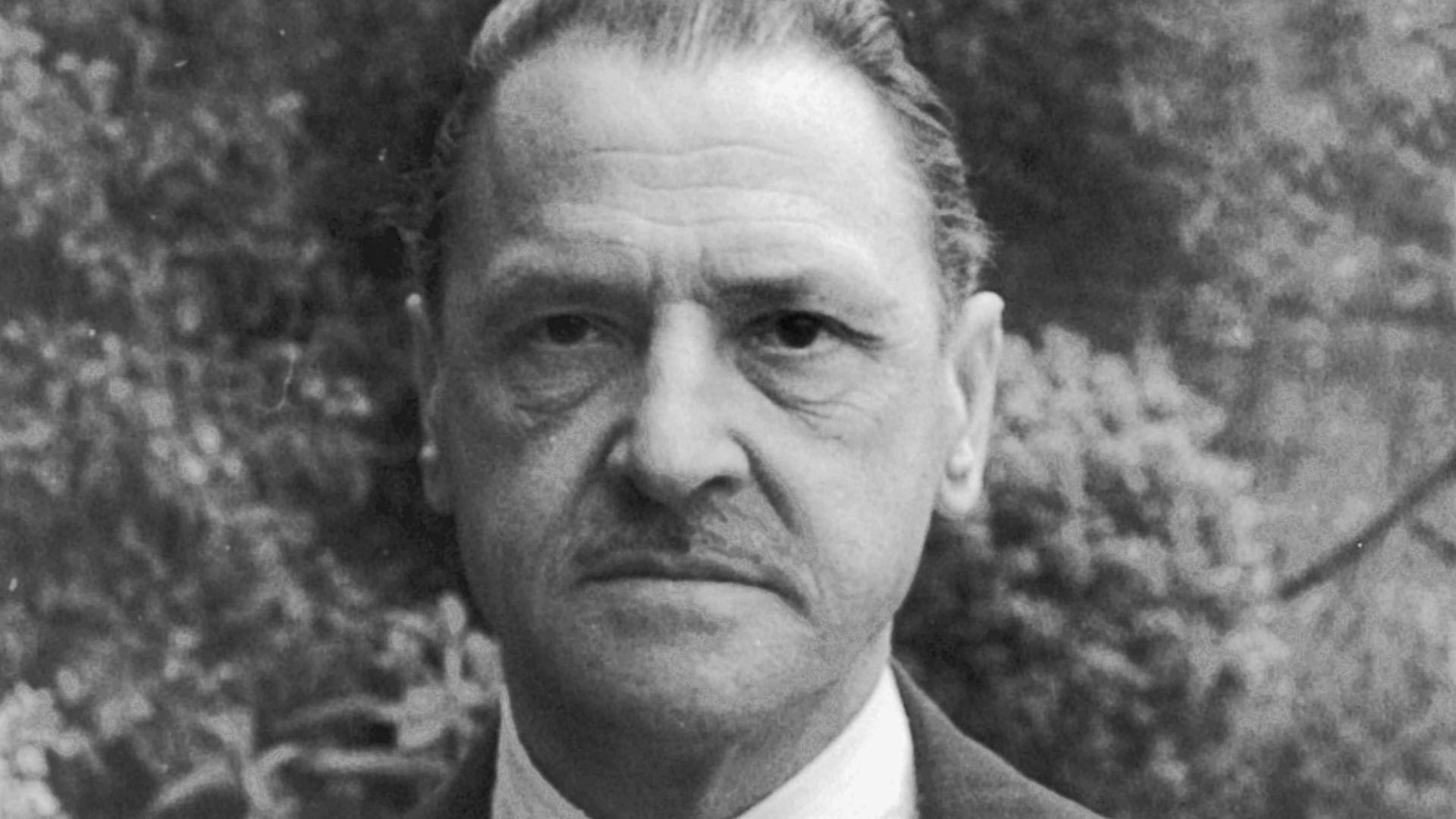 Carl Van Vechten (1880 - 1964) on Wikimedia
17. Alexander Graham Bell
Alexander Graham Bell grew up surrounded by the study of speech and spent much of his early professional life as an educator. He taught people who were deaf and worked extensively on methods of speech instruction. His experiments with sound and communication grew partly out of that work. Bell’s inventions eventually overshadowed teaching, particularly after the development of the telephone.
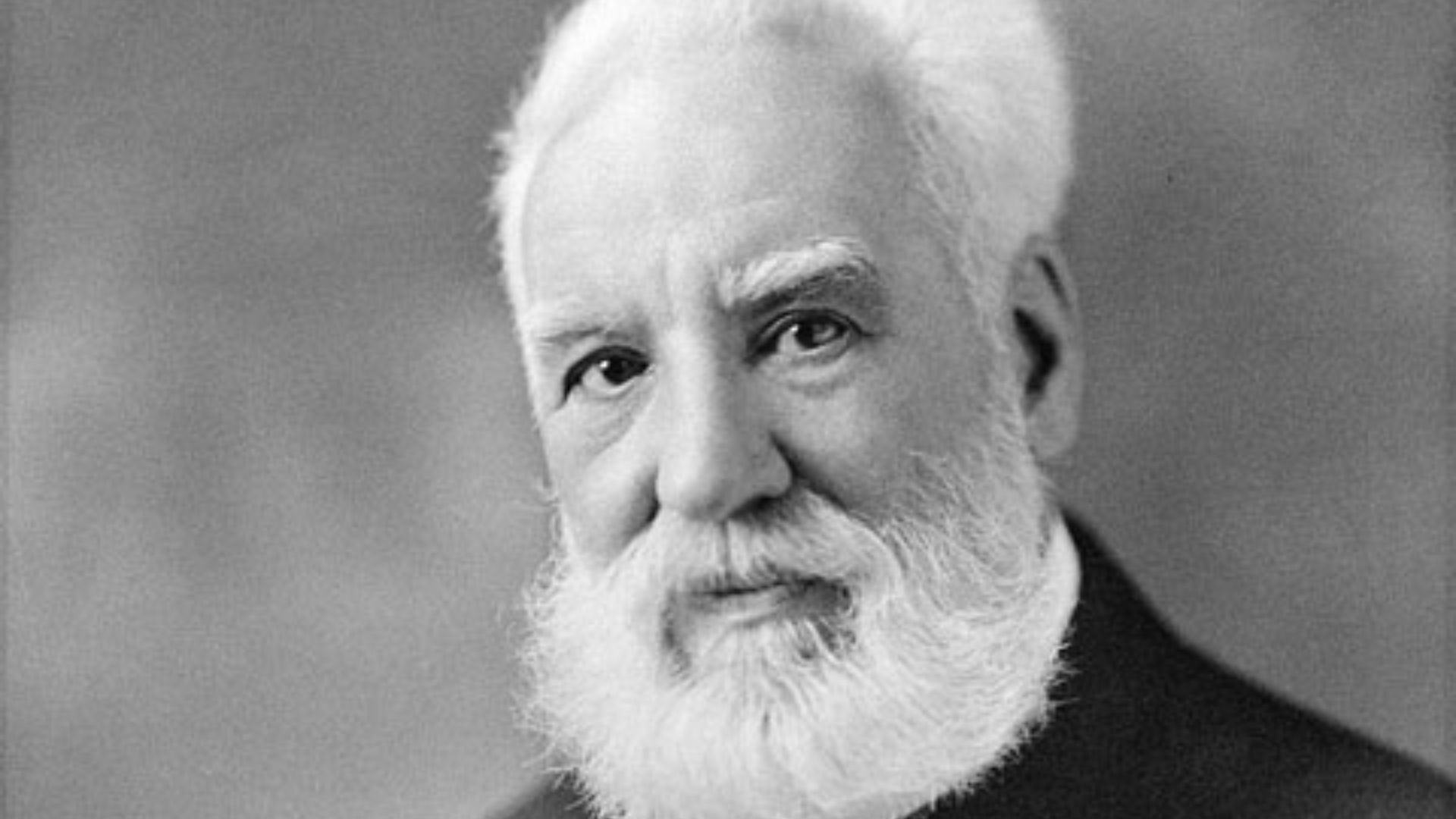
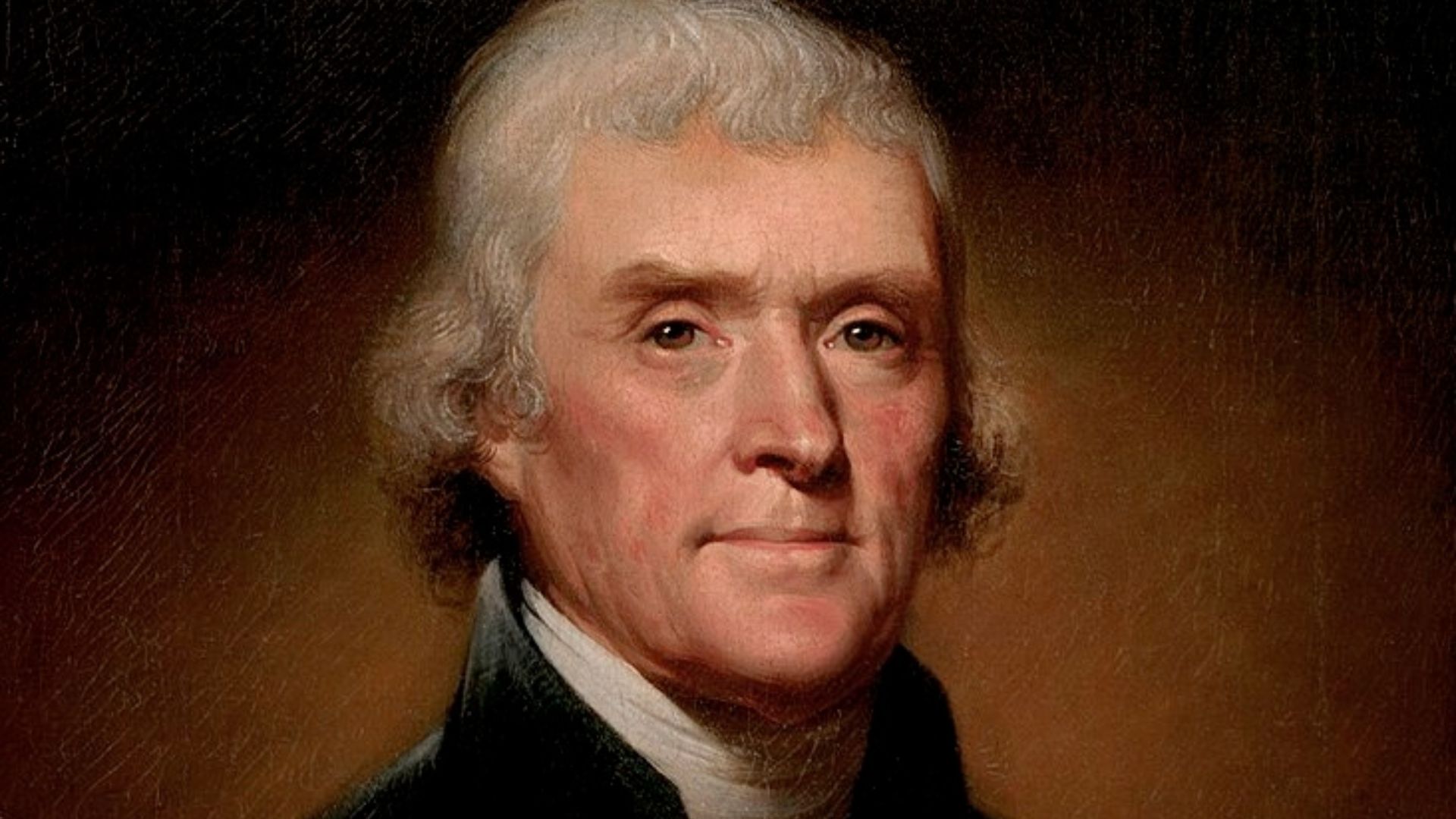
18. Thomas Jefferson
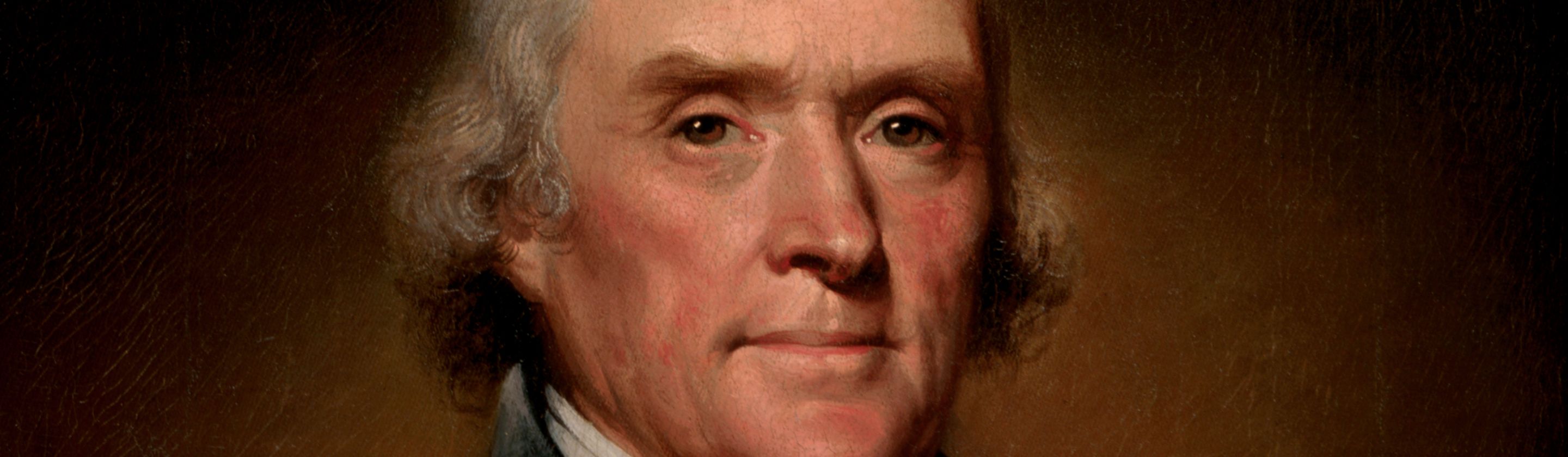
Thomas Jefferson had an established profession well before the American Revolution made him a major political figure. After studying under respected Virginia lawyer George Wythe, Jefferson was admitted to the bar and spent several years practicing law. He handled numerous cases and appeared to have a viable legal career ahead of him. Growing involvement in colonial politics eventually drew him away from the courtroom and into the revolutionary movement.
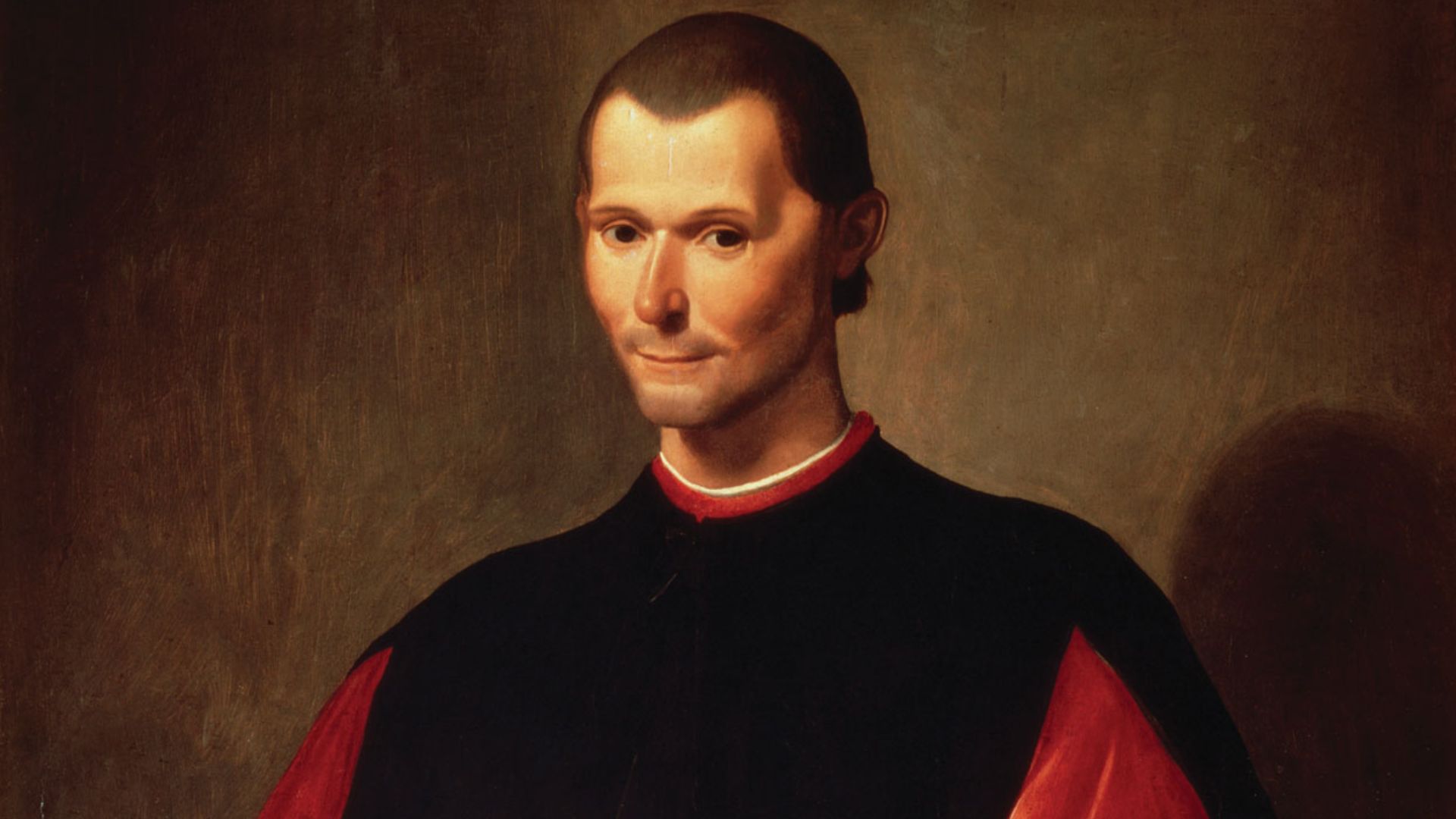
19. Niccolò Machiavelli
Niccolò Machiavelli didn’t originally build his reputation as an author or political philosopher. For years, he worked as a Florentine diplomat and government official, handling negotiations and traveling on important state missions. His career collapsed when the Medici family returned to power in Florence and removed him from office. Shut out of politics, Machiavelli turned more seriously to writing, producing The Prince during his forced retirement.
20. Ignatius of Loyola
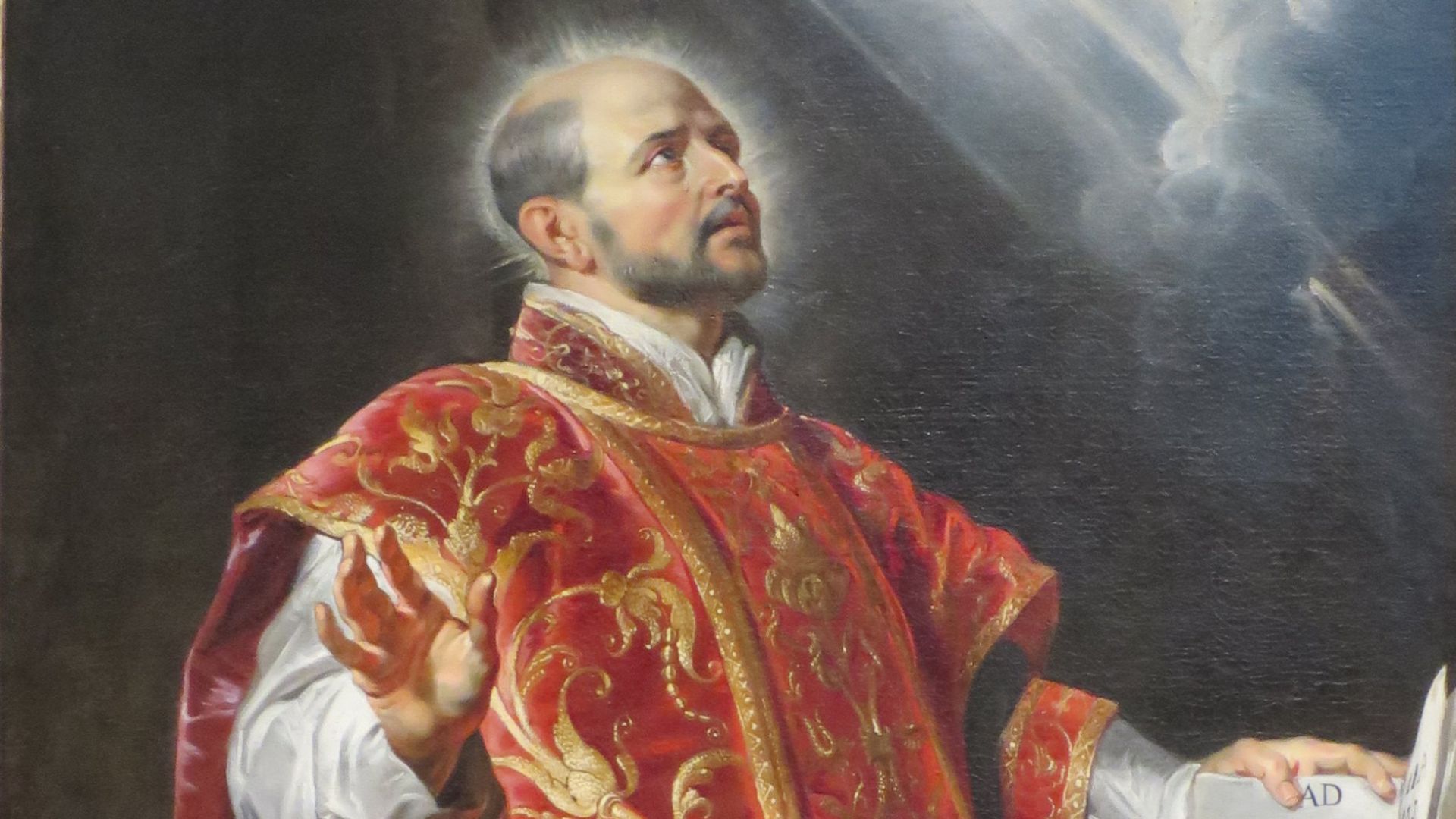
Before founding the Jesuit order, Ignatius of Loyola dreamed of success as a soldier and courtier. Born into a noble Spanish family, he entered military service and developed a strong interest in the status and adventure that came with it. His life changed, however, after a cannonball badly injured his leg during the Battle of Pamplona in 1521, forcing him through a long recovery. Religious books he read while recuperating changed his priorities so dramatically that he abandoned his old ambitions and devoted himself to spiritual life.