When Leaders Lose Their Grip
Control is what makes a commander, right? Any history buff will rattle off examples where soldiers just won't listen. Whether it's scrambling out of fear or completely mutinying against their leaders, here are 20 times soldiers acted independently.
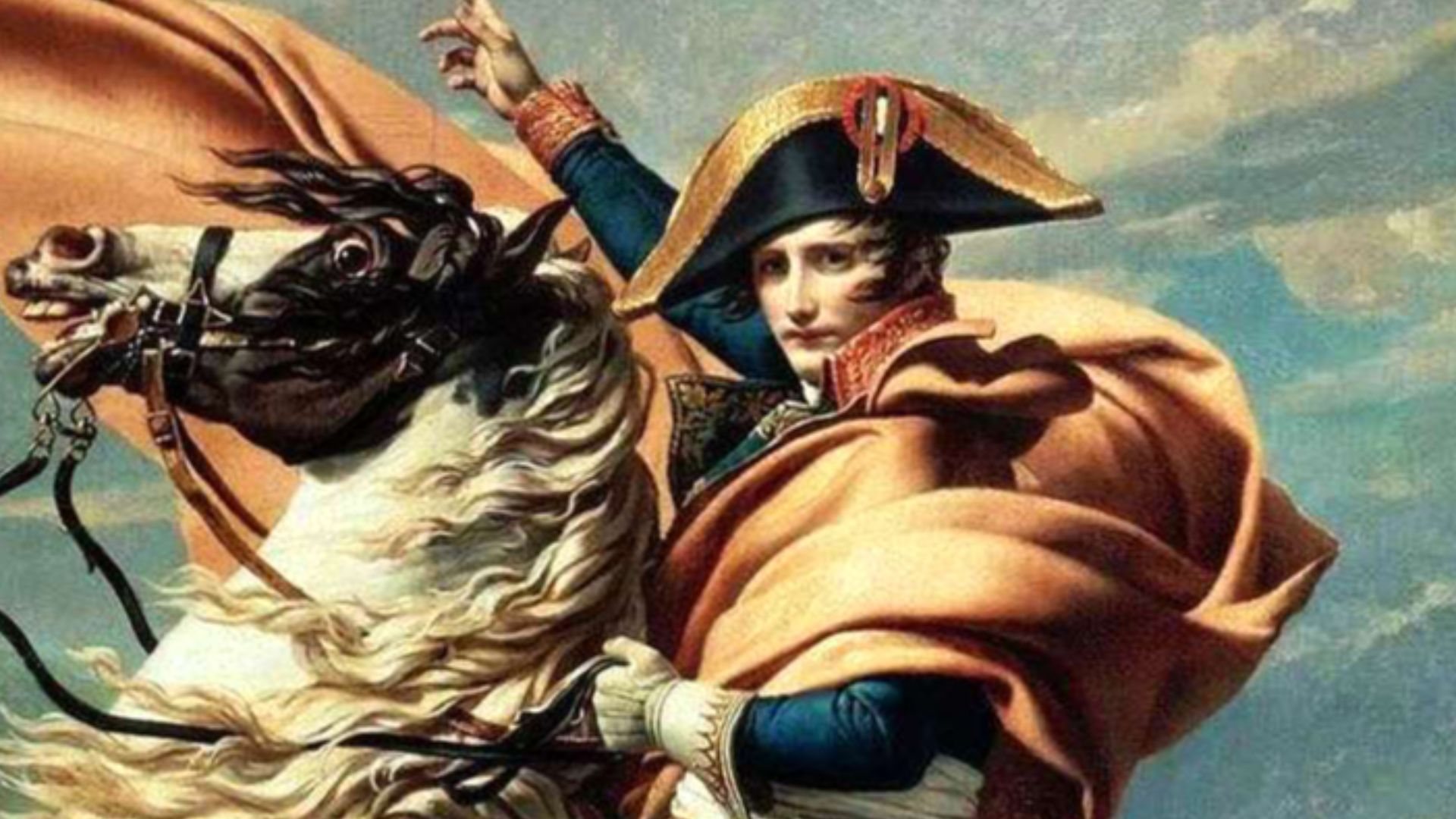 Jacques-Louis David on Wikimedia
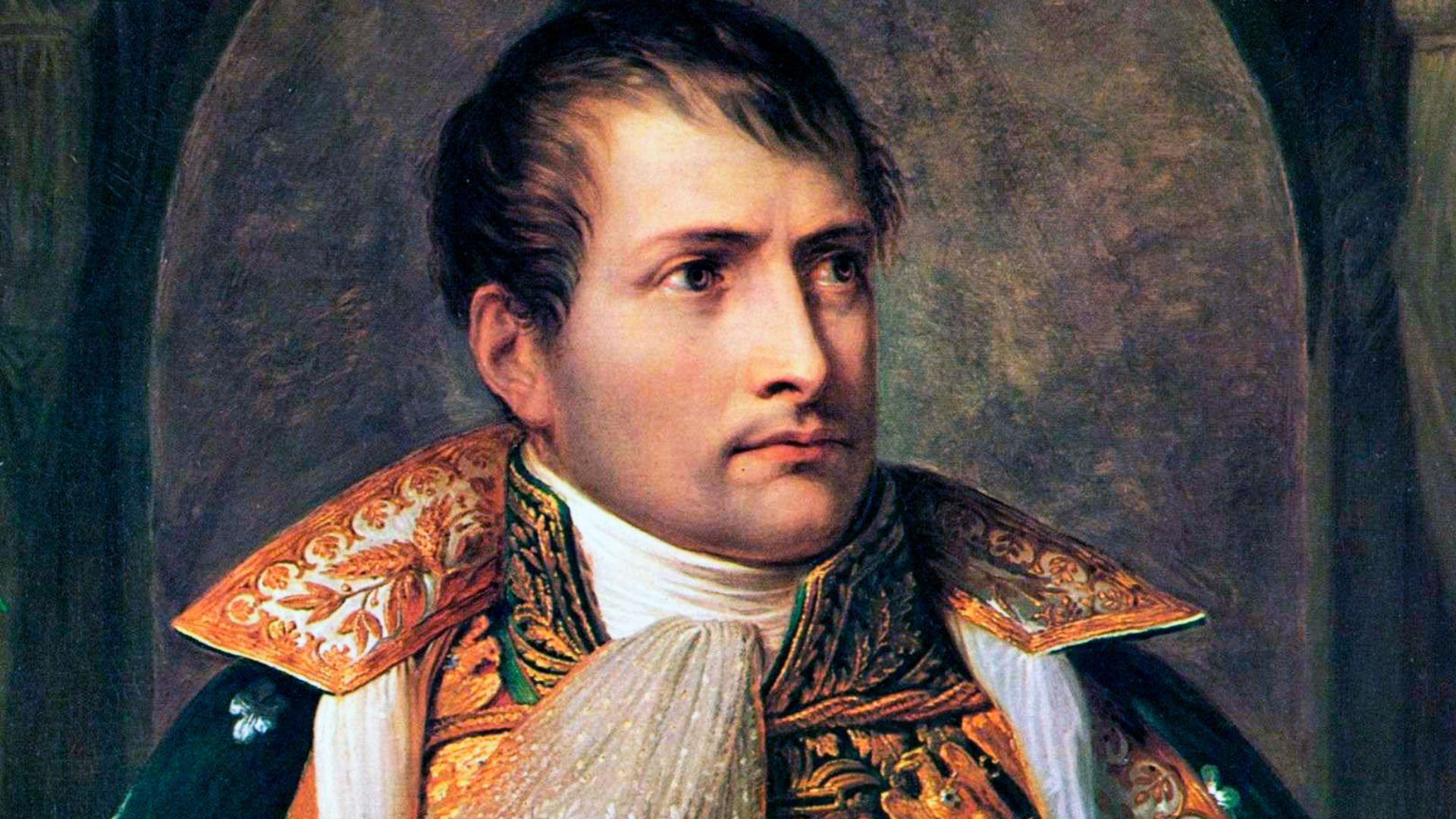
1. Napoleon Bonaparte - The Retreat From Moscow
His army wasn’t happy when Napoleon Bonaparte told them to retreat from Moscow. Supplies were looted and burned by French soldiers who refused orders. Others deserted, went wild, or simply parished of frostbite as they attempted to flee the massive army that was once known as The Grand Army.
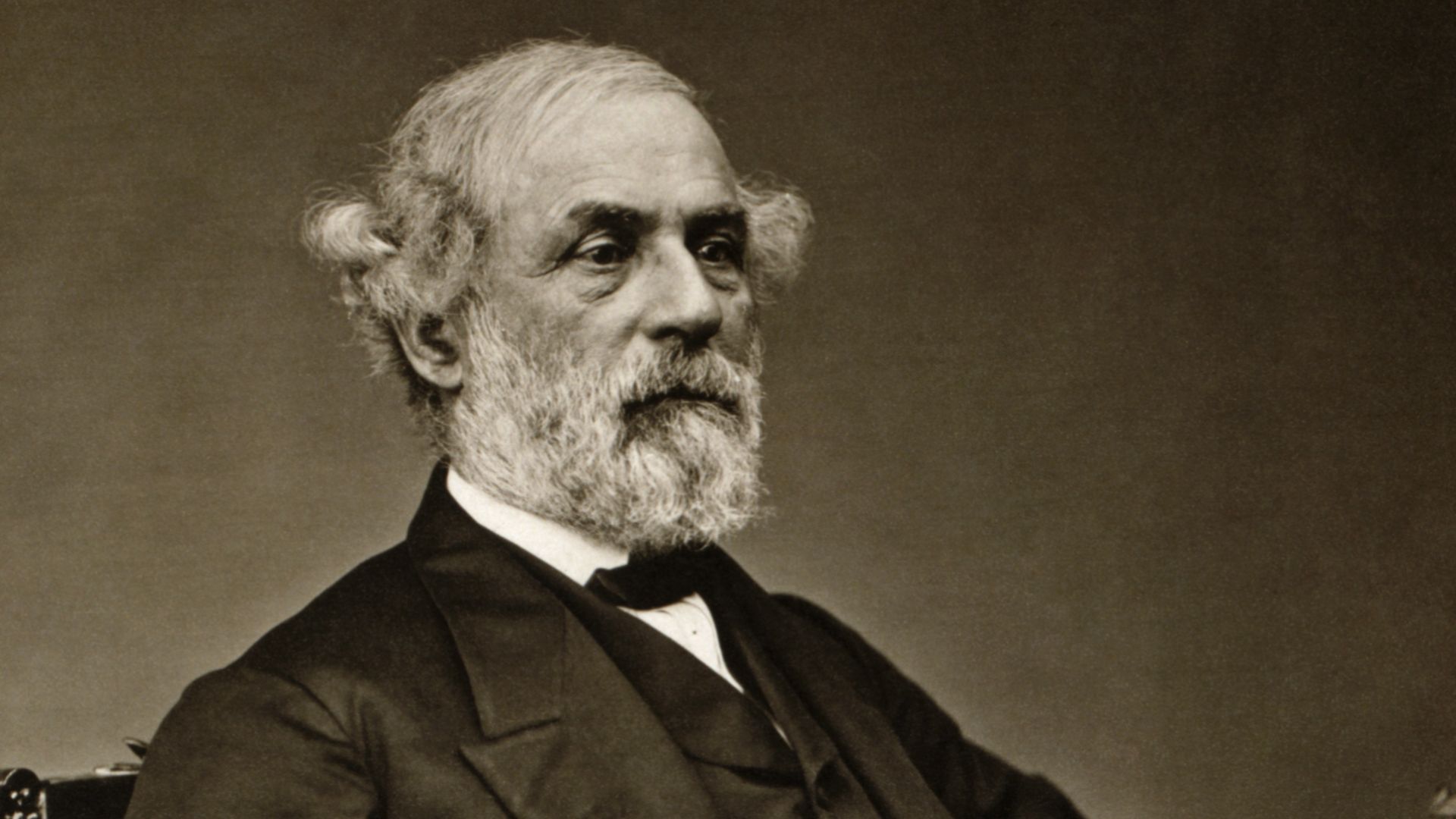
2. Robert E. Lee - Pickett’s Charge
Lee had complete faith in his army’s ability to charge the Union positions on Cemetery Ridge at Gettysburg, but once they started firing they couldn’t maintain formation. Many Confederate soldiers opened fire early and simply could not close with the enemy as planned. Lee had to trust they would do their jobs and simply watch as the destruction unfolded before him.
 Levin Corbin Handy / Adam Cuerden on Wikimedia
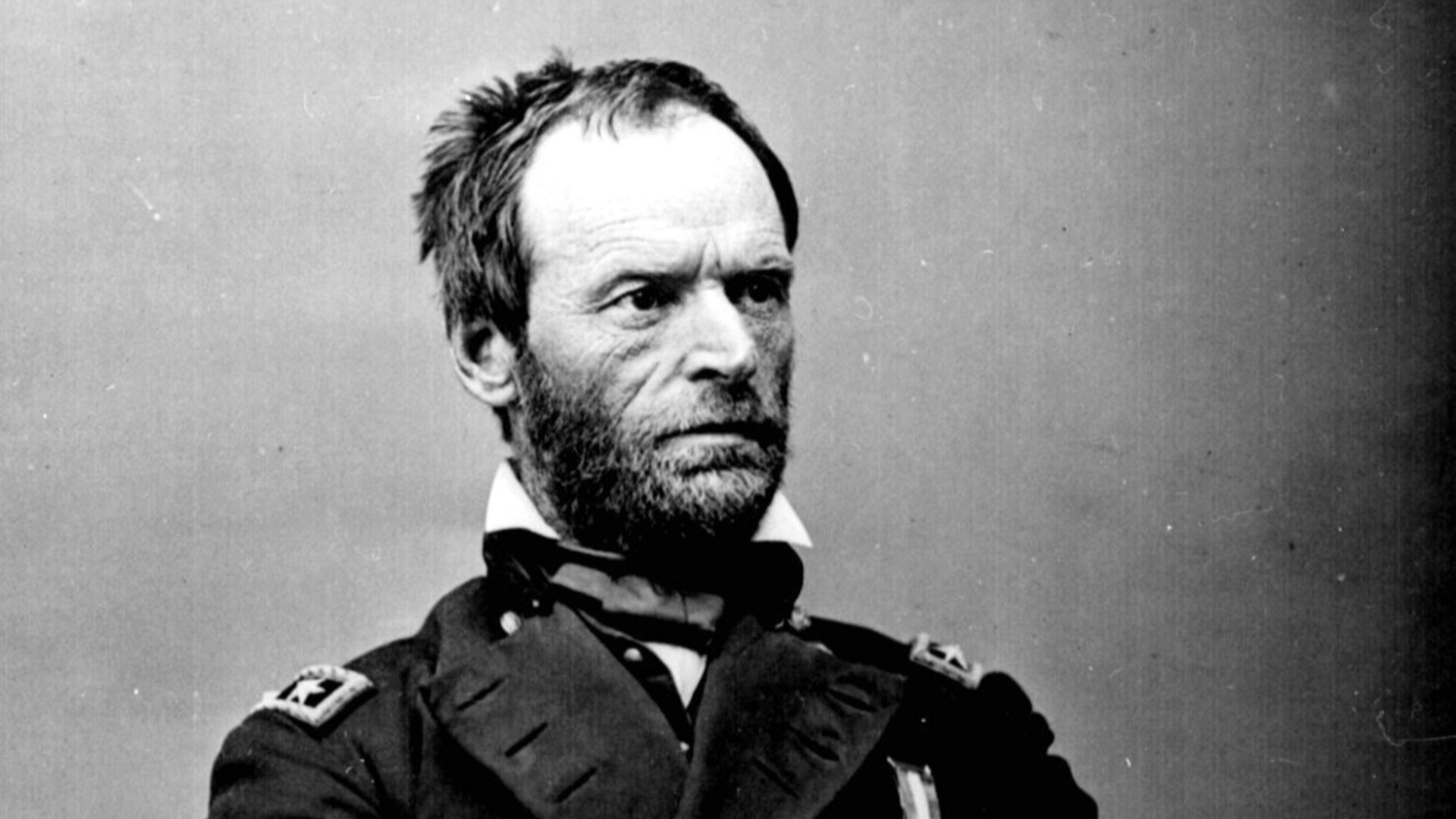
3. William Tecumseh Sherman - Atlanta Resistance
Even “Uncle Billy” himself even had problems when Southern civilians and Union troops decided they had better things to do. During his march through Atlanta, Union soldiers began looting and foraging for supplies on their own initiative. Sherman had to stand by as his army basically took care of business for him.
 Mathew Benjamin Brady on Wikimedia
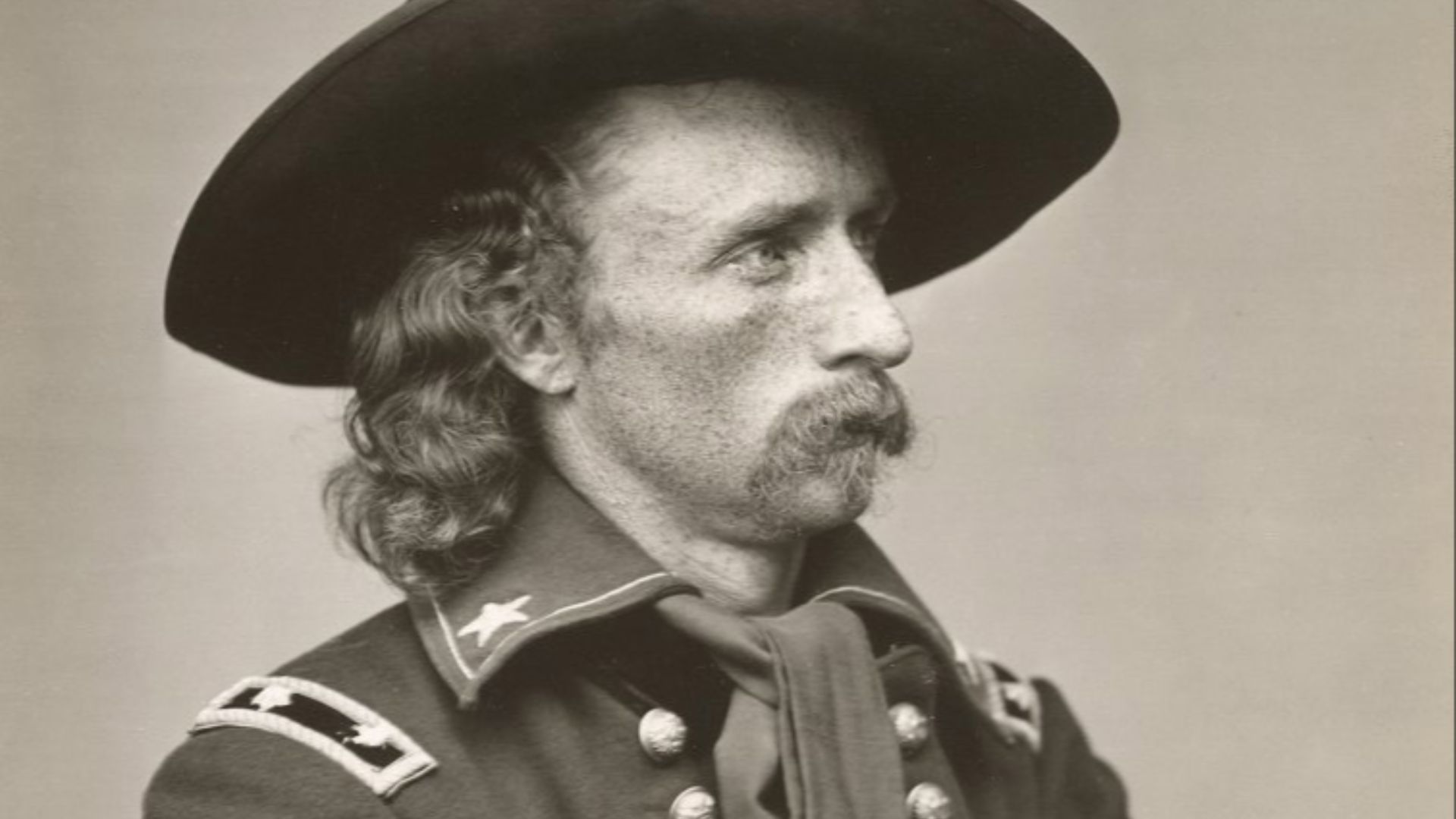
4. George Armstrong Custer - Little Bighorn
Custer thought his troops would blindly follow him into battle, but apparently he forgot to explain that to his subordinates. As Native warriors swarmed his men, his second and third in command couldn’t form a line to save their lives. Custer lost control and quickly perished.
 George L. Andrews on Wikimedia
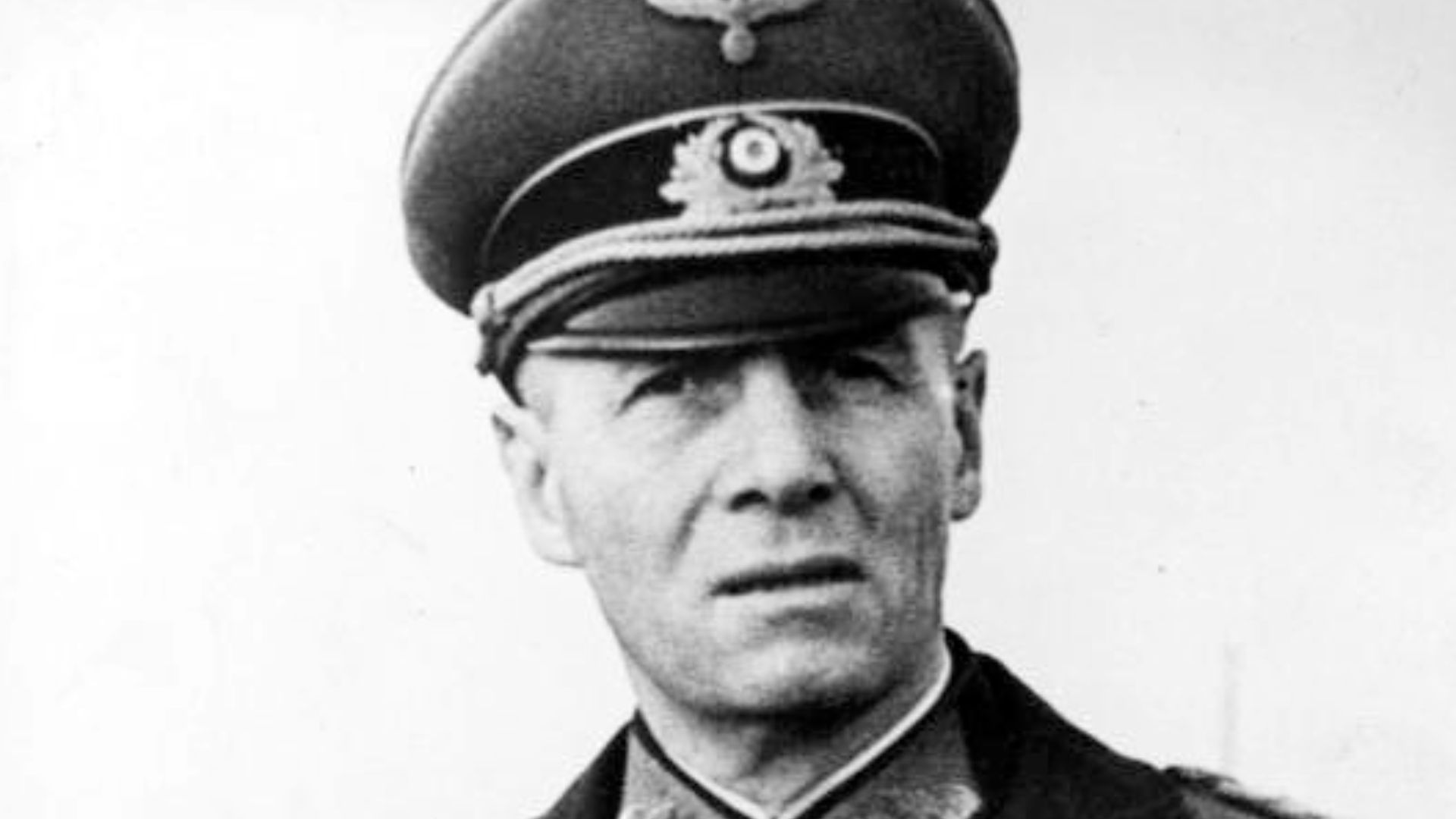
5. Erwin Rommel - Normandy Chaos
Field Marshal von Richthofen may have run into communications issues during the invasion of France, but Rommel certainly did. His units operated independently of each other and disobeyed commands to go where Hitler wanted them. Rommel was helpless as Allied air superiority cut off any chance of coordination between his forces.
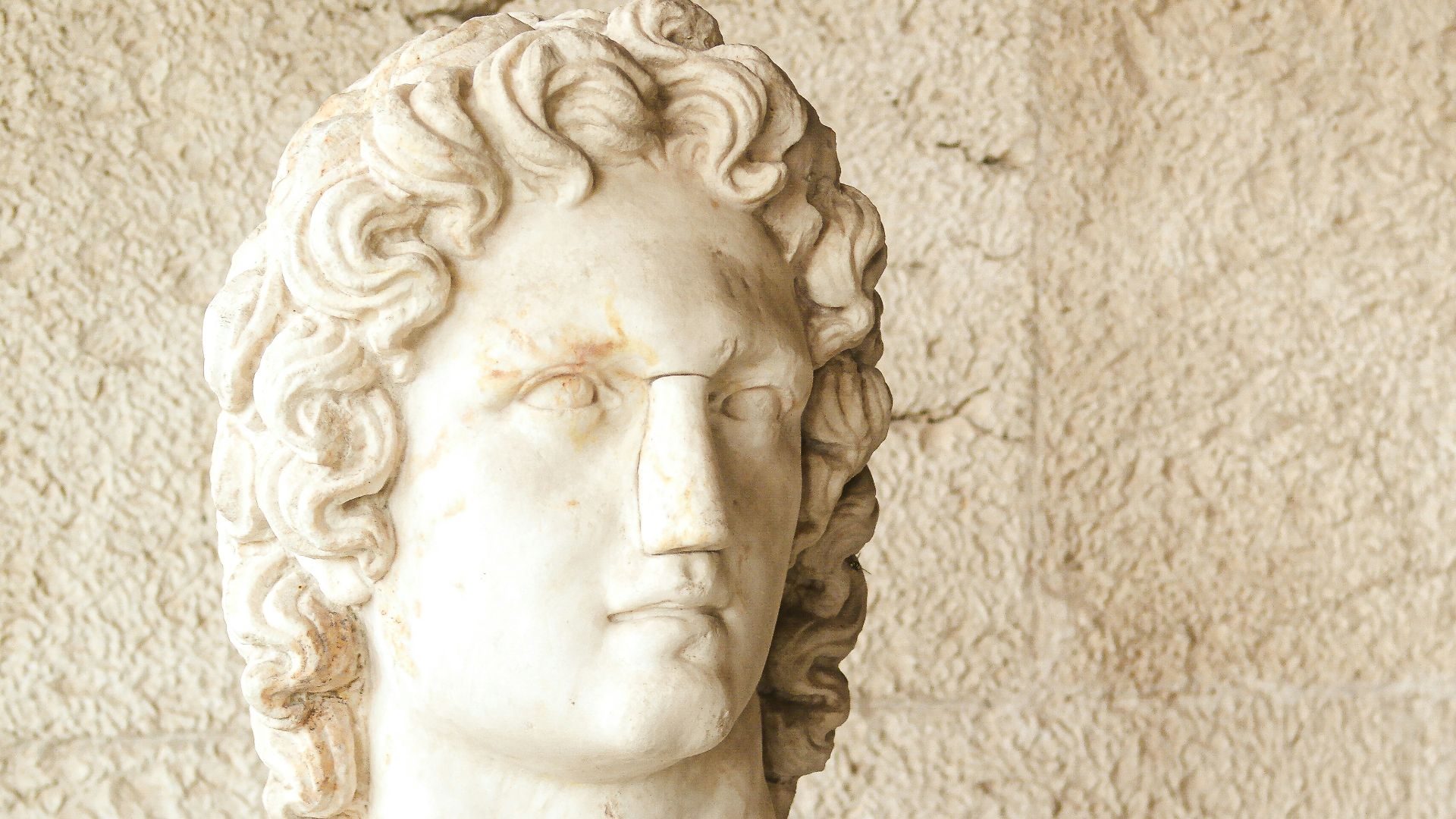
6. Alexander the Great - The Gedrosian Desert
Alexander was legendary for keeping the morale of his men high, but the Gedrosian Desert changed all that. During one of his longer marches, his troops mutinied and refused to continue until Alexander offered concessions. Sometimes even the best laid plans need a firm hand to control them.
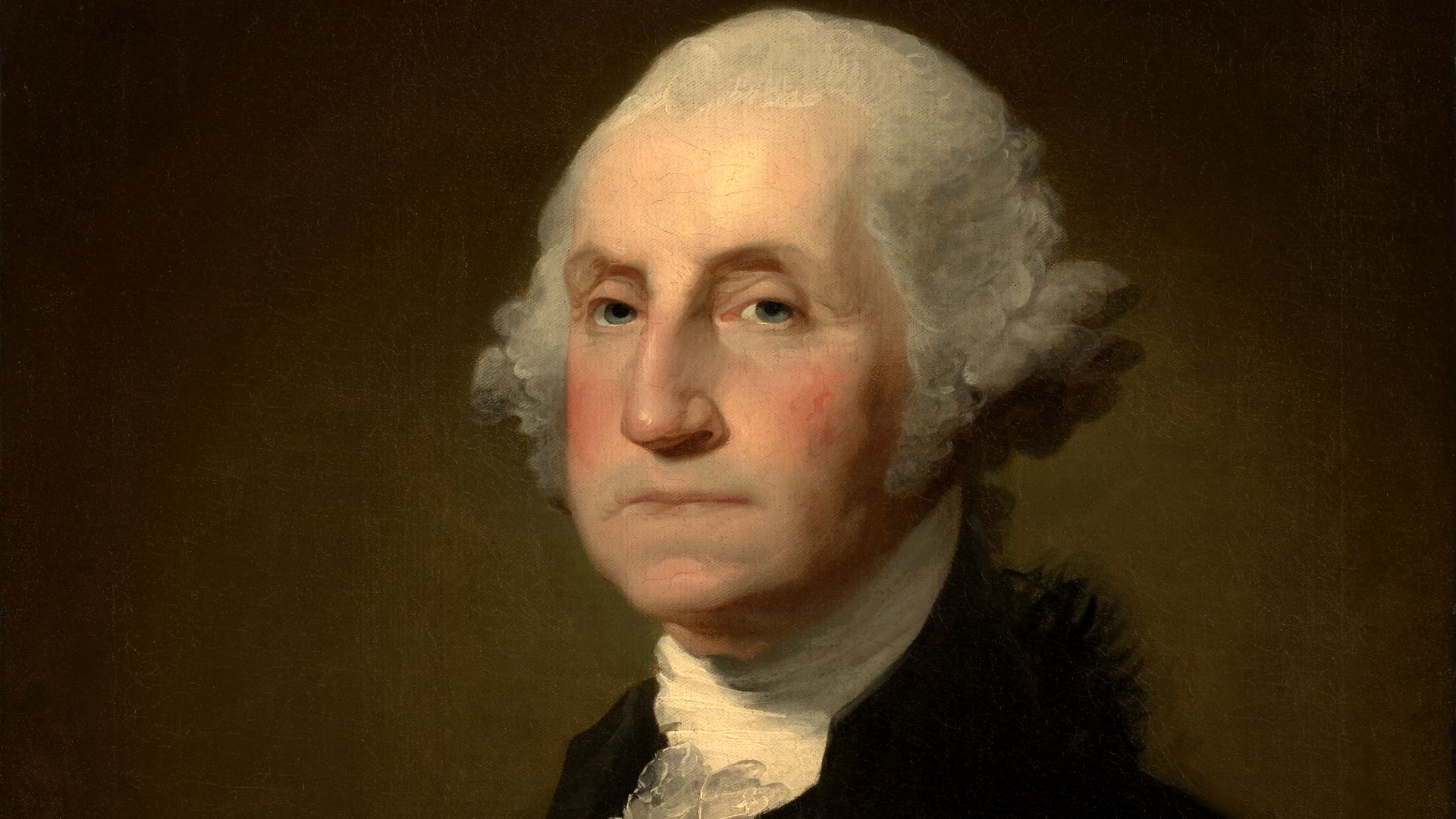
7. George Washington - New York Retreat
In 1776 Washington watched his Continental Army run from battle like chickens with their heads cut off. Fires were left burning, weapons were abandoned, and his army simply lost it when the Brits attacked. He had to start over with very little as his men fled New York for their lives.
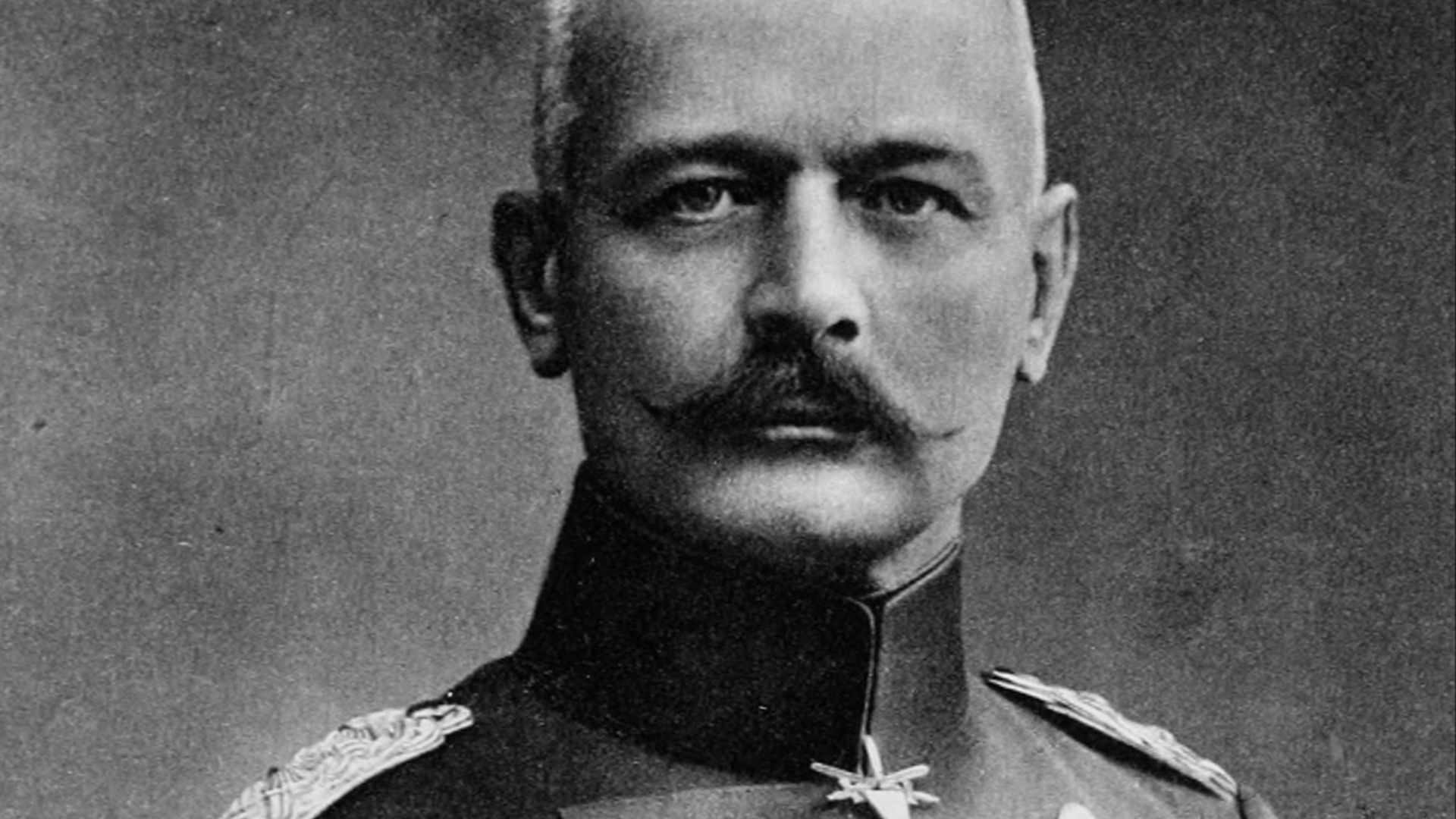
8. Erich von Falkenhayn - Battle of Verdun
The German General wanted to bleed the French army dry, but his men couldn’t quite keep up that pace. Morale sank as endless artillery barrages pounded the French lines and units disobeyed orders to “save themselves for later”. Falkenhayn drew up the plans, but he couldn’t force his men to follow them.
9. Julius Caesar - Legions in Gaul
Caesar may have been a master tactician, but he had his fair share of drama with his legions. Long marches, little pay, and inclement weather caused many men to lose the will to fight. Caesar had to constantly work with his troops to keep their minds focused and their discipline in check.
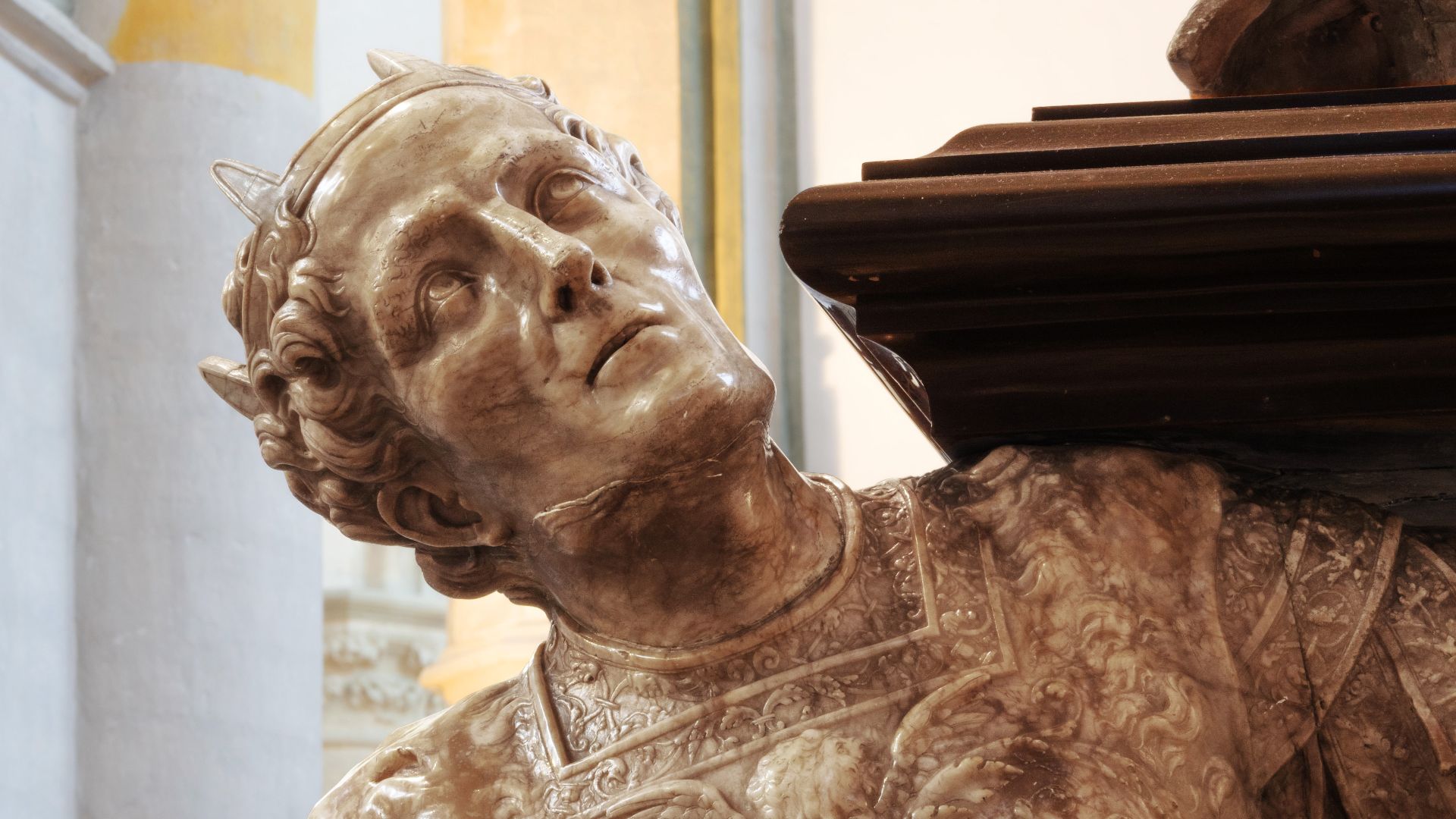
10. Ulysses S. Grant - Cold Harbor Confusion
Yes, Grant was tough, but he learned that the hard way during the Battle of Cold Harbor. Ordering men into a very stupid situation caused confusion among the ranks and units simply… stopped. When they started charging again it was a murderously long time after he gave the order.
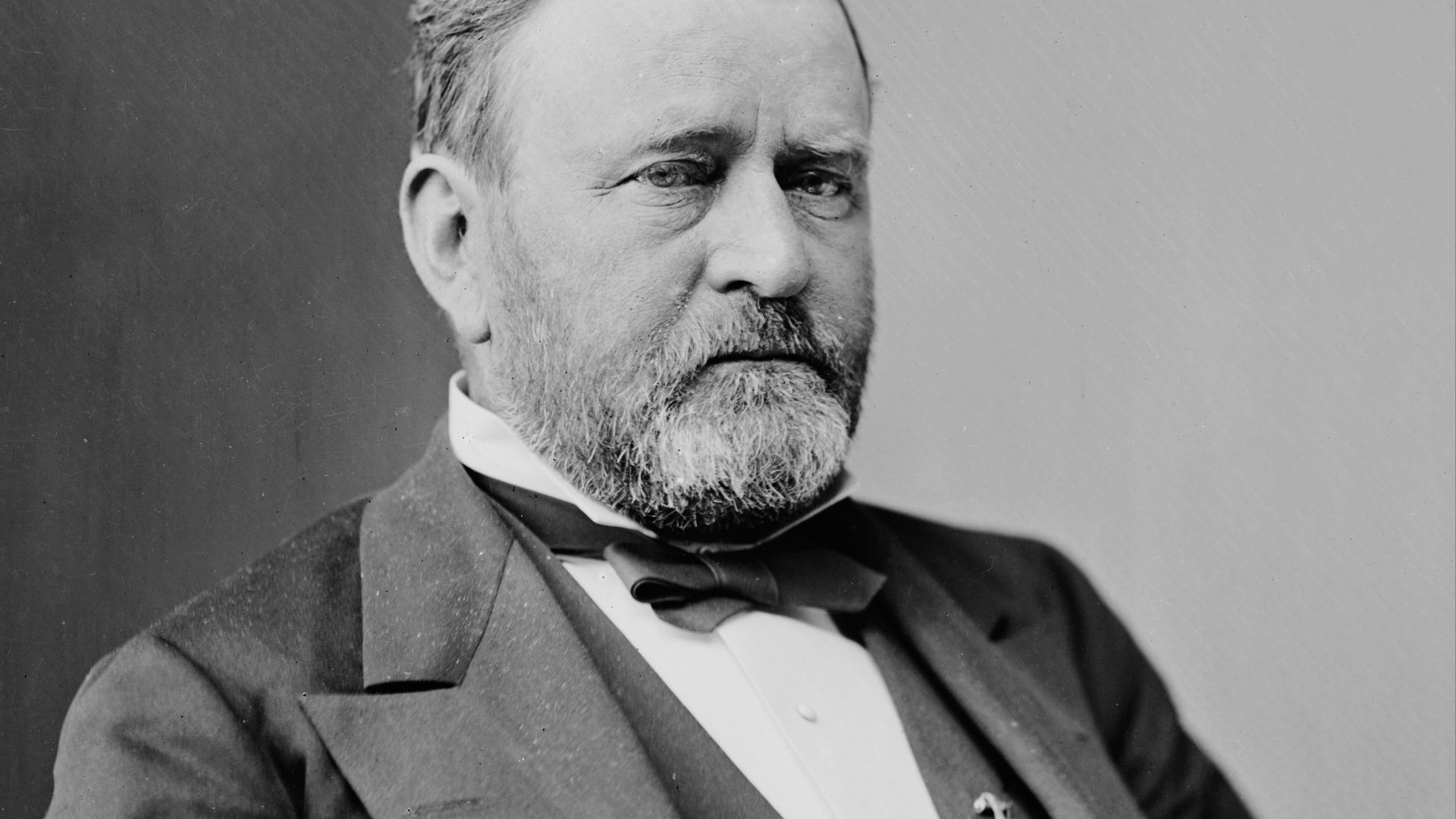 Brady-Handy Photograph Collection, Library of Congress on Wikimedia
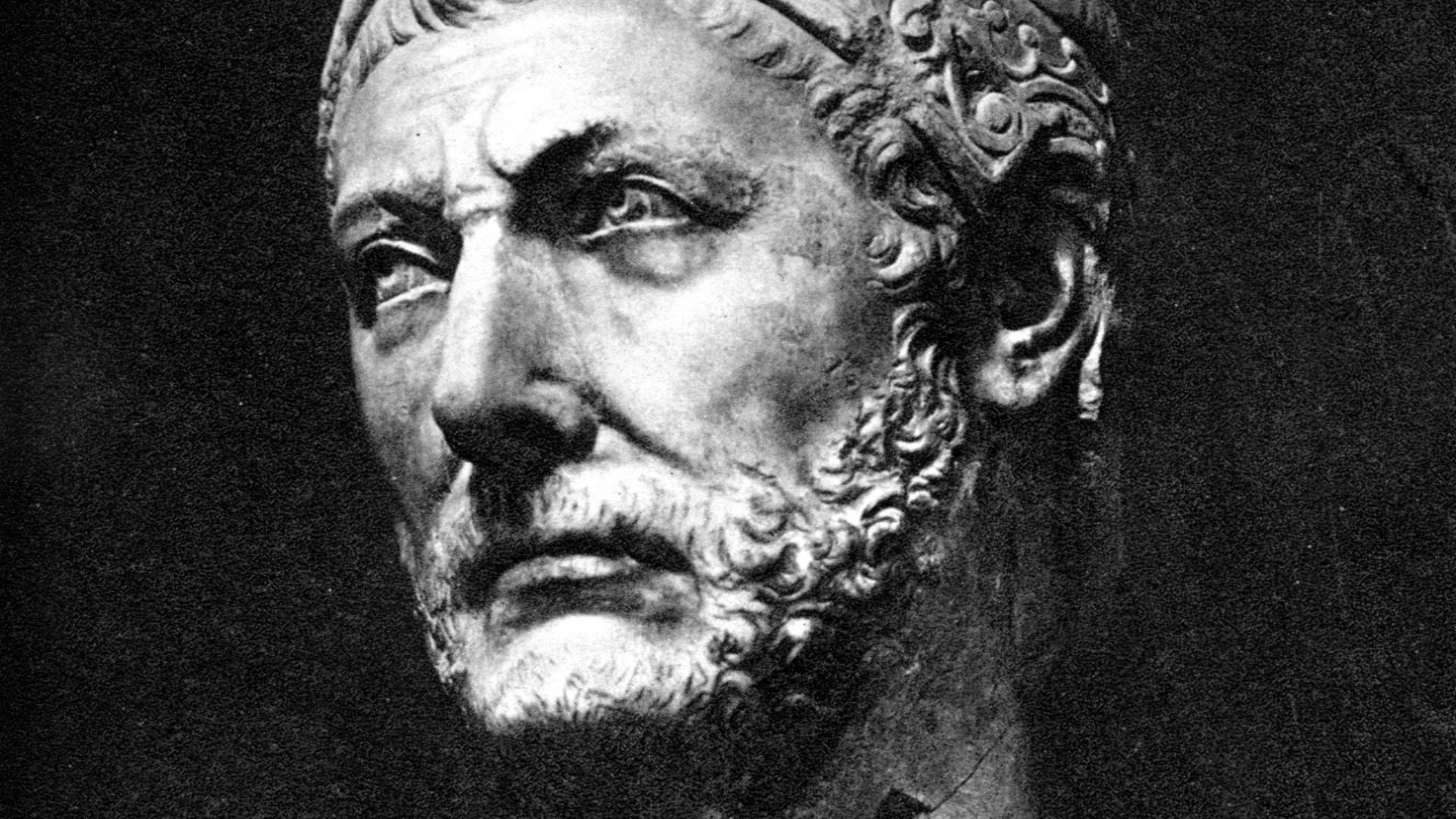
11. Hannibal Barca - Battle of Cannae
Though Hannibal’s strategy at Cannae remains one of the greatest of all time, he wasn’t perfect. Some of his allied forces panicked under pressure and tried to flee the battlefield. Luckily for Hannibal, his cavalry was stellar and the rest of his army didn’t break ranks.
12. Napoleon III - Sedan Surrender
While Napoleon III watched his army get rolled at Sedan, individual troops began to give up hope and surrender on their own. Not wanting to fight for their country or their leader, Napoleon watched his entire battle slip through his fingers. This led to him losing his throne.
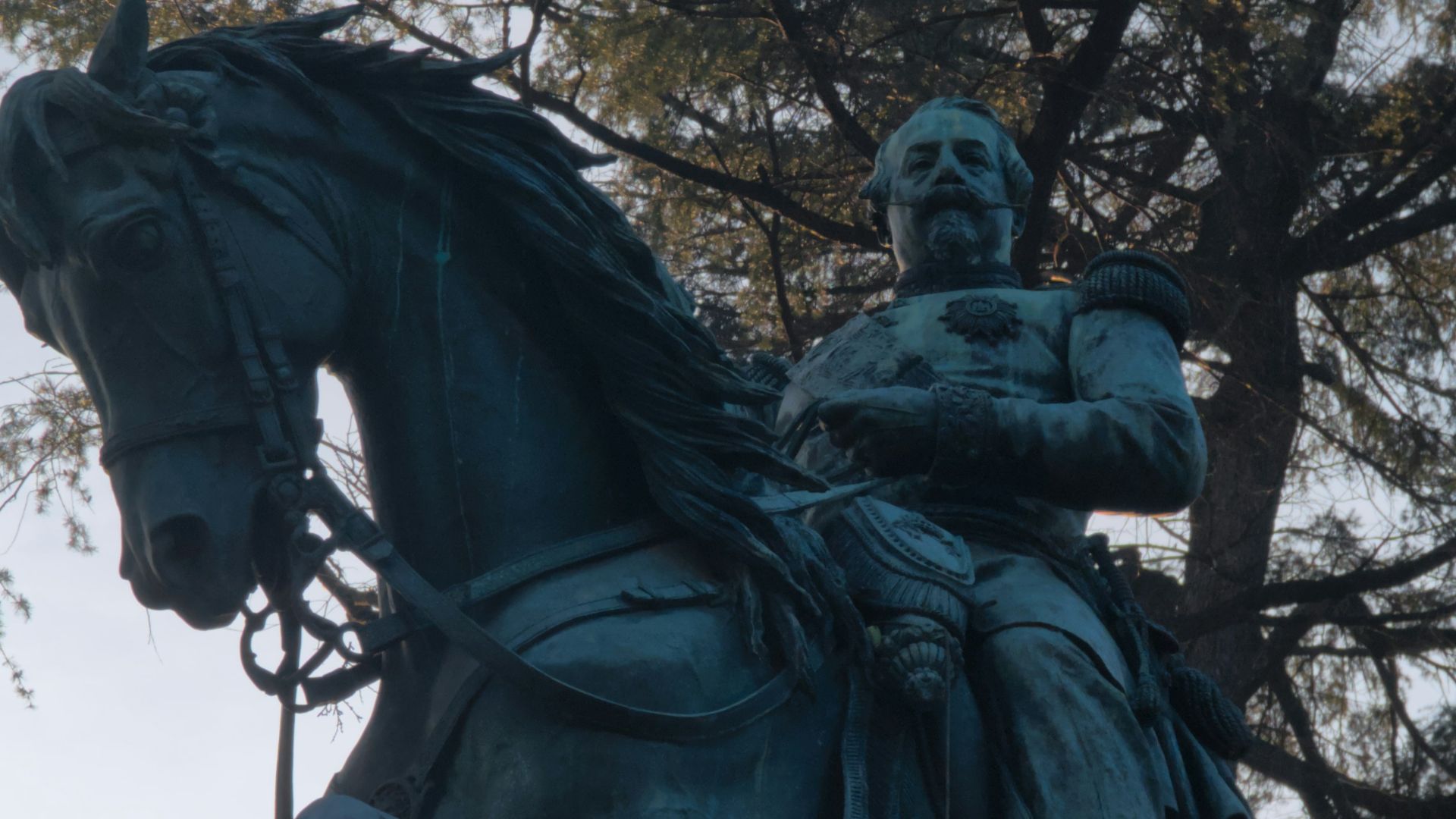 Leonardo Di Manici on Unsplash
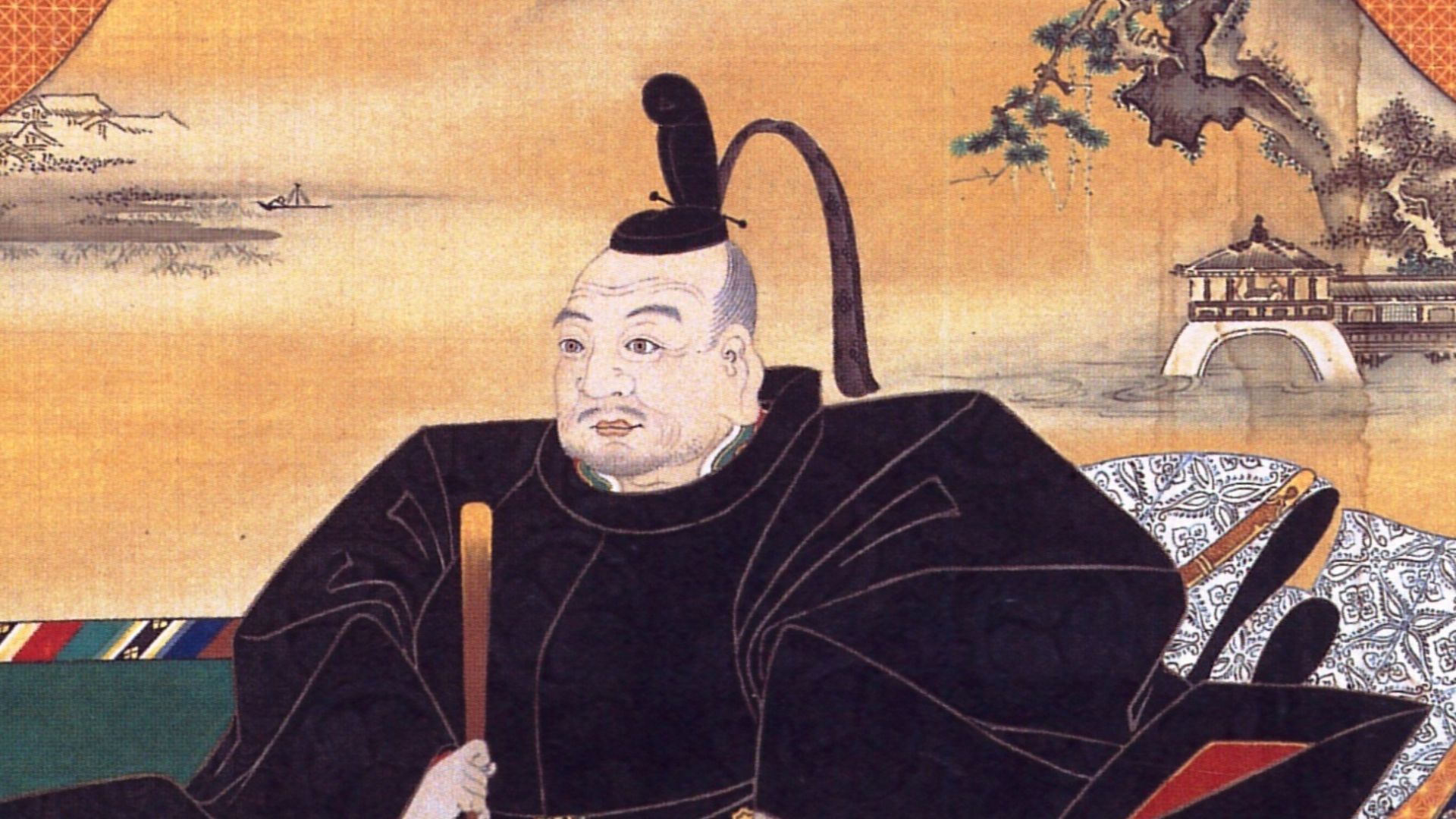
13. Tokugawa Ieyasu - Sekigahara Missteps
Ieyasu played a risky strategy at Sekigahara like a fiddle, but some of his vassals had other plans. Individual daimyo and their armies chose when and where to fight, and disobeyed orders left and right. While Ieyasu ultimately came out on top, his battle was hardly by the book.
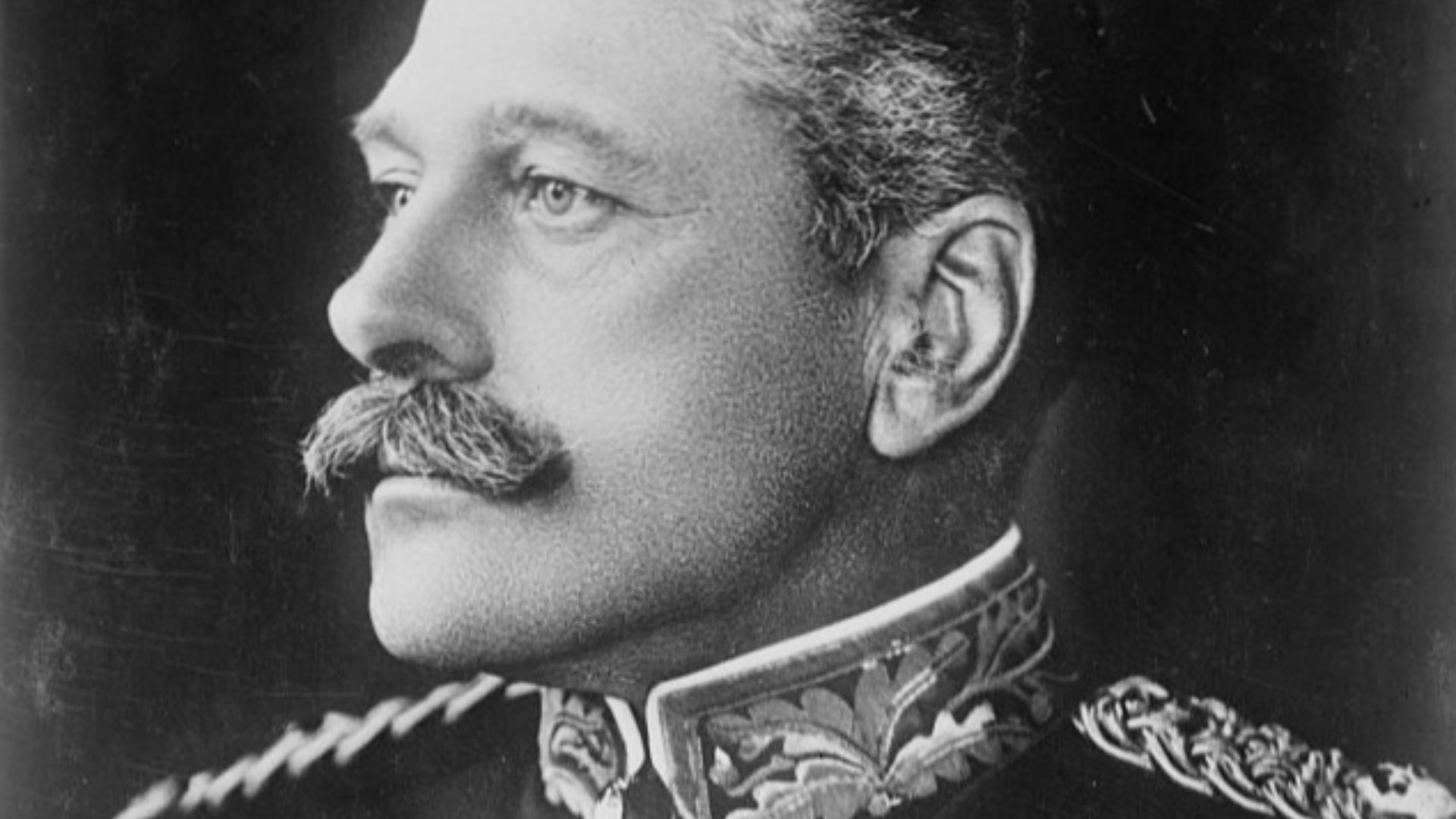
14. Douglas Haig - Passchendaele Mud
Passchendaele was going to be a logistical nightmare even if Haig had everything under control, which he did not. Units got lost, supplies never showed up, and men just kinda gave up trying to fight in the oily mud. Haig watched his plans go up in smoke…literally.
 Bain News Service, publisher on Wikimedia
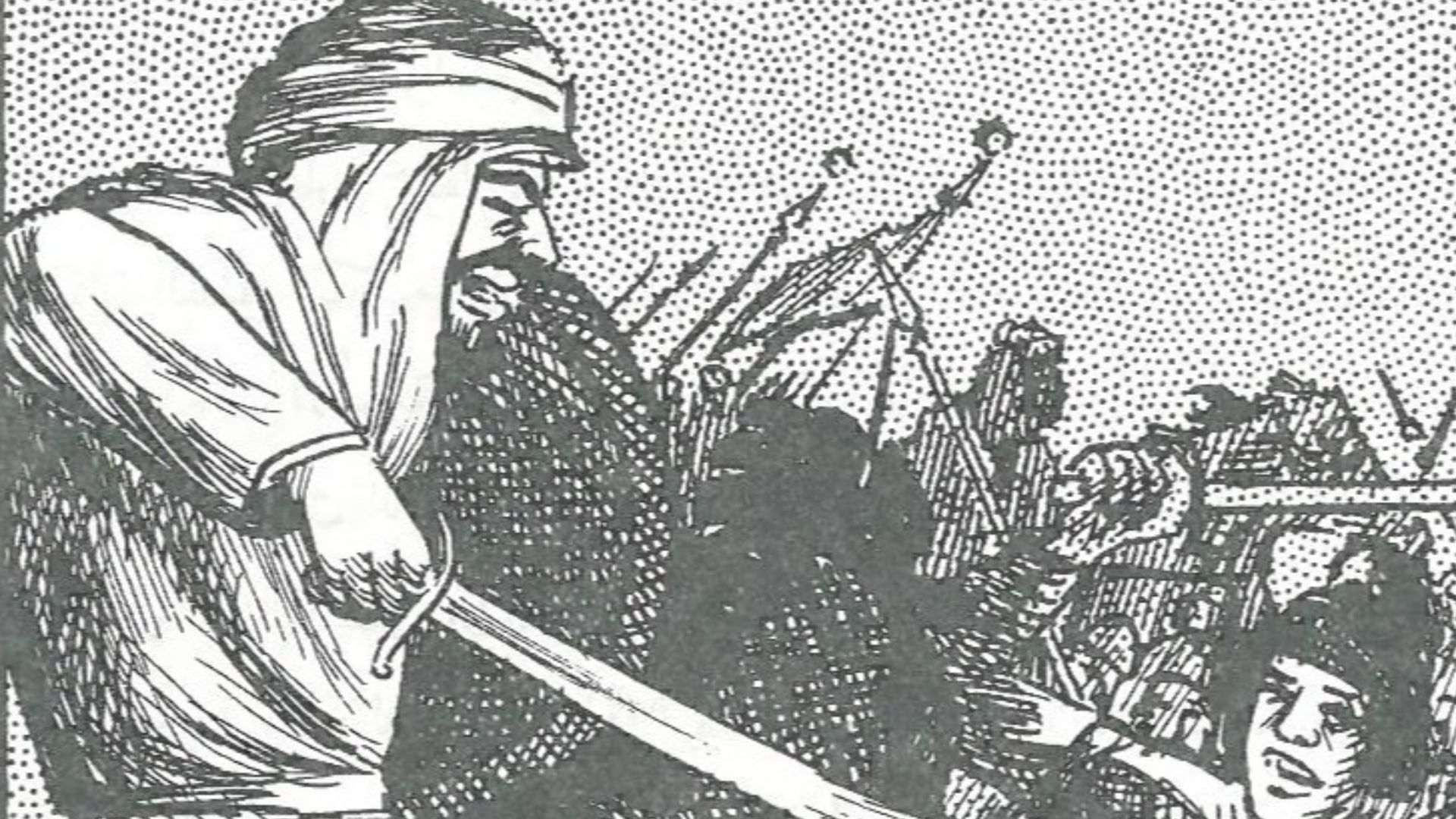
15. Khalid ibn al-Walid - Battle of Yarmouk
The fearless Khalid ibn al-Walid was known for his powerful and tactical Arab forces, but they could be wildcards sometimes. During the Battle of Yarmouk, some units overextended themselves and threatened the entire formation. Khalid had to be a wild card himself to make sure everything turned out alright.
 Unknown authorUnknown author on Wikimedia
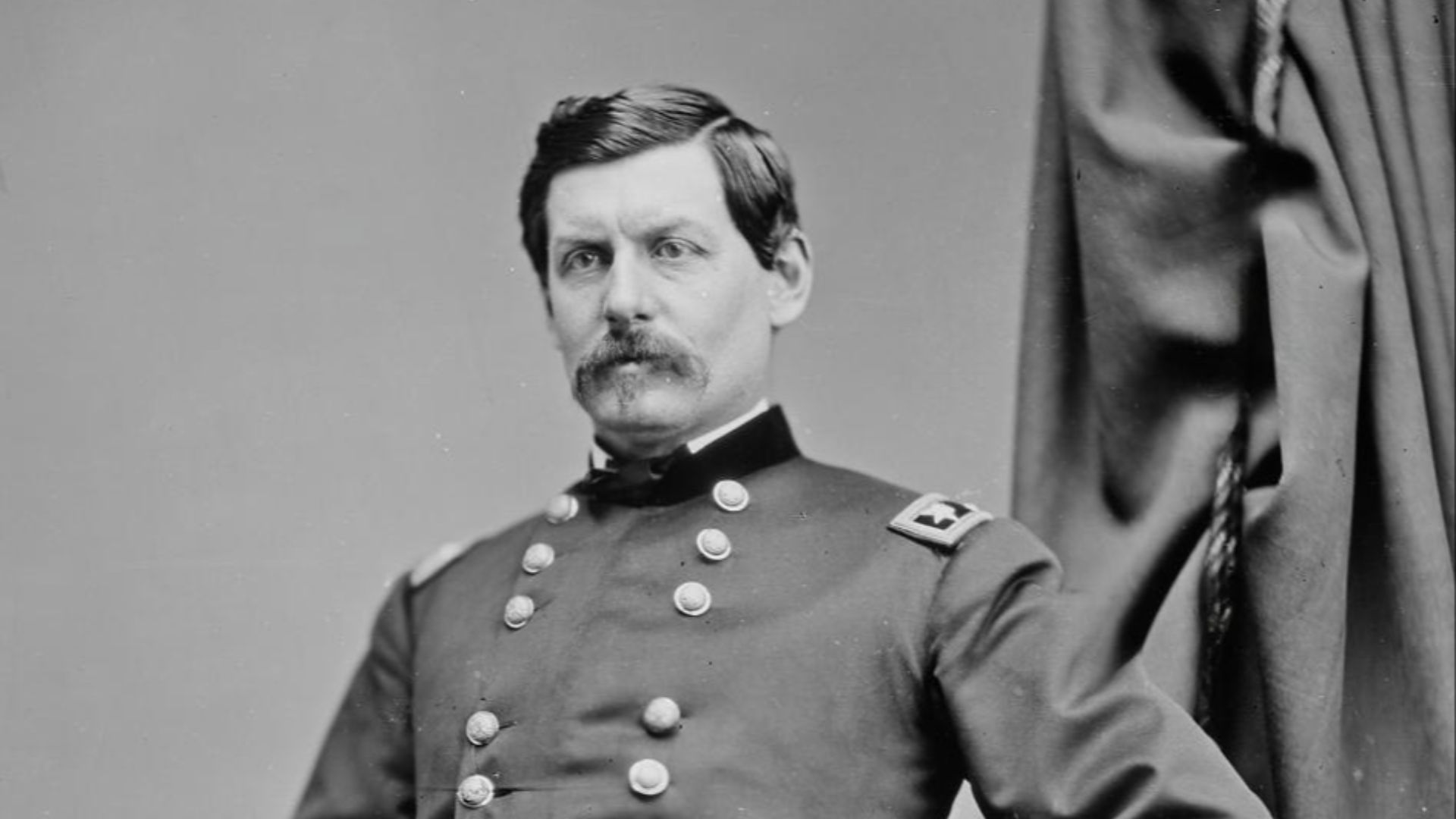
16. George B. McClellan - Antietam Hesitation
Georgie Pants had an enormous advantage in troop size at Antietam, but he psyched himself out. Many of McClellan’s units waited around for explicit orders before attacking and wasted valuable time. The whole battle was a bloody mess because his men couldn’t pick a lane.
 Mathew Benjamin Brady on Wikimedia
17. Jan Žižka - Hussite Wars
A tactician through and through, but Žižka’s armies were mostly made up of volunteers and militias. Some chose to do their own thing rather than fight in giant-ass fortresses or follow orders. Even Žižka couldn’t plan around every random strategy his soldiers came up with.
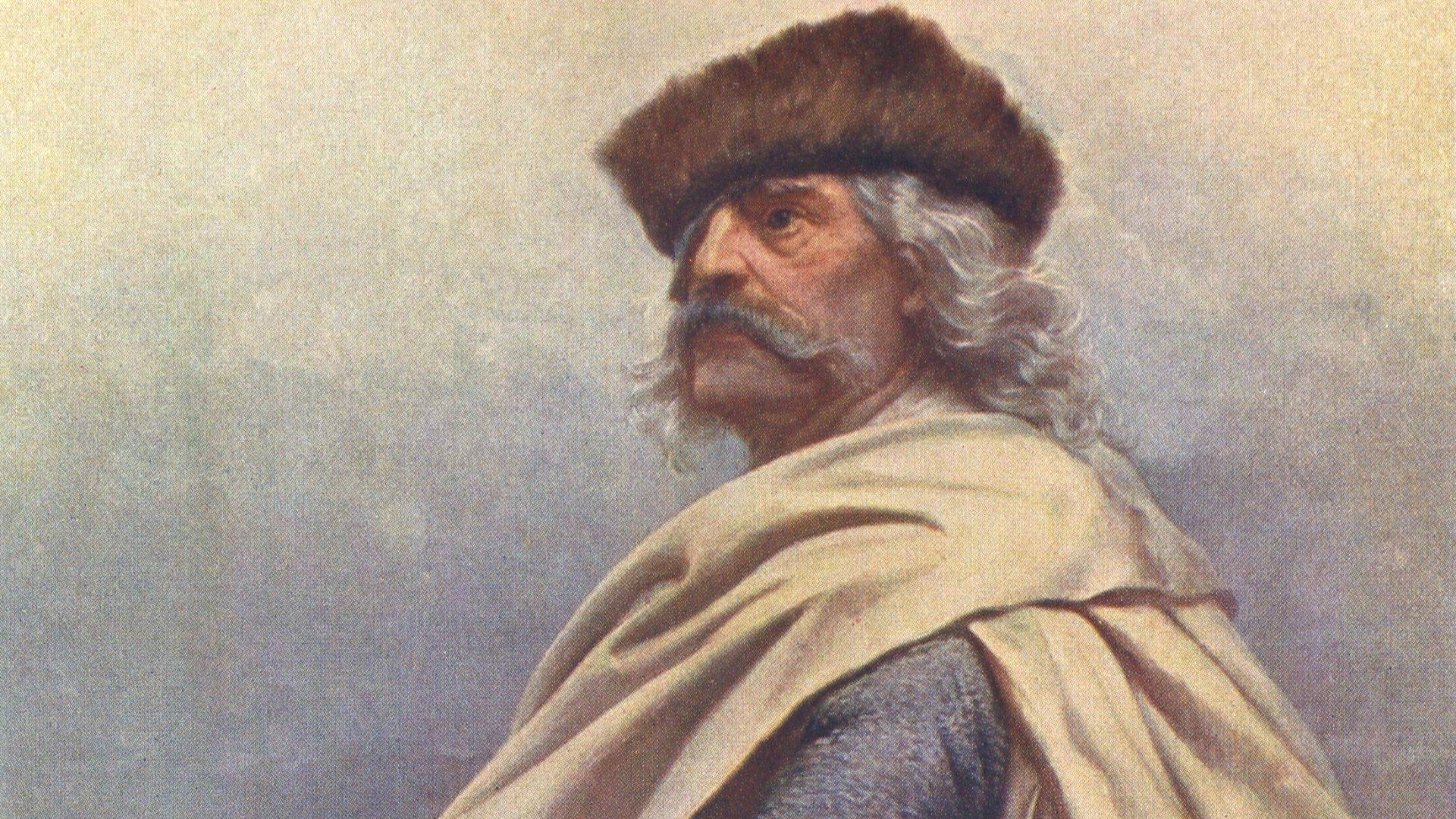 Adolf Liebscher (1857–1919) on Wikimedia
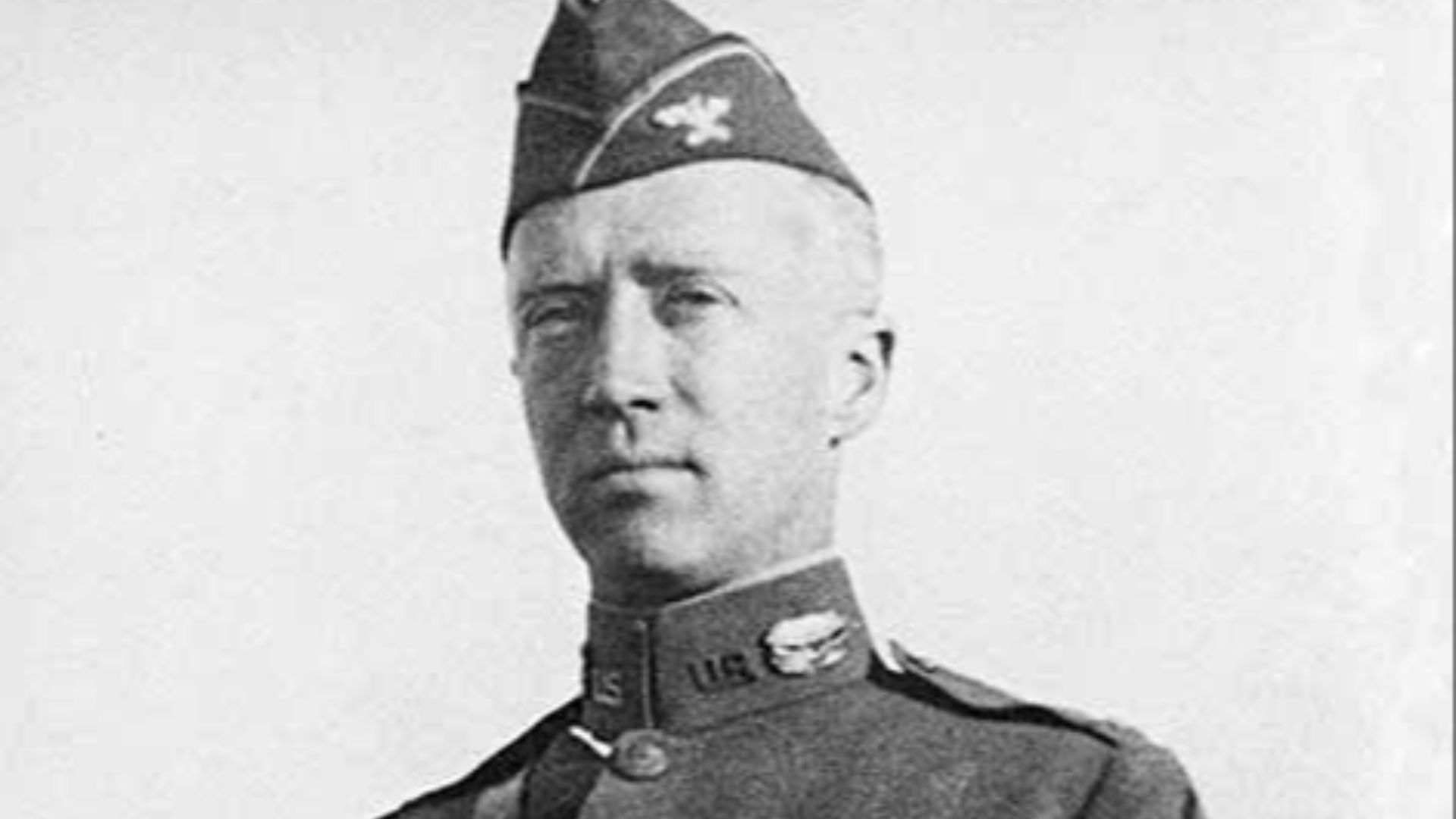
18. George S. Patton - Battle of the Bulge
Patton’s armies fought with such reckless abandon they literally ran into exhaustion and confusion during the Battle of the Bulge. Some units advanced too quickly while others lagged behind, creating holes all over the battlefield. Patton was forced to pull his troops out of the line to straighten everyone else out.
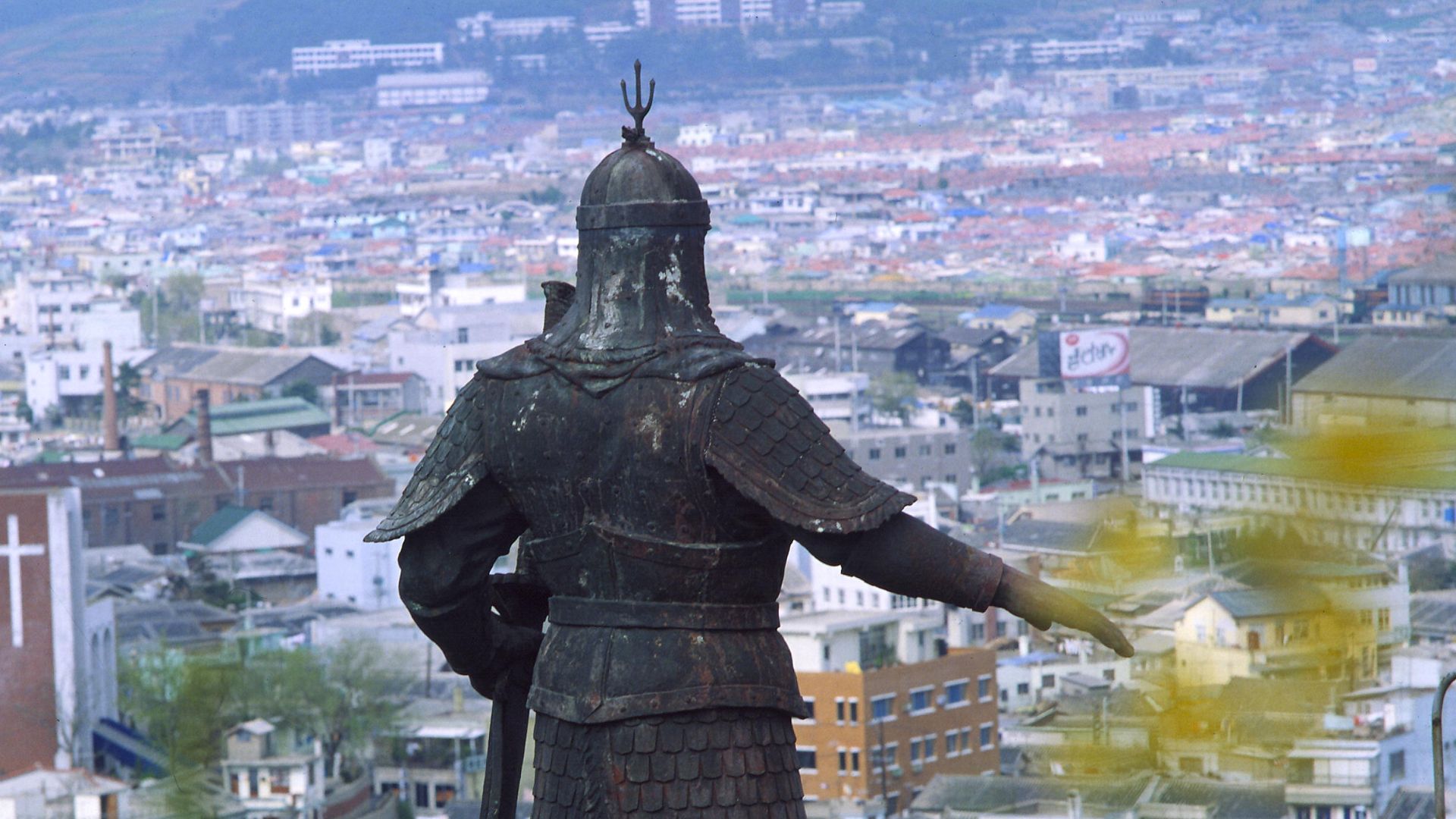
19. Admiral Yi Sun-sin - Turtle Ship Surprise
Yi Sun-sin was one of the best tactical minds to ever take the helm, but bad weather doesn't care about yer pedigree. During one of his famous Turtle Ship ambushes, unpredictable wind and tidal patterns caused his ships to scatter. Sailors panicked and Yi was forced to change tactics on the fly.
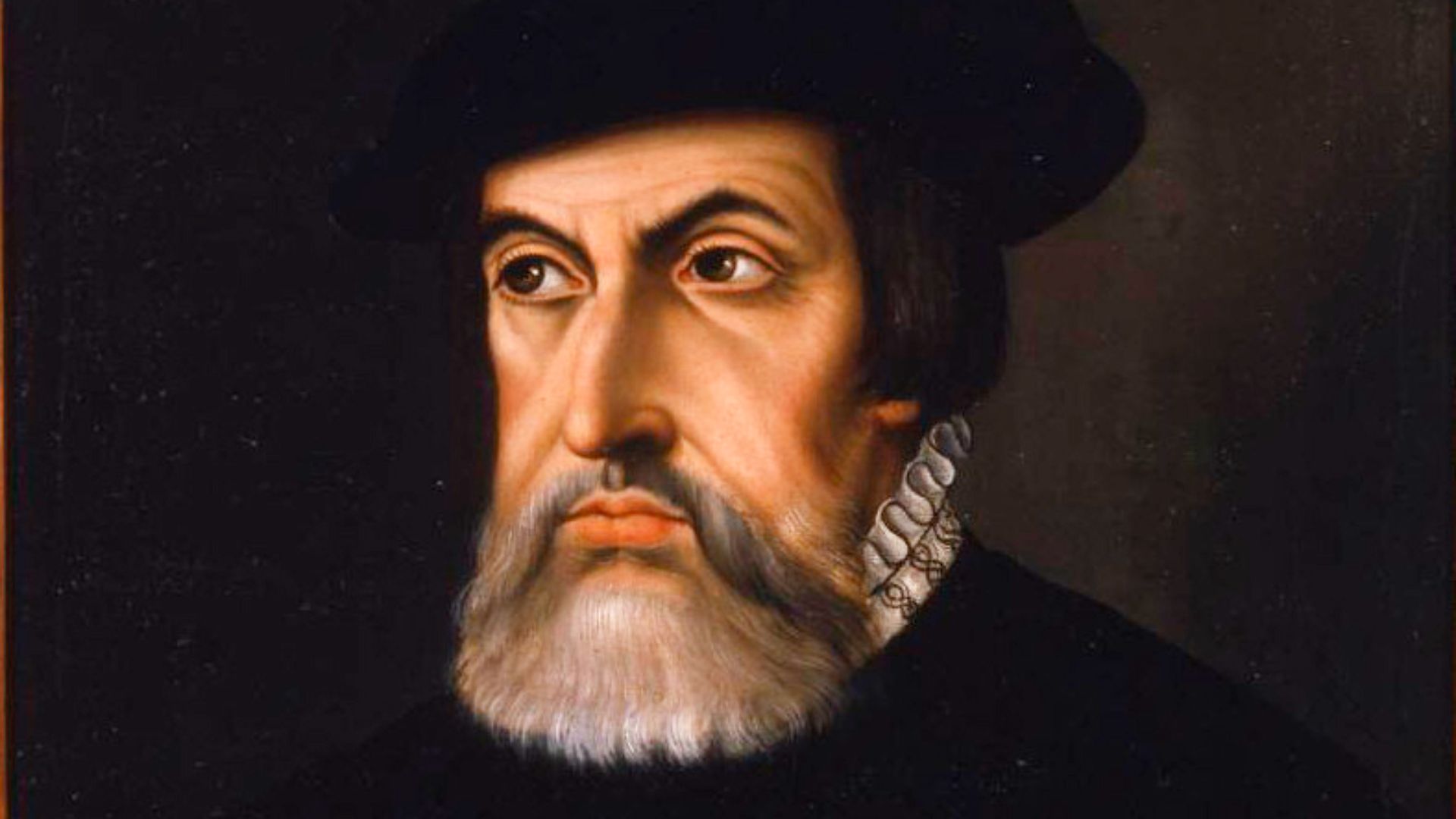
20. Hernán Cortés - Noche Triste
During his retreat from the Aztec capital, Cortés watched as his own men turned against him. Some soldiers fled on their own accord, leaving Cortés scrambling to maintain control. This proved that even the boldest of commanders can face internal chaos.
KEEP ON READING