Harrison Okene: The Man Found Alive at the Bottom of the Ocean
On May 26, 2013, at around 4:30 in the morning, Harrison Okene got up to use the bathroom aboard the tugboat Jascon-4. The 29-year-old cook had taken the job as a last-minute replacement. The vessel was working to stabilize an oil tanker at a Chevron platform about 20 miles off the Nigerian coast. Within minutes, his routine bathroom visit would turn into one of the most harrowing survival stories ever recorded.
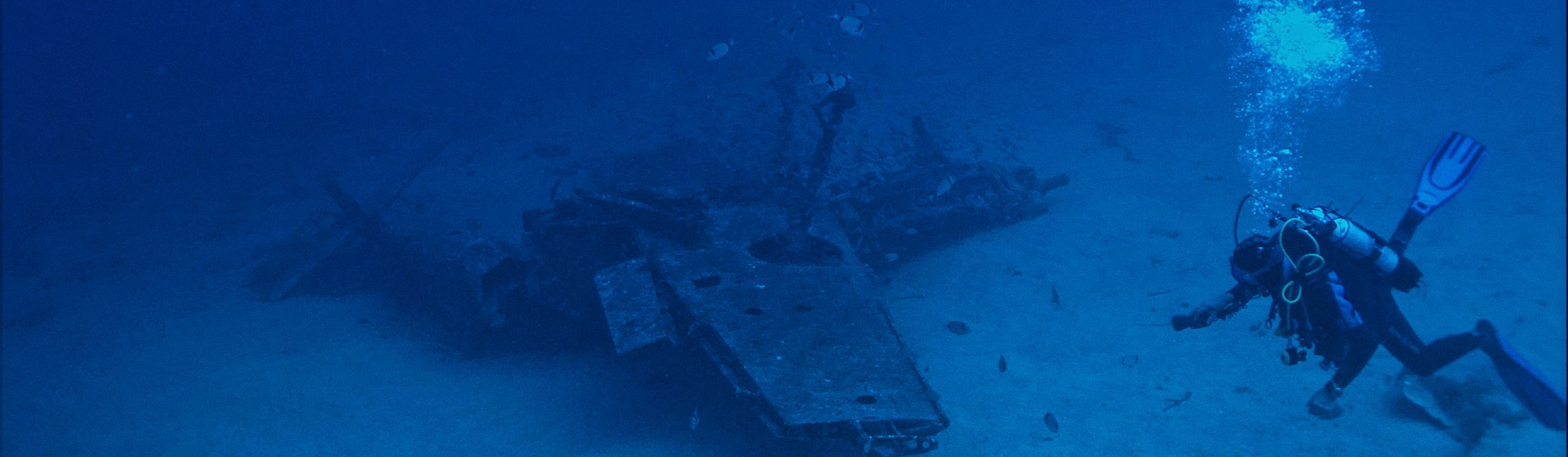
A sudden ocean swell slammed into the vessel, capsizing the boat. Water rushed in at terrifying speed. The ship flipped upside down and began its descent to the ocean floor, 100 feet below the surface. Okene, thrown from the bathroom wearing only his underwear, was swept through the ship until he found himself trapped in a small toilet attached to an officer's cabin. Eleven other crew members were aboard. None of them would survive.
An Air Pocket Between Life and Death
As the Jascon-4 settled on the seafloor upside down, a small air pocket formed in the bathroom where Okene had been swept. The doors had been locked throughout the vessel as a precaution against pirates who regularly attacked ships in the area. That security measure became a death trap for his crewmates but created the conditions for his survival.
Okene managed to fashion a small platform with a mattress, which kept him partially above the freezing water. Had his body been fully exposed to the frigid ocean temperature, hypothermia would have killed him within hours. He clung to the base of the overturned sink, holding his head above water in total darkness.
Humans typically require 10 cubic meters of air per day, meaning Okene would have needed 25 cubic meters to survive 60 hours. Because he was trapped at 30 meters below the surface, the pressure compressed his air supply by a factor of four. This compression meant he needed only 6 cubic meters of air rather than 25. Physicist Maxim Umansky of the Lawrence Livermore National Laboratory estimated the air pocket must have been connected to another chamber, providing enough volume to sustain life.
The Silent Killer Was Not Oxygen
The greater threat was not running out of oxygen. Carbon dioxide becomes lethal at concentrations around 5 percent, and in enclosed spaces, the CO2 we exhale kills faster than depleted oxygen. Eric Hexdall, clinical director of diving medicine at the Duke Center for Hyperbaric Medicine, estimated that in an air bubble the size of Okene's, a person has about 56 hours before carbon dioxide toxicity sets in.
Okene unknowingly saved himself through agitation. Carbon dioxide dissolves readily into water, and by splashing the water inside his air pocket, Okene inadvertently increased the water's surface area, increasing the absorption of CO2 and keeping levels below the deadly 5 percent threshold. The surrounding seawater acted as a carbon dioxide scrubber.
After about 60 hours, Okene was beginning to experience the first symptoms of carbon dioxide toxicity. Video footage from his rescue shows him panting with slightly glazed eyes. Hexdall estimated he would have lost consciousness after 79 hours. He was found just in time.
The Hand That Changed Everything
A team of South African divers had been sent down to inspect the wreck and recover bodies. They had already retrieved three bodies when they spotted something impossible. Diver Nico van Heerden later described finding someone alive as very unexpected and a total shock. Recovery video captured the moment Okene gently reached out his hand to touch a diver's arm, then withdrew and waved.
The rescue was extraordinarily complicated. After days at 30 meters depth, Okene's body had absorbed massive amounts of nitrogen gas at three times normal atmospheric pressure. Bringing him directly to the surface would have caused nitrogen bubbles to form in his blood, resulting in decompression sickness or death. The divers fitted him with an oxygen mask, then guided him into a diving bell maintained at the same pressure as the ocean floor.
Okene was placed in a decompression chamber at the surface, where he remained for three days while pressure was gradually lowered to allow trapped nitrogen to be released slowly. When he finally emerged, he thought he had been underwater for a single day. Medical examinations revealed his vital signs were remarkably normal.
Returning to the Depths
For several years after his rescue, Okene experienced recurring nightmares. Too afraid to return to the ocean, he took a chef's job on land. The nightmares persisted. Unable to put the ordeal behind him, he made a decision that seemed incomprehensible.
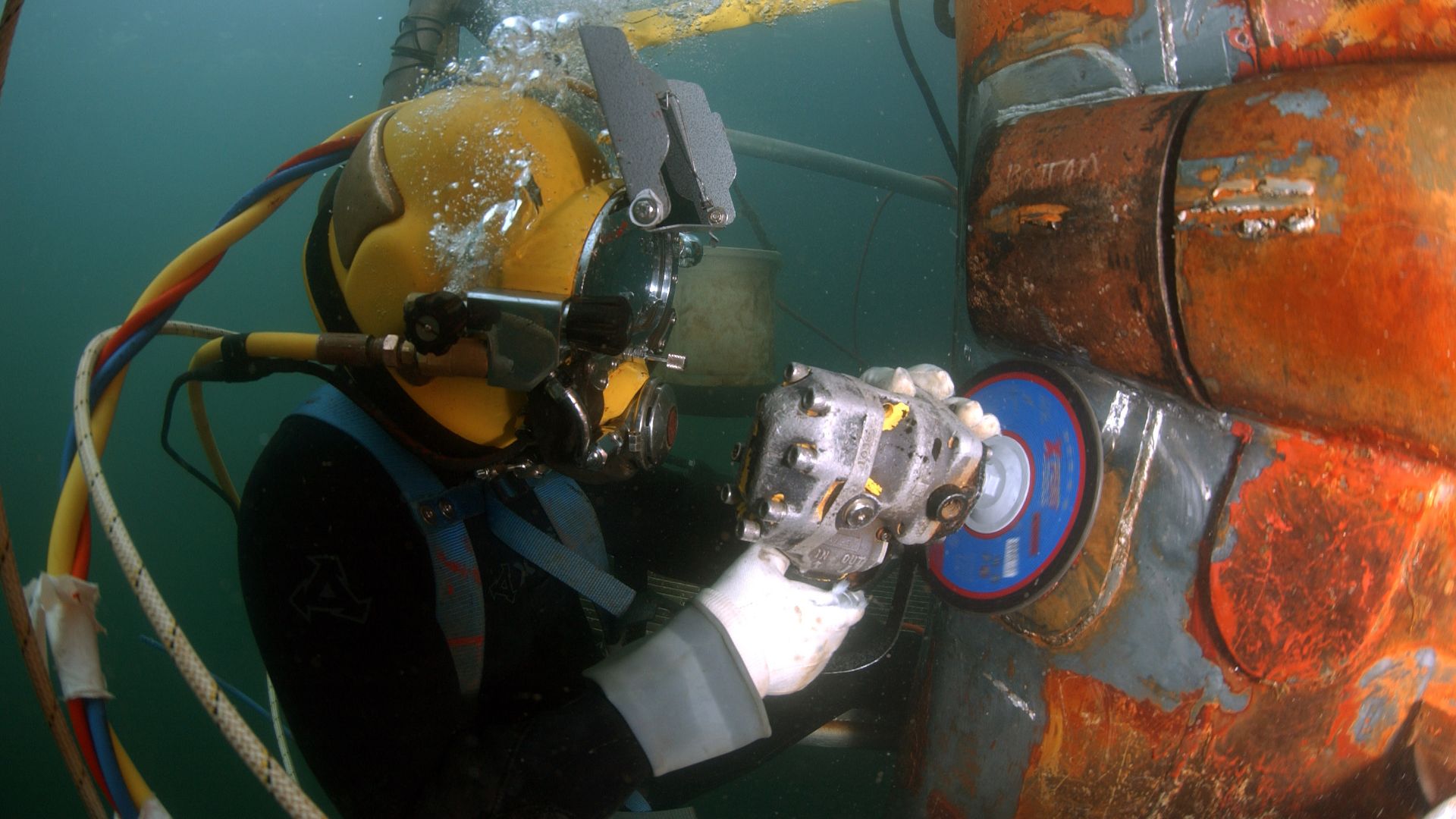
In 2015, Okene became a certified commercial diver. His motivation was not recreation. He wanted to become a rescue diver, to save others in desperate situations underwater. The diver who discovered him at the bottom of the ocean presented him with his diploma. Today, he works repairing oil and gas facilities out on the ocean.
KEEP ON READING