The Kind of Chaos People Still Talk About
A truly great prank is oddly meticulous, the delivery is calm, and the punchline lands hours later. The best ones also reveal something about the era that produced them, like how much faith people put in newspapers, radio, uniforms, or a confident man with a clipboard. Some of these pranks feel almost sweet, the kind that leave everyone groaning and then secretly admiring the craftsmanship. Others are sharper, built to embarrass an institution or puncture a little public self-importance. Here are 20 pranks that made crowds gather, phones ring, and very serious people briefly lose their footing.
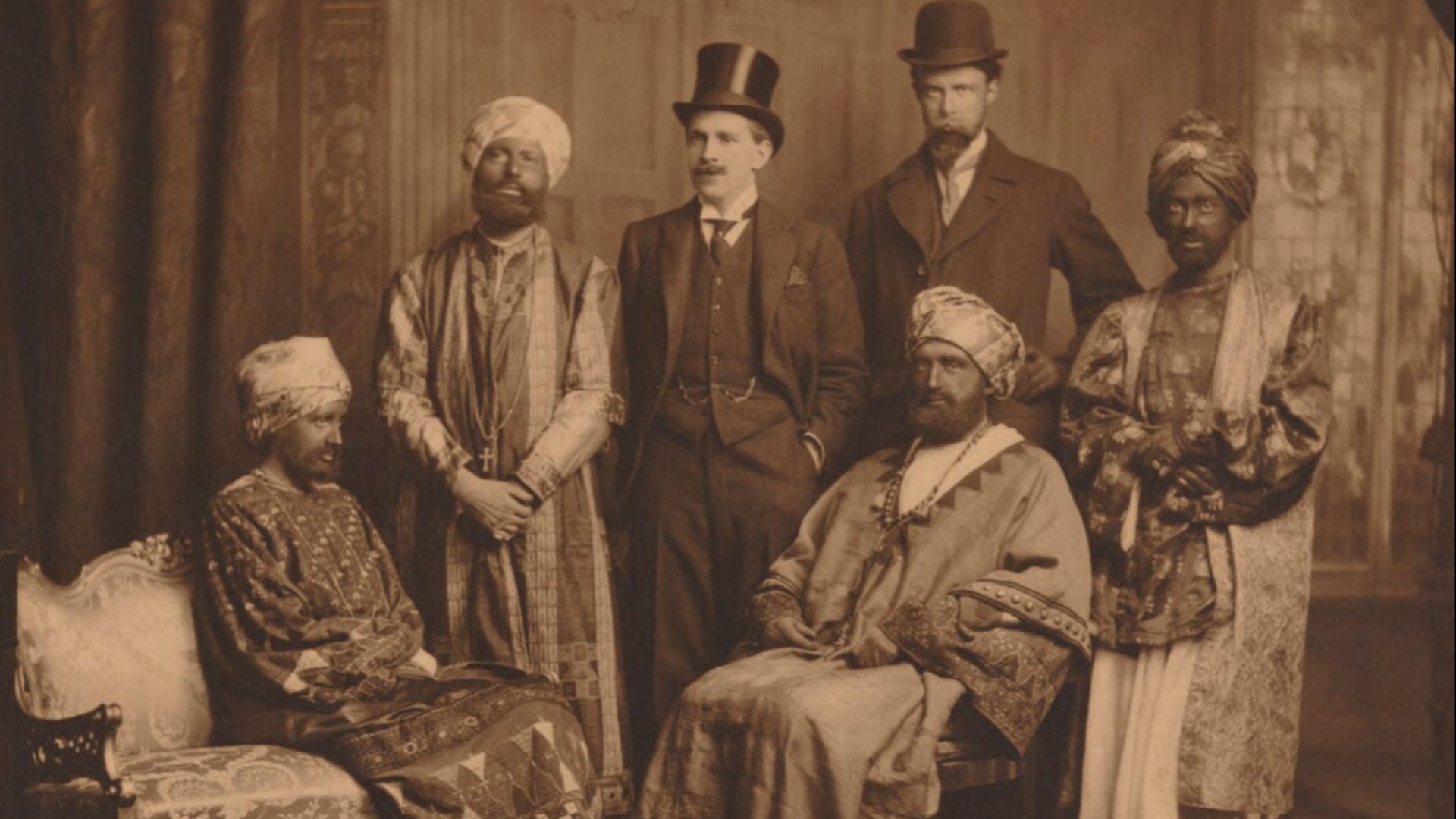
1. The Tower Of London Washing The Lions Invite
In 1698, people were reportedly sent invitations to an Annual Ceremony of Washing the Lions at the Tower of London, which sounds official enough to put on good shoes for. The joke is that there was no ceremony, and anyone who showed up was left holding their dignity at the gate with no lions to wash.
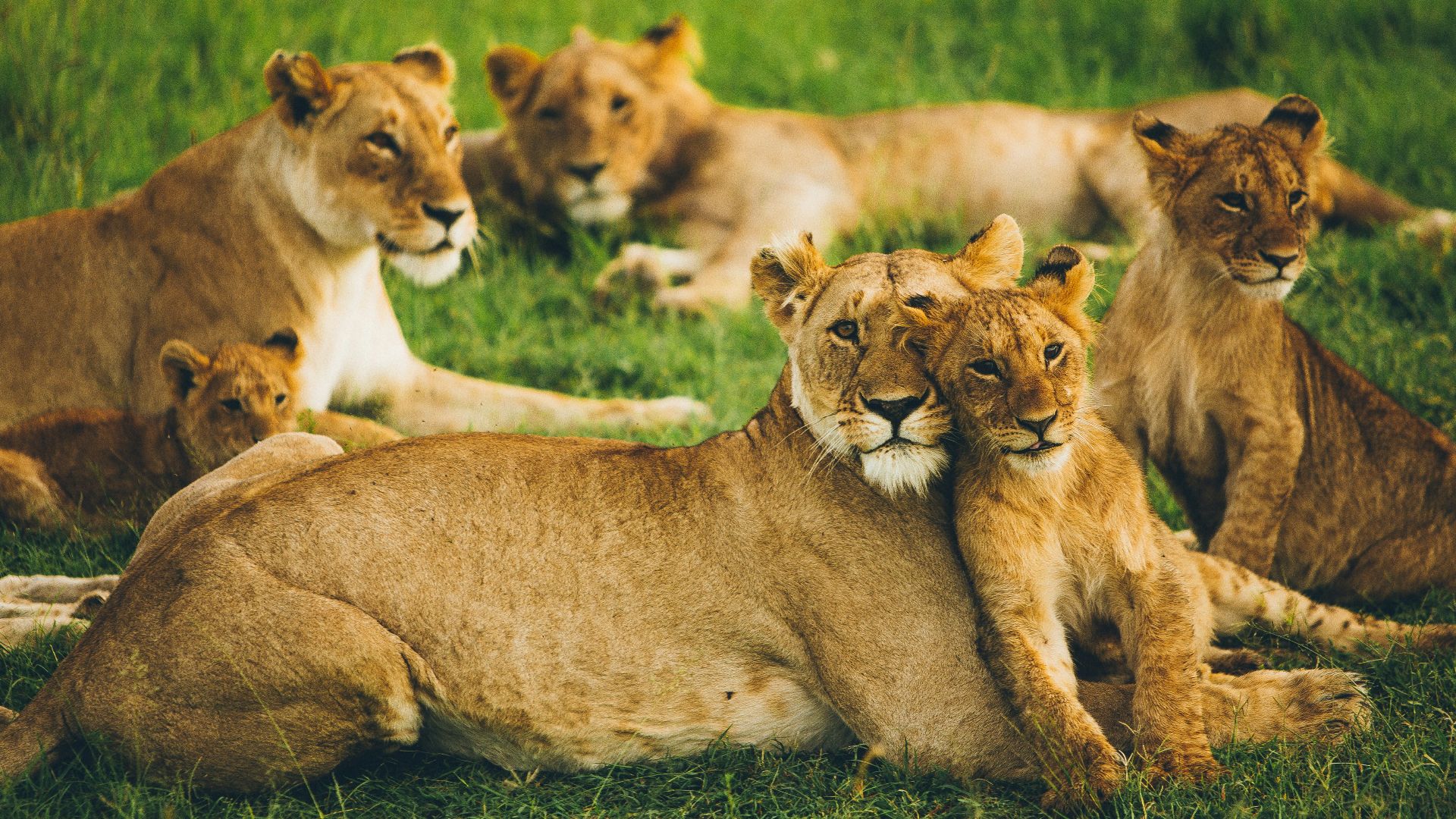
2. The Berners Street Hoax
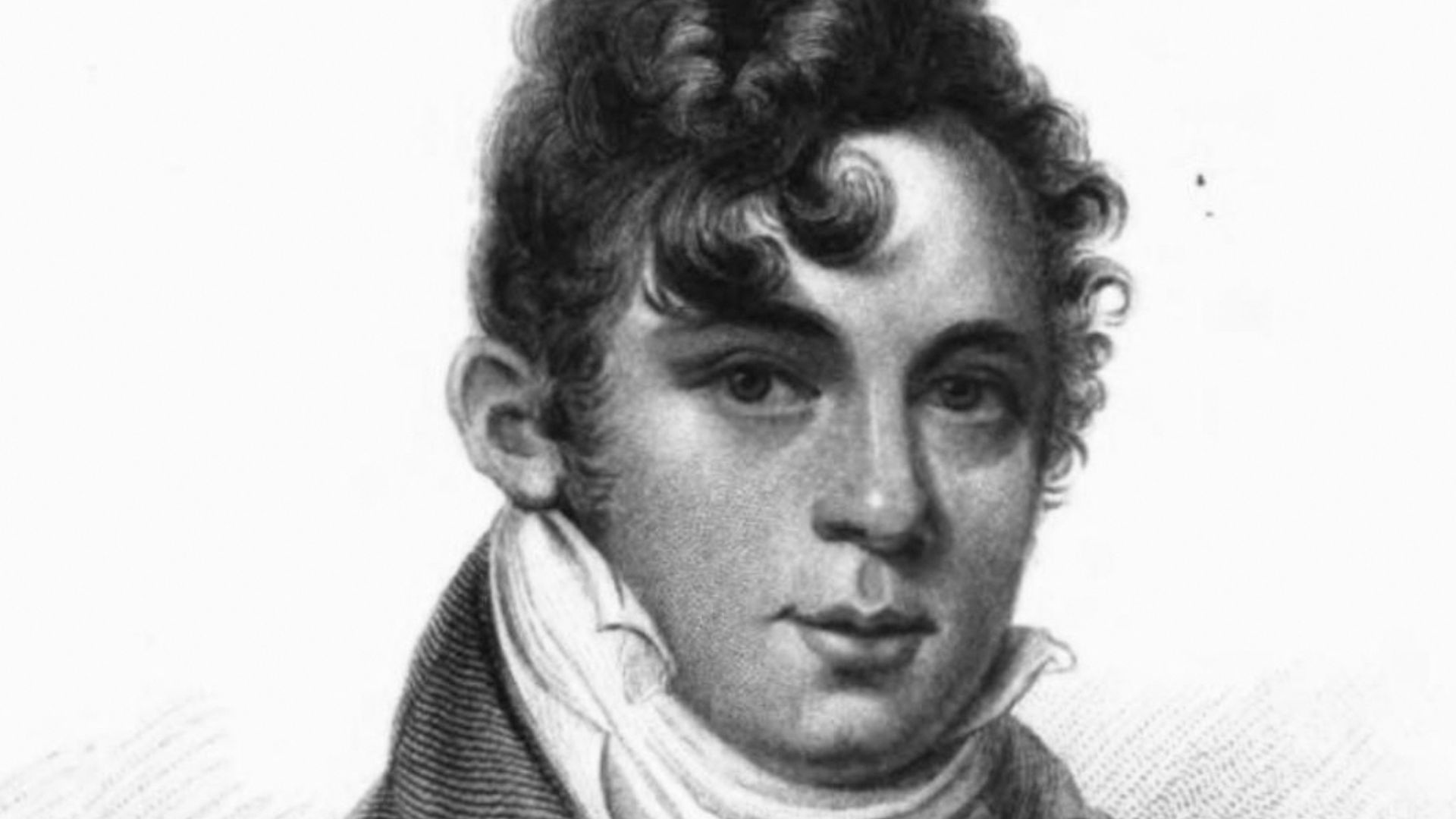
In 1810, Theodore Hook reportedly sent a flood of letters that summoned tradespeople, deliveries, and dignitaries to one London address, turning the street into a slow-motion pileup of confused professionals. The detail that makes it feel especially cruel and funny is the days of careful invitations that led to a morning where the whole city seemed to arrive at the same doorstep.
 Unknown authorUnknown author on Wikimedia
3. The Great Moon Hoax
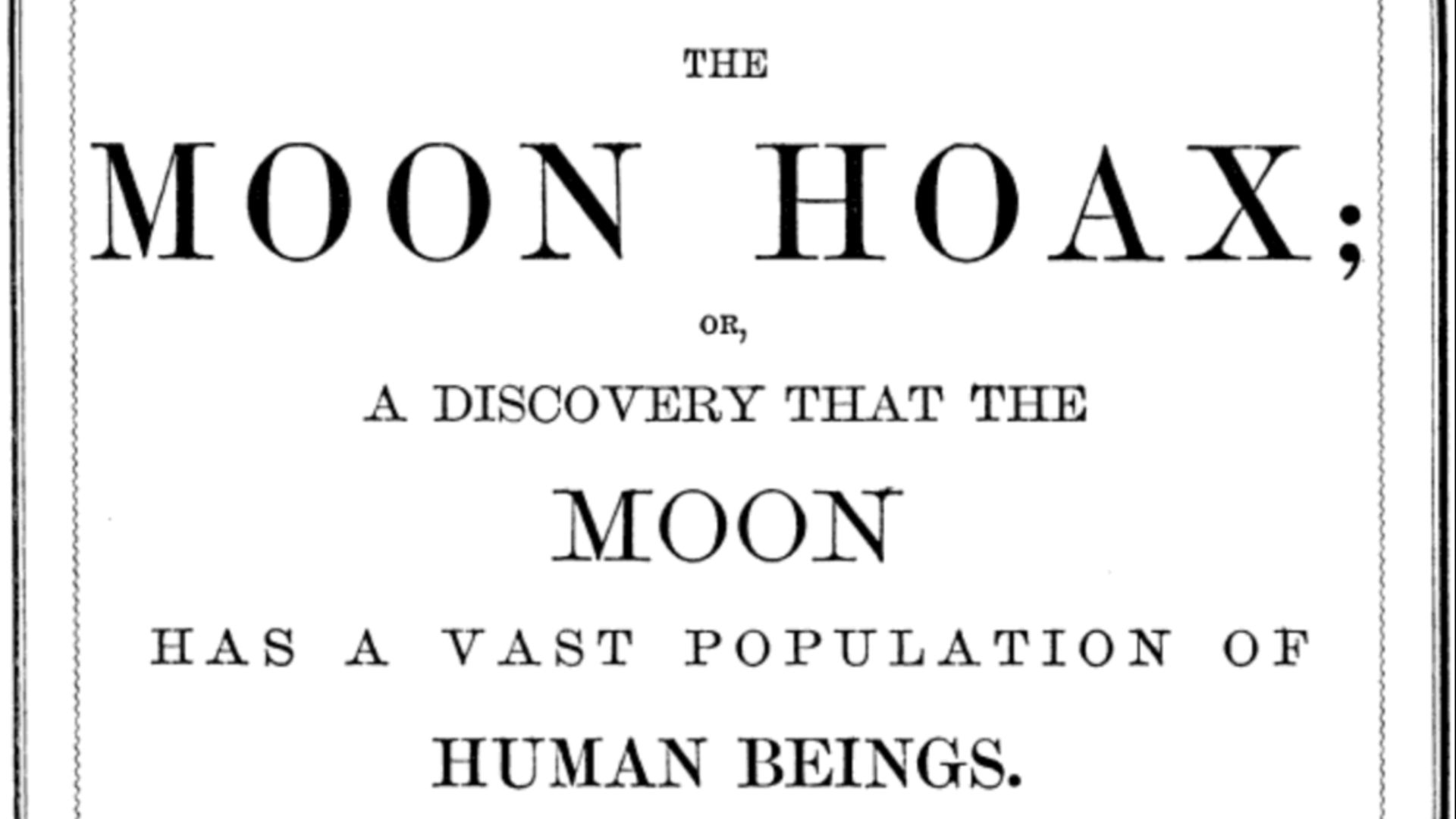
In 1835, a New York newspaper ran a series of articles claiming life had been discovered on the Moon, complete with invented details and a borrowed aura of scientific authority. The prank worked because it sounded like the kind of thrilling discovery people wanted to believe in, and the paper later admitted the whole thing was fabricated.
 Richard Adams Locke, Joseph Nicolas Nicollet on Wikimedia
4. The Cardiff Giant
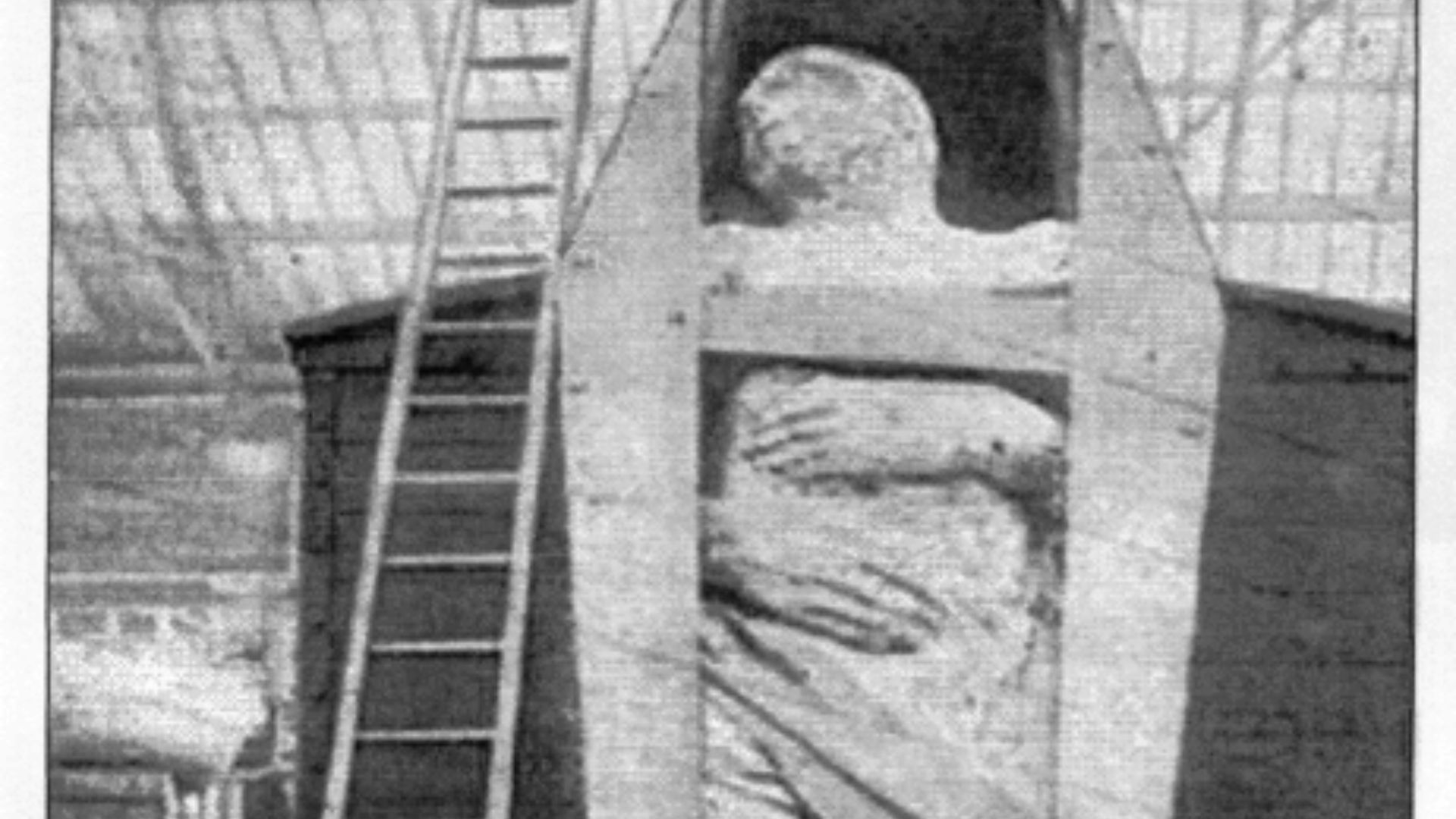
In 1869, workers digging a well in upstate New York “found” a ten-foot petrified man, and the public treated it like a miracle that happened to come with an admission fee. The story kept getting funnier as copycats and showmen piled on, including a competing version promoted by P. T. Barnum, because nothing says integrity like arguing over who owns the real fake giant.
 Scan from magazine on Wikimedia
5. The Cottingley Fairies Photos
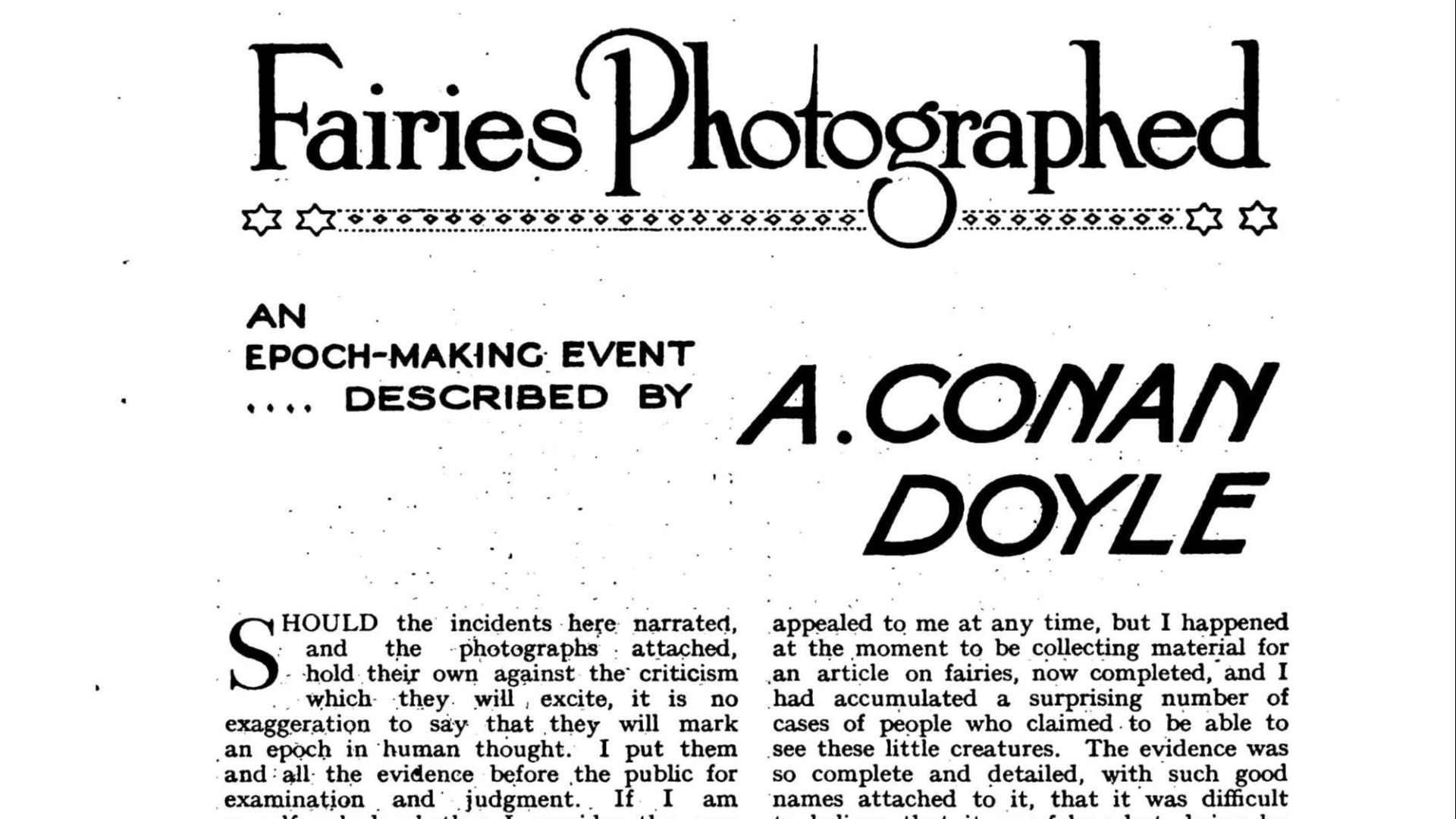
In 1917, two cousins in Yorkshire produced photographs that appeared to show fairies, using cutouts and a straight face, and the prank somehow grew into a cultural obsession. The most absurd part is how long it lasted, with believers and skeptics debating for decades before the women admitted, years later, that it started as a bit of fun.
 Arthur Conan Doyle on Wikimedia
6. The Dreadnought Hoax
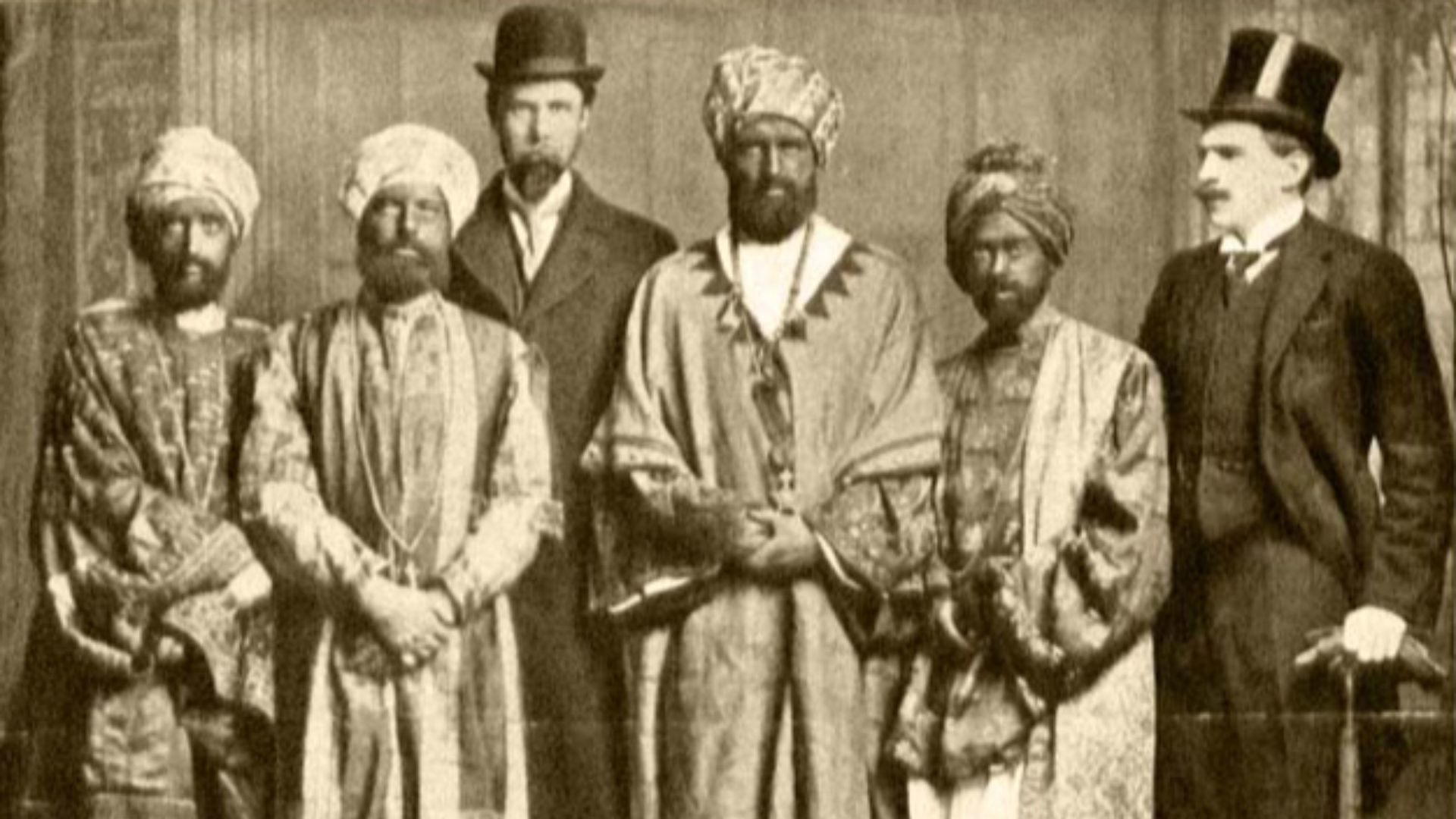
In 1910, a group led by Horace de Vere Cole convinced the Royal Navy to give a ceremonial tour of HMS Dreadnought to a fake delegation of Abyssinian royalty. It was elaborate, theatrical, and also tangled up in the ugly racial costuming of the time, which sits awkwardly beside the very modern idea of embarrassing a powerful institution by simply acting confident.
 Believed to be James Lafayette. For further information, see the talk page. on Wikimedia
7. Kremvax, The Kremlin Usenet “Site”
On April 1, 1984, an announcement appeared on Usenet claiming the Soviet Union had joined the network via a fictional site called Kremvax. The joke hit so well because it played directly on Cold War assumptions, and because early internet communities were just earnest enough to get excited before the penny dropped.

8. The BBC Spaghetti Tree Broadcast
In 1957, the BBC aired a straight-faced segment showing spaghetti being harvested from trees in Switzerland, presented like a normal news report. Viewers called in asking how to grow their own, which is both hilarious and oddly understandable when a trusted broadcaster is calmly narrating pasta agriculture.
 Robert Couse-Baker from Sacramento, California on Wikimedia
9. Sweden’s Nylon Stocking Color TV Trick
In 1962, Sweden’s only TV channel aired a segment claiming viewers could turn black-and-white television into color by stretching a nylon stocking over the screen. The mental image alone is perfect: living rooms across the country, people hunting through drawers, then squinting at the results like the problem is their technique.

10. Big Ben Goes Digital
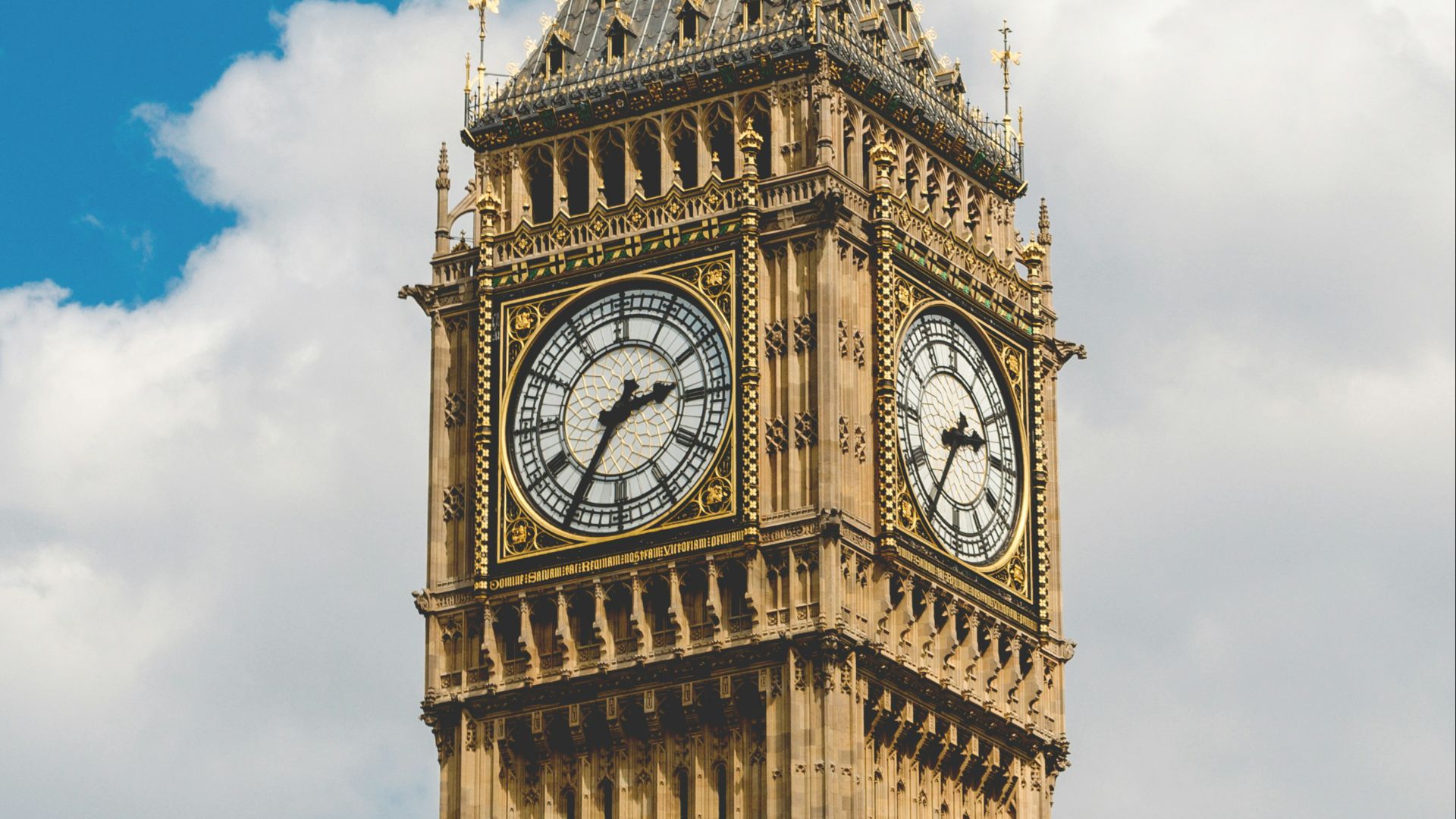
In 1980, the BBC’s overseas service reported that Big Ben was going to get a digital display, and listeners reacted as if someone had threatened a family member. The prank worked because it pressed on a specific nerve, that special kind of outrage reserved for “modernizing” something nobody asked to modernize.
11. San Serriffe, The Fictional Island Nation
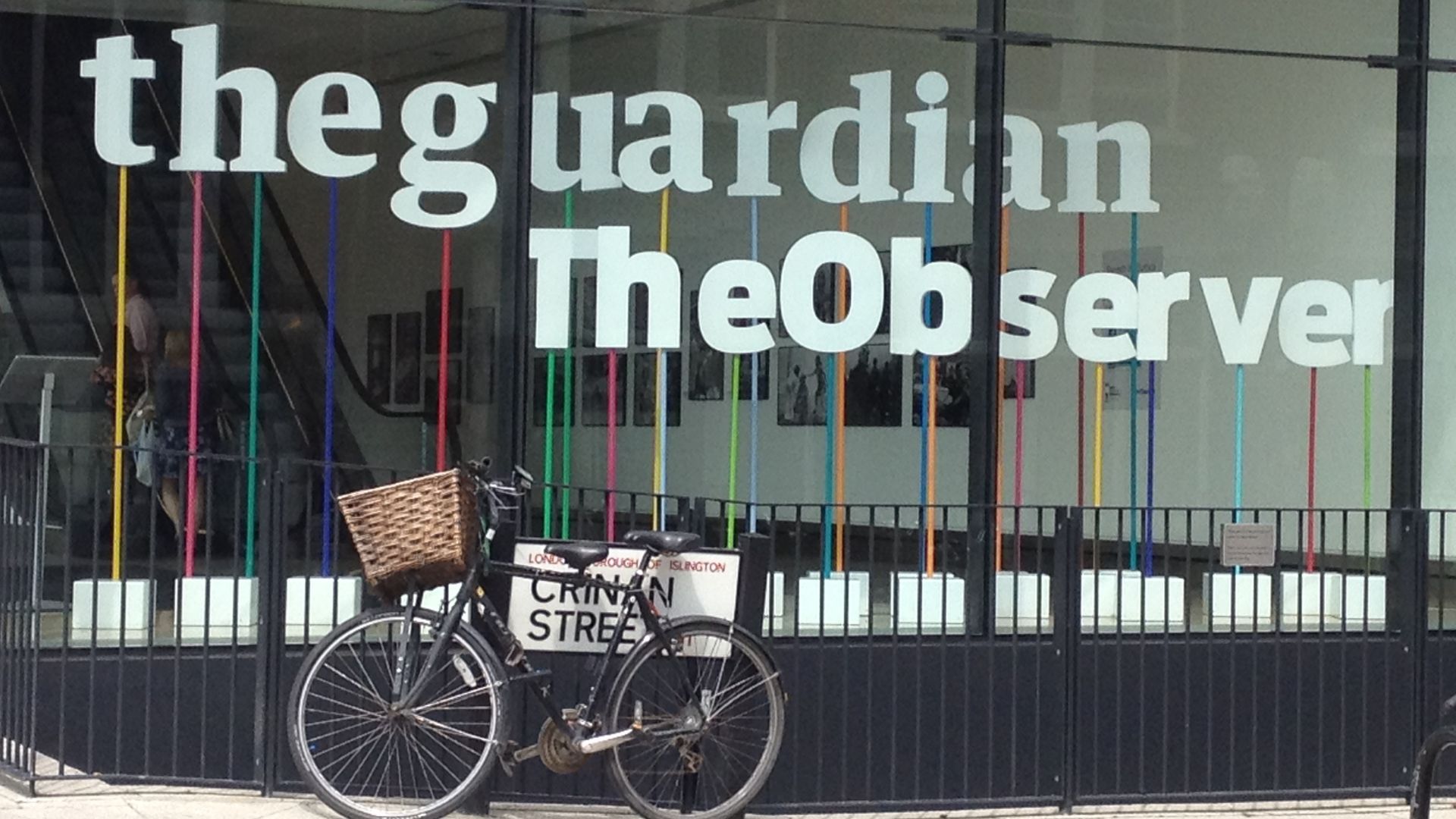
In 1977, The Guardian published a lavish travel-style feature about a made-up archipelago called San Serriffe, complete with details designed to feel real at a glance. Readers called the paper for information, which is the dream result for any prank that required that many writers to keep a straight face at the same time.
12. Polo Mints With No Holes
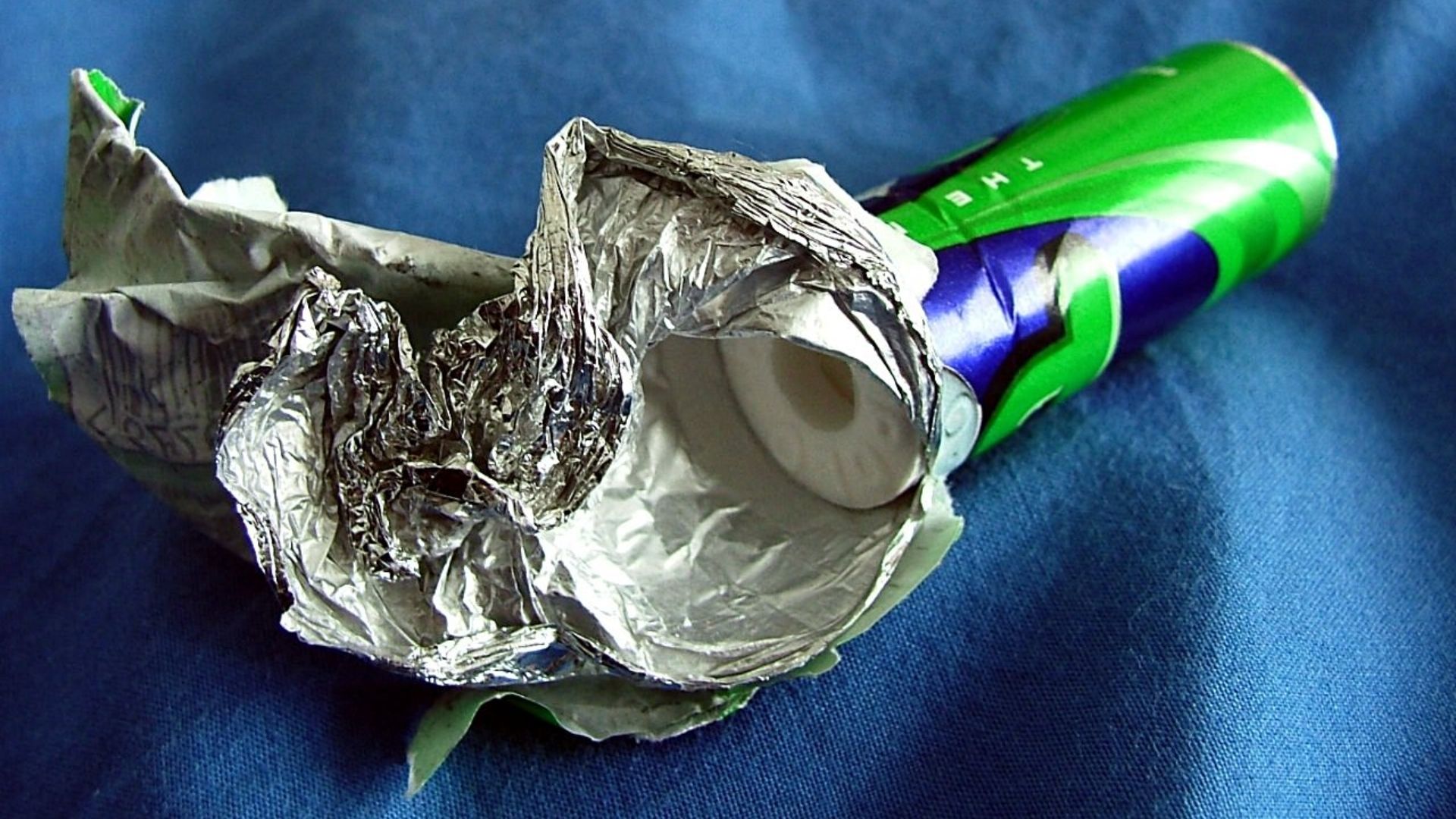
In 1995, marketers announced that Polo mints would no longer have holes due to a supposed European regulation, which is exactly the kind of bureaucratic nonsense people can picture being true. The joke landed because it was specific, annoying, and plausibly official, and those are the three ingredients that make a fake rule feel real.
13. Taco Bell “Buys” The Liberty Bell
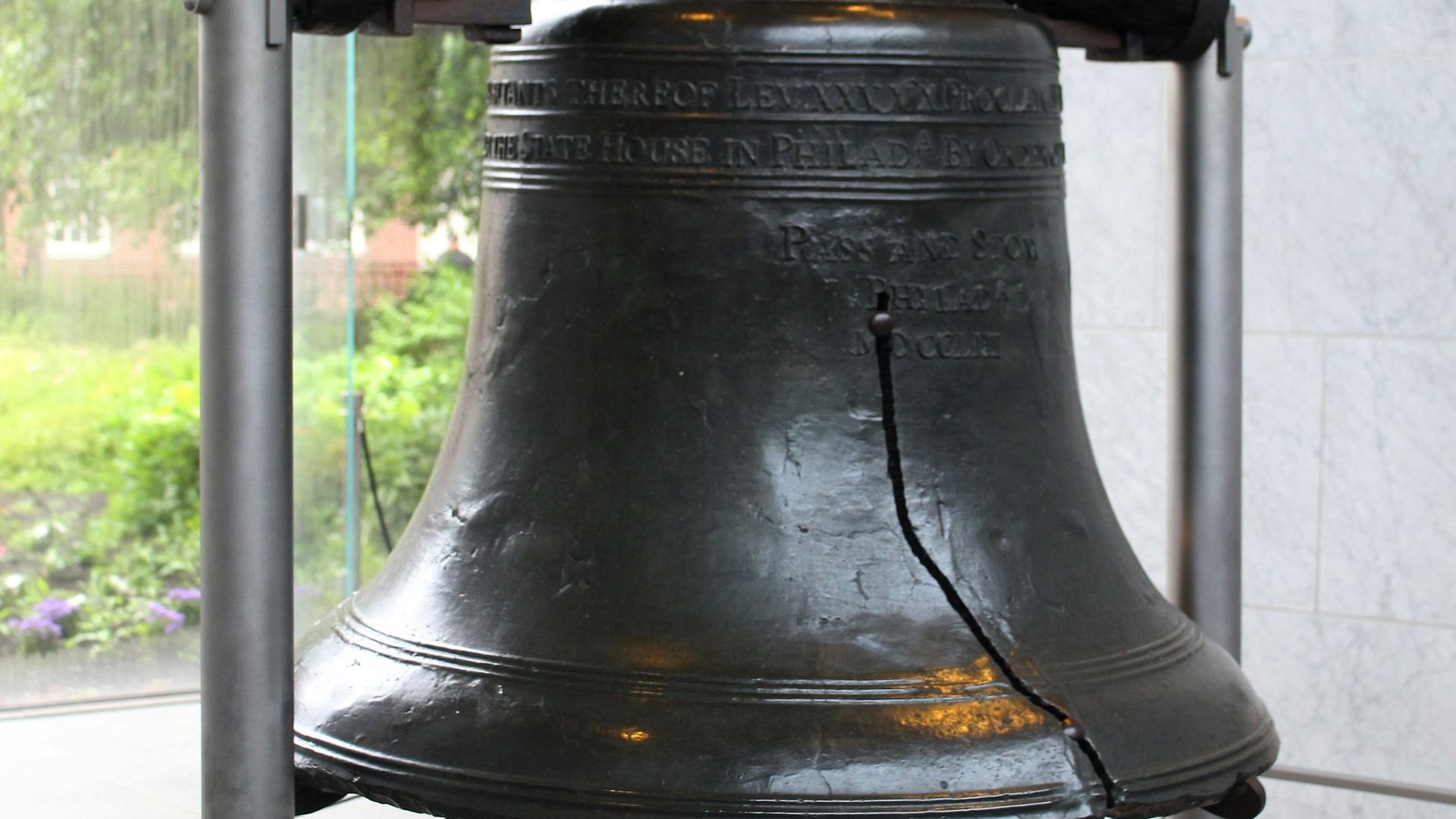
In 1996, Taco Bell placed newspaper ads claiming it had purchased the Liberty Bell to help reduce the national debt and had renamed it accordingly. The prank was so convincing that thousands of people reportedly called Taco Bell and the National Park Service, which is a nice reminder that corporate absurdity is always just one step away from realism.
14. The Left-Handed Whopper
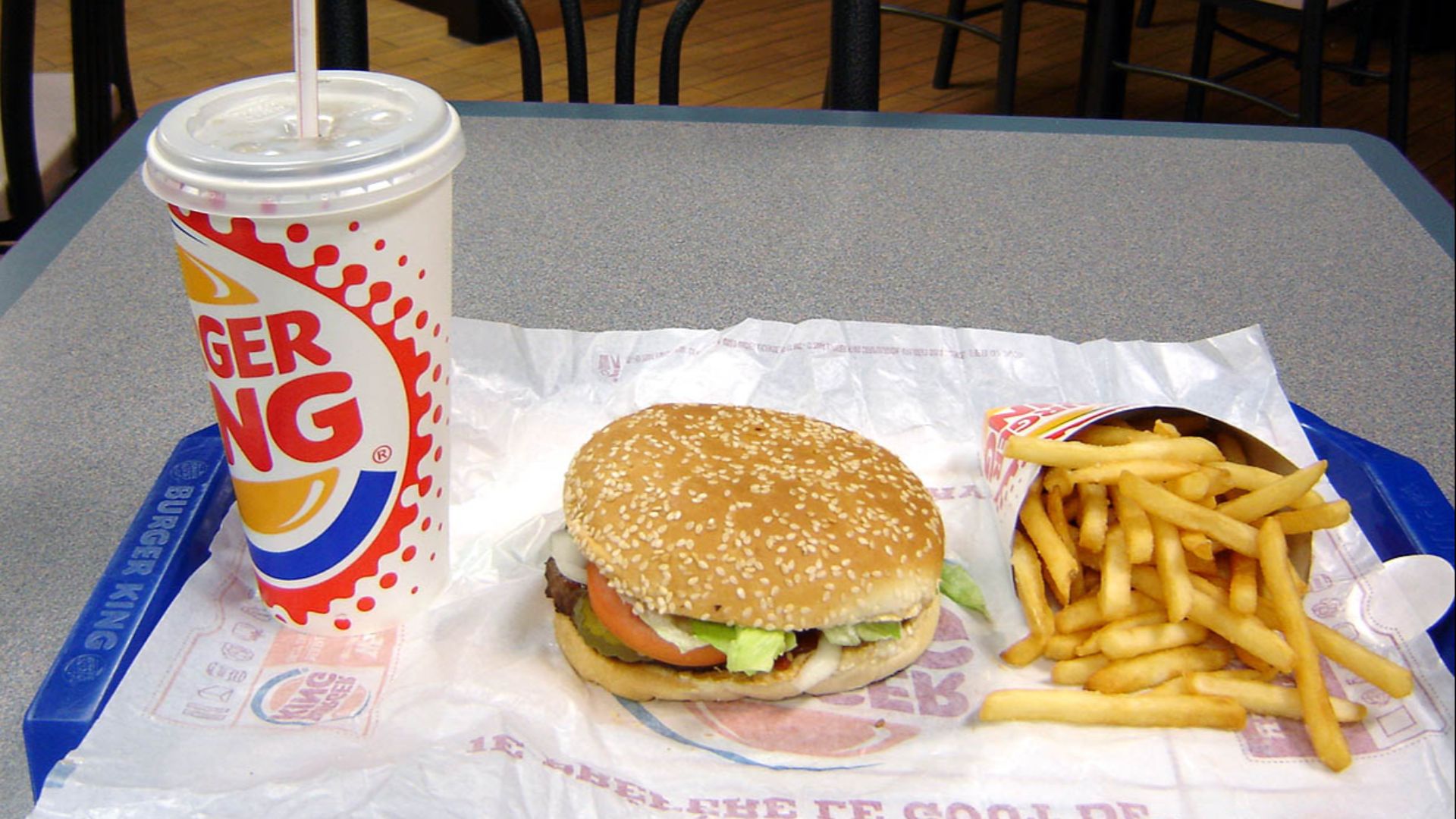
In 1998, Burger King ran an ad for a Left-Handed Whopper supposedly engineered for left-handed customers, as if rotating condiments is a public service. The funniest part is imagining the employees fielding requests from people who were sincerely ready to order one, because the world contains infinite goodwill toward nonsense.
15. Sidd Finch, Baseball’s Perfect Fiction
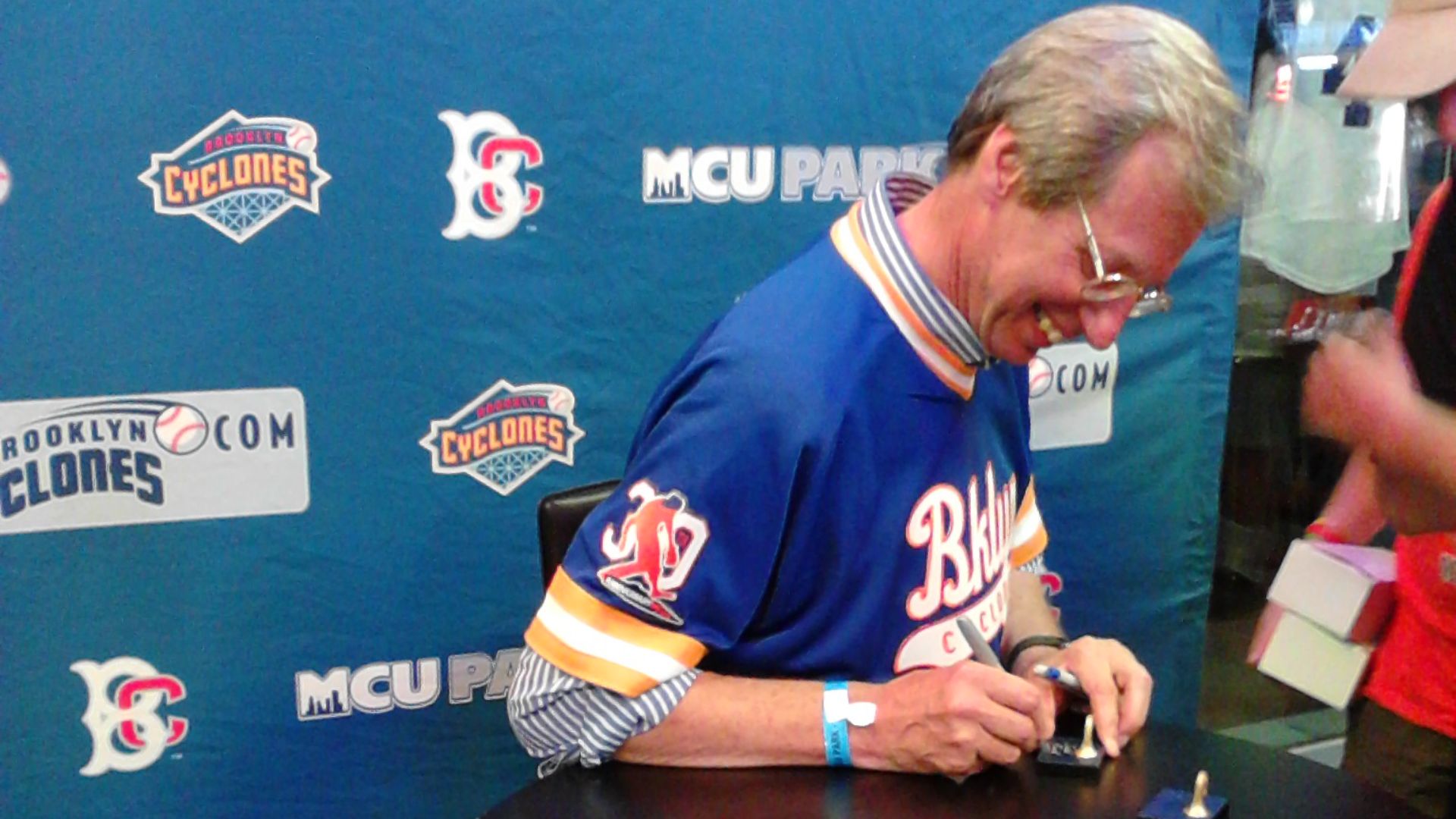
In 1985, Sports Illustrated published George Plimpton’s story about a mysterious Mets pitching prospect who could throw a 168 mph fastball, complete with a carefully built backstory. It was written so earnestly that plenty of readers went along for the ride, which is what happens when a prank understands the audience’s desire for a miracle.
16. The Harvard-Yale WE SUCK Card Stunt
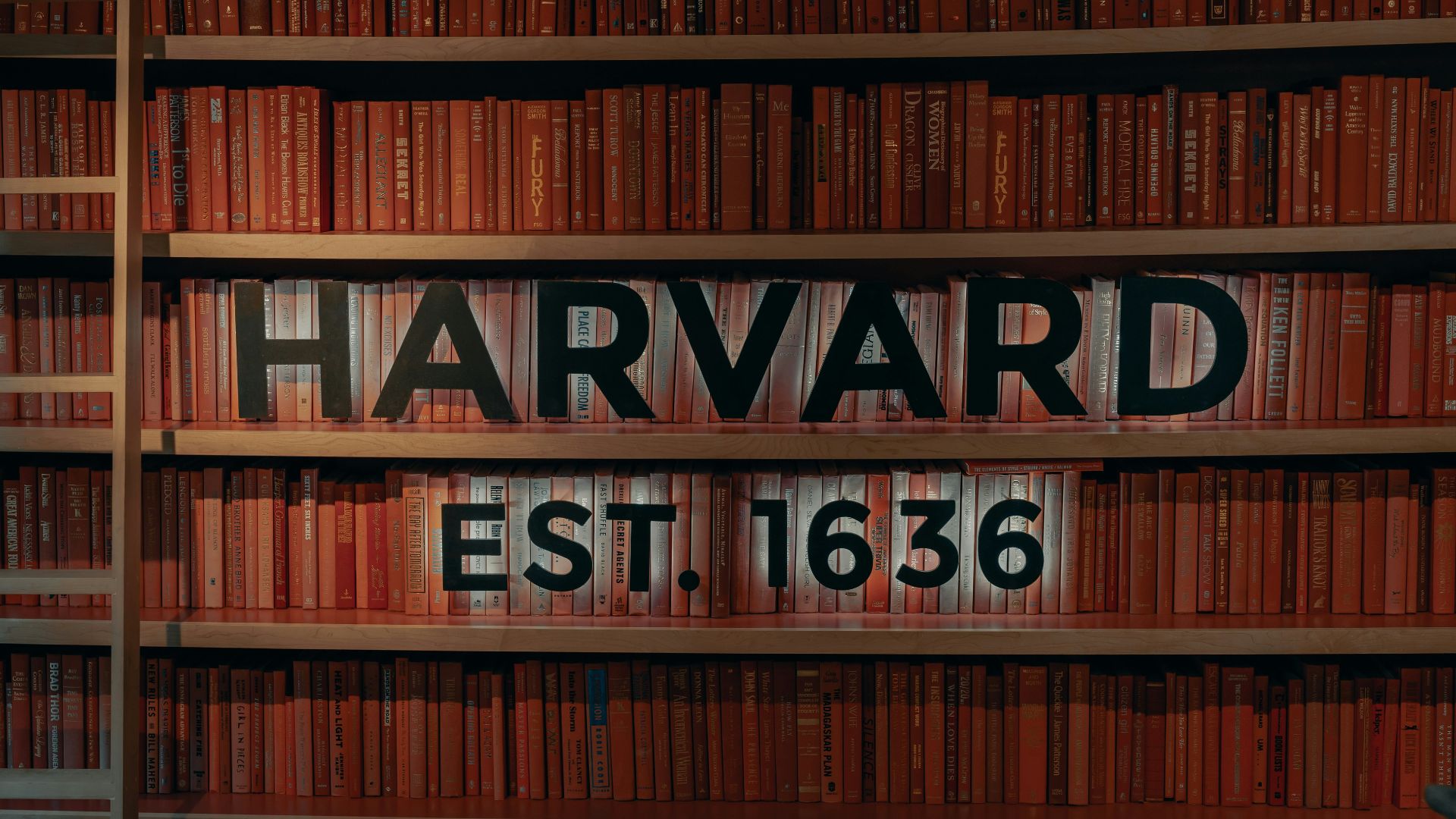
In 2004, pranksters posing as a Harvard pep squad handed out placards for a coordinated cheer, and when Harvard fans raised them, the message spelled out a self-own. It’s funny because it’s simple, it’s public, and it turns school-spirit choreography into a trap that only makes sense after the damage is done.
17. Caltech Turns Hollywood Into Caltech
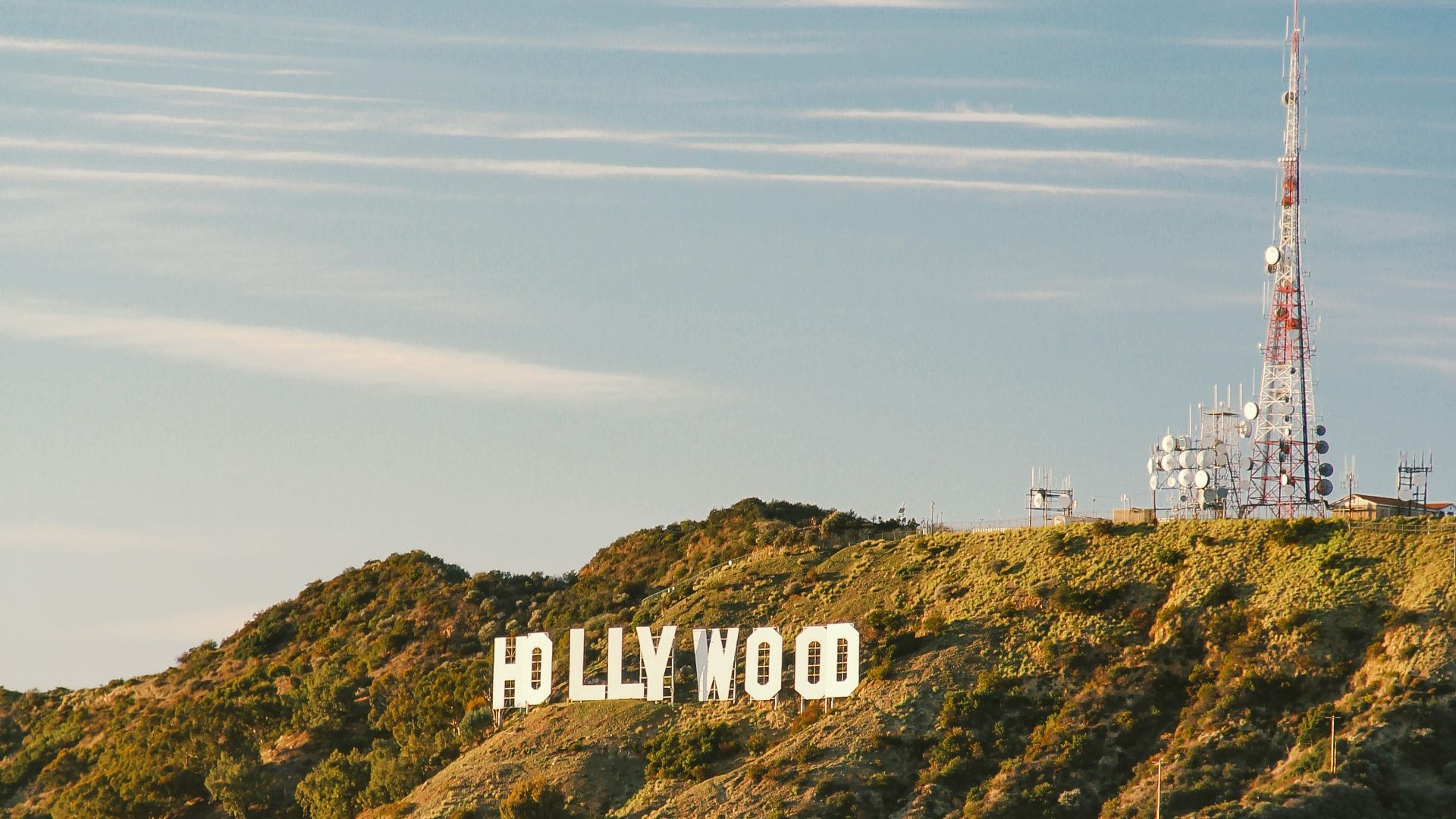
In 1987, Caltech students altered the Hollywood sign to read Caltech, which is both petty and strangely wholesome, like graffiti done by people who also keep lab notebooks. The charm is in the effort: hauling materials up a hillside in the dark, all for the academic joy of making a landmark spell your school’s name.

18. The MIT Police Car On The Great Dome
In 1994, MIT students placed what looked like a campus police car on top of the Great Dome, complete with details designed to sell the illusion. The prank is legendary because it required engineering, stealth, and a commitment to the bit that probably outlasted the sleep those students got that week.

19. Hollyweed On The Hollywood Sign
On January 1, 1976, the Hollywood sign was altered to read Hollyweed in a stunt linked to shifting marijuana laws and a certain California sense of timing. The message is juvenile in the best way, the execution is bold, and the fact that it has been echoed in later years tells you how sticky a good dumb joke can be.
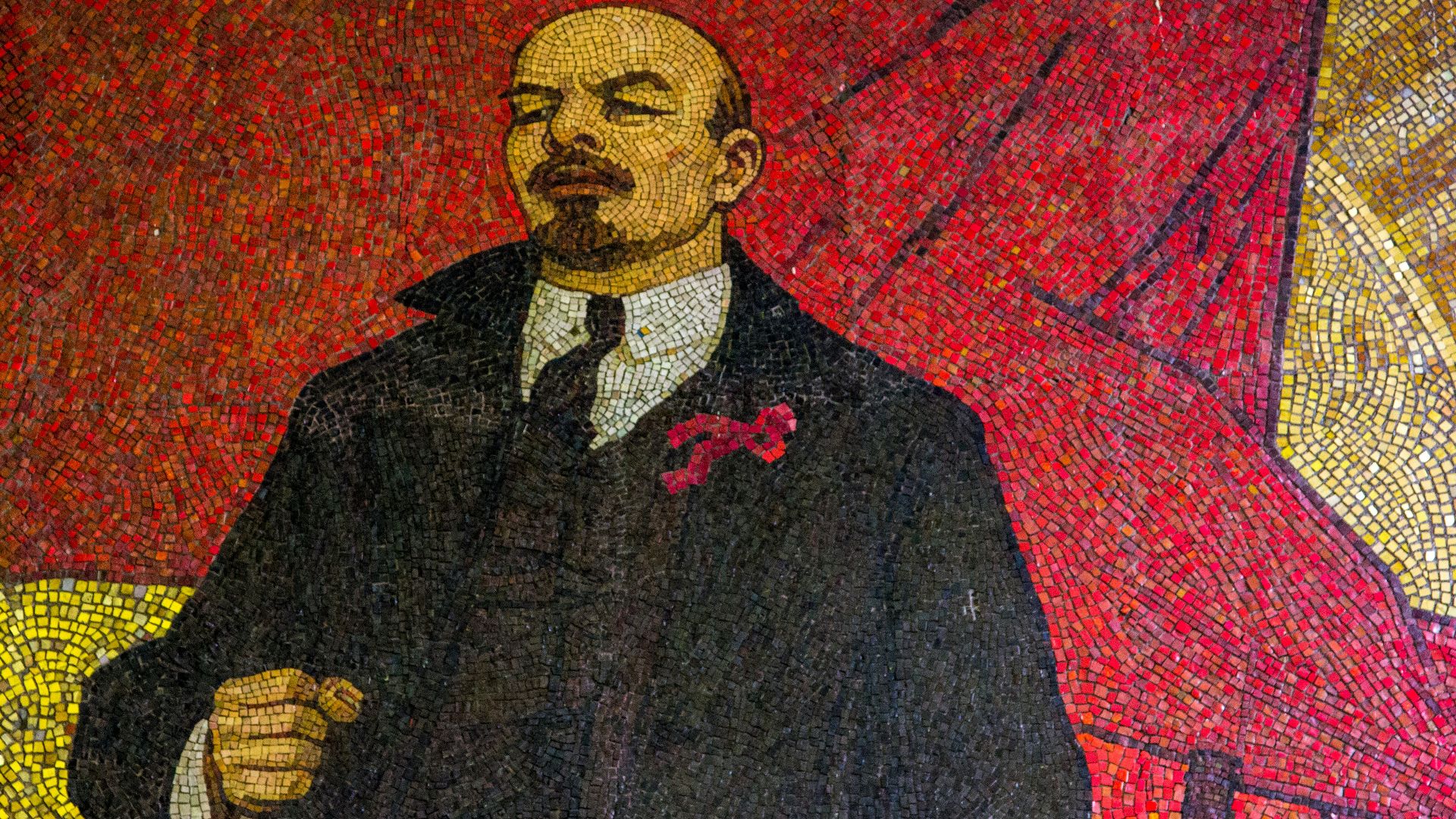
20. Lenin Was A Mushroom
In 1991, Soviet television aired a hoax interview in which Sergey Kuryokhin, performing as a serious researcher, “proved” that Vladimir Lenin had become a mushroom through a chain of bogus logic. The prank mattered because it mimicked the cadence of authority so well that some viewers reportedly took it seriously, which is both funny and a little sobering in the same breath.
KEEP ON READING