A Finnish Farmer With Deadly Aim
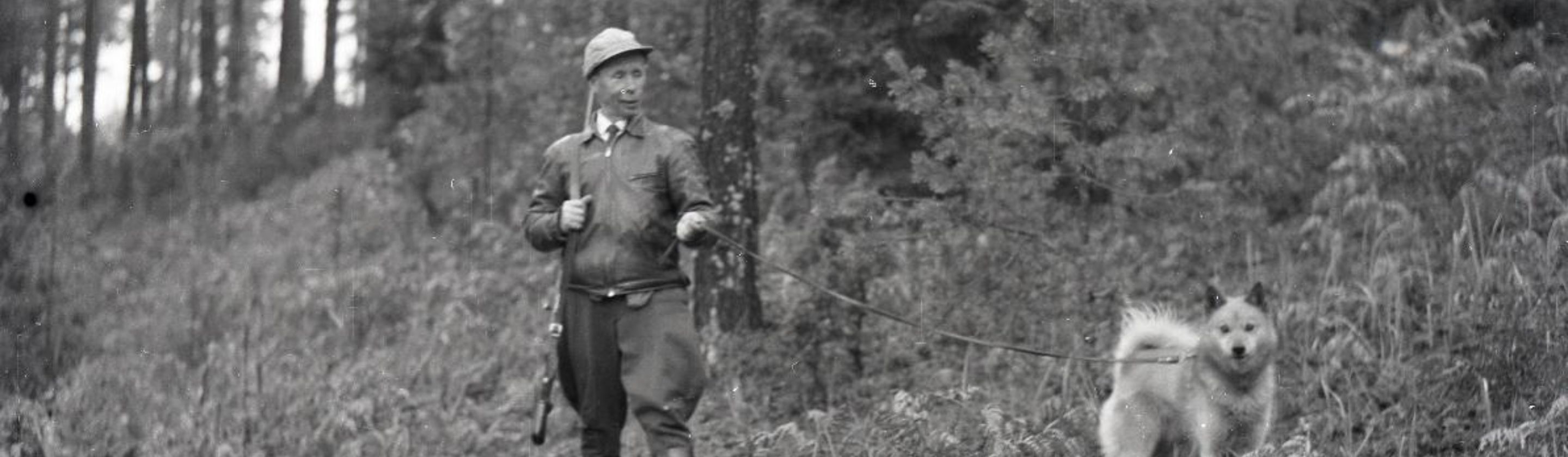
Simo Häyhä’s story can sound unreal until you notice how ordinary his life looked away from the fighting. Coming from a small farming community near Finland’s eastern border, he was often described as a quiet man who did not chase attention. The Winter War arrived in late 1939, and he ended up at Kollaa, in deep snow and short daylight, where a single mistake could draw fire fast. The nickname The White Death followed him because opponents struggled to spot him in white terrain, and because his aim rarely missed. These 20 facts lay out what history can say with confidence about him.
 Unknown authorUnknown author on Wikimedia
1. Born In Rautjärvi, Finland
Häyhä was born on December 17, 1905, in Rautjärvi, in the Viipuri Province of what was then the Grand Duchy of Finland. He grew up as one of eight children in a Lutheran farming family, where early mornings and hard labor were a part of the daily schedule.
 Ximonic (Simo Räsänen) on Wikimedia
2. A Working Farm Background
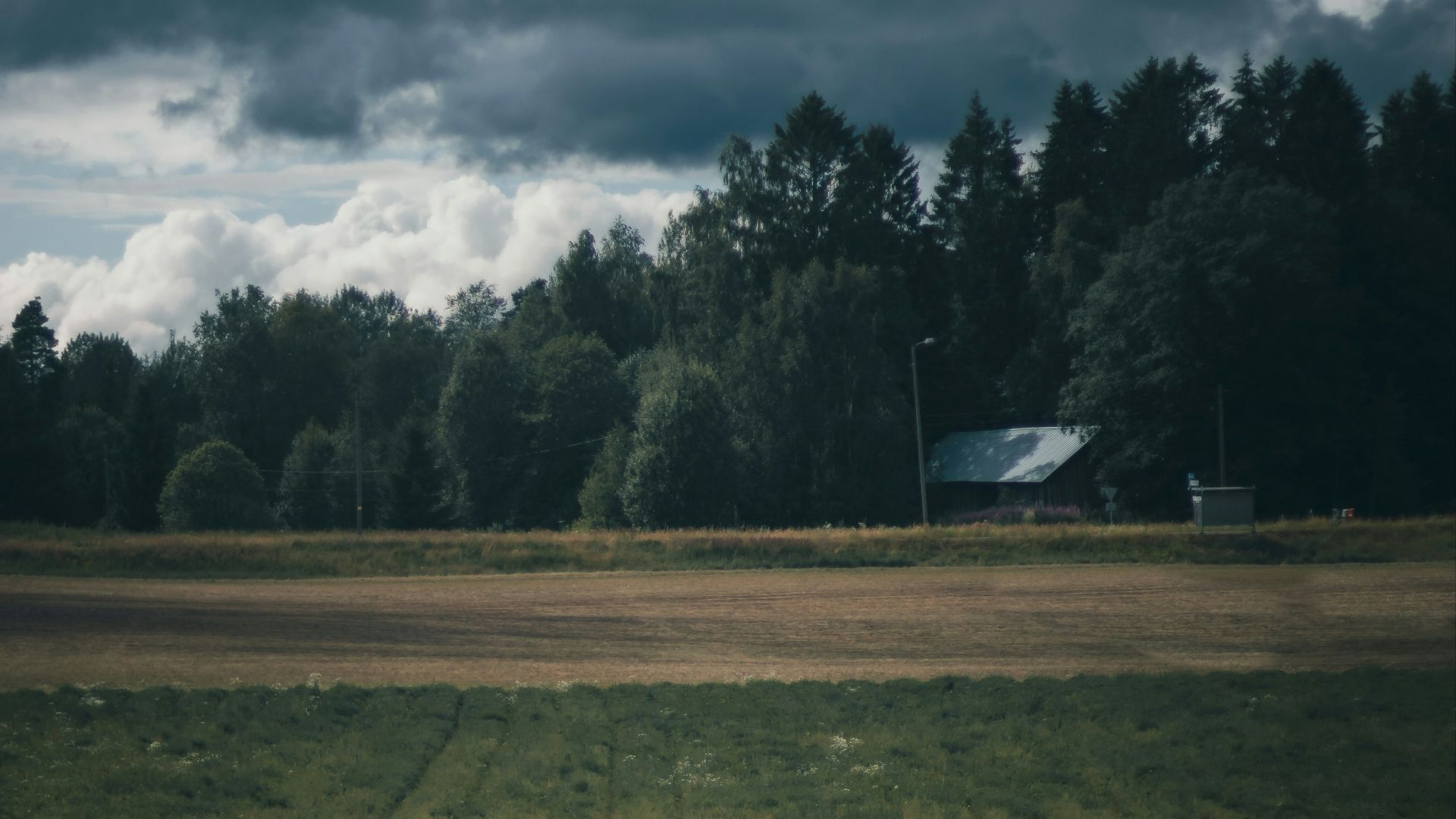
Working an unglamorous life before the war, it’s unsurprising that Häyhä was so well-adapted to the harsh conditions required for military life. That kind of upbringing tends to build practical habits, since you learn quickly what cold weather does to your grip and patience.
3. Civil Guard Training Started Early
He joined Finland’s Civil Guard as a teenager, providing him with structure long before he became known nationwide. Shooting competitions were part of that culture, and he developed skill through repetition rather than showmanship.
4. Military Service In Bicycle Units
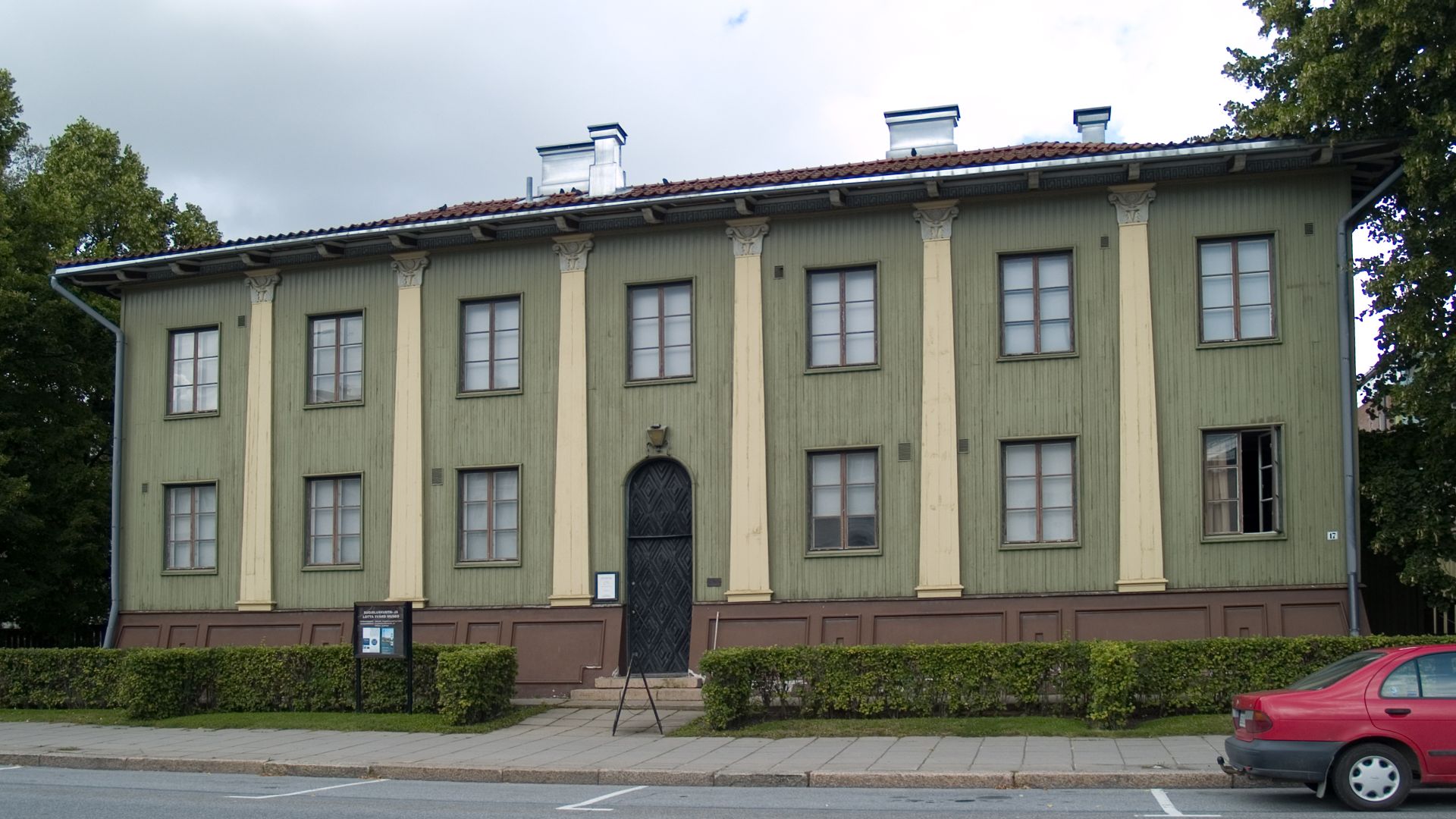
His compulsory service began in 1925, and it included time in bicycle battalions, which demanded endurance and steady movement. He also completed non-commissioned officer training, so leadership expectations were already part of his routine.

5. Sniper Training Arrived Late
He did not receive formal sniper training until 1938 at a Finnish training center in Utti. Over time, he was able to hone his skills in this necessary military faction.
6. Kollaa Was His Battlefield
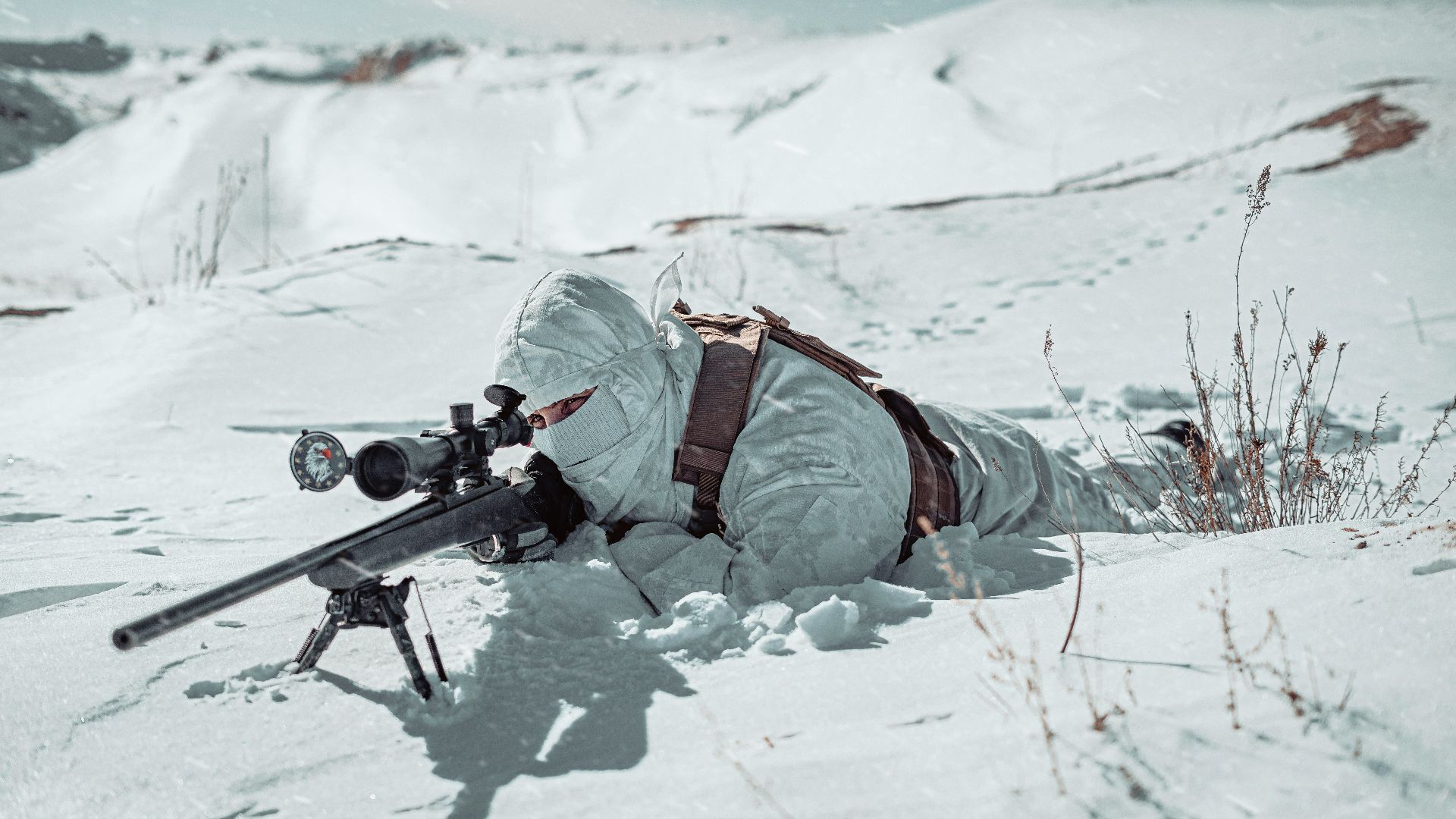
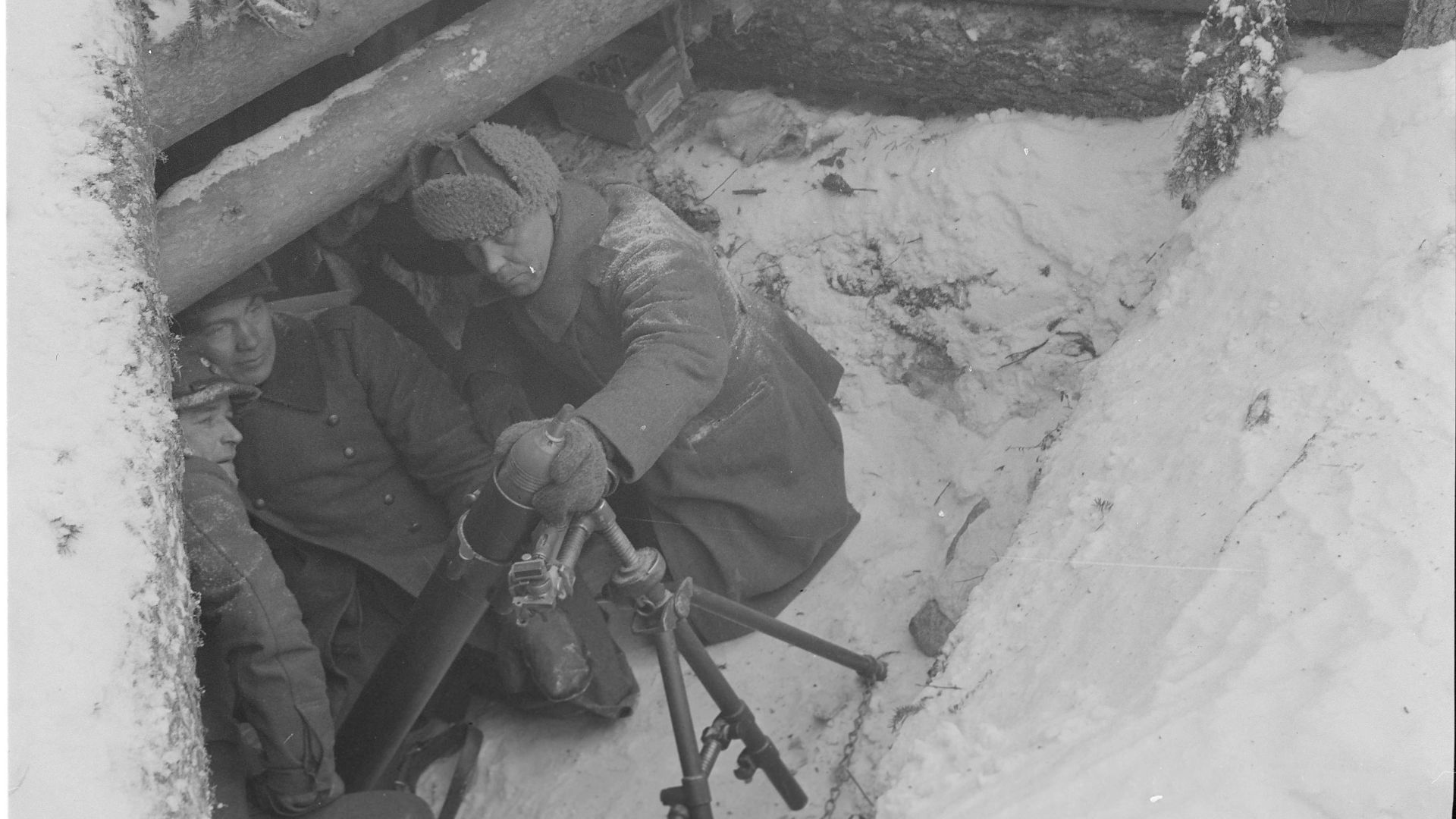
During the Winter War, he served in the 6th Company of Infantry Regiment 34 at the Battle of Kollaa. Accounts of the period describe temperatures between about −40 and −20 degrees Celsius, or between -40 and -4 degrees Fahrenheit.
 Unknown authorUnknown author on Wikimedia
7. The Nickname Is Documented And Debated
Finnish accounts say Soviet troops used the label The White Death for him, and the name stuck in popular memory. However, other explanations suggest the phrase could also point to the deadly frost itself, which was just as deadly as any skilled gunman.
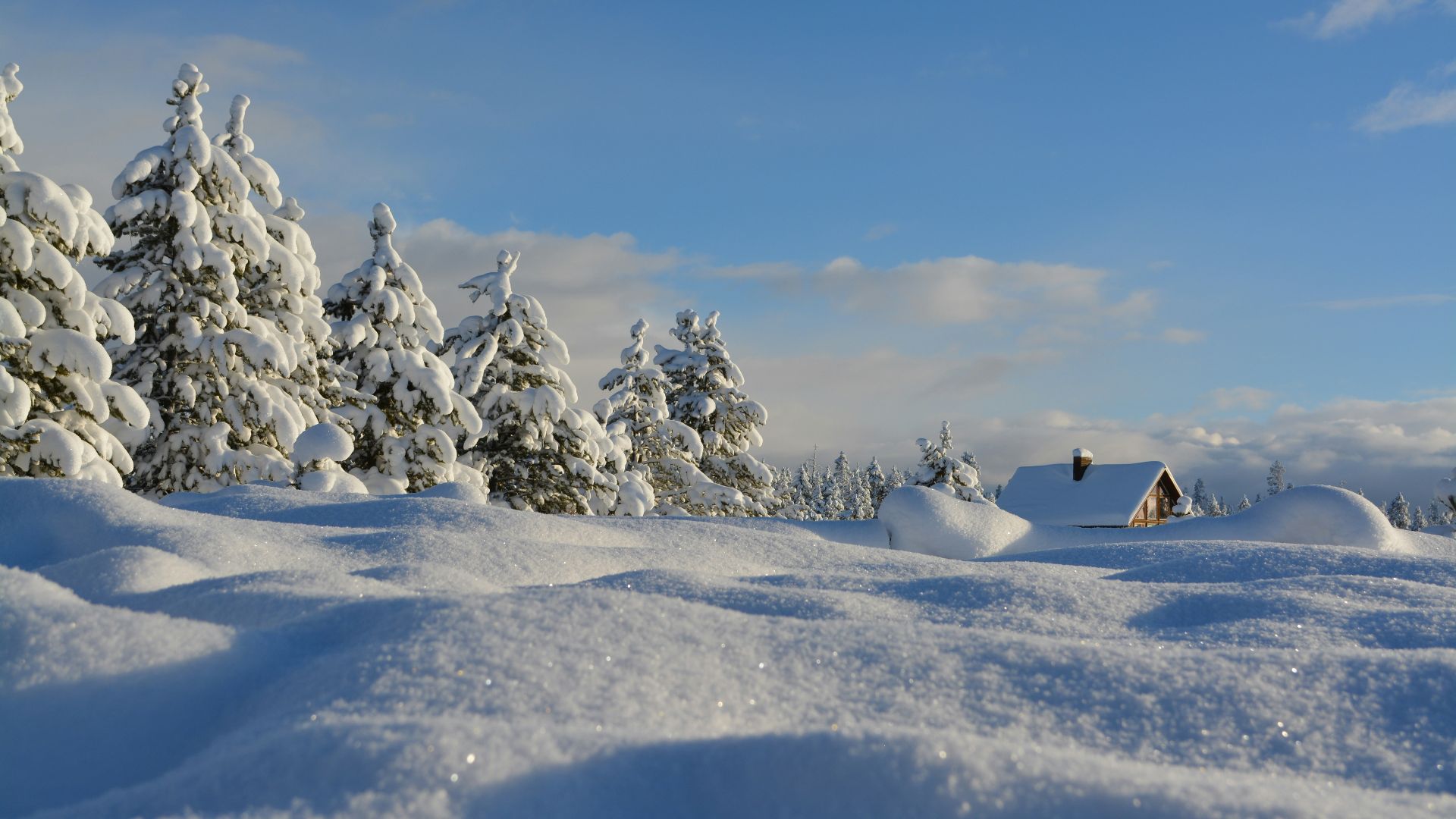
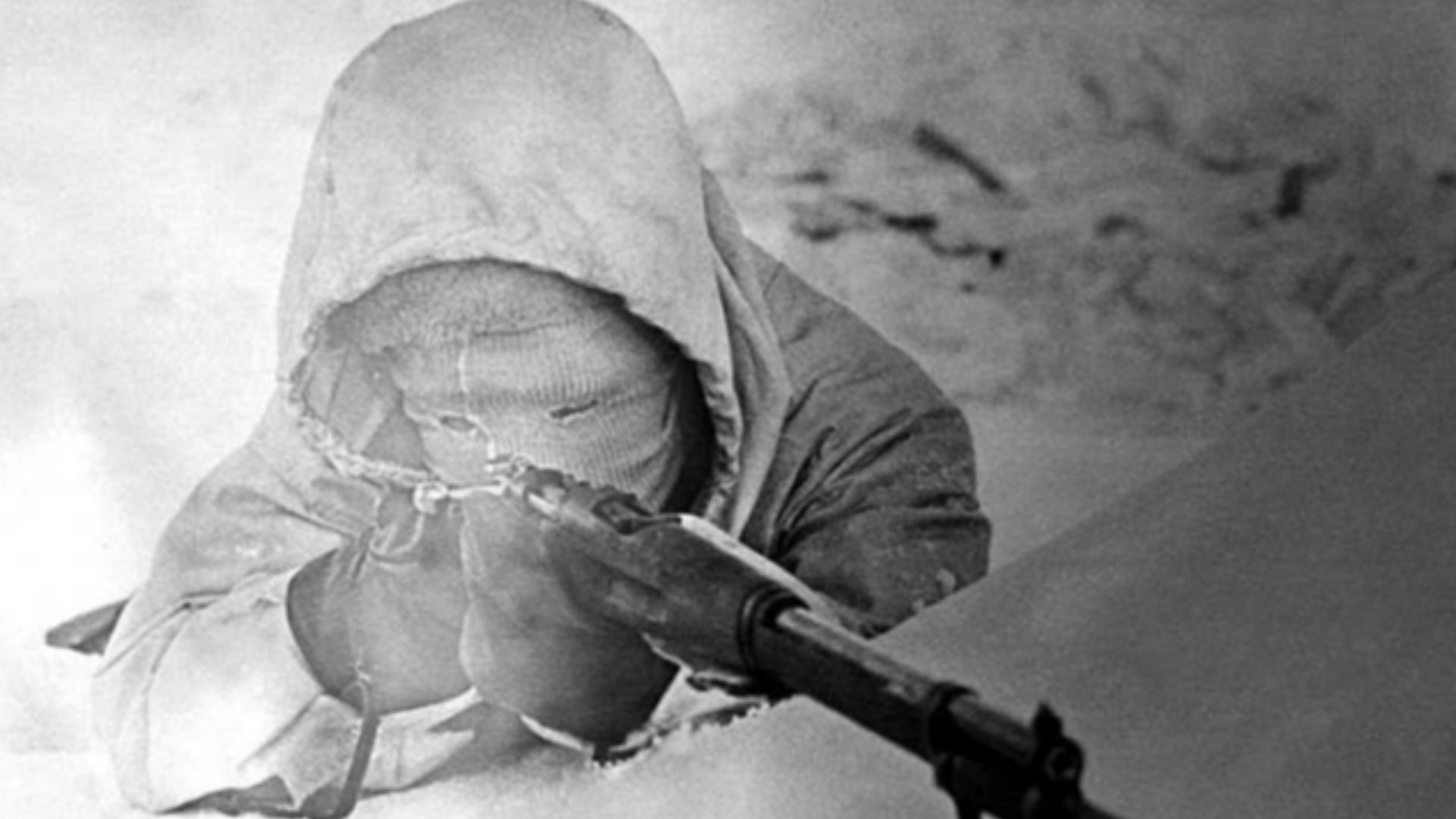
8. White Camouflage Fit The Landscape
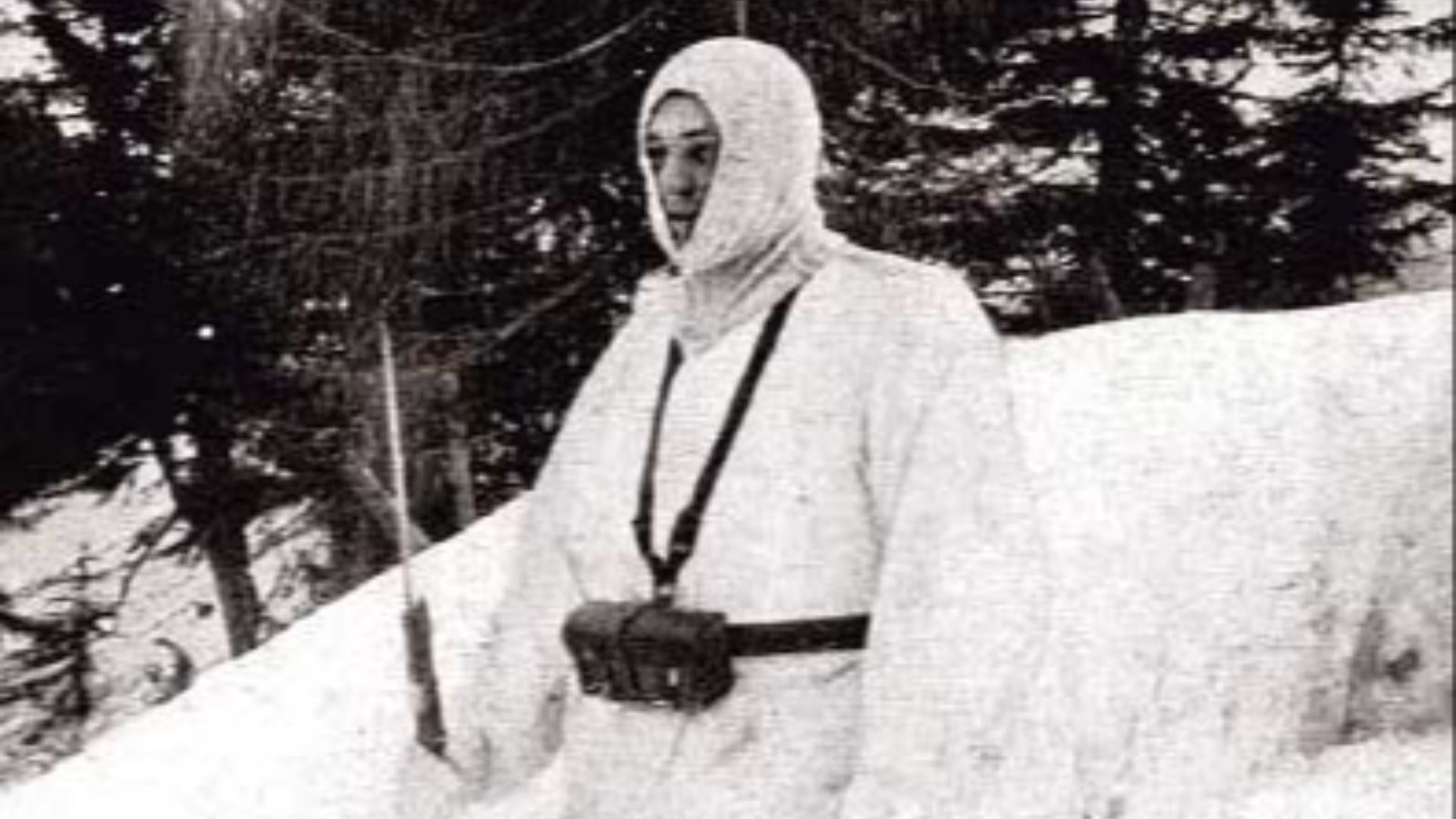
Häyhä wore full white winter camouflage, which helped him blend into the snow and broken forest edges. Early in the war, many Soviet troops lacked equivalent winter camouflage, and that mismatch made a moving figure stand out sharply against white ground.
9. A Finnish M/28-30 Was His Rifle
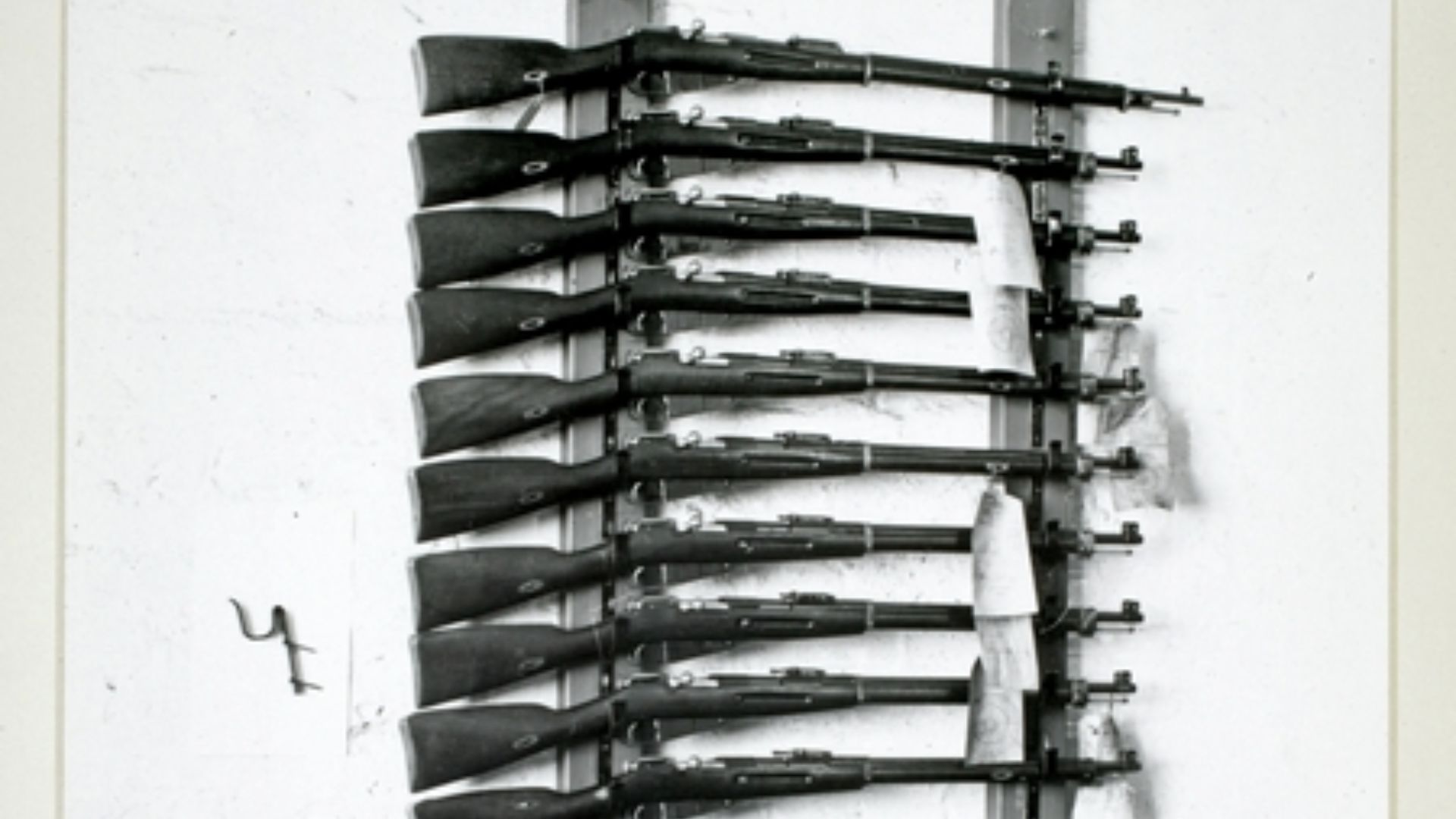
He used a Finnish-produced M/28-30 rifle, a Mosin-Nagant variant associated with Civil Guard and Finnish Army service.
 Aarne Pietinen Oy on Wikimedia
10. He Also Used A Suomi Submachine Gun
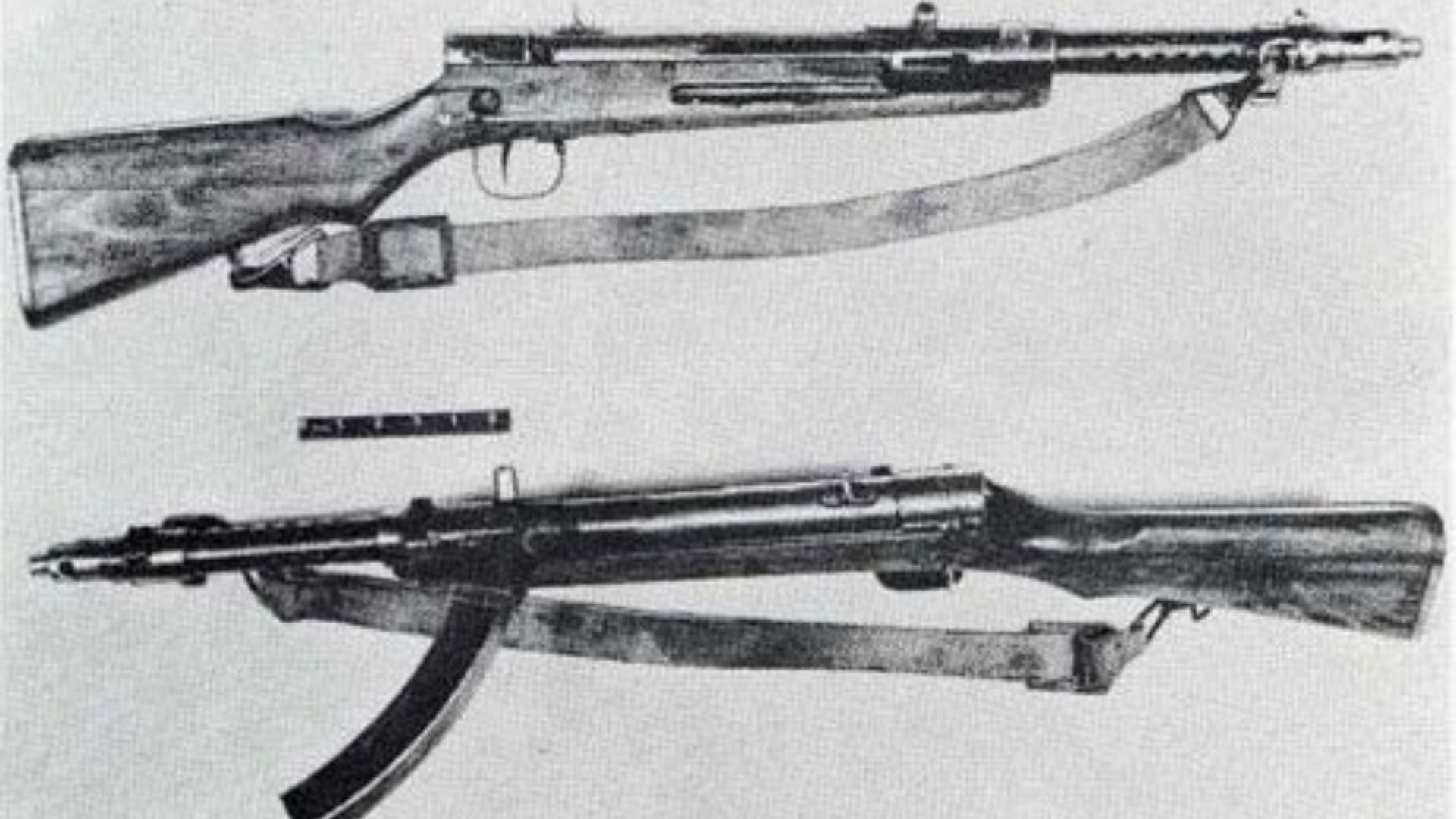
His unit fought at close range too, and Häyhä used a Suomi KP/-31 submachine gun in addition to his rifle.
11. Iron Sights Were His Choice
He is known for using iron sights rather than a telescopic scope. Cold conditions can create problems for optics, and a scope can make a rifle setup more visible, so the decision matched the environment he was working in.
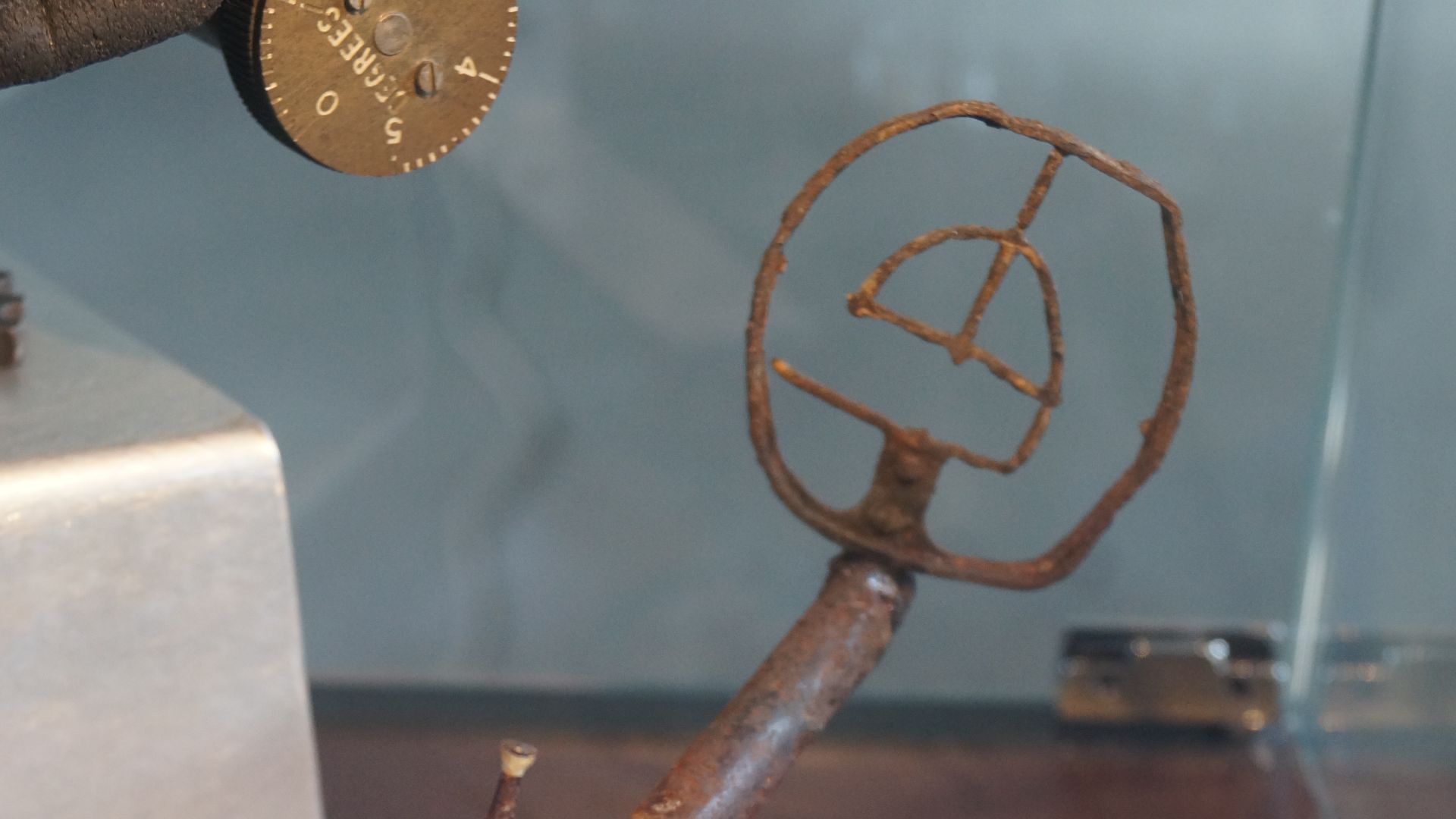
12. The 505 Number Has Context
He is widely credited with 505 confirmed sniper kills during the Winter War, often summarized as happening in less than 100 days. Wartime records also show lower confirmed tallies at specific points, including 219 credited by a commander in mid-February 1940 and 259 recorded by a chaplain by early March, reflecting strict confirmation rules.
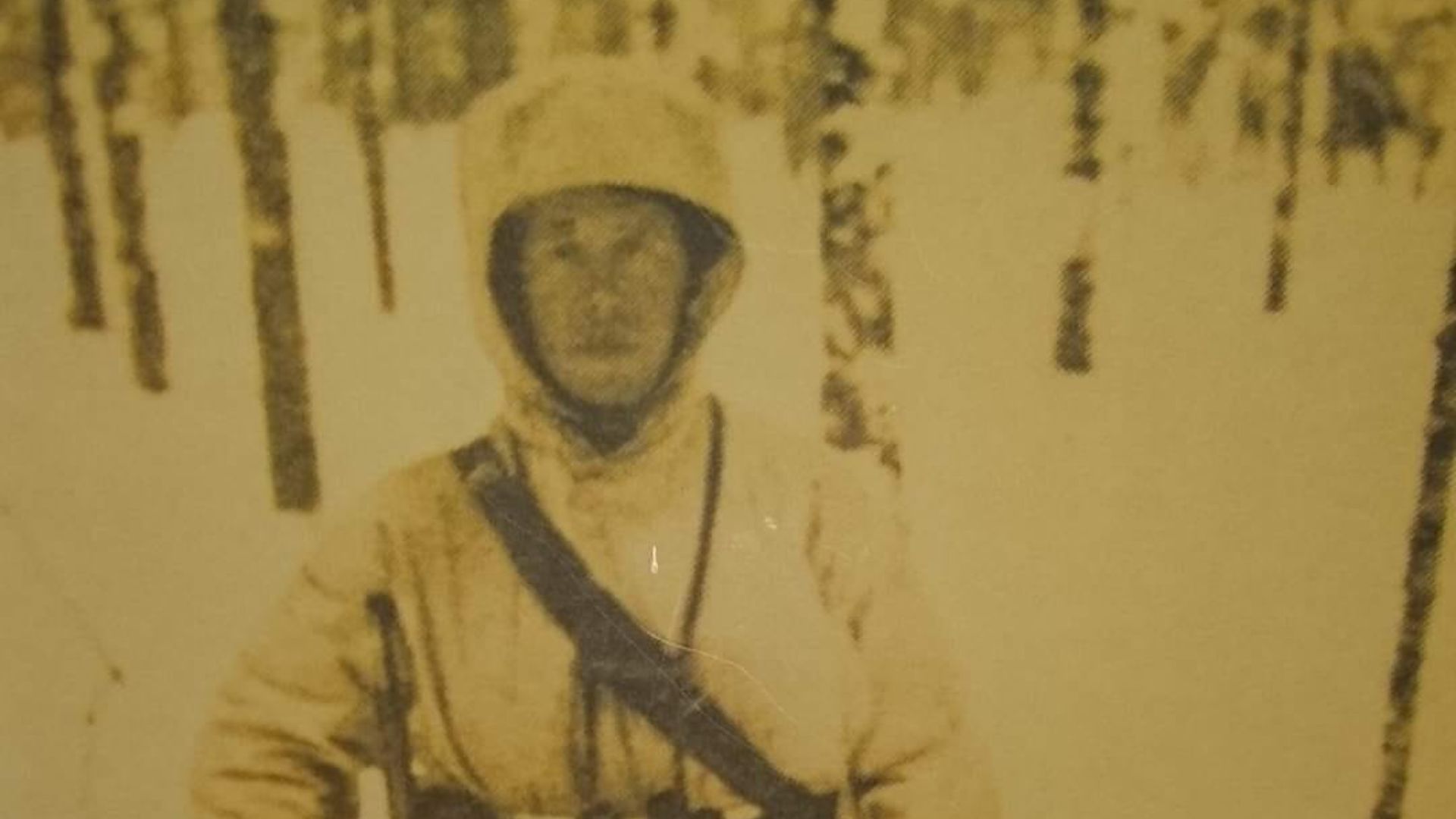
13. His Best-Known Day Was December 21
On December 21, 1939, he achieved his highest reported daily count, credited as 25 kills. That figure is typically cited alongside the reality that winter daylight is short, so actions had to fit into a narrow window.
 Oleg Knorring / Олег Кнорринг on Wikimedia
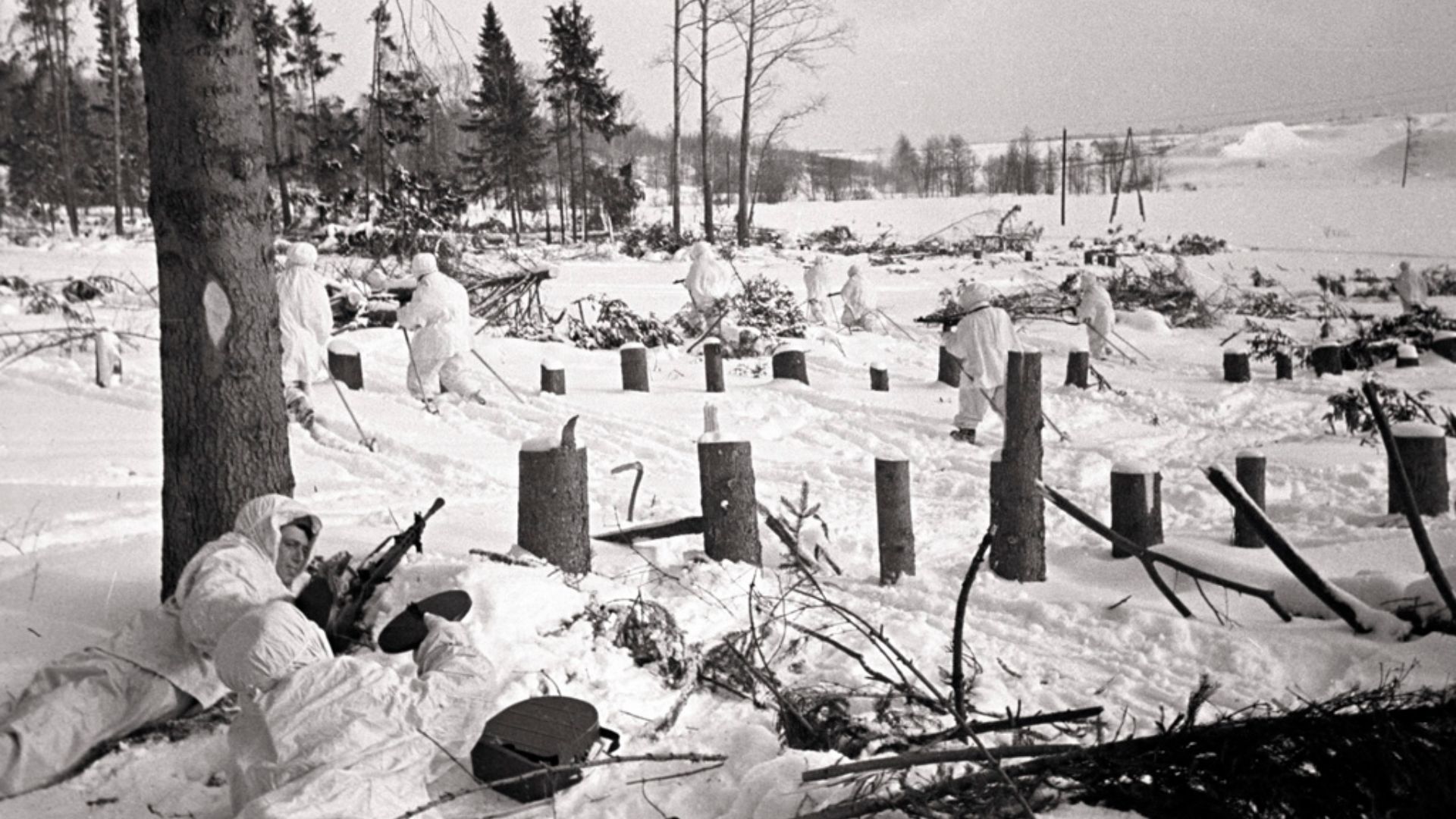
14. Record-Keeping Stayed Conservative
His rifle tally relied on reporting and confirmation by comrades, and only verified deaths were counted. If several snipers fired at the same target, records did not always credit a single shooter, so totals can shift depending on whose log you’re reading.
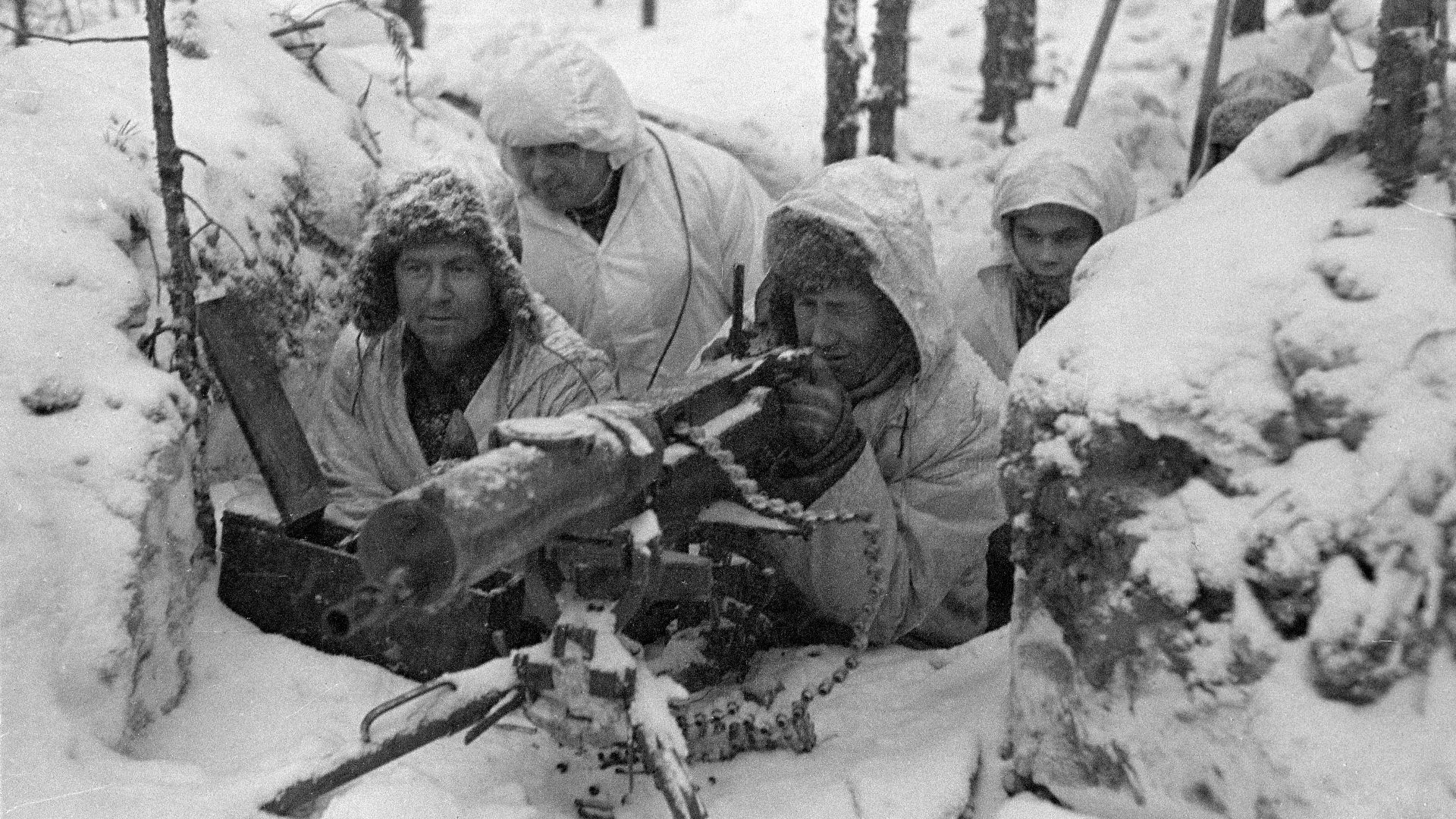
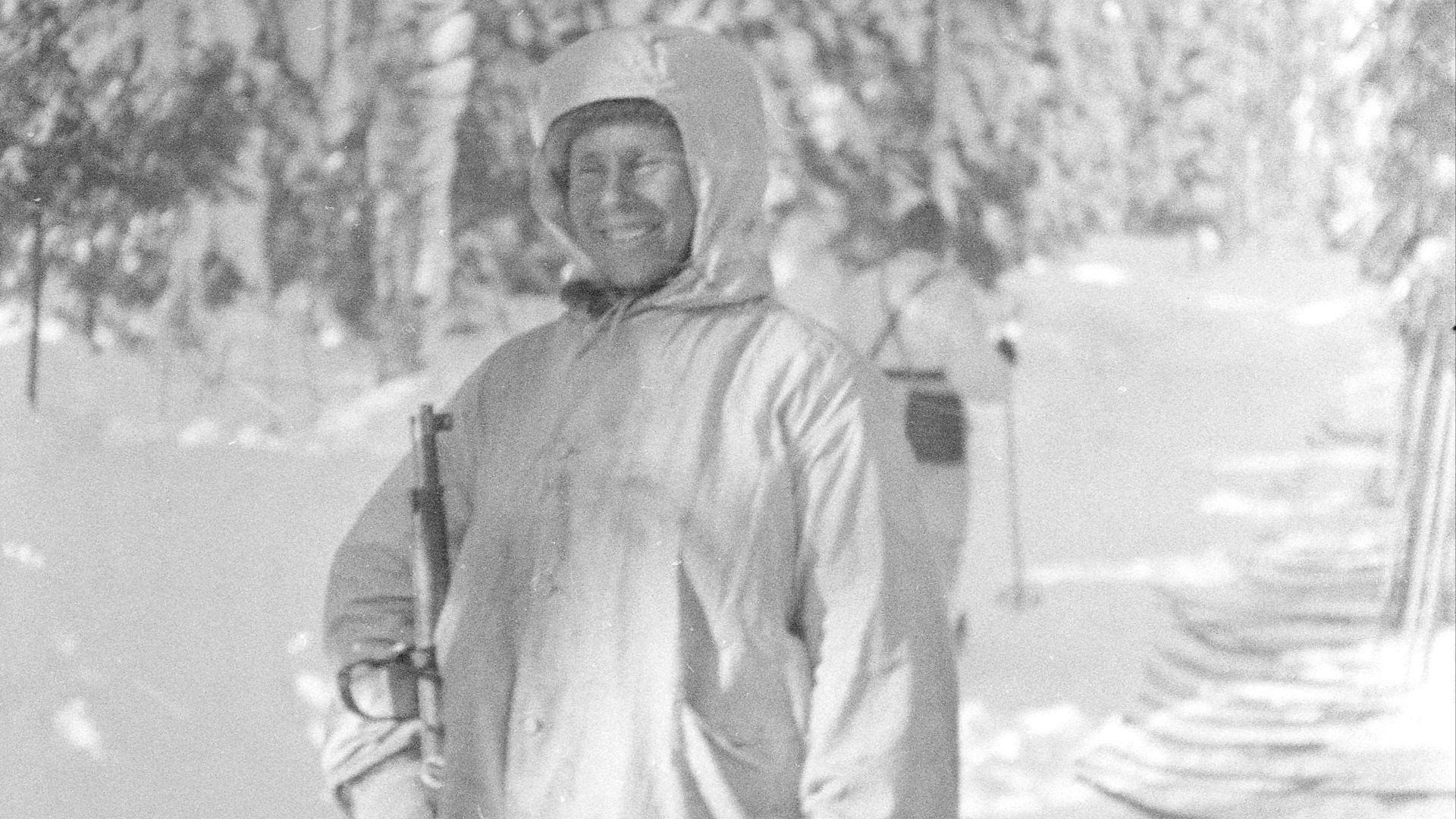
15. He Was Small And Hard To Notice
Häyhä was about 160 centimeters tall, which is roughly 5 feet 3 inches, and he did not look imposing in uniform. The contrast between his quiet appearance and his battlefield reputation is one reason people remember him so clearly.
 Unknown authorUnknown author on Wikimedia
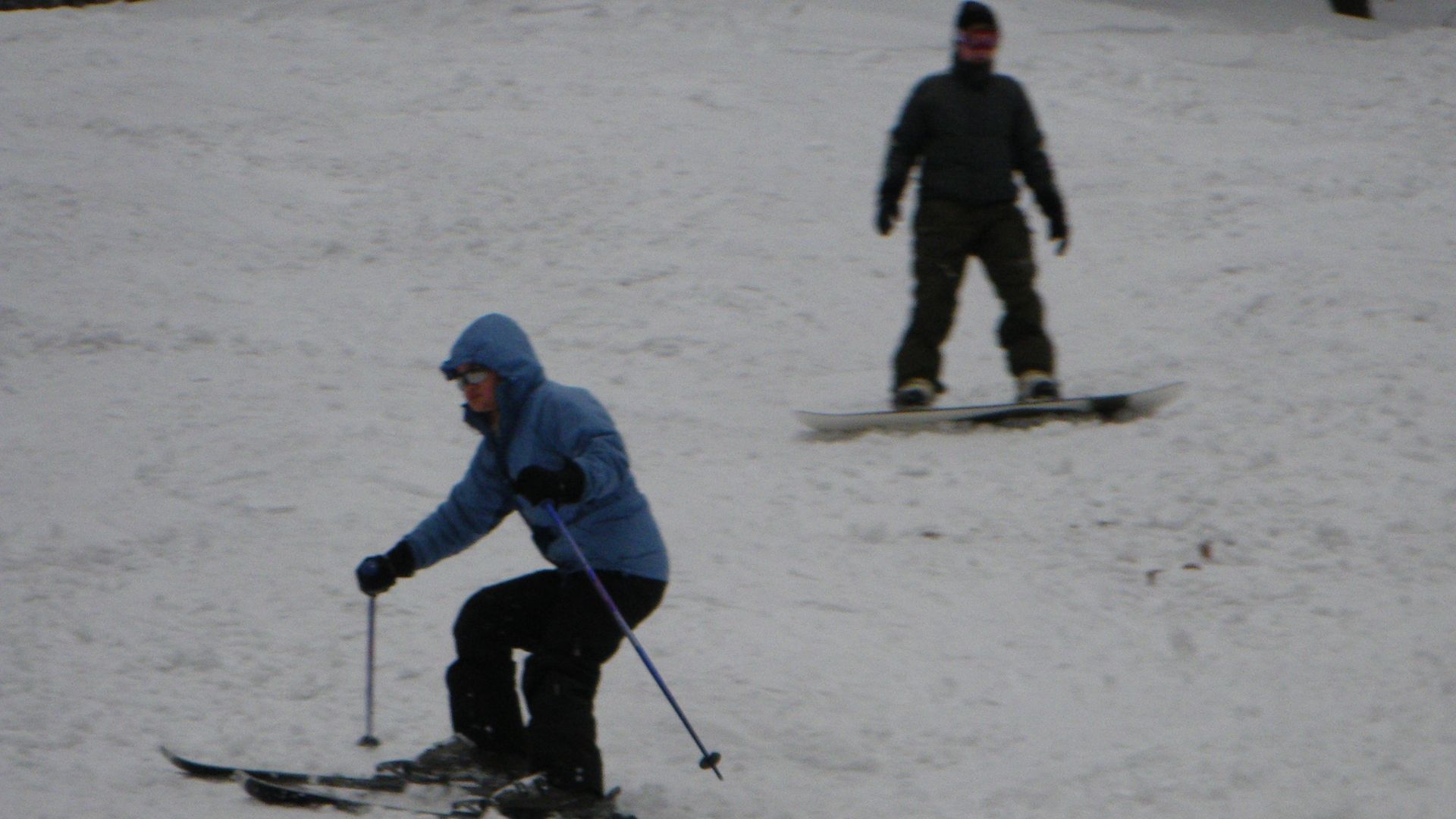
16. Skiing Was Part Of Survival
Skiing was essential in the tough winter terrain. Luckily, Häyhä was already comfortable on skis before the war. That meant he could move through snow and forest paths with ease.
 Weldon Kennedy from London, UK on Wikimedia
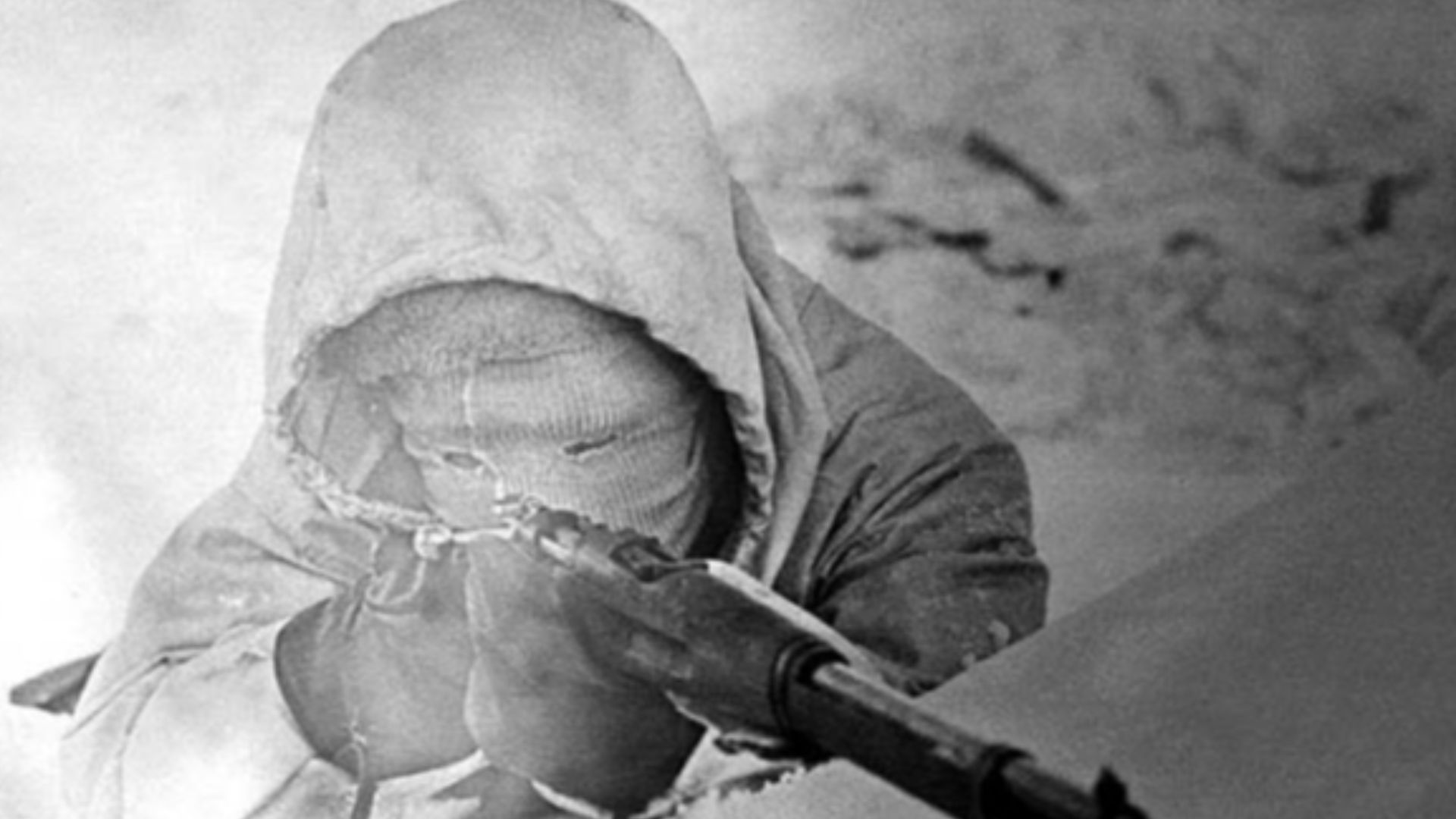
17. He Prepared Positions Carefully
Accounts describe him preparing firing spots with care, including shaping snow to stabilize the rifle and limit visible disturbance. The result was a workmanlike approach, where success depended on staying calm longer than someone else.
 Unknown authorUnknown author on Wikimedia
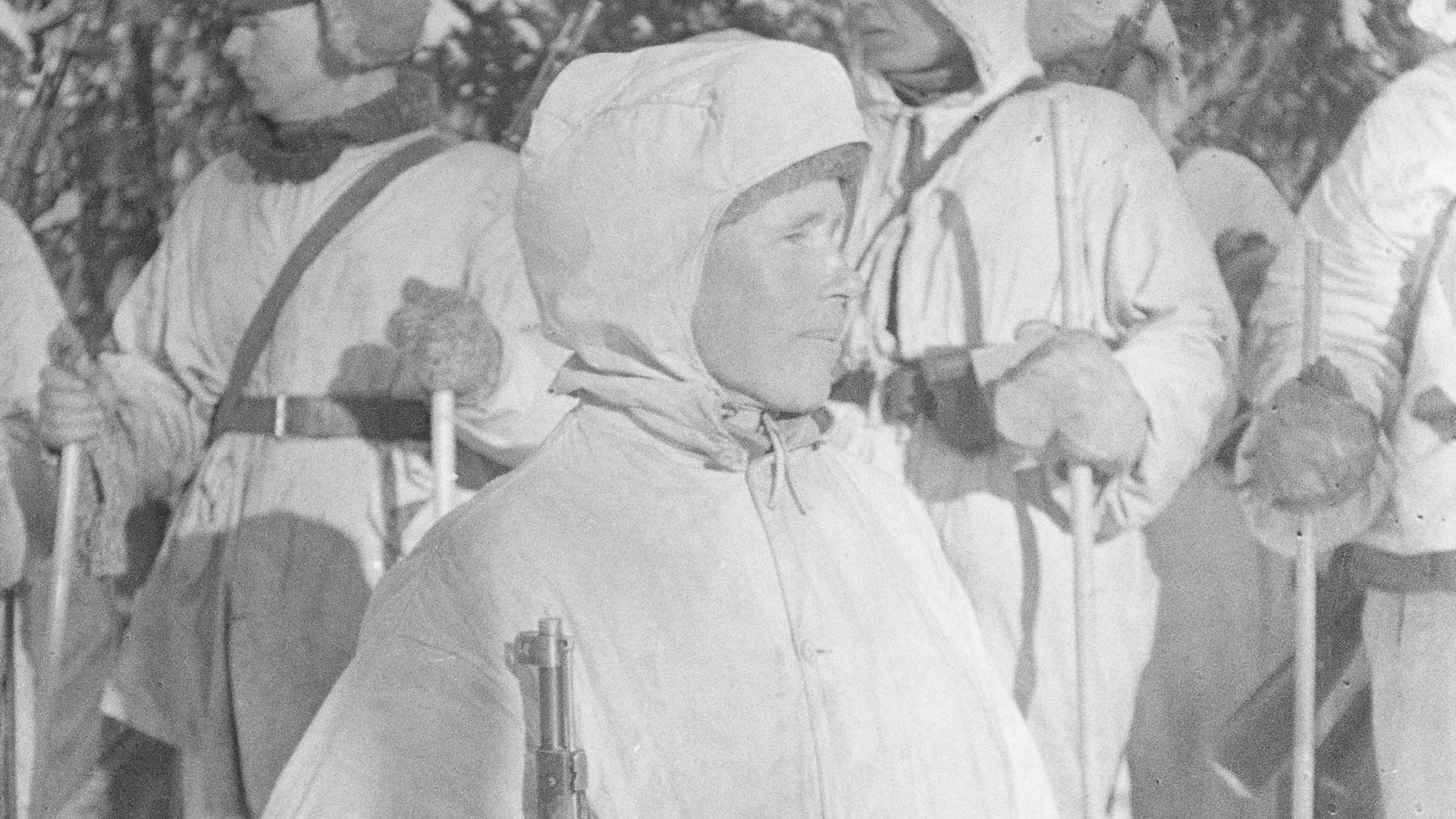
18. An Explosive Bullet Hit His Jaw
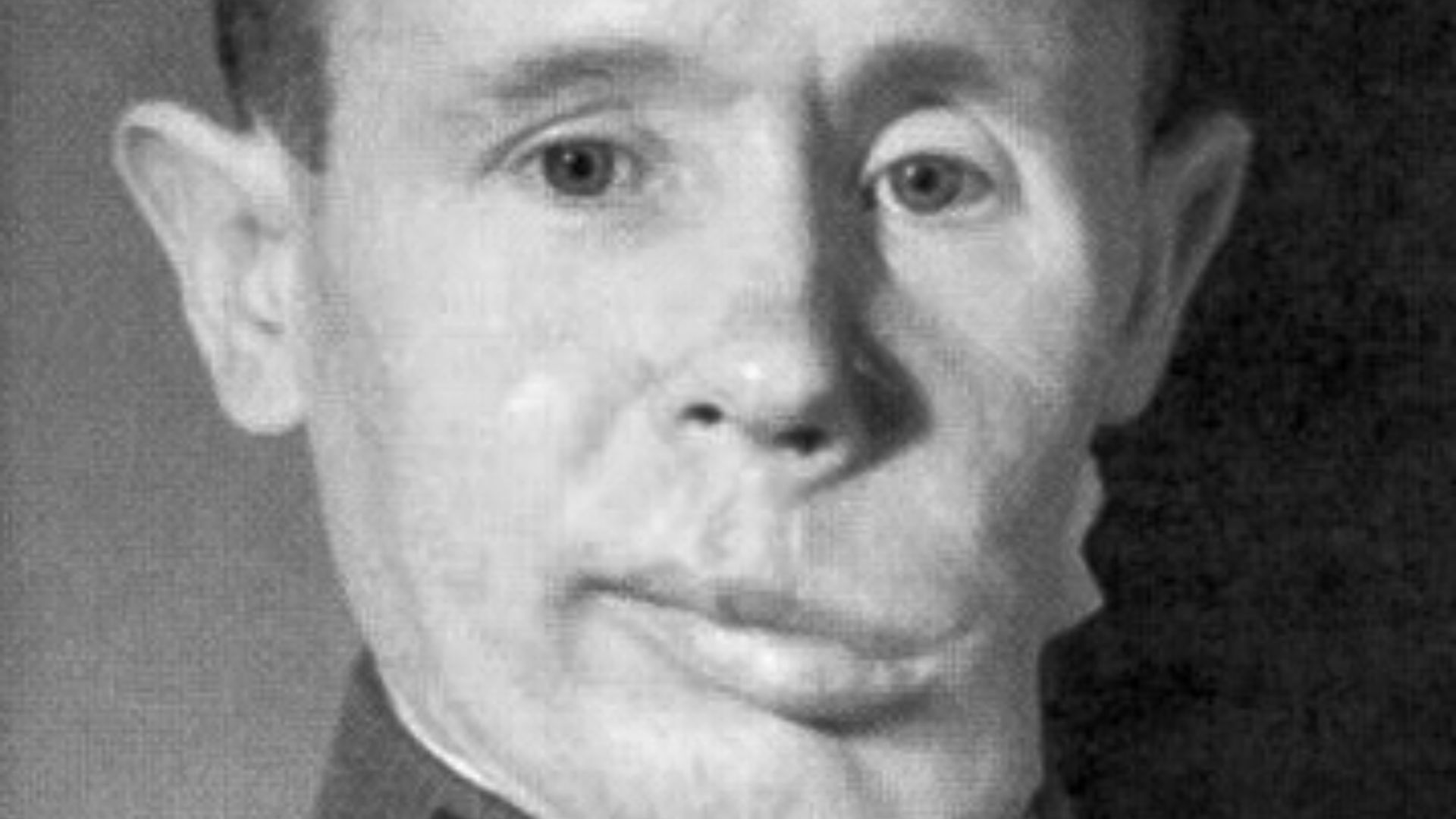
On March 6, 1940, he was struck by an explosive bullet that tore through his face and shattered his lower left jaw. He was initially mistaken for dead and placed among corpses until someone noticed movement and got him evacuated for treatment.
 Unknown authorUnknown author on Wikimedia
19. He Regained Consciousness On March 13
He regained consciousness on March 13, 1940, the same day peace was declared, and the Winter War ended. Rumors had already spread that he had died, and he later corrected a newspaper account that reported him dead.
 Finnish Military Archives on Wikimedia
20. Promotion And A Quiet Later Life
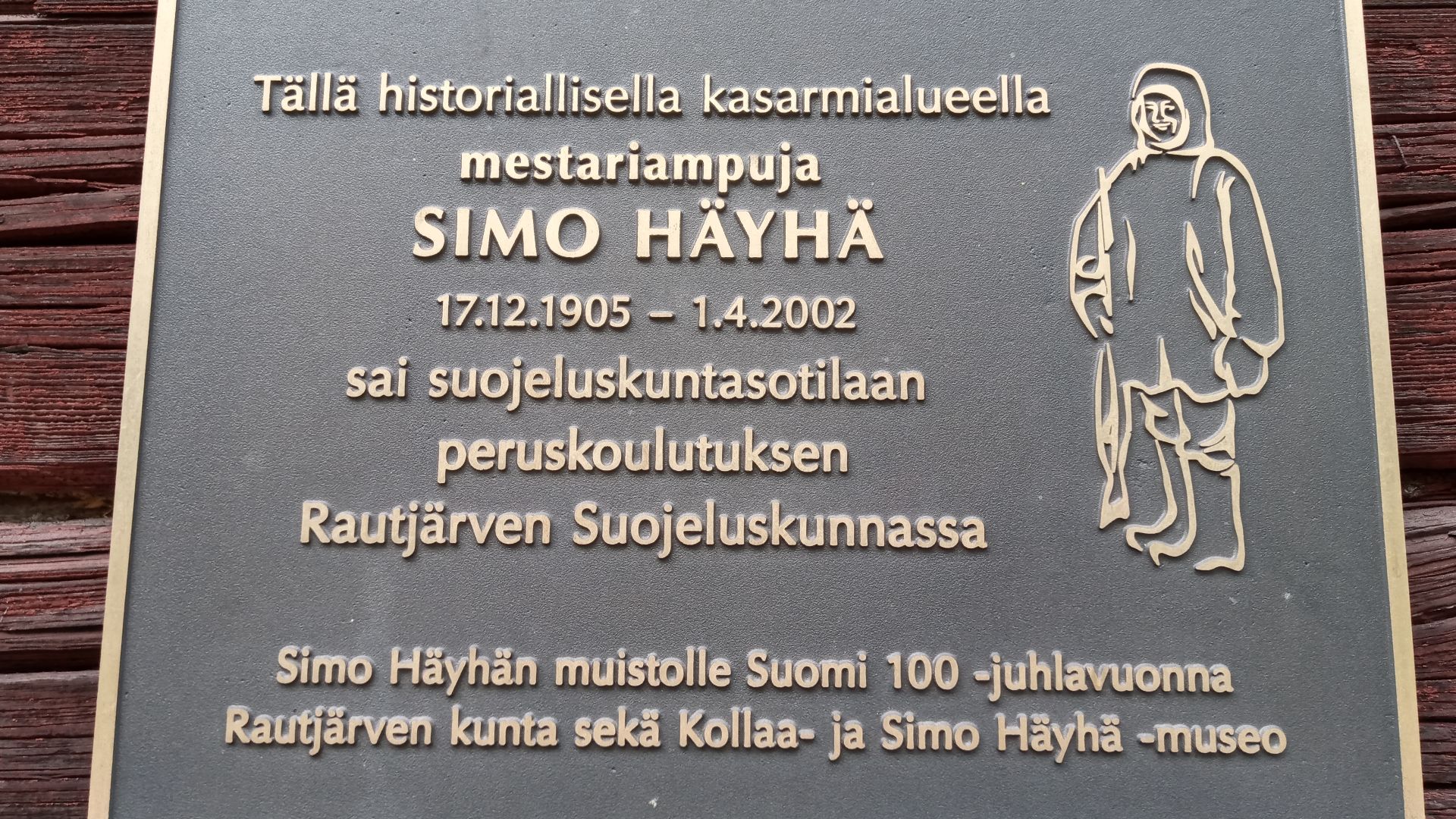
After the Winter War, he was promoted to second lieutenant by Field Marshal Carl Gustaf Emil Mannerheim, a rare jump from a non-commissioned rank. His honors included classes of the Medal of Liberty and the Cross of Liberty, and he lived until April 1, 2002, after returning to civilian life, shaped by farming and hunting.
KEEP ON READING