Familiar Systems Failed And People Paid For It
When someone says it can’t happen here, the word here usually means a place that feels stable, or a group that believes it is above the usual mess. That confidence can be sincere and still be wrong, especially when small warnings get treated as annoying details instead of signals. History keeps showing that institutions can bend and infrastructure can break, often because incentives push smart people into bad calls. Here are twenty moments when people assumed a certain kind of failure was unlikely, and then watched it happen anyway.
 Unknown navy photographer on Wikimedia
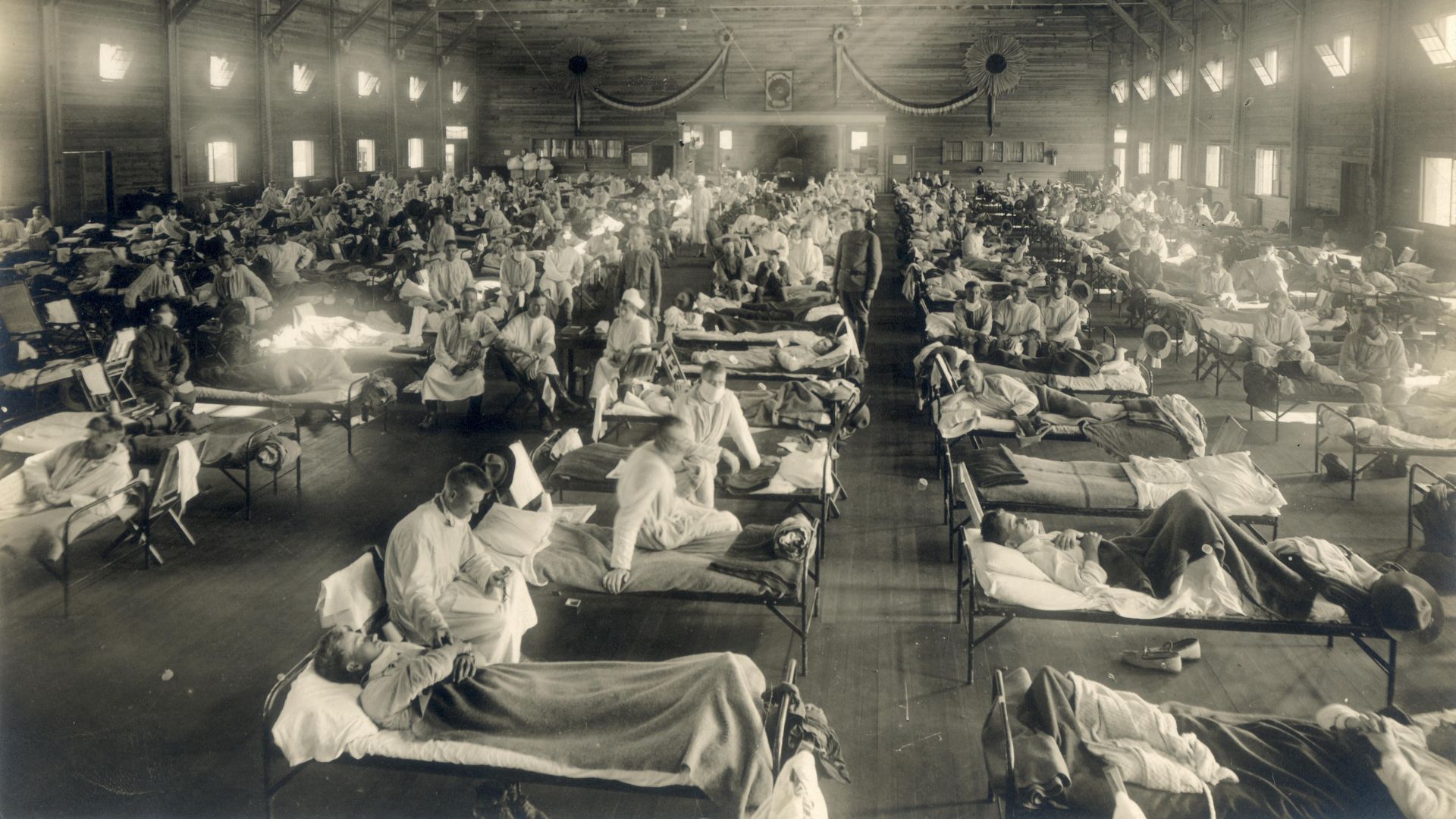
1. The 1918 Influenza Pandemic
Many communities underestimated how fast a virus could overwhelm hospitals and disrupt daily life. The 1918 influenza spread worldwide, and later public health reviews, including work summarized by the CDC, show how uneven distancing and communication shaped the damage.
 Otis Historical Archives, National Museum of Health and Medicine on Wikimedia
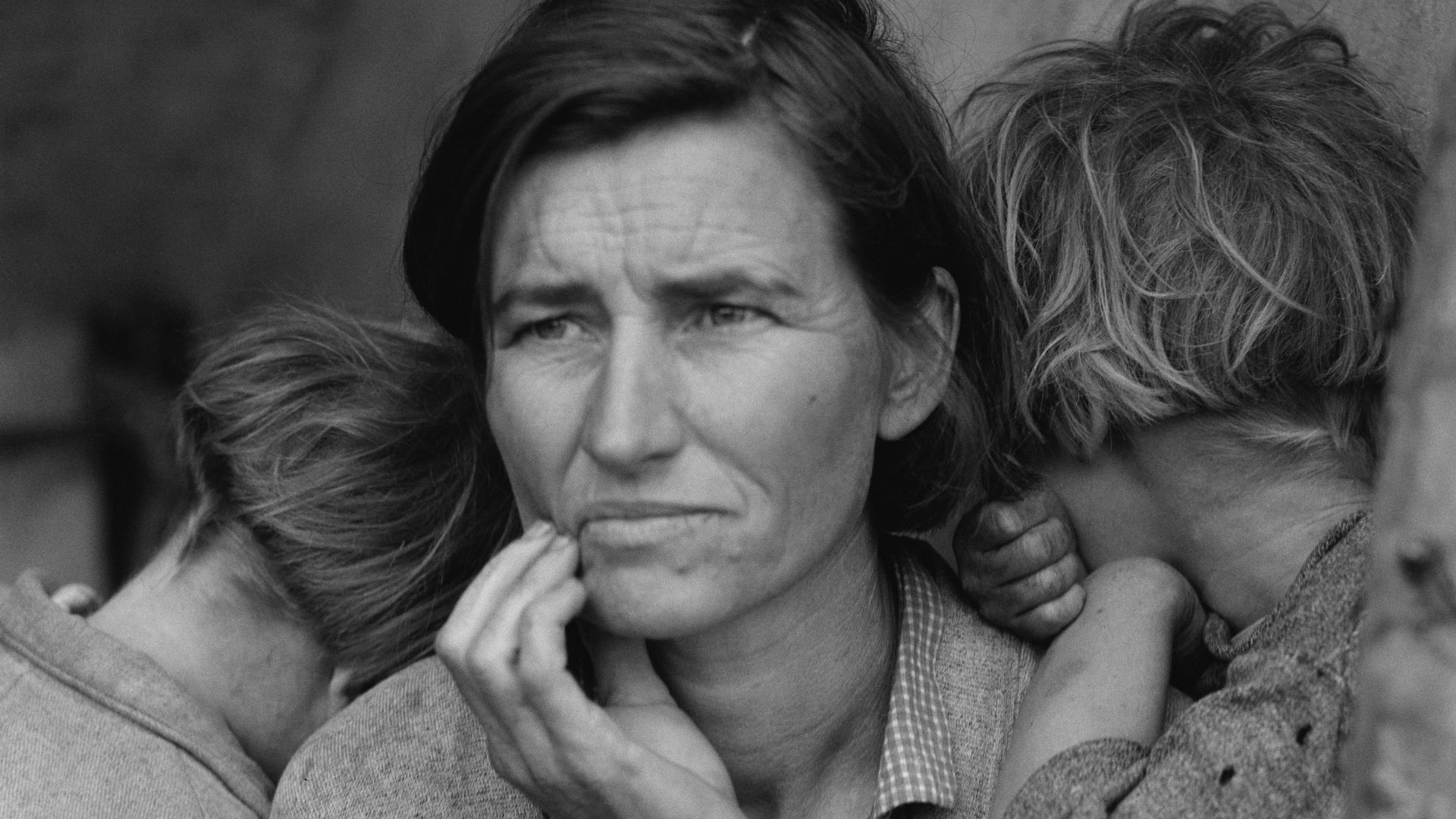
2. The Great Depression After 1929
In the late 1920s, confidence in markets ran high, and collapse felt like an old-fashioned problem. After the 1929 crash, bank runs and unemployment followed, and central banks and economic historians have documented how policy errors helped turn a downturn into a long crisis.
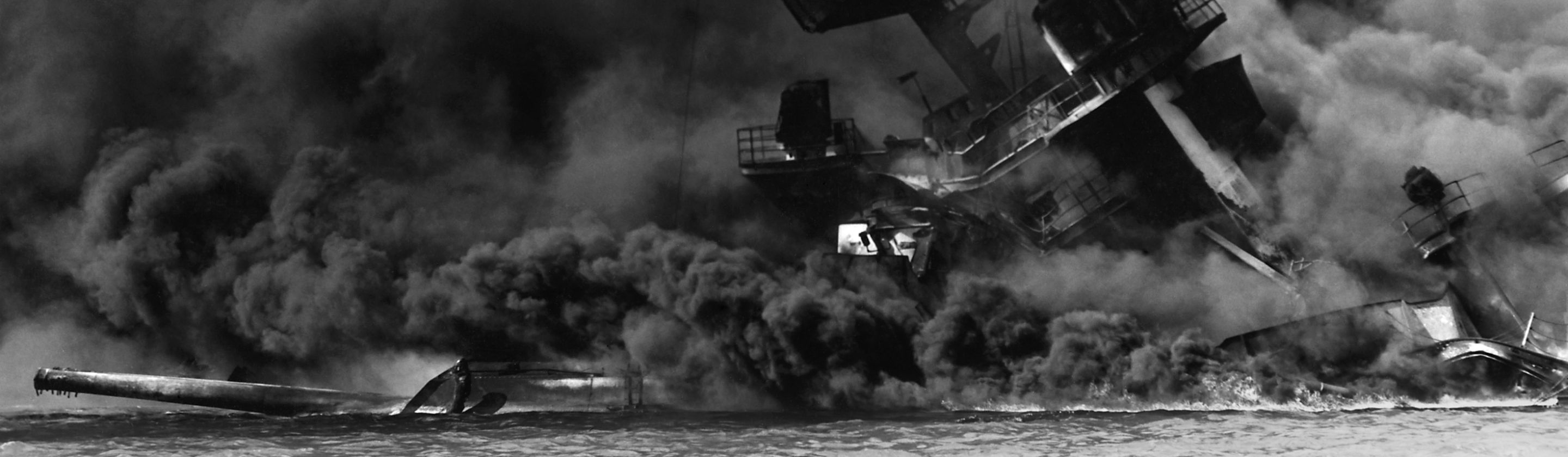
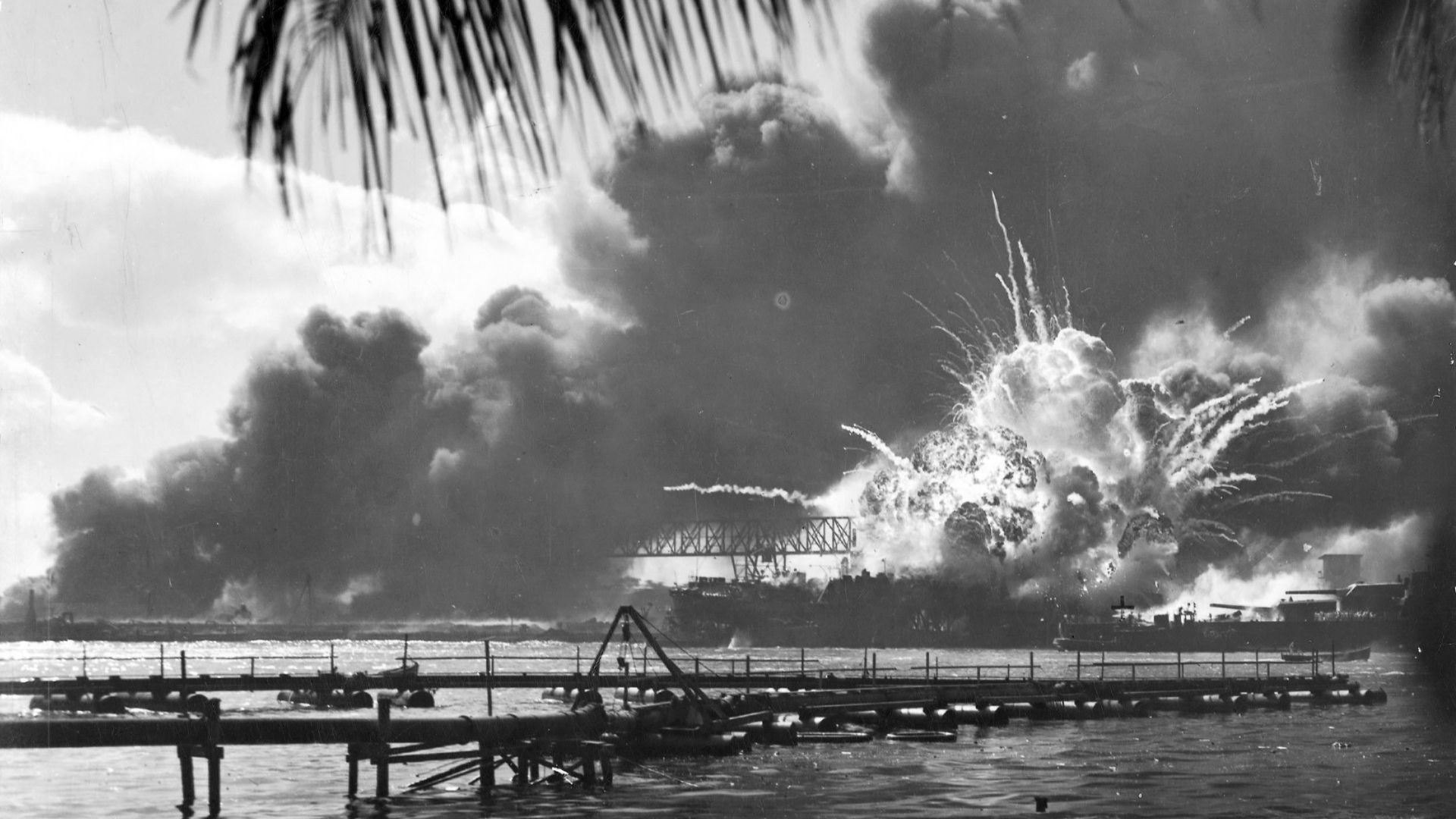
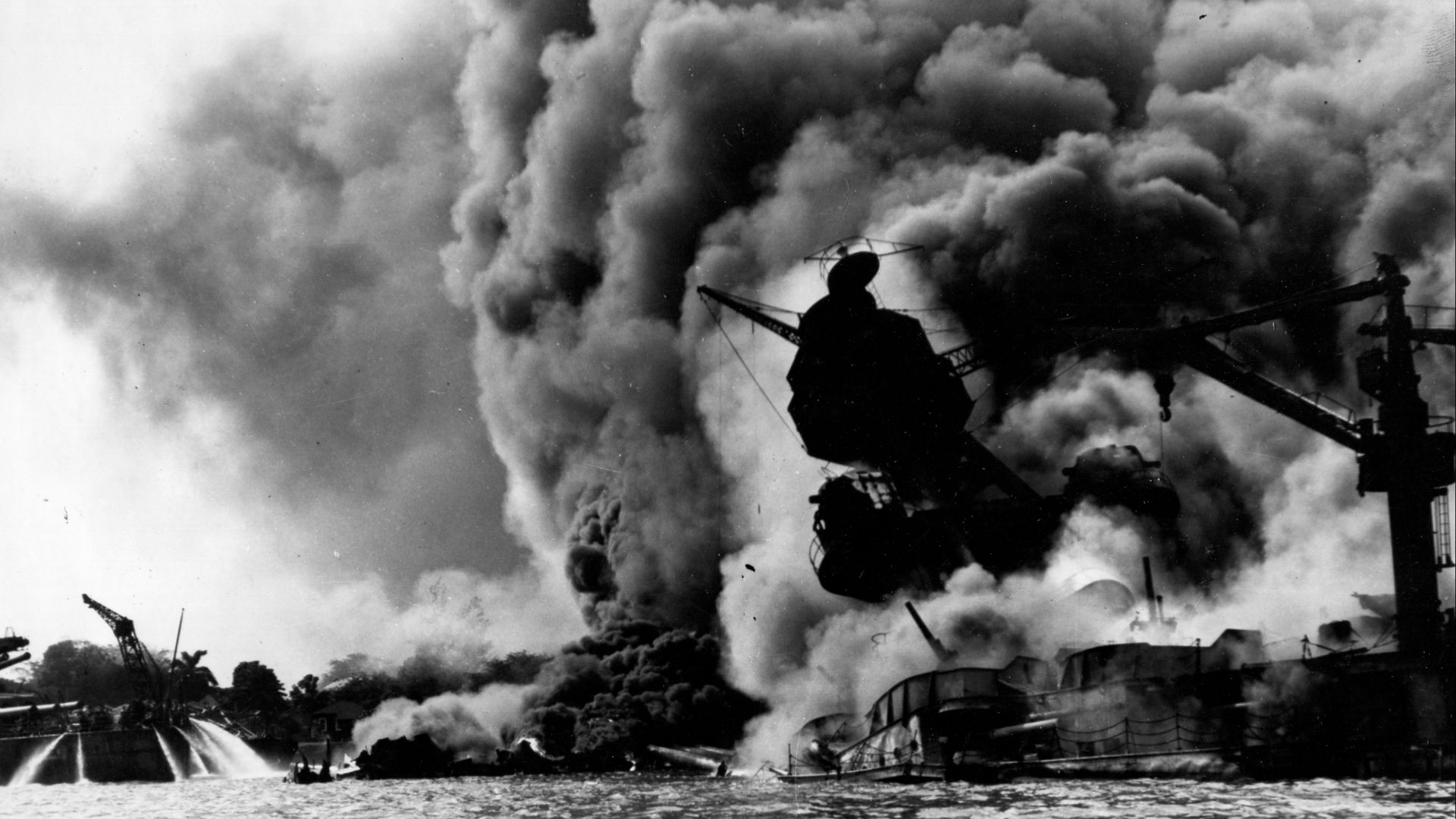
3. Pearl Harbor
Geography felt like protection until December 7, 1941. Pearl Harbor is recorded in U.S. military histories and investigations, and it remains a reminder that threats can reach home sooner than planners expect.
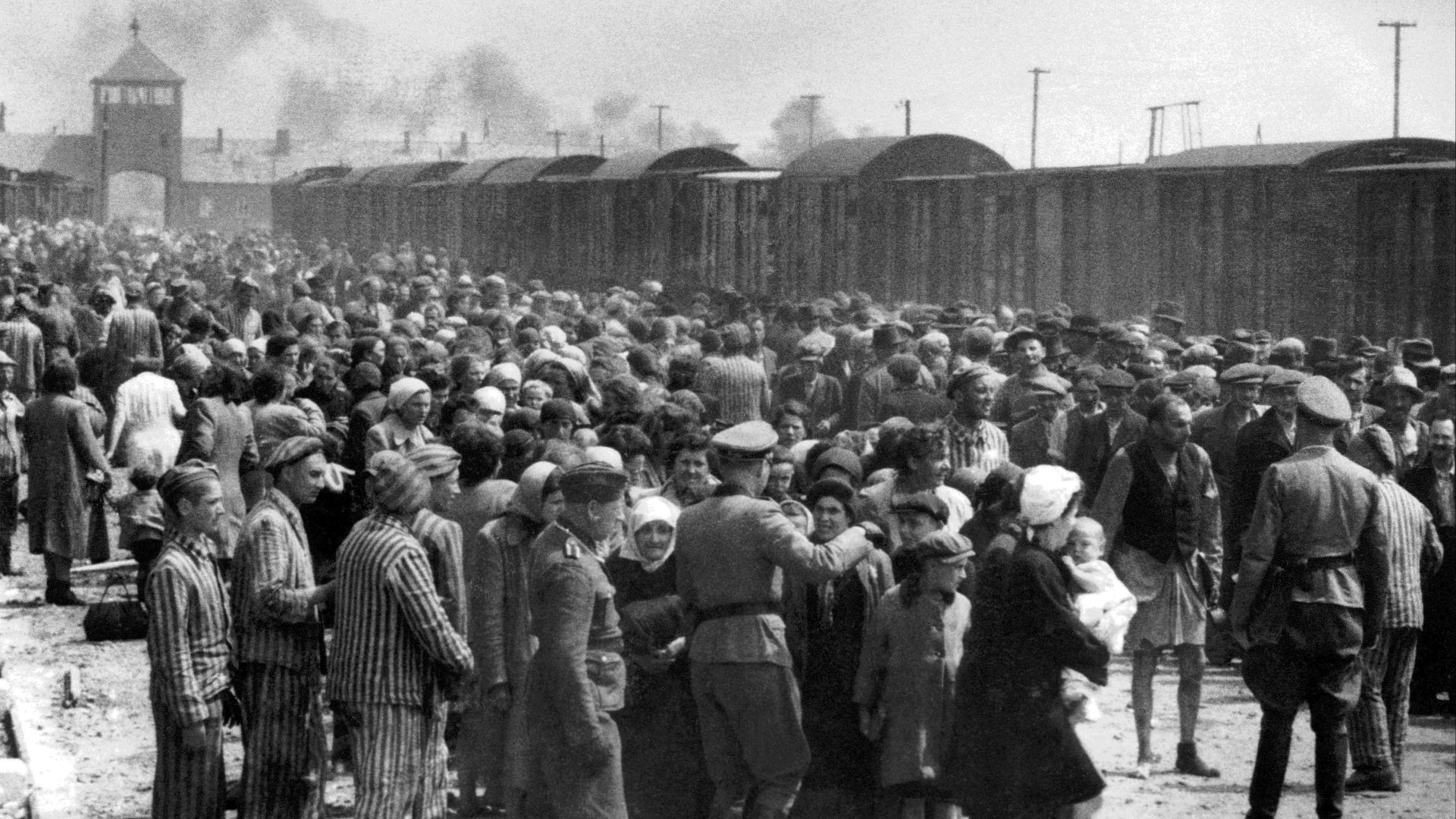
4. The Holocaust In Modern Europe
Many people believed a modern state could not organize mass murder at scale. The Holocaust happened anyway, and the extensive evidence preserved by the United States Holocaust Memorial Museum and postwar tribunals shows how deadly that assumption was.
5. Japanese American Incarceration
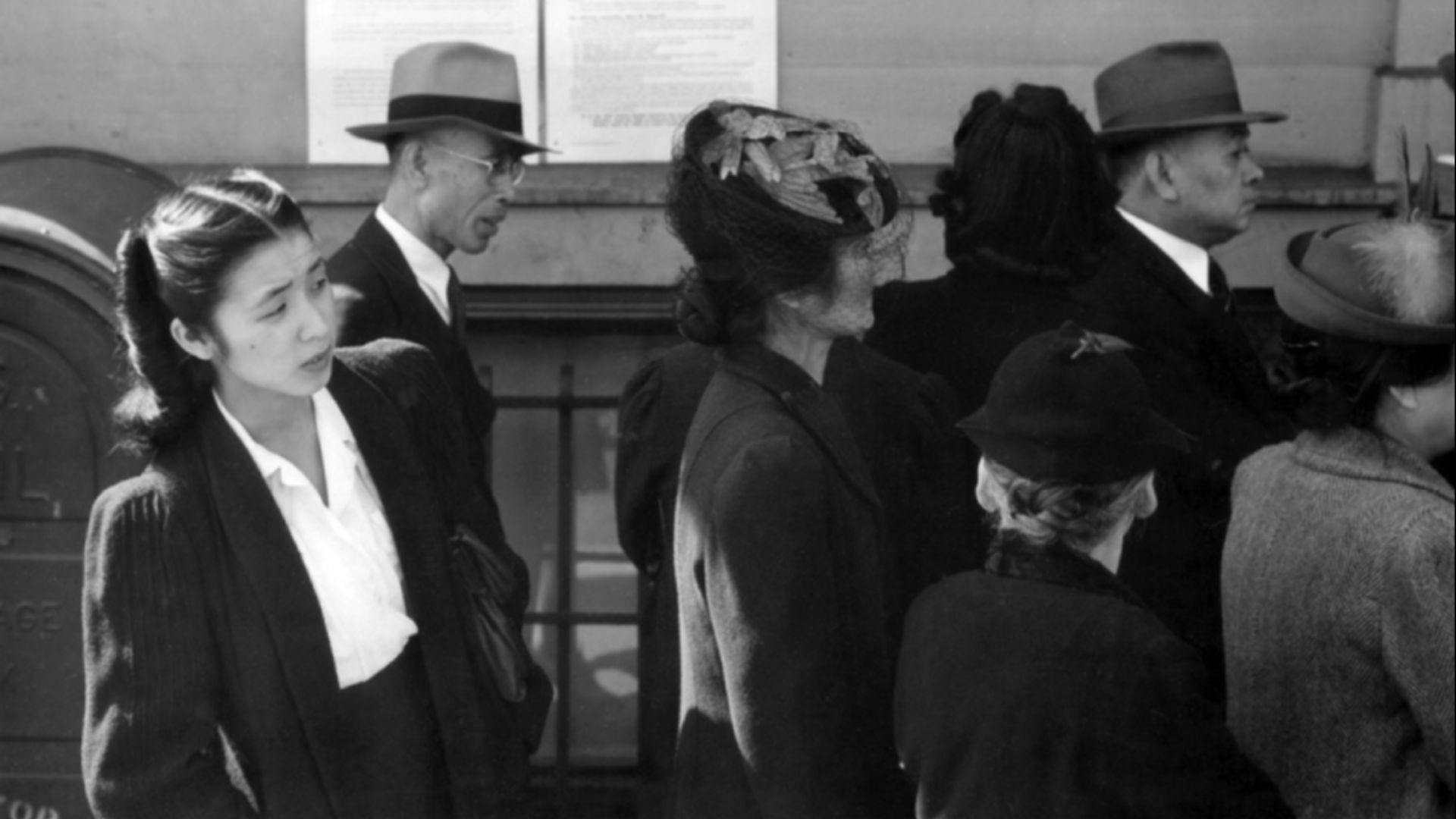
A lot of Americans believed constitutional norms would stop mass detention without individual trials. Executive Order 9066 led to the incarceration of over 100,000 Japanese Americans, and a later federal commission concluded the policy was rooted in racism and wartime hysteria.
6. McCarthy Era Blacklists
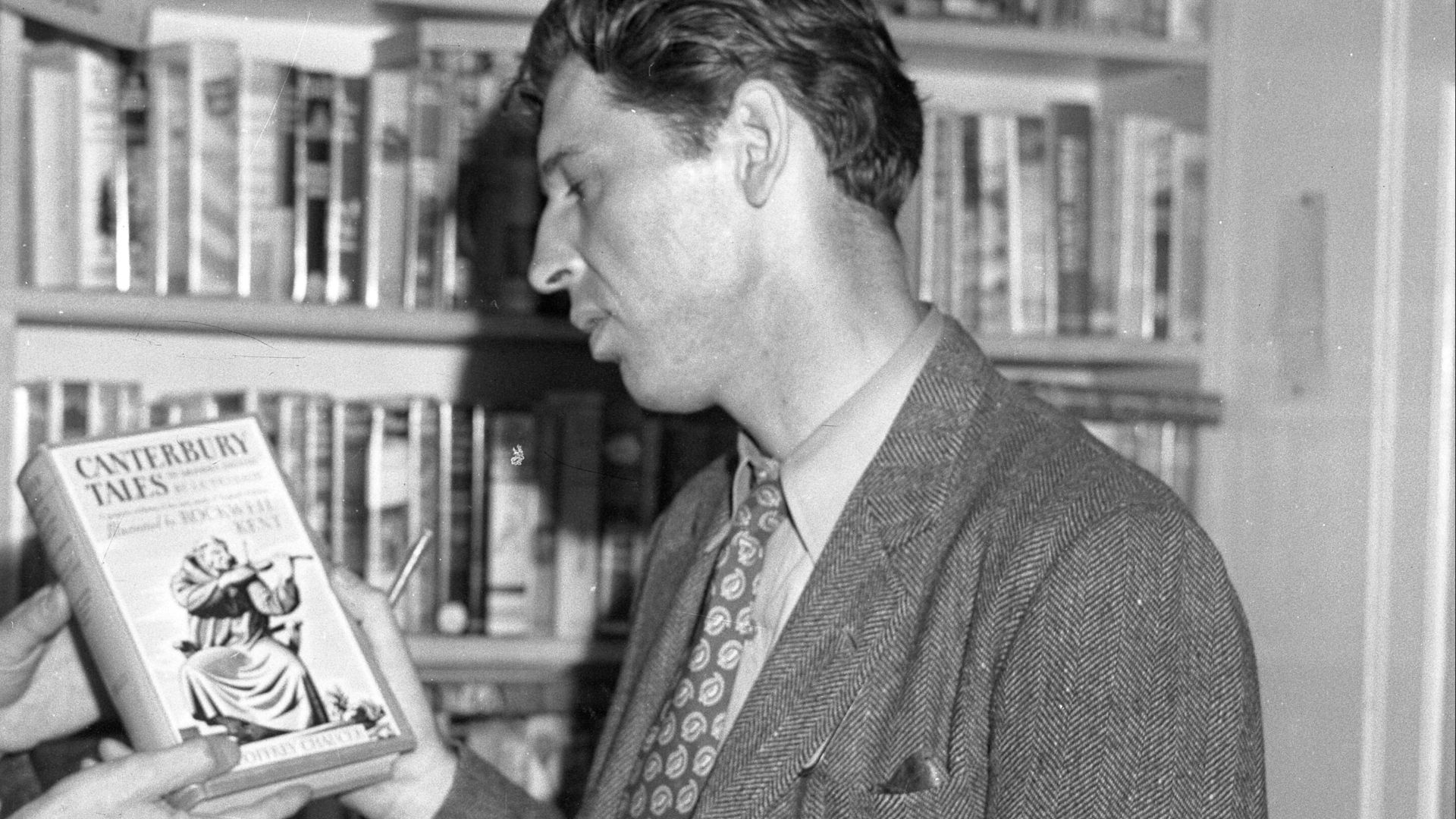
People often assume speech and association rights will hold during a scare. In the early Cold War, hearings and accusations drove blacklists that ruined careers, and the Senate’s record of the period shows how quickly fear can reshape what institutions tolerate.
 Los Angeles Daily News on Wikimedia
7. The Cuban Missile Crisis
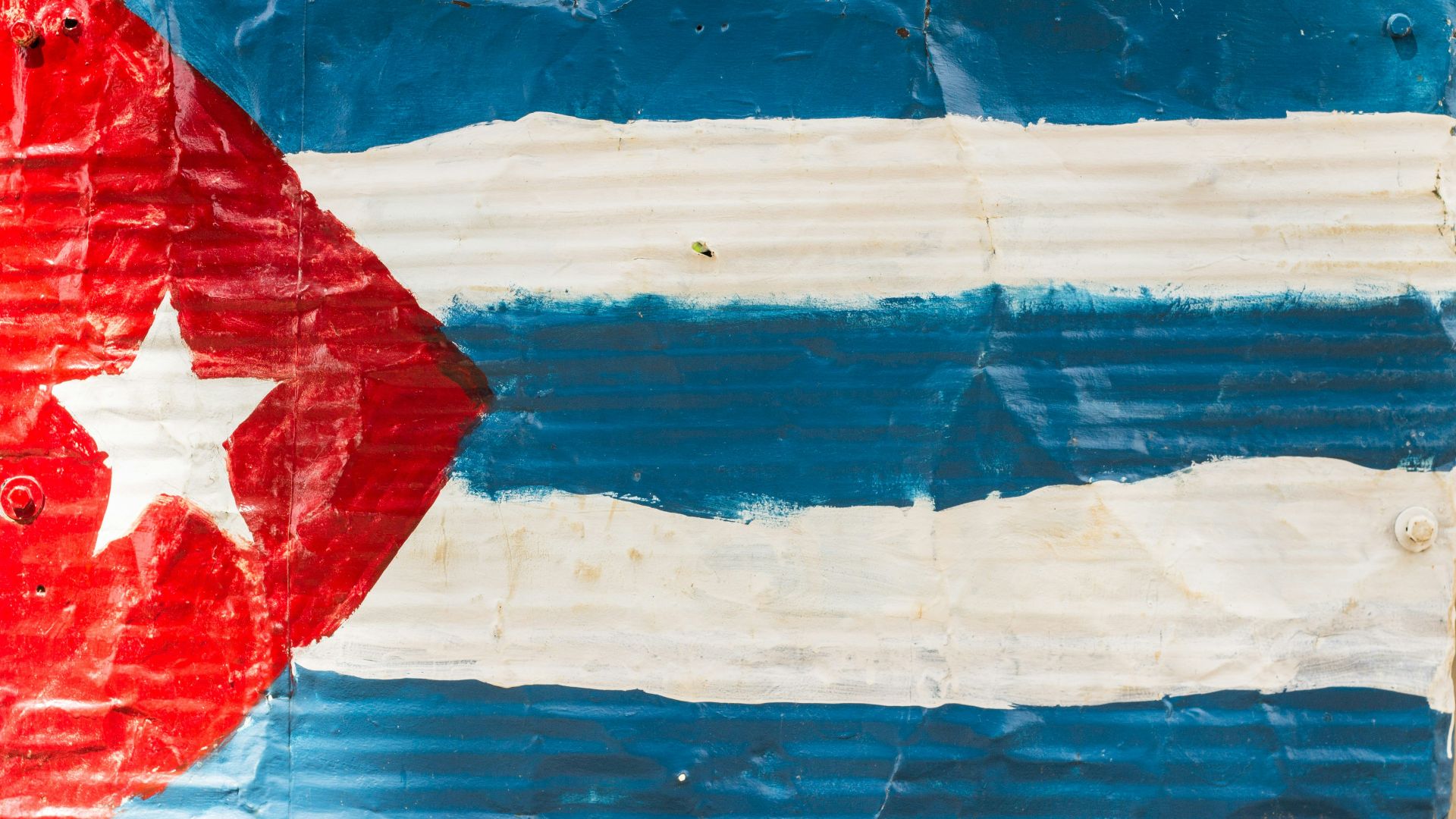
Nuclear deterrence is supposed to prevent leaders from getting too close to disaster. In October 1962, the Cuban Missile Crisis brought the United States and the Soviet Union near nuclear war, later reconstructed through declassified documents and detailed historical accounts.
8. Jonestown
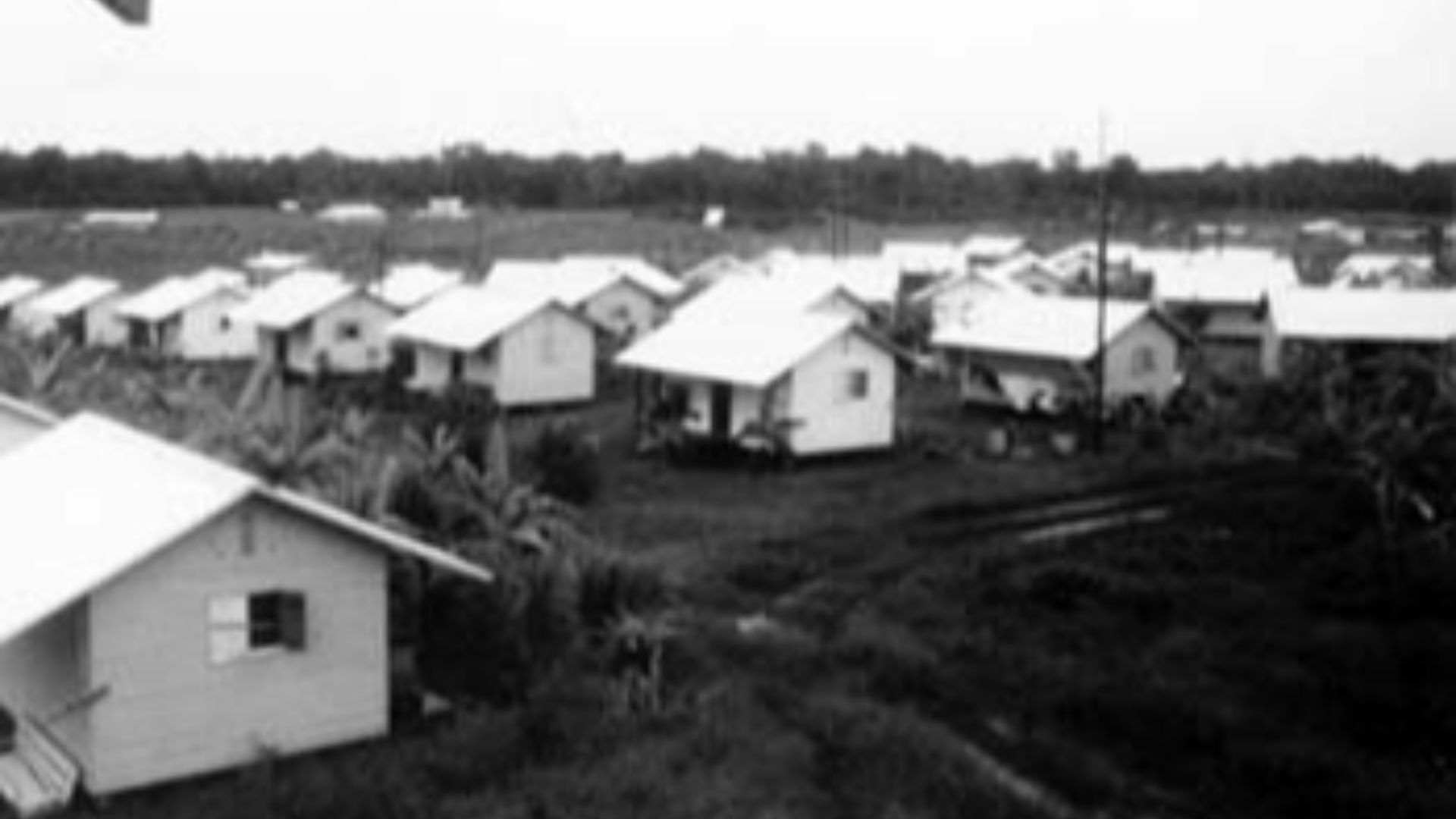
Many outsiders treated the Peoples Temple as a weird story, not a lethal one. In 1978, more than 900 people died in Jonestown, and investigations and reporting showed how control, isolation, and punishment can break down a community’s ability to say no.
 Fielding McGehee and Rebecca Moore on Wikimedia
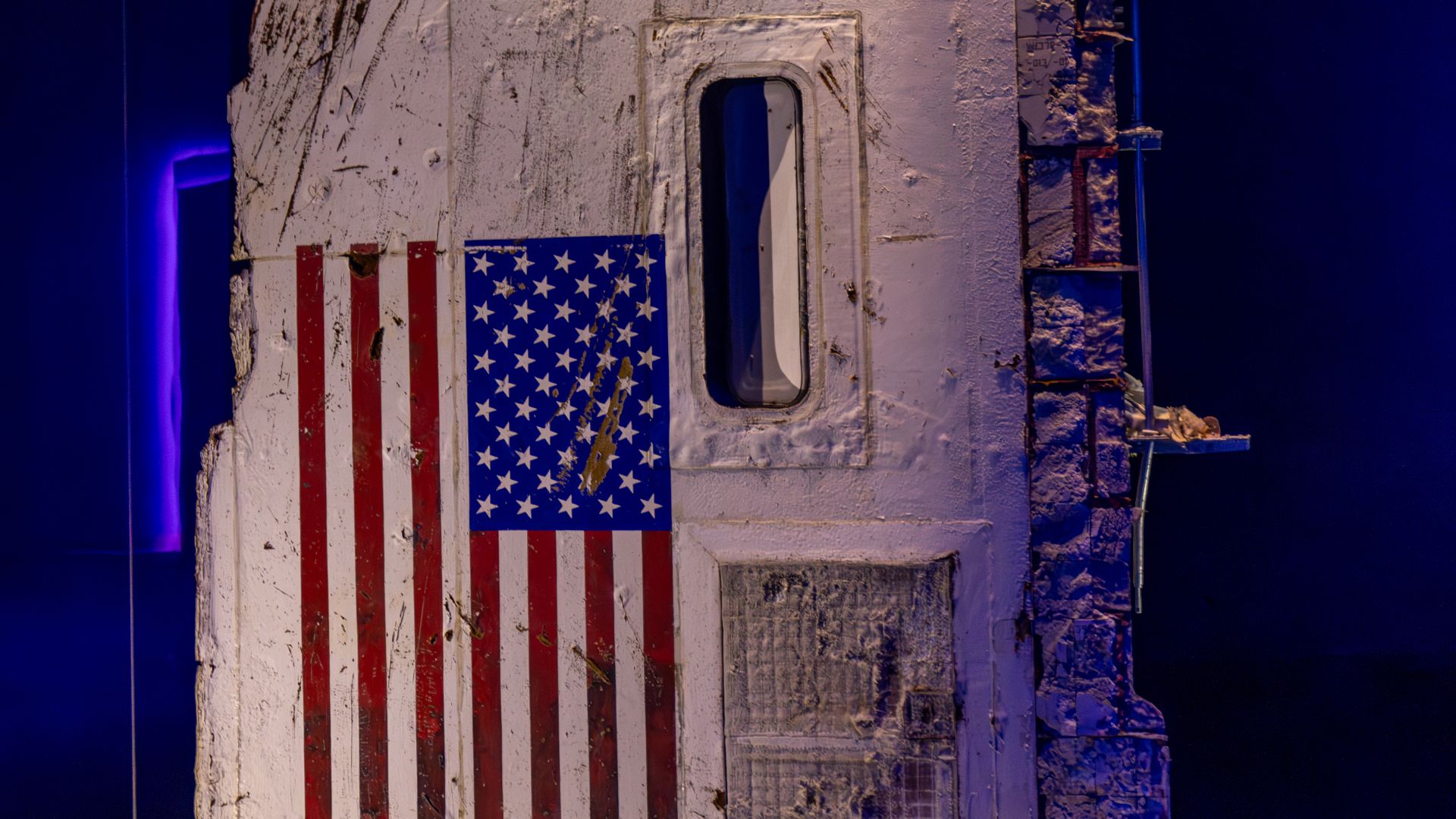
9. The Challenger Disaster
Big technical programs can convince themselves that smart people and procedures are enough. The Rogers Commission found that the Challenger explosion followed ignored warnings and normalization of risk, which is why the case is still used in engineering and management training.
10. Chernobyl
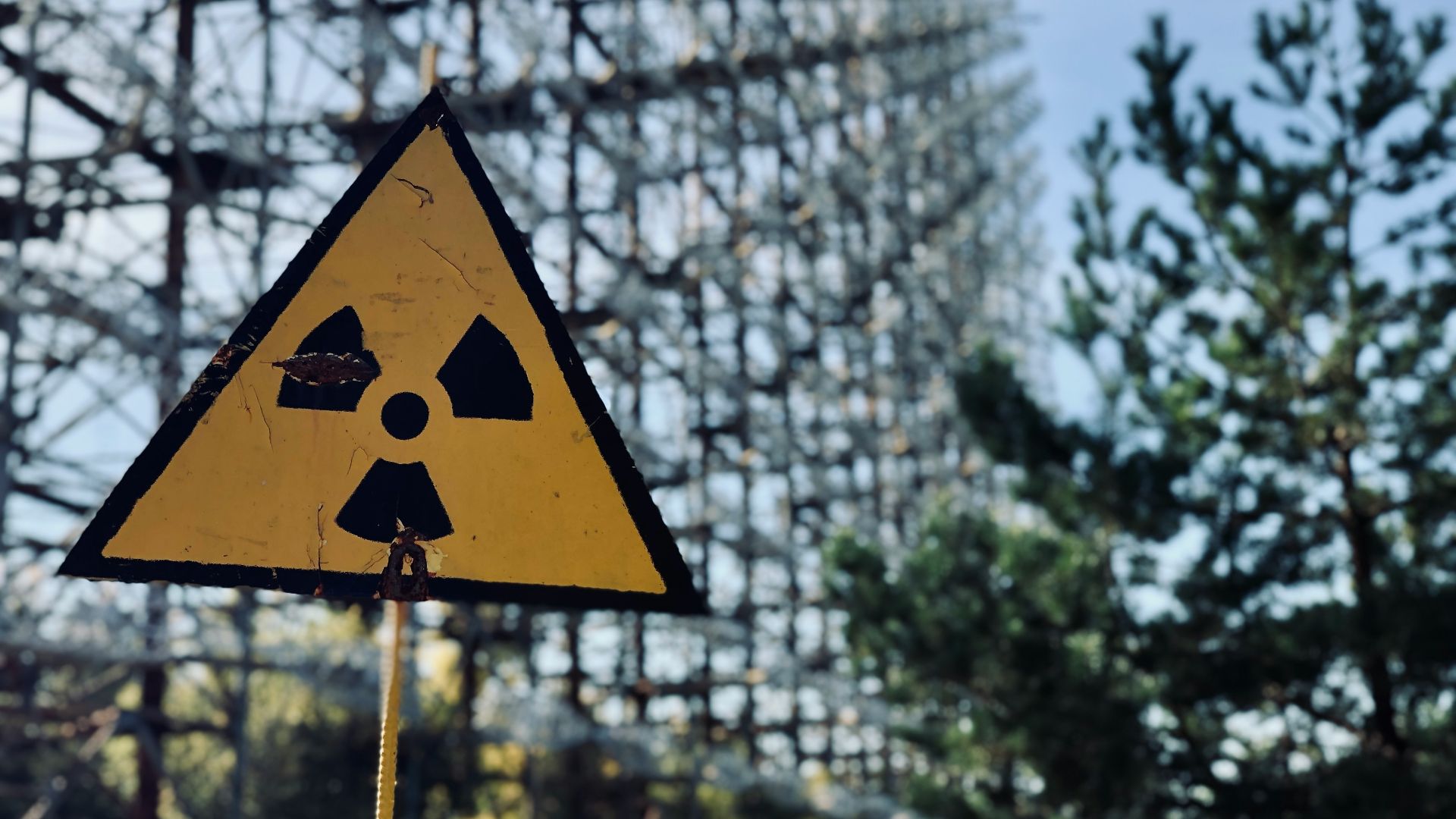
Nuclear safety was often framed as a system of barriers that would stop a catastrophe. In 1986, the Chernobyl disaster sent radioactive fallout across borders, and the International Atomic Energy Agency later documented how design weaknesses and governance failures contributed.
 Vladyslav Cherkasenko on Unsplash
11. The Rwandan Genocide
Many people assumed genocide was a word for the past, not a live threat in 1994. The killings in Rwanda moved fast, and United Nations records and the International Criminal Tribunal for Rwanda show how clear warnings failed to produce timely protection.
12. Srebrenica
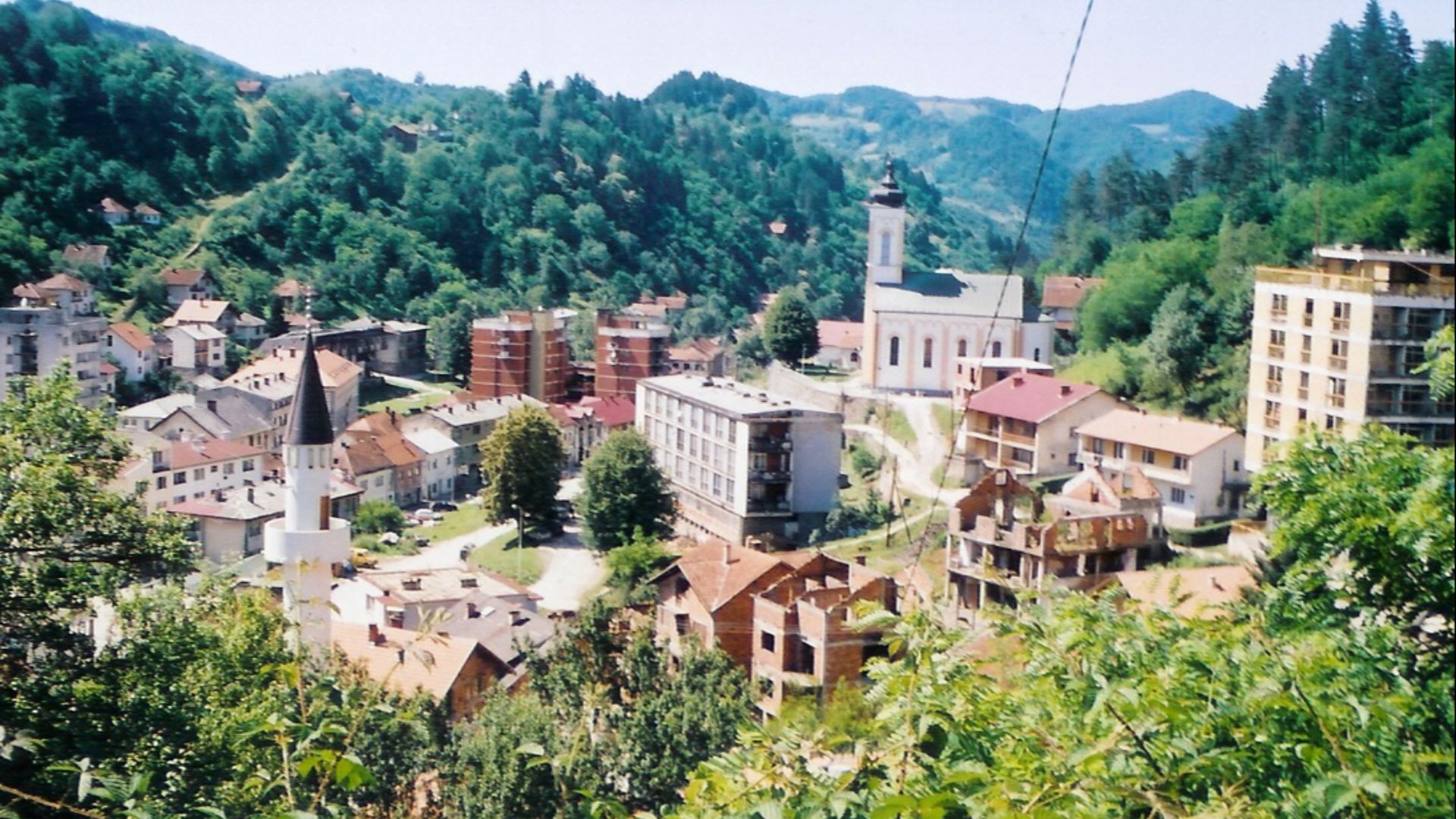
A protected zone sounds final until it meets an armed force with intent. In 1995, thousands of Bosniak men and boys were killed at Srebrenica, and international courts later ruled it was genocide despite the presence of peacekeepers in the region.
 The original uploader was Samum at German Wikipedia. on Wikimedia
13. The Oklahoma City Bombing
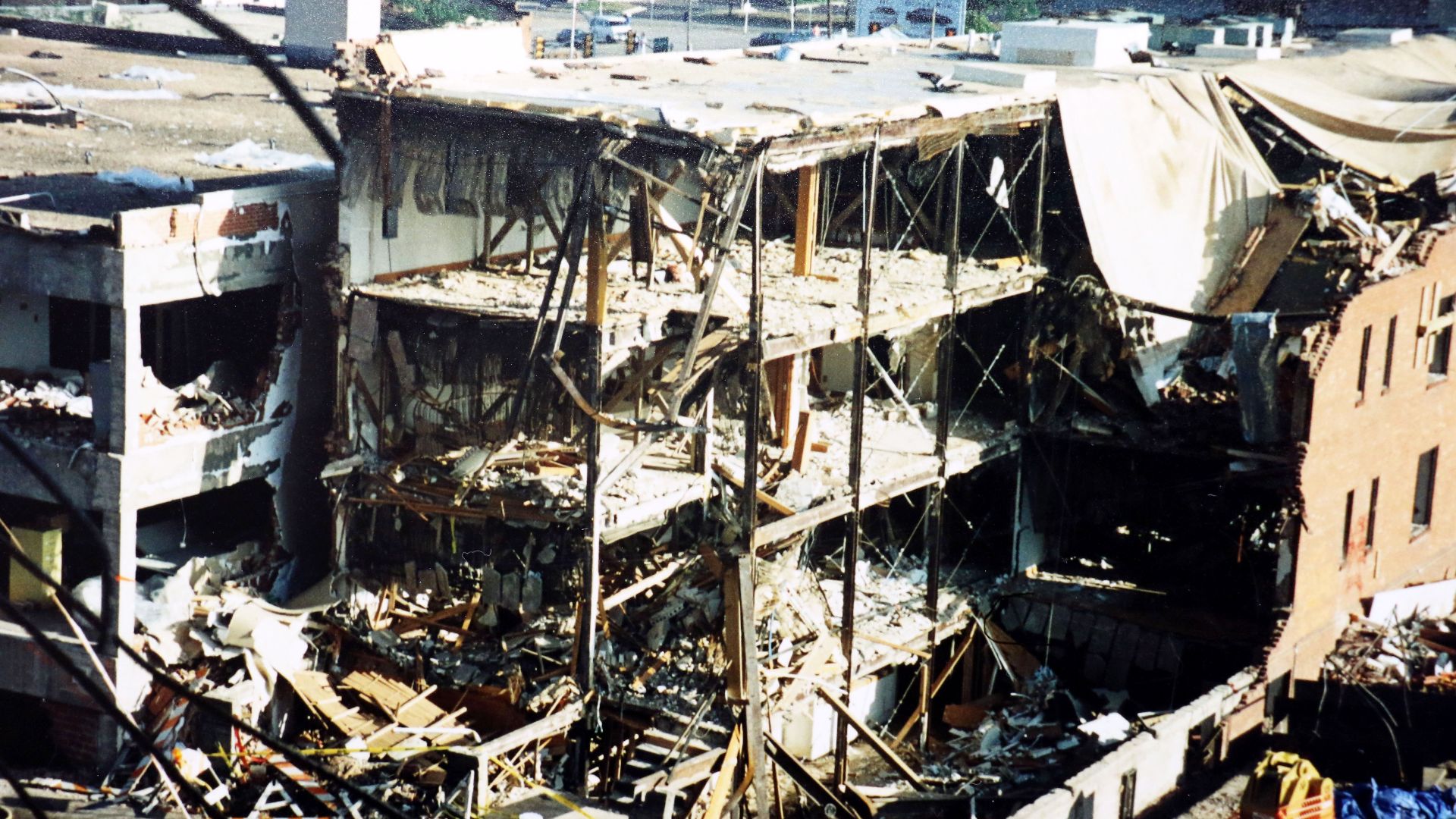
Domestic terrorism was easy for many Americans to dismiss as fringe noise. In 1995, the bombing of the Alfred P. Murrah Federal Building killed 168 people, and it forced a hard reassessment of violent extremism that grew inside the country.
14. September 11
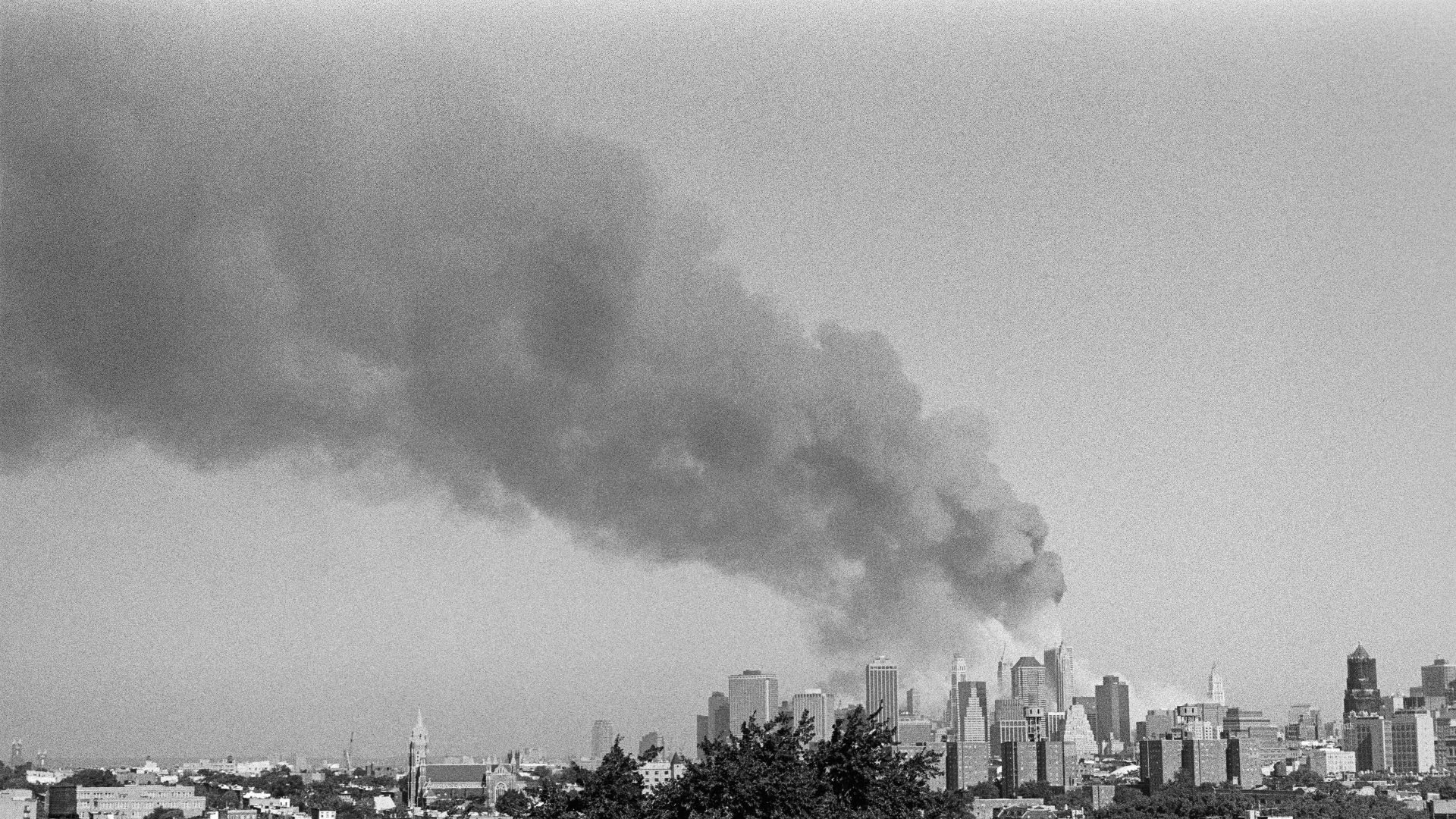
Before 2001, many people did not picture passenger flights being used as mass-casualty weapons. The 9/11 Commission Report and subsequent investigations detail how security gaps and poor information sharing helped make the attacks possible.
15. The 2008 Global Financial Crisis
Sophisticated models created the feeling that the system could price risk and stay stable. In 2008, major institutions failed or needed emergency support, and official reports traced how leverage and weak oversight let housing-related risk spread through global finance.
16. Deepwater Horizon
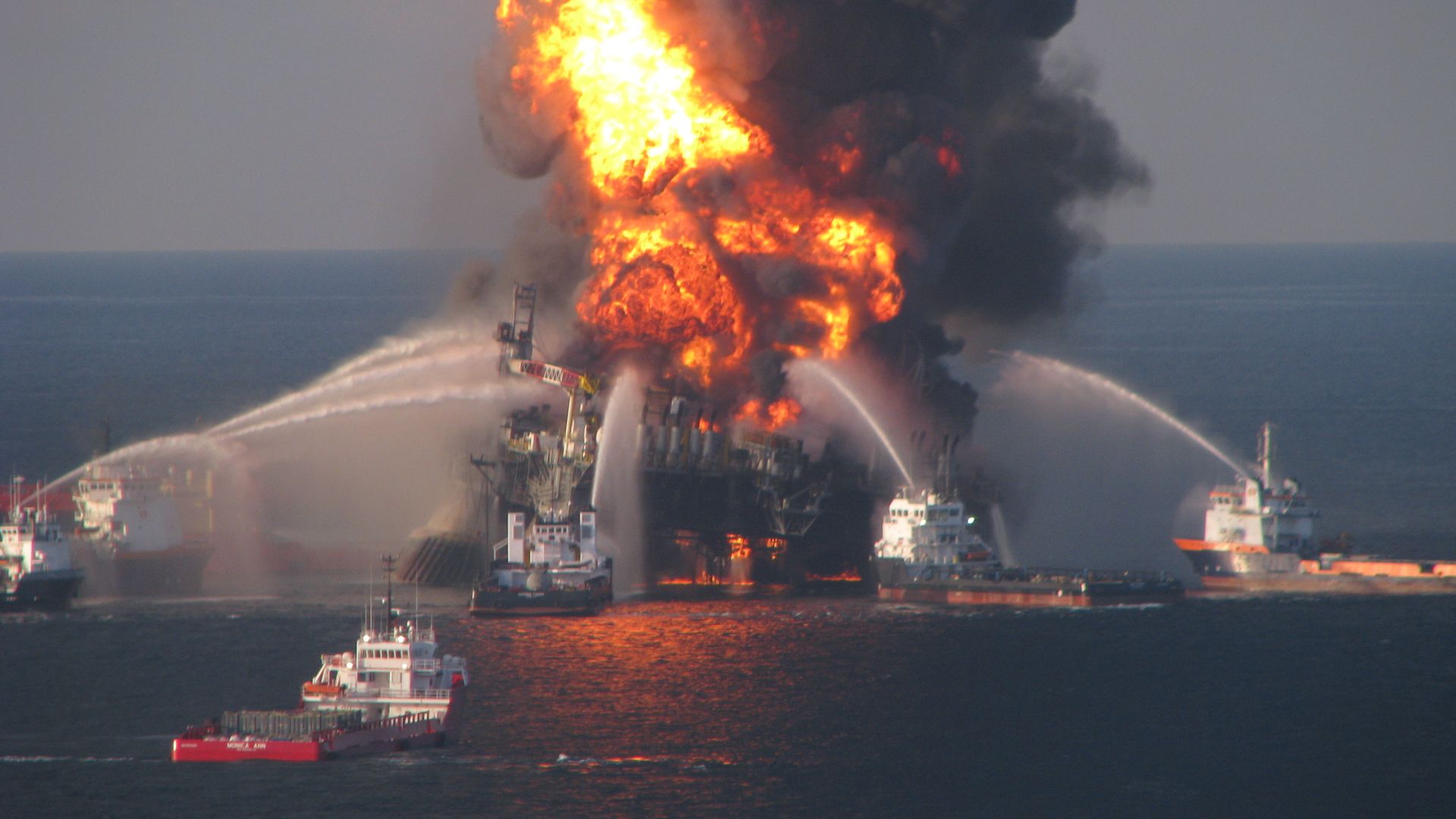
Offshore drilling was presented as heavily engineered, with major blowouts treated as remote. In 2010, the Deepwater Horizon disaster killed 11 workers and caused a massive spill, and a federal commission detailed safety shortcuts and regulatory failures.
 Unknown authorUnknown author on Wikimedia
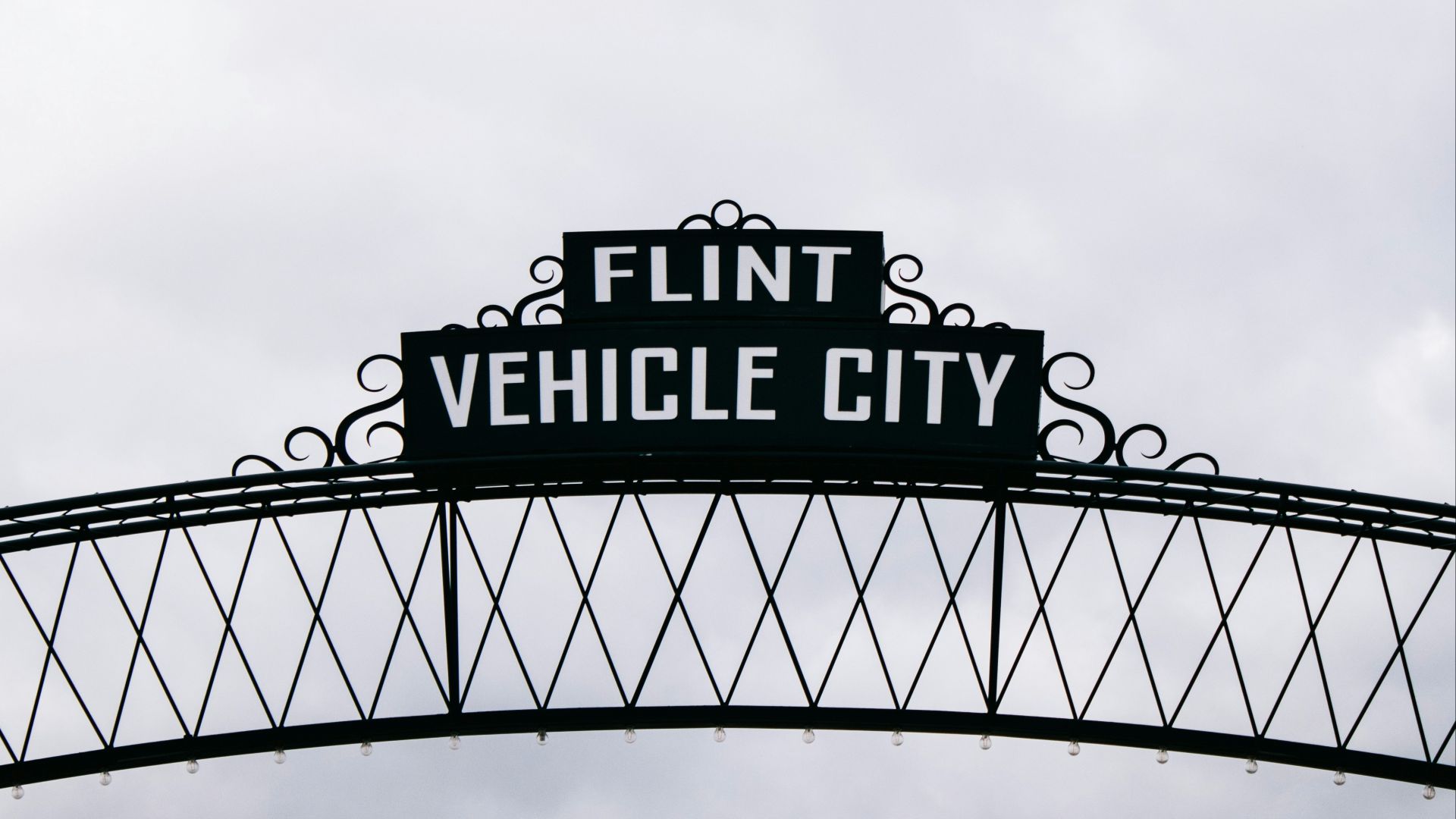
17. The Flint Water Crisis
In the United States, safe tap water is often treated as a guarantee, not a fragile service. Flint’s water-source switch, paired with failures in corrosion control and oversight, led to lead exposure documented through state reviews and public health studies.
18. Fukushima Daiichi
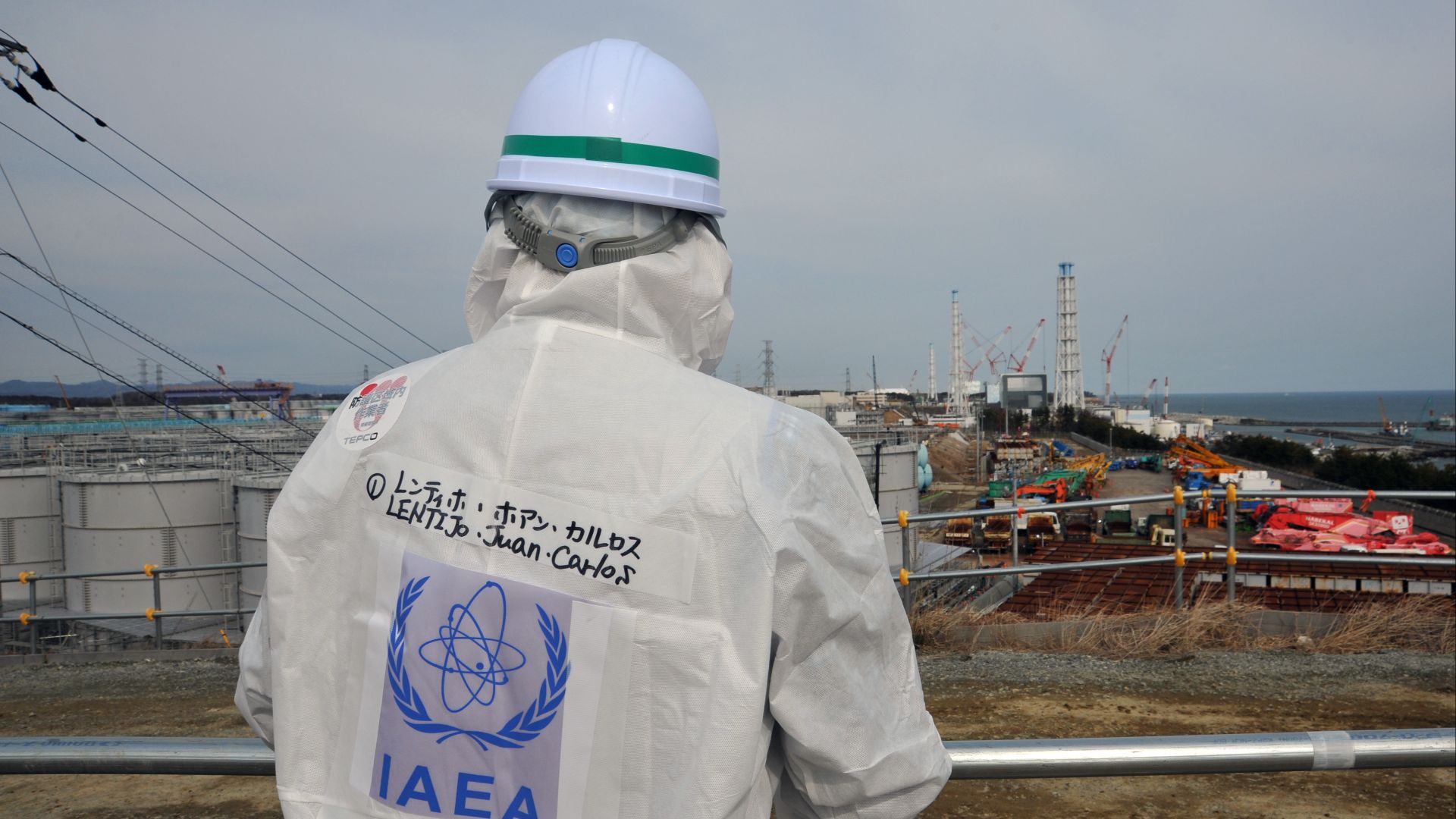
A wealthy country with strong engineering can still be overwhelmed by compound shocks. In 2011, an earthquake and tsunami triggered meltdowns at Fukushima, and official Japanese investigations examined how planning assumptions fell apart under cascading failures.
19. Democratic Backsliding
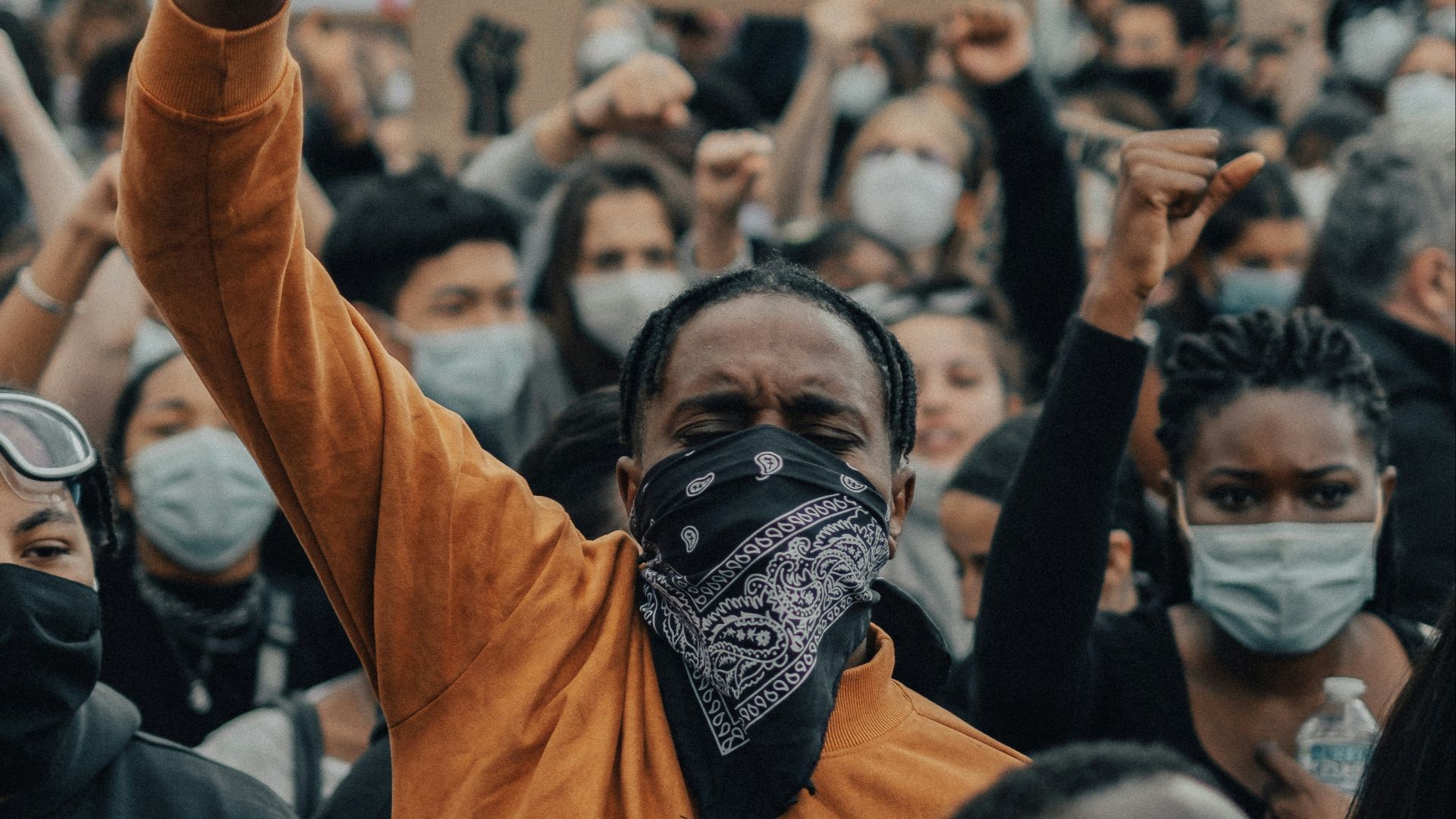
People sometimes picture democratic collapse as a single dramatic event, not a series of legal changes. Research projects like Freedom House and the Varieties of Democracy dataset track how checks weaken, courts get pressured, and media space narrows while elections continue.
20. COVID-19
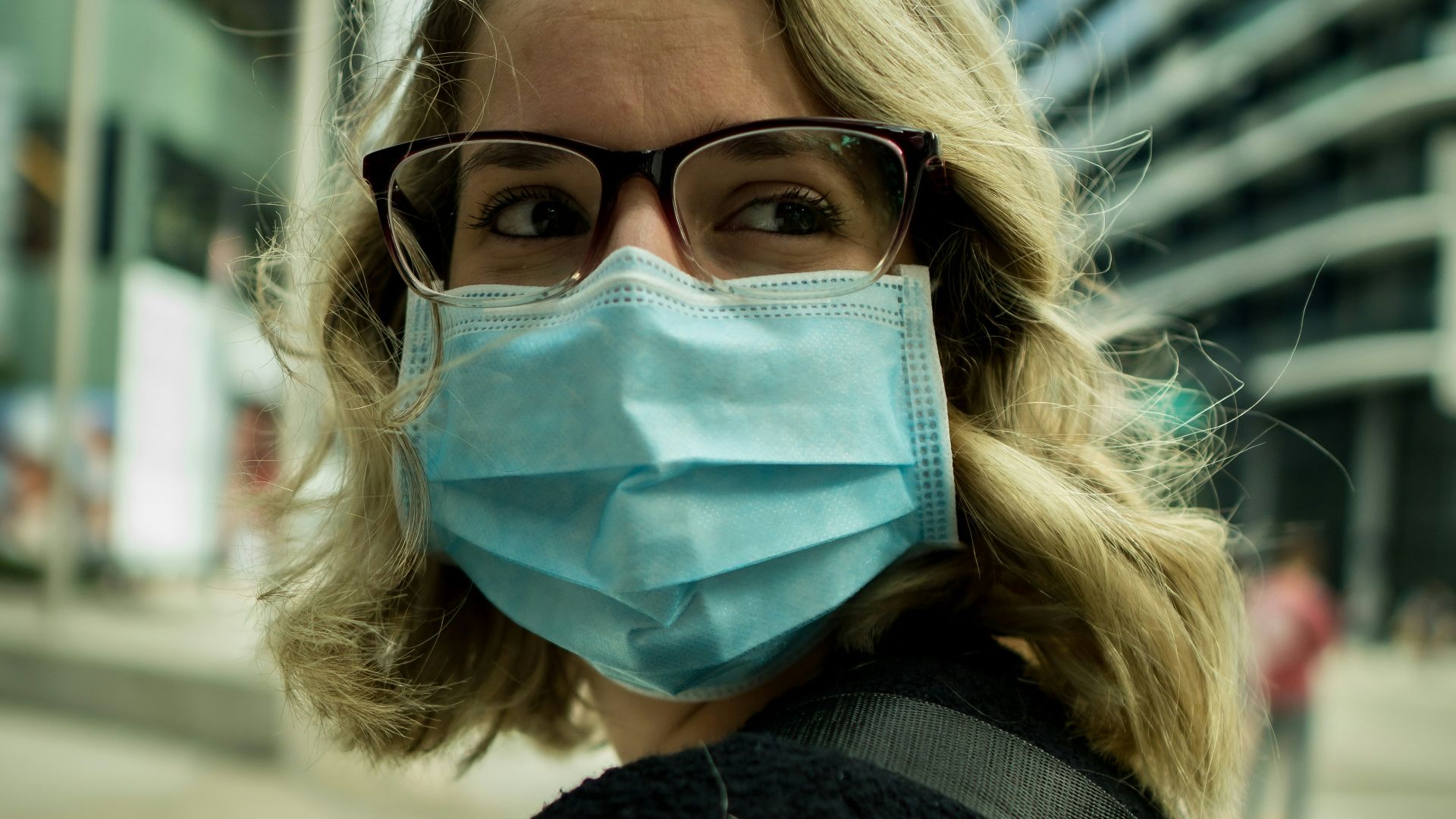
Many governments had pandemic plans and still assumed daily life would not shut down for months. COVID-19 spread globally beginning in late 2019 and early 2020, and reviews by the World Health Organization and national inquiries describe how delays and mixed messaging cost time that could not be recovered.
KEEP ON READING