10 Cowboys Who Became Legends & 10 Outlaws Who Became Nightmares
Dust, Glory, And The Dark Side Of The Open Range.
The American West runs on stories that feel sunbaked and larger than life, even when the facts are rougher up close. Cowboys became symbols of grit because working riders did skilled labor in brutal weather, often for low pay and little praise. Outlaws fed on the same wide spaces and weak institutions, turning distance into cover and fear into reputation. Legend sands down splinters, so heroes look cleaner and villains look thrilling. Here are ten riders who became folk legends and ten criminals who became waking nightmares.
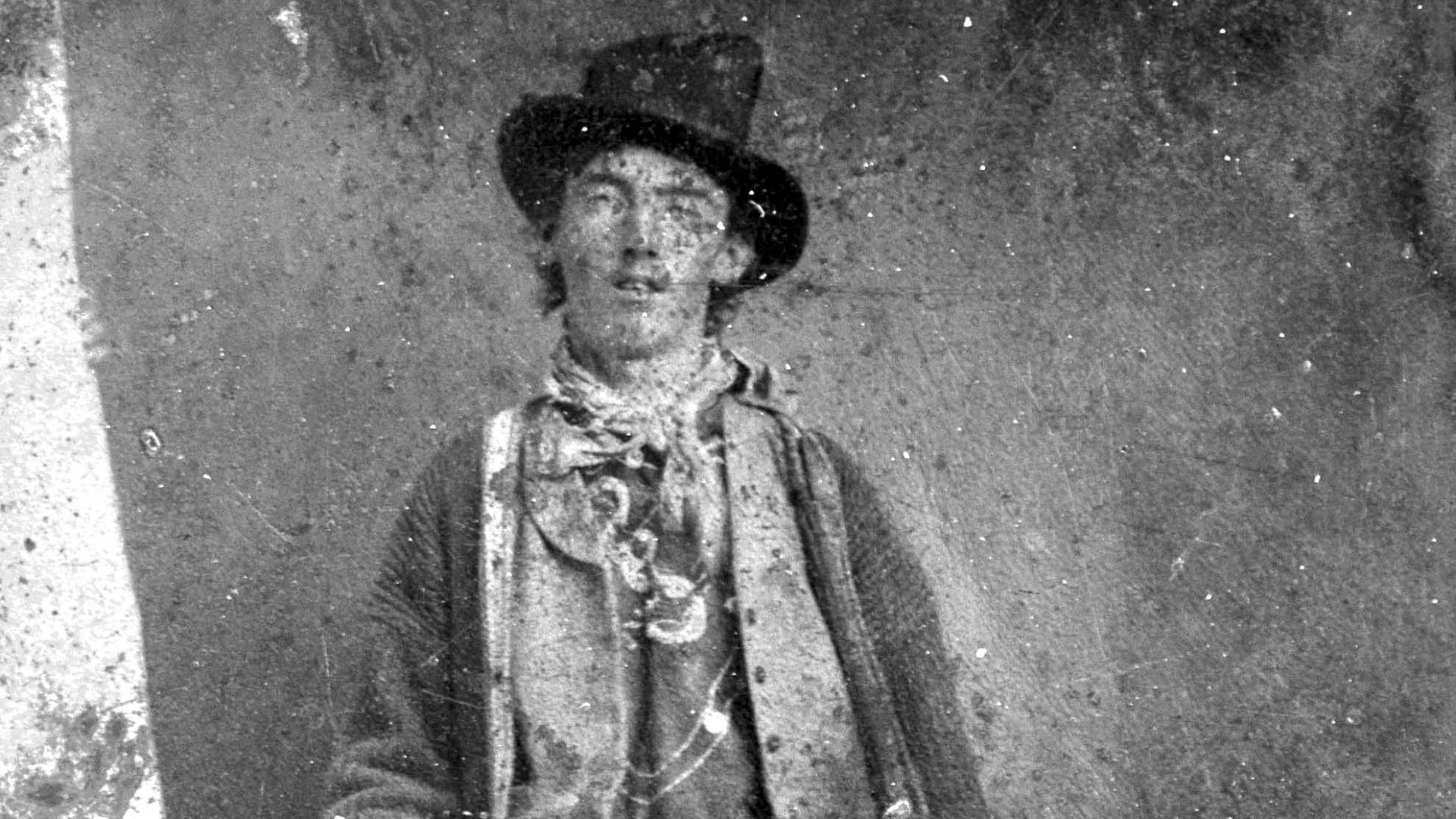 Ben Wittick (1845–1903) on Wikimedia
1. Charles Goodnight
Goodnight helped pioneer the Goodnight-Loving Trail, moving cattle north with a discipline that impressed even rivals. His reputation stuck because he paired frontier toughness with a builder’s mindset, turning a risky drive into a repeatable route.
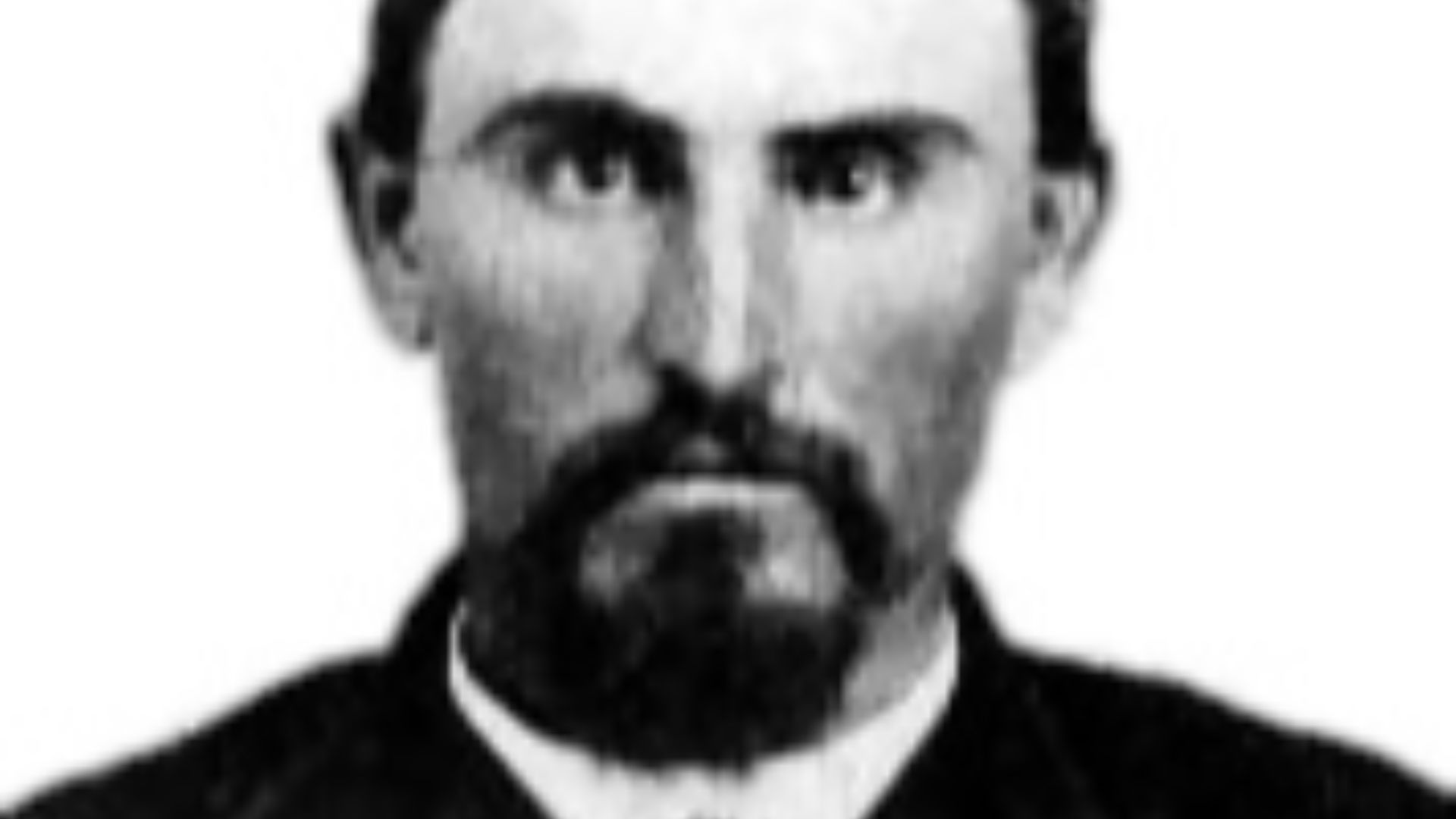 Unknown authorUnknown author on Wikimedia
2. Nat Love
Nat Love, who published an autobiography late in life, described a career that ranged from cattle drives to rodeo contests across multiple territories. His legend matters because it preserves the reality that Black cowboys were central to the cattle industry, not a footnote.
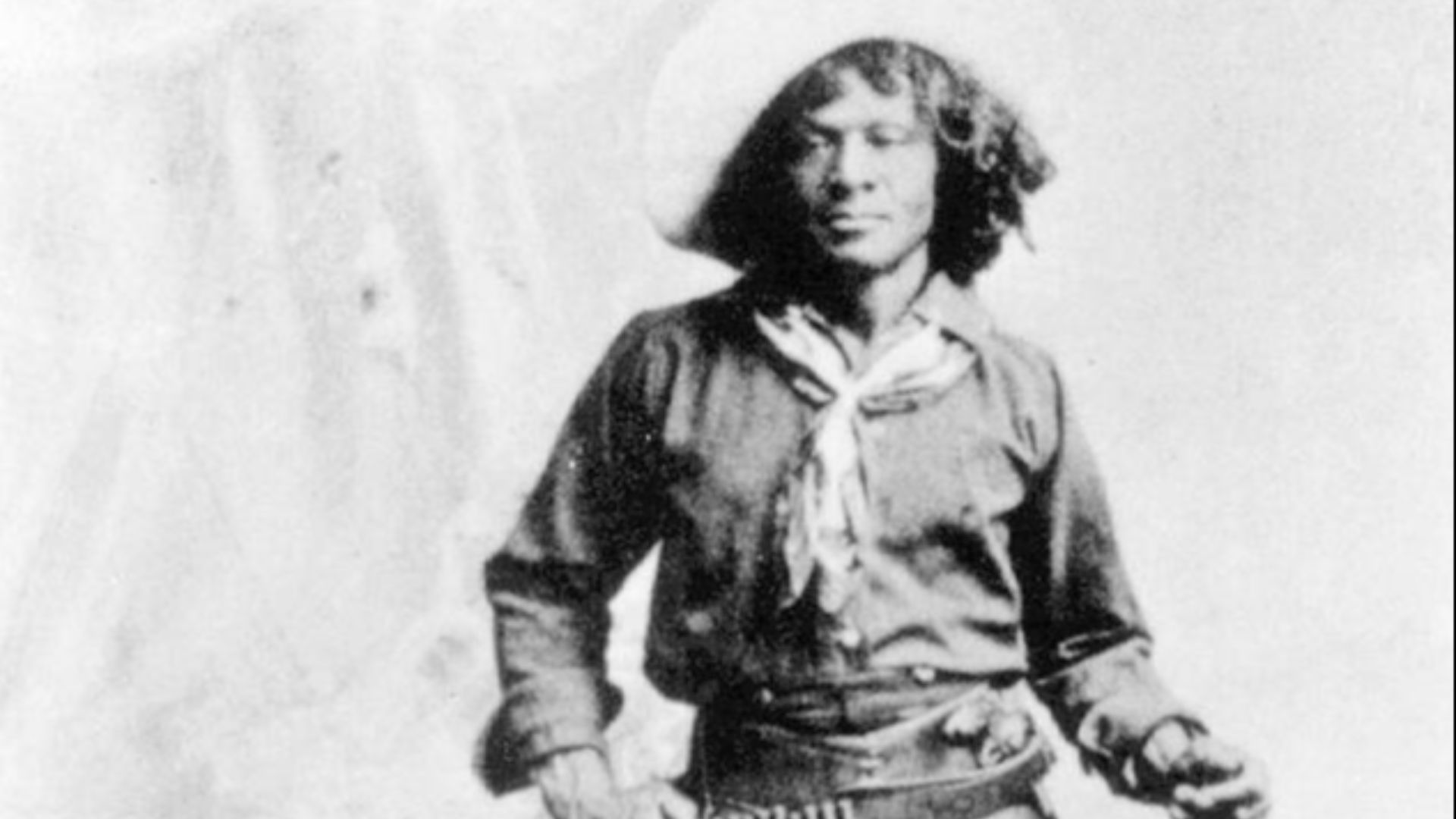 Unknown authorUnknown author on Wikimedia
3. Bill Pickett
Pickett became famous for bulldogging, the rodeo technique of wrestling a steer to the ground, and his skill turned a ranch task into a spectacle. His fame spread through Wild West shows and early film, fixing the working-cowboy image in popular culture.
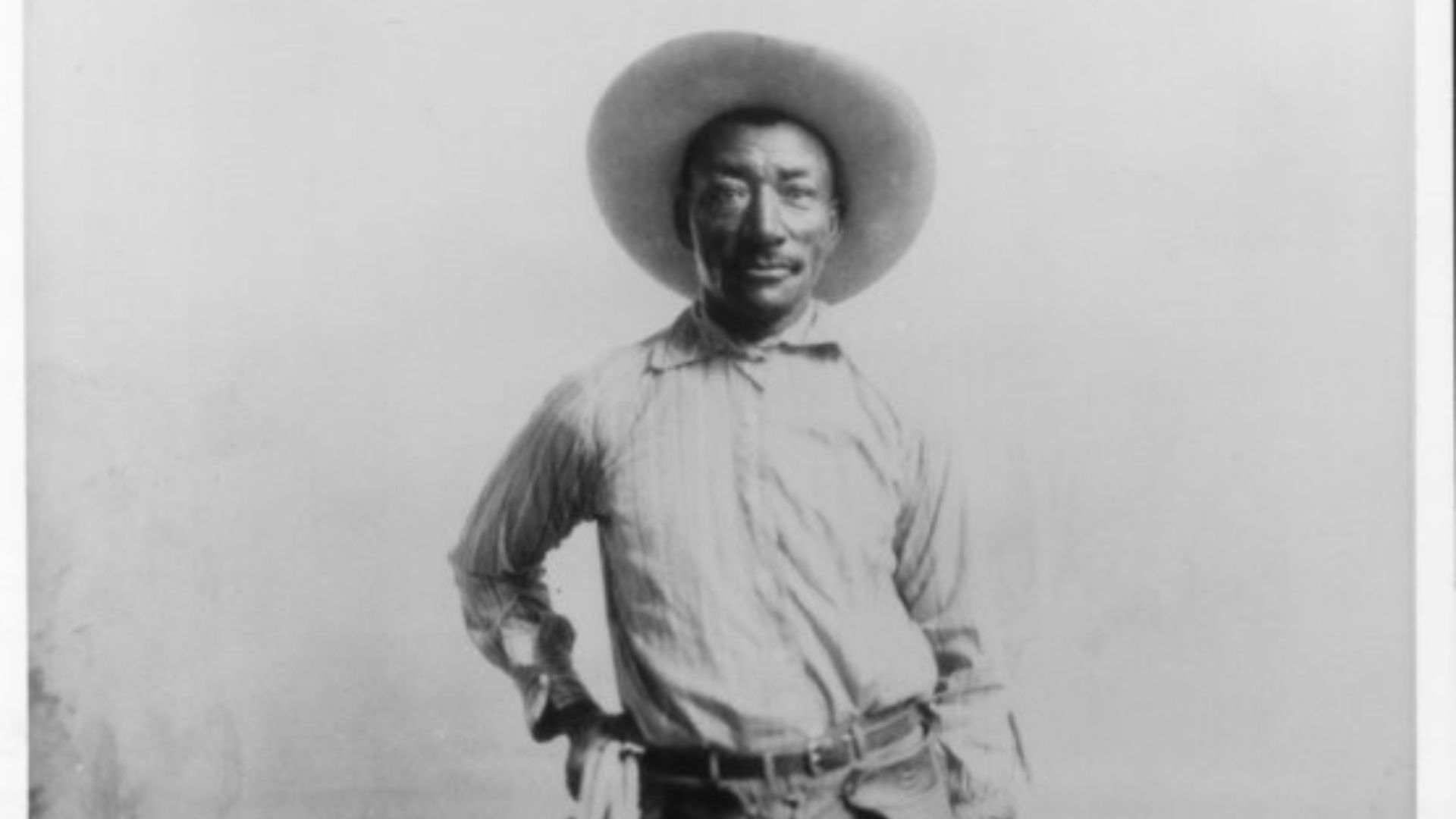 Photographer unknown. one source states,
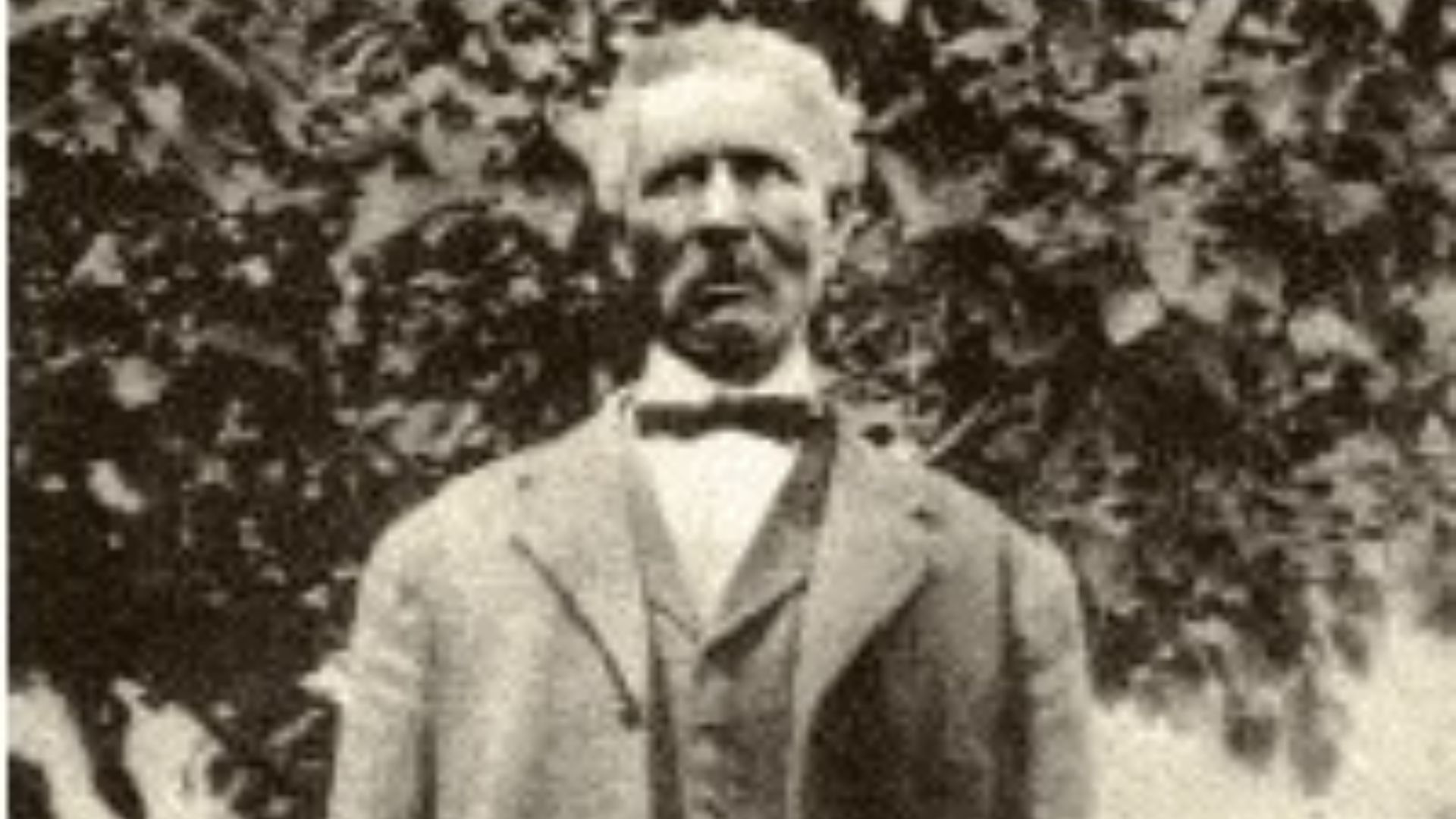
4. Bose Ikard
Ikard rode for Charles Goodnight and earned a reputation for steadiness on long drives when steadiness was survival. Goodnight’s tribute, carved into Ikard’s headstone, helped keep his name from disappearing the way so many working cowboys’ names did.
 Unknown authorUnknown author on Wikimedia
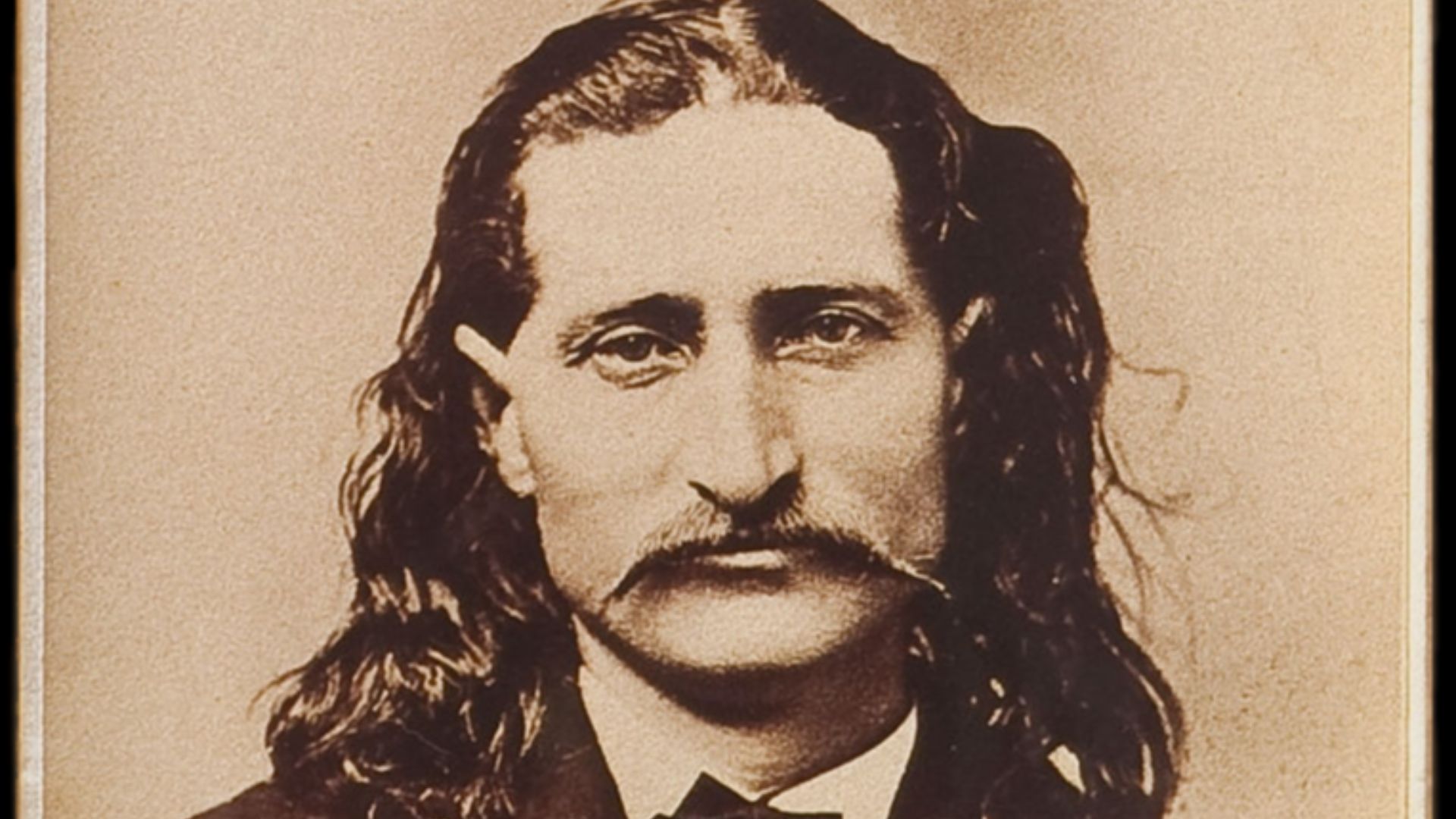
5. Wild Bill Hickok
Hickok worked as a scout and lawman and drifted through the same frontier economy that produced cowboys. He became legendary because his look and quick-draw reputation fit dime novel storytelling, even when details were inflated.
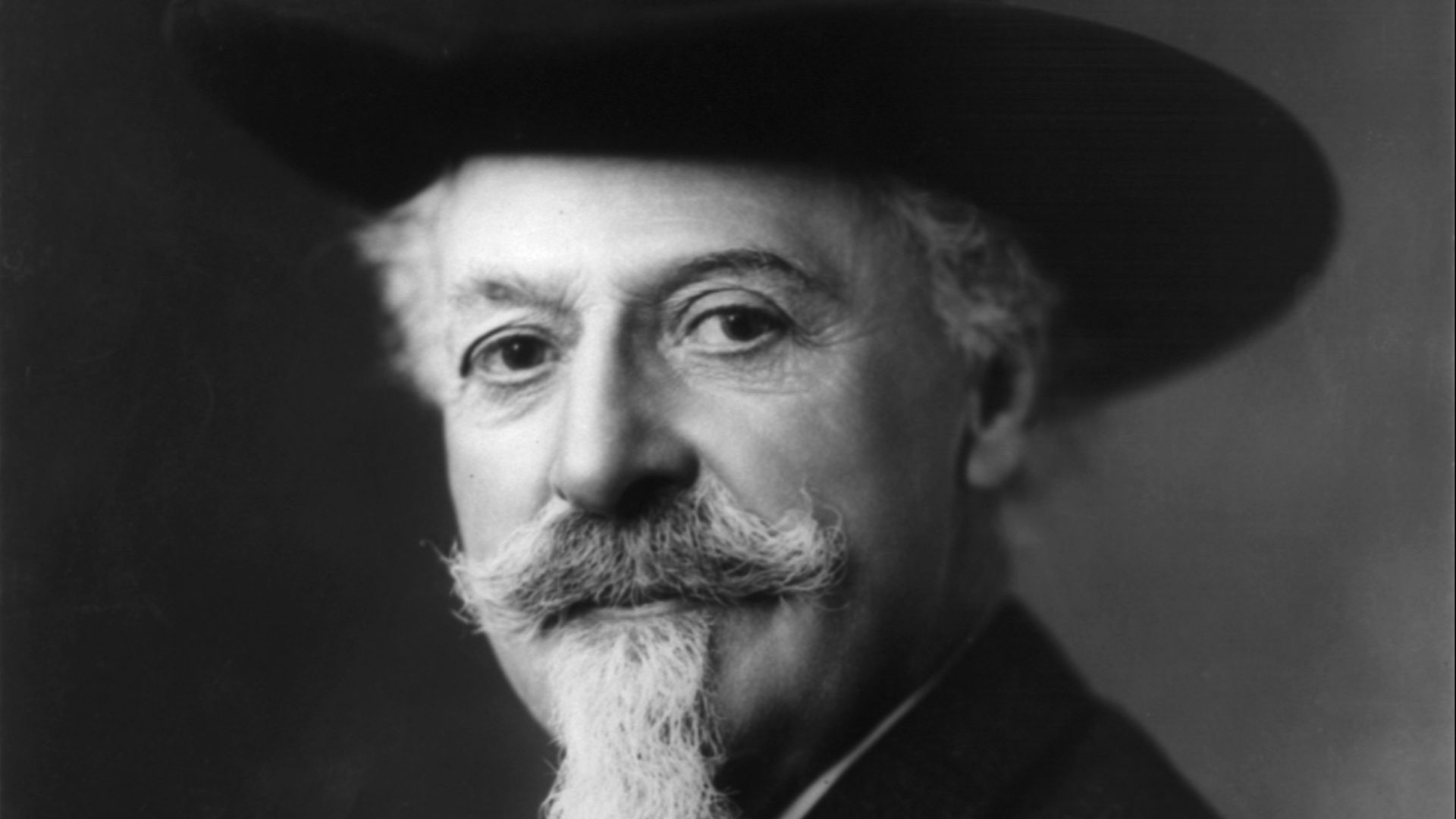
6. Buffalo Bill Cody
Cody rode, scouted, hunted, and then turned those experiences into a traveling show that exported the West to the world. He became a legend by controlling the narrative, packaging frontier skill into a performance that audiences could buy.
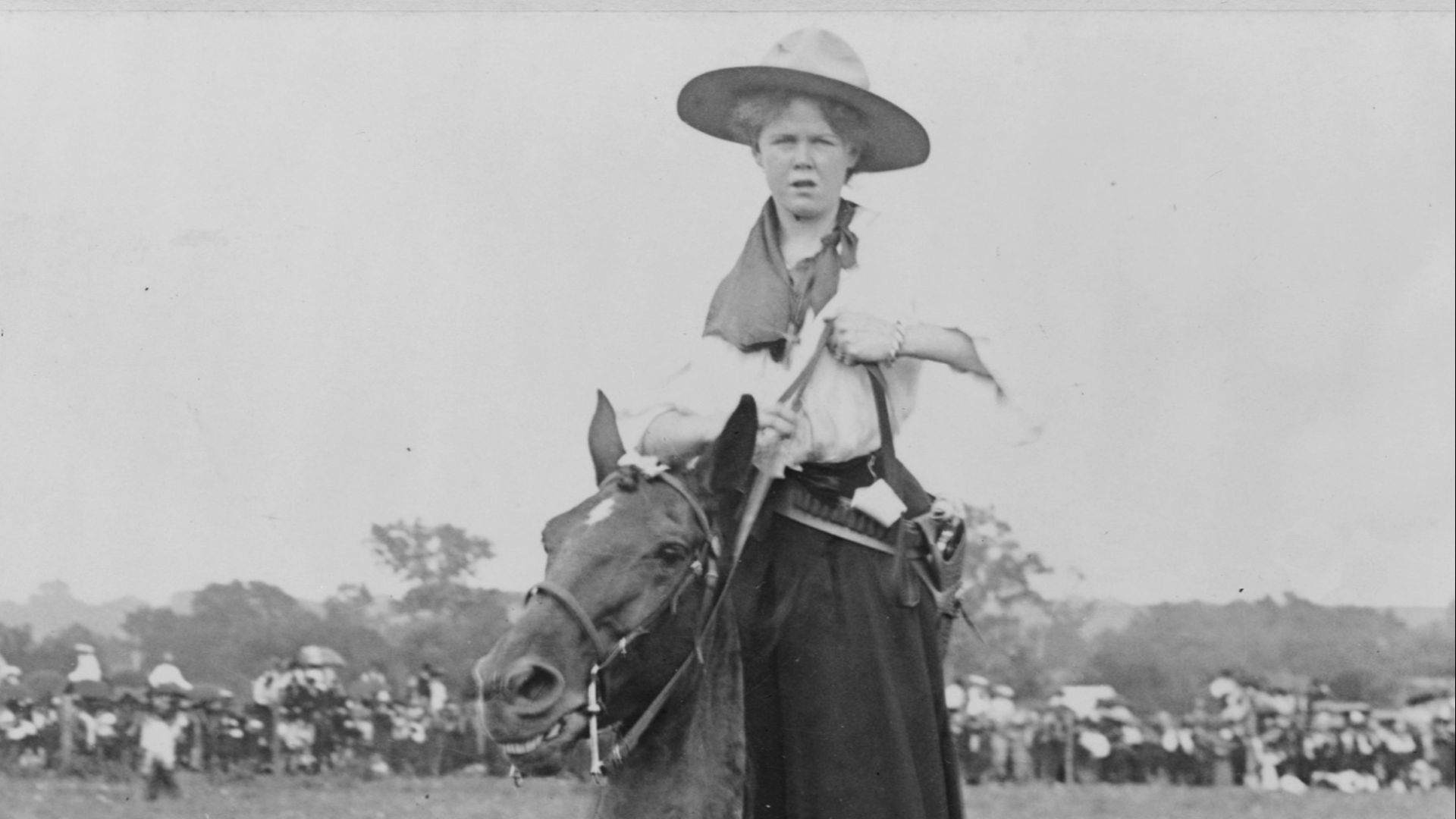
7. Lucille Mulhall
Mulhall built fame as an early cowgirl star, roping and riding in Wild West shows when women were expected to stay ornamental. Her legend endures because she proved the saddle and the spotlight did not belong to men alone.
 Dedrick, J. V., photographer on Wikimedia
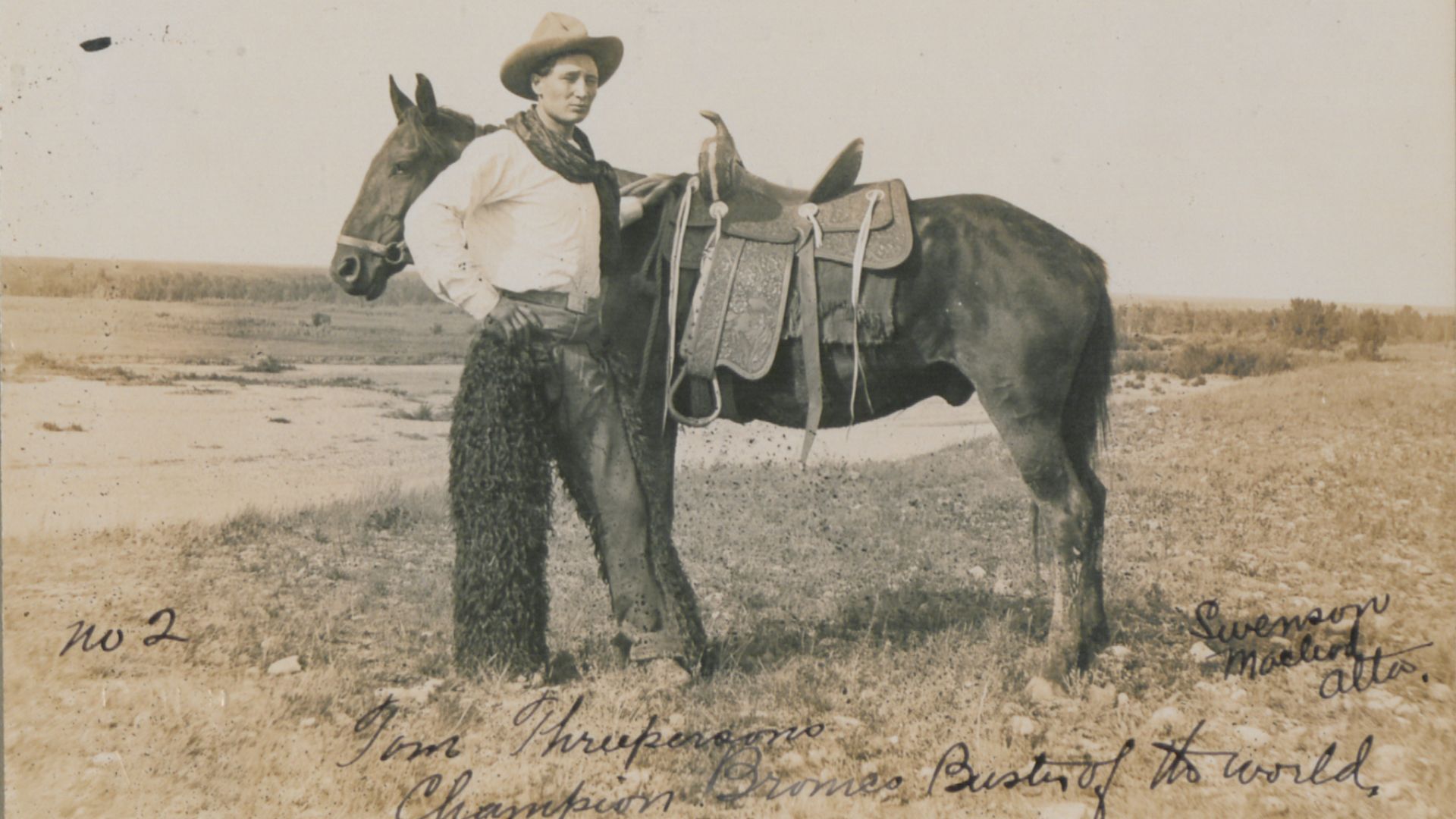
8. Tom Threepersons
Threepersons was a working cowboy who later became a lawman, known for tracking skill and calm under pressure. His name lives on in the Threepersons holster style, designed for a fast draw without sloppy danger.
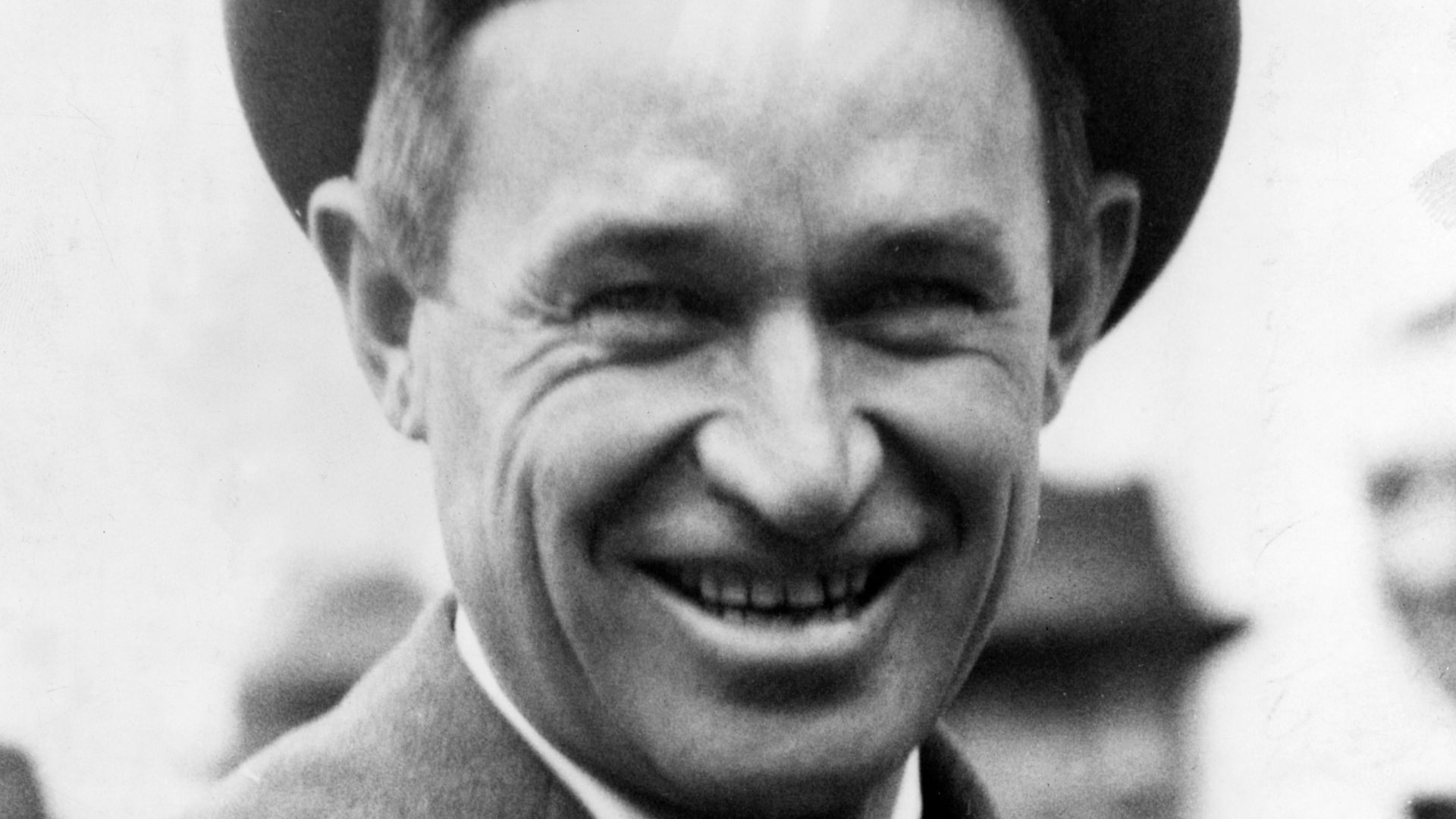
9. Will Rogers
Rogers started as a roper and ranch hand, then turned cowboy skill into vaudeville charm and sharp commentary. His legend comes from making the cowboy voice sound witty, generous, and unmistakably American on a national stage.
 Underwood & Underwood on Wikimedia
10. Earl Bascom
Bascom helped modernize rodeo events and gear, shaping the sport as it moved from ranch contests to organized arenas. His legacy shows how cowboy culture kept evolving instead of freezing in a single postcard pose.
The same landscape also produced people who made a career out of intimidation, theft, and bloodshed, and their stories travel just as far, and they linger for generations. Here are ten outlaws that captured our collective imaginations.
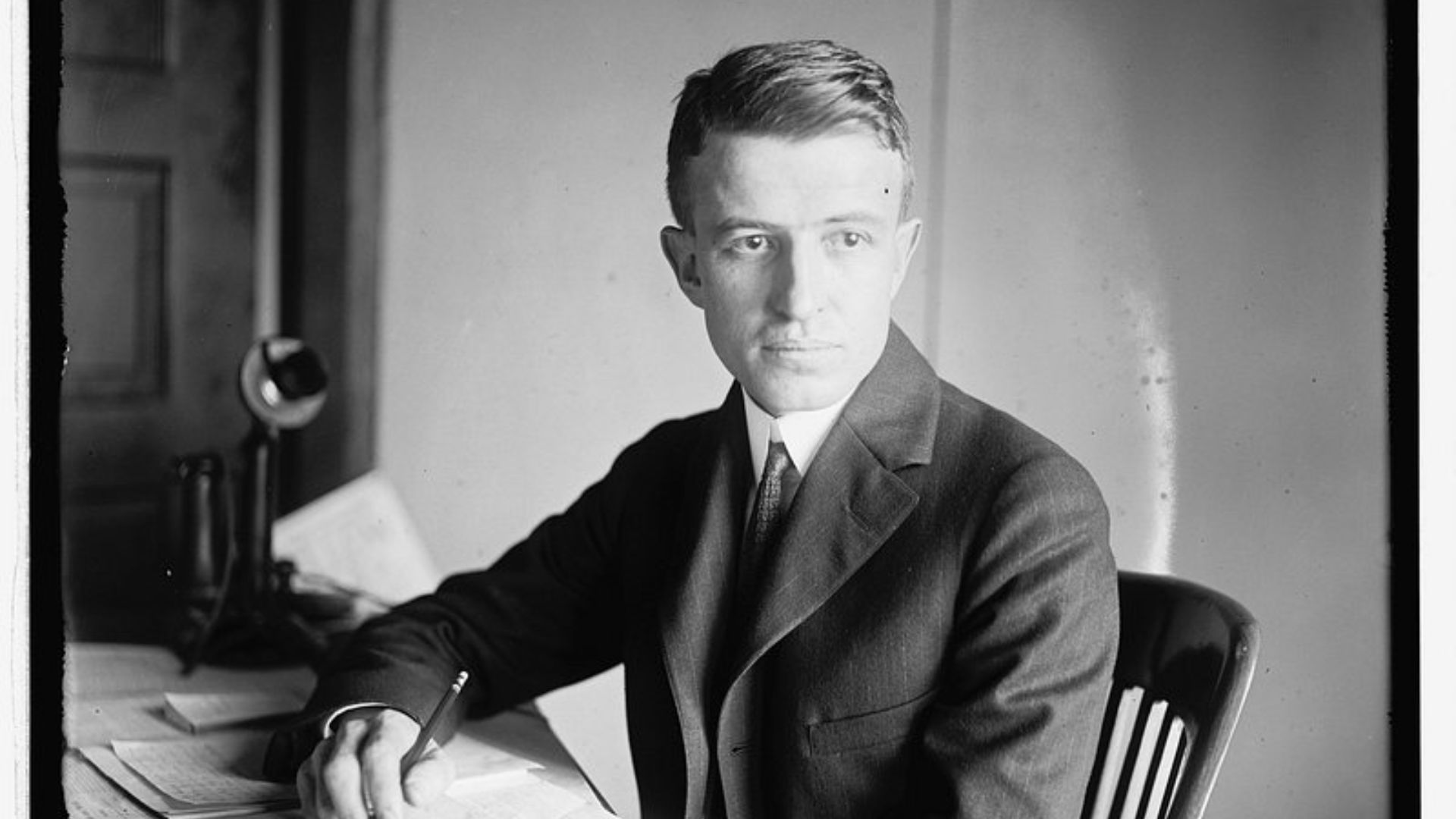
1. Jesse James
James became infamous after the Civil War through robberies that were brutal in execution and carefully mythologized in newspapers. Admirers cast him as a folk hero, yet the record points to a violent criminal whose fame rode on politics and publicity.
2. Billy the Kid
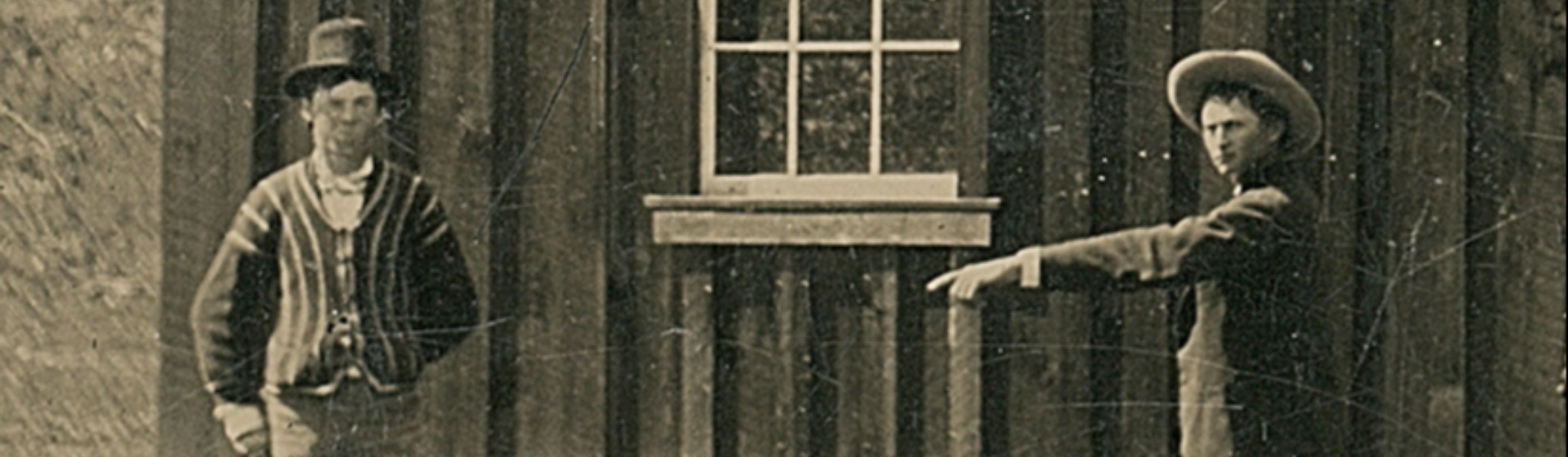
Billy the Kid, born Henry McCarty, gained notoriety during the Lincoln County War in New Mexico and died young after a life of gunfights and escapes. His nightmare reputation comes from how quickly killing became identity, then entertainment.
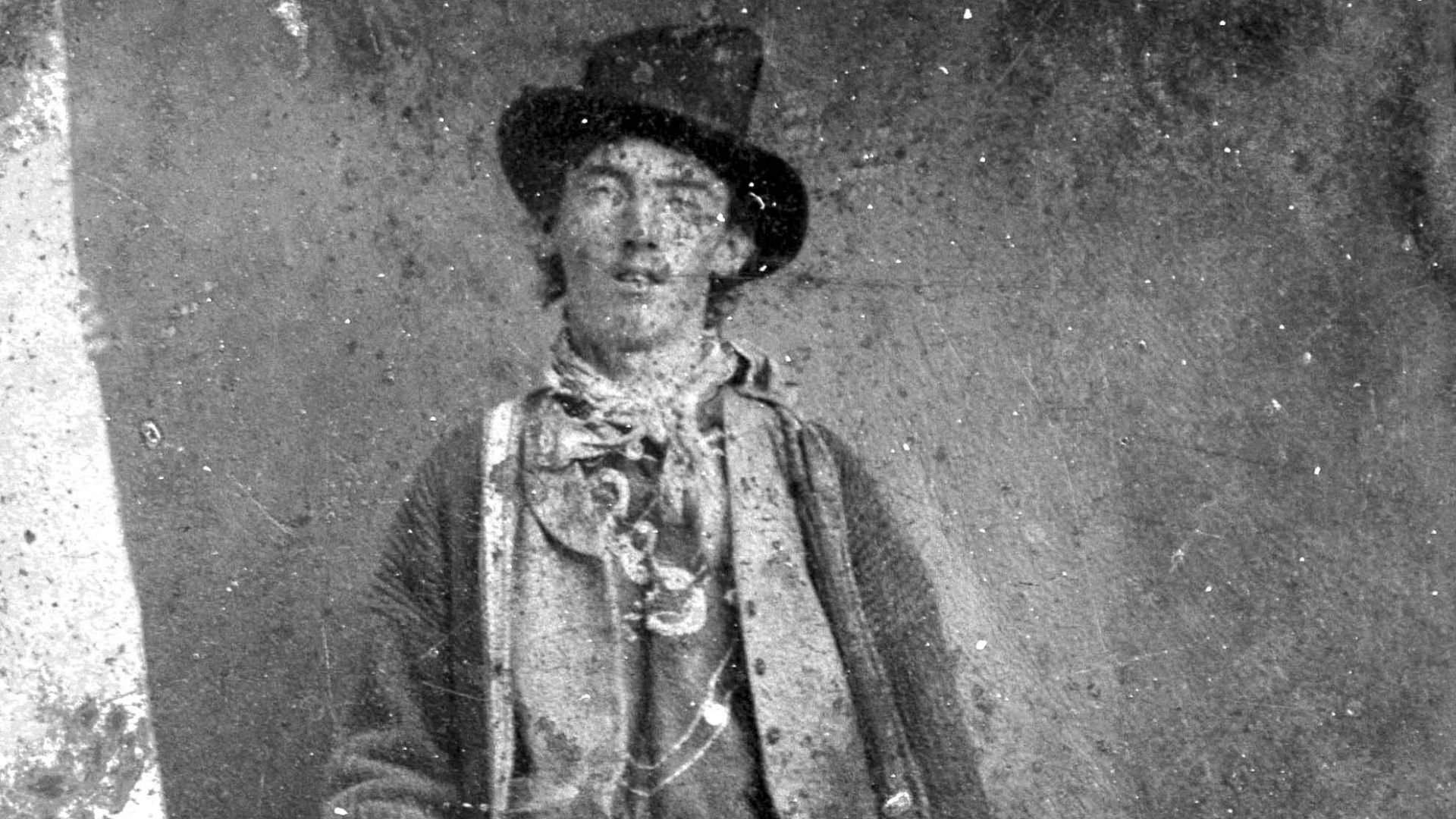 Ben Wittick (1845–1903) on Wikimedia
3. John Wesley Hardin
Hardin claimed he killed dozens of men, and even if the number is argued, his trail of shootings is not. He became a nightmare because he treated lethal force as routine, then tried to frame it as mere expertise.
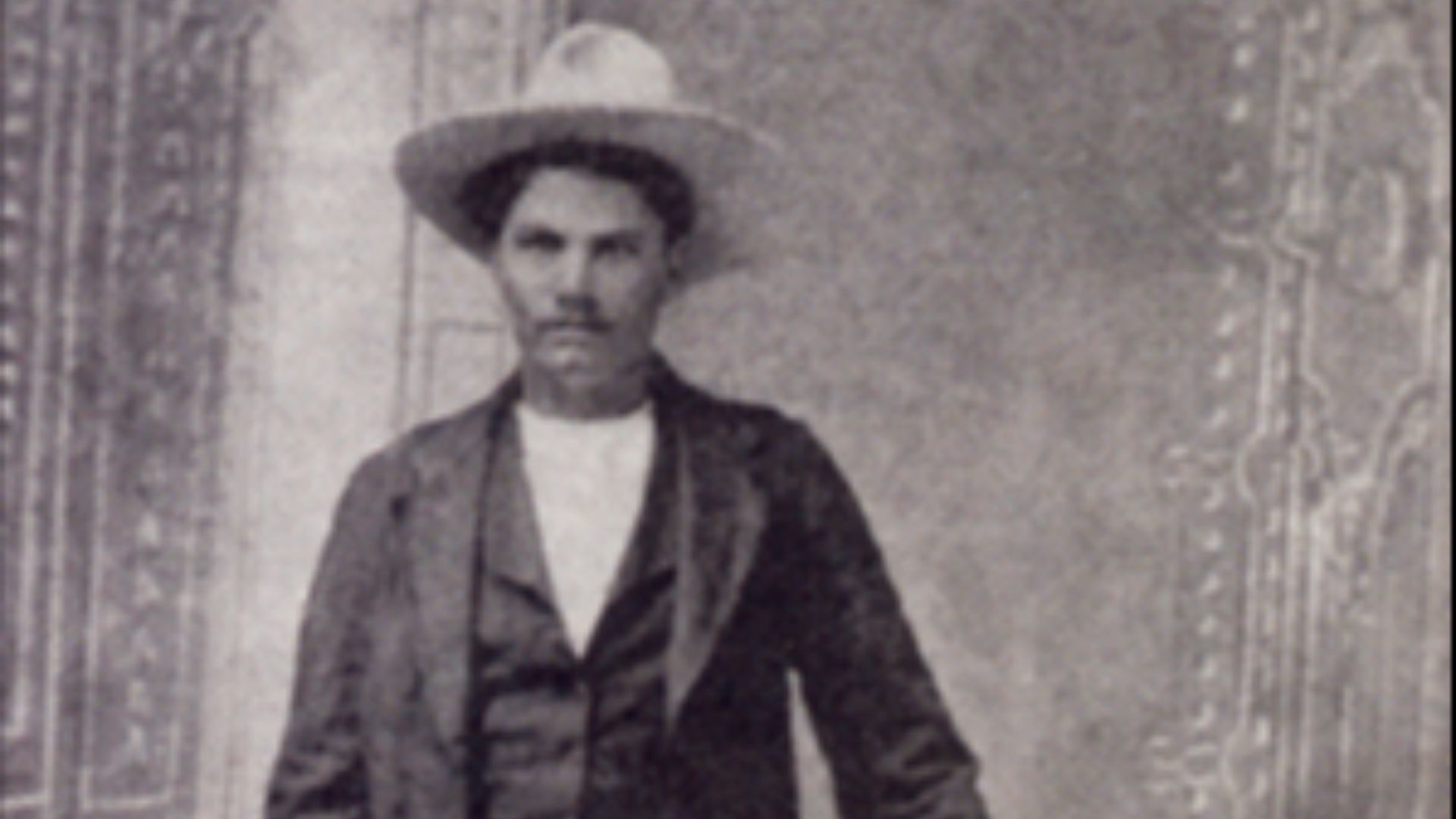 The original uploader was Shauri at English Wikipedia. on Wikimedia
4. Butch Cassidy
Cassidy’s gang pulled off bold train and bank robberies, and his charm softened the picture in later retellings. The nightmare is that the crimes depended on threats and guns, and the romance forgets the clerks and passengers staring down barrels.
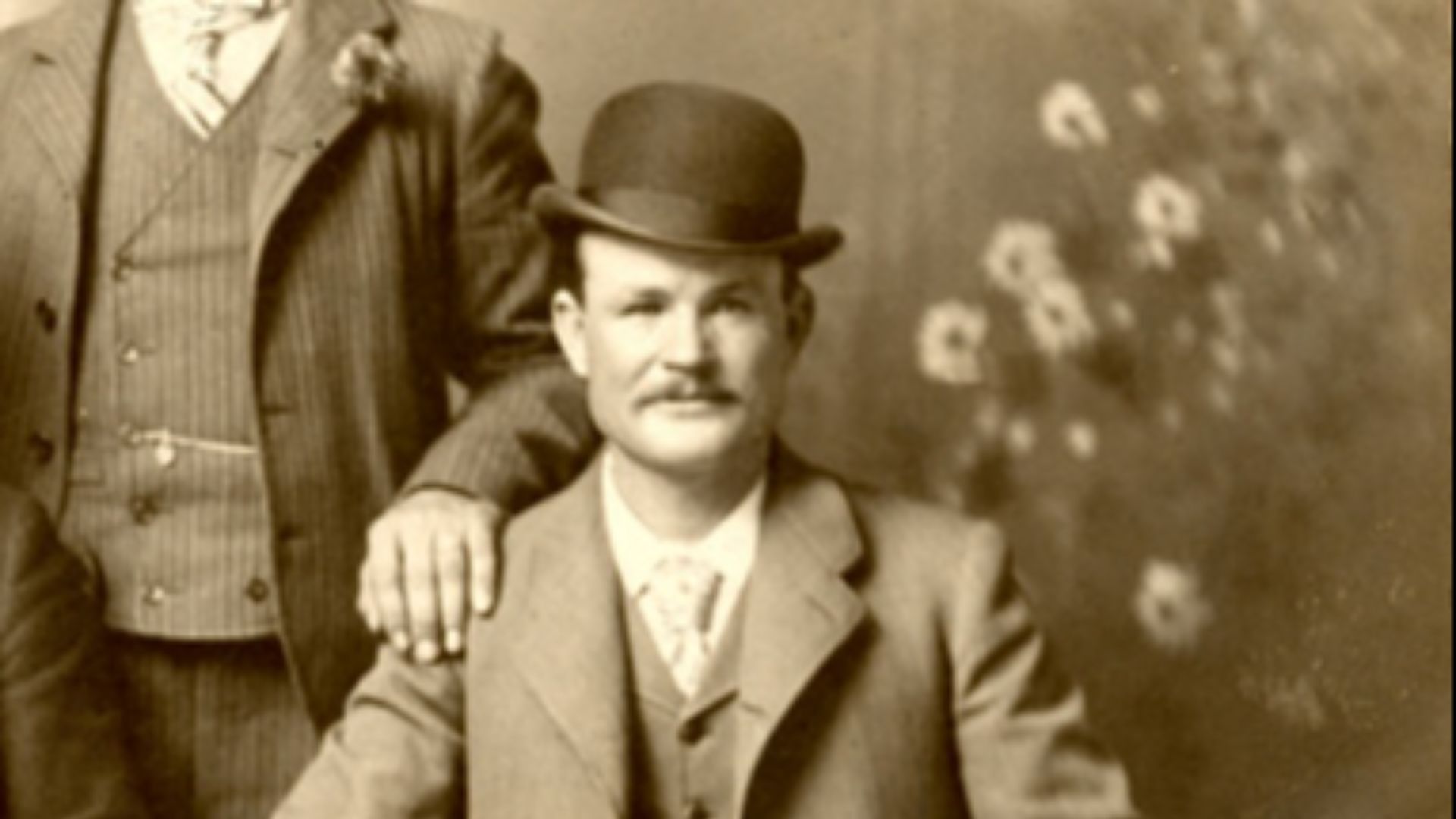 Users CDA, Greenmountainboy on en.wikipedia on Wikimedia
5. The Sundance Kid
Harry Longabaugh, linked to the Wild Bunch, built a reputation as a steady gunman in an era when steadiness could mean efficient violence. His story shows how crime could become a traveling trade, slipping across borders when pressure rose.
 Unknown authorUnknown author on Wikimedia
6. Sam Bass
Bass went from cattle work to robbery, and his short career included train thefts that made Texas lawmen hunt him hard. His legend lives in ballads, yet an armed hold-up is terror first, music later.
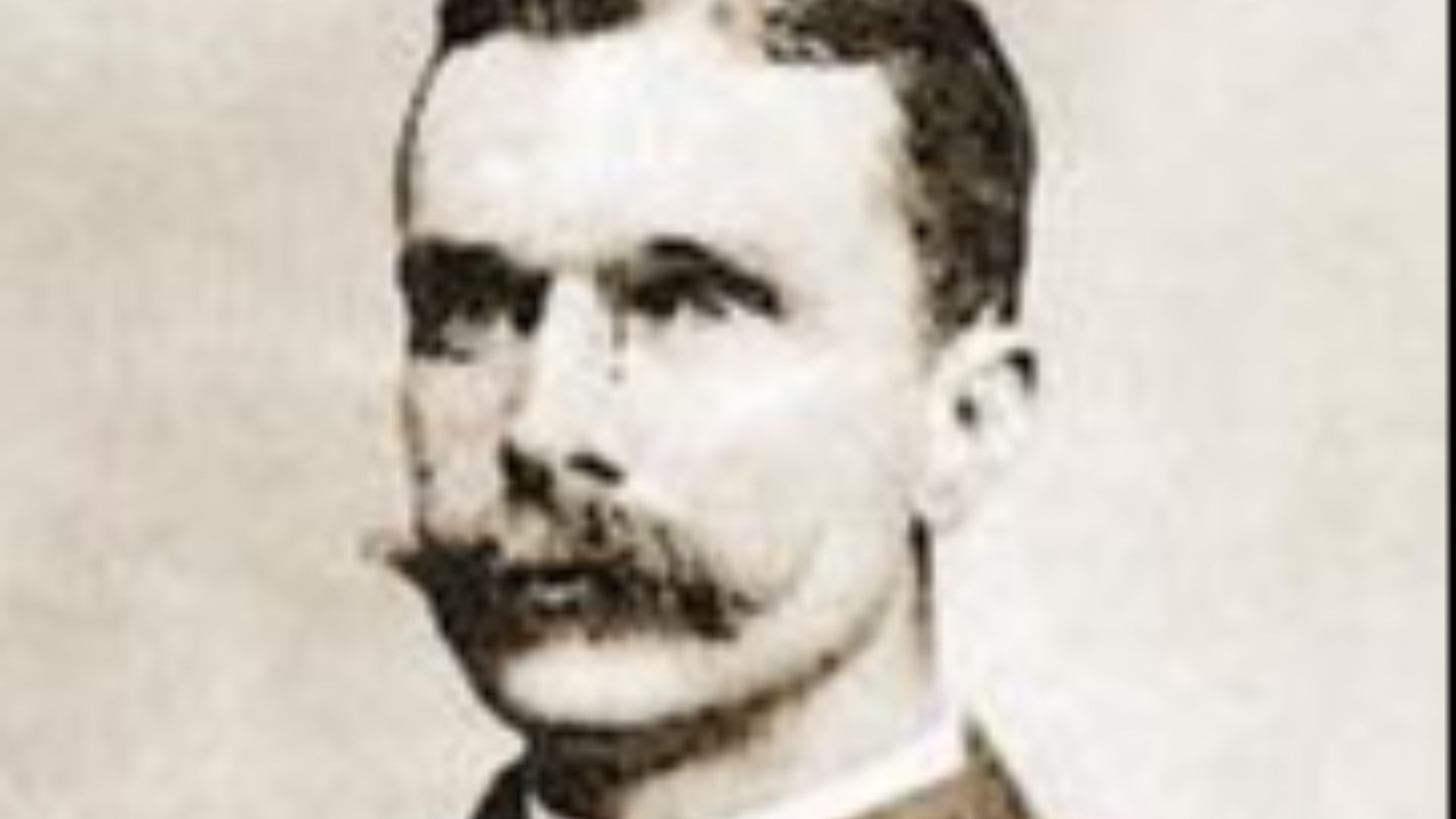 Unknown authorUnknown author on Wikimedia
7. Black Bart
Black Bart, a stagecoach robber in California, became known for polite notes and theatrical style. The nightmare is that the gentility was costume, and behind it sat armed theft aimed at travelers and the thin safety net of the road.
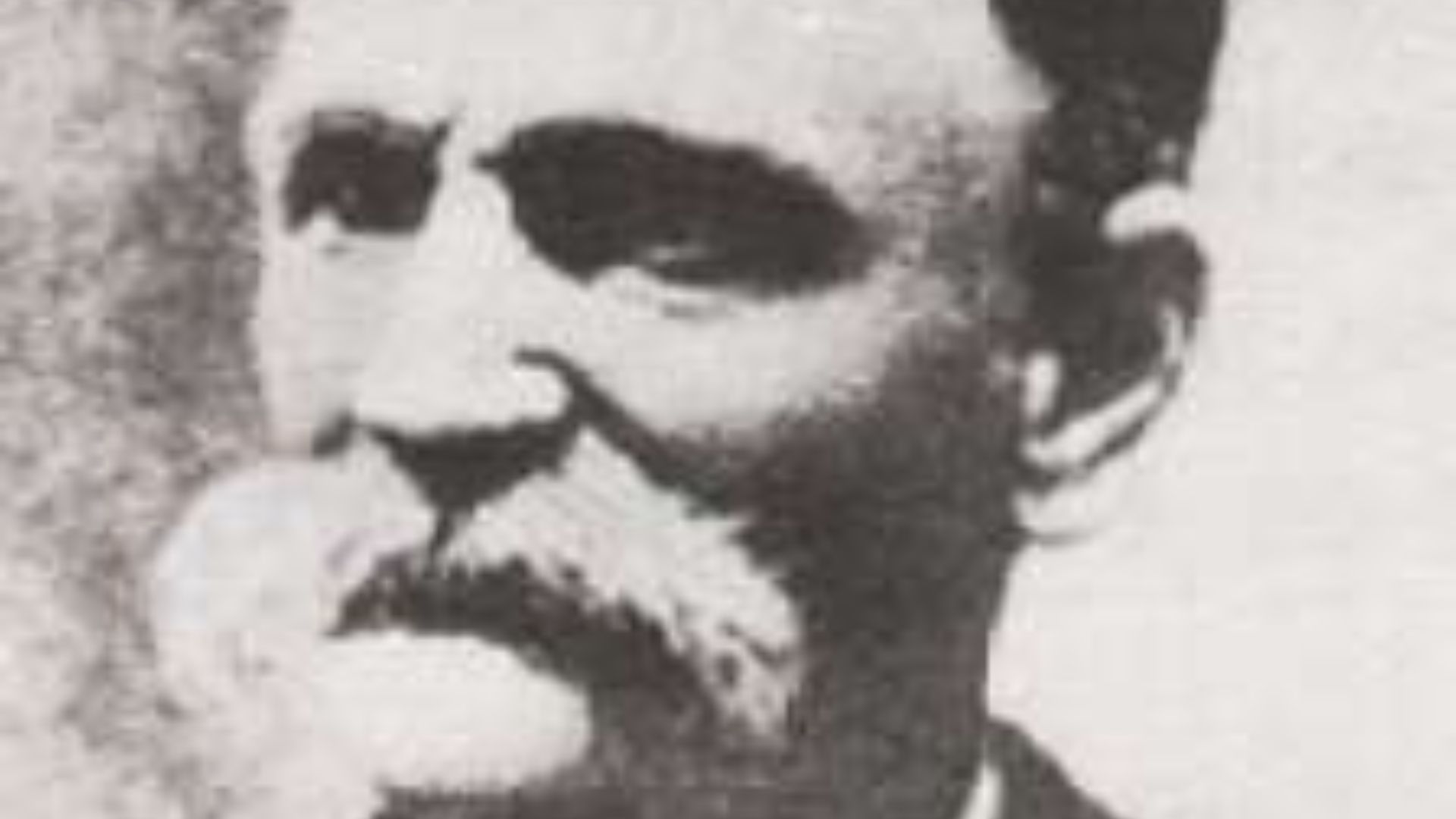 Unknown authorUnknown author on Wikimedia
8. Belle Starr
Starr moved through outlaw circles in Indian Territory and became notorious through a mix of association, accusation, and image. Her nightmare fame shows how a scandal-ready public can turn crime-adjacent living into a brand, and how that brand attracts dangerous company.
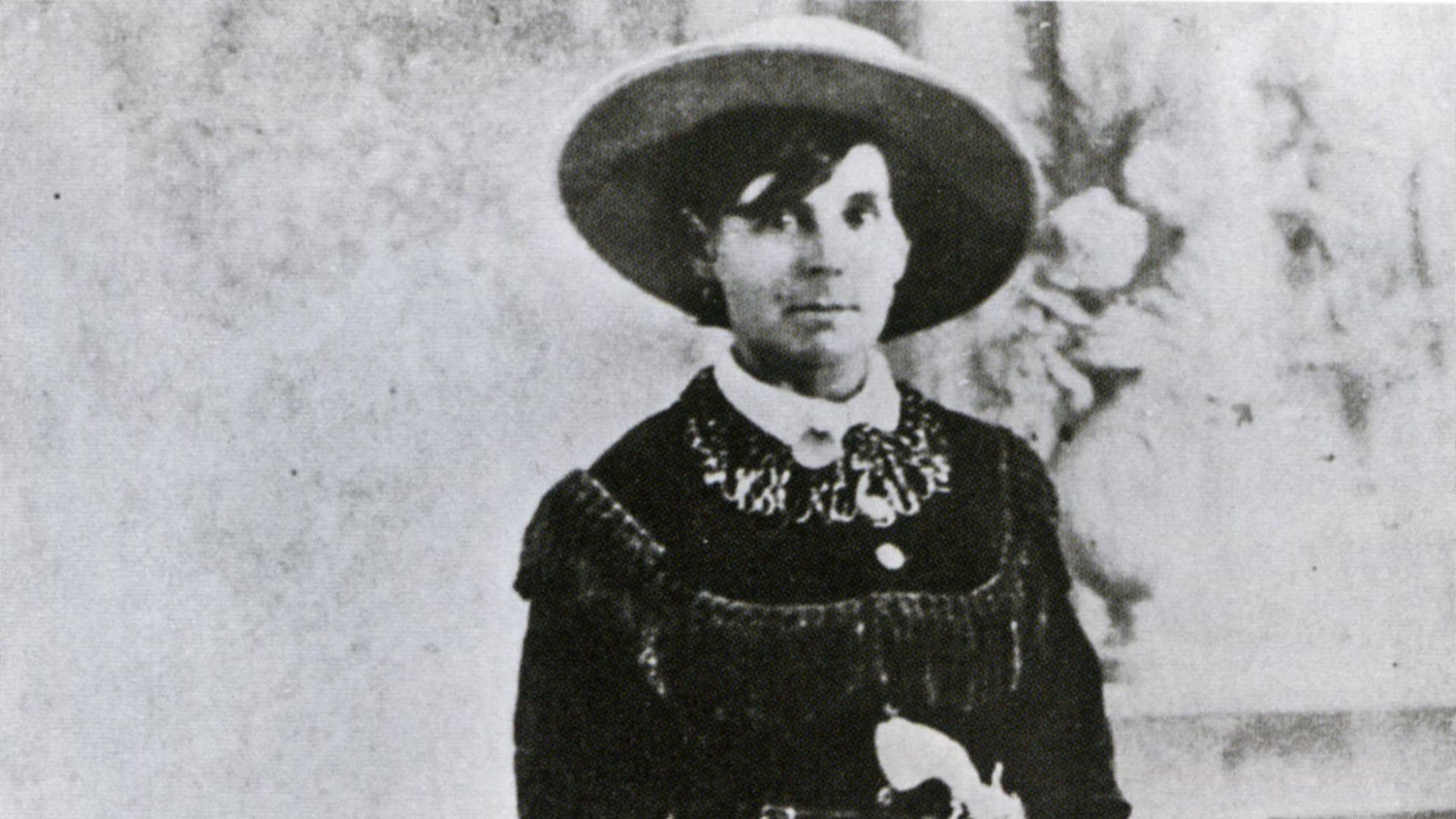 Unknown authorUnknown author on Wikimedia
9. The Daltons
The Dalton Gang tried to rob two banks at once in Coffeyville, Kansas, and the attempt collapsed into a violent street battle. They became nightmares because their ambition raised the risk for everyone nearby, and ordinary citizens ended up in the gunfire.
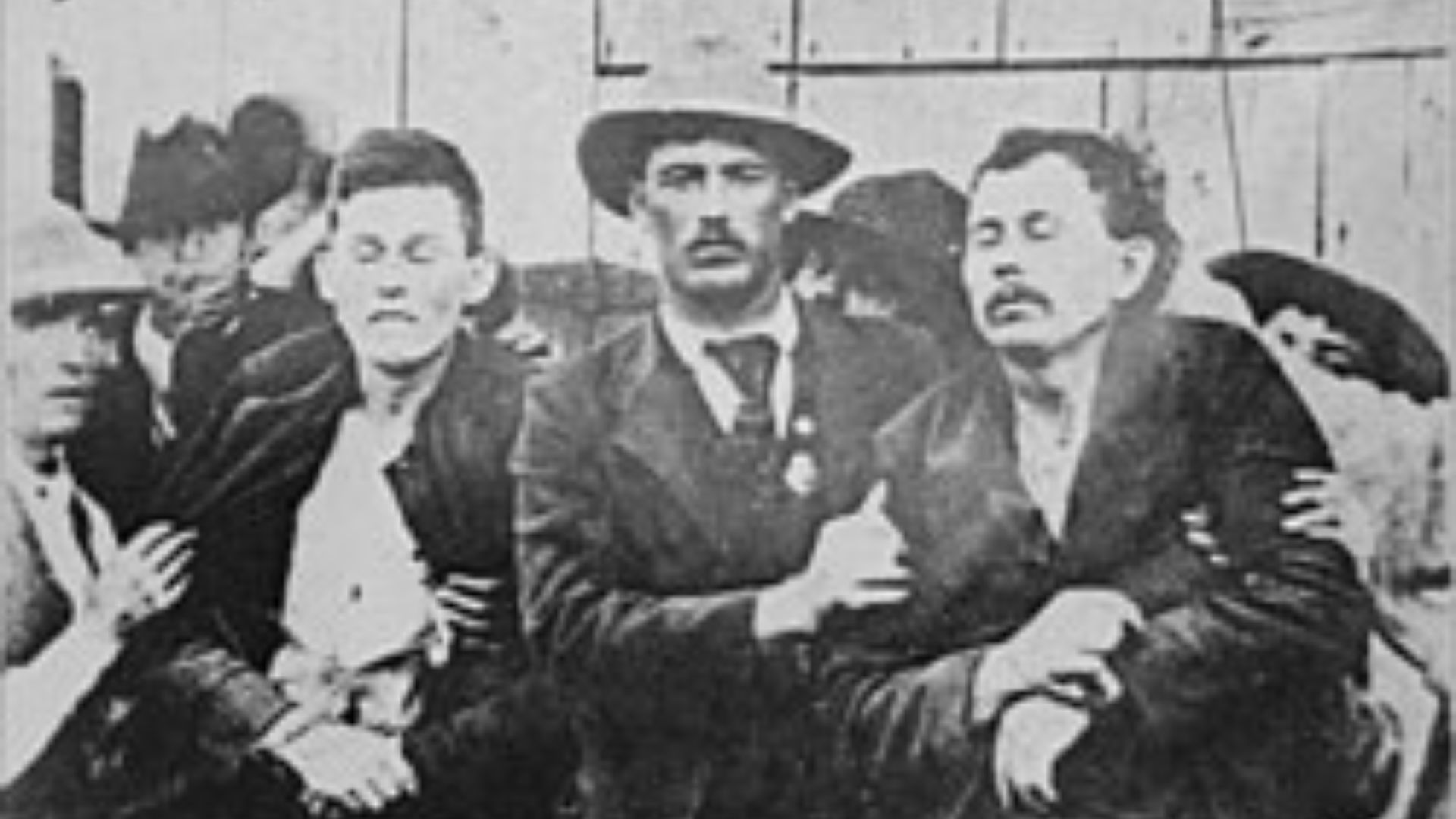 commons.wikimedia.org on Google
10. Tom Horn
Horn worked as a scout and interpreter, then as a hired gun in range wars where money wanted problems erased. His nightmare status comes from the cold logic of contract killing, a form of violence that feels modern even in an old photograph.
KEEP ON READING