


When Messaging Shapes History
Propaganda has played a powerful role in shaping public opinion, influencing behavior, and even altering the course of history. Some campaigns have been remarkably effective, tapping into shared emotions and clear messaging, while others have missed the mark due to poor timing or lack of trust. Looking at both successes and failures helps reveal what makes people believe, question, or reject what they’re told. These examples highlight how messaging can either resonate widely or fall flat.
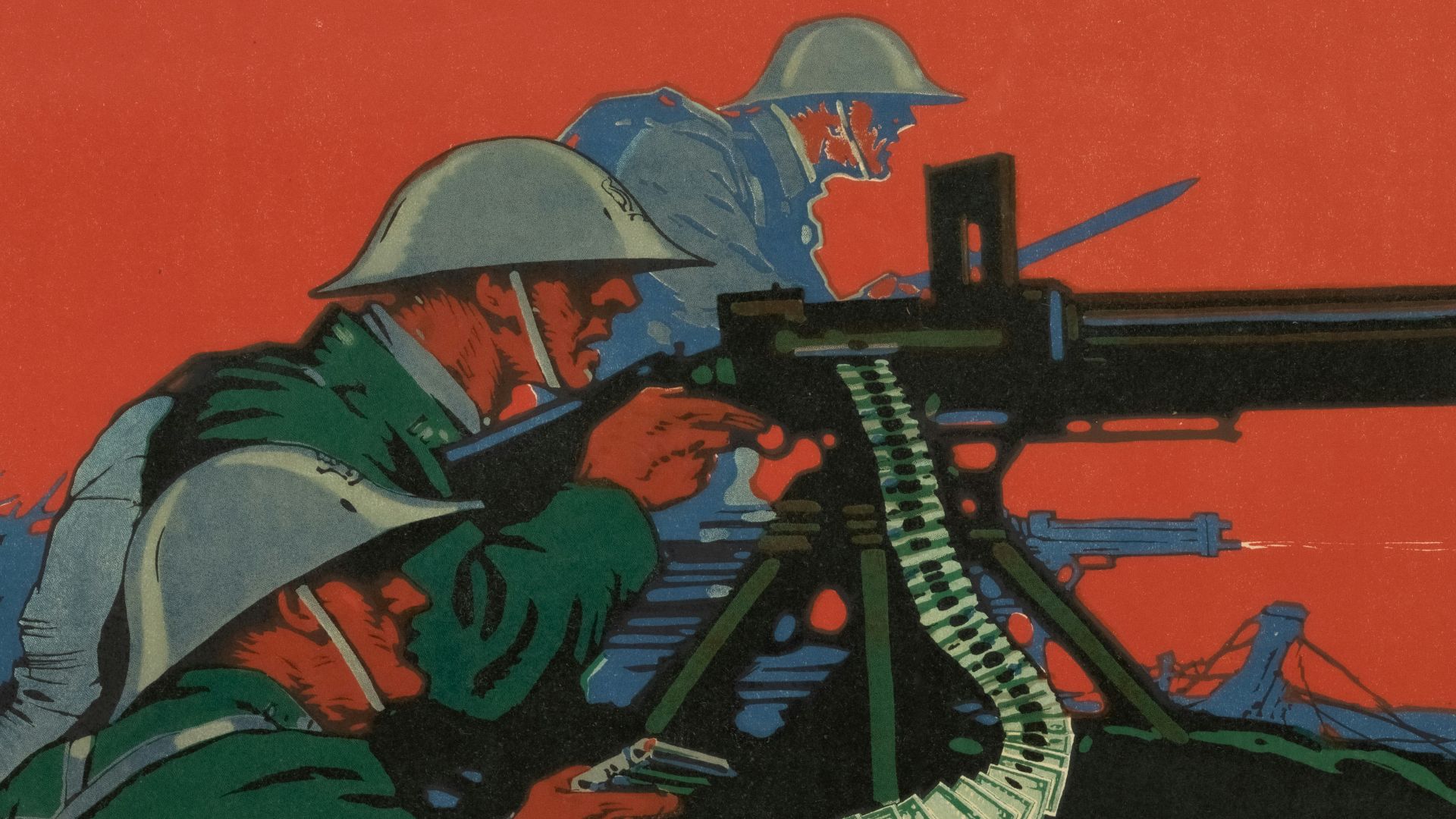 The New York Public Library on Unsplash
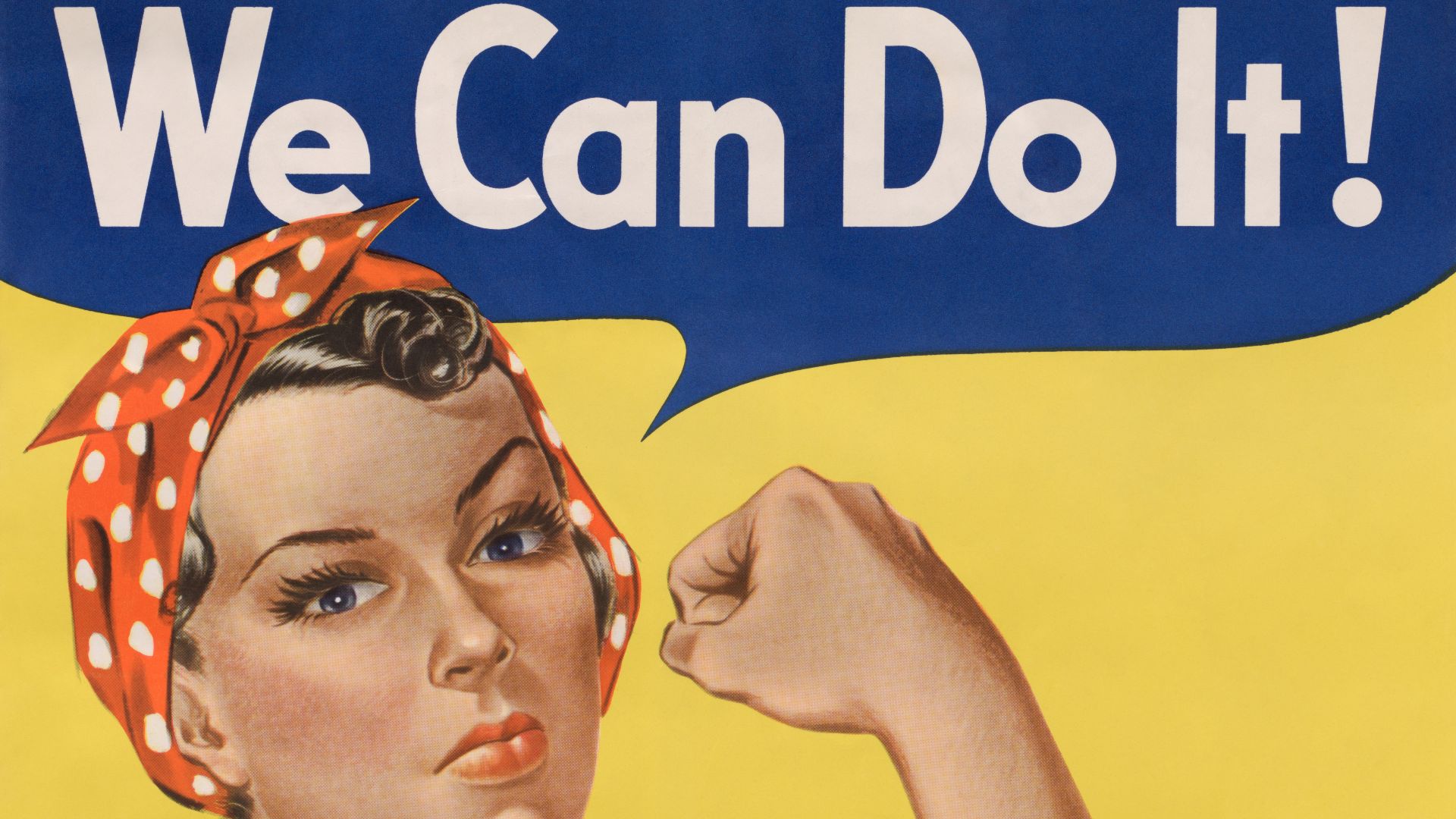
1. “Rosie the Riveter” Campaign (World War II, U.S.)
This campaign successfully encouraged women to join the workforce during wartime. It used relatable imagery and a strong sense of duty to shift cultural norms. Millions of women entered industrial jobs, filling critical labor gaps. The message worked because it combined patriotism with empowerment.
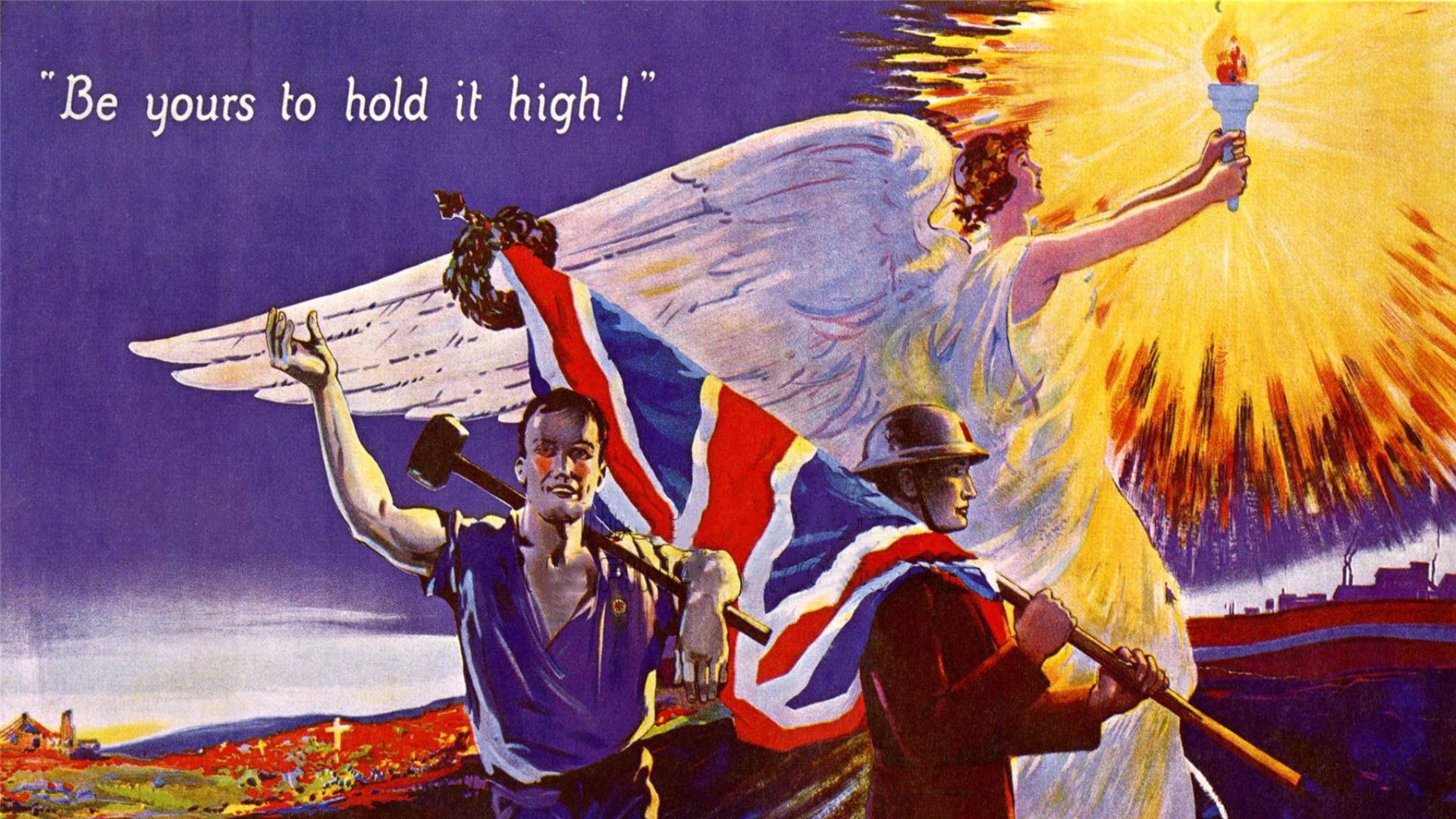
2. British Wartime Posters (World War I)
Posters like “Your Country Needs You” appealed directly to citizens’ sense of responsibility. The messaging was simple, emotional, and easy to understand. It helped boost enlistment significantly during the early years of the war. The clear call to action made it highly effective.
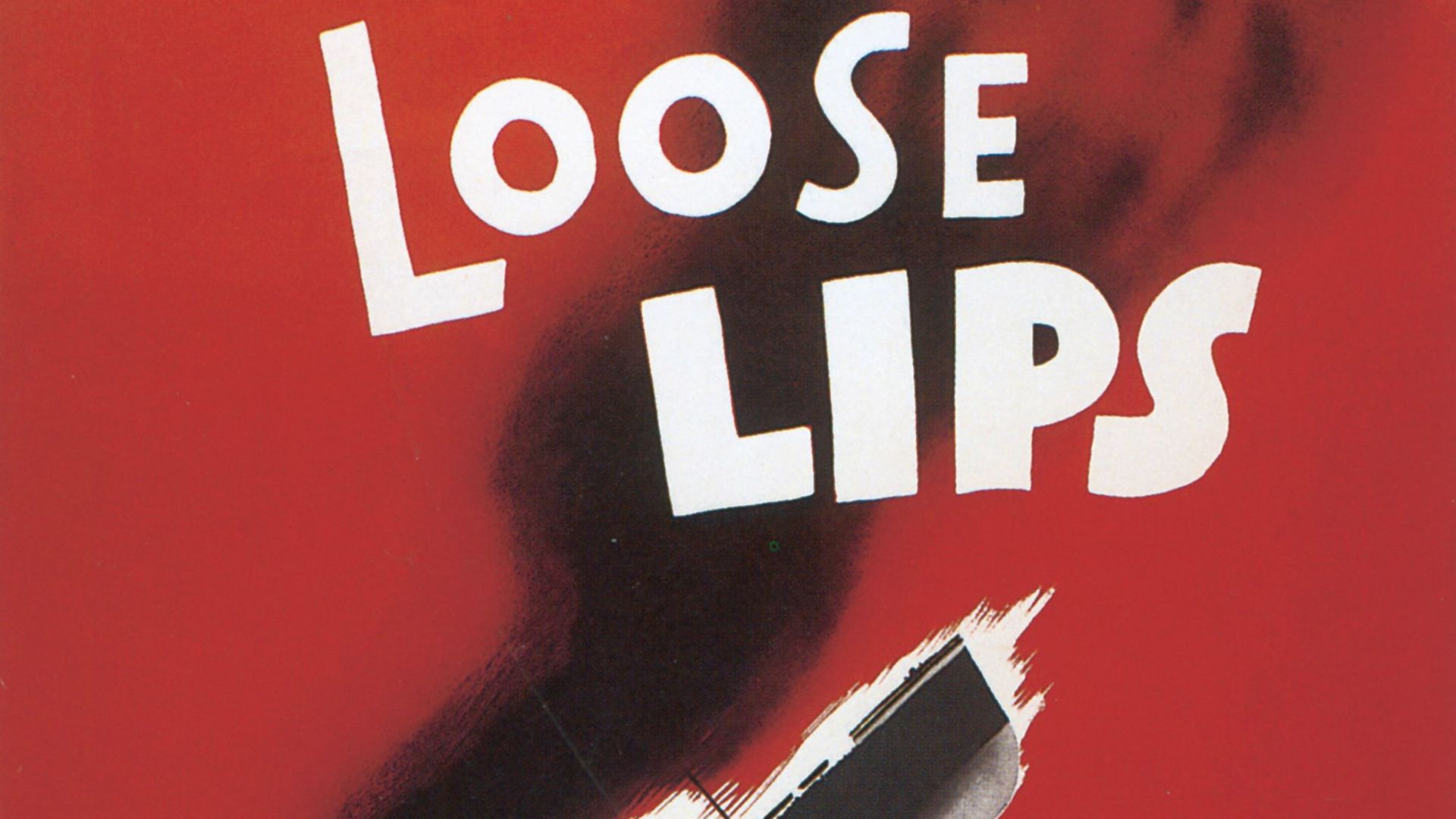
3. “Loose Lips Sink Ships” (World War II, U.S.)
This slogan warned civilians about the dangers of sharing sensitive information. It created a sense of personal responsibility for national security. People became more cautious in conversations, even in everyday settings. Its success came from making the threat feel immediate and relatable.
 Unknown authorUnknown author on Wikimedia
4. Soviet Space Race Messaging (1950s–60s)
The Soviet Union emphasized its early achievements in space to promote national pride. Successes like Sputnik were framed as proof of technological superiority. This messaging influenced both domestic audiences and global perception and helped reinforce confidence in the state’s capabilities.

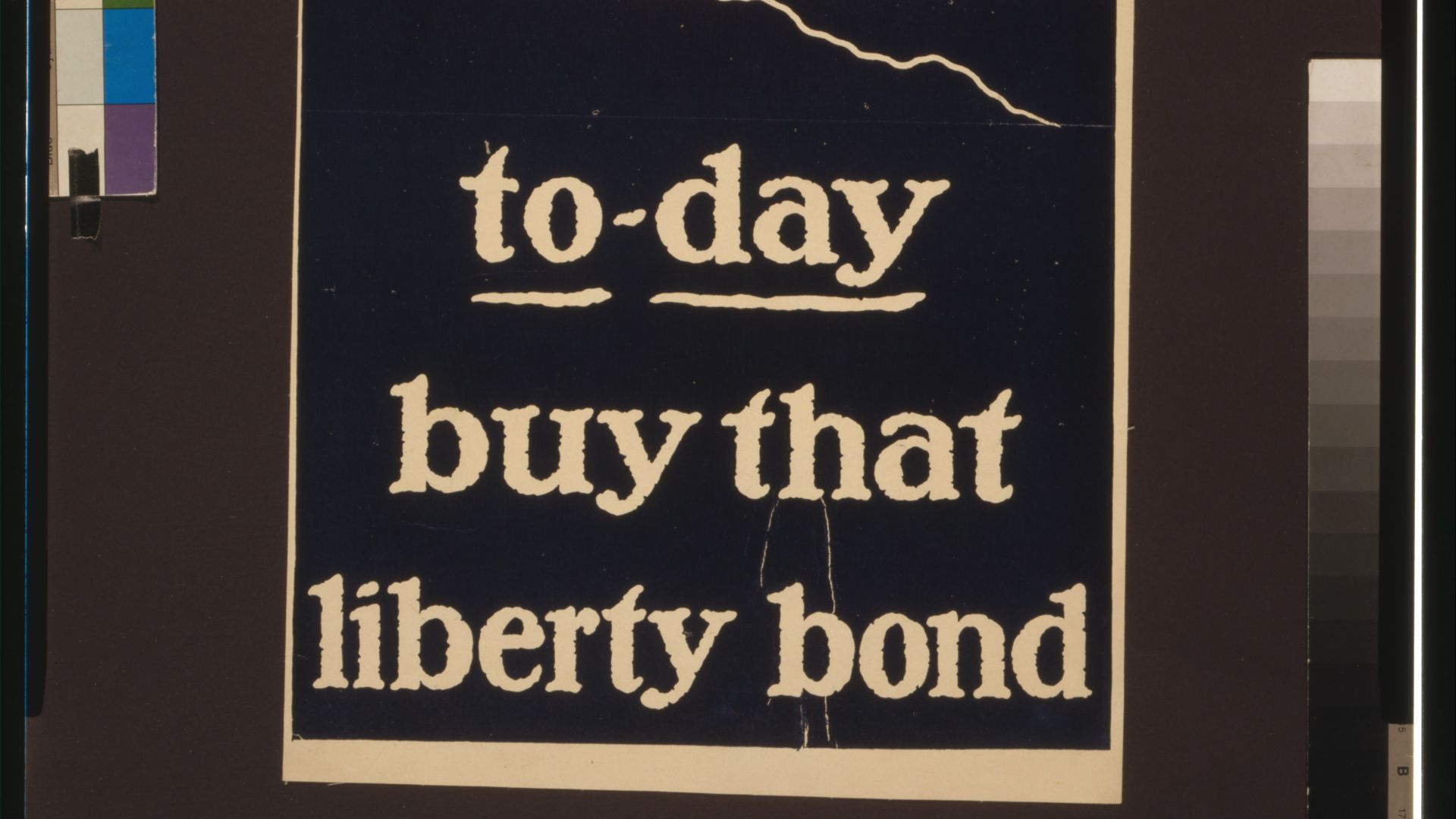
5. U.S. War Bond Campaigns (World War II)
These campaigns encouraged citizens to financially support the war effort. Celebrities, posters, and films all promoted the idea of shared sacrifice. Millions of Americans purchased bonds, contributing significantly to funding. The strategy worked because it made participation feel meaningful and accessible.
 Unknown authorUnknown author on Wikimedia
6. “Keep Calm and Carry On” (United Kingdom, WWII)
Although not widely used during the war, the message reflected broader British resilience campaigns. It promoted calmness and stability during uncertain times. The tone reassured the public rather than alarming them. Its enduring recognition shows how effective the messaging was.

7. Chinese Cultural Campaign Posters (Mid-20th Century)
These posters promoted unity, productivity, and national goals. Bright visuals and simple slogans made them easy to understand across populations. They reinforced collective identity and encouraged participation in state initiatives. The consistency of the message helped maintain its influence.
 CEphoto, Uwe Aranas on Wikimedia
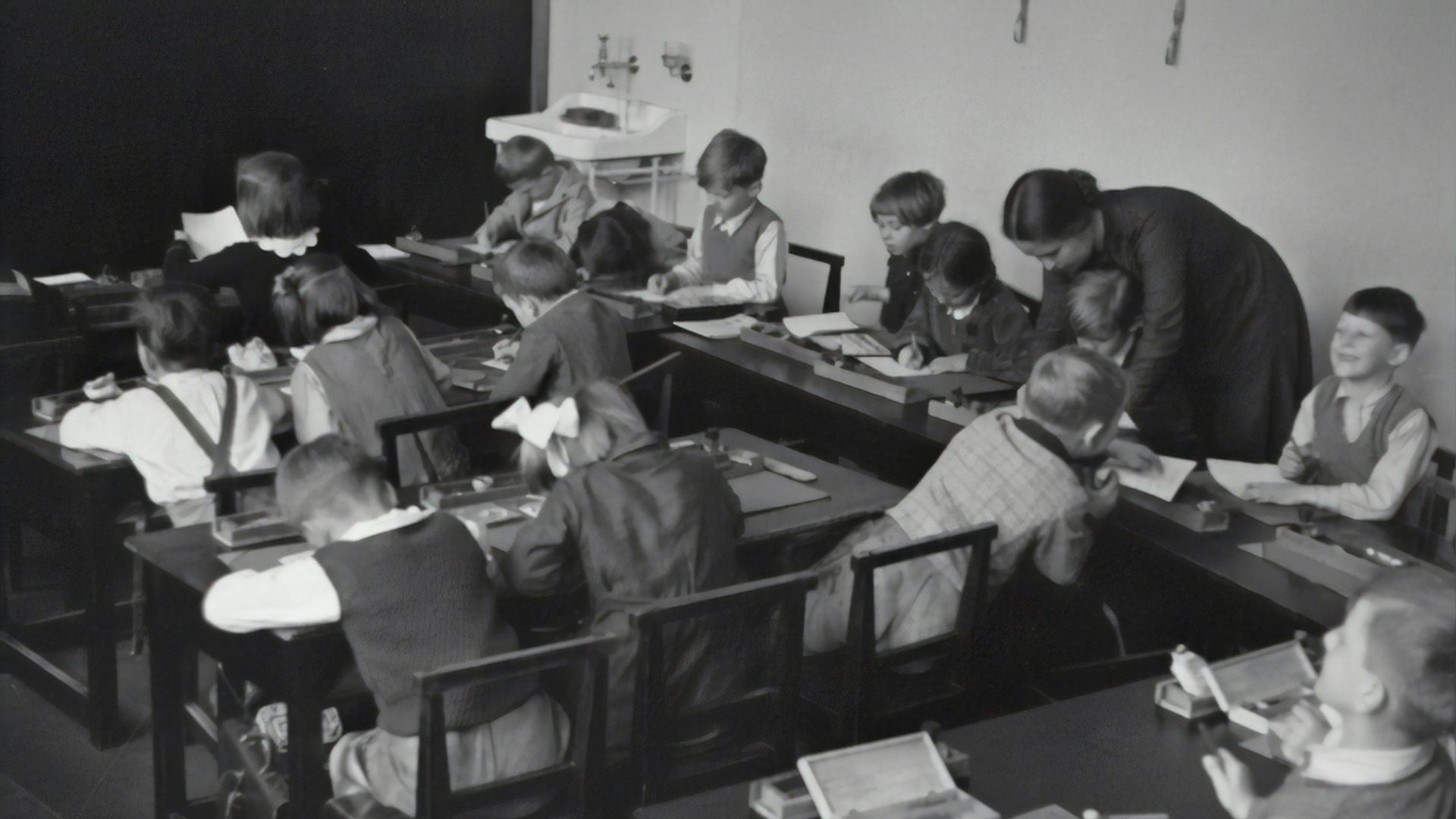
8. American Cold War Education Films
Films aimed at students explained political systems in simplified ways. They often emphasized the benefits of democracy while criticizing opposing ideologies. These materials shaped perceptions from a young age. Their reach in schools made them especially impactful.
 Austrian National Library on Unsplash
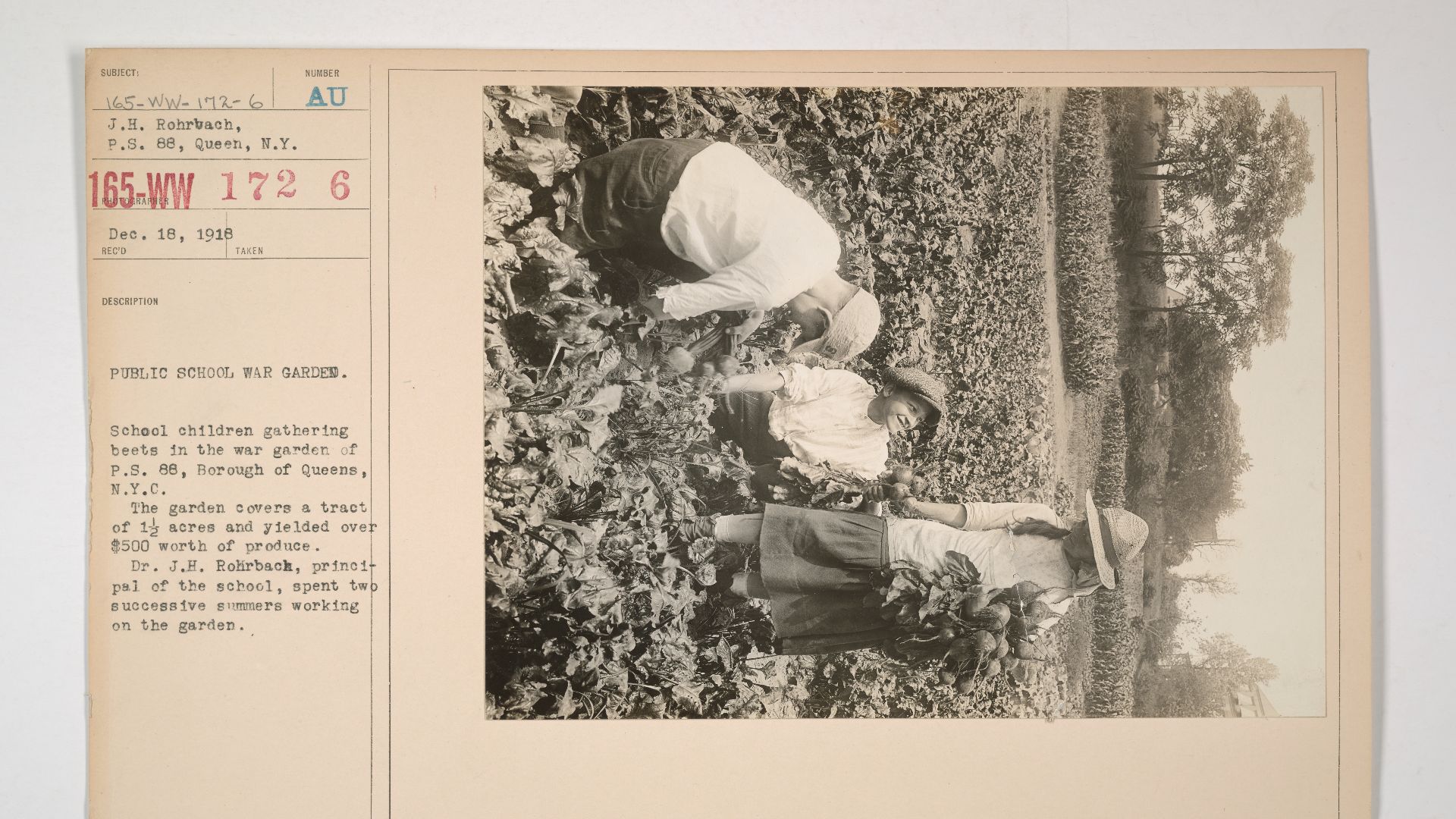
9. “Victory Gardens” Campaign (World War II)
Citizens were encouraged to grow their own food to support the war effort. The campaign linked personal action with national success. Millions of households participated, easing pressure on food supplies. It worked because it gave people a clear and practical role.
 Unknown authorUnknown author or not provided on Wikimedia
10. Public Health Campaigns Against Smoking (Late 20th Century)
Government-backed messaging highlighted the risks of smoking using clear evidence. Graphic imagery and consistent messaging shifted public attitudes over time. Smoking rates declined significantly in many countries. The effectiveness came from combining data with emotional impact.

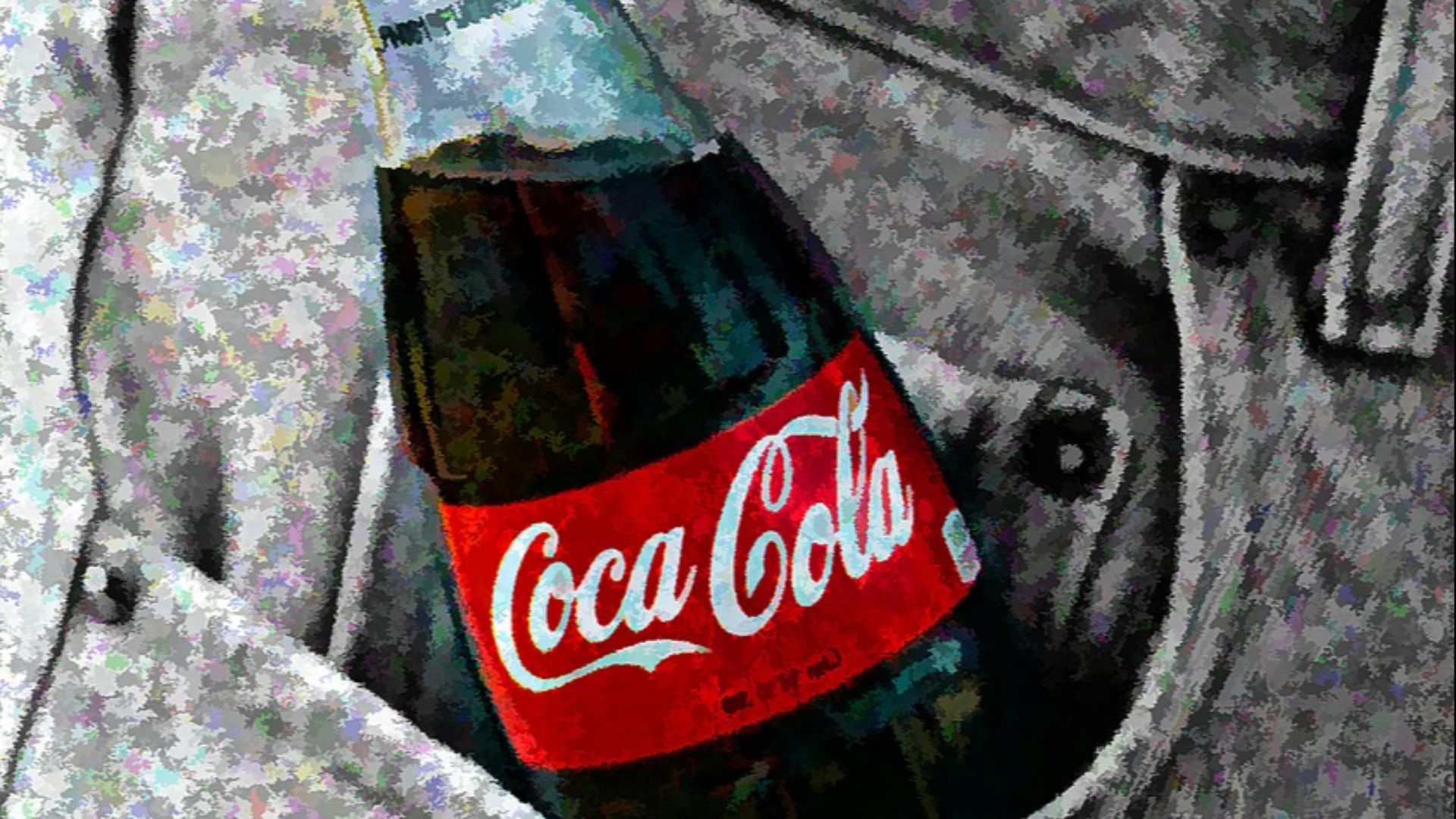
1. “New Coke” Marketing Campaign (1985, U.S.)
Although not traditional propaganda, the campaign attempted to reshape public preference. Consumers strongly rejected the change to a well-loved product. The company underestimated emotional attachment to the original formula, and the backlash forced a quick reversal.
2. British “Dig for Victory” Fatigue (Late WWII)
While initially successful, enthusiasm for home food production declined over time. The messaging became less effective as war fatigue set in. People grew tired of ongoing restrictions and expectations. This shows how even strong campaigns can lose momentum.
 Ministry of Information Photo Division Photographer on Wikimedia
3. Early Anti-Drug Campaigns Like “Just Say No” Criticism
While widely recognized, some critics argue that the campaign oversimplified complex issues. It didn’t always address the underlying causes of substance use. As a result, its long-term effectiveness has been debated. Messaging that lacks nuance can struggle to create lasting change.
 Unknown authorUnknown author or not provided on Wikimedia
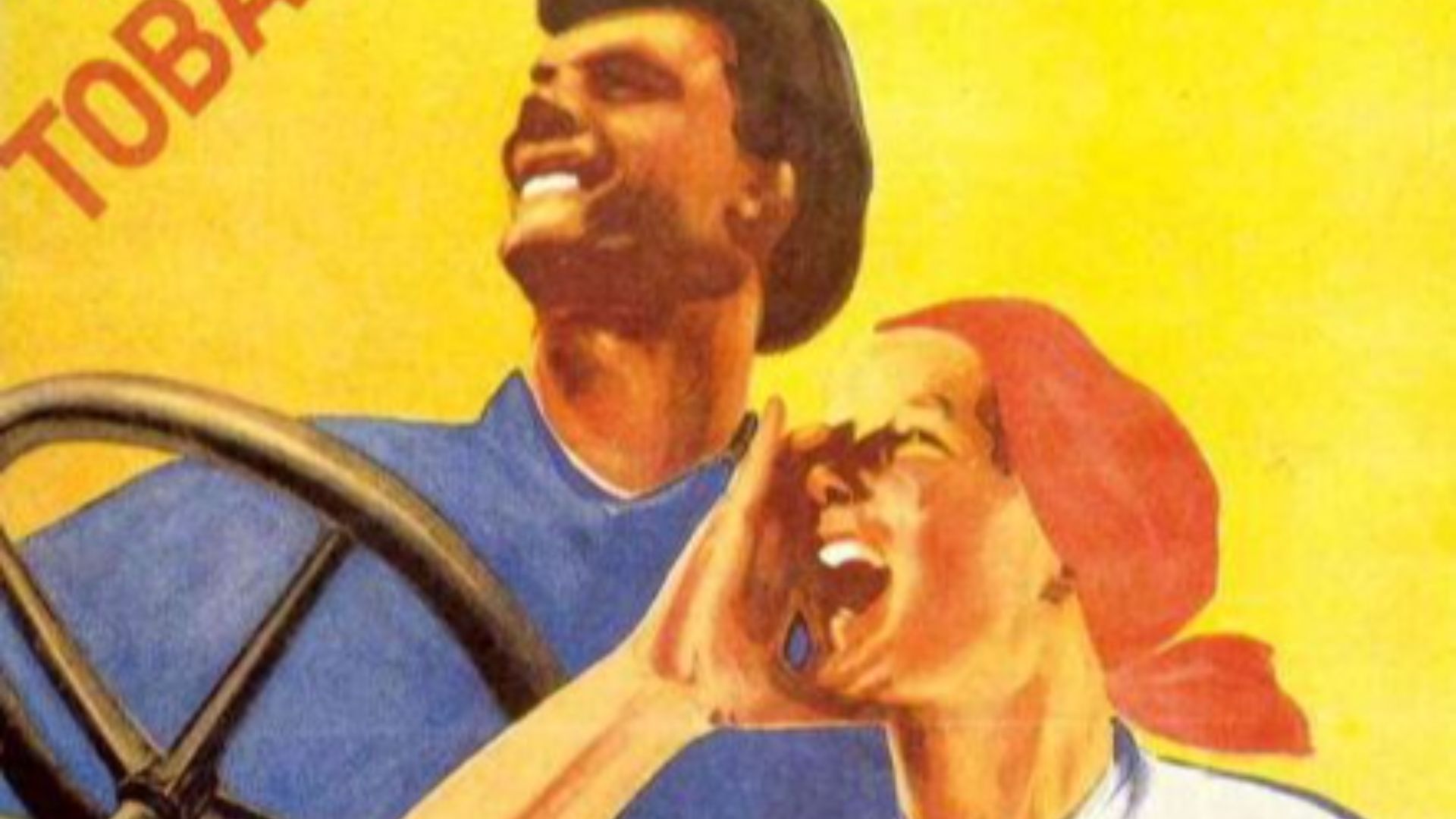
4. Soviet Agricultural Propaganda (Mid-20th Century)
Soviet campaigns often exaggerated production successes that didn’t match reality. Citizens eventually recognized the gap between messaging and lived experience. This reduced trust in official communications, proving that when credibility is lost, propaganda becomes less effective.
 Luismatosribeiro~commonswiki on Wikimedia
5. U.S. “Duck and Cover” Messaging (Cold War)
The campaign taught children how to respond to nuclear threats. While memorable, many later viewed it as unrealistic and overly simplistic. It didn’t fully address the scale of potential danger. This limited its effectiveness in building genuine preparedness.
 Original uploader was Väsk at sv.wikipedia on Wikimedia
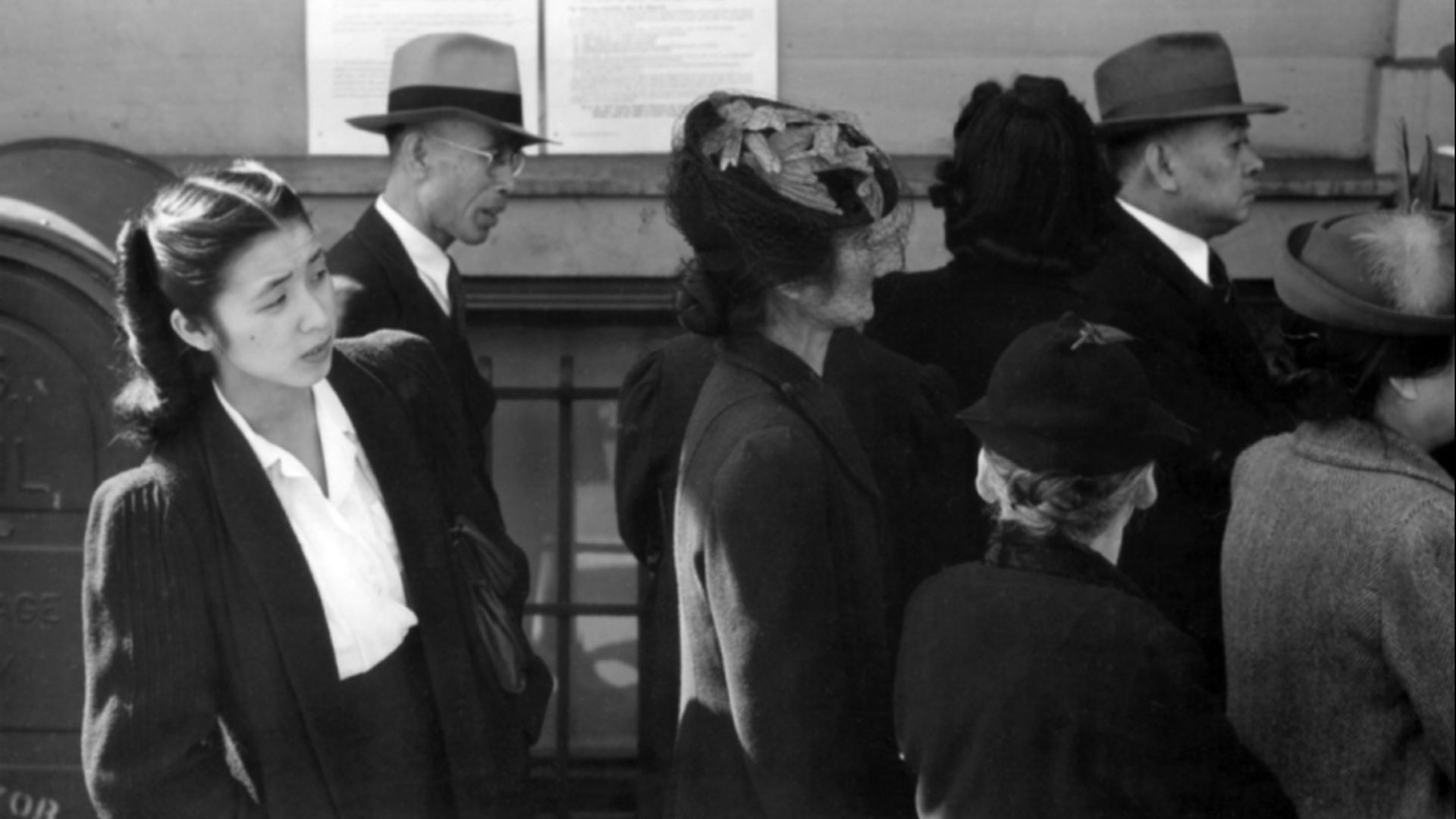
6. Japanese Wartime Messaging Late in WWII
As conditions worsened, official WWII messaging in Japan remained overly optimistic. Citizens became increasingly skeptical as reality contradicted the narrative.
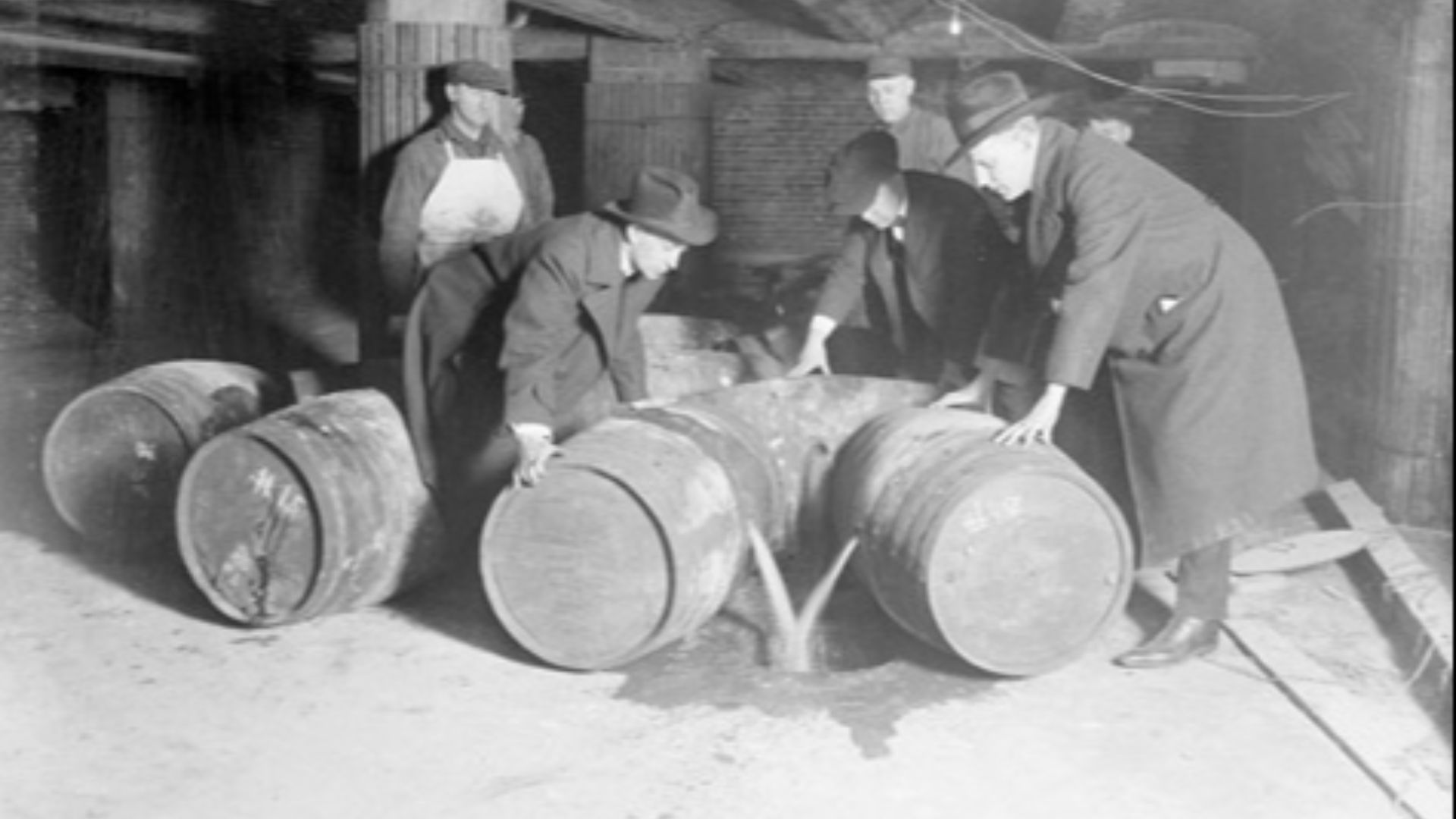
7. Prohibition-Era Messaging (1920s, U.S.)
Campaigns promoting alcohol bans failed to eliminate consumption. Instead, illegal markets grew rapidly. The messaging didn’t align with public behavior or demand, and this gap contributed to the eventual repeal of Prohibition.
 Alphaios~commonswiki on Wikimedia
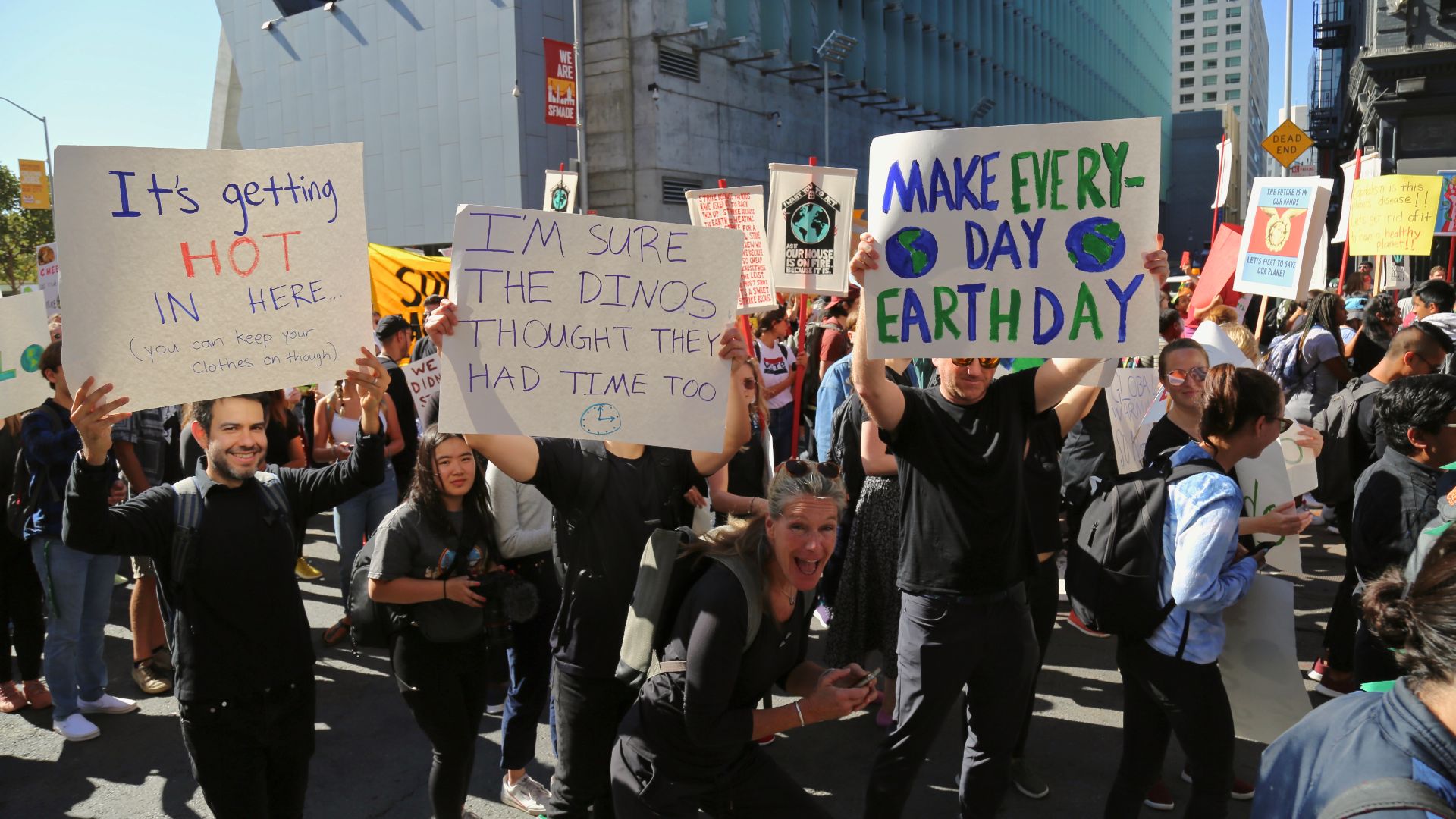
8. Corporate Greenwashing Campaigns (Late 20th–21st Century)
Some companies promoted environmental responsibility without meaningful action. As consumers became more informed, these empty efforts were exposed. Trust declined when claims didn’t match action.
 Fabrice Florin from Mill Valley, USA on Wikimedia
9. Early Internet Pop-Up Awareness Campaigns
Attempts to influence behavior through intrusive online messaging often annoyed users. Instead of persuading, they created frustration.

10. Overly Generic Political Slogans
Campaigns that rely on vague, non-specific messaging often fail to resonate. Without a clear meaning, audiences struggle to connect with the message.

KEEP ON READING
The 20 Most Recognized Historical Figures Of All Time
The Biggest Names In History. Although the Earth has been…
By Cathy Liu Oct 4, 2024
10 of the Shortest Wars in History & 10 of…
Wars: Longest and Shortest. Throughout history, wars have varied dramatically…
By Emilie Richardson-Dupuis Oct 7, 2024
10 Fascinating Facts About Ancient Greece You Can Appreciate &…
Once Upon A Time Lived Some Ancient Weirdos.... Greece is…
By Megan Wickens Oct 7, 2024
20 Lesser-Known Facts About Christopher Columbus You Don't Learn In…
In 1492, He Sailed The Ocean Blue. Christopher Columbus is…
By Emilie Richardson-Dupuis Oct 9, 2024
20 Historical Landmarks That Have The Craziest Conspiracy Theories
Unsolved Mysteries Of Ancient Places . When there's not enough evidence…
By Megan Wickens Oct 9, 2024
The 20 Craziest Inventions & Discoveries Made During Ancient Times
Crazy Ancient Inventions . While we're busy making big advancements in…
By Cathy Liu Oct 9, 2024