

Sherlock’s Author Hated Him
Whether it’s because a story was misunderstood by the public or the creator grew to despise the characters they brought to life, some famous authors actually wish they could hit the delete button on their most iconic works. It’s a strange phenomenon to see a literary giant distance themselves from the very thing that paid their bills and made them a household name. With that in mind, here are 20 times creators hated their creations.
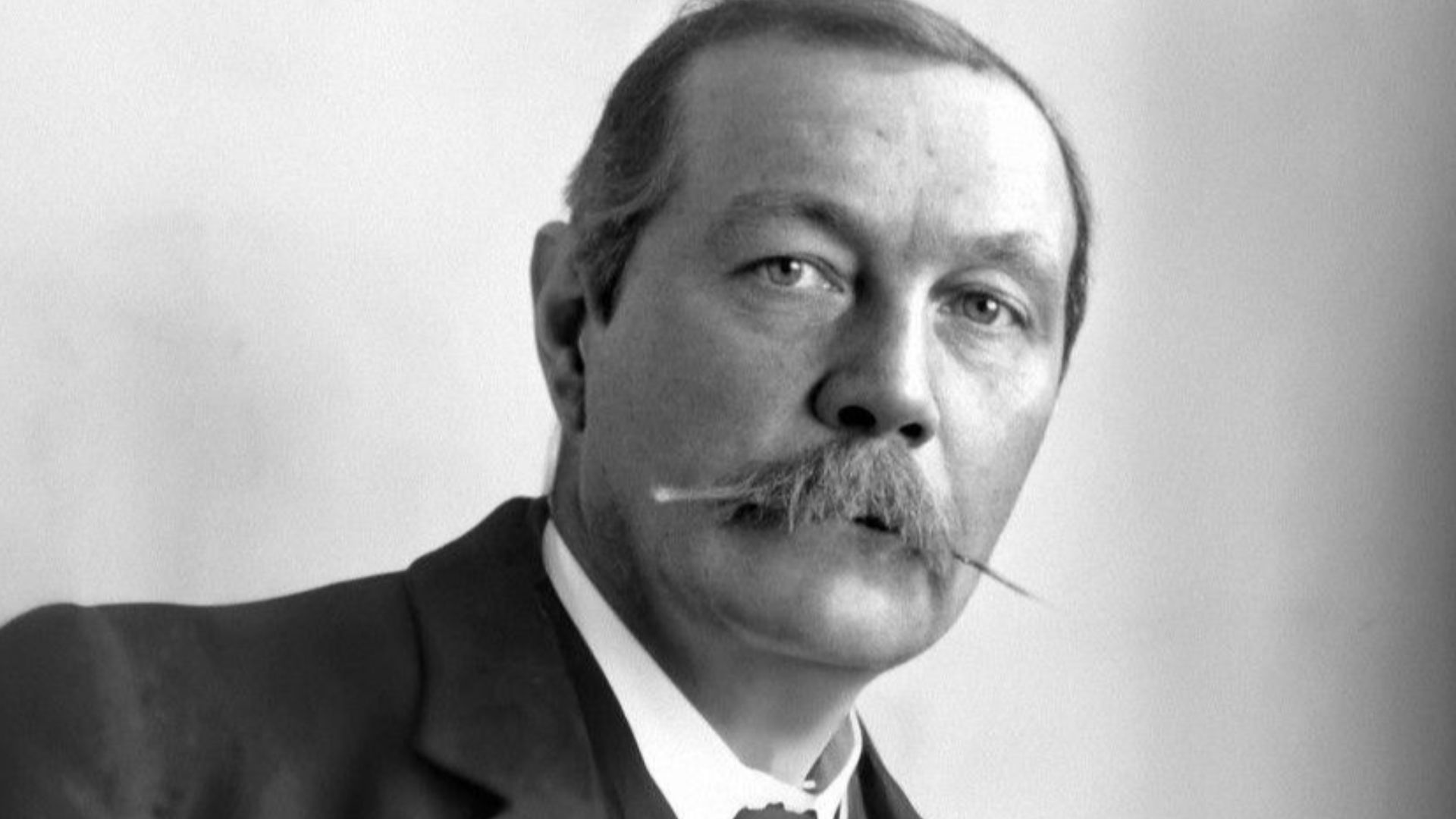
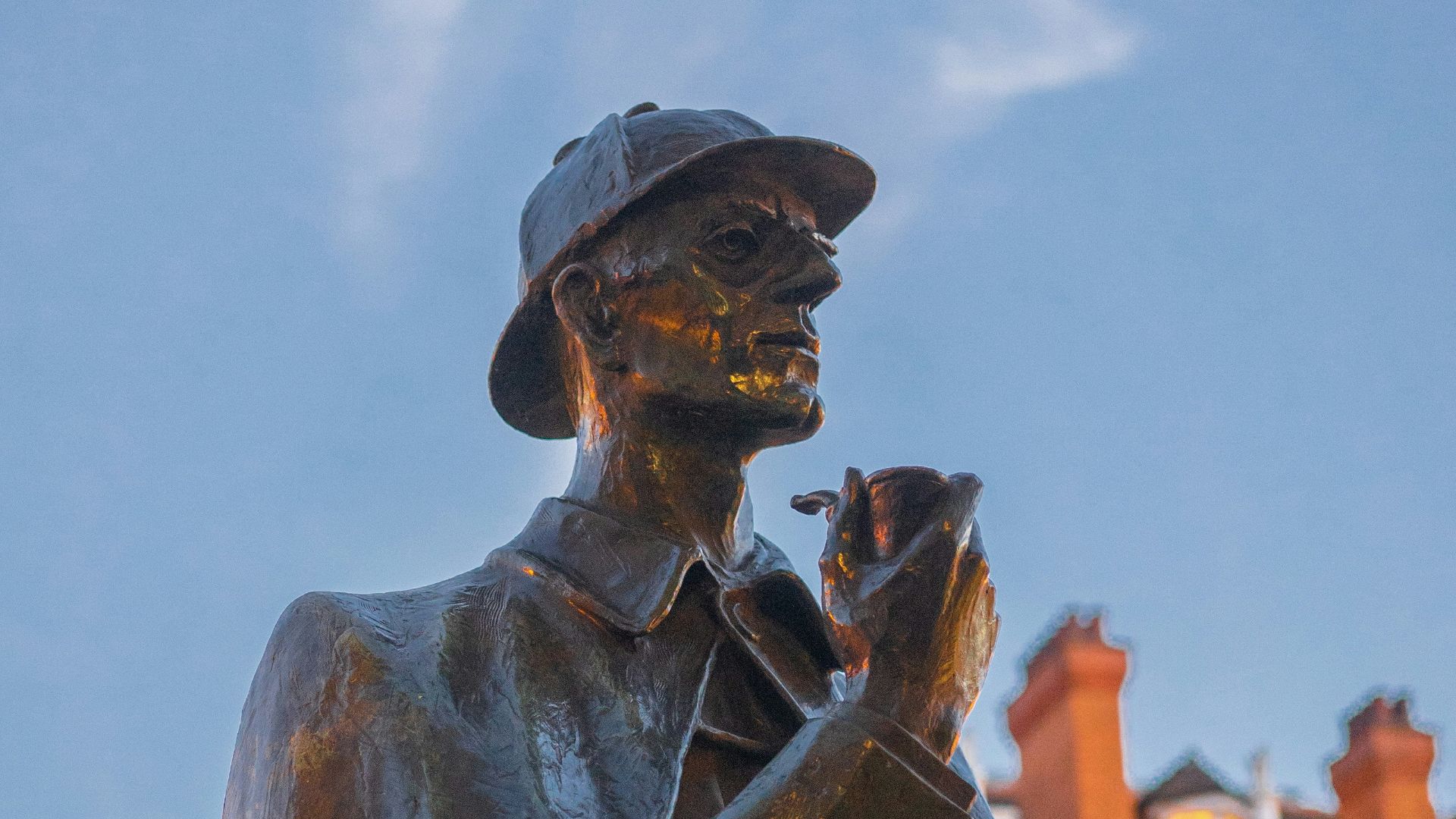
1. Sherlock Holmes by Sir Arthur Conan Doyle
The creator of the world's most famous detective grew so tired of his creation that he actually tried to end him in a dramatic waterfall scene. Fans were so devastated and outraged that the author felt forced to bring the sleuth back to life just to keep the peace. He famously remarked that if he hadn't eliminated Holmes, the detective probably would’ve eliminated him first through sheer boredom.
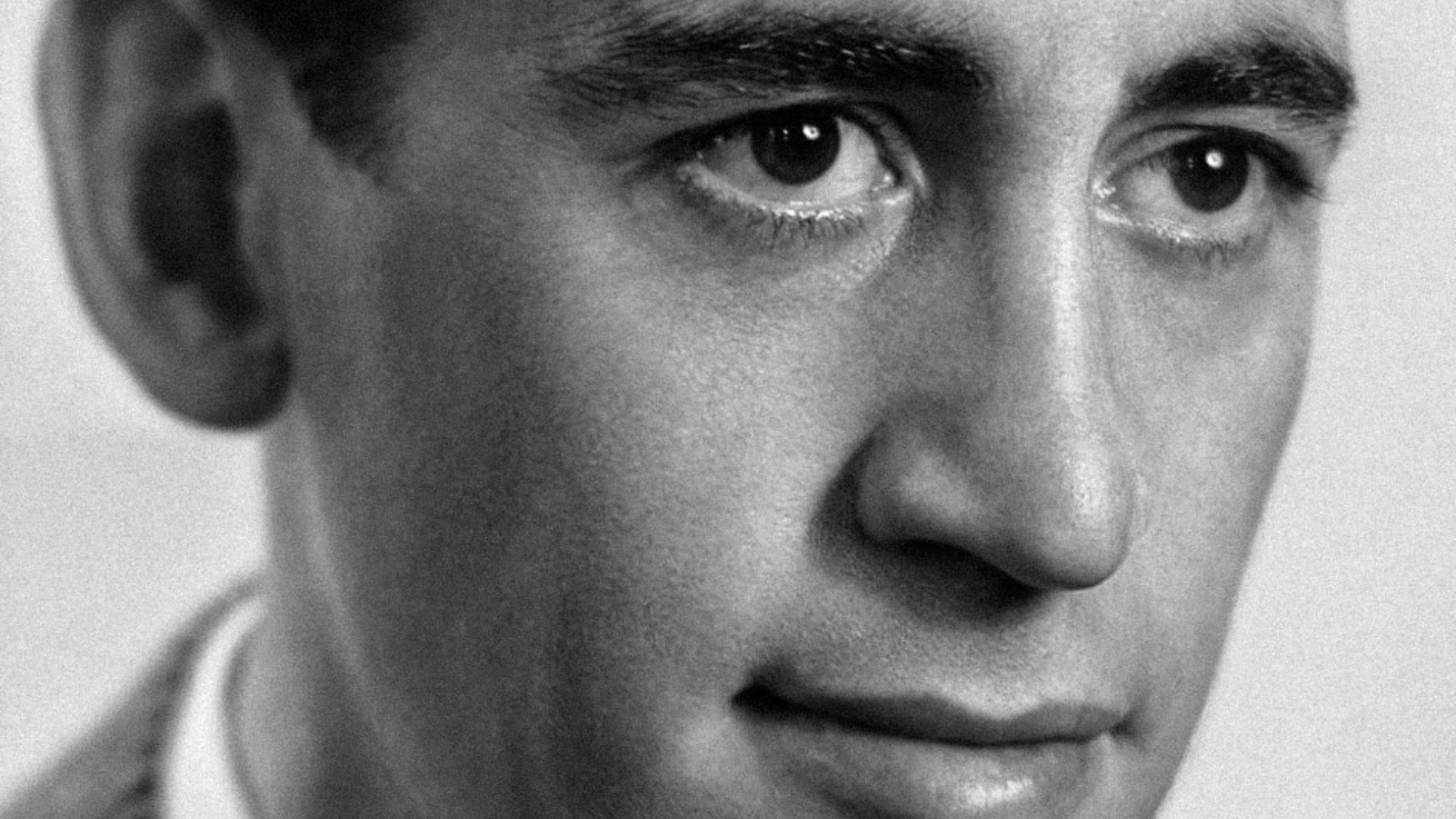
2. The Catcher in the Rye by J.D. Salinger
Despite penning the unofficial anthem of adolescence, Salinger despised the fame Catcher brought him. The author was constantly bothered by the glorification of his book’s protagonist, Holden Caulfield, and essentially became a recluse. Salinger hated the “phonies” so much that he stopped publishing work altogether.
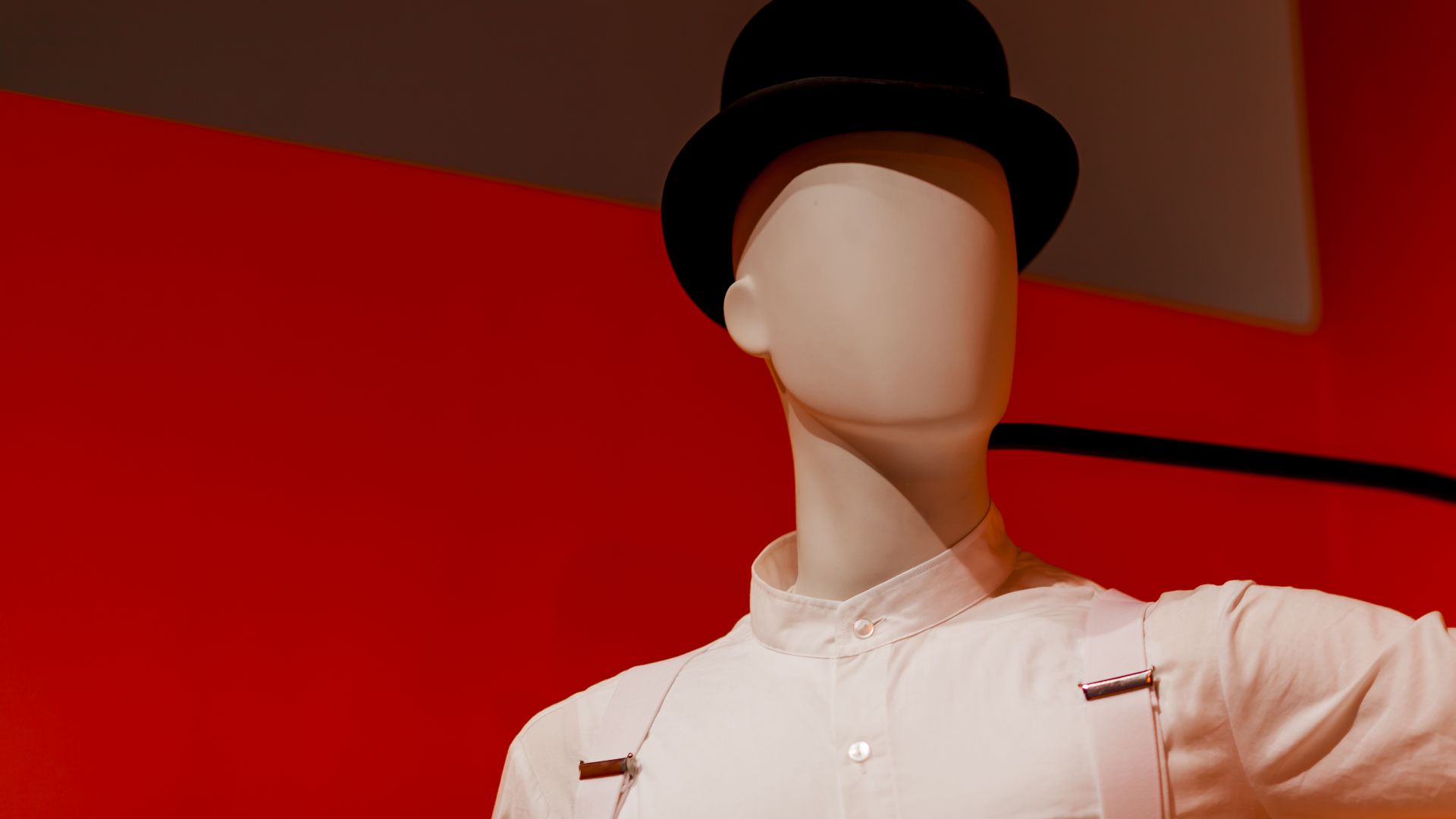
3. A Clockwork Orange by Anthony Burgess
He rushed the novel in only three weeks for some extra spending money, but grew disillusioned by its success. Burgess considered the book too violent and felt misunderstood by readers due to an omitted chapter in the American version. He worried A Clockwork Orange promoted the mentality it aimed to vilify.
 Rick Harris from Toronto, Ontario, Canada on Wikimedia
4. The Adventures of Huckleberry Finn by Mark Twain
Arguably one of the best books in American literature, Twain hated the final product. He had a very hard time completing the novel and always felt like the ending was not up to his expectations. Rumor has it that, at one point during his struggle, he tossed the entire draft into the fire.
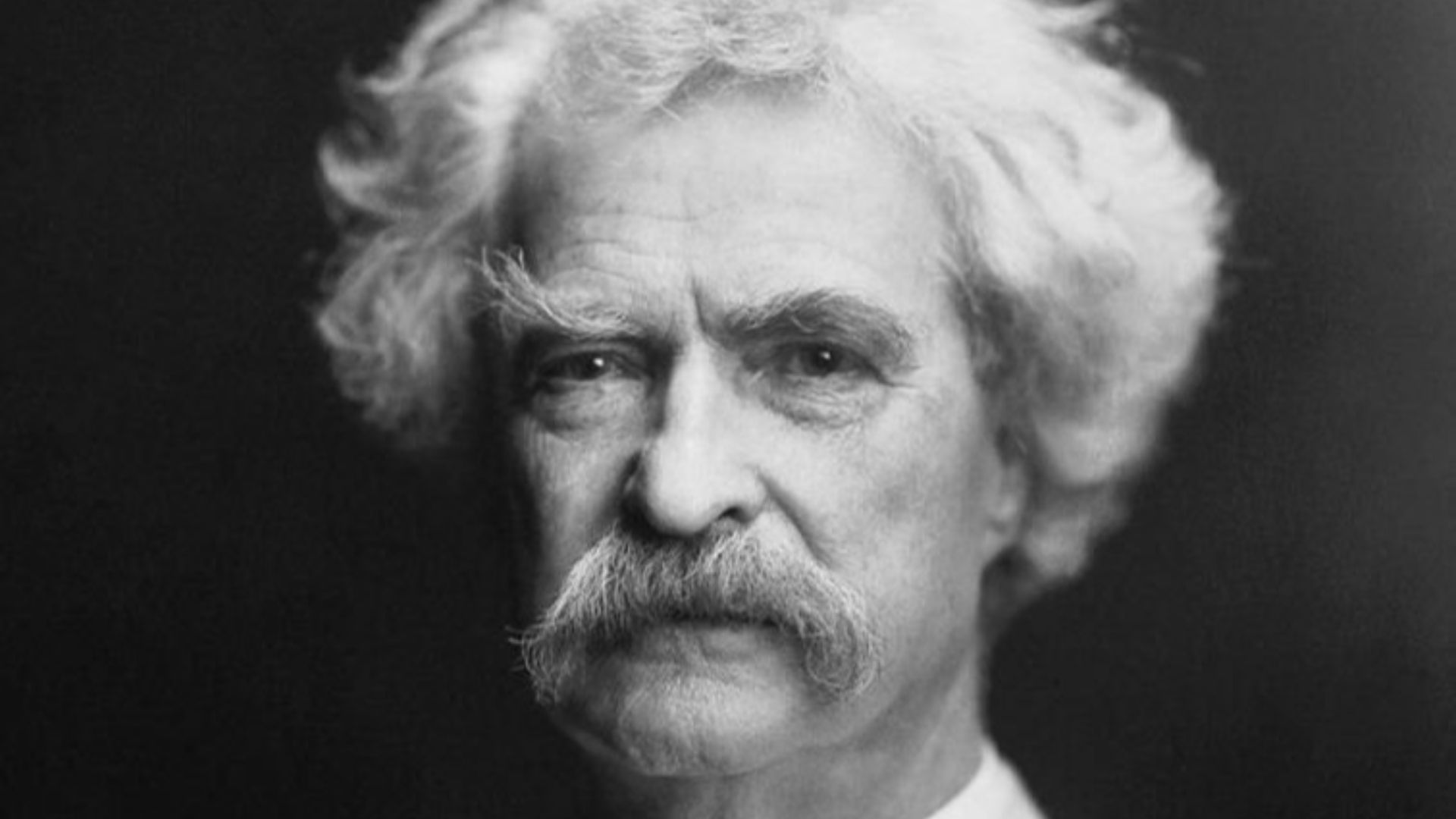 A.F. Bradley, New York on Wikimedia
5. Misery by Stephen King
King has publicly stated many times that this horror masterpiece was his autobiography about overcoming addiction. The novel represents a very dark time in his life that he is not particularly proud of. While fans of the book enjoyed the thrill, King saw it as a reminder of darker times.

6. The Hobbit by J.R.R. Tolkien
Tolkien felt that The Hobbit was too childish for the lore he had created in Middle-earth. In later editions, he went back and edited the story to reflect the mature tone of The Lord of the Rings. Tolkien regretted making Bilbo’s journey a children’s bedtime story when he had such a vast and darker universe to explore.

7. The Dice Man by Luke Rhinehart
This cult classic is about a man who makes every life decision based on a roll of the dice. The author grew frustrated when readers started taking the fictional philosophy literally, causing chaos in their own lives. He hadn't expected people to abandon their common sense just because a character in a book did it.

8. Goosebumps by R.L. Stine
He loves his fans and owes them everything, but Stine resented the grind that Goosebumps became. It took a toll on him to constantly churn out horror after horror every month. It’s tough to stay in love with a project when required to produce a brand-new story every single month.
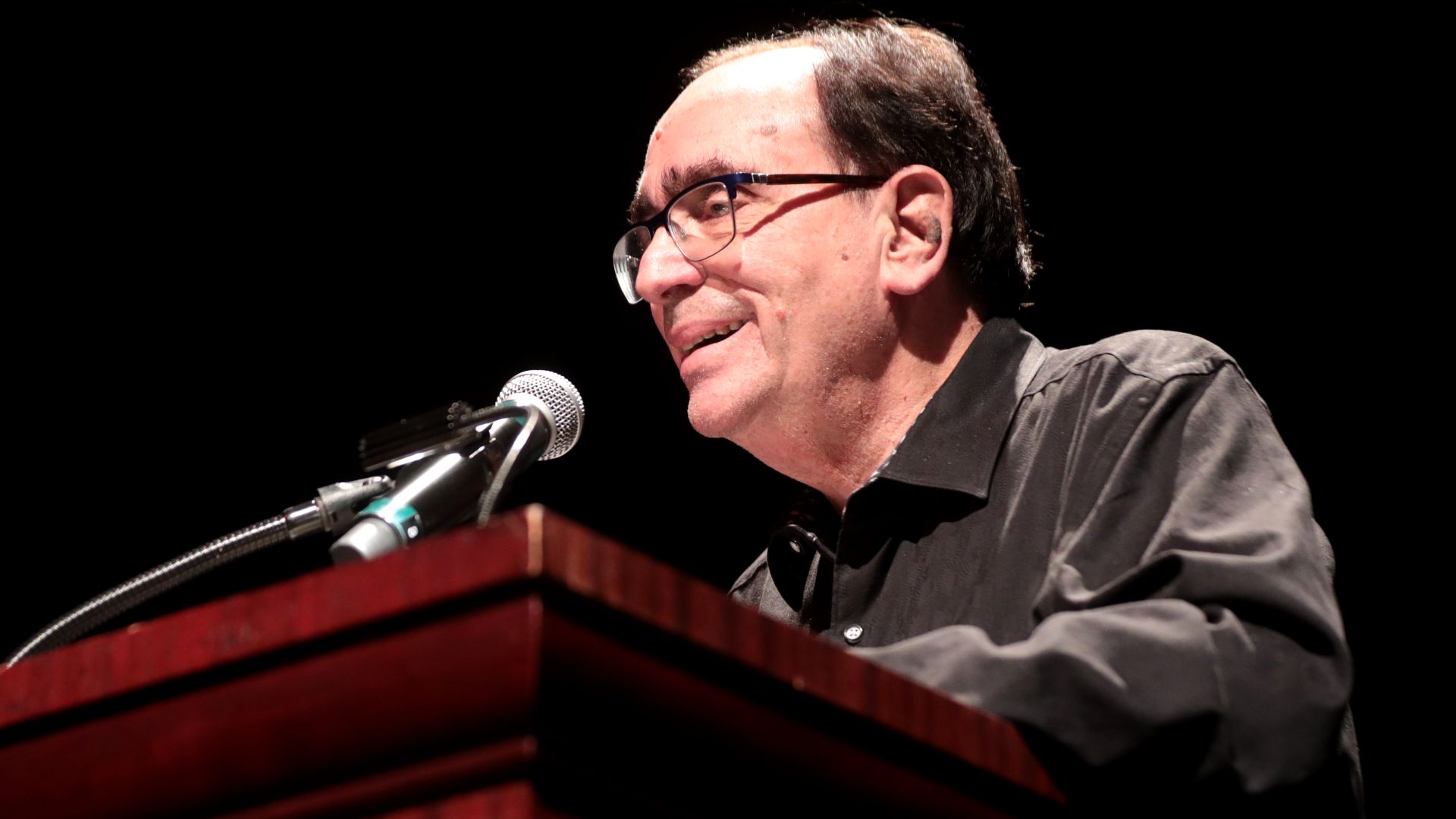 Gage Skidmore from Peoria, AZ, United States of America on Wikimedia
9. The Giving Tree by Shel Silverstein
While most assume it’s a tale about selfless love, Silverstein took offense to the messages readers got from his story. He didn’t mean for the tree to seem like a perfect parent figure that gives unconditionally until the end. He was confused by people praising the tree for allowing her only son to destroy her.
10. The Road by Cormac McCarthy
When asked about The Road, McCarthy said it left him feeling drained and distressed. He didn’t want to be reminded of the bleak world he created and worried about permanently living in such a dark headspace. It raises the question of who would want to dwell on the absolute destruction of civilization.

11. Interview with the Vampire by Anne Rice
After the passing of her young daughter, Rice poured her grief into this gothic tale, but she later struggled with the fame that followed. She went through phases of rejecting the vampire genre entirely. The shift made it clear that she wanted to distance herself from the dark, brooding world that first made her a star.

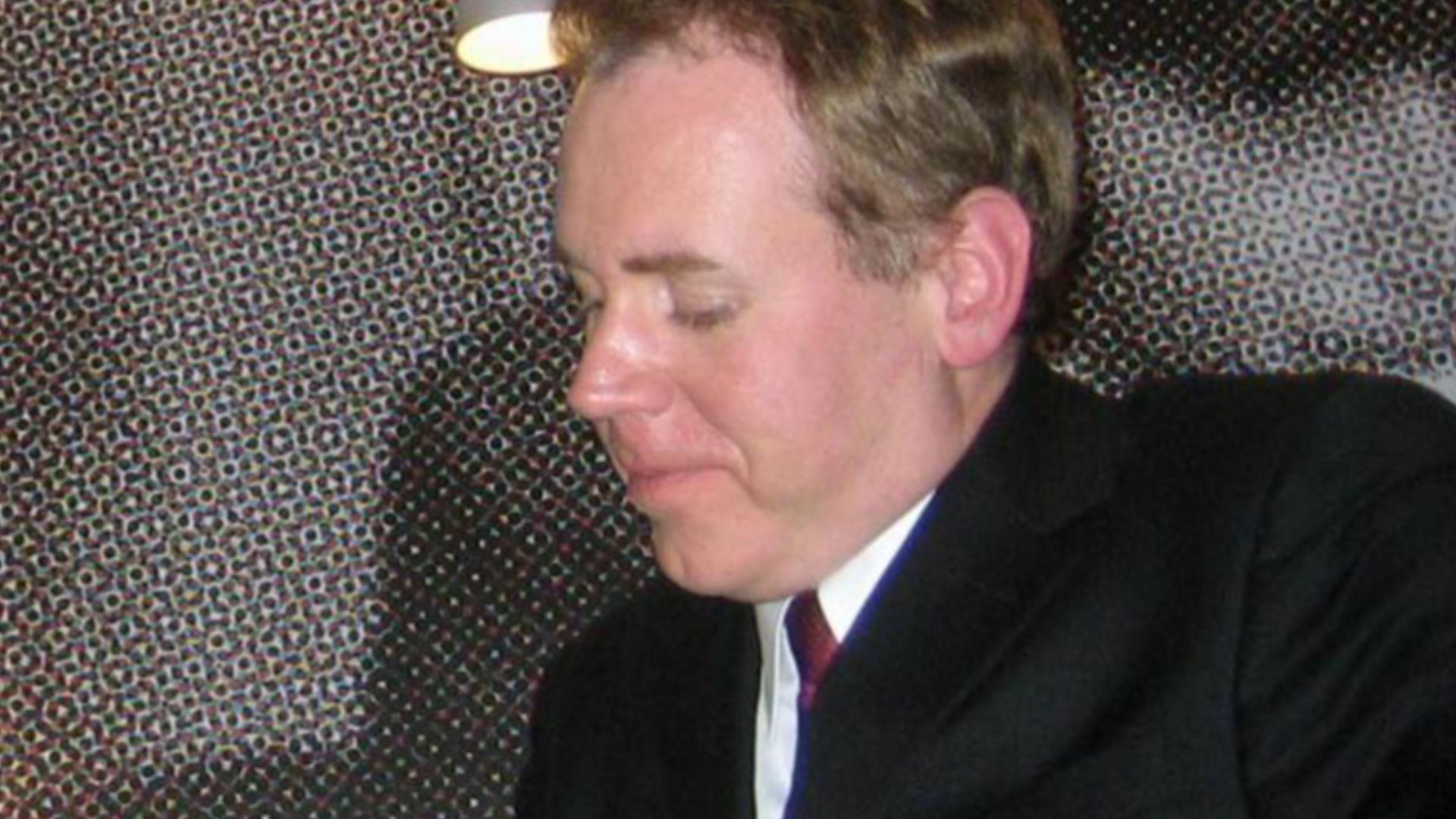
12. American Psycho by Bret Easton Ellis
Ellis received an unsettling amount of backlash after publishing American Psycho. He once said the negative attention ended up taking away from the purpose of his social commentary on consumerism. That level of backlash can alter how a creator views their own work.
13. Peter Pan by J.M. Barrie
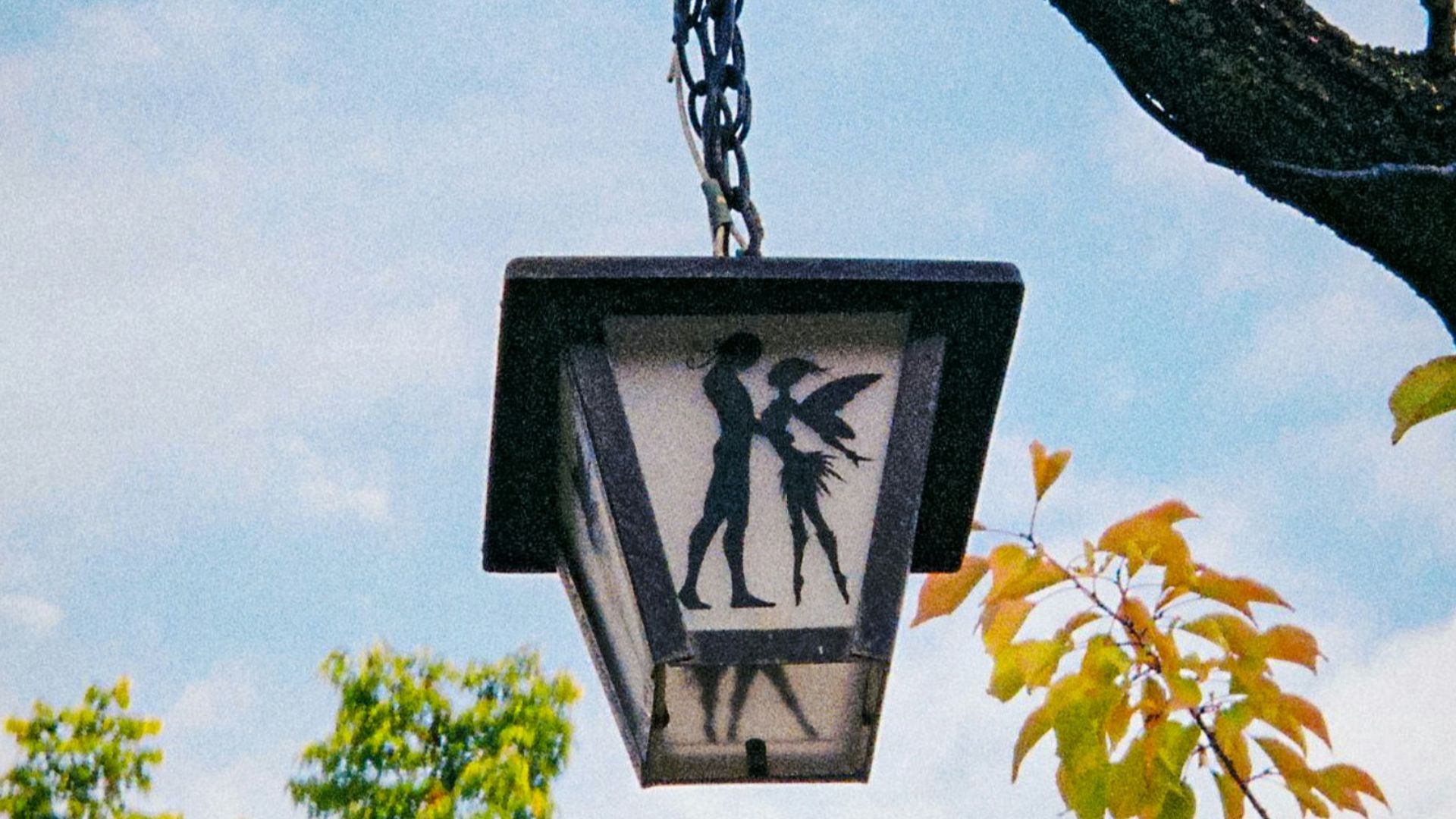
Barrie felt tremendously guilty about his story after a tragic series of events affected the real-life boys who inspired Peter Pan. After uncovering their journals as adults, he was left heartbroken and slightly responsible. Barrie later signed away the rights of Peter Pan to Great Ormond Street Hospital.
14. The Lovely Bones by Alice Sebold
The massive commercial success of this novel brought a level of scrutiny to the author's personal life that she found deeply uncomfortable. Being constantly asked to discuss such heavy and sensitive subject matter with strangers became a burden she hadn't anticipated. Understandably, she would want to step away from the story.
15. Through the Looking-Glass by Lewis Carroll
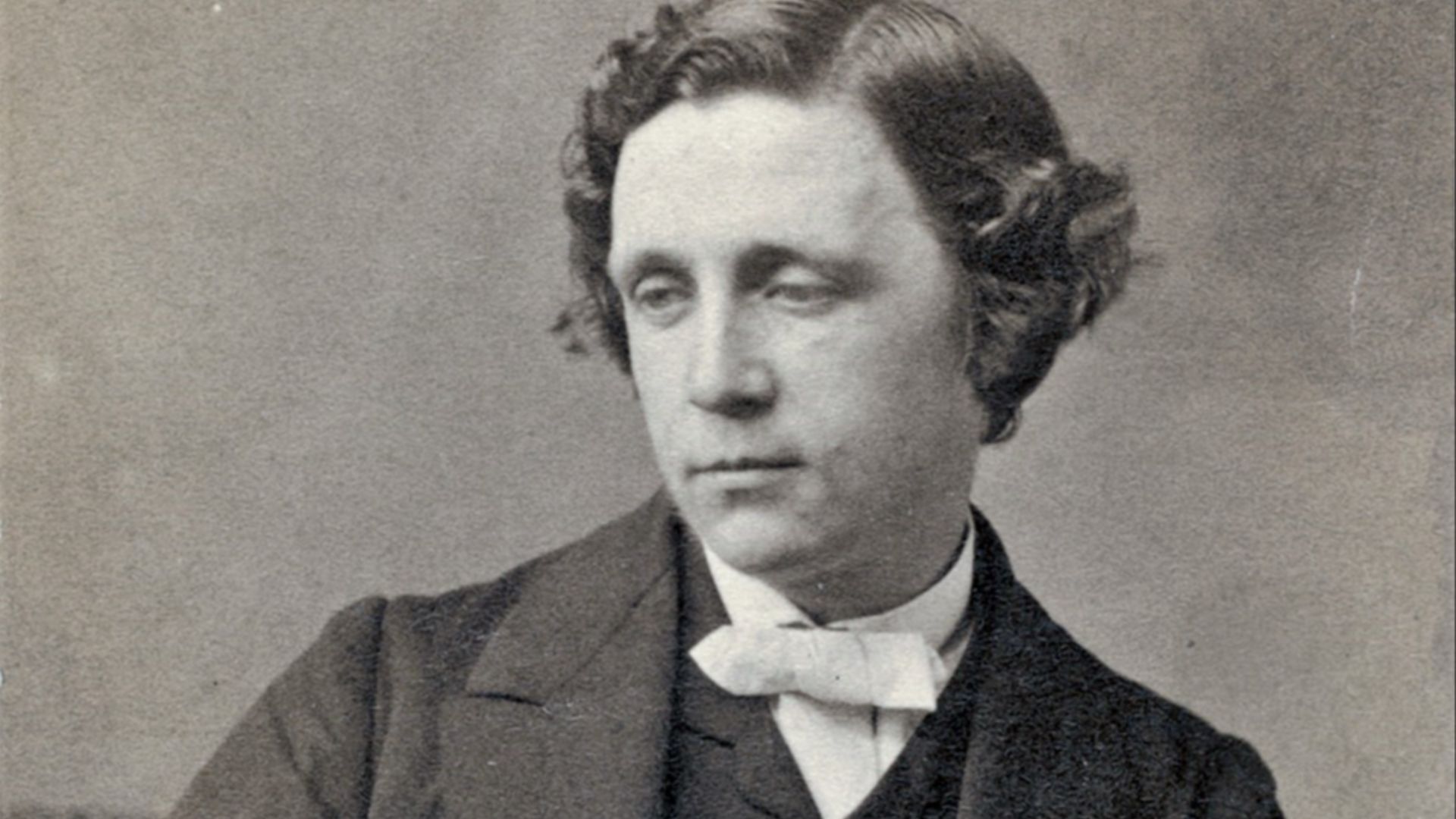
Lewis Carroll resented having his professional career tied to children’s literature. When people showed more interest in his fictional works than in his logical theories, he became bitter. Carroll used a pen name in hopes that people would take his academic work more seriously than a story about talking animals.
 Oscar Gustave Rejlander on Wikimedia
16. Tarzan of the Apes by Edgar Rice Burroughs
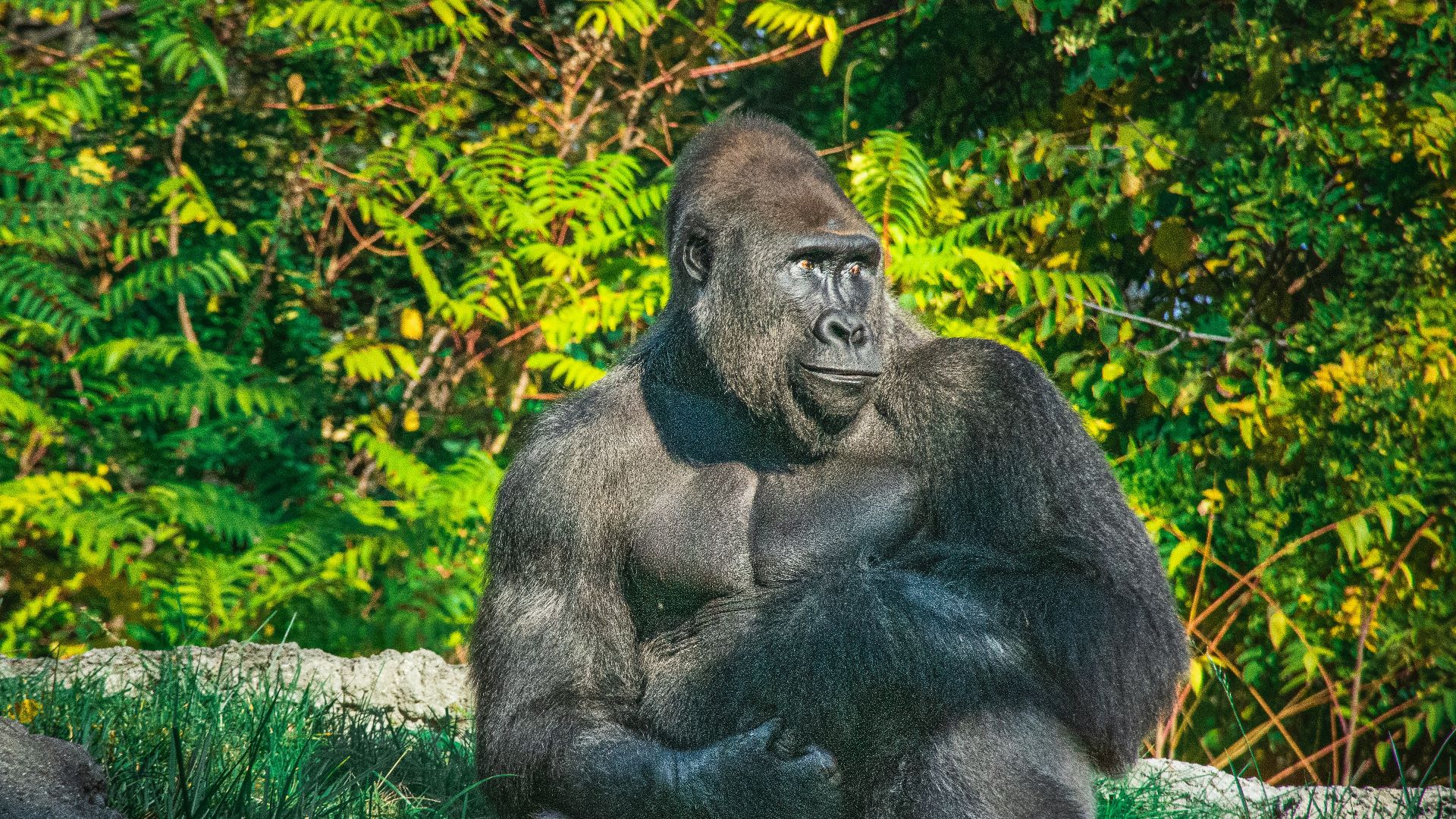
Writing Tarzan was never his passion but simply a way to provide for his family. As his son got older, Burroughs constantly heard how talented his father was at writing “that jungle guy.” He felt confined to his iconic character and never received the recognition he wanted for his other science fiction novels.
 Christina Gillette on Unsplash
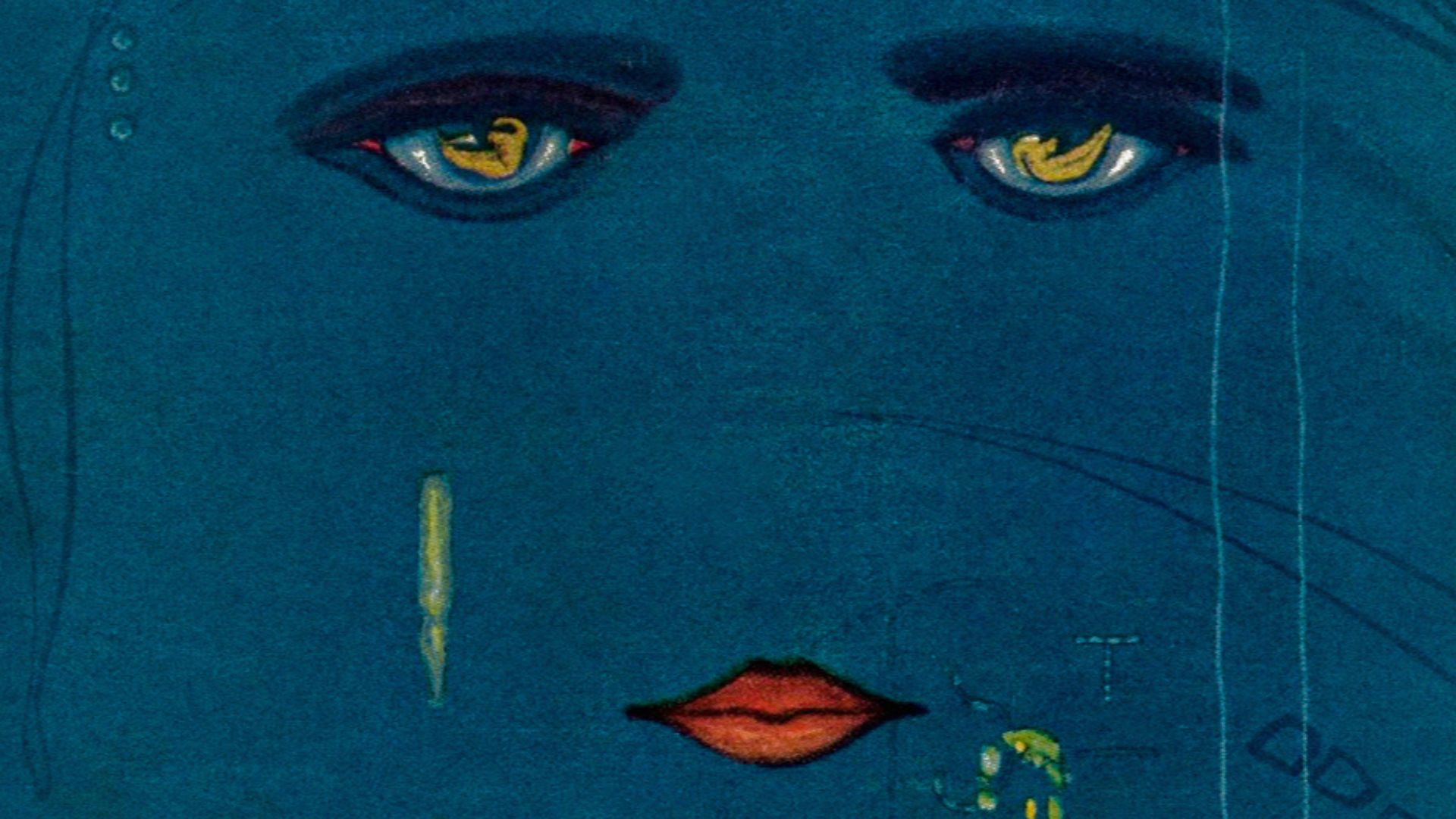
17. The Great Gatsby by F. Scott Fitzgerald
At the time of his passing, Fitzgerald considered this now-beloved classic a failure because it didn’t sell well during its initial run. He passed away feeling like a washed-up writer whose best days were behind him and whose most important work was being ignored. Ironically, the book he felt worst about became a defining American masterpiece.
18. Foundation by Isaac Asimov
Foundation was Asimov’s most significant work, but he felt rushed and repetitive in the later books. He became so confused by the sequels that he often had to reference earlier works just to recall the plot. It’s difficult to take pride in something that feels incomplete.
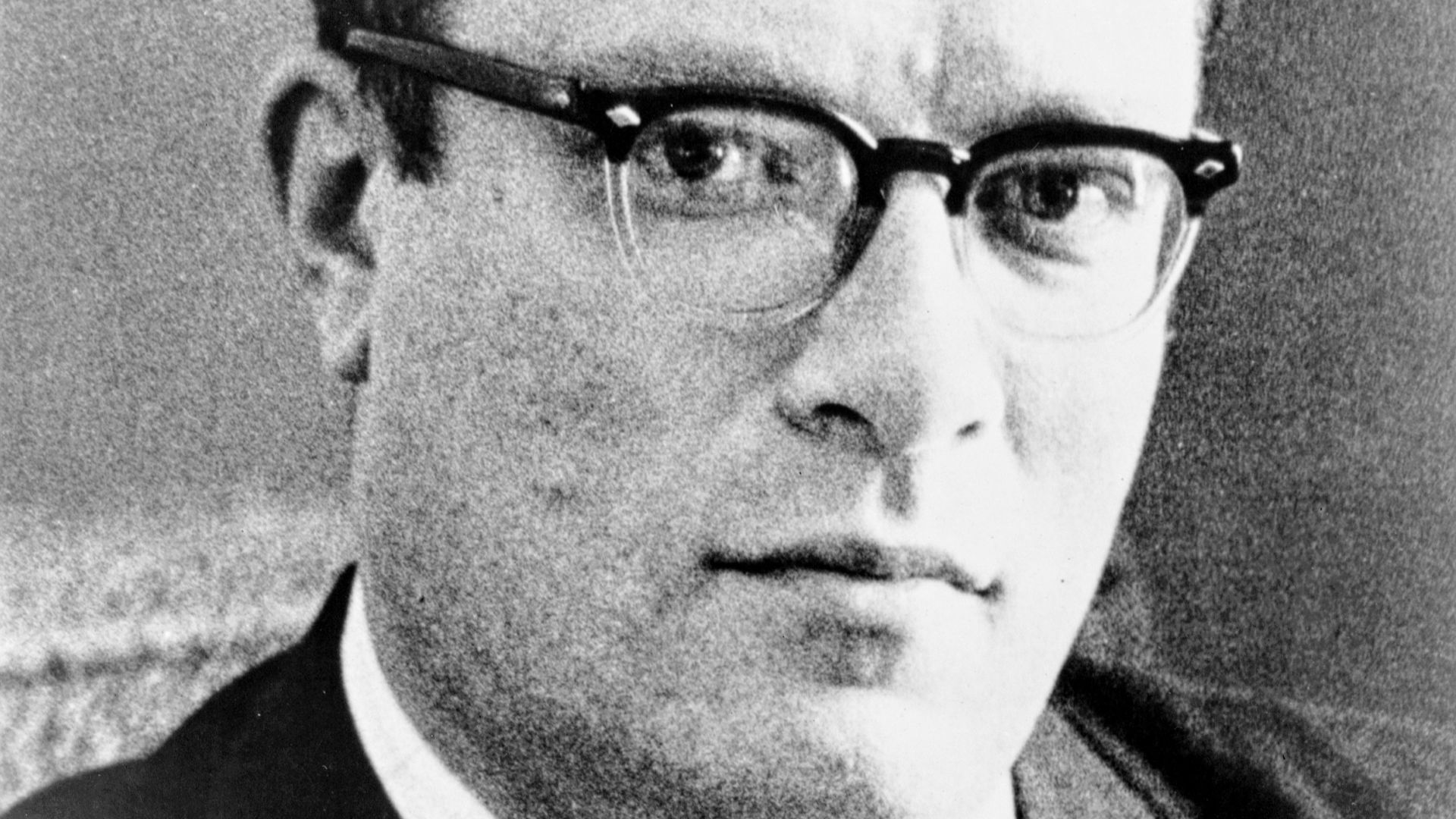 Phillip Leonian [1] from New York World-Telegram & Sun.[2] on Wikimedia
19. Dr. Jekyll and Mr. Hyde by Robert Louis Stevenson
Legend has it that Stevenson’s wife hated the first draft so much that he burned the entire manuscript in a fit of rage. He rewrote the whole thing in a matter of days, but the stress of the process lingered. Even though it became a huge success, the memory of that tension and the intense rewrite stayed with him.
20. Twilight by Stephenie Meyer
Since the explosion of Twilight, Meyer has complained about the obsessive fan culture. When the highly anticipated Midnight Sun leaked online, she refused to continue working on the novel. Sometimes authors dislike their creations because they feel they no longer own them.

KEEP ON READING

20 Wildly Successful Books Authors Regret Writing
Sherlock’s Author Hated Him. Whether it’s because a story was…
By Sara Springsteen Mar 20, 2026
10 Terribly Dangerous Historical Home Remedies & 10 We Still…
The Strange History of Fixing Yourself at Home. People have…
By Emilie Richardson-Dupuis Mar 20, 2026
20 Prehistoric Animals That Shared The Planet With Our Ancestors
Before The World Felt Familiar. Prehistory gets flattened in our…
By Elizabeth Graham Mar 20, 2026
20 Times The Underdogs Won
When The Outcome Wasn’t Supposed To Happen. History tends to…
By Cameron Dick Mar 20, 2026
20 Concerts That Changed Culture Forever
When The Stage Changed Everything. Some concerts fade into memory,…
By Elizabeth Graham Mar 19, 2026
10 Reasons People Hate Ernest Hemingway & 10 Reasons They…
What Do You Really Know About America’s Novelist?. Ernest Hemingway…
By Annie Byrd Mar 19, 2026