When The Stage Changed Everything
Some concerts fade into memory, often remembered as a good night, a loud encore, and a ticket stub sitting in a drawer somewhere. Some shows, however, refuse to stay in the past. They can spill into politics, fashion, television, and protest, and they change the way the music business thinks about risk, scale, and what a live show is supposed to be. That’s what makes these performances worth revisiting. A culture-changing concert doesn’t just impress the crowd in front of the stage. It resets expectations for everyone who comes after.
1. Elvis Presley On The Ed Sullivan Show
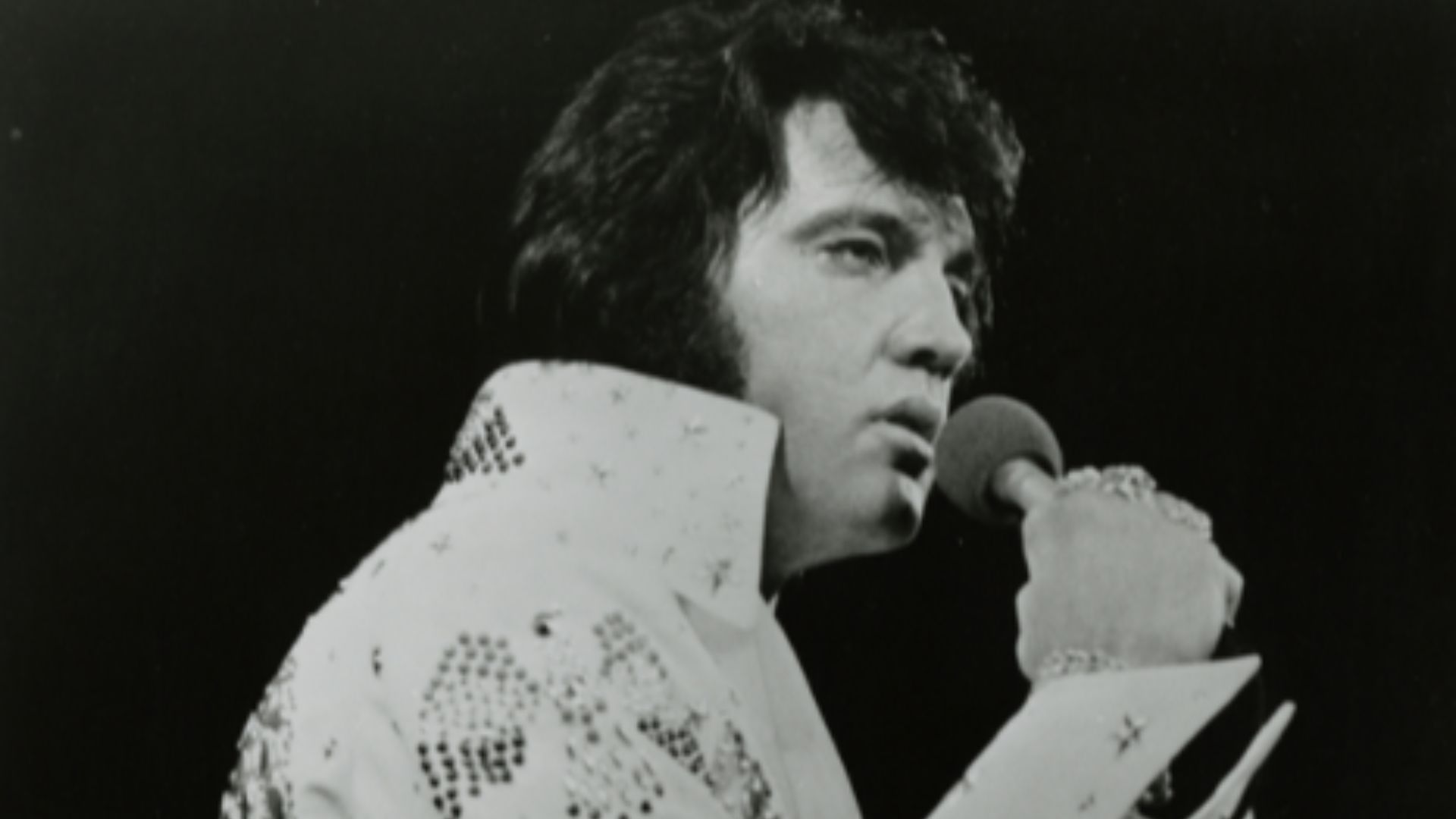
One television appearance in 1956, and the whole country had an opinion. Elvis’s swagger, the alarm around his dancing, and the sheer size of the audience pushed rock and roll into the mainstream, whether the silent generation was ready for it or not.
2. The Beatles At Shea Stadium
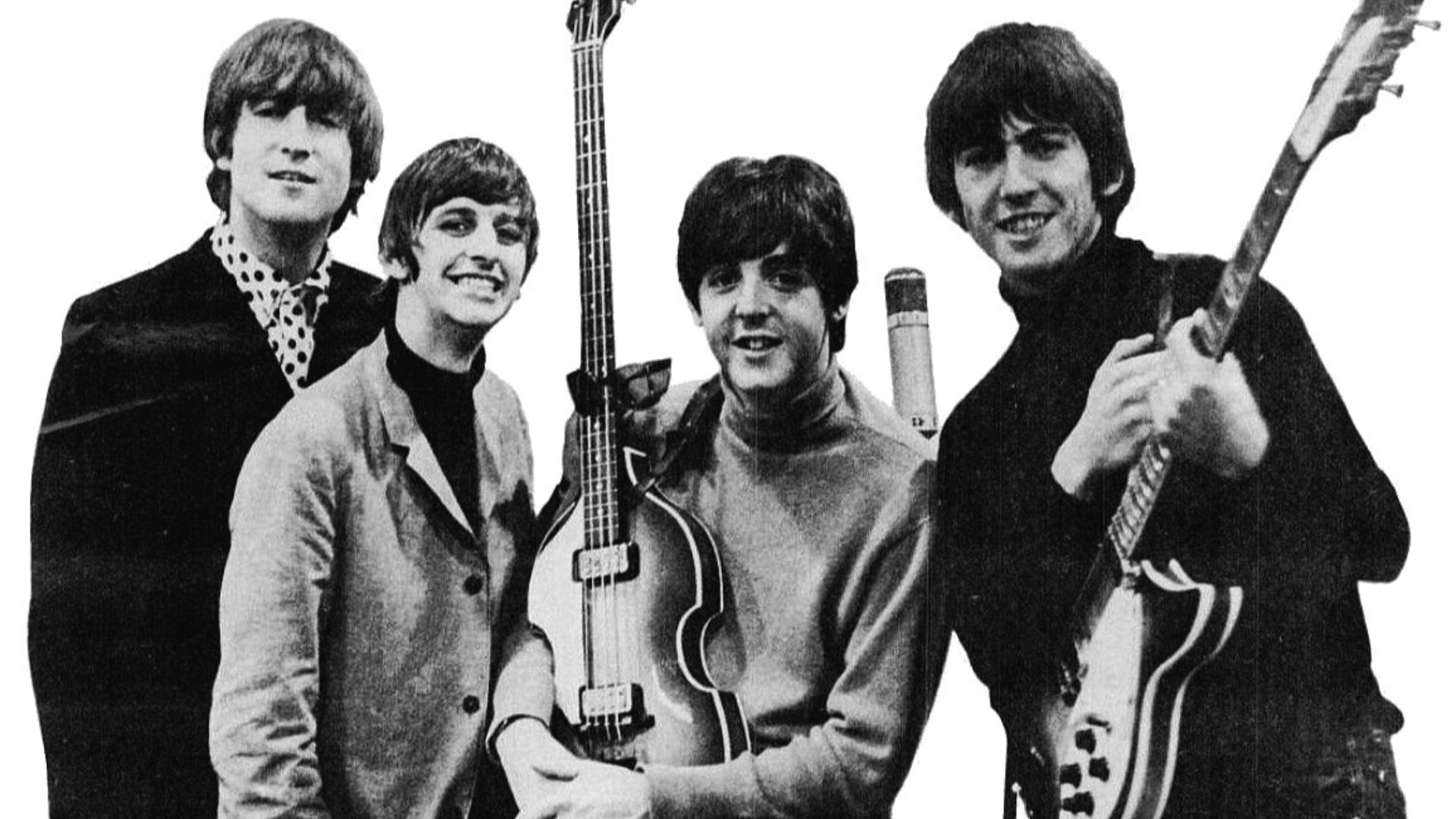
The Beatles’ 1965 Shea Stadium show changed the scale of live music so completely that it’s hard to picture the smaller template that existed before it. More than 55,000 fans showed up, the screaming nearly swallowed the songs, and the modern stadium concert was throttled into the pop culture diaspora.
3. Bob Dylan Goes Electric At Newport
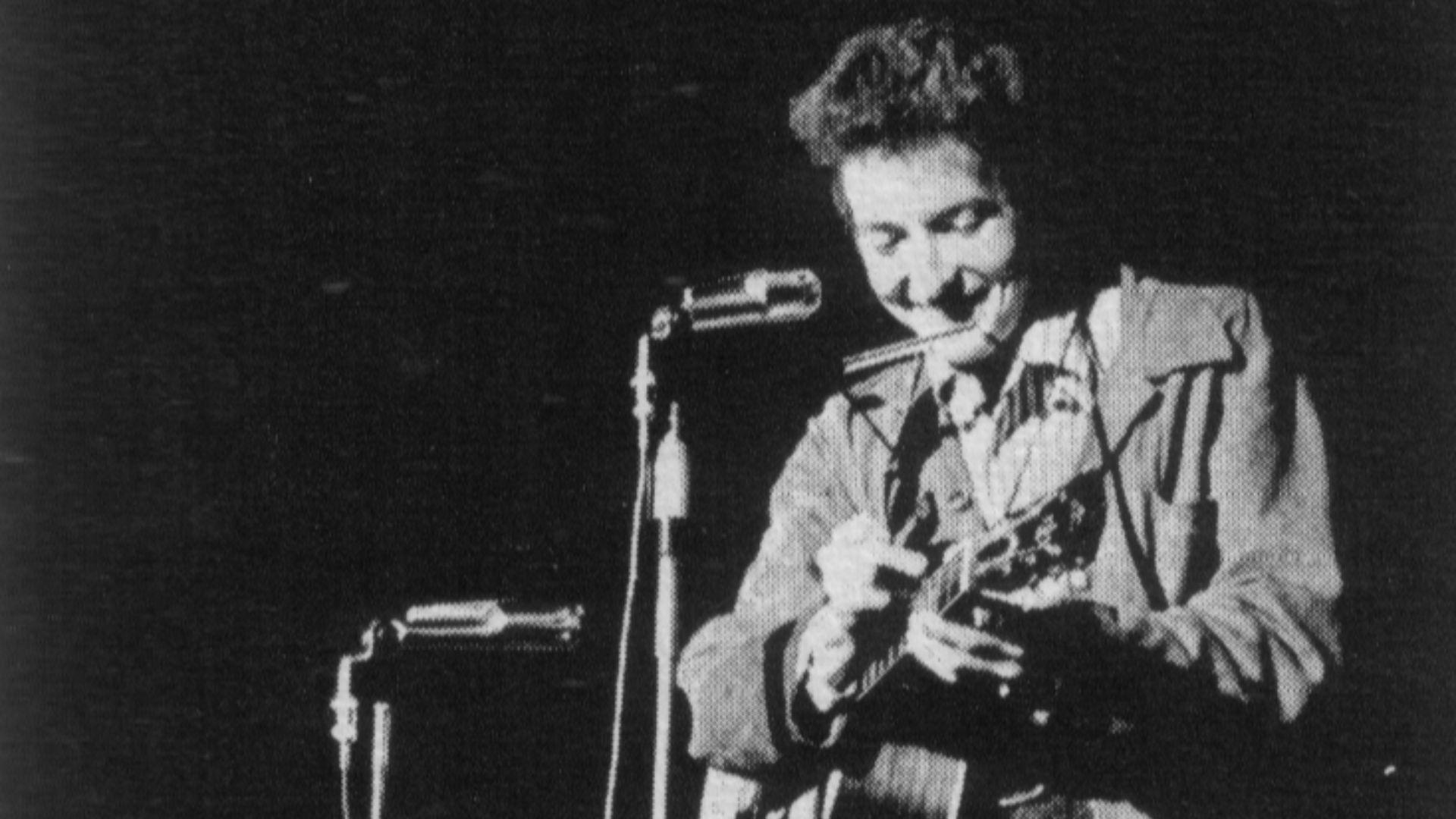
Dylan plugged in at Newport in 1965, and the crowd booed. The confusion and anger of his choice to put down his folk music has created a cultural divide that still hasn’t been forgotten today.
 Unknown authorUnknown author on Wikimedia
4. James Brown At The Boston Garden
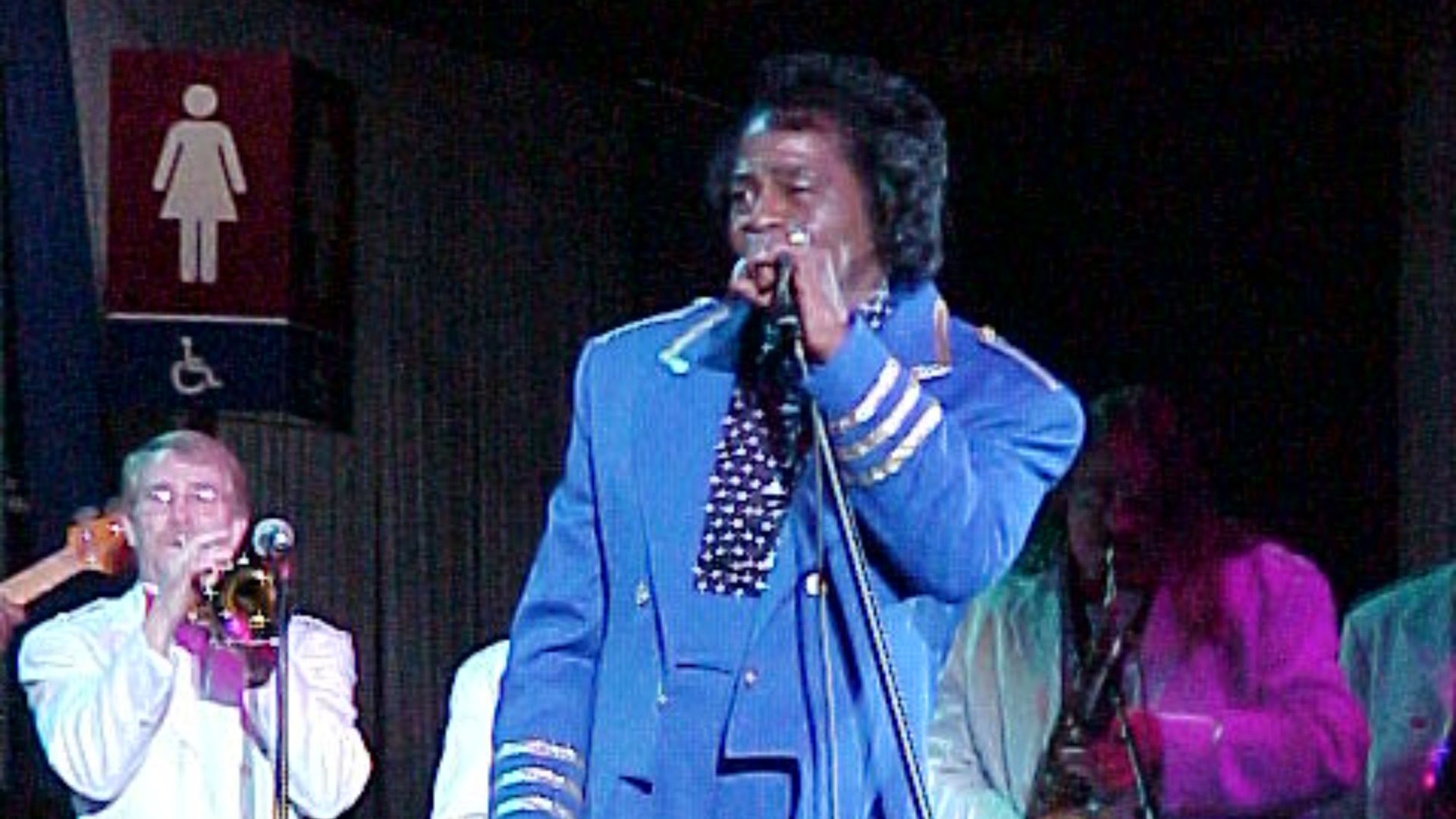
Martin Luther King Jr. was assassinated on April 4, 1968. The next night, James Brown played a free show in Boston Garden. City officials feared the streets would erupt, but Boston held, and the concert became one of the clearest examples of live music shaping public life in real time.
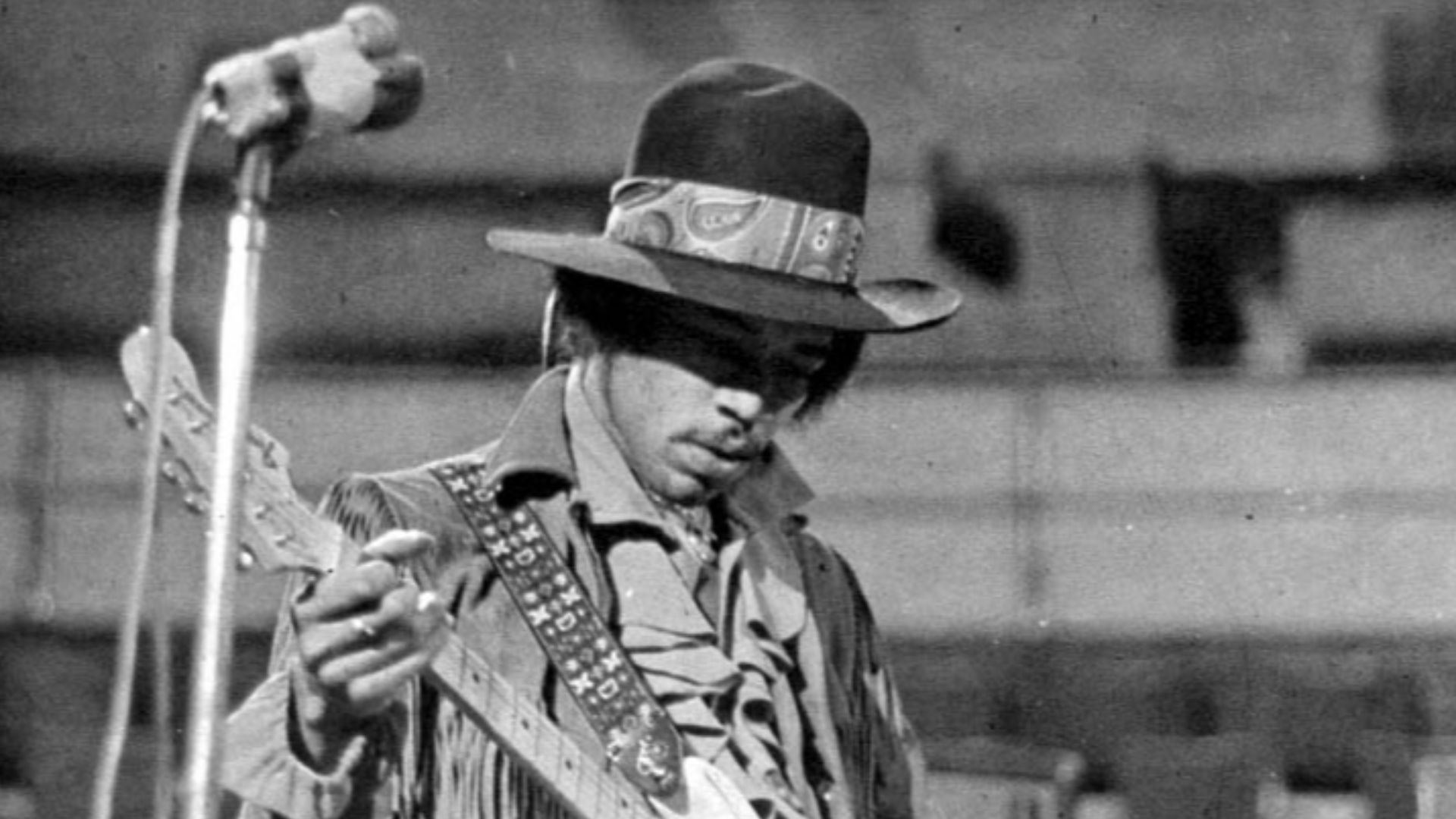
5. Jimi Hendrix At Monterey Pop
The guitar playing alone is enough to remember this iconic night, but Hendrix wanted to go a little further. During “Wild Thing,” Hendrix set his guitar on fire. This show introduced him to the United States with no room left for hesitation, and anyone in that crowd who thought they knew what a guitar could do left with a different understanding.
 Unknown authorUnknown author on Wikimedia
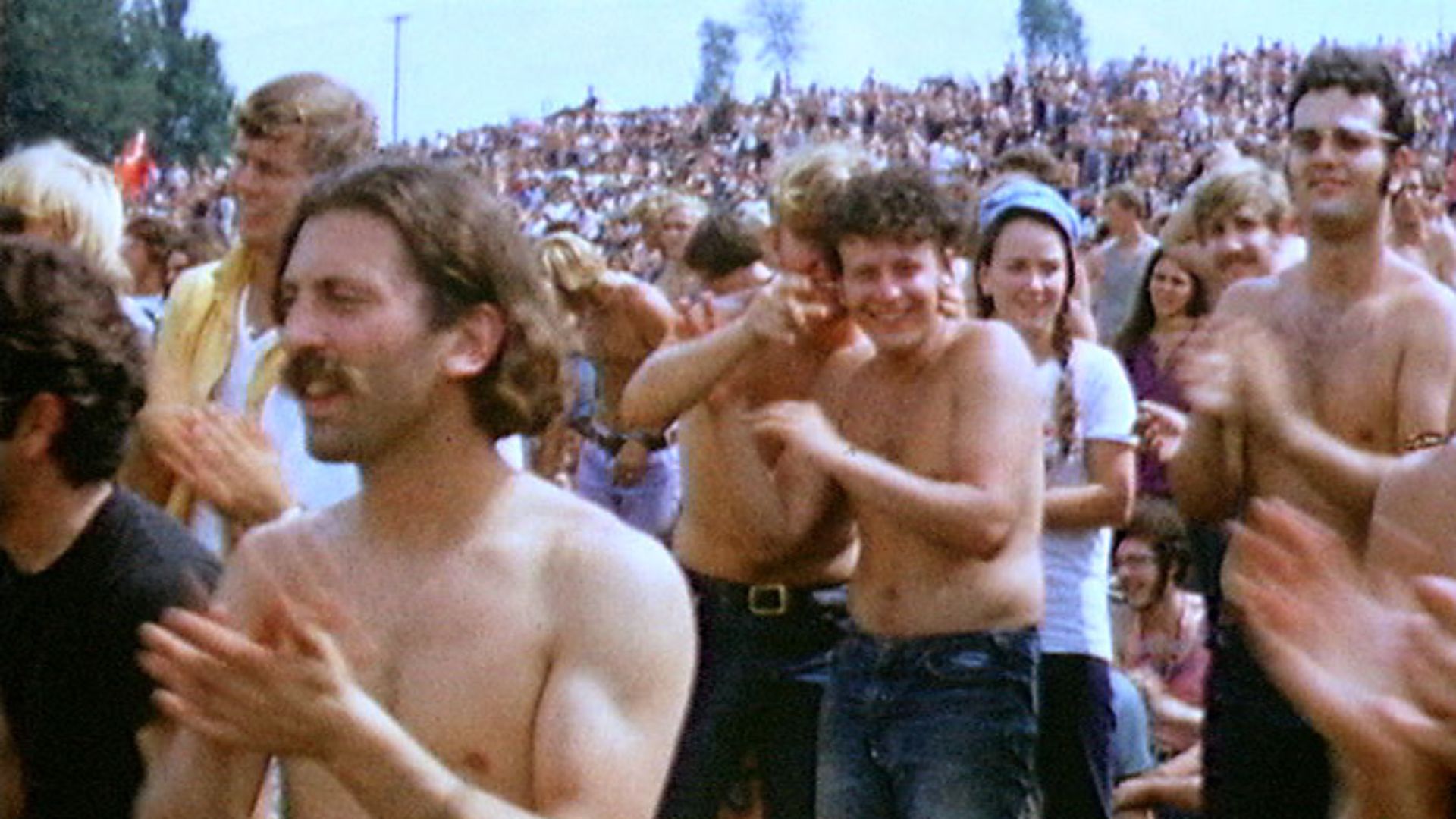
6. Woodstock
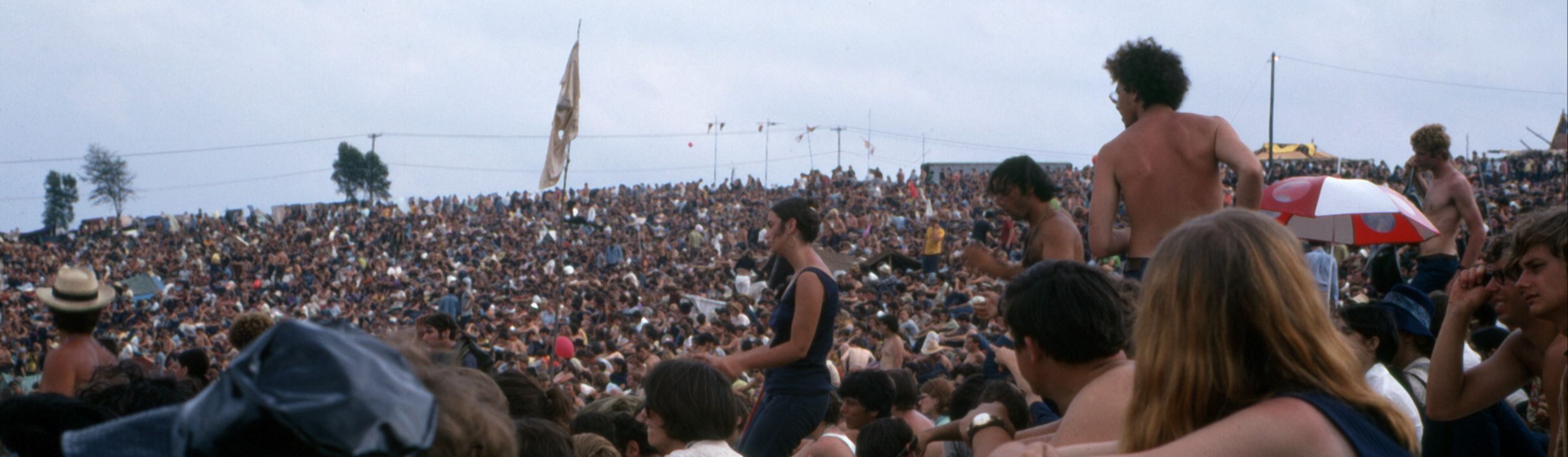
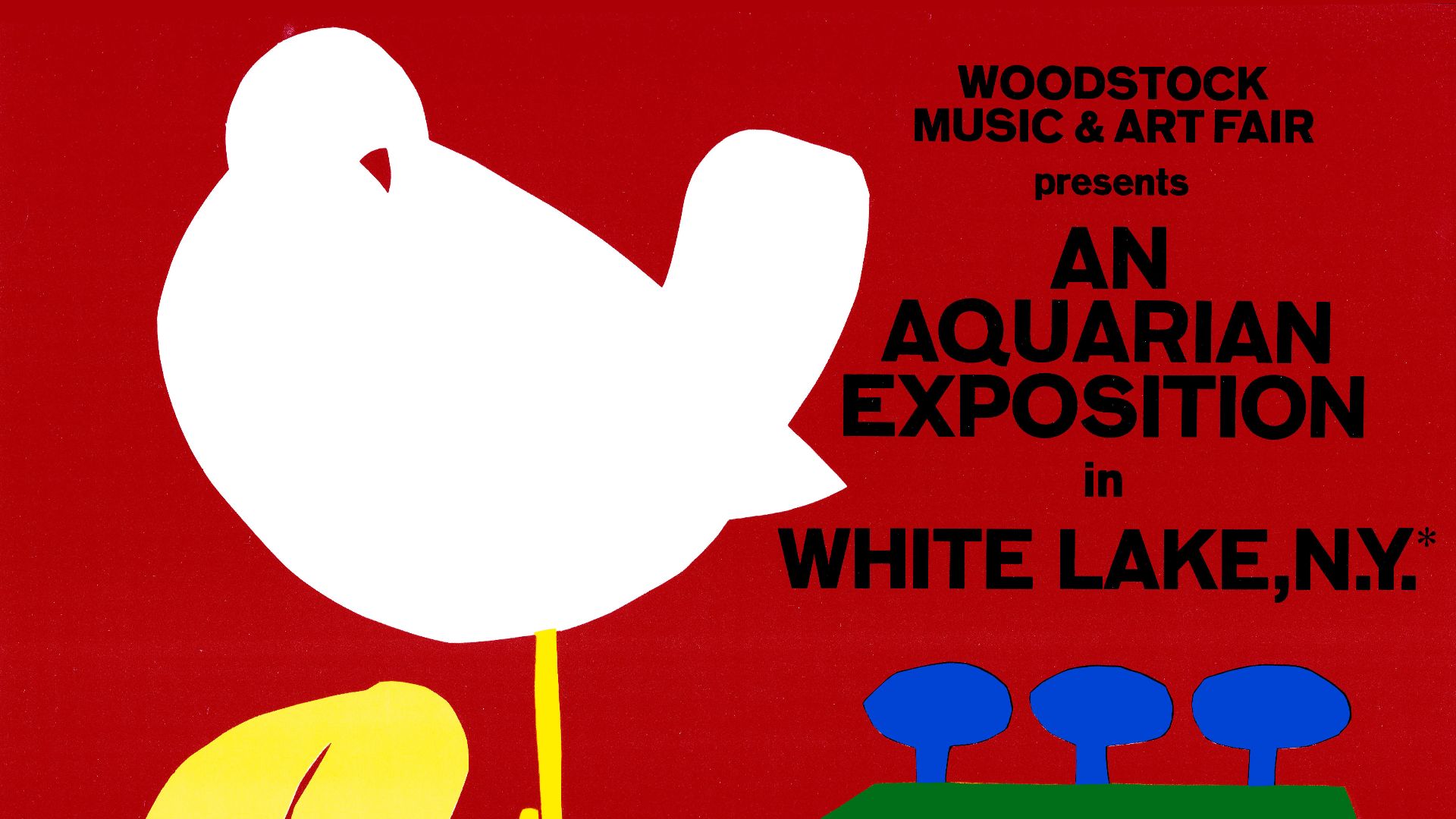
Half a million people turned up to a field in Bethel in August 1969, which became one of the most referenced cultural moments of the twentieth century. No single act made Woodstock what it was. The rain, the crowds, the delays, the mud, and the whole chaotic, hopeful weekend did that together.
 Derek Redmond and Paul Campbell on Wikimedia
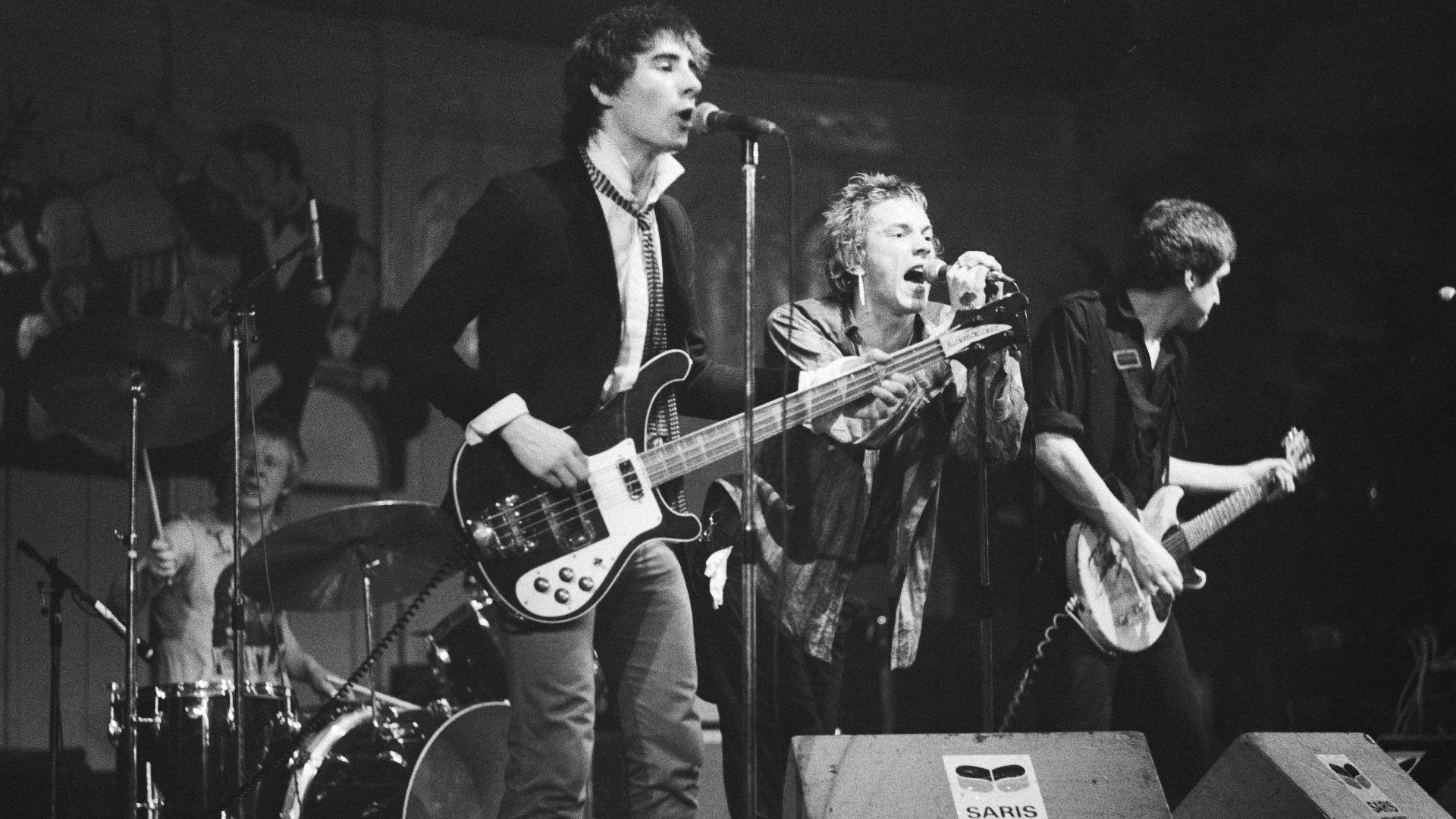
7. The Sex Pistols At The Lesser Free Trade Hall
The Sex Pistols’ 1976 Manchester show drew a tiny crowd, but left an outsized mark on history. So many people in that orbit went on to start bands, like the Buzzcocks, Joy Division, The Fall, and The Smiths. Today, the concert feels less like a gig and more like a point of origin for British punk and post-punk.
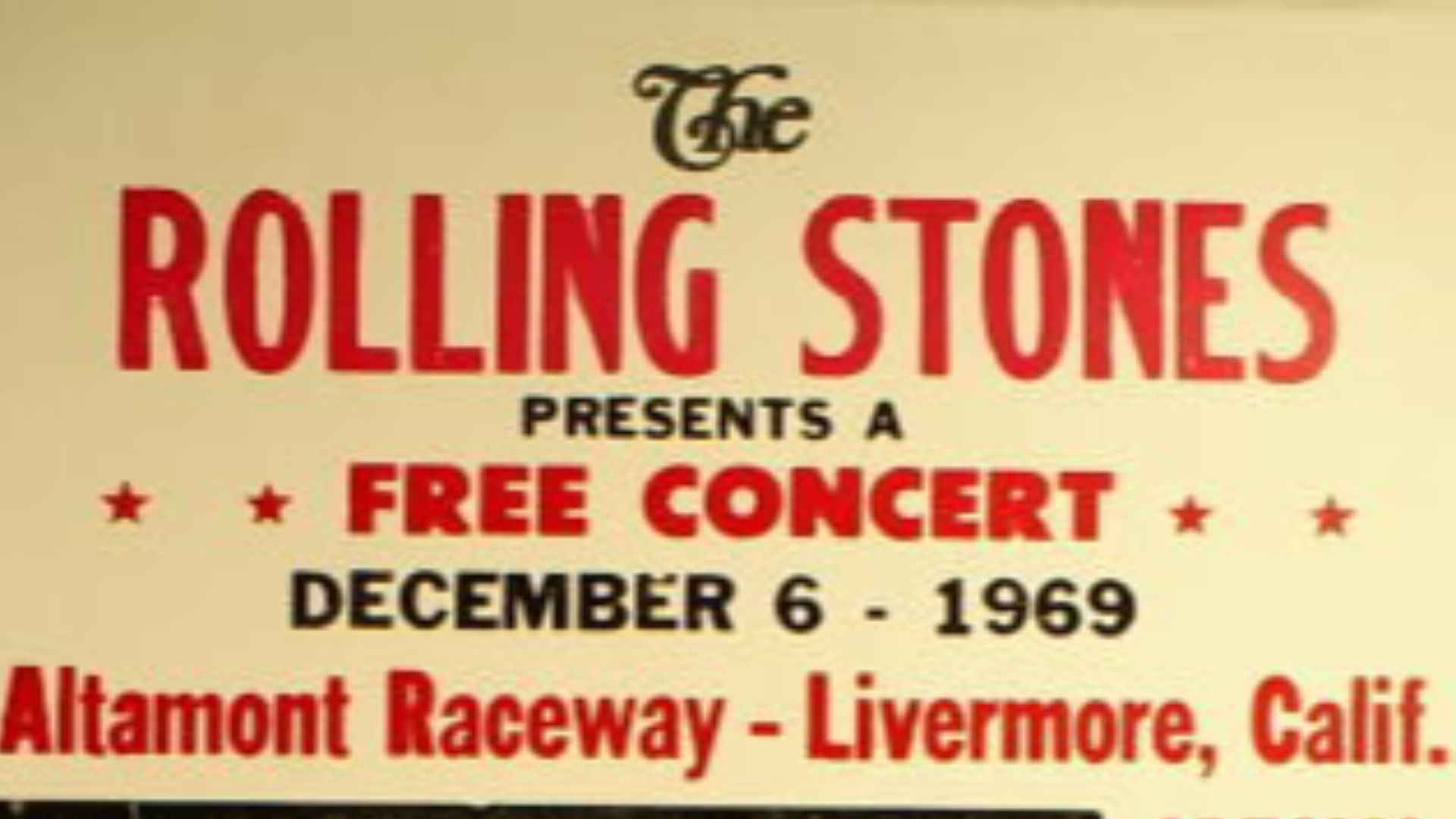
8. Altamont Free Concert
Meredith Hunter was killed at Altamont on December 6, 1969. The security was chaotic, the mood was hostile, and what was supposed to be a communal free concert became something much darker. If Woodstock helped define the sixties’ idealism, Altamont showed how quickly that mood could curdle.
 Unknown authorUnknown author on Wikimedia
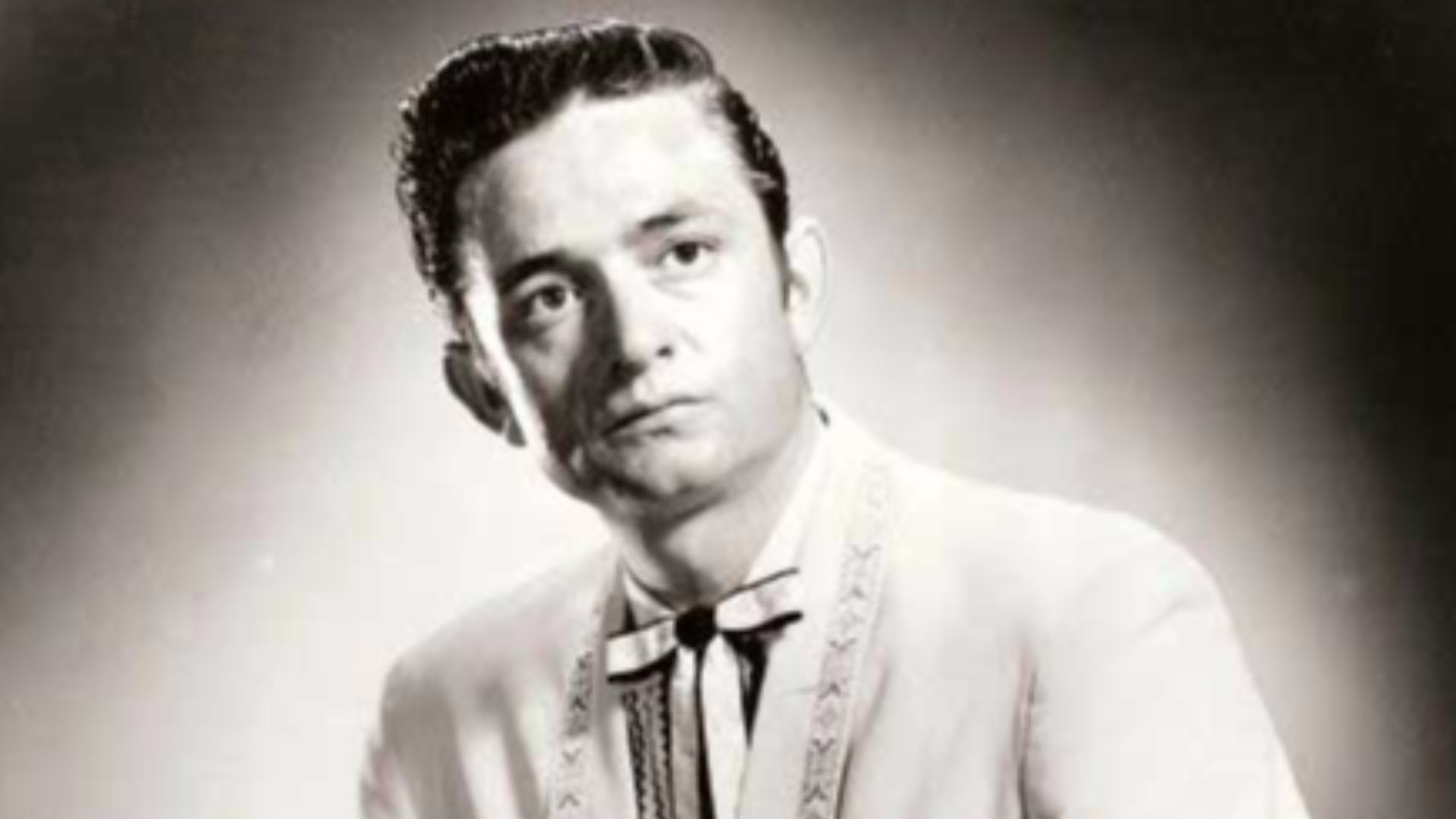
9. Johnny Cash At Folsom Prison
Cash sang to incarcerated men in 1968 with wit, sympathy, and a sincere, earnest severity. The recording changed the shape of his career and widened the picture of who a live album could speak for. Audiences felt the difference right away.
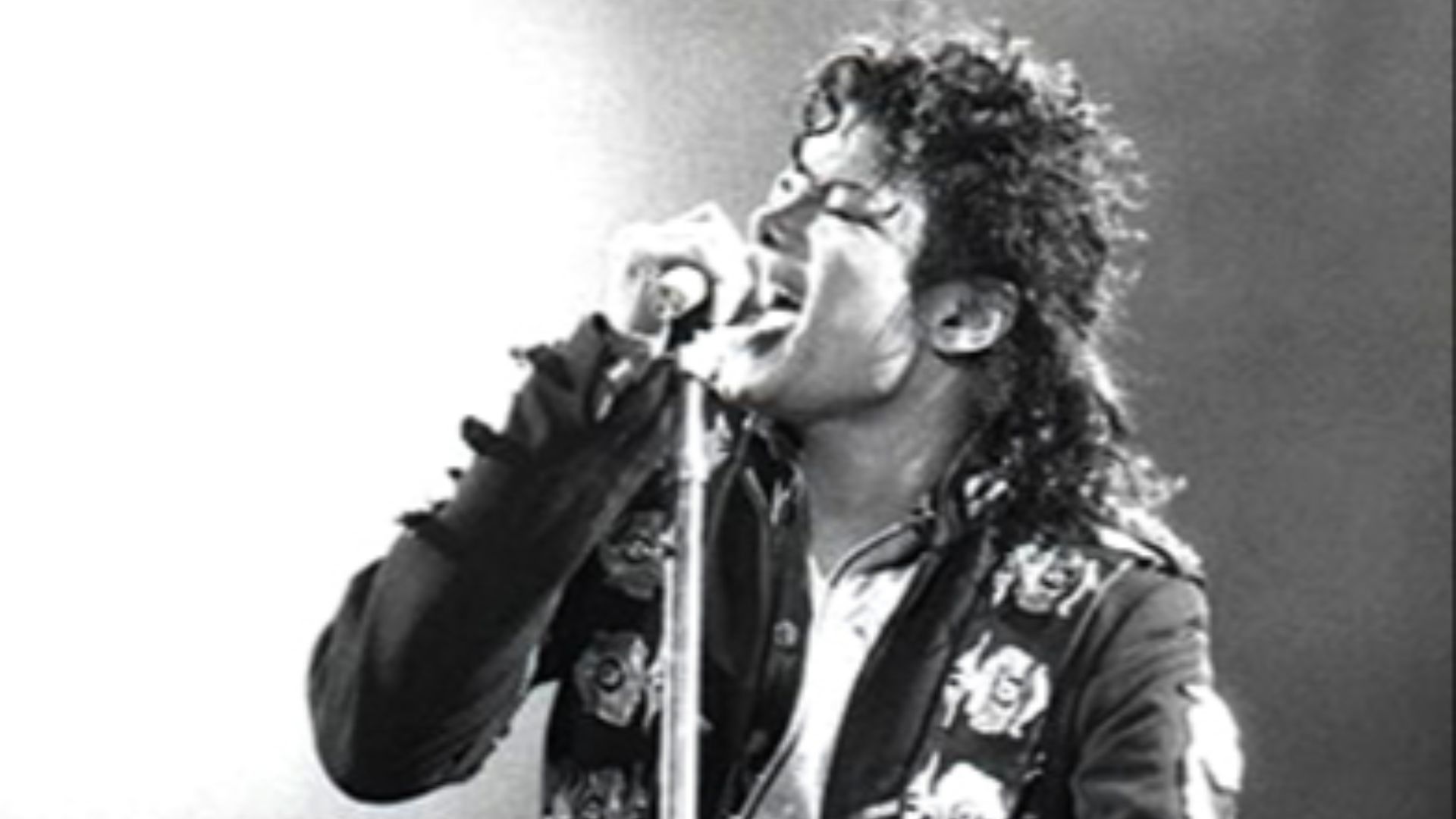
10. Motown 25 And Michael Jackson’s Moonwalk
It wasn’t a concert in the traditional sense, but it landed like one. Michael Jackson performed "Billie Jean" on Motown 25 in 1983, debuting his iconic dance that very night.
 Zoran Veselinovic on Wikimedia
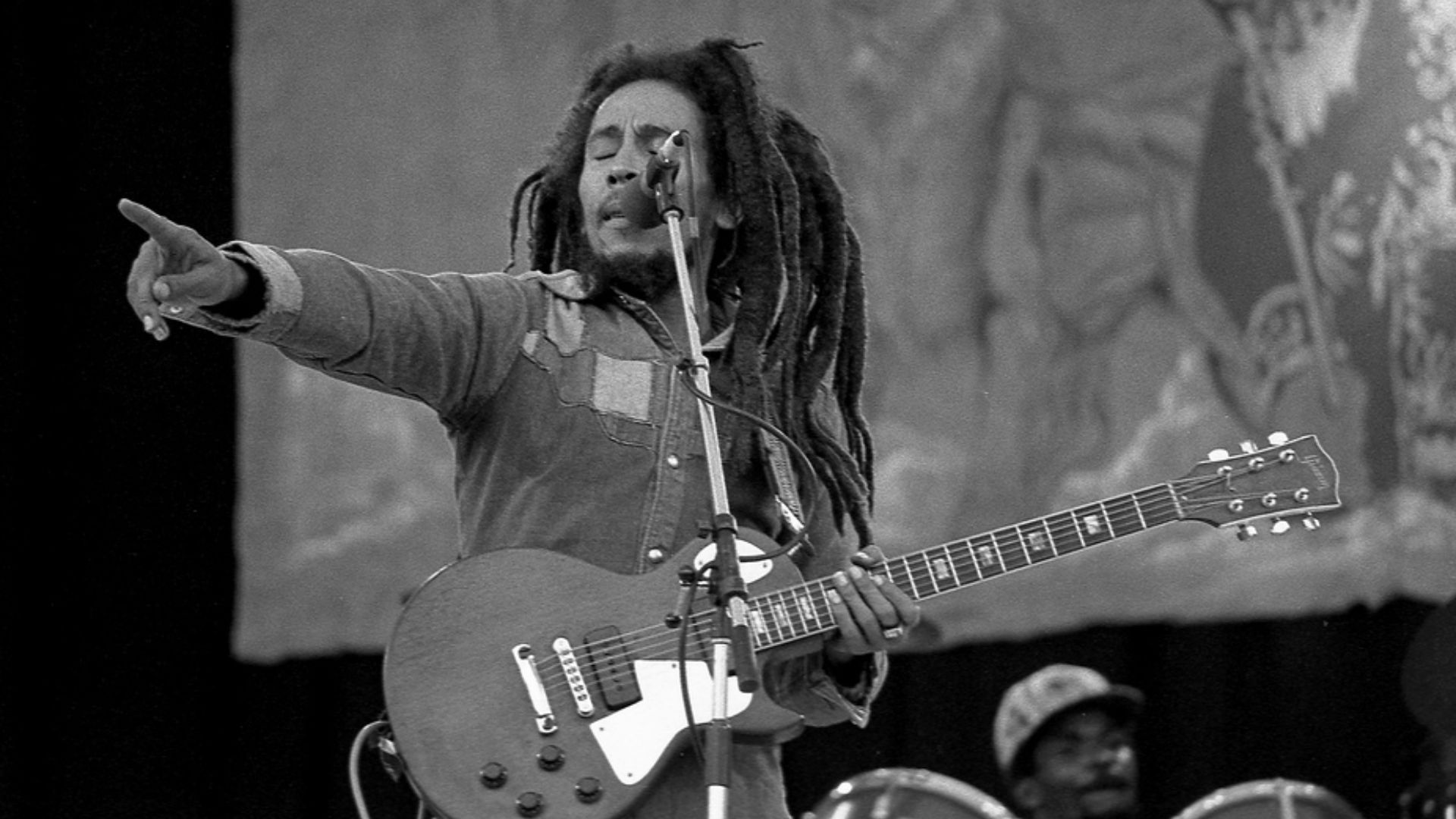
11. Bob Marley At The One Love Peace Concert
In 1978, Bob Marley brought two political rivals onto the stage and joined their hands together while the country watched. One evening couldn’t resolve the violence outside the stadium, but the image is seared into political and musical history.
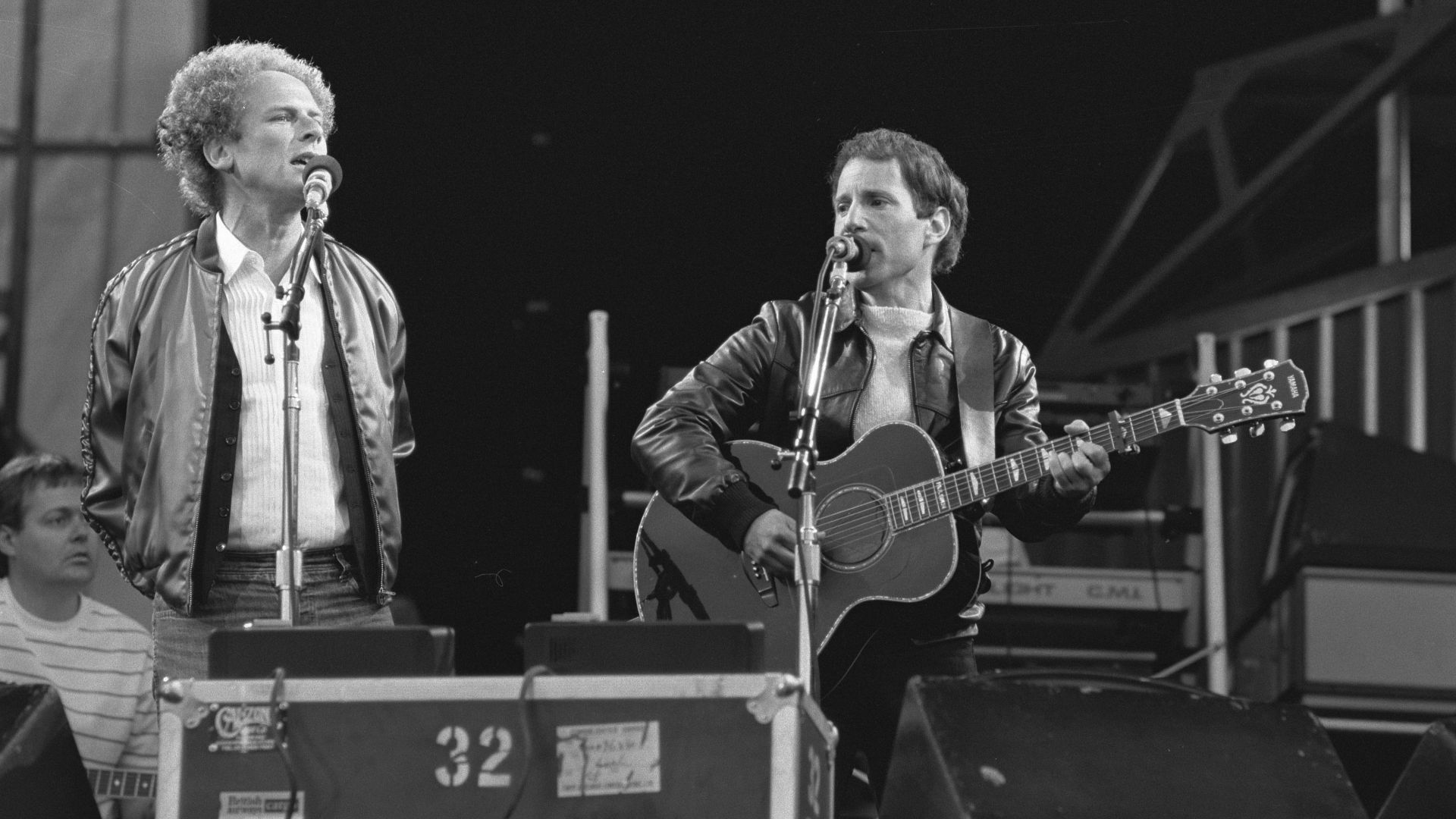
12. Simon And Garfunkel In Central Park
Half a million people gathered in Central Park in 1981 for a reunion that carried far more weight than a simple old-hits set. It showed the industry that nostalgia could be communal, emotional, and commercially enormous, and it helped set the template for the giant free civic concert.
 Rob Bogaerts / Anefo on Wikimedia
13. Madonna’s Blond Ambition Tour
By 1990, Madonna wasn’t just putting on a pop show. She was building a touring production with choreography as attitude, fashion as provocation, and narrative sections that had no interest in making anyone comfortable. After Blond Ambition, a string of hits and flattering lights wasn’t enough for anyone operating at that level.
14. Queen At Live Aid
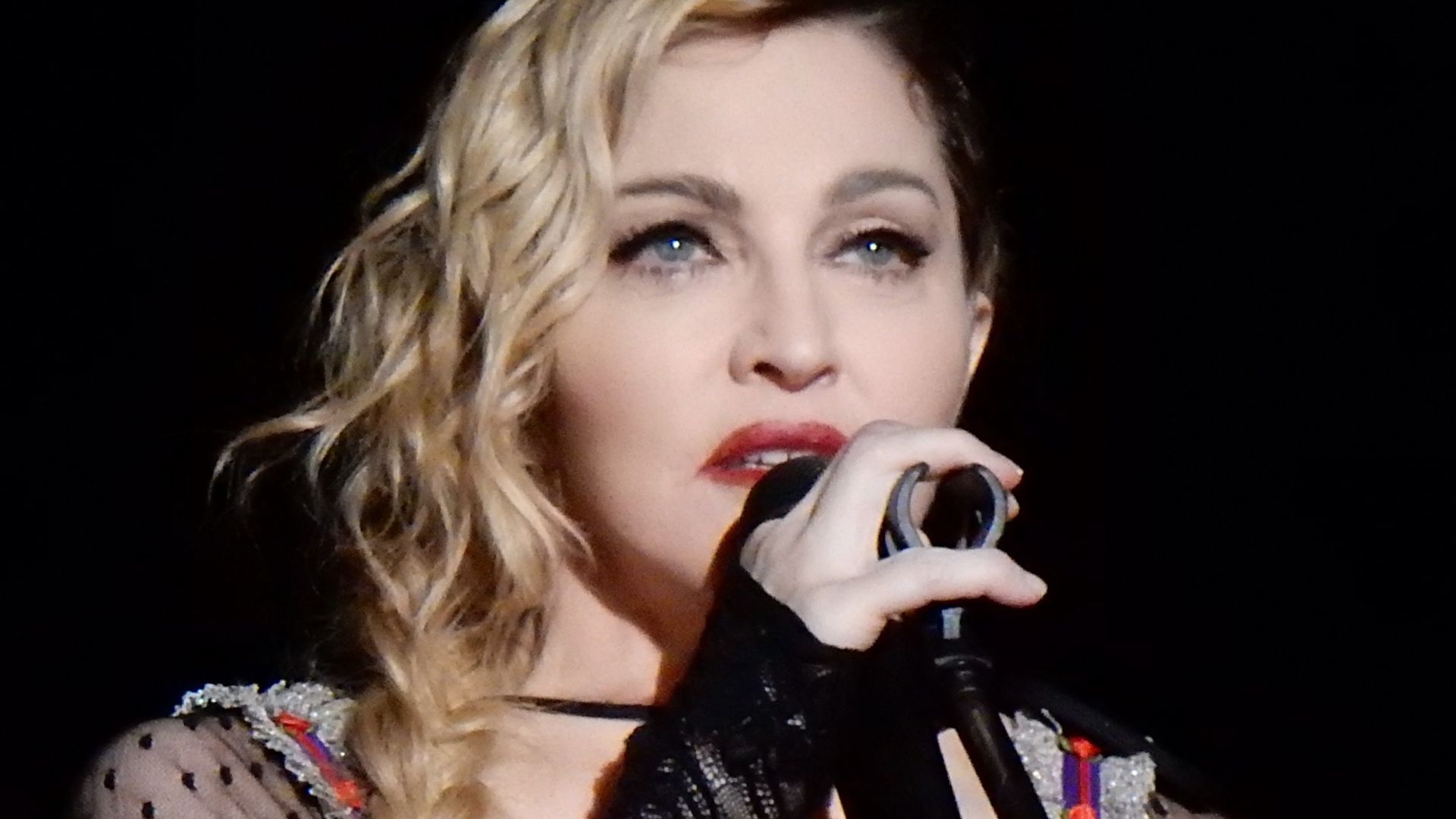
Less than thirty minutes at Wembley in 1985 was enough to turn Queen’s set into one of live music’s fixed reference points. Freddie Mercury had the crowd in his hand from the start, the band’s stature surged, and the performance moved straight into legend.
15. The Ramones At CBGB
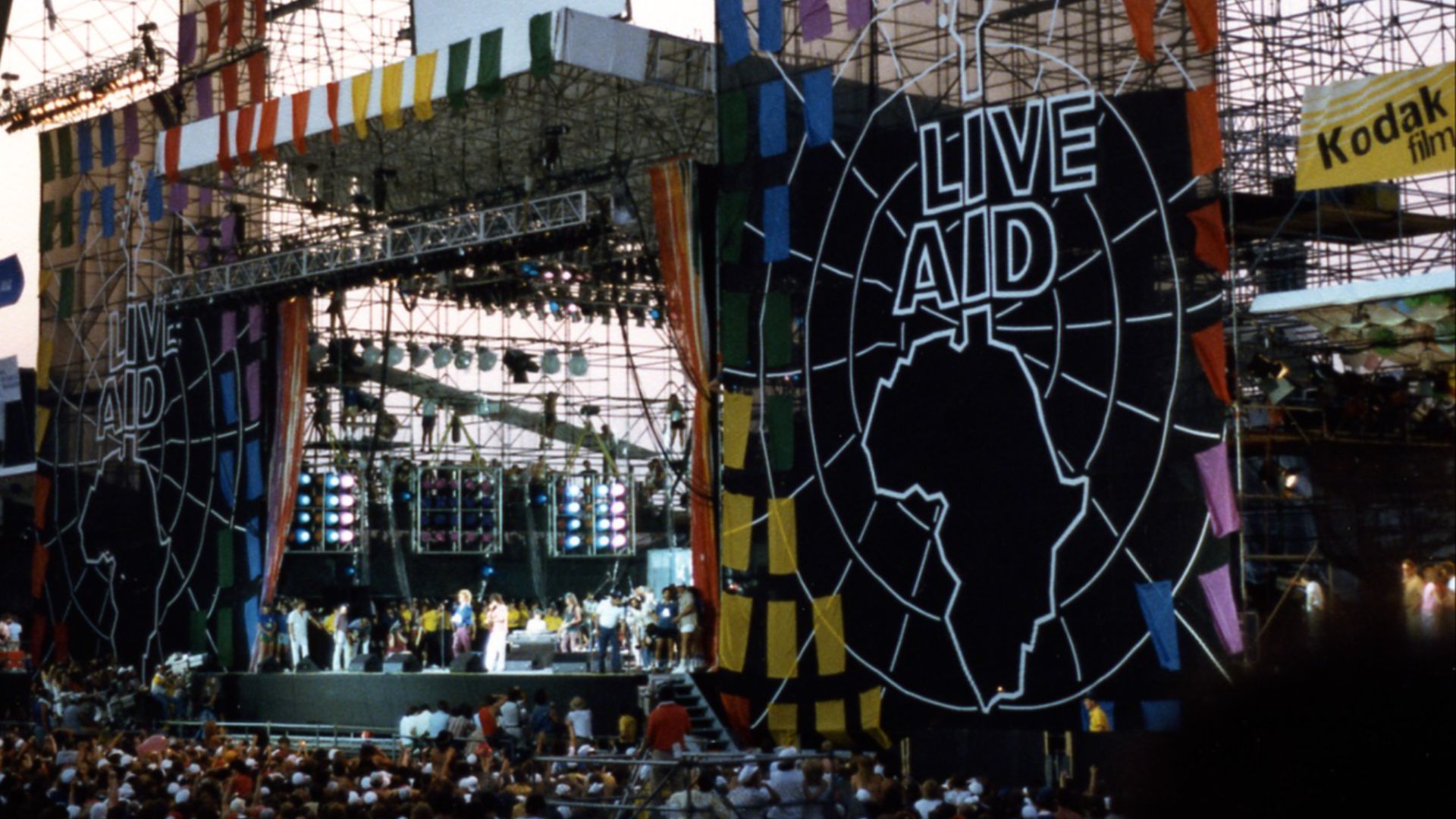
The Ramones’ early CBGB sets were fast, blunt, and stripped of anything unnecessary. They made it clear that you didn’t need virtuoso solos or grand mystique to start a scene, only the nerve to get onstage and make a little bit of noise.
16. Nirvana At Reading
Kurt Cobain arrived in a wheelchair as a joke about the rumors swirling around his health. Then the band played, and the joke became irrelevant. Nirvana’s 1992 Reading set felt like public confirmation that grunge had won and the old arena-rock polish still clinging to the era had run out of time.
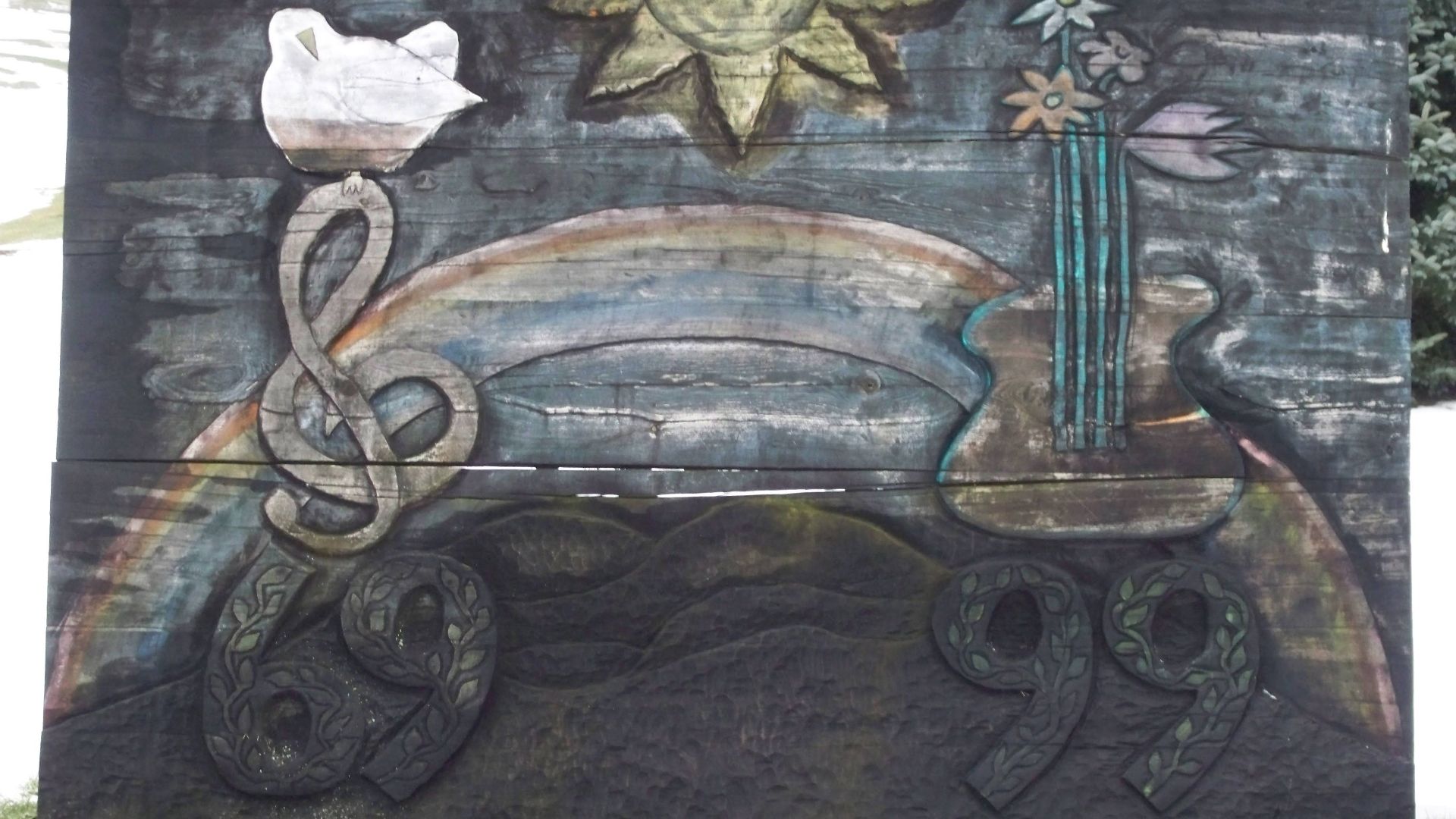
17. Woodstock ’99
The heat, the price gouging, and the violence that ensued made Woodstock ’99 impossible to explain away as a mere bad weekend. The festival sold the language of the original and delivered something far meaner, exposing a lot about the industry at the end of the millennium.
18. Prince At Super Bowl XLI
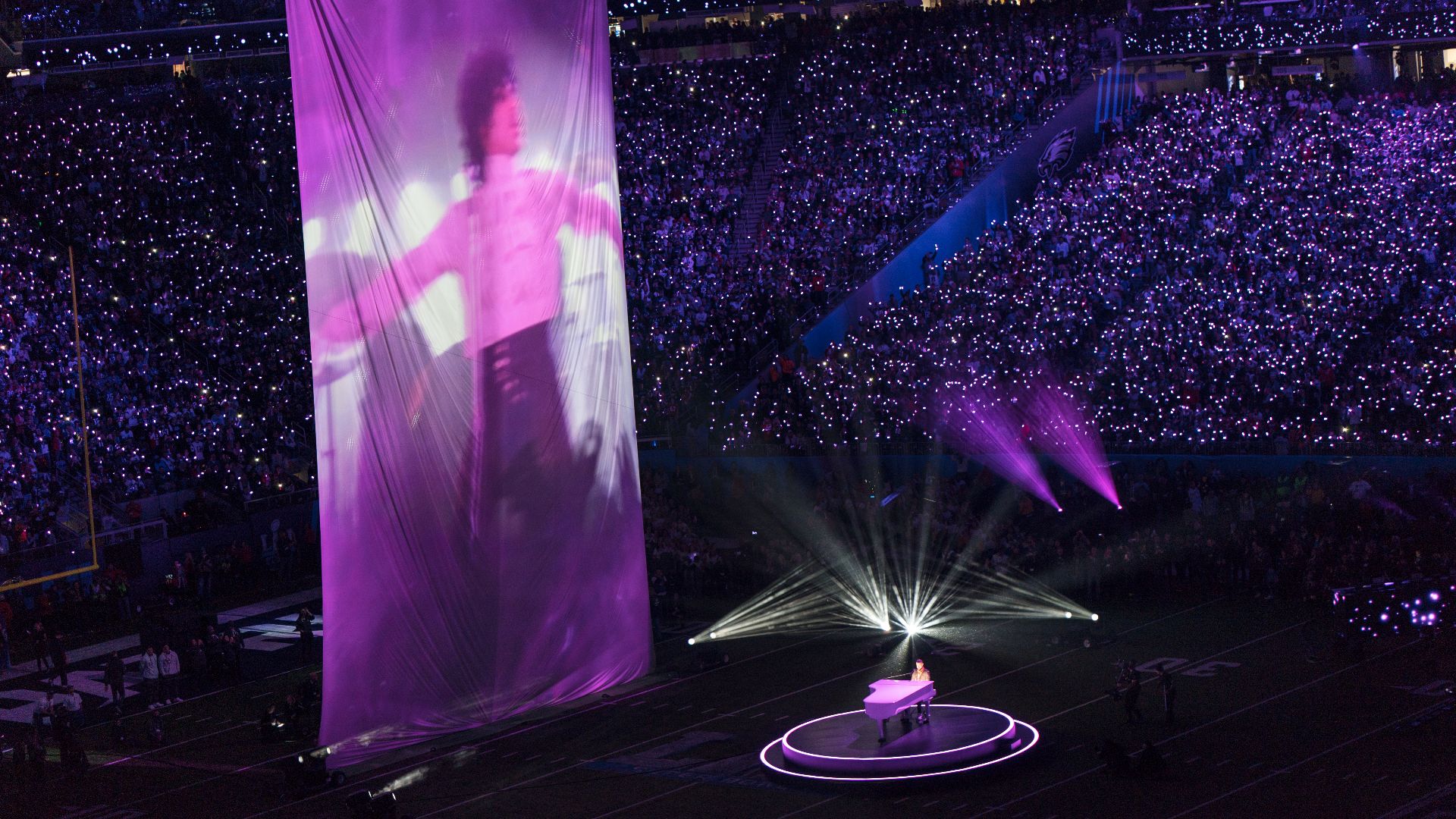
A moment so perfect it almost seemed rehearsed. In 2007, Prince played “Purple Rain” during a downpour, marking a truly iconic moment for one of the greats.
 Lorie Shaull from Washington, United States on Wikimedia
19. Beyoncé At Coachella
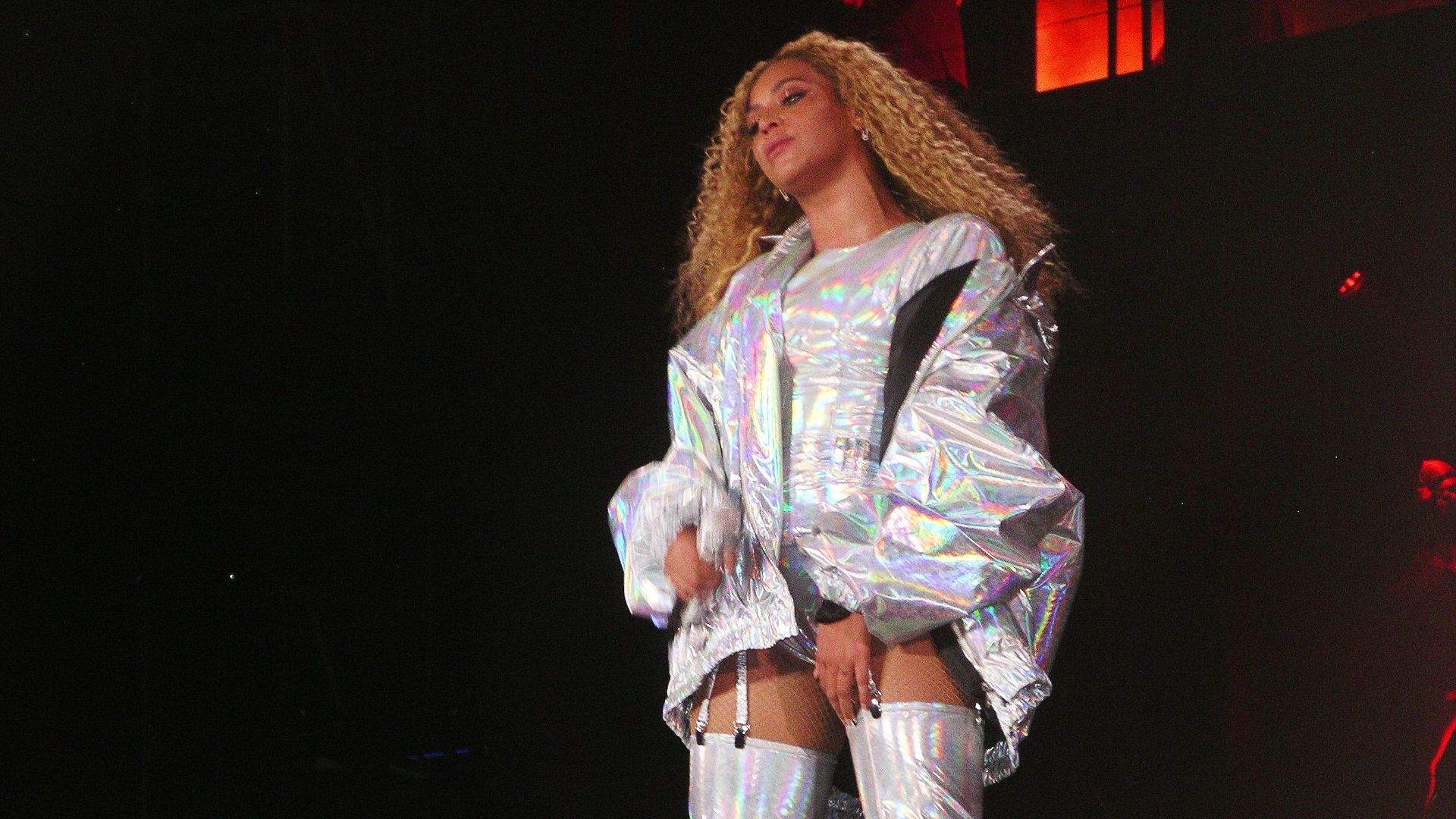
Beyoncé’s 2018 Coachella set moved far beyond the standard idea of festival headlining. The discipline, the scale, and the command of her performance raised the bar so suddenly, and the rest of the industry had to adjust.
20. The Tragically Hip’s Final Kingston Concert
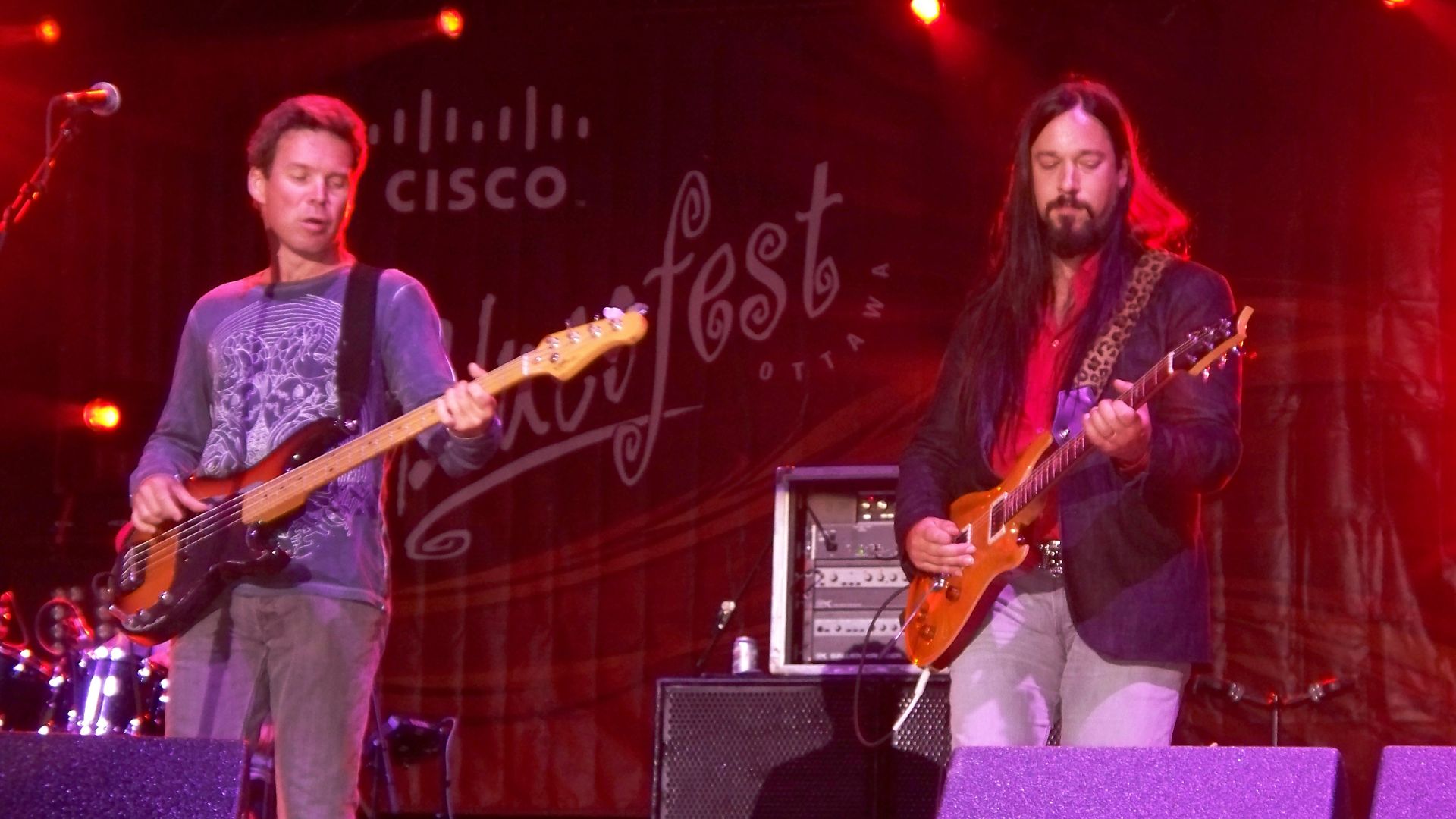
Millions of Canadians watched the Tragically Hip play their final show in Kingston in 2016. Gord Downie’s illness gave the night an unmistakable weight, and the whole country seemed to go quiet at once for something larger than a farewell concert. Canadians weren’t just saying goodbye to the Tragically Hip; they were honoring a man who gave them his all.
KEEP ON READING