

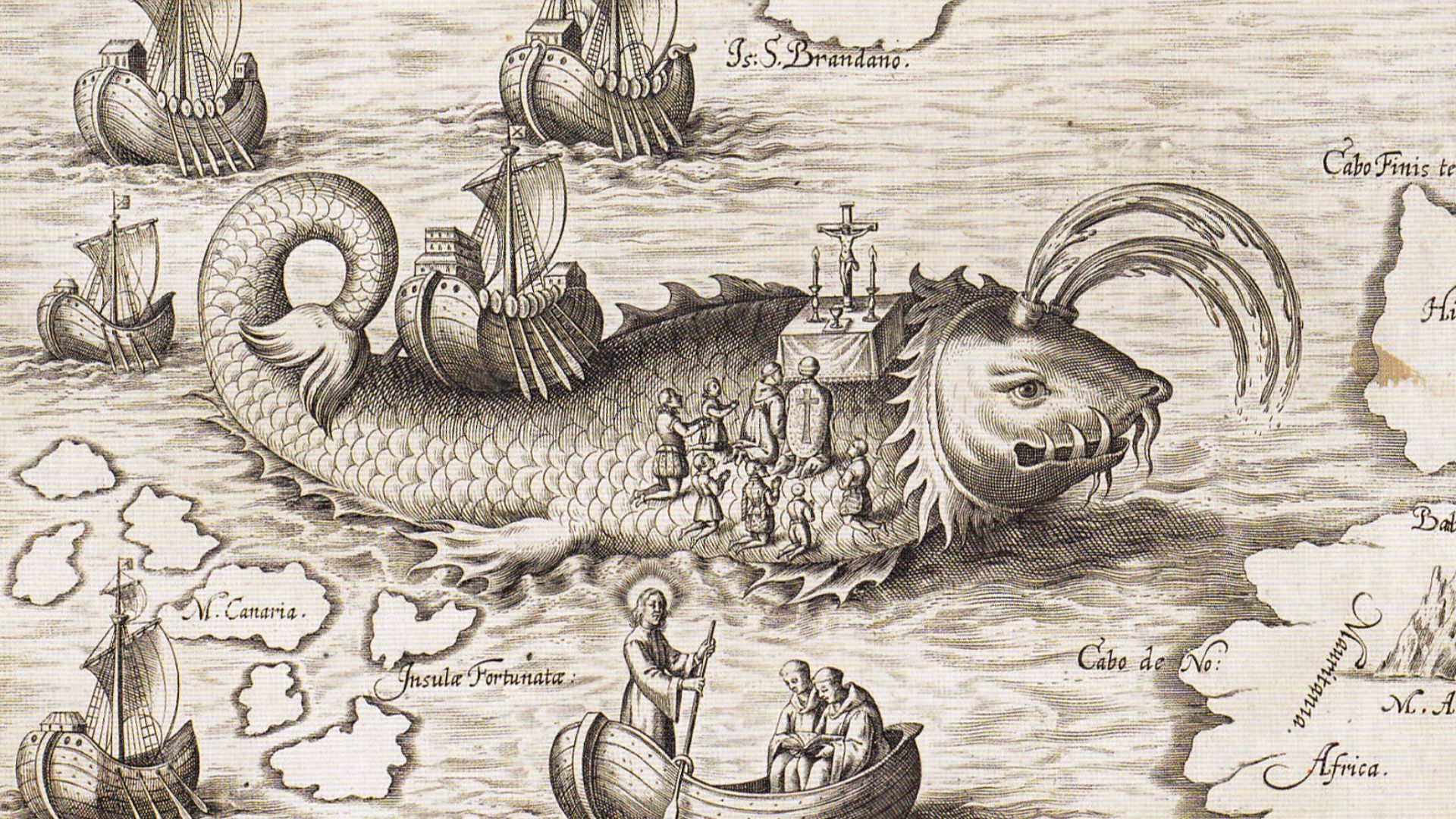
When modern readers look at medieval maps, the instinct is to smile at the sea creatures and assume cartographers were just having a bit of fun. They weren't. Those monsters were a serious visual language for uncertainty, danger, wonder, and religious meaning, all packed into a single image. Medieval mapmakers were showing the edges of what people knew, and they did it with teeth, scales, and the occasional headless man.
This idea makes more sense once you stop expecting a medieval world map to behave the way modern maps do. Many mappae mundi were made for churches, manuscripts, or elite viewers, and they arranged the world according to spiritual history as much as geography. Jerusalem often sat at the center, the east often appeared at the top, and distant regions became stages where wonder and anxiety could be drawn into view. When knowledge ran thin, monsters moved in.
Blank Space Was Never Really Blank
A medieval map was rarely meant to help someone sail from port to port. The Hereford Mappa Mundi, made around 1300 and still held by Hereford Cathedral, is a large sheet of vellum that presents the world as history, theology, and geography all at once. It records how late medieval scholars understood creation, sacred time, and distant lands.
The same habit appears in smaller manuscript maps. The British Library's catalog entry for Add MS 28681, the so-called Map Psalter, notes that its world map occupies folio 9r in a thirteenth-century psalter made in London, and its design closely parallels the Hereford map. On maps like this, monstrous peoples pushed toward the margins of Africa or Asia did useful symbolic work. They marked remoteness, difference, and the uneasy border between the familiar Christian world and places known mostly through inherited stories.
This is also why medieval maps so often look crowded rather than empty. A blank patch of ocean or a distant southern edge invited annotation, image, and warning. The Library of Congress has pointed out that map monsters became a familiar way to fill those spaces, especially on later maps, while also making the image more memorable and dramatic.
The Monsters Had Real Sources
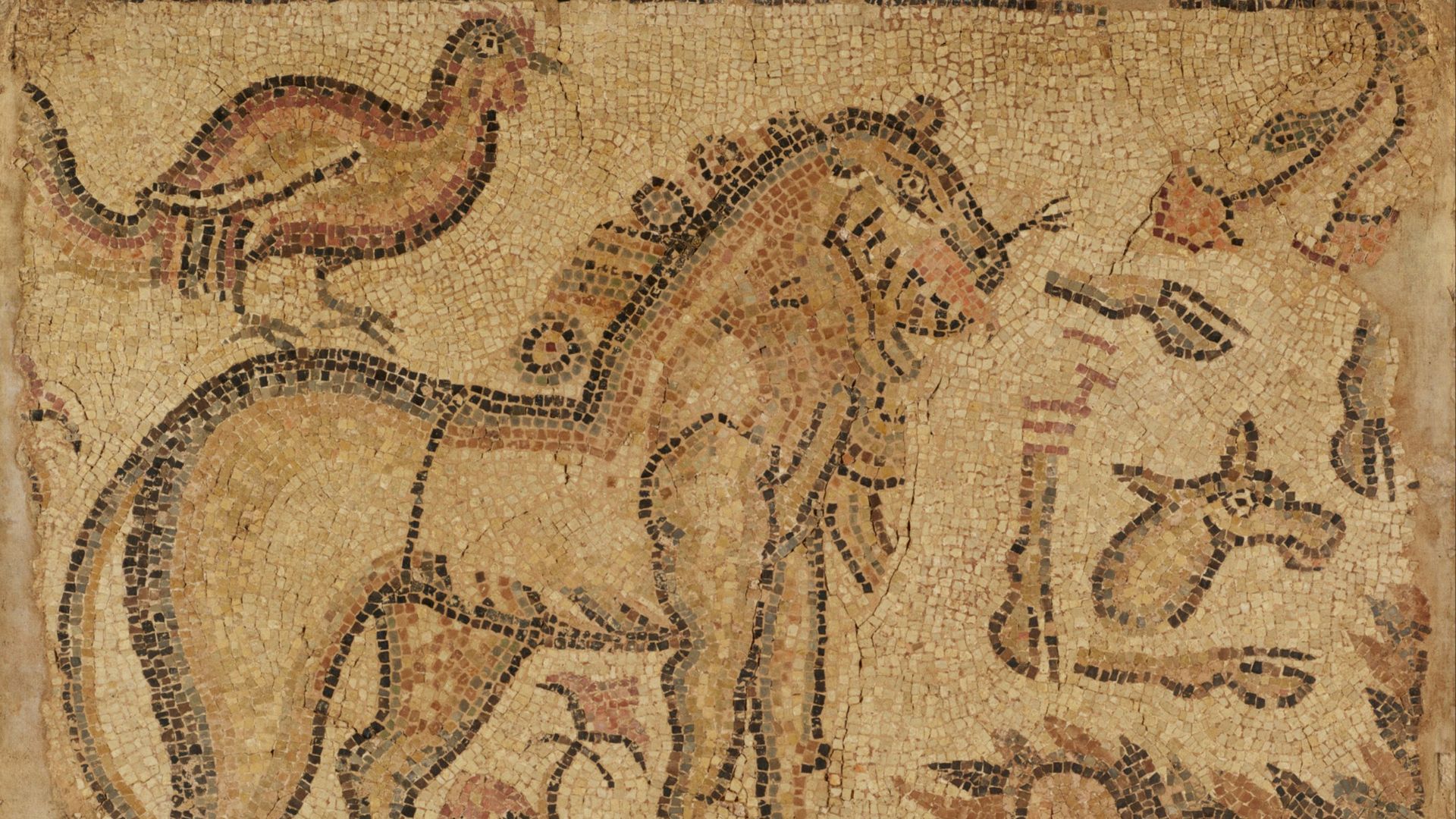
Those creatures didn't appear out of thin air. Medieval cartographers borrowed freely from classical authorities, biblical traditions, travel writing, and marvel literature, especially texts like The Wonders of the East, which survives in the British Library's Cotton MS Vitellius A XV, the same manuscript volume that preserves Beowulf. That text drew on ancient Greek, Roman, and medieval sources, which helps explain why dog-headed people, giant serpents, and other strange beings kept resurfacing in books and maps alike.
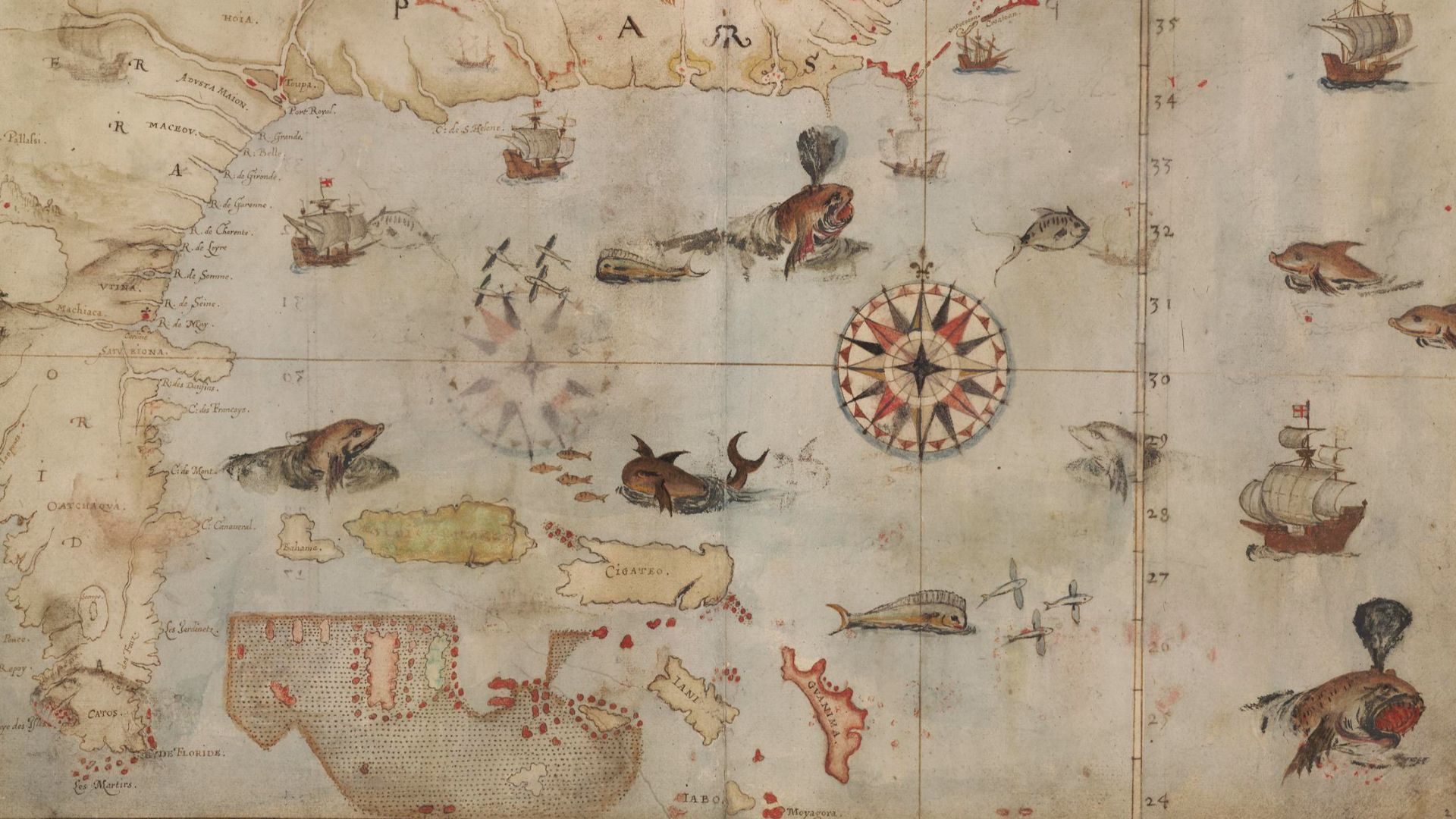
Some monsters were also a play on the real dangers we know exist in the deep waters of the ocean. Olaus Magnus's Carta Marina of 1539, preserved by the Library of Congress, is one of the clearest examples: its northern waters are full of alarming creatures, yet several are recognizably based on whales and other marine animals. Smithsonian reporting on the map notes that some of these beasts have anatomical roots, even as they are exaggerated into something far more dramatic. Once a sailor's account passed through rumor, illustration, and a cartographer's imagination, a whale could no longer look like a whale.
These images also shaped how viewers thought about distant people. An academic study of the Psalter World Map argues that its monstrous races participate in an "Us" and "Them" structure, placing difference at the map's edges while still fitting it inside a Christian vision of the world. Medieval monsters were sometimes entertaining, sometimes cautionary, and sometimes a way of turning cultural anxiety into something you could point at and name.
Why They Eventually Faded Out
 Art Institute of Chicago on Unsplash
The monsters didn't vanish overnight. Even in the sixteenth century, when exploration had considerably expanded European geographic knowledge, maps still featured sea creatures with real enthusiasm. The difference was that monsters increasingly shared the page with more precise coastlines, more place names, and more observational data, becoming more decorative than anything else.
That shift is evident in northern maps. Olaus Magnus's Carta Marina was celebrated for its geographic detail, yet it still filled the sea with creatures and action. Later maps of Iceland in the Ortelius tradition continued to showcase marine beasts around the island. The Library of Congress blog on map monsters points specifically to Iceland maps packed with folkloric creatures like the water-horse, showing how folklore and cartography kept overlapping even as mapmaking became more precise.
Eventually, as travel accounts multiplied, coastlines improved, and mapping standards tightened, the old monstrous borderlands shrank. Modern readers still love to imagine medieval maps stamped with "Here be dragons," but as Strange Horizons has noted, that phrase is largely a later myth. The real maps are usually more interesting anyway. Their monsters tell a bigger story about how people picture the unknown: first with fear, then with fascination, and finally with the slow realization that every age finds its own way to decorate what it doesn't yet understand.
KEEP ON READING
20 Times One New Technology Completely Changed Music
The Sound Keeps Changing Because the Tools Keep Changing. Music…
By Emilie Richardson-Dupuis Mar 18, 2026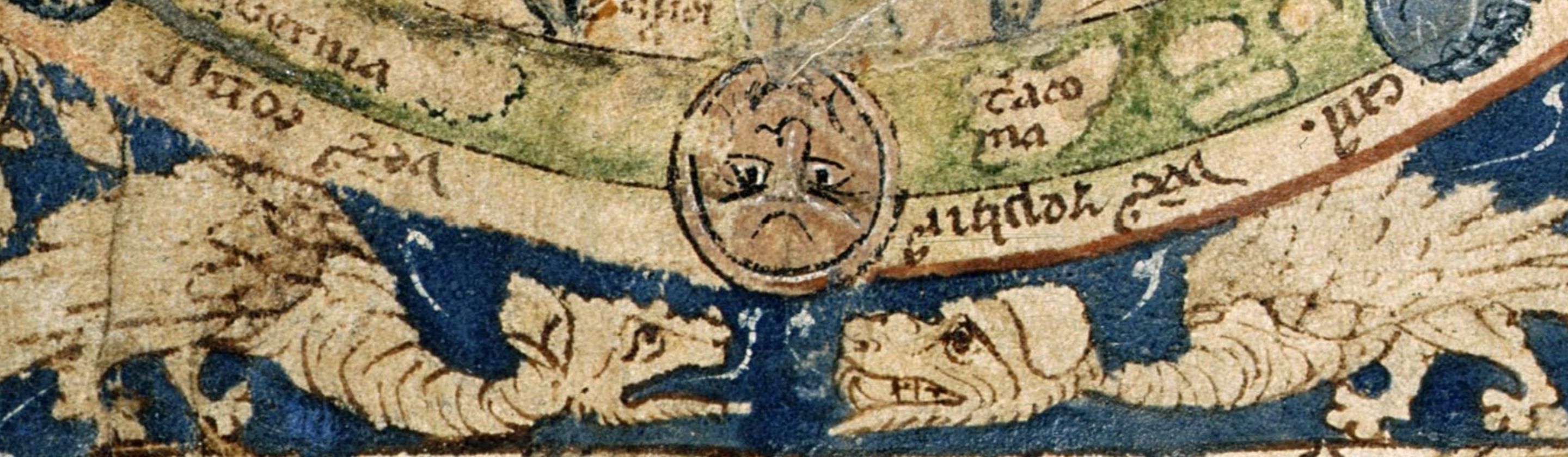
When Medieval Mapmakers Filled The Unknown World With Monsters
Chet Van Duzer on WikimediaWhen modern readers look at medieval…
By Breanna Schnurr Mar 18, 2026
20 Historical Individuals Who Were The Last Of Their Kind
The End of an Era. These individuals often found themselves…
By Sara Springsteen Mar 18, 2026
20 Famous Surrenders That Turned Into Massacres
When Laying Down Arms Wasn’t The End. Surrender is supposed…
By Cameron Dick Mar 18, 2026
20 Rebels Who Toppled Empires Against Odds
Individuals Can Change the Course of Empires. History is filled…
By Rob Shapiro Mar 18, 2026
This First Class Spanish Heir Was Denied A Lifeboat On…
Unknown authorUnknown author on WikimediaAsk someone to picture the Titanic,…
By Sara Springsteen Mar 17, 2026