


Individuals Can Change the Course of Empires
History is filled with powerful empires that seemed impossible to challenge, yet time and again, individuals rose and proved otherwise. These rebels didn’t always win in traditional ways, but their actions disrupted authority, inspired movements, and reshaped societies. Some fought with armies, while others used ideas, leadership, or persistence to challenge control. Looking at their stories shows how determination, strategy, and timing can shift even the strongest systems. Here are 20 rebels who toppled empires against odds.
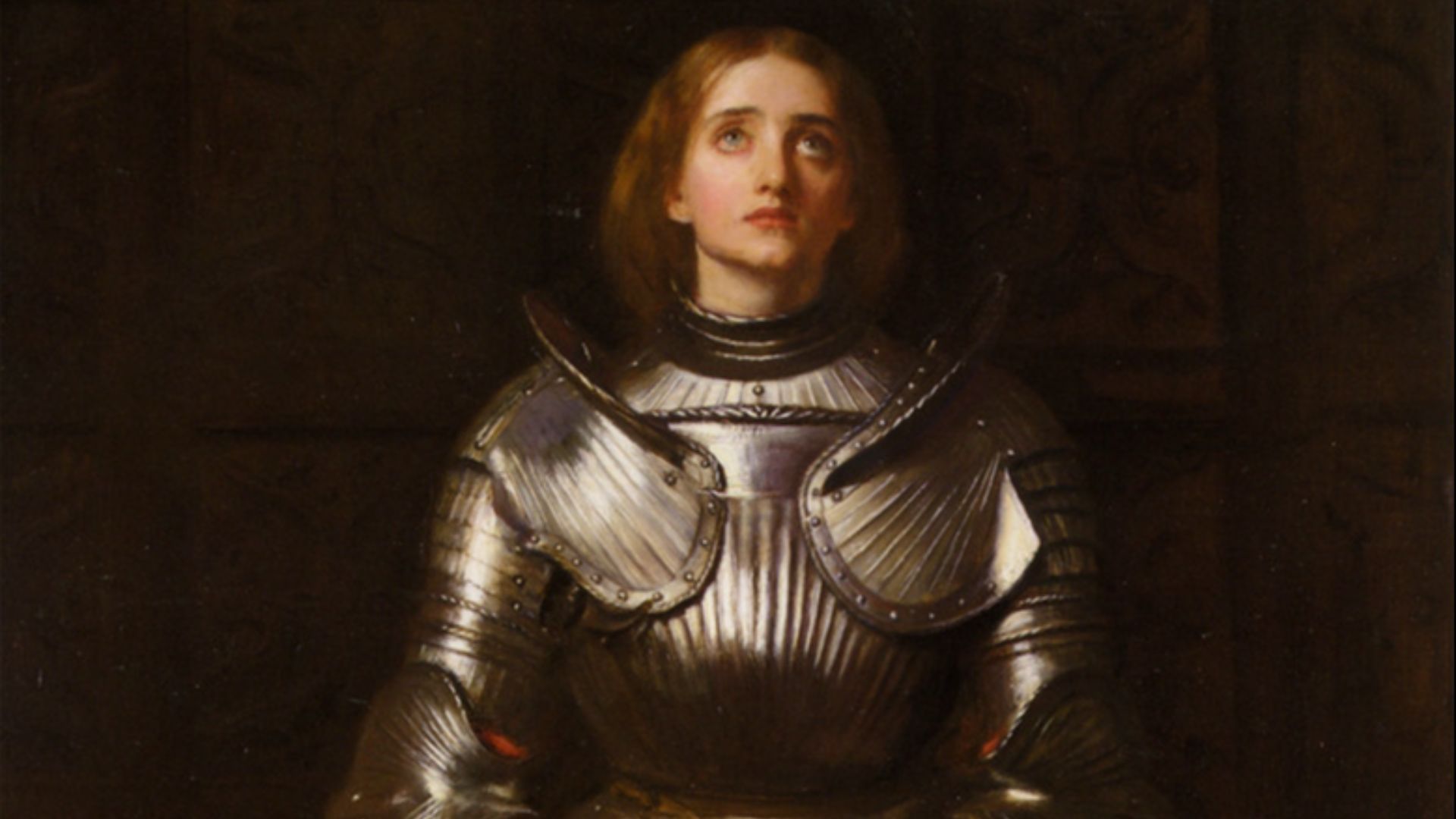 John Everett Millais on Wikimedia
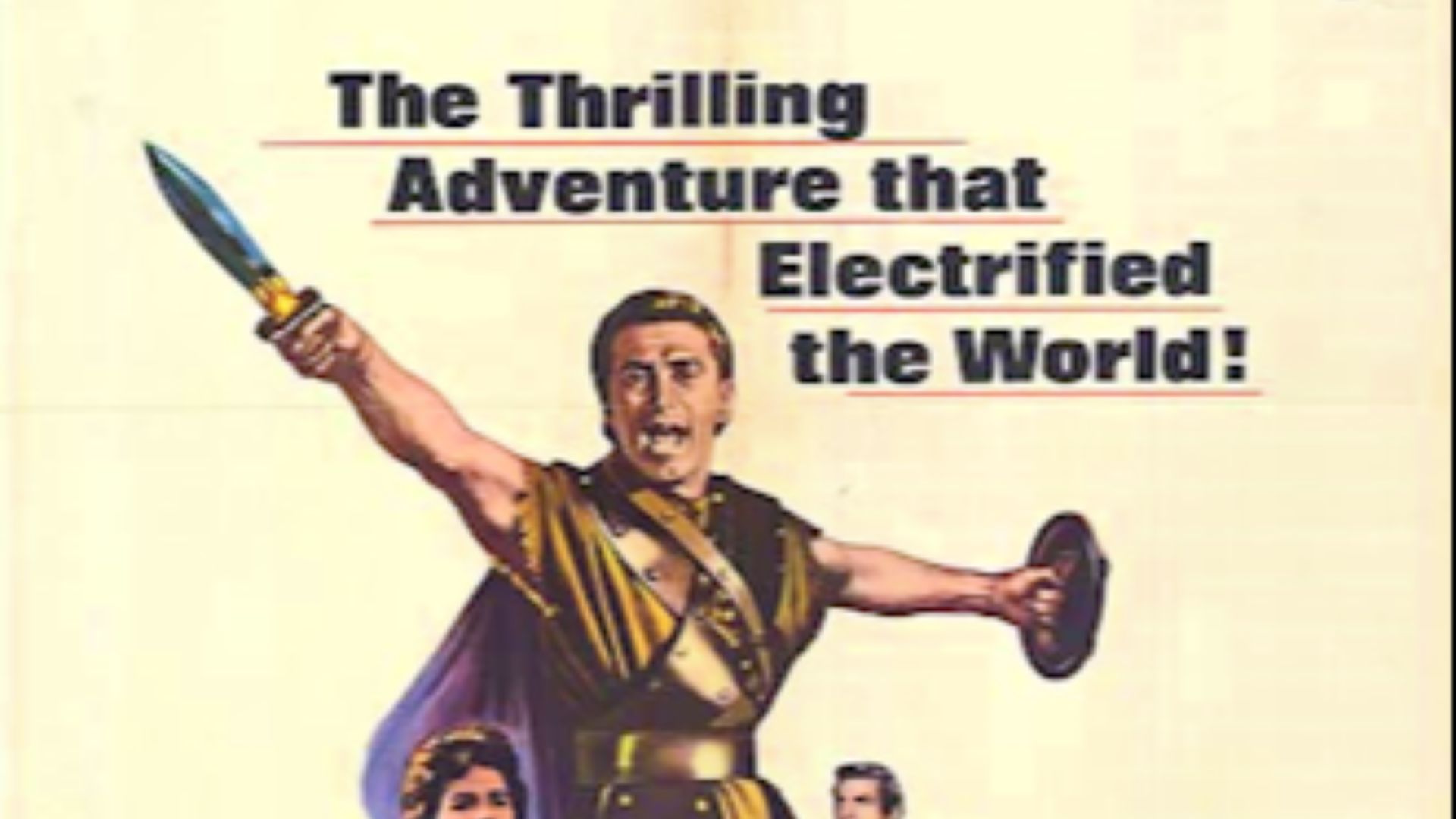
1. Spartacus
Spartacus was a gladiator who led a massive slave revolt against the Roman Republic in 73 BCE. Despite limited resources, he organized thousands into a disciplined fighting force. His rebellion exposed vulnerabilities within Roman control. Although ultimately defeated, his uprising left a lasting mark on Roman history.
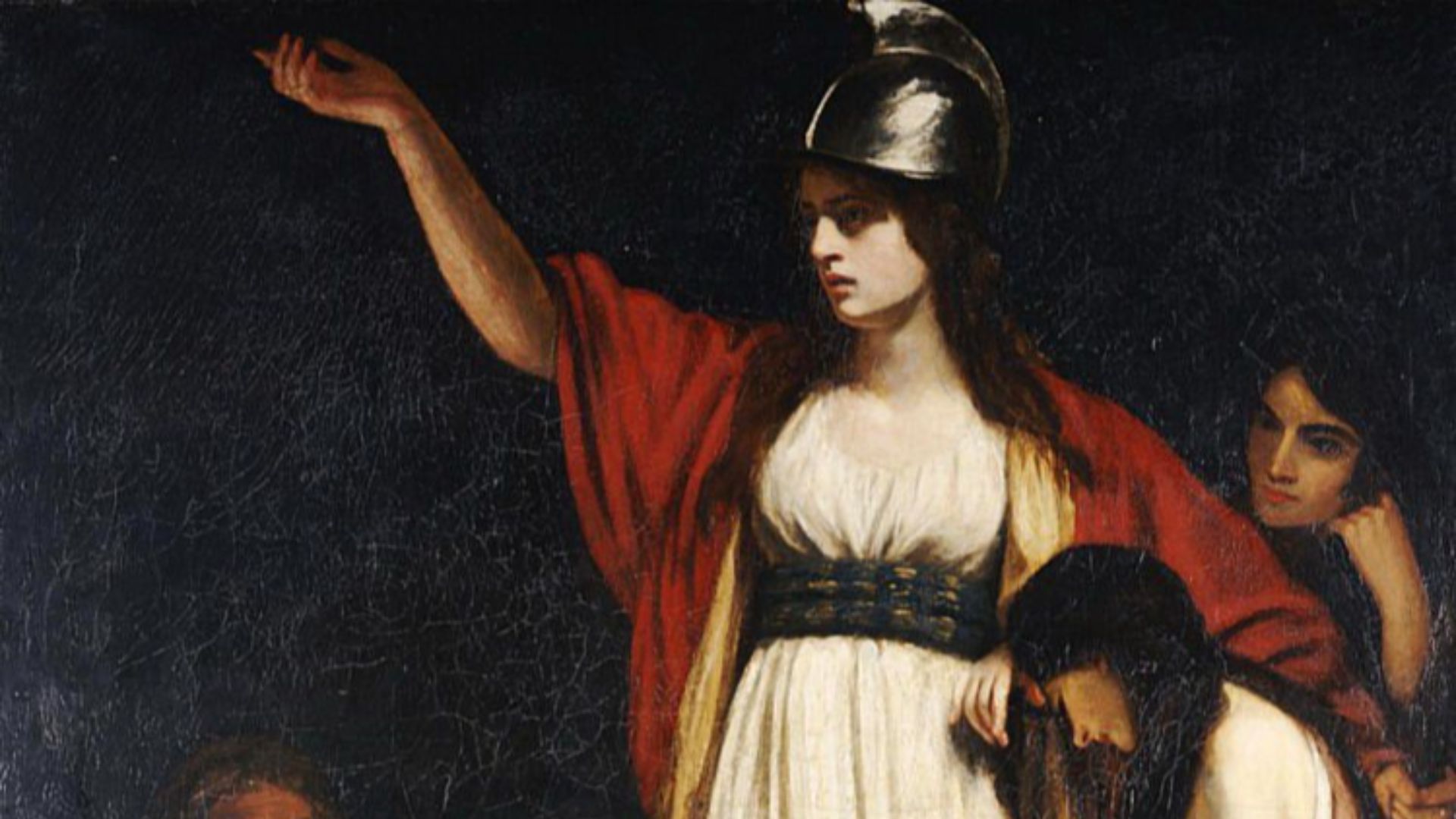
2. Boudica
Boudica, a queen of the Iceni tribe, led a revolt against Roman rule in Britain around 60–61 CE. She united several tribes and destroyed key Roman settlements. Her forces came close to dismantling Roman authority in the region. Even in defeat, she became a symbol of resistance against oppression.
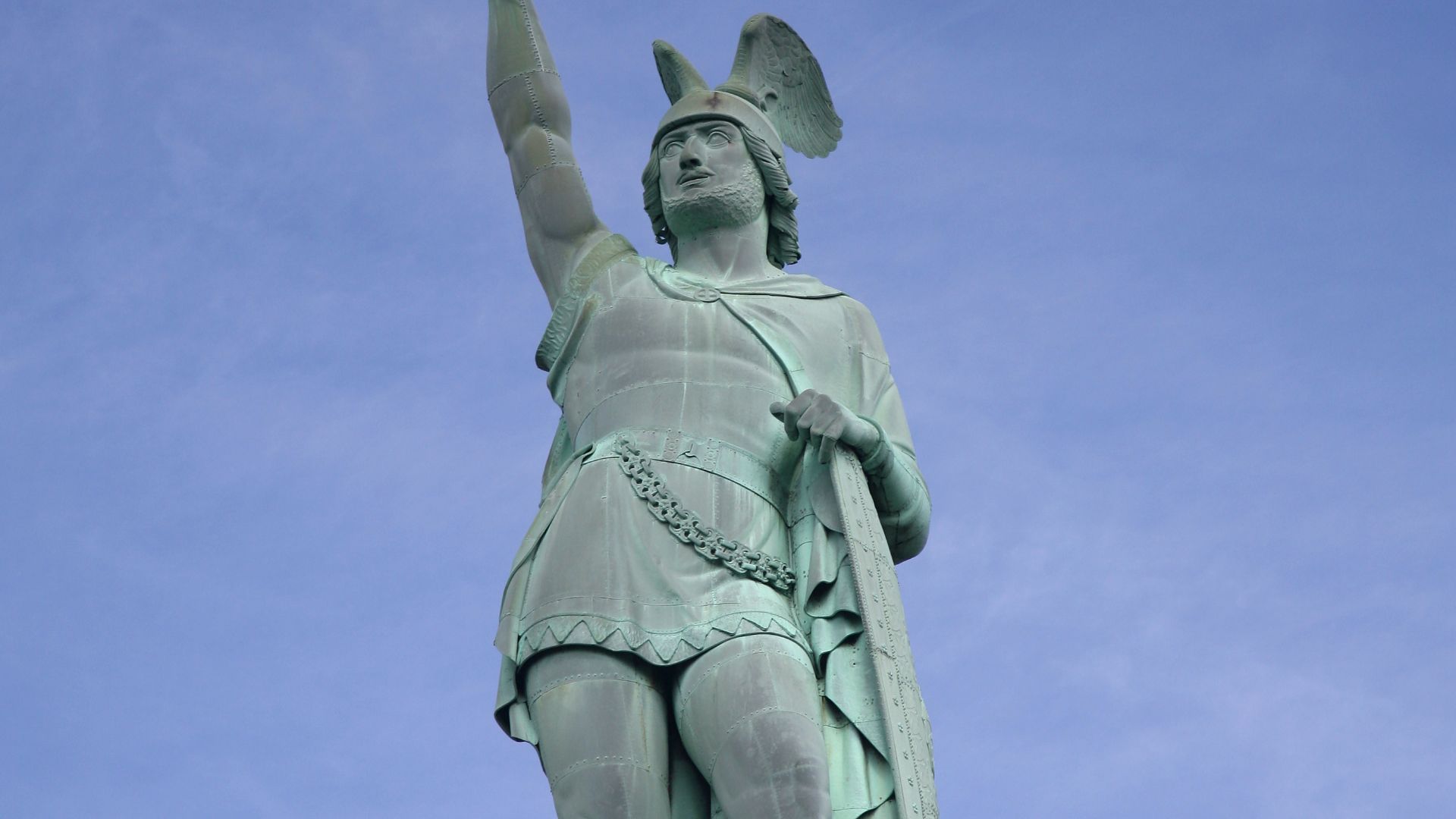
3. Arminius
Arminius was a Germanic leader who defeated Roman legions in the Battle of the Teutoburg Forest in 9 CE. Using knowledge of Roman tactics, he ambushed and destroyed three legions. This defeat halted Roman expansion into Germania. His victory reshaped the empire’s northern boundaries.
4. William Wallace
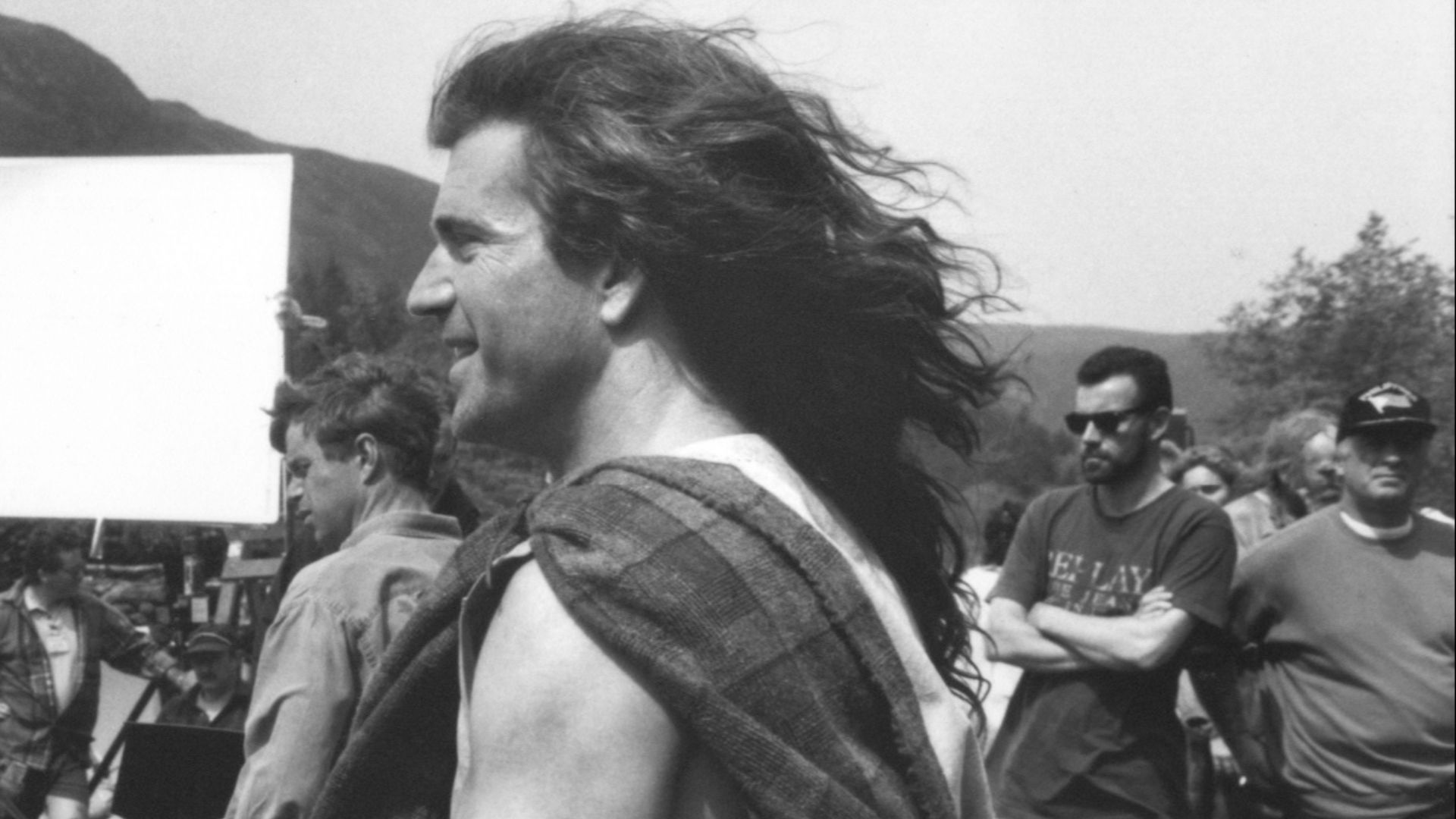
William Wallace played a central role in Scotland’s resistance against English rule in the late 13th century. He led forces to victory at the Battle of Stirling Bridge. His leadership inspired continued rebellion even after his capture. Wallace remains a lasting symbol of Scottish independence.
5. Joan of Arc
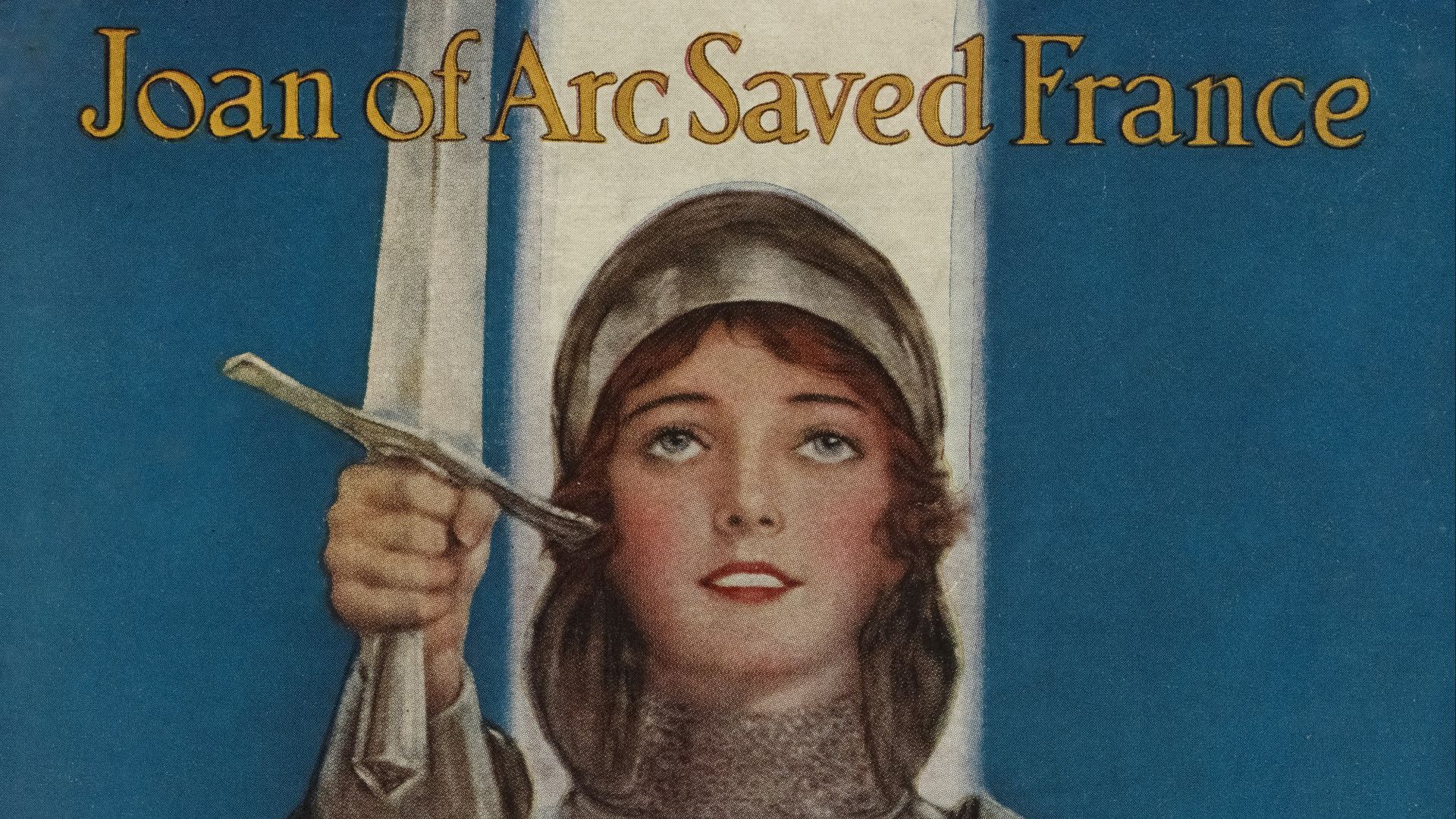
Joan of Arc was a French peasant who led troops during the Hundred Years’ War. She helped lift the Siege of Orléans and supported the coronation of Charles VII. Her leadership shifted momentum in France’s favor. Though executed, she became a national heroine.
 The New York Public Library on Unsplash
6. Toussaint Louverture
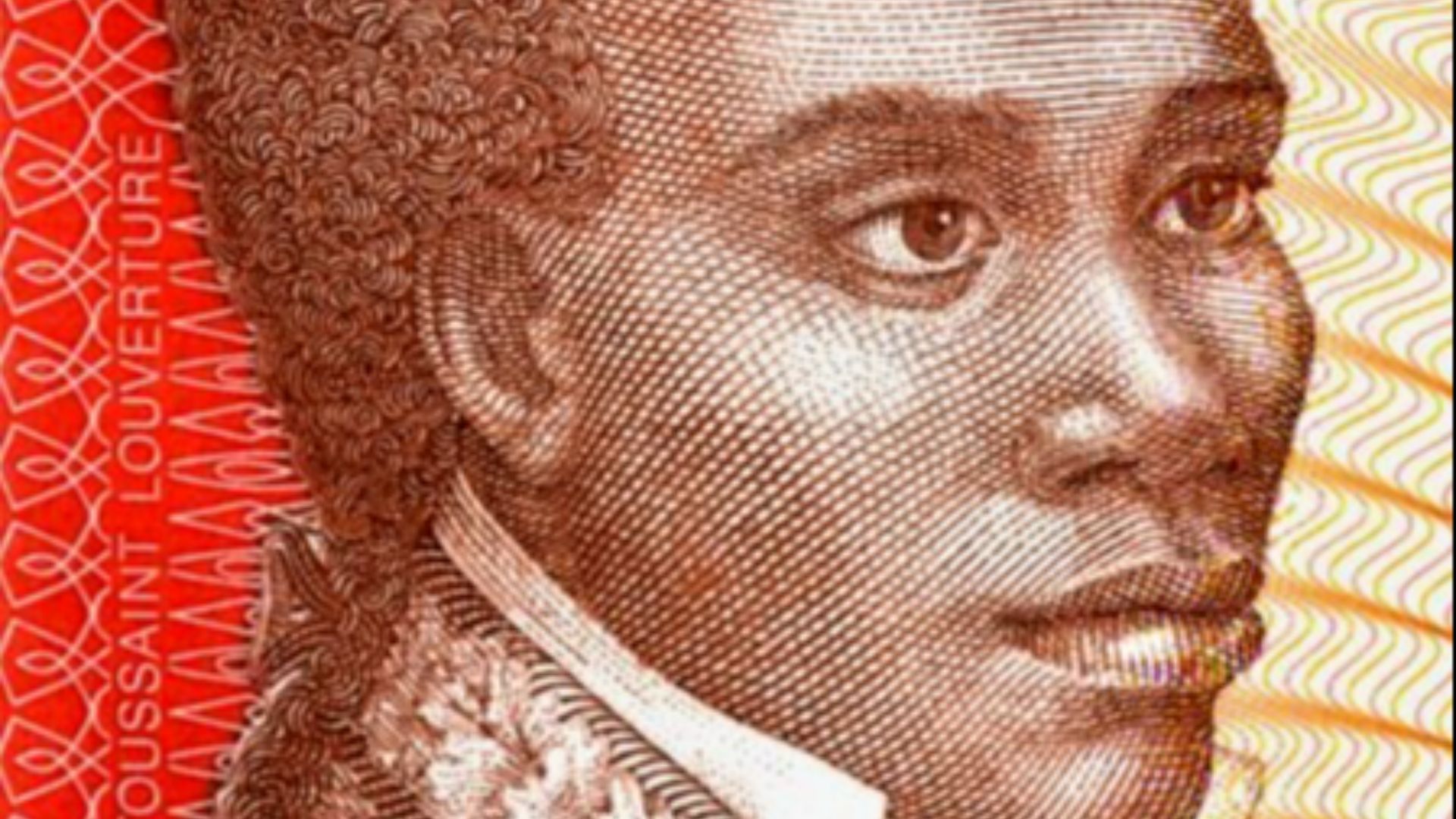
Toussaint Louverture led the Haitian Revolution against French colonial rule in the late 18th century. He organized enslaved people into a powerful military force. His leadership helped lay the foundation for Haiti’s independence. The revolution became one of the most successful slave uprisings in history.
7. Simón Bolívar
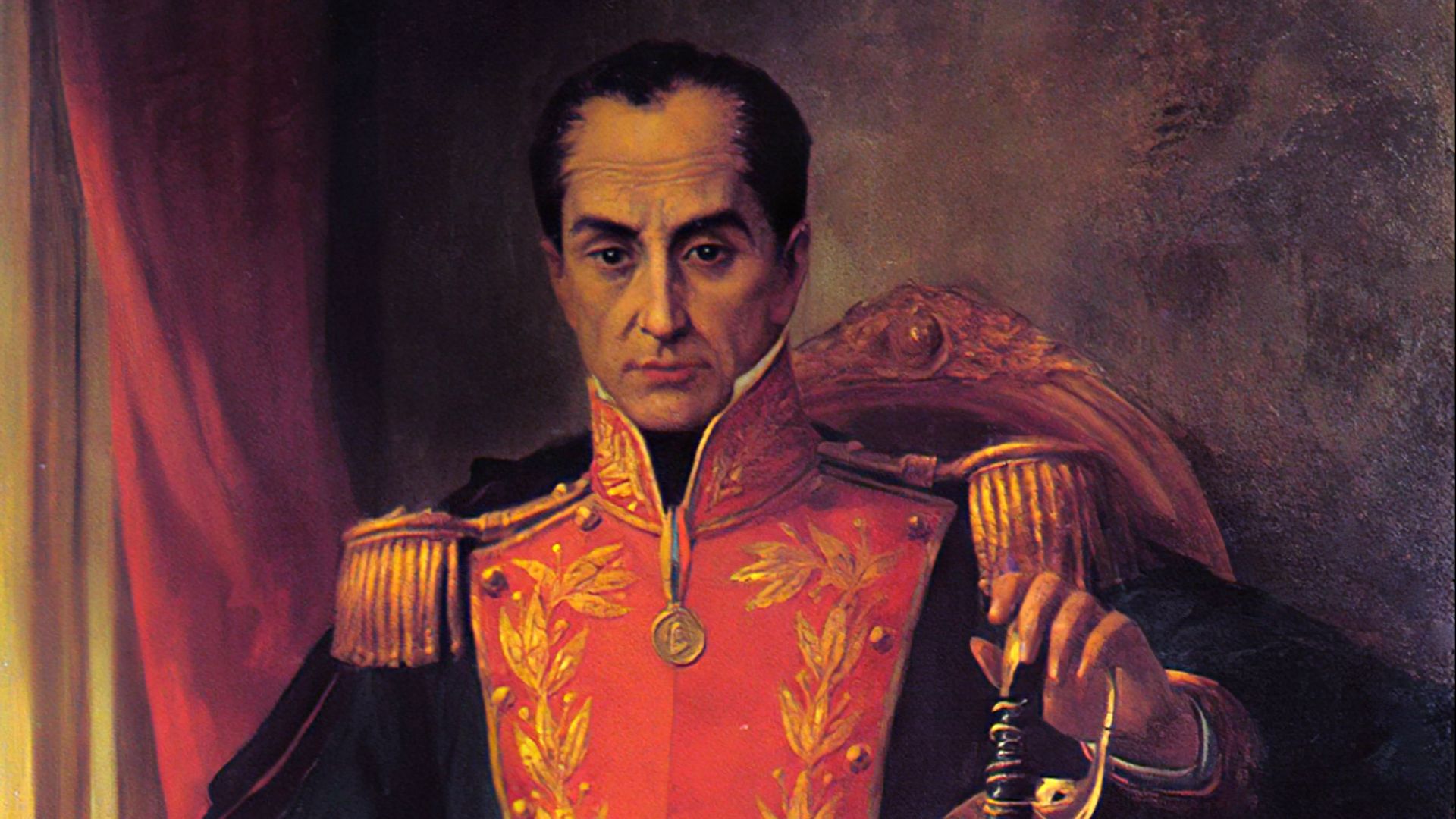
Simón Bolívar was instrumental in liberating several South American countries from Spanish rule. He led campaigns across modern-day Venezuela, Colombia, Ecuador, Peru, and Bolivia. His efforts weakened Spain’s hold on the region. Bolívar’s influence helped reshape an entire continent.
 Ricardo Acevedo Bernal on Wikimedia
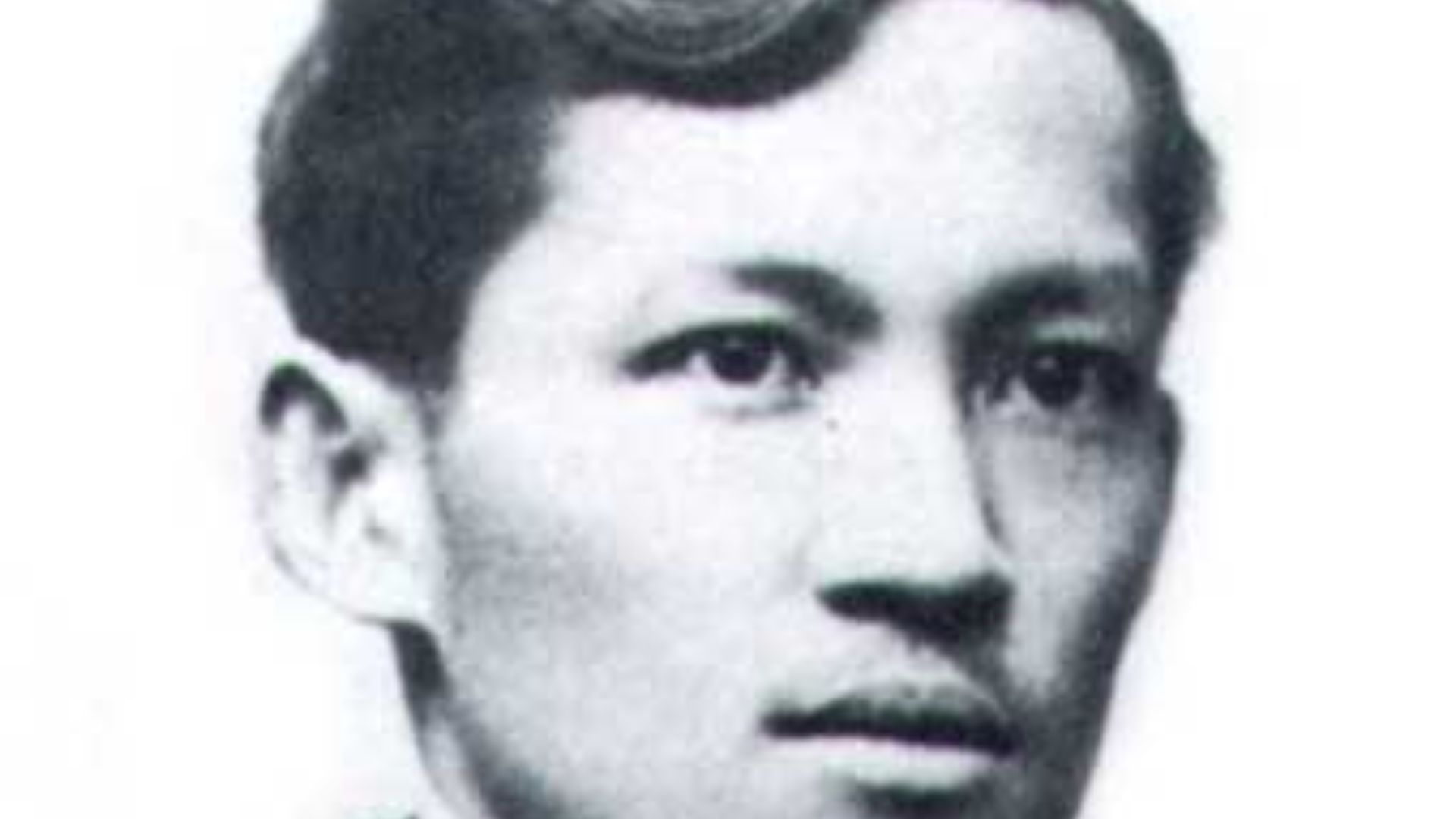
8. José Rizal
José Rizal was a Filipino reformist whose writings challenged Spanish colonial rule. Though he advocated peaceful change, his execution in 1896 sparked widespread resistance. His ideas inspired the Philippine Revolution. Rizal remains a key figure in Filipino history.
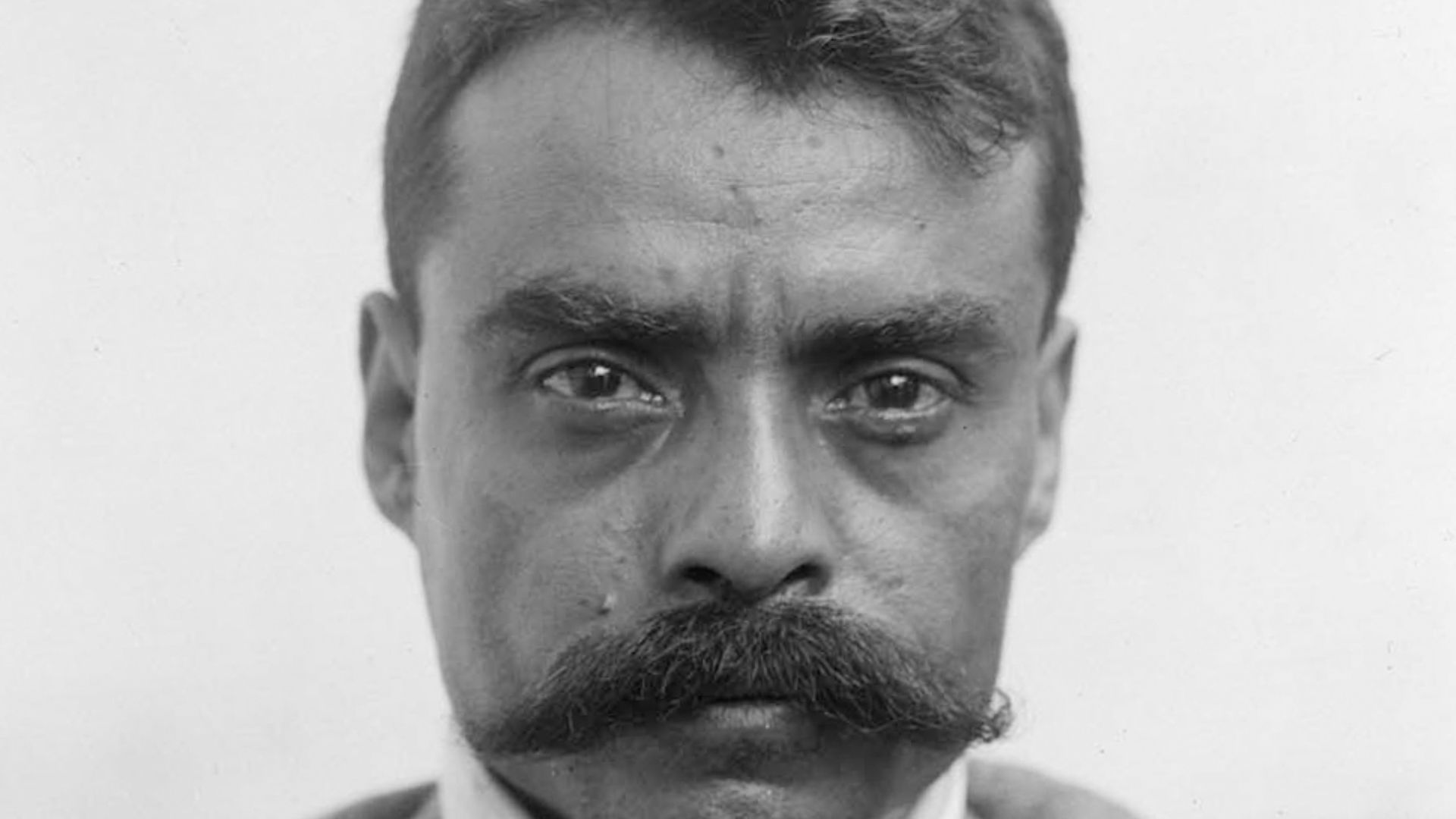
9. Emiliano Zapata
Emiliano Zapata was a leader in the Mexican Revolution who fought for land reform. He championed the rights of peasants and rural communities. His slogan, “Land and Liberty,” became widely known. Zapata’s influence continues in discussions of social justice in Mexico.
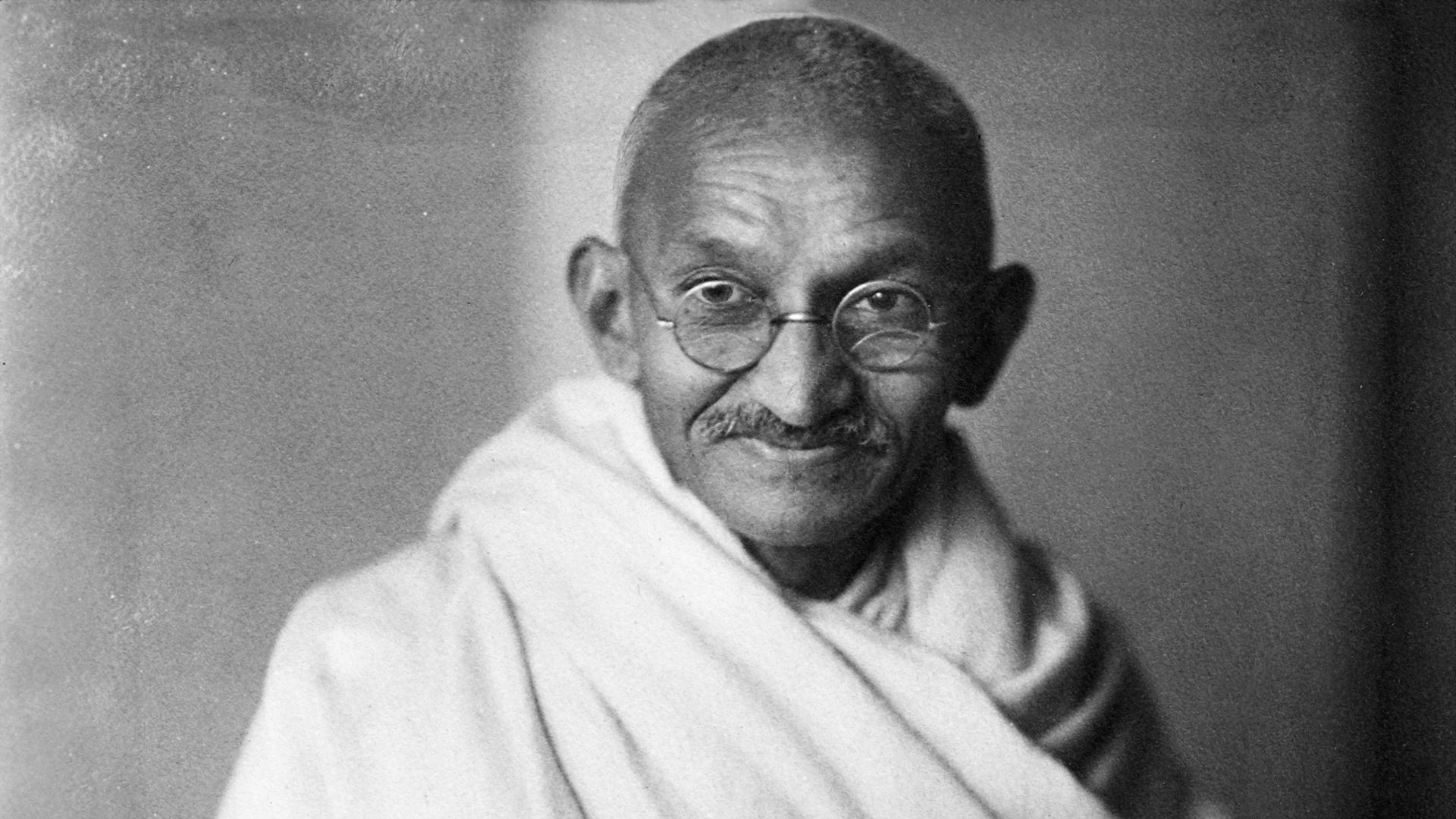
10. Mahatma Gandhi
Mahatma Gandhi led India’s movement for independence through nonviolent resistance. His strategies included protests, boycotts, and civil disobedience. These efforts weakened British control over time. Gandhi’s approach influenced movements worldwide.
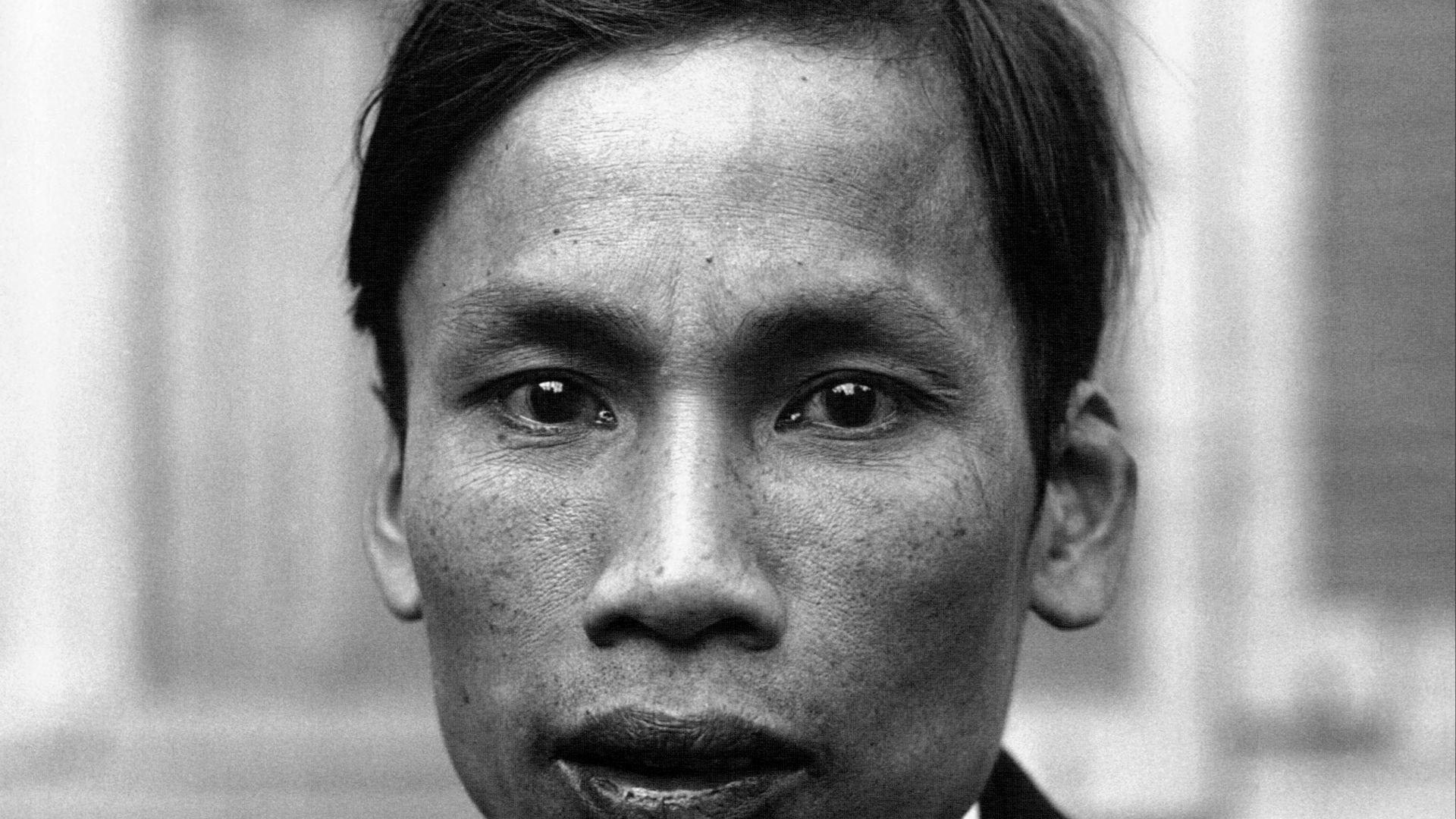
11. Ho Chi Minh
Ho Chi Minh was a key figure in Vietnam’s struggle against French colonial rule. He led efforts that resulted in the establishment of North Vietnam. His leadership played a central role in ending French control. He remains a significant figure in Vietnamese history.
 Agence de presse Meurisse on Wikimedia
12. Che Guevara
Che Guevara was an Argentine revolutionary who played a major role in the Cuban Revolution. He helped Fidel Castro overthrow the Batista government in 1959. Guevara later supported revolutionary movements abroad. His image became a global symbol of rebellion.
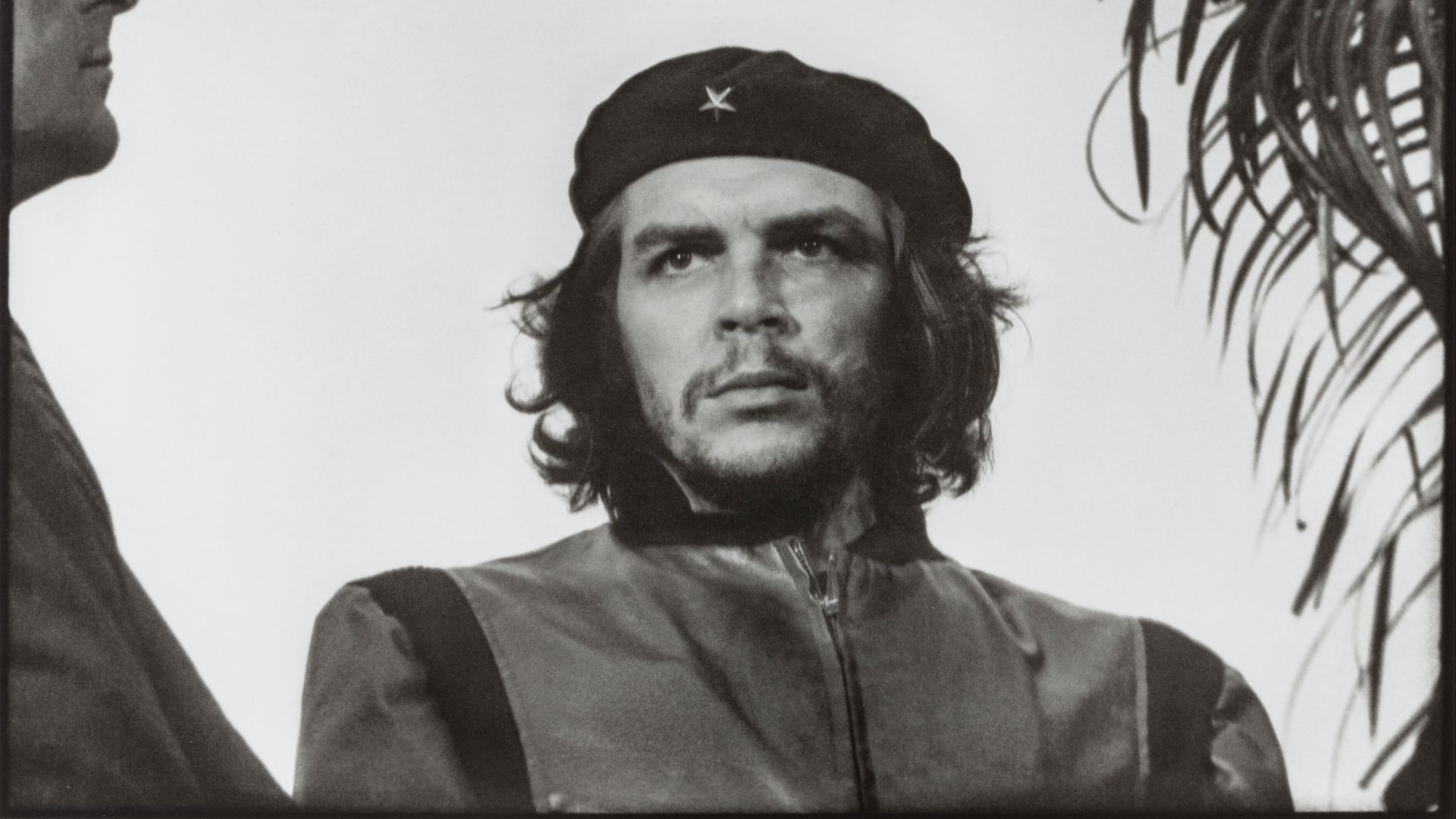 Alberto Diaz Gutierrez (Alberto Korda) on Wikimedia
13. Nelson Mandela
Nelson Mandela led efforts to end apartheid in South Africa. After years of imprisonment, he became a central figure in negotiating a peaceful transition. His leadership helped dismantle institutionalized racial segregation. Mandela later became South Africa’s first Black president.
 South Africa The Good News on Wikimedia
14. Harriet Tubman
Harriet Tubman escaped slavery and then returned to help others gain freedom. She worked through the Underground Railroad and supported Union efforts during the Civil War. Her actions directly challenged the system of slavery. Tubman’s courage made her a lasting symbol of resistance.
15. Nat Turner
Nat Turner led a slave rebellion in Virginia in 1831. His uprising resulted in the deaths of several slaveholders and heightened tensions across the South. Though suppressed, it intensified debates over slavery. Turner’s actions had a lasting impact on American history.
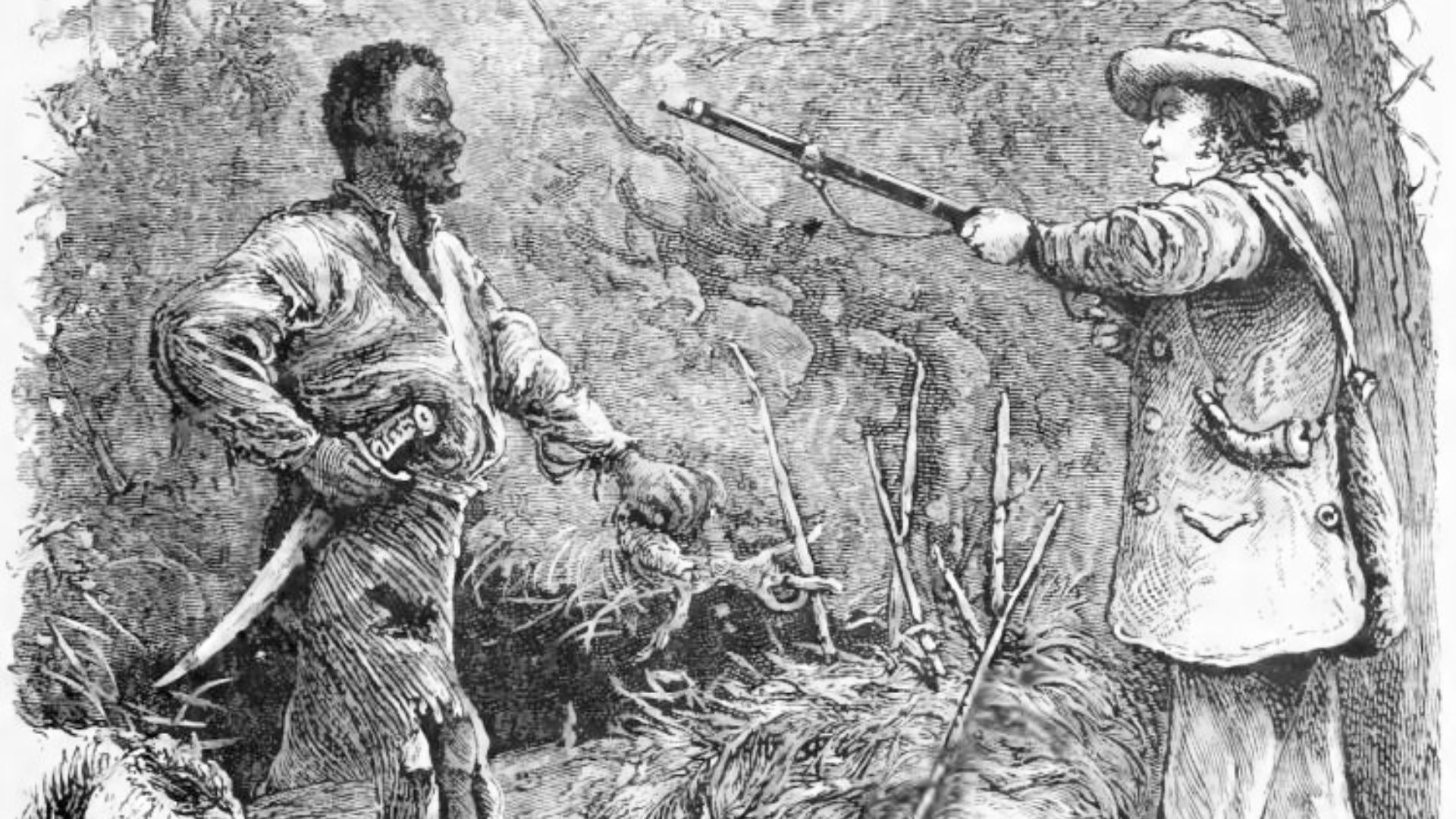 William Henry Shelton (1840–1932)[1][4] on Wikimedia
16. Mustafa Kemal Atatürk
Mustafa Kemal Atatürk led Turkish resistance against the occupying forces after World War I. He successfully ended the Ottoman Empire and established modern Turkey. Atatürk's leadership reshaped the nation’s political structure, and he became its first president.
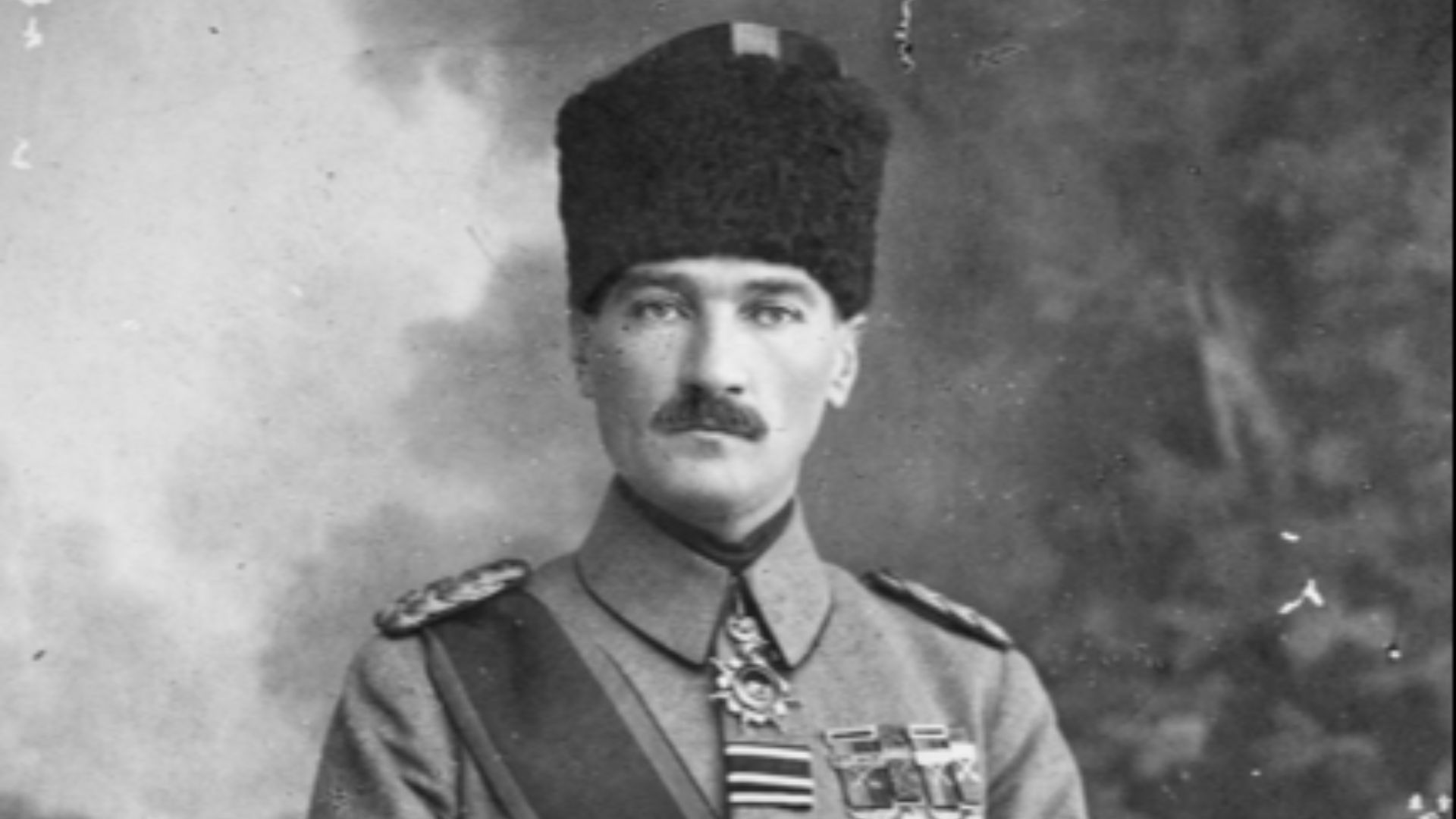 Unknown authorUnknown author on Wikimedia
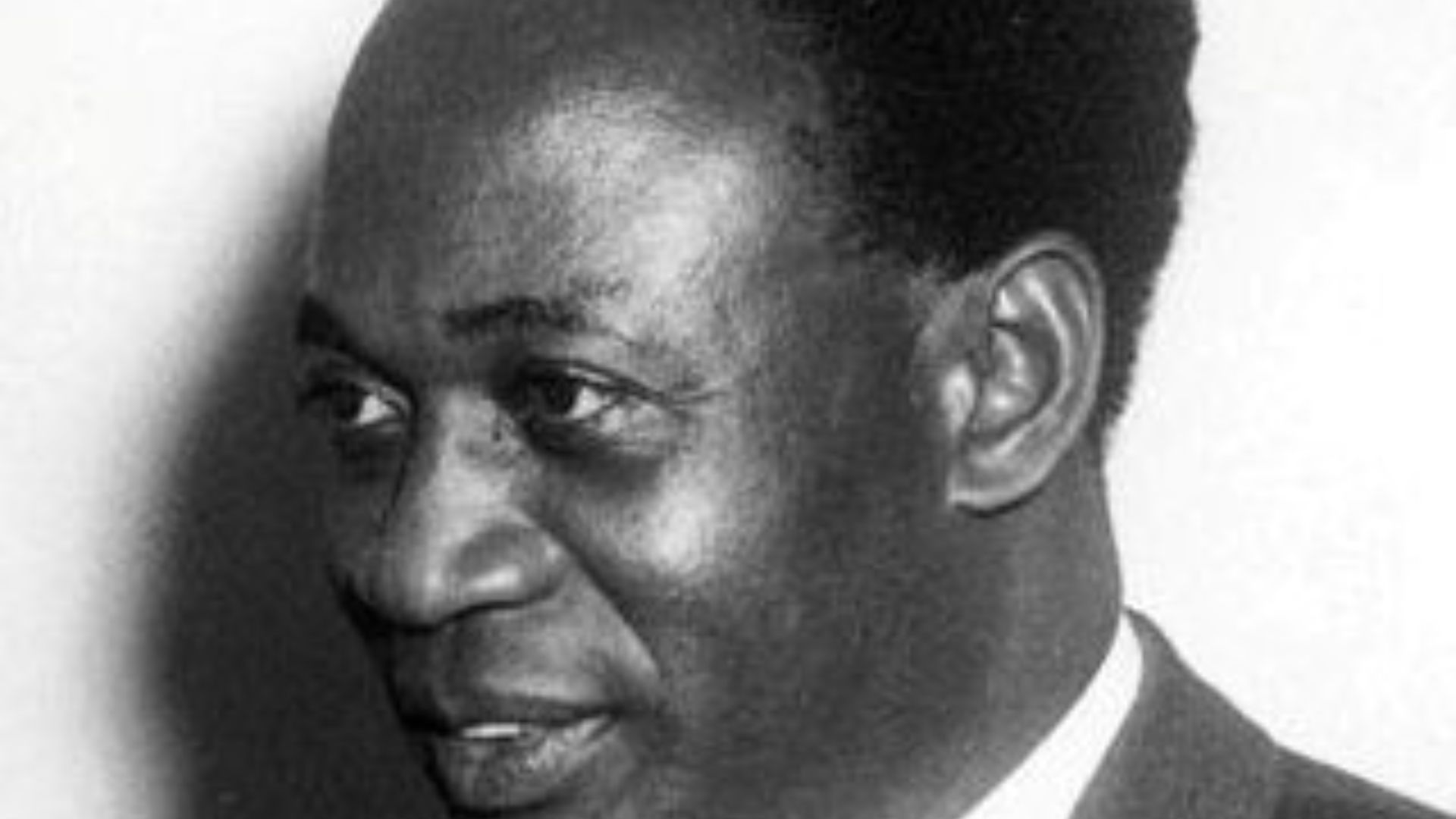
17. Kwame Nkrumah
Kwame Nkrumah was a leader in Ghana’s independence movement from British colonial rule. He organized political efforts that led to independence in 1957. His leadership inspired other African nations. Nkrumah played a key role in decolonization.
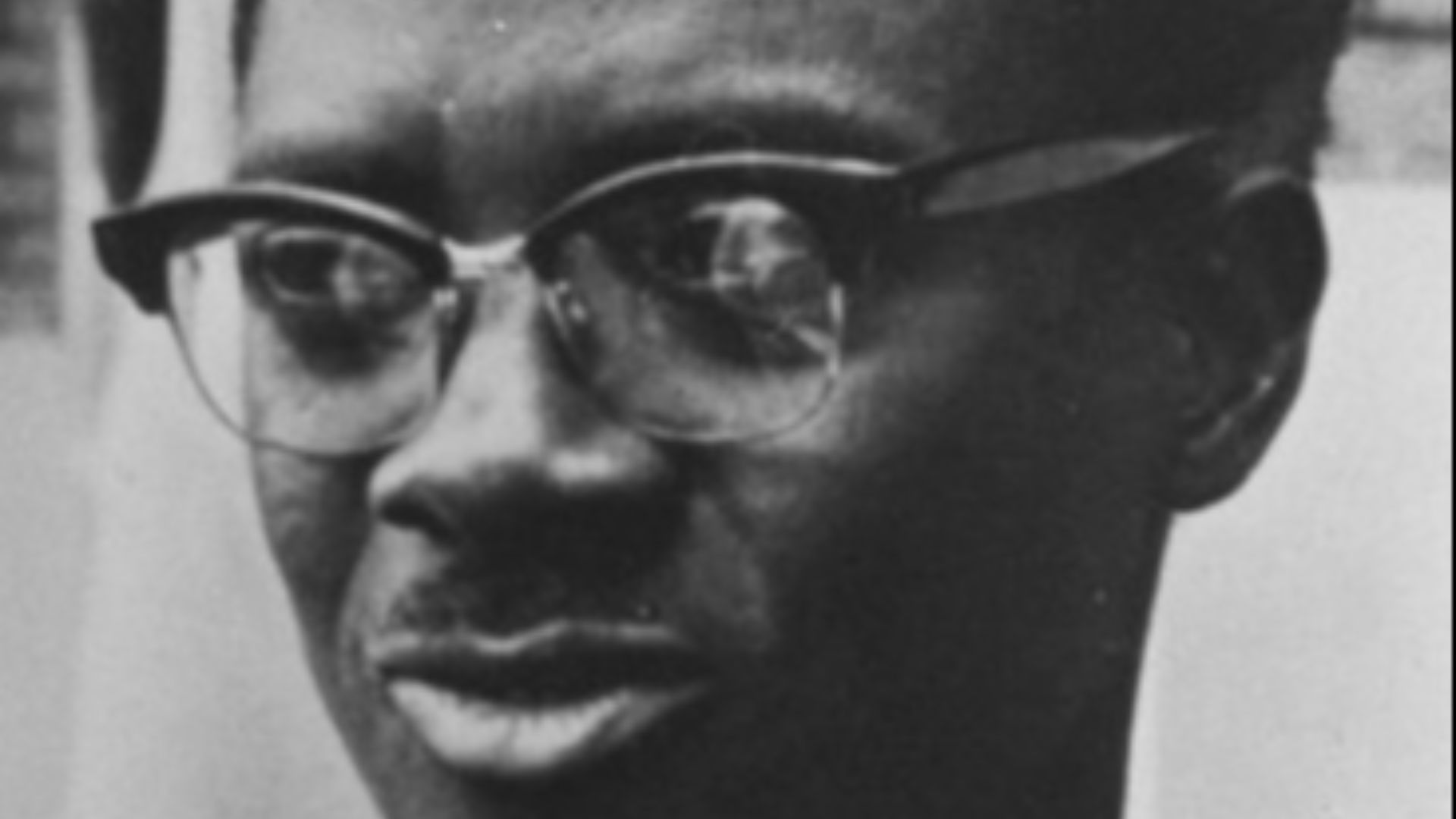
18. Patrice Lumumba
Patrice Lumumba was a central figure in the Congo’s independence from Belgium. He became the country’s first prime minister in 1960. His leadership challenged colonial control and external influence.
 unknown photographer / Anefo on Wikimedia
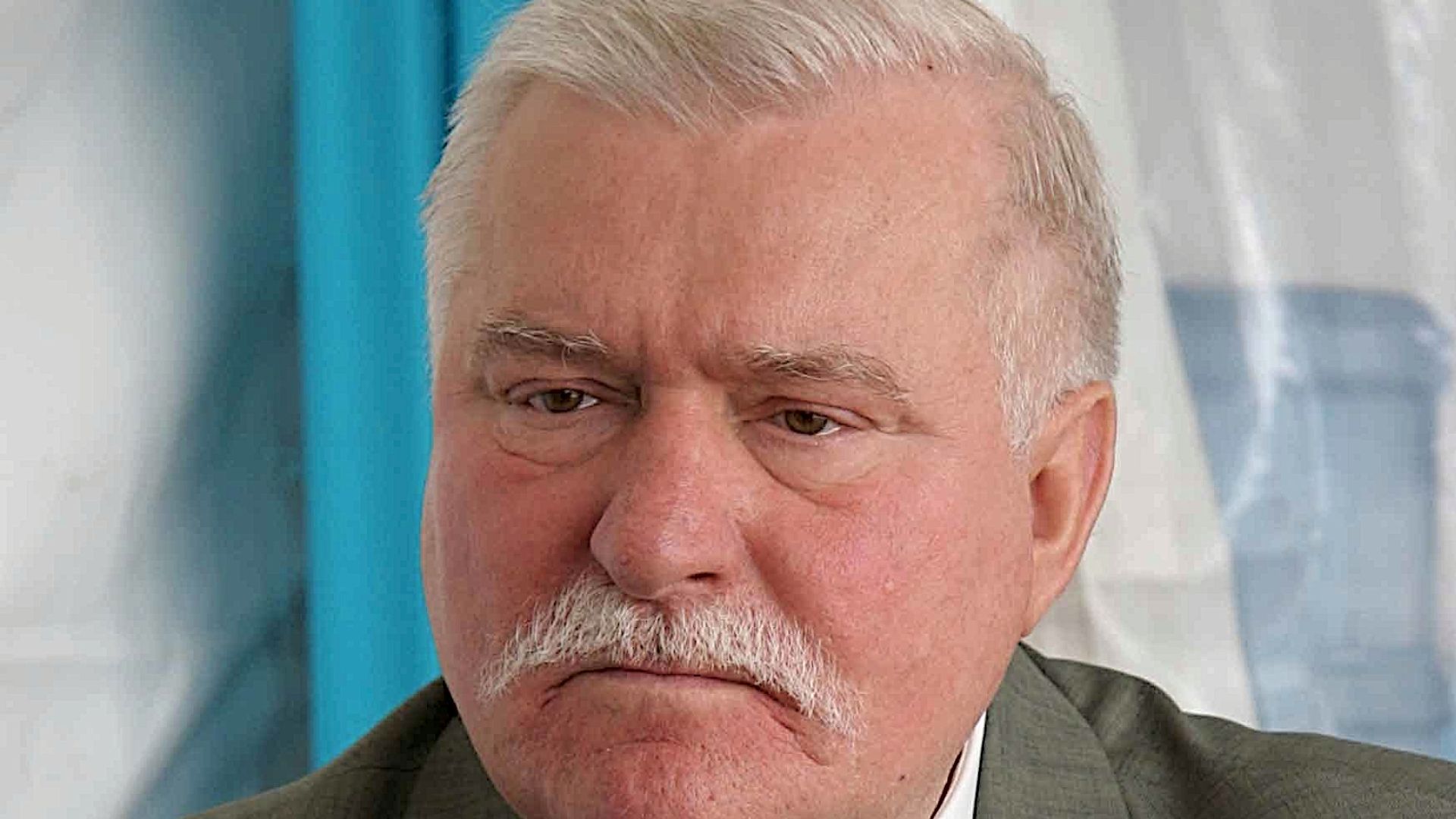
19. Lech Wałęsa
Lech Wałęsa was a leader of the Solidarity movement in Poland. His efforts challenged communist rule in the 1980s.
20. Aung San
Aung San was a key leader in Burma’s struggle for independence from British rule. He negotiated agreements that paved the way for sovereignty in 1948.
KEEP ON READING
The 20 Most Recognized Historical Figures Of All Time
The Biggest Names In History. Although the Earth has been…
By Cathy Liu Oct 4, 2024
10 of the Shortest Wars in History & 10 of…
Wars: Longest and Shortest. Throughout history, wars have varied dramatically…
By Emilie Richardson-Dupuis Oct 7, 2024
10 Fascinating Facts About Ancient Greece You Can Appreciate &…
Once Upon A Time Lived Some Ancient Weirdos.... Greece is…
By Megan Wickens Oct 7, 2024
20 Lesser-Known Facts About Christopher Columbus You Don't Learn In…
In 1492, He Sailed The Ocean Blue. Christopher Columbus is…
By Emilie Richardson-Dupuis Oct 9, 2024
20 Historical Landmarks That Have The Craziest Conspiracy Theories
Unsolved Mysteries Of Ancient Places . When there's not enough evidence…
By Megan Wickens Oct 9, 2024
The 20 Craziest Inventions & Discoveries Made During Ancient Times
Crazy Ancient Inventions . While we're busy making big advancements in…
By Cathy Liu Oct 9, 2024