

10 Reasons People Hate Ernest Hemingway & 10 Reasons They Love Him
What Do You Really Know About America’s Novelist?
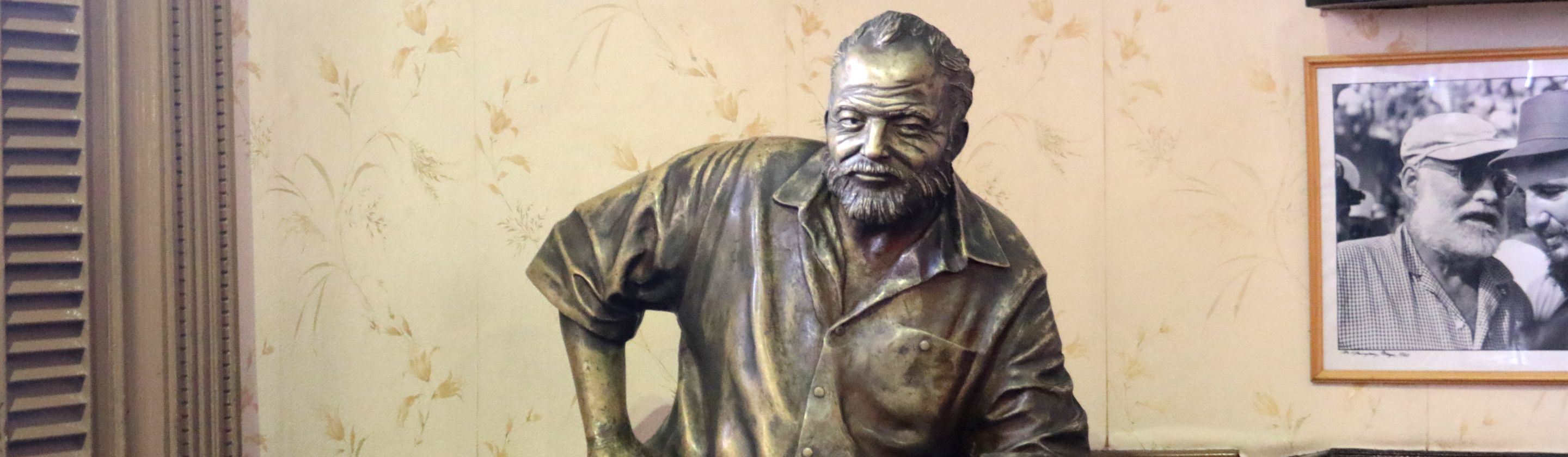
Ernest Hemingway is one of those writers people either admire fiercely or loathe with equal energy, and that split has been part of his reputation for a long time. He won the Nobel Prize in Literature in 1954 and had a huge influence on modern prose, but his fame also rested on a carefully cultivated image of toughness, competition, and public drama. With that, it’s time to dive into a few reasons why people dismiss him and a few others for why people still vehemently support him.
 Look Magazine, Photographer (NARA record: 1106476) on Wikimedia
1. The Macho Persona Got Old
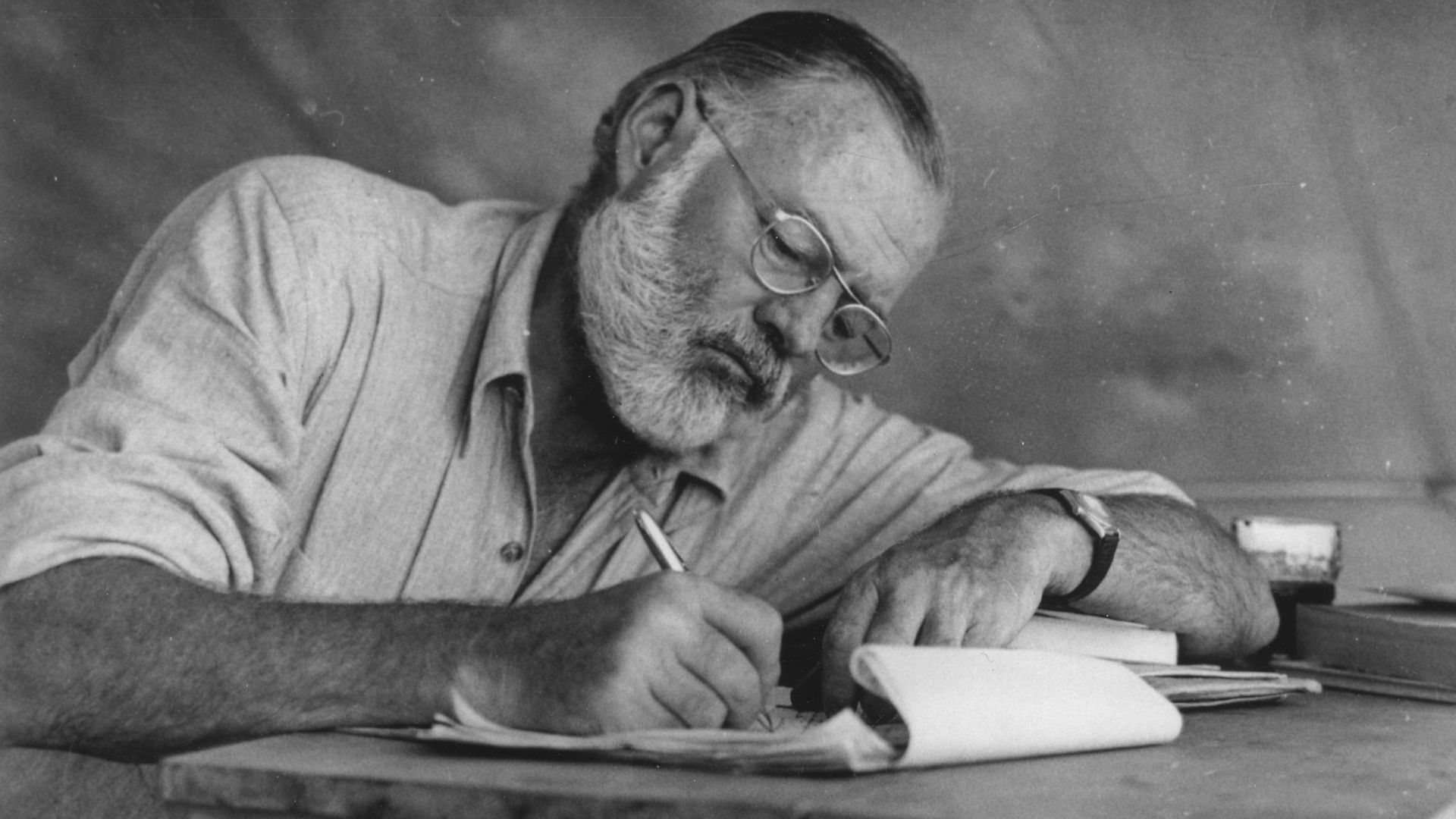
Hemingway was famous for an “adventurous and widely publicized life,” and that image became inseparable from his reputation. Even those who aren’t fans associate a so-called “intense masculinity” with both his writing and public identity, which is why so many readers today see him as less of a literary giant and more like an epitome of manliness.
2. His Style Feels Thin
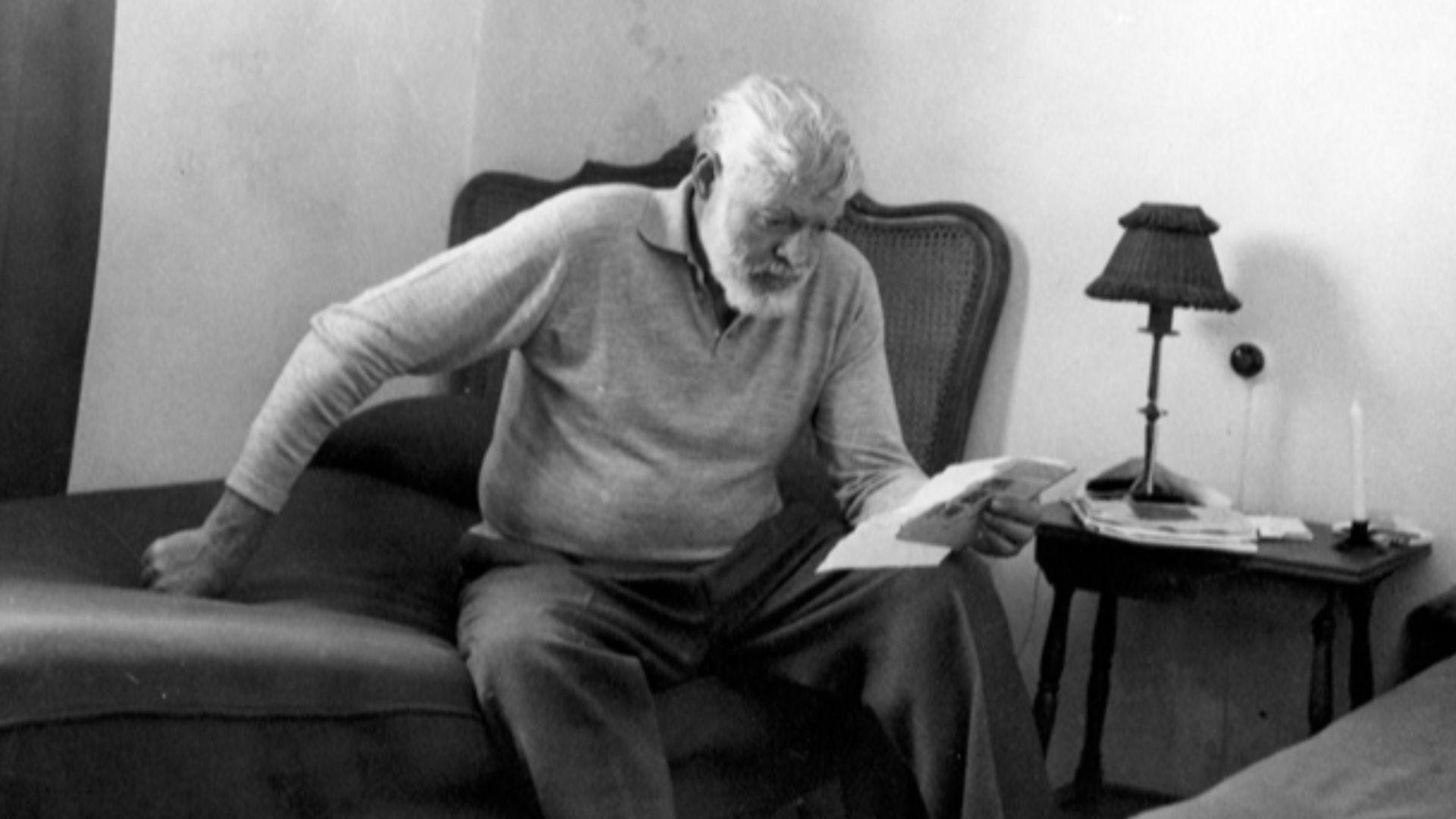
Hemingway’s short, stripped-down prose changed twentieth-century fiction, but not everyone enjoyed the brevity. Even his rival William Faulkner mocked him with the famous line that Hemingway had “never been known to use a word that might send the reader to the dictionary.”
3. He Turned Literary Life Into a Contact Sport
Critics always say he seemed unable to let literary disagreement stay civil, and they didn’t invent that from thin air. Hemingway picked up rivalries left and right throughout his career. A particularly nasty example is Faulkner, and published letters also show feuds with Gertrude Stein and critic Max Eastman.
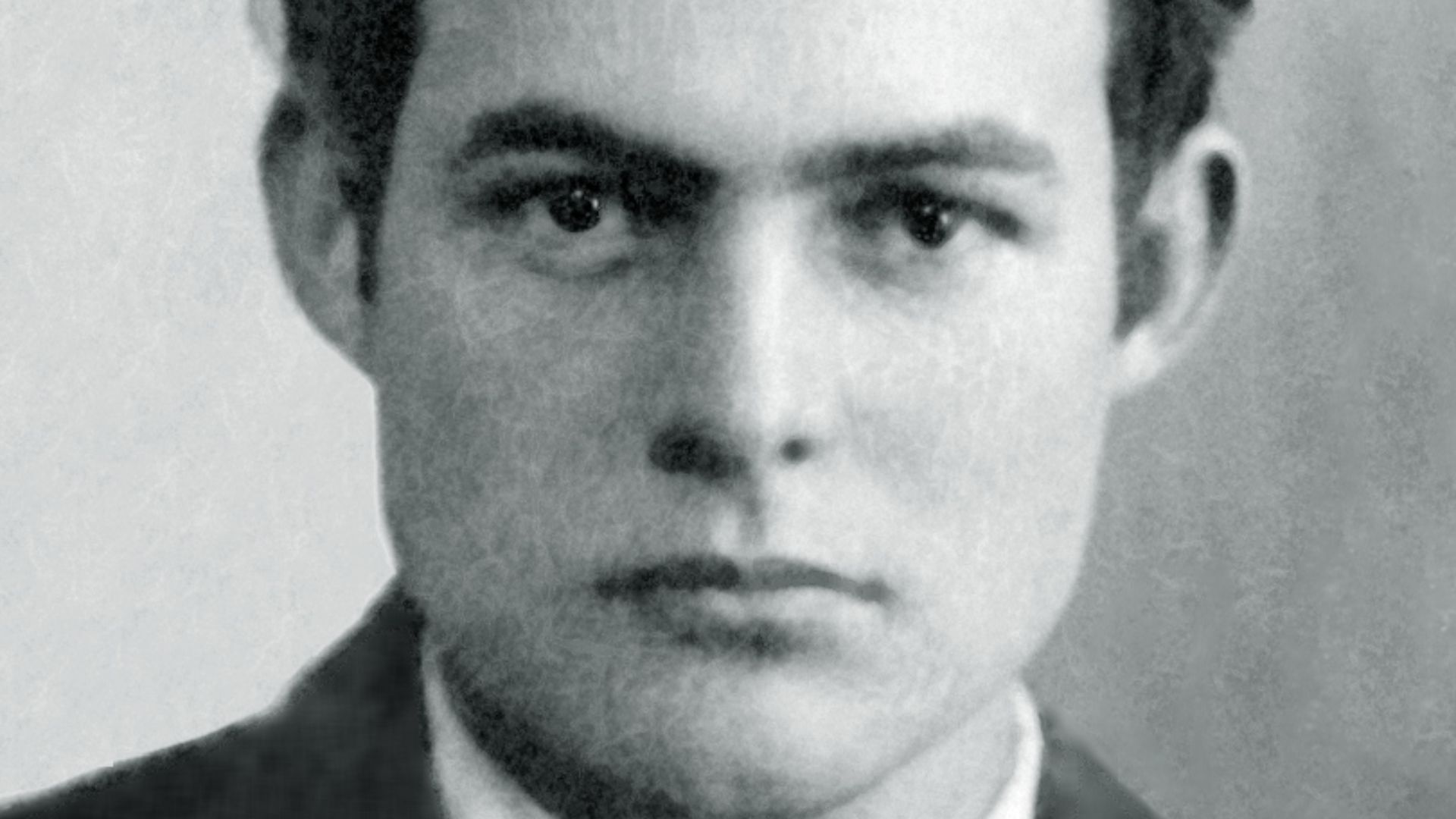 Unknown author. United States Government Printing Office. on Wikimedia
4. He Burned Through Relationships
It’s not unheard of to marry more than once, but Hemingway did it four times, and his love life has long fed the view that he left emotional wreckage behind him. The leading ladies wereHadley Richardson, Pauline Pfeiffer, Martha Gellhorn, and Mary Welsh, with Britannica’s entry on Gellhorn noting that she famously refused to be treated as a “footnote” to his life.
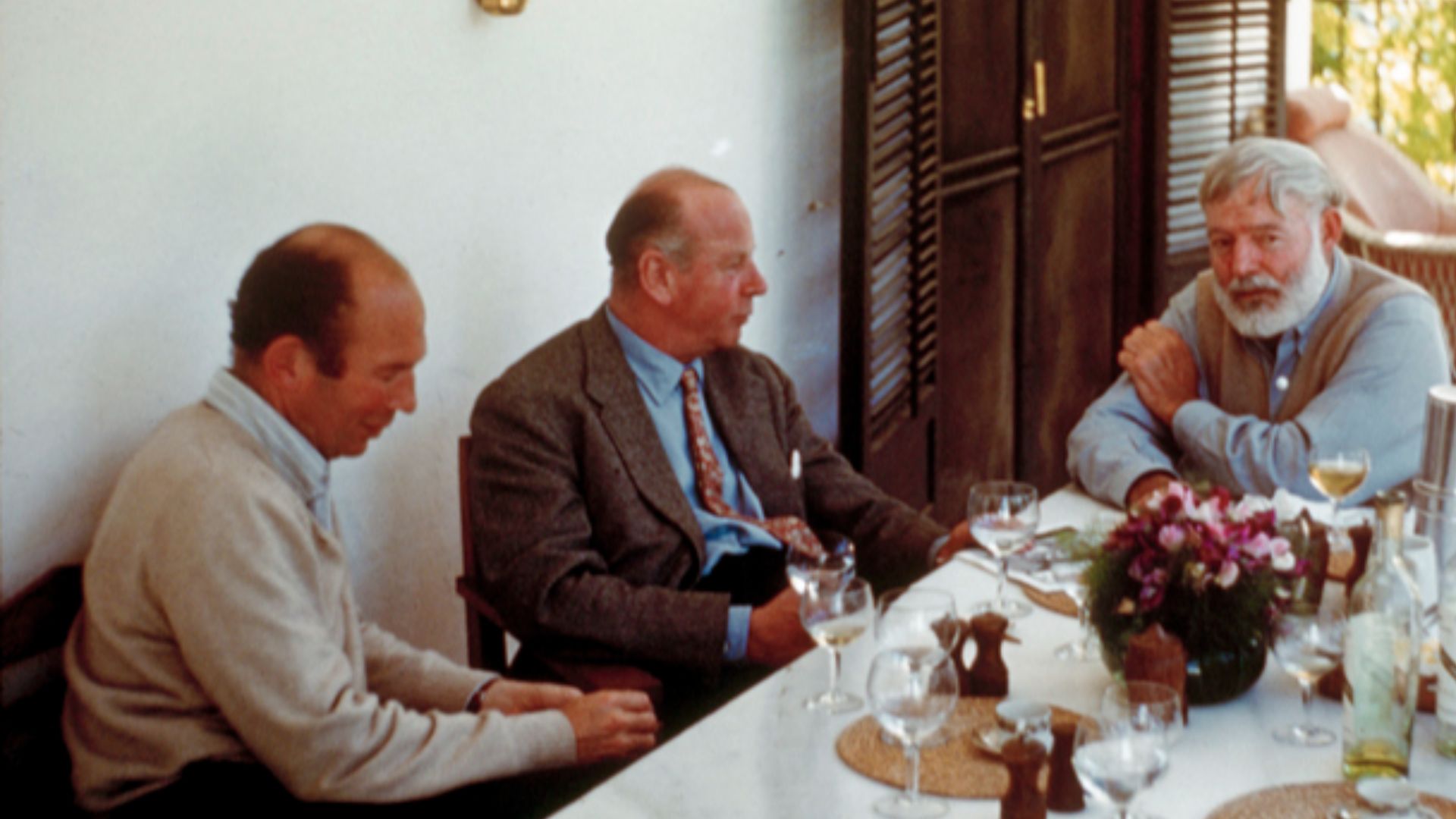
5. His Treatment of Women Still Unnerves People
Speaking of love interests, a lot of Hemingway criticism now centers on women and gender. Critics have long argued that he wrote women through a male-centered lens, framing them in relation to male desire, anxiety, or control. Later feminist criticism kept pressing that point.
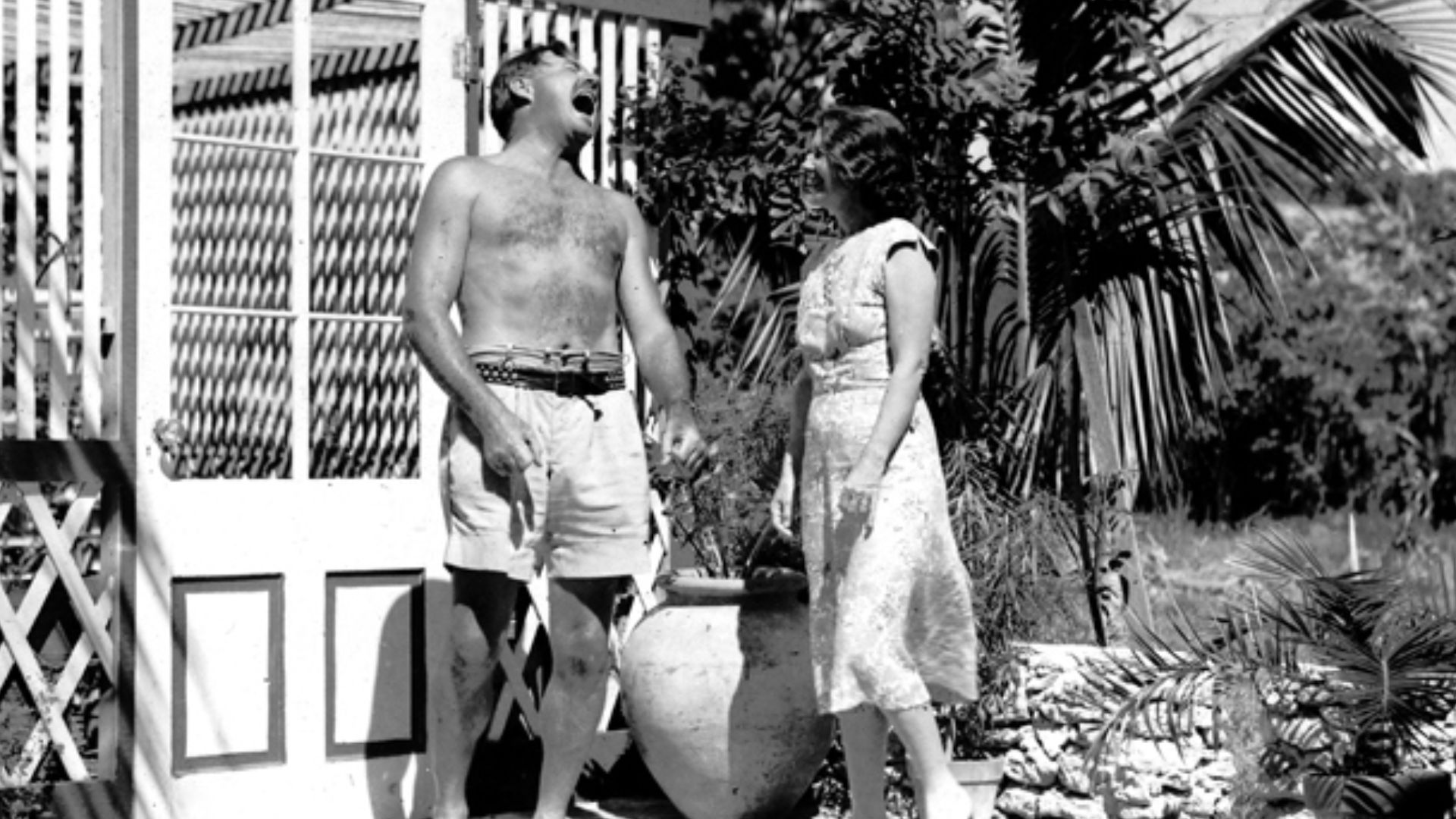
6. He Could Be Needlessly Cruel
Hemingway’s persona often came with mockery and one-upmanship, two traits that didn’t rub people the right way. New volumes of his letters highlight not just friendships with famous writers but also bitter feuds. His public quarrel with critic Max Eastman turned ugly enough that Hemingway reportedly shoved books at him during a confrontation.
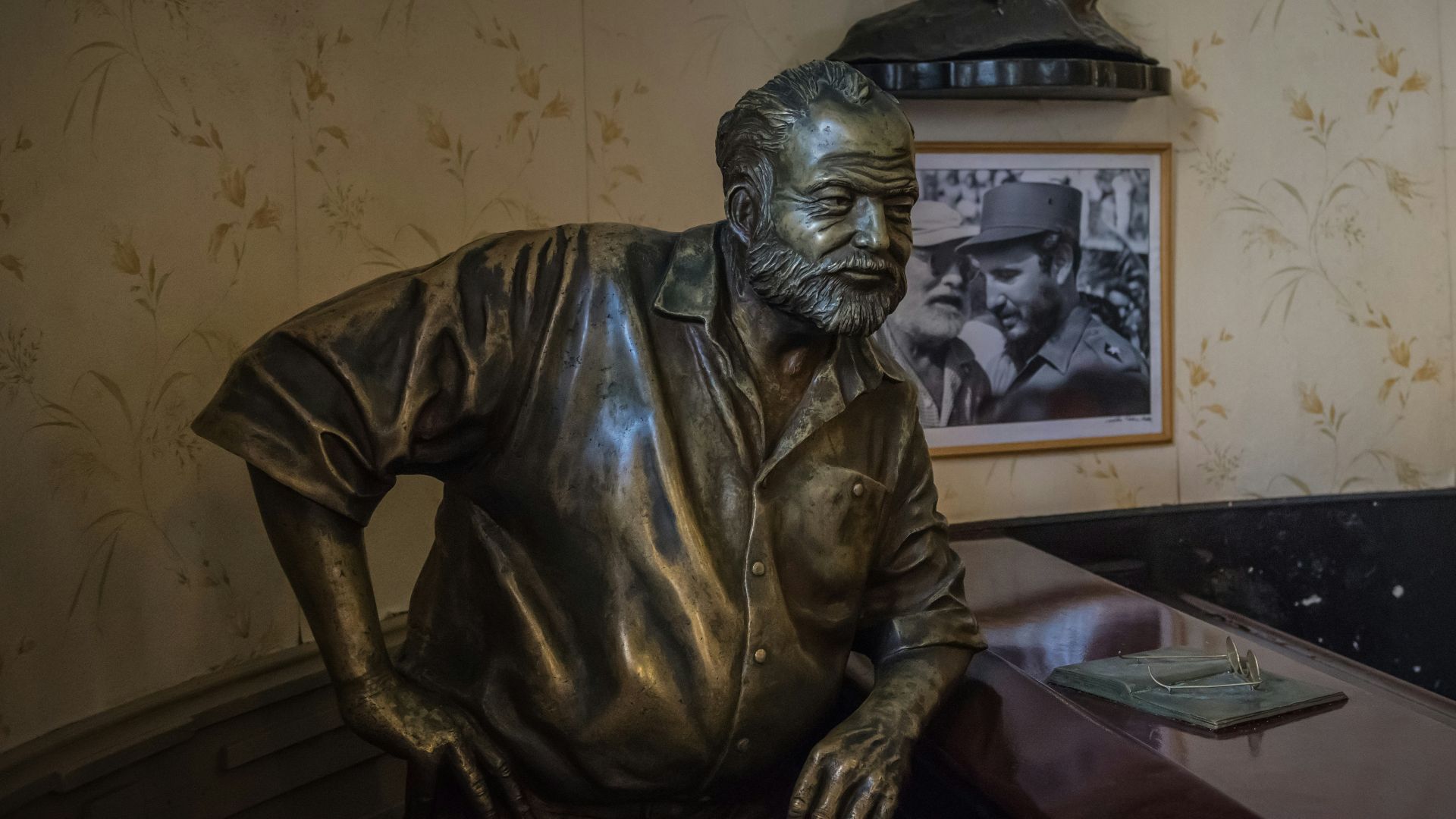
7. The Stories Around Him Feel Ridiculous
At a certain point, the sheer volume of larger-than-life material makes him seem less like a writer and more like a never-ending publicity stunt. Hemingway’s own biography stacked one absurd episode on another: safari disasters, war wounds, fishing exploits, celebrity friendships, and constant rumors.
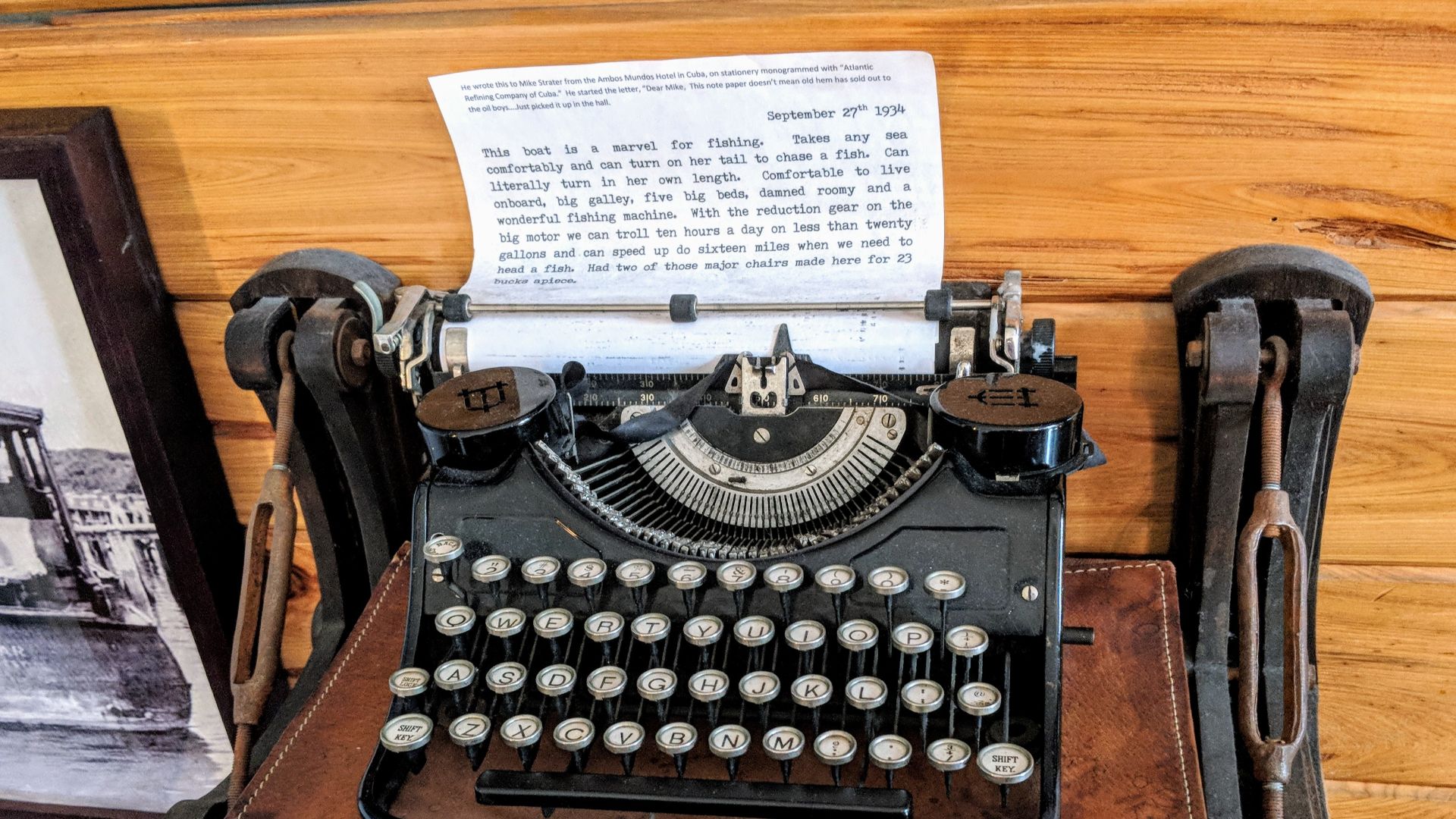
8. He Made Suffering Part of the Brand
The Nobel committee praised him for “mastery of the art of narrative” and for the influence he exerted on contemporary style. However, his public legend has often overshadowed the writing itself by turning every expedition and feud into part of the official mythology. It’s an imbalance that some readers resent, not just in Hemingway, but the whole culture built around him.
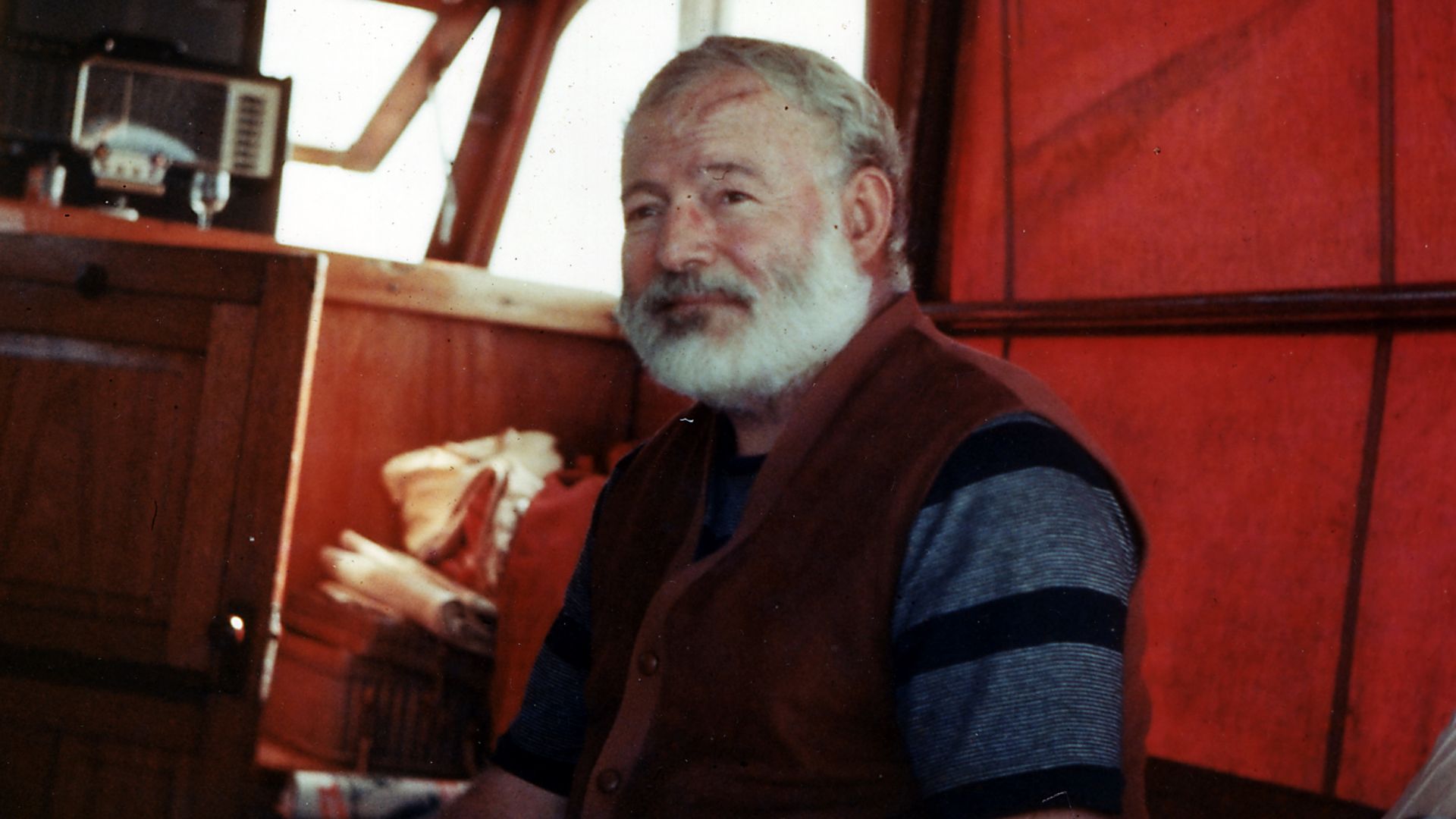 Not specified, owned by John F. Kennedy library on Wikimedia
9. He Was Accused of Ugly Prejudices
Biographer Mary Dearborn argued that anti-Jewish remarks appeared in his letters and that stereotypes shaped parts of The Sun Also Rises. People still consider that an unavoidable part of his legacy today.
 w:Ernest Hemingway on Wikimedia
10. People Feel Like They “Have to” Admire Him
Hemingway remains a canonical American author—but not to everyone. And yet, if they say that, some readers are met with immediate pushback. Sometimes people don’t hate Hemingway so much as they hate the pressure to salute him on command.
That’s not to say everything was a black mark. Let’s dive into a few reasons why people still admire the guy.
1. His Prose Changed Modern Fiction
Hemingway’s sentences still feel clear, deliberate, and strong without trying too hard. He’s been described as having a lucid prose style, while the Nobel biography also highlights his straightforward prose and spare dialogue. If you care about clean writing, it’s easy to see why people stick to his work.
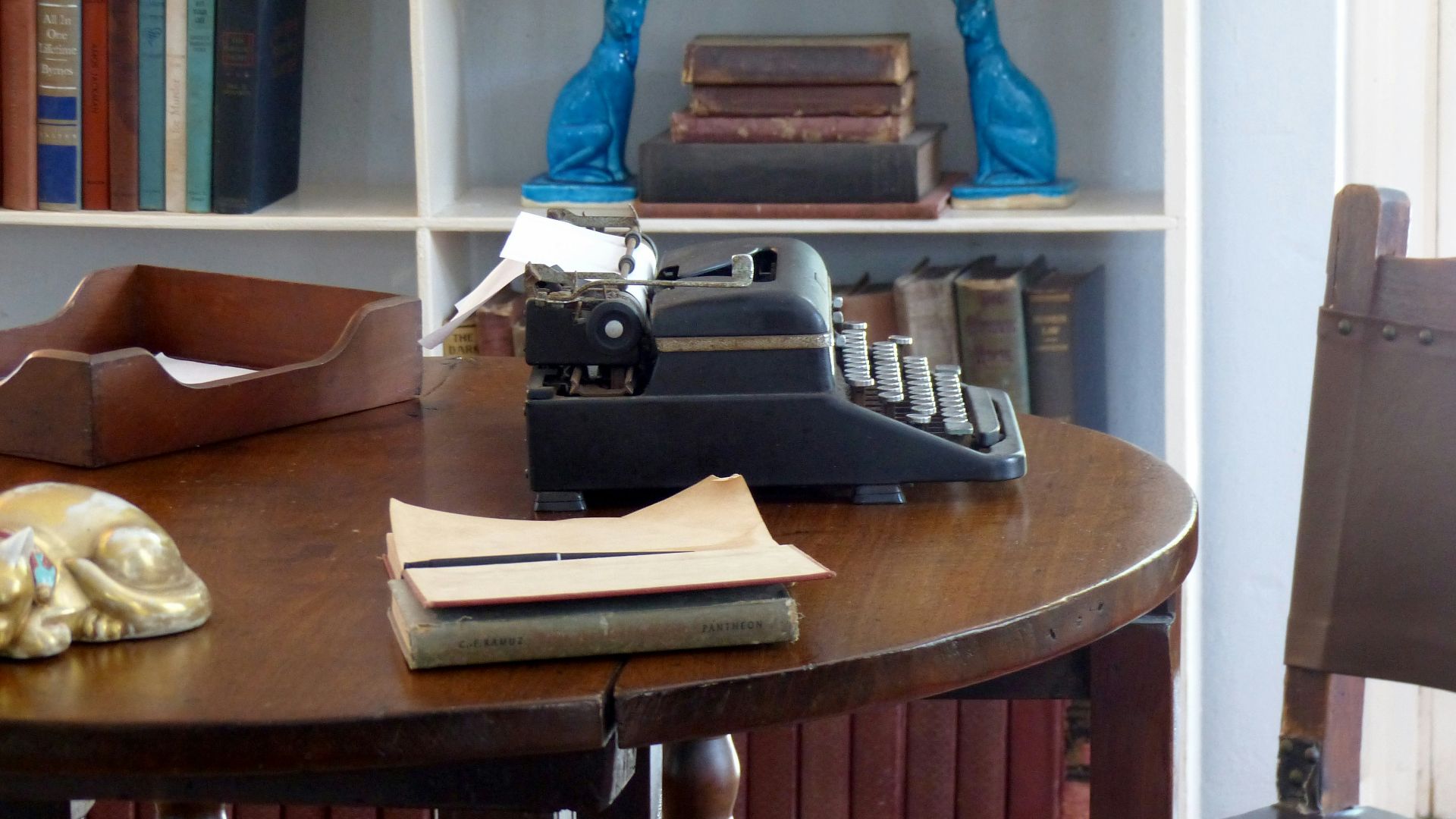
2. He Trusted the Reader
Part of Hemingway’s appeal is that he often leaves the deepest emotions beneath the surface instead of explaining everything outright. In today’s world, especially, that’s not always the case in books. Plenty of people love that he allowed them to meet the story halfway.
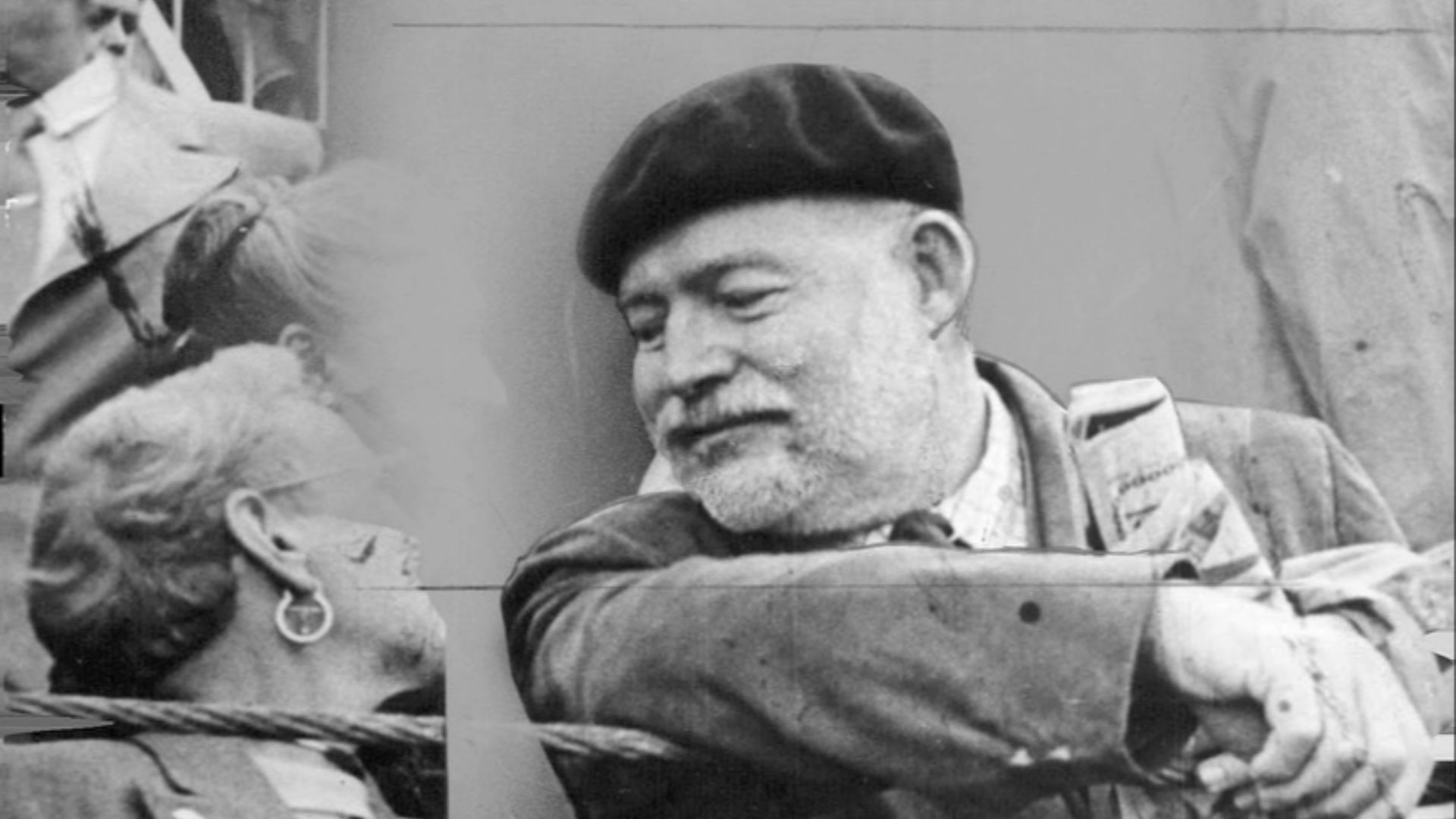 Unknown photographer on Wikimedia
3. The Old Man and the Sea Proved His Literary Greatness
Even readers who never become full devotees have real affection for this stunning book. Published in 1952 and awarded the 1953 Pulitzer Prize for fiction, it played a major role in the recognition that followed. That short novel has convinced generations of readers that Hemingway could be direct, moving, and memorable all at once.
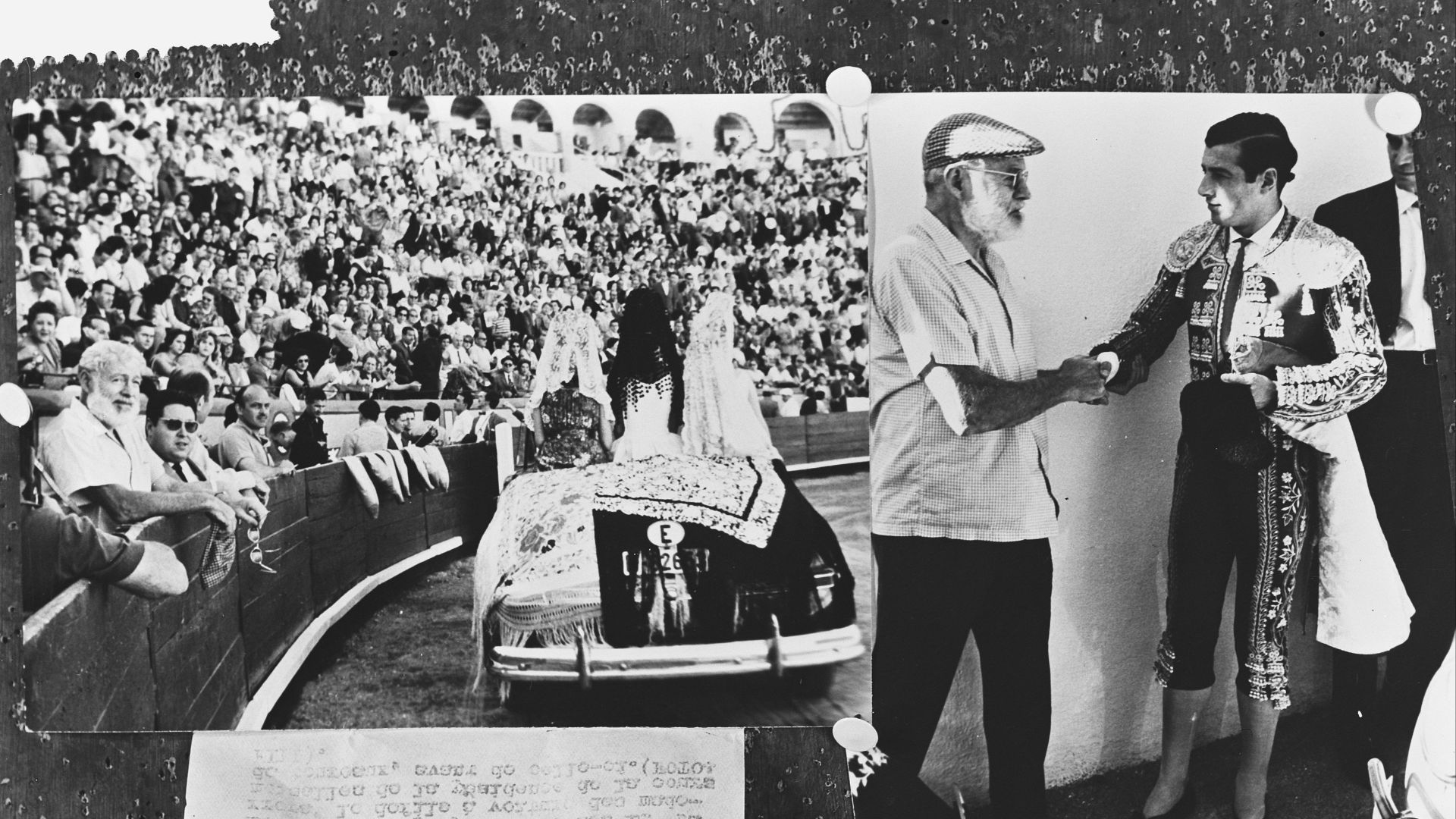
4. He Risked His Life Helping Other People
Before he became a literary icon, Hemingway volunteered with a Red Cross ambulance unit in Italy during World War I. He served at the front, was wounded, and was decorated by the Italian government. The National Archives also records that he was hit by Austrian mortar fire while distributing chocolate and cigarettes to soldiers.
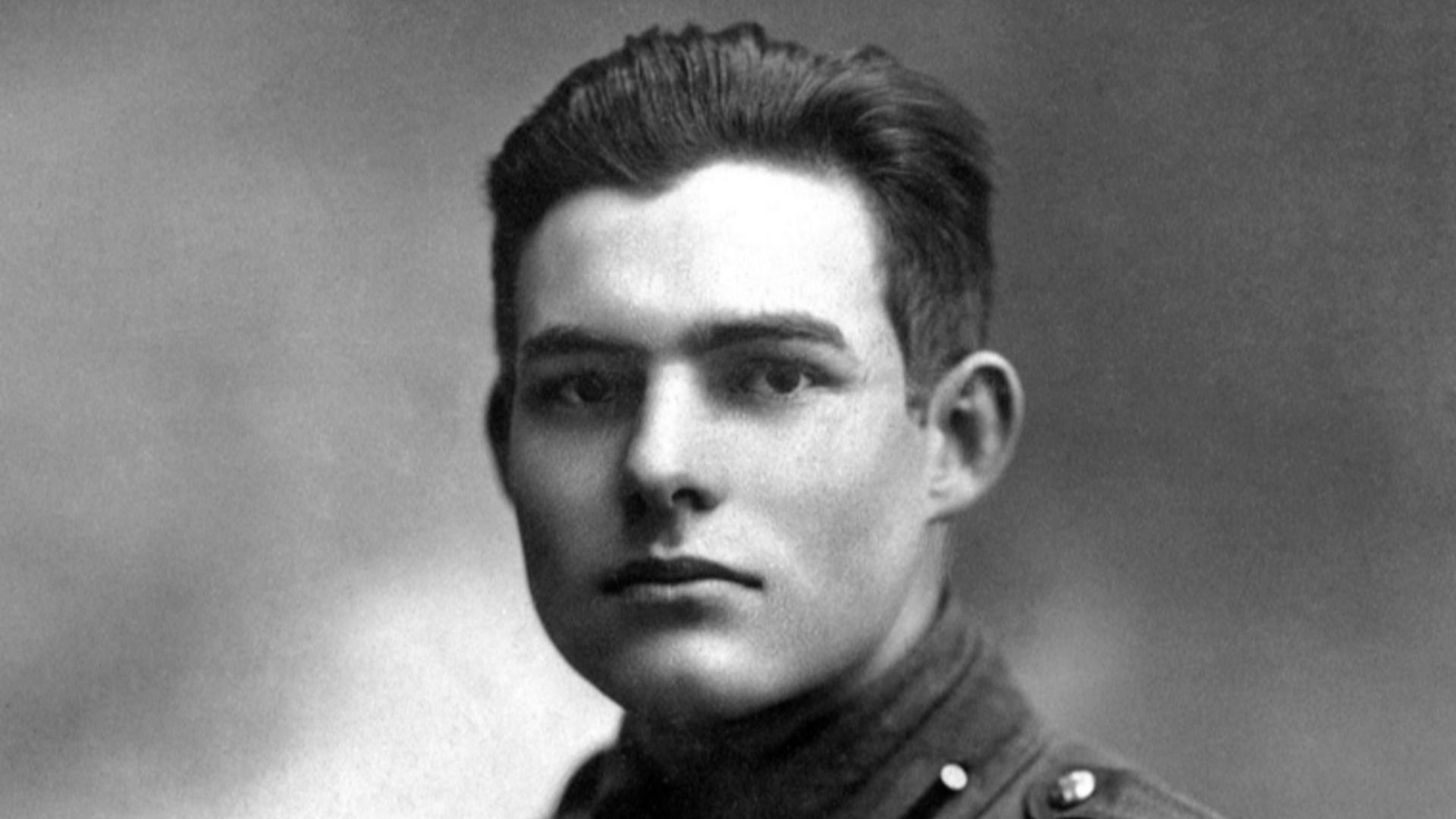
5. His Life Was Wild in a Way That Felt Unreal
Part of Hemingway’s appeal is that his biography keeps producing episodes that sound invented even though they are documented. For example, in 1954, he and Mary Welsh survived two plane crashes on consecutive days in East Africa, which is exactly the kind of lore that admirers eat up today.

6. He Was Part of a Remarkable Literary Era
Hemingway wasn’t just a phenom on his own; his career overlapped with famous figures like F. Scott Fitzgerald, Gertrude Stein, Ezra Pound, and Martha Gellhorn. When a writer’s life intersects with that many major names, it adds another layer to why readers stay interested.
7. He Brought a Reporter’s Eye to Literature
Hemingway once worked as a journalist, working in a newspaper office in Kansas City at seventeen. That training helped shape the disciplined style readers still associate with his fiction, and it gives people pause to know he essentially mastered two forms of writing.
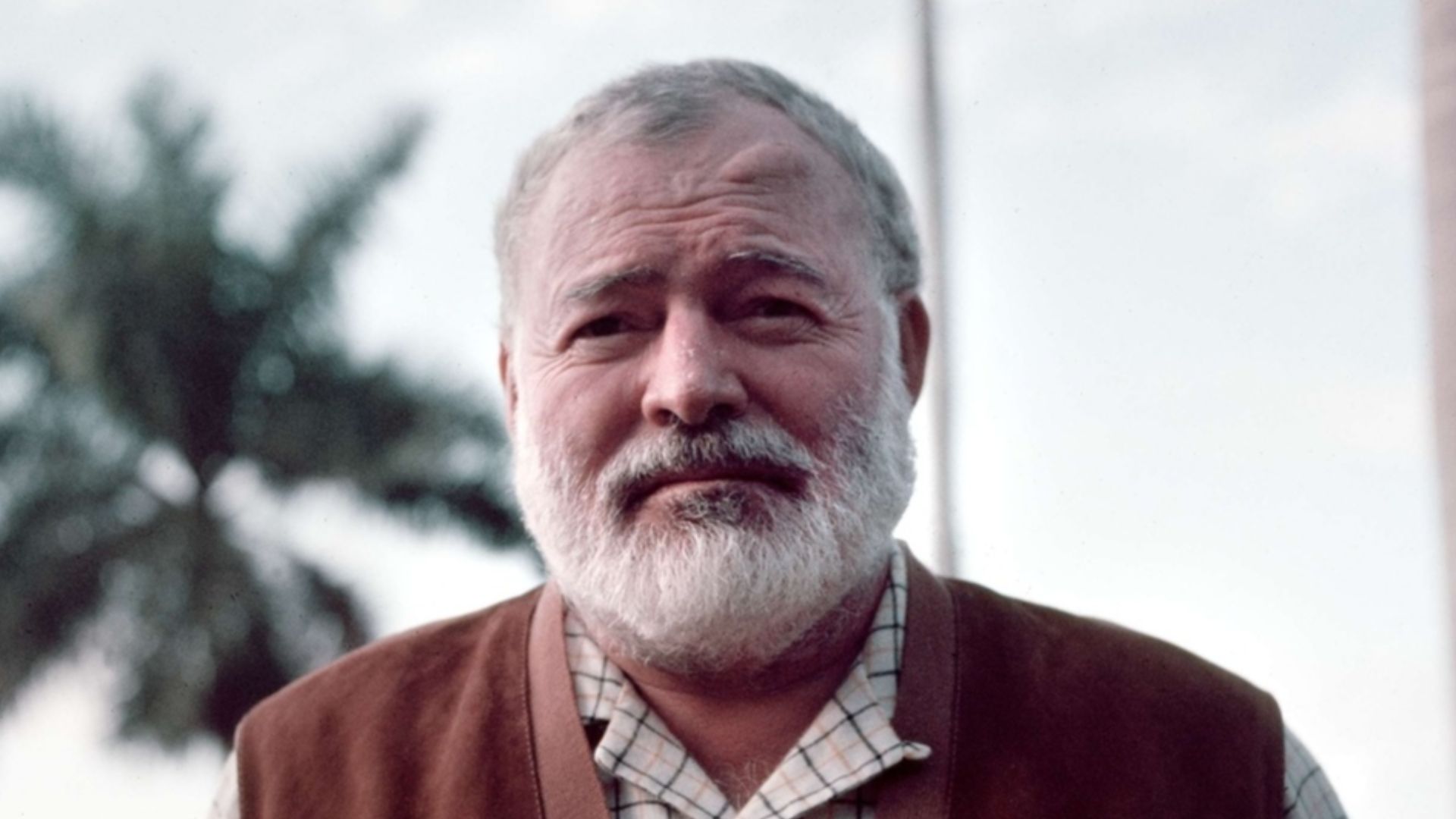
8. His Letters Show a More Generous Man
A lot of Hemingway’s reputation comes from the loud public persona, but his correspondence points to something more affectionate. In some of his family letters, he showed himself to be attentive, affectionate, and genuinely concerned with the well-being of those closest to him.
 Unknown authorUnknown author or not provided on Wikimedia
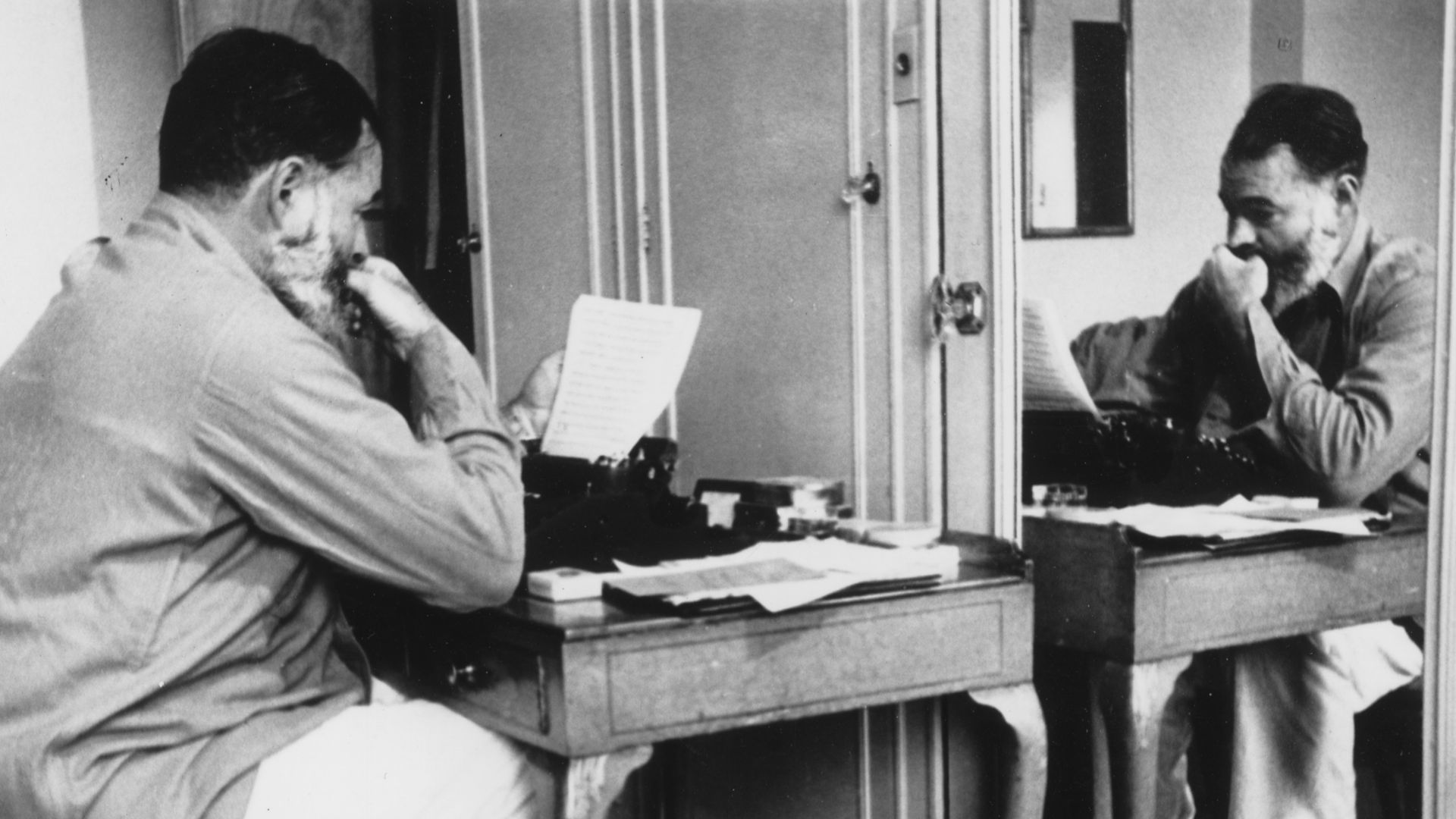
9. He Had a Surprisingly Gentle Side
Hemingway had a fondness for polydactyl cats, and that small piece of lore has endured even some of his biggest controversies. Readers today still love those touches because they give his legacy a human dimension that the grander myths miss.
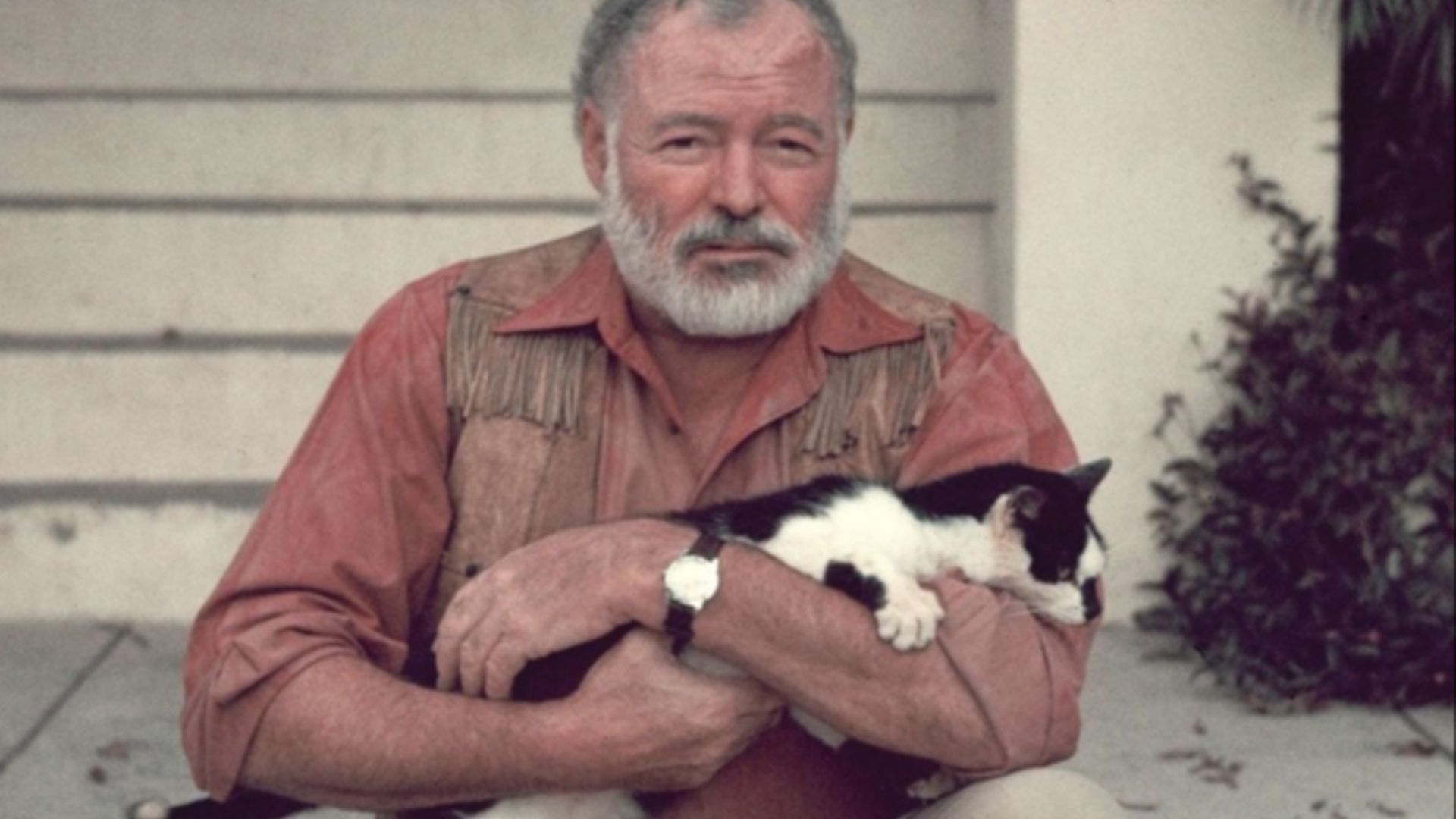
10. He’s Still a Writer Who Matters
The simplest reason people love Hemingway is that his work hasn’t lost any grandeur. The Nobel committee honored him for his “mastery of the art of narrative” and for his influence on contemporary style. Even if you didn’t like him as a man, plenty of people stick by his novels.
KEEP ON READING

20 Things That Used To Mean You Were Rich But…
Luxury Used To Be Practical. A lot of old status…
By Cameron Dick May 29, 2026
Terror In The West: The 20 Scariest Outlaws History Never…
The Frontier Got Too Comfortable With Bad Men. The Old…
By Annie Byrd May 29, 2026
10 Great Historians Who Got It Right & 10 Who…
Some Historians Stand the Test of Time. History is constantly…
By Rob Shapiro May 29, 2026
A Brief History of Canada, America's Neighbor to the North
Hanna Pad on PexelsCanada is often described from an American…
By Emilie Richardson-Dupuis May 28, 2026
When Will The Next ‘Pangea’ Happen?
Vannessalai on WikimediaAmongst the earliest of reptiles, dinosaurs, and large,…
By Elizabeth Graham May 28, 2026
Ulysses S. Grant, The General Who Would Have Rather Been…
Brady-Handy Photograph Collection, Library of Congress on WikimediaWe often picture…
By Sara Springsteen May 28, 2026