


20 Historical Figures You've Been Picturing Completely Wrong
Seeing Isn't Believing
History has a way of tidying up the people it celebrates. Whether through flattering portraits commissioned by rulers who wanted to look powerful, cultural myths that stuck around long enough to become fact, or Hollywood casting decisions that prioritized star power over accuracy, the historical figures you think you know often look nothing like the real thing. Was Cleopatra really a drop-dead gorgeous beauty? Was Julius Caesar as impressive as Hollywood portrayed him to be? From ancient pharaohs to Enlightenment-era geniuses, the gap between the image and the individual might just be wider than you'd expect.
1. Napoleon Bonaparte Wasn't Actually Short
One of the most persistent myths in all of history is that Napoleon Bonaparte was a tiny man with an outsized ego, but the reality is far less dramatic. He stood around 5 feet 6 inches tall, which, though maybe considered short in today's era, placed him right at average height for a Frenchman in the early 19th century. The confusion largely stems from a misunderstanding between French and English measurement systems, combined with British wartime propaganda that was all too happy to mock him.
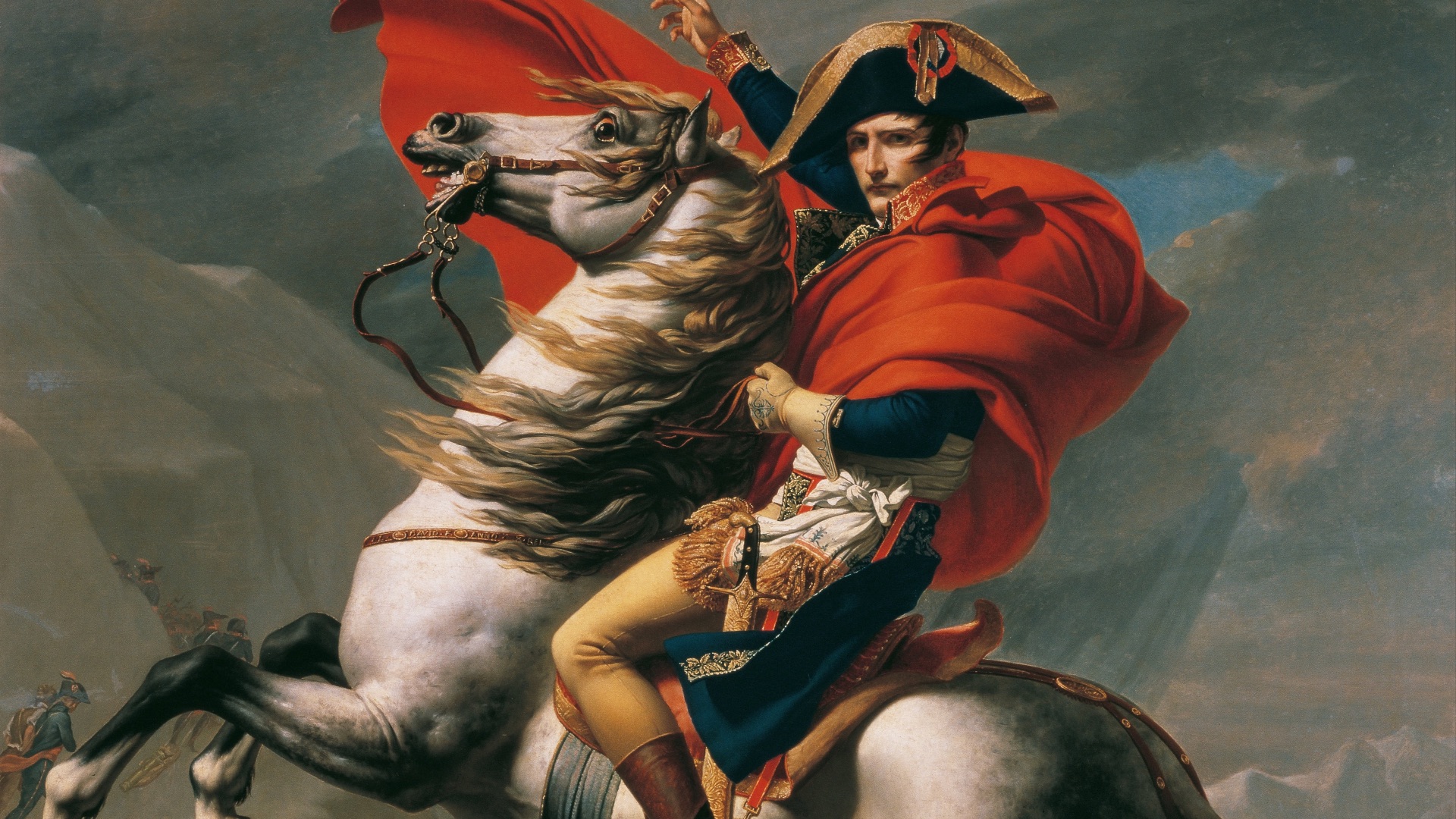 Jacques-Louis David on Wikimedia
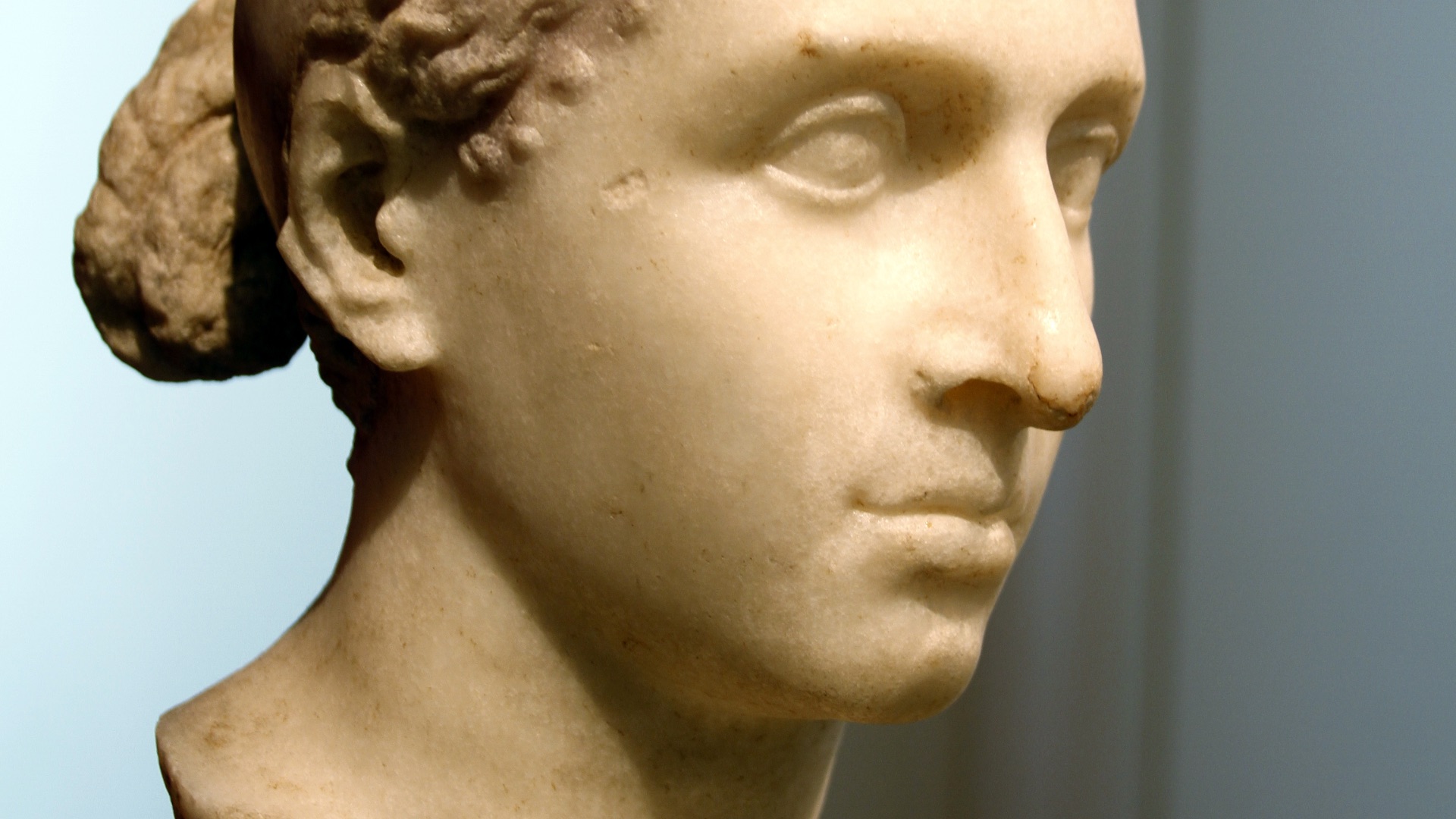
2. Cleopatra Wasn't a Hollywood Beauty
The image most people carry of Cleopatra is shaped almost entirely by Elizabeth Taylor's iconic 1963 portrayal, but ancient sources tell a very different story. Historians like Plutarch noted that her physical appearance was considered unremarkable by the standards of her time, and that it was her intellect, charisma, and multilingual abilities that made her so compelling. Coins minted during her reign depict a woman with a prominent nose and strong features, far removed from the glamorous image that pop culture has sold for decades.
3. Henry VIII Was Once a Celebrated Athletic Specimen
When you picture Henry VIII, you probably think of the wide, imposing figure in Hans Holbein's famous portrait, but that version of the king didn't exist for the majority of his reign. In his youth, Henry was considered one of the most handsome and physically impressive monarchs in Europe, standing over six feet tall with a muscular build and a reputation as an exceptional jouster and tennis player. It was only in his later years, following a jousting injury that left him largely unable to exercise, that his physique changed so dramatically.
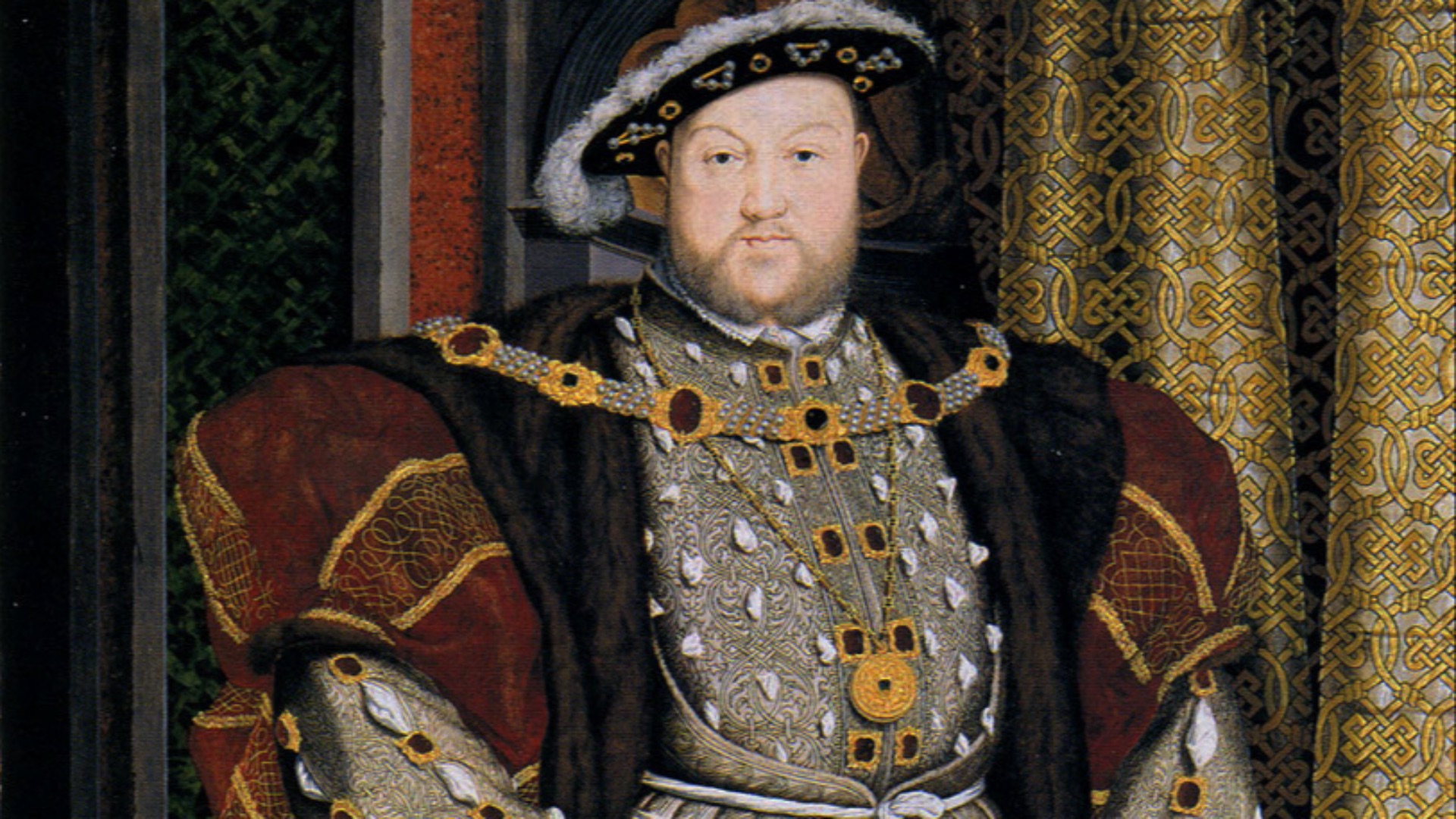 Unknown authorUnknown author on Wikimedia
4. George Washington Had Red Hair Under That Powder
The powdered white look in portraits of George Washington isn't actually a wig at all; he wore his own natural hair powdered and styled in the fashion of the time. What most people don't realize is that beneath all that white powder, Washington's hair was a reddish-brown. He also had a heavily pockmarked complexion from a bout of smallpox he survived as a teenager, a detail that the portrait painters of his era routinely smoothed over.
5. Julius Caesar Looked Nothing Like His Movie Portrayals
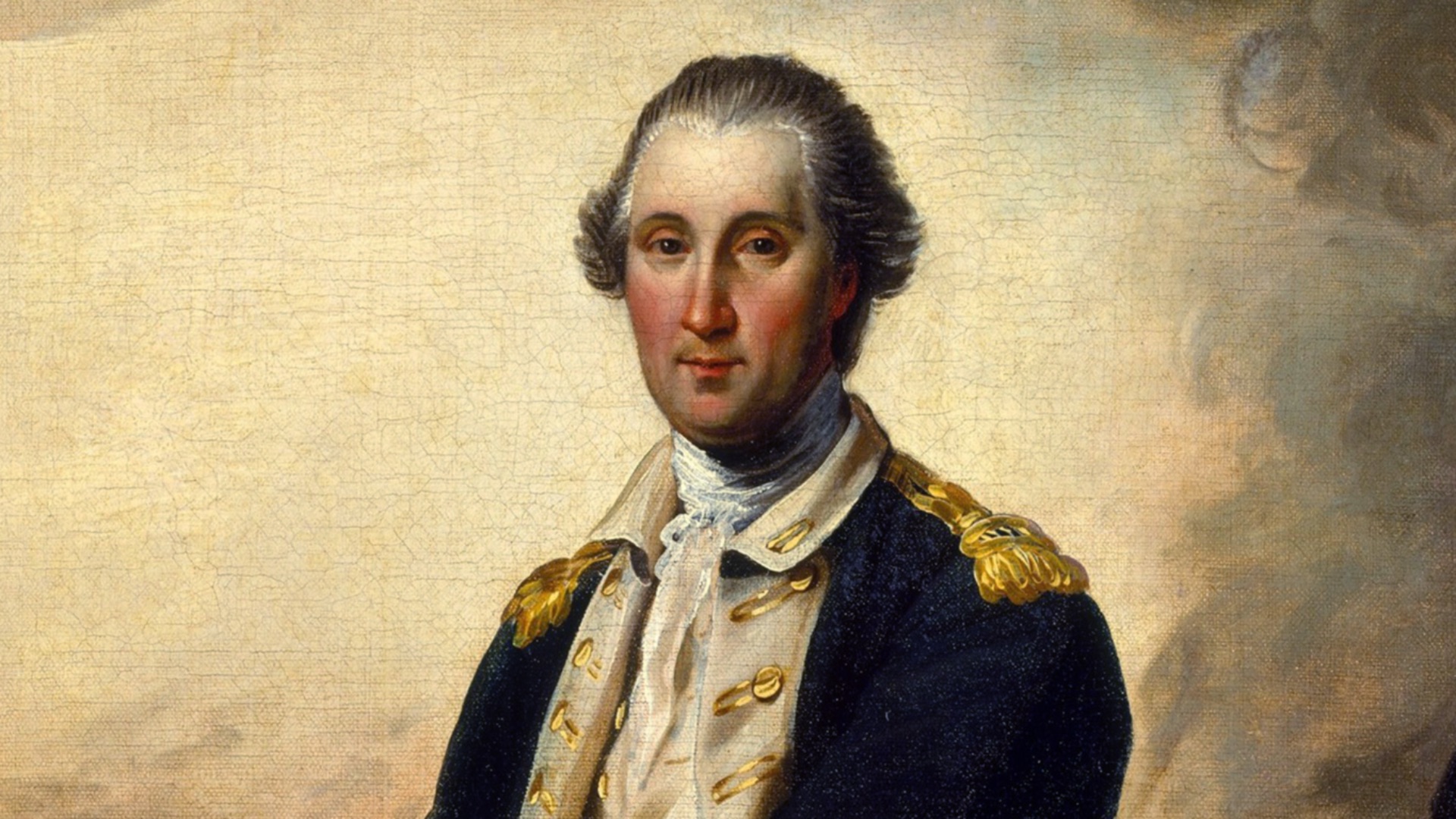
Hollywood has long cast tall, commanding actors to play Julius Caesar, presenting him as a physically imposing and robust figure, but contemporary accounts describe someone quite different. Ancient sources portray him as lean and somewhat frail in constitution, prone to epileptic seizures, and increasingly bald, that last fact being one that reportedly embarrassed him deeply. He was said to be so self-conscious about his hair loss that he habitually combed what remained forward and treasured his right to wear a laurel wreath, which conveniently concealed it.
6. Ramesses II May Have Been a Natural Redhead
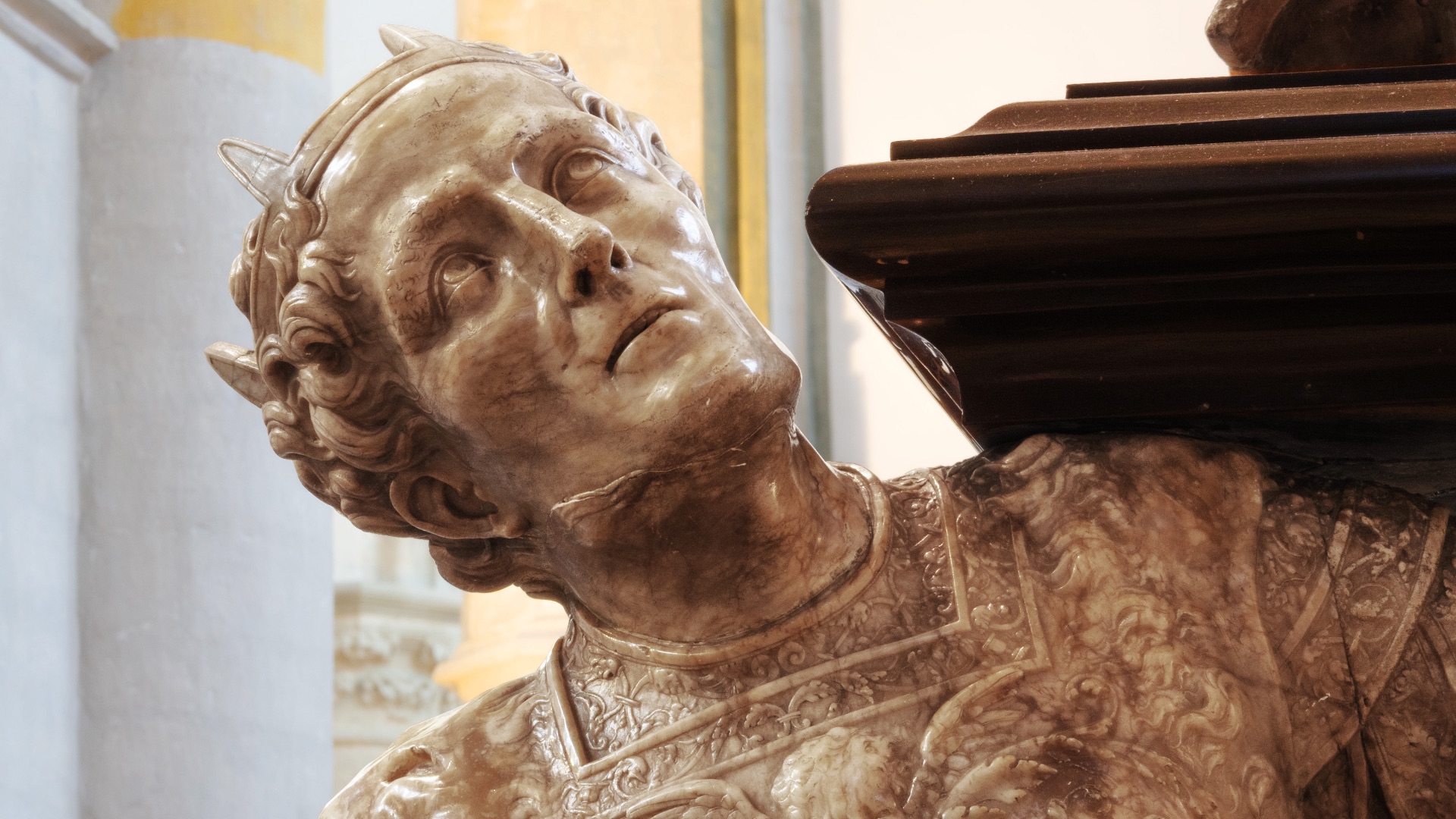
Ramesses II is one of ancient Egypt's most celebrated pharaohs, typically depicted in golden statues and reliefs according to the standard artistic conventions of Egyptian culture. However, analysis of his mummified remains revealed that he likely had naturally red hair, preserved by the natron used in the mummification process. Red hair was associated with the god Set in ancient Egyptian culture, a detail that adds an entirely unexpected layer to how this powerful pharaoh may have been perceived during his own lifetime.
7. Richard III Wasn't the Twisted Villain Shakespeare Drew
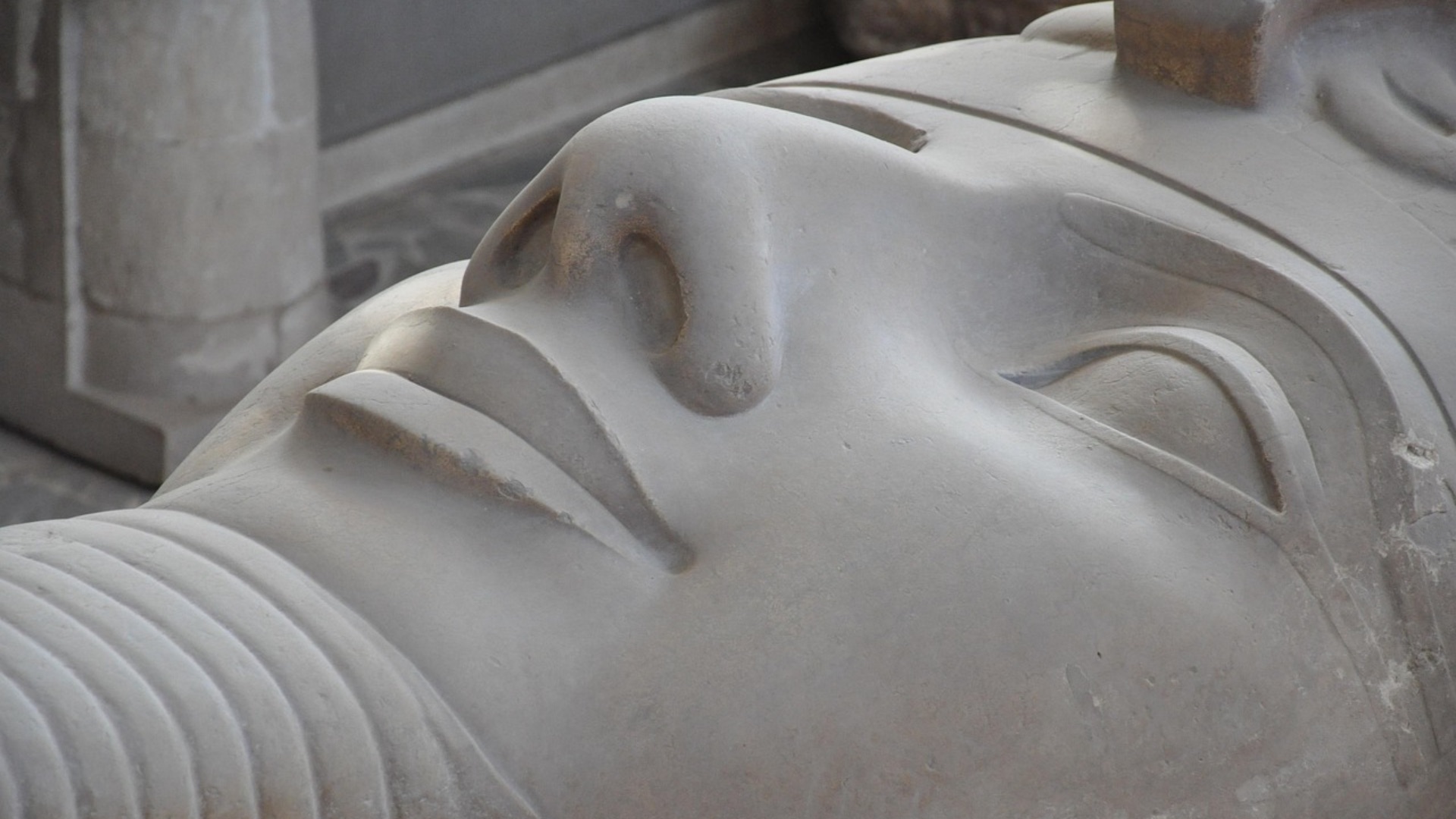
Shakespeare's Richard III is one of literature's most memorable villains (hunchbacked, withered-armed, and limping through life with bitterness), but the archaeological evidence tells a more nuanced story. When Richard III's remains were discovered beneath a Leicester car park in 2012, researchers confirmed he did have scoliosis of the spine, though the condition was far less severe and visually dramatic than the Bard's portrayal suggested. His skeleton showed no withered arm and no significant limp, meaning the physical monstrousness that Shakespeare used to signal moral corruption was largely a theatrical invention.
8. Genghis Khan's Appearance Remains a Complete Mystery
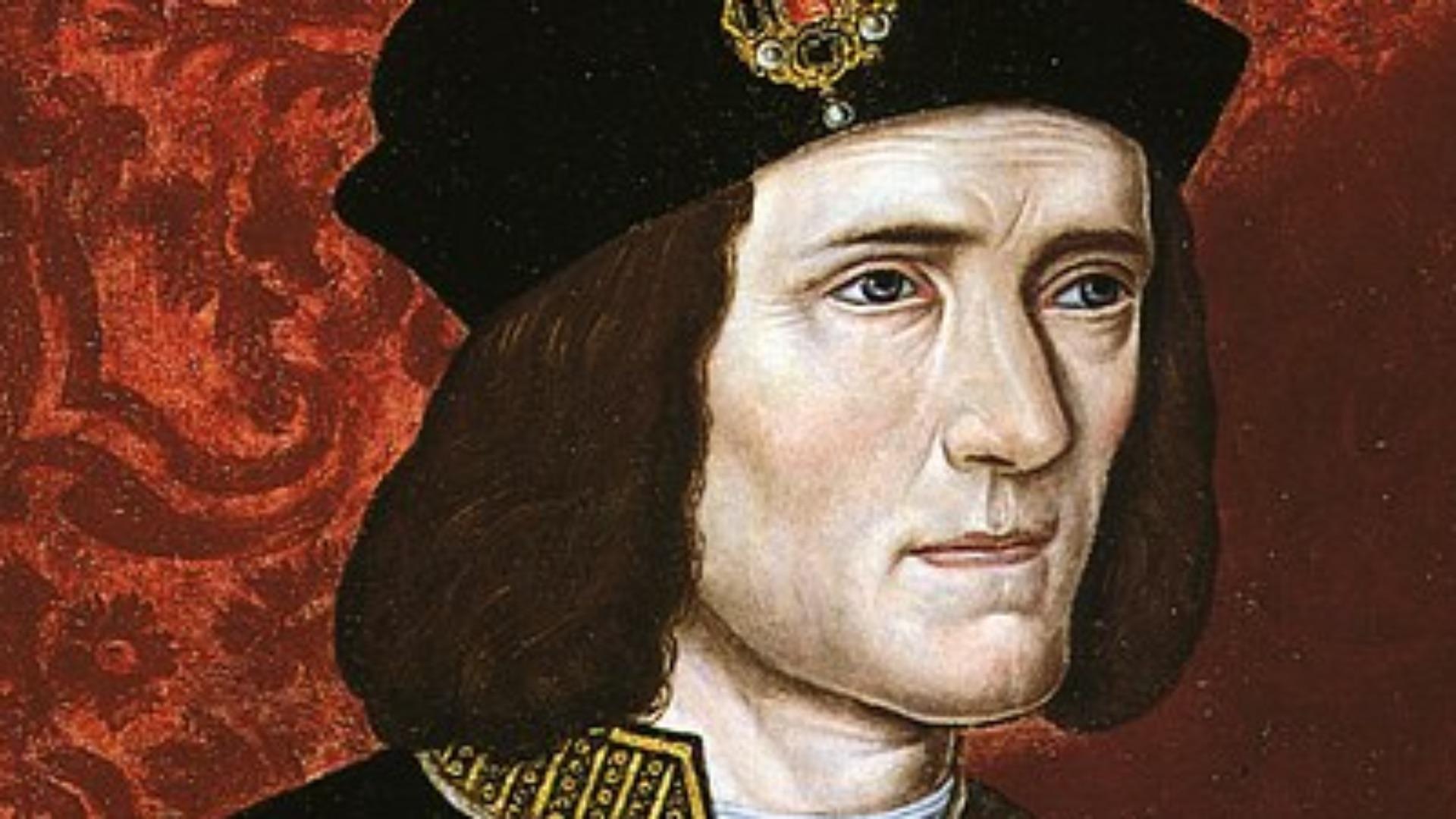
Despite being one of the most consequential figures in world history, there are no surviving contemporary portraits of Genghis Khan made during his lifetime. The images that exist were created decades or even centuries after his death, and they reflect the artistic conventions of whichever culture produced them rather than any documented physical reality. Persian, Chinese, and later Western depictions all look dramatically different from one another, which means that nobody actually knows what the founder of the Mongol Empire looked like.
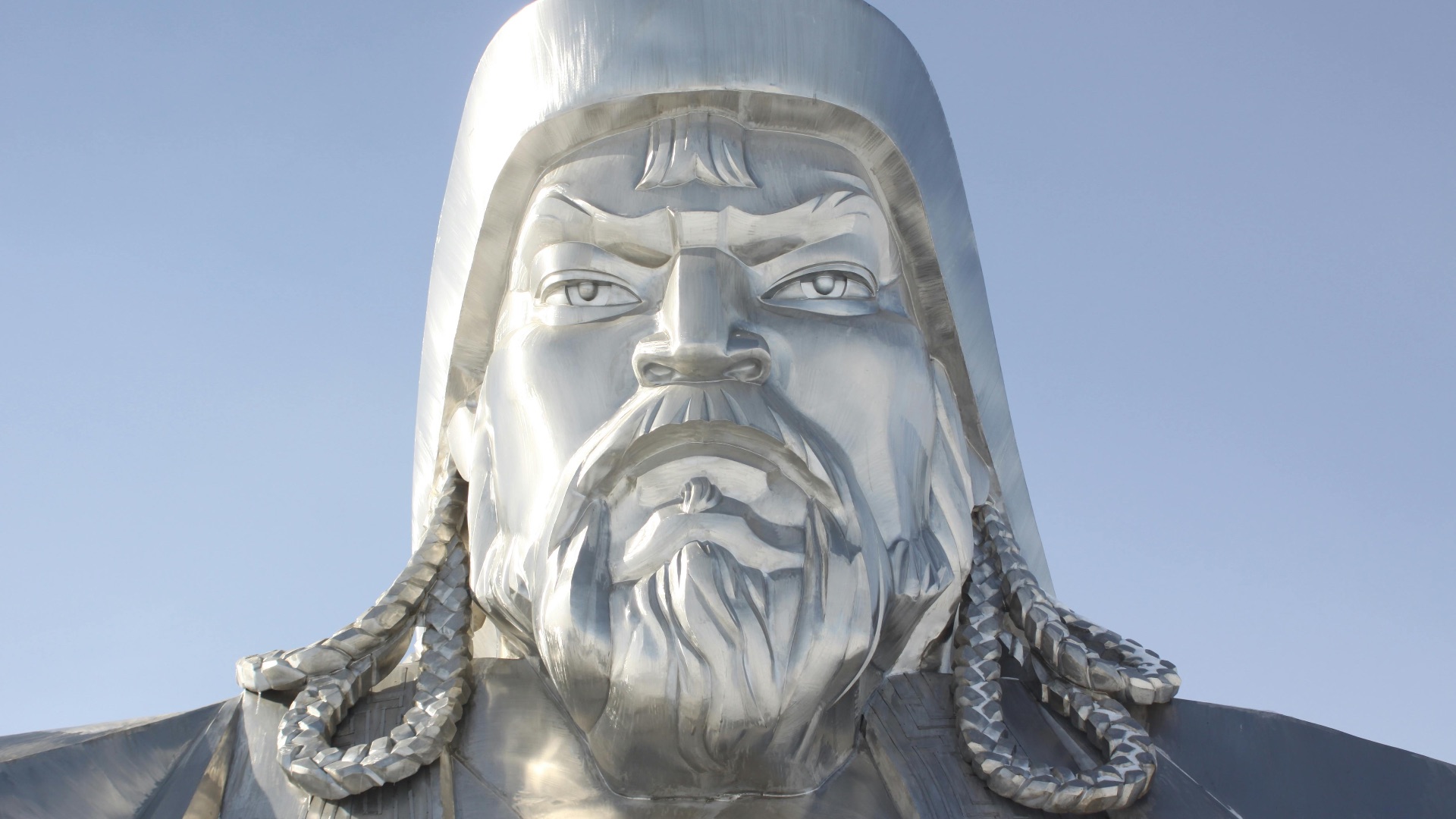
9. Marie Antoinette Had a Distinctly Habsburg Look
The romanticized image of Marie Antoinette tends to lean heavily on her youth, her elaborate gowns, and the soft-featured portraits painted to flatter her, but she carried the very distinctive physical traits of the Habsburg dynasty. She had what was known as the Habsburg jaw: a pronounced lower jaw and thick lower lip so common in the royal family that it's been studied extensively by geneticists. Her teeth were also reportedly quite crooked as a child, a fact addressed with some of the earliest recorded orthodontic work in European history.
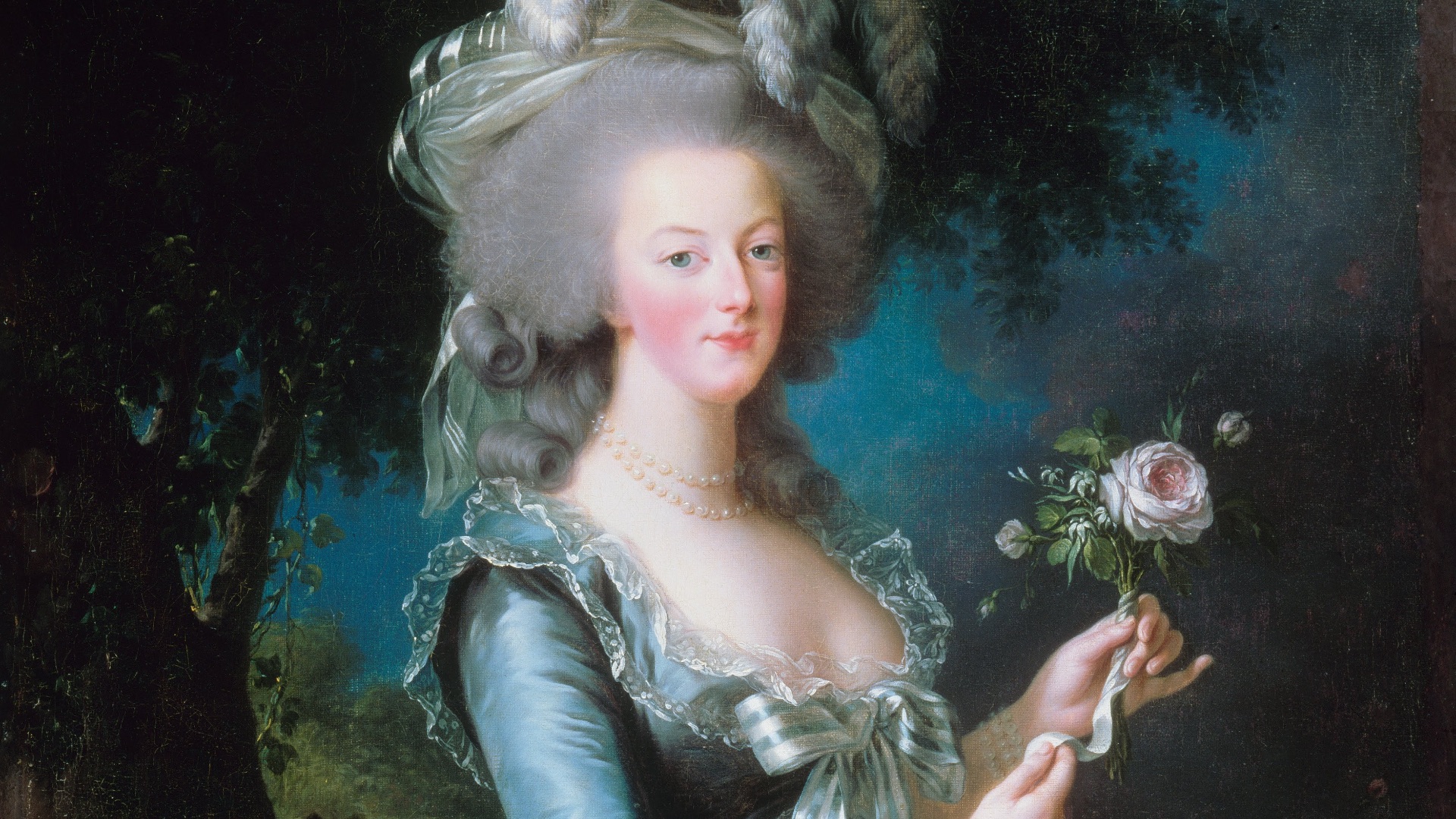 Élisabeth Louise Vigée Le Brun on Wikimedia
10. Abraham Lincoln Was Far More Striking in Person
Photographs of Abraham Lincoln are plentiful by 19th-century standards, yet people who met him in person consistently described his appearance in ways that flat images failed to capture. He stood 6 feet 4 inches tall, making him the tallest U.S. president in history, and contemporaries noted that his face was extraordinarily mobile and expressive in conversation, quite different from the somber, still expressions required by long-exposure cameras of the era. He also grew his now-iconic beard only in 1860, prompted by an 11-year-old girl named Grace Bedell who wrote him a letter suggesting it would improve his looks.
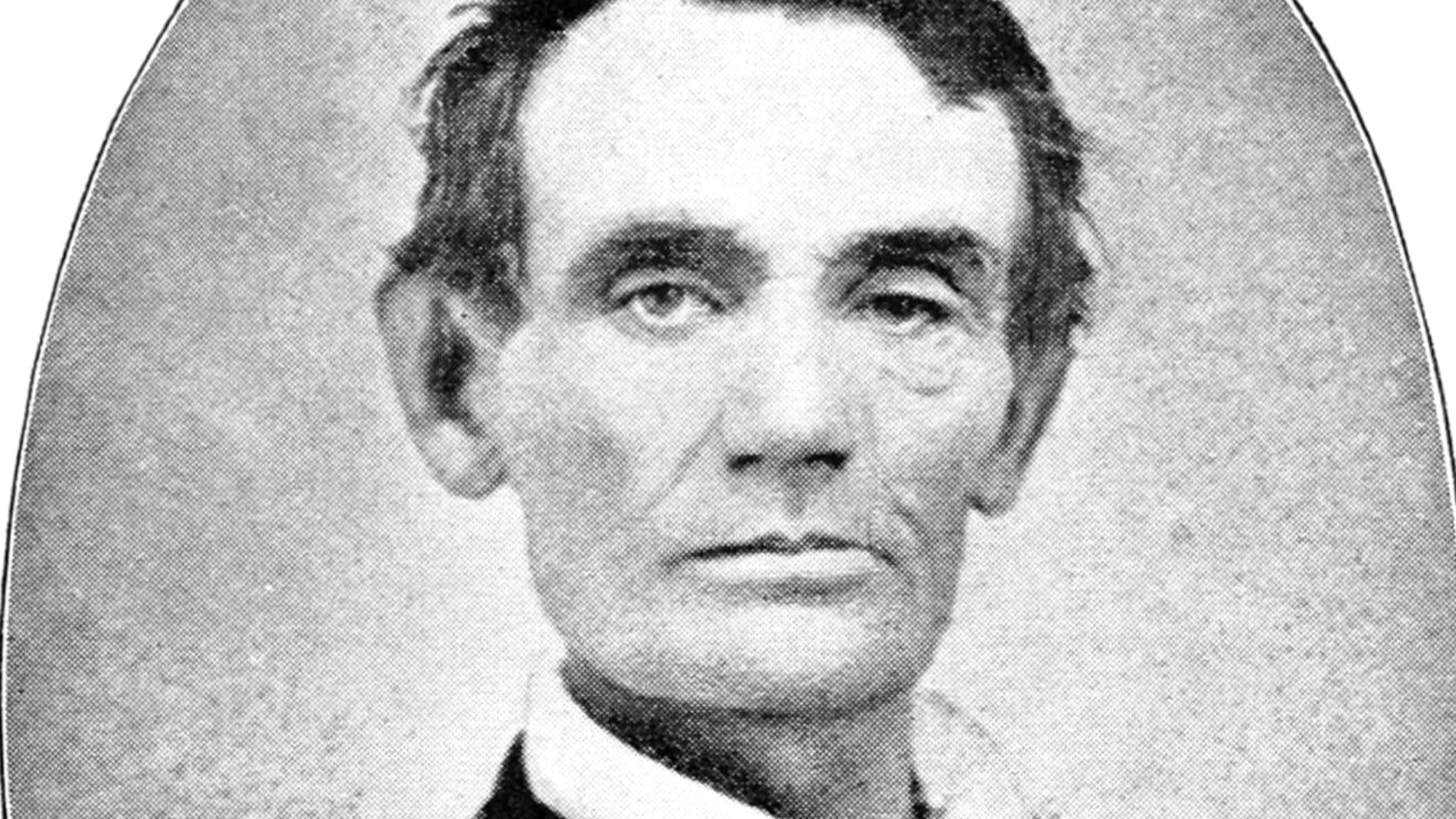 Author Ward Hill Lamon Editor Dorothy Lamon Photograph B. L. Rider on Wikimedia
11. Socrates Was Famously Described as Ugly
Ancient Athenians placed enormous value on physical beauty as an outward sign of inner virtue, which makes it all the more interesting that their most celebrated philosopher was, by his own admission and that of his contemporaries, quite unattractive. Descriptions from the period paint him as short, stocky, and snub-nosed, with bulging eyes and thick lips—features that his students occasionally compared, with evident affection, to those of a satyr. Socrates himself turned this into a philosophical point, arguing that inner wisdom mattered far more than outward appearance.
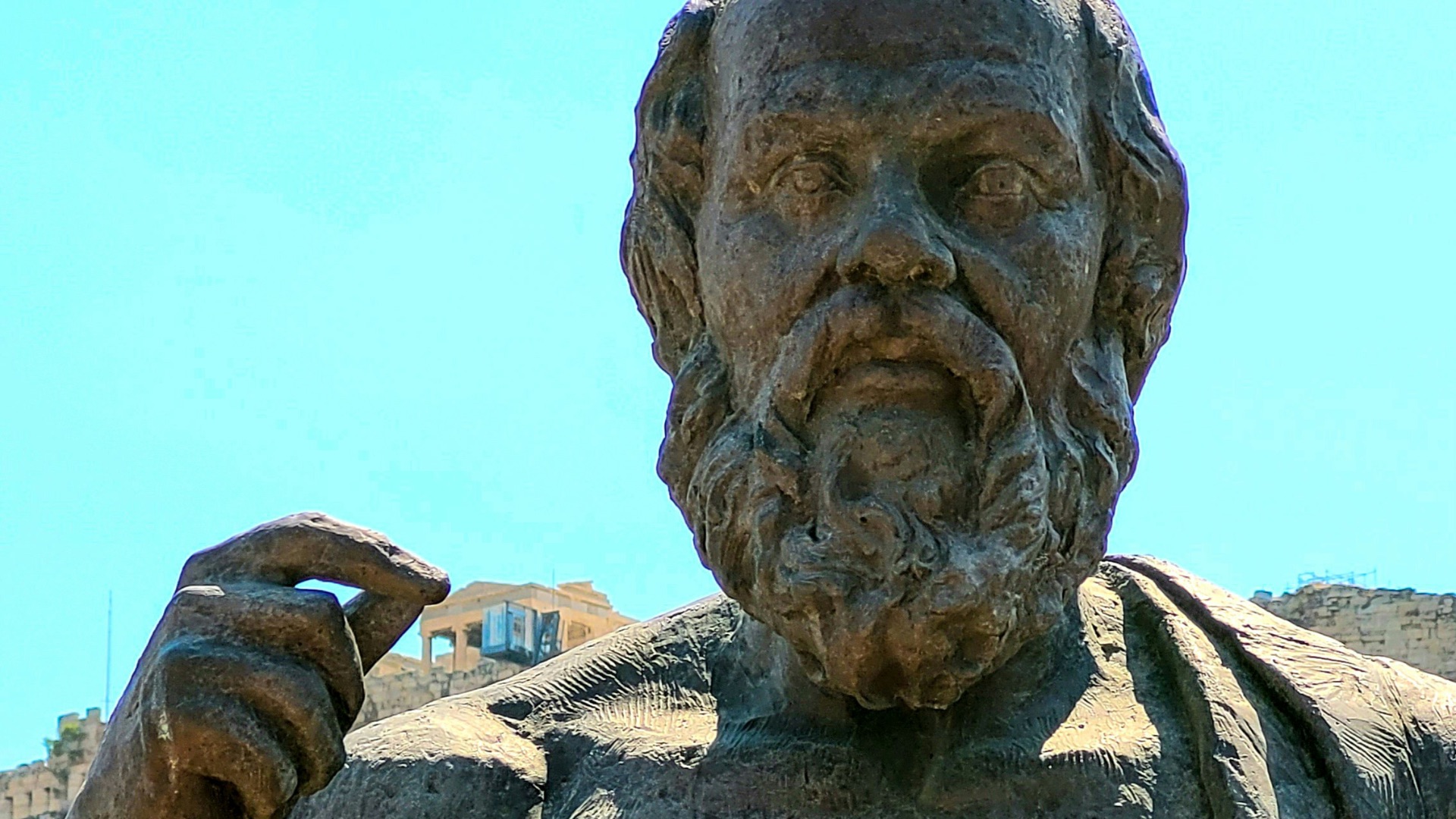 Felipe Pérez Lamana on Unsplash
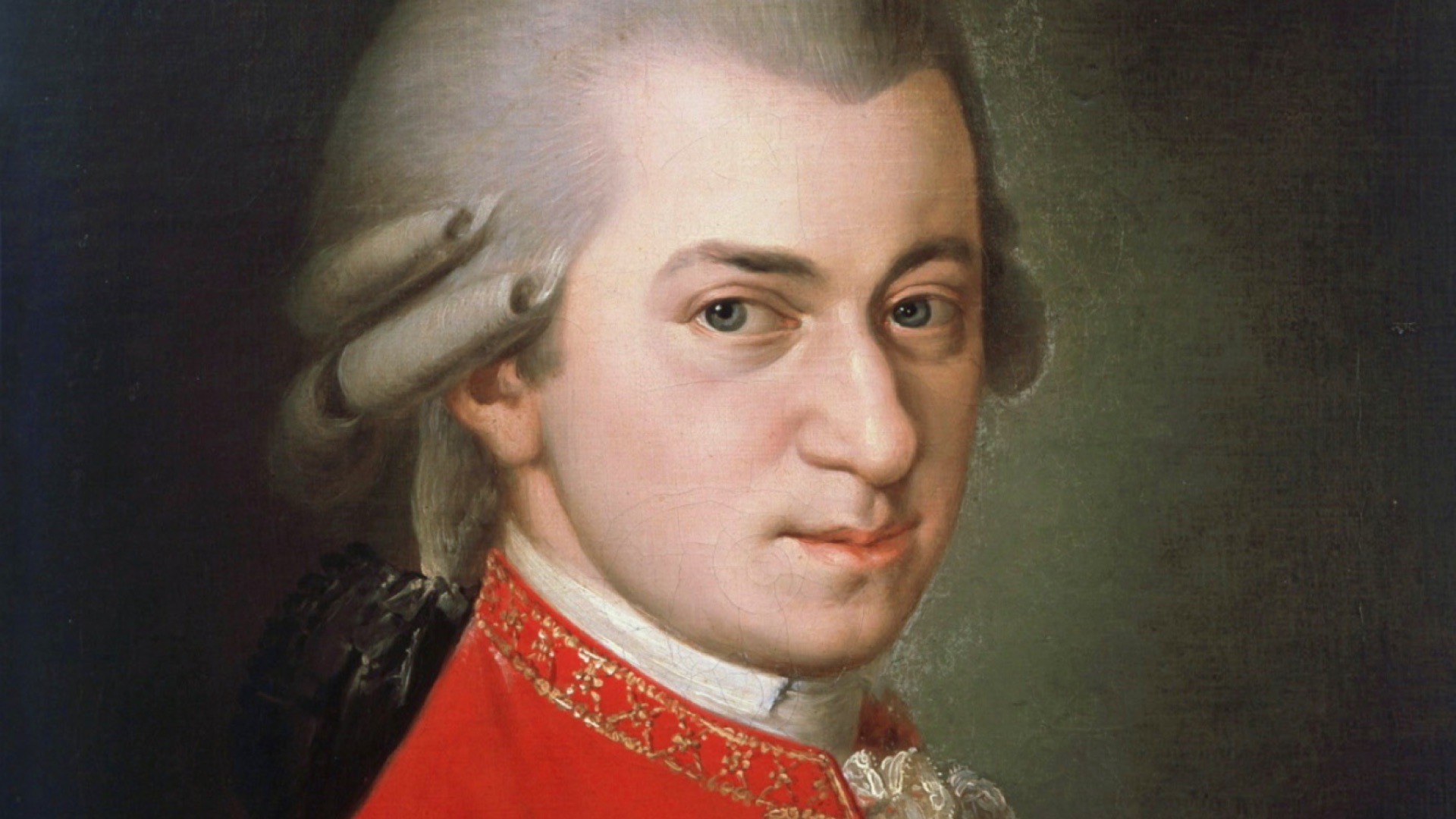
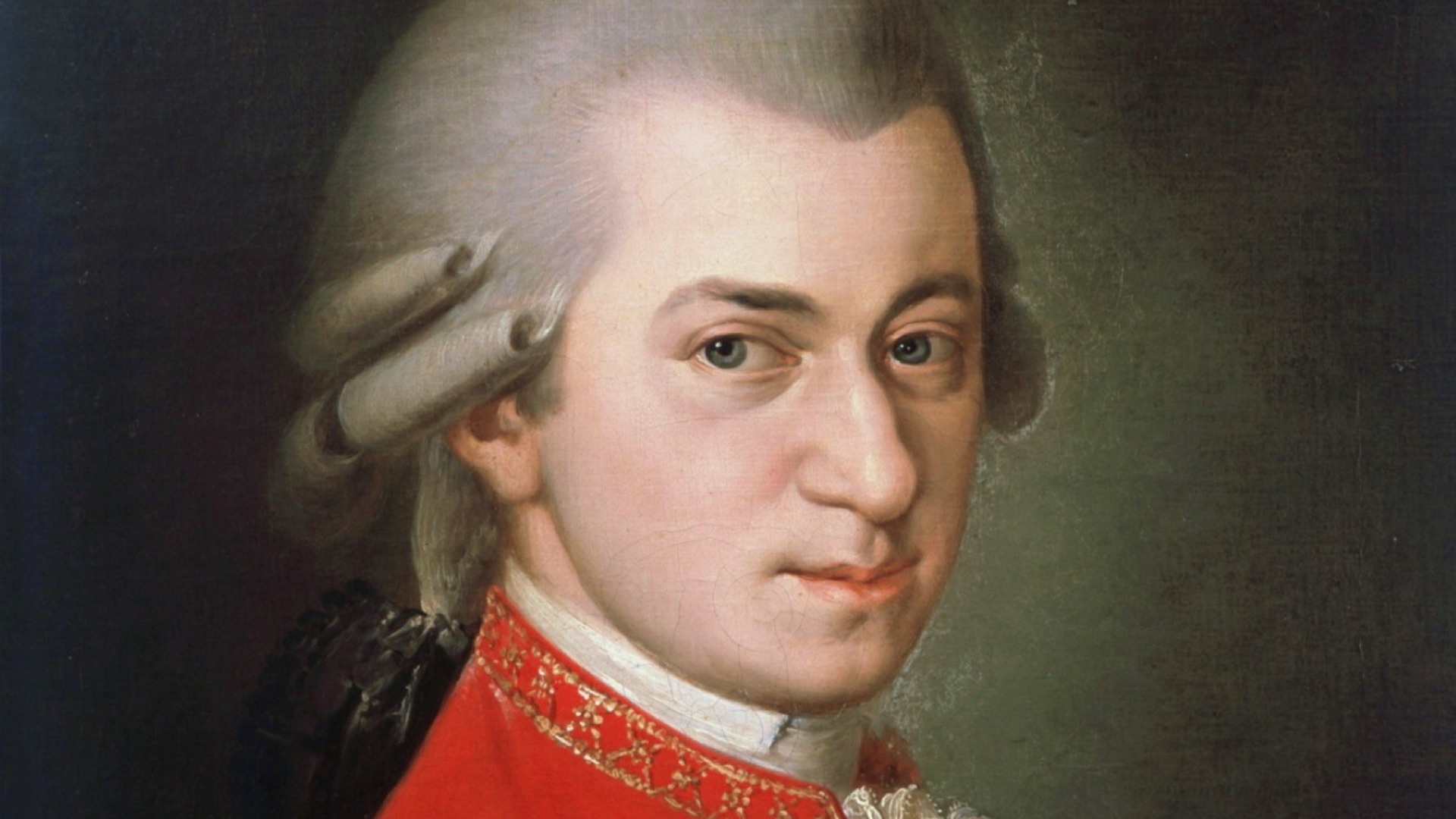
12. Mozart Had Smallpox Scars and a Distinctive Ear
The portraits of Wolfgang Amadeus Mozart that have become iconic tend to present a pretty, well-groomed young man, but the real Mozart bore the physical marks of a difficult childhood. He contracted smallpox as a child, leaving visible pockmarks on his face, though this was rarely depicted in commissioned portraits. The idealized image of Mozart was very deliberately cultivated, both during his lifetime and in the centuries that followed.
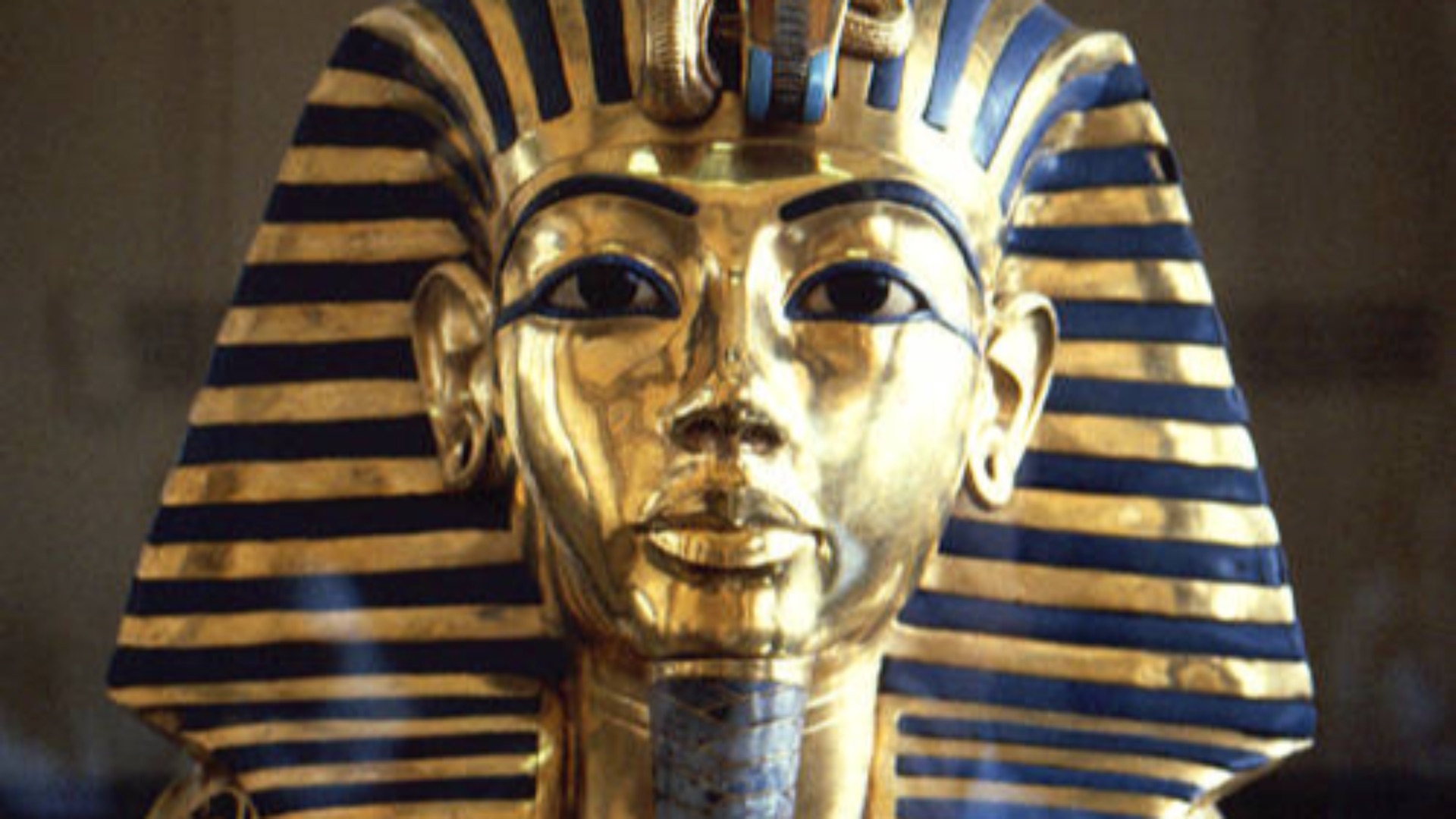
13. King Tutankhamun Had Significant Physical Disabilities
The golden death mask of Tutankhamun is one of the most beautiful and recognizable artifacts in human history, presenting a serene and handsome young pharaoh for eternity. CT scans and DNA analysis of his mummy, however, revealed a very different physical reality: he had a pronounced overbite, a club foot, and feminine-shaped hips, and he was likely reliant on walking sticks as over 130 of which were found in his tomb. Inbreeding within the Egyptian royal family was almost certainly responsible for the range of conditions he carried throughout his short life.
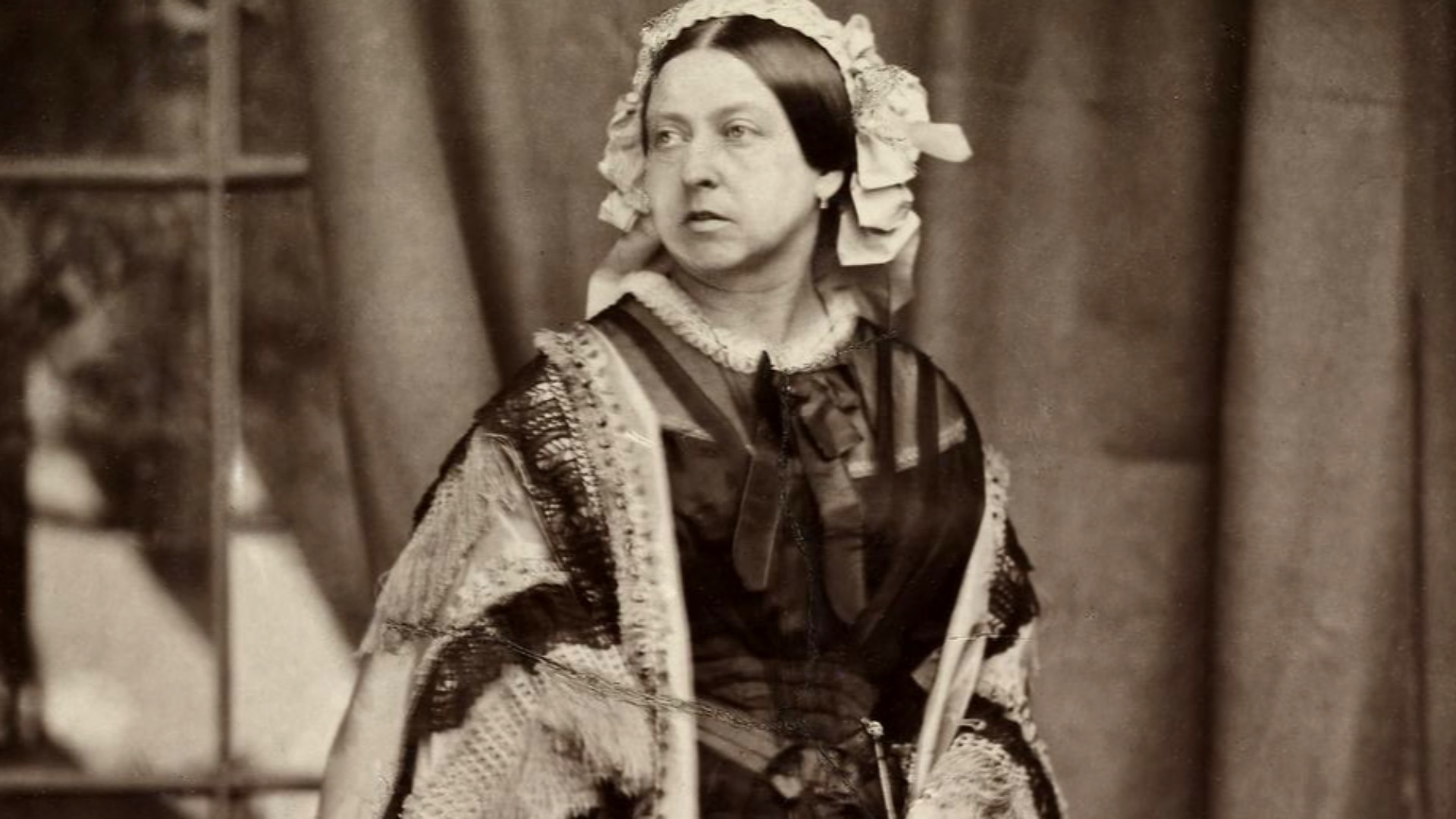
14. Queen Victoria Was Tiny and Initially Quite Vivacious
The image that dominates popular memory of Queen Victoria is the severe, black-clad widow of her later decades, but the young queen who ascended the throne at 18 was an entirely different figure. She stood only 4 feet 11 inches tall and was reportedly charming, energetic, and fond of dancing; her diaries from her early reign read as enthusiastic and at times even playful. It was the death of Prince Albert in 1861 that shifted her public presentation permanently toward the somber image the world came to associate with her name.
 John Jabez Edwin Mayall on Wikimedia
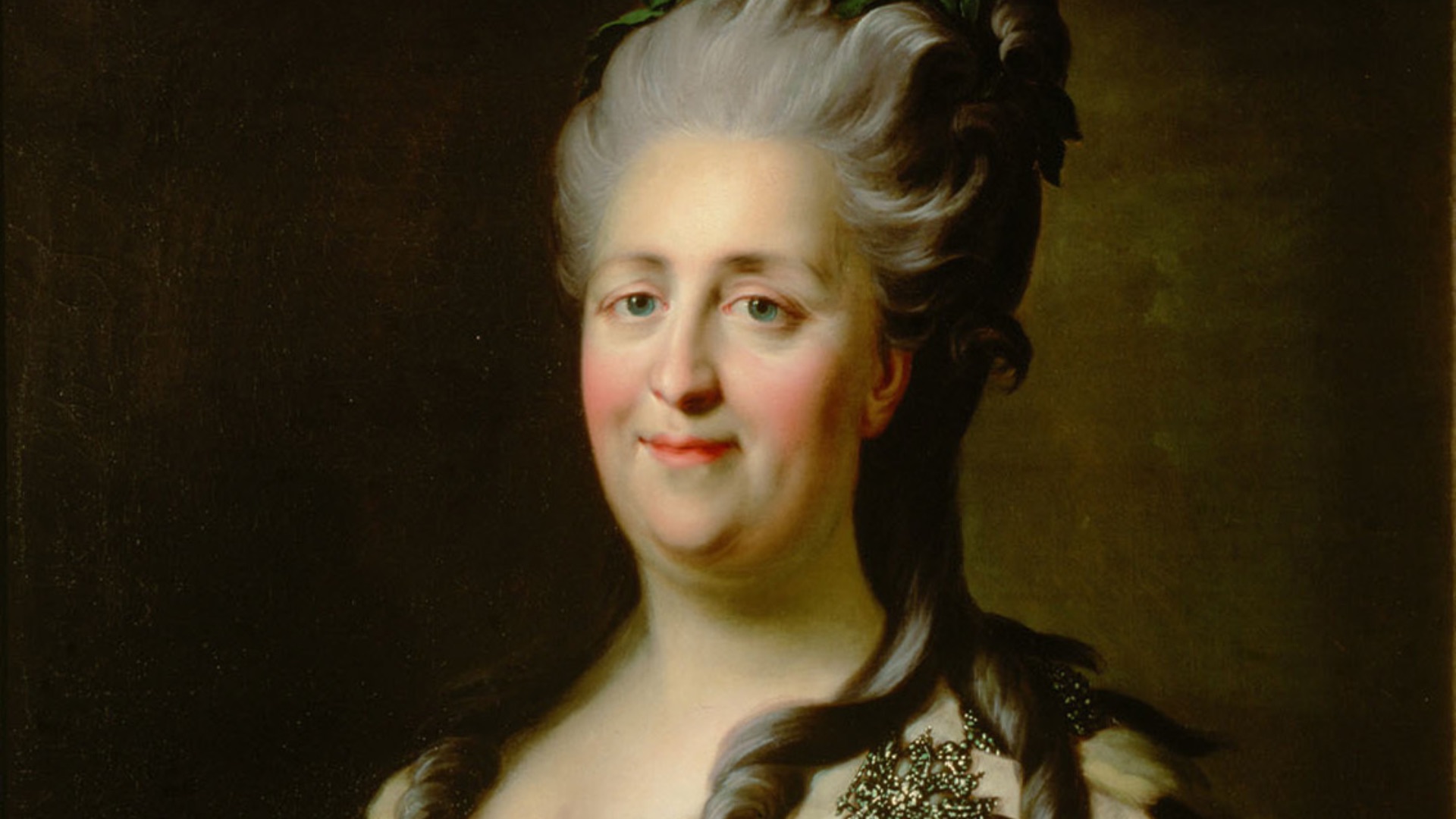
15. Catherine the Great's Portraits Were Highly Flattering
Catherine the Great of Russia is routinely depicted as a stately and attractive empress, but people who knew her personally left accounts suggesting her portraits were doing considerable diplomatic work. She herself acknowledged in private correspondence that she wasn't conventionally beautiful, and foreign diplomats at her court noted that her appearance was pleasant but far from the idealized images her court painters produced. Like many monarchs of her era, she understood that portraiture was a political tool as much as a personal record.
 After Alexander Roslin on Wikimedia
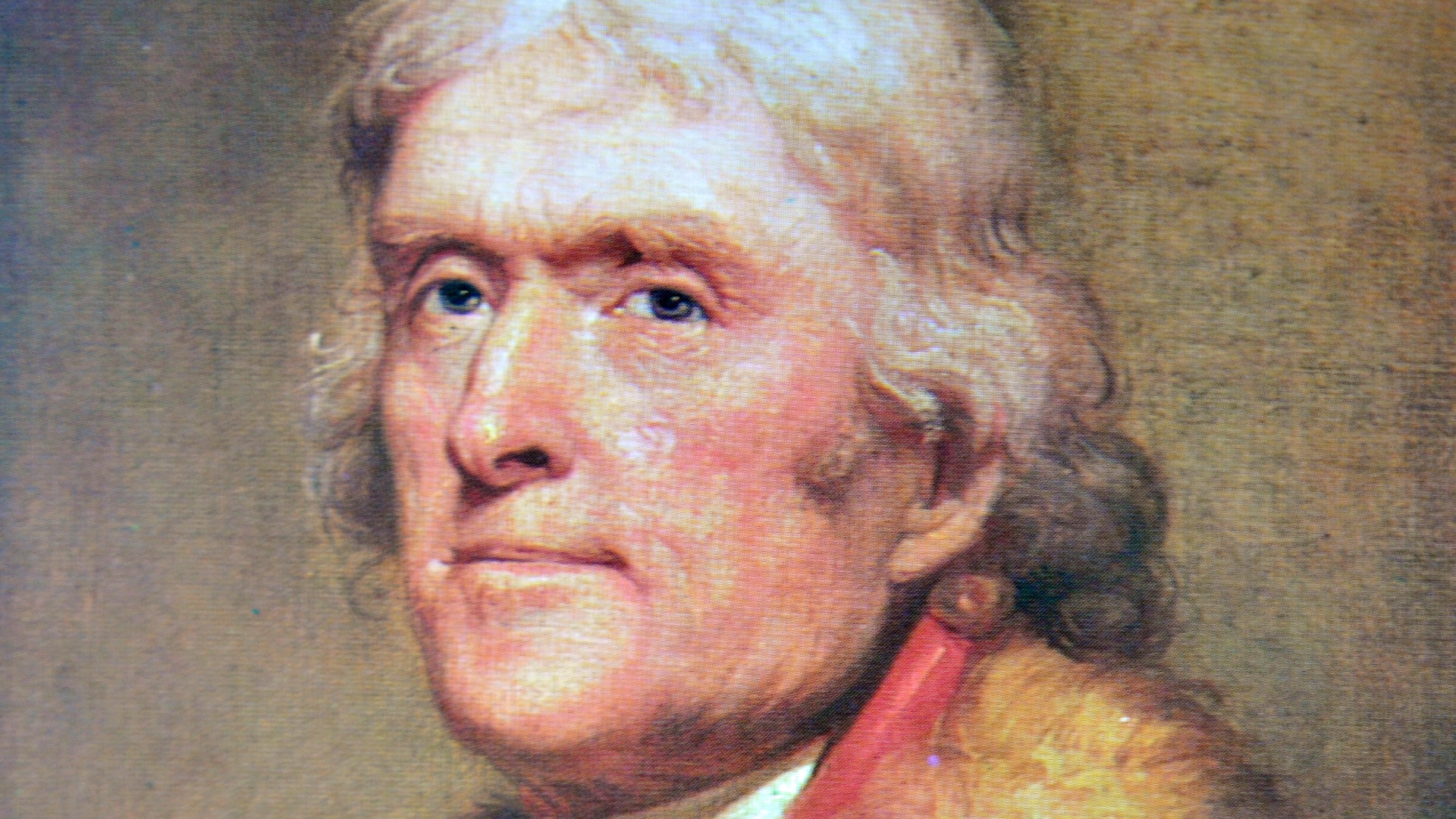
16. Thomas Jefferson Had Notably Red Hair
Most artistic depictions of Thomas Jefferson show him with brown or subtly auburn hair, but by most contemporary accounts, his hair was actually a vivid, unmistakable red. He reportedly had freckles to match, and descriptions from people who encountered him in person consistently noted the color as a defining feature. It's a small detail, but it shifts the mental image of one of America's most towering Founding Fathers in a way that's surprisingly hard to adjust to.
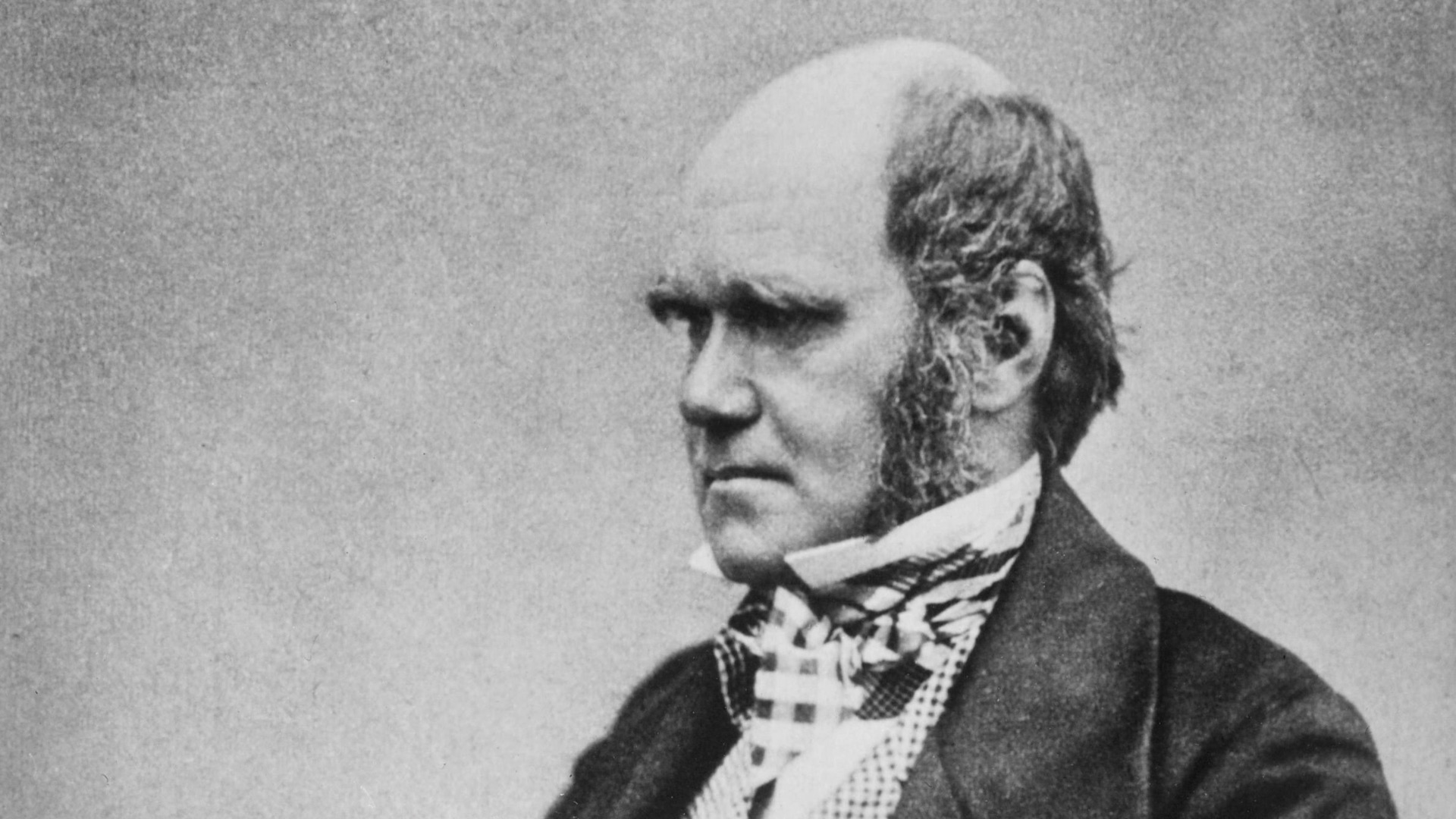
17. Charles Darwin Was Clean-Shaven for Most of His Life
When most people picture Charles Darwin, they see the elderly, white-bearded patriarch whose image graced the British 10-pound note, but that version of Darwin only existed for roughly the final decade of his 73-year life. During the Beagle voyage that gave him the observations underpinning his theory of evolution, and for many years afterward, he was a clean-shaven young man with no beard at all. He didn't grow the famous beard until his early 50s, meaning the most intellectually productive years of his life were spent looking nothing like the figure history tends to present.
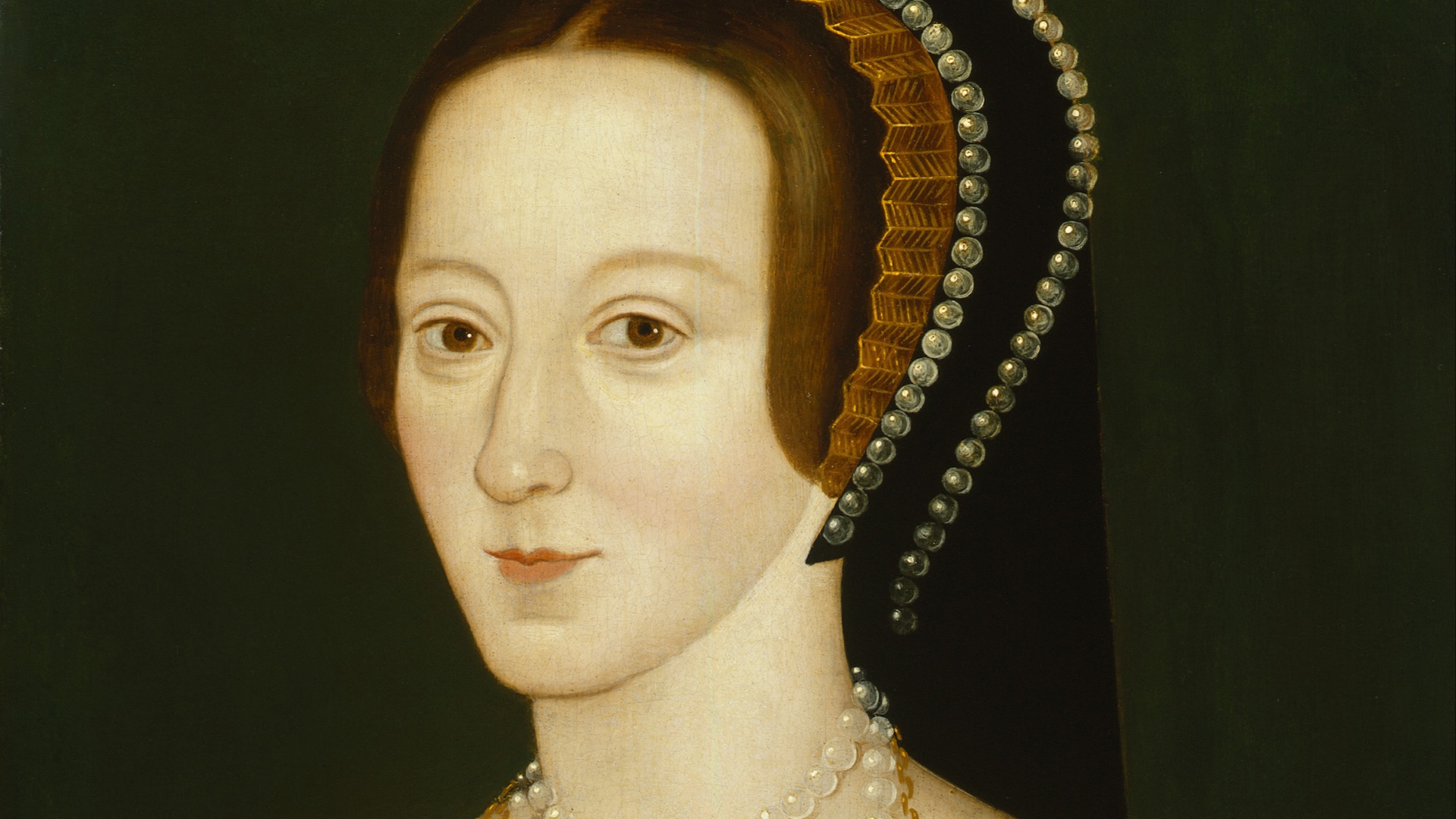
18. Anne Boleyn Likely Had Dark Features, Not the Fair Look Often Shown
Anne Boleyn is frequently depicted in modern adaptations as a fair-skinned, sometimes red-haired woman, but contemporary descriptions suggest she had an olive complexion, dark eyes, and very dark hair—features considered exotic and striking at the English court. She also had a small extra nail on one of her fingers, which later Tudor propagandists tried to weaponize as evidence of witchcraft, but which was almost certainly a minor genetic variation. The actual appearance of Henry VIII's second queen was likely far less like a traditional Tudor portrait and considerably more striking by the standards of her English contemporaries.
 Unknown , English on Wikimedia
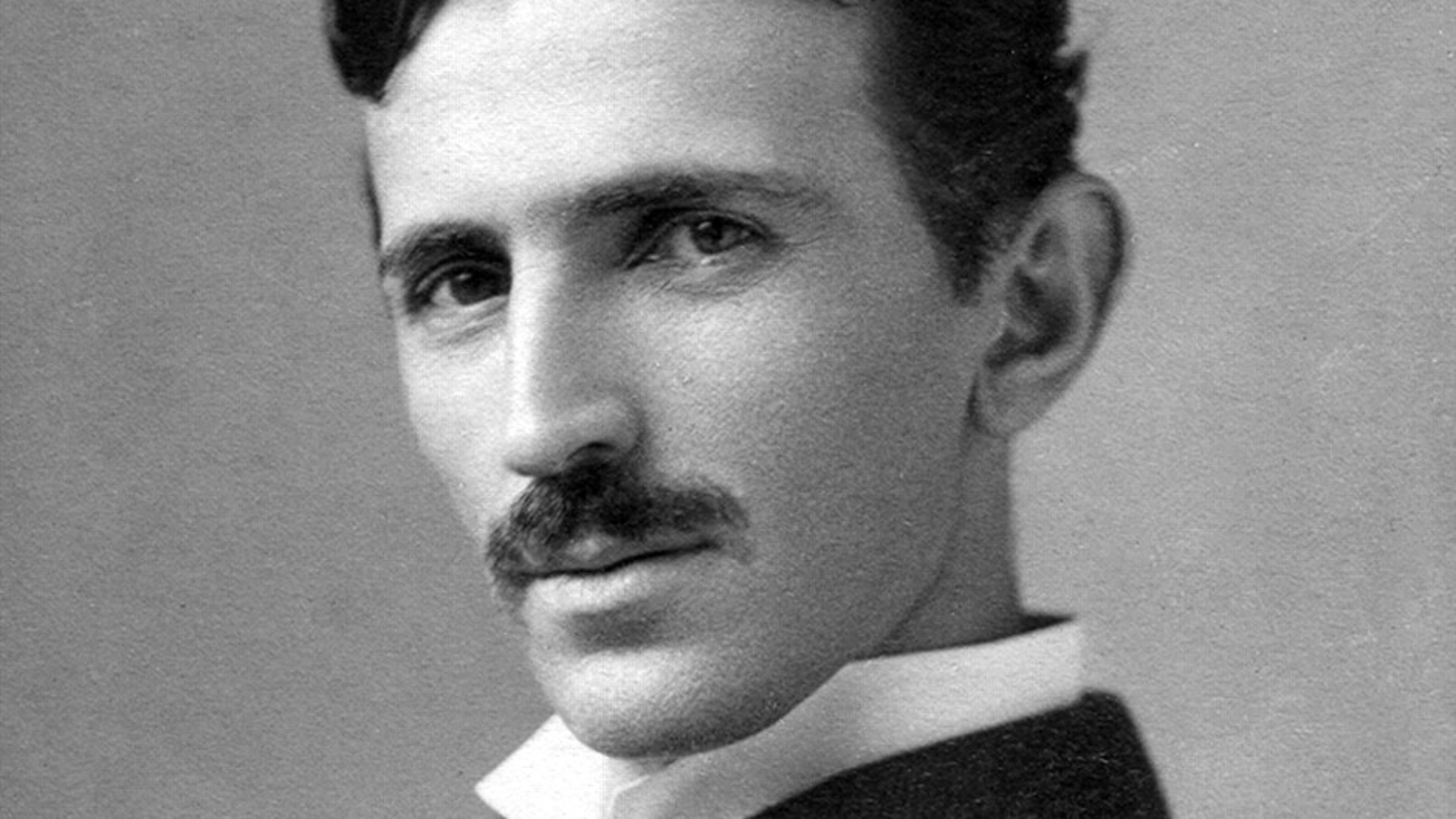
19. Nikola Tesla Was Considered Remarkably Handsome in His Prime
Nikola Tesla is often depicted in popular culture as a gaunt, eccentric figure, and later photographs do show a tall and angular man, but in his prime he was widely considered strikingly attractive. Contemporary accounts from his time in New York describe him as impeccably dressed, elegantly tall, and possessed of a magnetic physical presence that drew attention in social settings. The brooding, disheveled image of the tortured inventor is largely a 20th-century construction that took hold well after his death.
20. Attila the Hun Was Described as Physically Unimpressive
Given his terrifying reputation as one of the most feared conquerors of the ancient world, you might expect Attila the Hun to have cut an imposing physical figure, but surviving descriptions from people who actually encountered him tell a very different story. The Roman diplomat Priscus, who met Attila in person in 449 AD, described him as short and broad, with a large head, small eyes, and a thin streaked beard, presenting nothing particularly intimidating in his appearance.
KEEP ON READING

20 Times Nature Wiped Entire Communities Off the Map
When the Ground, Sea, & Sky Changed Everything. History is…
By Emilie Richardson-Dupuis May 8, 2026
20 Fossils Scientists Got Completely Wrong, And What It Took…
One Bone Doesn’t Show The Whole Picture. Paleontology has always…
By Elizabeth Graham May 8, 2026
20 Most Manipulative Historical Figures
Masters of the Long Con. History isn't just full of…
By Sara Springsteen May 8, 2026
10 Technological Advances That Saved Lives & 10 That Took…
Innovation Has Always Had Two Sides. Technology has improved human…
By Rob Shapiro May 8, 2026
20 Radicals History Couldn’t Ignore
They Moved The Line. Every age has people who are…
By Cameron Dick May 8, 2026
20 Animal Species From History That Disappeared Because of Humans
The Creatures We Didn’t Leave Enough Room For. Extinction can…
By Emilie Richardson-Dupuis May 7, 2026