Why Victorian Families Sometimes Photographed Their Dead Loved Ones
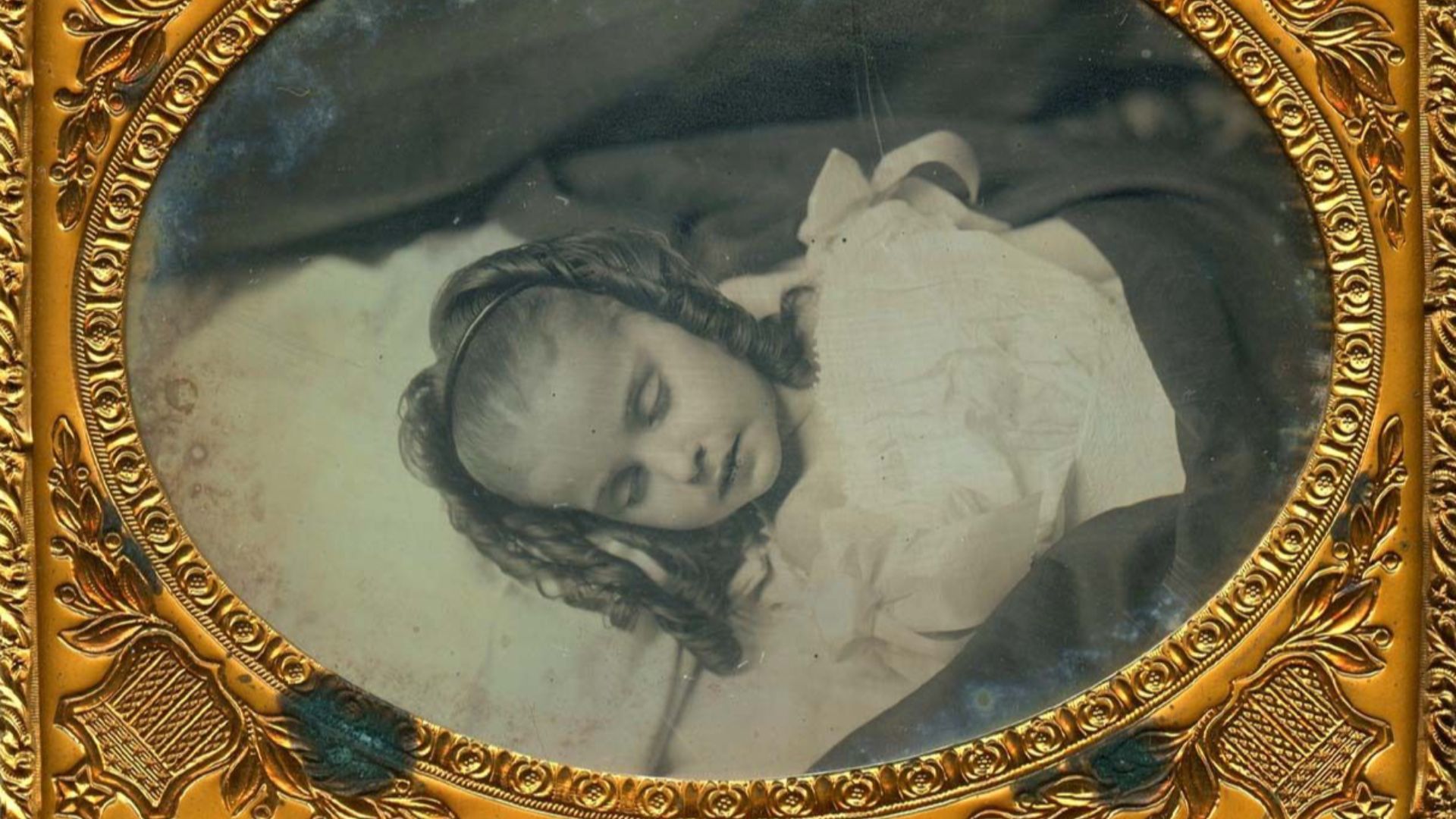
Imagine looking through an old family photo album and discovering a picture of someone who had already died when the photograph was taken. While that might seem horribly unsettling today, it wasn't all that unusual during the Victorian era. Throughout the 19th century, some families deliberately arranged photographs of deceased relatives, occasionally posing them as though they were peacefully sleeping. These images weren't meant to frighten anyone, but rather to preserve the memory of someone they loved.
Known as post-mortem photography, the practice became increasingly common following the introduction of photography in 1839. For grieving families, a carefully arranged portrait could offer some comfort during a difficult time. To understand why people embraced this tradition, it's worth looking at Victorian attitudes toward death, the limitations of early photography, and the importance of keeping loved ones close even after they were gone.
Photography Offered Families Something They Couldn't Otherwise Have
During the early Victorian period, having your photograph taken wasn't nearly as common as it is today. Cameras were expensive, photographic equipment was complicated, and professional portraits required both planning and money. Although photography was generally more affordable than commissioning a painted portrait, many working-class families still couldn't afford the expense. As a result, someone could go their entire life without ever having their picture taken.
When a family member died unexpectedly, relatives sometimes realized they didn't have a single photograph of the person they'd lost. Hiring a photographer after death gave them one last opportunity to preserve their loved one's appearance before burial. This was especially meaningful for parents who had never been able to arrange a portrait of their child. What seems strange to modern viewers was often a desperate attempt to hold on to a familiar face.
Unfortunately, childhood mortality was common throughout much of the 19th century. Infectious diseases, limited medical treatments, and complications during childbirth meant that many children never reached adulthood. Parents sometimes arranged photographs of deceased infants dressed in their finest clothing, occasionally surrounded by favorite toys or flowers. For some families, that single picture became one of their most treasured possessions.
Photography also made it possible for relatives living far away to share in remembering someone they'd lost. As photographic technology improved, certain processes made producing multiple copies much easier. Families could send these portraits to grandparents, siblings, or other relatives who couldn't attend the funeral. At a time when long-distance travel was often difficult and expensive, receiving a photograph offered a meaningful connection to the deceased.
Victorians Had a Very Different Relationship With Death
Modern society tends to keep death relatively private, with hospitals and funeral homes handling many of the arrangements. Victorian families, on the other hand, were more familiar with caring for dying relatives and preparing bodies at home. Death frequently occurred within the household, where friends and neighbors might gather to pay their respects. Having a photographer arrive during this period wasn't necessarily considered an inappropriate intrusion.
The Victorian era also saw the development of elaborate mourning customs, particularly among Britain's middle and upper classes. People wore black clothing, saved locks of hair, and collected jewelry containing reminders of deceased loved ones. Following Prince Albert's death in 1861, Queen Victoria's extended period of mourning became a particularly prominent example of these traditions. Post-mortem photographs were part of this broader culture of expressing grief through meaningful personal keepsakes.
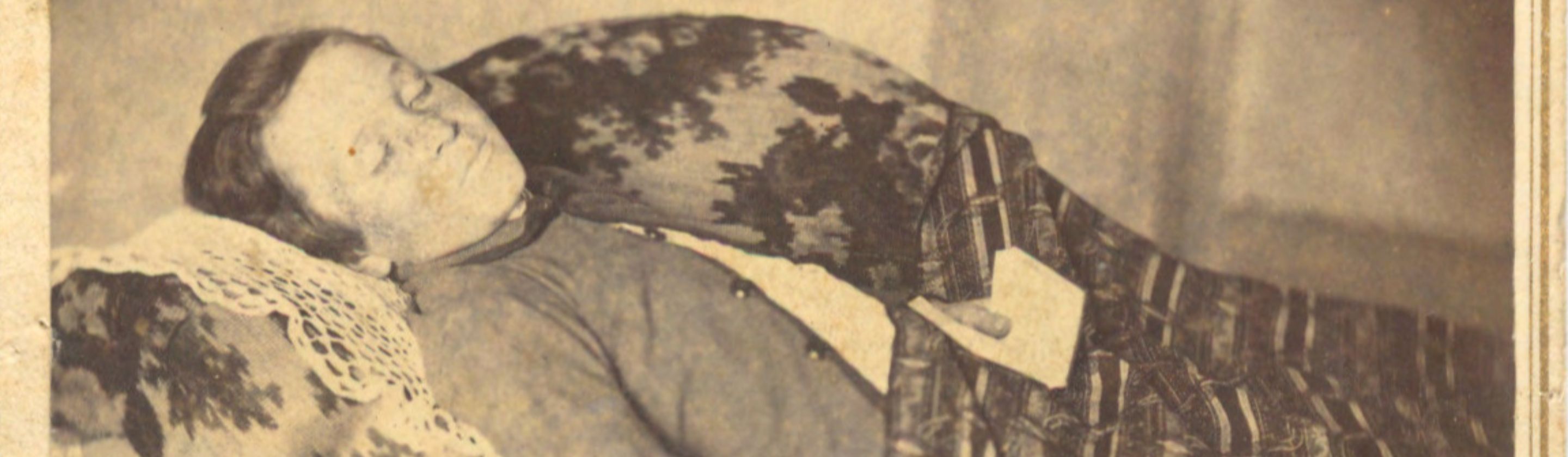
Rather than focusing on death itself, photographers often tried to create peaceful, comforting portraits. A deceased child might be photographed lying beneath a blanket, while an adult could be positioned in bed or seated in a chair. Some families preferred images that looked like ordinary portraits, while others chose more recognizable deathbed scenes. The goal was generally to remember the person with dignity rather than capture the unsettling physical realities of dying.
Interestingly, these photographs weren't always kept hidden from visitors or treated as something shameful. Some families displayed them on mantelpieces, while others stored them in protective cases alongside regular family portraits. Mourning jewelry could also feature miniature photographs, allowing people to carry a personal reminder of someone they'd lost. These keepsakes offered a comforting connection during a period when personal photographs were much harder to come by.
How These Unusual Photographs Were Taken & Why the Tradition Faded
Taking a post-mortem photograph involved considerably more preparation than simply pointing a camera at someone. Photographers might visit the family's home, where relatives had already dressed and carefully arranged the deceased for viewing. Children were sometimes photographed in cradles or held in their mothers' arms, resulting in particularly emotional family portraits. In some cases, photographers or colorists even added subtle pink tones to the cheeks to make the finished image appear more lifelike.
You've probably come across internet claims suggesting that Victorians regularly strapped corpses into standing positions for elaborate family photographs. However, historians and photography researchers have challenged many images shared with these descriptions. Ordinary posing stands, which helped living subjects stay still during lengthy exposures, are often mistaken for equipment designed to support dead bodies. Many supposedly post-mortem portraits circulating online are actually conventional photographs that have been incorrectly labeled.
By the late 19th and early 20th centuries, advances in photographic technology gradually transformed how families preserved memories. Cameras became more accessible, and people began collecting photographs throughout their lives instead of depending on a single formal portrait. At the same time, declining mortality rates and the increasing involvement of hospitals and funeral professionals changed how families experienced death. Post-mortem photography slowly became less common, although the tradition never vanished entirely.
Today, these surviving photographs can make viewers uncomfortable, especially when they show very young children. However, understanding their original purpose reveals that they're purpose was sentimental, not morbid. Victorian families simply wanted a lasting reminder of someone they couldn't bear to forget. The practice may have long since gone out of fashion, but these portraits reflect a feeling that's still deeply recognizable today: the desire to preserve precious memories of the people we love.