
10 Armies Defeated by Their Own Supply Problems & 10 Victories Won by Starving the Enemy
10 Armies Defeated by Their Own Supply Problems & 10 Victories Won by Starving the Enemy
When the Food Runs Out
An army can have thousands of soldiers and plenty of weapons, but none of that matters for long if the food and ammunition stop arriving. Throughout history, commanders have pushed their troops too far from their supply lines, only to find themselves stranded and running short of everything they needed. Others have turned those same weaknesses against their enemies, cutting off supplies until surrender became inevitable. Here are 10 armies brought down by their own supply problems, followed by 10 victories won by starving the enemy.
 Unknown authorUnknown author on Wikimedia
1. Julian's Persian Campaign, 363
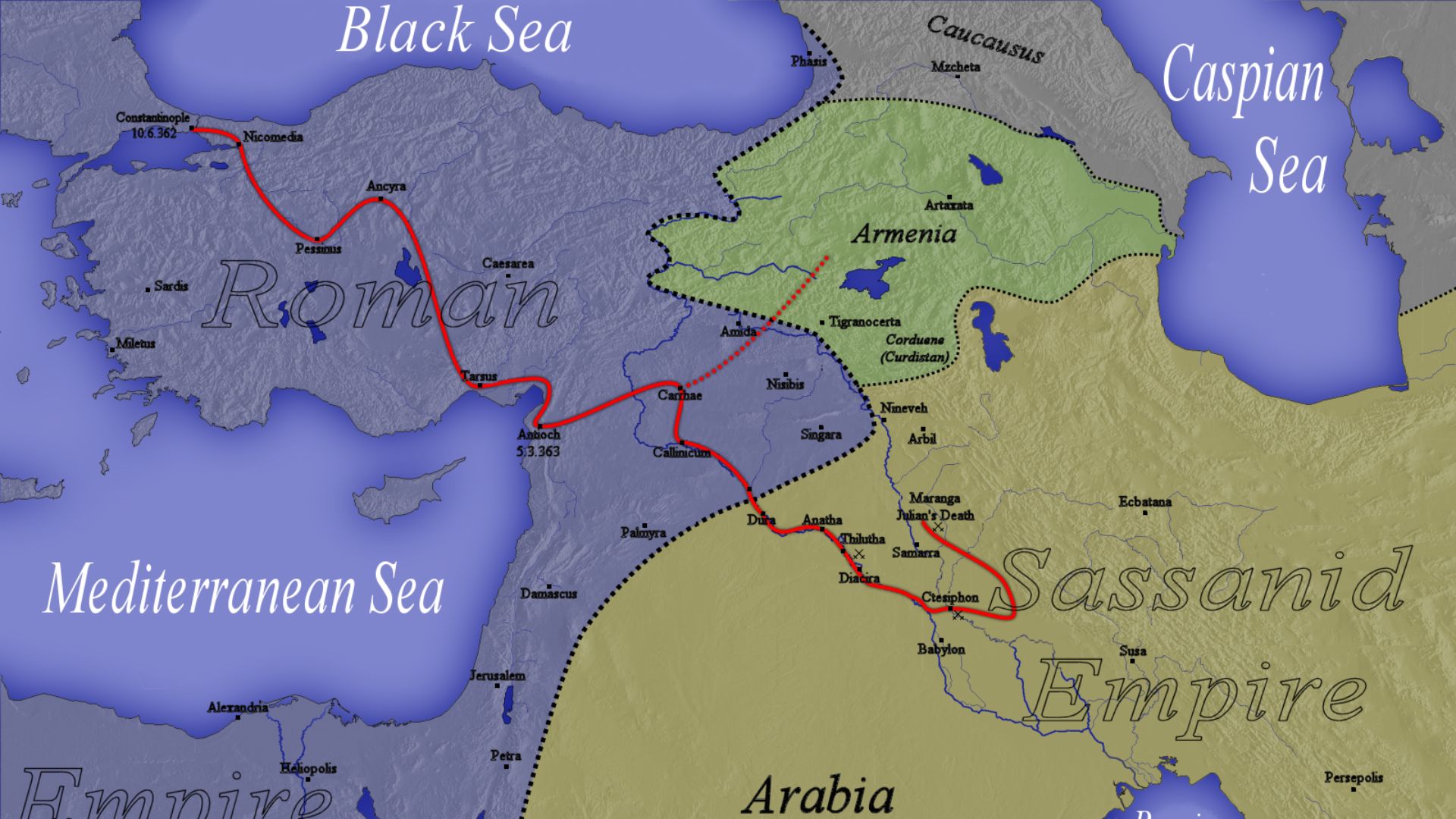
Emperor Julian arrived at the Persian capital of Ctesiphon in 363 and reportedly burned his own boats, siege engines included. Persian troops burned the crops around his army, and the Romans turned back hungry. Julian was mortally wounded on the march home, and the army that limped out was weakened by hunger and by Persian attacks along the way.
 User:Giorgos Tzimas on Wikimedia
2. Louis IX in Egypt, 1250
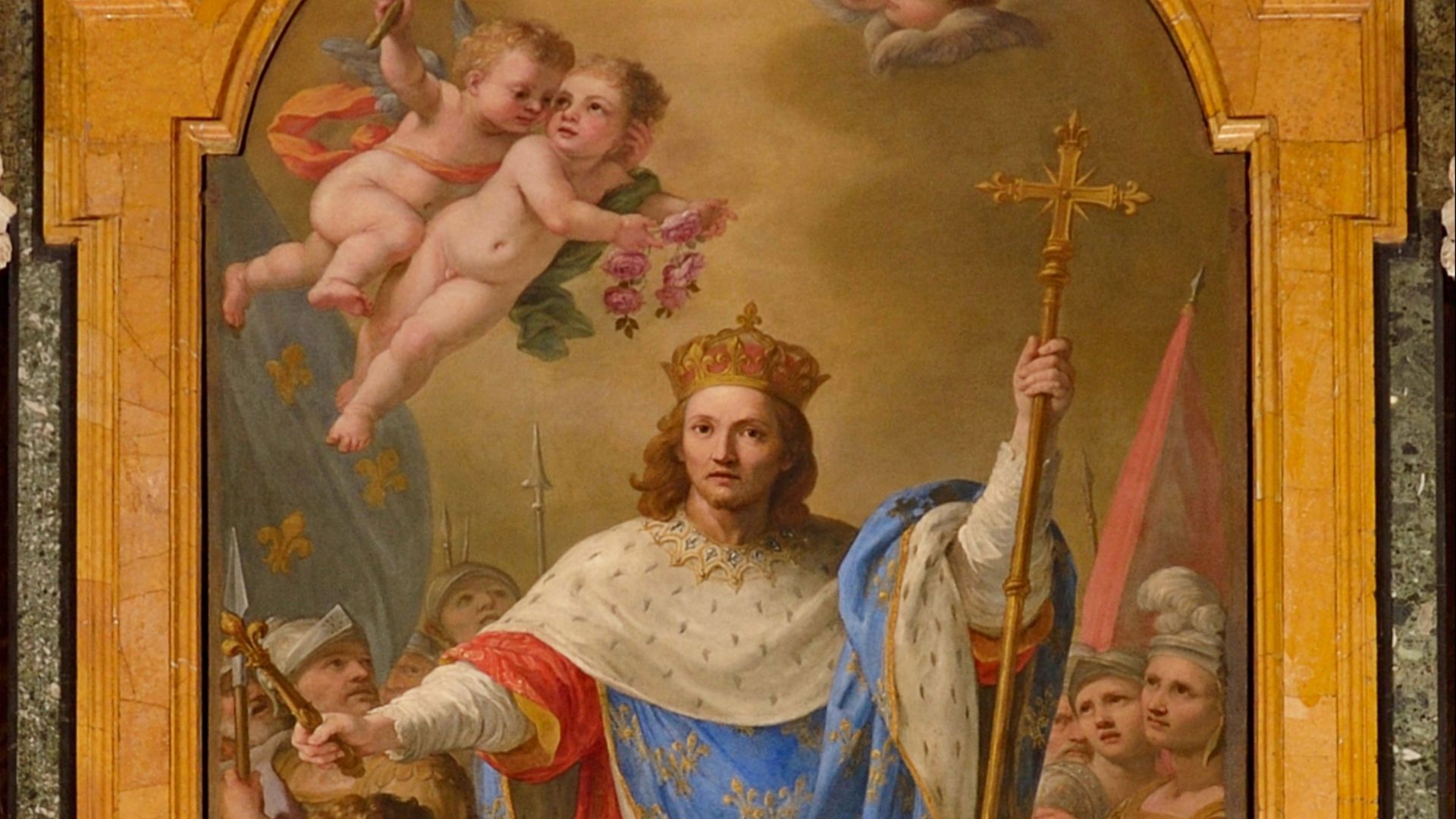
Louis IX of France captured Damietta in 1249 and then stalled at Mansourah that winter. A Muslim fleet cut his camp off from Damietta, and starvation and disease spread through the army until he ordered the retreat. Louis was taken prisoner in 1250 and freed after agreeing to a ransom.
 Livioandronico2013 on Wikimedia
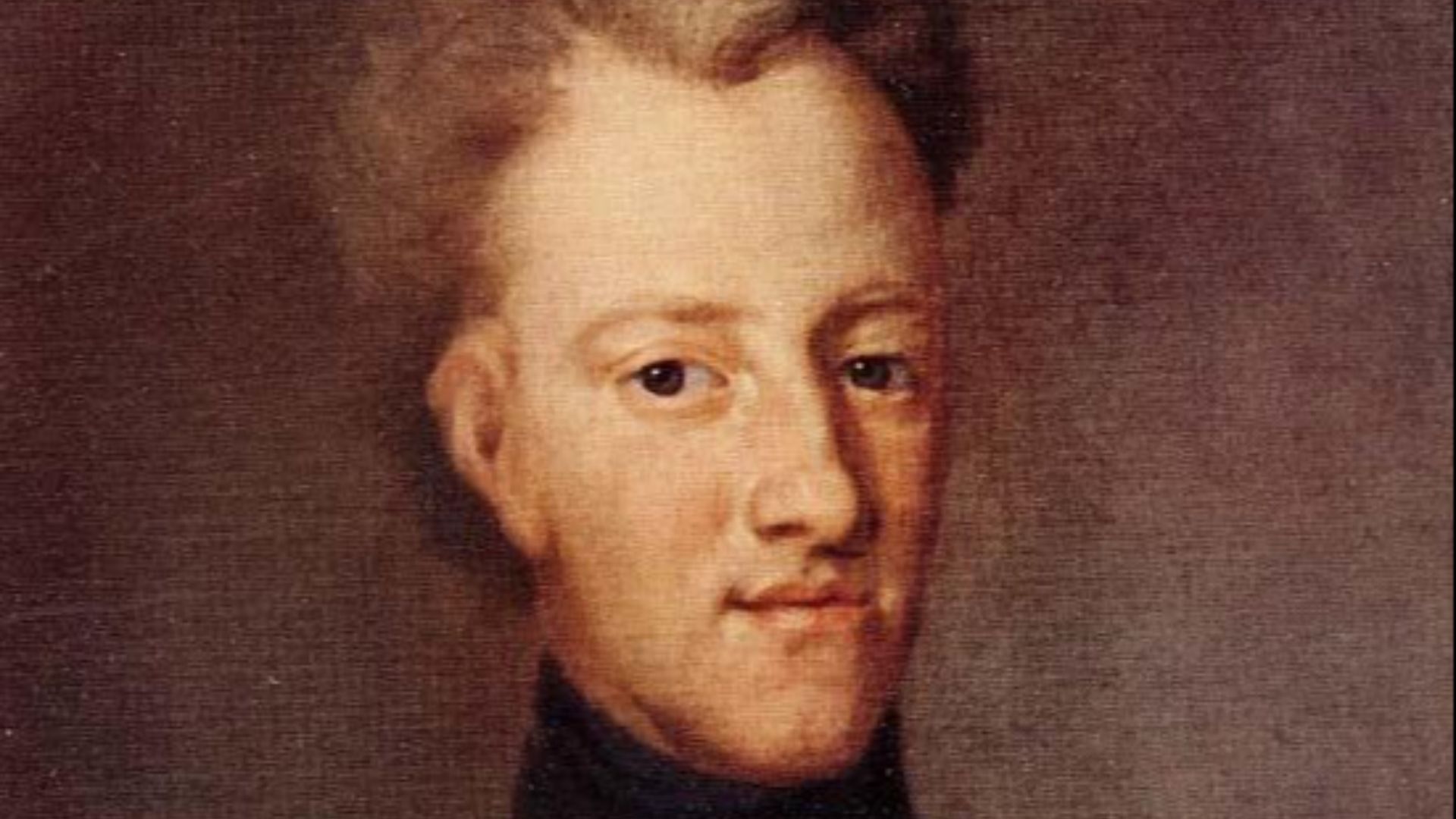
3. Charles XII's Lost Convoy, 1708
Charles XII's army in Russia was waiting on a supply column in 1708. Peter the Great's troops caught the 12,500-man column at Lesnaya in October, where Cossacks plundered the wagons and the Swedes abandoned the rest along with their artillery. The column's commander reached Charles XII with half his men, and Peter considered the battle the mother of Poltava.
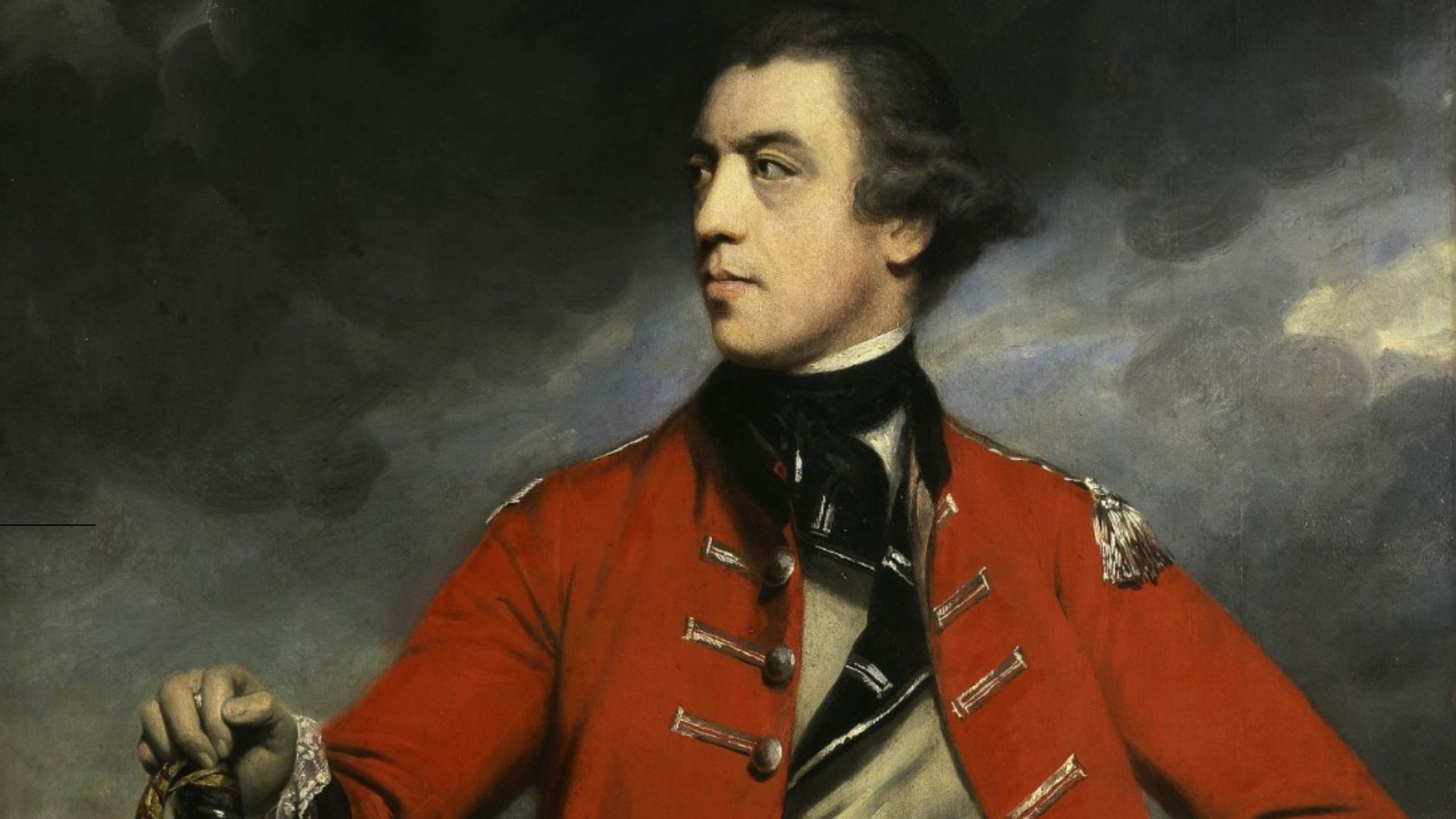
4. Burgoyne's Road to Saratoga, 1777
General John Burgoyne sent a raid toward Bennington in August 1777 to ease his supply shortage. The fight there cost him at least 900 men and didn't fix the shortage. Surrounded in October, his army marched into captivity on the 17th.
5. Napoleon's Grande Armée in Russia, 1812
Napoleon's invasion force numbered at least 450,000 men by most estimates, and poor Russian roads kept its supply train behind the army. The retreating Russians stripped the land of whatever could be eaten, and starving soldiers on the way back ate horse carcasses. Only about 38,000 men of the main force recrossed the Niemen.

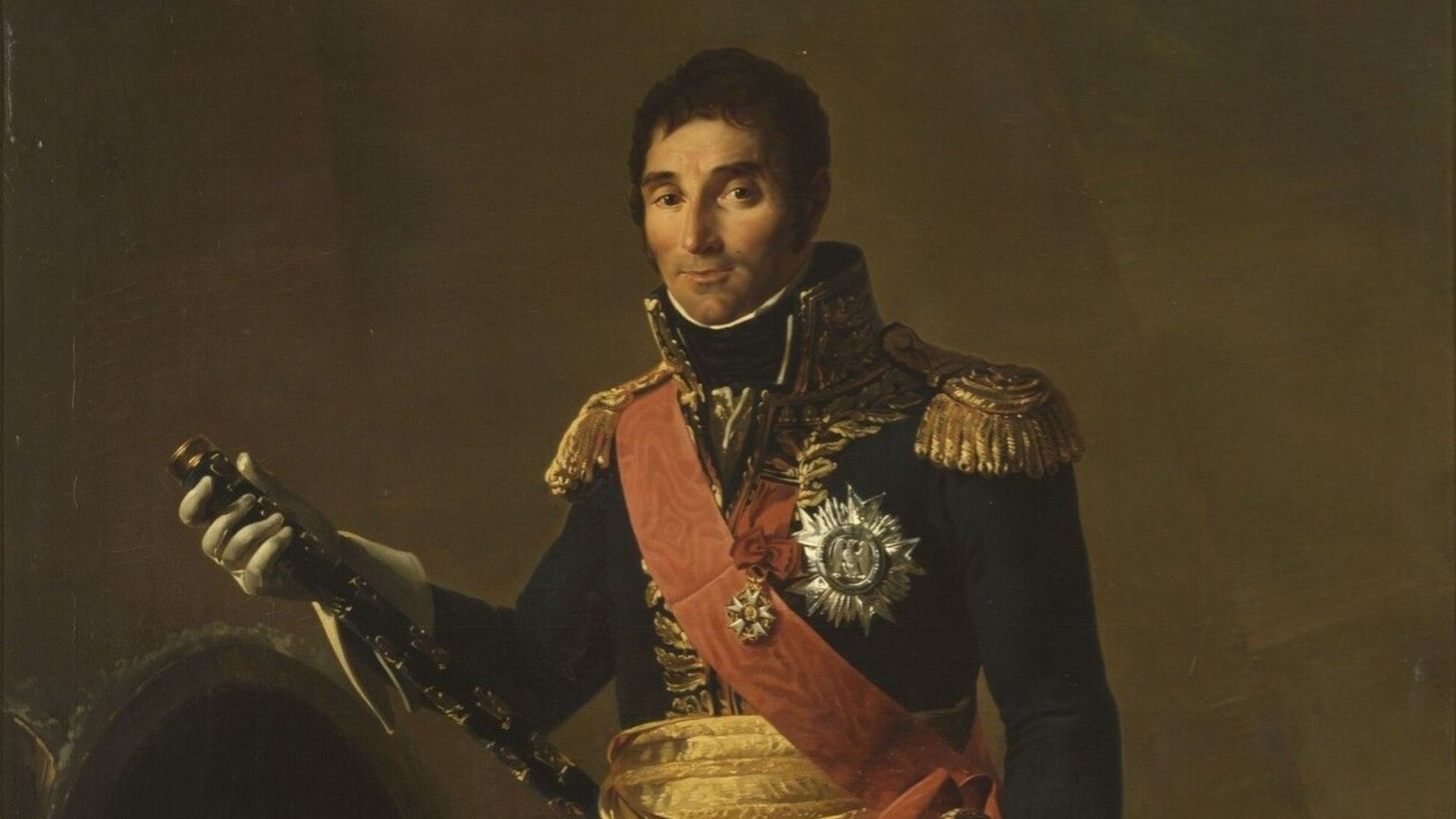
6. Masséna in Portugal, 1810 and 1811
Marshal Masséna's French army stopped in front of the Lines of Torres Vedras in 1810 and dug in for about a month. Wellington had ordered the countryside stripped of food, though less thoroughly than he wanted, and by early November the French had lost close to 5,000 men to starvation. Masséna fell back to Santarém that month and began the retreat toward Spain in March.
 Edme-Adolphe Fontaine / After Antoine-Jean Gros on Wikimedia
7. The Sixth Army at Stalingrad, 1942 and 1943
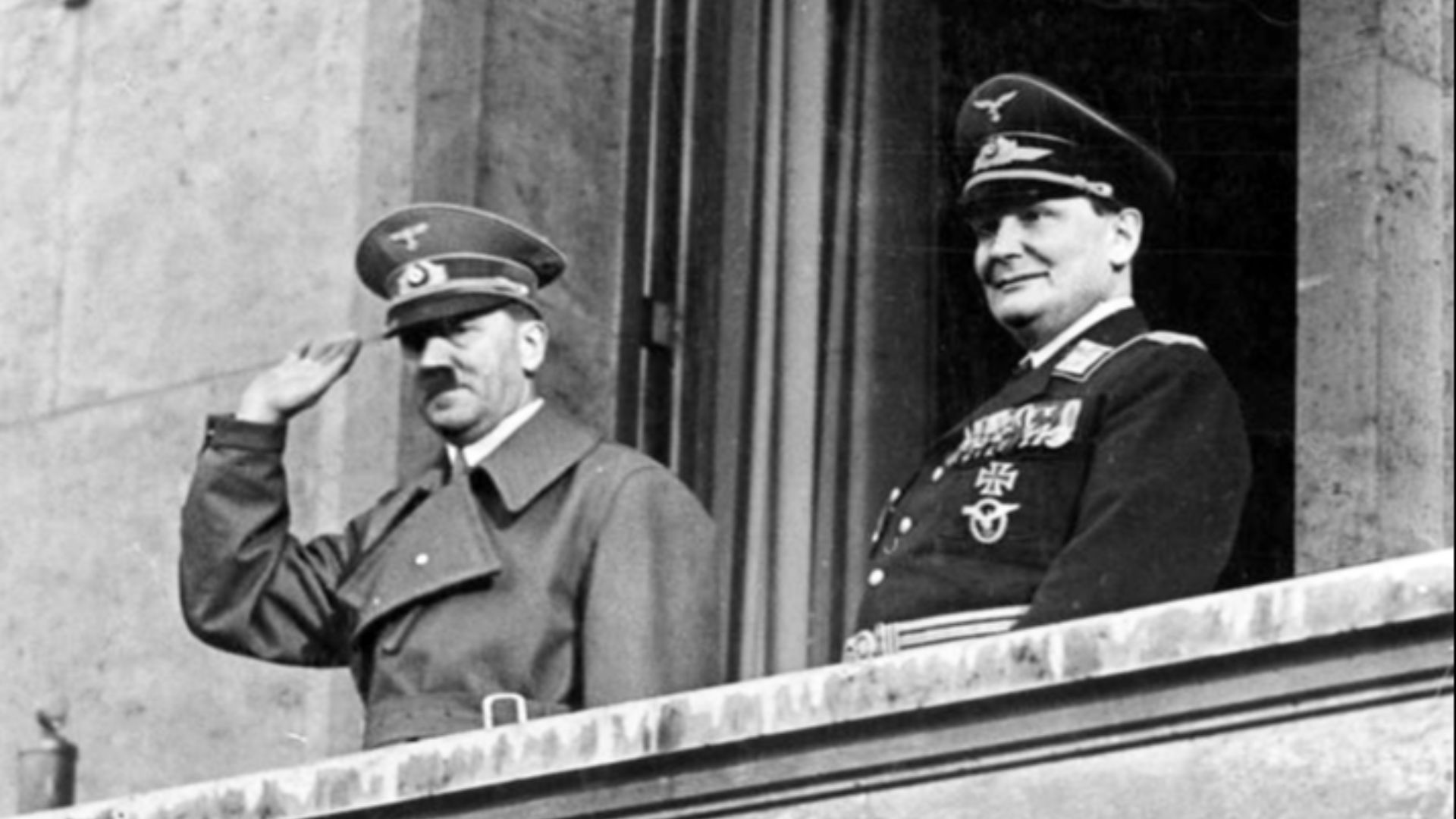
The Sixth Army was trapped at Stalingrad in November 1942 with about a quarter of a million men, and its commander capitulated at the end of January 1943. Göring had promised the Luftwaffe could fly in about 500 tons of supplies a day, yet deliveries in early December averaged 117 tons.
8. Peiper's Column in the Ardennes, 1944
Joachim Peiper's armored column counted on captured American gasoline during the Battle of the Bulge. He seized some at Büllingen but didn't know about the huge depots near Stavelot, which held more than three million gallons between them. By 21 December he was pinned at La Gleize, and when his men walked out a few days later most of the remaining vehicles had run dry.
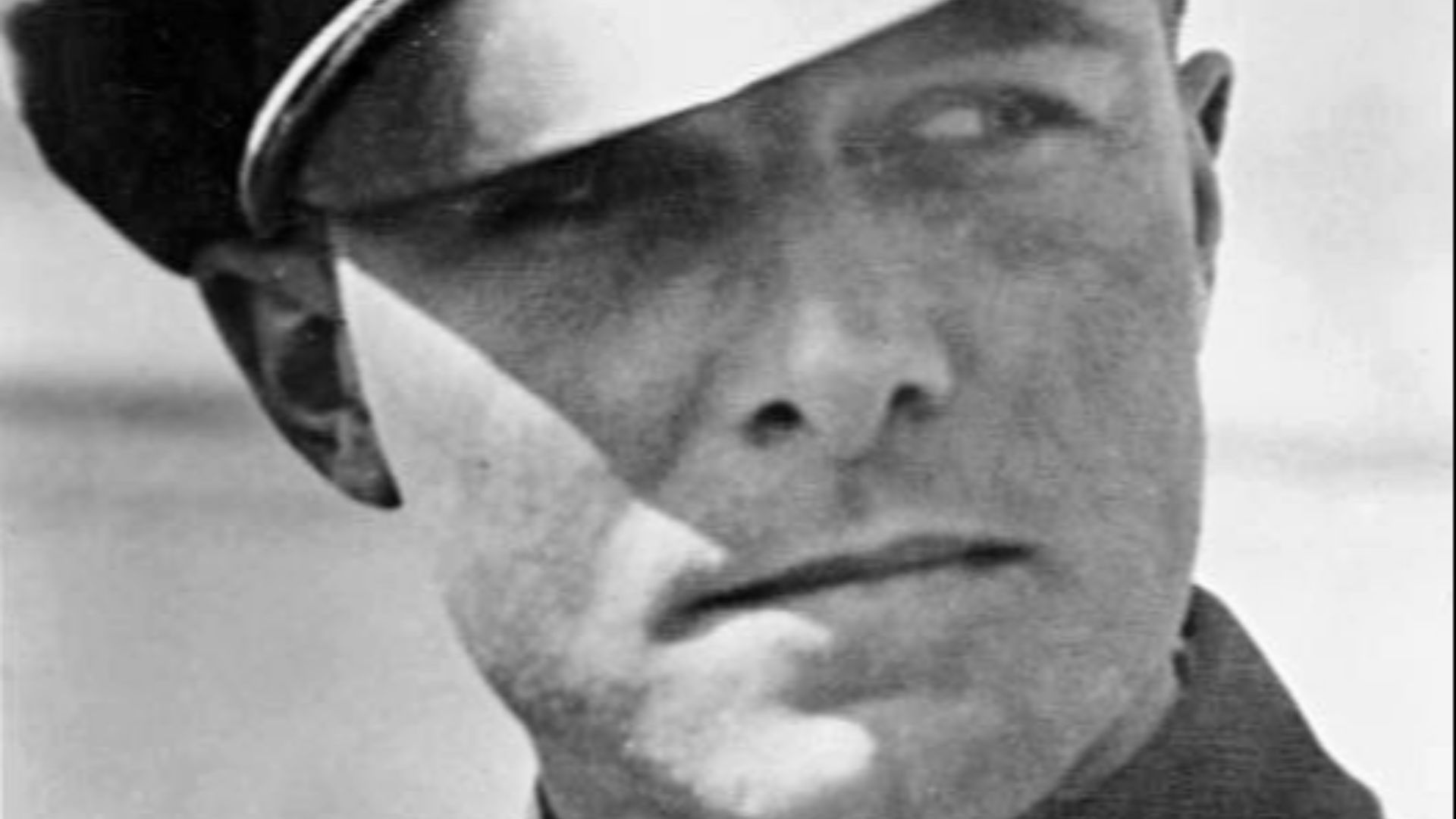
9. Mutaguchi's Offensive at Imphal, 1944
General Mutaguchi planned to capture British supplies at Imphal and feed his Japanese army from them. The supplies didn't fall into his hands, and his men starved in the worst of the monsoon. Of the 85,000 men in his Fifteenth Army, 53,000 ended up dead or missing.
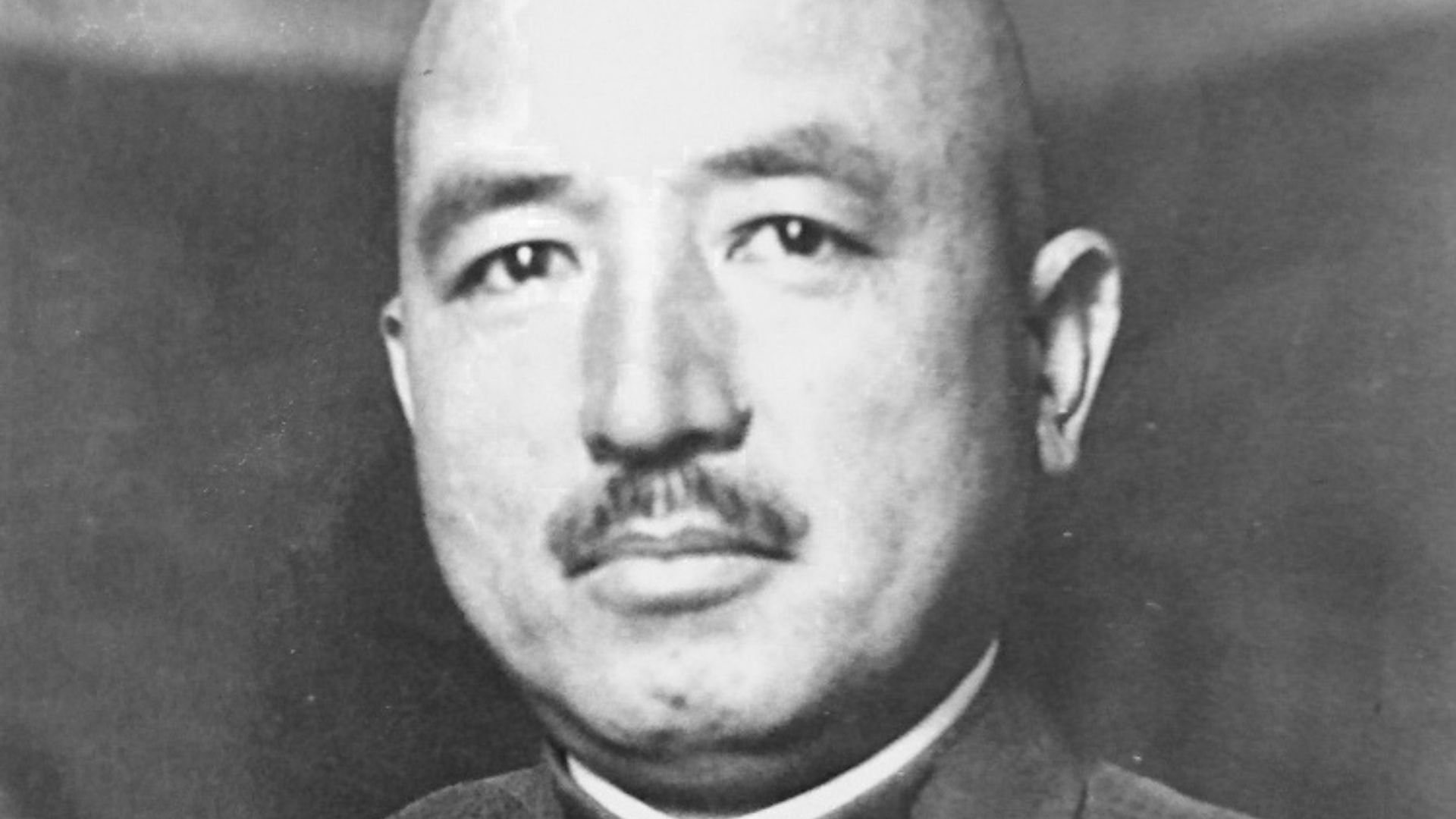
10. Rommel's Missing Fuel, 1942
British bombers and submarines sank about a third of Rommel's supplies and almost half of his fuel in the Mediterranean during August 1942. In October no fuel reached Libya at all during the first week, and codebreaking told the British how badly he needed it before they attacked at El Alamein on 23 October.
Now, here's 10 times the winners cut off the food instead.
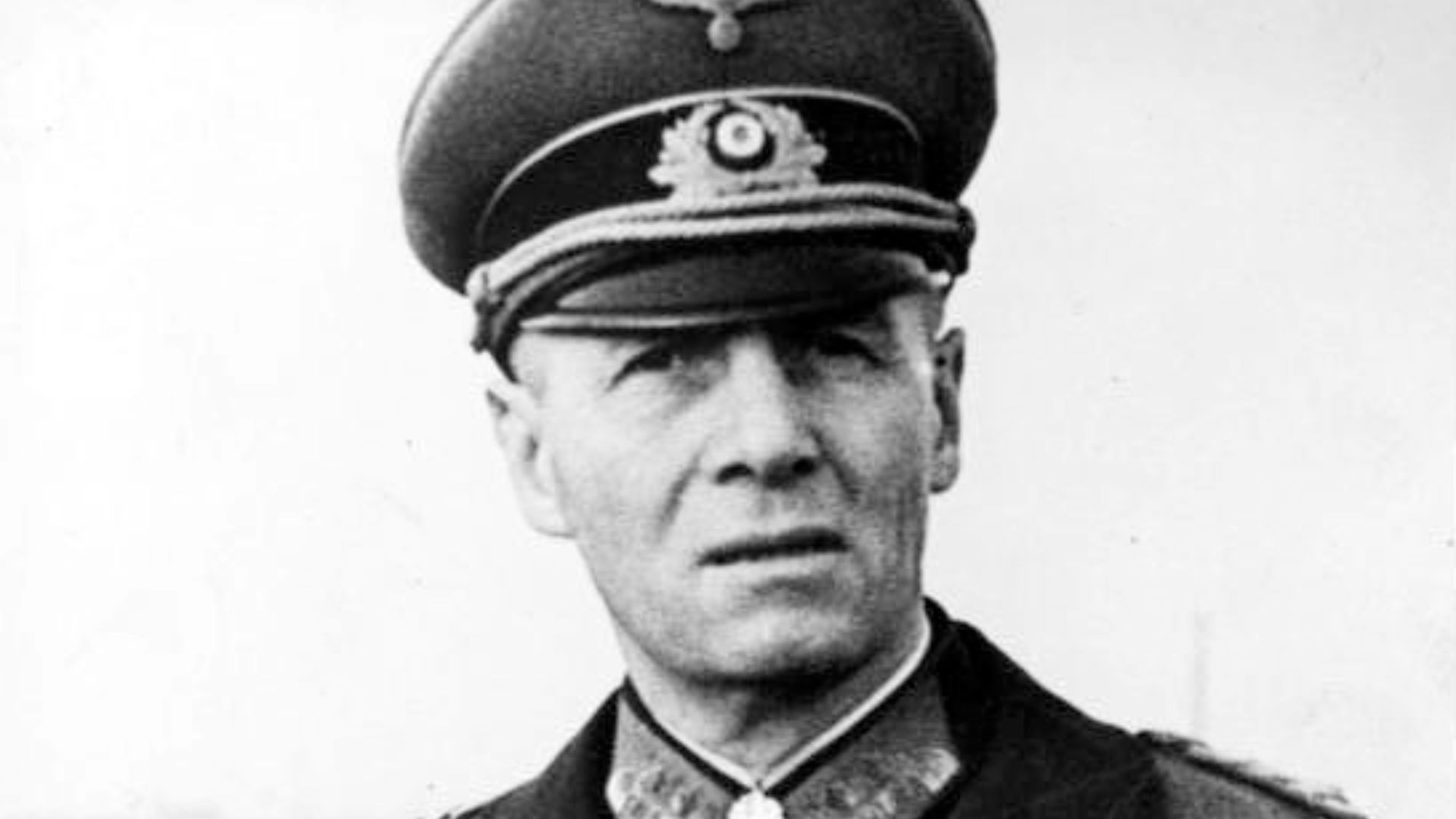
1. Caesar at Alesia, 52 BC
Vercingetorix retreated into Alesia with some 80,000 men and barely 30 days of rations. Caesar's army walled the town in, and the Mandubii women and children sent out to beg for food were turned away at the Roman lines. A huge relief army failed to break through, and the Gauls handed Vercingetorix over.
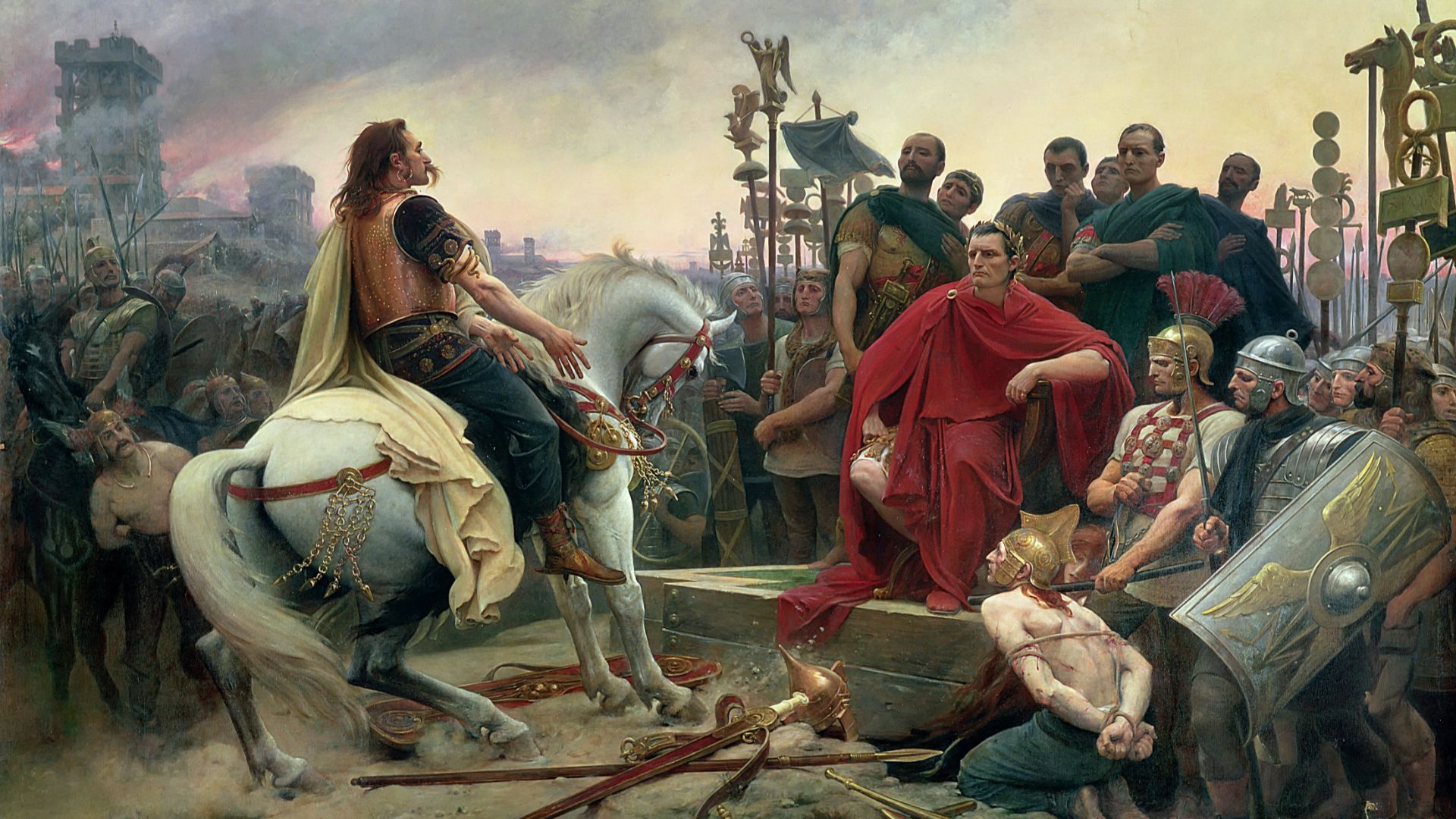
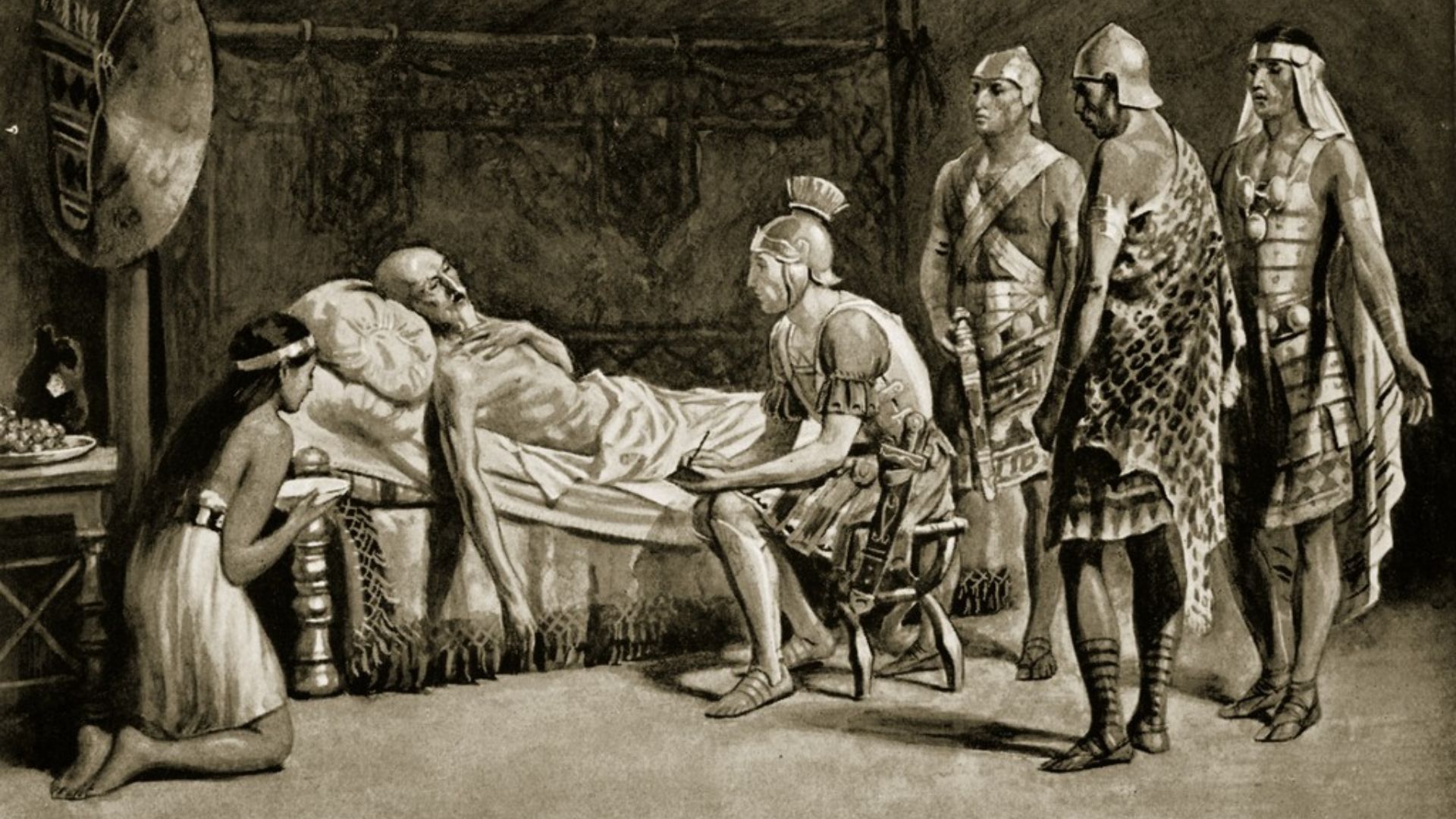
2. Scipio at Numantia, 133 BC
Scipio Aemilianus ringed the Celtiberian town of Numantia with roughly six miles of continuous ramparts. Hunger wore the defenders down over eight months until the survivors capitulated. The fall ended serious Celtiberian resistance to Rome.
 Alfred C. Weatherstone on Wikimedia
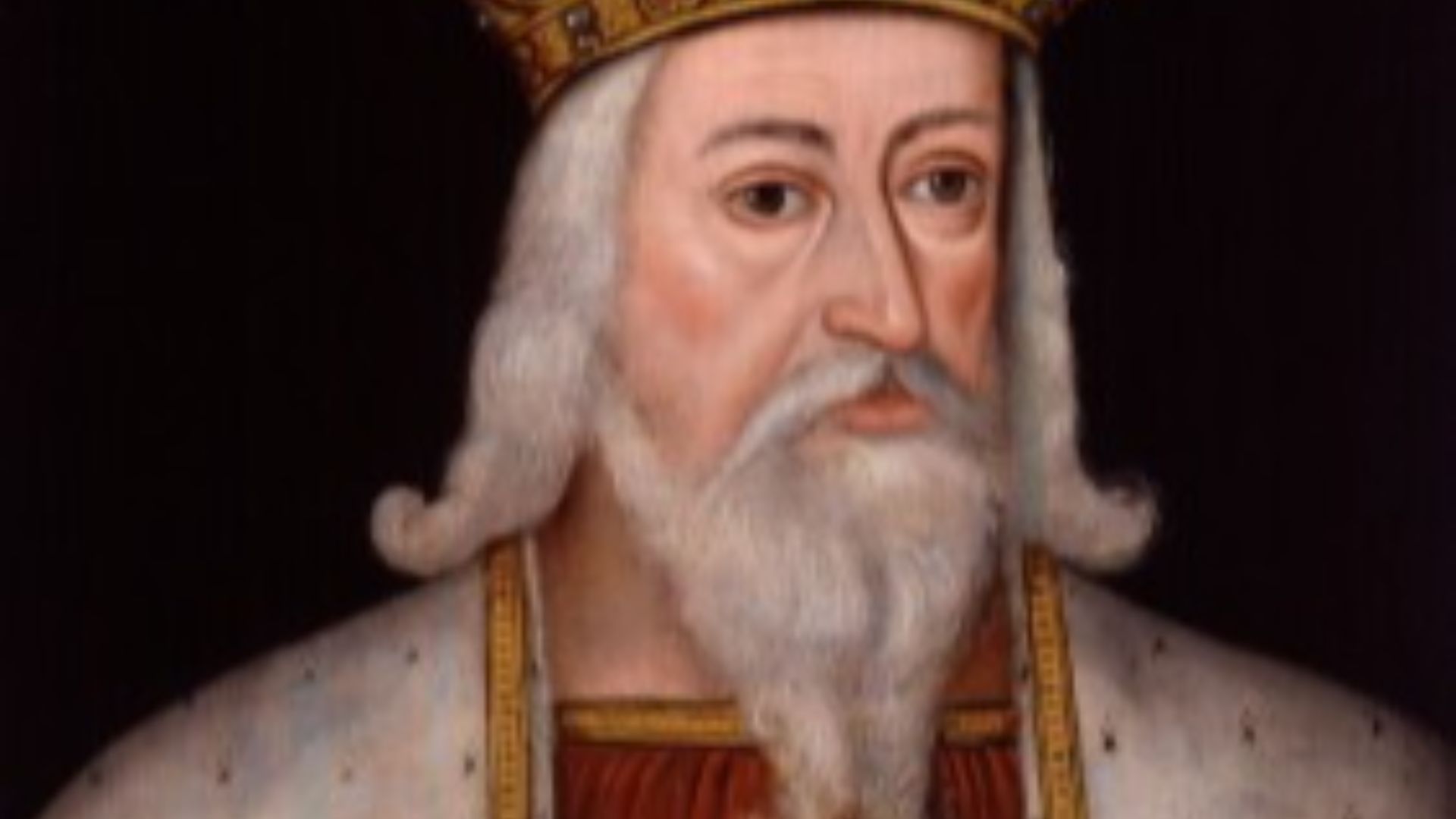
3. Edward III at Calais, 1346 and 1347
Edward III besieged Calais from September 1346 but let French convoys keep supplying it for the first months. In February he ordered a naval blockade, and by June the city was nearly out of food and water. After the garrison expelled hundreds of elderly people and children and the English refused to let them through, Calais surrendered on 1 August 1347.
 TheAncientHistorian on Wikimedia
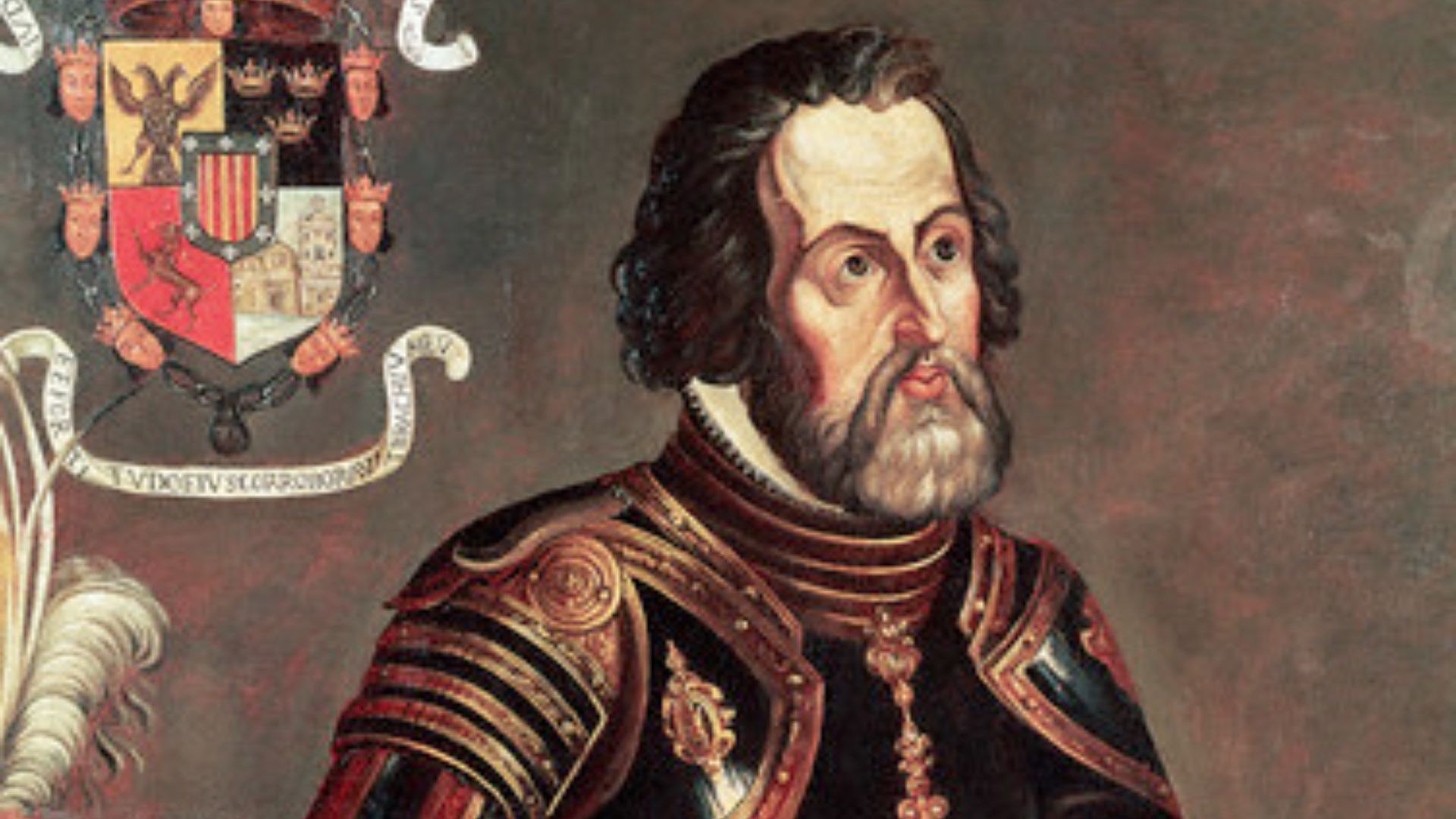
4. Cortés at Tenochtitlan, 1521
During the 1521 siege of Tenochtitlan, Hernán Cortés and his Tlaxcalan and Texcocan allies cut off the aqueducts supplying fresh water and blocked food from reaching the city. Spanish warships patrolled Lake Texcoco, preventing supplies from arriving by canoe and closing off escape routes. By the time Tenochtitlan fell on August 13, 1521, its population had been devastated by months of hunger and a smallpox epidemic.
 AnonymousUnknown author on Wikimedia
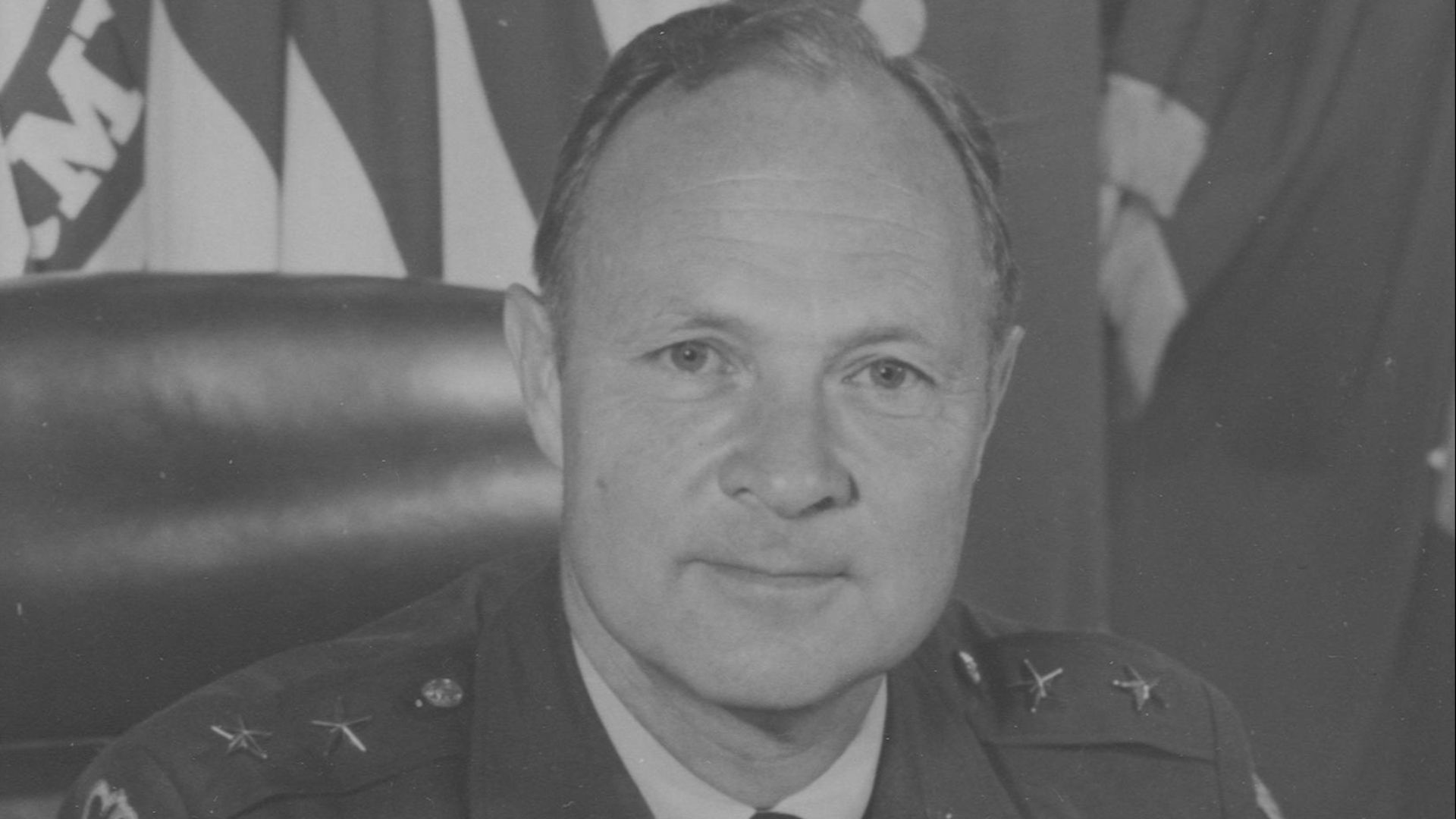
5. Austria at Genoa, 1800
General Ott decided after a failed assault that starvation was the only way to break Genoa. Inside, Masséna's garrison baked bread from starch and straw and ate its cavalry horses before turning to rats. On 4 June he signed the Convention of Genoa.
 United States Army on Wikimedia
6. Grant at Vicksburg, 1863
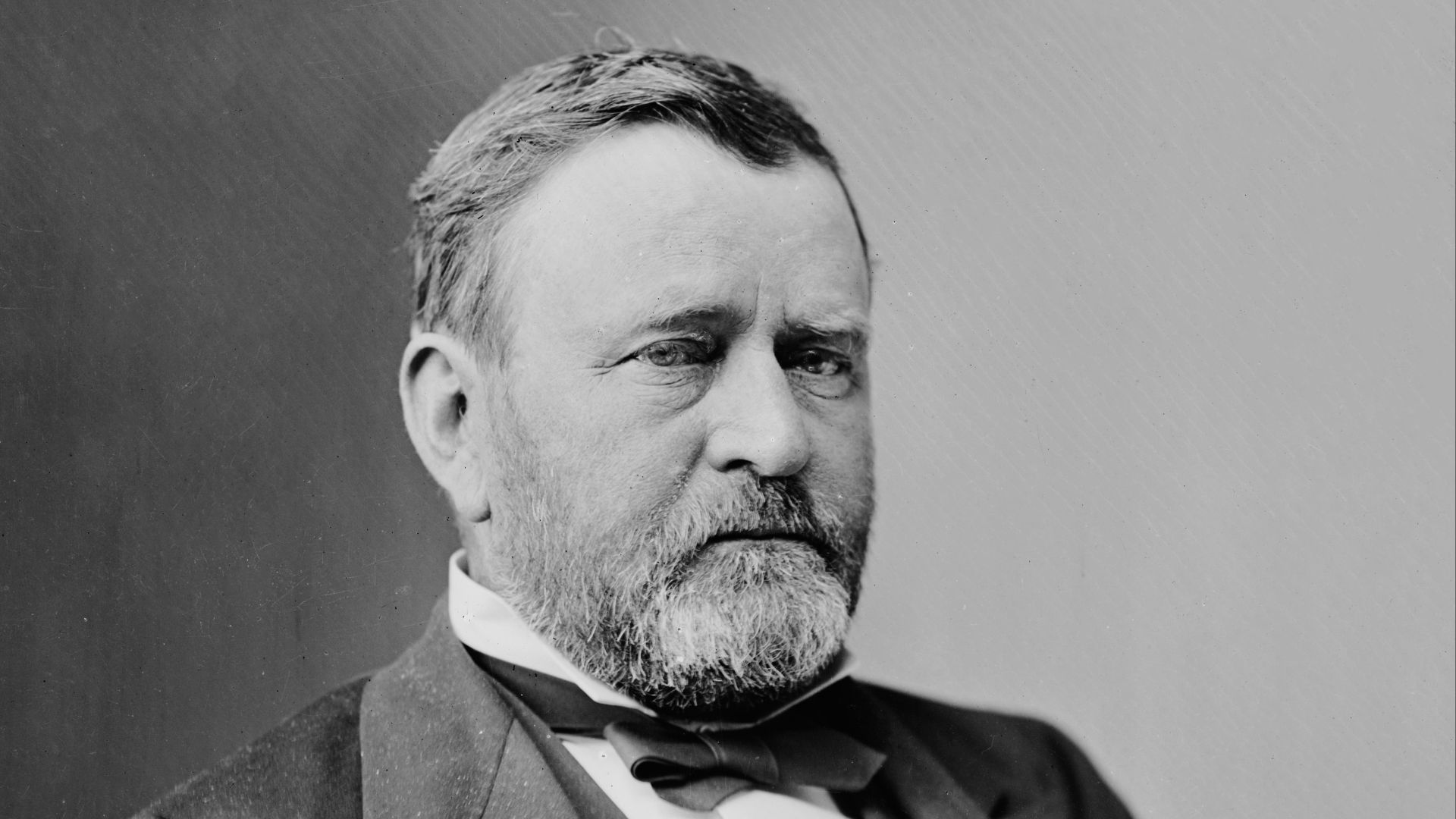
Ulysses S. Grant enclosed Pemberton's army at Vicksburg and had settled in for a long siege by late May 1863. Rations shrank until each soldier got little more than a quarter pound of bacon and a quarter pound of flour a day, and civilians sheltering in tunnels dug into the hills got similar portions. On 4 July Pemberton handed over the city.
 Brady-Handy Photograph Collection, Library of Congress on Wikimedia
7. Prussia at Paris, 1870 and 1871
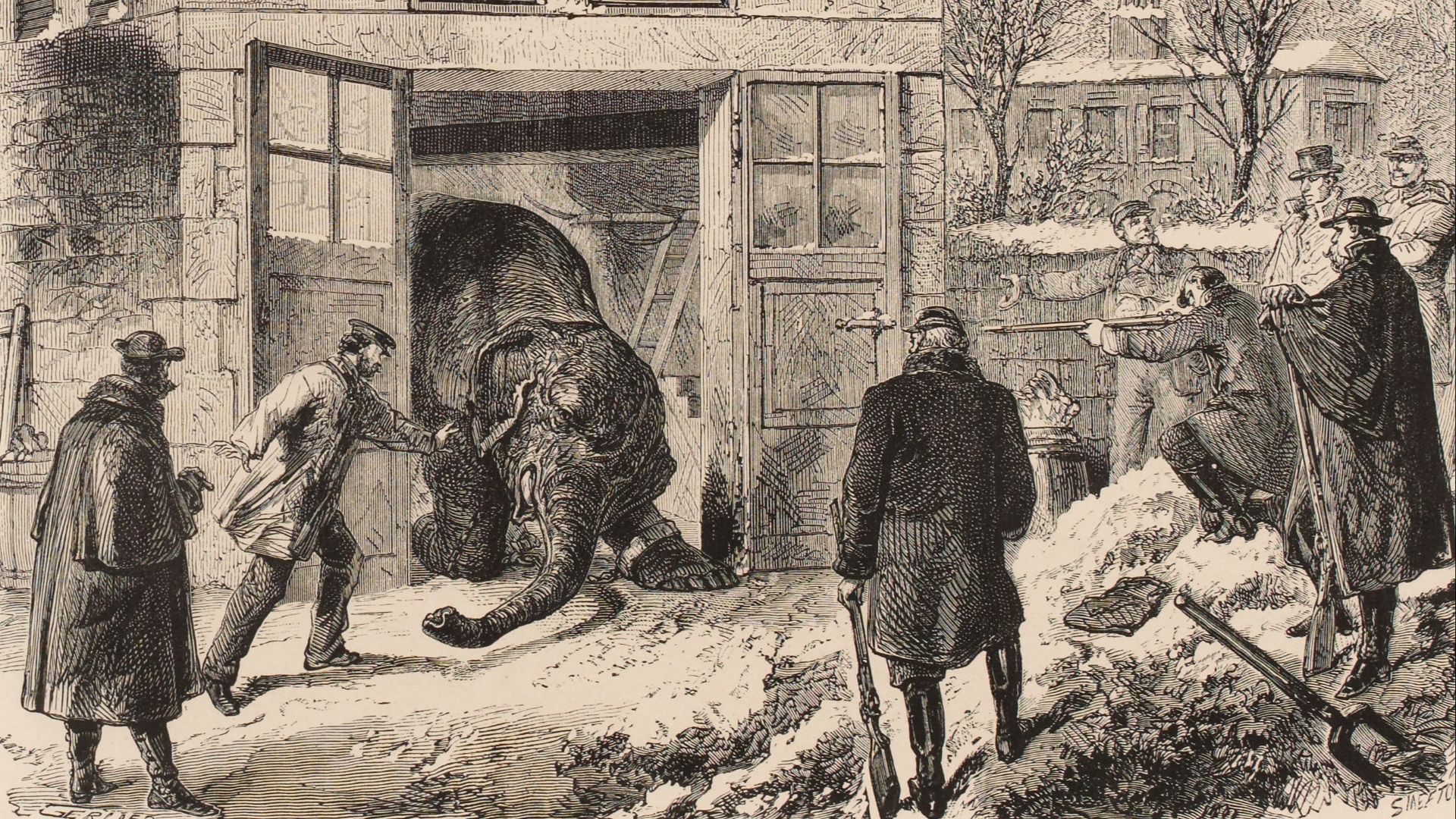
Prussian forces besieged Paris from 20 September 1870 and simply waited. An armistice on 28 January 1871 ended it, after Parisians had eaten their pets and the animals of the city zoo, including an elephant.
8. The Ottomans at Kut, 1915 and 1916
An Ottoman force trapped General Townshend's army at Kut in Mesopotamia in December 1915. Repeated relief attempts from Basra ended mostly in failed frontal attacks. Short of food, Townshend surrendered about 13,000 men on 29 April 1916, and many of them died in captivity.
 after Sir Godfrey Kneller, Bt (NPG 1755) on Wikimedia
9. Operation Starvation, 1945
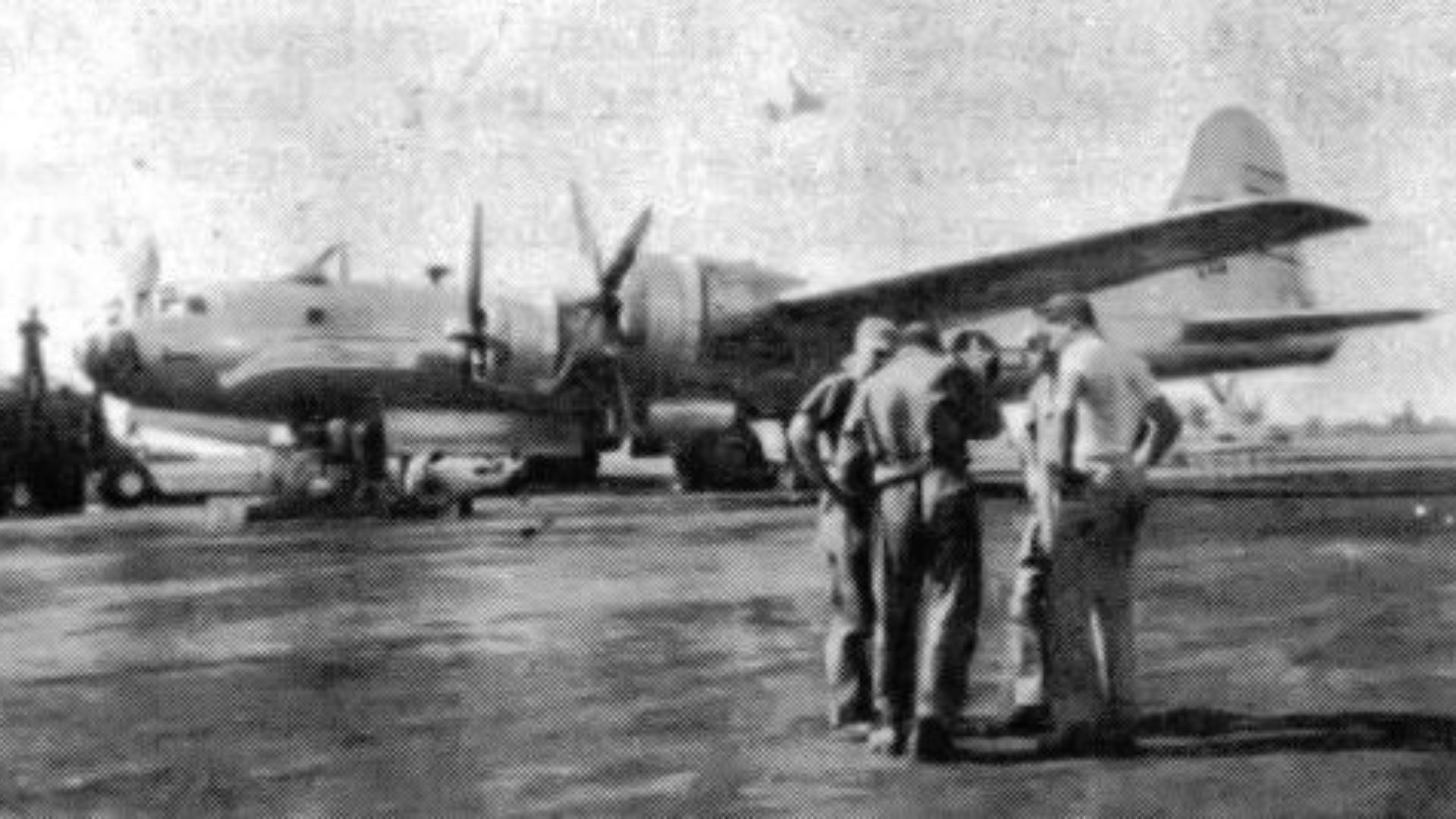
American B-29s dropped more than 12,000 mines in Japanese waters in 1945, and the mines sank or damaged 670 ships. Japan abandoned most of its essential convoy routes, and shipping through the port of Kobe fell by 85 percent between March and July.
 USAAF Airman or Employee on Wikimedia
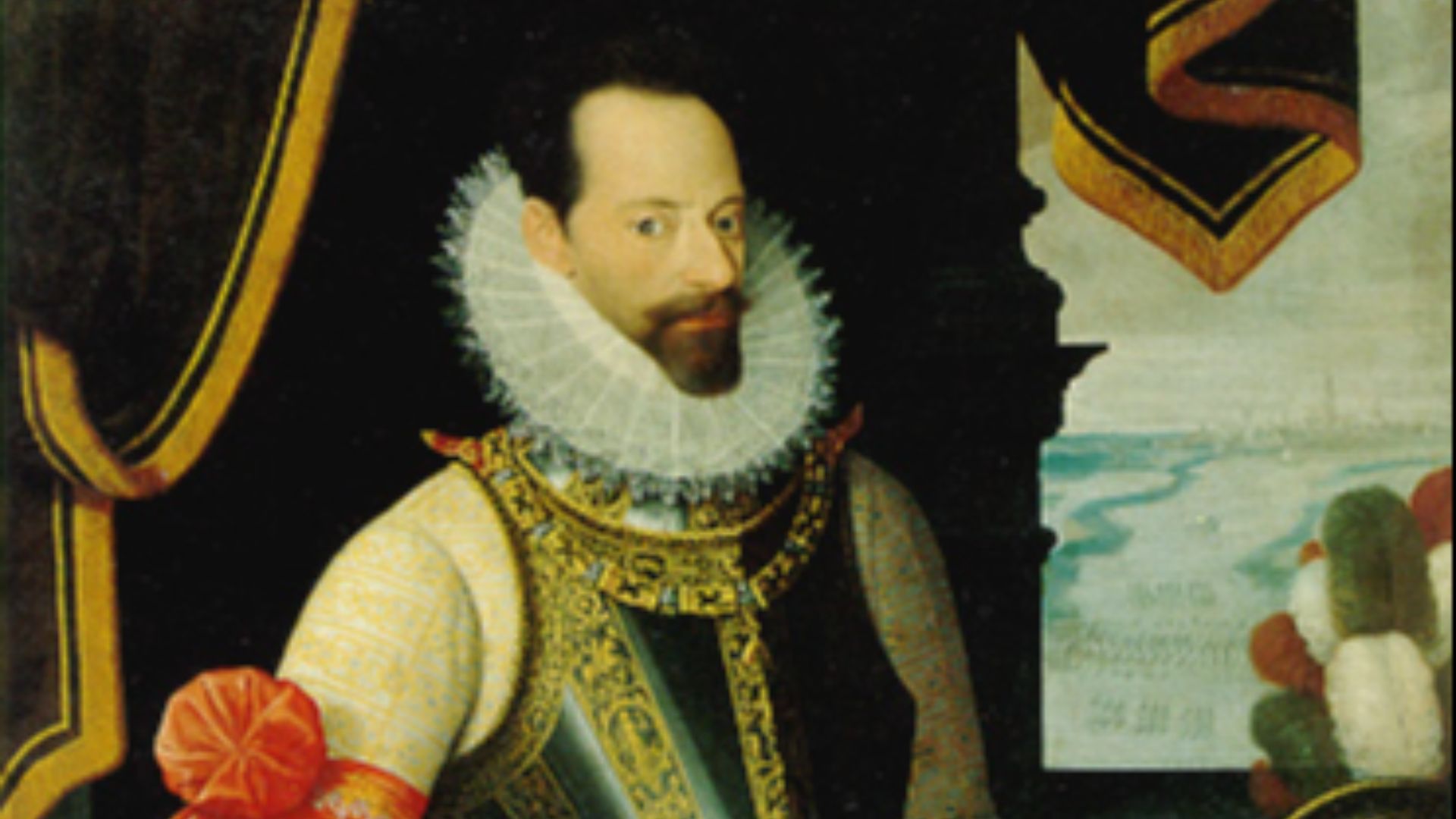
10. Parma's Bridge at Antwerp, 1585
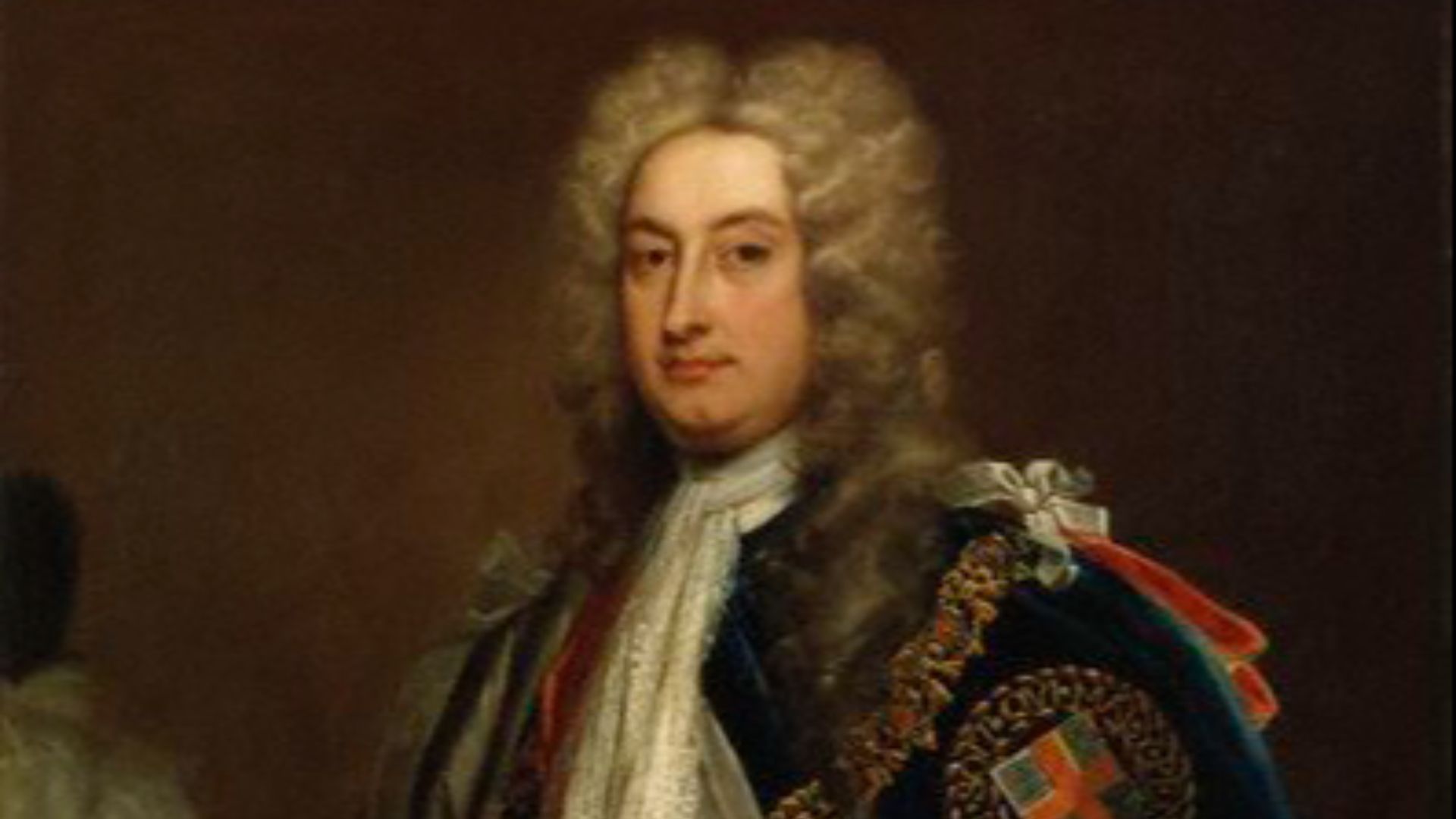
Alexander Farnese, Duke of Parma, finished a bridge across the Scheldt in February 1585 to cut Antwerp off from the north. An explosive ship sent against it killed more than 1,000 Spanish soldiers, but the siege continued. The city gave in on 17 August after thirteen months.
 Jean Baptiste de Saive I on Wikimedia