Ancient Rome is often remembered for its emperors, military conquests, enormous public buildings, and spectacular entertainment. However, most Romans didn't spend their days attending gladiatorial contests or enjoying luxurious banquets in elaborate villas. For ordinary people, daily life involved earning a living, finding affordable food, managing household responsibilities, and navigating one of the most crowded urban environments of the ancient world.
Life also varied considerably depending on where someone lived, their wealth, occupation, legal status, and whether they were enslaved or free. A wealthy merchant, a shopkeeper, a laborer, and an enslaved household worker could experience entirely different versions of Roman society. Looking beyond the famous historical figures reveals a much more complicated picture of what it actually meant to live in ancient Rome.
Housing, Neighborhoods, and Everyday Living
For many ordinary residents of Rome, home meant living in an apartment building known as an insula. These multi-story structures housed large numbers of people, particularly those who couldn't afford private houses. Wealthier Romans might occupy lower floors or entire buildings, while poorer residents often rented smaller rooms higher up, where conditions could be less comfortable.
Not every apartment had access to running water or private sanitation, meaning residents frequently relied on public fountains and shared facilities. Fires were a serious concern in densely populated neighborhoods, especially when buildings contained shops, cooking areas, and numerous wooden structural elements. Some insulae were also poorly maintained, and overcrowding could make everyday life particularly unpleasant.
The homes of wealthier Romans looked considerably different. A traditional urban house, known as a domus, often featured rooms arranged around an atrium, with additional living spaces and courtyards depending on the property's size. Wealthier households could employ enslaved people to prepare meals, clean rooms, manage deliveries, and handle other domestic responsibilities, creating a level of comfort that ordinary renters could rarely afford.
Food played a large role in everyday life. What someone could eat depended on how much money they had. Romans typically ate foods such as bread, grain, beans, vegetables, olives, and cheese. They also ate meat and fish, but what was available varied depending on where they lived. If you were richer, you would have the ability to buy different foods and have them cooked.
City dwellers would often buy their food instead of having many meals cooked at home. When excavating cities such as Pompeii, we found restaurants called thermopolia. These allowed the public to buy hot food and drinks. They would have been useful if you lived in an apartment that didn't have great food sources.
People would spend most of their day working. Some worked at jobs building or transporting goods. There were shopkeepers and traders, as well as farmers and those who served wealthy homes. Most shops would have their workrooms located at street level. Enslaved people did all kinds of jobs around Roman society, and those who weren't enslaved could make money by working at different jobs and running their own businesses.
Entertainment, Social Life, and Roman Society
Despite the demands of work and household responsibilities, entertainment played an important role in Roman life. Public baths offered opportunities to wash, exercise, relax, and socialize, and many establishments included different bathing rooms and additional recreational facilities. Bathing was a regular part of urban culture, although the quality and amenities available varied between public establishments and more expensive private facilities.
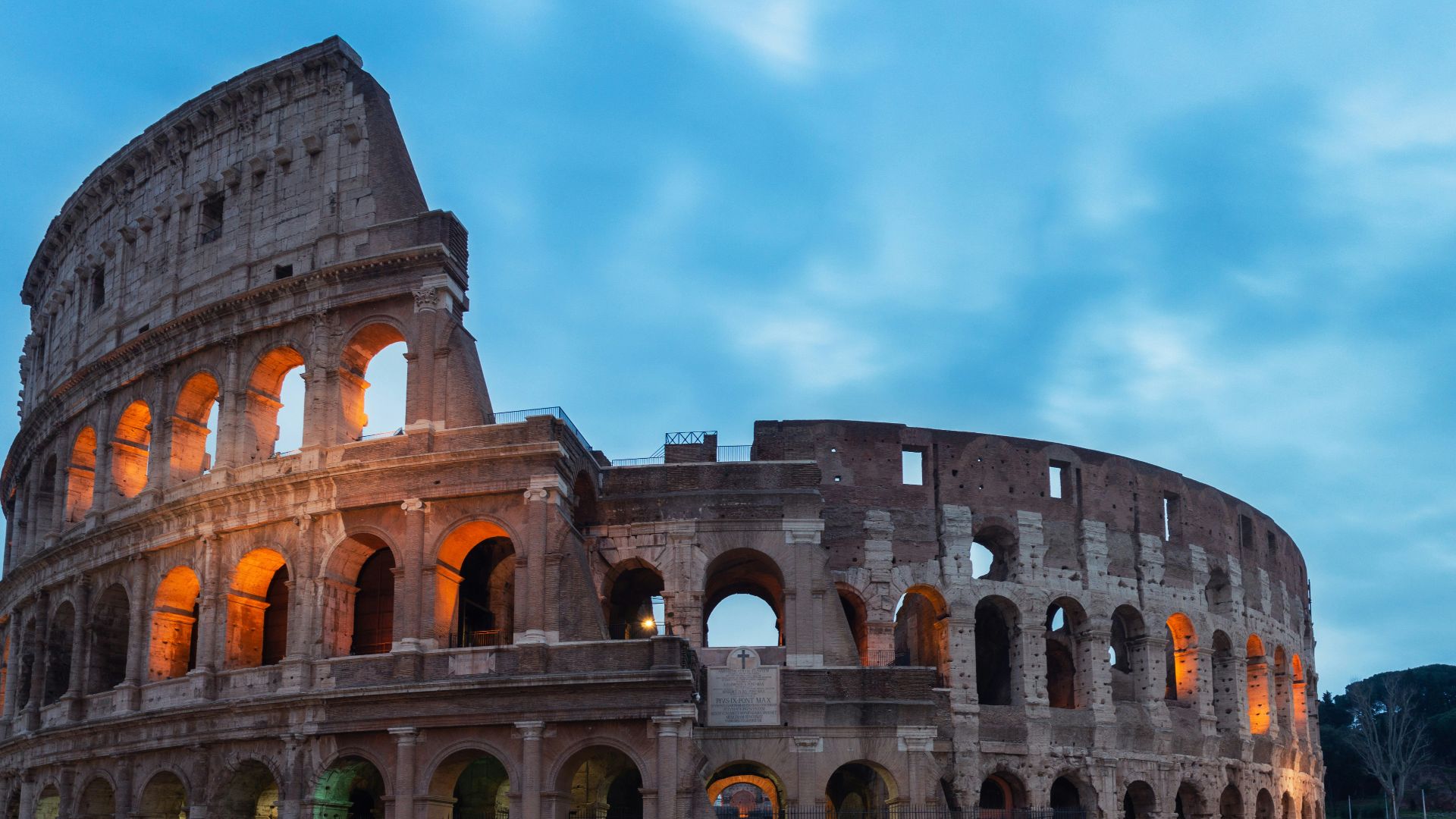
There was also lots of entertainment available to Romans. You could see plays and chariot races, religious events, and gladiator battles all over Rome. Many public buildings became iconic due to the particular forms of entertainment held there. These included the Circus Maximus and Colosseum. Most people would be able to watch some form of public entertainment because entry was free. Depending on what you wanted to see, though, it would vary.
As with any civilization, there would have been family and friends. However, Roman families would have had different norms and rules compared to today. Families could consist of men, women, and children, as well as enslaved people and former slaves. As long as you were rich enough, you could have enslaved people working for you, and women could own businesses and property, as well as be involved with religion. They didn't have all of the privileges that a Roman male citizen would, though.
While ordinary Romans may not have lived extravagant lives, they did live lives that were full. They went to work and the market, hung out in public areas, celebrated holidays, and took care of their families. Just like we do, they had prices rising and weren't always happy with their living conditions. All these great things happened in Rome because ordinary people were living their lives there.
KEEP ON READING