

There Have Been 5 Mass Extinctions. Are We Entering the 6th?
 Yasser Mokhtarzadeh on Unsplash
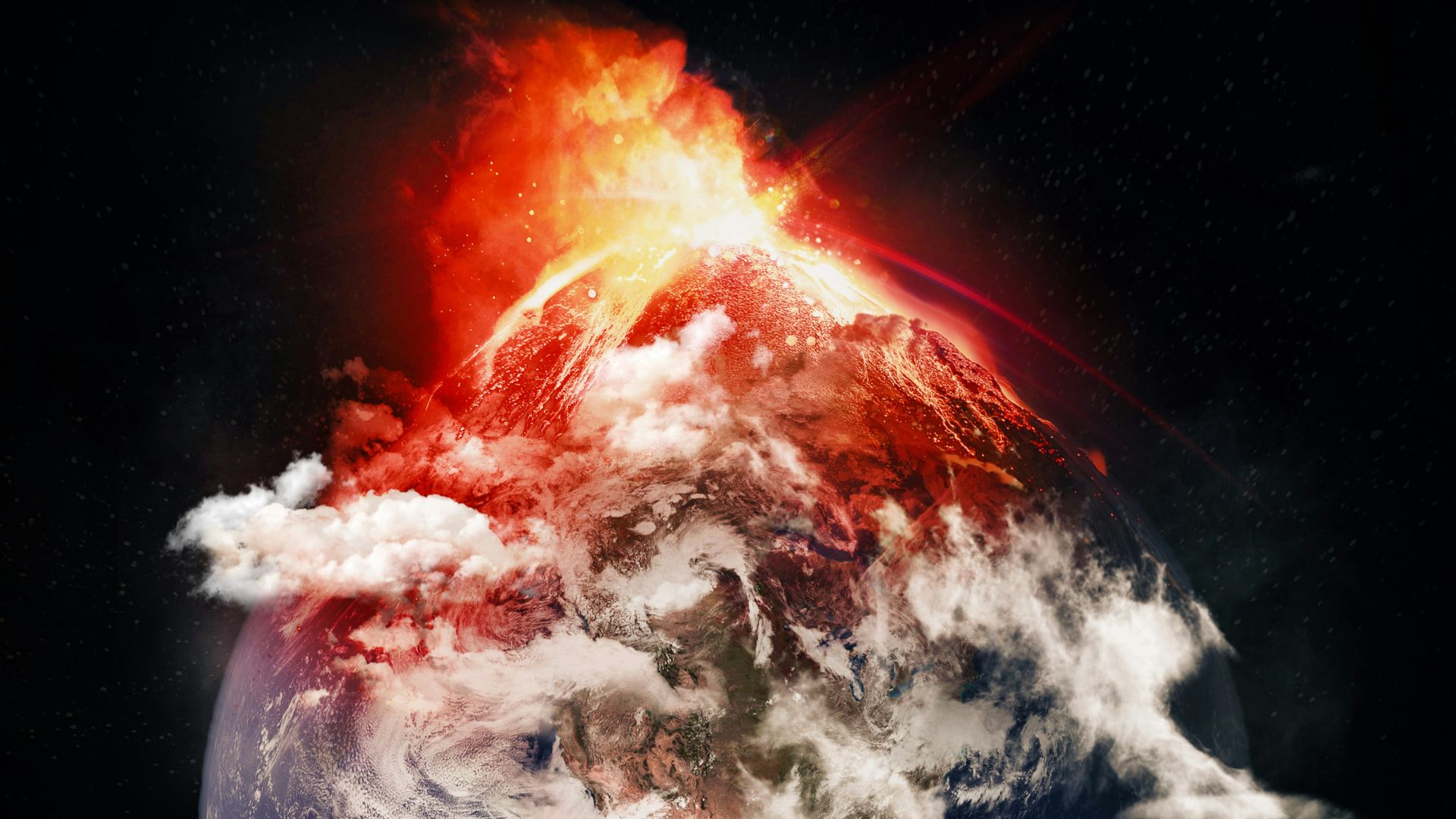
Earth has a flair for dramatic resets, though it usually takes millions of years to deliver them. Over its long history, life has been knocked back by volcanic eruptions, climate swings, changing seas, and one very famous asteroid that had terrible timing for non-avian dinosaurs. Scientists generally recognize five major mass extinctions, events where huge numbers of species disappeared in a relatively short geological window. The uncomfortable question now is whether humans are helping trigger a sixth.
Not every scientist agrees that we’ve already crossed the formal “mass extinction” threshold, but the warning signs are serious. The Smithsonian says today’s extinction rate is hundreds, or even thousands, of times higher than the natural baseline rate, while IPBES has warned that around 1 million animal and plant species are threatened with extinction. That’s the kind of statistic that makes even a very cheerful nature documentary feel a little nervous.
What Made the First Five So Catastrophic
The first five mass extinctions weren't identical disasters. The end-Ordovician extinction was tied to major climate and sea-level changes, while later crises involved ocean chemistry, massive volcanic activity, and ecosystem collapse. The end-Permian event, sometimes called “the Great Dying,” was the most severe, wiping out a huge share of marine and land species.
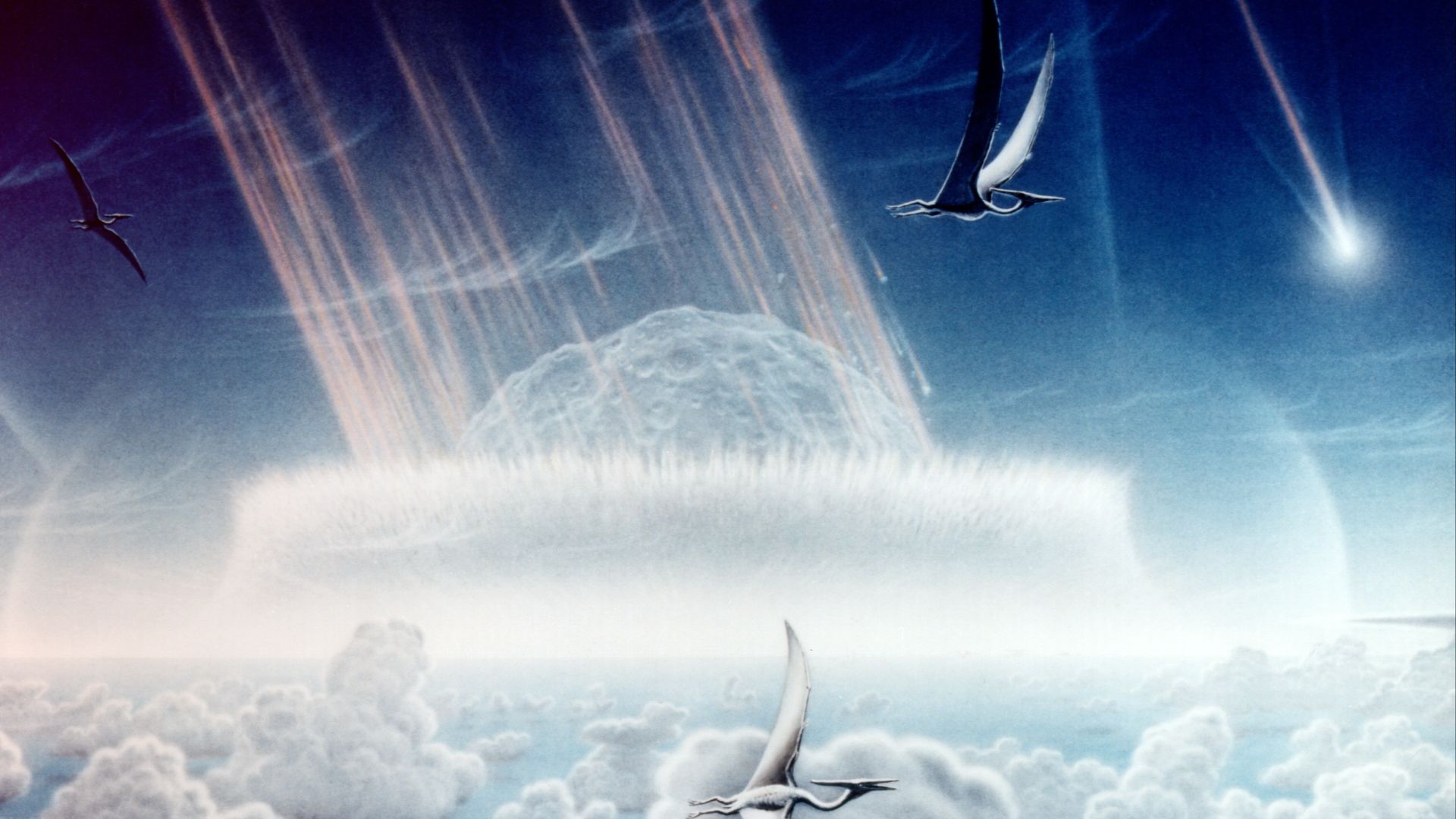
The extinction most people know best is the end-Cretaceous event about 66 million years ago. That’s the one linked to the asteroid impact that helped end the reign of flightless dinosaurs. It didn’t eliminate all life, of course, because mammals, birds, insects, plants, and many marine organisms survived and eventually diversified. Still, it changed the direction of evolution so thoroughly that you and I are here partly because of one ancient space rock.
Why Scientists Are Worried About Today
Today’s biodiversity crisis is unusual because the main driver appears to be one species: us. Habitat destruction, overhunting, pollution, invasive species, climate change, and industrial agriculture are all pushing species faster than many can adapt. IPBES has identified land-use change, direct exploitation of organisms, climate change, pollution, and invasive alien species as major direct drivers of biodiversity loss.
The numbers are sobering, even if they shift as scientists assess more species. The IUCN Red List is widely used as a global source for extinction-risk information, and it tracks risks across animals, fungi, and plants. As assessments expand, the picture becomes clearer: many species aren't simply rare, but declining because the conditions they need are disappearing.
There’s also the problem of invisibility. Dinosaurs were large, famous, and kind enough to leave dramatic skeletons, but many threatened species are insects, amphibians, freshwater fish, plants, fungi, and small animals that most people never notice. When those disappear, ecosystems can lose pollinators, seed dispersers, soil builders, predators, and prey. That loss can weaken the systems that support food, clean water, and climate stability.
Are We Officially in the Sixth?
This is where the answer gets careful. Some scientists argue that the sixth mass extinction is already underway because extinction rates are so far above background levels. Others prefer to say we are in a severe biodiversity crisis that could become a mass extinction if trends continue.
One challenge is that we don’t know every species on Earth, and we don’t always know when a species has truly vanished. Some disappear long before scientists can formally confirm the loss, which creates what researchers sometimes call “dark extinction.” Fossils also give us a very long-term record, while modern conservation data is detailed but brief by comparison.
Still, waiting for perfect certainty would be a very odd strategy. The evidence already shows rapid declines, shrinking ranges, and rising extinction risk across many groups. Even if future historians decide the sixth mass extinction began later, the present crisis is real enough to demand action now.
What Happens Next Is Not Fixed
The most important difference between today and past mass extinctions is that humans can understand what’s happening. The asteroid didn’t hold a committee meeting before hitting Earth, and volcanoes don't care about policy reform. We, however, can protect habitats, restore ecosystems, reduce pollution, slow climate change, regulate wildlife trade, and support Indigenous and local stewardship. That doesn’t make the problem easy, but it does make it less hopeless.
Conservation can work when it’s funded, enforced, and taken seriously. Species have been brought back from the edge through habitat protection, captive breeding, hunting restrictions, invasive-species control, and smarter land management. Not every species can be saved, and pretending otherwise would be unhelpfully sunny. But “not every” is very different from “none,” and that distinction matters.
The most honest answer to whether we're entering a sixth extinction is possibly. We’re certainly close enough to stop acting relaxed about it anyway. The five earlier mass extinctions remind us that life eventually recovers, but recovery can take millions of years and produce a world that looks nothing like the one before. Humans have arrived at the strange point where we’re both the problem and one of the few species capable of recognizing it.
KEEP ON READING
There Have Been 5 Mass Extinctions. Are We Entering the…
Yasser Mokhtarzadeh on UnsplashEarth has a flair for dramatic resets,…
By Emilie Richardson-Dupuis May 19, 2026
The Historical Figure That Arguably Did The Most Good In…
Nobel Foundation on WikimediaWhen you think about the individuals who…
By Sara Springsteen May 19, 2026
The History of Bells, Sirens, and Other Sounds Used to…
Ashwini Chaudhary(Monty) on UnsplashLong before phones buzzed in pockets, public…
By Elizabeth Graham May 19, 2026
20 Historical Figures Who Struggled with Vision Problems
Through a Human Lens. Vision problems have affected people across…
By Christy Chan May 19, 2026
The Pirate Queen Who Met Elizabeth I as an Equal
Unknown authorUnknown author on WikimediaIn the summer of 1593, a…
By Cameron Dick May 19, 2026
20 Famous Leaders Who Secretly Hated Being Around People
The Reluctant Icons. We usually think of history's most influential…
By Sara Springsteen May 19, 2026